Joined June 2009
- Tweets 35,036
- Following 178
- Followers 693
- Likes 15,557
233 Photos and videos



Johanna McDowell retweeted

Jun 12
Amazing: KPMG wrote a report describing the successful use of AI by businesses. But the case studies turned out to be AI hallucinations.
giftarticle.ft.com/giftartic…
105
1,943
5,714
930,413

Johanna McDowell retweeted

Jun 13
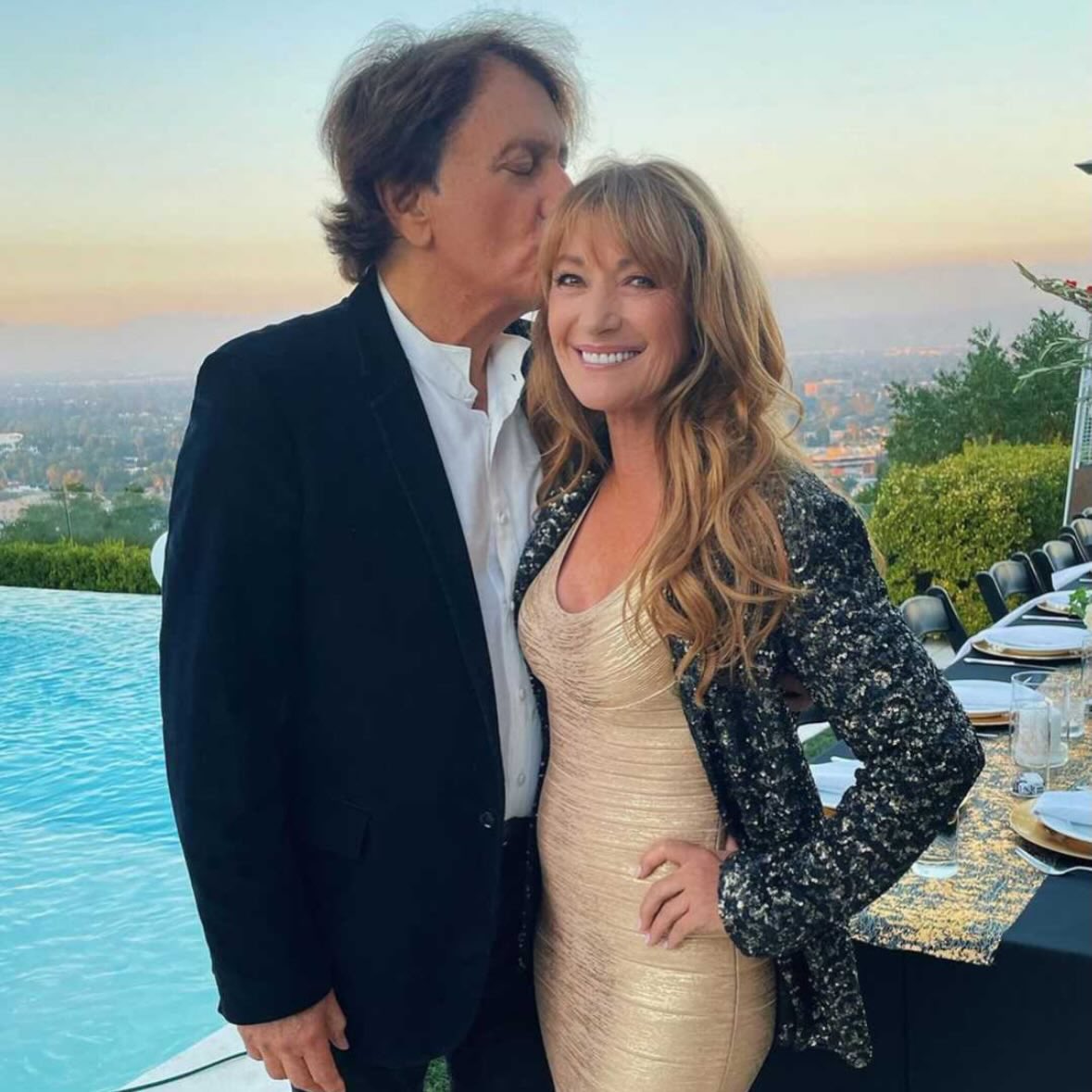
Congrats to newly engaged couple, actress Jane Seymour (75) and her partner of three years, John Zambetti (78), proving once again that someone special can enter your life at any age or stage✨💕💍
4
18
151
1,869

Johanna McDowell retweeted

Jun 12
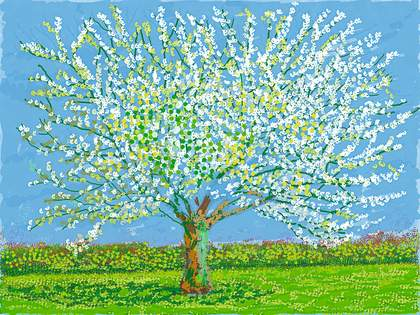
"Do remember they can't cancel spring"
RIP David Hockney.
29
1,843
11,233
143,824

.@dentsu_global is bringing back 360i as a flexible “solution” inside its broader network across social, creators, and community. The revived 360i will be led by a four-person leadership team headed by Christine Cotter. adweek.it/4vFm999
2
1
955
Johanna McDowell retweeted

You asked. We listened. 👀
The 2026 #EffieAwardsSA entry deadline has been extended to 12 June 2026.
So yes… you do have time for one more tweak, one more stat and one more proof point.
Enter your most effective work now by using the link below:
effie.org/partners/south-afr…



1
1
10
Johanna McDowell retweeted

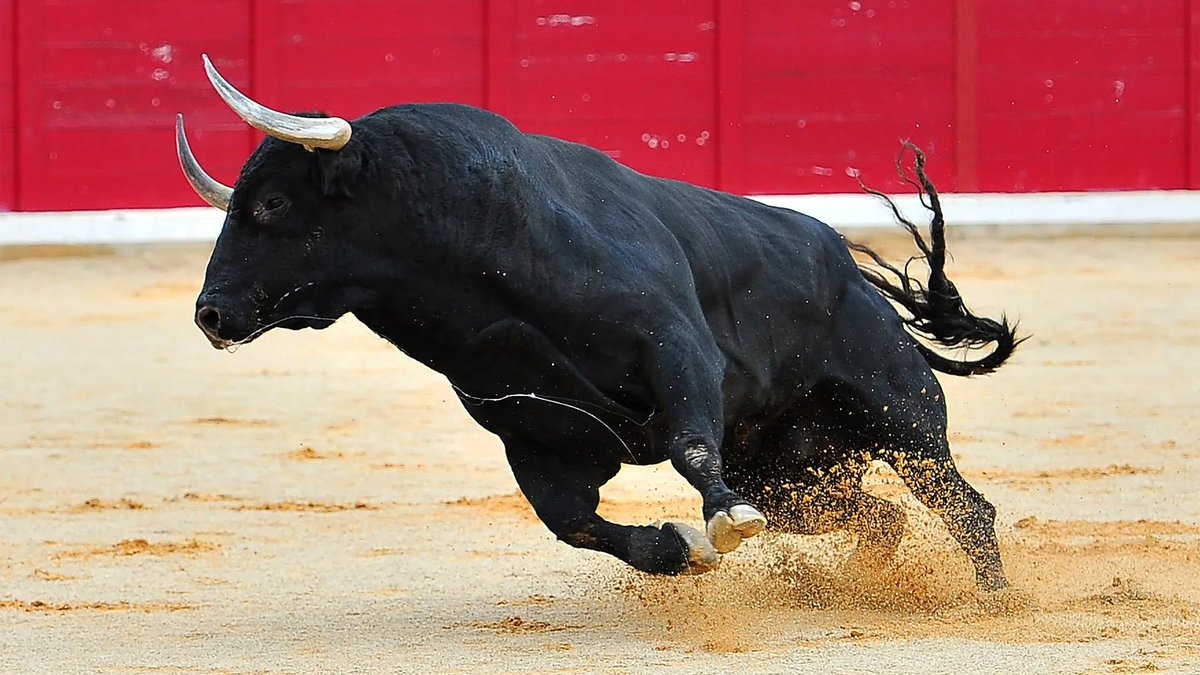
Colombia has drawn a hard line: Bullfighting will be banned nationwide by 2027. Cockfighting by 2028. These public arenas will be turned into spaces for music, sports, and culture. We can move past animal cruelty as a tradition.
111
1,178
5,587
53,170
Johanna McDowell retweeted

SCOOP: Accenture Song is acquiring influencer marketing agency Whalar in what Whalar Group's CEO Neil Waller told me is the industry’s “largest creator economy transaction.” adweek.com/commerce/exclusiv…
4
6
3,718
Johanna McDowell retweeted

Jun 7
David Bowie’s “Golden Years” in A KNIGHT’S TALE (2001) is the moment the movie fully commits to its own insanity. A medieval dance set to Bowie should be ridiculous. Instead, it’s one of the film’s most charming scenes.
Jun 7

What’s your favorite movie scene where someone dances?
53
502
5,669
522,086
Johanna McDowell retweeted
Wowzer 👏🏽👏🏽👍🏽

Fitch upgrades SA for the first time in 21 years news24.com/business/economy/…
1
4
21
6,923
Johanna McDowell retweeted

IN 1989, BLACK FARMERS ACCOUNTED FOR 0.5% OF SOUTH AFRICA’S TOTAL WOOL PRODUCTION. TODAY, IN 2026, THEY ACCOUNT FOR A 16% SHARE OF PRODUCTION
I am sitting in the audience at the National Wool Growers Association Congress here in Jeffreys Bay. The rain is pouring outside, and it’s chilly in the big hall we are in at Mentors Country Estate. Even more chilling are the insights we have just received from Professor Johann Kirsten of Stellenbosch University. Prof Kirsten is one of South Africa’s most eminent agricultural economists, and his words should always be taken with necessary reverence. This morning, he took us through 100 years of formal structures in South Africa's wool industry.
I will find time to reflect more on his speech at a later stage, but I do want to raise a few points from his talk. Among other things, he reminded us that wool has always been part of the South African economy. He stated that “Wool has always been part of the agricultural economy of South Africa and the Cape Colony. In 1866, wool production was responsible for 71% of the GDP of the Cape Colony”.
Of course, as other industries grew, this changed, and the South African economy is now more advanced. But it is always important to remember just how important this industry has been over time.
Still, the wool industry remains vital to South Africa’s farming economy. For example, wool has been among the top 10 agricultural products exported by South Africa over the last hundred years.
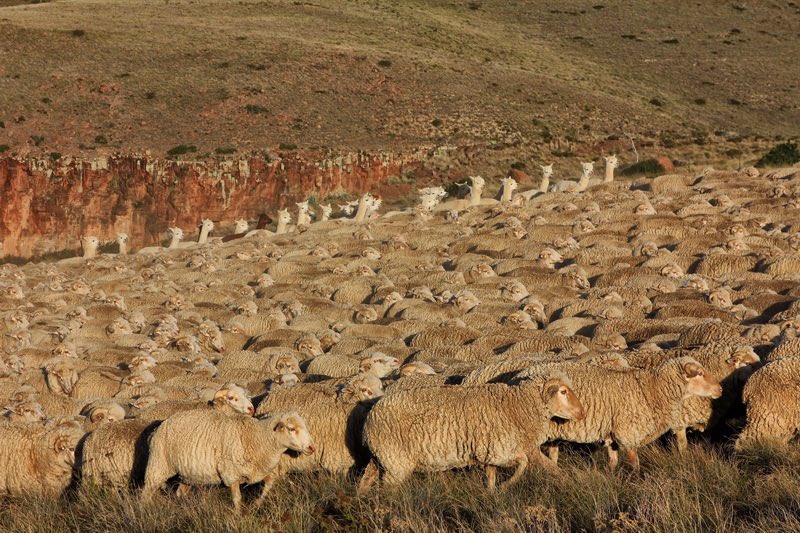
More fascinating is the story of how the NWGA, with government financial assistance, commercialised Wool production in the communal areas of the Eastern Cape. This deliberate effort to bring black growers into the commercial export value chain is often underappreciated! For example, in 1989, black farmers accounted for 0.5% of South Africa’s total wool production. Today, in 2026, they account for a 16% share of production.
Still, this is an undercount as production volumes of black farmers on freehold land in other parts of the country are not included in this statistic. My guess is that it is probably exceeding 20%! This is encouraging progress, and continuous collaboration between organised agriculture and the government is key. Improving genetics and infrastructure, and addressing stock theft, are among the key interventions.
Improving the genetics and quality of sheep farming and wool production in the Eastern Cape, Free State, and the Northern Cape will help the wool industry increase exports. There is solid demand from China. This would also bring much-needed economic improvement in rural South Africa. Imagine the impact of better quality, better price and bigger volumes on the income of rural families. Instead of around R300 million per annum, these growers can bring a potential R1 billion to rural areas.
In a session that I moderated, we focused on “inclusive and sustainable sheep economy”. In this session, we heard from various new-entrant commercial farmers, government officials, and production advisors, who shared their first-hand experiences and envisioned the future of this industry.
The key point that came out was the need to focus on breeding, address biosecurity breaches, deal with stock theft, and improve land governance. These are some of the constraints the farmers raised in our discussion, amongst other things.
--Wandile Sihlobo is the Presidential Envoy on Agriculture and Land. He is also the chief economist of the Agricultural Business Chamber of South Africa, and a senior research fellow in the Department of Agricultural Economics at Stellenbosch University.
7
43
110
4,619
Johanna McDowell retweeted

Jun 3
Wow! This is Amazing News!
Jun 3

12 universities in South Africa have been ranked in the latest Centre for World University Rankings for 2026.
businesstech.co.za/news/life…
1
1
38

After nearly three decades helping brands run agency reviews, AAR Partner Paul Phillips shares what CMOs can learn from the best pitches, from choosing teams over theatre, to why operational fit now matters as much as creative chemistry.
aargroup.co.uk/insights/what…
1
1
28
Johanna McDowell retweeted

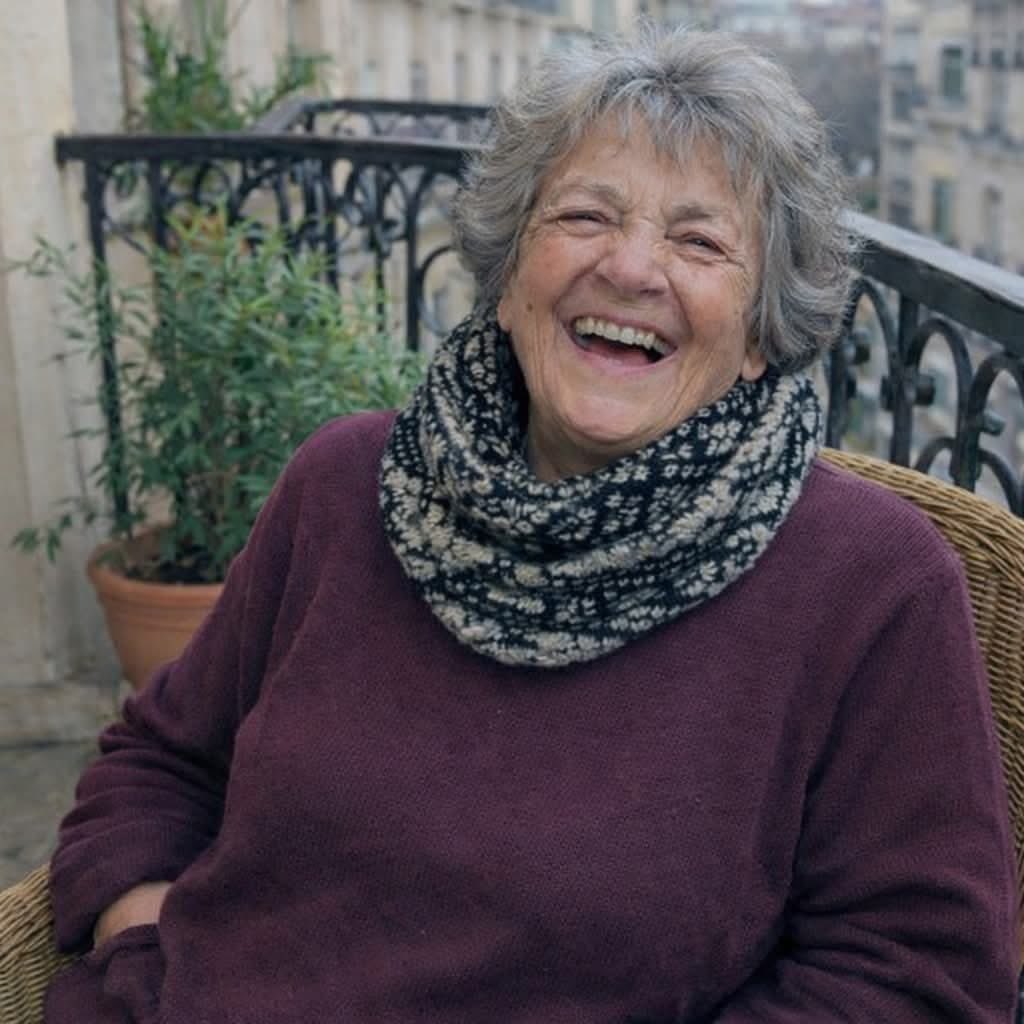
At seventy-nine, I live alone.
And for the first time in my life, I feel completely at peace.
When people hear that, I notice the look in their eyes. A softness. A kind of pity.
They ask gently:
“Don’t you get lonely?”
“Isn’t the silence hard?”
I always smile.
Because living alone is not the same as being lonely.
My name is Angela. I’m seventy-nine years old, and I live in the same apartment that once overflowed with noise — children running through the hallway, doors slamming, laughter from the kitchen, voices talking over one another at dinner.
I was a wife.
I was a mother.
I was the person who remembered everything.
Appointments.
Birthdays.
Groceries.
Medicines.
The small invisible tasks that quietly hold a family together.
I gave my life to the people I loved, and I do not regret it. But I also carried a tiredness I never spoke about.
Then my husband died.
After that, everyone worried about me.
“You shouldn’t live alone.”
“You need someone to take care of you.”
“You should stay with your children.”
I know those words came from love.
But hidden inside them was another idea:
that a woman my age could not possibly enjoy solitude.
That silence must mean sadness.
At first, even I wondered if something was wrong with me for liking the quiet.
Then one morning, standing by the window with a cup of coffee in my hands, watching strangers hurry through an ordinary gray morning, I realized something that changed me completely:
I had not been abandoned by life.
I had finally been returned to myself.
Now I wake when my body is ready.
I cook what I want.
I rest when I’m tired.
Some days I speak to no one at all — and yet I feel full, not empty.
I read.
I walk.
I watch old films.
I sit with my thoughts without rushing to escape them.
The silence no longer frightens me.
It comforts me.
My children have their own lives now, and that is exactly how it should be. I raised them to become independent adults, not lifelong caretakers of my happiness.
Of course I still feel nostalgia sometimes.
I miss certain voices.
Certain moments.
Certain versions of life that no longer exist.
But nostalgia is not the same thing as regret.
What I feel most now is peace.
The peace of no longer needing to prove anything.
The peace of having spent decades caring for others and finally learning how to care for myself.
The peace of understanding that solitude can be a gift instead of a punishment.
So when people still ask me,
“Angela… doesn’t the night scare you?”
I answer honestly:
No.
Silence is not my enemy.
It is my home.
And here, at last, I feel free.
301
724
4,912
81,529
We've refreshed our website to provide a clearer picture of where AAR sits today, as we evolve alongside the marketing industry while upholding the principles AAR Group has stood for over 51 years. Learn more below.
aargroup.co.uk/insights/aars…
1
1
43
Johanna McDowell retweeted

May 25
Who else turns the TV on but never actually watches it, just using it as emotional support background noise?
128
415
3,681
83,956
Johanna McDowell retweeted

May 24
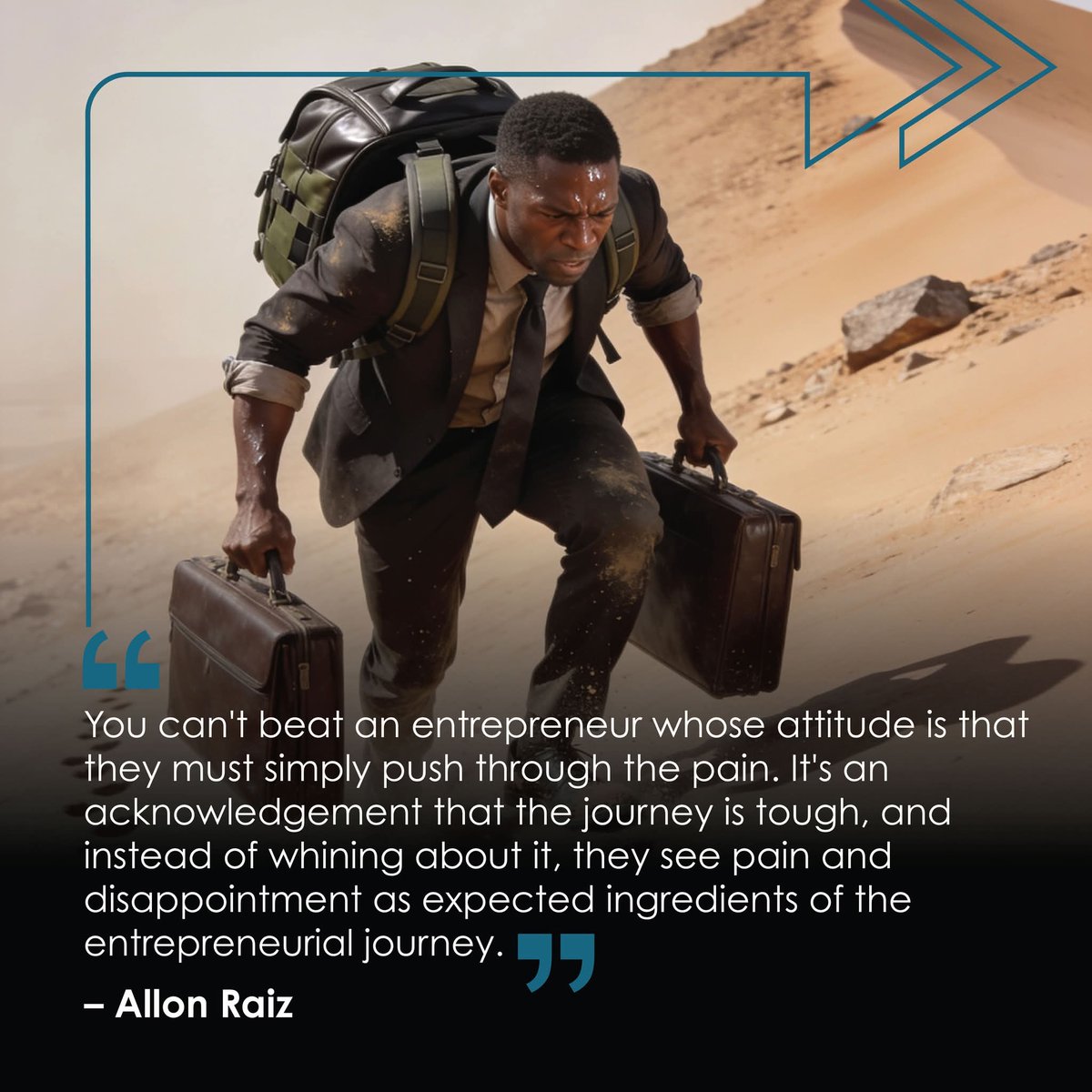
You can"t beat an entrepreneur whose attitude is that they must simply push through the pain. It's an acknowledgement that the journey is tough, and instead of whining about it, they see pain and disappointment as expected ingredients of the entrepreneurial journey.
2
6
182
Johanna McDowell retweeted

May 23
👏🏽👏🏽👏🏽👏🏽
May 23

Moody’s Ratings revised South Africa’s credit outlook to positive, citing the country’s improving fiscal position and commitment to reforms.
dailyinvestor.com/finance/13…
1
2
11
5,385
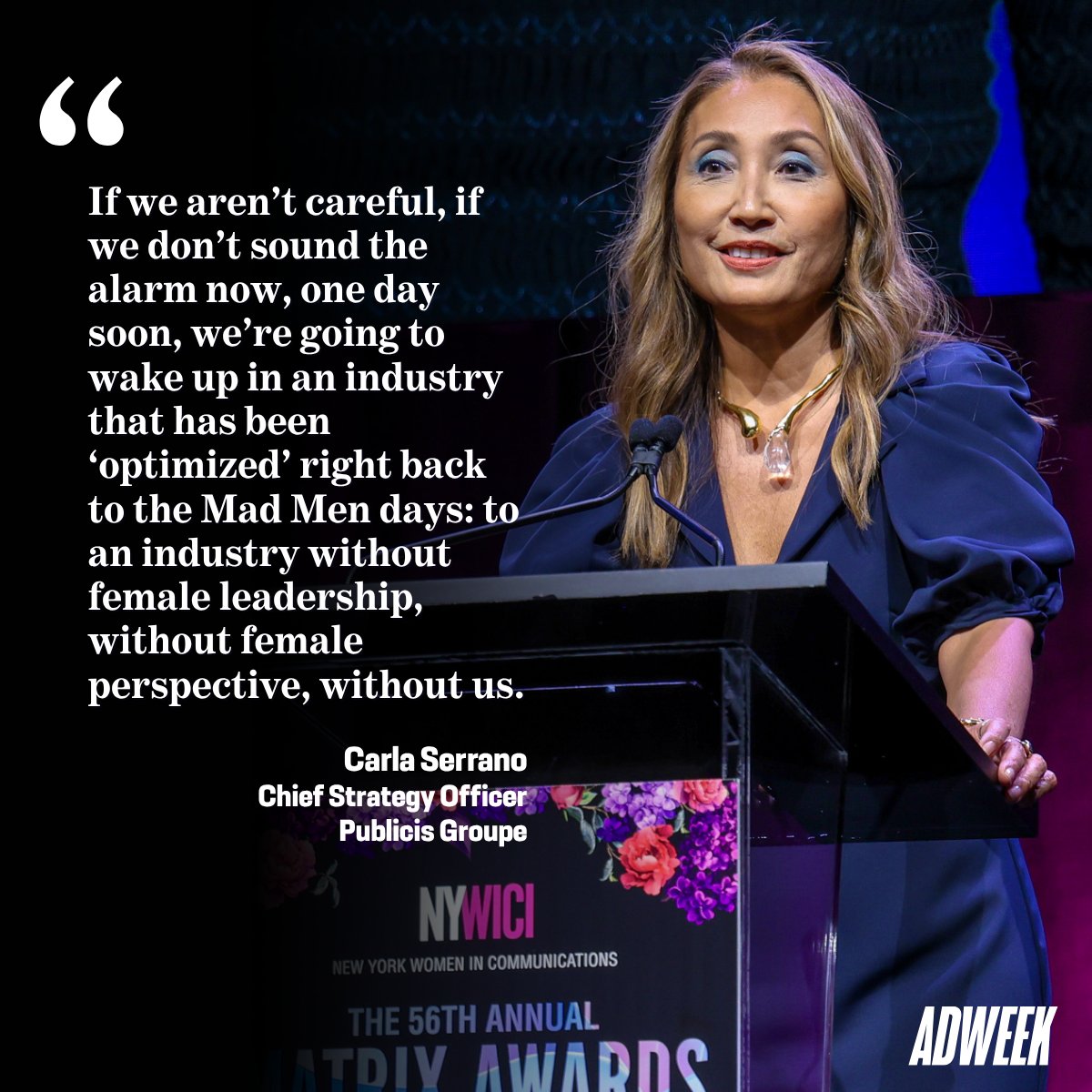
.@PublicisGroupe's chief strategy officer Carla Serrano is wary of a creeping issue: women are slowly but surely being erased from the boardroom.
Read more from Serrano and Publicis Groupe CEO Arthur Sadoun here 👉 adweek.it/4nEVre5
1
1
1,052