
Joined April 2016
- Tweets 16,225
- Following 7,503
- Followers 680
- Likes 46,465
2,916 Photos and videos







jos arcade retweeted

Apr 3
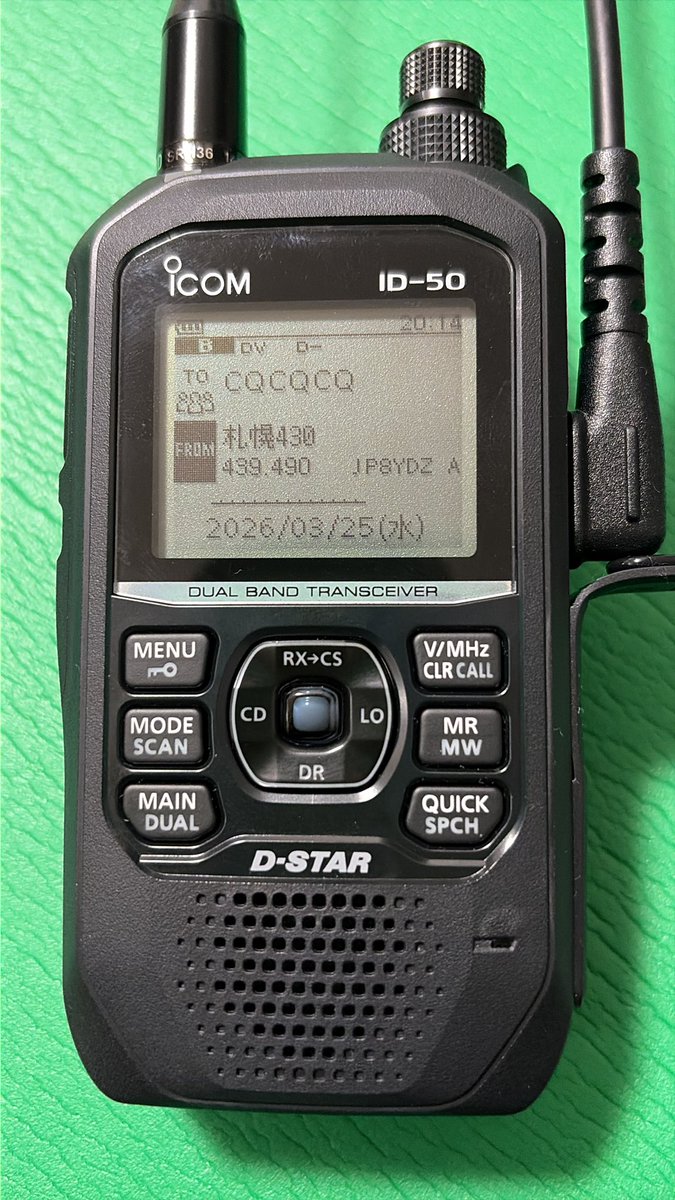
【紹介シリーズ①】
手持ちの無線機が無かったので某イケメンYouTuberさんのみてこちらを2026年3月に購入!
D-STARも憧れたのでICOMさんで!
使い方分かってないし交信もできてませんが笑笑
いつかD-STARで遠距離交信してみたいですね。
1
1
11
184
jos arcade retweeted
Apr 15
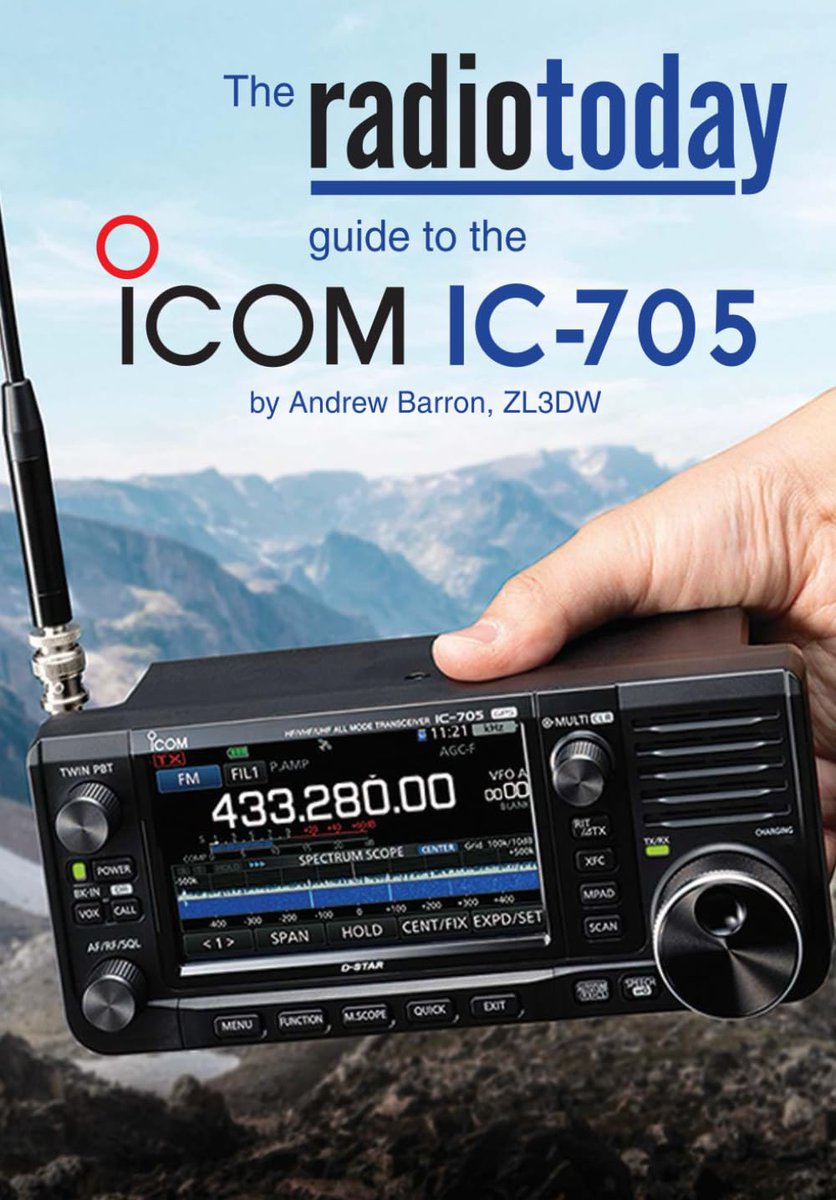
よし、決めた!!
次IC-705を買おう!
CQ出すのもHFやるのもなれてきたらステップアップしたらいいし。
D-STARもできるし自分にはいいかな!
札幌三級の講習会しばらくないみたいだし…そもそも50W機買っても使えないから笑笑
三級の講習会情報あったら教えてください🙏🙏
調べたら11月とか…
17
6
166
4,523
jos arcade retweeted
Apr 19
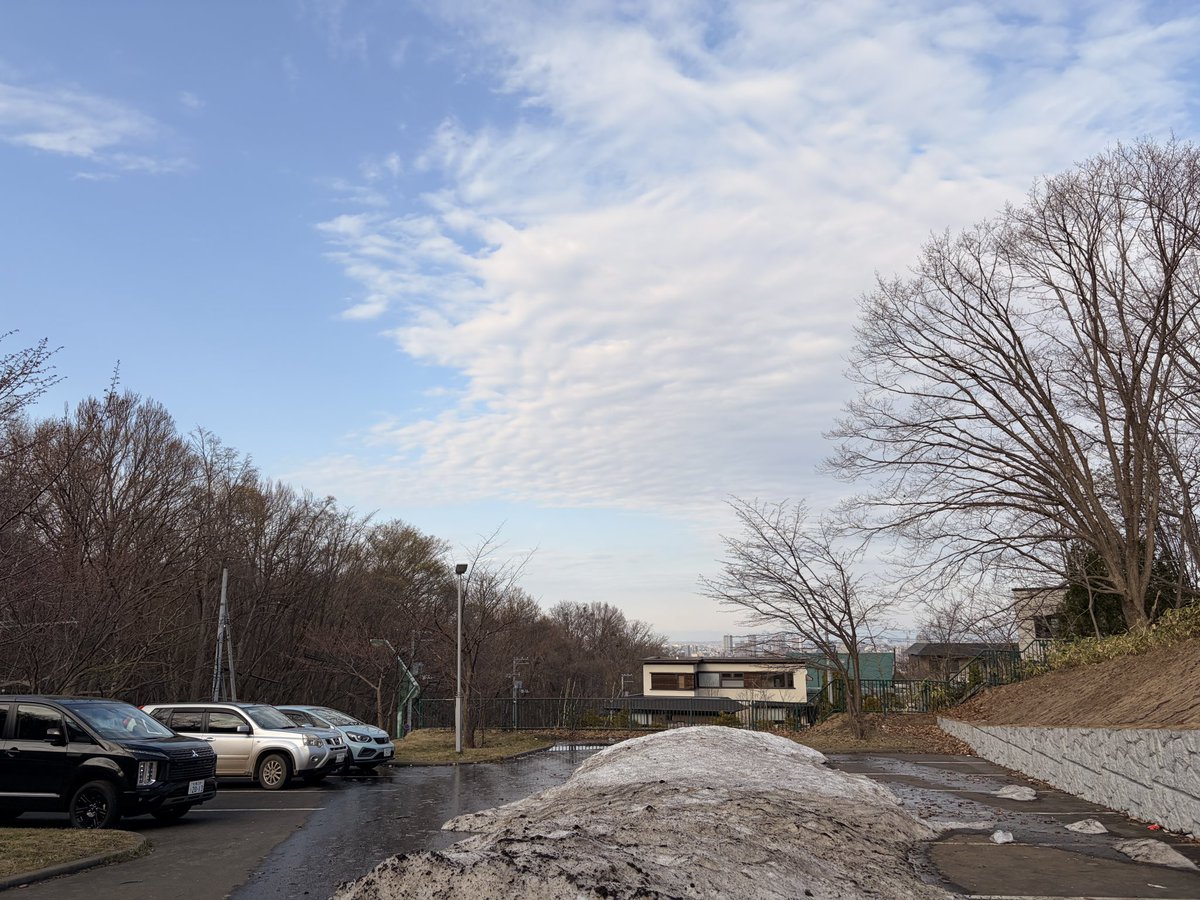
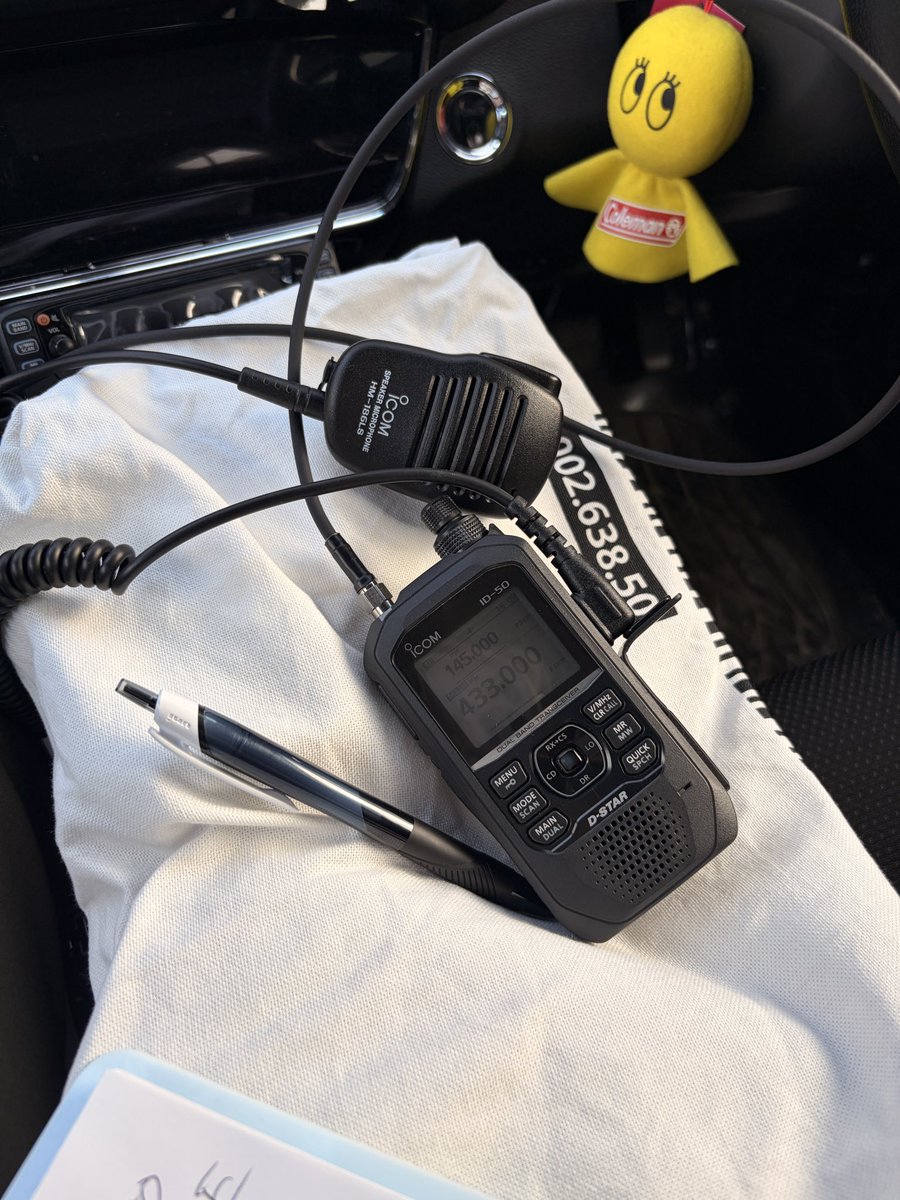
数十年ぶりにCQ
札幌市中央区移動
緊張しすぎて🫨笑笑
ミスもありましたがなんとか交信できました。
とりあえずハンディー機5wでほそぼそと笑笑
まだまだコール聞き取れないのは課題だなぁ🤣
とりあえず初陣終わり!
2
1
31
410
jos arcade retweeted
Jun 15
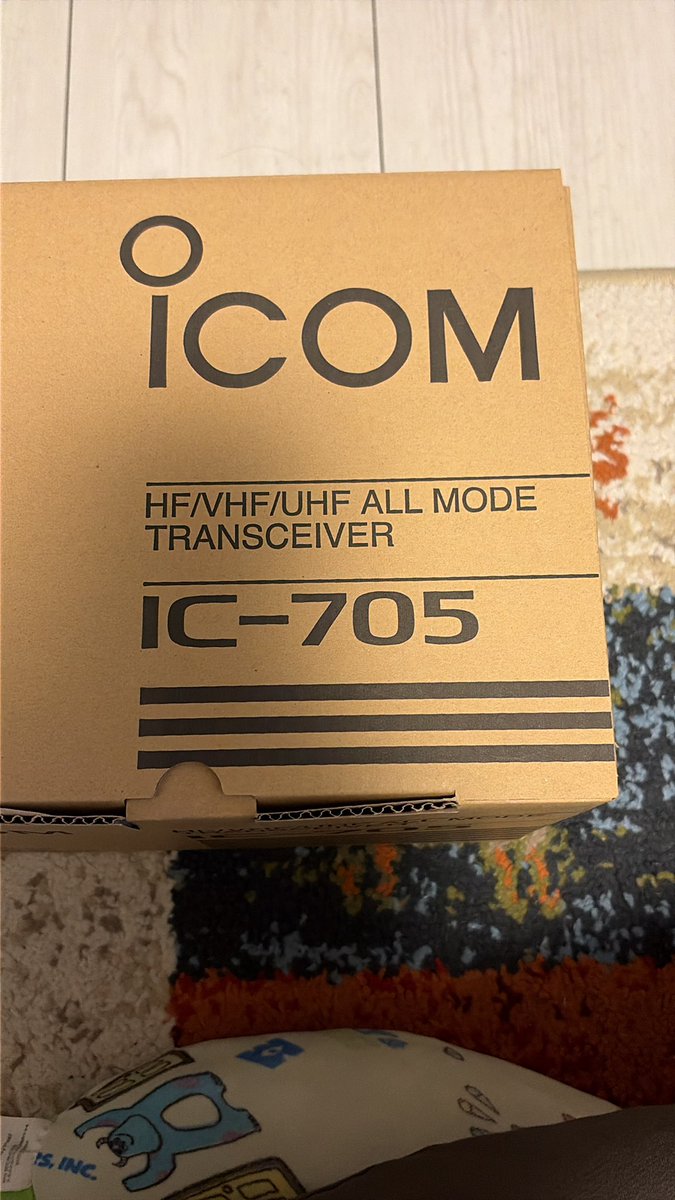
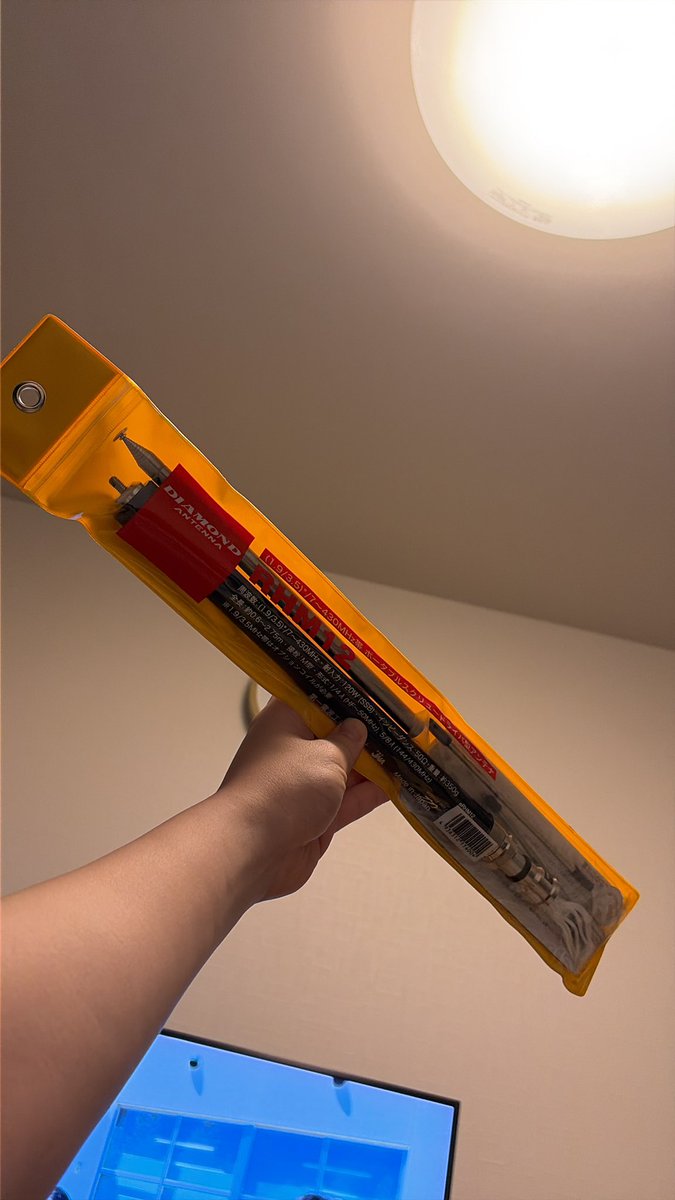
よっしゃーー!!!!かった!!!
かったよぉーーーーーーーーーー!!
念願の!!
D-STARもできるようになったし!
HFもお勉強します!
10
1
168
3,667
jos arcade retweeted

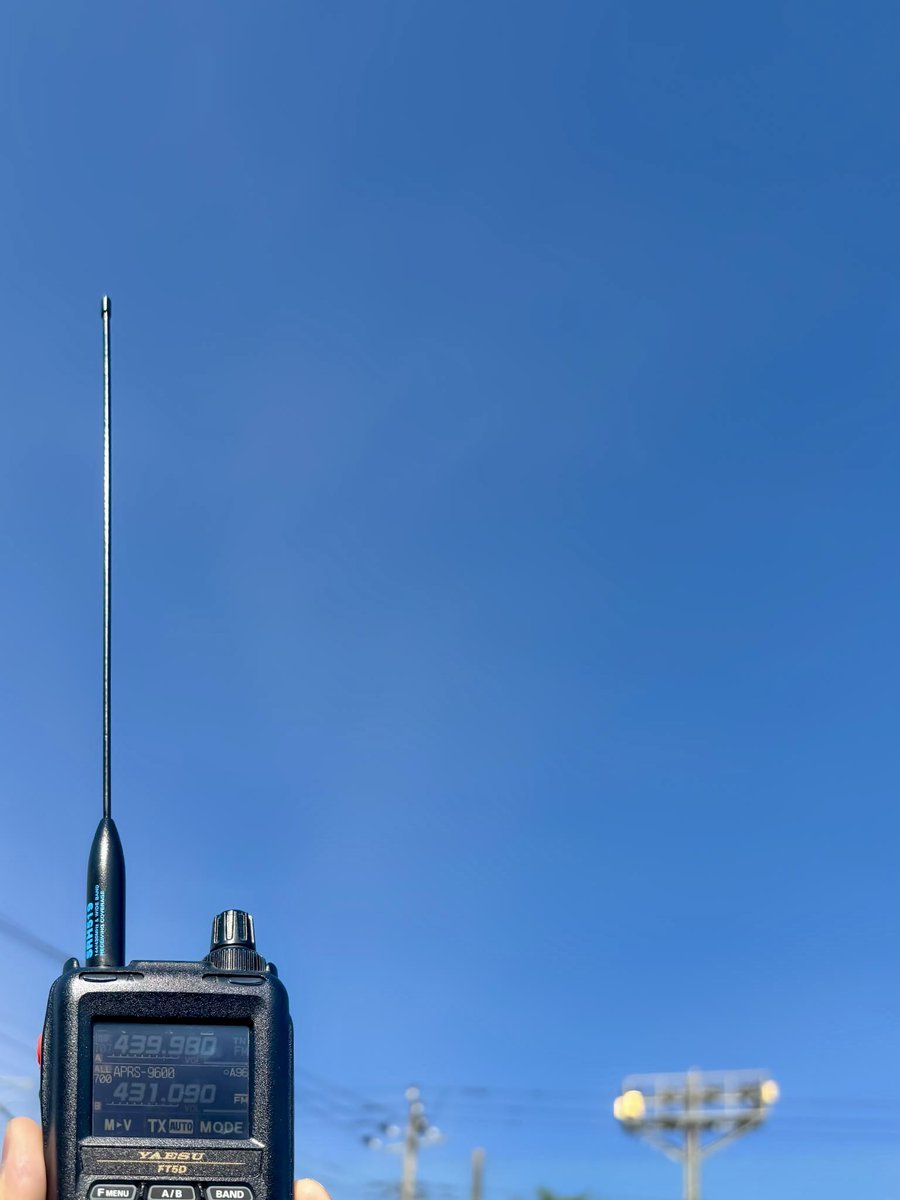
半袖では肌寒い東京。おはようございます☀
今日は貴重な晴れ間。カラッとした空気になる予報なので陽射しを楽しみましょう。各局、本日もよろしくお願いします😀
1
1
38
251
jos arcade retweeted

Jun 15
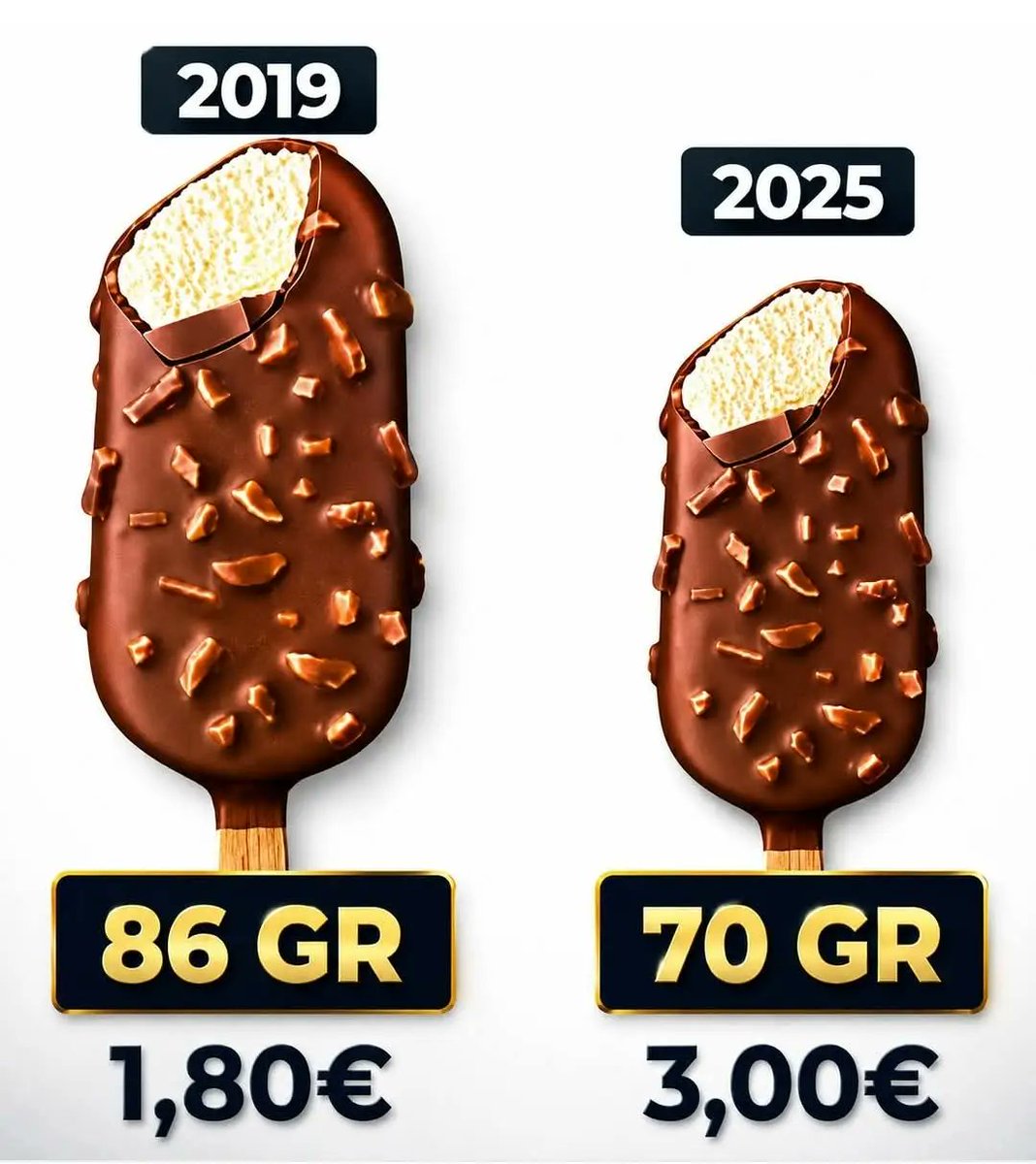
C'EST À CAUSE DU RÉCHAUFFEMENT CLIMATIQUE, DE L'UKRAINE OU DU DÉTROIT D'ORMUZ ?
789
6,557
25,768
709,396
jos arcade retweeted

1
22
145
153,415
jos arcade retweeted

Sadece bir kağıt parçası kullanarak sayı kilidi nasıl açılır?
11
122
936
797,285
jos arcade retweeted

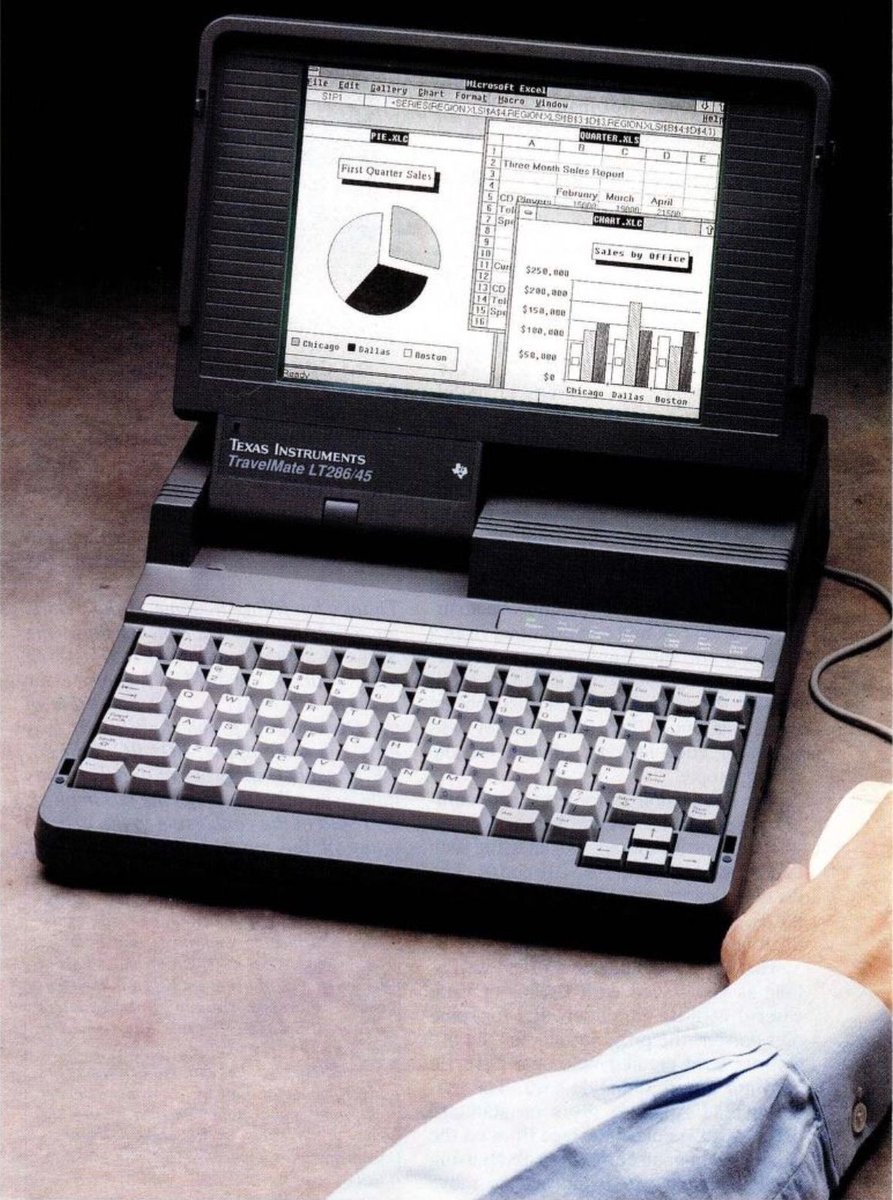
Texas Instruments (1990)
1
36
316
13,194



jos arcade retweeted

Jun 14
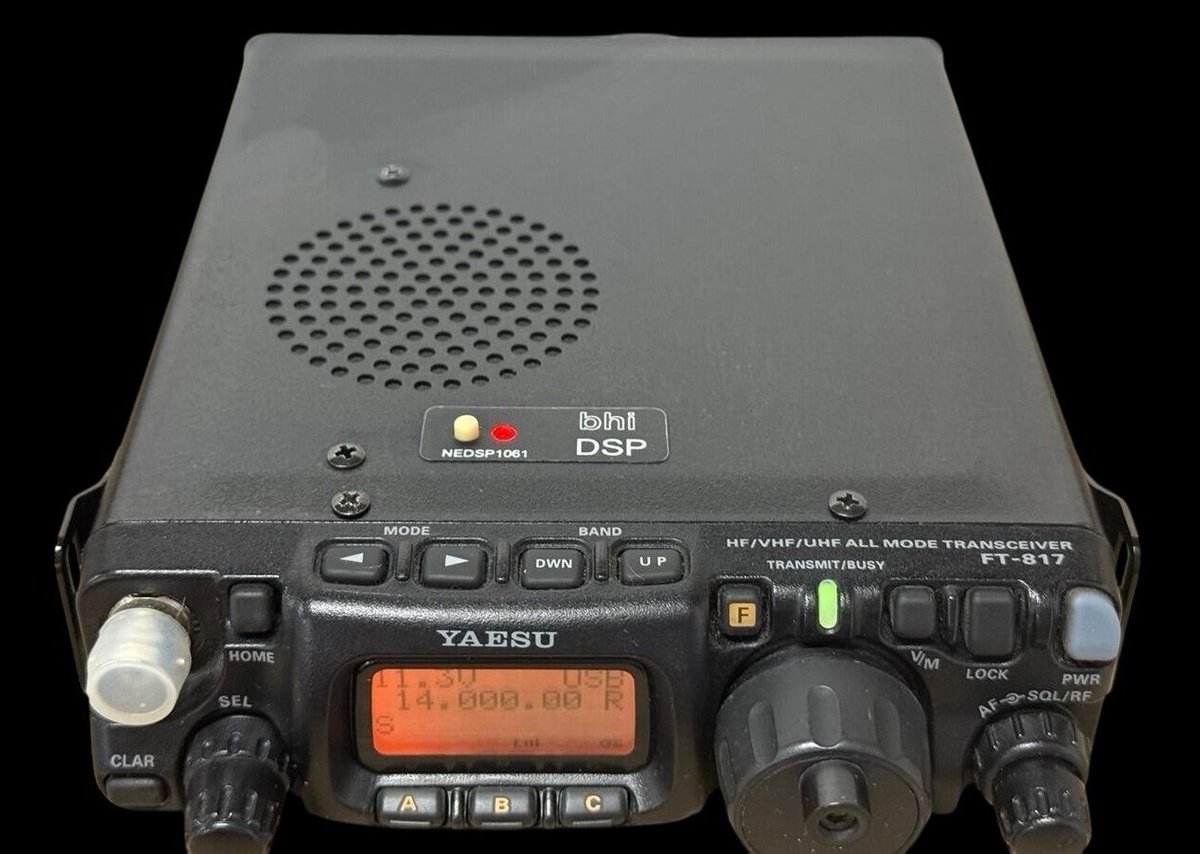
Yaesu FT-817
HF/VHF/UHF All Mode Transceiver
1
2
34
668



jos arcade retweeted

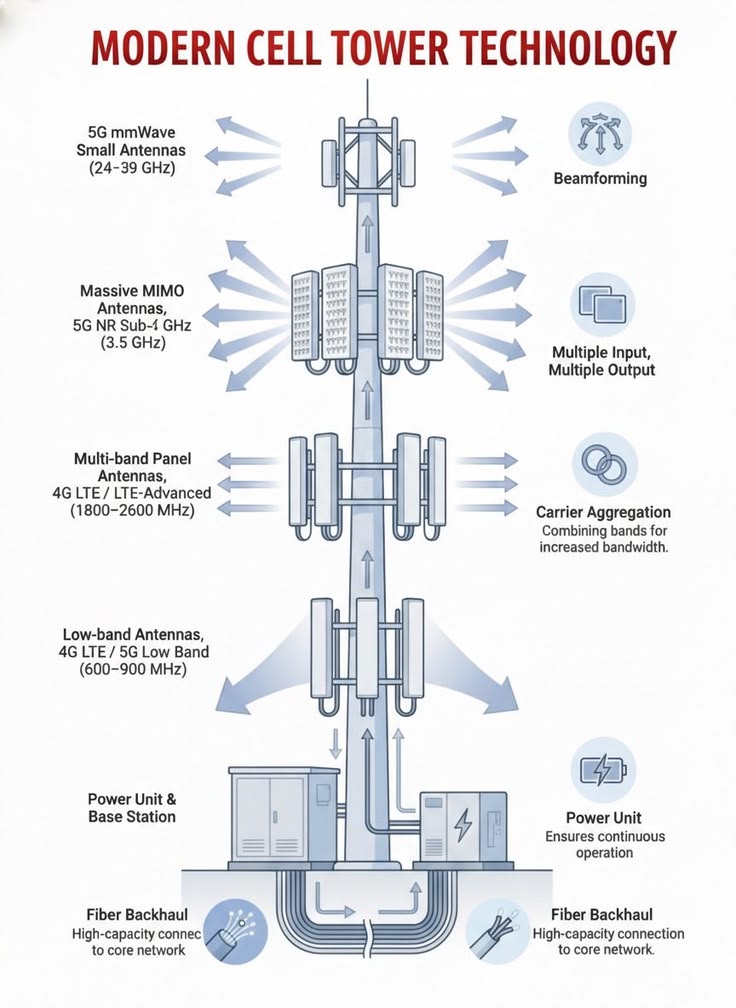
📡 Modern cell towers are way more complex than they look at first glance.
What most people see as a “single mast” is actually a layered system handling multiple generations of mobile tech at the same time.
🔹 Low-band antennas (600–900 MHz) are the long-range workers — they cover wide areas and penetrate walls and buildings well, which is why your signal still shows up even indoors or far from the tower.
🔹 Mid/high-band antennas (1800–2600 MHz) do most of the heavy lifting for 4G LTE, balancing decent coverage with higher data capacity for everyday browsing, streaming, and calls.
🔹 Massive MIMO antennas take things further in 5G networks, using multiple antennas to send and receive several data streams at once — basically increasing capacity without needing more towers.
🔹 mmWave antennas (24–39 GHz) are the speed specialists. They deliver extremely fast 5G in dense areas, but only over short distances and with limited wall penetration.
On top of that, the tower isn’t just “broadcasting signal.” It’s actively optimizing connections in real time using techniques like beamforming (focusing signal toward your device), carrier aggregation (combining multiple frequency bands), and MIMO systems to serve many users simultaneously without collapsing under load.
And behind the scenes, none of this works without solid infrastructure: fiber backhaul moves massive amounts of data from the tower to the core network, while redundant power systems keep everything online 24/7, even during outages.
So what looks like a simple metal structure on the roadside is actually a dense, coordinated computing and radio system quietly keeping thousands of devices connected at once.
1
8
56
799
