
“I just said that, Mr. Kerby.” | Mrzutý 🧵
Joined April 2017
- Tweets 9,958
- Following 589
- Followers 221
- Likes 13,385
1,702 Photos and videos





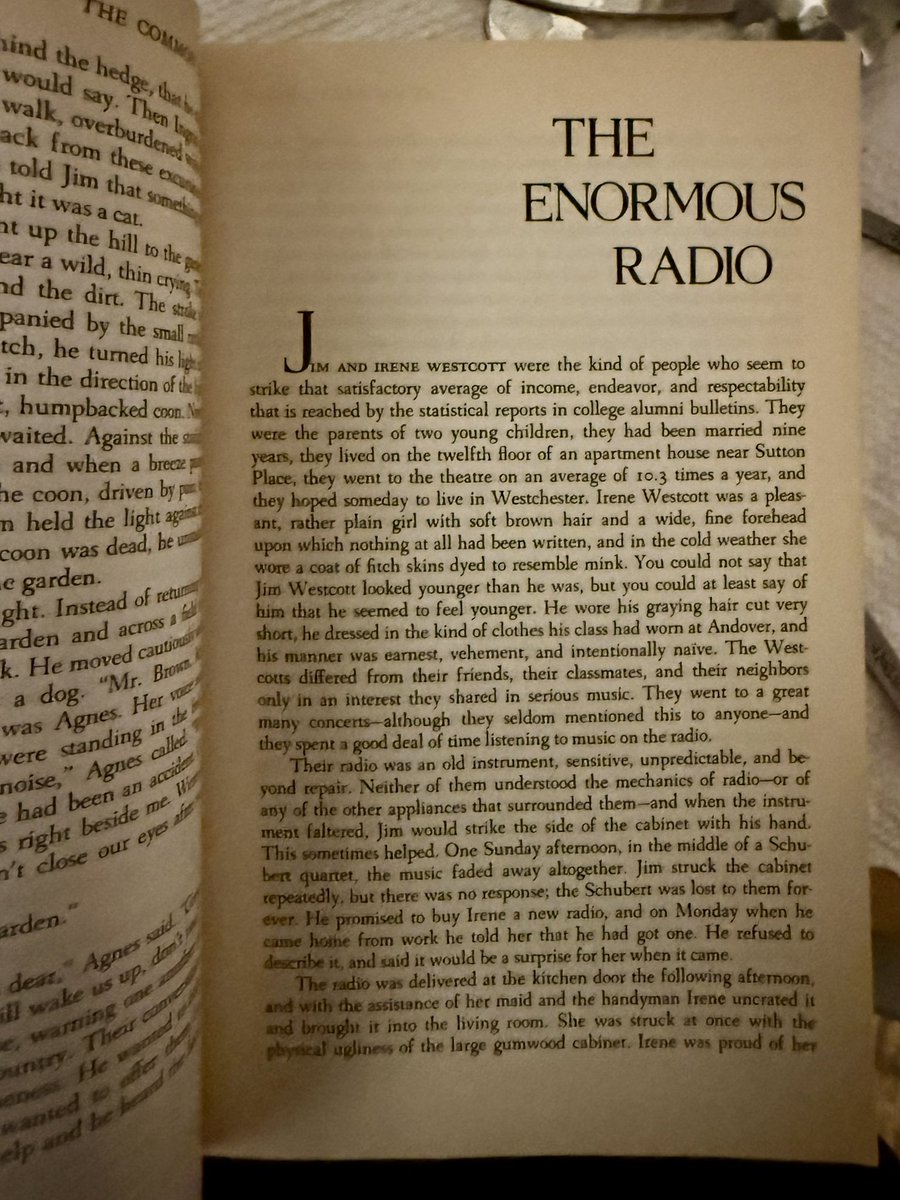
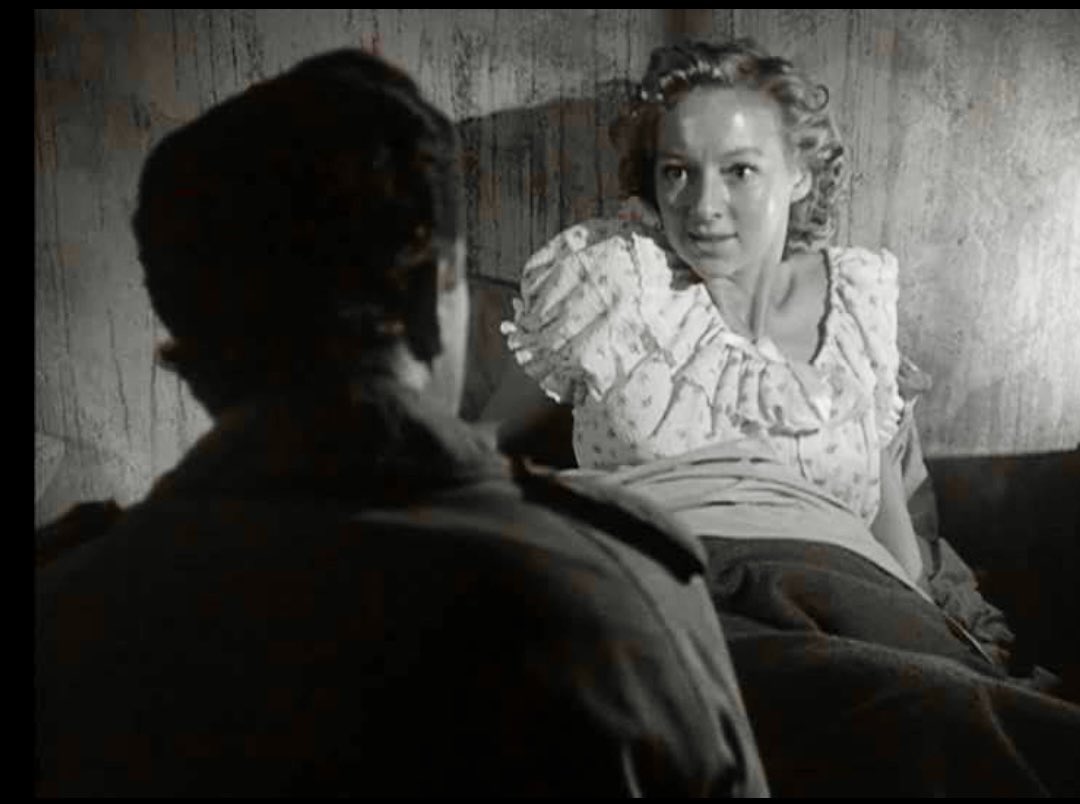
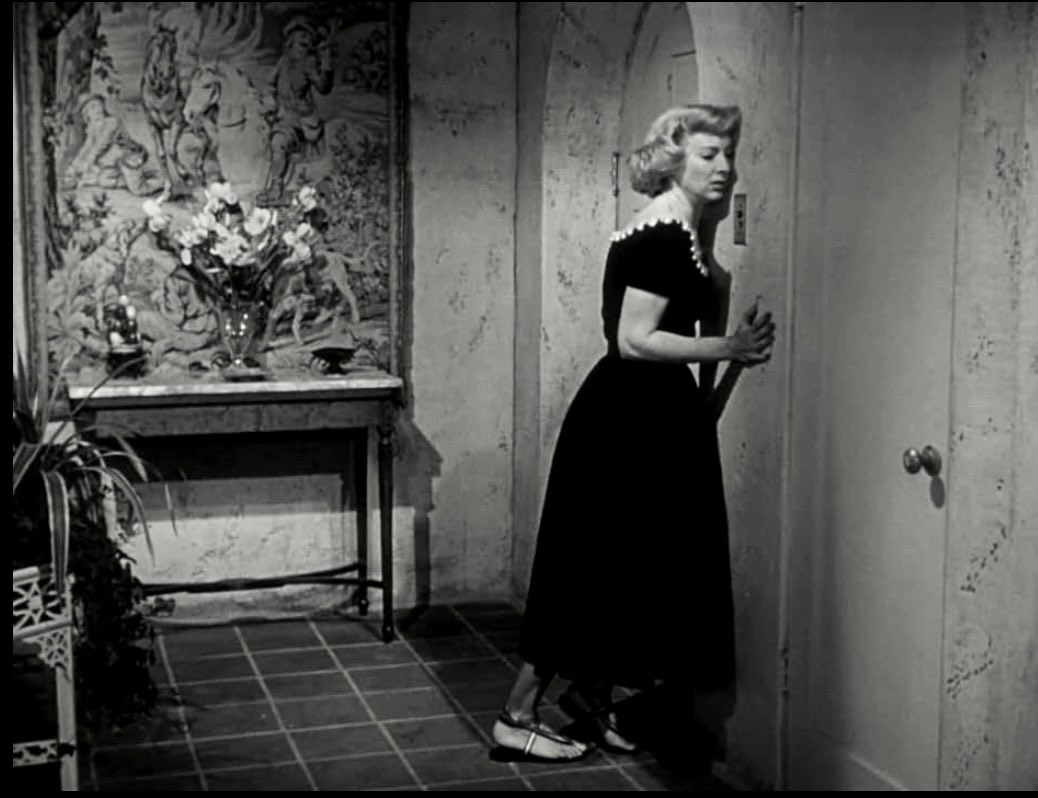

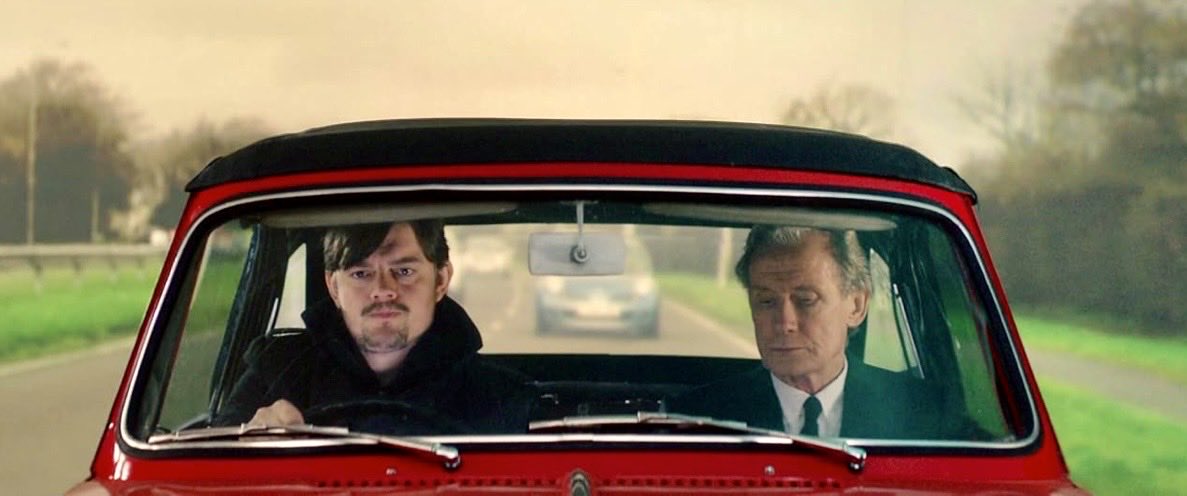
Why I admire the way Berton Roueché writes: “Dr. Pellitteri, having attended to his bloodletting with reasonable dispatch, reached the Eclipse Cafeteria at around five o’clock.” newyorker.com/magazine/1948/…
1
16

Jun 17
“Flora noted that, during a previous session, one woman had painted a room in her house. ‘Things aren’t as scary as we think they will be,’ Flora told her group, reassuringly.
“‘Sometimes they are,’ an attendee named Terri replied.”—Patricia Marx newyorker.com/magazine/2026/…
16
Peter Schmader retweeted

Jun 16
“Men together wrecking New York, filling it with entrepreneurs, influencers, suburbanites, personal trainers, mindfulness nitwits, selfie-takers, self-improvers, and food-avoiders. What are they doing in New York?” From “MT” by Lucy Ellmann in our new Summer issue.
buff.ly/akcoKZ9
1
2
15
2,684
Peter Schmader retweeted

Jun 16
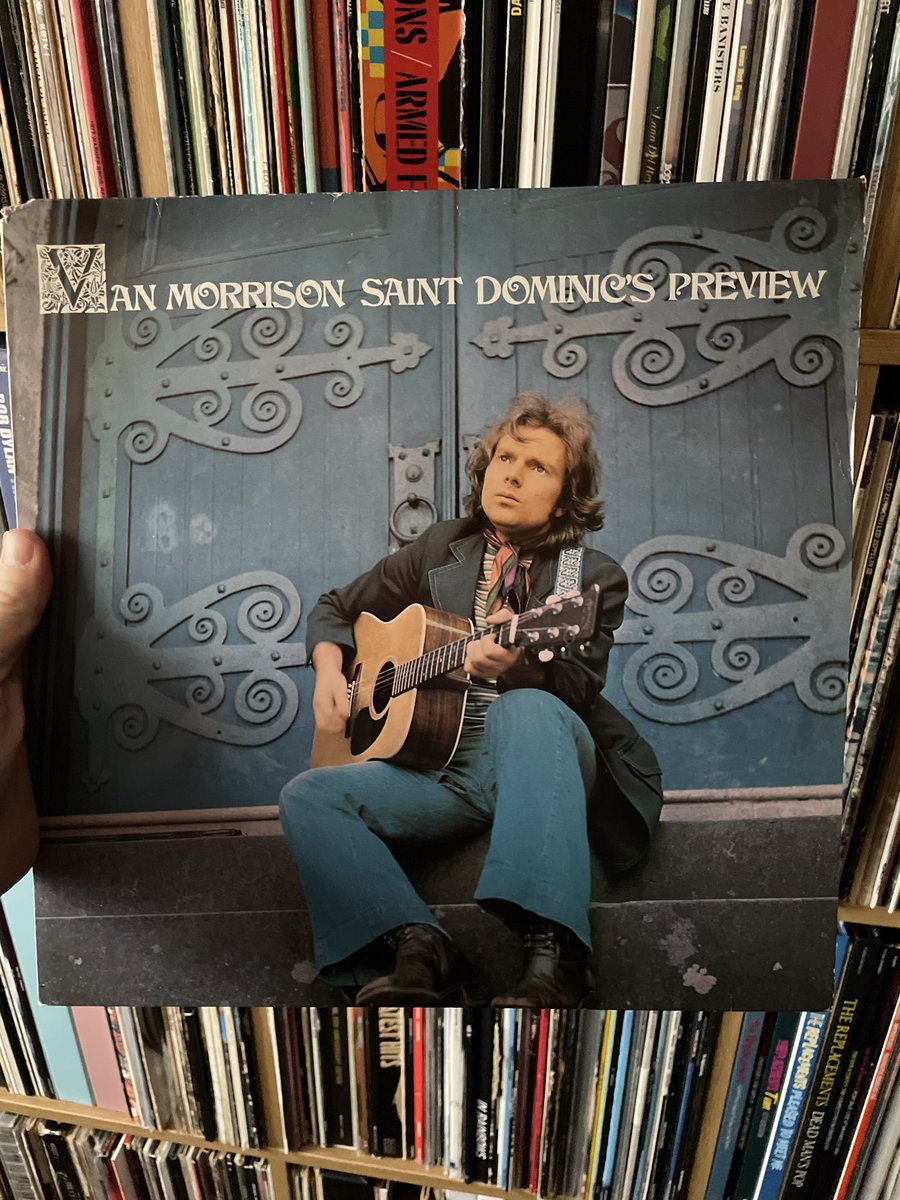
Although not my favourite Van Morrison album, Saint Dominic’s Preview is the one I’d use as Exhibit A to prove just how great he is. It contains a healthy dose of everything that makes him such a singular genius. A tremendous record.
The finest moment is the title track, a song built around two wonderful dichotomies. Firstly, it manages to be incredibly uplifting, music that heals the soul. At the same time, it’s deeply sad, with a melancholic air hanging over every line. If you know the story behind it, that sadness hits even harder, but you can feel it regardless. Yet Morrison makes melancholy majestic, and the gloom never manages to overwhelm the joy.
Secondly, it’s an intensely autobiographical song, drifting between past and present, remembrance and self-reflection. Yet despite being so personal, it feels universal. Morrison leaves crumbs for the listener to follow into their own life. And what makes me lean forward will be completely different from what makes you lean forward, but the invitation is there all the same.
That ability to make the personal feel communal is one of Morrison’s greatest gifts. He is one of the most transcendent musicians there has ever been, but his transcendence is always rooted in the tactile. He doesn’t reach for the sublime by abandoning the world around him. He reaches it through streets, churches, memories, faces, rivers, voices, poets and places. You can touch the things he sings about. You can see them. You can draw from them. They may be Morrison’s streets, rivers and memories, but we recognise our own in them. And through these familiar sources he takes us somewhere beyond the physical.
That is the magic of Saint Dominic’s Preview. It feels grounded and otherworldly at the same time. The song is filled with recognisable places and lived experience, but by the end it feels as though it has drifted beyond geography and biography into something spiritual. It reminds us that the transcendent is not separate from everyday life. We all have our own Belfast City, a long way away, and our own reasons for looking back towards it.
35
11
163
9,425
Peter Schmader retweeted

Jun 15
people trying to dunk on Nick Paumgarten … writer of the most perfect exemplar of a New Yorker article of all time (elevator) … he could publish nothing but “pee pee poo poo” for the rest of his career and still be a better writer than all of you on average!!!
8
2
79
15,703
Jun 15
“what a relief to be invited onboard the optimism train.”—@AlexandraJacobs nytimes.com/2026/06/14/books…
1
1
22
Jun 15
(And me, I felt happy when the editor gave a pica rule and a sizing wheel, my very own.)
1
12
Peter Schmader retweeted

Jun 9
From @TheAthletic: "What could have been the best night in a New York Knicks fan’s life instead felt like a massive middle finger," our columnist writes. "James Dolan saw this night, this big New York moment, and strangled the fun out of it." nyti.ms/4x9scUS

308
442
1,817
121,634
Jun 8
“He’s in sync with men who are on casual terms with their demons.”—@DwightGarner nytimes.com/2026/06/08/books…
30
Jun 6
“The dog . . . simply was, and its being filled the house.”—@adamgopnick newyorker.com/magazine/2026/…
15
Jun 6
“Literature, in his view, was a susurrus of stifled screams, a missive from the netherworld of the collective imaginary.”—Becca Rothfeld newyorker.com/magazine/2026/…
41
Jun 5
I’ve run into Mr. Arbuthnot here in Chiswick, coffee and a spun bun along the High Road. He sensed I ached for advice.
1
24
Jun 5
“The neophyte,” he said, “the tyro, must start, from the time he is knee‐high to a grasshopper, to guard his own funny lines while stealing every quip he can lay his hands to. There's nothing so creative as another man's gag.”
1
19
Jun 5
We parted. I was almost to Devonshire Road, aiming toward the fishmonger the Whistling Oyster, when I heard Mr Arbuthnot call out: “And remember, Petrushka, nothing before noon.”
13
Jun 5
From Sadie Stein: “(Regarding Ferdinand’s refusal to fight, his mother ‘saw that he was not lonesome, and because she was an understanding mother, even though she was a cow, she let him just sit there and be happy.’)” nytimes.com/2026/06/05/books…
25
Jun 2
“At the entrance door, she slid a MetroCard into the crack. She jimmied the lock, and we were in.”—@AlexVadukul nytimes.com/2026/06/01/style…
31
Jun 1
“You feel you are in good hands from the start.”—@DwightGarner nytimes.com/2026/06/01/books…
15
Peter Schmader retweeted

Jun 1
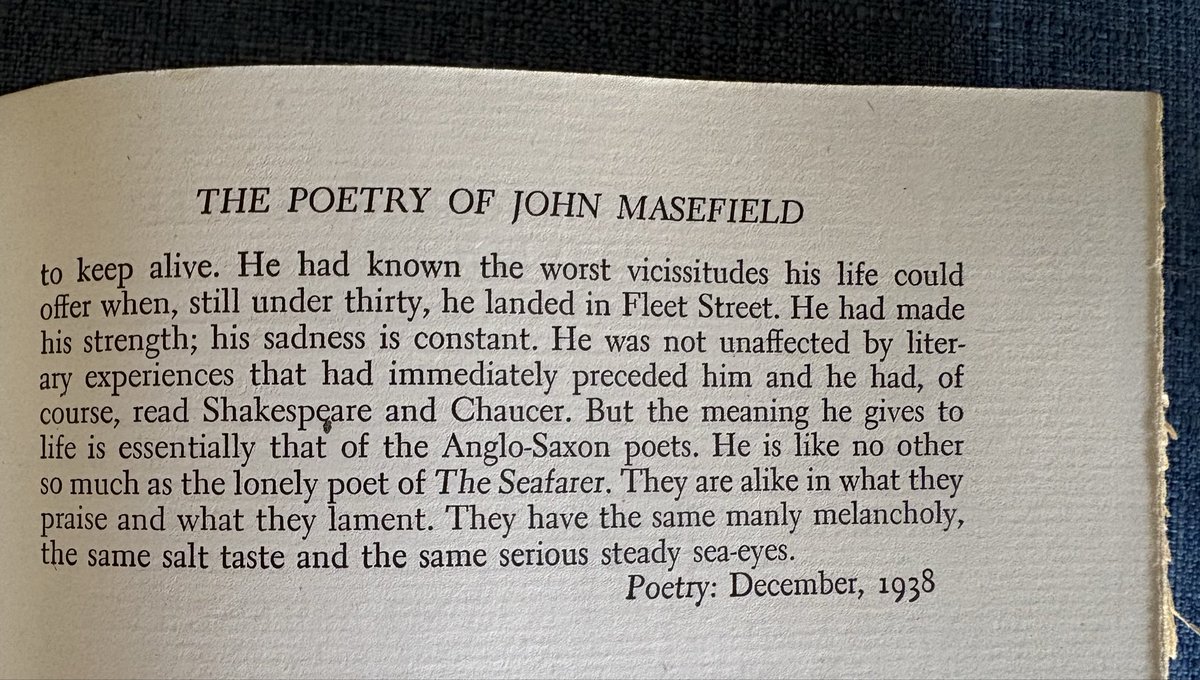
John Masefield (1878-1967) was #BOTD. Orphaned in childhood, he lived at sea in his youth, tended bar and worked a factory job in New York, and rose to become the UK Poet Laureate. A sailor-poet par excellence. Here is a beautiful paragraph from a review by John Peale Bishop.
1
9
50
1,812
