
1,285 Photos and videos



Pinned Tweet

May 23
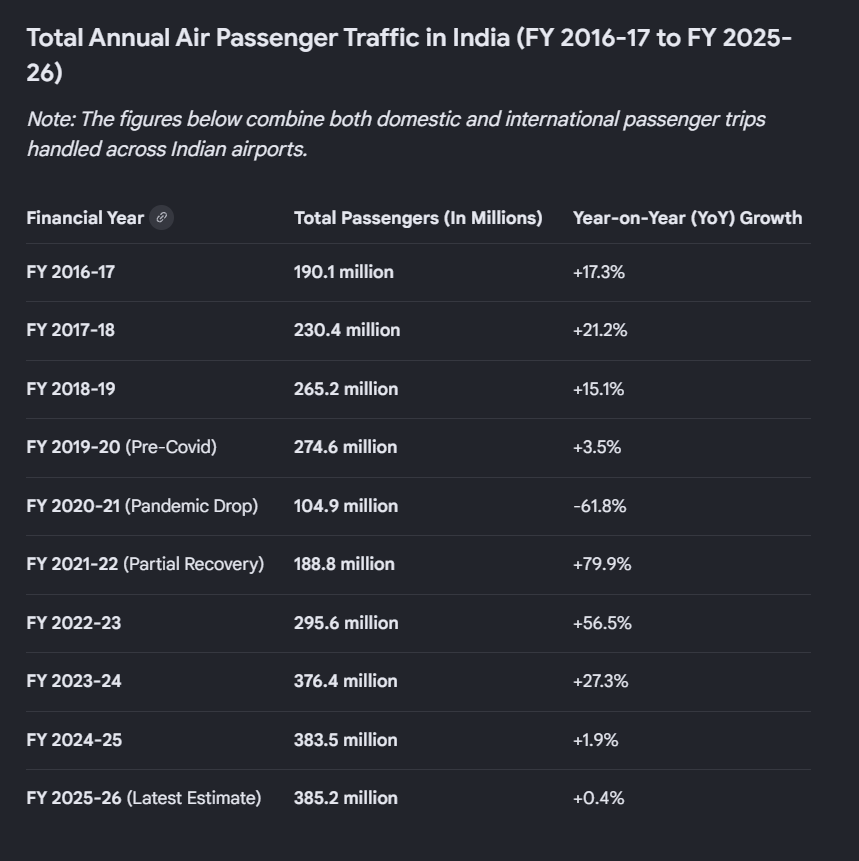
AI super-cycle applied to IT/Software feels like Industrial revolution applied to Textiles. India impacted by both. Posted this casually a few days back, and kept thinking of it.
Used AI to flesh out parallels. A 🧵, generated with AI help (warning!), but factual & eerie imo.
13
51
161
24,262
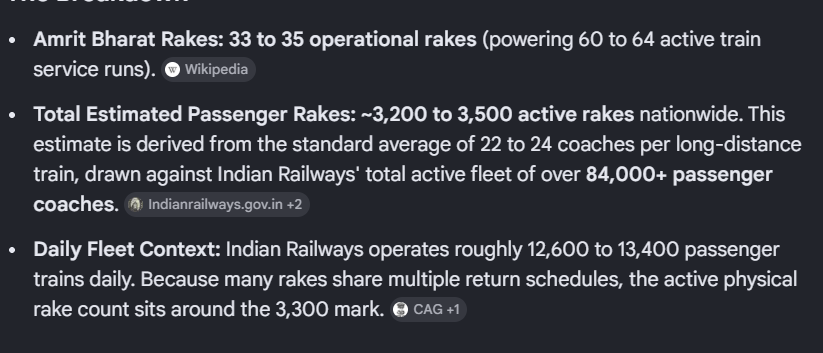
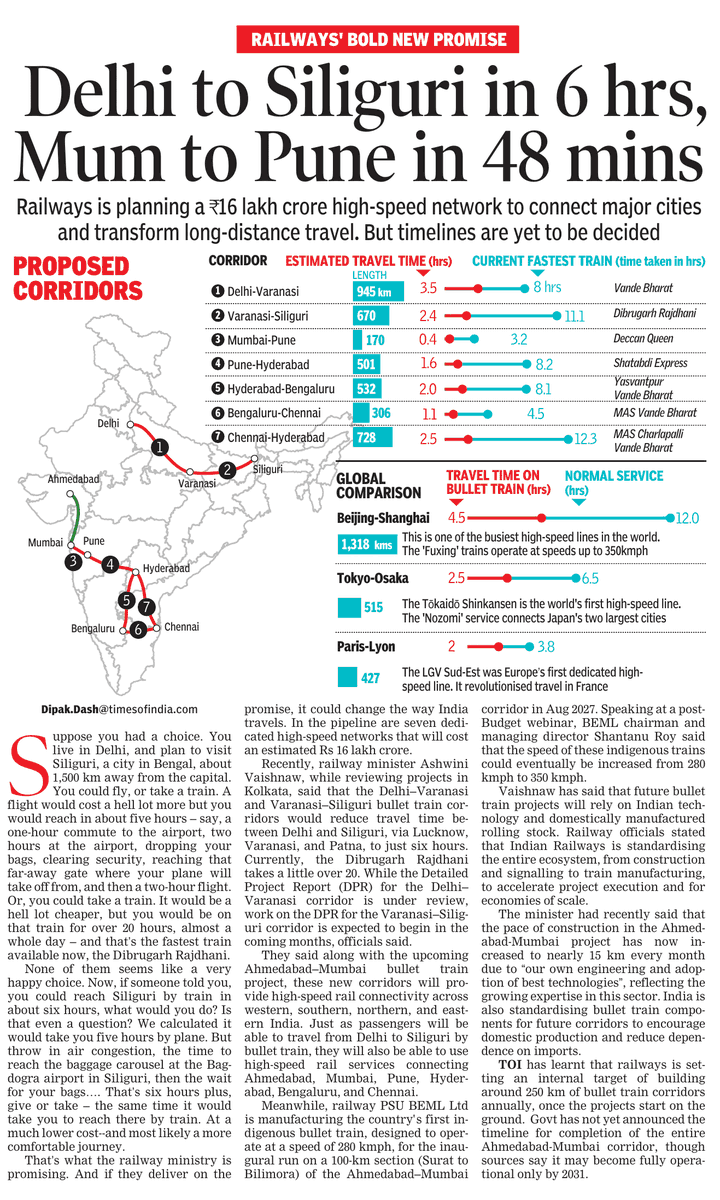
meanwhile labour traveling from UP/Bihar/East to South/West is transported like pigs - with general compartments cut down.
ad-hoc vanity based policy making, devoid both of logic & empathy. one of the times where @avataram 's condescension for namesake IIT grads is justified.

Delhi to Siliguri in 6 hours. Mumbai to Pune in 48 minutes. Bengaluru to Chennai in 66 minutes.
Railways is planning a ₹16 lakh crore, 7 high-speed network to connect major cities and transform long-distance travel. But timelines are yet to be decided.
Railway minister Vaishnaw has indicated that corridors will rely entirely on Indian technology and domestically manufactured rolling stock. . BEML is already building India's first indigenous bullet train to run at 280kmph (upgradeable to 350).
3
1
14
1,567
what a mind-numbingly dumb thing to say days after the biggest IPO ever, to be followed by two more, controlling space & intelligence, taking high-end mfg back, massive O&G - where every bright person in the world wants to emigrate to if they can.
i hear he's influential .. 🤦♂️
10
5
62
2,576
jss retweeted

Jun 13
Despicable behavior so far from Modi Govt and TATAs in the accident investigation. People claiming Boeing cover up should know that Boeing hasn’t managed to cover up its past failures. No safety bulletin has gone out for 787s based on this accident. This is a cover up to protect Air India and TATAs.

It’s been a year since the tragic Ahmedabad Air India plane crash
This UK-based couple lost their son in that heartbreaking disaster.
On the first anniversary of his passing, they returned to the crash site to remember him.
No one loves you like your parents do❤️🥺
23
298
1,221
48,060
23h
unfort. all this talk of sovereignity will lead GoI in the wrong direction.
far more important problem is how one establishes conditions for innovation. how one gets one's own Musk over time.
after all we had sovereign tech even in 70s - 'Ambassador' cars for example.
18
14
92
5,371
18h
why conditions for innovation and fast execution will become much more important than in the past:
x.com/jsensarma/status/20657…
18h

It is easy to pick on lack of hard-tech because it's so glaring.
But consequences of abundant intelligence will make freedom to innovate, to build business, to take things to market and move money easily, for the need for infra (whether roads or judges) - much much more important - in ways that are not glaring right now.
Consider an analog:
- Before invention of motorized transport - human movement over land was limited by speed and capacity of horses/bullocks.
- That meant some parity across nations in moving people/goods. horses just needed dirt tracks. everyone had dirt tracks (except rain-forests).
- Once motorized transport came in - we suddenly needed asphalt and rails. cross country highways.
These were largely public works. Those who built them were able to take true advantage of motorized transport.
Something similar will happen with AI
- Earlier the bottleneck in 'production' of many things was the intelligence and human time required to build it.
A business plan, designers/architects, hiring, putting an office/factory together, coding/executing, marketing etc. etc.
- What super-abundant intelligence will do is compress some of these steps to near zero. (and we haven't even entered the era of abundant robots).
- When some stages get compressed - the bottleneck will shift to remaining stages.
The overhead of GST/MCA filings, commuting, tax audits etc may have been 1/10th of an earlier execution path length. As path length shorten - maybe they become 1/5th. (see Amdahl's Law)
Countries where regulatory burdens are minimal and who can provide smooth infrastructure businesses need, will prosper - as new products/services are launched with breathtaking speed.
Countries who are stuck in bureaucratic past, with poor infrastructure - will find that their economic gap from more business friendly countries - is increasing. Because their overheads are becoming even more of a bottleneck than before.
All this is not visible and in the news. What is in the news is the LLM, the GPU. These are the Steam Engine, the Mercedes, the Ford of our era.
But what will matter equally eventually, or perhaps even more, is the Rail and the Asphalt.
624
18h
It is easy to pick on lack of hard-tech because it's so glaring.
But consequences of abundant intelligence will make freedom to innovate, to build business, to take things to market and move money easily, for the need for infra (whether roads or judges) - much much more important - in ways that are not glaring right now.
Consider an analog:
- Before invention of motorized transport - human movement over land was limited by speed and capacity of horses/bullocks.
- That meant some parity across nations in moving people/goods. horses just needed dirt tracks. everyone had dirt tracks (except rain-forests).
- Once motorized transport came in - we suddenly needed asphalt and rails. cross country highways.
These were largely public works. Those who built them were able to take true advantage of motorized transport.
Something similar will happen with AI
- Earlier the bottleneck in 'production' of many things was the intelligence and human time required to build it.
A business plan, designers/architects, hiring, putting an office/factory together, coding/executing, marketing etc. etc.
- What super-abundant intelligence will do is compress some of these steps to near zero. (and we haven't even entered the era of abundant robots).
- When some stages get compressed - the bottleneck will shift to remaining stages.
The overhead of GST/MCA filings, commuting, tax audits etc may have been 1/10th of an earlier execution path length. As path length shorten - maybe they become 1/5th. (see Amdahl's Law)
Countries where regulatory burdens are minimal and who can provide smooth infrastructure businesses need, will prosper - as new products/services are launched with breathtaking speed.
Countries who are stuck in bureaucratic past, with poor infrastructure - will find that their economic gap from more business friendly countries - is increasing. Because their overheads are becoming even more of a bottleneck than before.
All this is not visible and in the news. What is in the news is the LLM, the GPU. These are the Steam Engine, the Mercedes, the Ford of our era.
But what will matter equally eventually, or perhaps even more, is the Rail and the Asphalt.
23h
unfort. all this talk of sovereignity will lead GoI in the wrong direction.
far more important problem is how one establishes conditions for innovation. how one gets one's own Musk over time.
after all we had sovereign tech even in 70s - 'Ambassador' cars for example.
3
8
22
1,885
jss retweeted

Jun 12
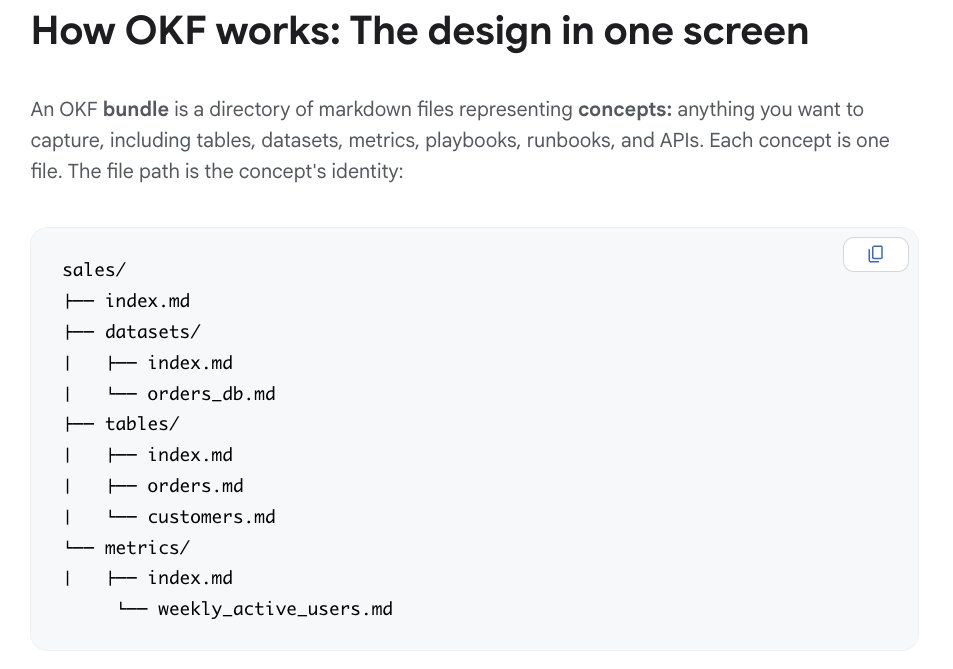
This is really big news. Google introduced the Open Knowledge Format (OKF) - a standardized way to store information in a directory of markdown files. Makes it really easy to make a digital brain that agents can use.
These files can serve as a living wiki. You can give agents the ability to query them or edit them. They can interlink.
Seems to me this could replace Notion or Obsidian. I can think of so many uses for this.
Google's blog post: cloud.google.com/blog/produc…
An easier to understand explanation is the SPEC.md file:
github.com/GoogleCloudPlatfo…
I gave those two links to Antigravity and asked how we could use it for any of the projects we're working on. It came up with so many ideas. I would imagine Claude Fable 5 would whip up some pretty amazing things based on this system.
Currently creating an OKF library of our pepper garden. It's going to be a fun weekend.
148
676
5,608
724,078
Jun 13
Starting to think Trump has a stake in MyGate, got wind of this noble initiative and shut it down!
Jun 12
someone Fable MyGate please!!!!!
20
984
Jun 12
One of the greatest days in America and the Democrats are all crying. Unbelievable.
1
436
jss retweeted

Jun 12
Elon just created 4,400 millionaires in a single day.
400 of them are now worth over $100 million.
These aren't VCs. They're SpaceX employees, and the list includes welders, technicians, and cafeteria staff, because for two decades the company paid every level of the workforce in stock instead of higher salaries.
Juan Hernandez immigrated from Mexico and took a $28 an hour contractor welding job in 2015. He says he didn't even know what SpaceX was. The company gave him a $10,000 equity grant and let him buy more shares through payroll deductions. That stake is now worth $880,000.
Trevor Hise's parents wanted him to take a stable job at General Electric. He picked SpaceX instead, stayed 12 years, and accumulated over 100,000 shares. At the $135 listing price that's $13.5 million. He's 37 and semiretired. His words: "The magnitude of this has been ridiculous."
The most telling detail came before the listing. Over 100 employees quietly banded together and negotiated a group wealth management deal covering up to $5 billion, because none of them had ever needed a wealth manager before.
Software IPOs have minted millionaires for 30 years. This is the first one where the money went to the factory floor.
3,213
25,196
139,662
7,206,755
Jun 12
of all the funding news - this one thrills me the most. dying to see the visitor approval section getting hidden behind MORE ADS.
there's a Amazon ad covering the left. with this funding - they can add a Flipkart ad covering the right.
9
73
2,978
Jun 12
have been thinking deeply about AI. struck me that Ikea has a really crappy business plan.
it's just like a database to store clothes, seat people, keep things. no outcomes.
they need to get into making food, serving dinner, giving people makeovers - not just provide closets.
8
2
15
6,598
jss retweeted

Jun 10
Today I'm publishing a new essay, Policy on the AI Exponential. AI is progressing extremely fast—much faster than the policy process was built to handle. The essay lays out where I think the technology is now, and the action needed to close the gap: darioamodei.com/post/policy-…
1,299
2,396
13,375
6,333,169
Jun 11
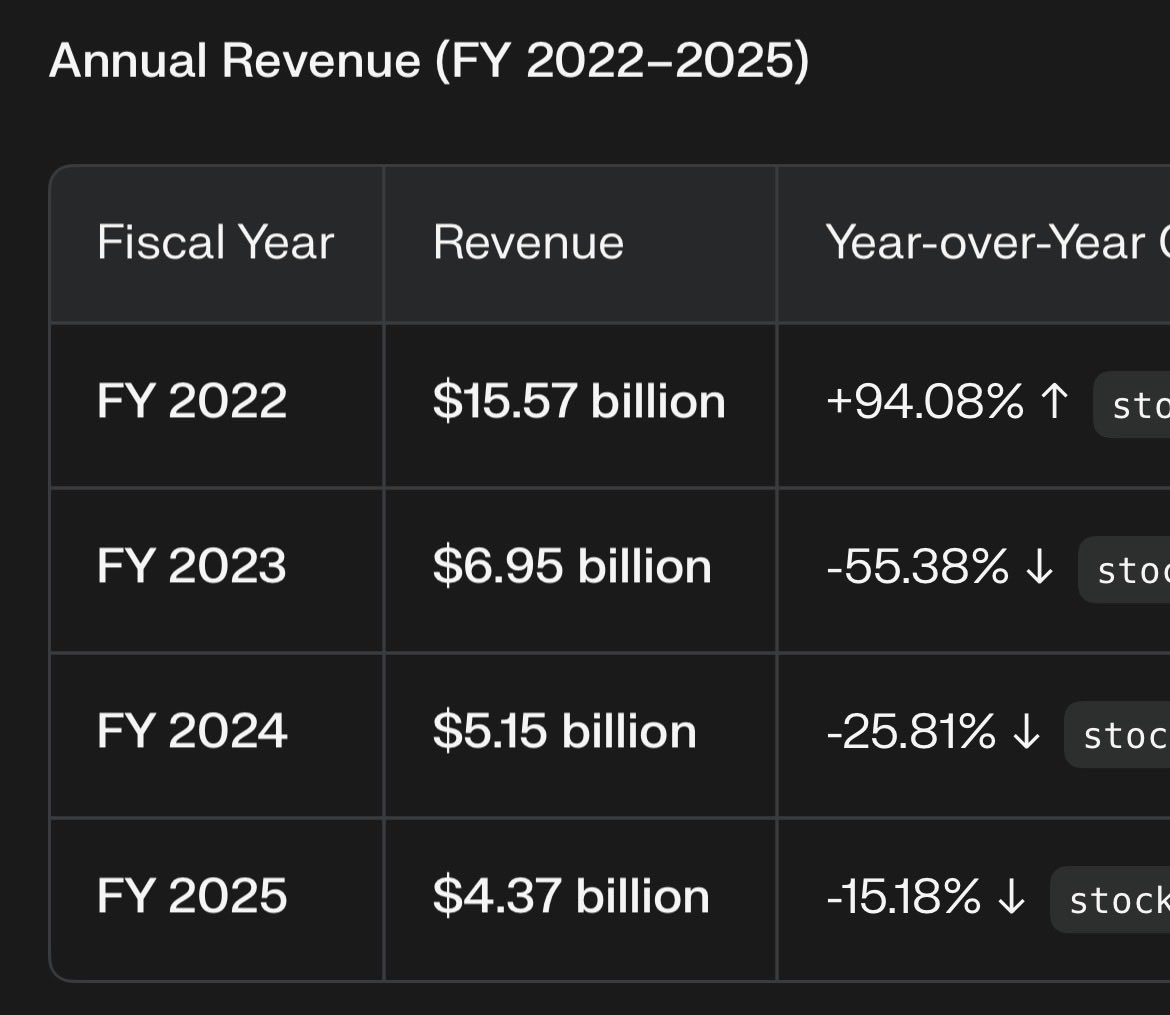
companies in death spiral shift base to India. in fact the India GCCs sometimes don't even realize the company is screwed.
this is signaling back-office paper-work/process for RE sector is going to get fully automated and become a high leverage software/AI job.

Move along, nothing to see here, Just a company in a death spiral
10
9
81
19,315
Jun 11
very quick search on LI says a *lot* of operations positions in India. (some engineering also). site head is Operations leader.
linkedin.com/search/results/…
4
1,185
jss retweeted

Jun 9
I've had access to Fable for a bit. A genuine jump in capability, I could feed it a 15 page design document for a project and it would work for 9 hours and deliver terrific results.
But working with it is weird & weirder is coming
Lots of examples: open.substack.com/pub/oneuse…
108
310
3,173
571,110
Jun 9
Can't stop laughing. This guy is amazing. Closest we have to Trump.

Karnataka: DKS takes a bite of an apple, throws it into the crowd, supporters scramble to grab it! 😭
And they have the audacity to call others "Andh Bhakts"!
6
7
57
3,259
Jun 9
AI cost control is hot topic. By co-incidence - spent a couple of weekends buiding an internal tool & running benchmarks on some use cases across a few providers.
tldr; easy to get 50-80% cost OR latency wins. prompt-tuning important. Blog here:
clearfeed.ai/blogs/less-open…
1
8
485