
"A hacker, a lecturer, a father" // Adjunct faculty at @NCKU_official
Joined June 2007
- Tweets 18,538
- Following 7,621
- Followers 11,834
- Likes 2
162 Photos and videos
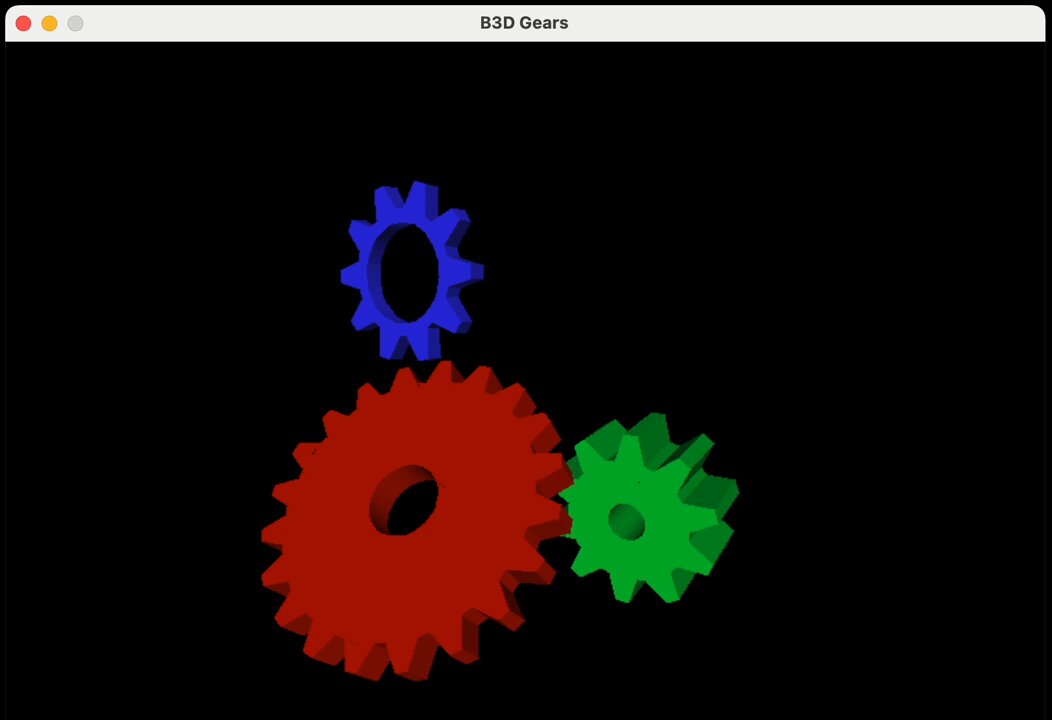
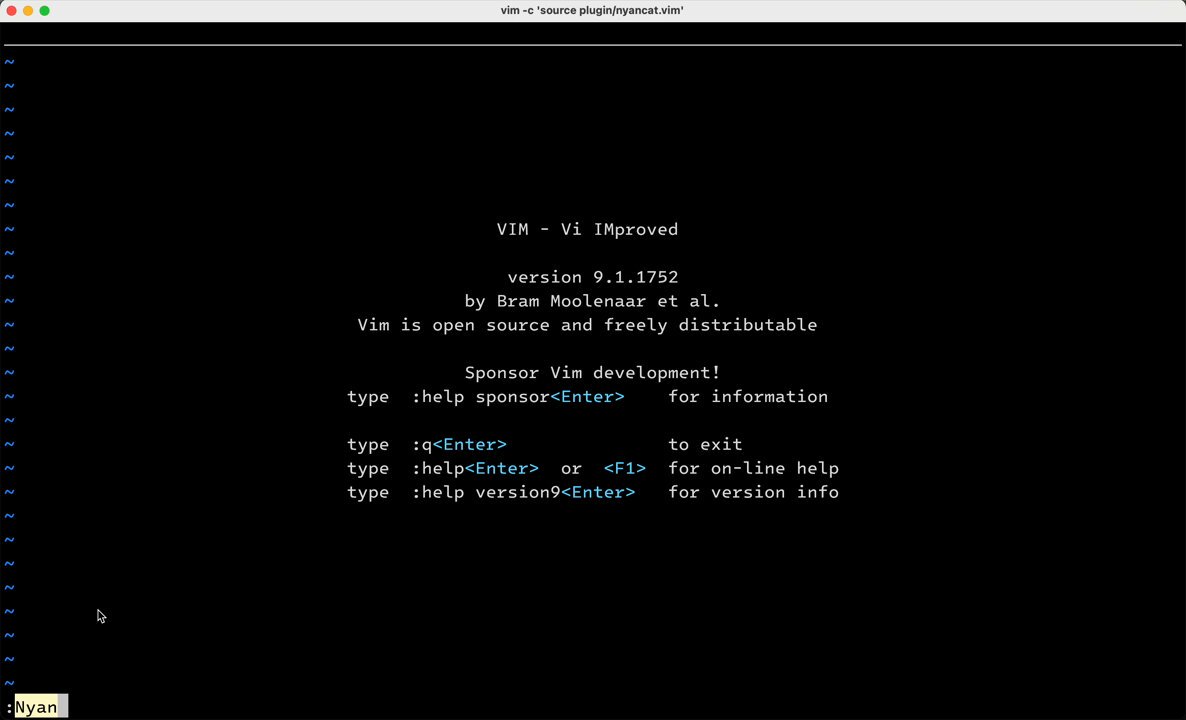
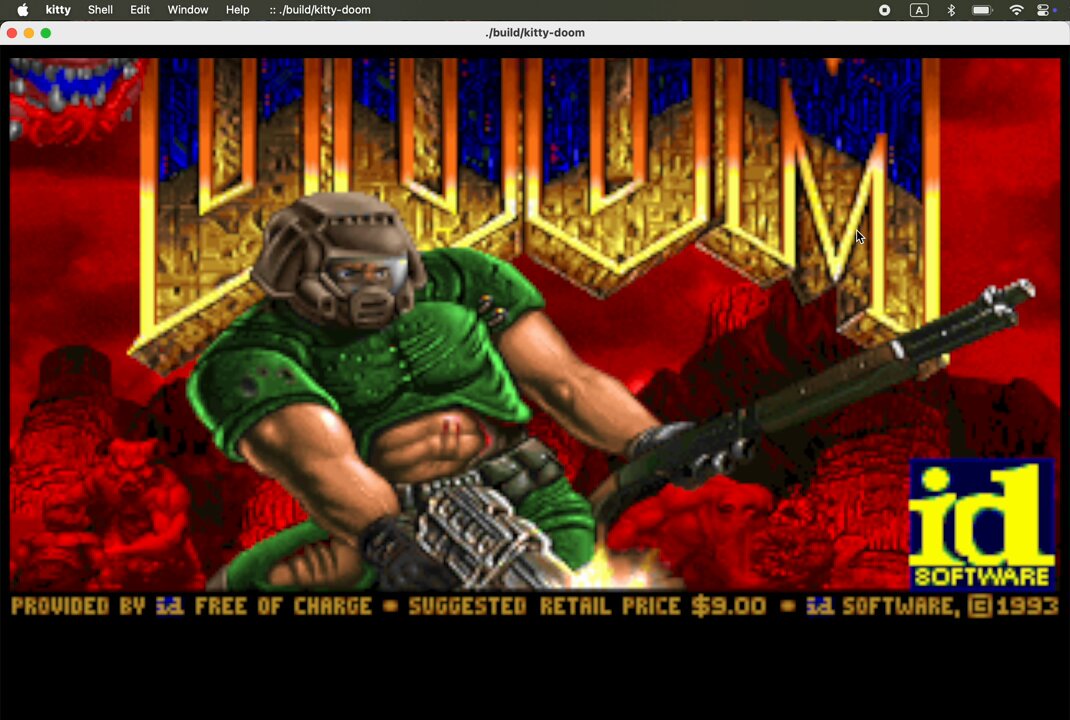
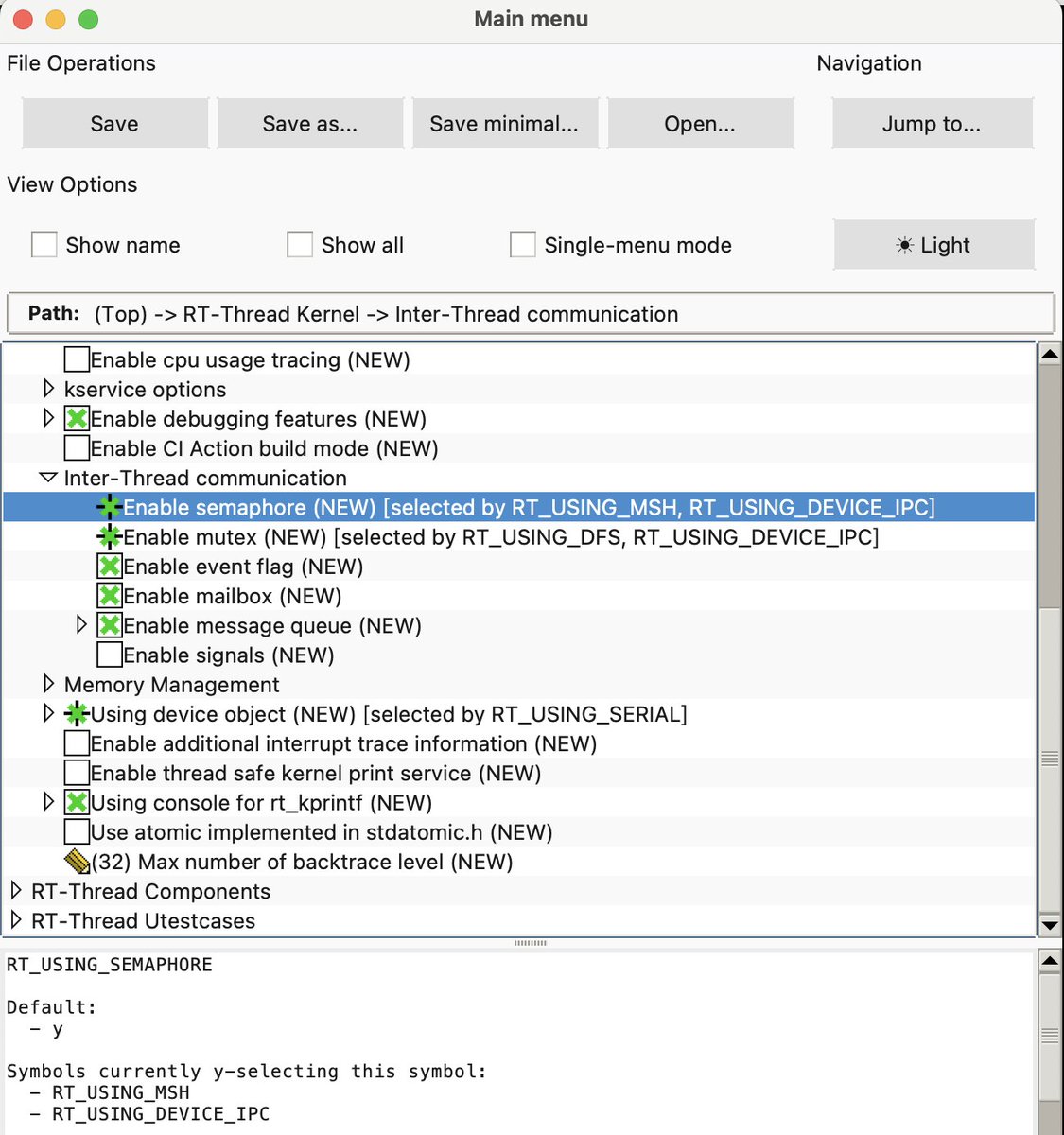

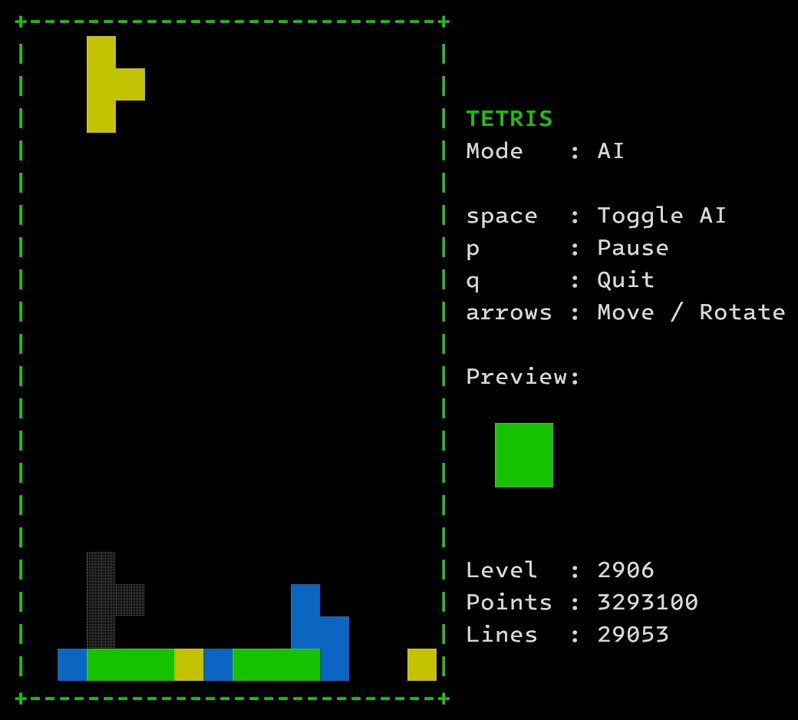

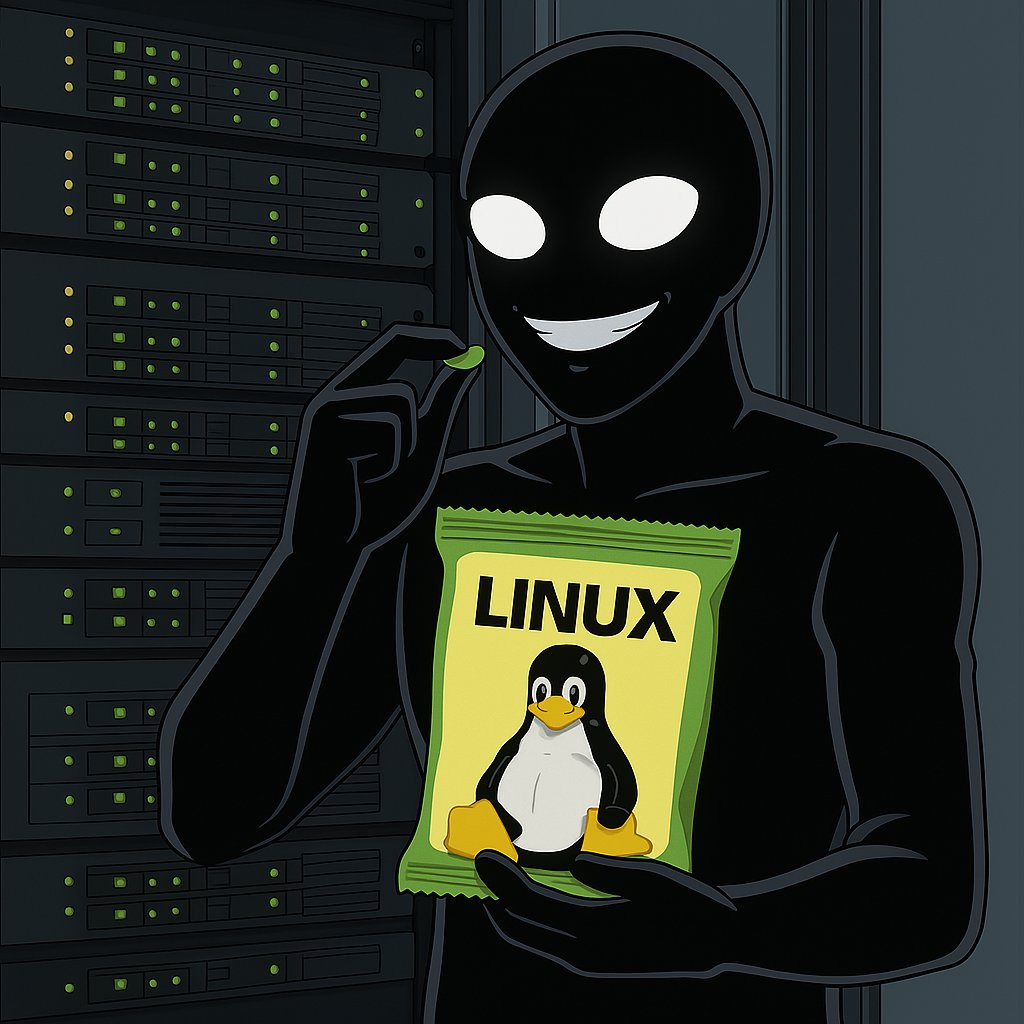

The Linux Kernel Module Programming Guide (#LKMPG) got 5000 stars on GitHub. Thank all the contributors and promoters. We are moving forward to Linux v6.x support. Rust LKM examples will appear later.
github.com/sysprog21/lkmpg
6
112
436

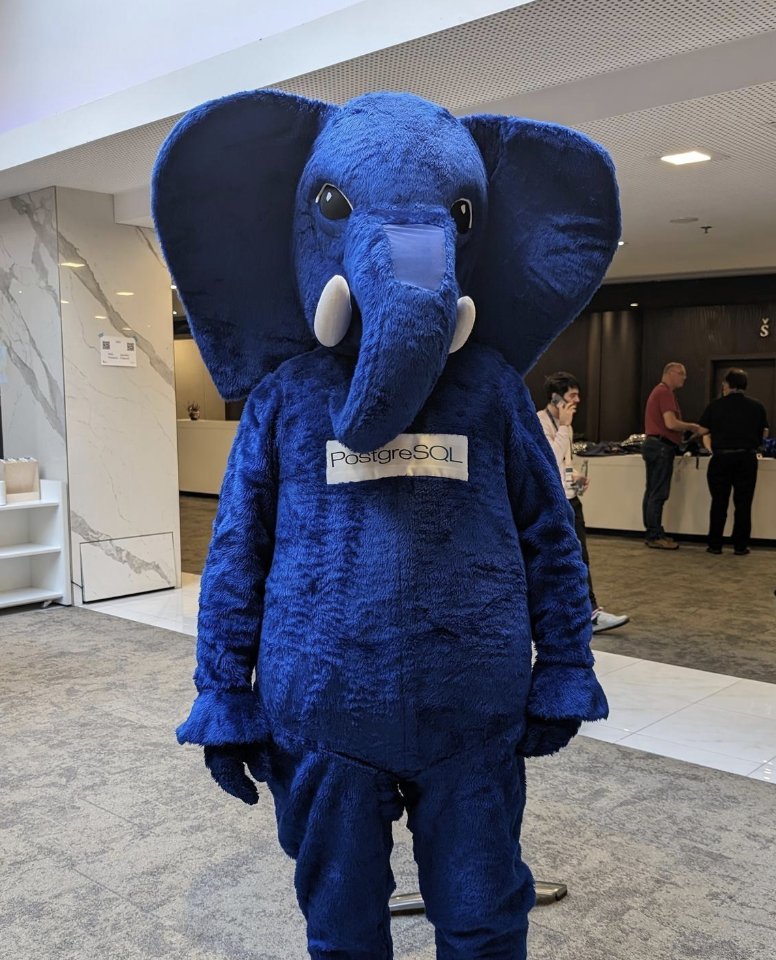
Nobody wanted PostgreSQL in 1994. Now nobody can live without it.
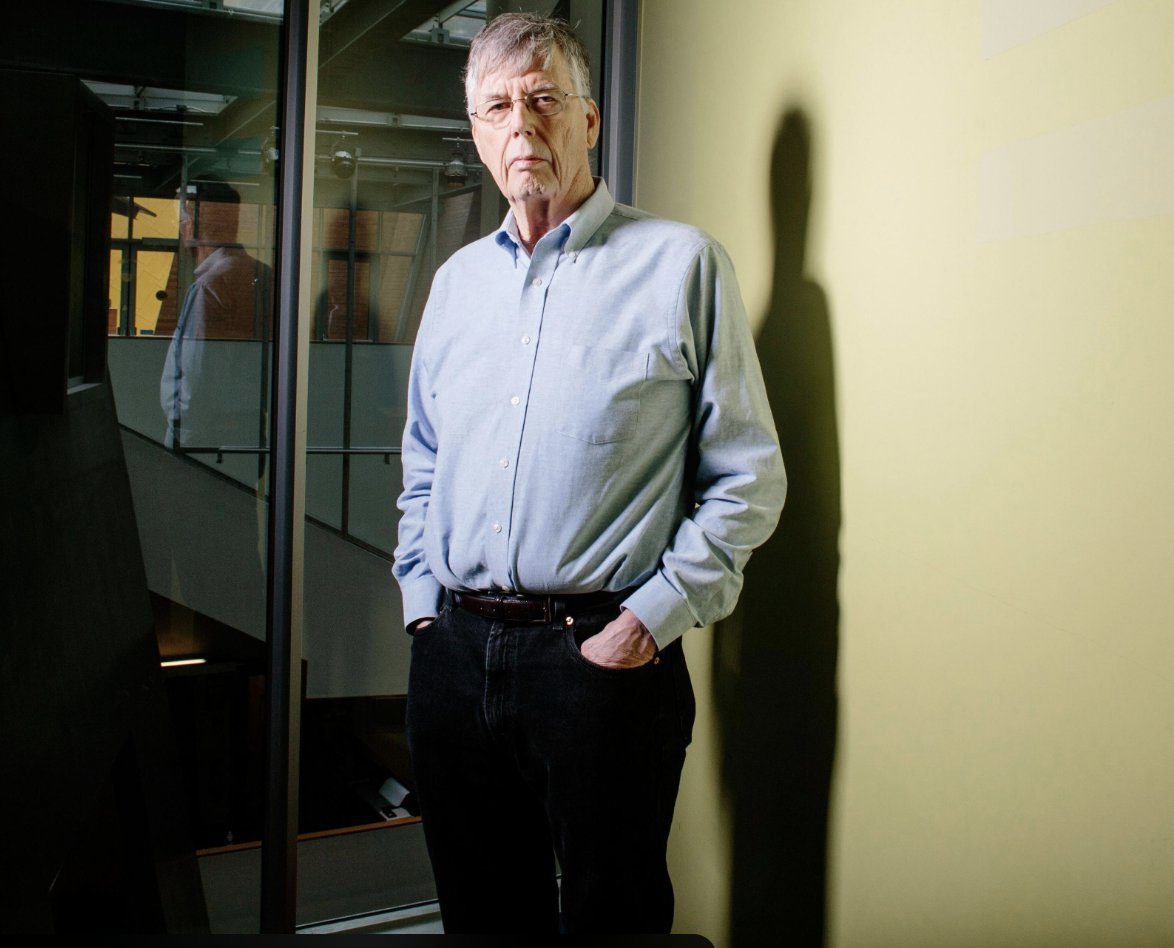
In 1986 Professor Michael Stonebraker at UC Berkeley spent eight years building a database called POSTGRES. Funded by DARPA. Dozens of papers. A team of brilliant students.
Then Berkeley shut it down in 1994. Too much maintenance. Not enough research value. The code was left on a server and forgotten.
Two graduate students named Andrew Yu and Jolly Chen were not ready to let it die.
They took the abandoned code, added SQL support and released it to the world for free. No funding. Just two students who believed the database was worth saving.
They called it Postgres95. Two years later it was renamed PostgreSQL.
A global community of volunteers took it from there and never stopped.
Today PostgreSQL is the most advanced open source database on earth.
Notion runs on it. Shopify runs on it. Instagram was built on it. Apple uses it internally. Amazon built Aurora PostgreSQL because their customers demanded it.
Companies built on a PostgreSQL base have generated over $2.6 billion in acquisitions.
Stonebraker won the Turing Award in 2014. The Nobel Prize of computer science. Partly for the database his own university threw away.
Oracle charges enterprises hundreds of thousands of dollars a year for what two grad students rescued from a forgotten server and gave away for free.
Some things are too important to let die.
6
61
357
23,394
Jim Huang retweeted

Jun 12
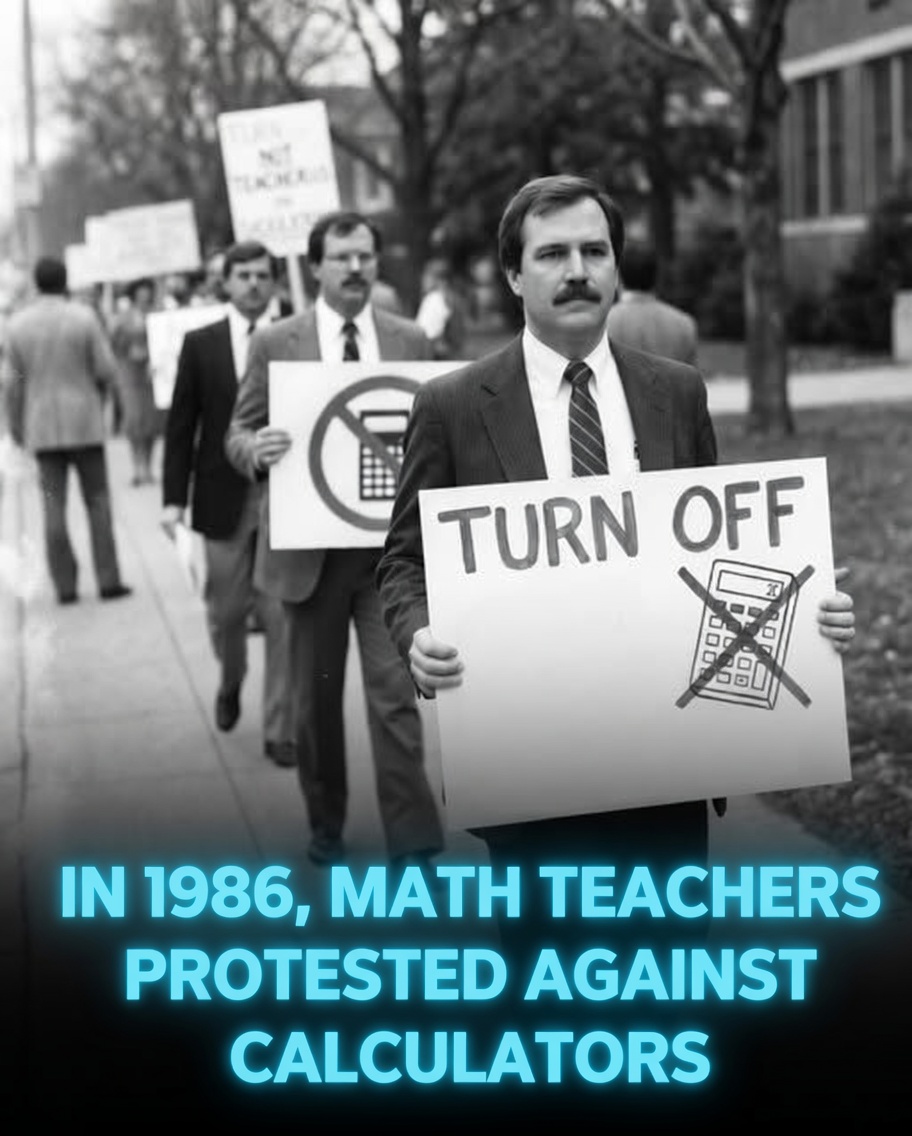
The so-called “calculator riots” of 1986 serve as a powerful reminder that today’s anxieties about artificial intelligence replacing human thinking are far from new.
In April 1986, a determined group of math educators staged a vocal protest outside the National Council of Teachers of Mathematics (NCTM) annual convention in Washington, D.C. Led by influential textbook author John Saxon, demonstrators carried signs declaring, “The Button’s Nothin’ ’Til the Brain’s Trained.”
They were opposing the NCTM’s new recommendation to incorporate electronic calculators into mathematics education at every grade level, including homework and exams.
The protesters worried that reliance on calculators would erode students’ mental arithmetic skills, numerical intuition, and deep conceptual understanding, potentially creating a generation of “calcuholics” overly dependent on machines.
The NCTM countered that calculators would free students from repetitive, low-level calculations, enabling them to tackle more complex problem-solving and higher-order thinking. Ultimately, the debate led to a pragmatic compromise: students would first master core mathematical concepts and mental strategies before using calculators as tools for more advanced work.
This balanced approach allowed technology to enhance, rather than replace, mathematical reasoning.
Today, as schools navigate the rapid rise of generative AI, the 1986 calculator compromise offers a valuable blueprint: prioritize genuine understanding first, then thoughtfully integrate powerful new tools.
136
458
1,433
90,823
Jim Huang retweeted

Jun 10
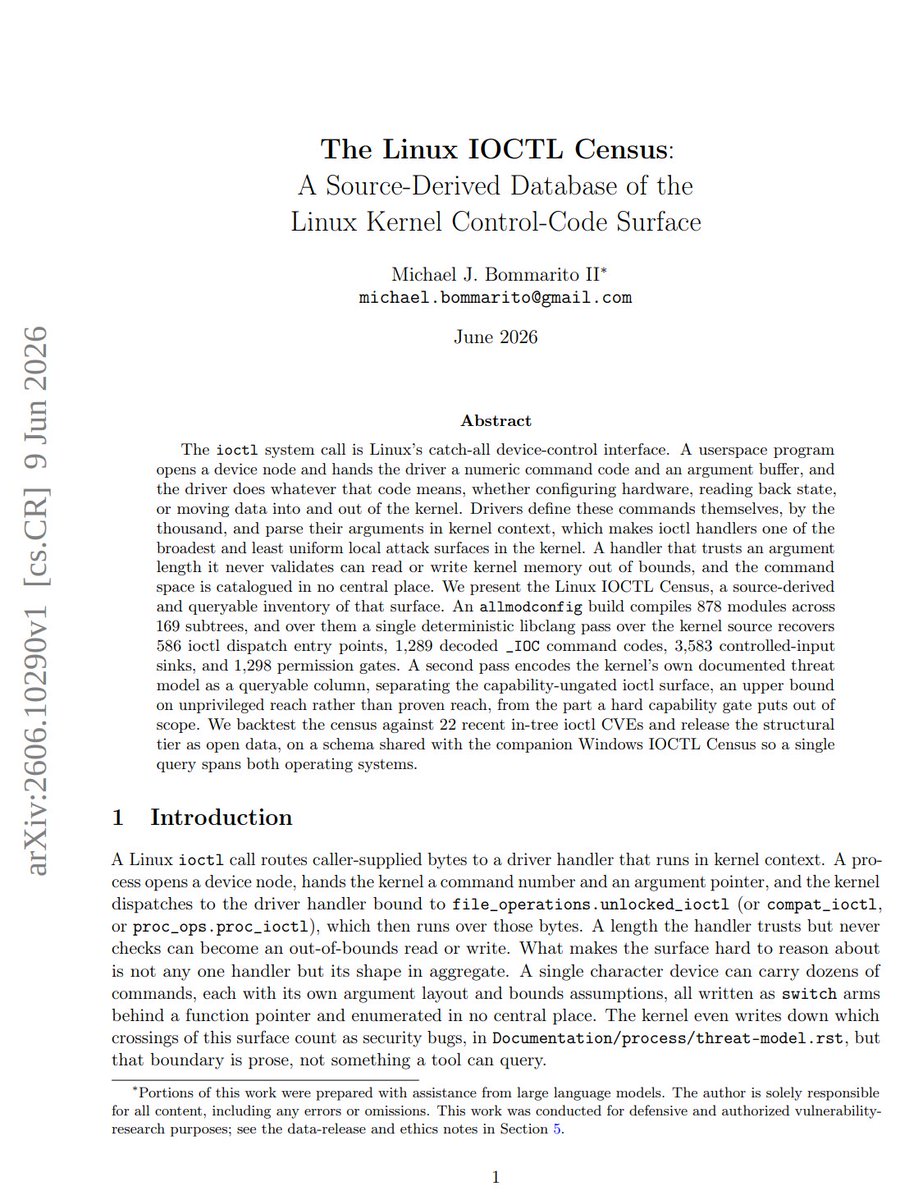
today's arxiv preprint - ioctl census, but linux
1
9
57
3,303
Functions describe the world!

2
485
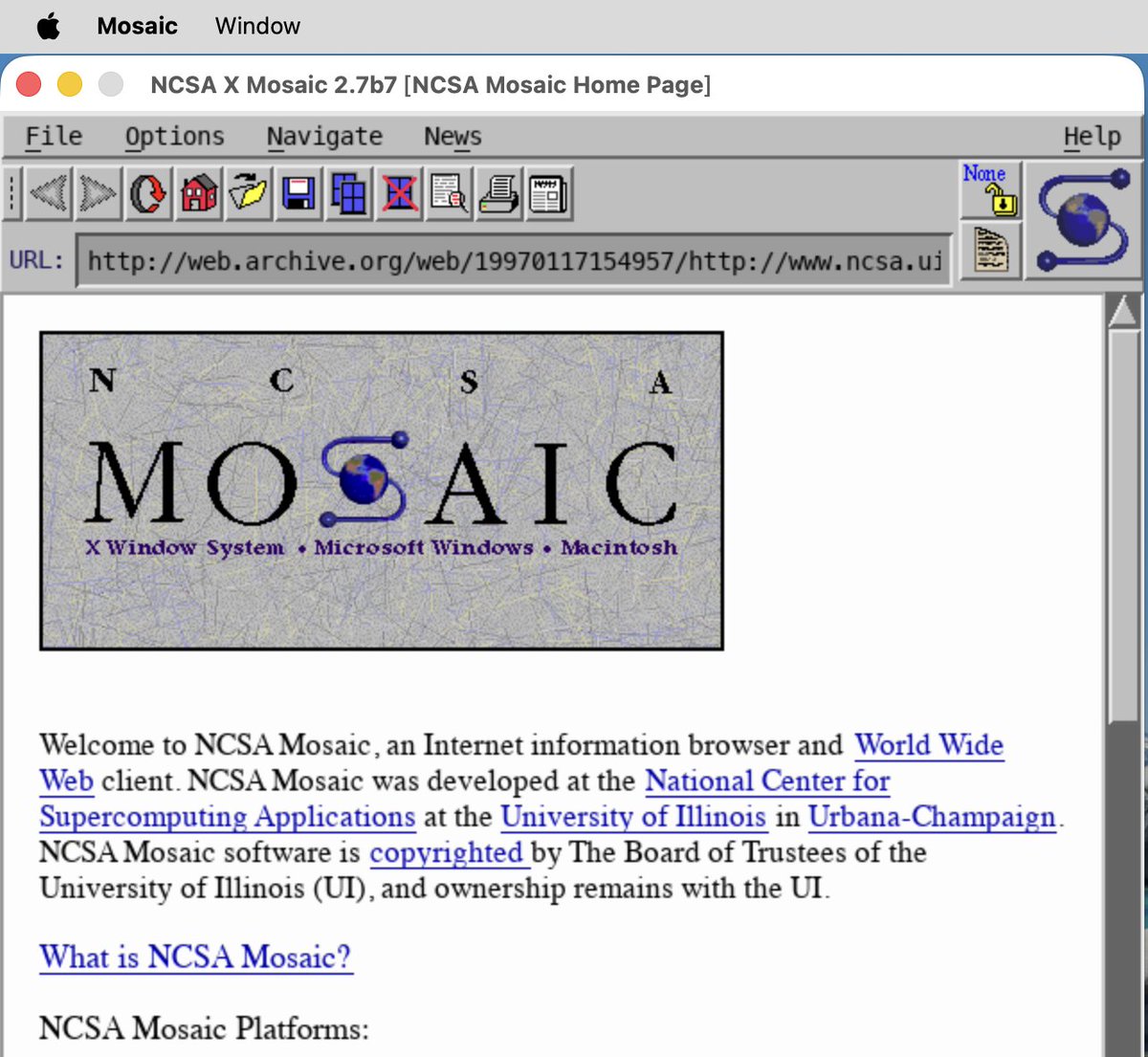
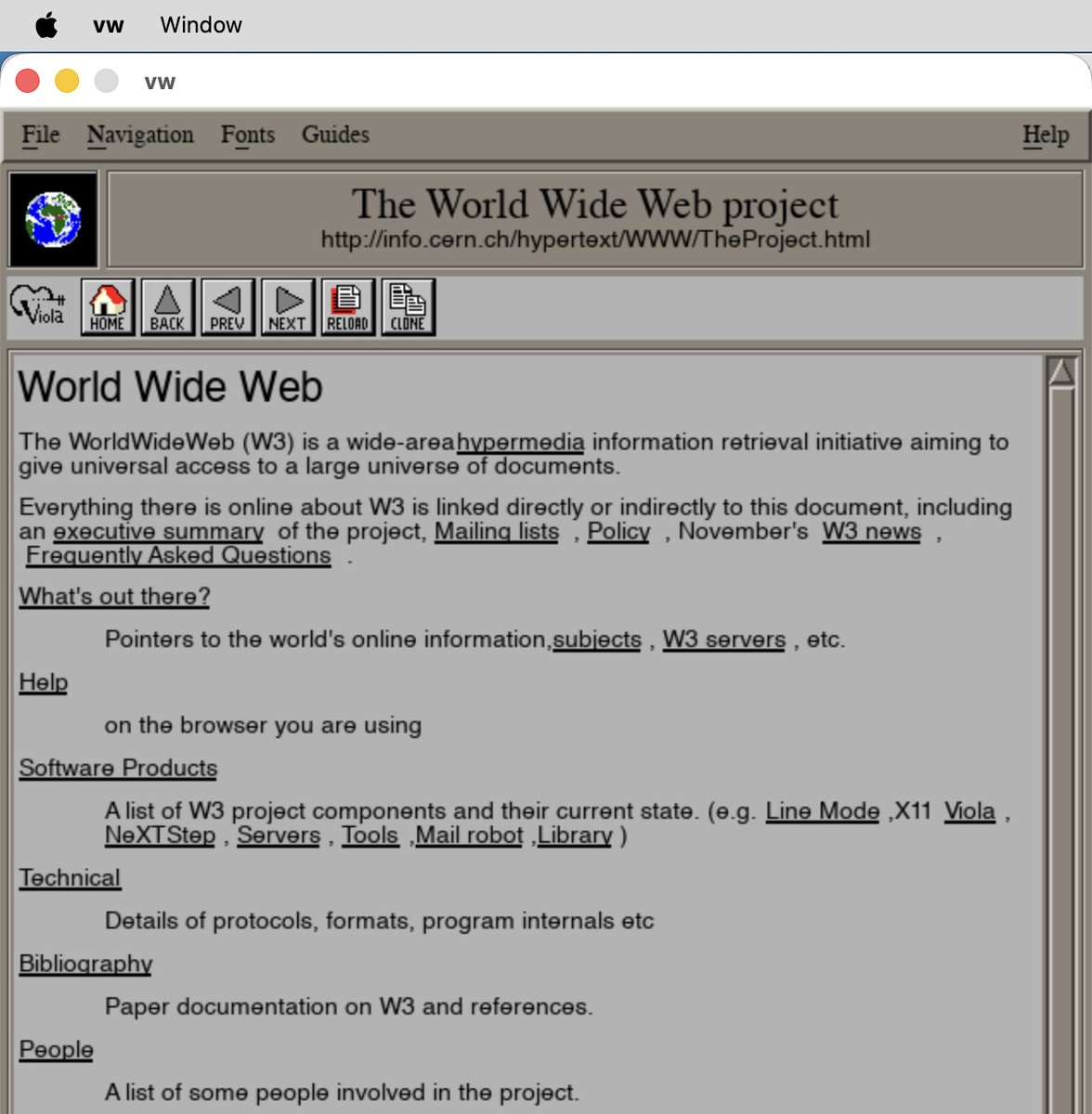
I work on libx11-compat, an in-process implementation of X Window System library built on top of SDL2. With minimal modifications, it can build and run world's first GUI web browser, ViolaWWW, as well as Mosaic on macOS without requiring an X server.
github.com/sysprog21/libx11-…
3
31
1,913
Jim Huang retweeted

Jun 8
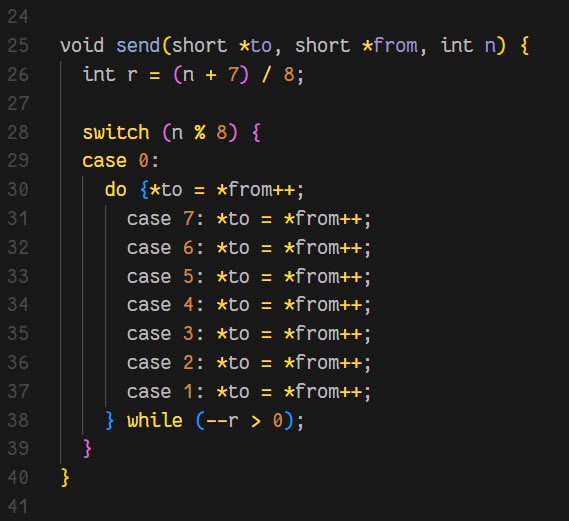
in 1983 a Lucasfilm engineer discovered you can legally interleave a switch and a do-while in C
it's called Duff's Device. it still compiles and technically valid C
Tom Duff's own words: "it amazes me that after 10 years of writing C there are still corners I haven't fully explored."
31
94
1,149
93,255
Jim Huang retweeted

On this day in 1984, a Soviet programmer at a Moscow research lab built a puzzle game in about three weeks, got hooked on it, and accidentally created one of the most played games in history.
A thread 🧵
1
12
51
2,693
Jim Huang retweeted
Jun 6
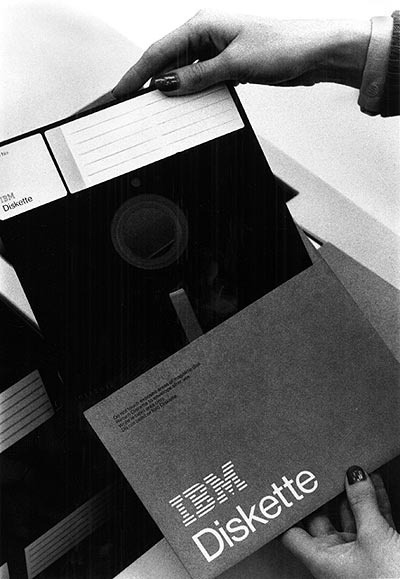
The Floppy Disk Patent #3,668,658 was issued Today in 1972, with named inventors Ralph Flores and Herbert E. Thompson. It was an 8" floppy disk.
17
101
453
24,898
Jim Huang retweeted

Jun 5
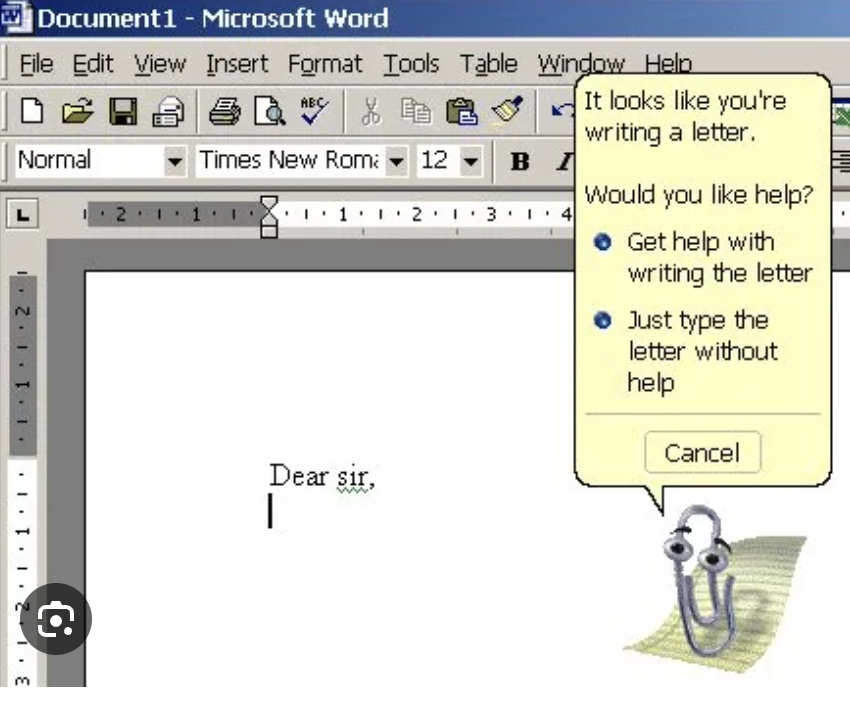
1997: the original agentic experience
242
112
1,289
74,343
Jim Huang retweeted

Jun 4
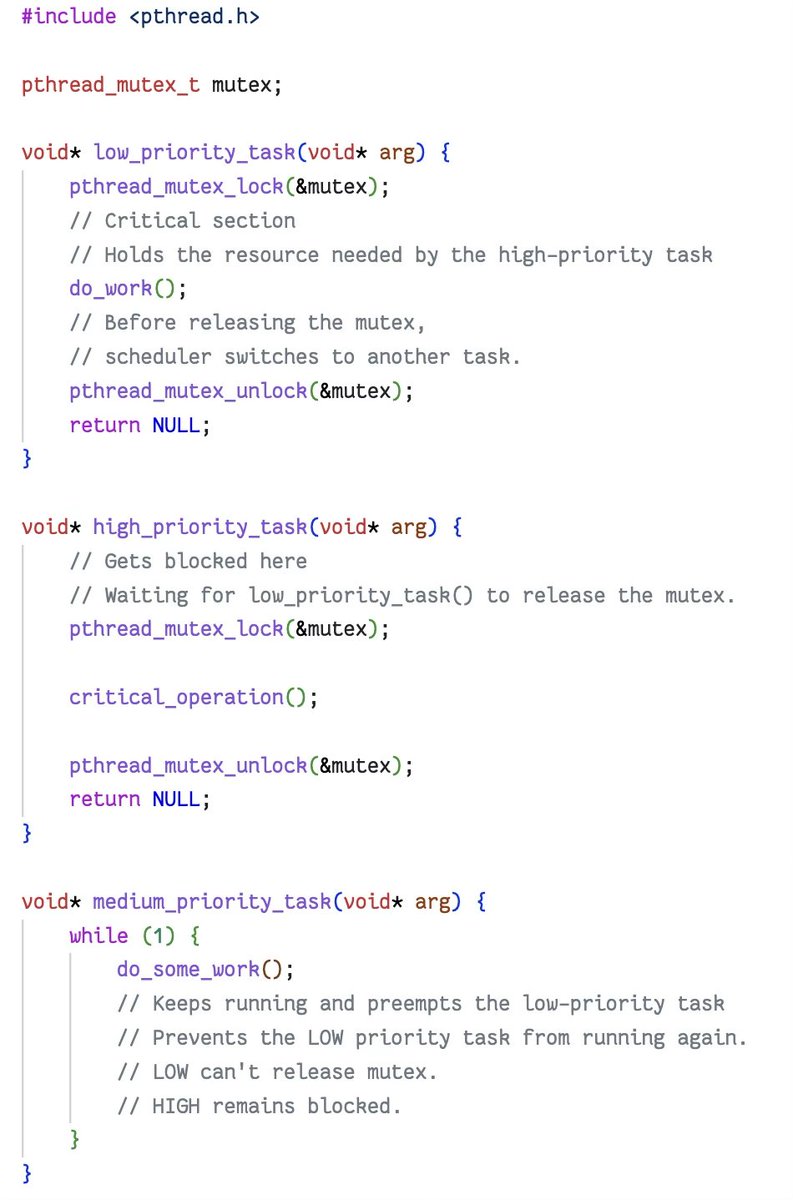
[NASA almost lost a $280M Mars mission coz of a bug every dev studies about in college.]
The 1997 Mars Pathfinder mission had a computer glitch on the Sojourner rover which triggered repeated total system reboots.
It was a Priority Inversion bug.
A low-priority task held a mutex, but a high-priority task needed it and a medium-priority task kept preempting the low-priority task.
This led the watchdog timer (failsafe) to reboot the system wiping all data again & again.
15
22
229
22,031
Jim Huang retweeted

May 31
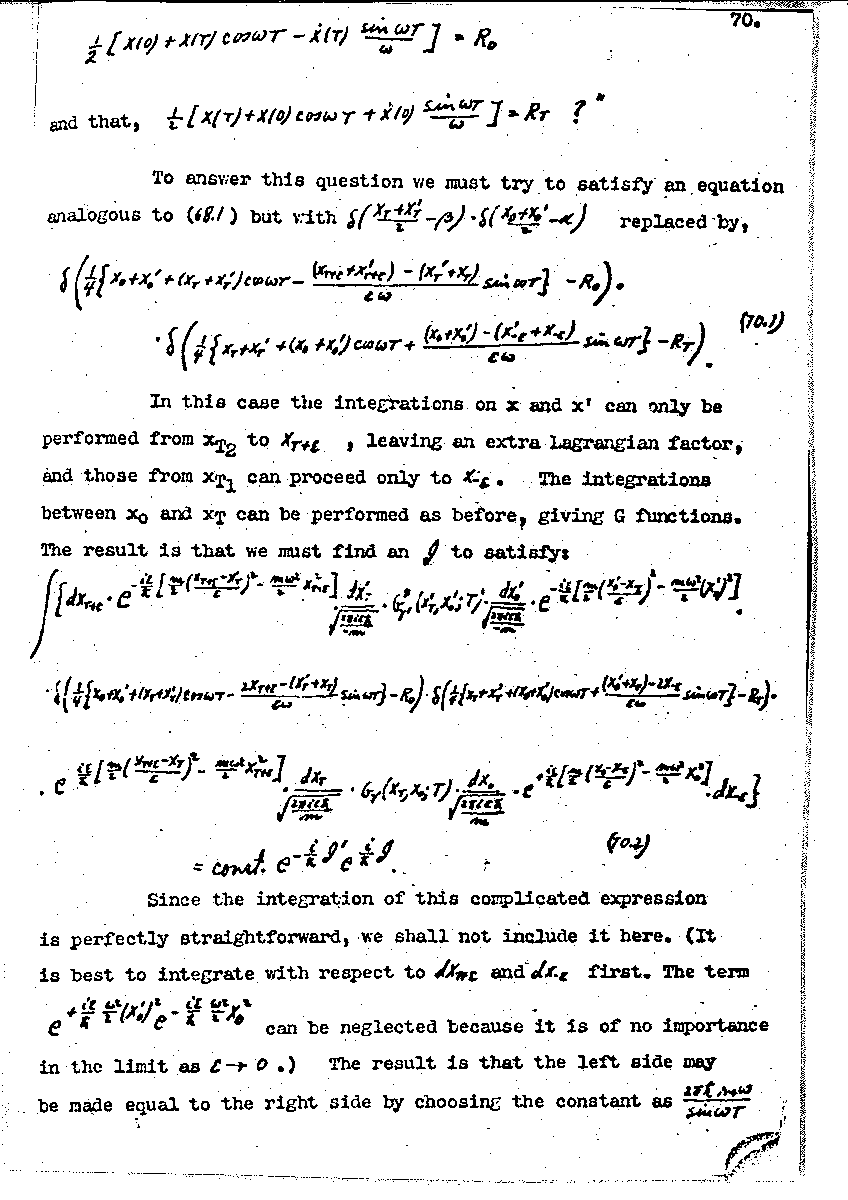
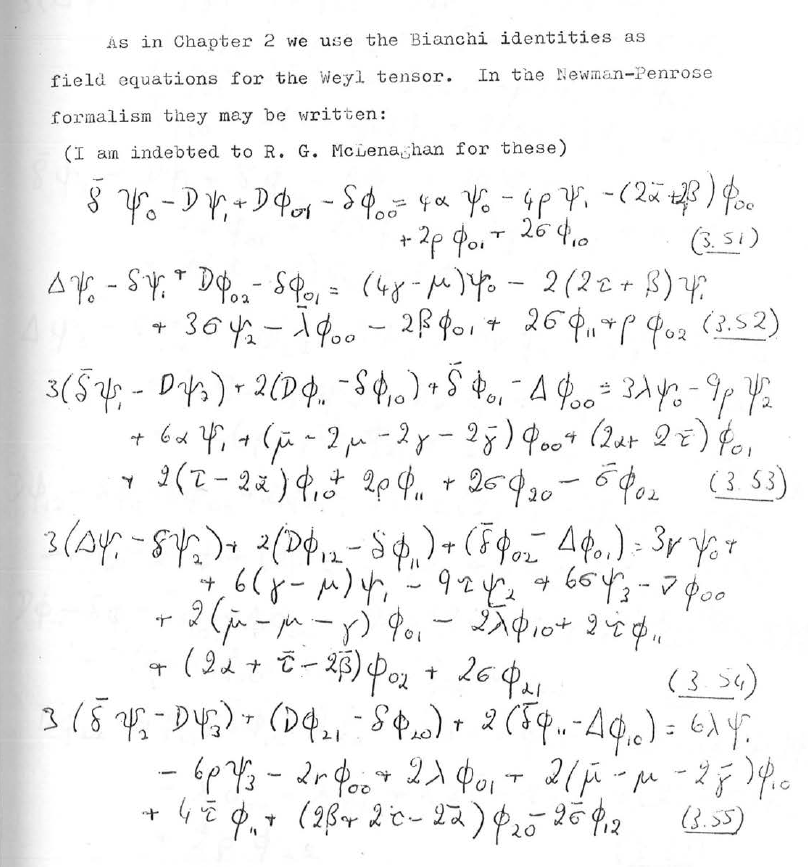
"I hate LaTeX."
Writing math before LaTeX:
45
209
3,111
245,892
Jim Huang retweeted

May 30
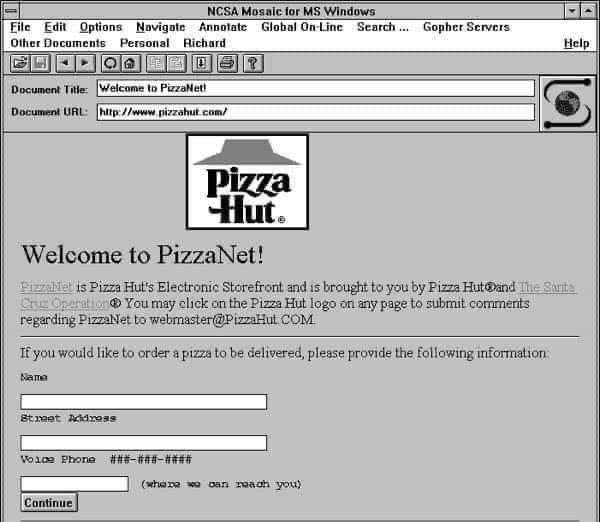
This is what ordering Pizza Hut online looked like in 1994
28
126
972
37,718

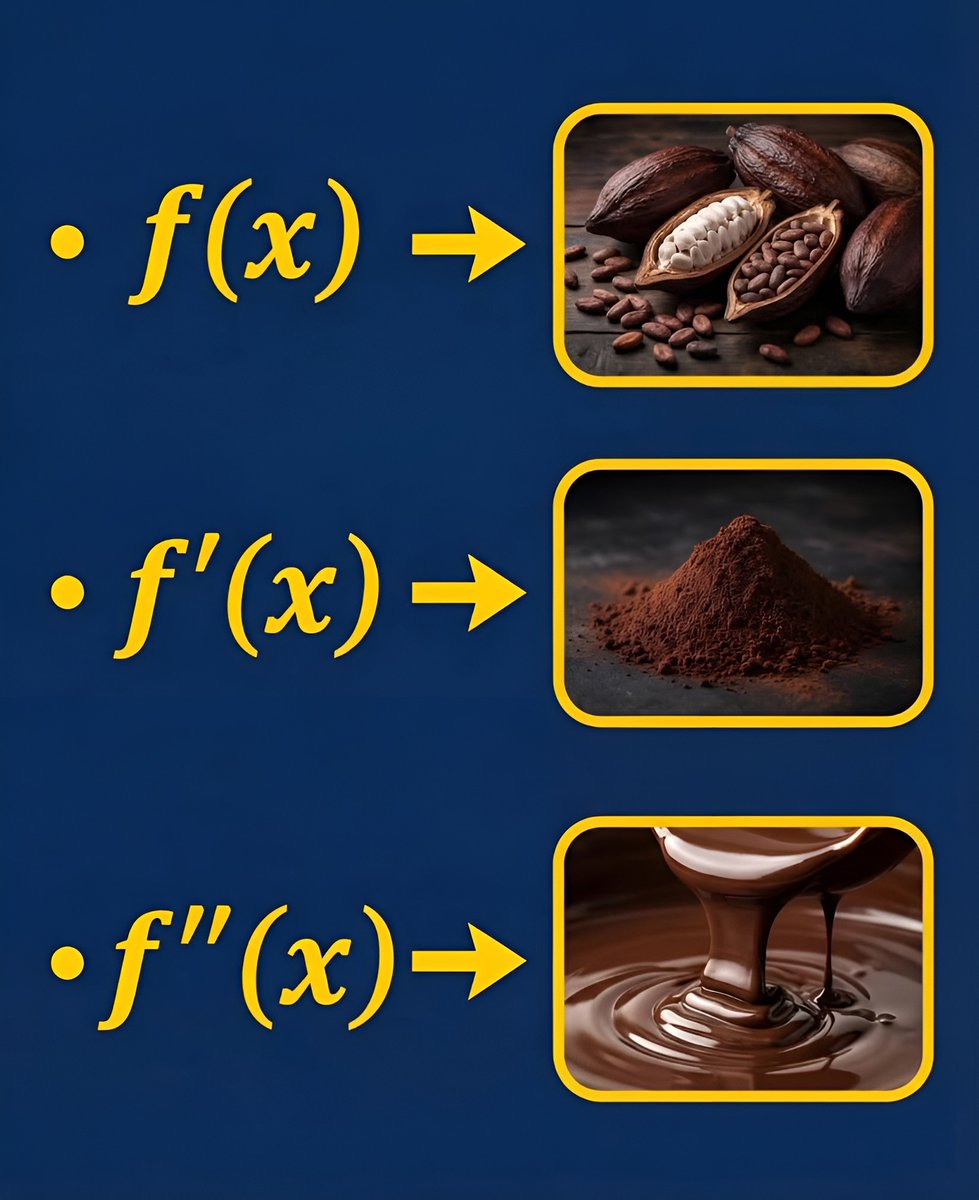

In 1995, a small team of engineers unveiled a new programming language designed for flexibility, portability, and robustness. That language was Java. And three decades later, it remains one of the most influential technologies in the software world.
Thank you for helping us celebrate #30YearsOfJava this past year. We look forward to many, many more years of pushing the boundaries of innovation and the pursuit of developer excellence. ❤️
21
199
838
47,540
Jim Huang retweeted

May 29
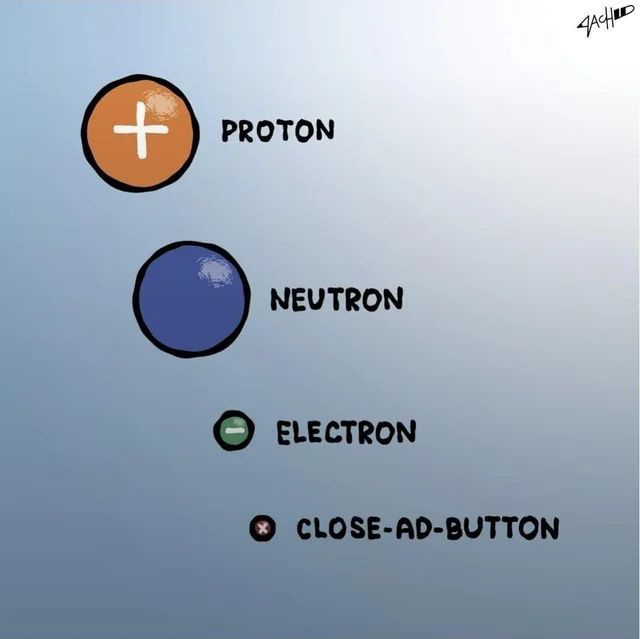
Sizes of subatomic particles
99
6,838
49,338
598,727
Jim Huang retweeted

May 28
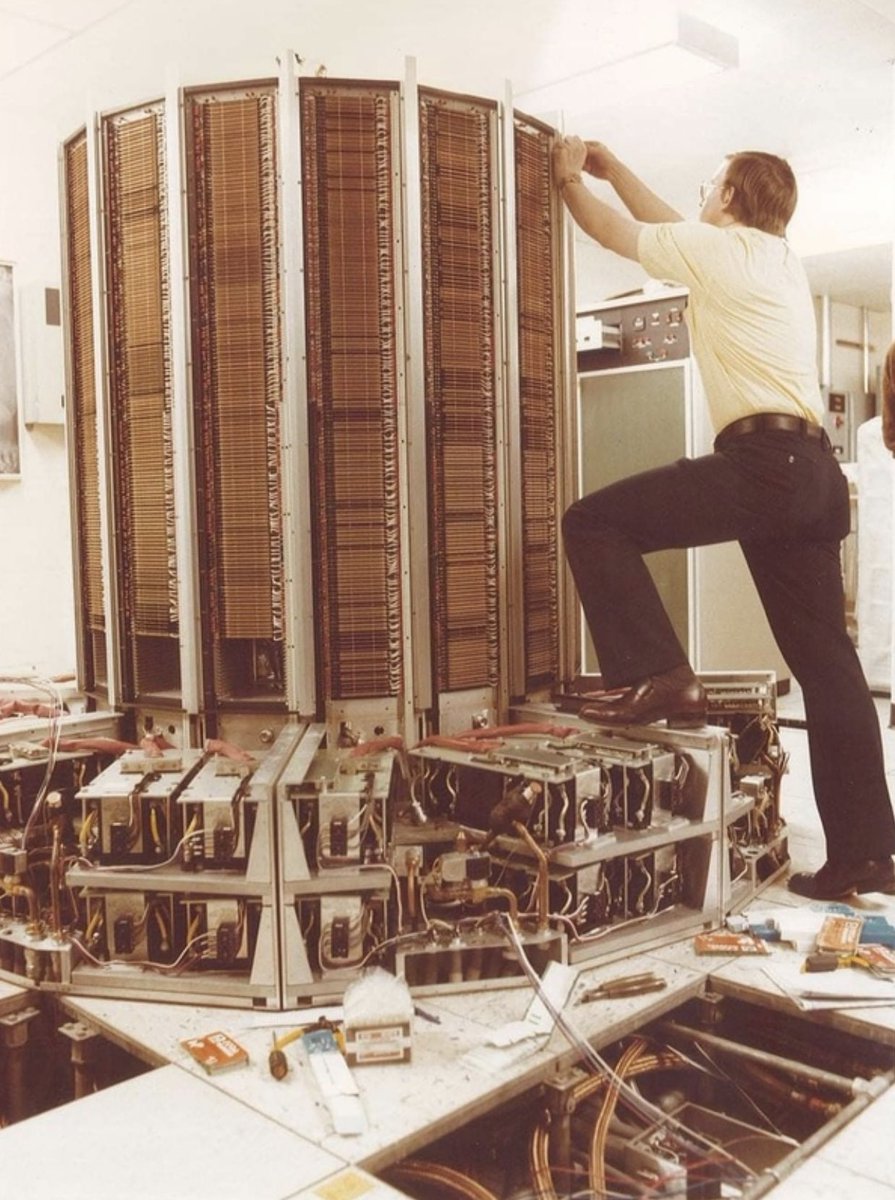
Cray-1, 1978. The device you are using now is many times more capable.
35
56
479
12,933



z386 is an open-source 80386-class FPGA CPU core that uses recovered Intel 386 microcode to run DOS and protected-mode software.
linuxiac.com/open-source-z38…
#OpenSource #i386
1
25
120
4,651
Jim Huang retweeted

May 24
macOS is officially UNIX-certified because Apple pays The Open Group, runs the full compliance tests, and maintains it for each release. Linux isn’t, mainly due to high certification costs, extreme fragmentation across distros, and no real need since it’s already Unix-like enough for practically everything. It’s basically just a paid badge Apple cares about.
1
4
69
5,793