
Joined December 2021
- Tweets 11,015
- Following 1,111
- Followers 3,177
- Likes 9,927
5,941 Photos and videos





Pinned Tweet

1 Mar 2025
“Pagans are all those who say yes to life, and to whom ‘God’ is a word signifying acquiescence in all things.”
Nietzsche - The Antichrist

7
42
651
98,700
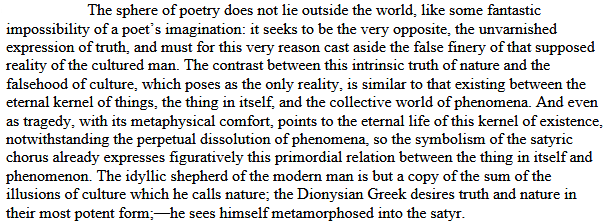
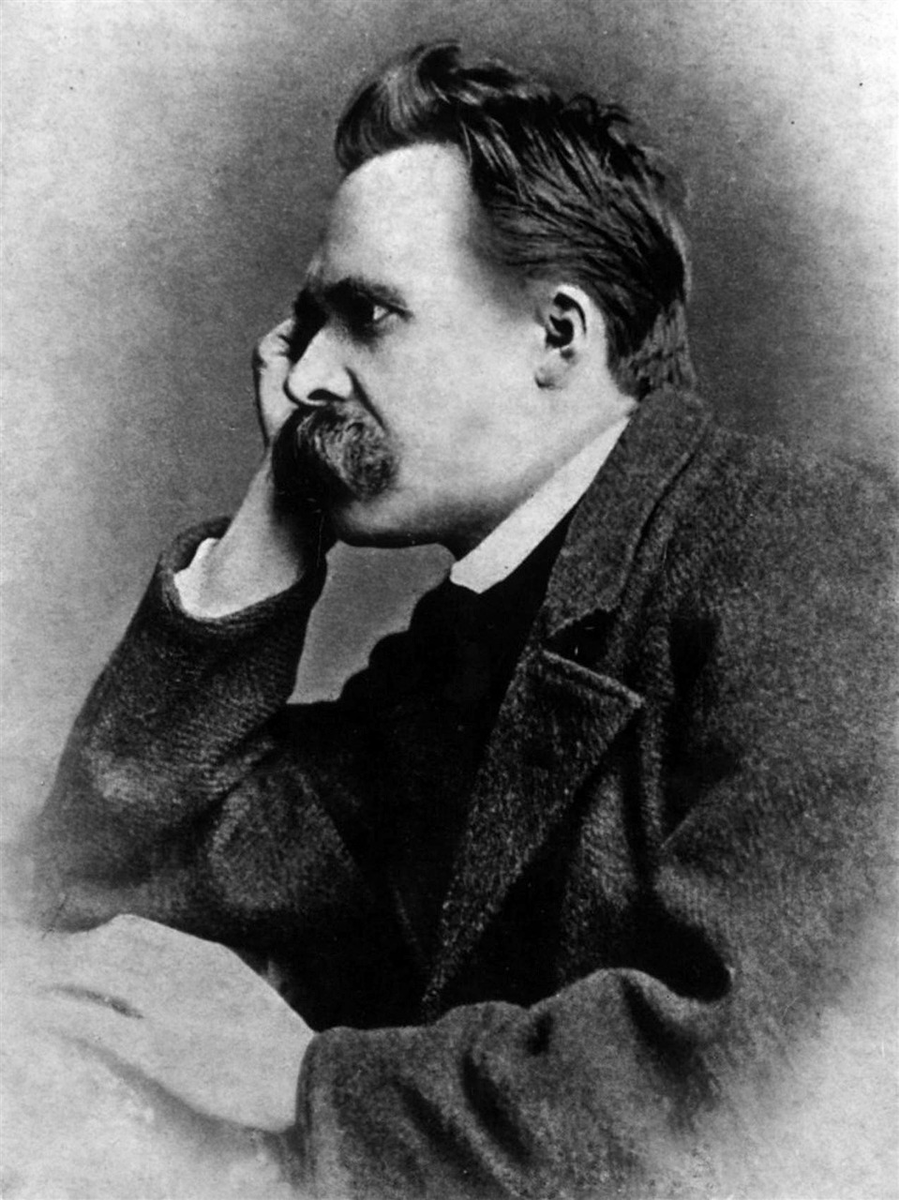
RT @jacqmusik: Nietzsche on poetry as the voice of nature breaking through the lies of civilization:
11
The Trickster Instinct
Mastering the trickster instinct is essential not only for commerce but also for warfare.
Both Alexander the Great and Julius Caesar mastered the arts of psychological warfare, bluffing, and deception. In the ancient world, this kind of military cleverness had a Greek name: mêtis — a combination of cunning, dissimulation, and opportunism (the classical quality of the trickster, exemplified by Odysseus).
The true trickster side of Alexander and Caesar appeared in their military tactics, designing brilliant traps in which deception was the primary weapon.
1. Alexander the Great
The supreme example of Alexander acting as a strategic trickster occurred at the Battle of the Hydaspes River (326 BC), in India, against King Porus.
Porus possessed a massive army and an apparently insurmountable barrier: hundreds of war elephants lined up along the opposite bank of a swollen and turbulent river during the monsoon season. Attempting to cross under Porus's watchful eyes would have been suicidal. What Alexander did instead was a psychological game that lasted for weeks.
A. The Logistical Bluff
He ordered massive food convoys to arrive at his camp and spread rumors that he intended to wait until winter for the river to subside.
B. The Noisy "Celebration"
Every night, Alexander ordered his cavalry to ride up and down the riverbank, blowing trumpets, shouting, and making as much noise as possible.
At first, Porus moved his elephants and troops in response to the commotion. After weeks of the same routine without any actual attack, Porus concluded: "It is merely a bluff meant to exhaust me," and stopped reacting to the disturbances.
C. The Silent Strike
Once the Indian army had become completely conditioned and relaxed by the repetitive noise, Alexander chose a night of violent storms, whose thunder concealed the sounds of real movement.
He left a double in the main camp with the campfires still burning to deceive enemy scouts, then secretly marched with his best troops 27 kilometers upstream, crossed the river in secret, and caught Porus completely off guard from the rear the following morning.
2. Julius Caesar
Julius Caesar operated at a level of audacity that bordered on insanity, constantly using the enemy's own perceptions against them.
A. The Siege of Alesia (52 BC)
Against the Gauls led by Vercingetorix, Caesar found himself in a bizarre situation: he was besieging a fortified city when a massive Gallic relief army (four times larger than his own) arrived and began surrounding him from the outside. He became the besieger who was besieged.
Rather than retreat, Caesar constructed two lines of fortifications: one facing inward to keep Vercingetorix trapped, and another facing outward to defend against the relief army. During the coordinated Gallic assault from both inside and outside, Caesar's defenses came close to breaking.
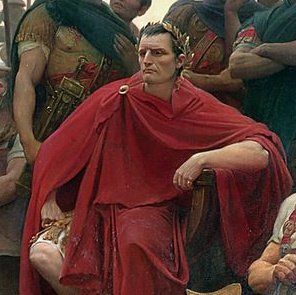
Caesar then resorted to pure theater of war. He donned his famous bright red cloak (paludamentum), making himself visible from nearly a kilometer away, gathered only a few remaining cohorts and cavalrymen, and rode outside the fortifications, creating the impression that he was leading a massive reinforcement force that did not actually exist.
The Gauls saw the red cloak, believed a large Roman army was flanking them from the rear, panicked, and retreated, causing the siege to collapse in Caesar's favor.
"All warfare is based on deception. When capable, feign incapacity; when near, make the enemy believe you are far away."
— Sun Tzu
Although these words were written by Sun Tzu, Alexander and Caesar practiced them perfectly without ever having read The Art of War.
4
233
I'm going to start making playlists now with songs I like to listen to and post them here. This first playlist only has phonk music. The next one will only have rock, the one after that only classical music, soundtrack (anime/game), and so on. Each playlist will always have 6 songs.
00:00 If You Care
03:15 Pulse Breaker
05:30 Dystopia
08:25 Call Me
14:45 Override
16:50 Void
2
163
ἄλλος γάρ τ’ ἄλλοισιν ἀνὴρ ἐπιτέρπεται ἔργοις.
“For different men enjoy different deeds.”
— Homer, Odyssey
3
121
979
I forgot to add one more axiom; there are actually 6 axioms.
After placing each one in the categories, I realized the epistemology category was missing. I asked the AIs if they could derive it from the previous categories, and they couldn't, so I needed to add it because it's a fundamental pillar.
Politics and aesthetics didn't need a separate
axiom because it's already implied by ethics.
Here's the version with the categories:
1. Axiom of Substance (Metaphysics/Theology)
Everything is an immanent body within the Voluntas Ecstasis (Will to Ecstasy), the unified and eternal substance of reality, which manifests itself through branching wills called gods.
2. Axiom of Becoming (Ontology)
Energy is finite, indestructible, and cyclical, operating in
cycles of accumulation and release: nothing is fixed but becoming.
3. Axiom of Expansion (Anthropology)
Every entity seeks to expand its power and pleasure, entering into relations of friction, opposition, or cooperation with other bodies.
4. Axiom of Polarity (Sexuality)
All expansion occurs through complementary relations of
penetration and reception, symbolized by the phallus and the vulva.
5. Axiom of the Good (Ethics, Aesthetics, and Politics)
The good, the beautiful, and the just increase power and pleasure; the evil, the ugly, and the unjust diminish them.
6. Axiom of Adequacy (Epistemology)
Knowledge is the body's adequate assimilation of reality,
and truth is that which adequately aligns with the real flow.
Jun 15

My book, The Uroboros, had 70 axioms. Now I've reduced them to 5. I've only kept the essential ones (you can even count on the fingers of one hand). Through them, one can derive any position I hold on anything. My entire philosophical system is derived solely from these 5 axioms.
1
205

Jun 15
My book, The Uroboros, had 70 axioms. Now I've reduced them to 5. I've only kept the essential ones (you can even count on the fingers of one hand). Through them, one can derive any position I hold on anything. My entire philosophical system is derived solely from these 5 axioms.
9
545
Jun 14
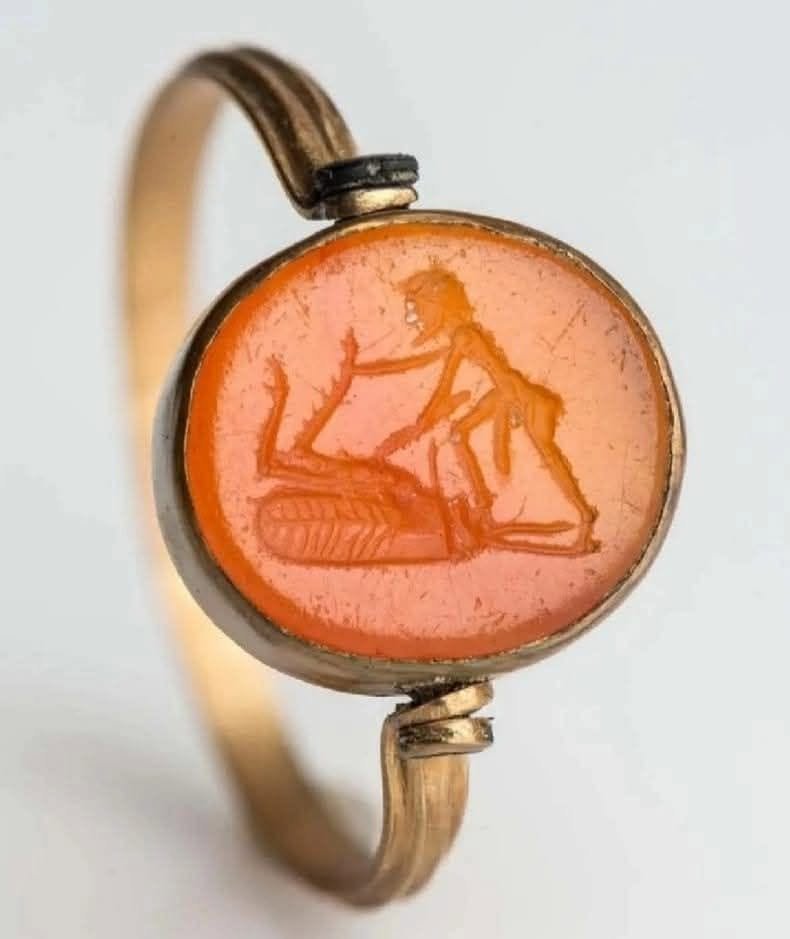
A Man Killing a Grasshopper
— Roman gemstone (1st century BC)
2
9
392
Jun 14
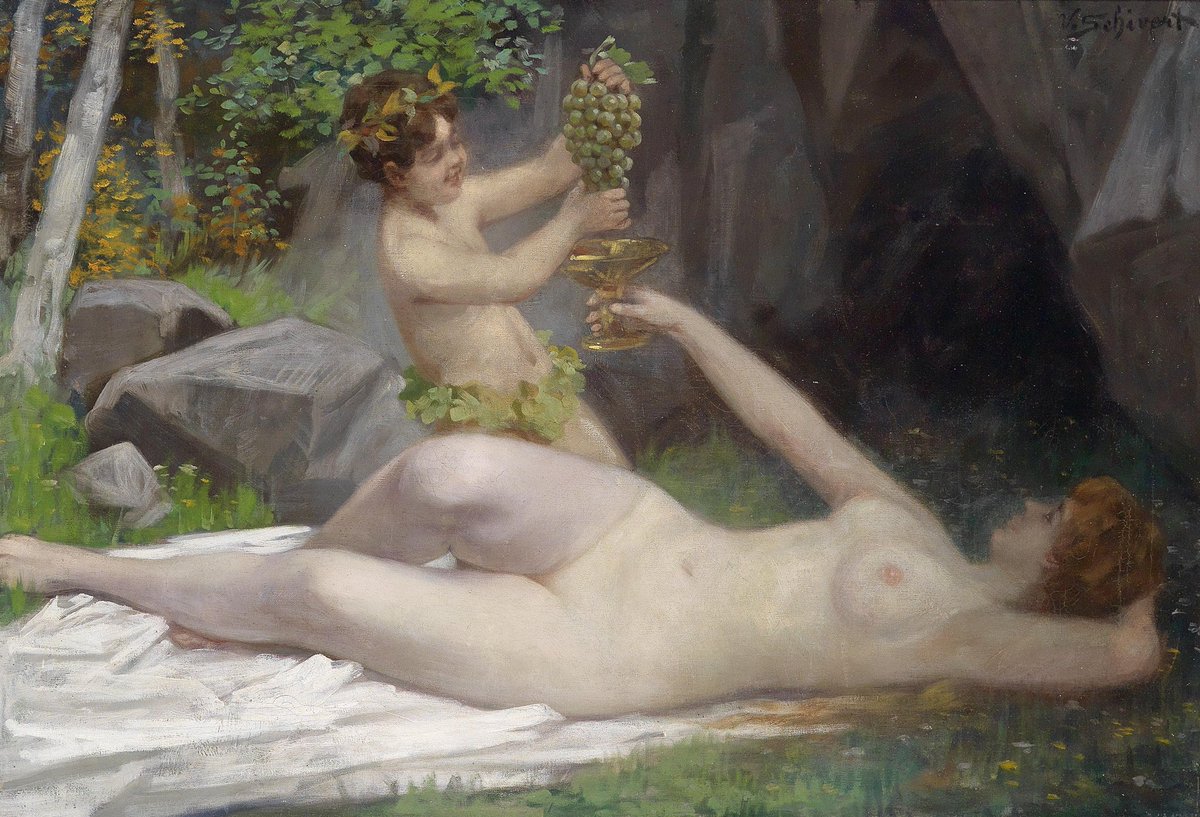
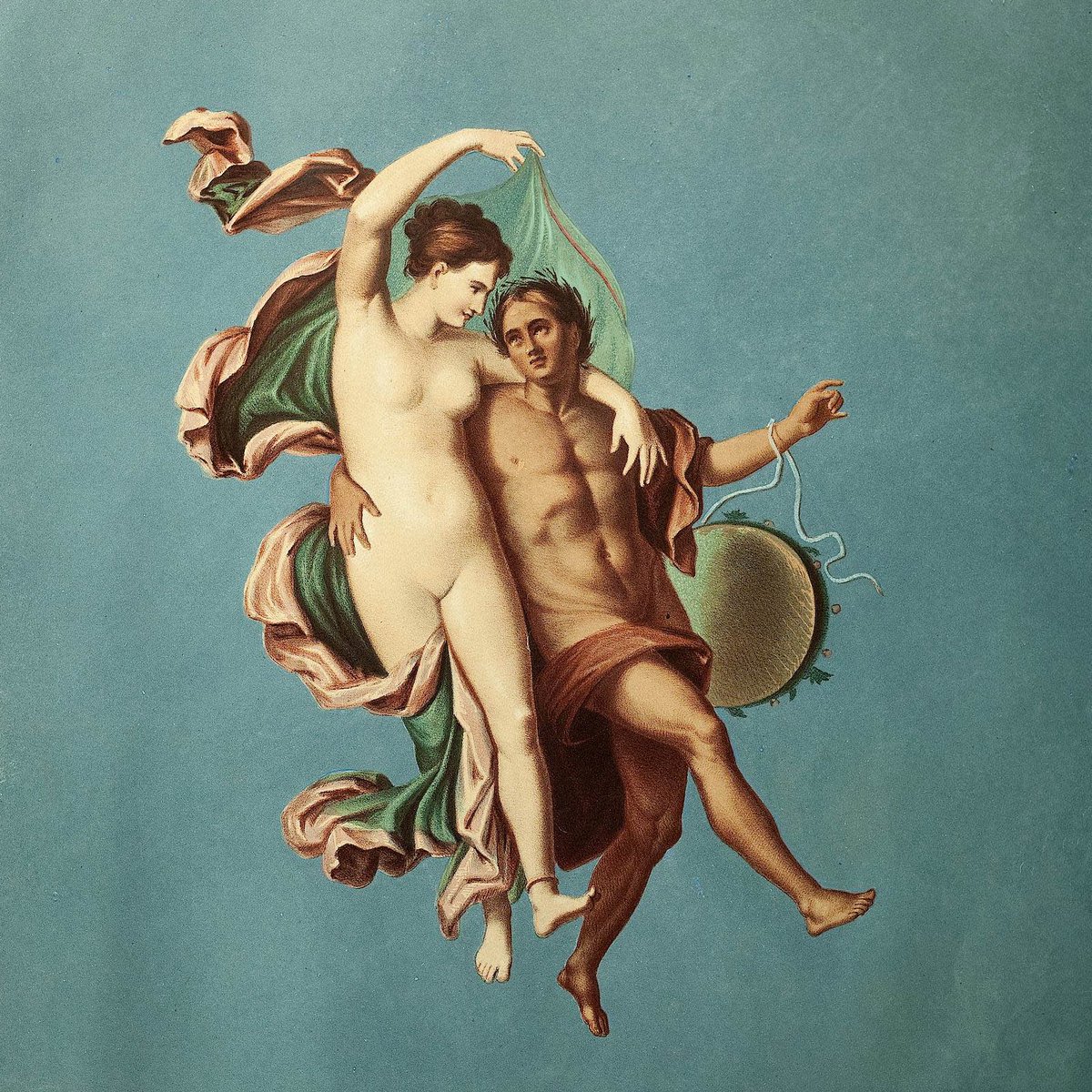
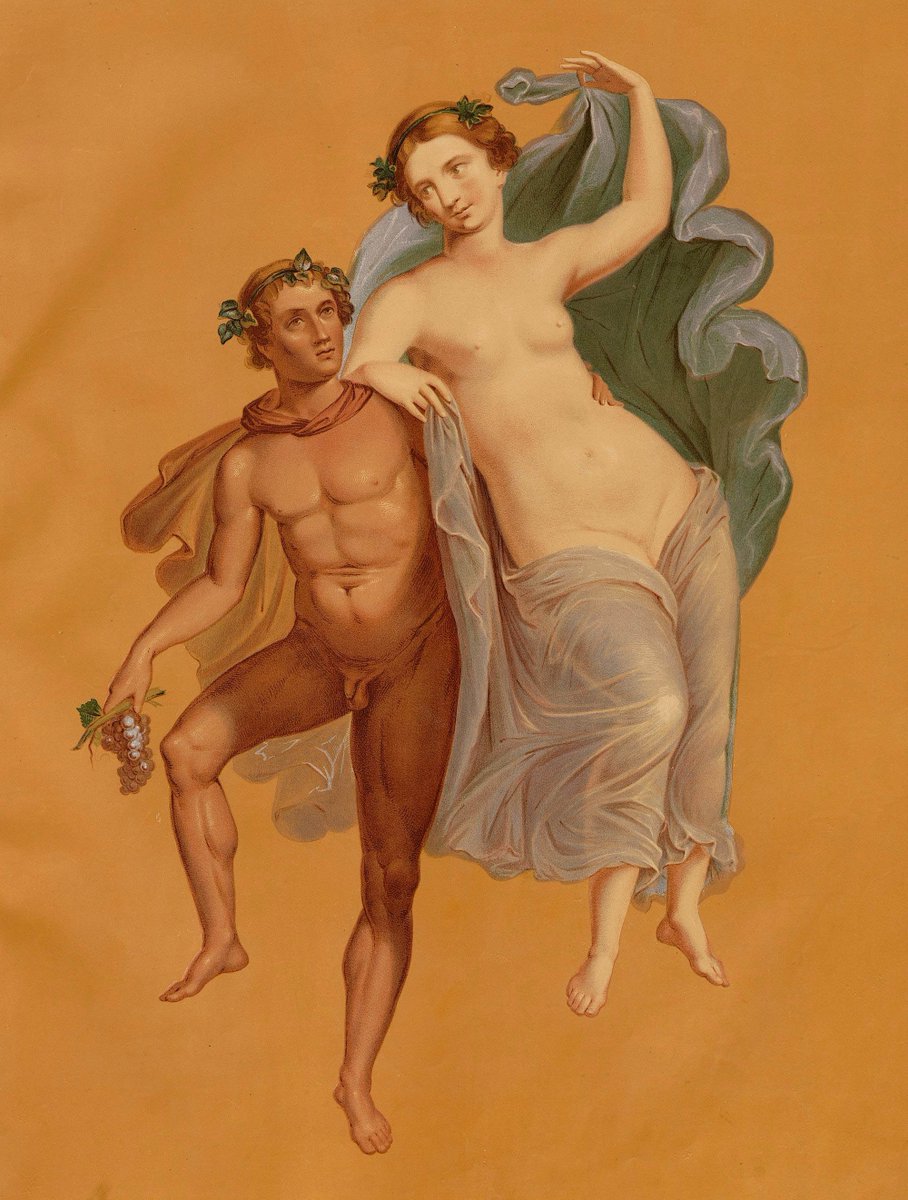
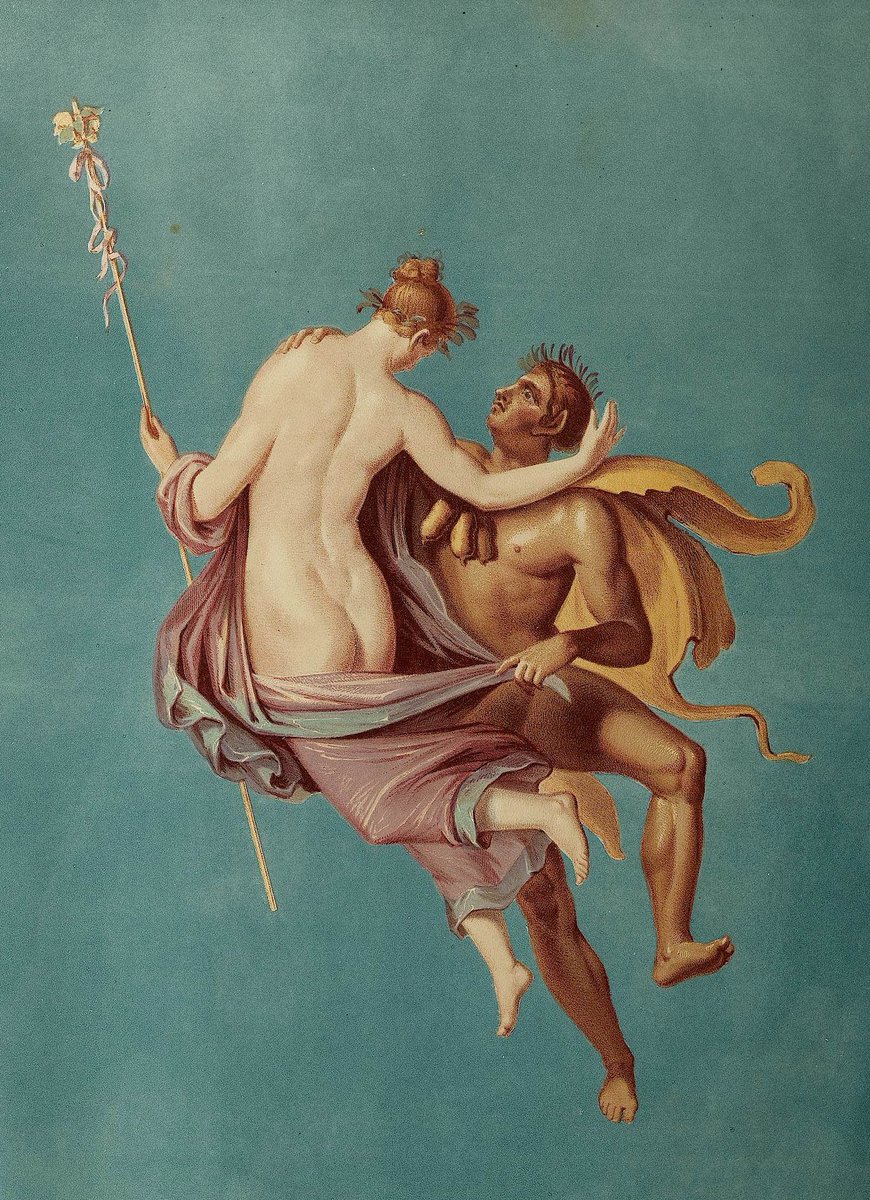
The Forest Nymph and the Young Bacchus
— Victor Schivert (1926)
3
29
500
Jun 14
For me, Poseidon is an extension or aspect of Hermes.
Because Hermes is the god of commerce and travel, he inevitably also becomes the god of the seas and navigation (as is Poseidon).
Merchant peoples dominated the seas, as Athens itself did (also Carthage, Phoenicians, Portugal, etc.).
1
5
359
Jun 14
I already like Homer, you don't have to sell him to me.

"I read Homer for moral improvement."
Ok. How many men have you killed? How many cities have you sacked? How many women have you raped?
1
7
463
Jun 14
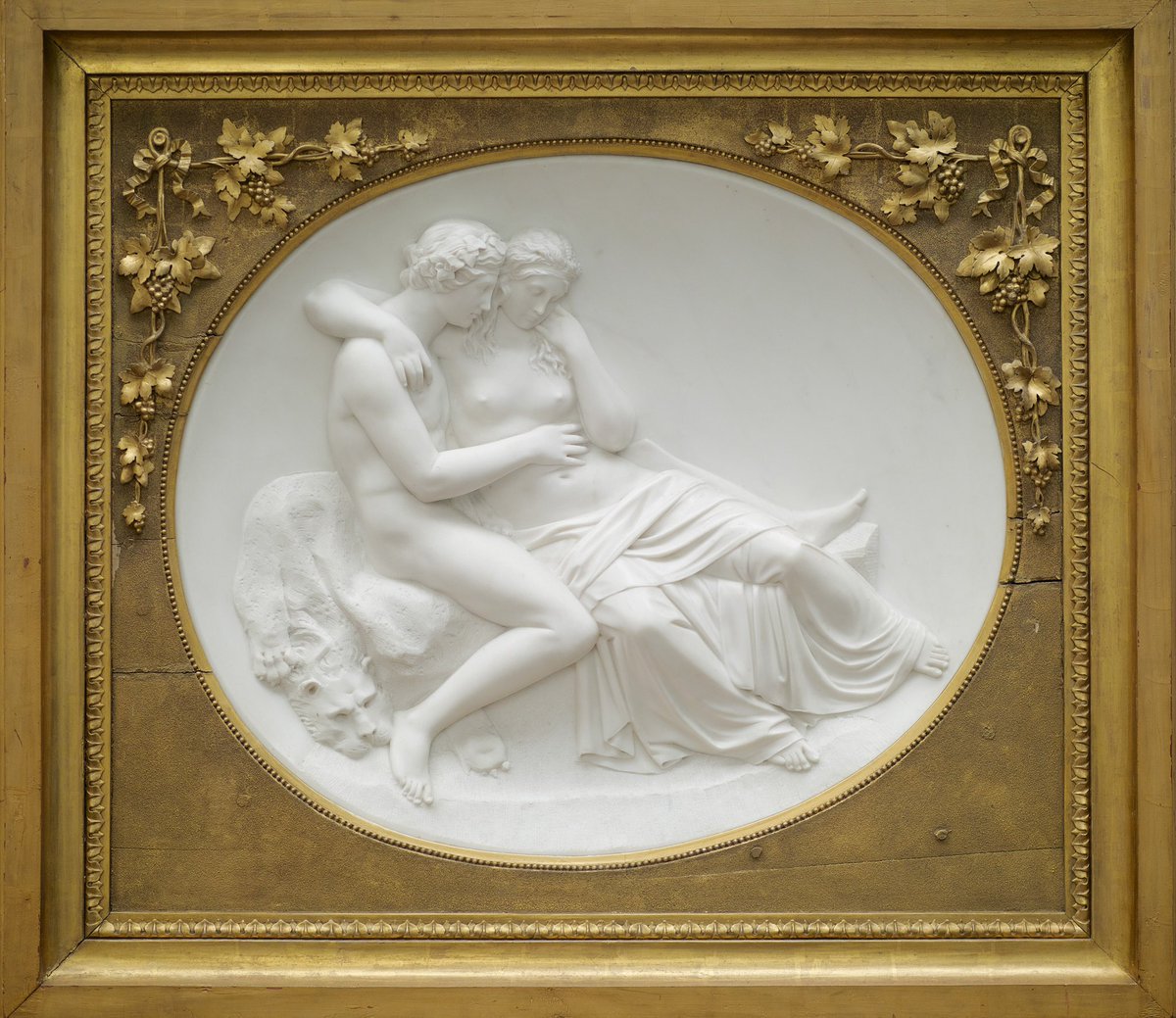
Bacchus and Ariadne
— Johann Gottfried Schadow (1764-1850)
2
7
347
Jun 13
Christianity is a disease and a parasite. Average Christians are lazy, fearful, and unambitious people, as if they had some kind of parasite draining their energy.
They only like comfort: that's why they avoid both power and pleasure, since an excess of both requires suffering and prior effort, as well as danger. They prefer to remain bored and live like cattle (who only reproduce and die).
1
1
28
633


Jun 13
When I read the Iliad, I remember being so fascinated by Homer that I finished the book in just two days. I read nonstop for hours from the moment I started. I only stopped to sleep.
1
11
432
Julius Python 🍇 retweeted

Jun 13
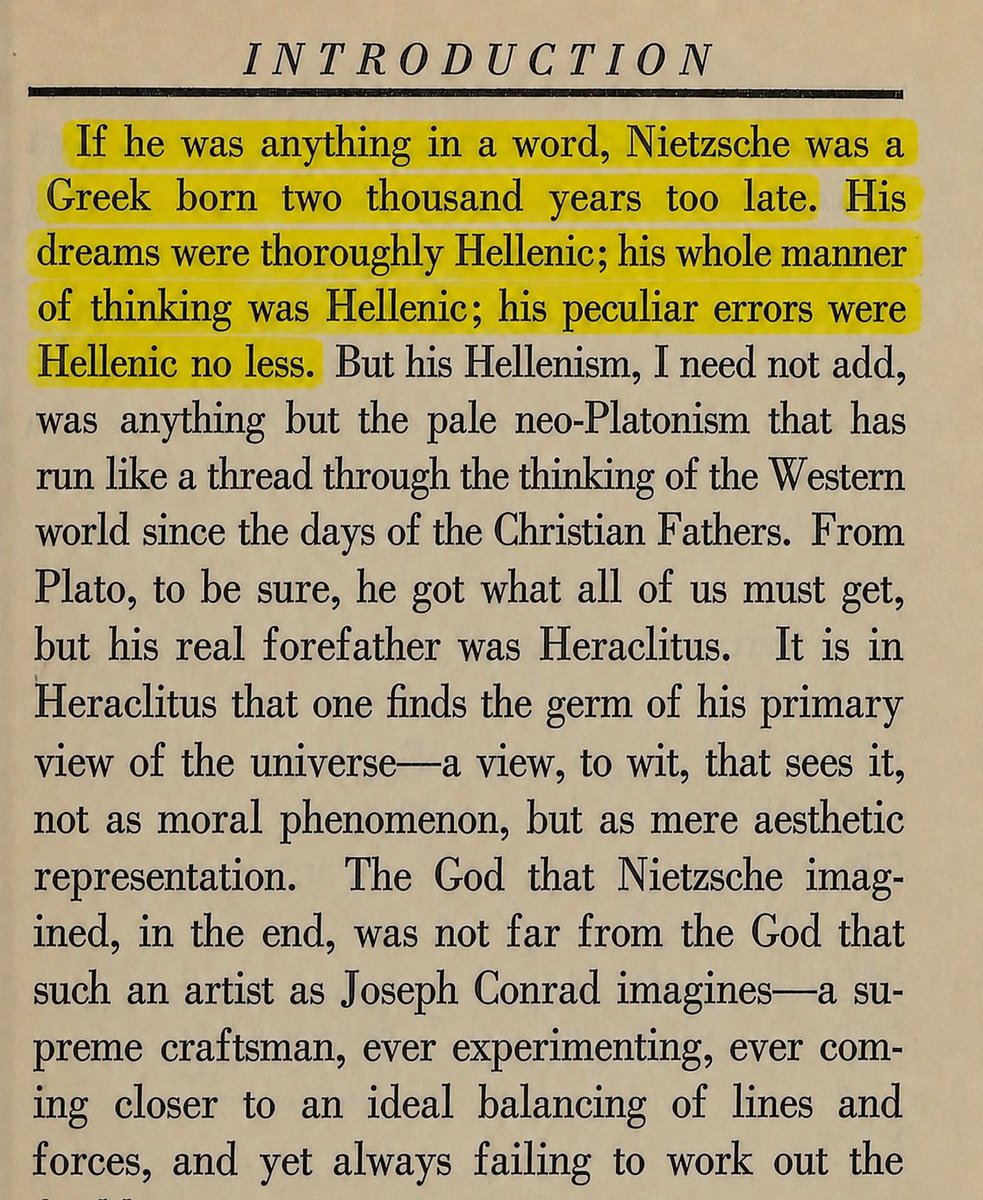
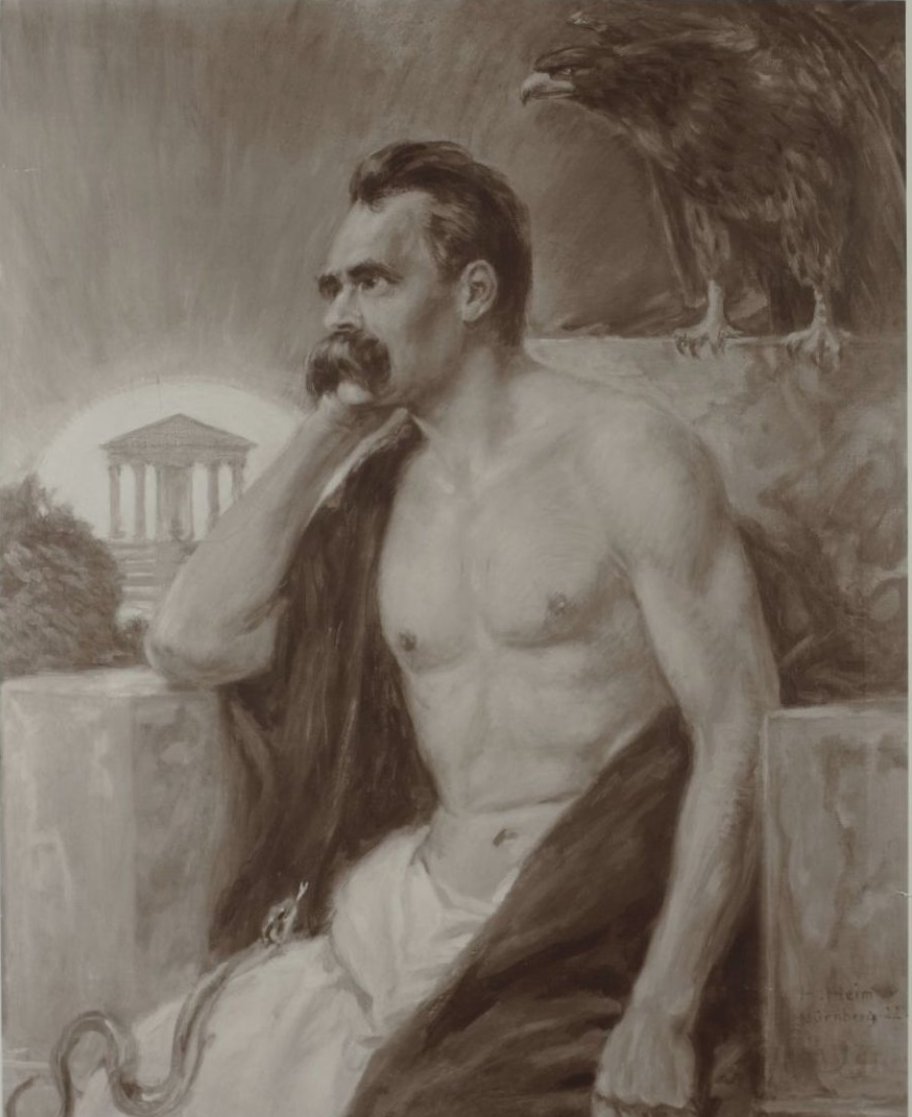
H. L. Mencken on Nietzsche, saying he "was a Greek born two thousand years too late." , writing that his Hellenism was not the gay neo-Platonism inherited by the Christian Fathers but the older homeric spirit that saw existence not as a moral phenomenon, but as an aesthetic one.
8
92
894
21,711