I shoot things📸📸📸
Joined March 2017
- Tweets 3,069
- Following 442
- Followers 528
- Likes 53,292
2,324 Photos and videos
Jun retweeted
After 15 years of fighting for harm reduction, the 2026 Nicotine Summit delivered a message many of us have been waiting to hear:
Not all nicotine products are the same.
FDA officials, researchers, and public health experts spent much of the Summit discussing a continuum of risk, recognizing that combustible cigarettes pose the greatest danger while lower-risk alternatives may have a role for adult smokers.
Meanwhile:
• Nicotine pouches are gaining regulatory acceptance.
• FDA enforcement priorities are evolving.
• The debate is shifting from ideology to science.
The question shouldn't be "How do we eliminate nicotine?"
It should be: "How do we reduce smoking-related disease and death?"
That's the conversation worth having.
#NicotineSummit2026 #TobaccoHarmReduction #Vaping #PublicHealth
6
17
258
Jun retweeted

Jun 8
The vaping timeline is a case study in how regulators can turn a public health opportunity into a public health mess.
📅 2007: E-cigarettes arrive in the U.S.
📅 2015: Youth vaping ~3.5 million
📅 2016: FDA Deeming Rule treats low-risk vaping products like cigarettes.
📅 2019: FDA ignores black-market THC products during the EVALI panic while headlines blame "vaping."
📅 2020: Flavor bans and restrictions push consumers toward illicit products.
📅 2021-2026: Millions of PMTA applications rejected, while cigarettes remain widely available.
The result?
➡️ Millions of Americans now wrongly believe vaping is as harmful—or more harmful—than smoking.
➡️ Adult smokers face fewer legal options.
➡️ The illegal market explodes.
➡️ Cigarettes remain the leading cause of preventable death.
Harm reduction was simple: help smokers switch to lower-risk alternatives.
Instead, the @US_FDA spent a decade regulating vaping as if it were the problem rather than the solution.
#Vaping #TobaccoHarmReduction #HarmReduction #FDA #PublicHealth #SmokingCessation #VapeAdvocacy #THR #SaferNicotine #VapeTruths
4
18
48
817
Jun retweeted

Apr 26
April 26, 2026
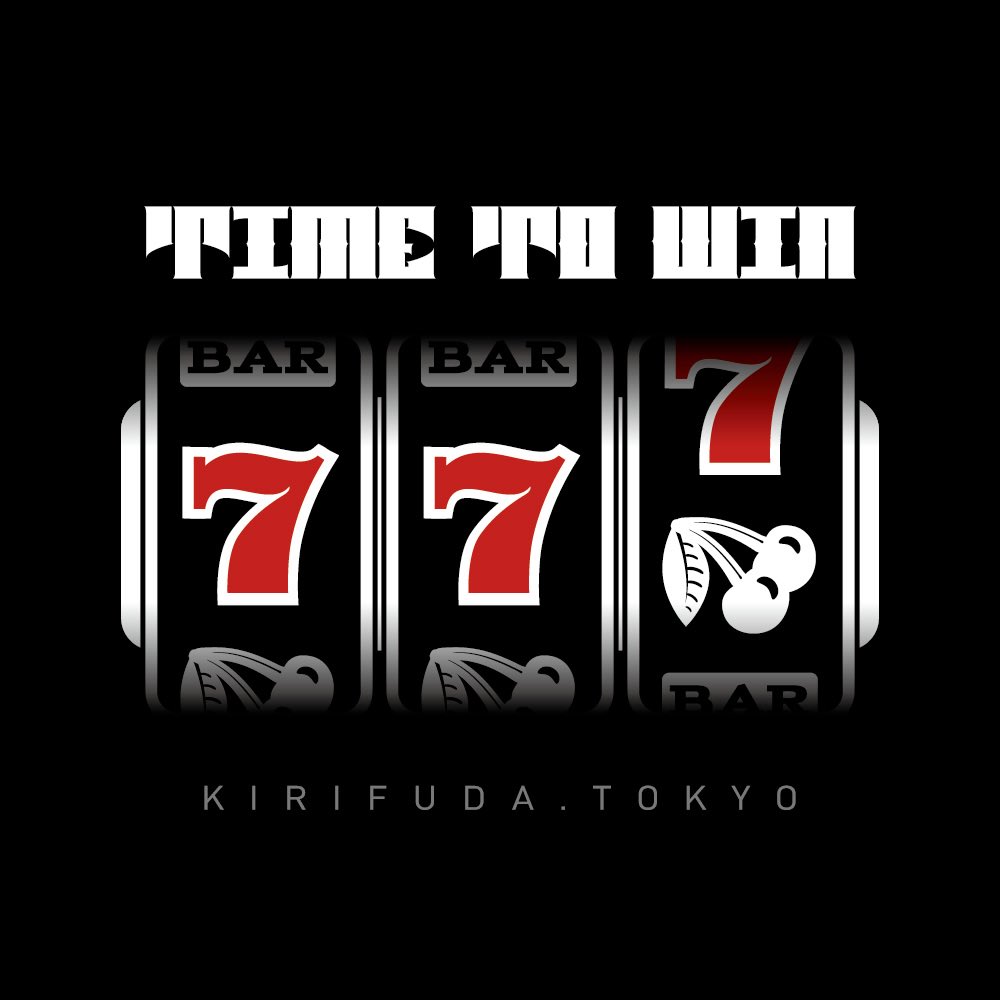
7th Anniversary🎰
“Time to Win”
ただいま臨時休業中ではございますが、おかげさまで7周年を迎えることができました。
ここまで続けてこられたのは、支えてくださる皆さまのおかげです。心より感謝申し上げます。
今後とも変わらぬご愛顧のほど、よろしくお願いいたします。
2
7
84
2,225

Mar 19
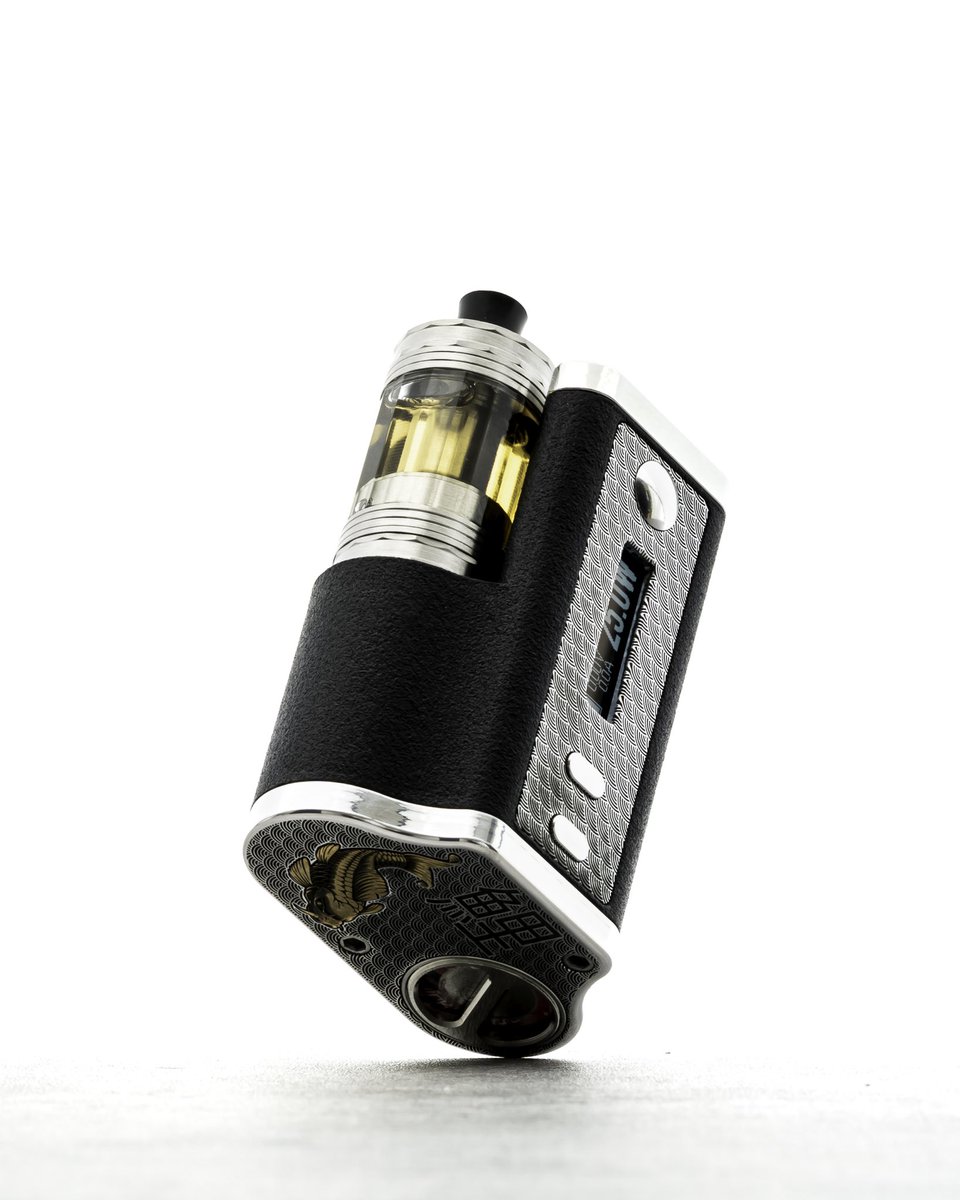
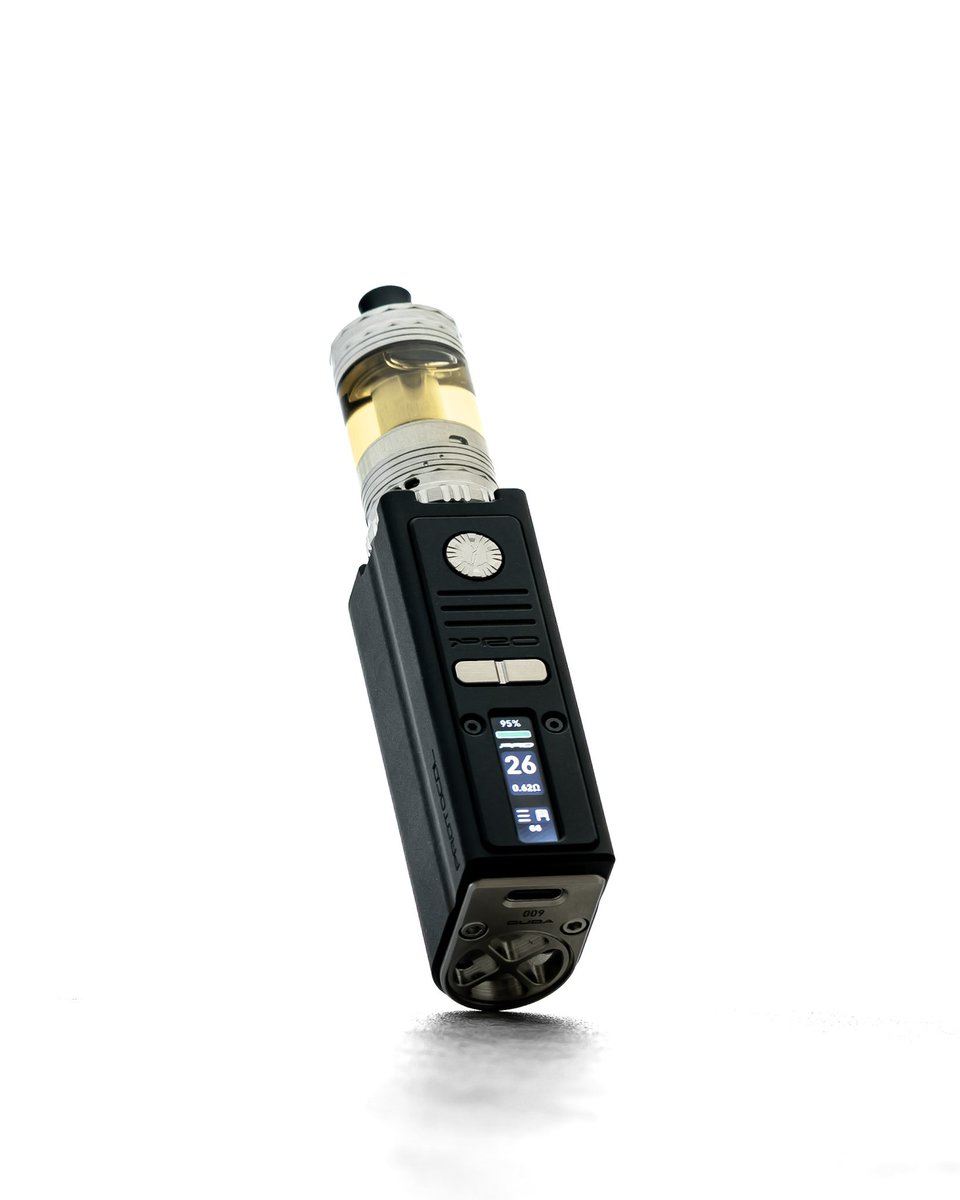
TGIF‼️
Hope you all have a wonderful day😉
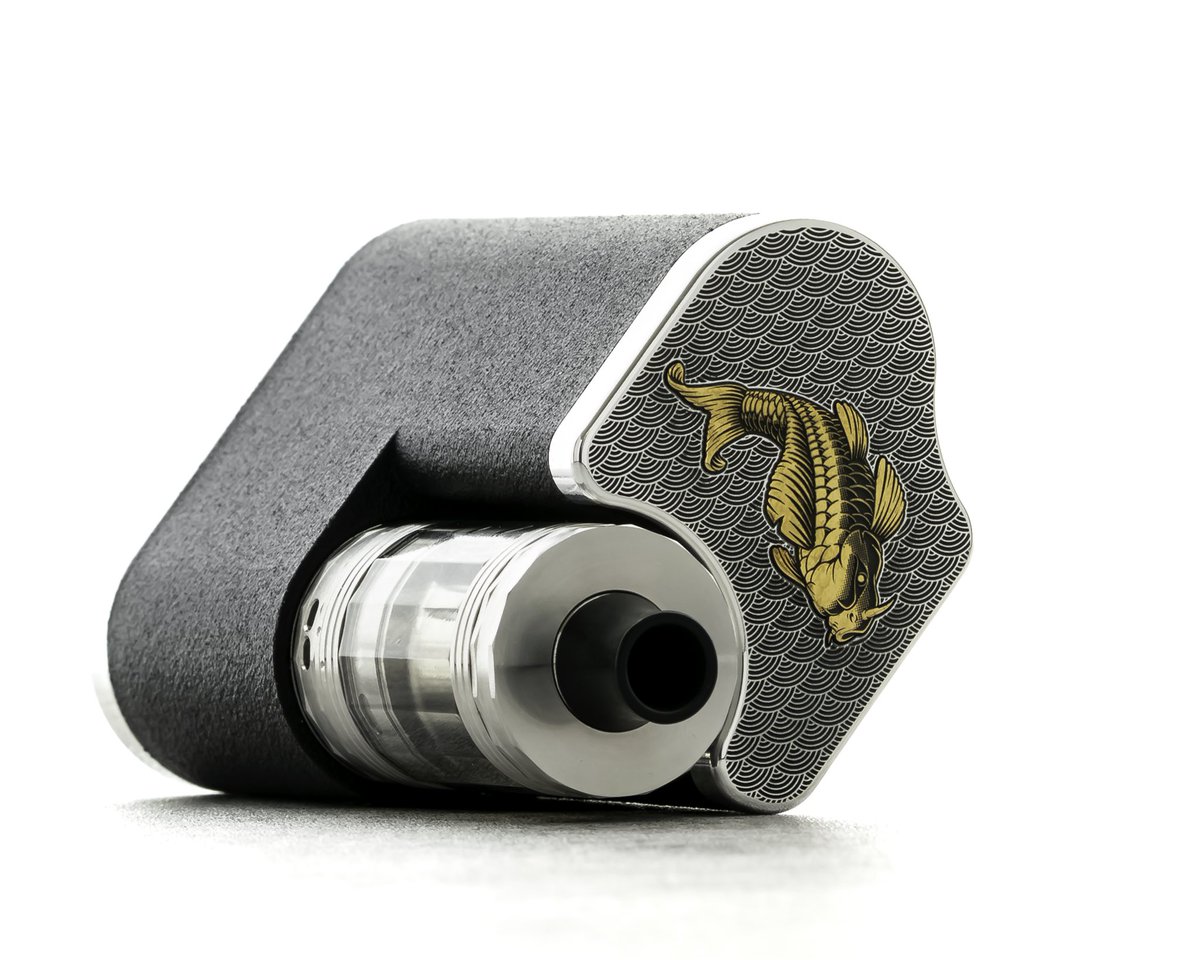
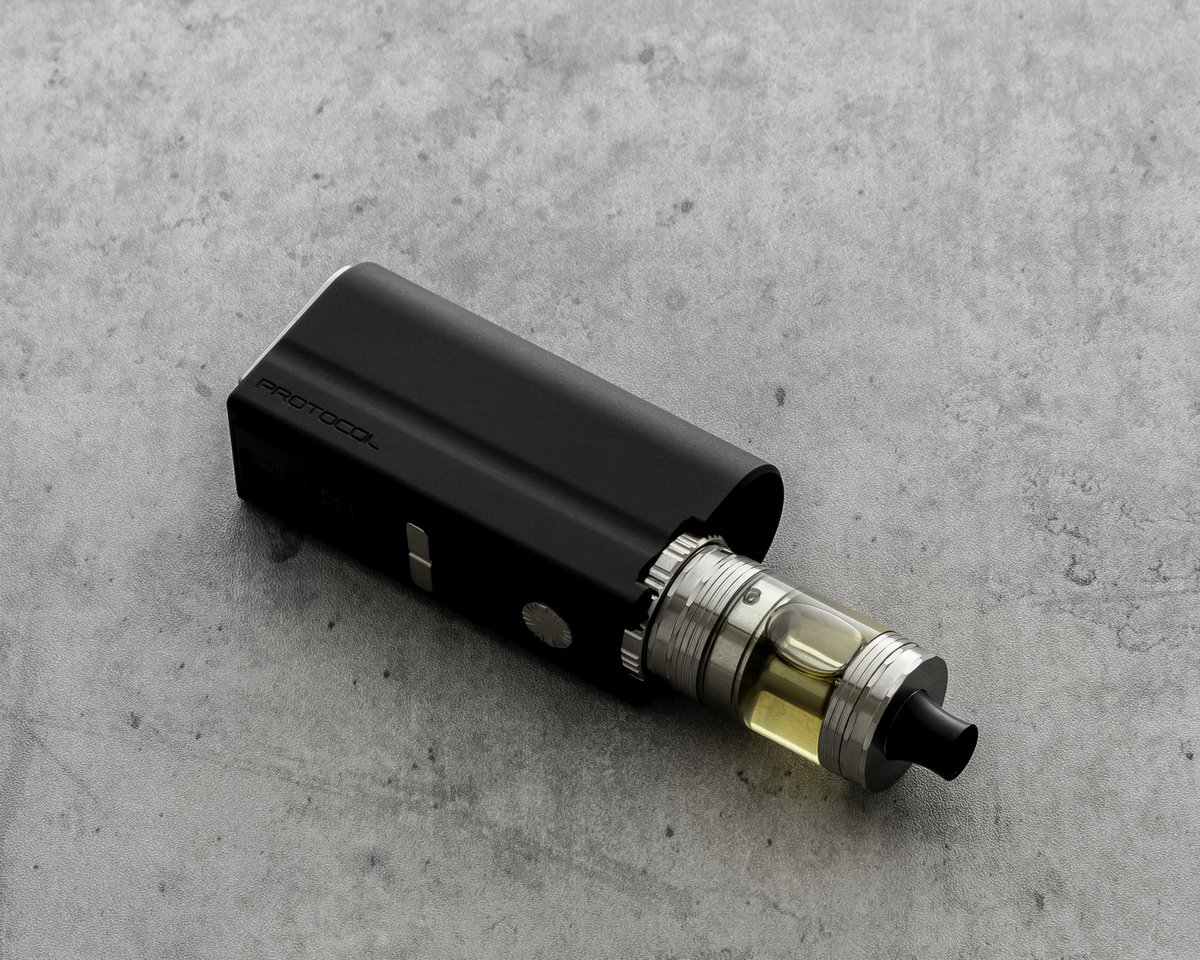
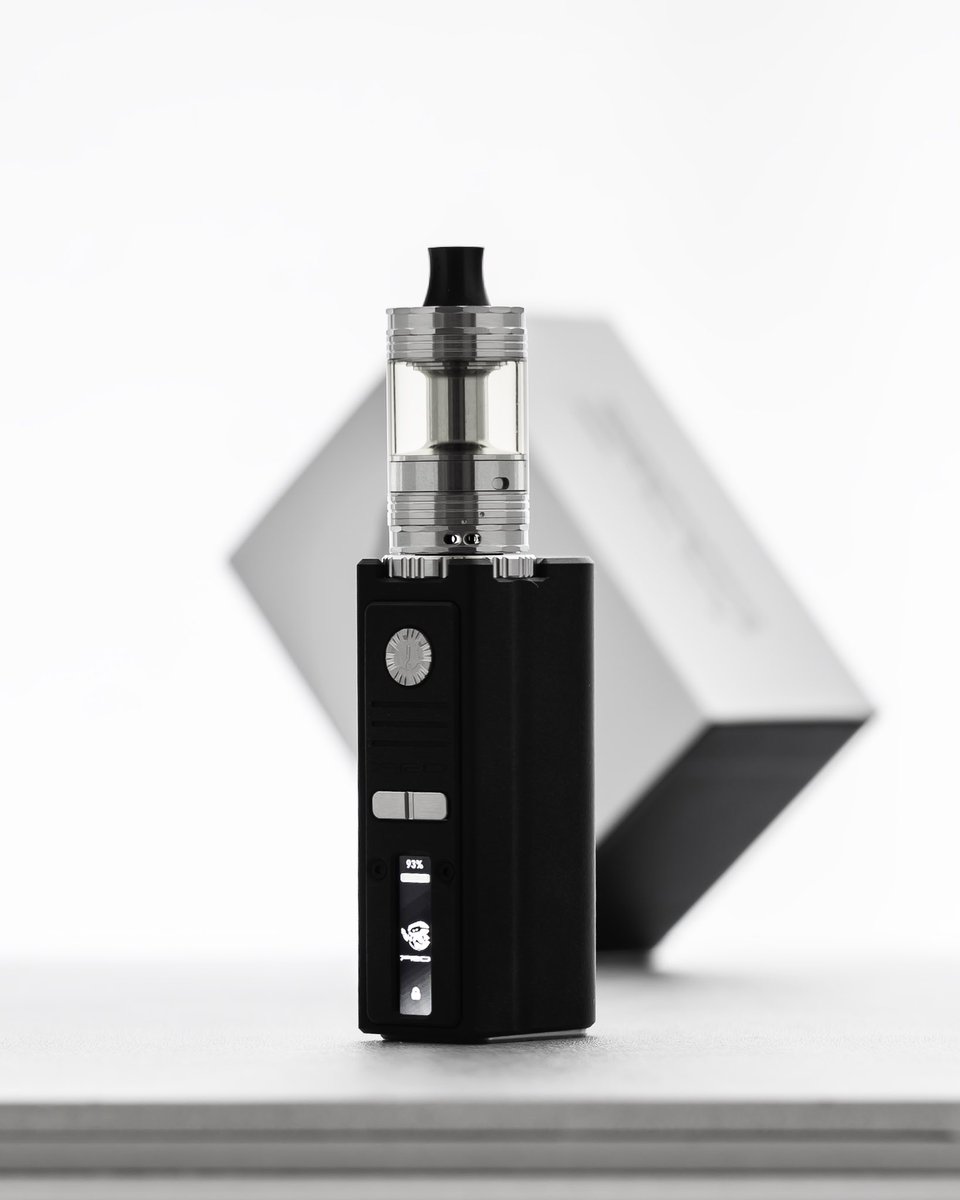
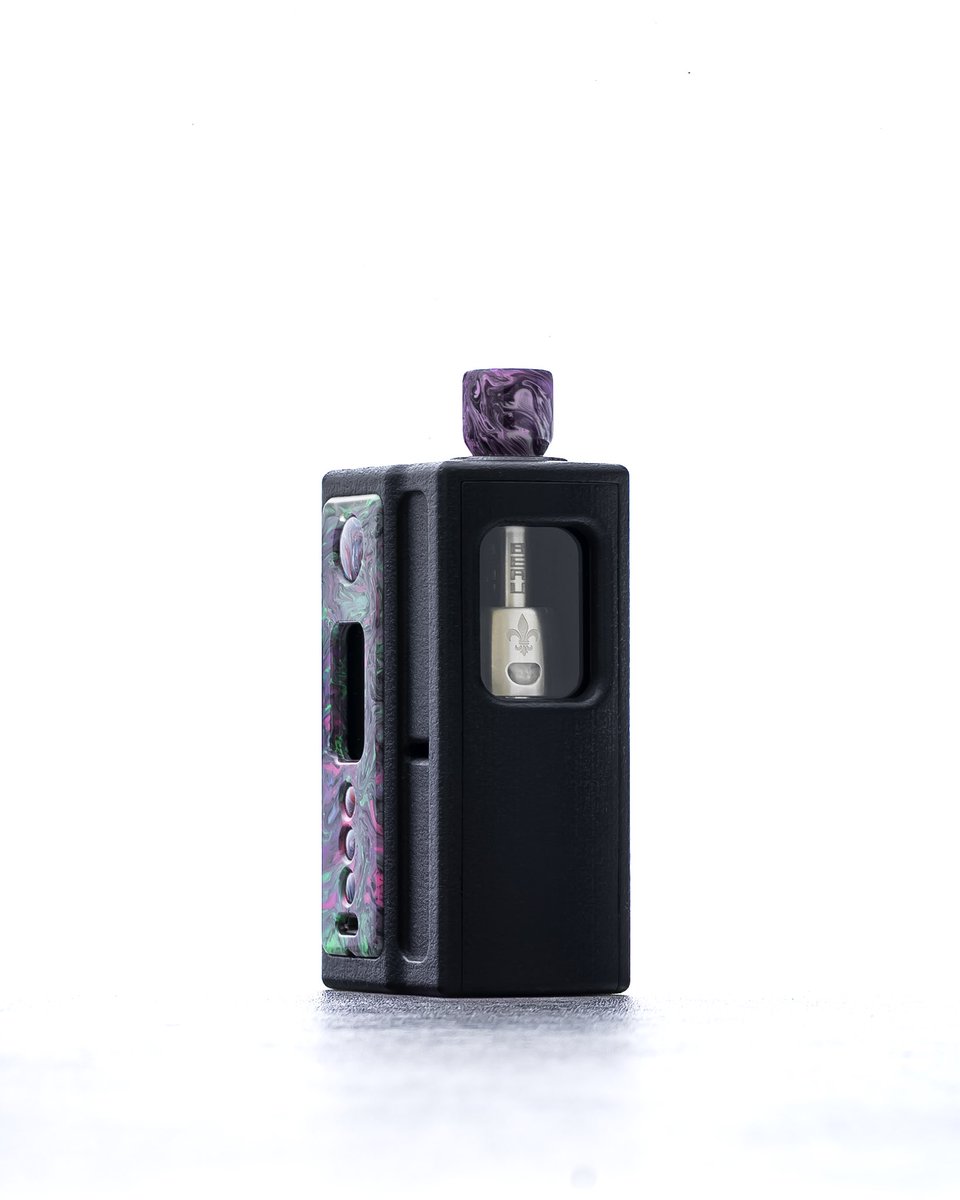
Cuda✖️Rafir R
@AugustinBourdin
#abmods #rafir #protocolvapetech #cuda #japanvape #purevaporjapan
25
298
Mar 17
Love this!!


5
310
Mar 12
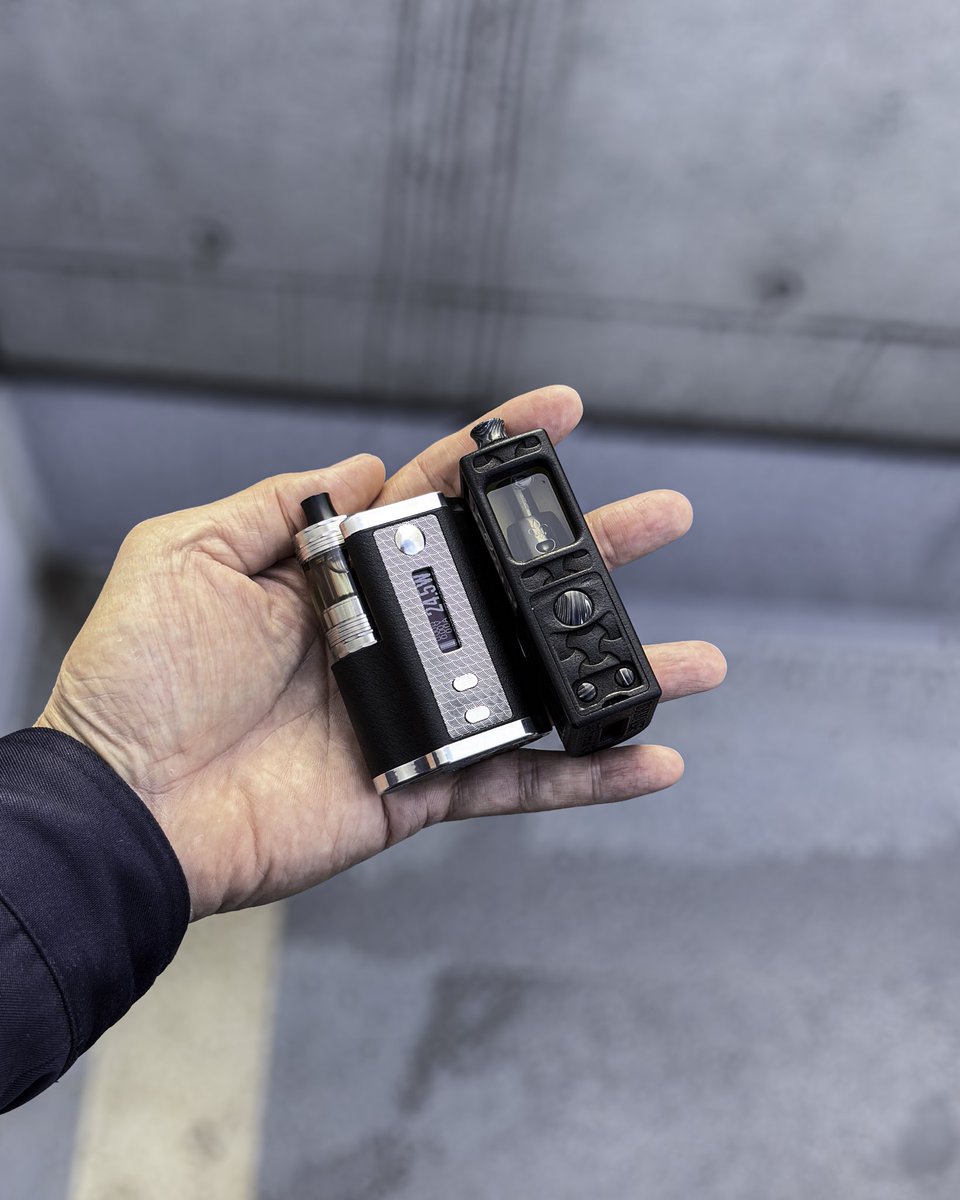
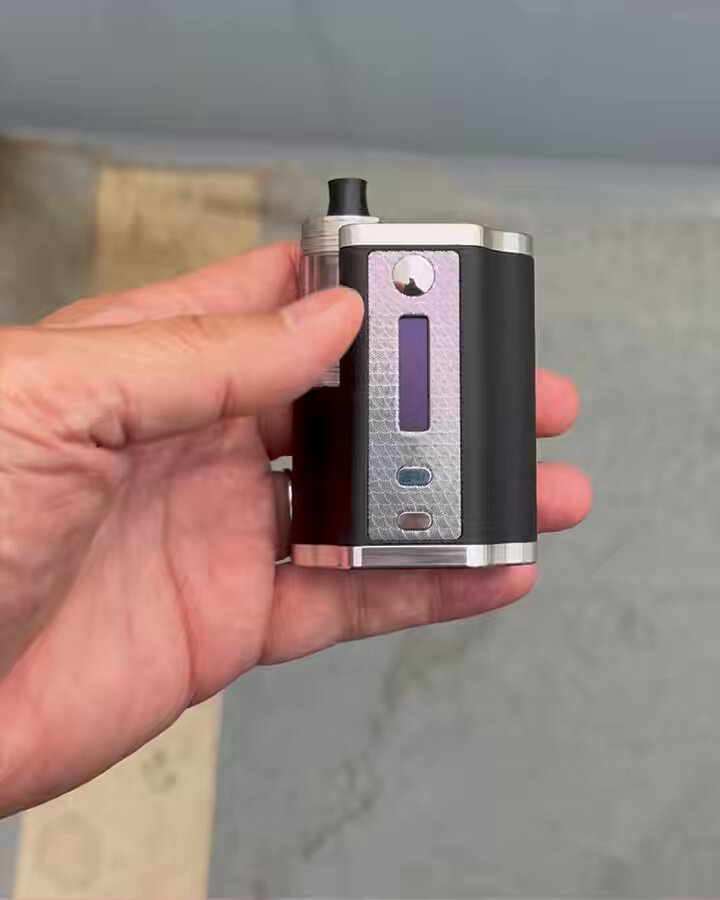
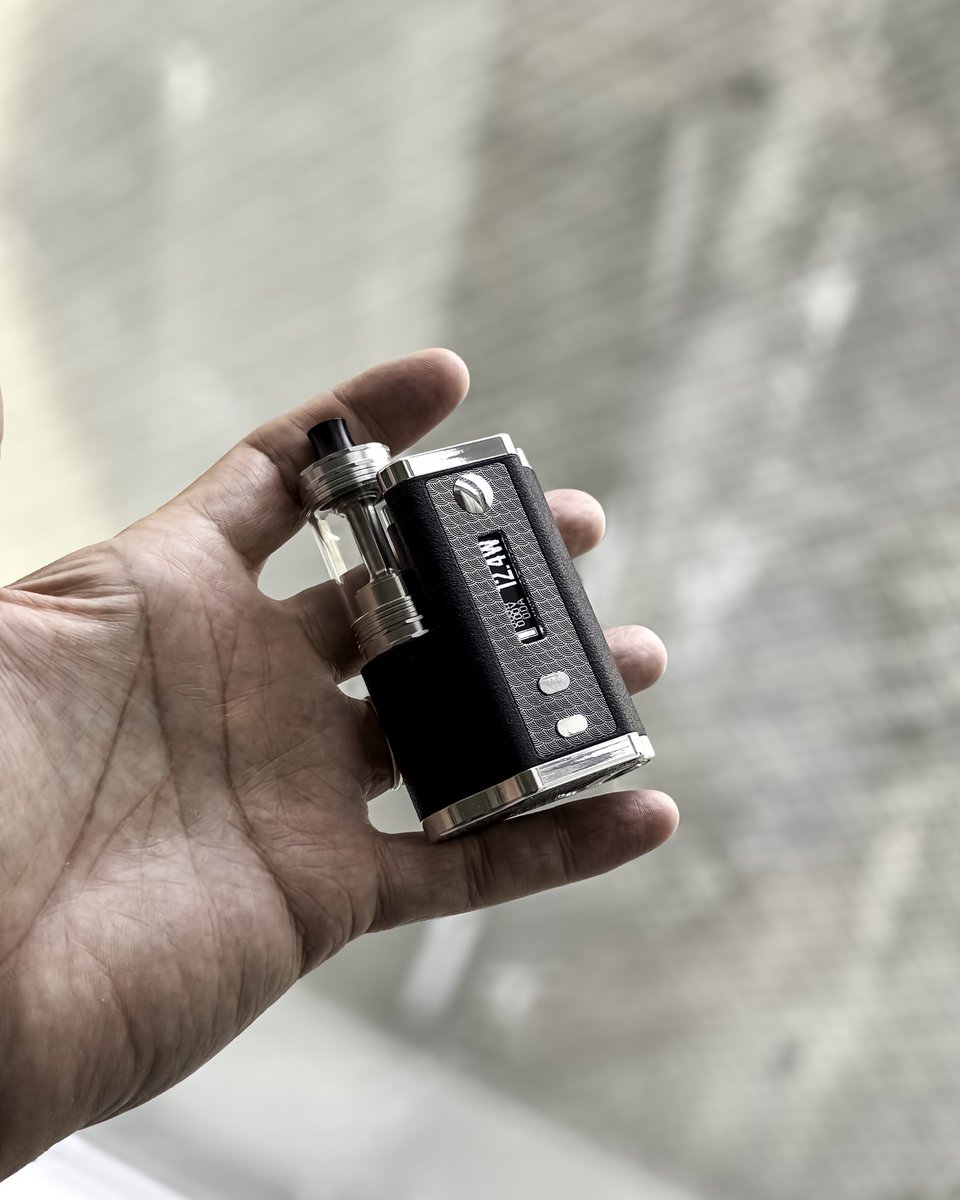
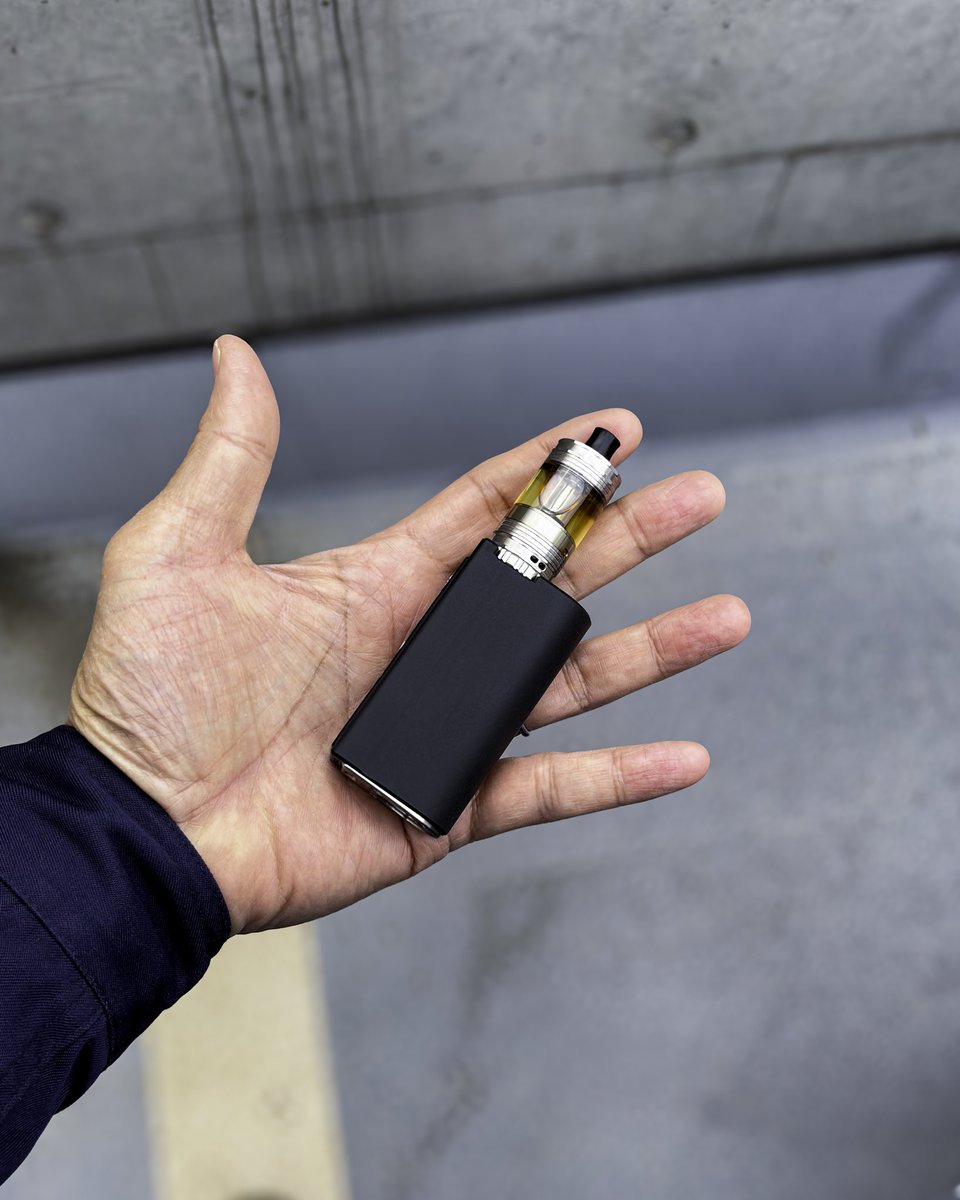
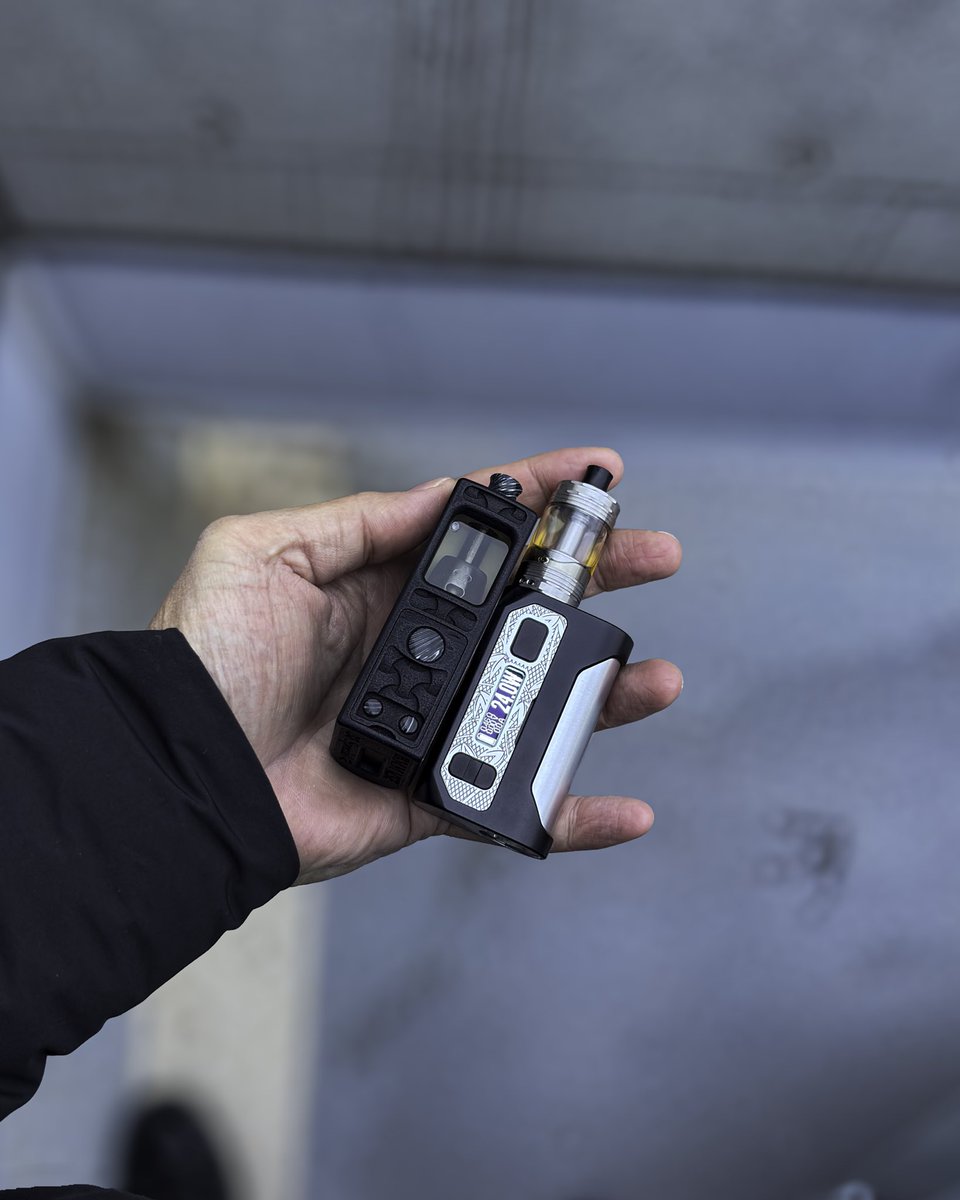
日々の相棒☺️
Have a beautiful day👋🏼
@AugustinBourdin
#abmods #rafir #protocolvapetech #cuda #japanvape #purevaporjapan
35
399
Mar 10
2
25
769
Mar 10
27
334
Mar 1
17
280
Feb 16
35
449
Feb 5
2
1
33
1,051
Jan 29
必見‼️
1月30日イギリス時間の朝7時(日本時間本日午後4時)にAB Mods FB GroupでRafi R & Accessories Drop あり!
FB Groupはここ↓↓↓
facebook.com/share/g/1DBffjC…
🦆💨💨
@AugustinBourdin
#abmods #rafir #japanvape #purevaporjapan
8
314