
Joined December 2021
- Tweets 2,127
- Following 197
- Followers 828
- Likes 3,906
63 Photos and videos




Pinned Tweet

20 Mar 2023
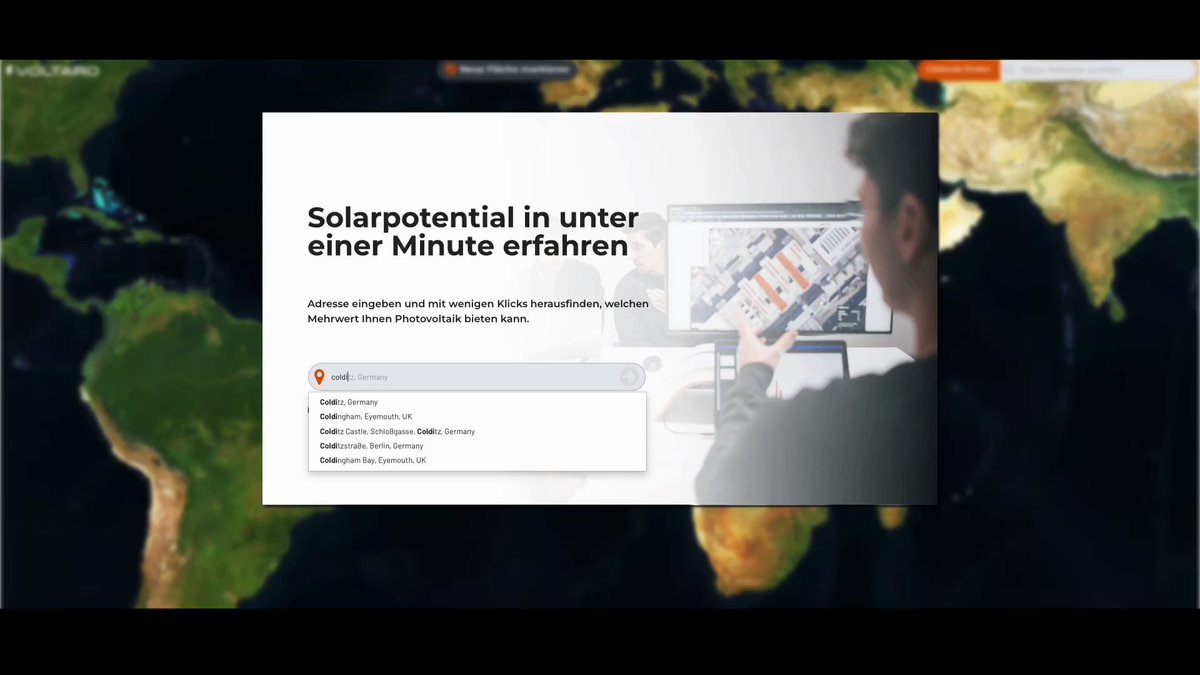
A no-code tool that I recently built:
An area calculator.
It allows users to find out what solar potential their roofs offer by marking their roof area.
Was fun to build, even if I was skeptical about @bubble's ability to do so.😅
24
11
185
25,775
2 Mar 2024
No-code indie makers should consider a 'pay-as-you-go' monetization model rather than a subscription.
I'm much more willing to try and pay for a solution when I know I'm not trapped in a subscription.
1
237
28 Feb 2024
Seeing startups still chasing product market fit.
It's more about product segment fit nowadays.
Start niching down and owning a segment of the market.
Don't aim to conquer the whole market at once.
1
1
157
27 Feb 2024
Lean Startup is dead.
Creating a low-fidelity MVP is outdated.
Seeing more and more people building high-fidelity MVPs with no-code - at the same pace.
Offering users value from the beginning and a "stable" product is a game changer.
1
6
333
26 Feb 2024
100s of users in months - with no-code.
I've been less active lately, focused on developing our platform.
Our no-code platform now boasts 100s of regular users.
Currently seeking funding based on that success.
Incredible time to build a startup.
1
2
282
11 Aug 2023
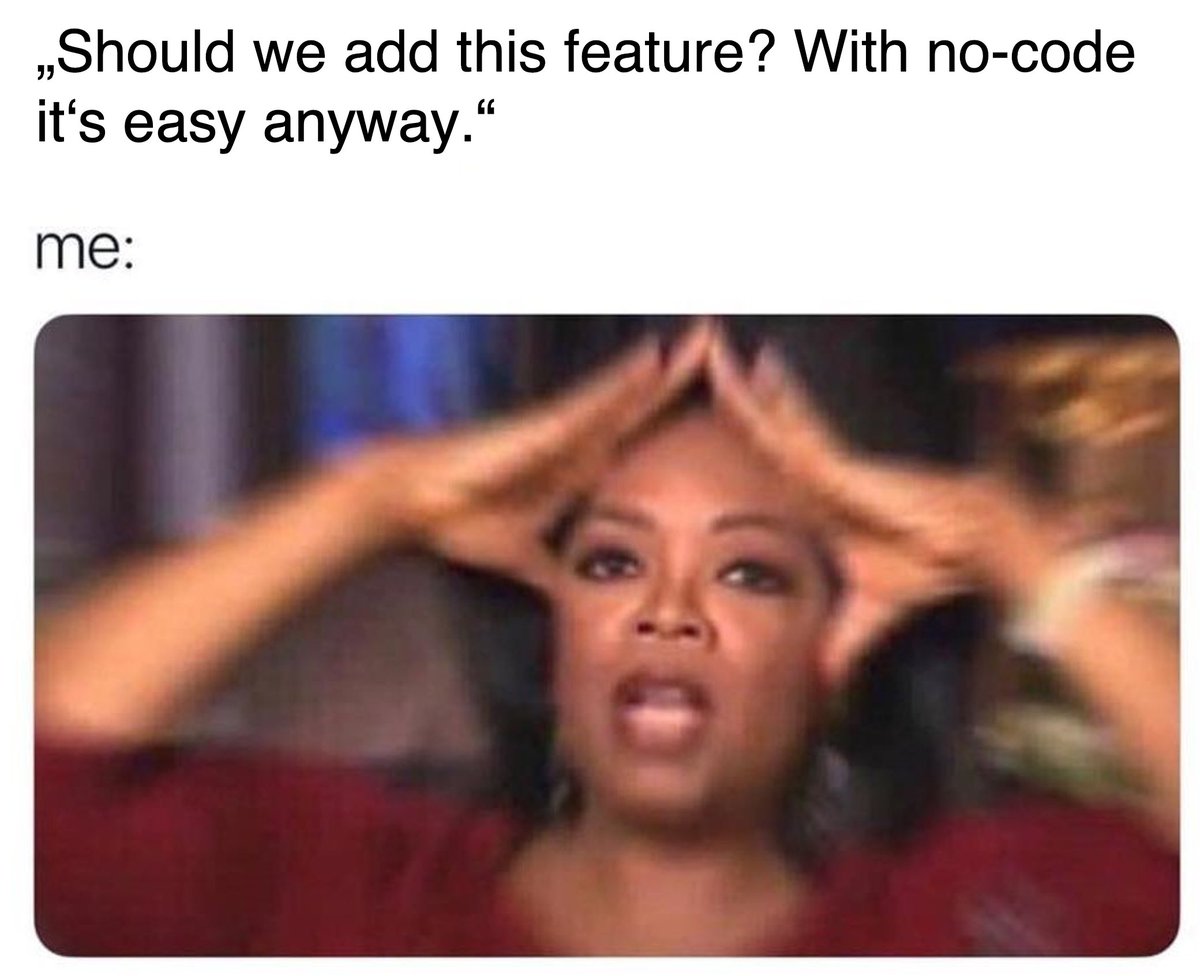
I experience this every day:
The most important talent in startups will be to master no-code and AI.
4
16
584
9 Aug 2023
5 reasons why we build with no-code:
- Fast launch
- Cost effective
- Full code would be an overkill for our solution
- Independence, we are able to test, iterate and customize ourselves
- Further development to full-code is easier if we have already tested a no-code product
1
7
301
8 Aug 2023
Nocode has improved my daily work:
- Easier onboarding
- Automations
- Leaner processes
- Better customer retention
Learn it and grow your startup.
1
4
321
5 Aug 2023
It hits me every time:
I see a tool that took months of development and think "ok, but with #nocode you could have built it in two hours". 😅
1
197
4 Aug 2023
Downside of no-code:
- Easy to build, often causes a lack of focus
- Security problems if not built properly
- Scaling problems, if not built properly
- Not everything can be built with no-code
- Lack of innovation
Nonetheless, it is a game changer.
3
178
3 Aug 2023
Early in my career, I worked with a marketing agency that took care of everything.
At the time, I wished there was an easy way to edit the website myself.
Fast forward 7 years and we are sitting here now.
Building no-code projects with AI. 😅
1
3
212
2 Aug 2023
Since I build with no-code
I realize how much time I wasted in the past.
Now we build fully automated processes between different tools. A sales pipeline that enriches contact data itself. And so on.
This saves us hours of work.
4
274
1 Aug 2023
Nocode is not about replacing developers.
It's about creating more developers who weren't able to before.
3
1
13
1,629
31 Jul 2023
One hurdle in scaling a startup:
Processes.
Many underestimate how important it is to standardize and automate processes.
No-code helps with that:
- Define your processes
- Standardize them
- Automate with no-code
Be ready to scale.
3
228
28 Jul 2023
Technical co-founders are overrated.
They often lack the business aspect.
However, this is much more important in the early stages.
With AI/no-code, anyone can build.
Therefore, finding a technical co-founder becomes redundant.
3
8
903
26 Jul 2023
Launch week 😍
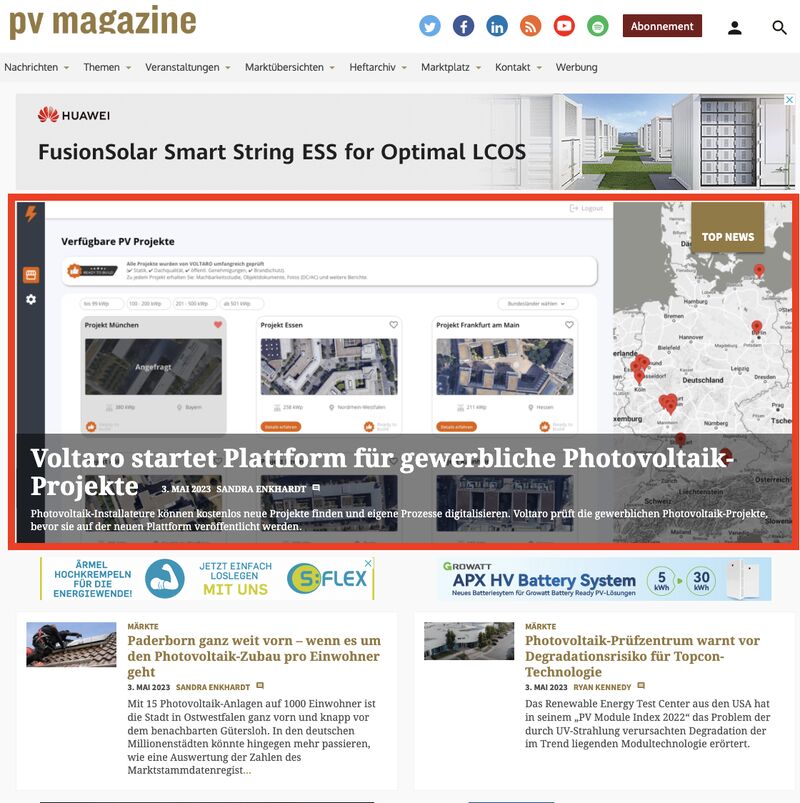
We've spent the last months building a platform for solar projects that connects building owners with solar installers.
To do this, we conducted interviews that confirmed our hypotheses.
I'm eager to hear the feedback after we have our first customers on board.
1
6
270
25 Jul 2023
Past:
Startups build low-fidelity MVPs in days that have little to do with the final product.
Now:
Startups build high-fidelity MVPs in a matter of days with Bubble, Flutterflow and co. and already give their customers the feeling of a real product.
Love it.
1
4
300
24 Jul 2023
Pitched our no-code product to investors today.
They were enthusiastic about it.
But no-code didn't interest them at all.
No one has to be afraid that they won't get funding with no-code.
It's all about the added value the product creates.
1
8
597
22 Jul 2023
Most overrated advice:
Ship fast.
If you deliver your crappy MVP too fast in a saturated market, you can't compete with existing products.
The result:
No one will use it.
So think carefully about building an MVP and what features it has to win over customers.
3
224
20 Jul 2023
"Let me build this quickly"
I love this attitude that my no-code team works with every day. 😍
3
160
18 Jul 2023
Product ≠ competitive advantage
Soon, everyone will be able to build products.
Use other ways to get ahead of your competition:
- Branding
- Community
- Stories
Always think about how you can differentiate yourself.
1
196