
psychologist, likes questions and looking for wisdom around. studies resilience and social change. co-founder of mindfulness-science.com. loves dogs and dancing
Joined May 2009
- Tweets 1,007
- Following 376
- Followers 746
- Likes 1,364
103 Photos and videos





3 Aug 2024
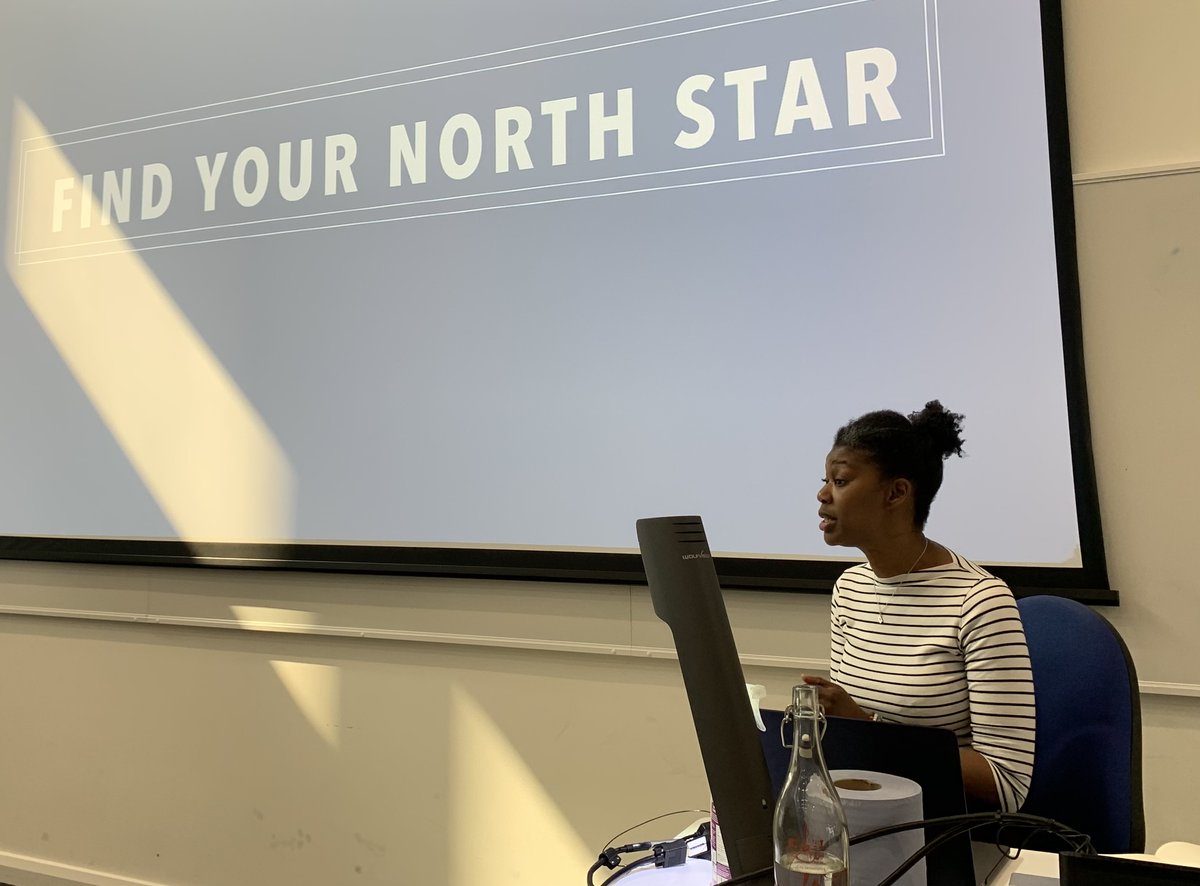
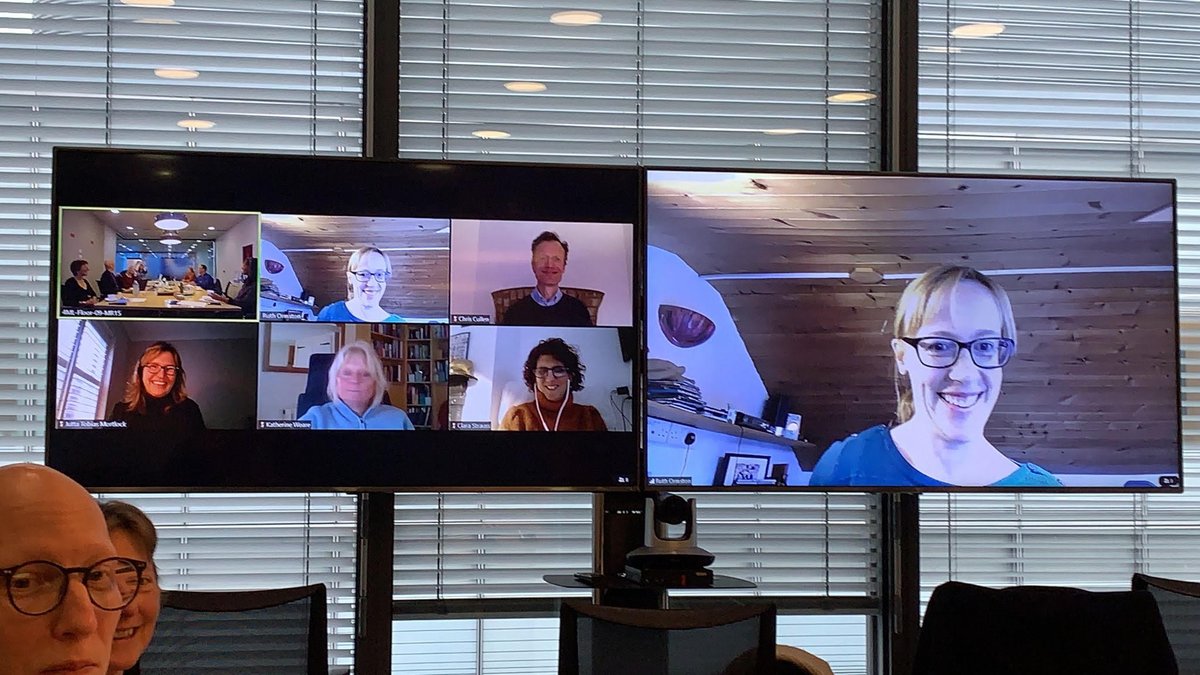
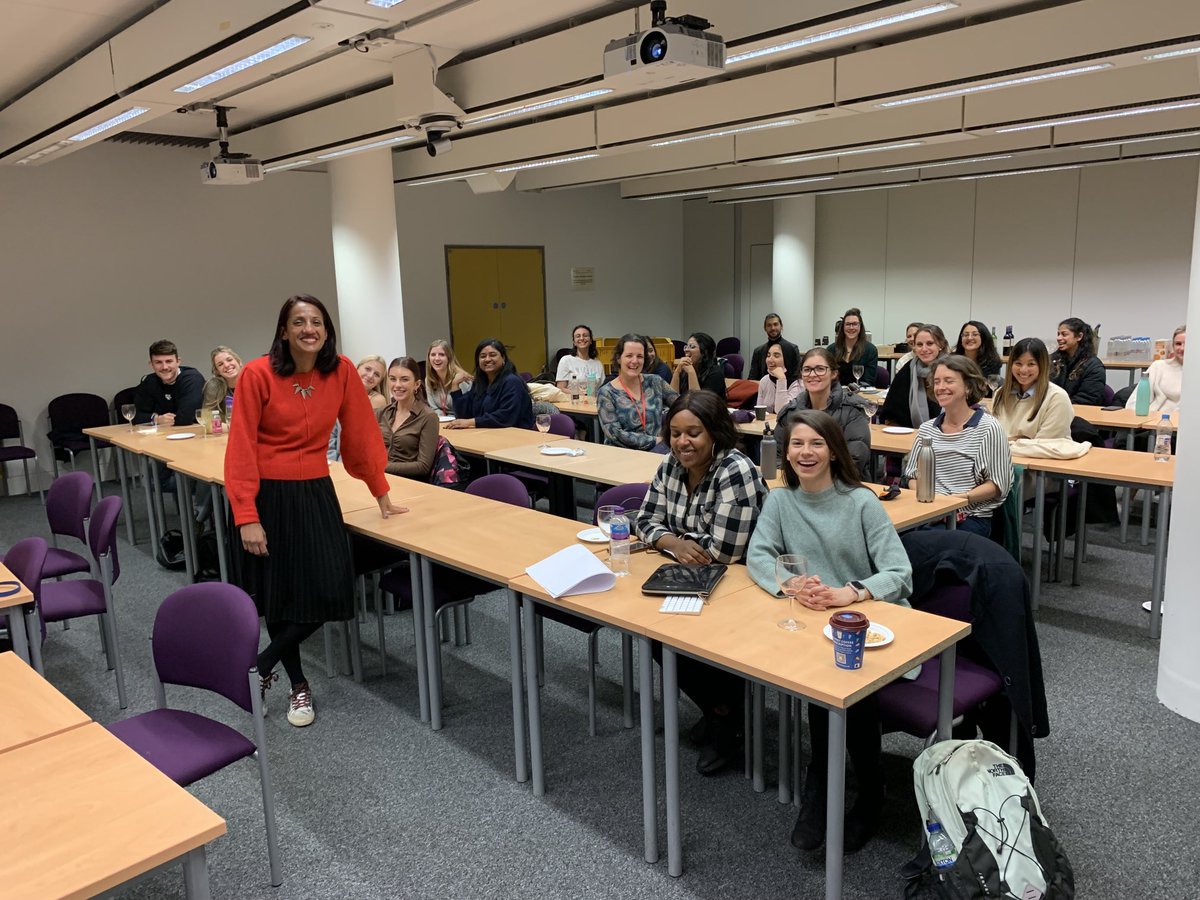
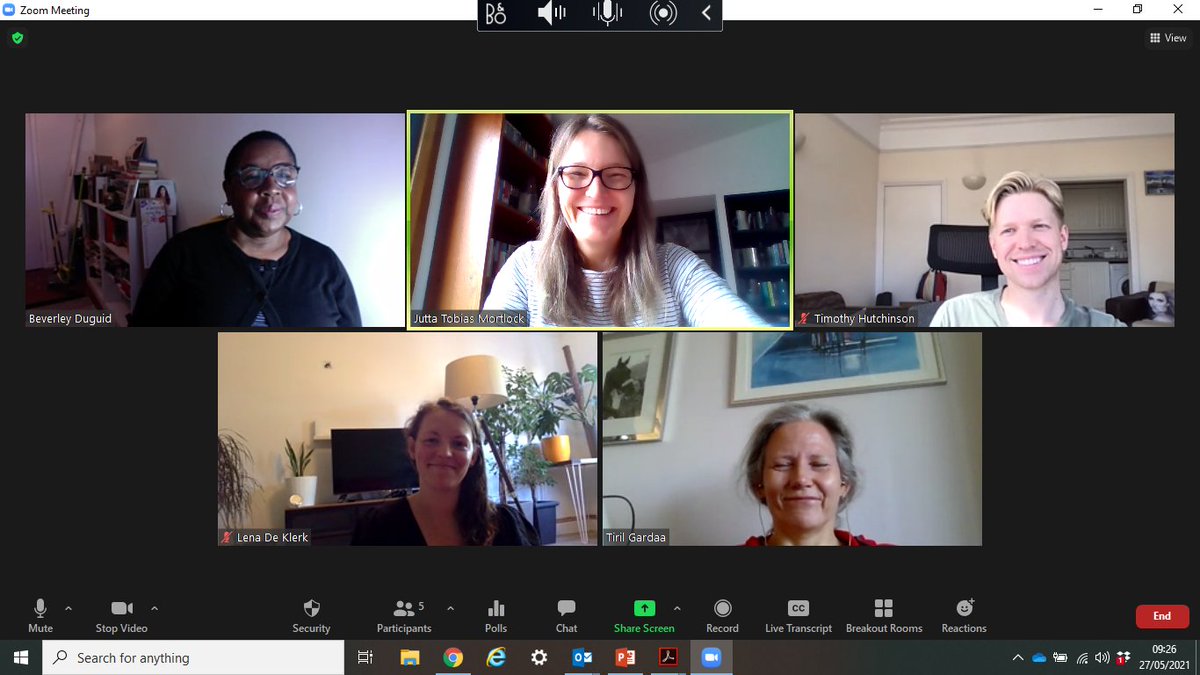
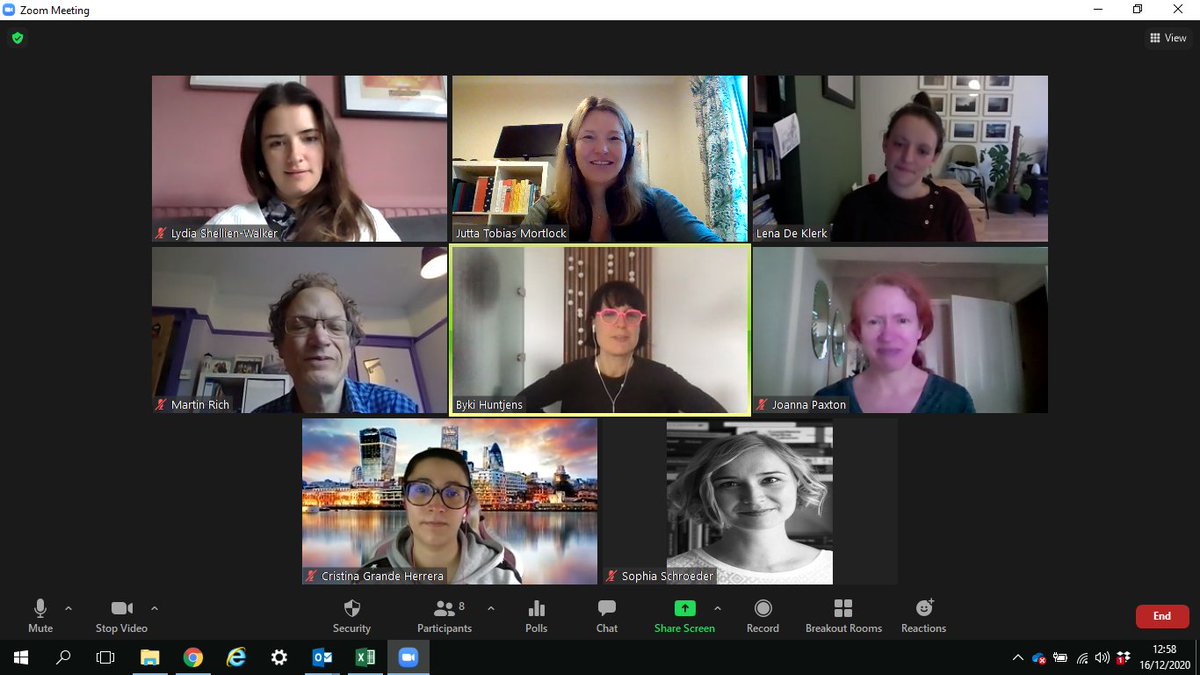
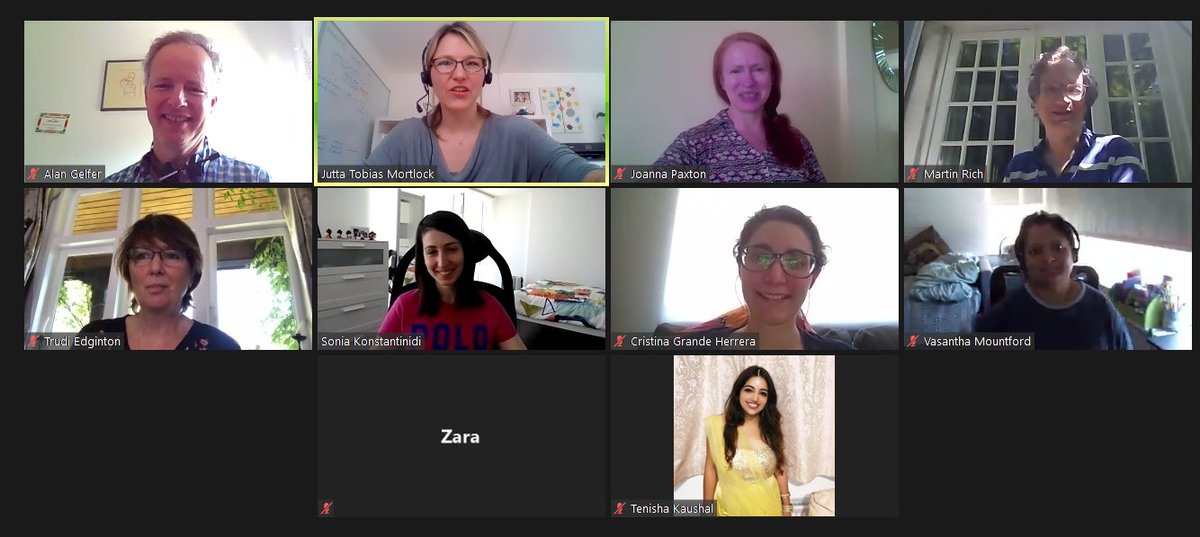
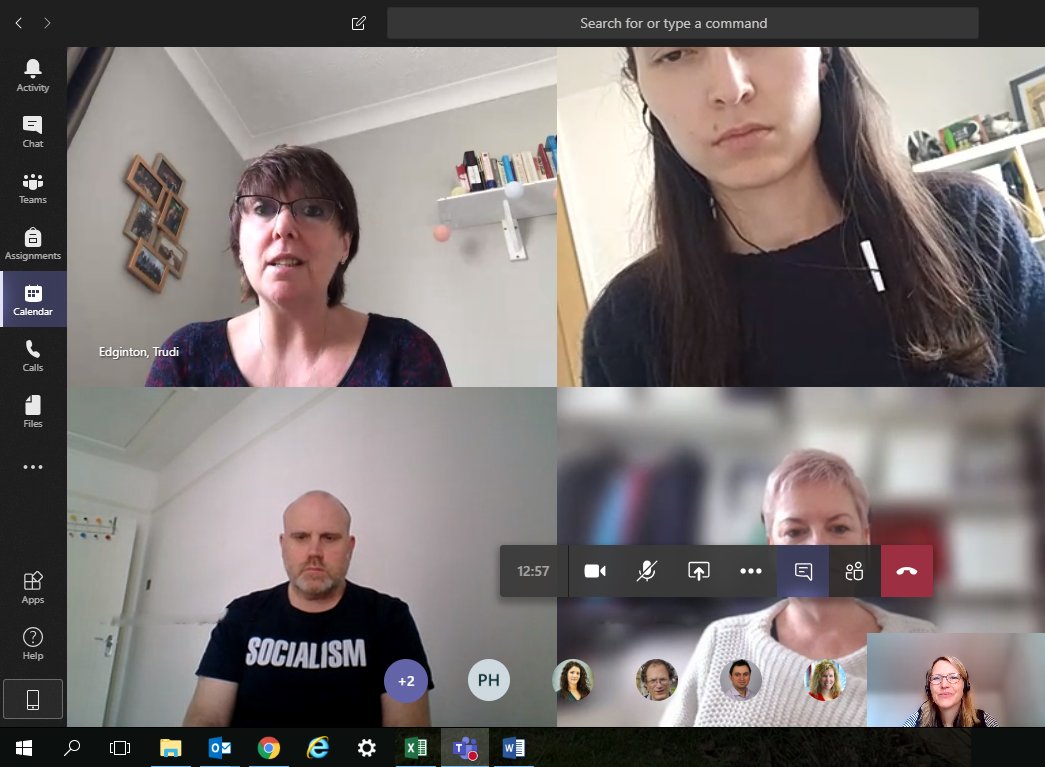
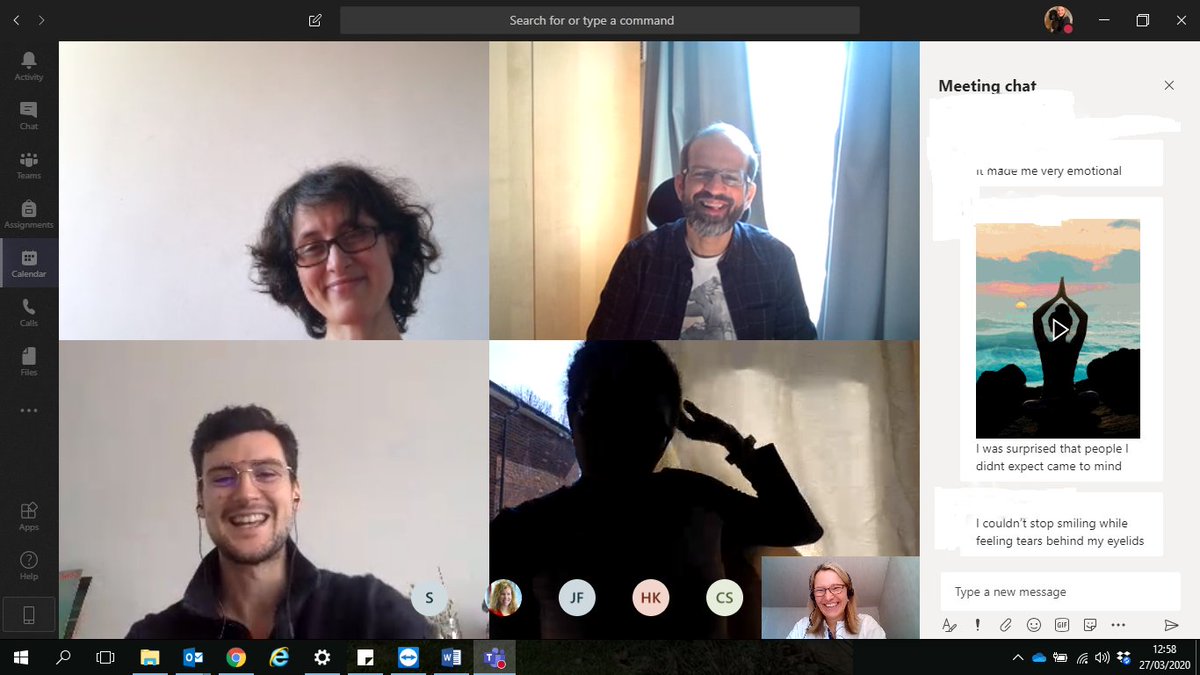
Another utterly enchanting performance from brilliant community theatre company @red_rose_chain - Midsummer is so much better with their annual outdoor theatre at @NT_SuttonHoo - go see this if you can; you’ll be charmed.
1
5
289
JuttaTobiasMortlock retweeted

3 Jul 2024
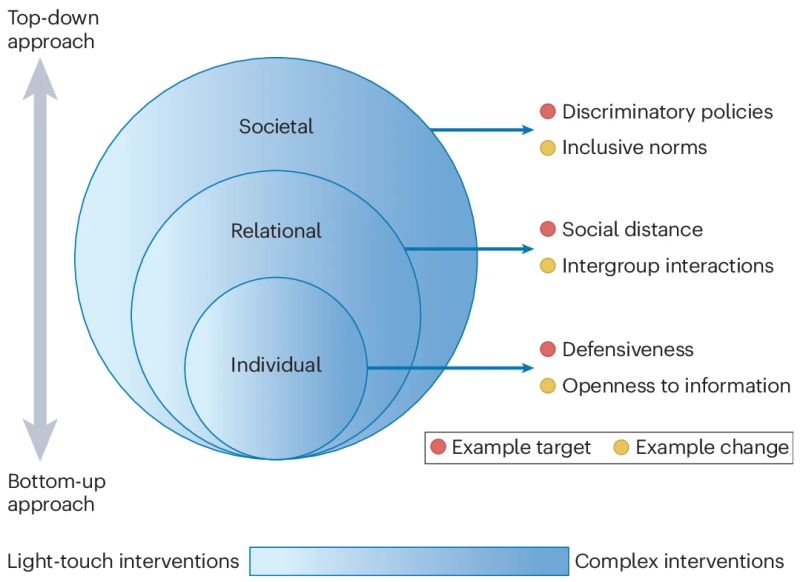
Intergroup conflict erodes trust and cooperation at both the individual and societal levels, hinders effective societal functioning and threatens the well-being of individuals.
This new paper describes the critical features necessary for successful intergroup interventions. Specifically, they consider the importance of identifying meaningful intervention goals (what), crucial characteristics of intervention recipients (who) and key contextual features (where) for optimizing interventions.
A huge challenge is motivation: many people are often reluctant to engage in intergroup interventions and to change their deeply ingrained worldviews and perspectives. I see this all the time. We don't want to engage with people different than ourselves.
Therefore, intergroup interventions that accentuate a value important to individuals and provide people with a sense of positive identity and worth might be effective in contexts where an individual’s positive identity is threatened.
Read the full article here: nature.com/articles/s44159-0…
1
26
85
6,758
JuttaTobiasMortlock retweeted

4 May 2024
“If Roe v. Wade can fall, anything can fall. Social Security can fall. Medicare can fall. Voting rights can fall. And God help us all, but democracy itself can fall,” says Democratic House Minority Leader Hakeem Jeffries.
2,958
5,662
13,907
3,019,674
JuttaTobiasMortlock retweeted

3 Apr 2024
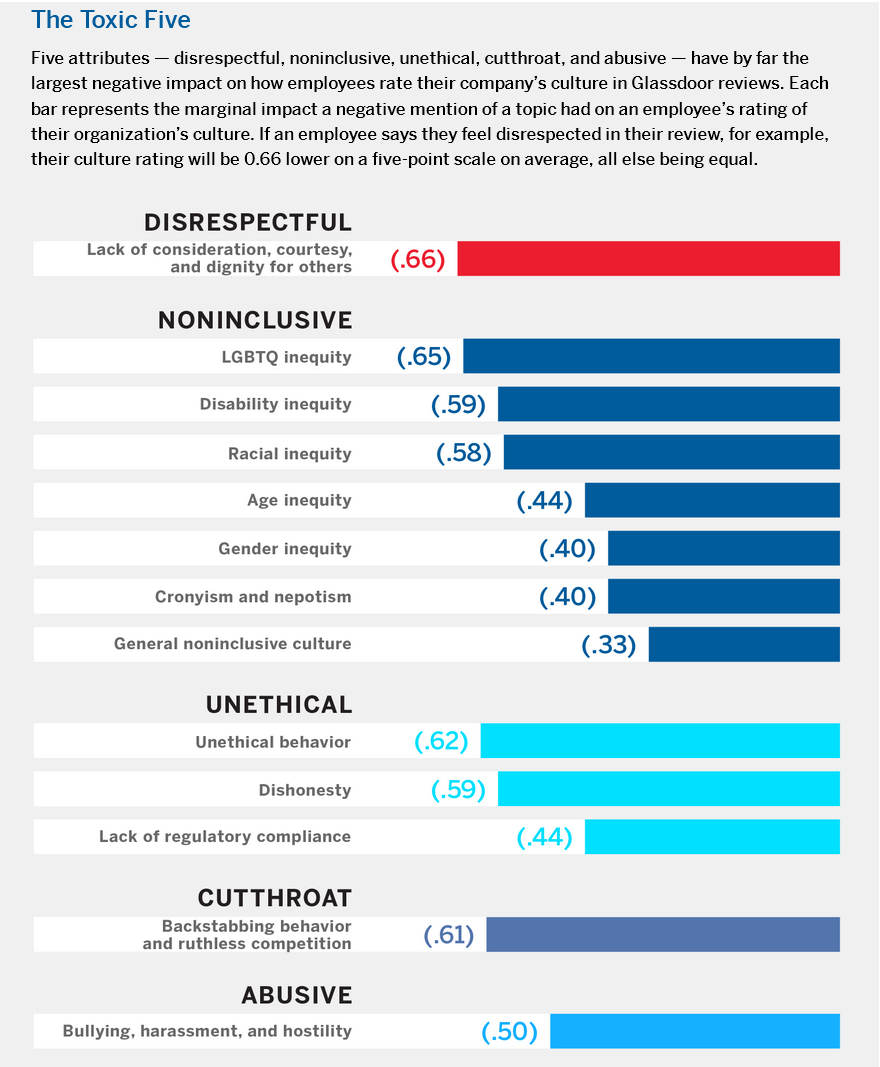
Calling people "toxic" is rarely helpful. It focuses on their impact instead of their actions.
Toxicity comes in 5 flavors: disrespectful, dishonest, cutthroat, exclusionary, and abusive.
A good warning pinpoints patterns of behavior that are problematic and persistent.
sloanreview.mit.edu/article/…
wsj.com/health/wellness/toxi…
32
515
2,010
277,721
24 Mar 2024
Love Adam Grant’s work.
Love love love Adam Grant’s work.
23 Mar 2024

The person who talks the most is the most likely to become the leader.
Regardless of intelligence and expertise, groups elevate those who command the most airtime.
It's time to stop rewarding people for dominating the discussion, and start valuing quality over quantity.
1
78
21 Jan 2024
I love this: "Emotions are usually cause for reflection."
20 Jan 2024
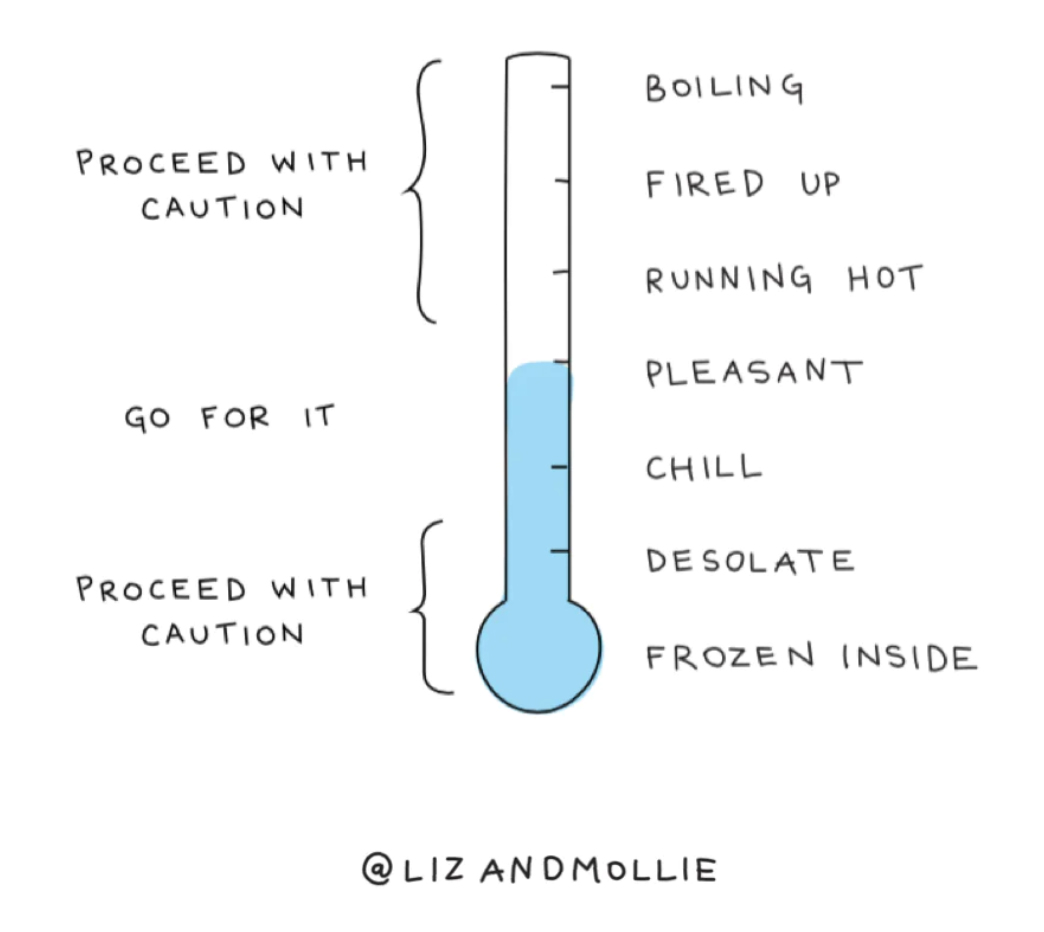
A sign of emotional intelligence is refusing to let feelings dictate decisions.
Feelings are electrical signals in the brain. We don't choose every sensation, but we are responsible for how we react.
Emotions are rarely calls to action. They're usually cause for reflection.
link.chtbl.com/RTAdam
157
18 Dec 2023
Great to be a part of this and thank you @SuzanneT2206 for your interest!! Keep in touch..
15 Dec 2023

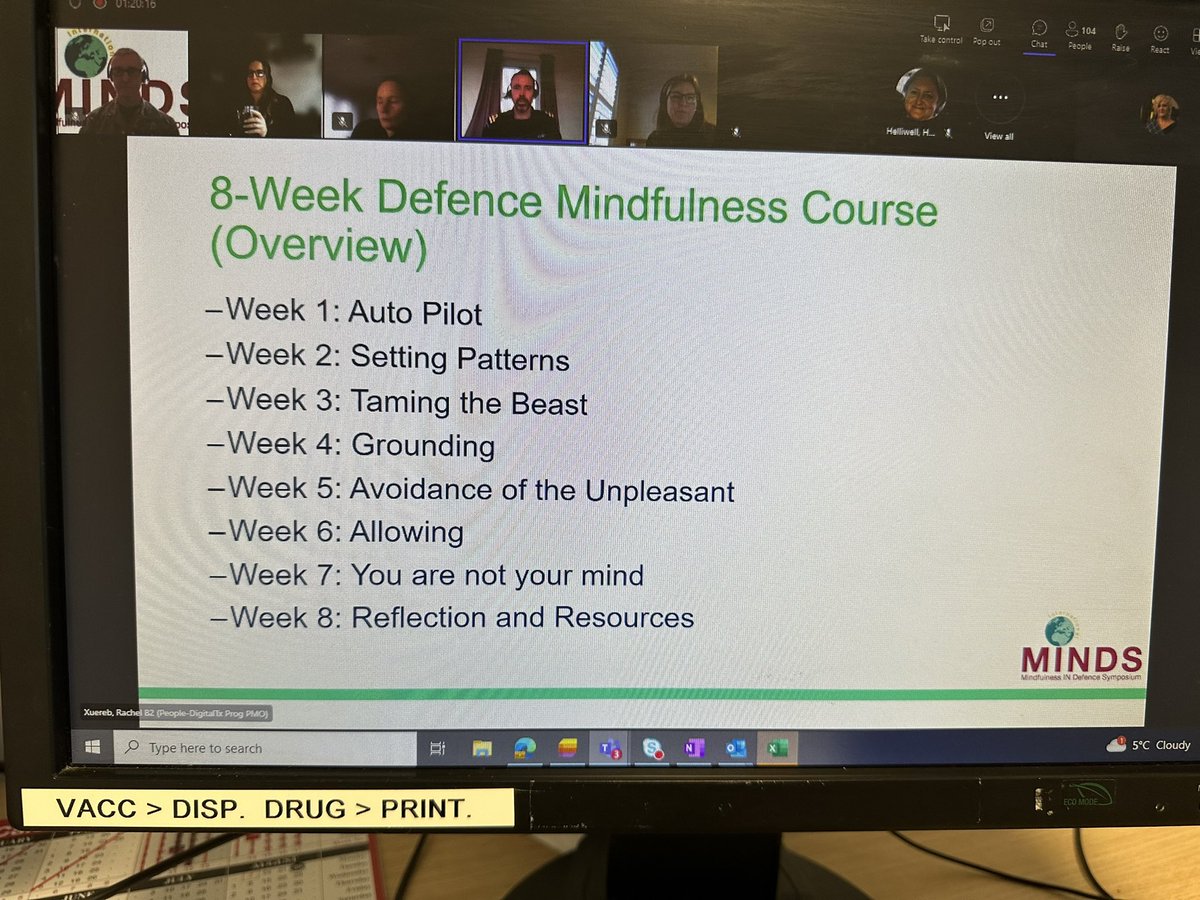
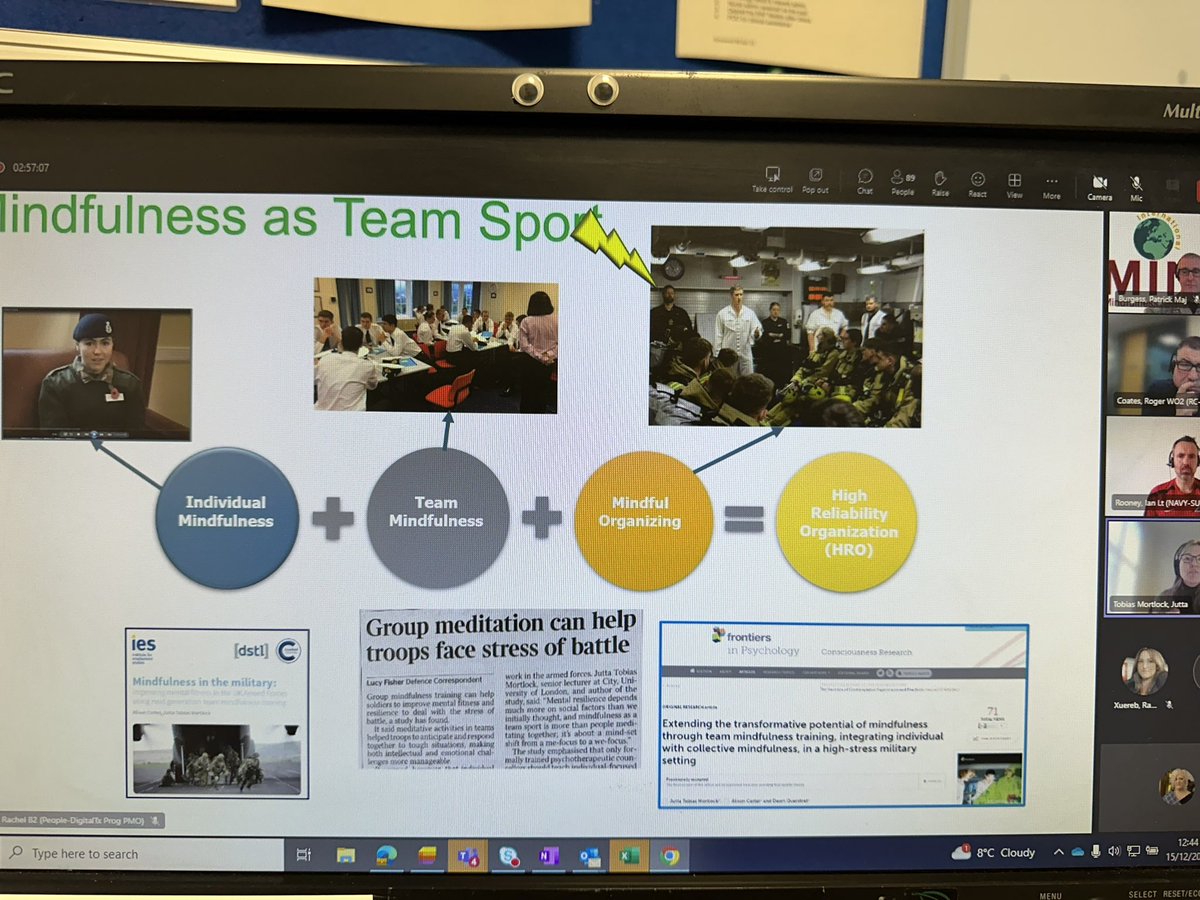
Fantastic #MinfulnessINDefence Symposium. Fantastic line updiscussing research, impact and benefit to the military. #loveyourorganisation @patburgessmbe @juttko and many others
194
4 Dec 2023
Fascinating stuff!
I need to suppress my sadness that expressing sadness may be a waste of my time 🤣🤣
198
10 Oct 2023
This is so true.
On the ball City!
10 Oct 2023

𝗔𝘁 𝘁𝗶𝗺𝗲𝘀, 𝗶𝘁 𝗰𝗮𝗻 𝗯𝗲 𝗼𝗯𝘃𝗶𝗼𝘂𝘀 𝘄𝗵𝗲𝗻 𝘀𝗼𝗺𝗲𝗼𝗻𝗲 𝗶𝘀 𝘀𝘁𝗿𝘂𝗴𝗴𝗹𝗶𝗻𝗴 𝘁𝗼 𝗰𝗼𝗽𝗲, 𝗯𝘂𝘁 𝘀𝗼𝗺𝗲𝘁𝗶𝗺𝗲𝘀 𝘁𝗵𝗲 𝘀𝗶𝗴𝗻𝘀 𝗮𝗿𝗲 𝗵𝗮𝗿𝗱𝗲𝗿 𝘁𝗼 𝘀𝗽𝗼𝘁.
Check in on those around you.
#WorldMentalHealthDay | #YouAreNotAlone | @samaritans
1
2
442
JuttaTobiasMortlock retweeted
30 Sep 2023
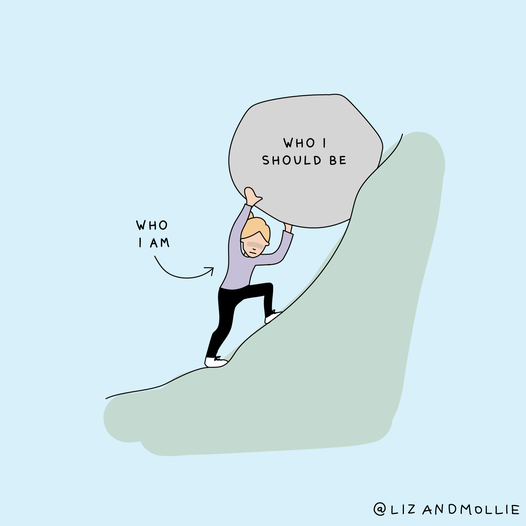
The core question of identity is not who others think you should be. It's who you aspire to be.
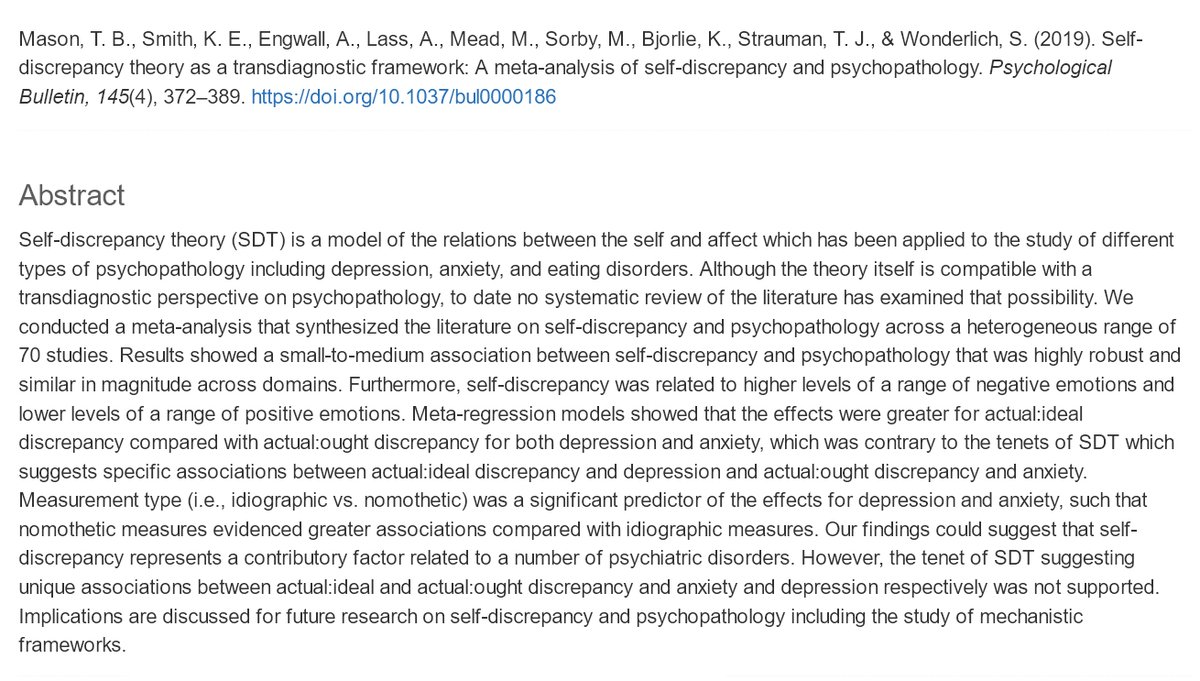
70 studies: Mental health depends more on living up to your ideals than to others' expectations.
Closing the gap between your actions and your values is a source of well-being.
60
1,144
5,175
1,065,504
JuttaTobiasMortlock retweeted

13 Sep 2023
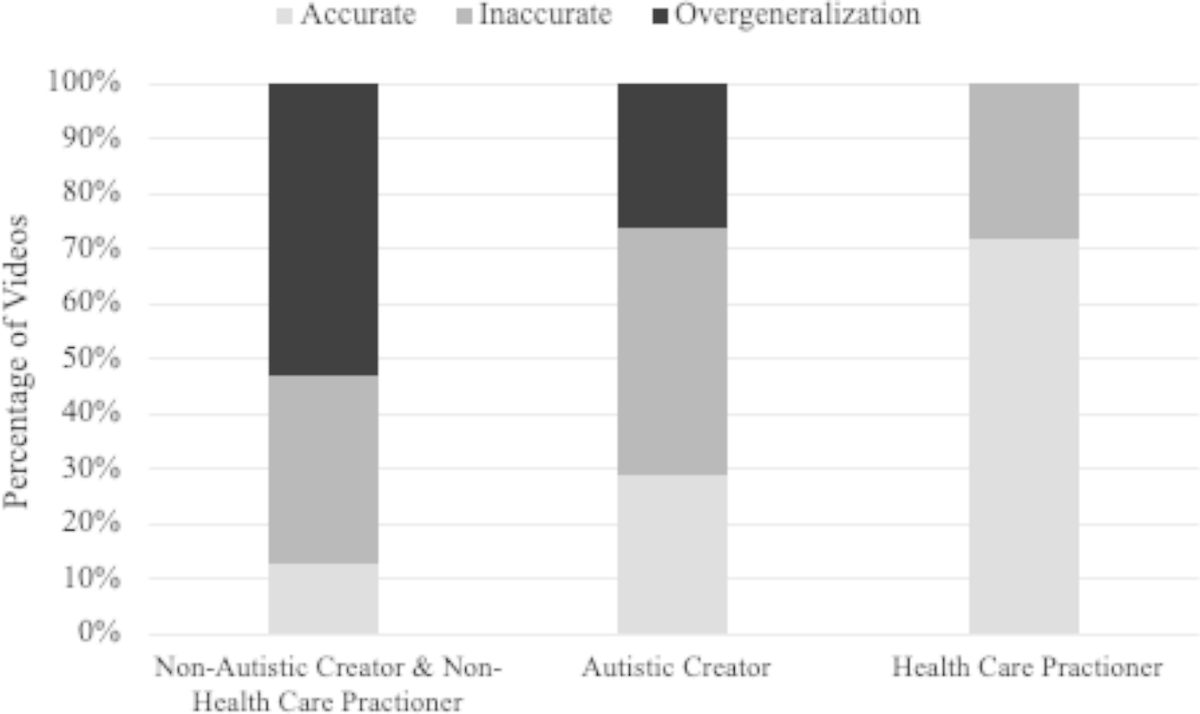
Is @tiktok_us a reliable source of health information? No. This study of autism videos finds that 73% were inaccurate or overgeneralized, especially videos by creators who weren't autistic or health care practitioners. (📄 link.springer.com/article/10…)
1
2
311
1 Sep 2023
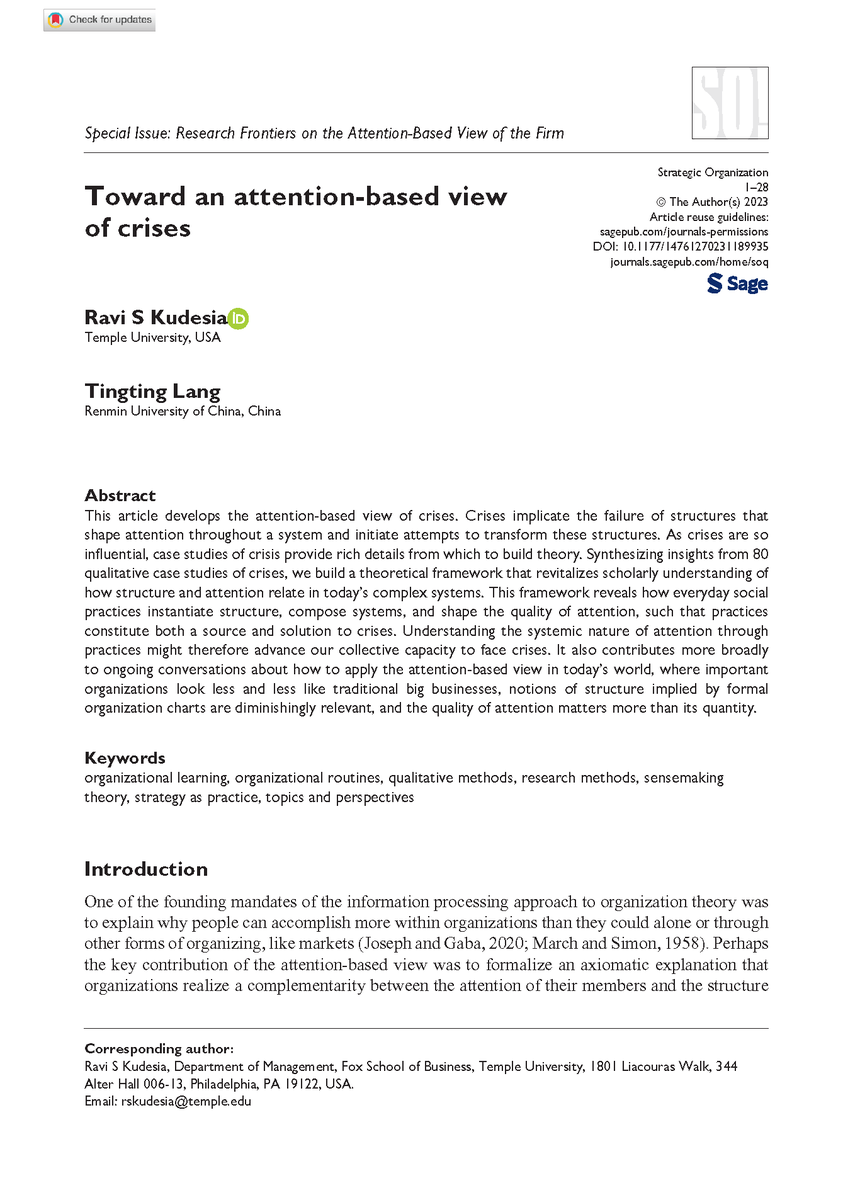
“Crises are now systemic. Our attention must be too”… must-read new insights on workplace #mindfulness. Well done @rskudesia et al for making this link!
31 Aug 2023

Excited to share a new article just published in @StrategOrg—one of the most challenging ones I've worked on! Synthesizing 80 qualitative case studies of crisis, we show how the quality of systemic attention gets us into (and maybe even out of) crises (📄 researchgate.net/publication…)
1
223
JuttaTobiasMortlock retweeted

29 Aug 2023
I'm beyond proud that our paper "Unconditional cash transfers reduce homelessness" is published at @PNASNews today! This is the most ambitious project I've ever done, and it truly took a village for the last 7 years 🥳❤️🧵
pnas.org/doi/10.1073/pnas.22…
45
898
2,911
816,679
23 Aug 2023
Utterly enchanting: A Winter’s Tale at Sutton Hoo - go, you’ll love it! Thank you Red Rose Chain for bringing raucous fun to Suffolk every summer! @NT_SuttonHoo @red_rose_chain
4
969
JuttaTobiasMortlock retweeted

24 Jul 2023
Our systematic review & pre-registered meta-analysis of growth mindset interventions on academic achievement psycnet.apa.org/record/2023-… and our reply to commentaries is now out in Psychological Bulletin.
A (long) thread.
26
319
893
397,071
JuttaTobiasMortlock retweeted
13 Jul 2023
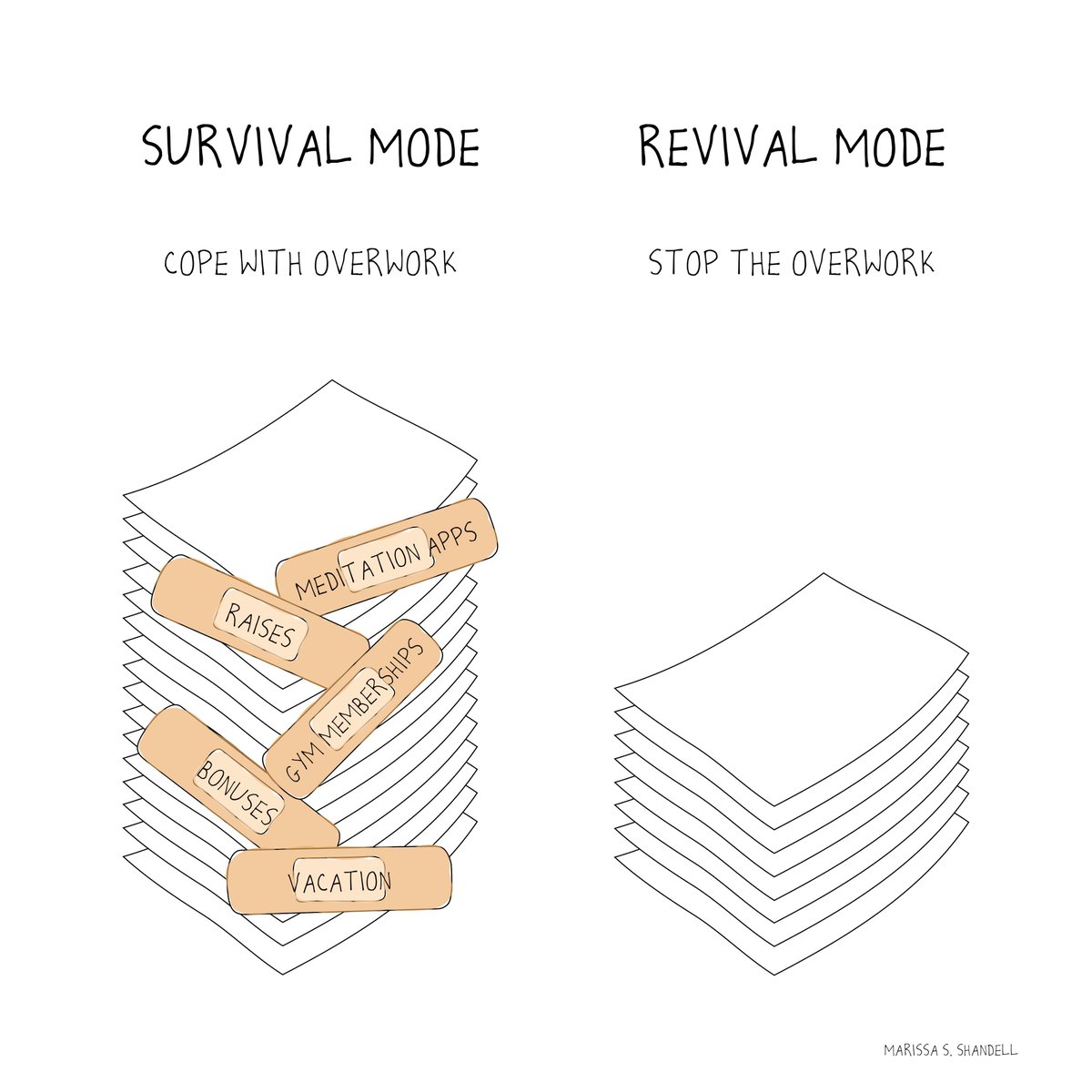
When you burn people out, you push them out. Stars are the first to leave—they have the most opportunities.
The solution is not to pile on the perks. It’s to pinpoint the root causes of overload and design more manageable jobs.
If you want to keep people, stop exhausting them.
74
1,579
5,682
759,790
19 Jun 2023
Here's How To extend the transformative potential of mindfulness:
onlinelibrary.wiley.com/doi/…
#mindfulness
2
128
JuttaTobiasMortlock retweeted

15 Jun 2023
You’ll want to read this research if you care about resilience and mental health.
14 Jun 2023

📣Online at Clinical Psychology Review 📣
Our 2nd of twin meta-analyses on 30 yrs of research asks: What specific psychological risk & protective factors beyond DSM-defined disorders predict stress generation? doi.org/10.1016/j.cpr.2023.1…
🧵1/17
1
6
1,178
JuttaTobiasMortlock retweeted

5 Jun 2023
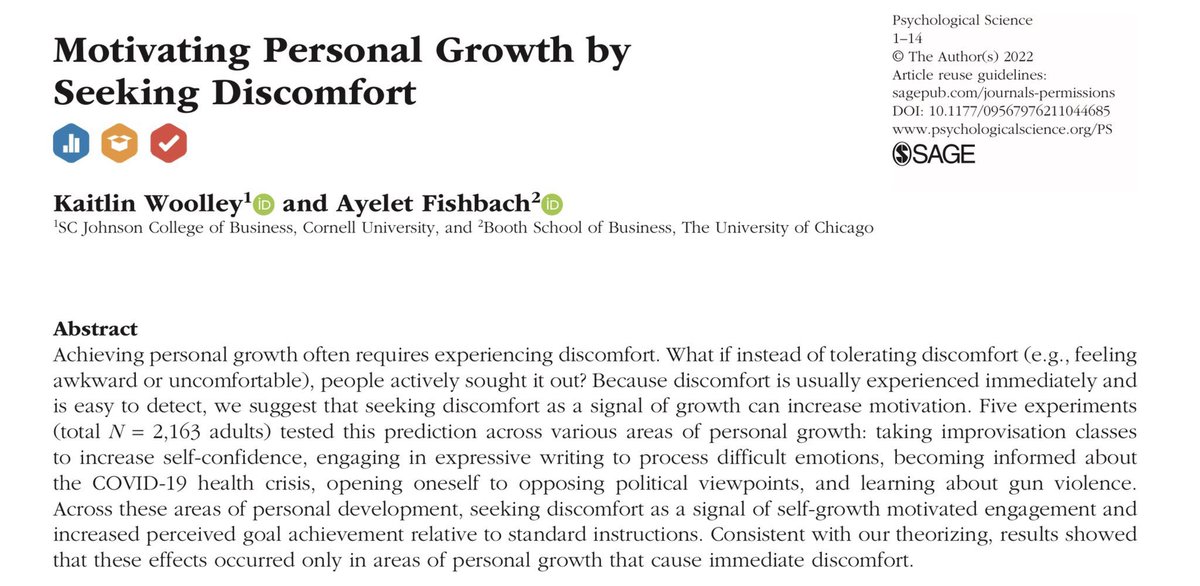
Great paper for teaching & learning. Tell students: “Your goal is to feel awkward and uncomfortable.”
Giving an explicit goal of aiming to feel uncomfortable in order to grow makes folks persist in classes, write better, seek out more info & learn more from political opponents.
13
218
1,150
157,975