
58 Photos and videos


Pinned Tweet

4 Apr 2023
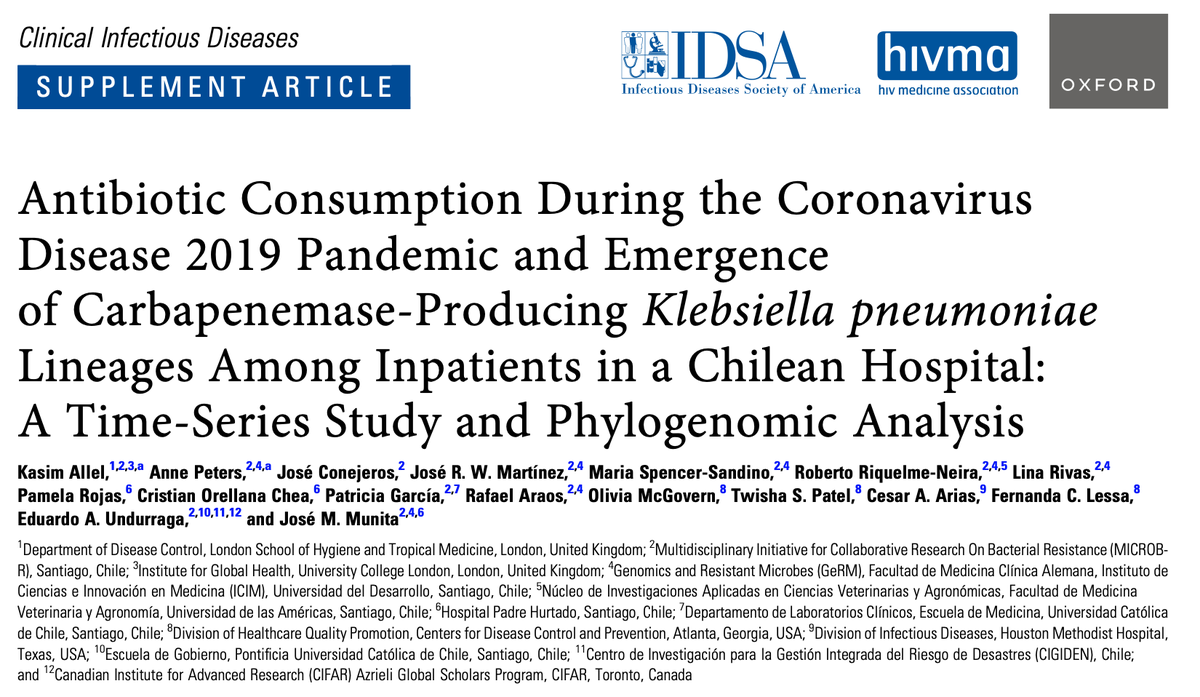
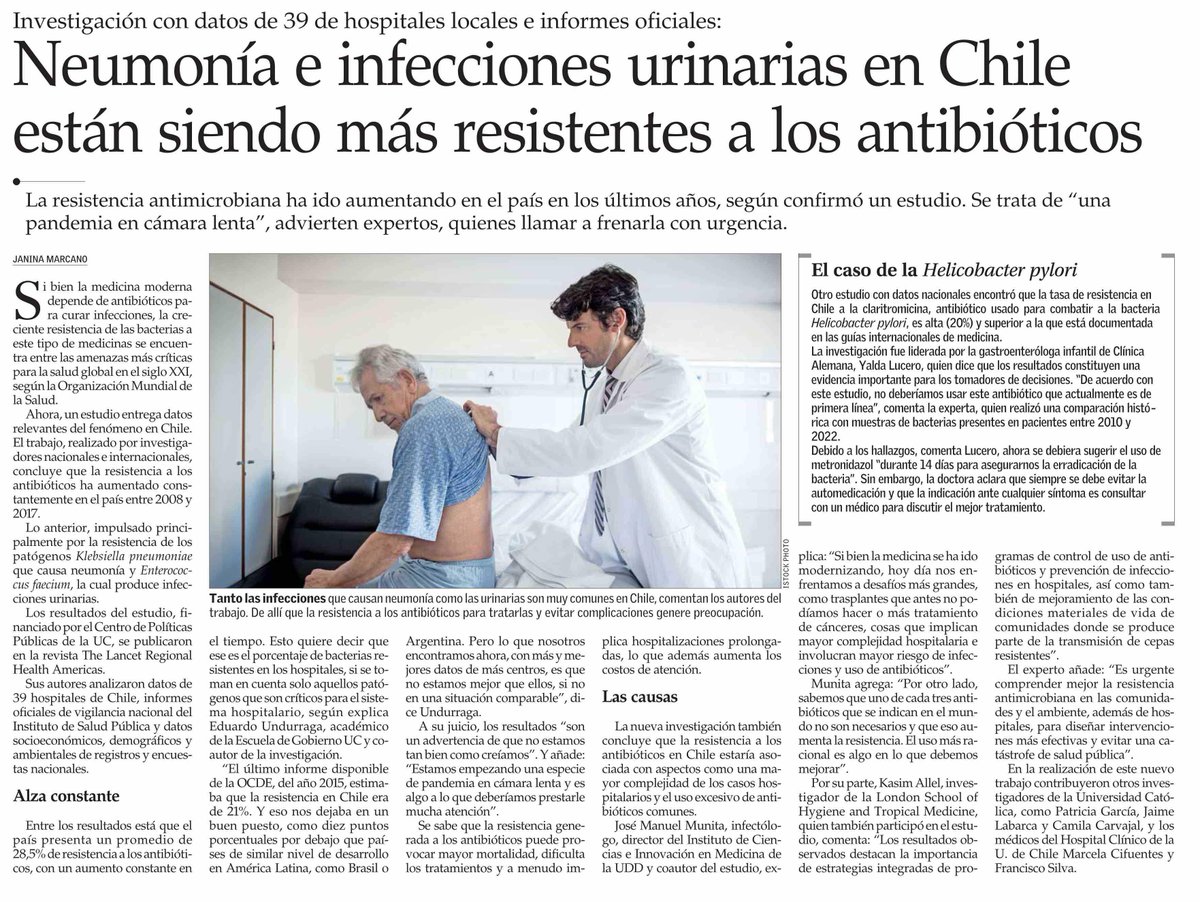
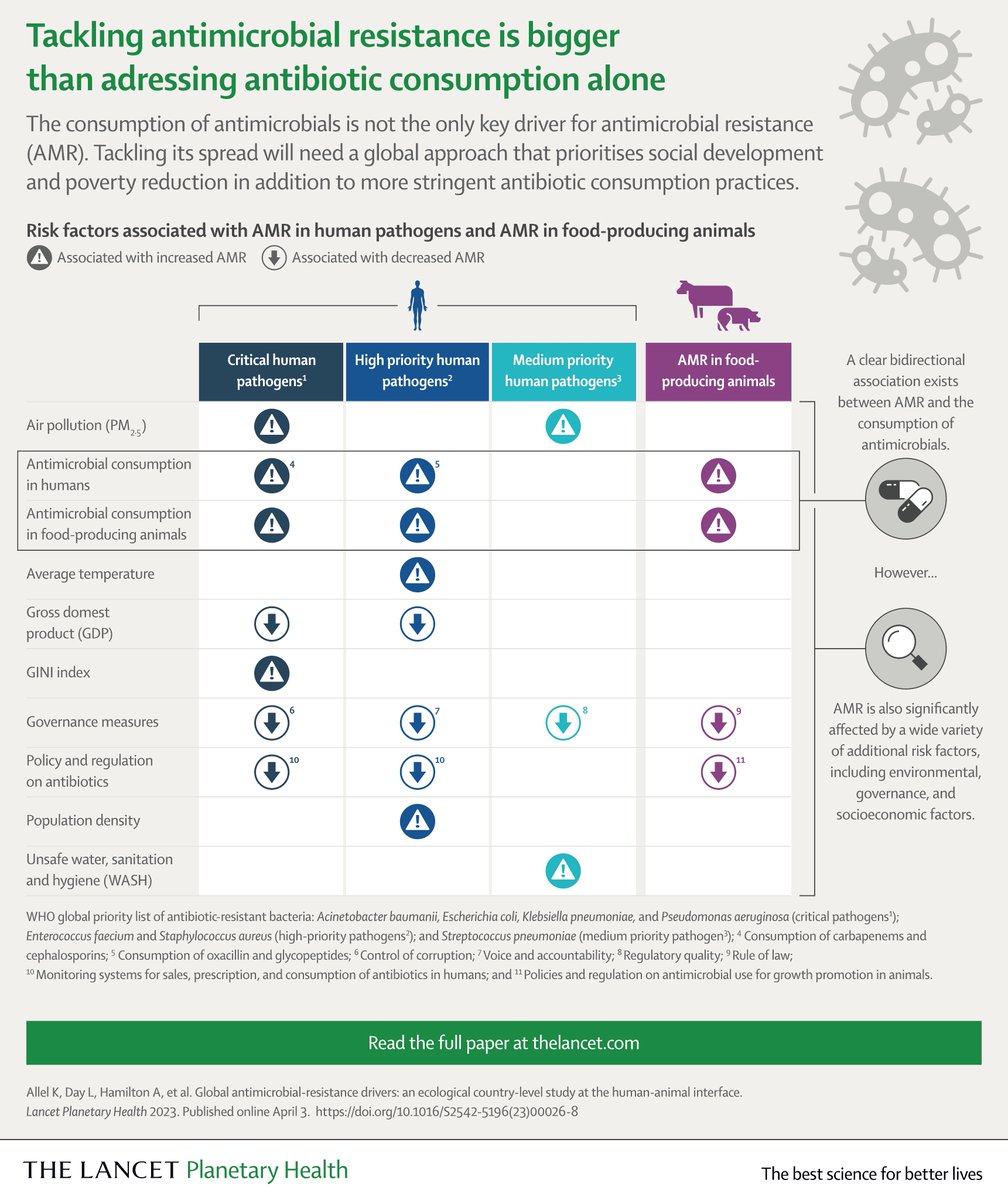
We found bidirectional associations between animal/humans’ antibiotic consumption and AMR rates in humans/animals, respectively. We also suggested significant roles of socioeconomics, including governance on AMR rates in humans and animals.
1
7
17
2,470
Kasim Allel retweeted

CLOSING SOON: Postdoc (Oxford, UK)
Modelling the health-economic impact of different interventions aimed at reducing antimicrobial resistance (AMR)
with @kb_pouwels @kasim_allel
at University of Oxford
More details: iddjobs.org/jobs/modelling-t…
2
5
948
Kasim Allel retweeted

21 Nov 2024
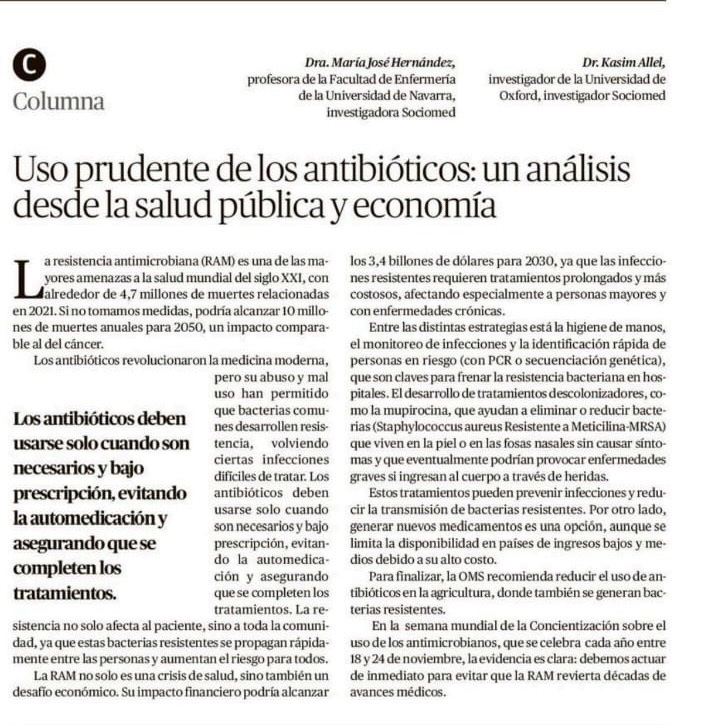
Today in the 🗞️ during #AntimicrobialResistance Week 💊🦠 with 👨🏫 @kasim_allel
3
7
320
Kasim Allel retweeted

The challenge is based on innovative re-use of surveillance data, and the team, led by @kasim_allel, developed a spatiotemporal modelling framework using generalised additive models for analysing AMR dynamics and identifying key change points in Europe from 2004-2022 🌎
1
1
1
117
18 Nov 2024
Thrilled about the substantial collaborative effort with the HERC team. We propose early detection of change points in AMR incidence, exemplified as early warning systems.
#antimicrobialresistance #vivli #Oxford @Oxford_NDPH
ndph.ox.ac.uk/news/oxford-po…
1
3
140
Kasim Allel retweeted

13 Nov 2024
We're delighted to announce the awardees of the Vivli Antimicrobial Resistance (AMR) Surveillance Open Data Re-Use Data Challenge! With a total of 56 teams from 27 different countries participating, we recognize seven outstanding teams. Learn more here: amr.vivli.org/winners-announ…

7
10
3,267
Kasim Allel retweeted

NEW PUBLICATION
Excess burden of antibiotic-resistant bloodstream infections: evidence from a multicentre retrospective cohort study in Chile, 2018–2022
@kasim_allel @kb_pouwels
1/4
sciencedirect.com/science/ar…
1
2
4
489
Kasim Allel retweeted

29 Oct 2024
#PLOSGlobalPublicHealth: Systematic review of the economic impact of novel Mycobacterium tuberculosis specifi ... dx.plos.org/10.1371/journal.…
4
6
473
Kasim Allel retweeted

📢 We are delighted to announce the launch of the Oxford AMR Network!
The Oxford AMR Network harnesses @UniofOxford's expertise in life, medical and social sciences to tackle the antibiotic challenge threatening modern medicine.
Find out more here👉ow.ly/SZmp50TE8vZ

1
18
48
5,781
Kasim Allel retweeted
NEW PUBLICATION
Fatal journeys: causes of death in international travellers in South America
@kasim_allel
#America #CommunicableDiseases #injuries #migrant #mortality #Noncommunicable #prevention #travel
academic.oup.com/jtm/advance…
2
2
404
Kasim Allel retweeted

17 Sep 2024
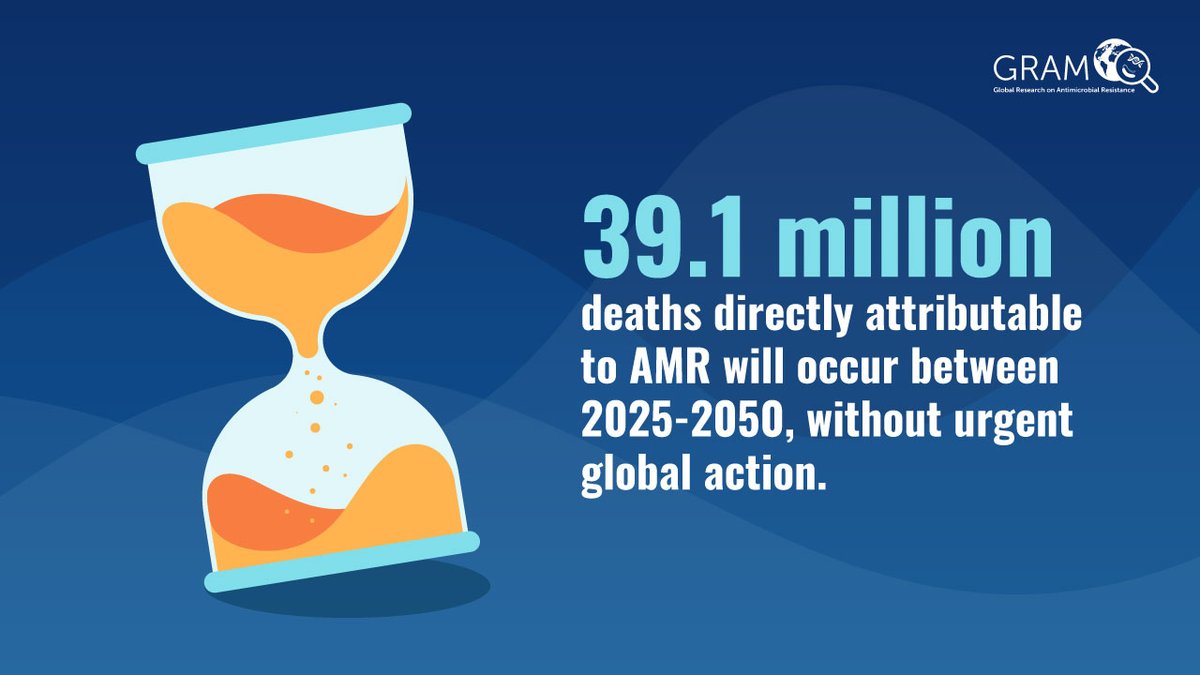
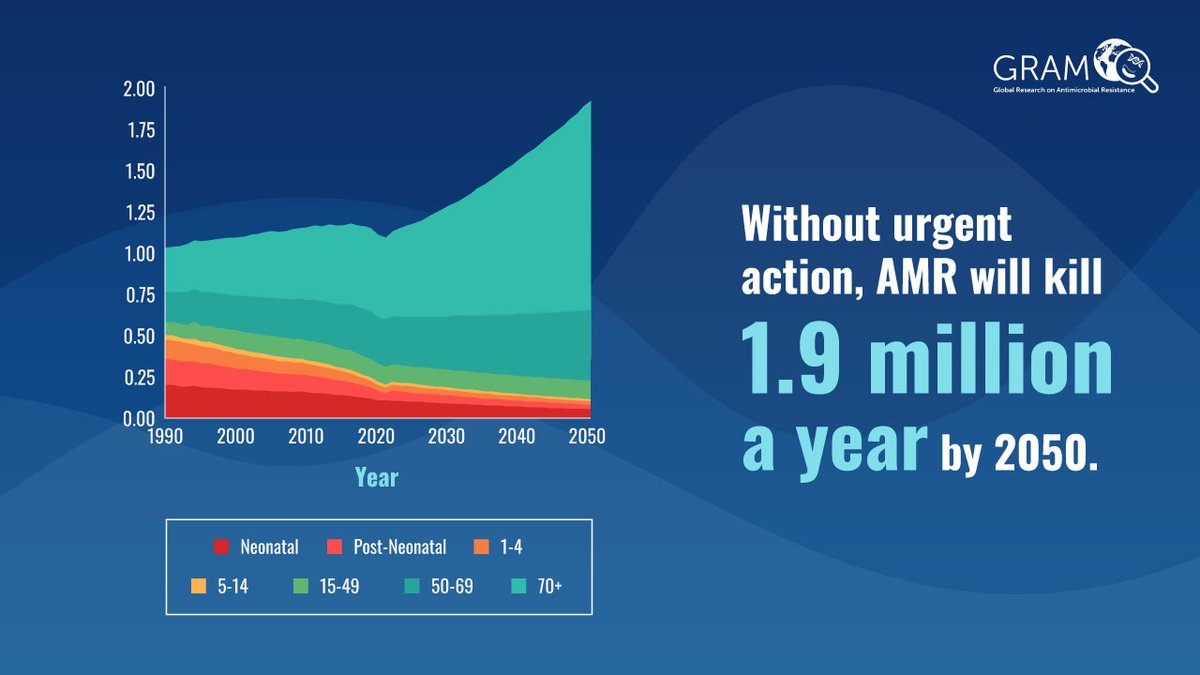
Without urgent #ActionOnAMR, antimicrobial resistance will account for three deaths every minute between 2025 and 2050⏰
The latest #GRAM paper in @TheLancet
has new historical estimates and the world’s first forecasts on the global #AMR burden⬇️
shorturl.at/VvTdt
1
9
19
7,421
Kasim Allel retweeted

16 Sep 2024
🆕 Antimicrobial resistance poses an important global health challenge in the 21st century.
A new in-depth global analysis suggests more than 39 million deaths from antibiotic-resistant infections could occur between now & 2050.
Explore the data: buff.ly/3zlVE0U #AMR
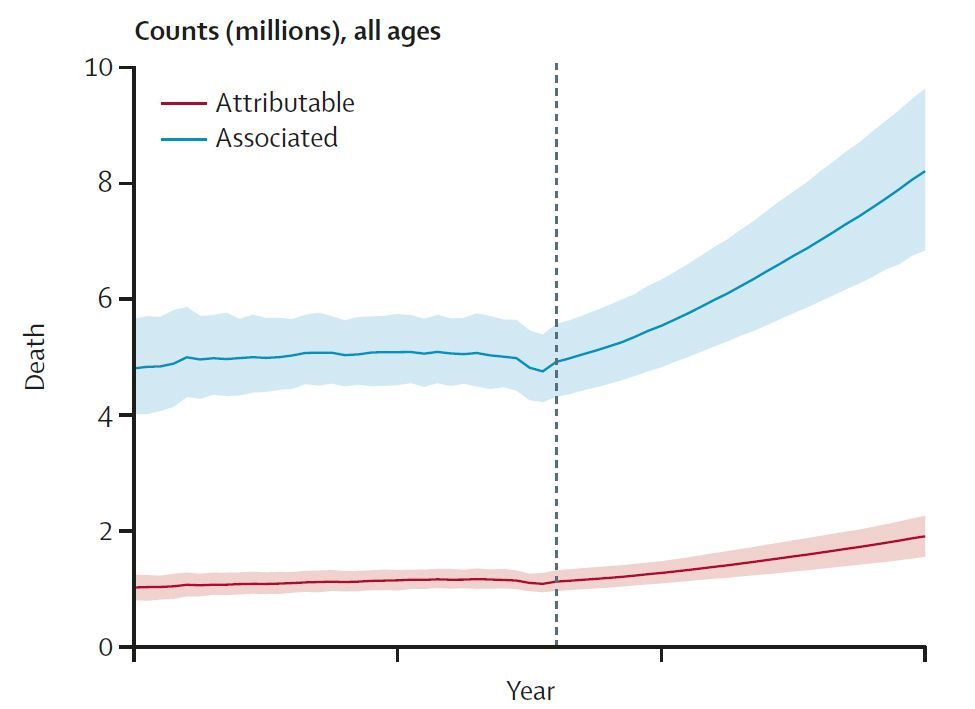
ALT Figure showing global attributable and associated AMR burden in the reference scenario, 2022–2050. Copyright: 2024 The Author(s). Published by Elsevier Ltd. CC By 4.0
8
185
312
206,406
Kasim Allel retweeted

17 Sep 2024
New data released today in @TheLancet shows that without urgent action, antimicrobial resistance could kill 39 million people by 2050.
Deaths and inequities from the global antibiotic emergency are increasing and now is the time to take urgent action.
thelancet.com/journals/lance…
7
144
192
31,717
Kasim Allel retweeted
HERC ARE RECRUITING
We are hiring a Researcher in Health Choice Modelling (Grade 6).
The closing date for applications is noon, on Monday 23rd September 2024.
my.corehr.com/pls/uoxrecruit…
1
6
11
1,885
Kasim Allel retweeted

19 Aug 2024
🔓New #PhD thesis live on Research Online!
Impacts of antimicrobial resistance bloodstream infections among hospital patients and potential interventions: a case study in Chile - @kasim_allel
doi.org/10.17037/PUBS.046735…
#OpenAccess #Chile #InfectiousDiseases #PublicHealth

ALT Logo
3
4
266
Kasim Allel retweeted

27 Jun 2024
In this episode of #OWOH as @kasim_allel of @LSHTM_AMR explains that AMR is worsened in poorer countries by poor sanitation, lack of healthcare, and antibiotic use in livestock, necessitating more comprehensive government action.
Tune in: onehealthtrust.org/news-medi…
#AMR #OneHealth
4
11
611
Kasim Allel retweeted

In the new @TheLancet Series on antimicrobial resistance (AMR), St George's Professor Mike Sharland and colleagues propose new global targets to reduce AMR-linked deaths and improve access to essential antibiotics.
Read more: sgul.ac.uk/news/new-global-t…
@AMR_CNPI
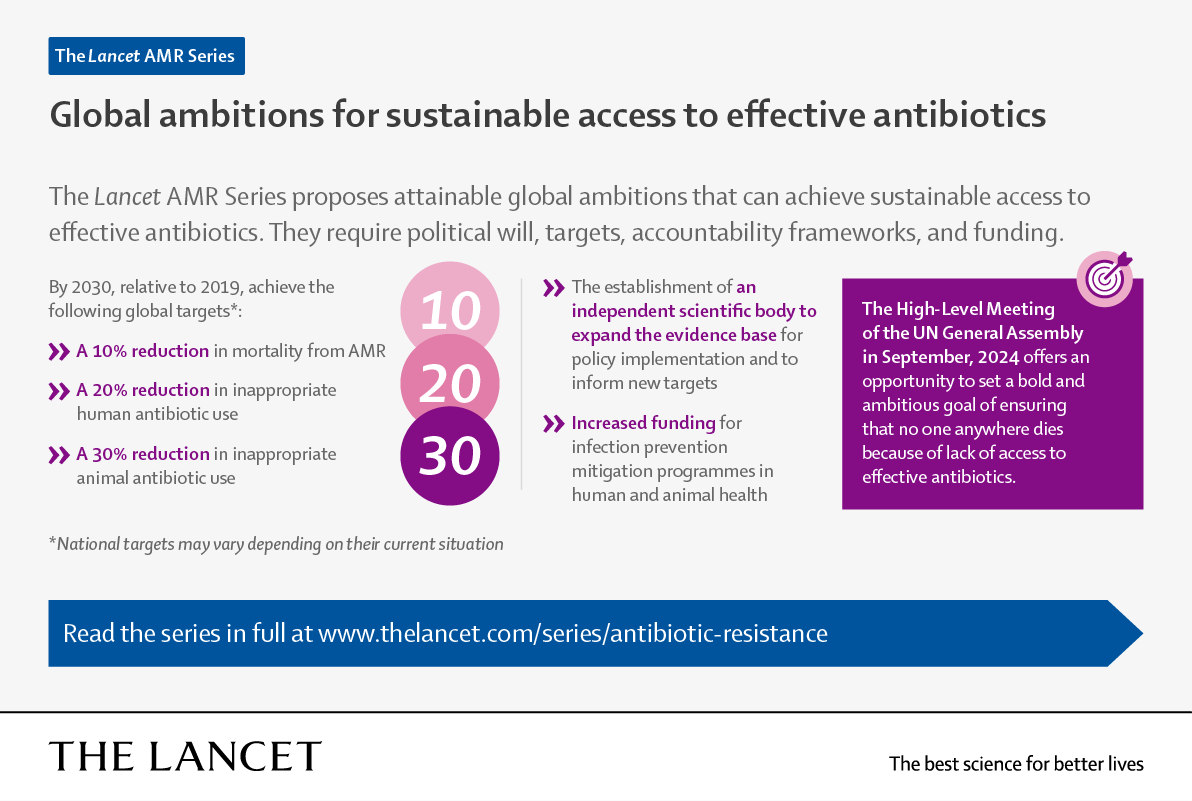
ALT Lancet infographics - AMR series
1
3
421
Kasim Allel retweeted
UPCOMING HERC SEMINAR
The History of Health Economics
Thursday 27 June, 11:00 hours (11.00 am UK BST)
@Oxford_NDPH @pmc868
#healtheconomics #HealthPolicy #EconTwitter #EconomicEvaluation #QALYs
Free event, requires registration: app.onlinesurveys.jisc.ac.uk…
8
15
1,665
14 May 2024
Thanks to the @LSHTM_AMR and my colleagues for such a rewarding experience😊😊! #AMR
lshtm.ac.uk/research/centres…
1
8
504

Thanks again for joining us at #ESCMIDGlobal2024!
We hope you enjoyed #ESCMIDGlobal as much as we did. See you next year for the 35th edition of the congress which will take place in Vienna, Austria.

3
7
36
3,194
28 Apr 2024
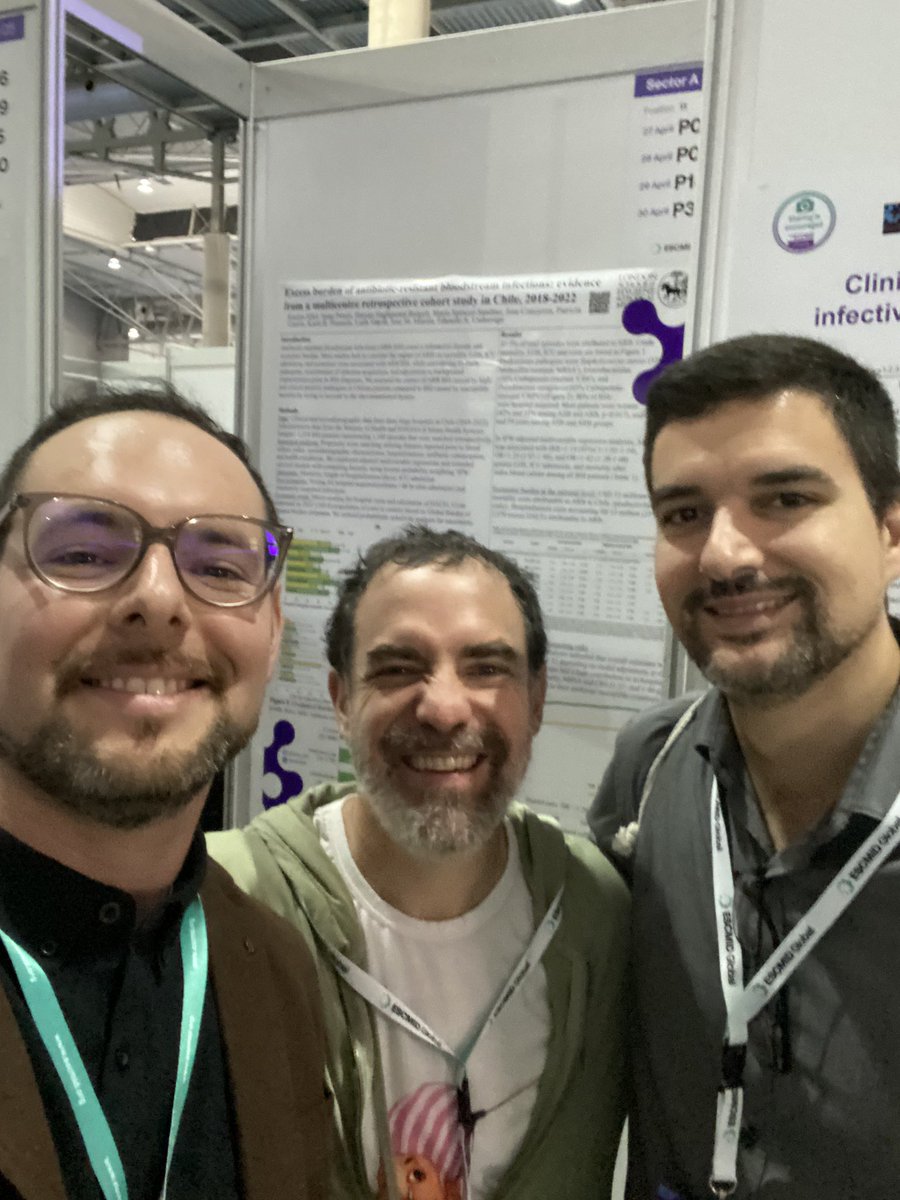
Second day 🔥 ESCMID.
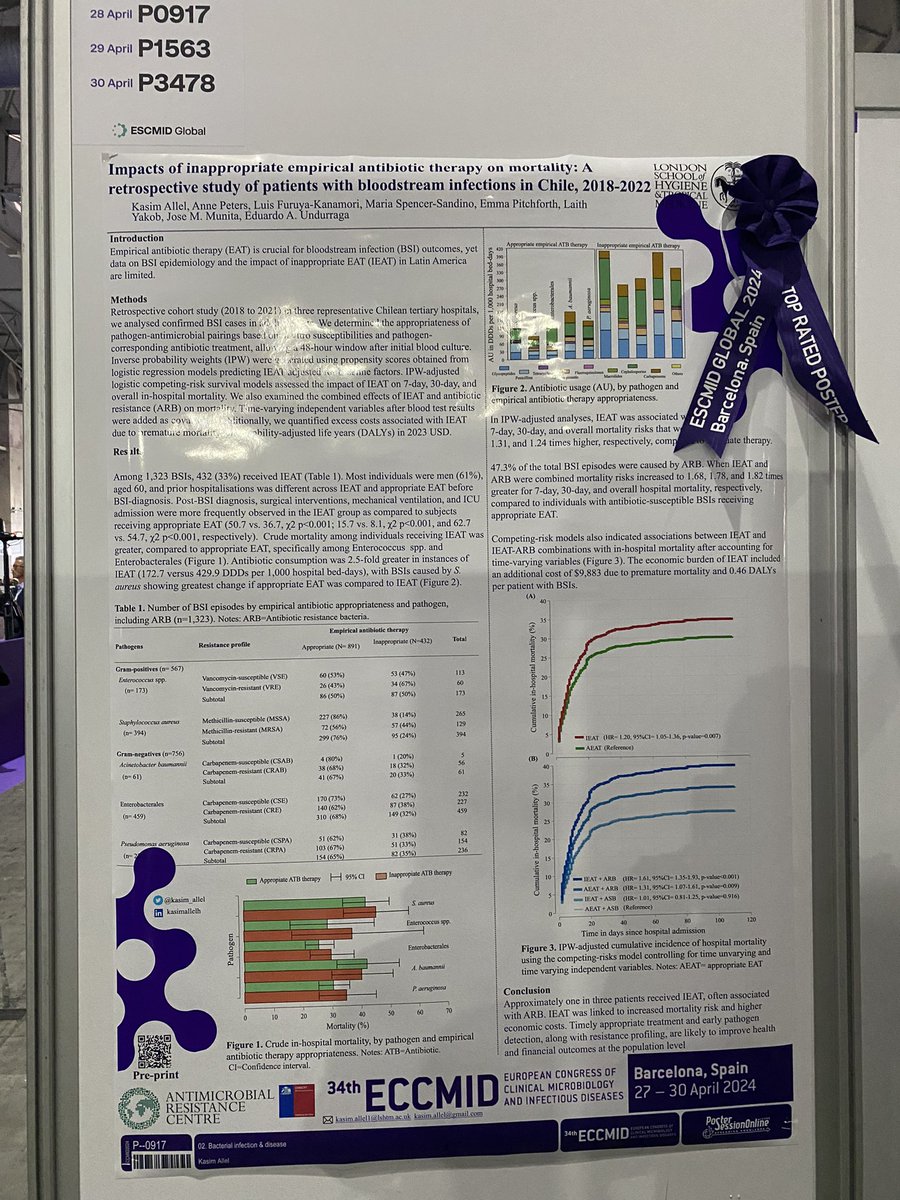
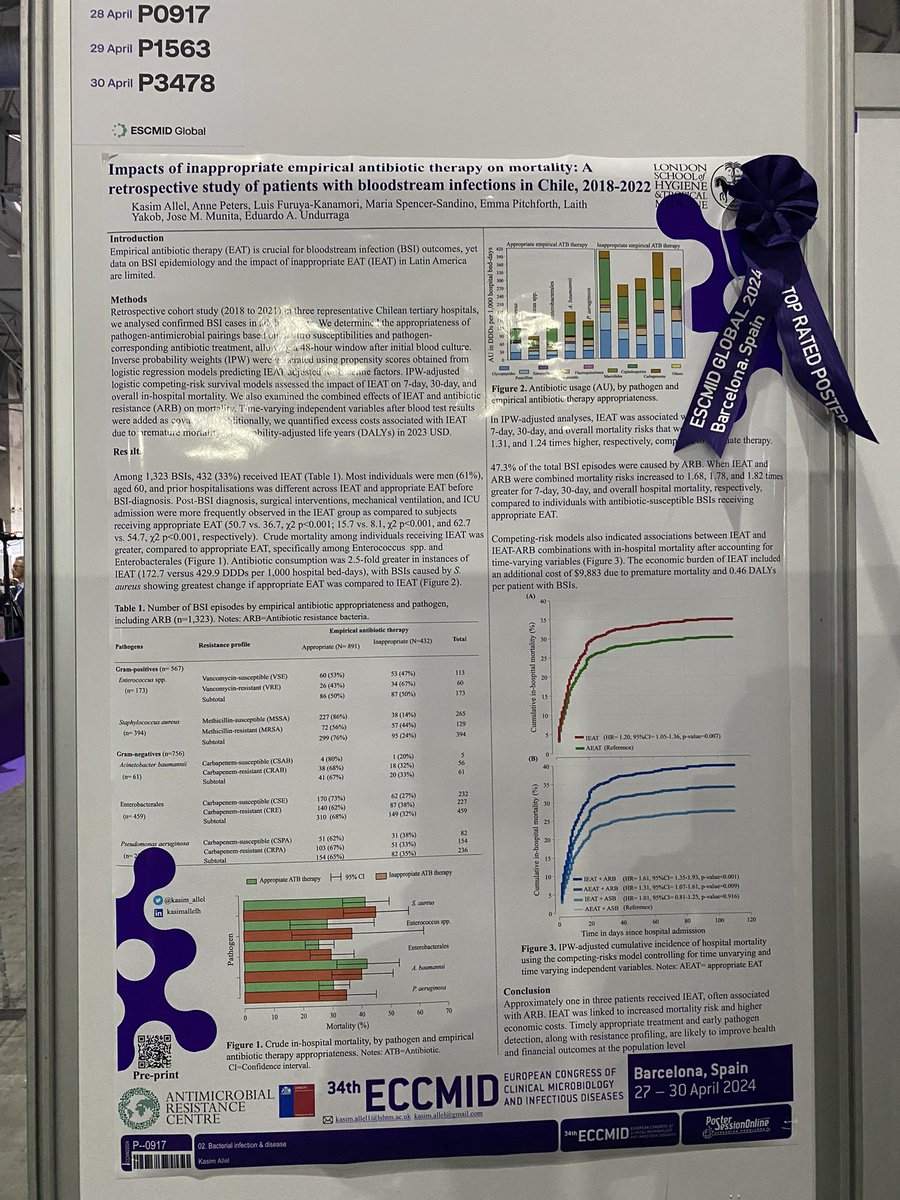
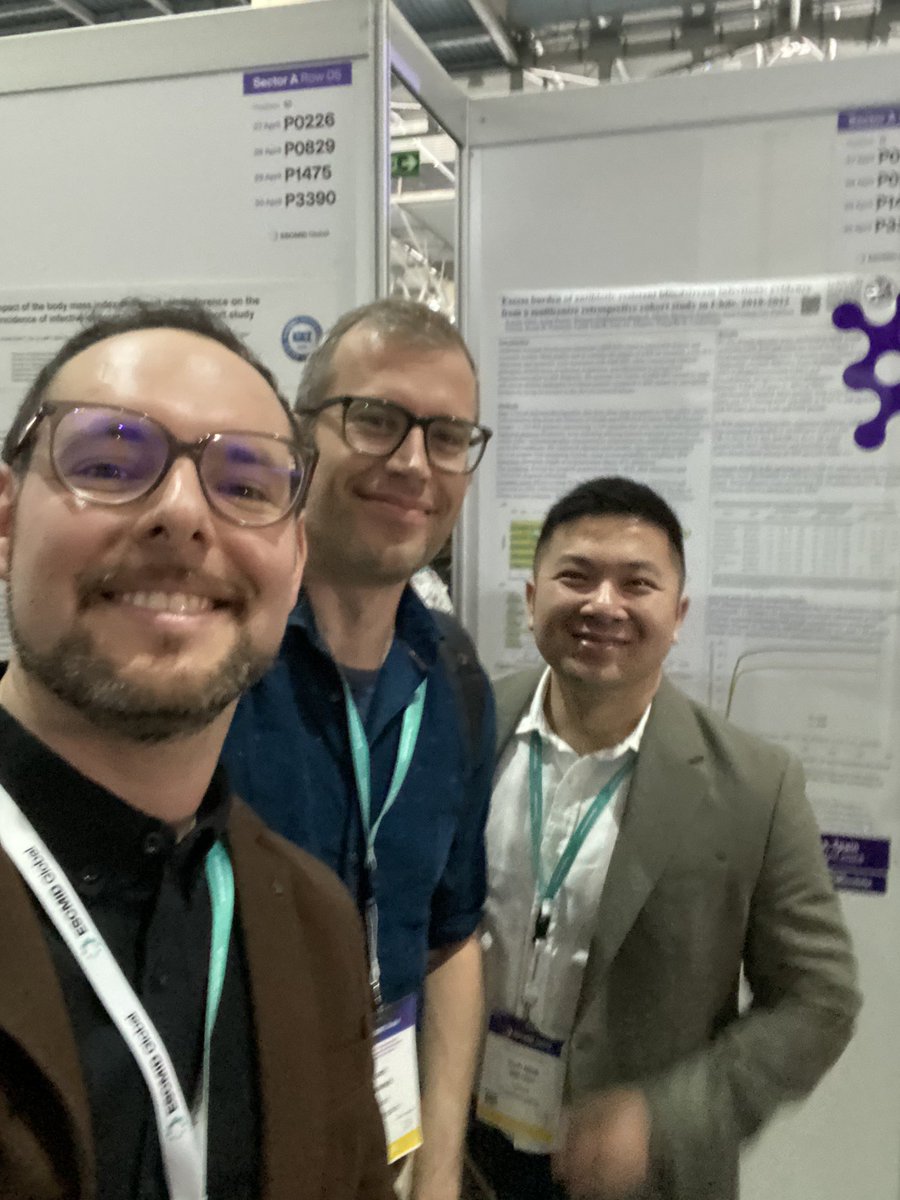
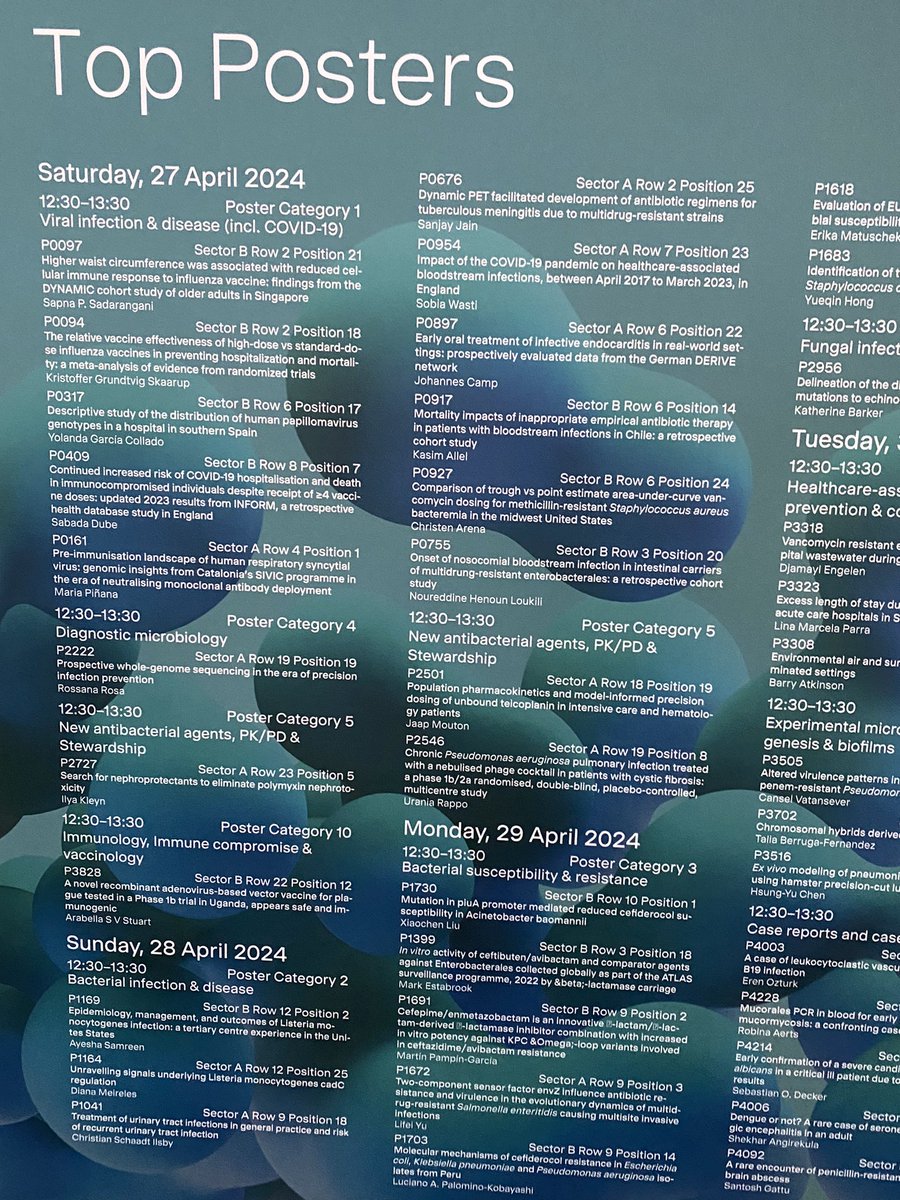
Several good talks and folks coming to the poster area today. Our poster got selected among the top ones in bacterial diseases 🤩 and won a ribbon #ESCMIDGlobal2024
11
456