Generational Health & Family Systems | Initiator @MicrobiomeDAO | Longevity Superteam @xprize | Know Thyself
Joined January 2024
- Tweets 1,723
- Following 3,505
- Followers 1,085
- Likes 11,297
60 Photos and videos


Katerina 🌞 retweeted

We talk a lot about UBI/UHI, but I think everyone on earth also needs Universal Basic AI. An agent that grows & learns with you. Giving everyone equal access to intelligence for free or at a very low cost.
240
81
794
25,413
Katerina 🌞 retweeted
I would say the most important investment you can do right now is not in stocks or real estate, but your HEALTH.
124
95
1,388
57,943

Feb 19
Gut health affects mood affects sleep affects hormones affects cognition affects relationships affects sense of meaning
1
4
132
Feb 7
Human virtues are trending again as AI rises
Feb 7

Kindness is peak human performance and high status.
Kindness requires metabolic abundance: the capacity to override primal impulses, regulate emotions, and extend empathy.
Meanness is dirty energy: high cortisol, inflammation and an exhausted executive function.
4
320
Katerina 🌞 retweeted

Jan 15
Hello world! 👋
We are Merge Labs – a research lab with the long-term mission of bridging biological and artificial intelligence to maximize human ability, agency and experience.
Read more about it from our founding team join us: merge.io
139
112
1,024
293,818
Katerina 🌞 retweeted

25 Dec 2025
Inspired by primordial soup 🍜 that comes before creative explosion, we're offering up to $2500 grants 🤑(application to launch in 2026).
If you're interested in helping sponsor some of these early experiments, check out our overview here: primordiagrants.com 🚀
1
2
8
692

Katerina 🌞 retweeted
1 Dec 2025
This is how we're gonna unf*ck the world.
Four months of building living w/a crew of talented founders in the fastest-moving startup hub in the world at the @BiopunkLab with @theresidency
Come join the experiment. Apply to the Biopunk House today.
28 Nov 2025

this is our plan to solve aging.
and it starts at the biopunk house, a state-of-the-art biotech community and lab at @frontiertower. discovery isn’t reserved for billion dollar labs, we’d put our money on it being right here.
with cracked researchers like @ThatMrE and biotech founders with billion-dollar companies mentoring you through your journey, this is your step to getting from concept to clinic and prototype to pilot.
🔗application link below
4
10
100
9,875

Katerina 🌞 retweeted

13 Nov 2025
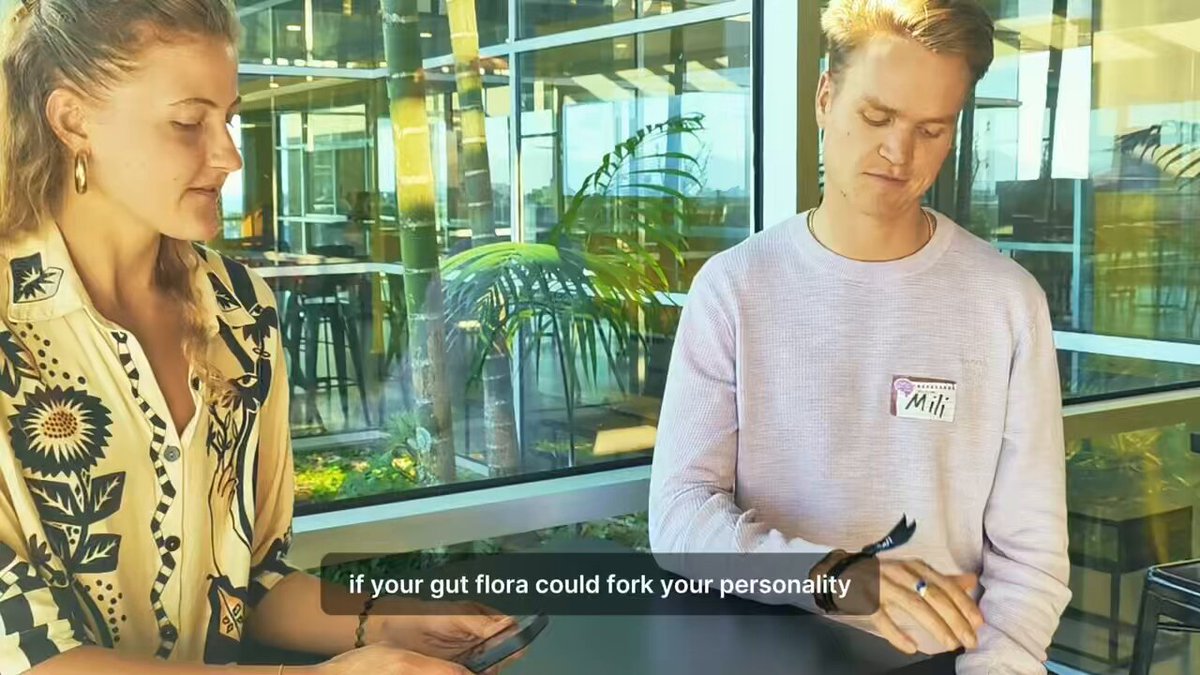
Conversation with @katbu00 during Token 2049 as incredible.
@microbiomedao is one of the few teams truly pushing community-driven science to its limit.
From gut health → data → experiments → validation —
everything is happening on-chain, built with the community🧬
Full interview in the video 👇
#DeSci #
19
10
53
2,623


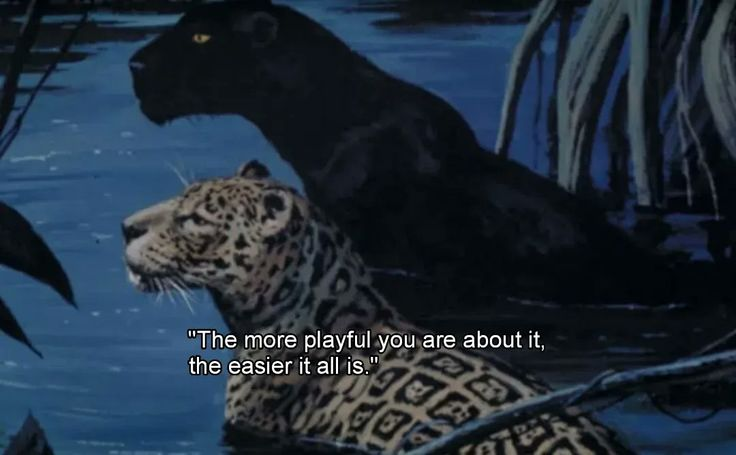
20 Oct 2025
Waking up grateful to build for real people in the real world.
@microbiomedao is connecting communities to accelerate human-centered scientific discoveries.
This is real-world crypto.
Believe in science. Believe in what we can build together 🌞
Psybiome Study at Edge City Patagonia with @microbiomedao @JoinEdgeCity @consciresidency
we're edging so hard
1
11
394
10 Oct 2025
Gut health meets peak performance 🔺

Can a probiotic help you bounce back from sleep deprivation?
Meet Lactobacillus kefiranofaciens K6 - shown to ease anxiety & depression, boost endurance, and improve glucose tolerance in sleep-deprived models.
Gut health meets peak performance.
(Source: pubmed.ncbi.nlm.nih.gov/4095…)
11
461
Katerina 🌞 retweeted

10 Oct 2025
Spot on..couldn't have said it any better. A centralized society with a centralized mindset can be quite detrimental even for decentralized science. That's why #DeSoc or decentralized society is equally essential. #DeSci & DeSoc complement each other, unlike one serving another.
6 Oct 2025

The reason AI isn't transforming science faster isn't:
❌ not enough compute
❌ not enough data
❌ not good enough models
❌ not enough AGI
The real problem is social.
1
1
5
558
9 Oct 2025
tbt to our first citizen science trial in India last Jan
@microbiomedao’s first step into decentralized scientific exploration
bold moves always pay off
you can just do things.
7 Oct 2025

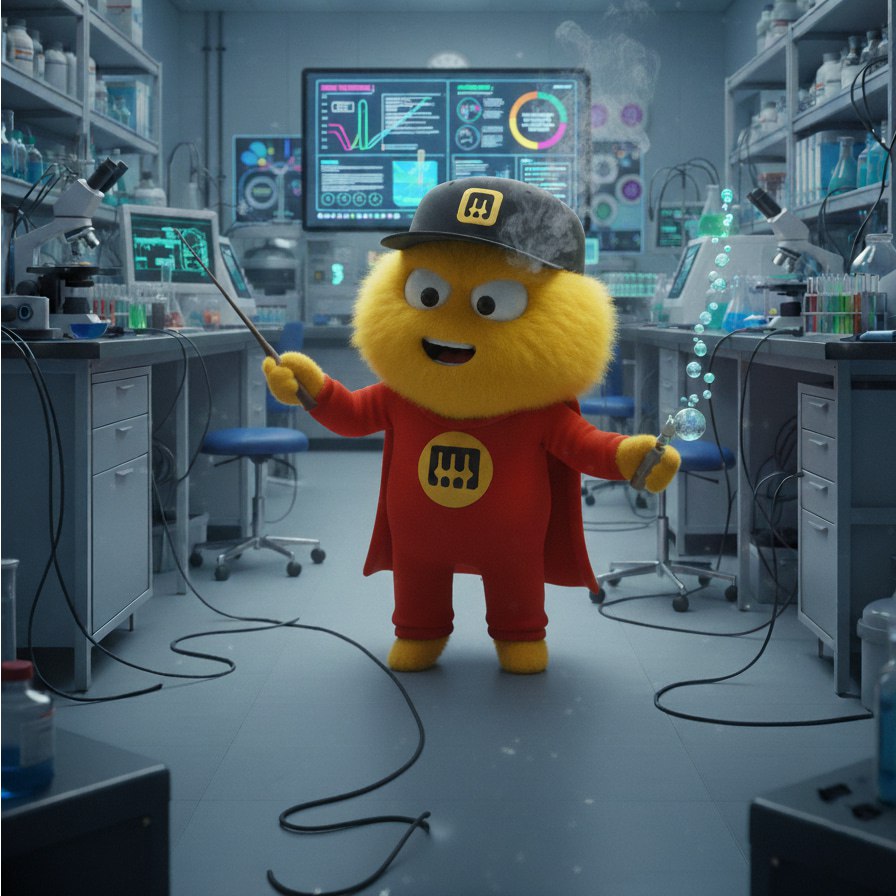
The ZuGrama Case: Applied Microbiome Research in Practice
The ZuGrama project exemplifies one of MicrobiomeDAO’s most compelling demonstrations of decentralized science in action. Conducted in India, this initiative transformed microbiome research from a laboratory‑bound discipline into a living experiment that incorporates real participants, local contexts, and citizen collaboration.
Unlike conventional studies that rely on limited, institutionally sourced samples, ZuGrama engaged hundreds of volunteers to provide stool specimens, lifestyle information, and dietary logs. Each contribution was verified and recorded on‑chain, guaranteeing complete transparency in data provenance and consent management. Participants retained ownership of their biological data while granting compute‑to‑data access for anonymized analysis.
The outcomes extended beyond mere data collection. By capturing microbiome diversity across a wide cultural and dietary spectrum, ZuGrama identified novel microbial signatures pertinent to metabolic and immune regulation. These findings underscore the importance of inclusivity in scientific research - meaningful discoveries arise when science reflects humanity’s full ecological and cultural diversity.
Beyond its scientific merit, the project validated MicrobiomeDAO’s operational model. It demonstrated that decentralized coordination can maintain rigor, reproducibility, and ethical standards without institutional bureaucracy. In many respects, ZuGrama serves as a prototype for how citizen science can generate high‑quality, globally relevant datasets under DAO governance.
This case marks the shift from theory to practice: decentralized microbiome research is no longer a concept - it is already underway, driven by communities that believe open collaboration leads to better health for all.
#DeSci #BioXP @BioProtocol @microbiomedao
2
8
462
9 Oct 2025
What began as microbial self-defence now lets us rewrite life itself
Microbiome-coded 🥛
8 Oct 2025

CRISPR came from yogurt bacteria. GLP-1s came from Gila monster venom. Taq polymerase came from hot spring bacteria.
As much as we like to think that progress in biotech is driven by human design, our biggest breakthroughs over the years have all originated from nature.
8
475

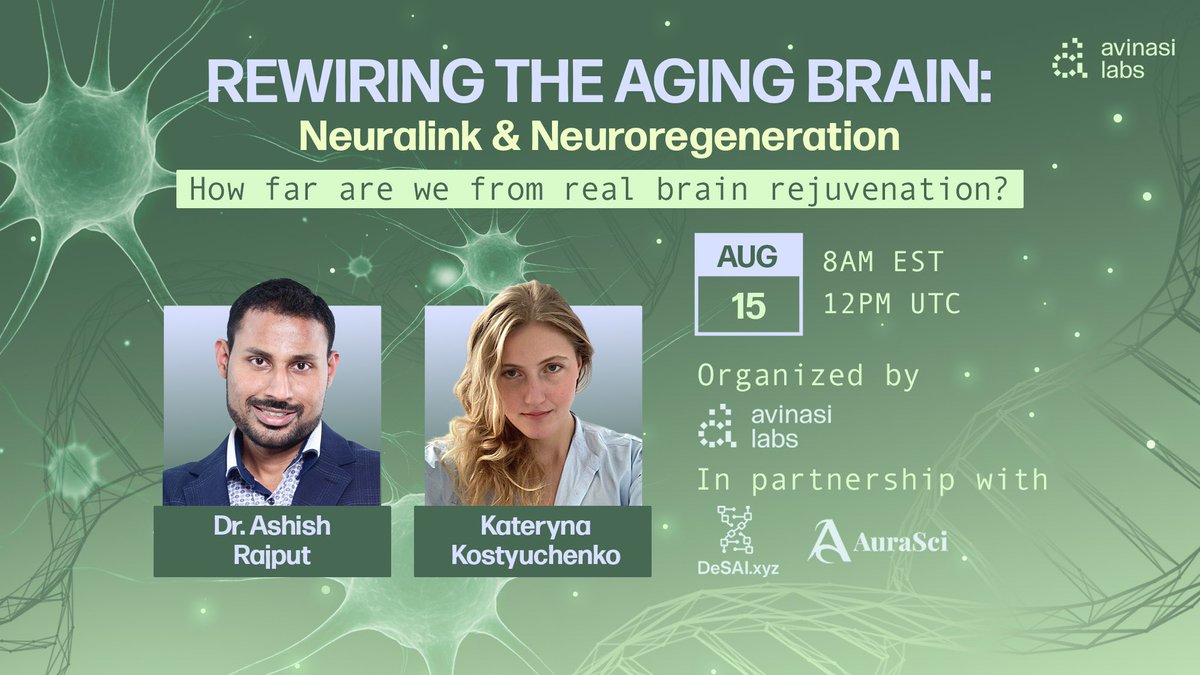
Can AI Agents outpace human scientists? 🧠
Join us as we explore the rise of autonomous labs and the future of AI-driven discovery.
w/
• @ZollieDollie – @Rejuve_AI
• @jb87ua – @bonfiresai
• @katbu00 & @kiho6redape - @BiomeAI
🗓️ Friday, 9AM EST
🔗: x.com/i/spaces/1lDGLBqYmDMxm
20
6
53
3,279
8 Oct 2025
Looking for a full stack developer at @microbiomedao
Apply if you vibe with life itself 🧿
We’re building the foundation for biological markets on chain
Send me a DM or drop your favorite dev below.
77
19
222
10,197