
Digital Government Researcher| @unilorinNgr| Managing Editor, IJAD|TeamIslam|@manutd| Views = Own
Joined September 2010
- Tweets 151,564
- Following 1,279
- Followers 930
- Likes 6,285
973 Photos and videos
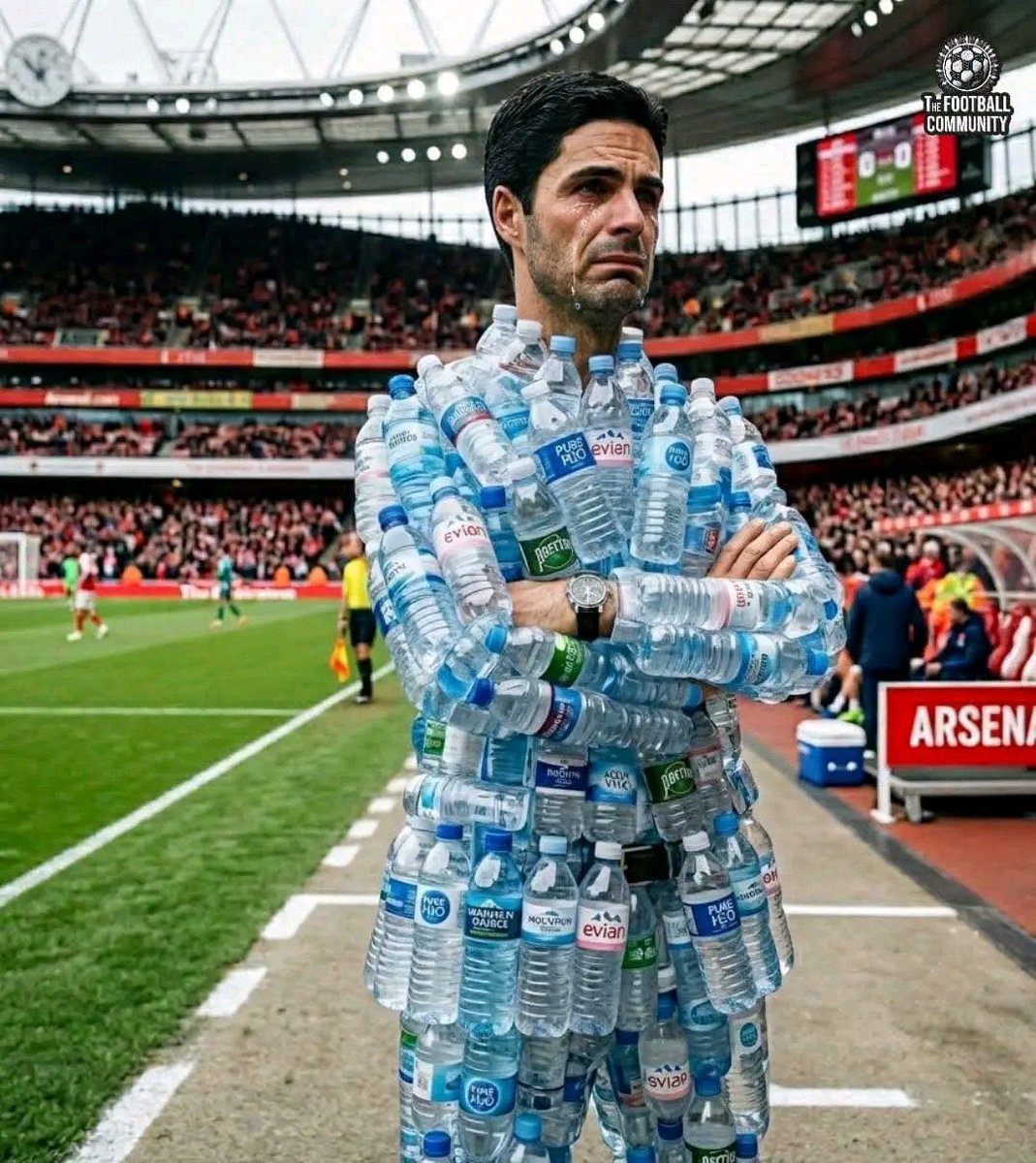



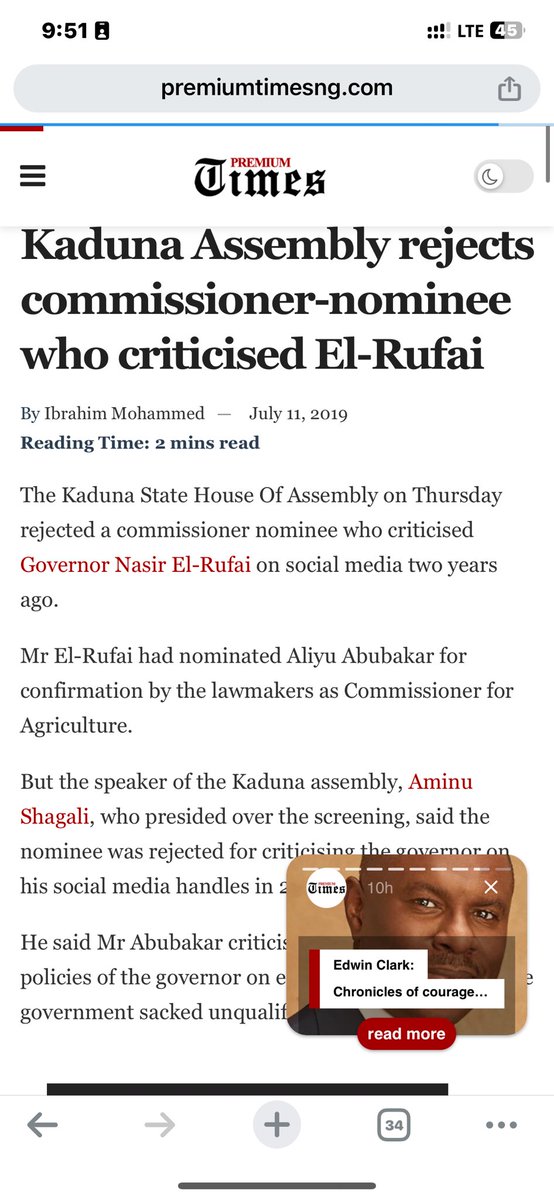












The whole fault is on the head of JAMB who wants to be politically correct always. This keeps happening every year. Bet you it will happen again and again. JAMB keeps defending the atrocity in the name of not being labeled. I hope the body can sanction erring centres
Apr 17

“Her body her choice” until she wears hijab. Bunch of hypocrites
80
A.K. Abdulkareem, PhD retweeted

Apr 17
“Her body her choice” until she wears hijab. Bunch of hypocrites
272
8,010
42,527
504,087
A.K. Abdulkareem, PhD retweeted

Can I sue my Christian neighbor who disturbs me with noise from drums during vigil at night after several warnings?
Shaykh Dr. Luqmaan Idrees Shekoni [May Allah preserve him upon goodness]
Kindly retweet so others can benefit
23
61
2,258
A.K. Abdulkareem, PhD retweeted

Feb 21
Du'a for hard times...
3
408
1,084
23,295
A.K. Abdulkareem, PhD retweeted
Feb 21
Repost, it will help you and me❤🎧🕊️
73
1,928
6,445
55,721
A.K. Abdulkareem, PhD retweeted
Feb 21
The Imam of the Kaaba in Mecca made this dua for marriage at the end of Tarawih prayer tonight!
<< O Allah, do not leave any single person without granting him/her a spouse. >>>
(Just say Āmīn)
158
2,676
14,991
283,440
A.K. Abdulkareem, PhD retweeted

Feb 21
Let The Word of Allah Touch Your Heart and Soul!✨🤍🌙
3
99
229
2,748
A.K. Abdulkareem, PhD retweeted
Feb 20
A powerful Du'a during Tahajjud that guarantees a response. Try it tonight...
2
158
483
10,928
A.K. Abdulkareem, PhD retweeted

Feb 20
A complete recitation of Surah Al-Baqarah🐄
4
127
336
8,497

A.K. Abdulkareem, PhD retweeted
Feb 19
A complete recitation of surah Al Mulk.
6
399
1,011
38,213
A.K. Abdulkareem, PhD retweeted
Relying solely on science for moon sighting is extremism — Prof. Alaro
* Says only Muslim leadership can declare start, end of fasting
A renowned Muslim scholar, Professor AbdulRazaq AbdulMajeed Alaro has cautioned Muslims against excessive reliance on scientific calculations for moon sighting while ignoring the provisions of Shari’ah, describing such an approach as a form of extremism.
During his appearance on a Kwara Television programme, the Professor of Islamic Law of Banking and Finance at the University of Ilorin, clarified that Islam does not reject science or modern technology, including the use of telescopes, in the process of moon sighting.
He explained that scientific tools are permissible and useful as aids that can make moon sighting easier and more accurate, but warned against adopting science in a way that replaces Islamic legal principles.
According to Prof. Alaro, “It is allowed to use science and telescopes to aid moon sighting, but it becomes extremism when science is relied upon to the extent that Shari’ah is ignored. We should never attempt to use science to replace Shari’ah.”
He noted that scientific calculations are not free from error and cited a recent case where scientists had predicted that the moon would not be sighted on a particular date. Contrary to that prediction, he said, the moon was sighted the same day in Nigeria, Saudi Arabia, and several other countries.
“This clearly shows that science can be miscalculated,” he said, adding, “As Allah wills, what is meant to happen will happen. That is why Shari’ah must remain the foundation.”
Prof. Alaro further explained that individual scholars or clerics (Alfas) do not possess the authority to announce the commencement or termination of fasting, even when moon sighting has been reported. He stressed that such announcements are the exclusive responsibility of the recognised leadership of the Muslim community.
To buttress his argument, he cited the example of Abdullah ibn Umar (RA), a companion of the Prophet Muhammad (peace be upon him), who sighted the moon and reported it to the Prophet rather than announcing it himself. At the time, the Prophet served as both the religious authority and the political leader of the Muslim Ummah.
“This historical example shows the importance Islam places on leadership and order,” he said. “Even the companions understood that matters affecting the entire Ummah must go through recognised authority.”
He urged Muslims to strike a balance between embracing scientific advancement and upholding Islamic jurisprudence, warning that sidelining Shari’ah in religious matters could lead to confusion and disunity within the Muslim community. WATCH >>
By @muslimnews_NG

Shari‘ah and Astronomy: A Knowledge-Based Clarification of the Annual Moon-Sighting Controversy.
Professor AbdurRozzāq AbdulMajīd Alaro ,mni, LL.B, M.A, Ph.D, LL.M, Ph.D, B.L, ACIArb, MCIArb, CIAE, FIFP, FCPA, FNITI, M.IoD, CSA.
Kindly retweet so others can benefit
4
27
72
3,892
This account has consistently posted the days and dates of Islamic calendar since the beginning of they year, but one man will always come every ramadan to cause controversy. It is an agenda. No doubt!

Today’s date is Sunday 20th Sha’aban 1447H/8th February 2026.
22
RT @moonsightingng: Today’s date is Sunday 20th Sha’aban 1447H/8th February 2026.
218
A.K. Abdulkareem, PhD retweeted
Maintain your Islamic identity wherever you are, wherever you go, and whatever you attend. Wear your identity with pride—do not be shy.
Part 2
Professor AbdurRozzāq AbdulMajīd Alaro ,mni.
Kindly retweet so others can benefit
Maintain your Islamic identity wherever you are, wherever you go, and whatever you attend. Wear your identity with pride—do not be shy.
Professor AbdurRozzāq AbdulMajīd Alaro ,mni.
Kindly retweet so others can benefit
13
109
223
5,045
A.K. Abdulkareem, PhD retweeted

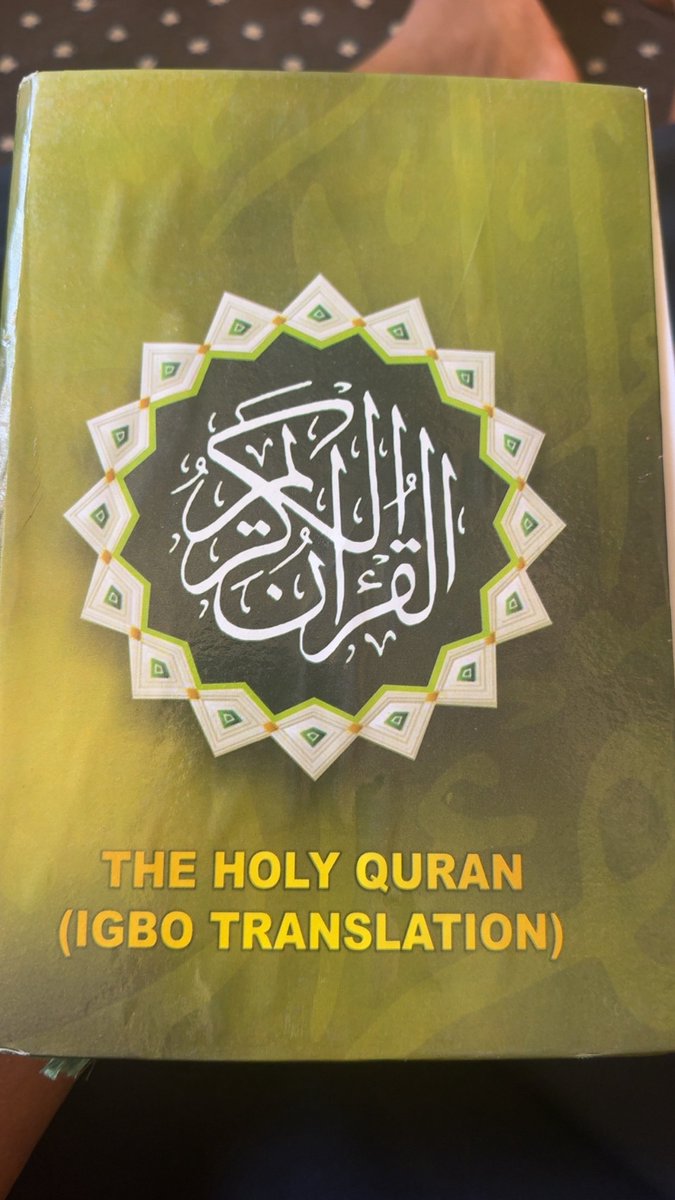
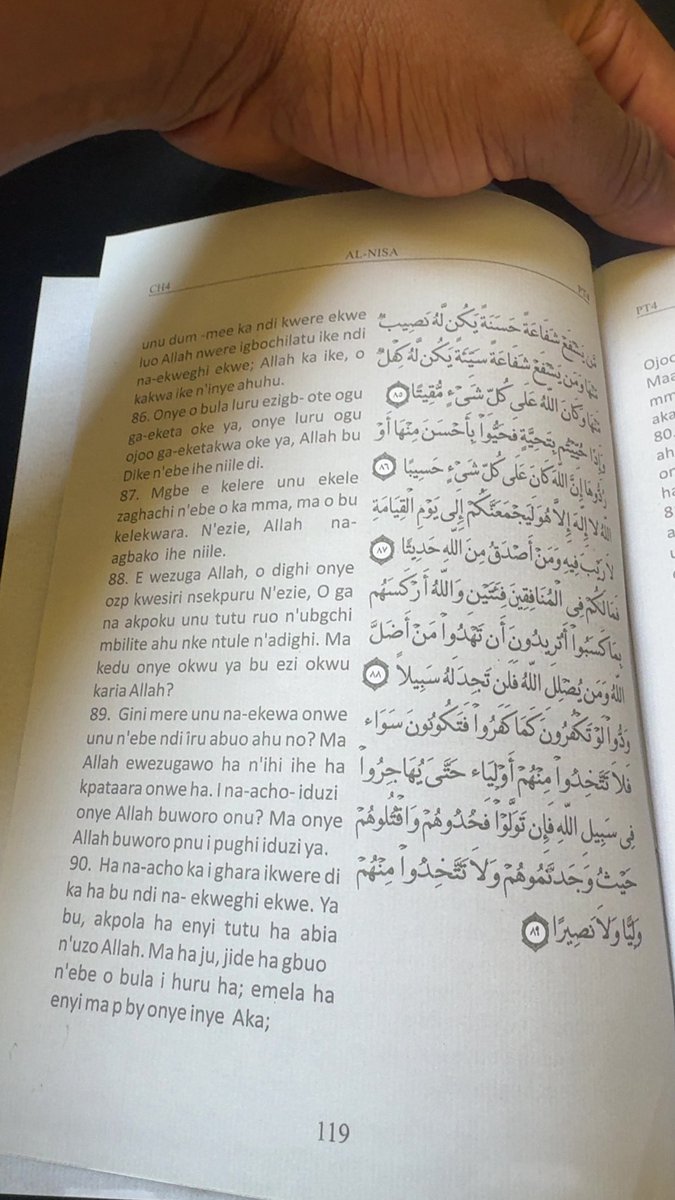
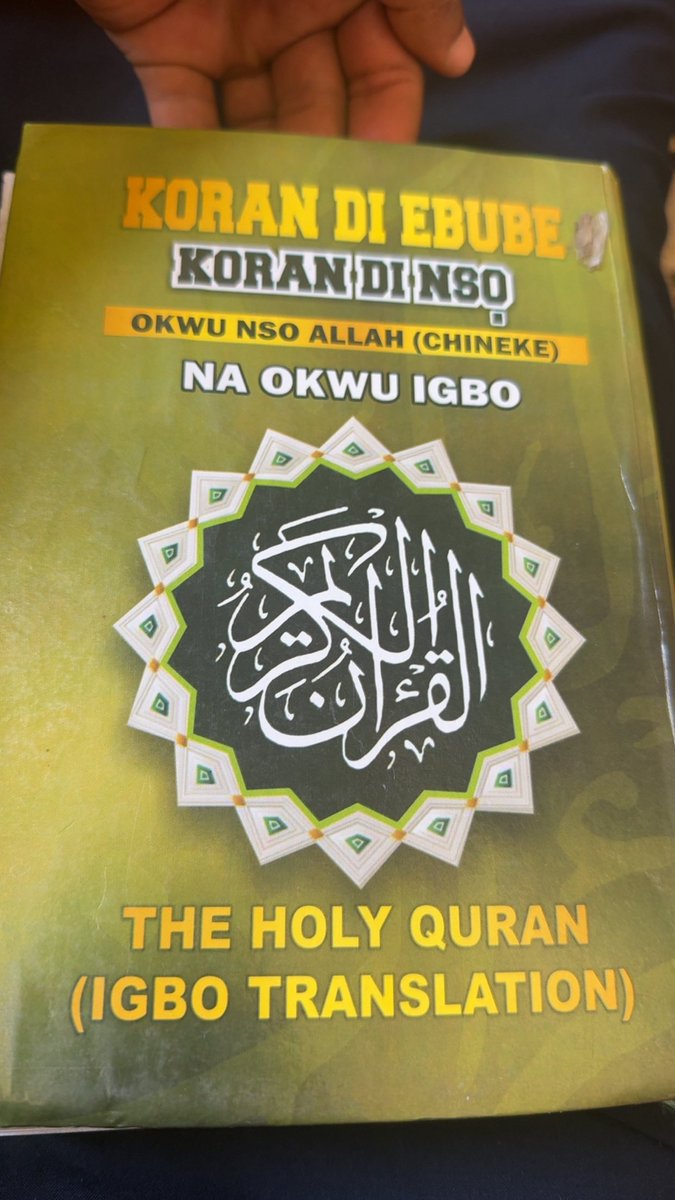
The Quran with Igbo Translation is beautiful, God bless the brain behind this work, I remember him
Coming to our office then In Lagos during his journey to completing this, May Allah be pleased with him.
28
111
2,347
A.K. Abdulkareem, PhD retweeted

Feb 8
This will forever change the way you see Ayatul Kursi.
25
494
1,734
62,780
A.K. Abdulkareem, PhD retweeted

Feb 6
Surat Al-'Insān | Ayah 1 - 31 | Shaykh Abdullah Al Quraafi
2
47
253
6,016
