
Catholic School Leader. Building Assessment Capable Learners and Collective Efficacy. Visible Learning, Project-based Learning. #Catholic
Joined July 2009
- Tweets 17,582
- Following 4,494
- Followers 3,278
- Likes 7,992
2,817 Photos and videos










Pinned Tweet

1 Jan 2023
Keeping track of the books I've read for 2023. 📔🧵

2
1
5
9,949
1 Aug 2024
Congrats to all of our competitors in the Zone Athletics Carnival held at Woodlawn today! St Joseph's placed second of all the schools. A fantastic achievement! Well done to Hugo and Jordy, who were both named Age Champion Runners Up for their age groups! #GrowthThroughLove
1
259
6 Jun 2024
Team Challinor Family is taking part in MS Readathon & would love your support. We'll read as many books as we can to raise $ to fund vital support services for people living with MS. You can support us by making a donation here - msreadathon.org.au/fundraise… msreadathon.org.au/st/27716/…
94
Kurt Challinor retweeted

28 May 2024
Keep going with those CLARITY 5 Questions Kurt! They tell you everything about ‘Precsion-in-Practice’ 🥳🤗🥳
28 May 2024

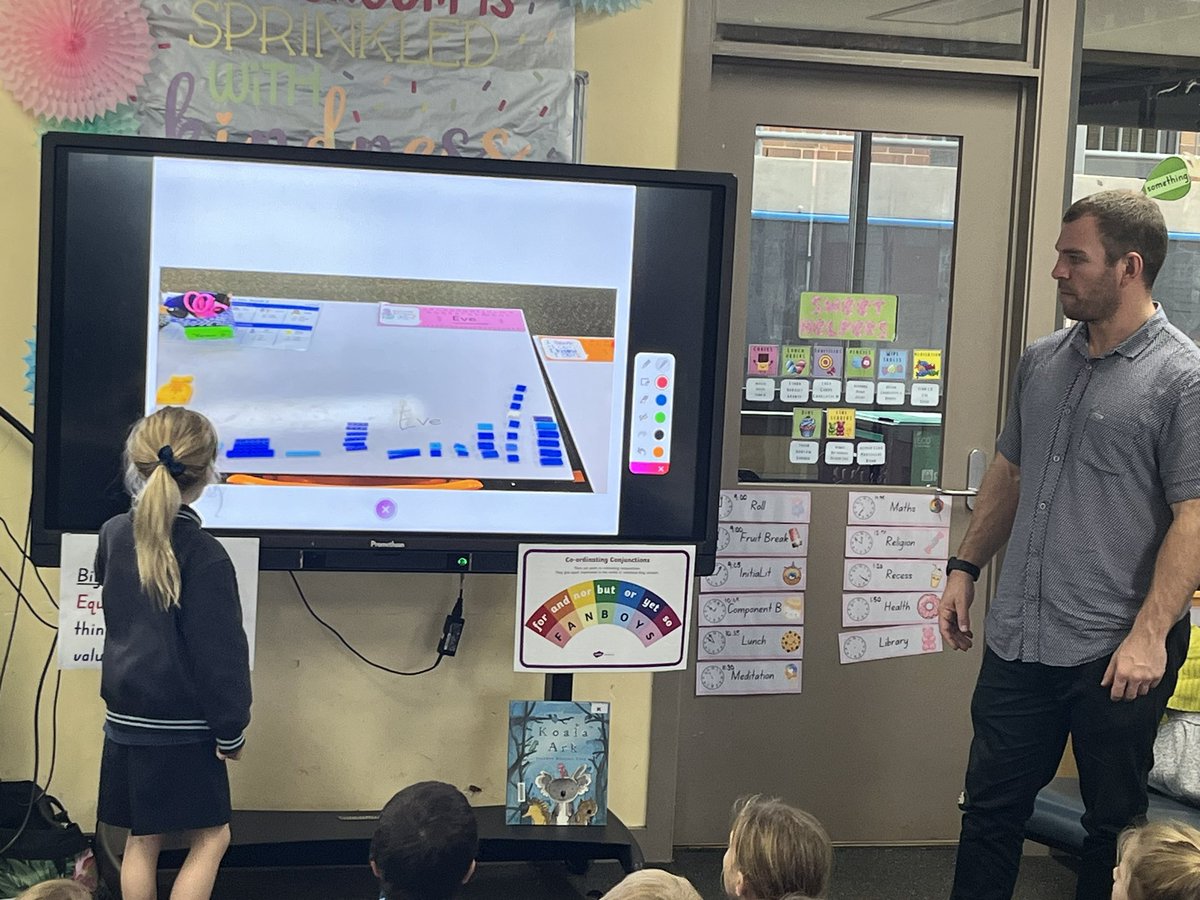
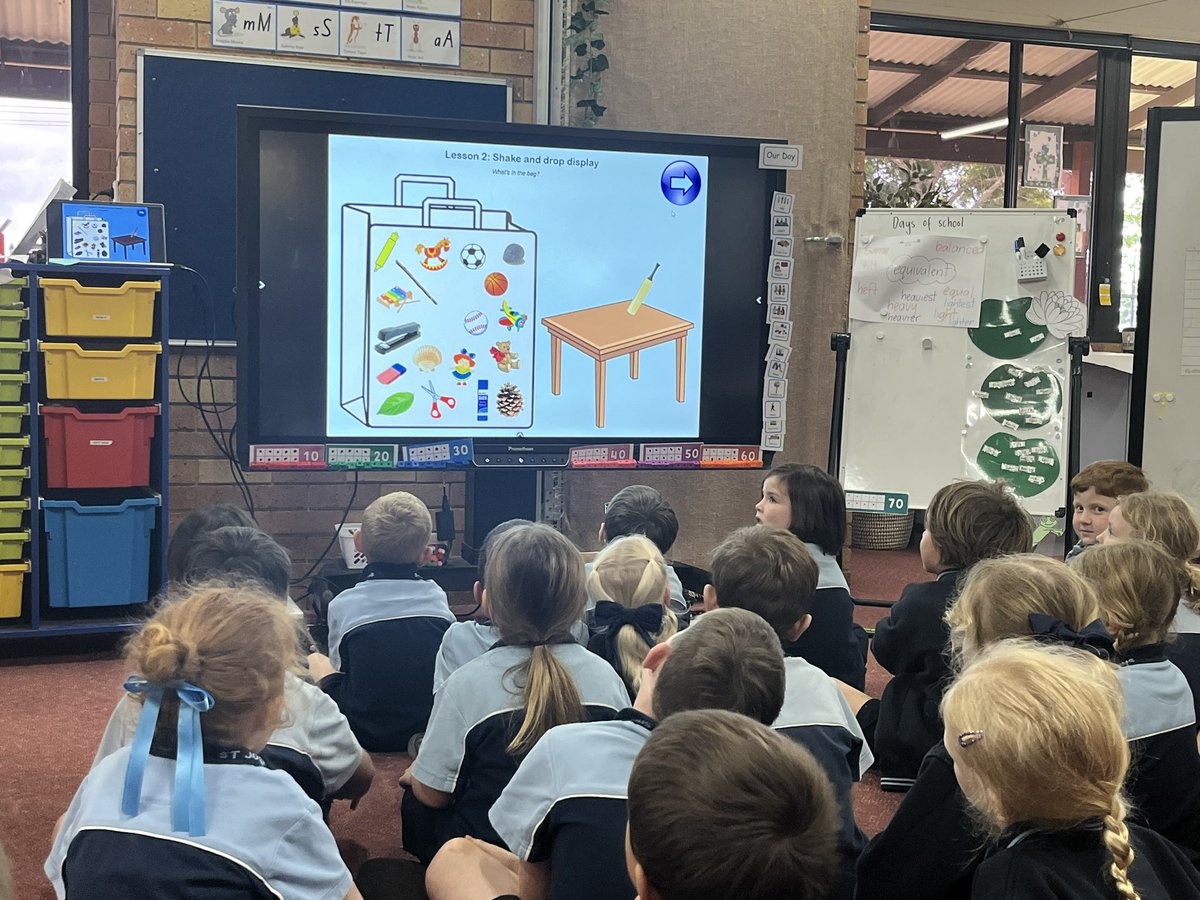
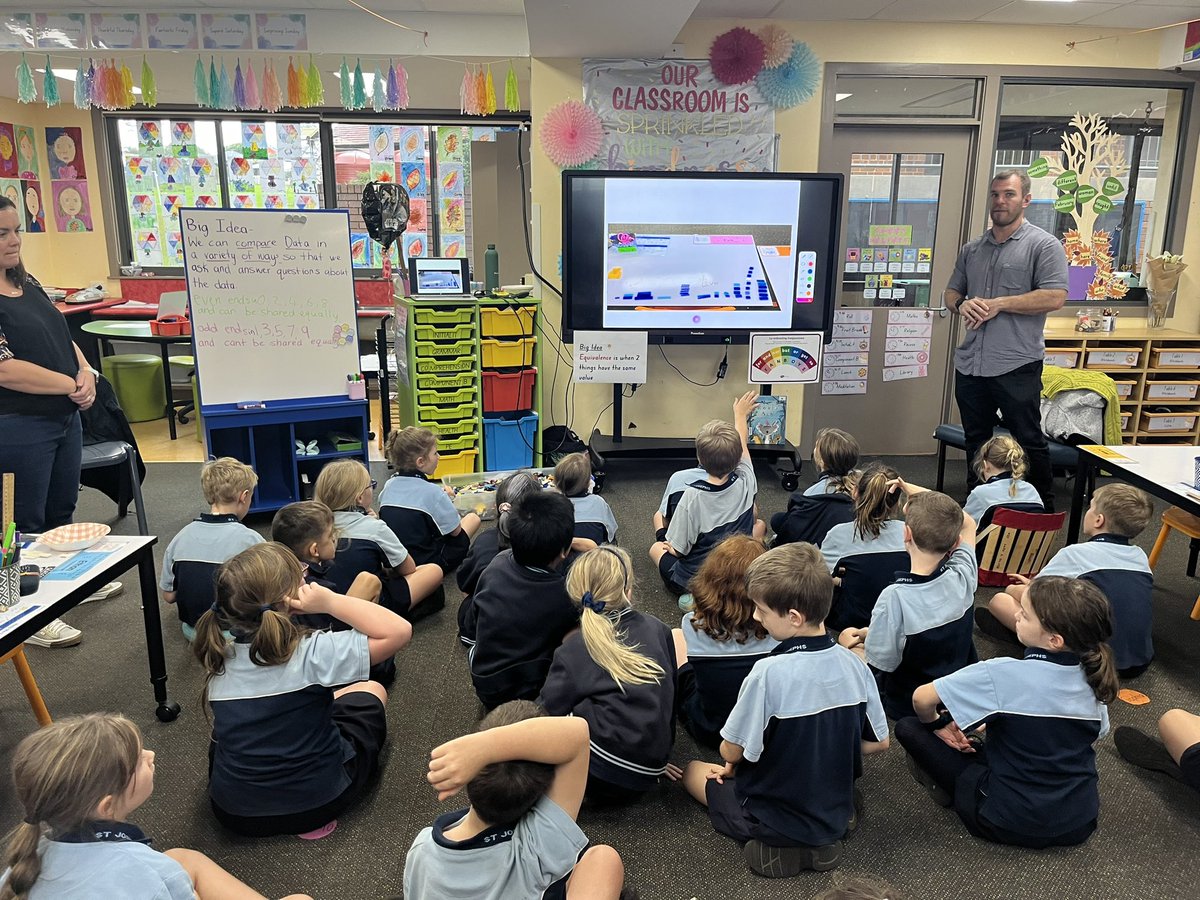
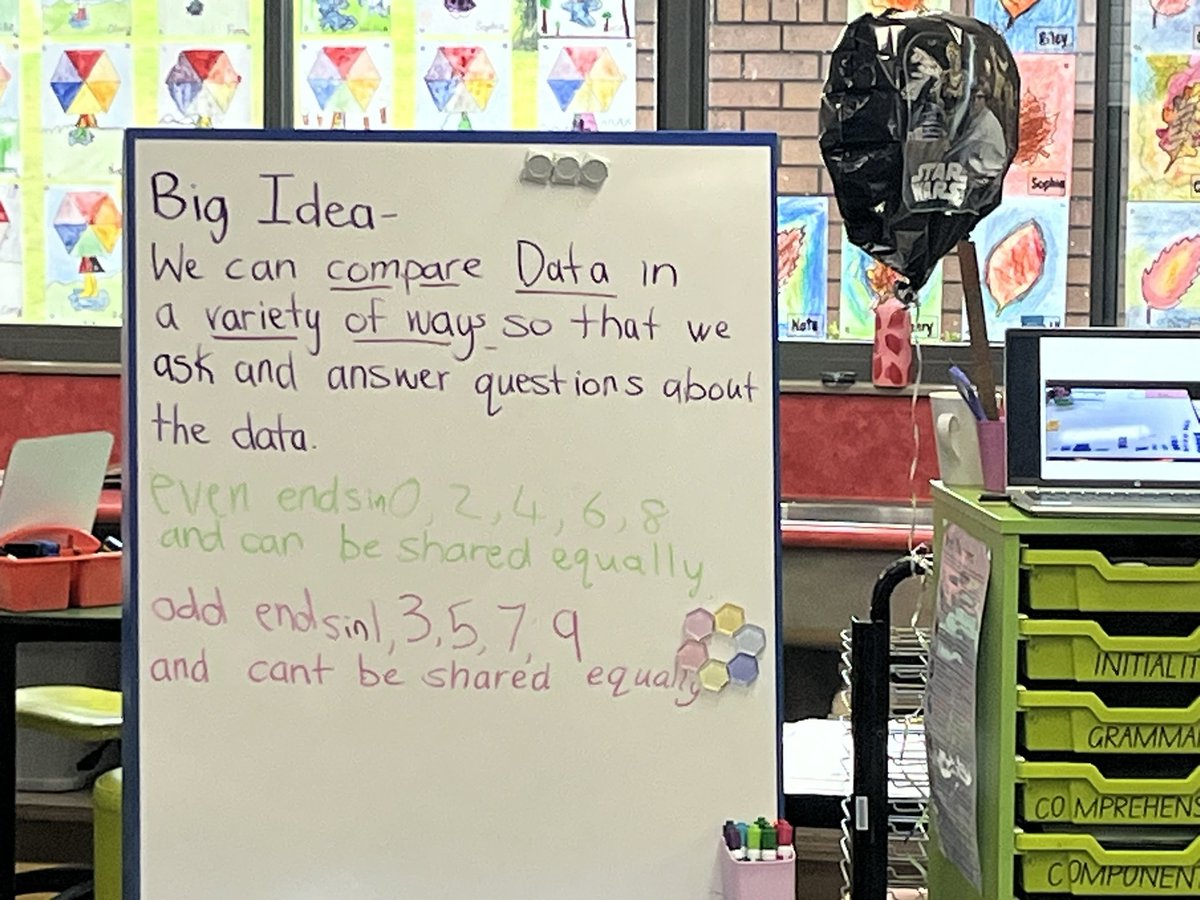
Working hard to build clarity with our students about what they are learning in mathematics. Today’s focus is on data. #GrowthThroughLove
1
7
806
28 May 2024
Working hard to build clarity with our students about what they are learning in mathematics. Today’s focus is on data. #GrowthThroughLove
1
3
1,105
28 May 2024
Amazing lesson on data. High levels of engagement and accountable talk from our kindergarten teacher, Jenna.
115
Kurt Challinor retweeted

16 May 2024
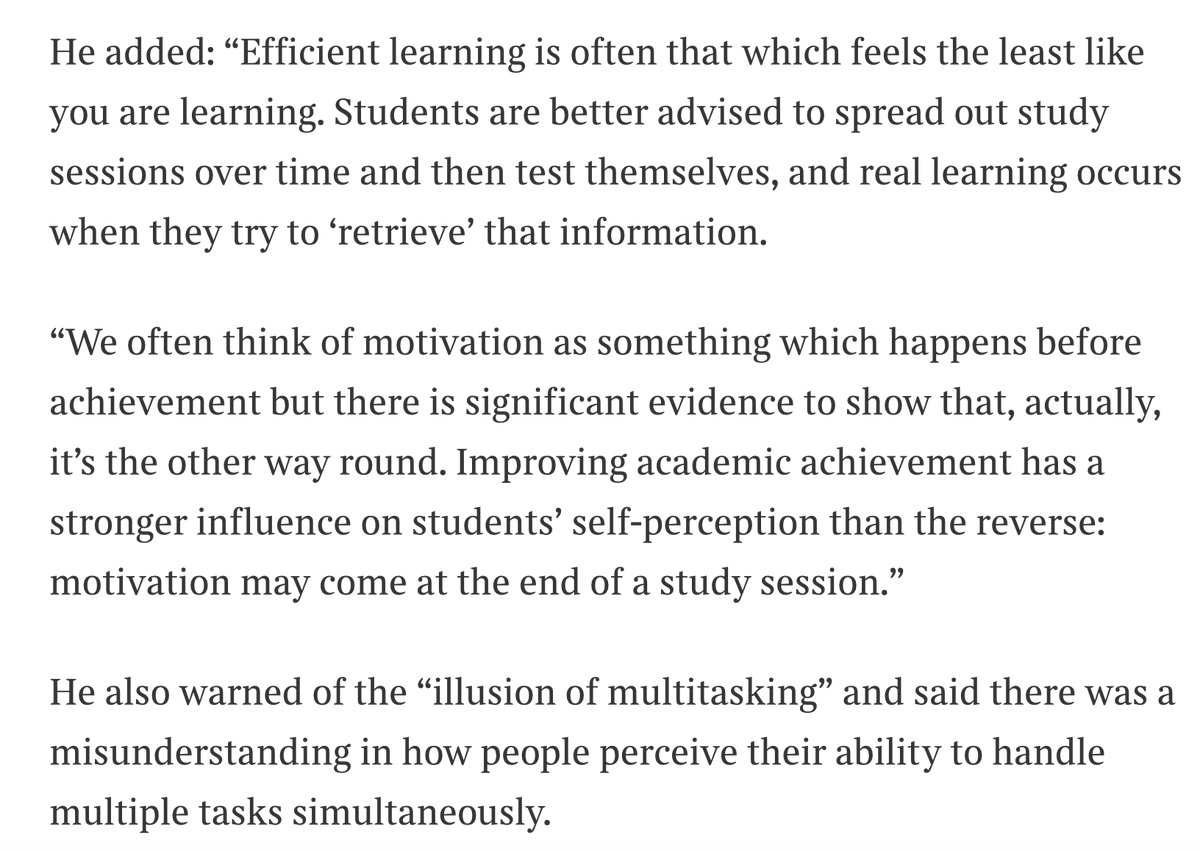
This school is offering concrete advice to students & parents for how to study for exams, including putting away your phone. "Improving academic achievement has a stronger influence on students’ self-perception than the reverse: motivation may come at the end of a study session." Great quotes from @C_Hendrick thetimes.co.uk/article/paren…
5
37
152
15,584
Kurt Challinor retweeted

13 May 2024
Ireland has been among the highest performing English-speaking countries in PIRLS and PISA for almost two decades. In a report I wrote after visiting Ireland last year, I concluded that these high levels of literacy have a number of mutually reinforcing contributing factors.
The societal foundation is a high level of cultural and social value attached to language and literacy, which supports the work of schools.
Teachers are high academic achievers who have rigorous initial teacher education. As a result, teachers are respected and trusted and have professional autonomy.
Mandatory testing, reporting and inspection are not universally welcomed but are accepted and not seen as a professional insult.
Low teacher attrition is an indication that, although workload is still an issue, teaching is a rewarding and stable job. Low attrition also creates a workforce environment where there is little pressure to graduate large numbers of teachers each year, allowing teacher education courses to emphasise quality over quantity.
Teacher education and the primary language curriculum are rigorous and generally well-aligned with evidence-based practice and do not seem to have been subject to the dramatic shifts in practice seen in other countries.
Literacy teaching is generally high quality. Systematic instruction in phonics, for example, seems to have been a constant feature in reading instruction. This is sufficient to get the majority of students on the path to reading.
However, there is enduring disadvantage associated with socioeconomic status. The long-term dominant intervention program has been Reading Recovery. Since this program has not been evaluated in Ireland, it is difficult to know with certainty how much improvement could have been achieved if it had been replaced with a more effective intervention but, based on international research on Reading Recovery that has demonstrated it has weak and even negative effects on reading achievement, there is a powerful case for the Irish education system to investigate effective, evidence-based alternatives.
@ChurchillTrust
Read the full report: churchilltrust.com.au/projec…
16
46
153
49,588

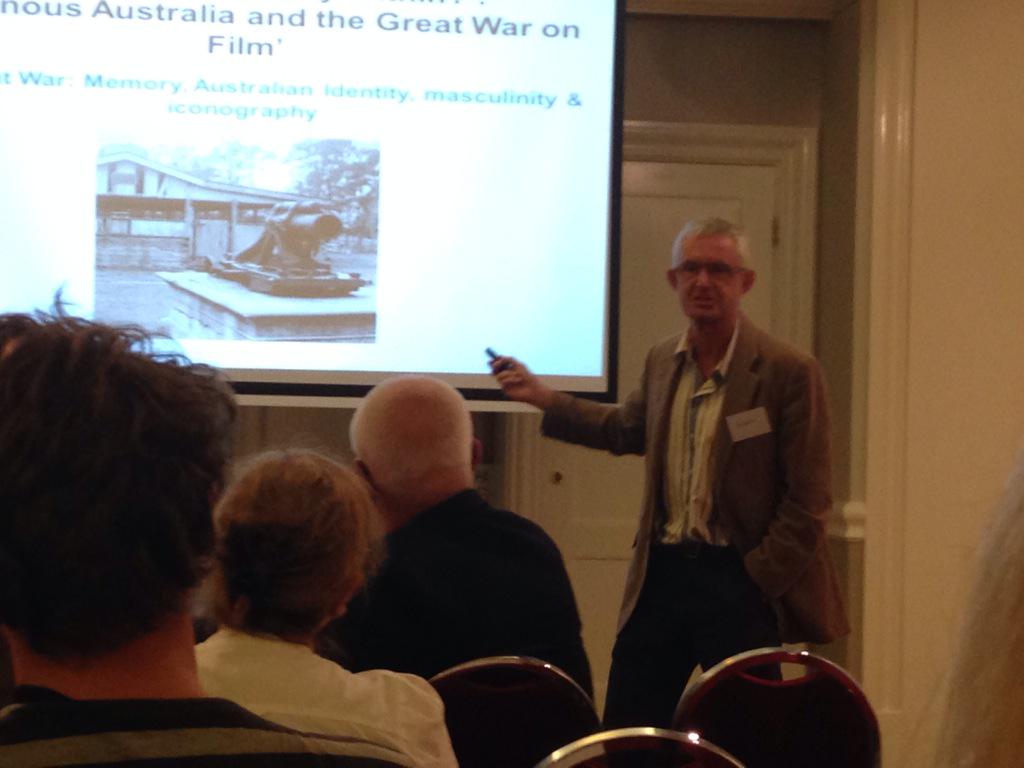
Saddened to hear of the passing of Bruce Dennett. A towering figure in the NSW history teaching community. ‘Question everything, even Bruce’, but his legacy is very secure in the positive influence he had over many thousands of students and colleagues at many levels.

Bruce Dennett presenting on film at Newcastle Uni's wonderful First World War Conference
7
3
26
2,033
Kurt Challinor retweeted
8 May 2024
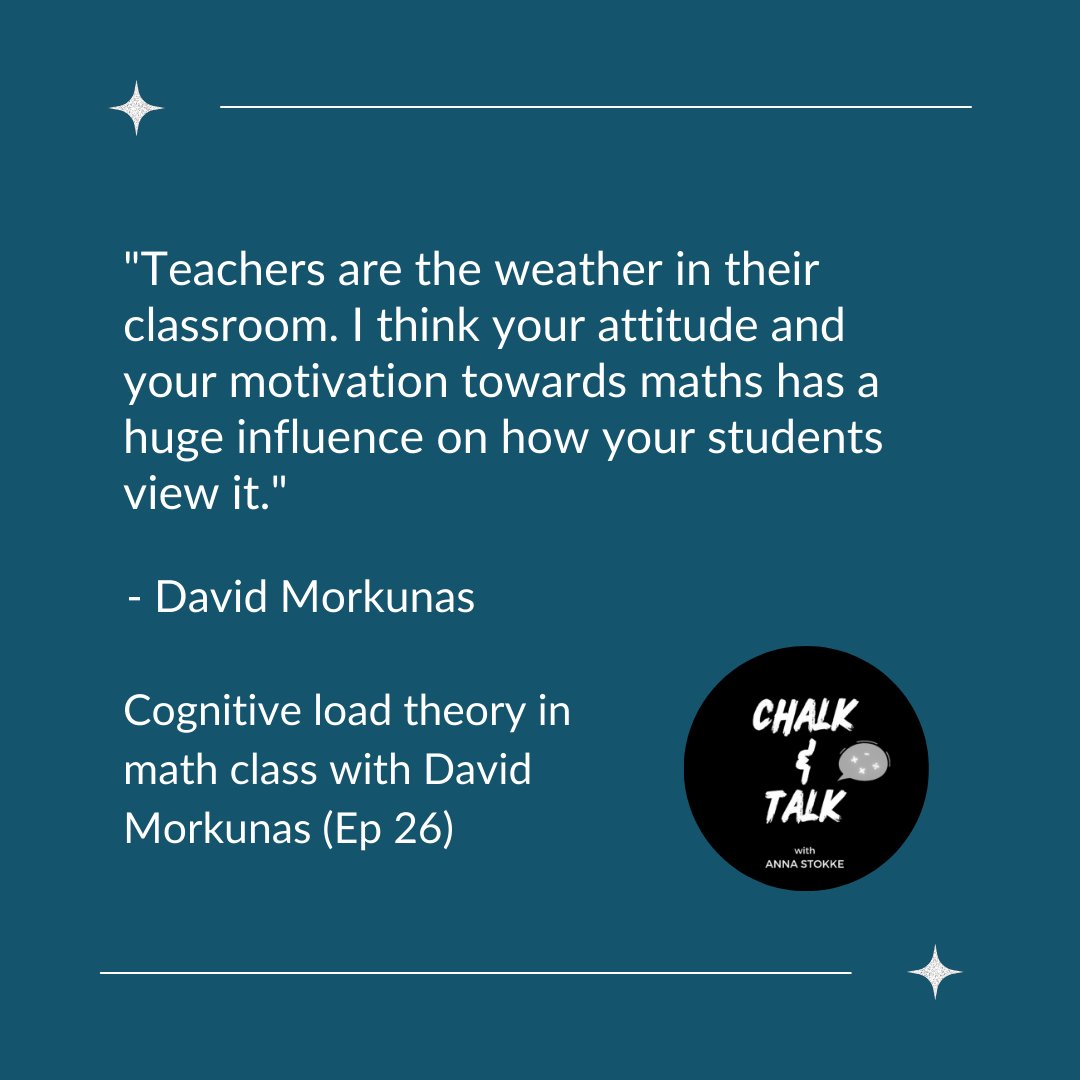
1/3 My latest episode with superstar math teacher @DaveMorkunas has been downloaded over 2000 times in just a few days! Lots of practical tips for incorporating cognitive load theory in math class. And this great advice about teacher attitudes towards math!
5
10
58
3,422
Kurt Challinor retweeted

8 May 2024
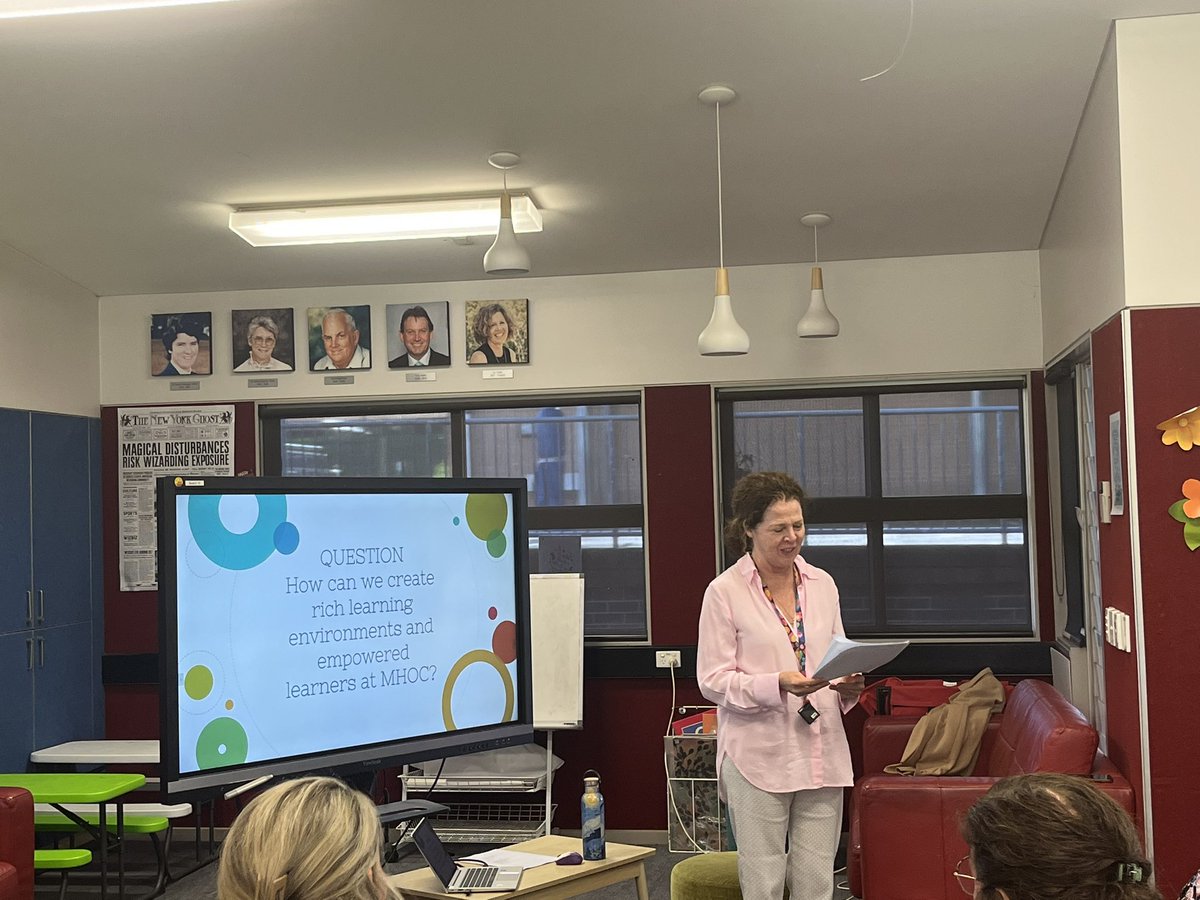
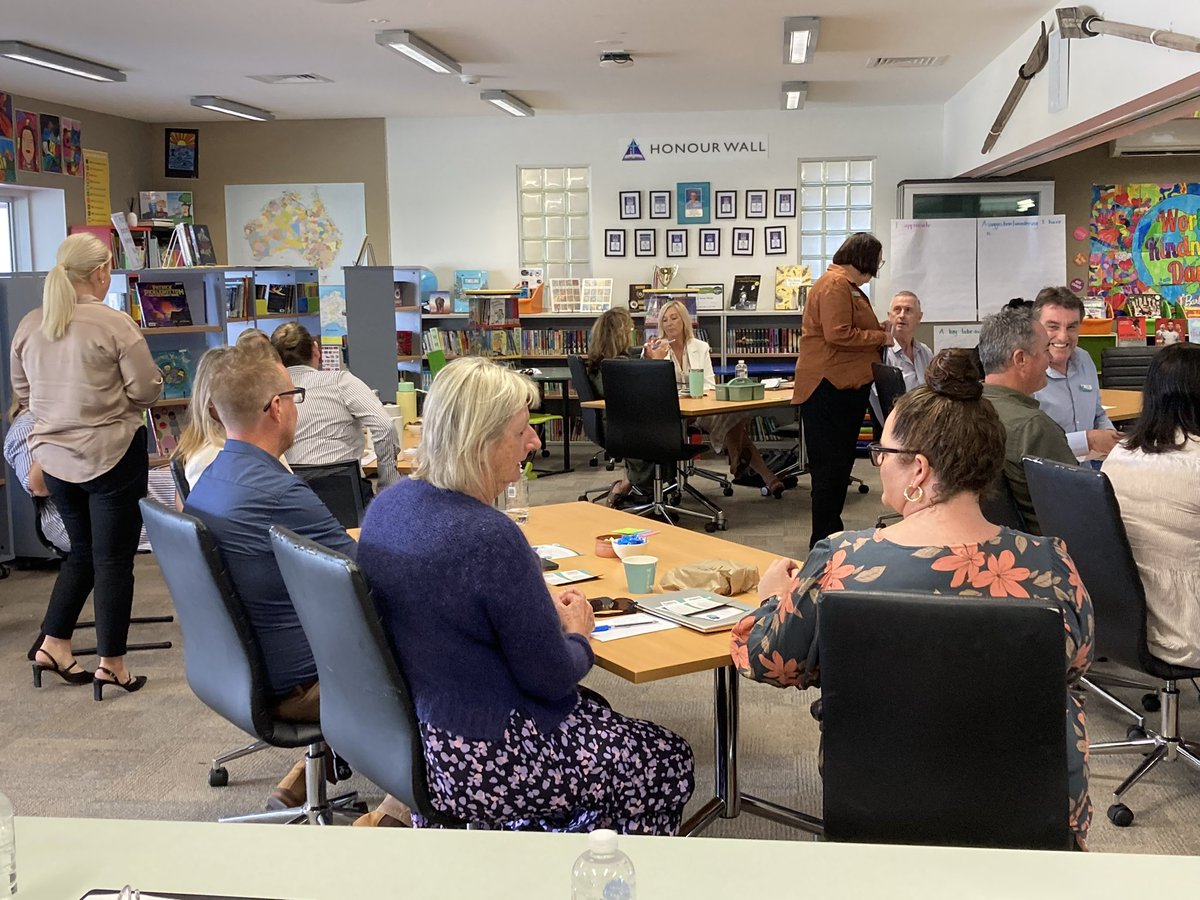
Principal Learning Networks across the Diocese of Lismore. Our talented Principals and their teams leading transformation in their schools. At St Ambrose, Pottsville and Mary Help of Christians, Sawtell today. So proud of the work. @LynSharratt @kchalls @christyismay


2
4
1,464
Kurt Challinor retweeted
16 Apr 2024
Great short reads filled with strategies that are already known about how low SES schools can thrive. It’s a great reminder of what to focus on @kchalls @krose_katie @christyismay
15 Apr 2024

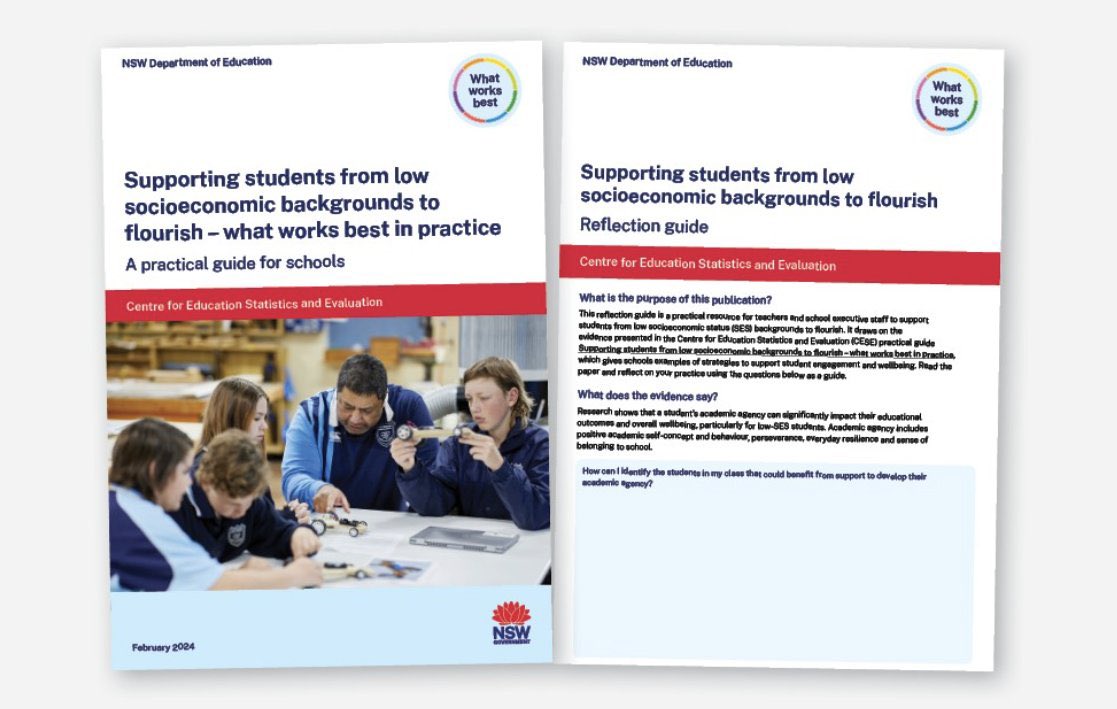
CESE’s practical guide explores how teachers can support students from low socioeconomic backgrounds to flourish in school. Explicit teaching practices, classroom management, advocacy, effective feedback, & high expectations improve academic achievement. education.nsw.gov.au/about-u…
1
3
341
Kurt Challinor retweeted

15 Apr 2024
CESE’s practical guide explores how teachers can support students from low socioeconomic backgrounds to flourish in school. Explicit teaching practices, classroom management, advocacy, effective feedback, & high expectations improve academic achievement. education.nsw.gov.au/about-u…
3
14
41
7,969
Kurt Challinor retweeted

11 Apr 2024
Sold a Story Ep 10 isn’t a victory lap—it’s the nuance we need at this point to prevent a pendulum swing too far in the direction of culty “we need a leader” SoR.
Outstanding reporting from @ehanford.

11 Apr 2024

Mark Seidenberg has written about his concerns with the "science of reading" movement. He talks about some of them in Ep 10. We link in the show notes to more. And here: seidenbergreading.net/2023/0…
seidenbergreading.net/2023/1…
2
5
28
4,309
2 Apr 2024
Jason Clare flags national action on school leader wellbeing theeducatoronline.com/k12/ne…
1
2
105
Kurt Challinor retweeted

27 Mar 2024
Daniel Kahneman, who changed psychology and economics forever, dies at 90.
Thanks for everything.
We remember him in 10 great quotes:

180
3,708
18,769
2,990,335
Kurt Challinor retweeted
23 Mar 2024
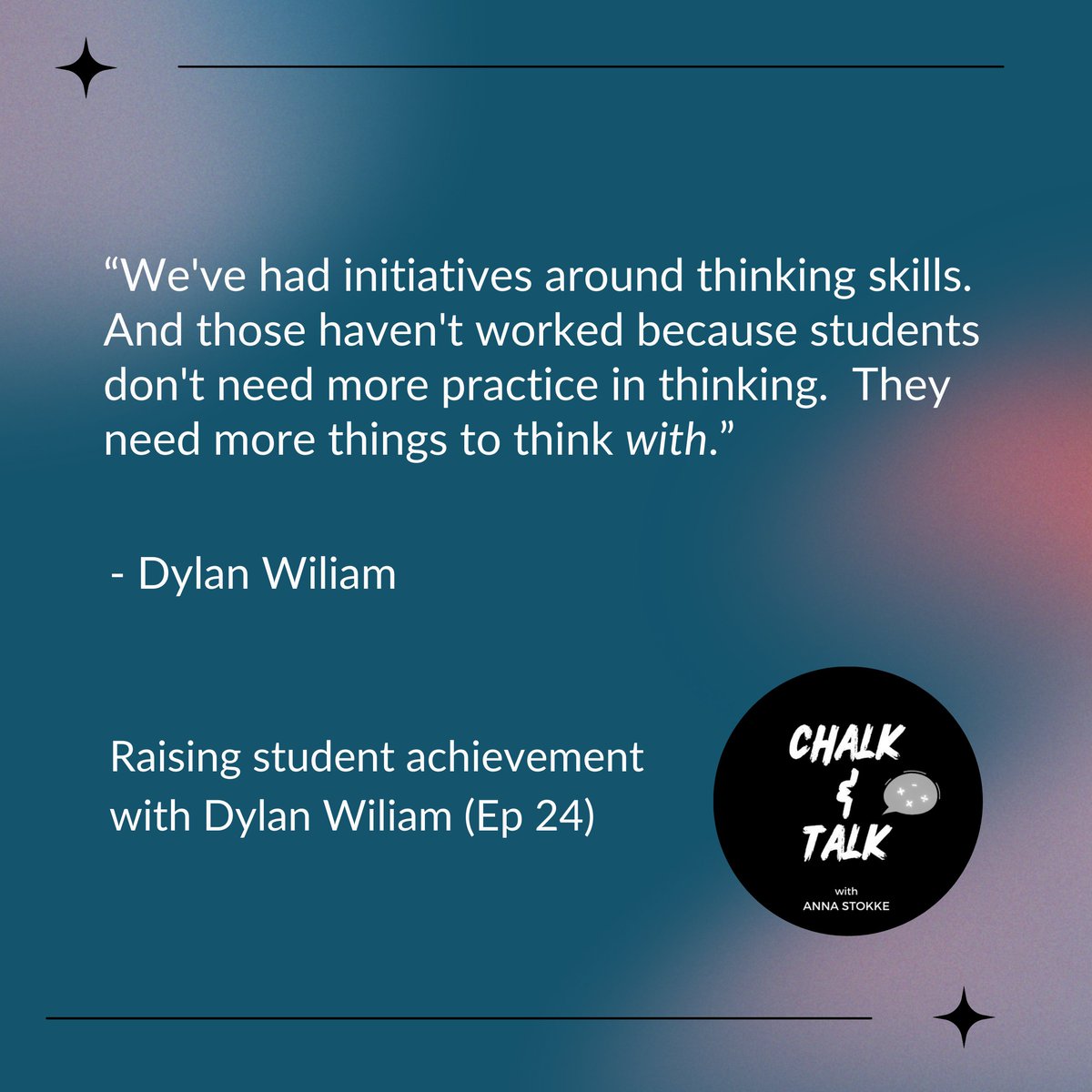
My latest podcast episode with Dylan Wiliam: podcasts.apple.com/ca/podcas…
12
45
141
63,630
Kurt Challinor retweeted
17 Mar 2024
Schools are rapidly adopting behavior policies that fail immediately and dramatically, leading to further panicked lurching.
Why?
A lack of basic philosophy about how school and school discipline work.
🧵
16 Mar 2024

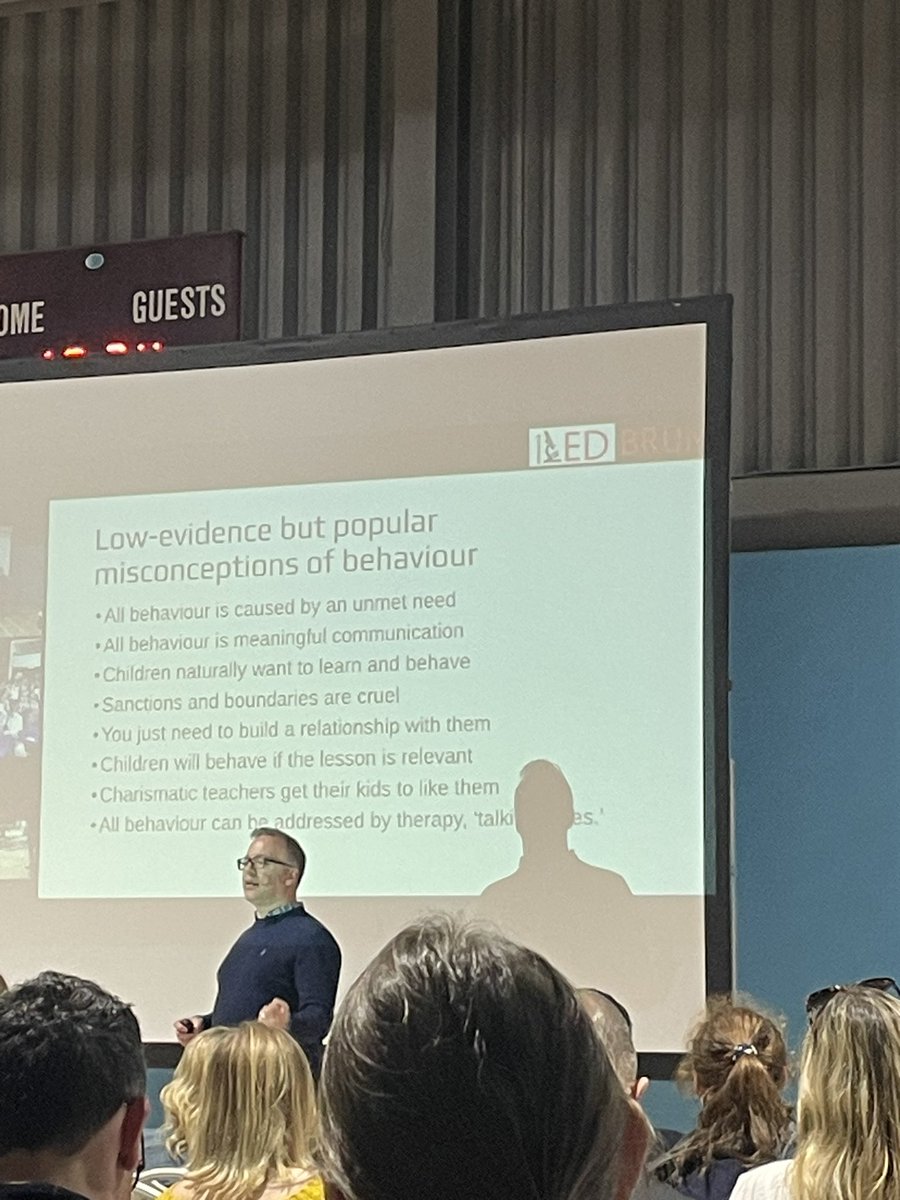
Some ideas from “the hallmark calendar school of thought” 🤪 @tombennett71 predictably amazing at #rEDBrum
17
94
398
295,129
Kurt Challinor retweeted
7 Mar 2024
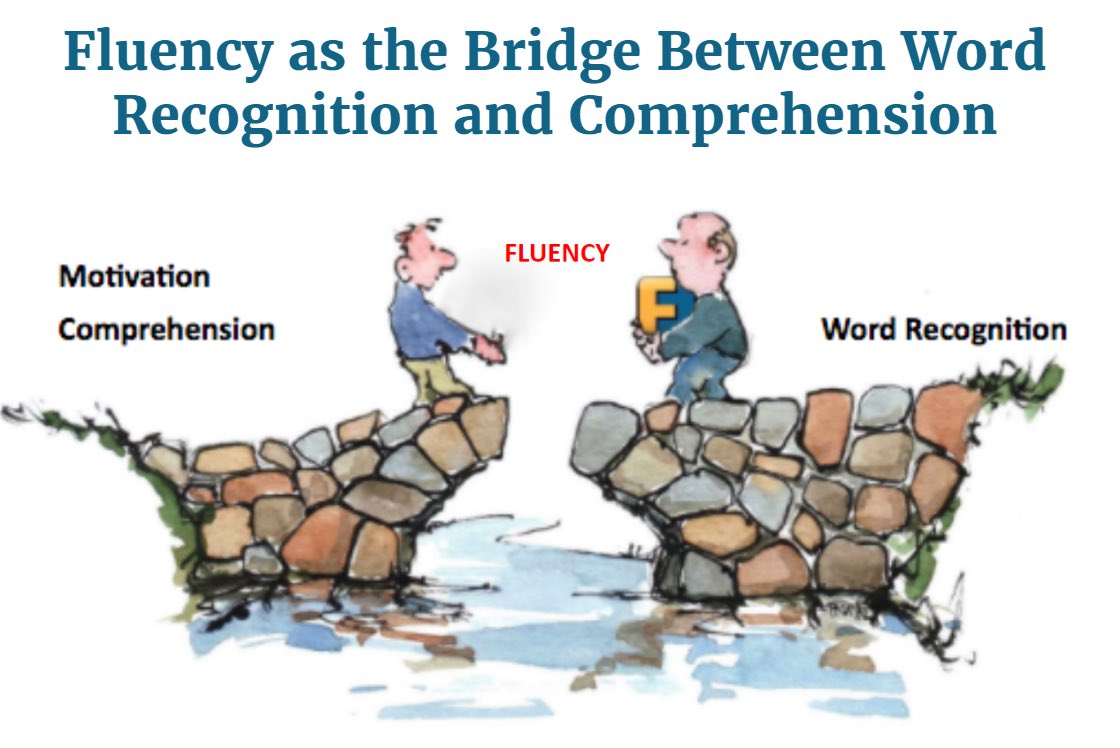
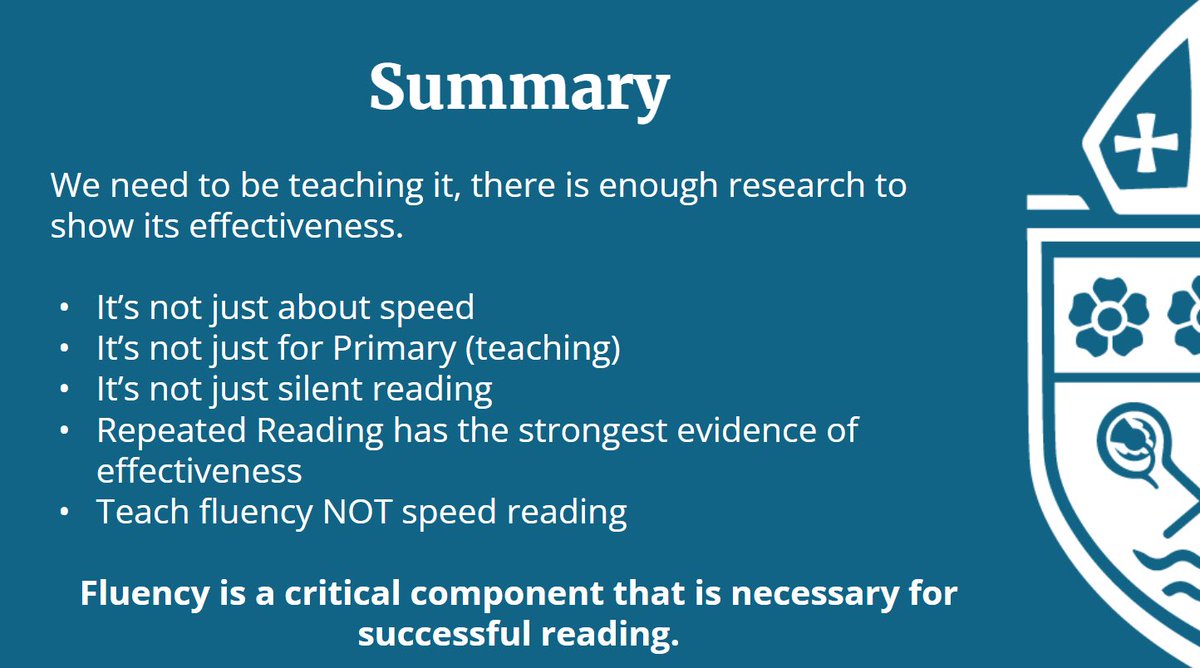
Fluent reading supports comprehension because pupils’ cognitive resources are freed from focusing on word recognition and can be redirected to comprehending a text.
Literacy Coaches working on Reading Fluency in the Diocese of Lismore.
2
11
226