
Software Engineer | Tech Enthusiast | Chelsea FC 💙 | Lets talk Tech, Startups & AI
Joined June 2021
- Tweets 30,000
- Following 2,841
- Followers 4,672
- Likes 56,297
45 Photos and videos














Unpopular opinion:
Most developers don't know the honest difference between developers using AI and developers being used by AI
Let's break it down:
- Using AI = you understand the output, you review it, you catch the bugs
- Being used by AI = you copy-paste without reading, ship without testing, don't understand what broke
- Real stat: AI code has 1.7x more bugs on average
- The bottleneck isn't generation speed, it's judgment speed
- What separates senior devs in 2026 is not who writes more code, it's who reviews better.
The tool is neutral. The operator isn't.
Are you using AI or AI is using you??
2
9
kclich retweeted

good list. one add: Supabase Auth handles who logs in, not who can read what.
auth on its own still lets any logged-in user pull other users' rows unless RLS is enabled per table. easy to assume the first covers the second. it doesn't.
1
1
16
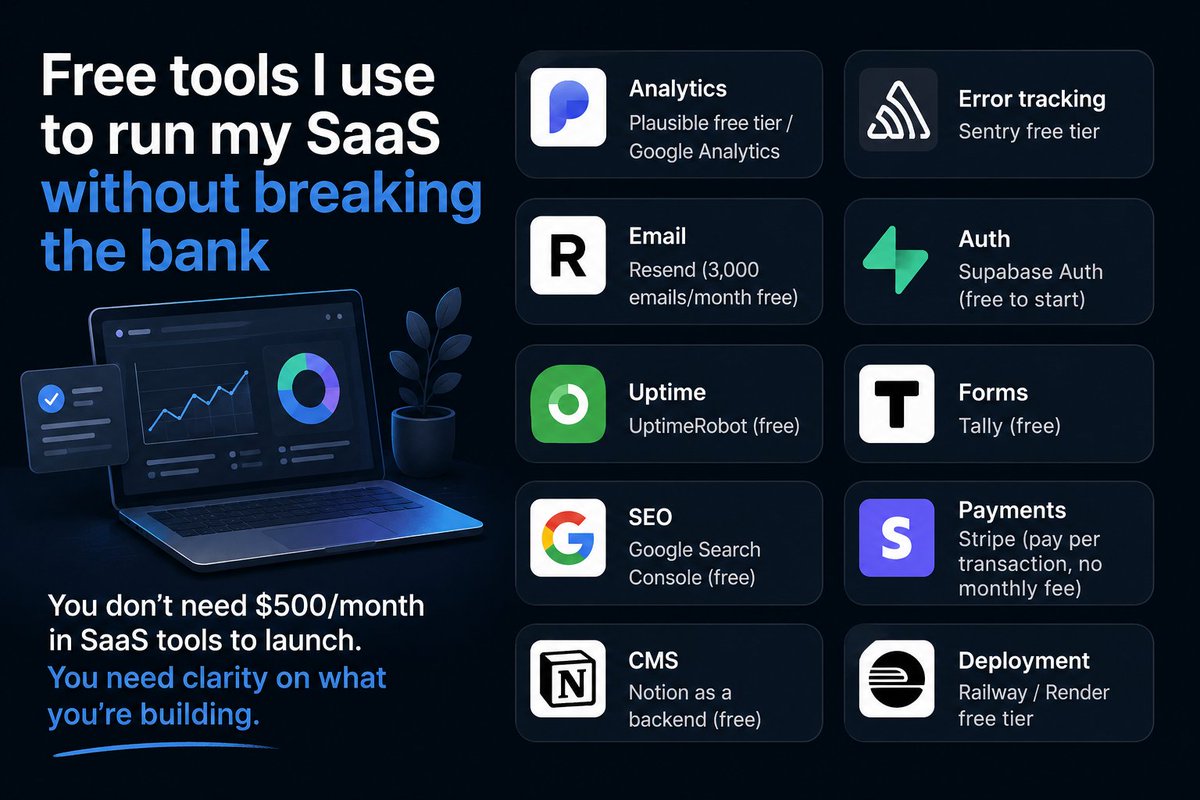
Free tools I use to run my SaaS without
breaking the bank
- Analytics: Plausible free tier / Google Analytics
- Error tracking: Sentry free tier
- Email: Resend (3,000 emails/month free)
- Auth: Supabase Auth (free to start)
- Uptime: UptimeRobot (free)
- Forms: Tally (free)/ Docs
- SEO: Google Search Console (free)/ Bing webmasters
- Payments: Stripe (pay per transaction, no monthly fee)
- CMS: Notion as a backend (free)
- Deployment: Railway / Render free tier
You don't need $500/month in SaaS tools
to launch. You need clarity on what you're building.
3
3
76
kclich retweeted

11h
Started with coding curiosity wanted faster debugging and explanation
1
1
1
25
Websites you’ll actually use (and wish you knew earlier) 👀
Temp Mail
Disposable emails for quick signups and testing.
Down For Everyone Or Just Me
Check if a site is down or it’s just your connection.
Wayback Machine
View old versions of websites and deleted pages.
BuiltWith
See what technologies any website is using.
JustWatch
Find where any movie or series is streaming.
Temp Number services (e.g. TextNow, Sonetel)
Get virtual numbers for verification and testing.
CamelCamelCamel
Amazon price tracking history (real discount checker).
Cloudflare Radar
See internet traffic trends, outages, and global insights.
Wappalyzer
Instantly detect tech stack of any website (browser extension).
Have I Been Pwned
Check if your email was leaked in a data breach.
Remove dot bg
Instant background removal for images.
Photopea
Free browser-based Photoshop alternative.
Regex101
Test and debug regex patterns instantly.
JSON Formatter (jsonformatter dot org)
Clean and debug JSON quickly.
Carbon
Turn code into beautiful shareable images.
Excalidraw
Simple online whiteboard for diagrams and system design.
What are you using daily that’s missing here? 👇
2
1
2
151
kclich retweeted

Add one for the privacy side: OSINT yourself. Run your old usernames through a footprint check your email through haveibeenpwned. Most people are stunned what's still public - forgotten accounts, breach hits, photo metadata. Best 10 min of digital hygiene there is.
1
1
1
42
Things that used to rank on Google.
And the exact moment they stopped working.
A thread for anyone still doing SEO the 2015 way 👇
━━━━━━━━━━━━━━━━━━━━━━━━━━━━━━
WHAT USED TO WORK (AND IS NOW ACTIVELY HURTING YOU)
━━━━━━━━━━━━━━━━━━━━━━━━━━━━━━
1/ KEYWORD STUFFING
The old play: mention your keyword 47 times in a
500-word article. Google counts mentions.
More mentions = more relevance.
What actually happened: Google got smarter.
Then it got embarrassed by what it used to reward.
Now it reads context, not frequency.
One naturally placed keyword in a well-written article
outranks a keyword-stuffed page every single time.
If your content reads weird to a human,
it reads weird to Google too.
━━━━━━━━━━━━━━━━━━━━━━━━━━━━━━
2/ EXACT MATCH DOMAINS
bestcheaplaptops2009 dot com
buyloansonlineuganda dot com
affordablewebdesignnairobi dot com
These used to rank purely because the domain
matched the search term.
Google patched this in 2012 with the EMD update.
Then patched it harder. Then kept patching it.
In 2026, an exact match domain with weak content
is a red flag, not a ranking signal.
Your brand name as a domain beats a keyword
domain with no authority every time.
━━━━━━━━━━━━━━━━━━━━━━━━━━━━━━
3/ GUEST POSTS FROM LINK FARMS
"We'll publish your article on 50 DA websites
for $30."
This was a cheat code.
Then it became an open secret.
Then Google started penalizing it.
The problem was never guest posting.
Guest posting on real sites with real audiences
still works today.
The problem was fake sites built specifically
to sell links — thin content, no real traffic,
five different industries on one domain.
Google trained a classifier specifically for this.
It now devalues links from sites that exist
purely to sell links.
The link is technically there.
The value is not.
━━━━━━━━━━━━━━━━━━━━━━━━━━━━━━
4/ THIN 300-WORD ARTICLES
"Just publish content every day."
"Volume is the strategy."
"Any content is better than no content."
So people published 300-word articles that said
nothing, answered nothing, and helped nobody.
Google's Helpful Content Update (and every
update after it) was built specifically to kill this.
The question Google asks now is brutal:
"Would someone bookmark this? Share it?
Come back to this site because of it?"
If the answer is no, the page does not rank.
It might not even get indexed.
300 words can rank. But only if those 300 words
are the most direct, useful answer to a
specific question that exists on the internet.
Most thin content is not that.
━━━━━━━━━━━━━━━━━━━━━━━━━━━━━━
5/ PRIVATE BLOG NETWORKS (PBNs)
The play: buy expired domains with existing
authority, fill them with fake content,
and use them to link to your money site.
At peak, this worked shockingly well.
The problem with deception at scale is that
it leaves patterns.
Same hosting. Same IP ranges. Same writing style.
Same interlinking structure.
Google got very good at detecting networks.
The penalty for a manual action on a PBN
is not a ranking drop. It is removal.
And because PBN links are hard to disavow
completely, the damage can last years.
The ROI calculation on PBNs in 2026 is:
high cost, high risk, declining returns,
no long-term asset.
━━━━━━━━━━━━━━━━━━━━━━━━━━━━━━
6/ BUYING LINKS IN BULK
"500 backlinks for $99."
The same logic as PBNs, just less organized.
Fiverr gig links. Directory spam.
Forum profile links. Blog comment links.
These used to move rankings.
Now they trigger spam filters.
Google has a link spam algorithm running
continuously. It does not need to manually
review your site to devalue junk links.
The links get discounted automatically.
Worst case, a pattern of spammy links
triggers a manual penalty.
Best case, you paid $99 for nothing.
━━━━━━━━━━━━━━━━━━━━━━━━━━━━━━
7/ META KEYWORD TAGS
<meta name="keywords" content="best loans Uganda,
fast loans Kampala, cheap loans online">
Google publicly confirmed in 2009 that
it ignores the meta keywords tag.
2009.
People were still adding meta keywords in 2023.
Some still do it today.
It has never helped. Not once. Not since 2009.
The only tag that matters is meta description
— and even that is for click-through rate,
not rankings.
━━━━━━━━━━━━━━━━━━━━━━━━━━━━━━
WHAT ACTUALLY WORKS IN 2026
━━━━━━━━━━━━━━━━━━━━━━━━━━━━━━
1/ TOPICAL AUTHORITY
Google no longer ranks individual pages in isolation.
It ranks websites that demonstrate deep expertise
on a subject.
One great article is not enough.
You need a cluster — a pillar page,
supporting articles, internal links connecting them,
all covering one topic from every angle.
A site that has published 30 articles on
loan management software ranks higher for
loan management software keywords than a site
that has one great article and nothing else.
Depth beats breadth. Consistency beats spikes.
━━━━━━━━━━━━━━━━━━━━━━━━━━━━━━
2/ AI-CITED CONTENT
This is the new frontier and most people
are completely ignoring it.
ChatGPT. Perplexity. Gemini. Claude.
People are asking AI tools questions instead
of Googling them.
When AI tools answer questions, they cite sources.
Those citations drive traffic.
To get cited:
— Write direct, definitive answers
— Use FAQ sections with clear Q&A structure
— Include original data and statistics
— Use proper schema markup
— Be the clearest explanation of your topic
that exists on the internet
AI search and Google search are converging.
Optimize for both or get left behind by both.
━━━━━━━━━━━━━━━━━━━━━━━━━━━━━━
3/ REAL BRAND MENTIONS
When real publications mention your brand name
— even without a link — Google registers it
as a trust signal.
This is called an unlinked brand mention,
and it carries weight.
The implication is significant:
Getting mentioned on TechCrunch without a link
is more valuable than getting a link from
a fake blog nobody reads.
Build something worth mentioning.
Get into conversations people are having.
PR is SEO now.
━━━━━━━━━━━━━━━━━━━━━━━━━━━━━━
4/ ORIGINAL DATA AND RESEARCH
If you publish a statistic that exists nowhere else,
every article that references that statistic
has to link to you.
This is one of the most powerful link-building
strategies that is still dramatically underused.
Survey your users. Analyze your own product data.
Run a study. Compile research that does not exist
in one place yet.
Original data earns links passively,
compounds over time, and establishes authority
that no amount of keyword optimization can fake.
━━━━━━━━━━━━━━━━━━━━━━━━━━━━━━
5/ E-E-A-T SIGNALS
Experience. Expertise. Authoritativeness. Trust.
Google introduced E-A-T. Then added the
first E for Experience because AI content
was flooding the internet.
The question Google is now trying to answer
about every piece of content:
"Was this written by someone who actually
knows this subject from experience,
or was it generated by a machine trained
on other people's experience?"
How you prove E-E-A-T:
— Author bios with real credentials
— First-person experience in the content
— Original screenshots, examples, case studies
— Citations from recognized sources
— A track record of accurate, updated content
— Real about pages with real people
AI can write the content.
But the experience signal has to be human.
━━━━━━━━━━━━━━━━━━━━━━━━━━━━━━
THE PATTERN ACROSS EVERYTHING
Every tactic that stopped working
had the same flaw:
It was optimizing for the algorithm
instead of the reader.
Every tactic that works in 2026
has the same foundation:
It makes the internet genuinely more useful.
Google has spent 15 years trying to make
those two things the same target.
In 2026, they mostly are.
━━━━━━━━━━━━━━━━━━━━━━━━━━━━━━
SEO didn't die.
Shortcuts did.
━━━━━━━━━━━━━━━━━━━━━━━━━━━━━━
Which of these are you still seeing people do
in 2026? Drop it below — the comments on
this one are going to be interesting 👇
1
3
85
kclich retweeted

Make sure every week atleast you save 100k....by the end of the year ,you will be a billionaire 🤝

36
17
135
3,664
If i save my life everyweek, who will i be?😅
because that's all i can save

Make sure every week atleast you save 100k....by the end of the year ,you will be a billionaire 🤝
12
kclich retweeted

Jun 13
Question for today!
Be honest would you choose your parents again in another lifetime?
20
19
27
764
kclich retweeted

Jun 13
The reason why CHINA 🇨🇳 was banned from participating in World Cup tournaments for 100 years ❌
33
130
215
23,897
kclich retweeted

Jun 13
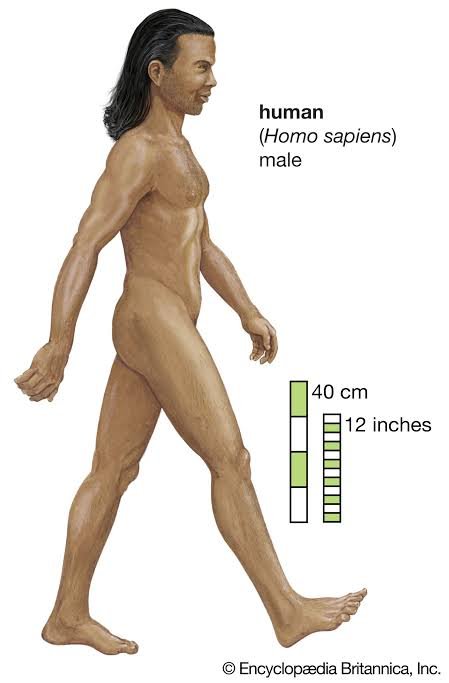
Did you know?🧠
Both a giraffe and a human being have 9 (cervical) neck bones.
Where do you think a giraffe's neck is longer?

12
15
23
799


kclich retweeted

Jun 13
🇵🇹 Cristiano Ronaldo arrives for the World Cup: We are at this World Cup with a lot of hope and excitement.
When I talk of the greatest player,I mean this one🥰🥰
Team Portugal when it comes to your TL just repost and we show him love
#CristianoRonaldo
#portugal
#WorldCup2026

20
23
37
472
kclich retweeted

Jun 13
Will these other couples reconcile like this one here or???





19
23
29
931