
Joined September 2013
- Tweets 663
- Following 141
- Followers 133
- Likes 14
16 Photos and videos







May 12
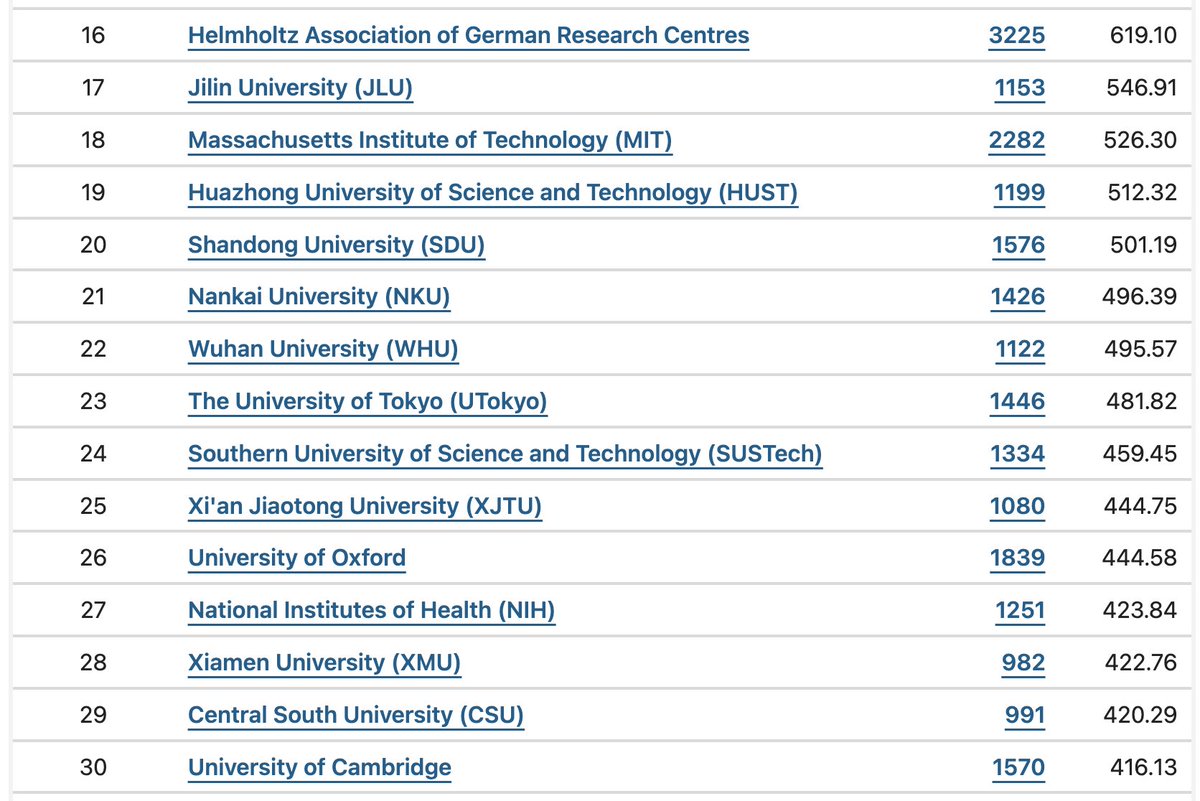
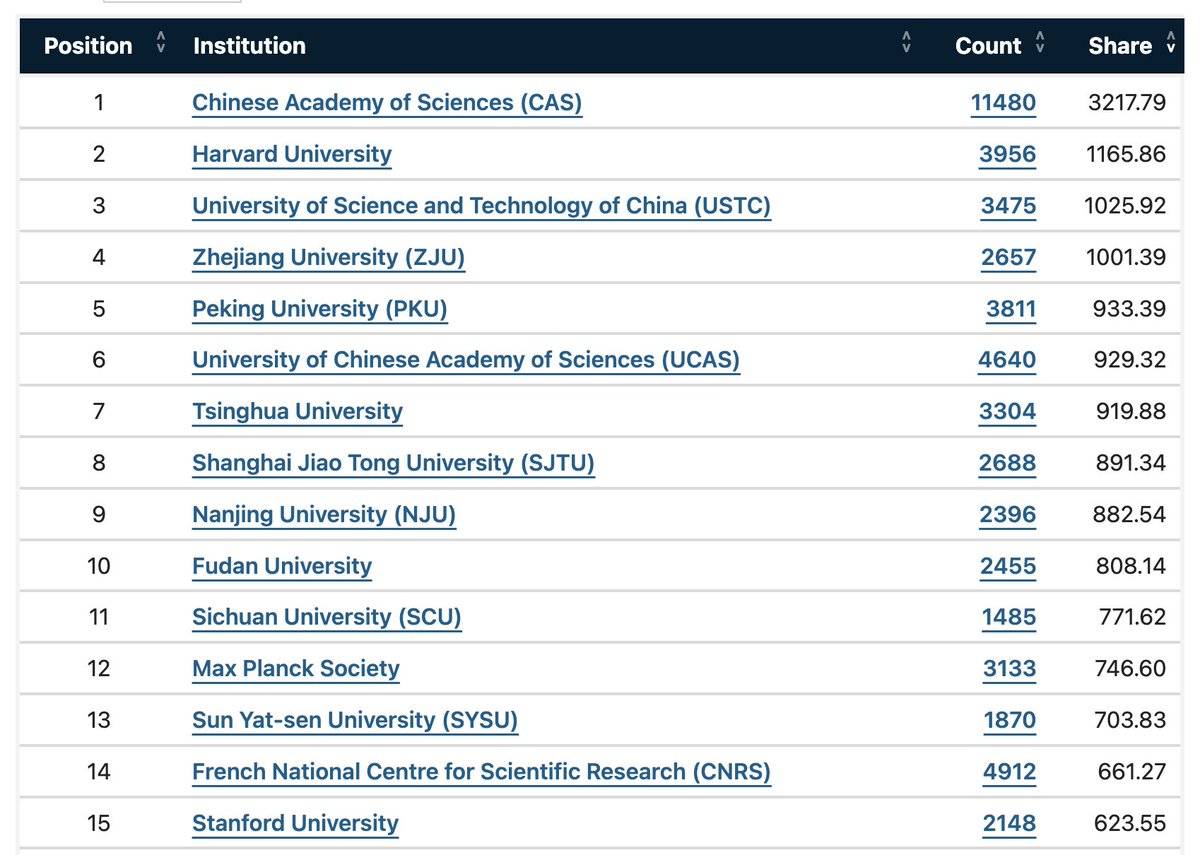
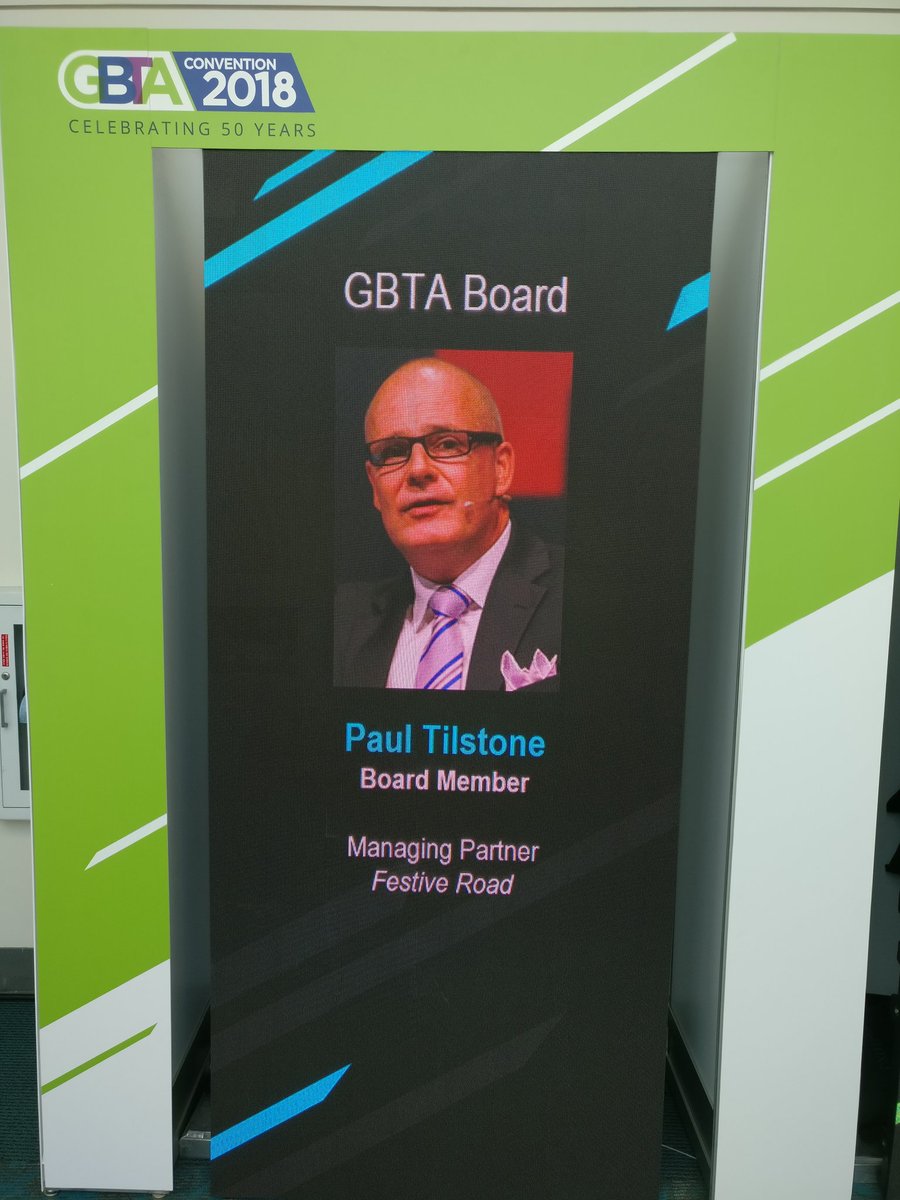
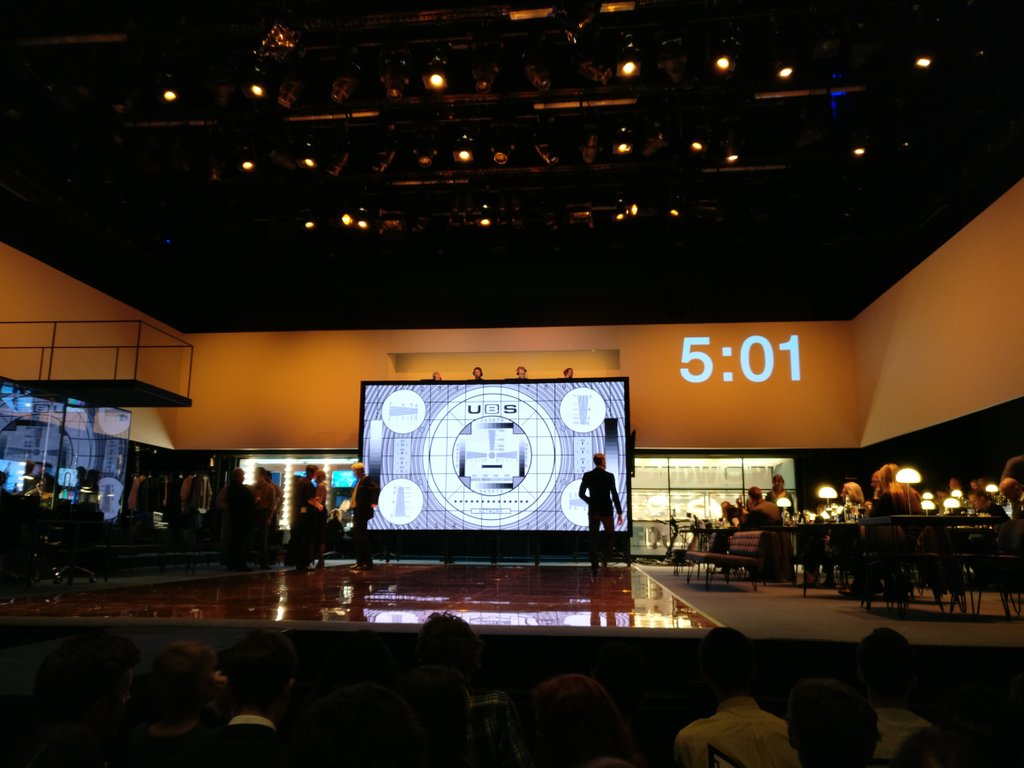
Just attended talk by @taimurbaigdbs .... fascinating list of global research instutions...
3
16
15 Aug 2025
SpaceX Gets Billions From the Government. It Gives Little to Nothing Back in Taxes. nytimes.com/2025/08/15/techn…
NY Times accuses @elonmusk of complying with US tax rules.
79
22 Nov 2024
Check out my latest article: The Digital Markets, Competition and Consumers Act: A Double-Edged Sword for Digital Businesses linkedin.com/pulse/digital-m… via @LinkedIn
1
65
19 Nov 2024
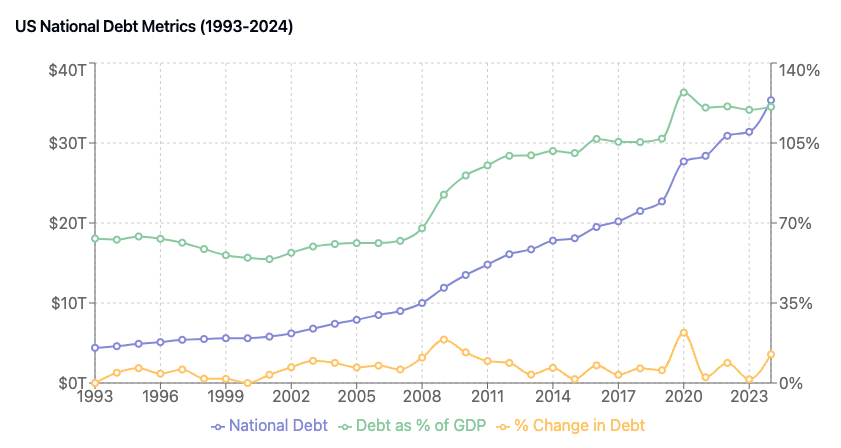
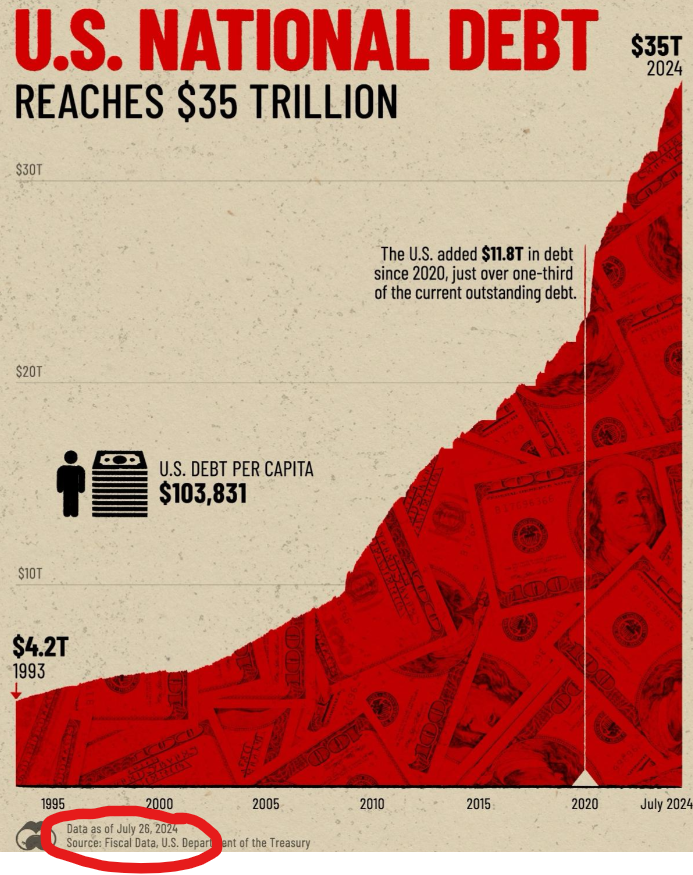
Note the escalation after the Great Recession and Covid...
18 Nov 2024

It was only July 28, 2024 we reached $35 trillion for the US national debt. Now about 100 days later we are at $36 trillion in debt.
Interest on the national is on pace for $1.4 trillion for the 2025 fiscal year. About 25% of US govt revenue will go to pay interest on the debt.
113
Keesup Choe retweeted

11 Nov 2024
⚡ Hedge funds with "short positions against $TSLA between #Election day and Friday’s close took an on-paper hit of at least $5.2B, according to @Bloomberg calculations based on data compiled by S3 Partners."
#S3intheNews by @IshikaMookerjee
#Tesla bloomberg.com/news/articles/…
4
12
1,144
1 Nov 2024
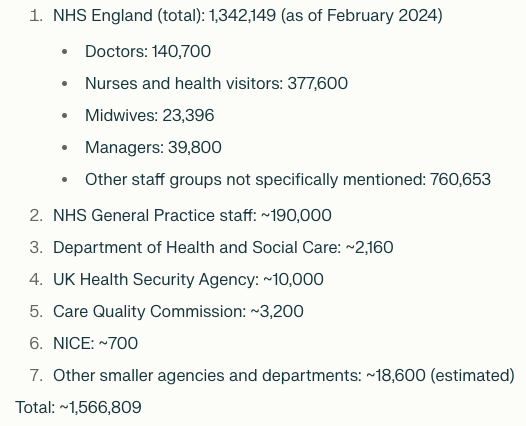
53% of the headcount of the NHS are not front line staff.
26 Oct 2024

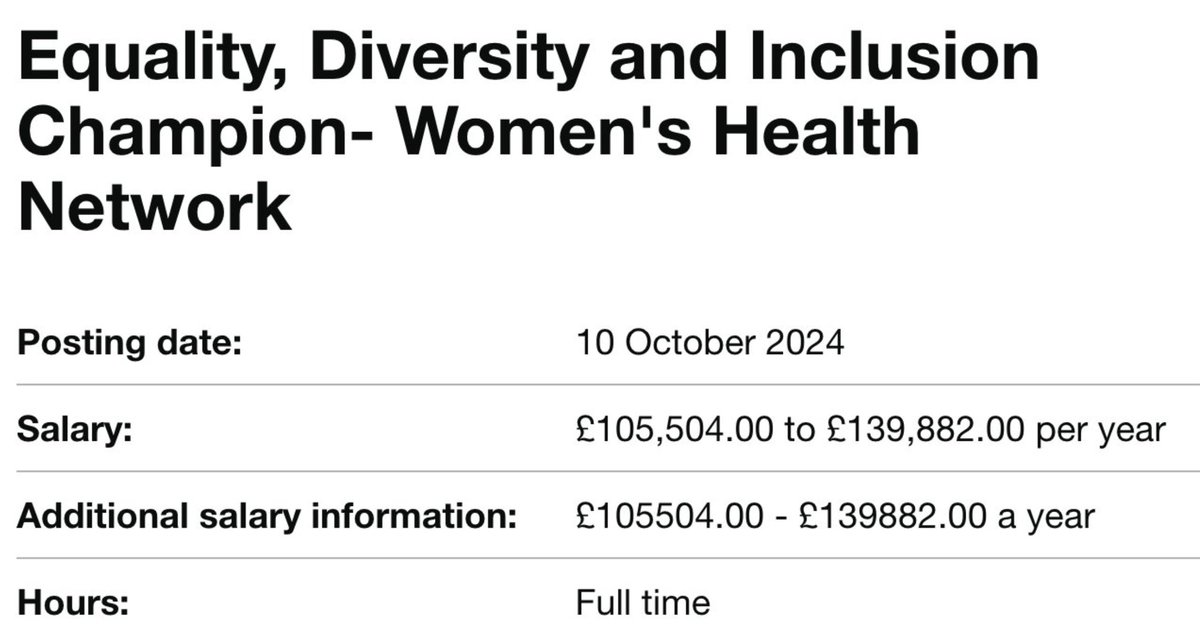
Up to £139,882 per year for an 'Equality, Diversity and Inclusion Champion' within the NHS.
This level of funding simply cannot be justified.
Maybe I'm old fashioned, but I believe that this money should be spent on frontline staff - not obstructive diversity bureaucrats.
1
59
14 Oct 2024
Meet The Fiskers, The Billionaire Power Couple Taking On Tesla via @forbes forbes.com/sites/alanohnsman…
to:
latimes.com/business/story/2…
32
24 Apr 2024
and therefore should have the lowest depreciation rate

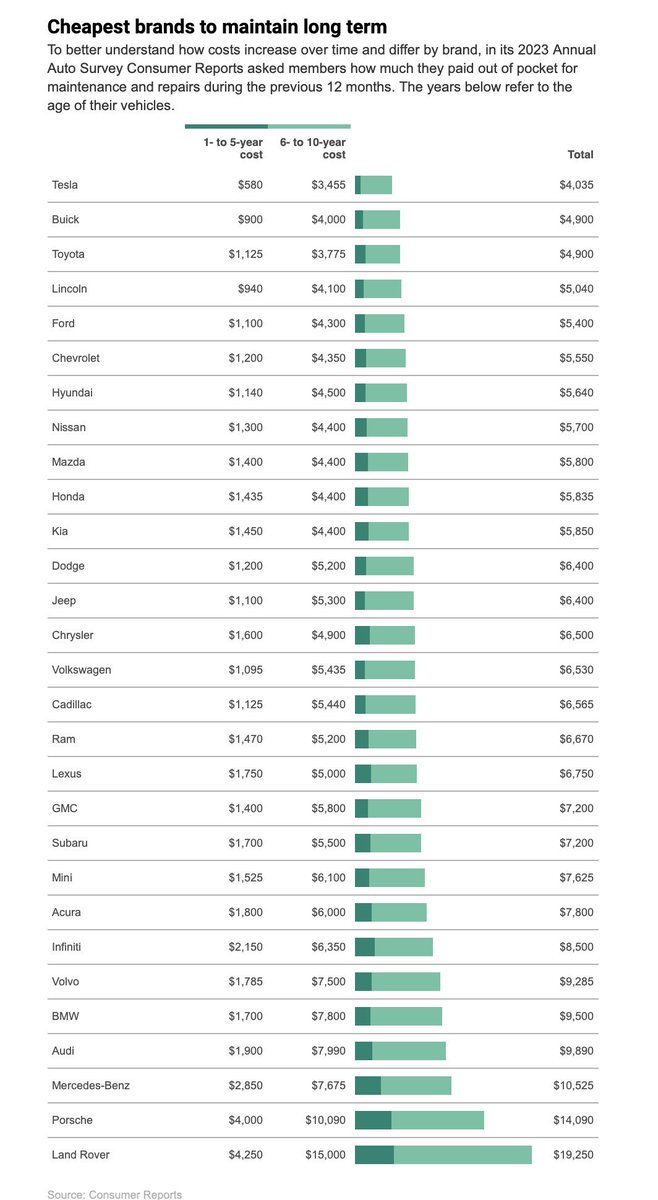
43
24 Apr 2024
During the @tesla earnings call yesterday, I was disappointed that no Wall Street analyst quizzed @elon about the efficacy of Tesla price cuts in driving demand. The questions regarding the pricing strategy has been percolating for some time in my head and I decided to write it up on medium .link.medium.com/xhFHlnsO3Ib
1
54
24 Apr 2024
the TL:DR of the paper:
Tesla, the leader in the electric vehicle market, has historically leveraged technical superiority, outstanding ROI, and a strong brand reputation to attract customers while maintaining a premium pricing strategy. However, a significant shift occurred in February 2022 with the first significant price cuts for the Model 3 and Y. Tesla then embarked on a practice of frequent and unannounced price cuts across their vehicle lineup (with fewer and smaller occasional price rises). This practice of volatile price cuts continues to this day. This paper analyzes the effectiveness of this recent approach, focusing on its impact on consumer behavior, market dynamics, and resale value.
Drawing on economic concepts like price elasticity, intertemporal elasticity, and reference price effects, this paper argues that Tesla’s strategy might have unintended consequences. Frequent price adjustments could trigger loss aversion among early adopters, disrupt consumer reference points for value perception, and create uncertainty in the market, potentially hindering demand in the long run. Additionally, the analysis explores how Tesla’s approach compares to established pricing strategies in the consumer electronics space, highlighting potential limitations and alternative approaches for fostering brand value and customer loyalty. This paper is a layman’s rumination of pricing strategies in dynamic markets and their long-term impact on consumer behavior and brand perception.
1
45
24 Apr 2024
Cars are not groceries. Durable goods are not commodities (Varian 1984). Price elasticity may not behave as intended for Tesla as it does for milk and eggs.
34
Keesup Choe retweeted

30 Nov 2023
This is one of the most extraordinary 5-minute clips I’ve ever seen on this app. An epoch-making exchange.
1,595
8,007
50,043
12,080,900
30 Nov 2023
Supposed to be St. Andrew's day Thistle but sure looks like opium poppies

40
29 Nov 2023
Check out my latest article: The Unvarnished Truth of Our Climate Crisis: A Stark Reflection from the Emissions Gap Report 2023 linkedin.com/pulse/unvarnish… via @LinkedIn
42
20 Sep 2023
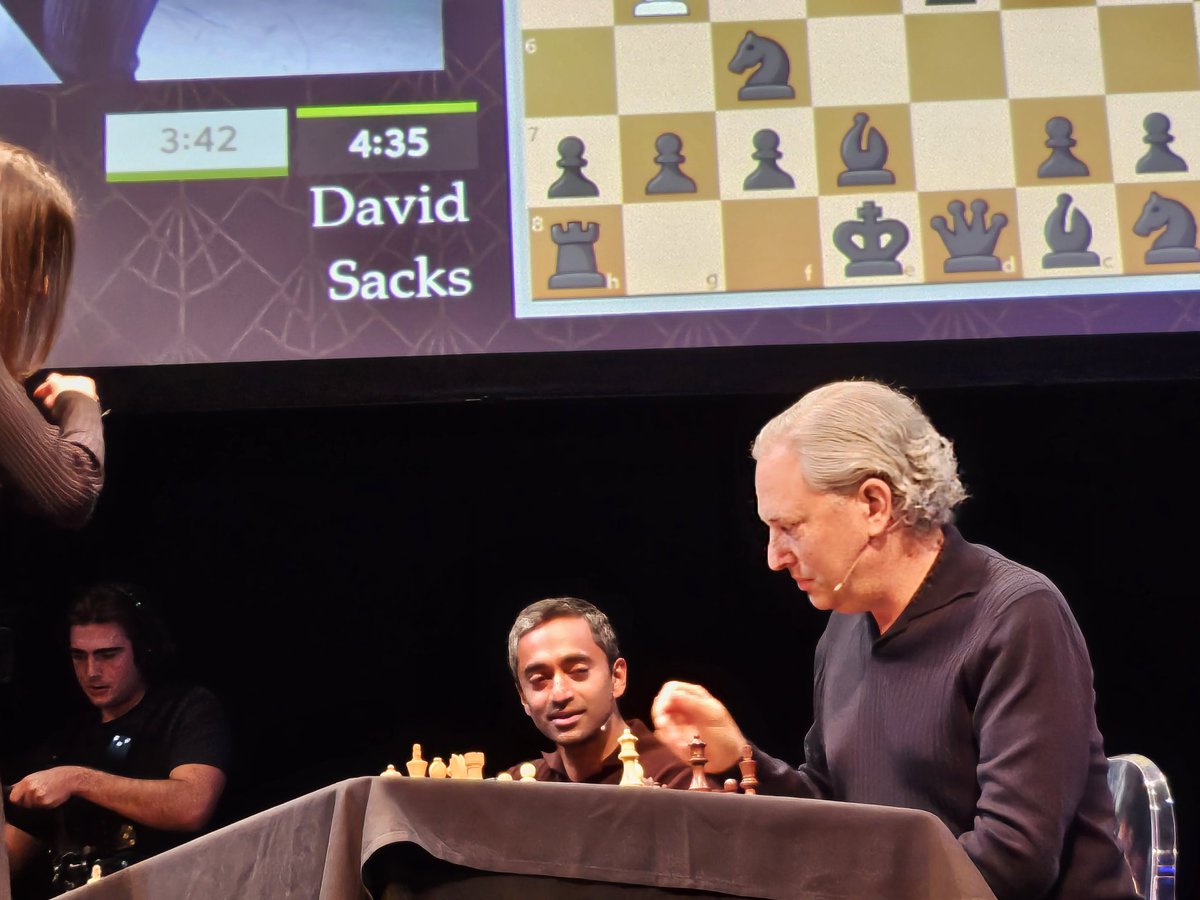
Not sure @DavidSacks has ever been happier than when he realizes that he has beaten the fabulous @alexandrabotez . Maybe not the most insightful session of the @allinsummit , but definitely the most entertaining. Thanks to @friedberg and the besties for a great event!
2
490
Keesup Choe retweeted
13 May 2023
If the Eurovision was CNN, the only act would be the singer from Russia
1
157