
60 Photos and videos















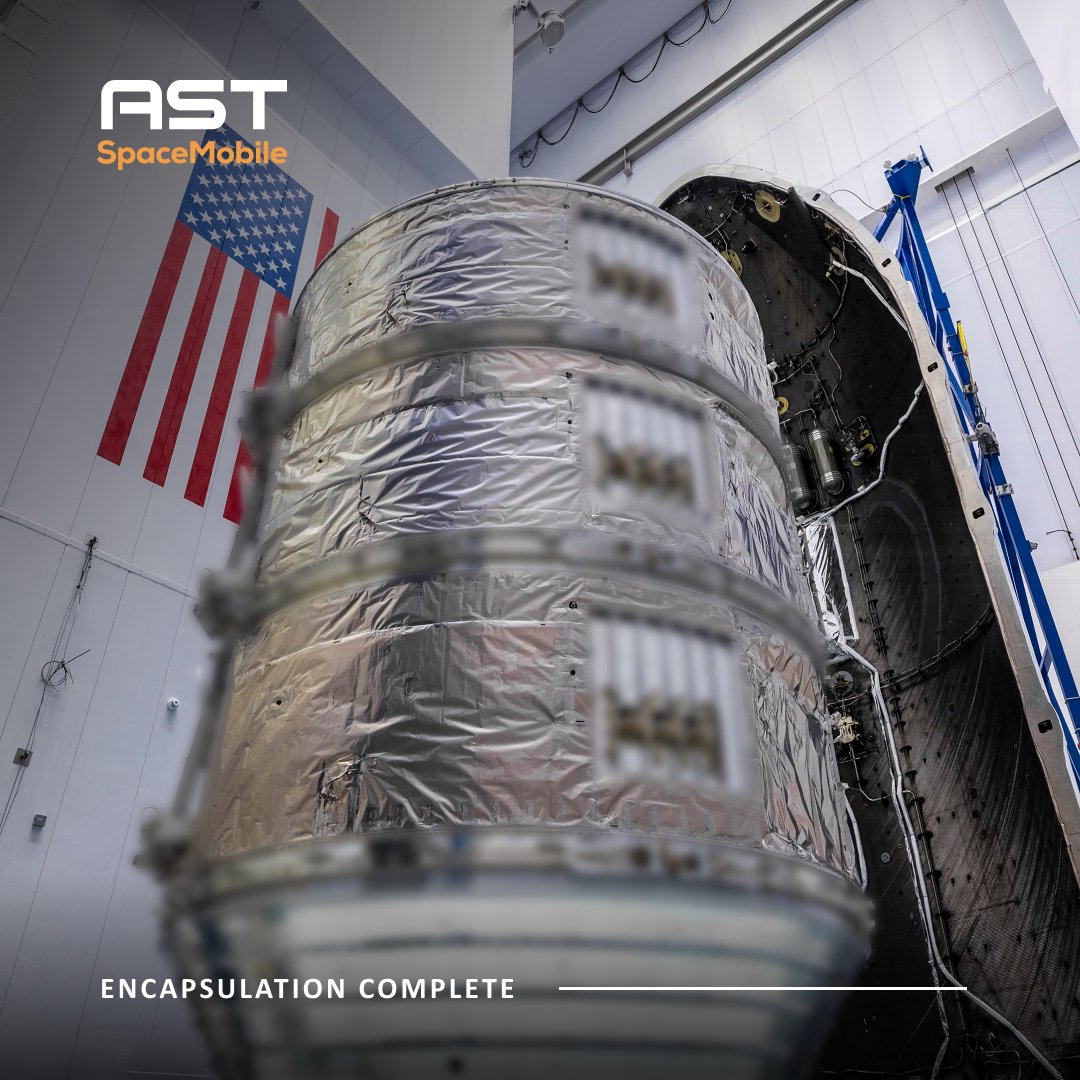
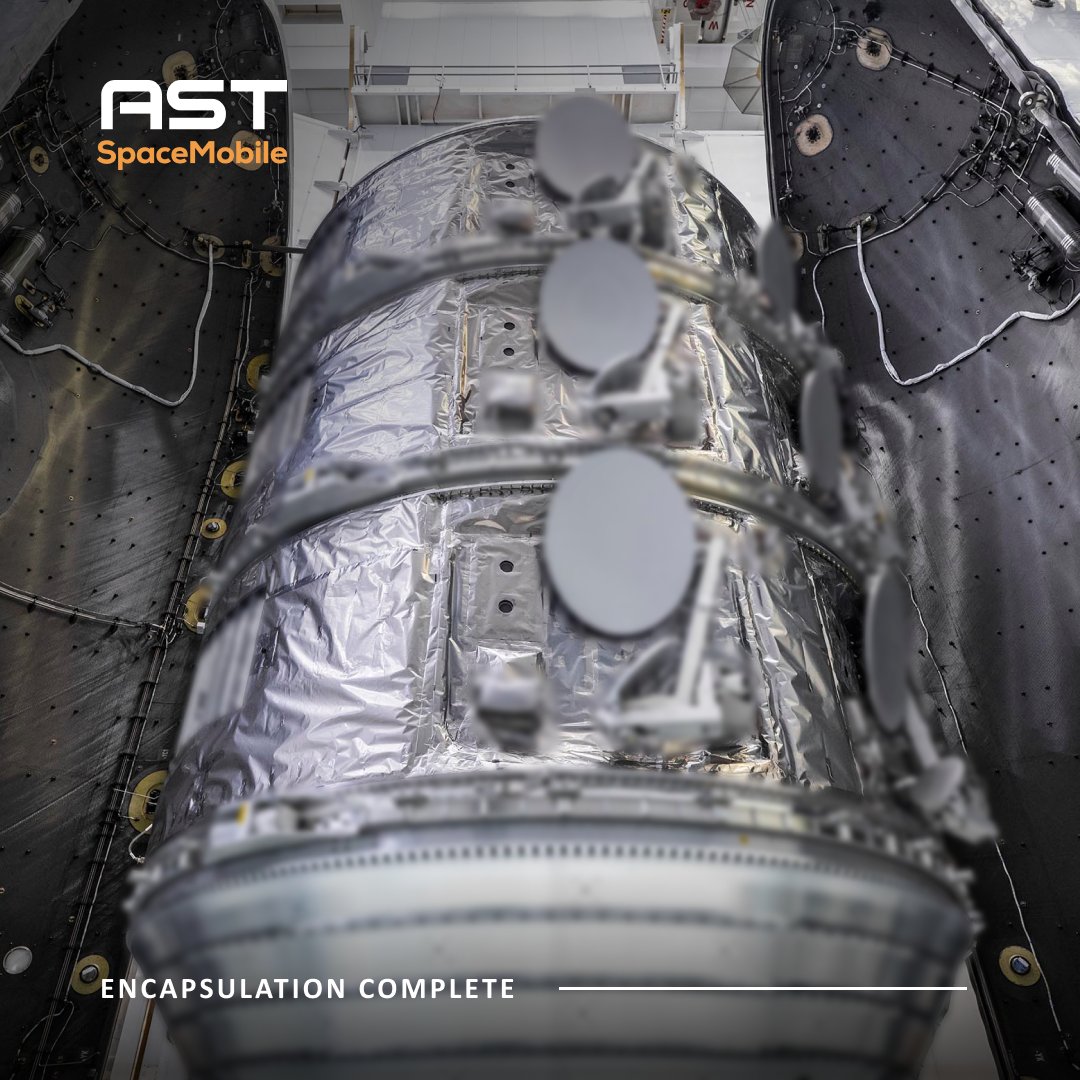
For reference - the Space Shuttle Orbiter weighed between 170,000-240,000 lbs - depending on configuration and internal payload!

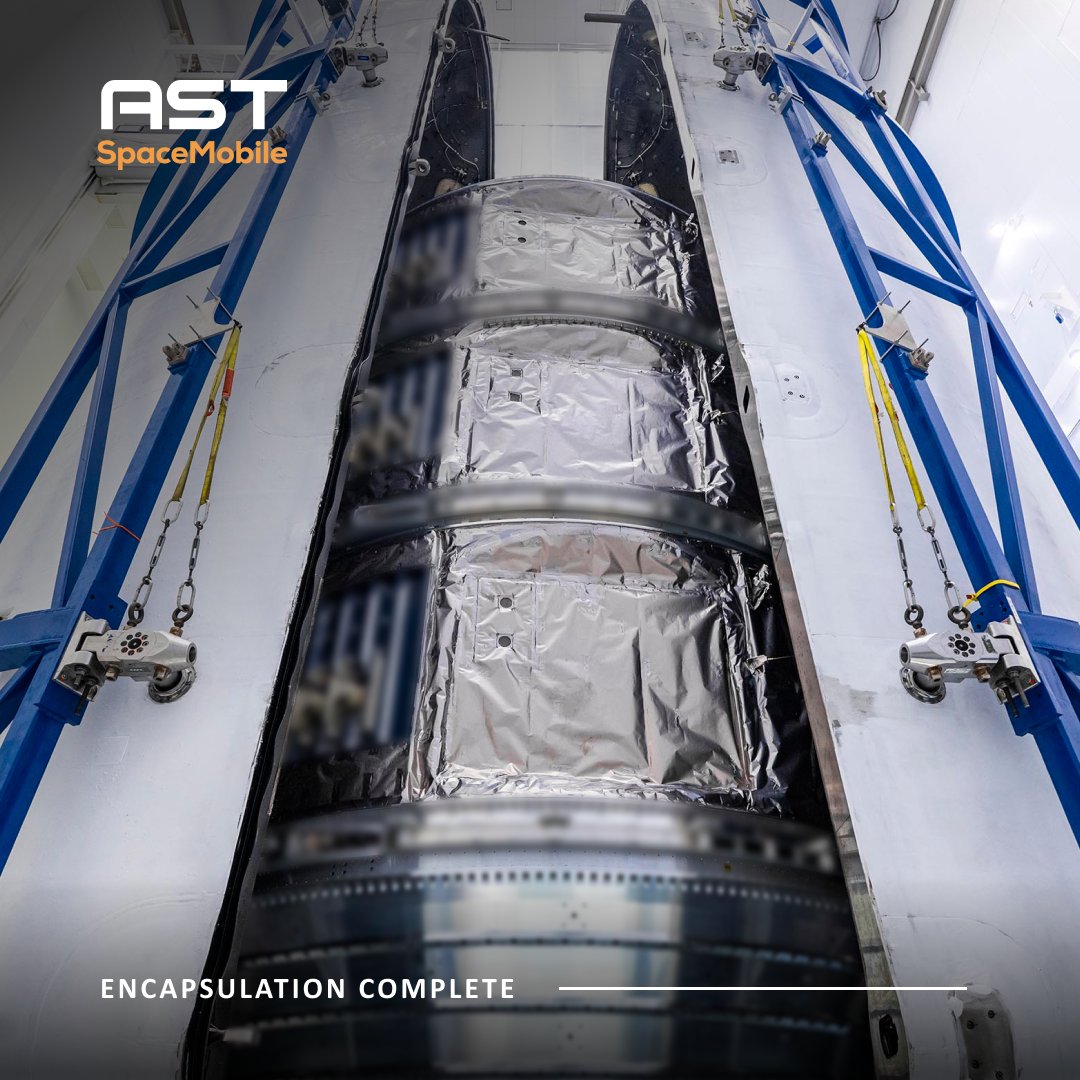
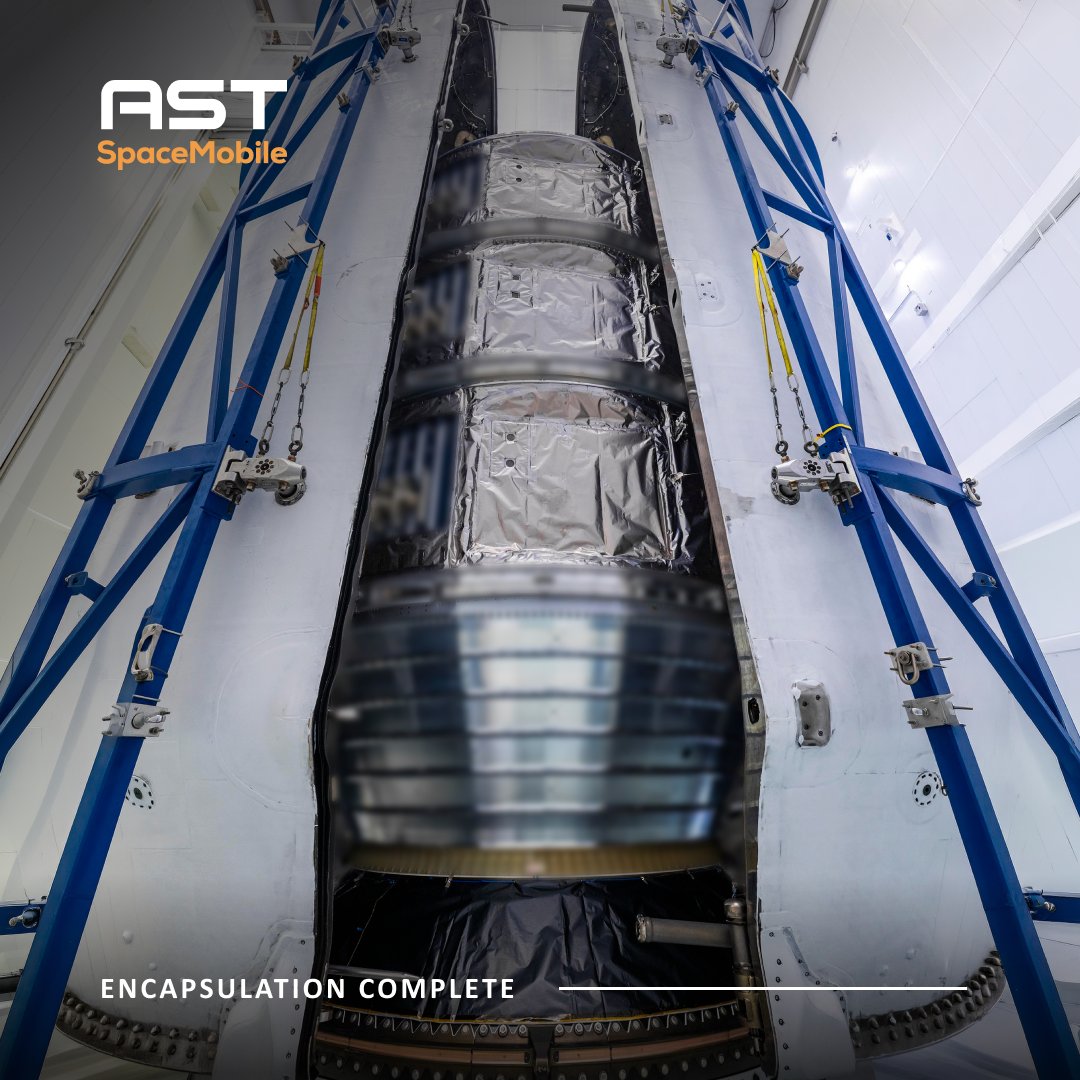
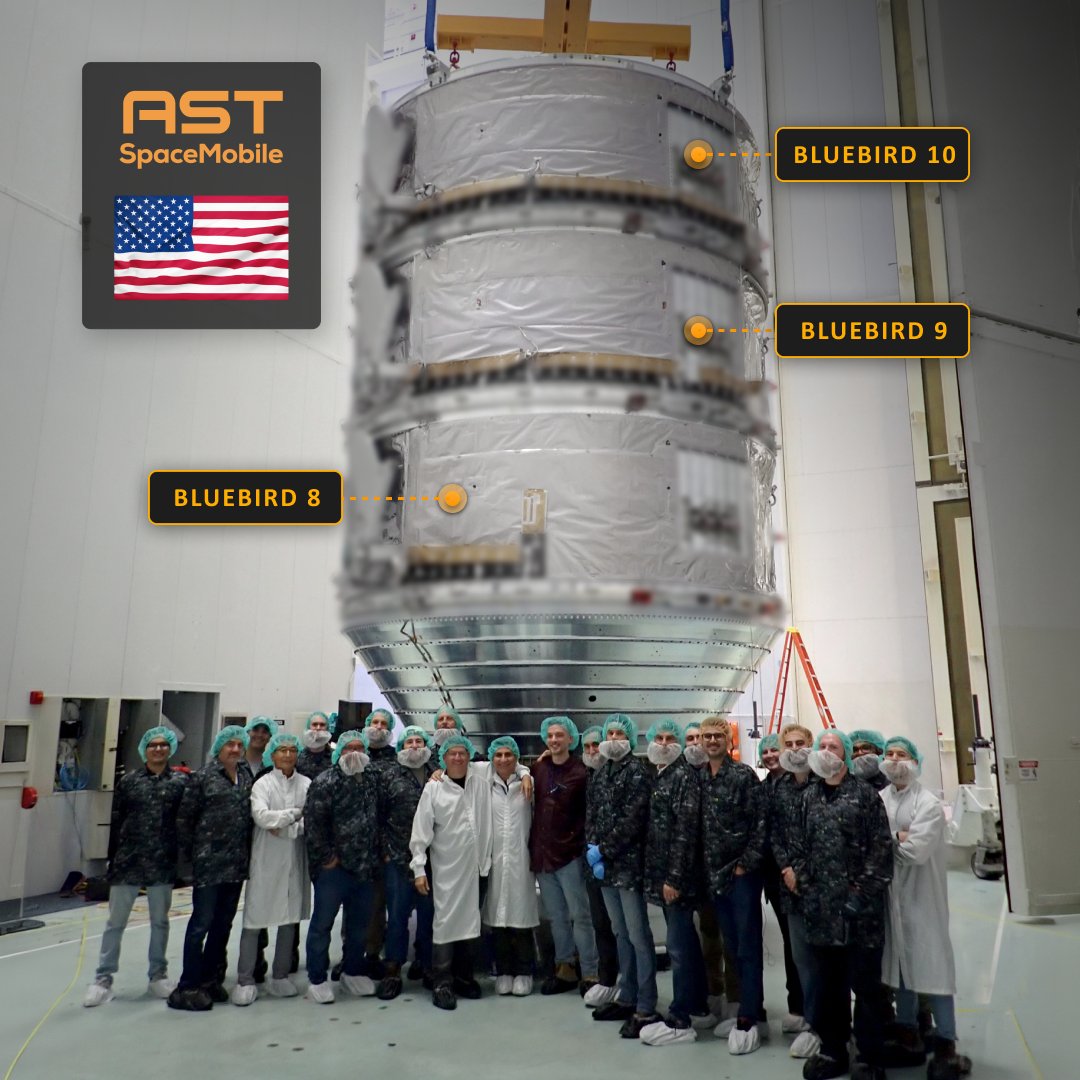
Encapsulation complete.
BlueBirds 8, 9, and 10 are now secured inside Falcon 9's fairing ahead of launch.
A stacked configuration powered by advanced carbon fiber structures, engineered to withstand ascent forces comparable to carrying a fully loaded space shuttle orbiter during launch. 💪
Next stop: launch. 🚀🚀🚀🚀🚀🚀🚀🚀🚀🚀
Built in Texas. Broadband from space. Designed to connect directly to everyday smartphones. 🌎📶📱
#ASTSpaceMobile #Broadband #ConnectingtheUnconnected #BlueBirds
1
21
906
$ASTS A quick primer on the J-LEO ("Japan's Starlink") Solicitation and Award that we (Spacemob) think is coming soon.
Japan is looking to build out a nationwide D2D network and is looking to provide up to $1B in funding to support the network's rollout (the winner is expected to actually help contribute to the buildout roughly 50/50).
Here are the primary goals as outlined in their public solicitation (edited obviously):
1. Japan-controlled autonomy: The LEO satellite constellation must be owned, operated, and managed by the Japanese implementing entity (indirect subsidy recipient). All critical ground facilities (gateways, satellite control/SOC, payload control/POC, network ops/NOC, etc.) must be located in Japan. Spectrum coordination via MIC/ITU must be handled appropriately.
2. Nationwide direct-to-smartphone service: By end of March 2029 (end of FY2030 in Japanese fiscal terms), provide satellite direct communication (D2C/D2D) service using mobile phone frequencies to unmodified standard smartphones, available to general users across Japan (including remote areas).
3. High availability/performance during project term: During the project period, achieve infrastructure enabling video calls (broadband-capable) for at least ~70% of the day (roughly 16 hours) across Japan. Post-project, plan to scale toward continuous nationwide coverage through further investment.
4. Disaster resilience & roaming support: Enable satellite-based roaming (full roaming mode, excluding emergency calls in some contexts) for inter-carrier disaster relief scenarios. Provide voice, data, and SMS at no charge (or equivalent relief) to affected carriers/users during activations, aligned with MIC guidelines (MIC is the Japanese version of the FCC).
5. Post-project sustainability & domestic development: Maintain at least the completion-level service for 5 years after project end. Develop and report plans for transitioning toward domestic satellite manufacturing, launches, and operations over time (Seems more likely that AST would be able to launch out of Japan with Mitsubishi since it is launch-neutral. Also, AST at least at one time, was heavily reliant on NEC for Satellite modules ast-science.com/nec-to-manuf…, maybe nearby production could be possible).
The race at least appears to be down to two primary options at this point:
Starlink/SpaceX: Partnership with KDDI (major Japanese MNO, already using Starlink for backhaul and initial D2C).
AST SpaceMobile: Partnership with Rakuten Mobile (strategic investor/partner since 2020, Japan's newest MNO - smaller than KDDI).
Points favoring Starlink/SpaceX winning
Proven scale & deployment: Starlink has a massive operational fixed wireless constellation and smaller dtc constellation, rapid launches, and real-world reliability (disaster use globally, including Japan partnerships). KDDI already has live D2C service.
Commercial momentum: Strong existing ties with KDDI; faster path to expanded coverage using current tech. Starlink's global track record for broadband and resilience.
Operator strength: KDDI is a established major player with robust infrastructure/finances vs. Rakuten's debt challenges.
Government/military familiarity: Japan’s Self-Defense Forces have tested Starlink; practical experience in the country.
Points favoring AST SpaceMobile/Rakuten winning
Technical fit for requirements: AST demonstrated higher-bandwidth broadband/video calls on unmodified phones (e.g., 98.9 Mbps in tests); aligns with mandatory high-performance specs that early Starlink D2C (more SMS/OTT-focused initially) may not fully meet yet.
Domestic control & autonomy: AST operates as a bent-pipe, unlike Starlink who routes and processes data across inter satellite links, the bent-pipe better preserves data sovereignty concerns.
Tailored engineering: Orbital adjustments (e.g., Block 2 inclination for Japan coverage), timeline alignment with 2029 deadline, and exclusive Japan focus in early service focus areas.
Disaster & coverage edge: Strong emphasis on unmodified phone broadband in remote/disaster zones; AST doesn't require any specific phone hardware for broadband, Starlink will.
Reliable Japanese media and analyst reports (citing the program structure) consistently say the winner is expected to be selected/announced around the end of June 2026 - but there doesn't appear to be a hard deadline written verbatim in the official guidelines. Hopefully we hear something in the next two weeks!
4
14
143
17,186
keaze retweeted

Jun 13
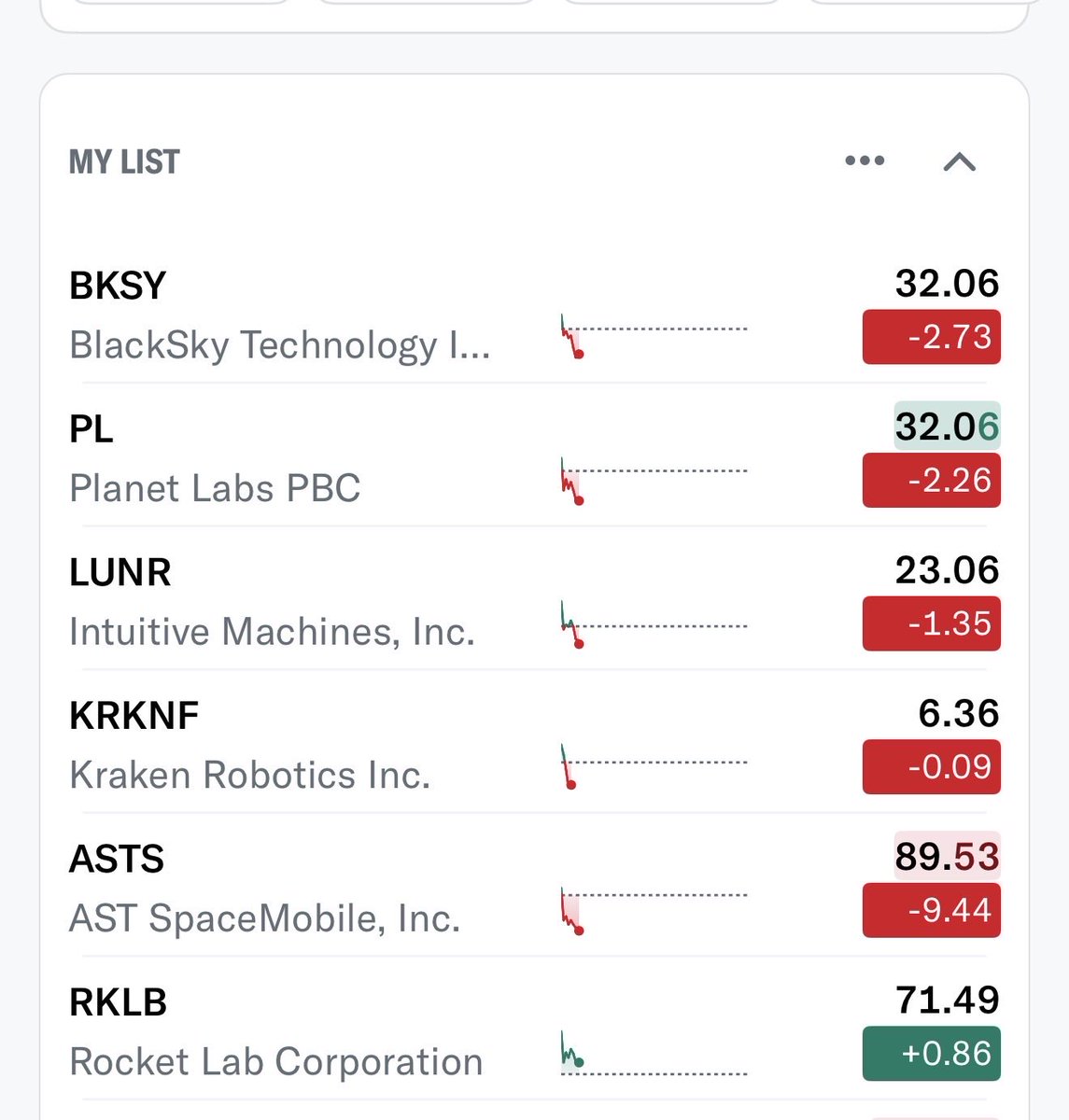
HOW THE SPACE BIG 4 STACK UP
1. $SPCX (The Backbone of Orbit)
• 3-year revenue CAGR 67% trading at 120x 2029 net income
• Handles ~90% of global payload mass to orbit with 10.3M Starlink subscribers across 160 countries
2. $RKLB (Vertically Integrated Defense Prime)
• 3-year revenue CAGR 30% trading at 80x 2029 net income
• Second-most-launched US rocket operator with 50 successful Electron flights & $2.2B contracted backlog
3. $ASTS (Tower in the Sky)
• 3-year revenue CAGR 156% trading at 11x 2029 net income
• Nearly 60 MNO partners covering 3B subscribers targeting ~45 BlueBird satellites in orbit by EOY
4. $PL (Eyes From Above)
• 3-year revenue CAGR 25% trading at 105x 2029 net income
• Daily imaging of Earth's entire landmass with a $900M backlog & 116% net dollar retention


88
225
1,599
305,559
keaze retweeted

Jun 11
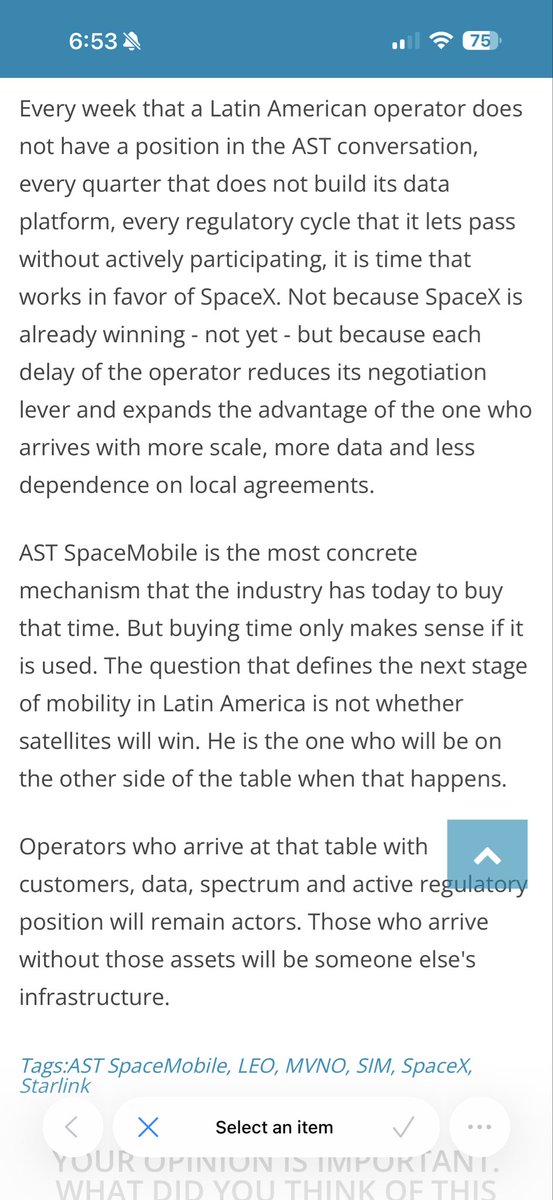
This is a great article about the state of D2D from the LATAM perspective. The author is a TMT consultant from Deloitte. It is quite long, but would suggest it is read by the SpaceMob.
I have included the conclusion. If this becomes the prevailing advice from (respectable) consultants to LATAM MNOs, there should be a rush to sign with $ASTS.
H/T @DaMadMonk_
Jun 10

💬 𝐋𝐚 𝐨𝐩𝐢𝐧𝐢𝐨́𝐧 de @cgsolomong, Especialista de @Deloitte, en su cuarta entrega de la serie de artículos sobre conectividad satelital D2D y la región.
🔗telesemana.com/blog/2026/06/…
@AST_SpaceMobile @SpaceX @Starlink #LEO #MVNO #SIM #D2D #ConectividadSatelital
1
9
54
3,188
Is there something different about BB8 based on the difference in the gold/black banding at the bottom of each satellite, or is that part of the stacking mechanism?
Maybe it’s like a “zip strip” from an old pack of Lifesavers?!
Thoughts, @CatSE___ApeX___ ?
AST SpaceMobile Announces Launch Date for BlueBird Satellites 8, 9, and 10
businesswire.com/news/home/2…
2
24
5,345
$ASTS
“We will fly before the end of this year.”
Well, well, well…

Some LC-36 updates. Now that we’ve had access to the pad and integration facility we can share a bit of good news. The propellant farm, oxygen, liquid hydrogen and LNG tanks are all in good shape. This is good luck because these are very long lead items. The water tower is also good. The big support tower is damaged, but it can be repaired in place rather than torn down and replaced. The booster “Never Tell Me The Odds” and the three GS-2s that were onsite in the integration facility also look good.
I’ve seen some speculation that we might move directly to the 9x4 configuration, but we won’t do that. Rate manufacturing of 7x2 is going well, and we’re going to continue that at pace as planned and store the stages for use. In addition, we had already been working for some time on eliminating our transporter-erector in favor of an alternative vertical conop, and we’ll now go directly to that; so we don’t need a new transporter-erector.
We will fly again before the end of this year. Gradatim Ferociter.
11
627
keaze retweeted

May 29
@blueorigin 's New Glenn just exploded during a static fire at LC-36. $ASTS is down 6% after hours. Before you do anything, read this.
No $ASTS satellite was on this rocket. This was a test firing with no payload.
BB8, BB9, BB10 are launching mid-June on a @SpaceX Falcon 9. Different rocket. Different pad. Completely unaffected. The most important near-term catalyst hasn't changed.
The 45-satellite target for 2026 does not depend on New Glenn. ASTS can hit it on Falcon 9 alone.
What IS a legitimate concern: $ASTS wanted multiple launch providers to avoid depending on @SpaceX - who is also their competitor. New Glenn being grounded again means more reliance on @SpaceX for future launches. That's not ideal but it's manageable. ULA Vulcan and ISRO remain alternatives.
What IS NOT a concern: the next launch, the constellation timeline, or the fundamental thesis. Nothing about tonight changes the $740B D2D TAM, the carrier JV, the EU sovereignty decision, or the SpaceX S-1 repricing.
Algo and some retail will see "Blue Origin explosion" and panic-sell $ASTS because of the BB7 association. That's emotion, not analysis.
The thesis hasn't changed. The June launch hasn't changed. Breathe.
$ASTS 🛰️

Blue Origin's New Glenn just blew up at LC-36 while attempting to Static Fire ahead of NG-4.
nsf.live/spacecoast
34
69
371
86,192
$ASTS
🧵 Let’s discuss the Prisoner’s Dilemma.
Three companies walk into a room. None of them can leave.
Picture three prisoners. Separate rooms. Same deal on the table.
Each one is told: “If you cooperate and the others don’t — you win and you go free. If you all cooperate — you all win a little, and serve a light sentence. But if you’re the only one who doesn’t cooperate… you lose everything.”
This is the Prisoner’s Dilemma. And it’s exactly what’s happening to MNOs right now.
The three prisoners are Verizon, AT&T, & T-Mobile.
The deal on the table? Whether to partner with AST — the only company that can deliver broadband to their customers’ phones, who doesn’t want to compete with them directly.
Verizon already said yes. ✅
AT&T already said yes. ✅
T-Mobile is sitting in that room right now, and the clock is ticking.
But signing the deal is only step one - here’s where the dilemma gets even more brutal: it’s not enough to have ASTS. You have to deploy it aggressively, likely nto your biggest, most valuable customer tier. Because if your competitor does it first — they don’t just win a new product offering, they win a new coverage narrative.
We already have one blueprint - Bell Canada announced satellite connectivity would be included in ALL premium plans — pushing it to their entire premium customer base overnight. A full commercial deployment to their highest-value subscribers from day one.
Think about what that means at scale in the US. Verizon, AT&T, and T-Mobile together have roughly 250 million postpaid subscribers. Even conservatively, 125 million of them are on premium plans. 125 million Americans could wake up with satellite coverage — no new phone, no new SIM, no dish - overnight.
Now put that in the context of the Prisoner’s Dilemma. If AT&T bundles ASTS into every premium plan and runs a campaign: “No dead zones. Included in your plan. Starting now.” — What does Verizon do? What does T-Mobile do?
They don’t deliberate. They don’t form a committee. They call ASTS and ask how fast they can match it. Because they literally all have access to the exact same service offering without differentiation, you either offer it or you don’t.
Because what’s at stake? Premium plan subscribers are the most valuable customers in wireless. Highest revenue per user. Lowest churn. The ones every carrier fights hardest to keep. The carrier that locks in “the coverage carrier” brand with that segment first doesn’t just win Q3, they fundamentally change their trajectory for years.
So the competitive pressure isn’t just to adopt ASTS. It’s to adopt it fast, bundle it broadly, market it loudly, and make switching away feel like giving up coverage itself.
The prisoners aren’t just being forced to cooperate — they’re being forced to outbid each other on how enthusiastically they cooperate.
None of them can afford to say no. None of them can afford to go cheap. None of them can afford to wait. That’s not negotiating leverage for the carriers.
People wrongly assume three giant carriers vs. one small satellite company means the carriers dictate terms. But the Prisoner’s Dilemma doesn’t care about size. It cares about who needs whom more — and what happens to the one who blinks.
ASTS has one negotiating posture and it’s devastating: “We’ll reward whoever moves first, most aggressively, and at the best terms. The other two can watch.” First-mover gets the brand: “We’re the coverage carrier.” The other two spend years trying to claw that back.
So the prisoners cooperate. All three of them. They have to. And they don’t just cooperate — they race to cooperate loudest.
So all at once, overnight, 125 million accounts are creating what, $5, $8, $10 per subscriber per month? $7.5-$15B in revenue created in just the US. Now apply the dilemma to every market.
Three of the largest carriers in America. One satellite provider. Zero exit doors.
The vendor none of them could afford to say no to is about to get paid.
$ASTS
15
16
142
11,741
$ASTS Question for @CatSE___ApeX___ or maybe @thekookreport since his spaces last night had me thinking.
Could there be a point where power generation in space from a bluebird style satellite with its solar energy, gets projected via microwave to small electric drones to power them remotely and allow indefinite loitering for either reconnaissance, imaging, defense, etc?
Just wondering if this could be a future unlock beyond connectivity to such a drone by supplying power.
5
1
48
5,812
keaze retweeted

May 22
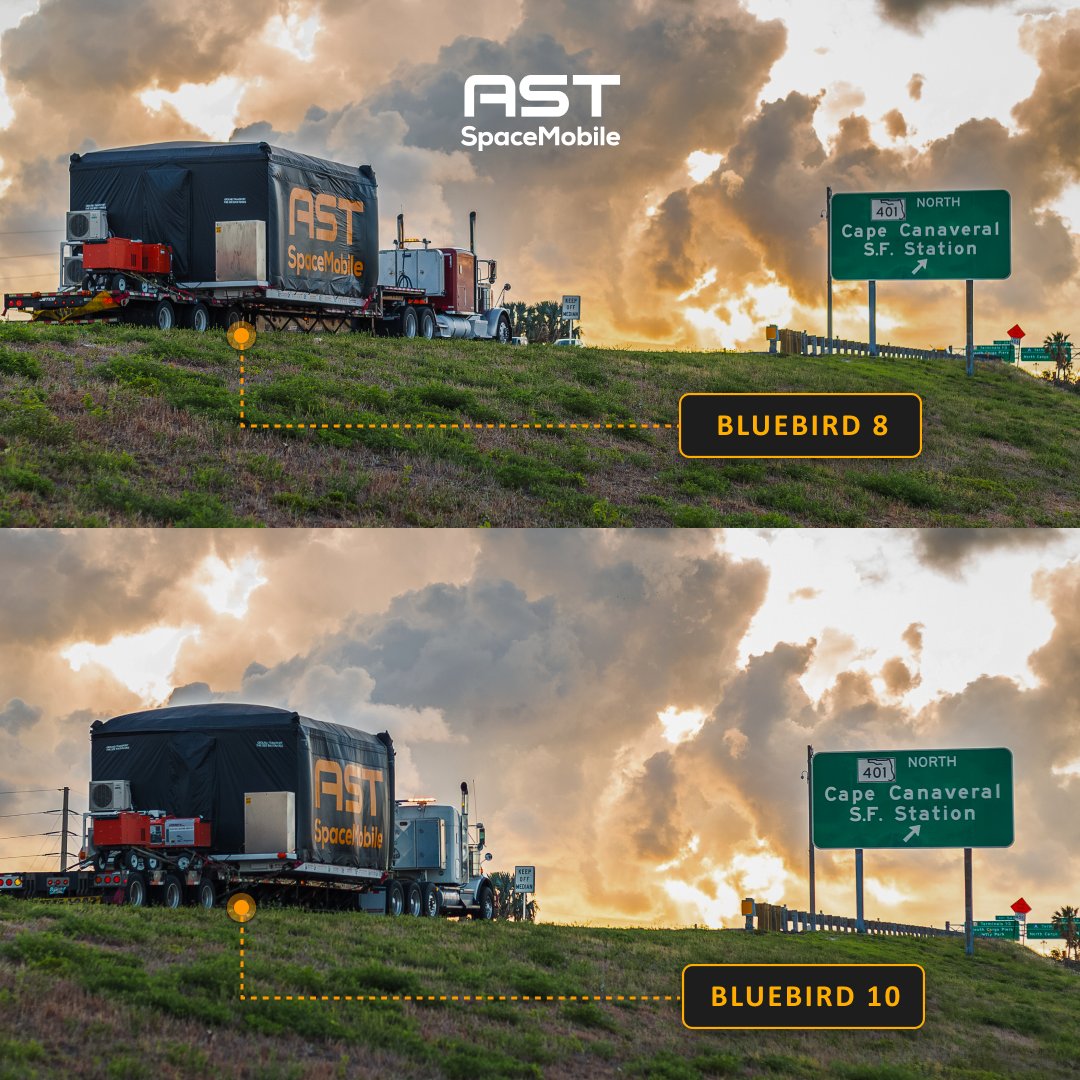
BlueBirds 8 and 10 have officially arrived at Cape Canaveral.
Next stop: the launch pad. 🚀🚀 🚀 🚀 🚀 🚀 🚀 🚀 🚀 🚀
Built in Texas. Broadband from space. Designed to connect directly to everyday smartphones. 🌎📶📱
#ASTSpaceMobile #Broadband #ConnectingtheUnconnected #BlueBirds
95
368
2,267
188,768
In my mind this expedites the shift from AST being an add-on service, to the equivalent of unlimited data/minutes/etc that will be included in every plan.
Essentially, we just moved every subscriber to a paying customer and adoption to 100%, we compete on technology now!
May 14
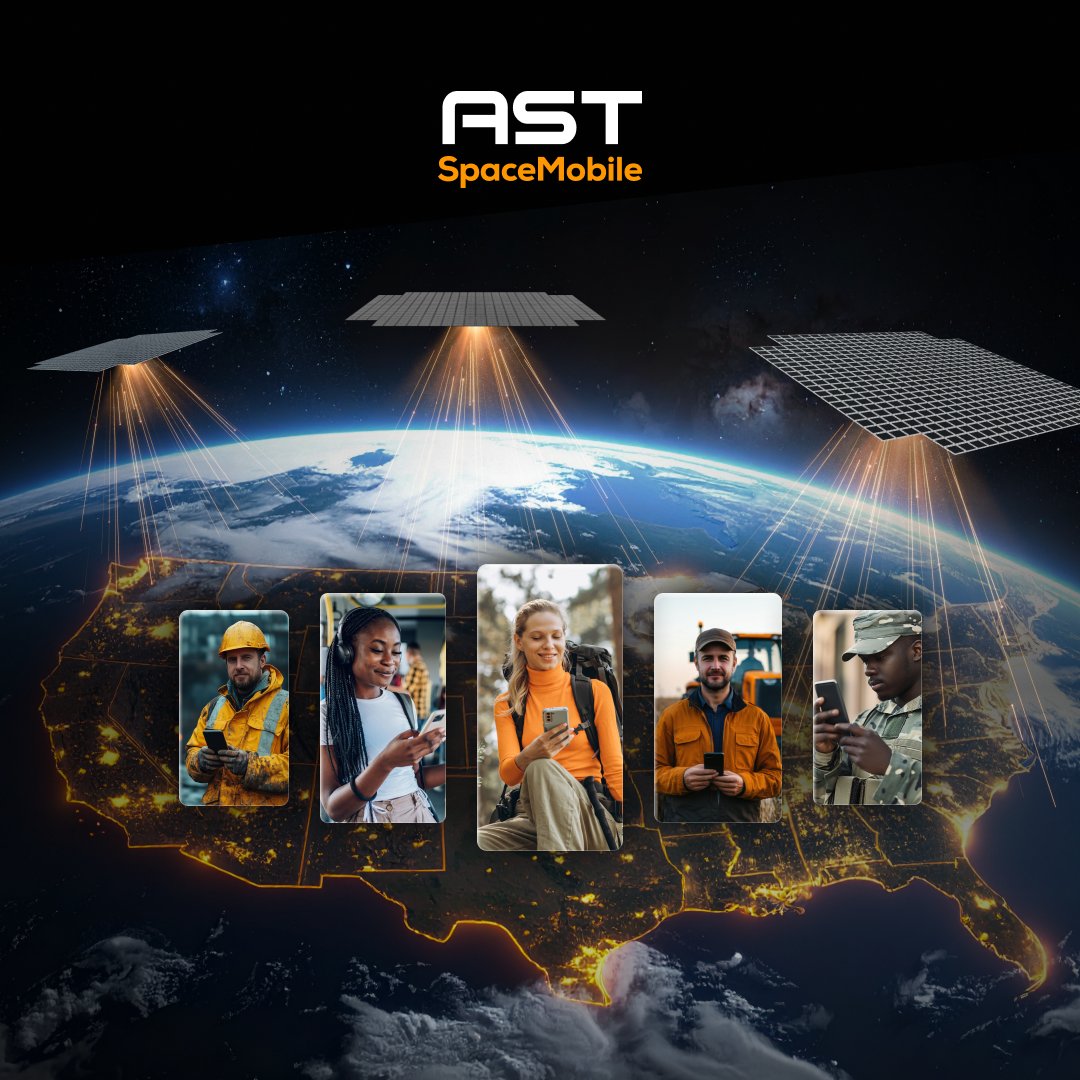
AST SpaceMobile Commends Proposed Direct-to-Device Joint Venture by U.S. Mobile Network Operators
businesswire.com/news/home/2…
#ASTSpaceMobile #Broadband #ConnectingtheUnconnected #BlueBirds
1
13
397
keaze retweeted

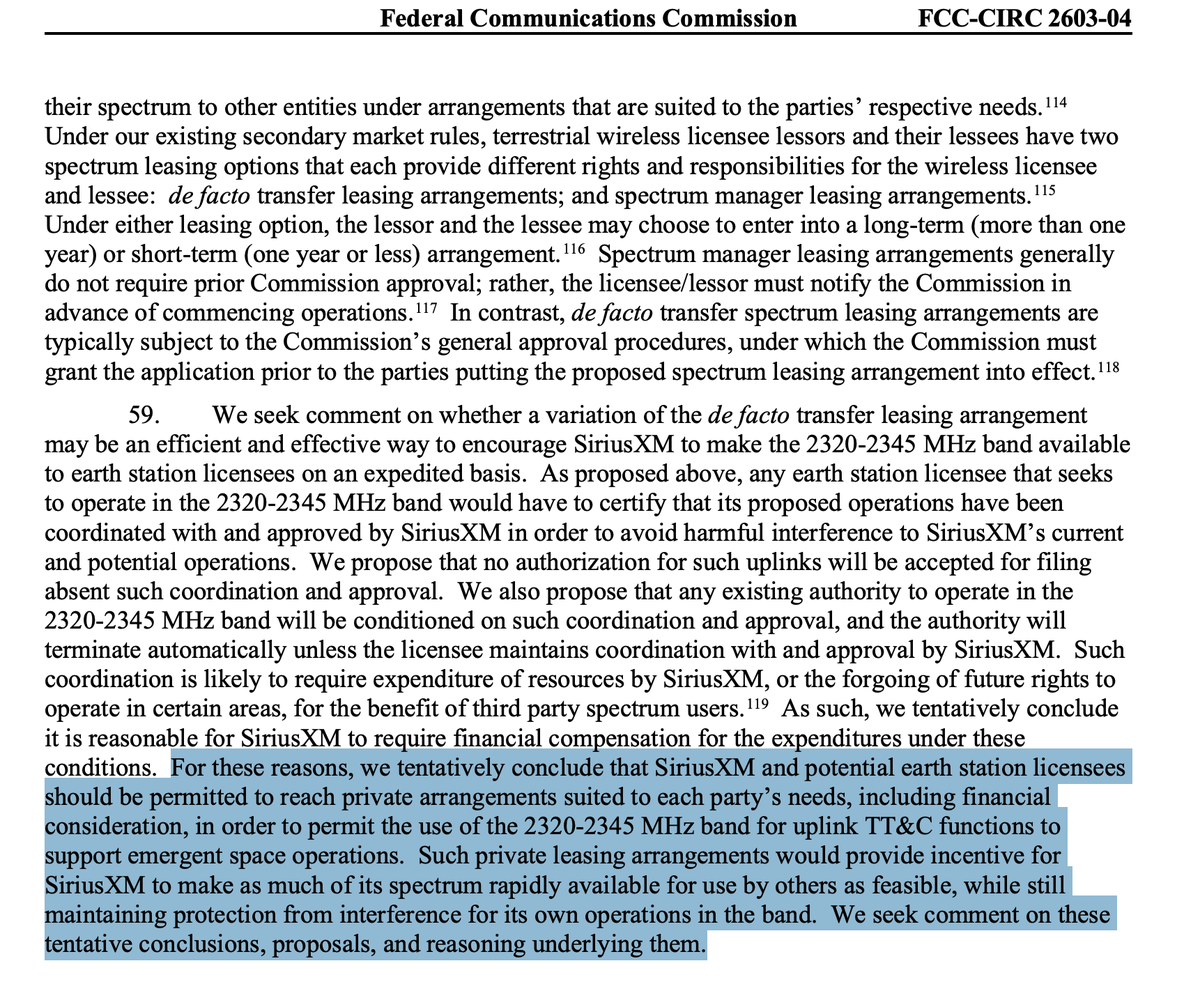
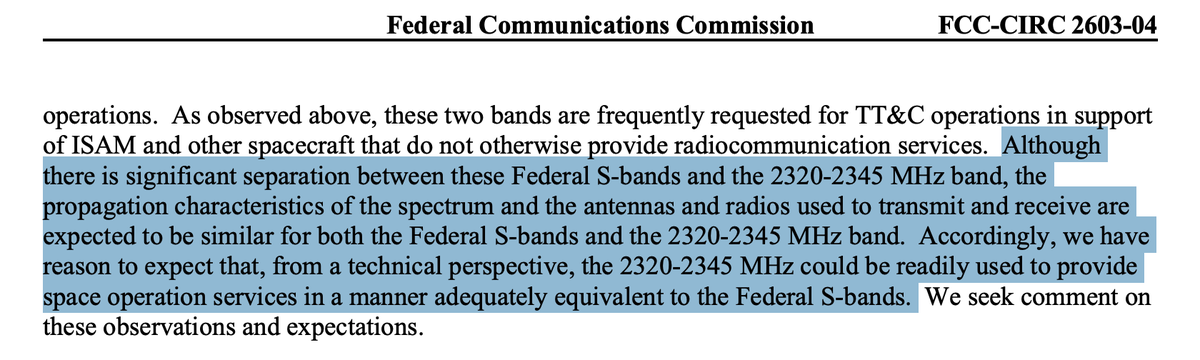
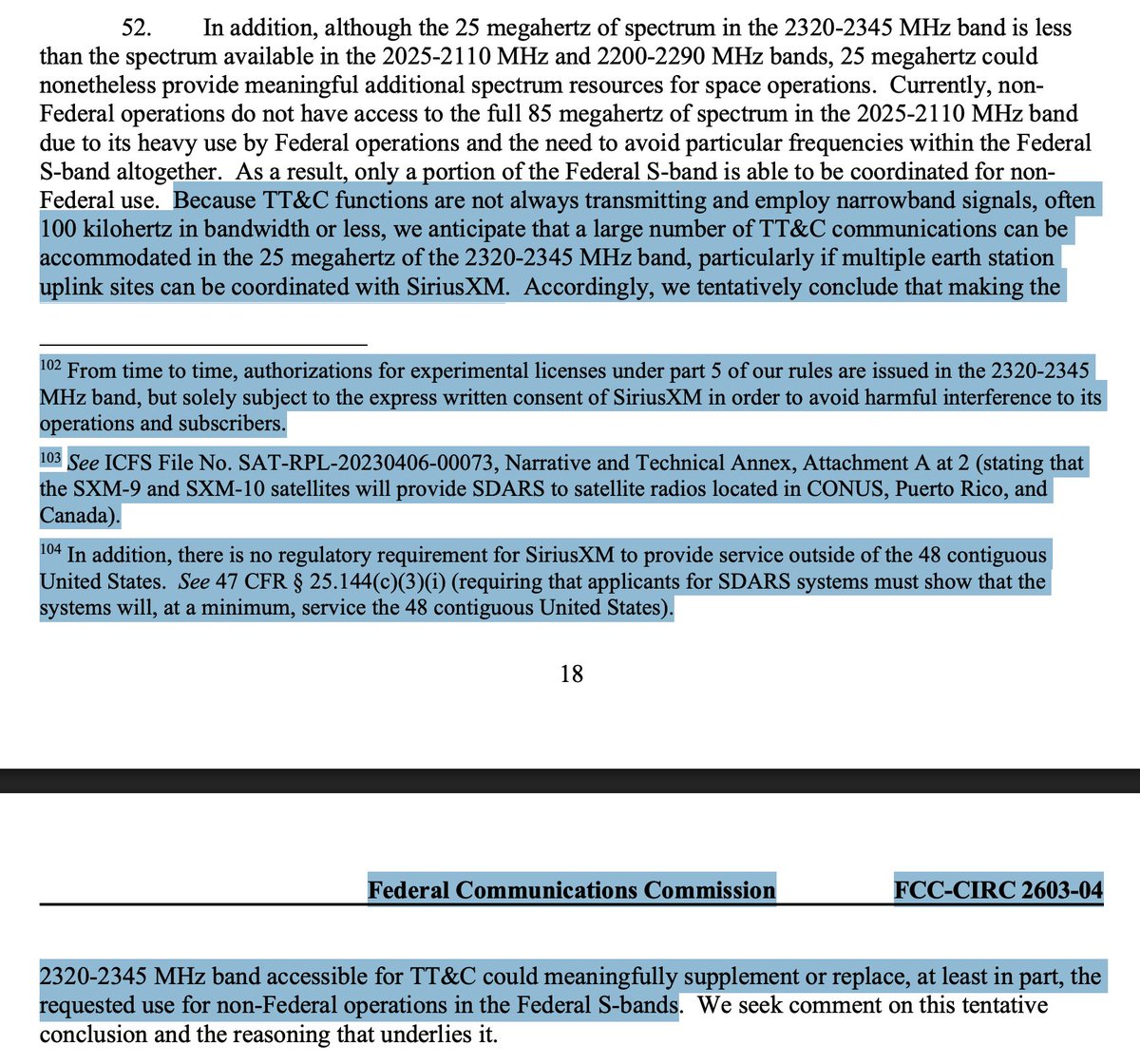
I have always believed $ASTS and Sirius would partner. There is a lot of reasons why it would make sense. The #1 reason being AT&T owns an adjacent WCS Band, b30. However, this band is NOT valuable to AT&T today relative to other bands.

I have to go, but there's a new FCC filing about "weird stuff." The FCC may soon allow S-band holders like Sirius and At&T to lease S-band spectrum directly to 3rd parties like $ASTS. There may be something here worth digging deeper into...
docs.fcc.gov/public/attachme…
2
4
117
18,468
Hope that @MorganLBrennan covers this!
Apr 22
FCC Grants AST SpaceMobile Commercial Authority to Deliver Direct-to-Device Cellular Broadband from Space Advancing Nationwide, Resilient Cellular Broadband Connectivity in the United States
businesswire.com/news/home/2…
3
323
keaze retweeted
Apr 22
FCC Grants AST SpaceMobile Commercial Authority to Deliver Direct-to-Device Cellular Broadband from Space Advancing Nationwide, Resilient Cellular Broadband Connectivity in the United States
businesswire.com/news/home/2…
196
540
2,440
534,644
keaze retweeted

Apr 19
The @BlueOrigin @AST_SpaceMobile launch has been tracked by Space Force as catalog 68765, 2026-85A, in a 154 x 494 km x 36.1 deg orbit. Epoch is 1138 UTC which is the time of SECO-1, so this may not be the final orbit. (If it is, then they are indeed toast).
49
100
1,334
255,351