
Analytical Glycobiology & Glycomics; PI at IBC, Academia Sinica, Taiwan
Joined October 2017
- Tweets 84
- Following 23
- Followers 86
- Likes 5
11 Photos and videos
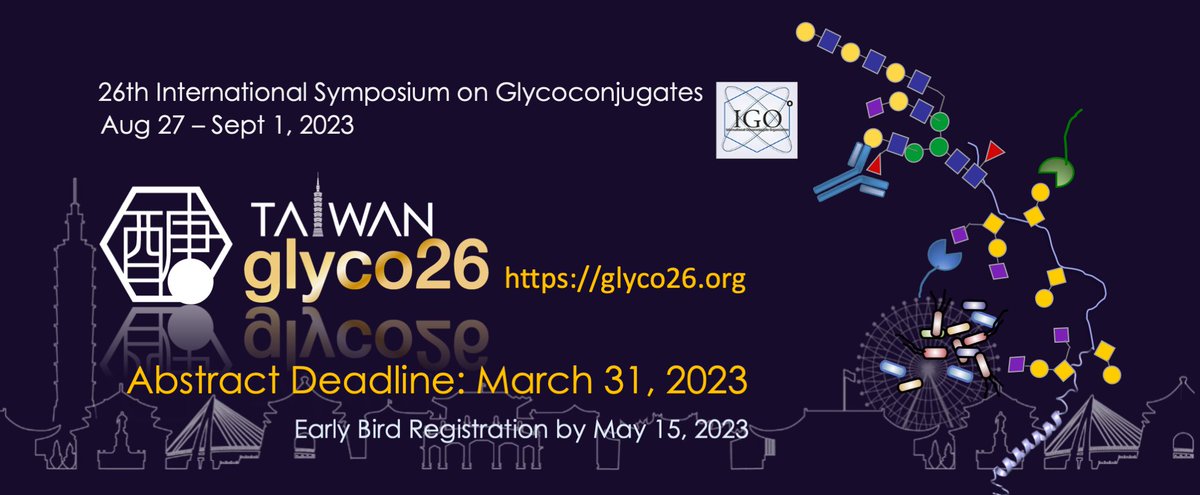
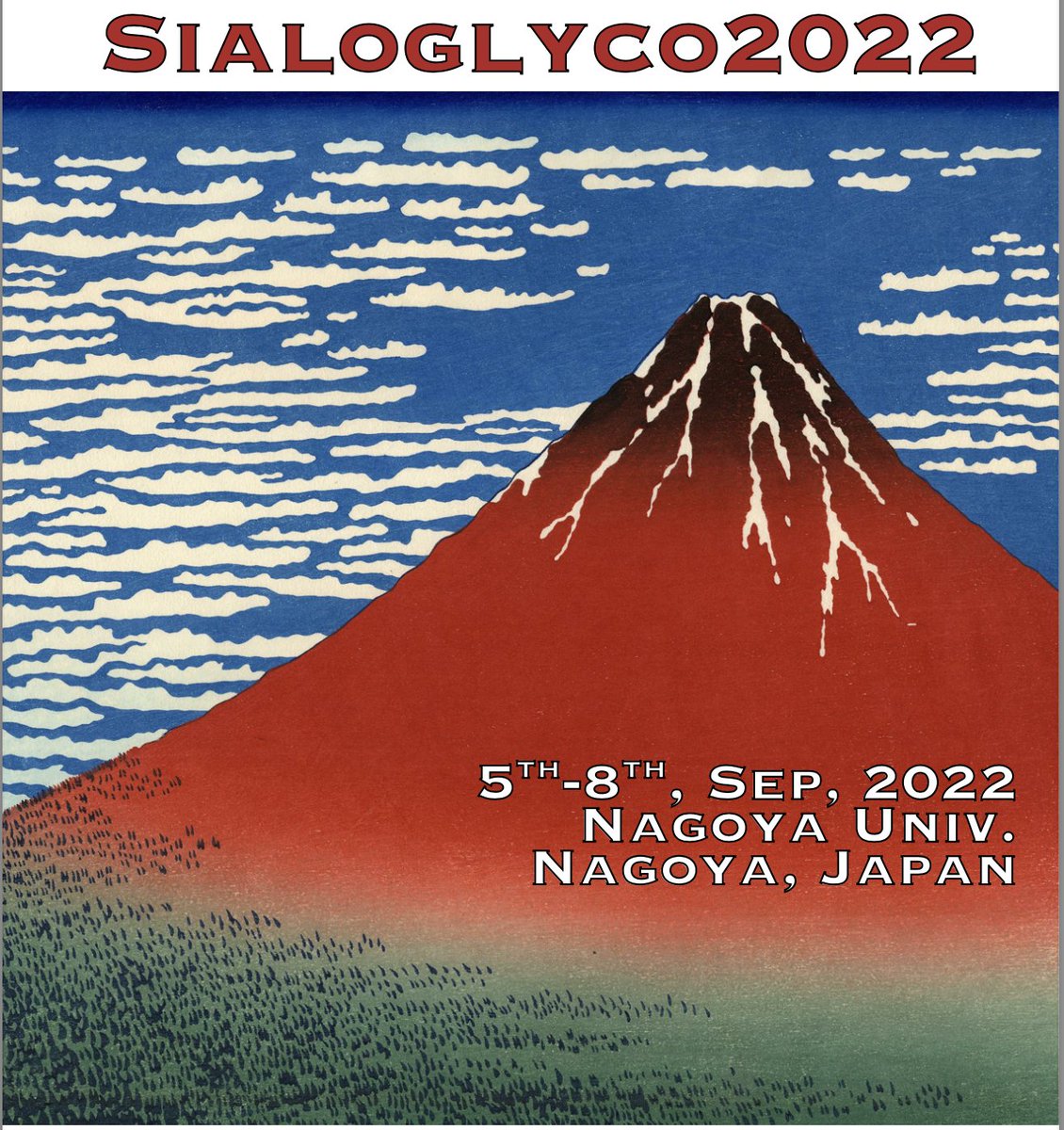
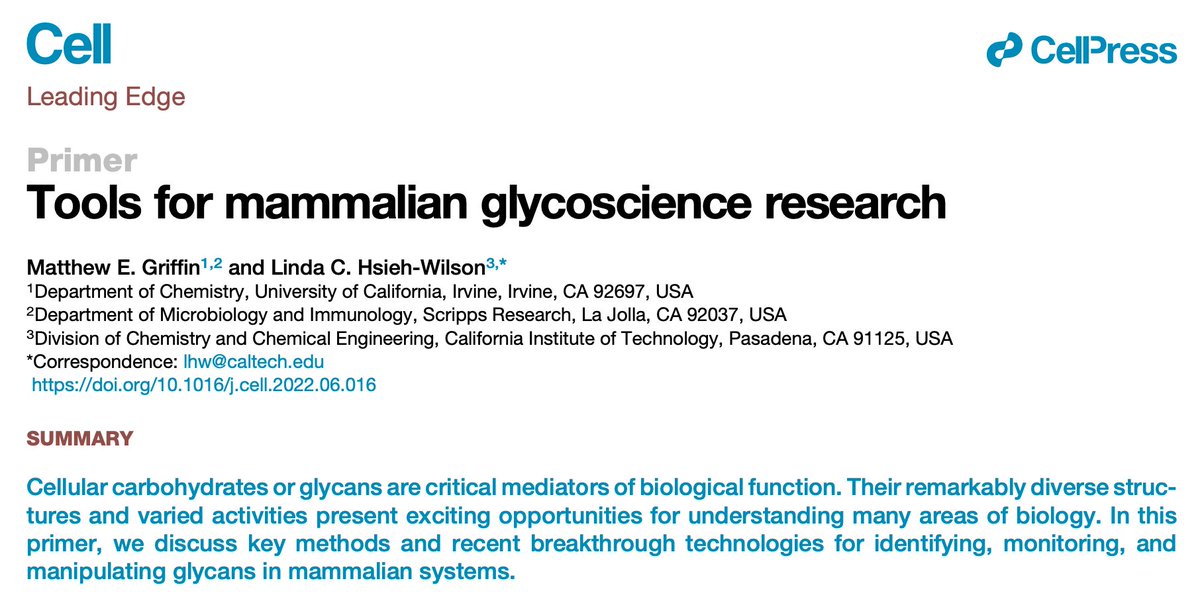
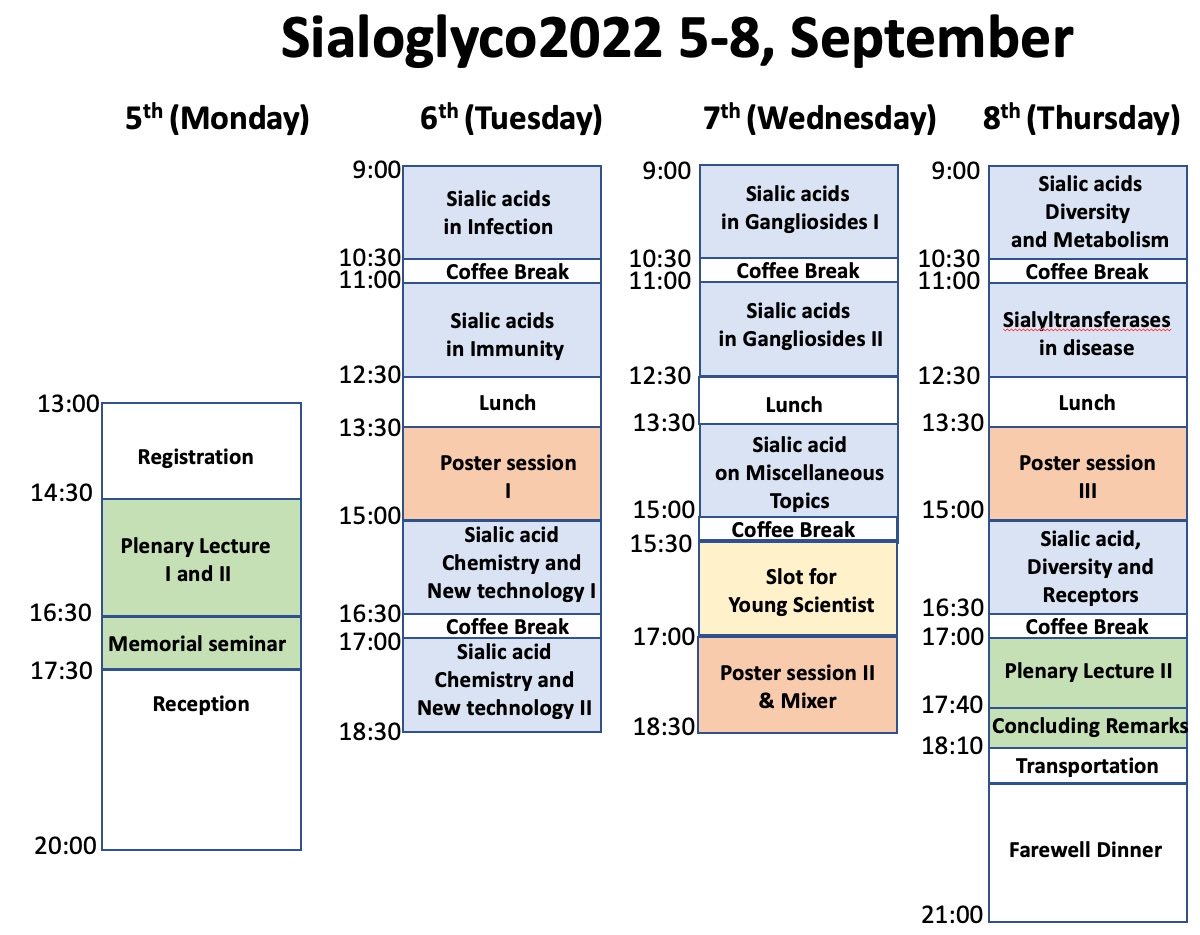


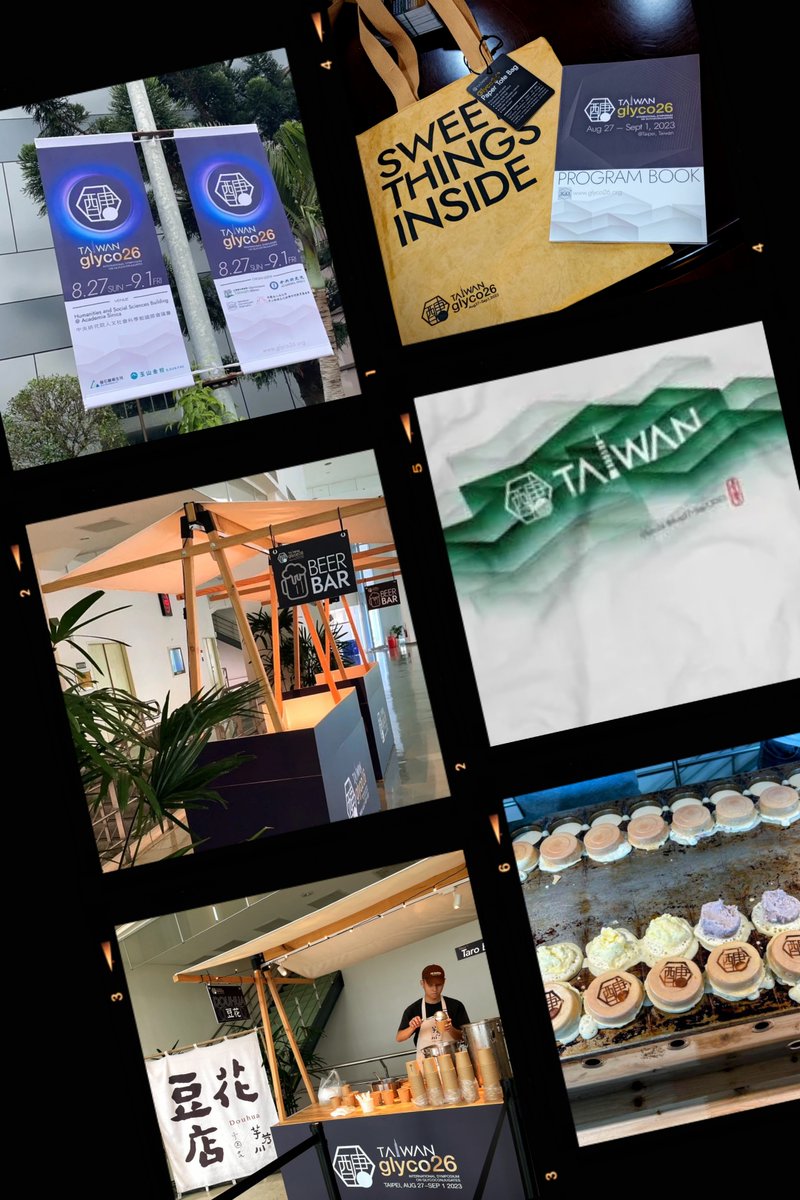
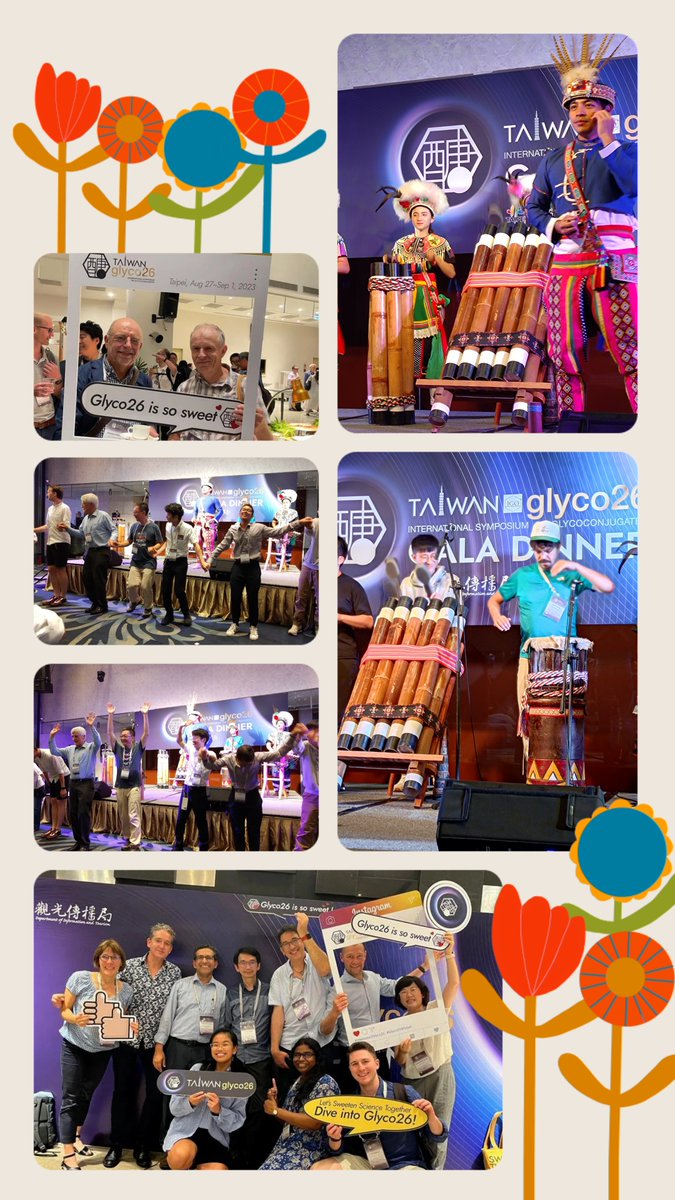
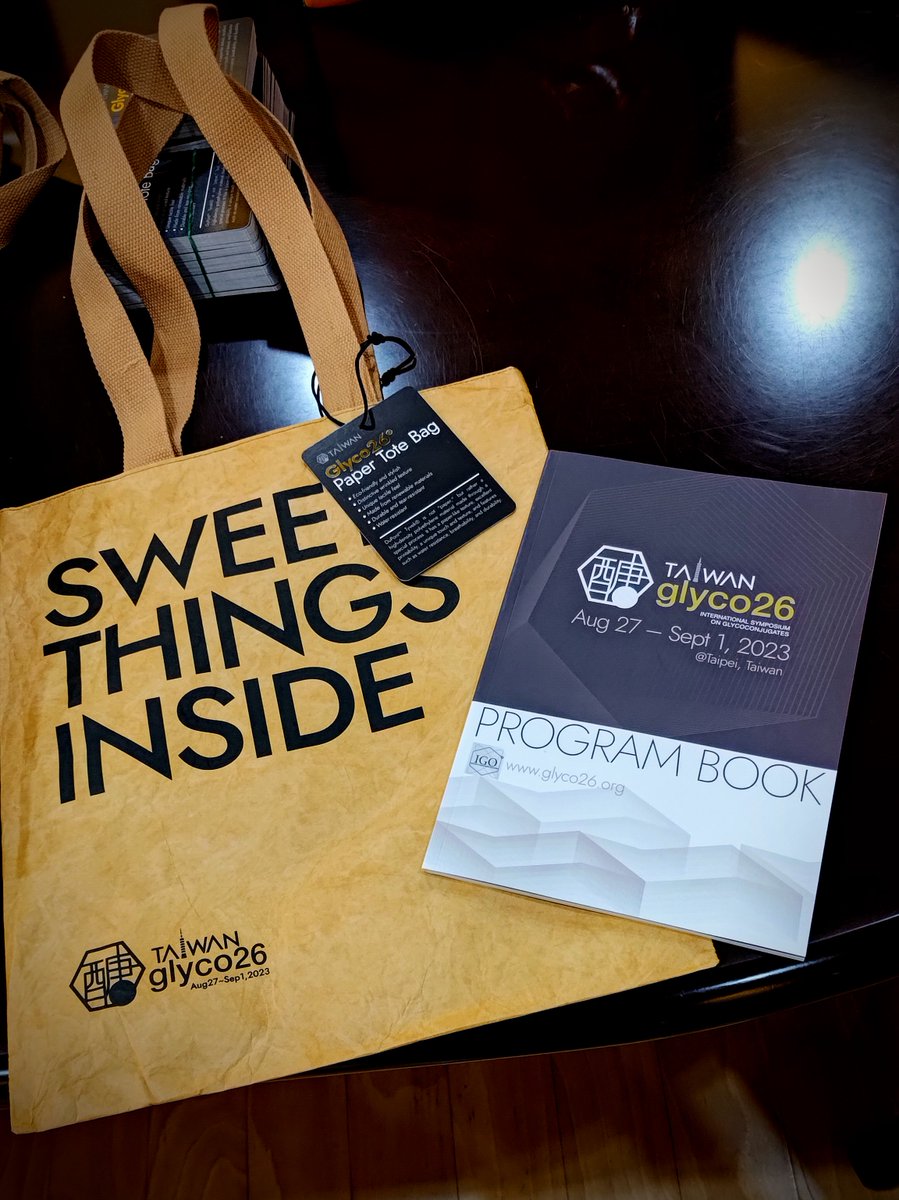
For memories .... #Glyco26 Photos available to download at t.ly/p4euf
3
11
762
Sometimes I only need to boost my memory for two weeks. This will do.
Anti-ageing protein injection boosts monkeys’ memories nature.com/articles/d41586-0…
89
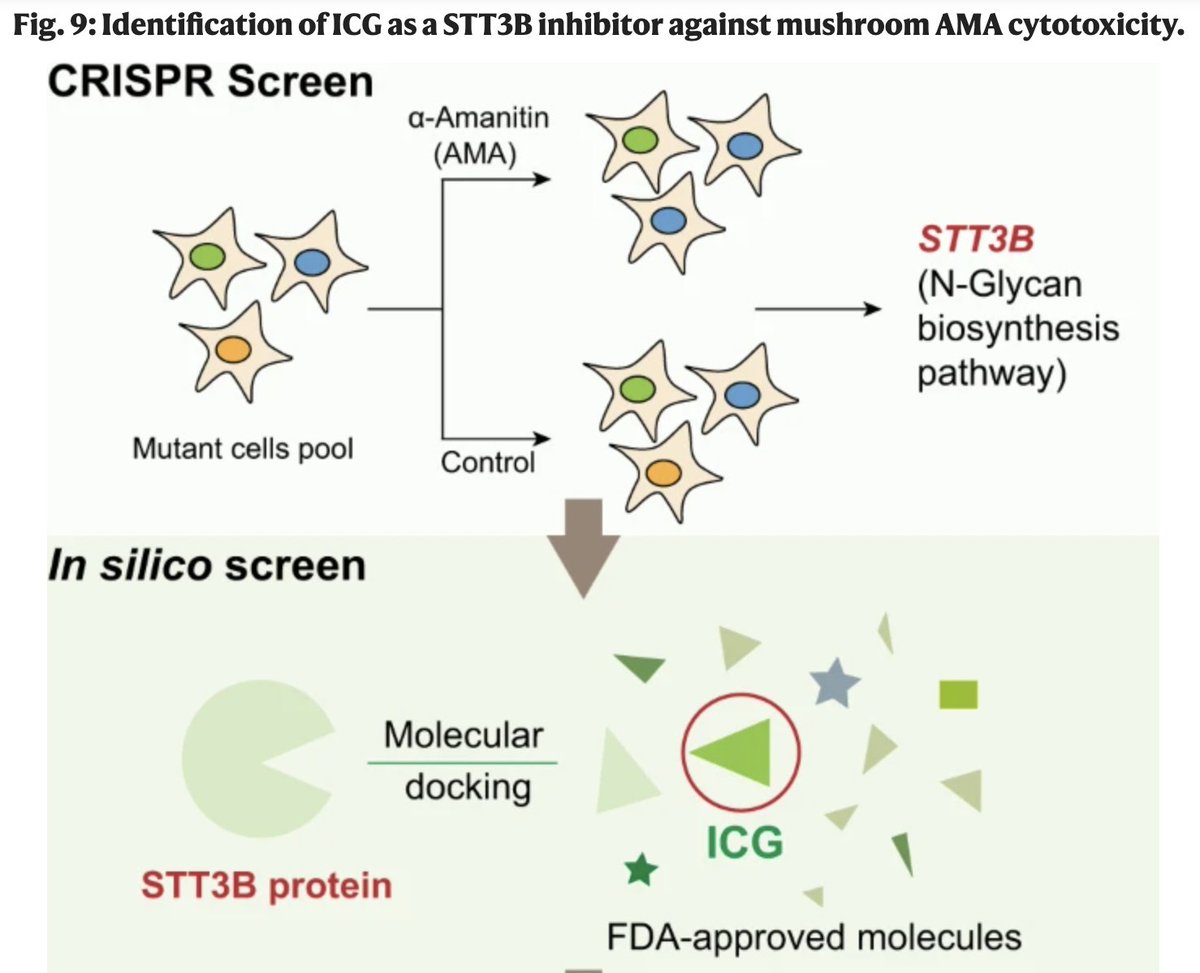
Deadly mushroom poison might now have an antidote.
The mushroom toxin could not enter cells that lacked a functional version of STT3B involved in N-glycosylation - Wow, how that be !!!
nature.com/articles/d41586-0…
1
6
1,496
Identification of indocyanine green as a STT3B inhibitor against mushroom α-amanitin cytotoxicity.
The authors hypothesized that the blockage of N-glycans of amatoxin transporters may hinder its recognition, which contributes to the resistance
nature.com/articles/s41467-0…
1
127
Taiwan Is Running Low on a Strategic Asset: Engineers nytimes.com/2023/05/11/techn…
“In cultivating semiconductor talent, we are racing against time,” said Tsai Ing-wen, Taiwan’s president
81
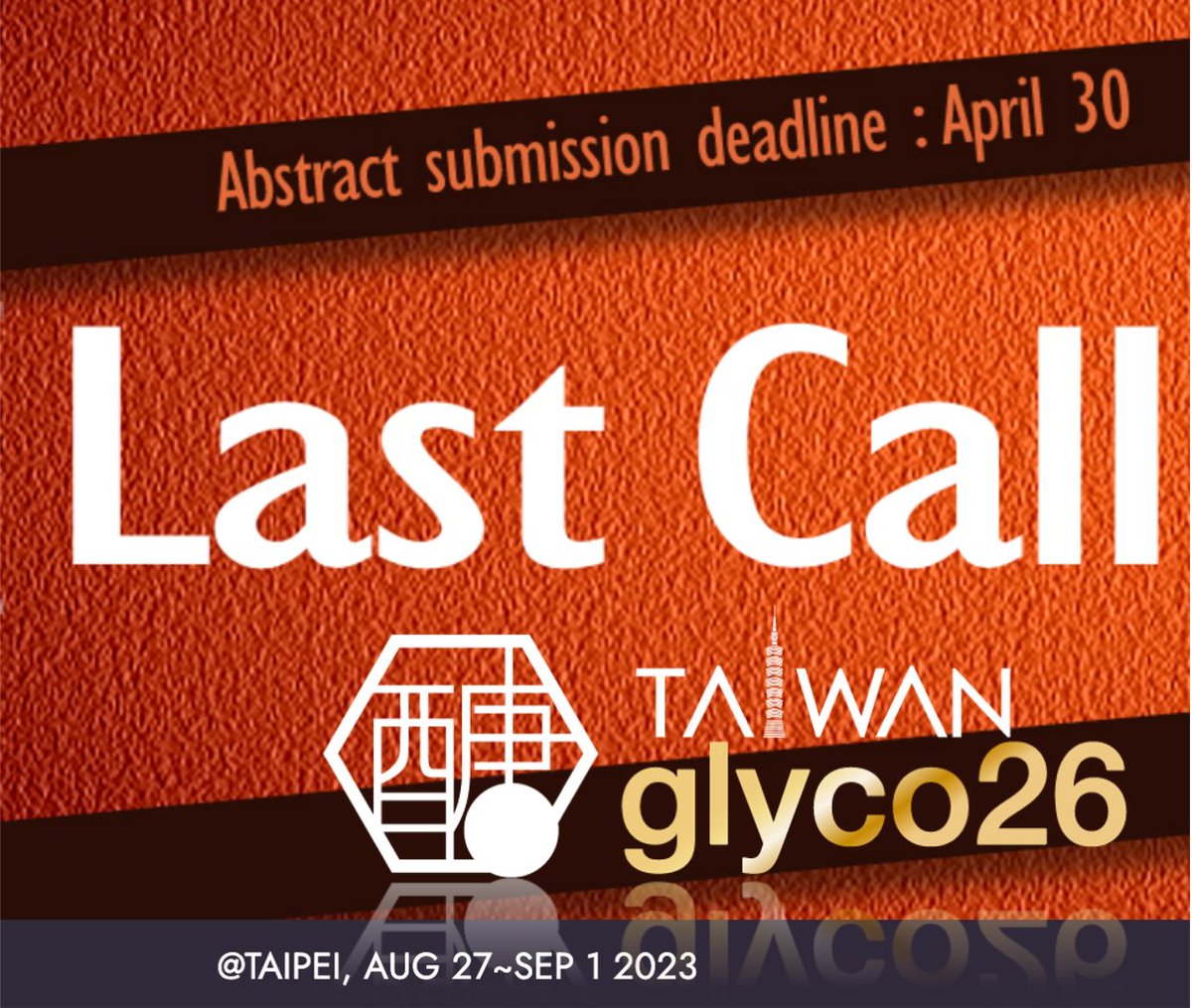
It's now or never. Your chance to present your work at #Glyco26. Abstract now, register by May 15.
glyco26.org
6
3
1,567
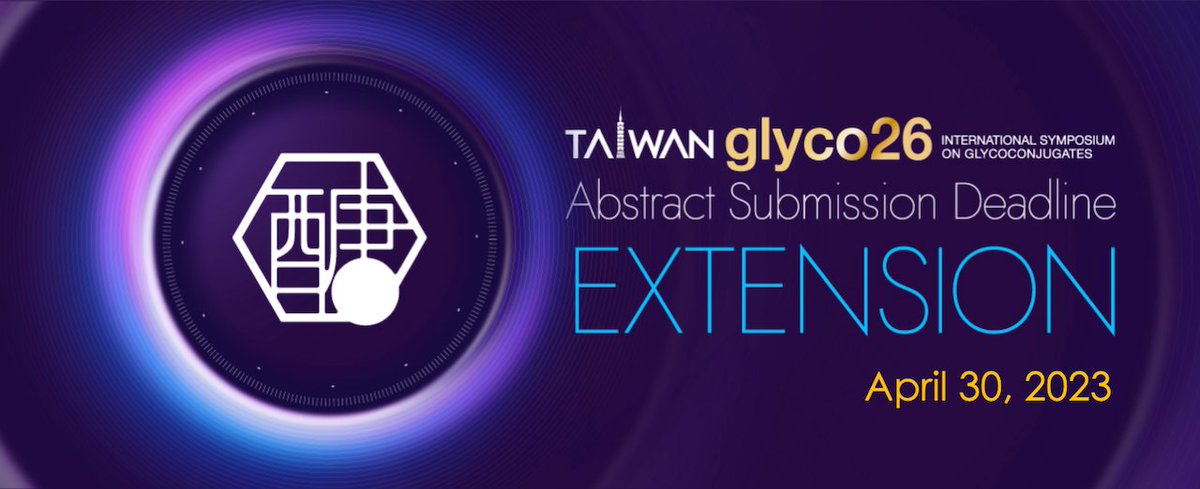
Deadline for Abstract Submission extended to April 30, 2023 ! 😂🥲👀
Don't miss the second chance.
Share your latest work with #glyco26
Aug 27 - Sept 1, at Academia Sinica, Taiwan
glyco26.org
9
8
3,092
Best opportunity for glycoscientists to visit Taiwan!
Submit Abstract, last 48 h before deadline!!!
#glyco26
Taipei ranks fourth in ‘World’s Safest Cities’ | Taiwan News | 2023-03-26 15:13:00 taiwannews.com.tw/en/news/48…
8
11
1,825
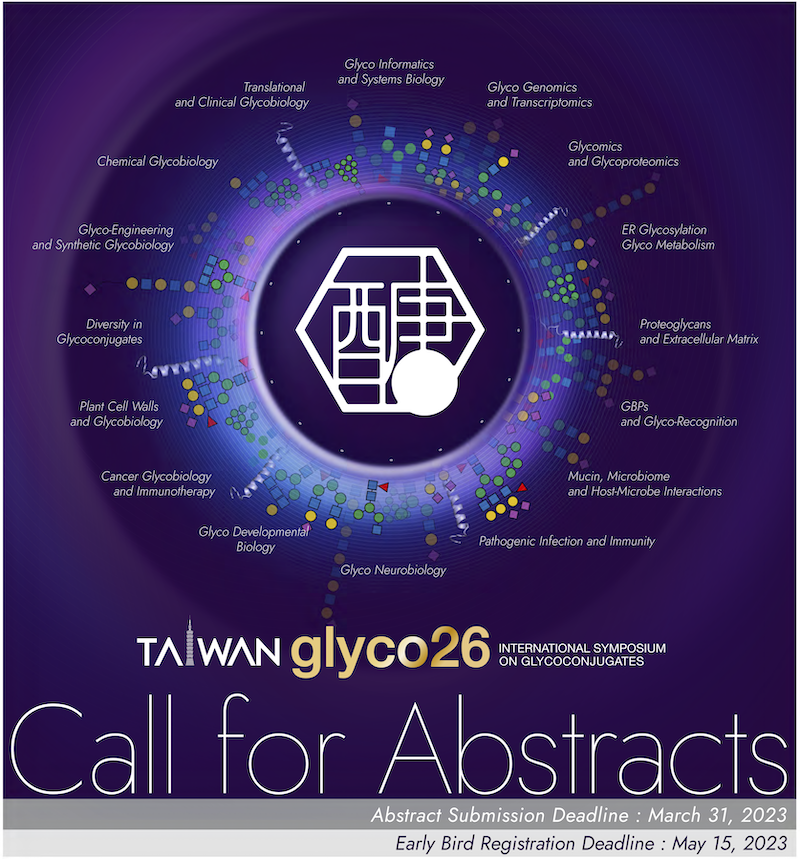
Calling all Glyco students and postdocs. Submit your Abstract now for #Glyco26 Travel Award. Don't miss the March 15 deadline! tinyurl.com/2fvuju9s
One ticket for Glyco26, Satellite meetings, Advanced Courses, Glycoproteomics Informatics Workshops
18
20
2,479
Could it be that the fundamentals are agreed on, so most further advances will be incremental, rather than disruptive?
Is science really getting less disruptive — and does it matter if it is? nature.com/articles/d41586-0…
367
The secret to healthy aging is ...... Glyco !
It’s all about monitoring sugar.
- Canadian GlycoNet News
canadianglycomics.ca/the-sec…
1
84
"We choose to do things not because they are easy, but because they are hard.” science.org/doi/10.1126/scie…
1
4
157