1,835 Photos and videos






I think this has gotten way more serious than simple cap circumvention.
If the DOJ is treating Ballmer as a fraud victim and the $60M is documented as a legitimate investment (not misappropriated funds), that strengthens the argument that this was a real transaction, not a disguised payment.
Now the NBA could still say it was used for cap circumvention but that’s where things get complicated if the SEC gets involved too.
If the SEC ultimately agrees with the DOJ that this was a legitimate investment, the NBA is left in a very difficult position basically a major credibility and PR problem if their conclusion rests on intent that no regulator is backing.
So to answer your question The Clippers are basically pushing hard to get this wrapped up ASAP and force the league to make a call. They’d rather take a clear ruling good or bad than go into the most important draft and free agency stretch in years totally in the dark.

Can you please say what’s the vibe you’re getting in terms of it being a positive or negative conclusion??😭😭
1
2
10
669
Tomorrow, God willing, I'll have the final PDF update with all of the notes, timelines, court filings, reporting, and developments from the last five months.
One of the biggest challenges has been organizing everything into a narrative that actually makes sense. Ironically, AI hasn't been much help because it tends to "correct" details or smooth over information that doesn't fit neatly into the story, even when those inconsistencies are part of what makes this saga so complicated.
By tomorrow, the complete Clippers–Aspiration saga should finally be available in one place.
For anyone interested in reading it, my DMs are open.
2
8
580
The Clippers are believed to be operating under the impression that the investigation itself has largely concluded and appear prepared to finally receive the clarity they have been waiting for. After months of uncertainty, the organization is expected to seek a definitive answer from the NBA as it begins navigating a critical offseason.
4
4
26
1,416
The Clippers–Aspiration–Kawhi Saga
As the fallout surrounding Aspiration and co-founder Joe Sanberg continues, the NBA remains tasked with answering a difficult question: were the relationships and payments involving Kawhi Leonard part of an effort to circumvent NBA rules, or were they the byproducts of a financially distressed startup struggling to survive?
The Clippers would argue the latter.
The Timeline Argument
The foundation of the Clippers' position is the timeline itself. Kawhi Leonard signed with the Clippers in 2019 and later signed a maximum contract extension under NBA rules. From the organization's perspective, any cap-circumvention theory must explain what additional competitive advantage was being gained after Leonard had already secured the largest contract available to him.
The Clippers would argue there was little reason to risk massive league penalties, legal exposure, and reputational damage for benefits that provided little additional basketball value.
Aspiration's Financial Crisis
The team would likely point to Aspiration's deteriorating finances as the more logical explanation for many of the transactions now being scrutinized. As the company faced fundraising challenges, liquidity issues, and mounting pressure from investors, maintaining relationships with high-profile figures like Leonard could help project stability and credibility.
Under this interpretation, payments and business arrangements may have been tied more to Aspiration's efforts to survive and attract investment than to any attempt to evade NBA regulations.
The Ballmer Question
A central piece of the Clippers' defense would be the distinction between Aspiration executives and Clippers ownership.
The organization would argue there is no public evidence showing Steve Ballmer directed, approved, or participated in any alleged scheme involving player compensation. Instead, they would likely point to legal proceedings and government filings that suggest Ballmer was treated as someone who may have been misled by Aspiration's leadership rather than a participant in misconduct.
From the team's perspective, even if wrongdoing occurred within Aspiration, that does not automatically establish wrongdoing by the Clippers.
The Internal Language Debate
Much attention has focused on reported internal references to "cap circumvention." The Clippers would argue that language alone is not proof of a league violation.
Their position would likely be that comments made by Aspiration employees must be viewed within the broader context of a company facing severe financial distress. Without direct evidence linking those discussions to Clippers decision-makers, the organization would characterize such statements as incomplete evidence rather than proof of a coordinated scheme.
Why the NBA Is Moving Carefully
The NBA appears to recognize the complexity of the situation. On one hand, the league must investigate any allegation involving undisclosed benefits connected to a player. On the other, it must separate suspicious optics from actual evidence.
The league's challenge is determining whether the transactions in question were connected to basketball operations or whether they were part of a broader pattern of financial maneuvering by a struggling startup.
The Bottom Line
From the Clippers' perspective, the evidence points less toward salary-cap circumvention and more toward a startup attempting to preserve credibility during a financial crisis. Their argument is that what appears suspicious in hindsight may ultimately prove to be financial desperation rather than an effort to circumvent NBA rules
Whether the NBA agrees will depend on documentary evidence, financial reviews, witness credibility, and what investigators ultimately conclude ownership knew about the transactions in question.
With the NBA season now over, the Clippers are expected to seek clarity from the league. After months of uncertainty surrounding the investigation, the organization
9
1,012
Heart Breaker

Yoshinobu Yamamoto loses the perfect game and the retired batters streak on a Hanley Ramirez-esque play by Mookie Betts. Also wonder if Miguel Rojas didn't get hurt if Santiago Espinal makes this play.
3
1,549
Deserved

1
657
Nah that's wild

1
666
Money in college basketball is increasingly going to players who aren't projected lottery picks. Rookie scale contracts simply can't compete with NIL for a lot of late 1st-rounders, 2nd-rounders, and fringe NBA prospects.
The old incentive was "leave as soon as possible." Now it's often "stay another year and get paid."

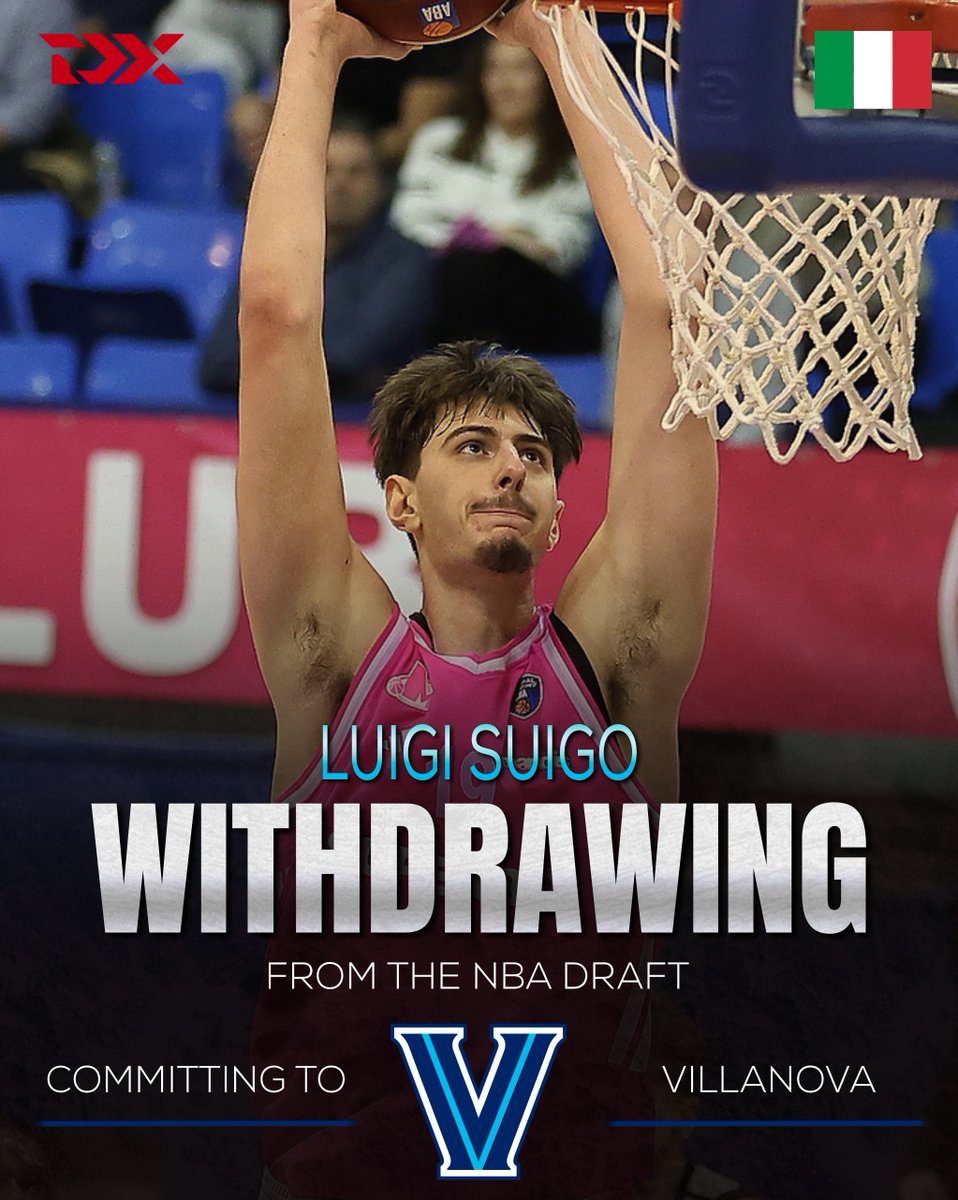
NEWS: Luigi Suigo has withdrawn from the NBA Draft and committed to Villanova, Sigma Sports and Excel Sports tell DraftExpress.
The 7'4, 289-pound 19-year-old will be a physical outlier in the Big East who can pass, space the floor, protect the rim, and finish effectively.
1
2
1,334
Wow
14h

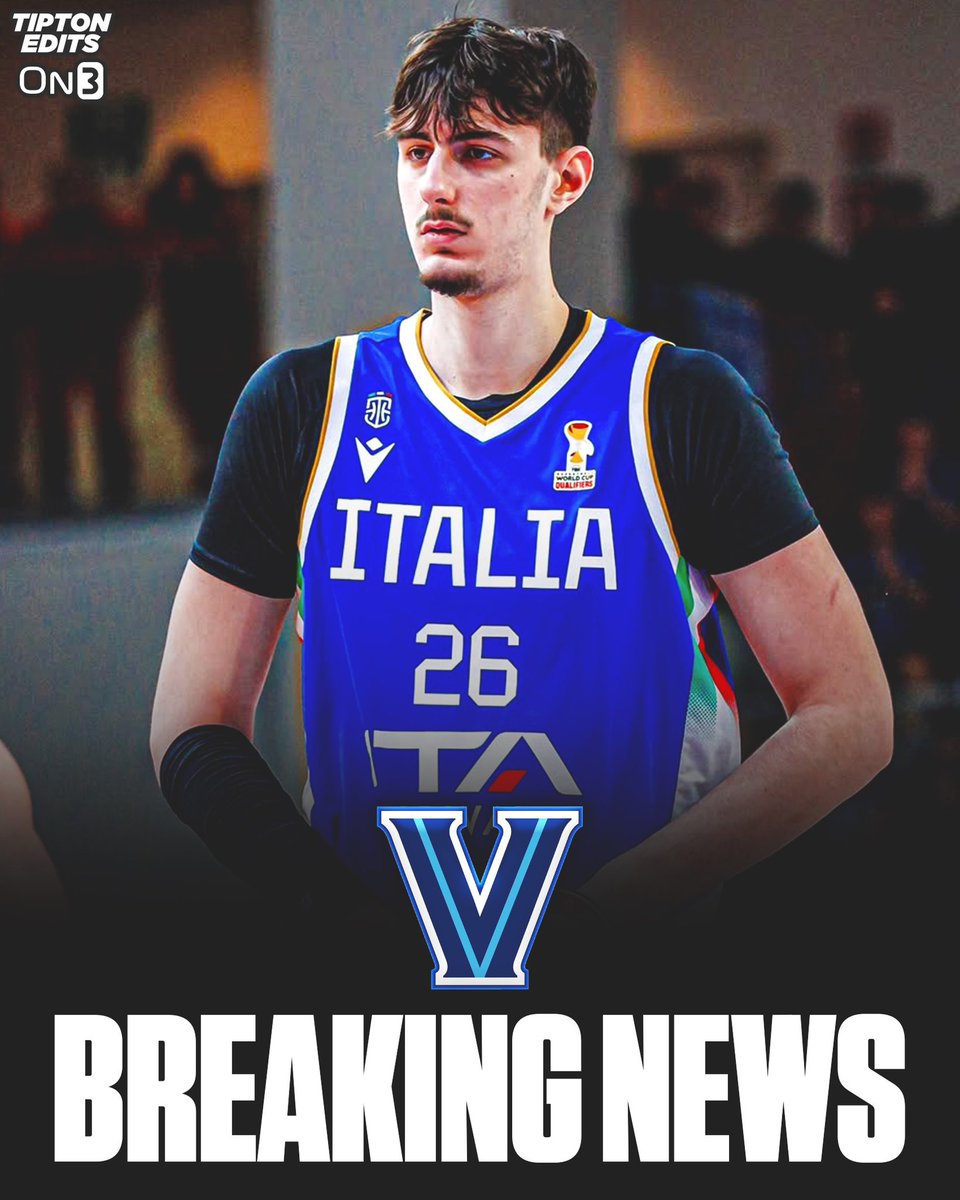
NEWS: Italian 7-foot-3 center Luigi Suigo has withdrawn from the NBA Draft and committed to Villanova, he told @On3.
on3.com/news/7-foot-3-italia…
1
396
khrisody retweeted

Mikel Brown Jr the BEST guard in this NBA Draft class? 👀
"I think there's a non-zero chance that's the case" - @CoreyTulaba
🎥: youtu.be/xyAbx4MONso
14
9
27
35,162
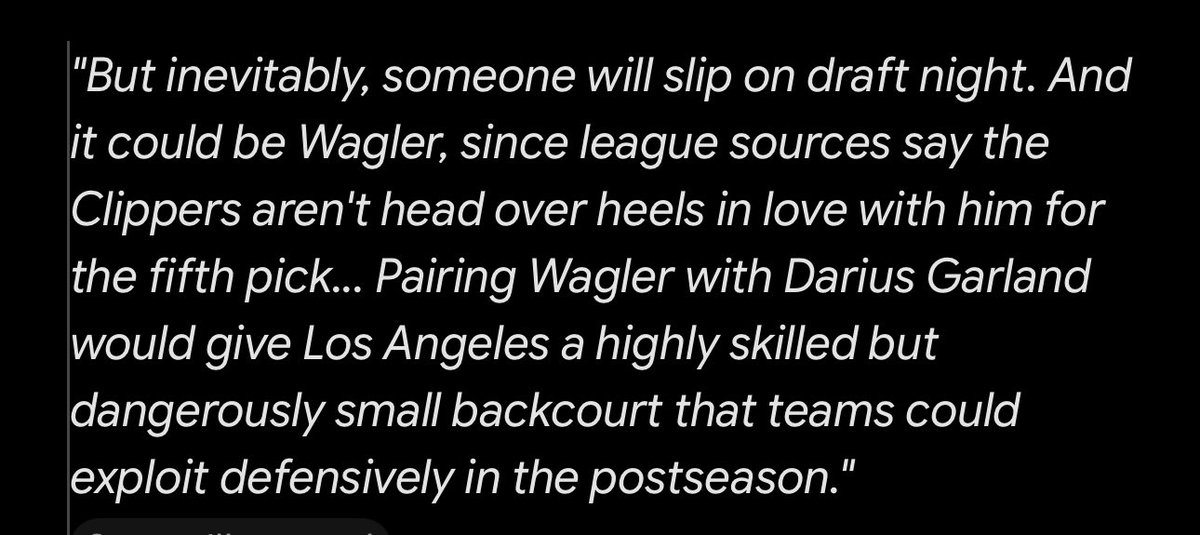
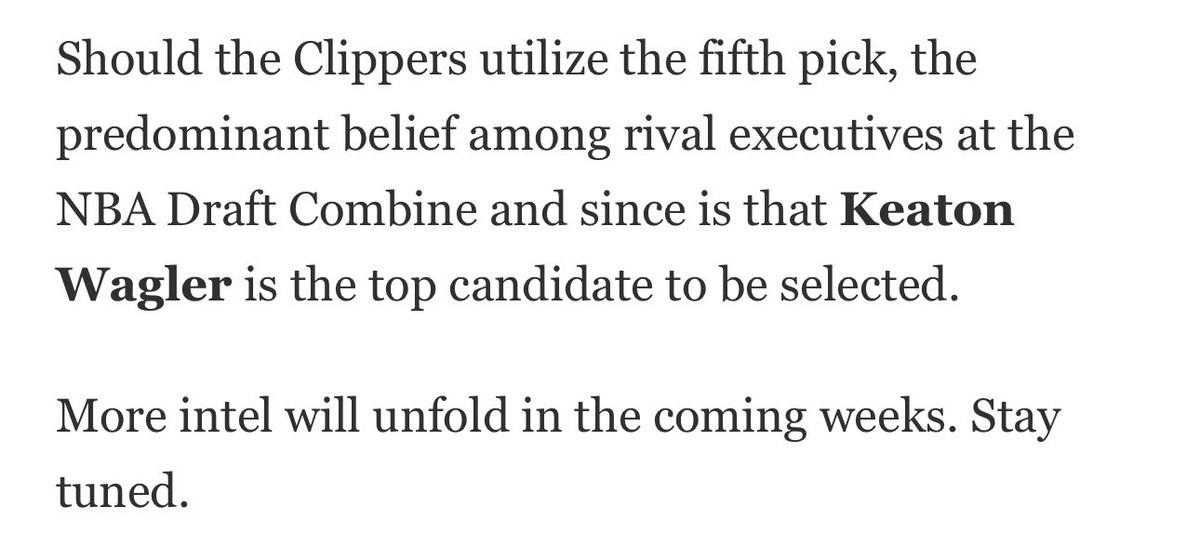
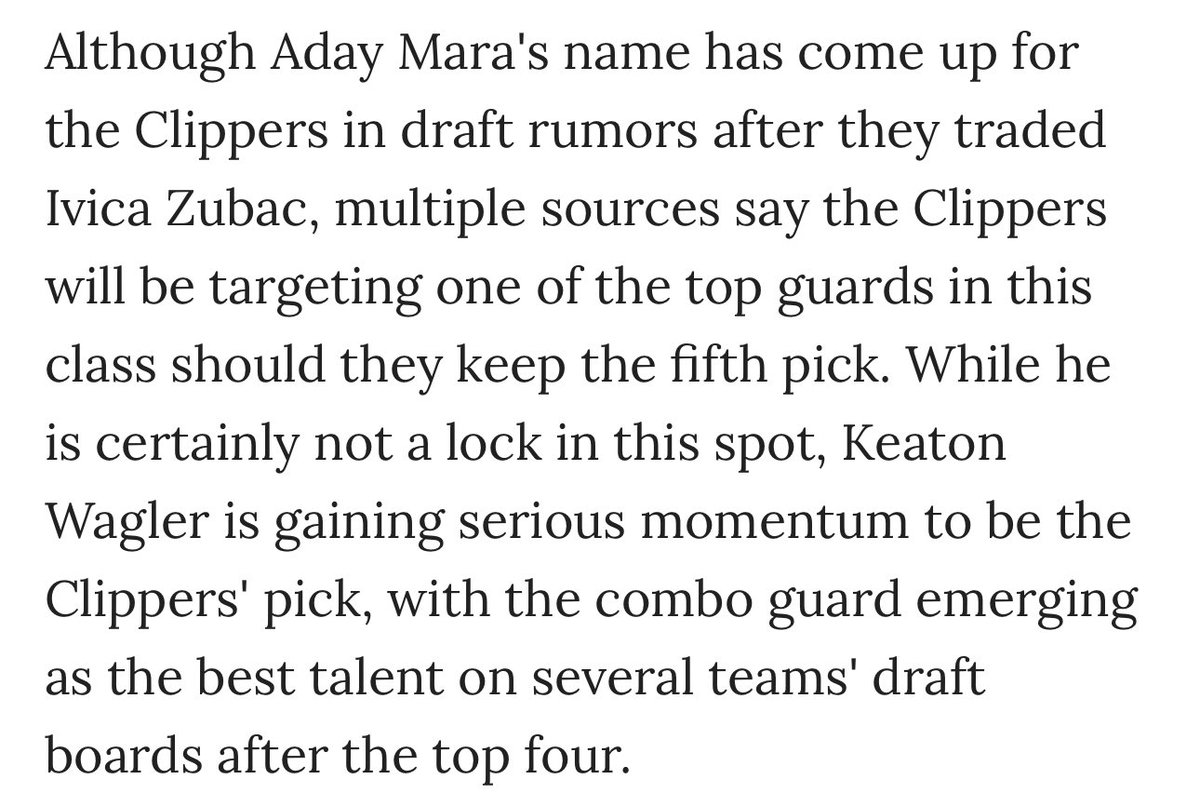
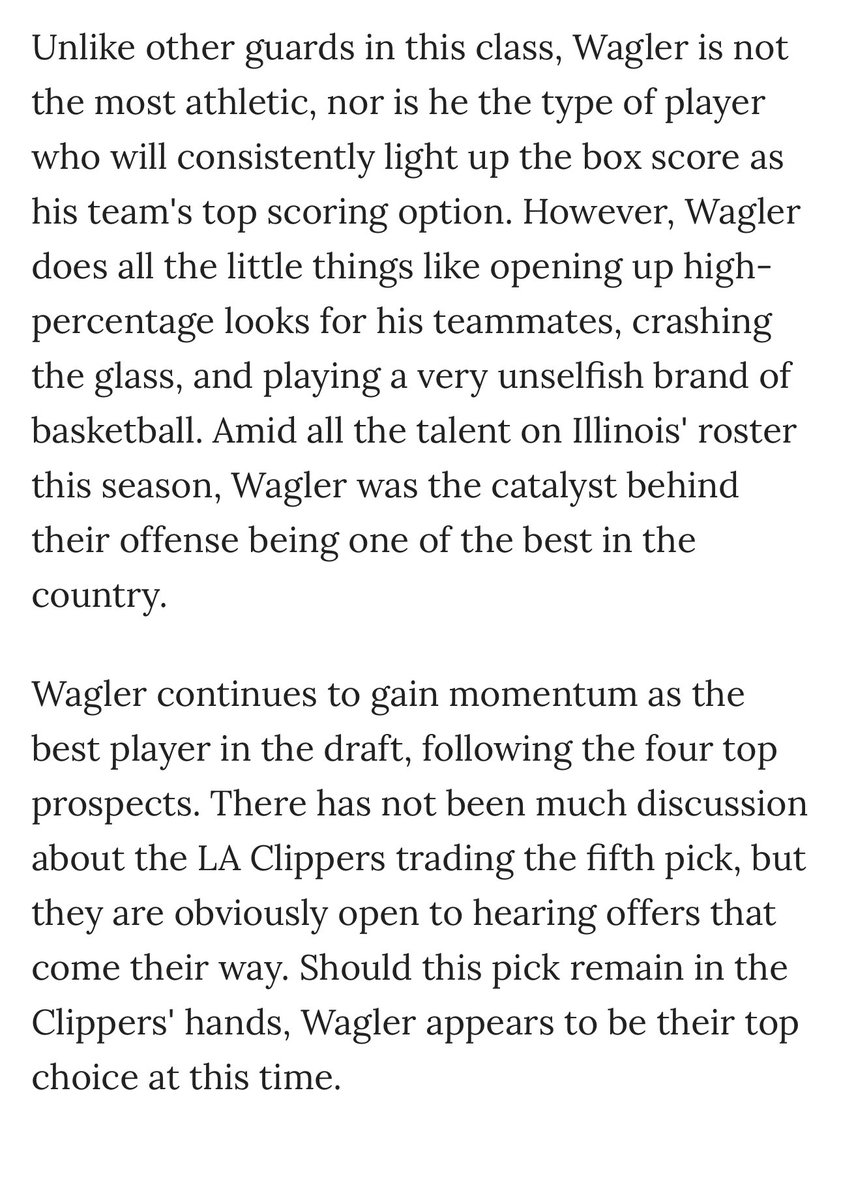
KOC said today that the Clippers should trade down, mentioning deals with the Charlotte Hornets (14 and 18) or the Oklahoma City Thunder (12 and 17) as possibilities. The reasoning?
Apparently there's nothing there for them at No. 5.
Then he said a Wagler backcourt would be too small lol.
Then he went on to say Mikel Brown Jr. would be the guy at 5, but he doesn't really like that either.
So the Clippers should trade down because there's nobody worth taking at 5... except for the guy he'd take at 5?
What the fuck is he talking about? 😂
8
2
44
5,372
Damn, now where am I supposed to get my bad intel from?"

The Nets would be hard-capped for no reason. They can literally just sign Austin with cap space, avoid the entire sign-and-trade situation, and keep the 6th pick. Who came up with this goofy-ass proposal? 😂
2
1
6
1,262
The Clippers are basically in a holding pattern until this situation gets resolved.
Player options, trade discussions, extensions, and long-term planning are all operating under a cloud because of the ongoing investigations. From the team's perspective, it's difficult to make major commitments when so much uncertainty remains around the organization.
We're 10 days from the Draft and 19 days from the start of free agency, and the closer those dates get, the more pressure there is for some kind of clarity.
There's been a lot of speculation that a decision has been made and it should be going public soon
6
2
18
4,843