
Joined December 2009
- Tweets 59
- Following 31
- Followers 24
- Likes 146
3 Photos and videos
Sasun Hambardzumyan retweeted

Jun 11
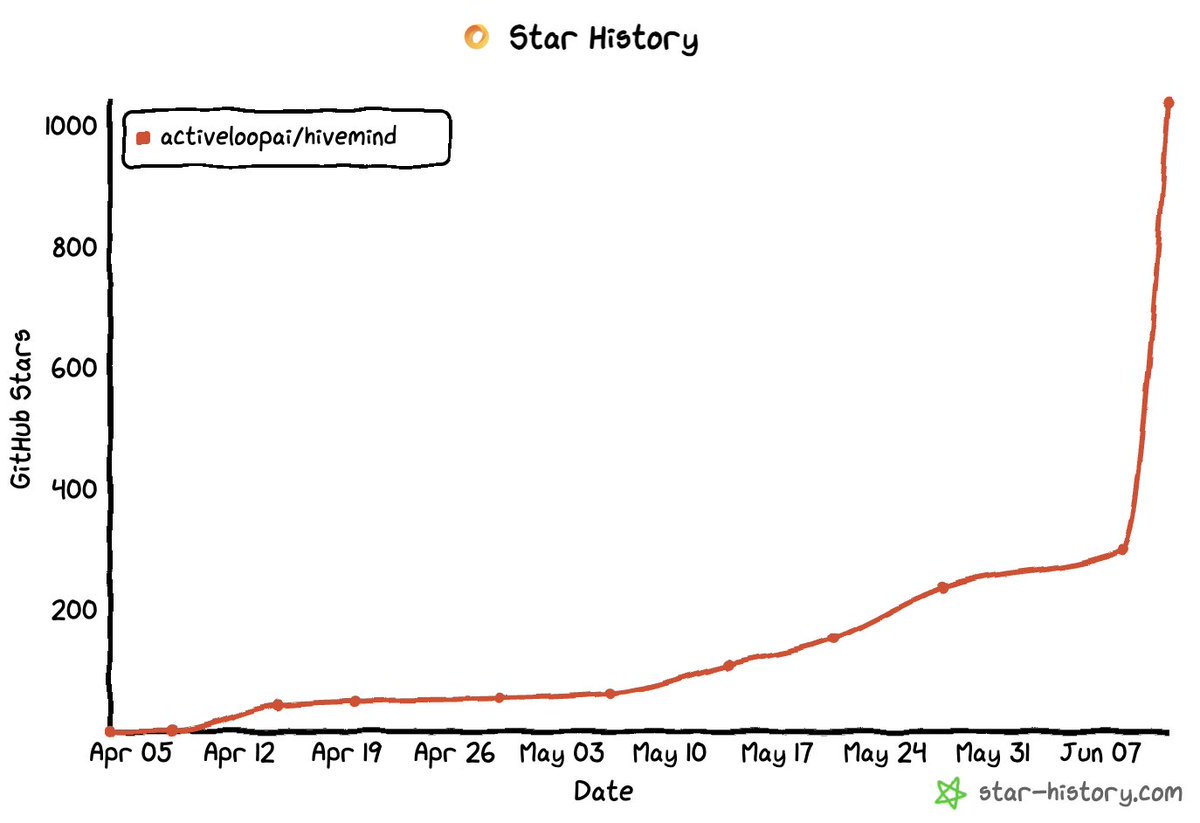
Really excited to see that the project I’m leading, which we officially released four days ago, just got its first 1K GitHub stars, with 300 gained in the last 24 hours.
It also reached #2 Repository of the Day on GitHub.
Really proud to be building this with @KamoAghbalyan, @khustup, @DBuniatyan, and the rest of the team.
5
8
417

Jun 11
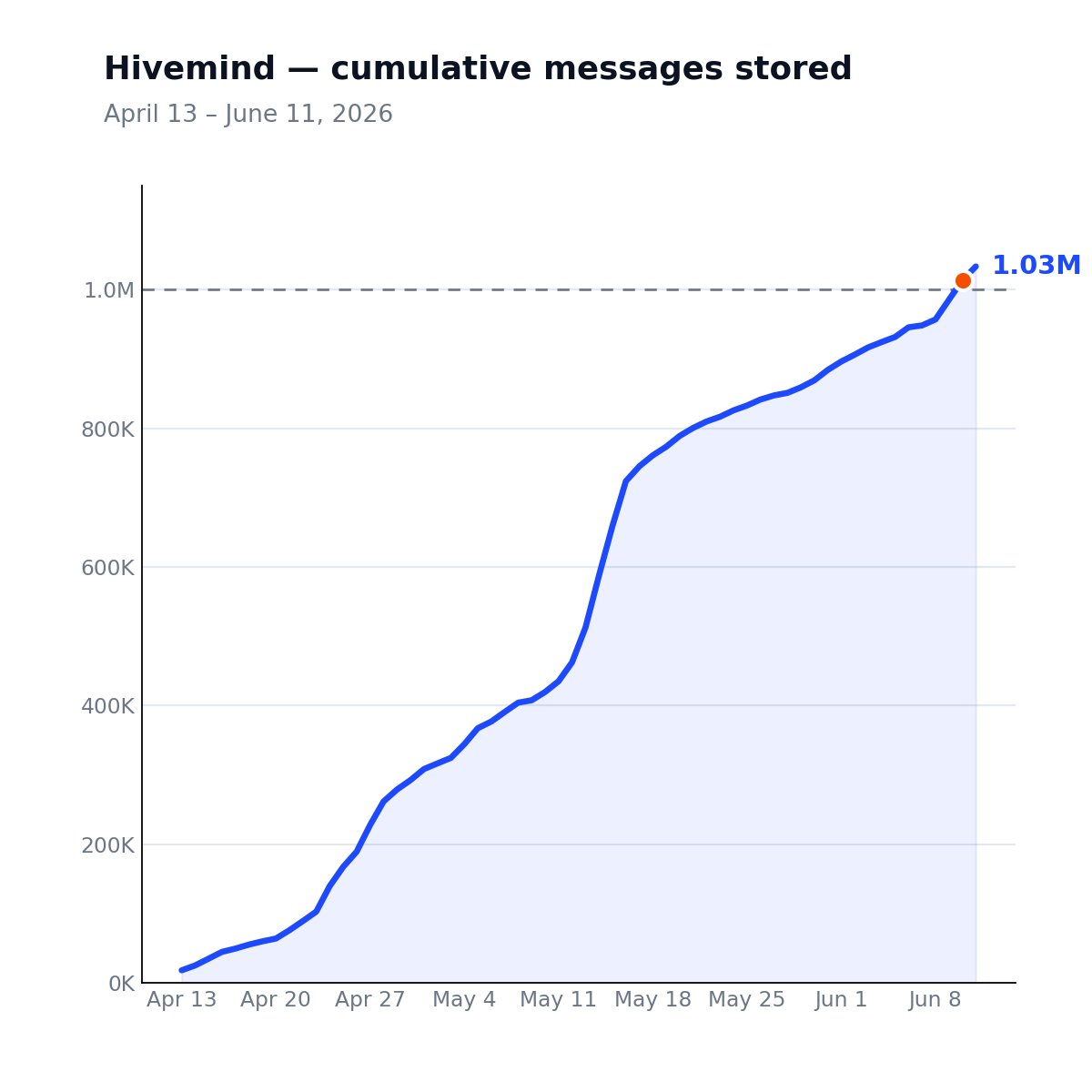
Hivemind crossed 1 mln messages in less than two months.
That’s 1 million messages stored and served back to customer agents through search and memory recall.
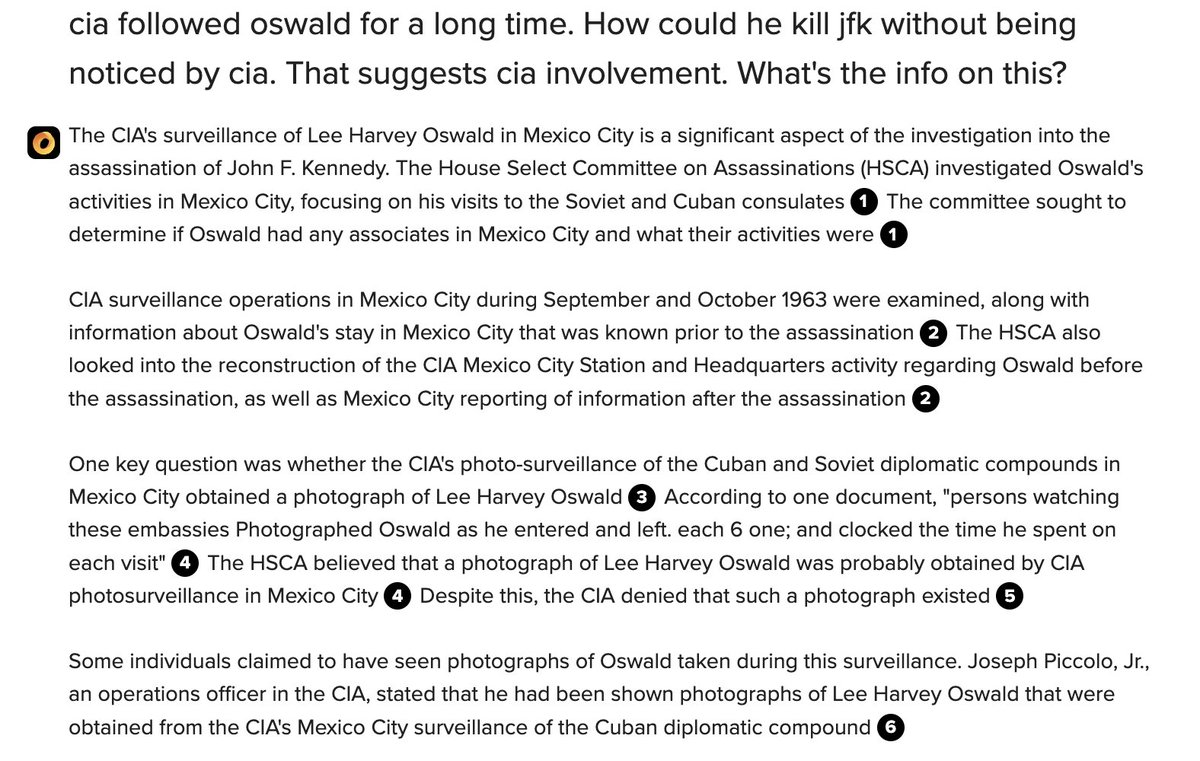
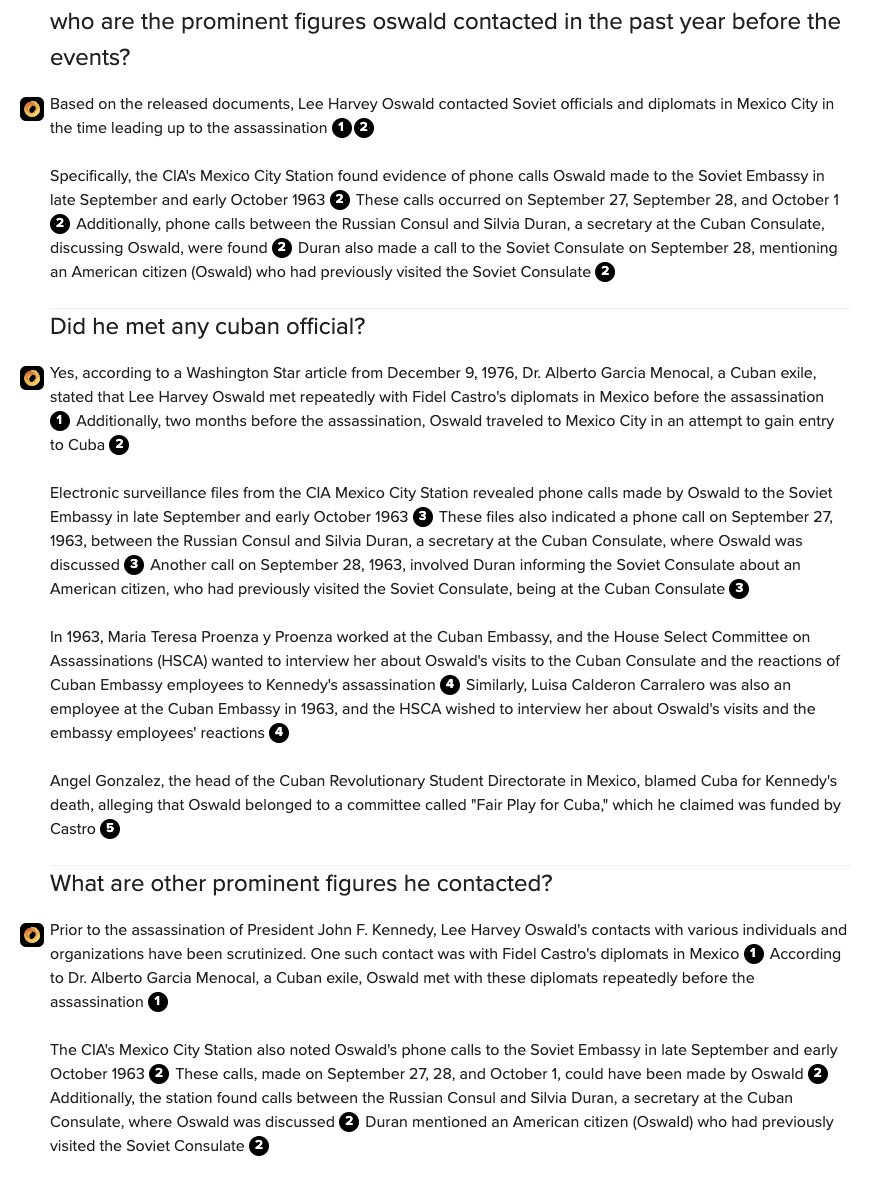
Along the way, Hivemind autogenerated hundreds of reusable skills, saving thousands of hours and millions of tokens that agents would otherwise spend repeating work they had already done.
1
1
48
Jun 8
Big update on Hivemind.
Autogenerated skills require ongoing maintenance.
SkillOpt solves that by continuously optimizing skills, and it’s now available in Hivemind.
Jun 8

Coding agents that actually get better the more your team uses them.
Introducing Hivemind: continual learning for AI coding agents.
Hivemind turns the traces from every agent your team runs (Claude Code, Codex, Cursor, Hermes, OpenClaw, Pi) into reusable skills, then pushes those skills across all of them. All on your cloud storage.
Now with SkillOpt built in, your skills get trained: 19.1 points of accuracy in Claude Code, 24.8 in Codex, best or tied on all 52 setups tested.
Open source, one line install.
2
46
Sasun Hambardzumyan retweeted

Jun 4
Physical AI still requires manual annotation despite all advancements in visual understanding.
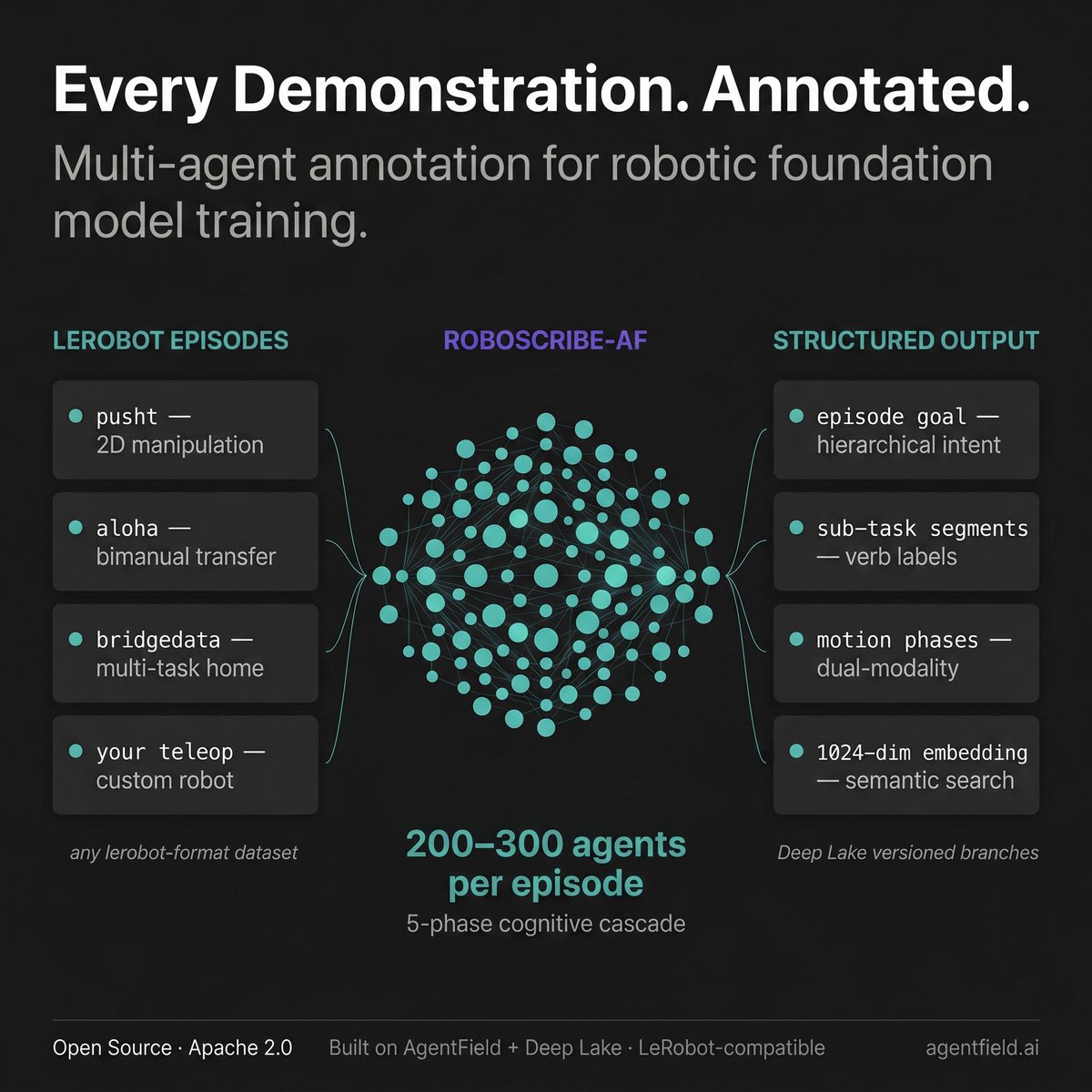
@activeloop collaborated with @AgentField_ai. outcome is Roboscribe-AF to automatically annotate multi sensory data with an agentic swarm.
how it works
> AgentField runs the reasoning graph to produce new annotation rows
> Deeplake stores the corpus and annotation versions
> raw and derived annotation fields share one schema
> disagreements between the visual and action reasoners become queryable dataset fields
> all open source
Read guest blogpost below.
Jun 4

Agentic LLM systems this year have mostly gone to coding, browsing, research.
With the @activeloop (Deeplake) team, we pointed agents at a job they don't usually do: curating a robotics dataset.
Roboscribe-AF automates the work a human curator would do — segment episodes, cross-check video vs trajectory, flag the messy ones.
Disagreements between reasoners get written back as queryable Deeplake fields.
Open source: deeplake.ai/blog/agentfield
1
7
11
865
Sasun Hambardzumyan retweeted

May 28
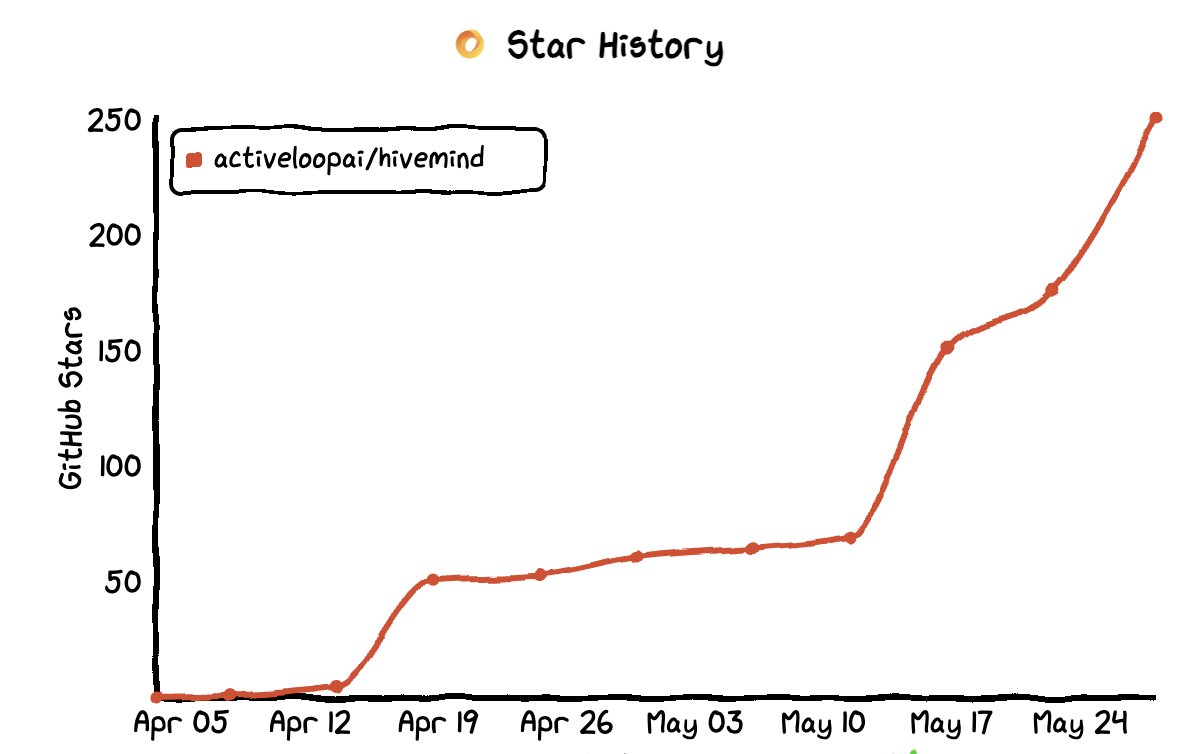
Hivemind just crossed 250 stars on github
2K weekly downloads on NPM. 🚀
Connect coding agents to a shared brain
> Collect traces into deeplake
> Auto-optimize skills
> Share across agents, machines and teammates
Your agents continuously learn from each other's experience.
Get them to compound your intelligence.
May 12

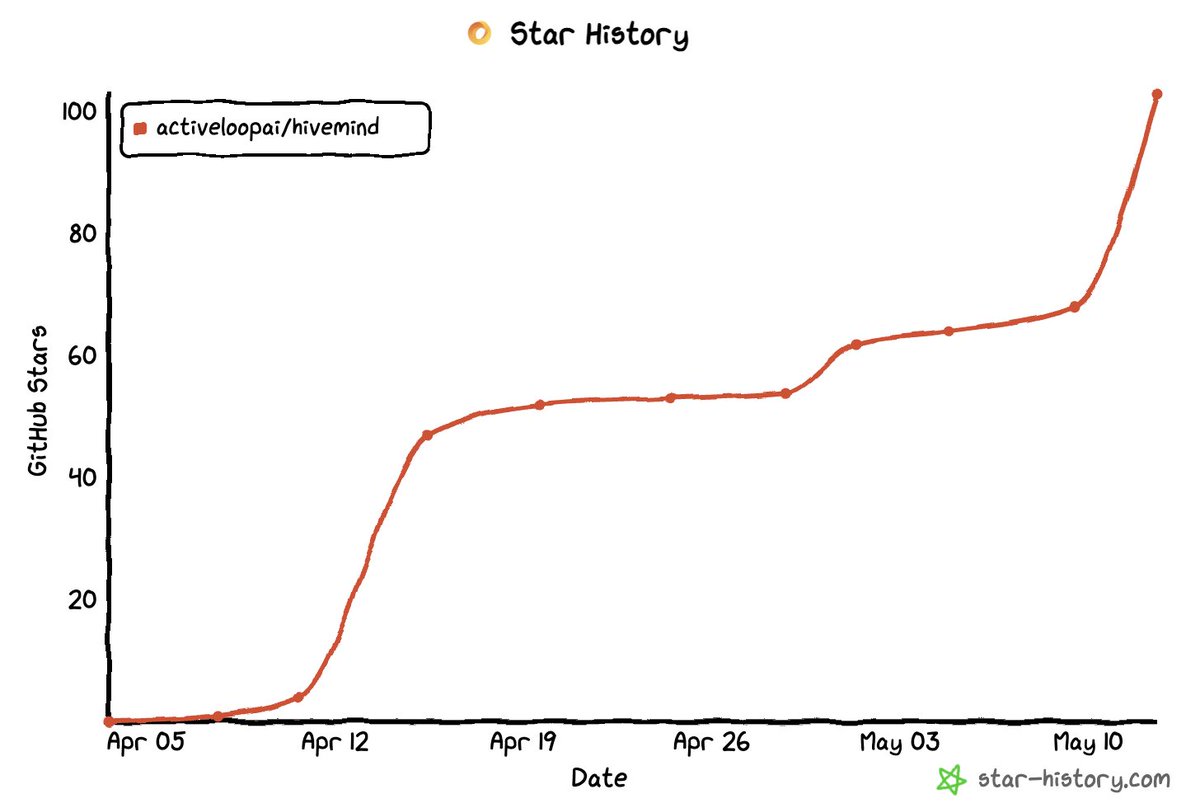
Hivemind just crossed 100 stars on github 🌟
github.com/activeloopai/hive…
Beyond memory. Let's compound intelligence!
1
6
11
1,556
Sasun Hambardzumyan retweeted
May 12
Hivemind just crossed 100 stars on github 🌟
github.com/activeloopai/hive…
Beyond memory. Let's compound intelligence!
May 11
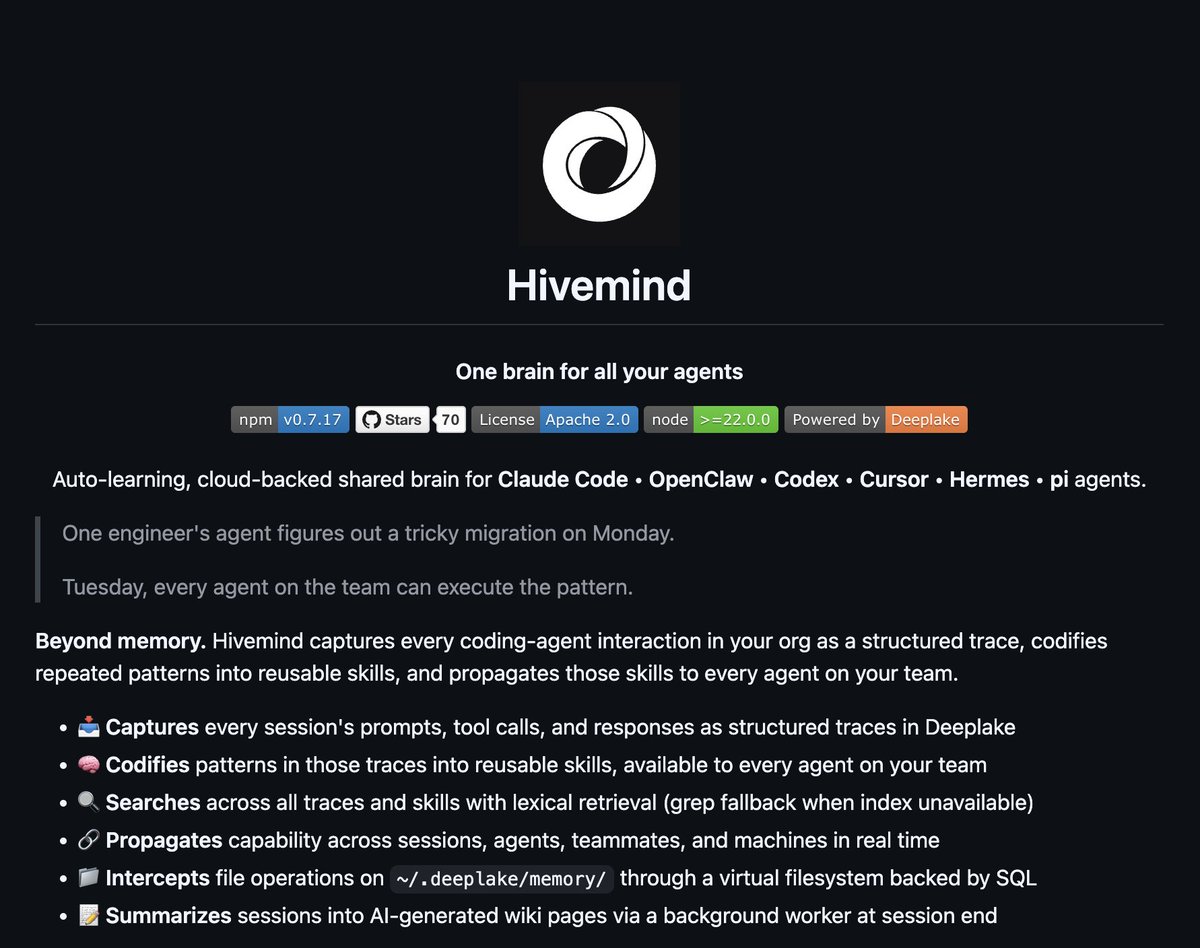
today, we're going beyond memory.
your org's agents shouldn't just remember what happened. they should learn from their experience.
Hivemind takes agent traces and codifies them into skills every agent on your team can use.
> no more explanations
> no more duplicate work
> no more repeat bugs
we make your intelligence compound.
here's how 👇
1
4
9
1,777
May 11
In April, we started Hivemind as a use case for Deeplake. A month later, it turned out that Deeplake is actually a use case for Hivemind 😁
Our development process leveled up dramatically. By sharing experience across different sessions, engineers, and agents through a single plugin installation, the system continuously improves itself. It works seamlessly: install the plugin once, and you’ll notice the difference after just one session.
May 11
today, we're going beyond memory.
your org's agents shouldn't just remember what happened. they should learn from their experience.
Hivemind takes agent traces and codifies them into skills every agent on your team can use.
> no more explanations
> no more duplicate work
> no more repeat bugs
we make your intelligence compound.
here's how 👇
2
21
Sasun Hambardzumyan retweeted
Apr 29
1
11
16
795
Sasun Hambardzumyan retweeted

Apr 13
This is going to save so many hours.
Hivemind = shared memory layer for Claude Code Codex OpenClaw.
8
13
27
7,231
Apr 13
This is result of our pains when working with Claude Code.
1
82
Sasun Hambardzumyan retweeted
Apr 10
6
13
2,356
Apr 8
My recent thoughts on how AI will reshape collaborative work led me to this conclusion:
The bottleneck is no longer the number of people in a company, but the number of productive experiments the company can run in parallel.
In the AI era, work shouldn’t stop between humans. Sessions with tools like Claude Code should be continuous.
A key requirement for this to work is strong information and experience sharing across team members.
Apr 8
Jack's right: "Companies move fast or slow based on information flow." But framing it as a worker hierarchy problem is losing the plot.
Look at where the actual work is moving: agents.
Quick history:
Email got messy. Slack fixed it.
Then humans kept dropping balls anyway. Someone's offline, a thread dies, marketing has no idea what eng shipped, the handoff never happens.
And now Slack itself is the slog. What if you could spend a fraction of the time in it?
Meanwhile, your agents are in the pre-Slack era:
• Your Claude Code agent has no clue what your coworker's OpenClaw agent decided yesterday.
• Marketing's agent can't see what sales's agent promised the customer.
• Product's agent has no idea what engineering's agent already shipped.
Same company, same project, totally separate brains. The fastest workers on your team are stuck on the slowest part of your stack.
Deeplake Hivemind fixes it. One install and your agents share memory across sessions, across teammates, across tools: Claude Code, OpenClaw, Codex, whatever.
When one agent learns something, every agent on your team knows.
No Slack pings. No status updates. No "wait, did you tell the VP?"
Just shared context, flowing automatically.
Slack was for humans. Hivemind is for the things actually doing the work now.
Comment HIVEMIND and we'll DM you $100 in free credits. Run the experiment with your crew.
2
Mar 23
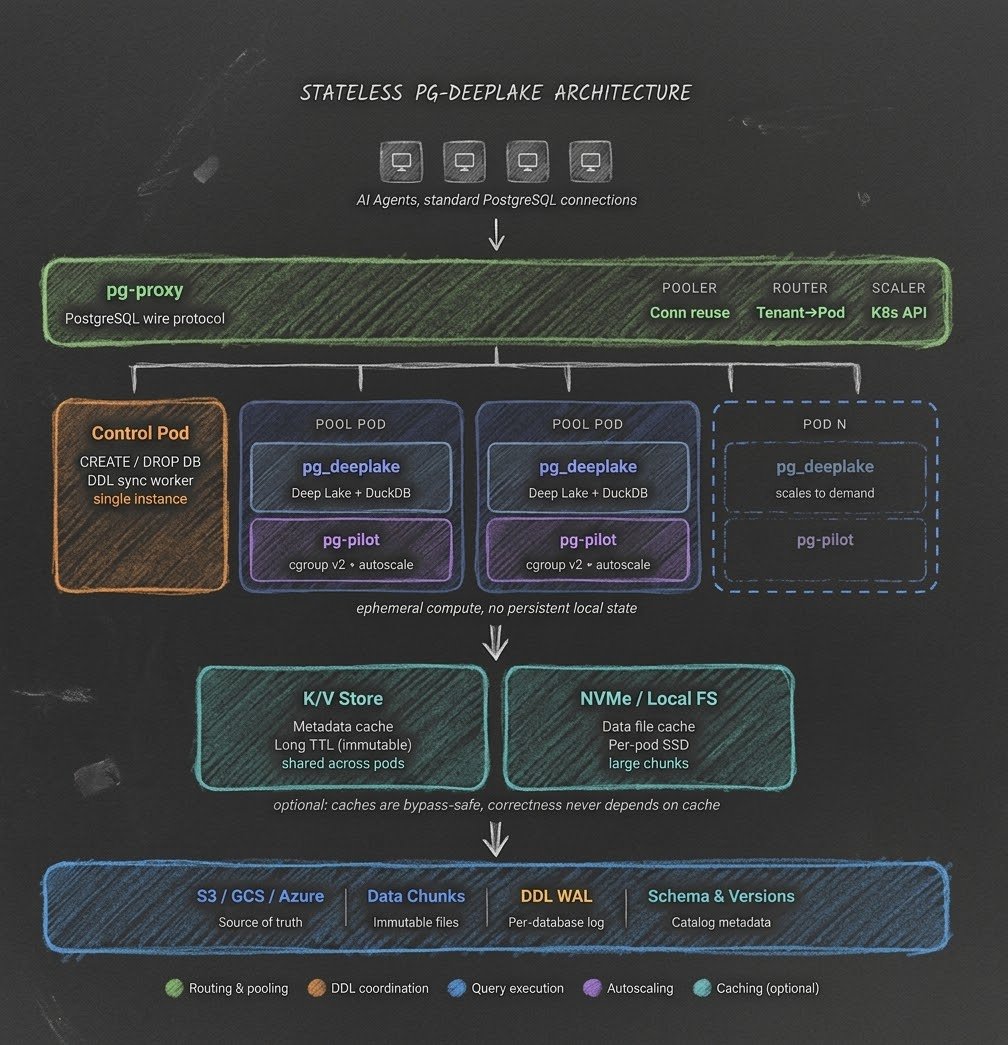
We published a deep dive into our serverless postgres architecture, including some non-trivial architectural decisions we had to make along the way.
Would really appreciate feedback from others working on similar problems or operating systems at scale.
Mar 23
A banger post by our CTO @khustup on how he made Postgres Serverles and spin up under second.
We built a serverless, PostgreSQL-compatible database. Not a modified PostgreSQL deployment.
PostgreSQL provides the interface. DuckDB provides the query execution. Deeplake provides the storage engine.
The architecture makes a different set of tradeoffs than traditional PostgreSQL.
We think those tradeoffs are right for agent workloads: bursty, ephemeral, storage-heavy, and analytical.
Link: deeplake.ai/blog/serverless-…
1
28
Sasun Hambardzumyan retweeted
Mar 18
12
22
80
82,728
Mar 16
I feel like moving db compute to gpu will be “harder” than moving db storage to cloud. But we already started!
Mar 16
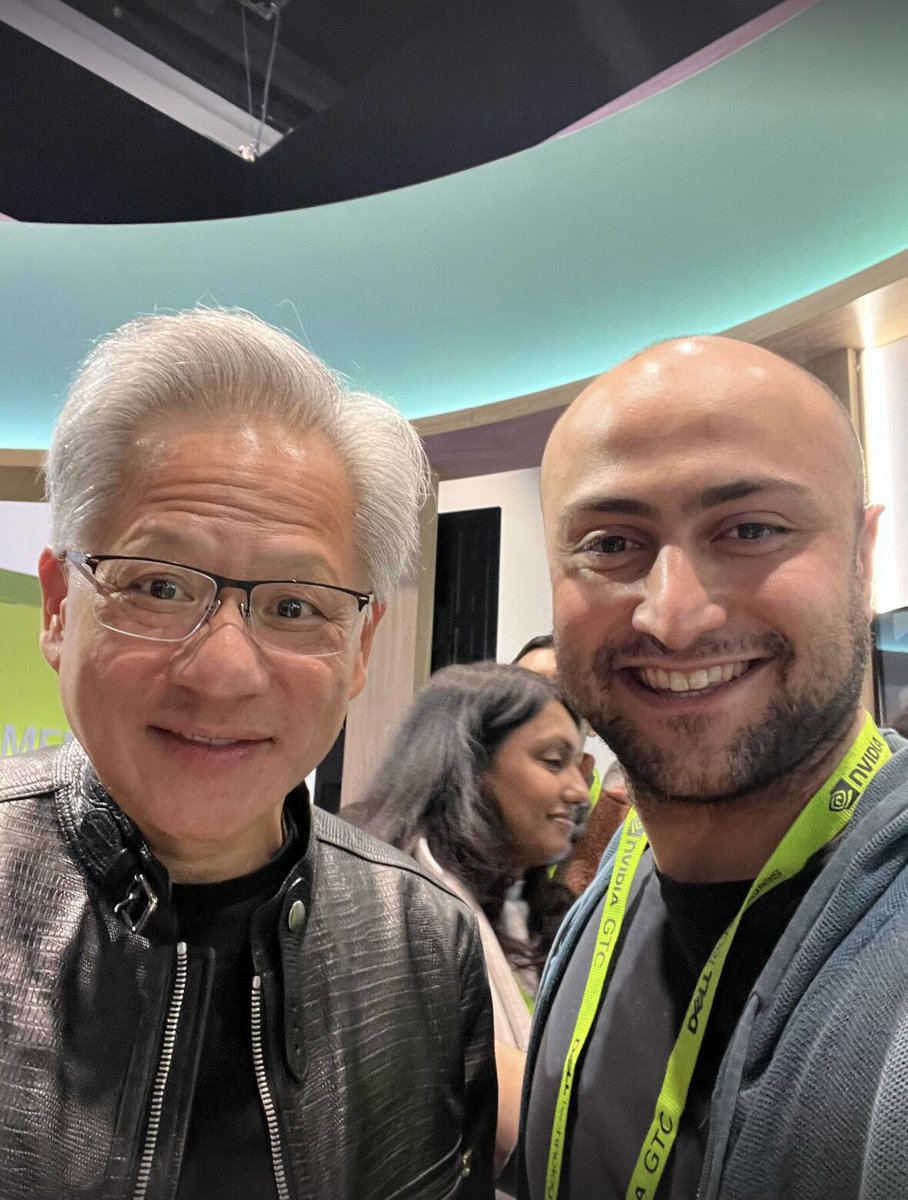
Jensen just announced the start of the GPU-accelerated database era at #GTC26.
AI runs on GPUs. But your data still runs on CPUs.
That mismatch is breaking the AI stack.
For the last two months, we’ve been busy solving this problem.
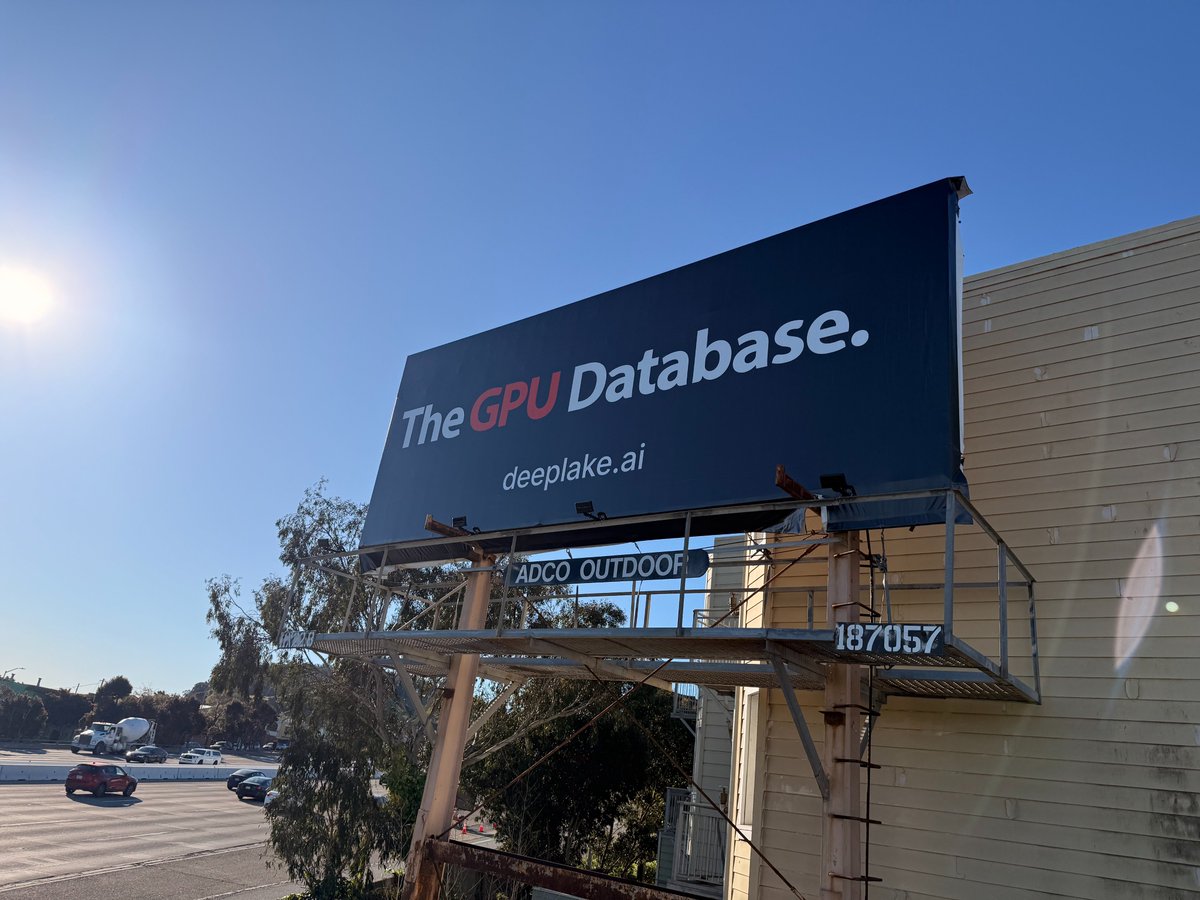
Excited to announce Deeplake becoming the GPU Database.
Deeplake brings your database directly onto the GPU, eliminating the CPU <-> GPU bottleneck for AI workloads.
The pendulum has switched.
GPU-native queries are now 10× faster and an order of magnitude cheaper to run.
Last week we even put up a 101 banner in San Francisco.
And this is just the beginning.
We’re planning a huge set of announcements starting this week. Stay tuned.
1
41
Feb 21
Starlink Claude Code are turning a 15-hour flight to Doha into a portable software factory 😁
25
Sasun Hambardzumyan retweeted
Jan 31
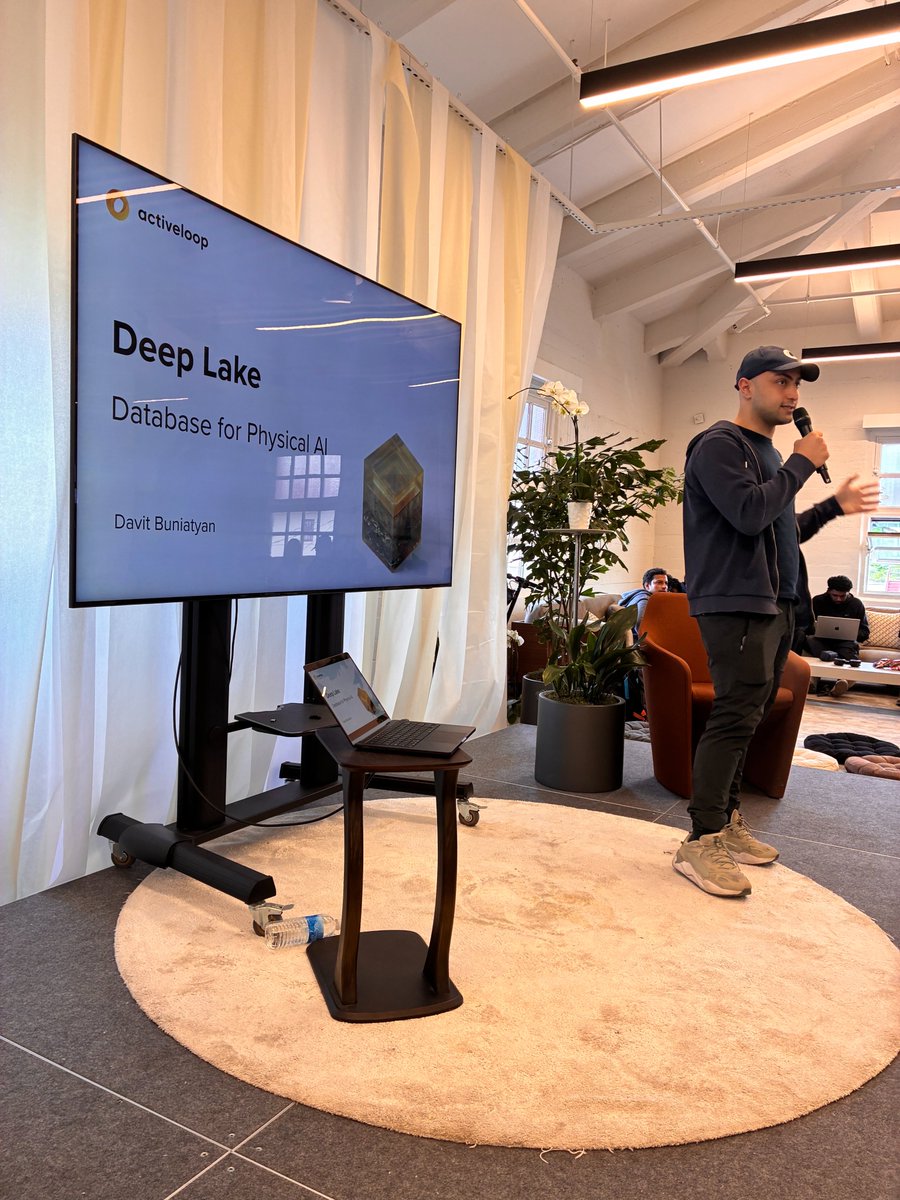
Was at the Physical AI Hack in SF today. Absurd talent density with hundreds of people. Every team gets an assigned robot. Energy is off the charts. 🤖🔥
Proud to sponsor with @activeloop and enable teams building on multimodal AI with Deep Lake. So much data to capture.
6
10
48
3,637
Sasun Hambardzumyan retweeted
Jan 7
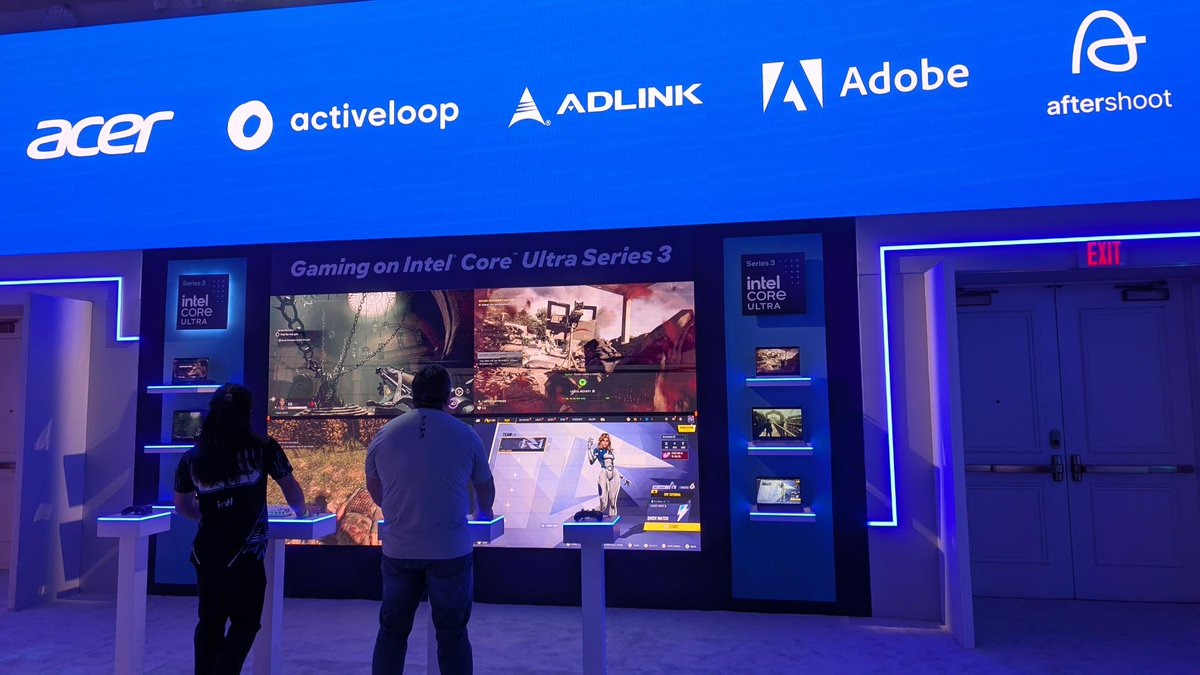
@activeloop and Pinkbot achieved 9× faster VLM reasoning throughput with @intel newest chips, unveiled at #CES2026.
As Physical AI takes on increasingly complex tasks, vision-language models enable robots not just to see, but to perceive and reason.
While perception now runs in near real time, VLM reasoning operates on a longer horizon, giving delivery robots the context needed for higher-stakes decisions such as when to cross the street.
At @activeloop we were among the first partners to run on Intel Corporation Panther Lake.
Intel's Panther Lake combined with Activeloop's Deep Lake multimodal storage enables fast perception with deep reasoning, making VLM-driven intelligence practical for last-mile robots.
1
7
13
573
8 Dec 2025
Deeplake goes back to open source! We open sourced deeplake PG extension and released c api.
8 Dec 2025
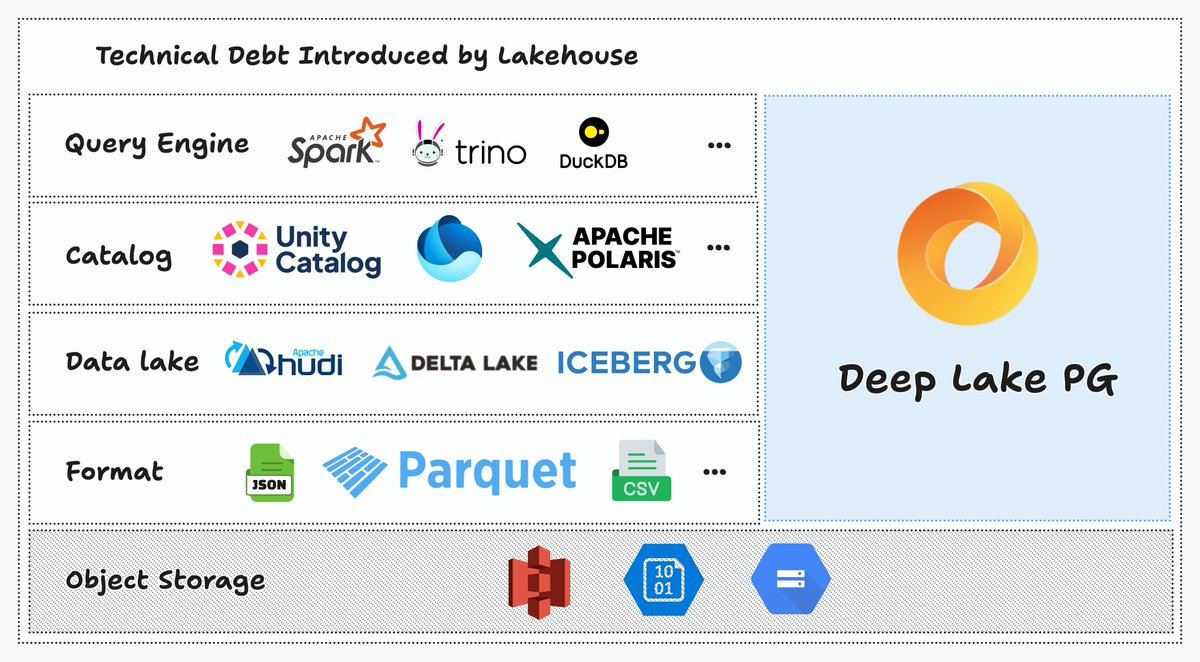
Today excited to open-source Deep Lake PG = Postgres Deep Lake
Biggest bottleneck of AI having impact on GDP is unlocking data in Enterprises.
Every AI team I know is stitching Postgres → Vector DB → Warehouse → Lakehouse → Catalog.
All to give their agents basic memory and reasoning.
We replaced the entire data ecosystem with one database.
Deep Lake PG is now open source.
Stateless multimodal knowledge SQL queries vectors in a single place.
Build on top of the database that powers our own Scientific Agent, a trove of 175TB of multimodal data.
1
42
2 Dec 2025
We indexed 25M scientific papers and provided semantic search and deep research on top of it!
2 Dec 2025
The Genesis Mission calls for new ways to accelerate scientific discovery.
This is our contribution
Multimodal search across 25M papers is a step toward science discovery that moves at the speed of curiosity.
Releasing,
- Visually indexed scientific paper dataset with open access 25M papers, 450M visually indexed pages. Total 175TB . All on Deep Lake
- Open-source scientific data agent that achieves 48% SOTA on Humanity's Last Exam with tools including the indexed scientific research dataset.
Excited to see what discoveries you all uncover with this.
Try it and share your most interesting findings.
3
65