
Joined December 2024
- Tweets 52,119
- Following 5,104
- Followers 5,294
- Likes 84,392
738 Photos and videos







Pinned Tweet
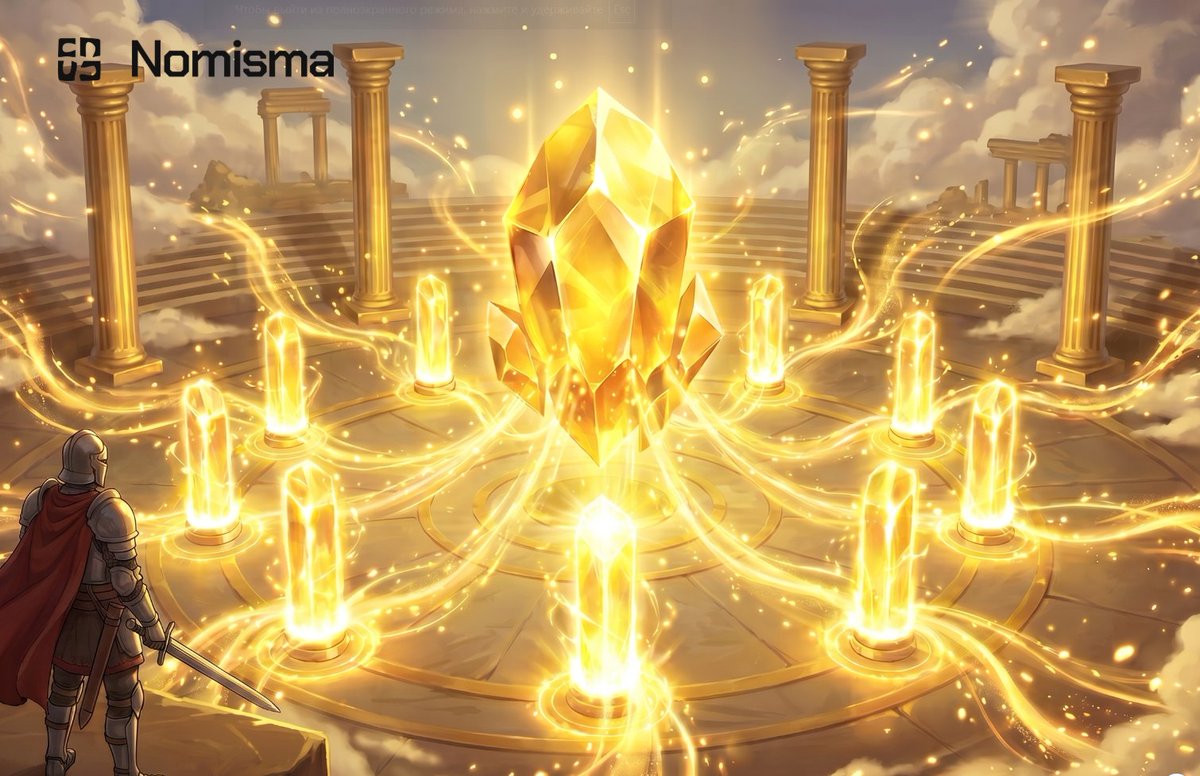
One of the most important distinctions in @NomismaNetwork is the difference between activity and product usage.
At first glance, they can look the same.
But they create very different signals.
Activity is participating because there's an incentive.
Product usage is engaging because the product provides value.
That difference matters.
Anyone can complete a task once.
Using a product consistently requires a different level of commitment.
Now, with Stage 9 of 13 live and another 100,000 Diamonds allocated, Nomisma continues to reinforce that idea.
The free testnet remains open, and wallet activity across EVM networks influences the testnet assets you receive,creating more opportunities to earn Points and Diamonds throughout the season.
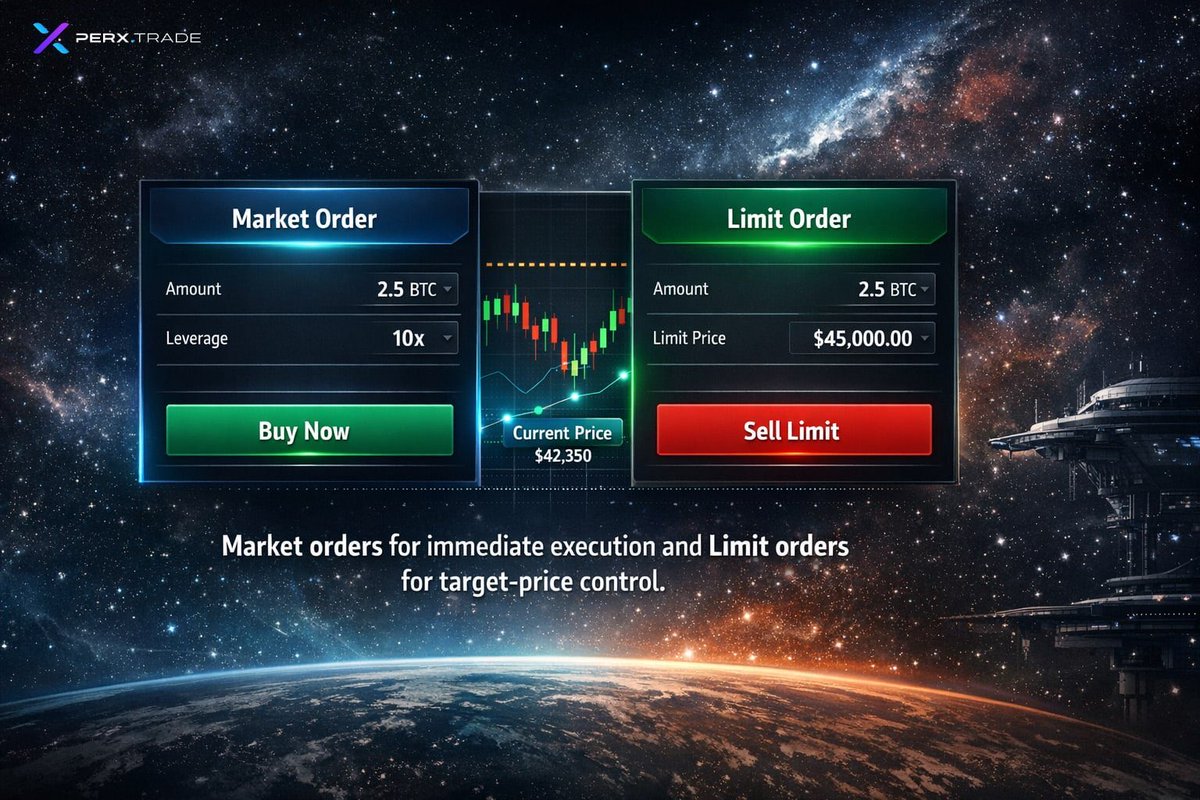
Recent updates around PerX point in the same direction.
Instead of rewarding participation in isolation, Nomisma appears to be encouraging deeper interaction with products across its ecosystem.
Healthy ecosystems aren't built by campaigns alone.
They're built by products that people continue using after the campaign ends.
As Web3 matures, the strongest reputation systems won't just measure whether you showed up.
They'll measure how you engaged.
Because long-term value is rarely created by activity alone.
It's created through meaningful product usage that contributes to the growth of the ecosystem.
50
20
54
1,187
𝐊𝐈𝐍𝐆𝐁𝐋𝐈𝐒𝐒 retweeted

Good morning, legends
Liquidity is everywhere in crypto.
The challenge is getting it where it's needed.
Every blockchain has its own users, assets, and opportunities, but when moving between ecosystems becomes difficult, growth slows and capital becomes less efficient.
That's why interoperability matters.
@Allbridge_io is helping connect ecosystems by making cross-chain asset transfers simpler and more accessible.
🔹 Move stablecoins across networks
🔹 Access opportunities beyond a single chain
🔹 Connect EVM and non-EVM ecosystems
🔹 Reduce the friction of moving capital
The next phase of Web3 won't be defined by isolated blockchains.
It will be defined by how well those blockchains connect with each other.
👉next.allbridge.io/?code=vony…

96
18
97
510

a good majority of the posts i read on @timesoulcom were centred around the campaign on @BingXOfficial
while it's okay to raise awareness around the campaign,
it's important to highlight the unique value proposition of the project.
posts should centre on how folks can actually interact with the project.
like:
- downloading the app
- buying the nft.
- joining the active community.
these are a better way to position for #BingXBlast
51
13
53
647
𝐊𝐈𝐍𝐆𝐁𝐋𝐈𝐒𝐒 retweeted

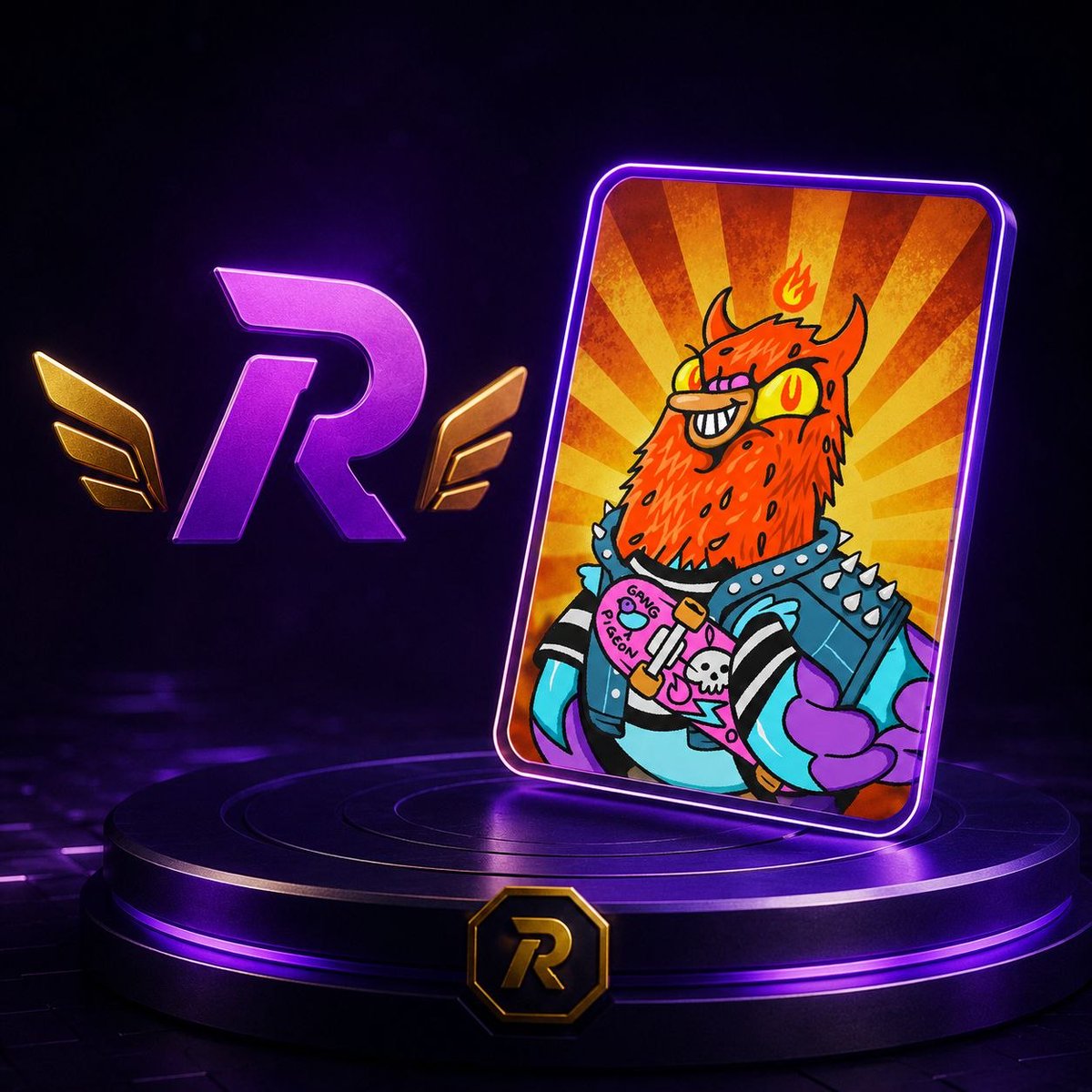
Feels like NFTs are finally getting attached to something useful again.
The Wingston collection from @RallyOnChain is a free mint, but what caught my attention is that it's tied to an actual working protocol. Holders can get benefits like VIP Access, staking opportunities, and a Rally Score boost.
If you're a creator, getting on the whitelist is pretty simple. Join Rally campaigns, create content, earn rewards, and work your way onto the list.
Free mint real utility is a lot more interesting than another collection built on hype.
rally.fun/whitelist
30
9
30
165
𝐊𝐈𝐍𝐆𝐁𝐋𝐈𝐒𝐒 retweeted
One of the most important distinctions in @NomismaNetwork is the difference between activity and product usage.
At first glance, they can look the same.
But they create very different signals.
Activity is participating because there's an incentive.
Product usage is engaging because the product provides value.
That difference matters.
Anyone can complete a task once.
Using a product consistently requires a different level of commitment.
Now, with Stage 9 of 13 live and another 100,000 Diamonds allocated, Nomisma continues to reinforce that idea.
The free testnet remains open, and wallet activity across EVM networks influences the testnet assets you receive,creating more opportunities to earn Points and Diamonds throughout the season.
Recent updates around PerX point in the same direction.
Instead of rewarding participation in isolation, Nomisma appears to be encouraging deeper interaction with products across its ecosystem.
Healthy ecosystems aren't built by campaigns alone.
They're built by products that people continue using after the campaign ends.
As Web3 matures, the strongest reputation systems won't just measure whether you showed up.
They'll measure how you engaged.
Because long-term value is rarely created by activity alone.
It's created through meaningful product usage that contributes to the growth of the ecosystem.
50
20
54
1,187
𝐊𝐈𝐍𝐆𝐁𝐋𝐈𝐒𝐒 retweeted
GN CT
Consistency whispers before success speaks.
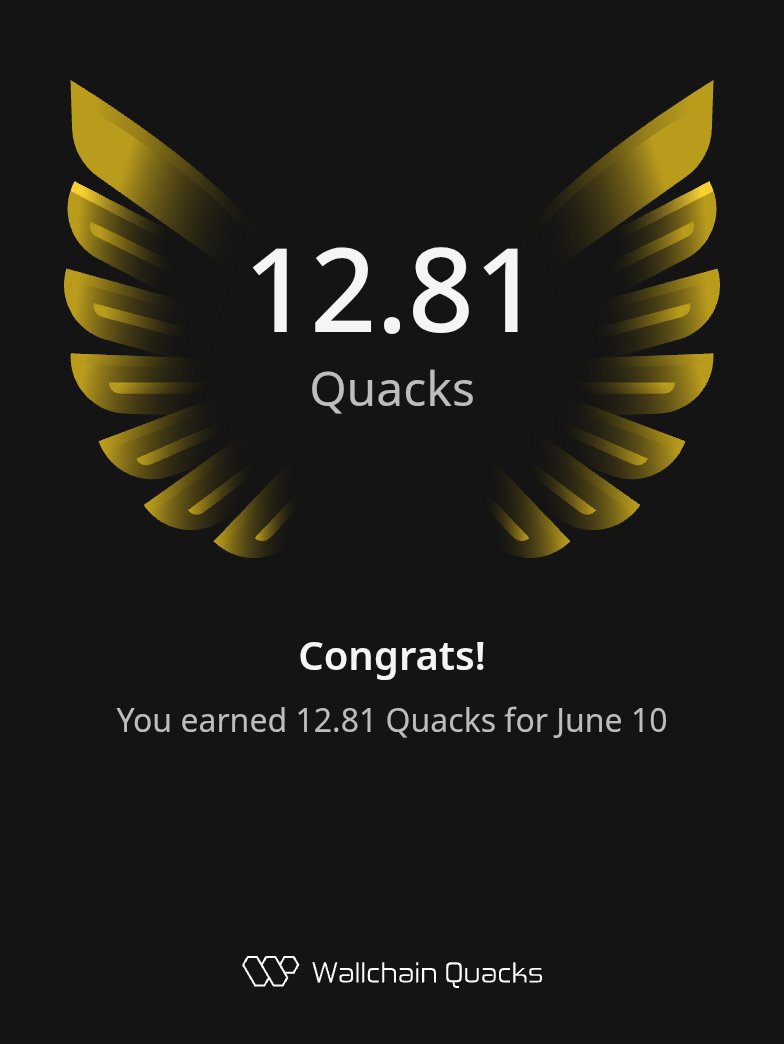
Grateful for another day of learning and contributing alongside the @wallchain and @NomismaNetwork communities.
Onward and upward. 🌙
30
3
35
2,343
𝐊𝐈𝐍𝐆𝐁𝐋𝐈𝐒𝐒 retweeted
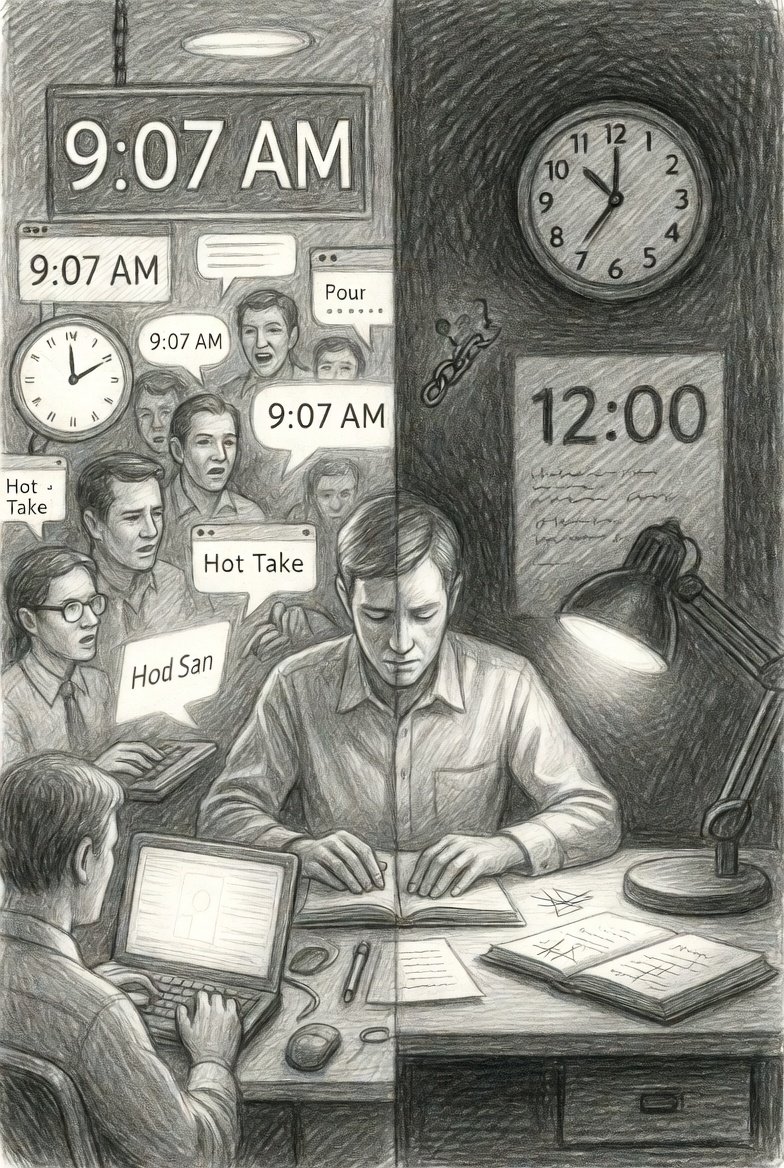
A story breaks at 9:00. By 9:07 the take is ready.
It is not.
It is consumption holding a press conference before the facts have settled.
The context is still thin but the interpretation is already there, confident, ready to post. That feeling is not a sharp mind working fast. It is a well-fed one performing sharpness.
The people who got changed by what they read? They are scribbling something ugly at midnight nobody will ever see. They are in an argument with someone they love over something they can no longer unsee. They are sitting with a decision that now feels wrong and do not know why yet.
Real understanding leaves fingerprints on your life. Consumed information leaves none.
@RallyOnChain is one of the few places I have seen people let ideas land before performing that they understood them.
So be honest. When did something you read last change what you did? Not what you posted. What you did.
22
8
32
1,294
𝐊𝐈𝐍𝐆𝐁𝐋𝐈𝐒𝐒 retweeted
⚽️ Crypto World Cup 2026 is now LIVE on #Bitrue! @BitrueOfficial 🏆
A massive 25,000,000 USDT prize pool has been allocated across the campaign, and the best part is that anyone can get started for FREE.
Here's how the reward system works:
➤ LEVEL 1: Check in daily and earn free rewards
➤ LEVEL 2: Deposit ≥100 USDT to unlock Mystery Boxes
➤ LEVEL 3: Trade ≥3,000 USDT for a chance to share 2,000 USDT in daily airdrops
➤ LEVEL 4: Compete on the futures leaderboard and earn a share of 50,000 USDT
➤ LEVEL 5: Participate in all campaign activities to maximize your rewards
Whether you're joining for the predictions, rewards, or competition, there's something for everyone.
👇 Join the challenge 👇
bitrue.com/crypto-worldcup-2…
27
9
32
337
𝐊𝐈𝐍𝐆𝐁𝐋𝐈𝐒𝐒 retweeted
GM CT
Discipline goes where motivation cannot.
HAVE A GREAT WEEKEND
49
8
48
1,283
𝐊𝐈𝐍𝐆𝐁𝐋𝐈𝐒𝐒 retweeted

Jun 12
Nobody on your timeline is going to tell you this, so I will.
Most of us have been posting for free for so long we stopped questioning it.
That ended for me when I stumbled on @RallyOnChain.
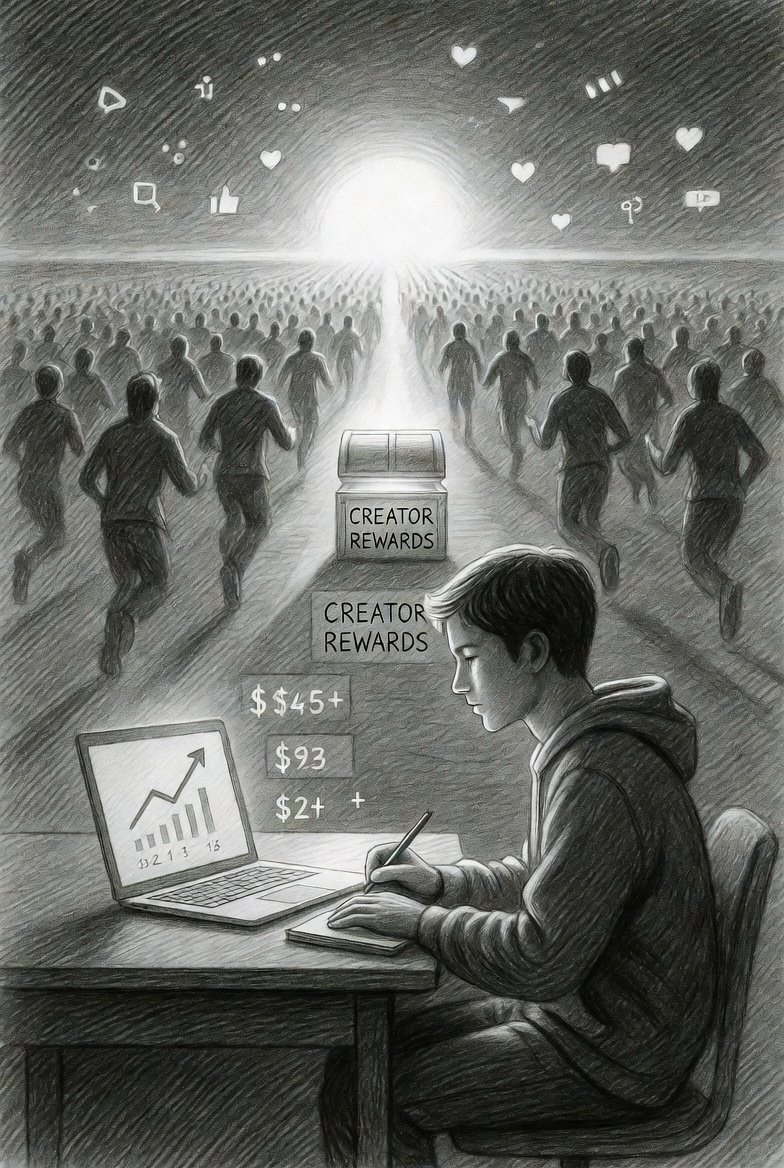
Decided to check the leaderboard and there were small creators ranked above accounts with ten times their following.
That does not happen anywhere else.
On every other platform, reach is the currency. Here, the writing is.
No need to be a big name.
No brand partnerships to chase.
No waiting for some agency to pick you out of a crowd that already has millions following them.
You just write something original, submit it on app.rally.fun, and your post gets evaluated on accuracy, originality, and real engagement.
There is a $5,000 prize pool running right now. Top 10 winners get a significant share, almost $500 each.
Creators are already getting paid every single day on Rally for the exact same thing most of us do here for nothing.
The people already on it are not exactly rushing to tell everyone.
The funny thing is CT will probably act like this was obvious once the payout screenshots start flooding timelines.
I would rather be earning now than explaining later why I saw it and did nothing.
If you want to know how to get started, reply and I will walk you through it.
Join while it is still early, then come back and tell me if writing one post was harder than watching someone else cash out first.
If the platforms that pay creators based on quality instead of clout start winning, what happens to everyone who spent years buying followers?
rally.fun/r/kingblissweb3
35
9
42
2,936
𝐊𝐈𝐍𝐆𝐁𝐋𝐈𝐒𝐒 retweeted
Jun 12
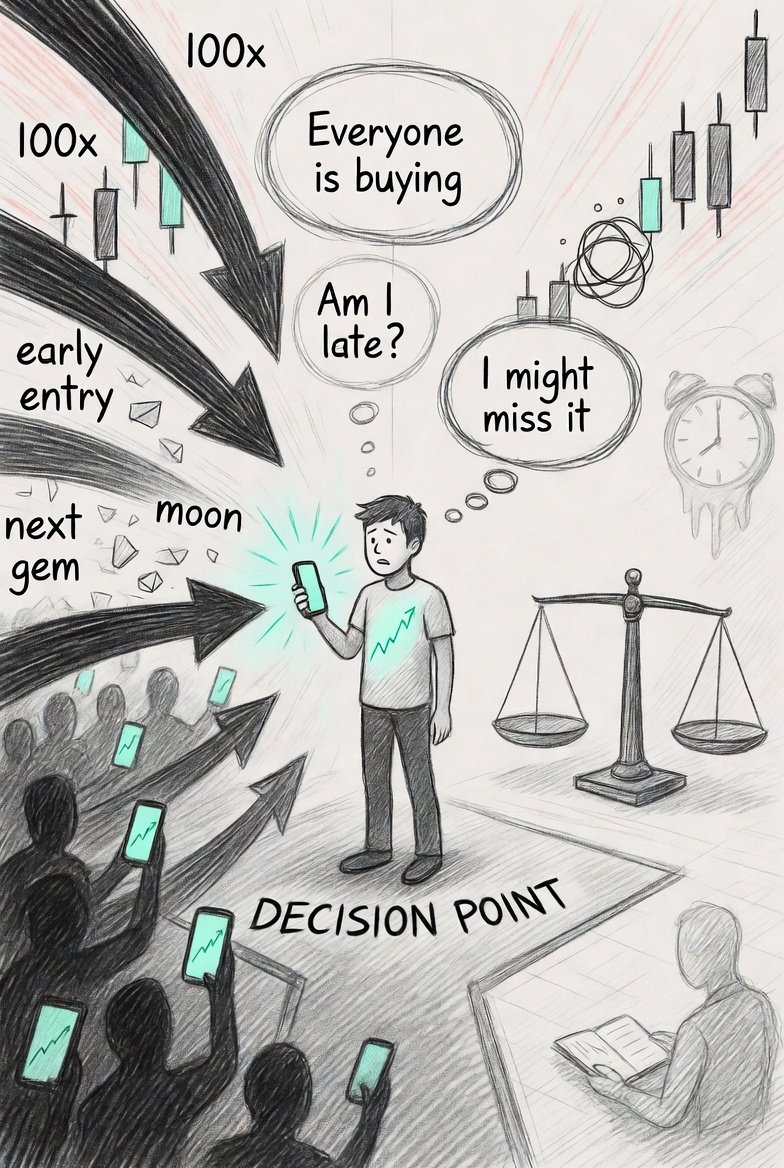
The psychology behind FOMO in bull markets.
FOMO in bull markets is not random emotion. It is a predictable response to how humans behave under fast-moving, highly visible environments like Web3.
When prices start rising sharply, people stop seeing the market in isolation. They begin to see other people winning in real time. That single shift changes how decisions are made.
Instead of asking whether an asset is good, the question becomes whether it is already too late.
One of the strongest drivers is social proof. When timelines, group chats, and feeds are filled with profit screenshots, new entries, and constant hype, the brain starts treating that activity as evidence of correctness. If many people are buying, it feels safer to buy. Not because it is proven, but because it is popular.
Time perception also changes. In a bull market, movement is fast and constant. This creates pressure to act quickly. Waiting for clarity begins to feel like falling behind. Patience, which normally protects decisions, starts to feel like missed opportunity.
Regret plays a major role as well. People don’t just evaluate what they might gain. They imagine what it would feel like to look back and realize they saw the opportunity but didn’t act. That imagined regret often carries more weight than the actual risk in front of them.
Then there is narrative pressure. Strong stories reduce uncertainty. When something is described as the “next big thing,” people rely less on analysis and more on the direction of the story. Once a narrative spreads, participation starts to feel like the expected move rather than a personal decision.
Attention also reinforces everything. In Web3, behavior is visible. You can see what others are buying, celebrating, and profiting from instantly. That visibility creates constant comparison, where not acting feels like being left behind.
FOMO in bull markets is not just about missing gains. It is about the discomfort of watching momentum move without you.
The more visible the market becomes, the harder it is to stay detached from it.
47
17
59
1,340
𝐊𝐈𝐍𝐆𝐁𝐋𝐈𝐒𝐒 retweeted
Jun 12
GM CT
Growth is often invisible until it isn't.
THE WEEKEND IS HERE♟️
130
13
139
2,032
𝐊𝐈𝐍𝐆𝐁𝐋𝐈𝐒𝐒 retweeted
Jun 12
What can prediction markets teach creators on @wallchain?
Quite a lot.
Prediction markets are built around information.
People evaluate signals, form opinions, and put value behind what they believe is most likely to happen.
The better the information, the better the decisions.
That's interesting because creators face a similar challenge.
Every day, there is an endless stream of updates, announcements, metrics, and opinions.
Not all of them matter.
The real skill is identifying the signals that are worth paying attention to.
That's where creators add value.
Not by reporting everything.
But by helping others understand what is important and why.
With prediction markets becoming a growing topic in the Wallchain ecosystem, the ability to filter information may become even more valuable.
Because whether you're making a prediction or creating content, the goal is often the same.
Turn information into insight.
☞ Information is everywhere.
Signal is what creates an edge.
46
12
59
1,060
𝐊𝐈𝐍𝐆𝐁𝐋𝐈𝐒𝐒 retweeted
Jun 12
What PerX tells us about @NomismaNetwork's direction is more interesting than many people realize.
For a long time, participation in Web3 campaigns was largely measured through simple activity.
Complete tasks.
Earn points.
Move on to the next opportunity.
But recent developments suggest Nomisma may be placing greater emphasis on actual ecosystem engagement.
This is where @perx_trade becomes relevant.
The growing focus on trading activity, PnL-based competition, and Diamonds distribution through active participation signals a shift in how value is being measured.
Rather than rewarding users solely for showing up, the ecosystem appears to be exploring ways to reward users who actively engage with products within the network.
That distinction matters.
Because there is a significant difference between interacting with a campaign and interacting with a product.
Campaign participation can generate attention.
Product usage can generate meaningful signals.
And meaningful signals are often more valuable when building reputation-based systems.
This doesn't mean every user needs to become a trader.
Nor does it mean trading activity is the only metric that matters.
What it does suggest is that Nomisma is expanding beyond simple engagement mechanics and experimenting with behaviors that reflect deeper ecosystem involvement.
From a strategic perspective, that's worth paying attention to.
Incentive structures often reveal where a platform wants growth to occur.
And when a particular product begins receiving increased visibility, rewards, and activity, it usually indicates that the ecosystem sees it as an important component of its future development.
Whether PerX becomes a major long-term pillar remains to be seen.
But its growing role within Season 3 offers an interesting glimpse into how Nomisma may be thinking about participation, reputation, and value creation going forward.
40
9
49
1,099
𝐊𝐈𝐍𝐆𝐁𝐋𝐈𝐒𝐒 retweeted
Jun 11
GN.
@wallchain focuses on structured participation, where users earn rewards through campaigns, tasks, and verifiable onchain activity. It shifts attention from passive holding to active contribution, turning engagement itself into a measurable asset.
@NomismaNetwork explores wallet-level reputation and behavioral identity across Web3. Instead of treating every wallet as equal, it builds a history of actions that can signal credibility, consistency, and trust over time.
Together, they point to the same direction: Web3 moving from anonymity-first systems to reputation-aware ecosystems where actions begin to define access and value.
40
17
48
1,558
𝐊𝐈𝐍𝐆𝐁𝐋𝐈𝐒𝐒 retweeted
Jun 10
If I only get one more post, here is the only thing worth saying:
Most people are not waiting for courage.
They are waiting for certainty.
And certainty does not come.
I spent three years making spreadsheets about leaving teaching. Pros and cons lists. Long conversations with my wife about the same fears, dressed up as new questions.
Until one night she stopped me mid-sentence and said:
"Daniel, are you actually asking me, or are you just narrating your anxiety again?"
That stung. Because she was right.
I was not gathering information anymore. I was hiding inside the act of preparing. Every new analysis gave me permission to postpone the decision.
What I figured out the hard way:
The ability to explain why you are afraid can become another way of avoiding what you are afraid to do.
Most of us are just very intelligent at building arguments for staying exactly where we are.
That is why something like @RallyOnChain makes sense to me. It rewards what you actually put out. Not what you are planning to put out.
What is something you have been preparing for long enough that the preparation itself became the excuse?
47
10
51
3,555
𝐊𝐈𝐍𝐆𝐁𝐋𝐈𝐒𝐒 retweeted
Jun 10
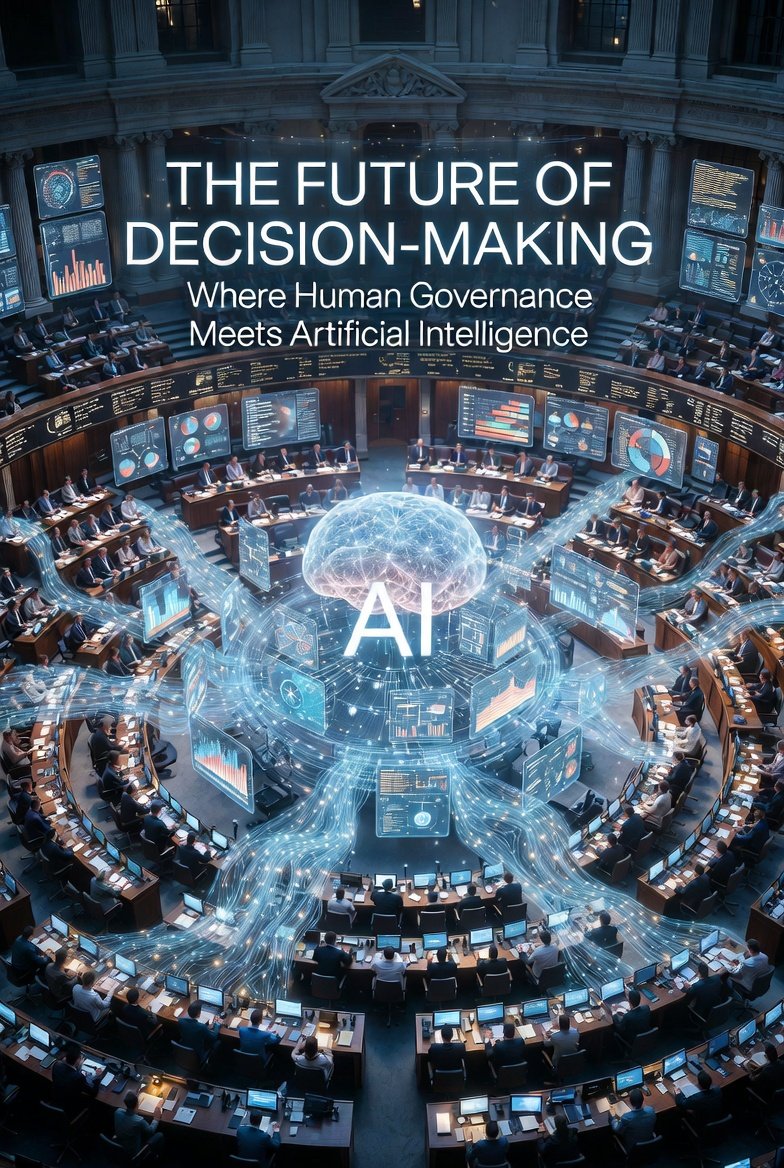
Most people think AI and Web3 are separate revolutions.
They're not.
They're slowly becoming one system.
AI is giving machines the ability to think, analyze, and make decisions.
Web3 is giving them the ability to own assets, interact with economies, and operate without relying on a central authority.
When these two technologies merge, decentralized decision-making begins to look very different.
➤ Traditional systems depend on a small group of people making decisions for everyone.
A company board decides.
A government agency decides.
A platform moderator decides.
The process is often slow, expensive, and vulnerable to human bias.
Now imagine a decentralized network with thousands of participants.
Every proposal, vote, transaction, and interaction creates data.
AI can analyze this data at a scale no human committee can match.
It can identify patterns, detect risks, predict outcomes, and provide recommendations before decisions are made.
This doesn't mean AI replaces humans.
It means humans can make better-informed decisions.
➤ Imagine a DAO trying to allocate treasury funds.
Instead of members manually reviewing hundreds of proposals, AI could:
• Analyze historical performance
• Detect suspicious activity
• Evaluate potential risks
• Forecast possible outcomes
• Rank proposals based on predefined criteria
The community still votes.
But the decision is supported by intelligence rather than guesswork.
➤ Another major benefit is scalability.
As decentralized networks grow, governance becomes increasingly complex.
More users.
More proposals.
More transactions.
More data.
Without intelligent systems, decision-making can become chaotic.
AI acts as a layer that helps participants process information faster and more effectively.
➤ However, this creates a new challenge.
Who controls the AI?
If a single organization owns the model, then decentralization begins to disappear.
That's why many builders are exploring decentralized AI systems where:
• Data is distributed
• Models are transparent
• Decisions can be verified
• Communities help govern development
The goal isn't simply smarter systems.
The goal is smarter systems that remain open and trustless.
➤ The future may not be humans versus AI.
It may be humans working alongside AI inside decentralized networks.
Web3 provides ownership.
AI provides intelligence.
Together, they could create decision-making systems that are more efficient, transparent, and scalable than anything we've seen before.
The question is no longer whether AI will influence Web3.
The real question is how much of the future internet will be governed by the combination of both.
12
6
24
865
𝐊𝐈𝐍𝐆𝐁𝐋𝐈𝐒𝐒 retweeted
Jun 10
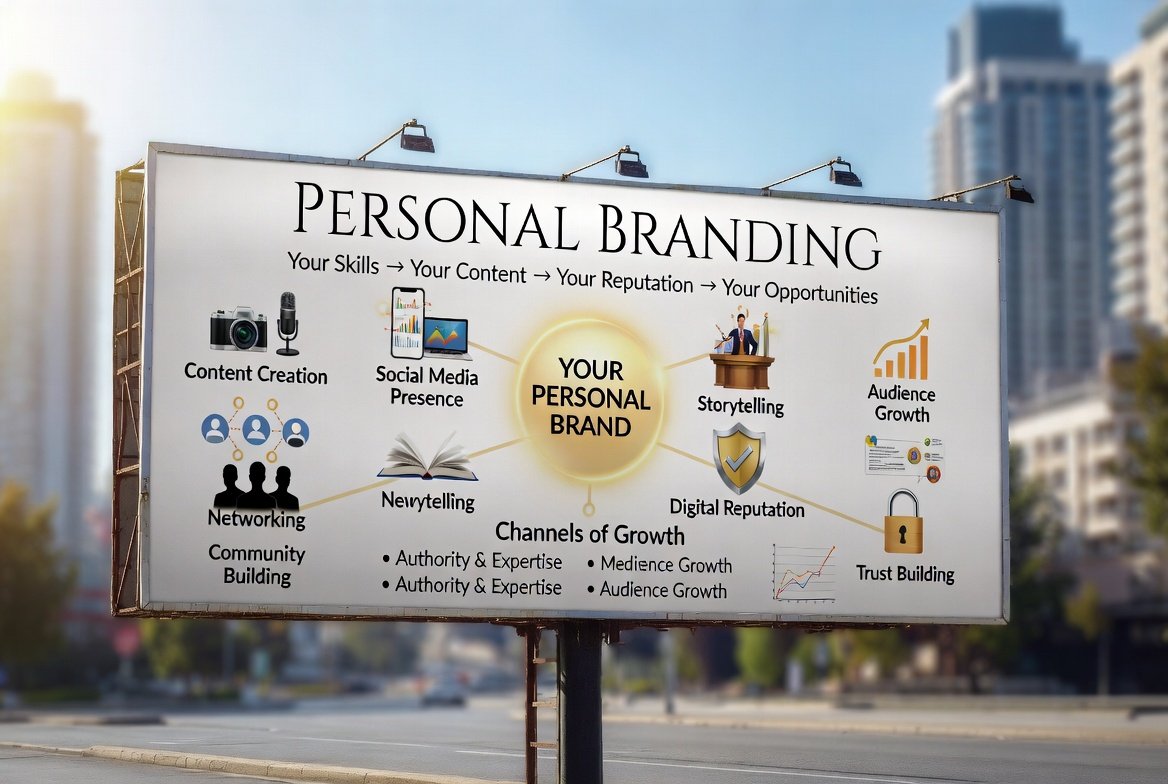
𝗪𝗵𝘆 𝗣𝗲𝗿𝘀𝗼𝗻𝗮𝗹 𝗕𝗿𝗮𝗻𝗱𝗶𝗻𝗴 𝗠𝗮𝘁𝘁𝗲𝗿𝘀 𝗠𝗼𝗿𝗲 𝗧𝗵𝗮𝗻 𝗘𝘃𝗲𝗿 𝗶𝗻 2026
A few years ago, having skills was enough.
Today, that's no longer the case.
The internet is crowded with talented people, smart ideas, and innovative projects. Every day, thousands of creators, founders, freelancers, and professionals compete for the same attention.
The challenge is no longer access to opportunities.
The challenge is visibility.
People cannot hire you, collaborate with you, trust you, or learn from you if they don't know you exist.
This is why personal branding has become one of the most valuable assets anyone can build in 2026.
➟ Your personal brand is your reputation at scale.
It's what people think about when they see your name online.
It's the collection of your ideas, content, expertise, experiences, and the value you consistently share.
Many people hear "personal branding" and immediately think about becoming famous.
That's a misunderstanding.
Personal branding isn't about fame.
It's about clarity.
It's about making it easy for people to understand:
• Who you are
• What you know
• What you do
• Why they should trust you
The strongest opportunities often don't go to the most talented person.
They go to the person whose expertise is visible.
Think about it.
When companies need contributors, they search for people who consistently share valuable insights.
When founders need partners, they look for individuals with proven credibility.
When communities seek leaders, they follow those who have already earned trust publicly.
Visibility creates opportunities.
Trust multiplies them.
This is why personal branding is becoming more important than traditional resumes.
A resume tells people what you've done.
A personal brand shows people how you think.
And in a digital-first world, how you think is often more valuable than what you've done.
Every post you publish...
Every insight you share...
Every conversation you contribute to...
Becomes part of your digital reputation.
Over time, these small actions compound.
One post can attract followers.
One follower can become a collaborator.
One collaboration can create a career-changing opportunity.
That's the power of personal branding.
The people who start building today are not just creating content.
They're creating leverage.
They're building trust before they need it.
They're building credibility before opportunities appear.
And they're creating a digital presence that continues working for them even when they're offline.
In 2026, attention is abundant.
Trust is scarce.
The creators, professionals, and builders who learn how to earn trust publicly will have an advantage that compounds for years.
Because in a world where everyone can be discovered,
being known for something valuable is one of the greatest assets you can own.
➟ Build skills.
➟ Share knowledge.
➟ Earn trust.
➟ Let your reputation work for you.
◽️KINGBLISS
20
8
29
1,333
𝐊𝐈𝐍𝐆𝐁𝐋𝐈𝐒𝐒 retweeted
Jun 10
Many users join platforms like @3look_io because of rewards.
And honestly, that's completely understandable.
Rewards attract attention.
They create incentives.
They give people a reason to participate.
But after watching creator ecosystems evolve, I've noticed something interesting.
The participants who gain the most over time are rarely focused on rewards alone.
They're focused on influence.
There's a huge difference between the two.
A reward is a payout.
Influence is an asset.
A reward is distributed once.
Influence can continue creating opportunities for months or even years.
That's why I think many participants approach platforms like 3look from the wrong angle.
They ask:
➤ How much can I earn?
➤ How high can I rank?
➤ How many rewards can I collect?
Those are reasonable questions.
But the more important questions might be:
➤ Who is discovering my content?
➤ What reputation am I building?
➤ Why would people remember me after this campaign ends?
Because that's where the real leverage starts.
When a campaign ends, everyone experiences the same thing:
The leaderboard locks.
Rewards are distributed.
The event is over.
Yet the outcomes are completely different.
Some participants leave with rewards.
Others leave with recognition.
Some leave with a payout.
Others leave with stronger relationships, a recognizable name, and a reputation that continues opening doors.
That's the difference.
The creators building influence understand that every interaction matters.
Every post.
Every comment.
Every conversation.
Every thoughtful contribution.
They're not simply trying to be seen.
They're trying to become memorable.
And in creator ecosystems, being memorable is incredibly valuable.
People engage with familiar names.
They trust contributors they've seen consistently.
They support people who repeatedly add value.
That trust compounds.
Just like attention compounds.
Just like reputation compounds.
And just like influence compounds.
The smartest participants use rewards as a vehicle, not a destination.
Rewards get you through the door.
Influence determines what happens after you walk through it.
That's why some creators continue growing regardless of which campaign is active.
They've built something more durable than rewards.
They've built influence.
And unlike a campaign payout, influence doesn't disappear when the leaderboard resets.
29
11
37
932
𝐊𝐈𝐍𝐆𝐁𝐋𝐈𝐒𝐒 retweeted
Jun 10
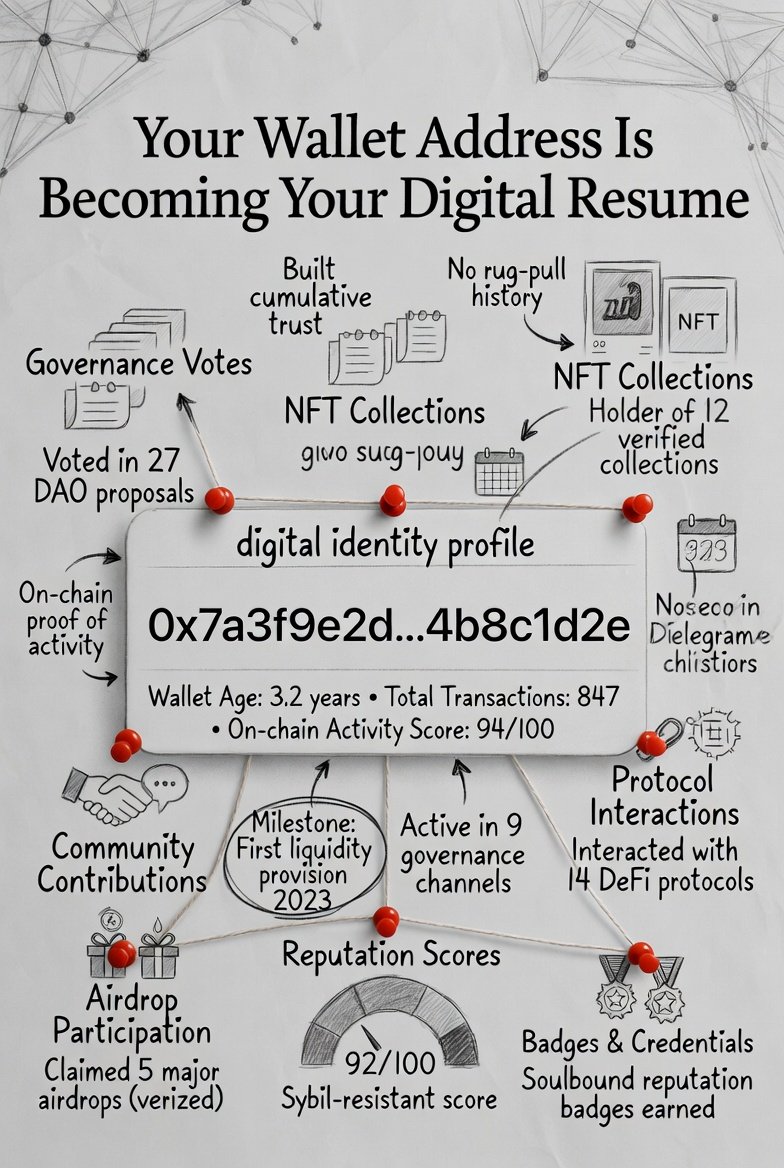
𝗬𝗼𝘂𝗿 𝗪𝗮𝗹𝗹𝗲𝘁 𝗔𝗱𝗱𝗿𝗲𝘀𝘀 𝗜𝘀 𝗕𝗲𝗰𝗼𝗺𝗶𝗻𝗴 𝗬𝗼𝘂𝗿 𝗗𝗶𝗴𝗶𝘁𝗮𝗹 𝗥𝗲𝘀𝘂𝗺𝗲
For years, resumes have been the standard way to showcase skills, experience, and credibility.
When applying for a job, people list their achievements and hope employers trust what they see.
But in Web3, something different is happening.
Your wallet address is gradually becoming your digital resume.
Unlike traditional resumes, which can be exaggerated or selectively written, your wallet tells a story through actions, not words.
Every transaction, interaction, vote, contribution, and participation leaves a trail.
➥ The communities you join.
➥ The protocols you use.
➥ The NFTs you collect.
➥ The governance proposals you vote on.
➥ The campaigns you participate in.
➥ The projects you support over time.
Together, these activities create a public record that anyone can verify.
This shift is changing how trust is built online.
In traditional systems, reputation often depends on recommendations, certificates, or references.
In Web3, reputation can be earned through verifiable actions.
A wallet that has consistently interacted with ecosystems, supported communities, and participated genuinely often carries more credibility than a newly created wallet with no history.
This is one reason why many projects now look beyond simple task completion.
They want to identify real contributors.
Not just wallets that appear when rewards are announced and disappear afterward.
Think about it.
If two users apply for the same opportunity:
➥ One has years of consistent on-chain activity.
➥ The other has little history and no visible contributions.
Which wallet would inspire more confidence?
The answer is obvious.
Your digital footprint is becoming a signal of trust.
And this trend is only getting stronger.
As reputation systems evolve, wallet history may influence:
➥ Airdrop eligibility.
➥ Community roles.
➥ Governance influence.
➥ Access to exclusive programs.
➥ Partnership opportunities.
➥ Future incentives.
The most interesting part is that building a strong wallet reputation does not always require large amounts of capital.
Consistency matters.
Authenticity matters.
Meaningful participation matters.
Helping communities, contributing ideas, testing products, voting in governance, and engaging constructively can all strengthen your digital reputation.
Many people focus only on token balances.
But the future may reward behavior just as much as wealth.
A wealthy wallet can buy assets.
A respected wallet earns trust.
And trust is one of the most valuable currencies in any ecosystem.
As Web3 continues to mature, your wallet may become more than a place to store tokens.
It may become a living record of your journey, contributions, and credibility across the decentralized world.
Build it carefully.
Because your wallet is no longer just an address.
It's your digital resume.
◽️KINGBLISS
52
10
72
1,043