Young Leader, Geopolitics , Geoeconomics, @freeeverychild @100Milcampaign @witheverychild @smgc_official
Joined December 2014
- Tweets 521
- Following 510
- Followers 137
- Likes 295
15 Photos and videos

Kinsu Kumar🇮🇳 retweeted

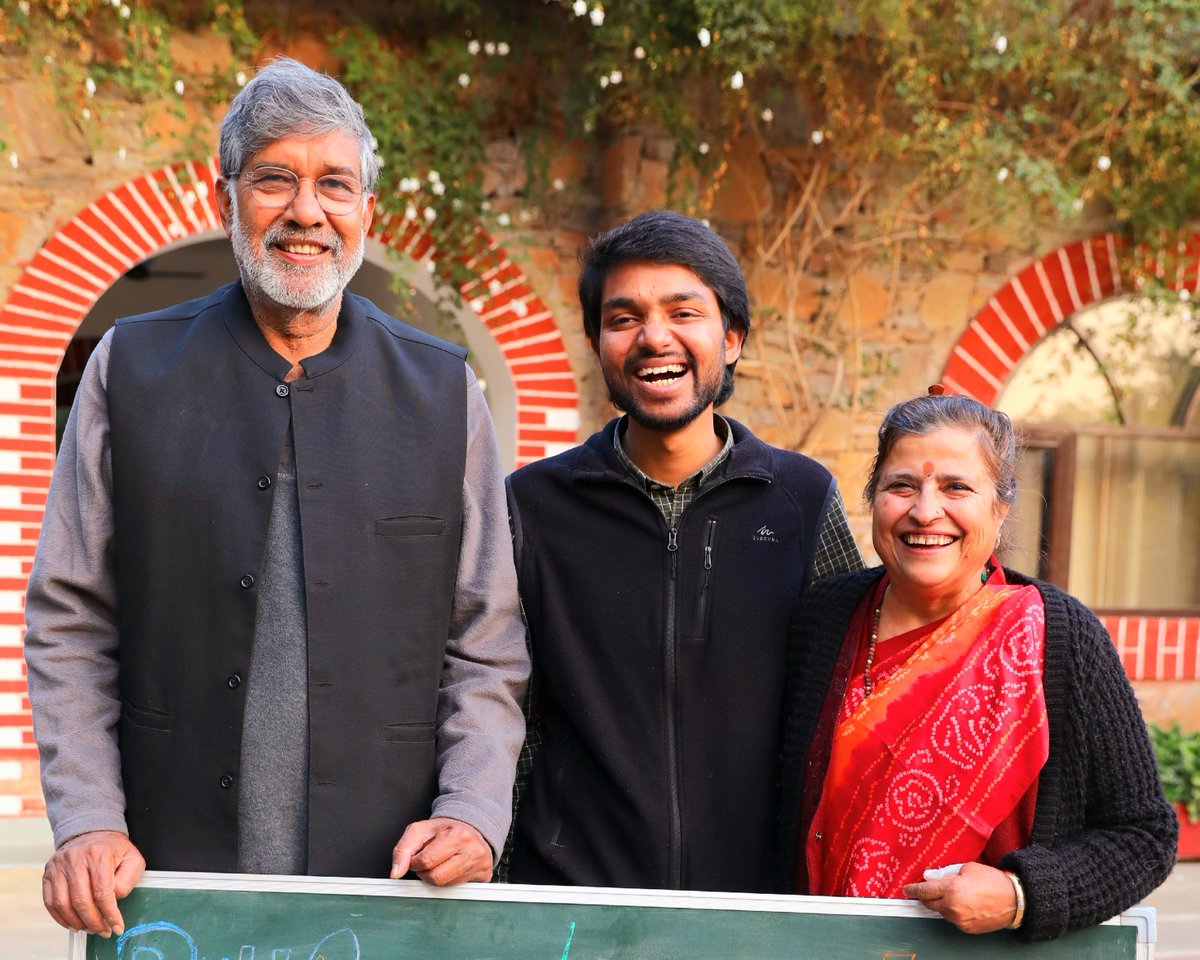
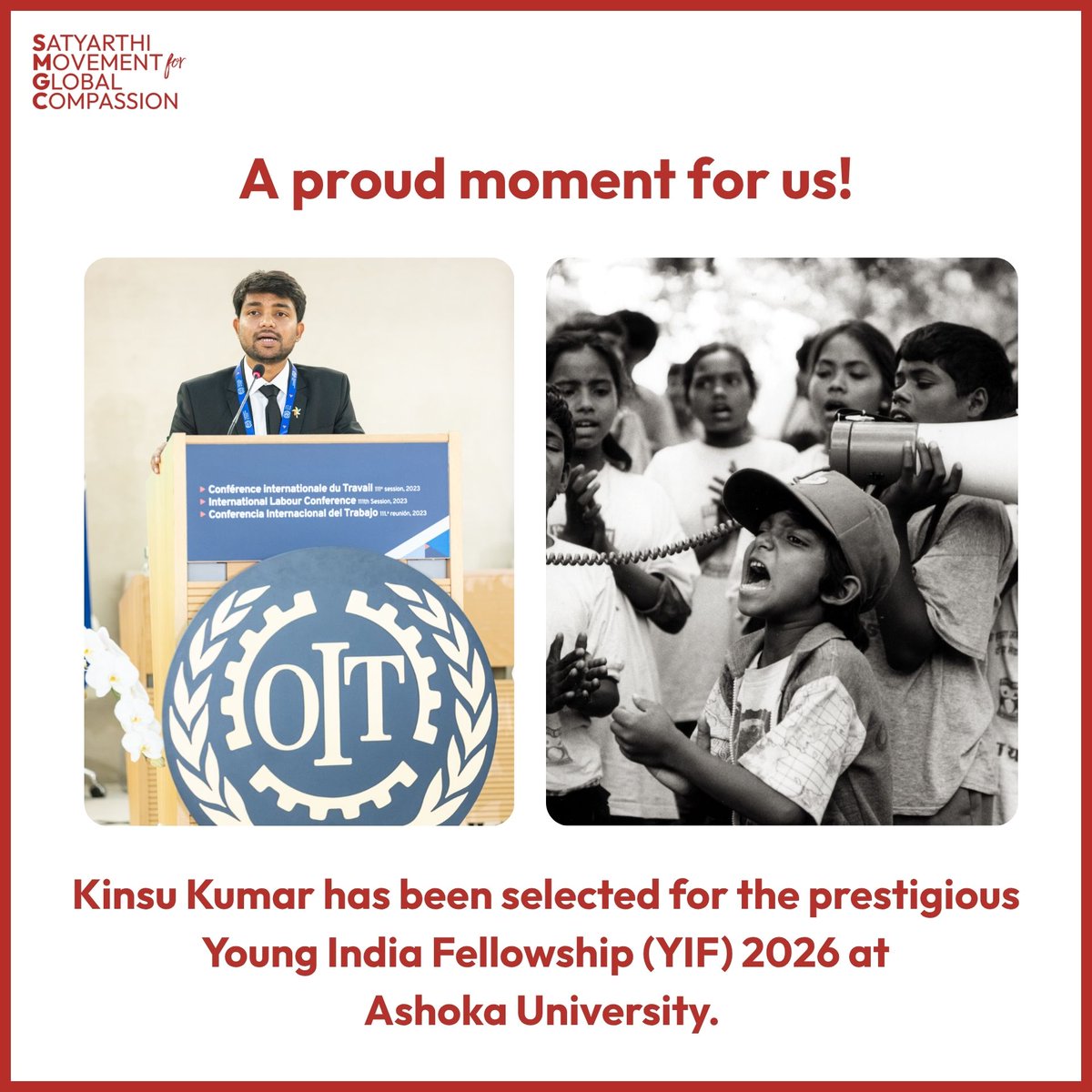
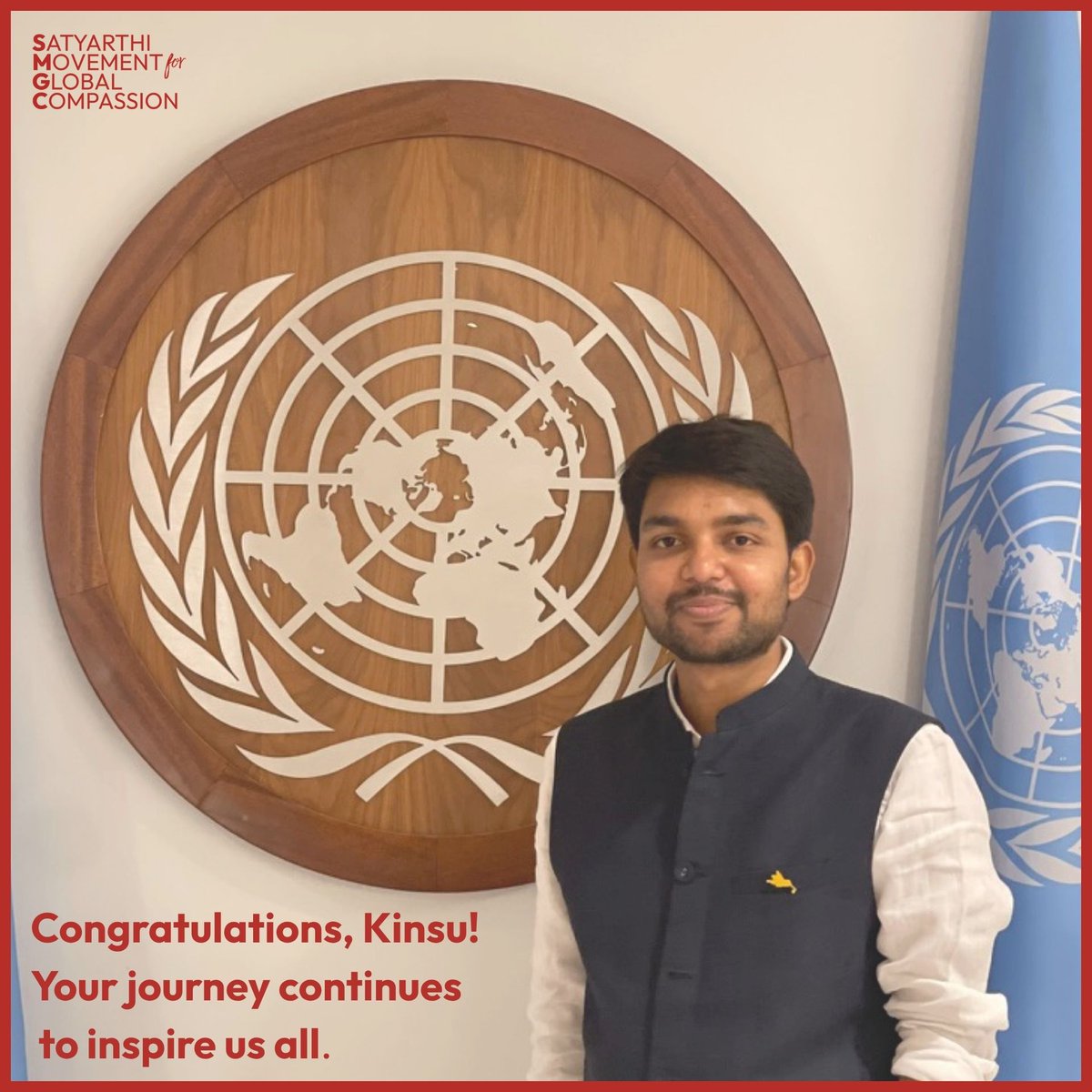
We're proud to celebrate Kinsu Kumar’s selection to the Young India Fellowship (YIF) 2026 at @AshokaUniv
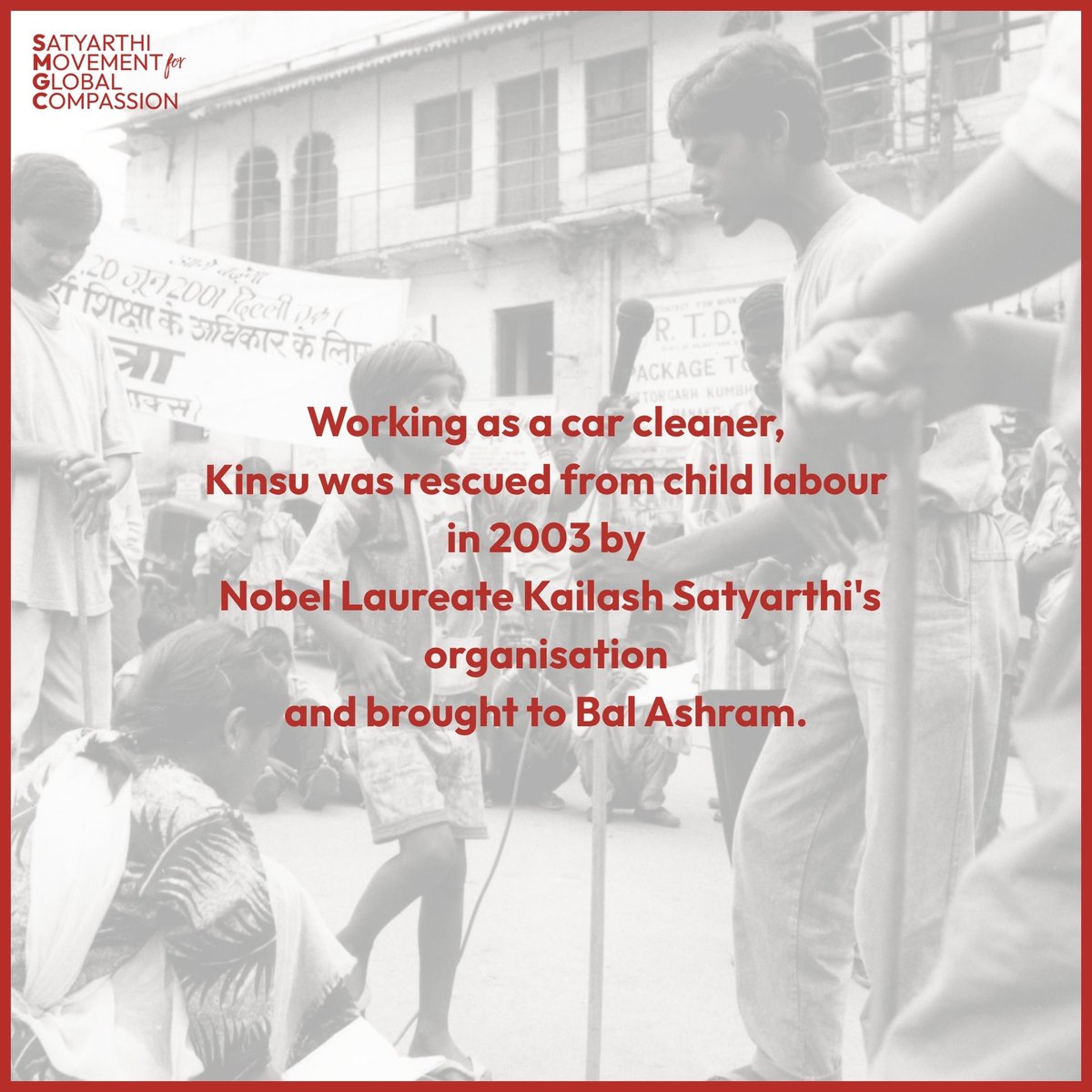
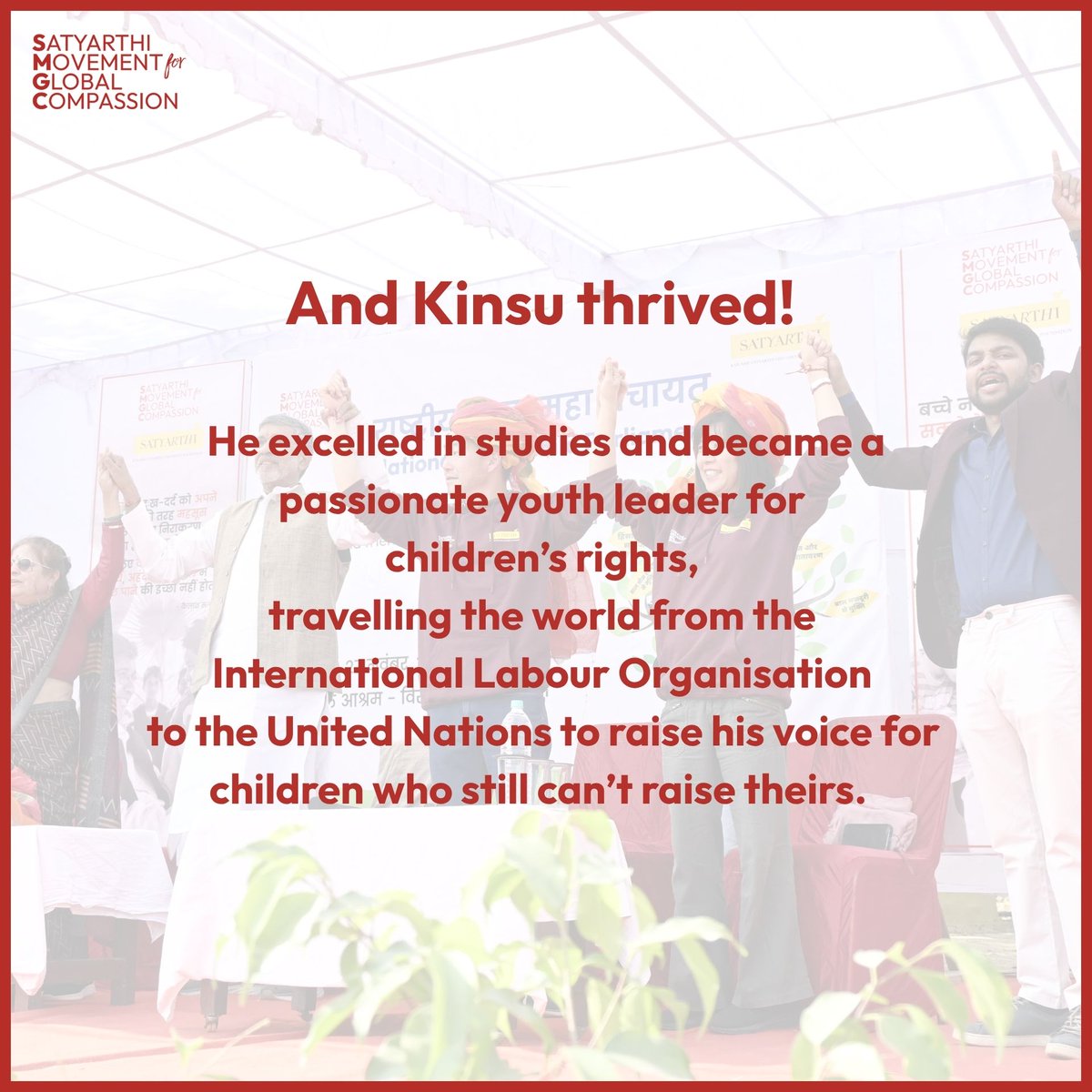
Rescued from child labour in 2003 through @k_satyarthi's movement and raised at Bal Ashram, Kinsu is now a youth leader and children’s rights advocate inspiring change.
#EndChildLabour #YIF2026 #ChildRights #YouthLeadership
@sumedhakailash @as_satyarthi @PramathSinha @KSCFIndia
2
5
21
4,627

Jun 4
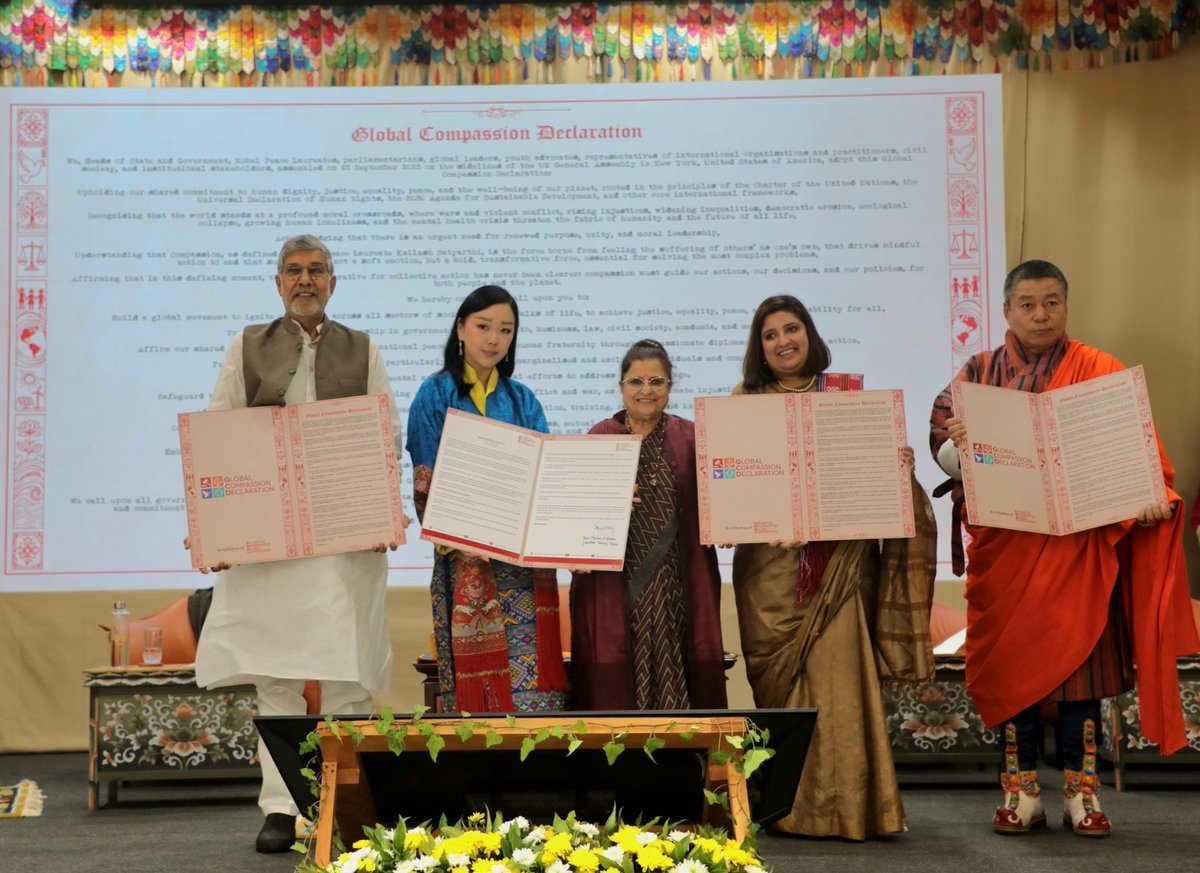
Bhutan becomes the first nation to sign the Global Compassion Declaration! Nobel Laureate @k_satyarthi launches the JSW-Satyarthi Compassion Action Lab at the Bhutan Compassionate Leadership Forum to embed compassion in governance and policy.
@smgc_official @sumedhakailash

Thank you, Bhutan for being the first country to sign the Global Compassion Declaration and to launch the JSW-Satyarthi Compassion Action Lab.
Yesterday, at the Bhutan Compassionate Leadership Forum, the Satyarthi Movement for Global Compassion and JSW School of Law came together to mark a truly historic day.
The Global Compassion Declaration signed by the Prime Minister and unveiled by HRH Princess Sonam Dechan Wangchuck is a shared framework for embedding compassion into leadership, governance, education, and public life. It was born from dialogue among world leaders, Nobel Laureates, and civil society at the 80th UN General Assembly last year.
38
May 1

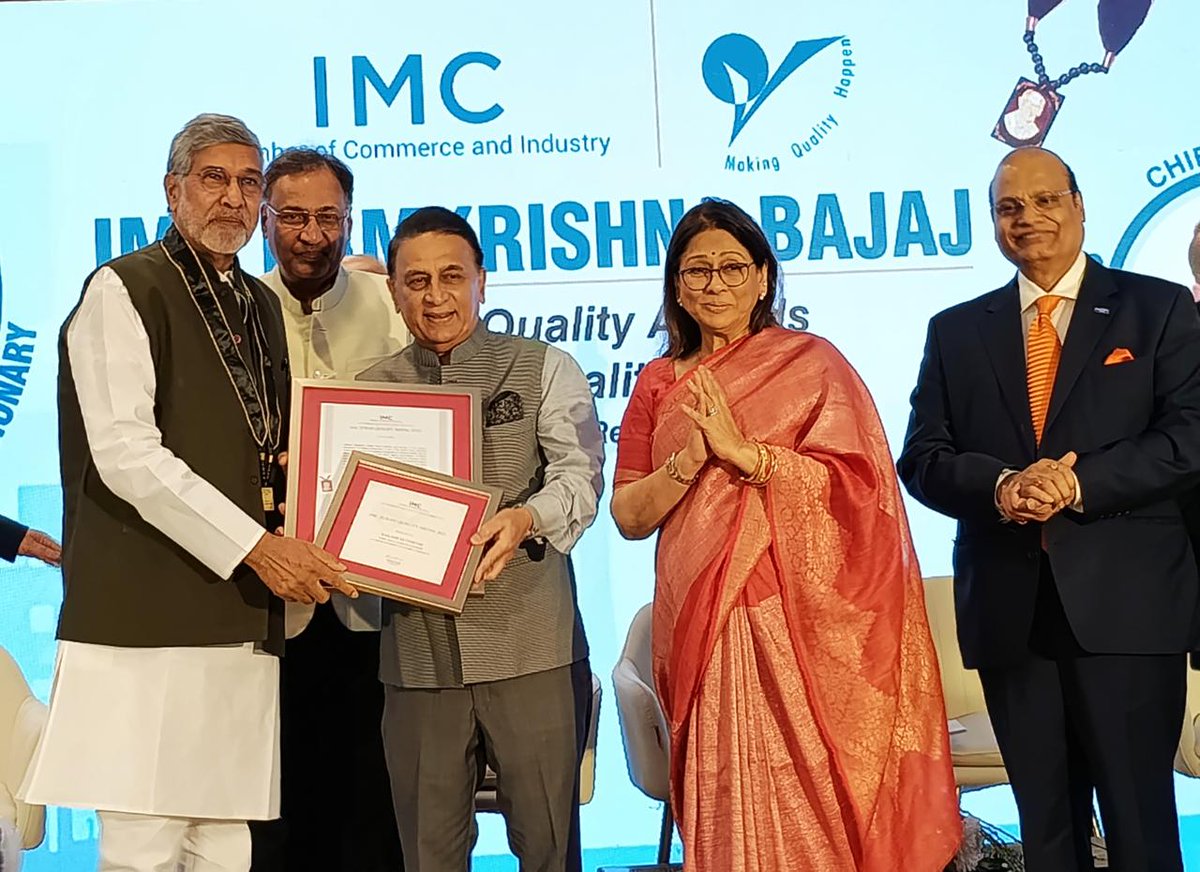
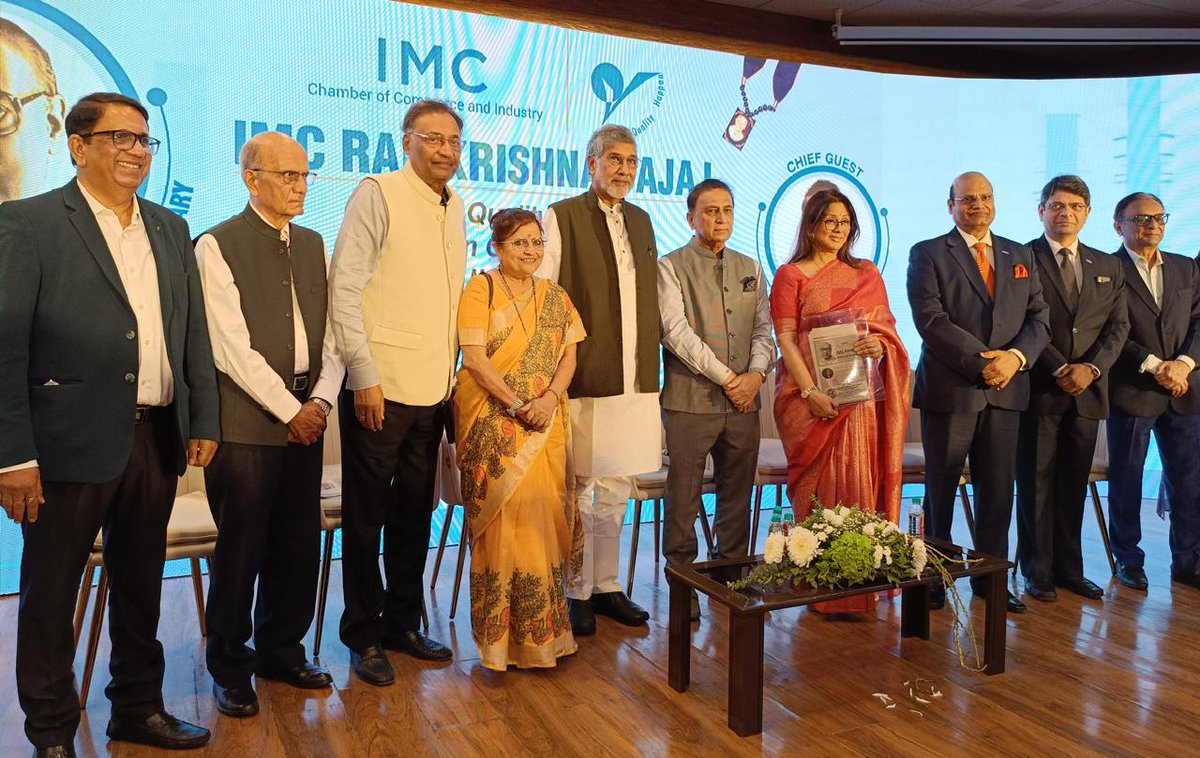
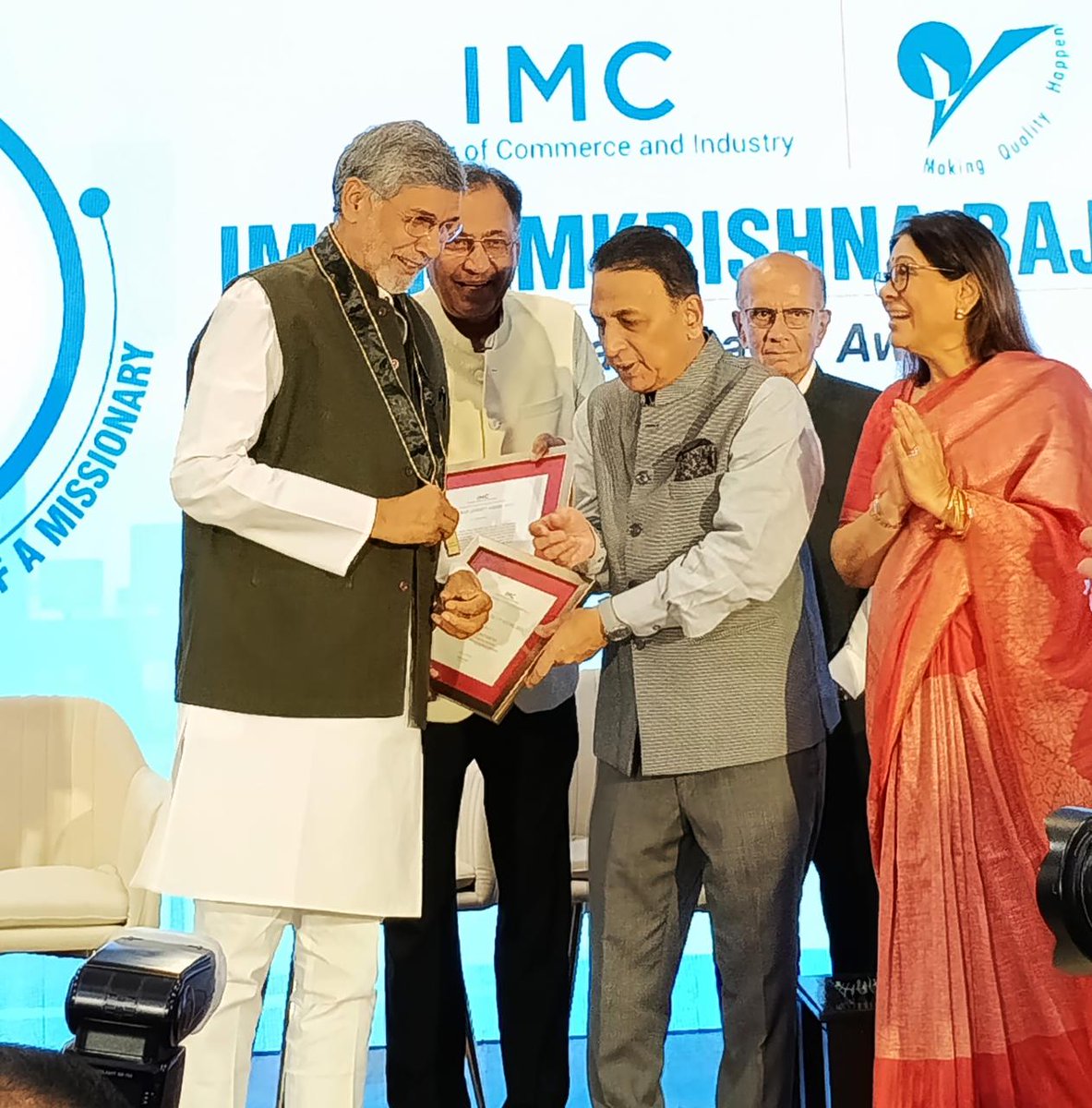
A proud moment for the global compassion movement.
Nobel Peace Laureate Kailash Satyarthi has been conferred the IMC Juran Quality Medal 2025 at the IMC Ramkrishna Bajaj National Quality Awards in Mumbai.
1
42
Apr 17
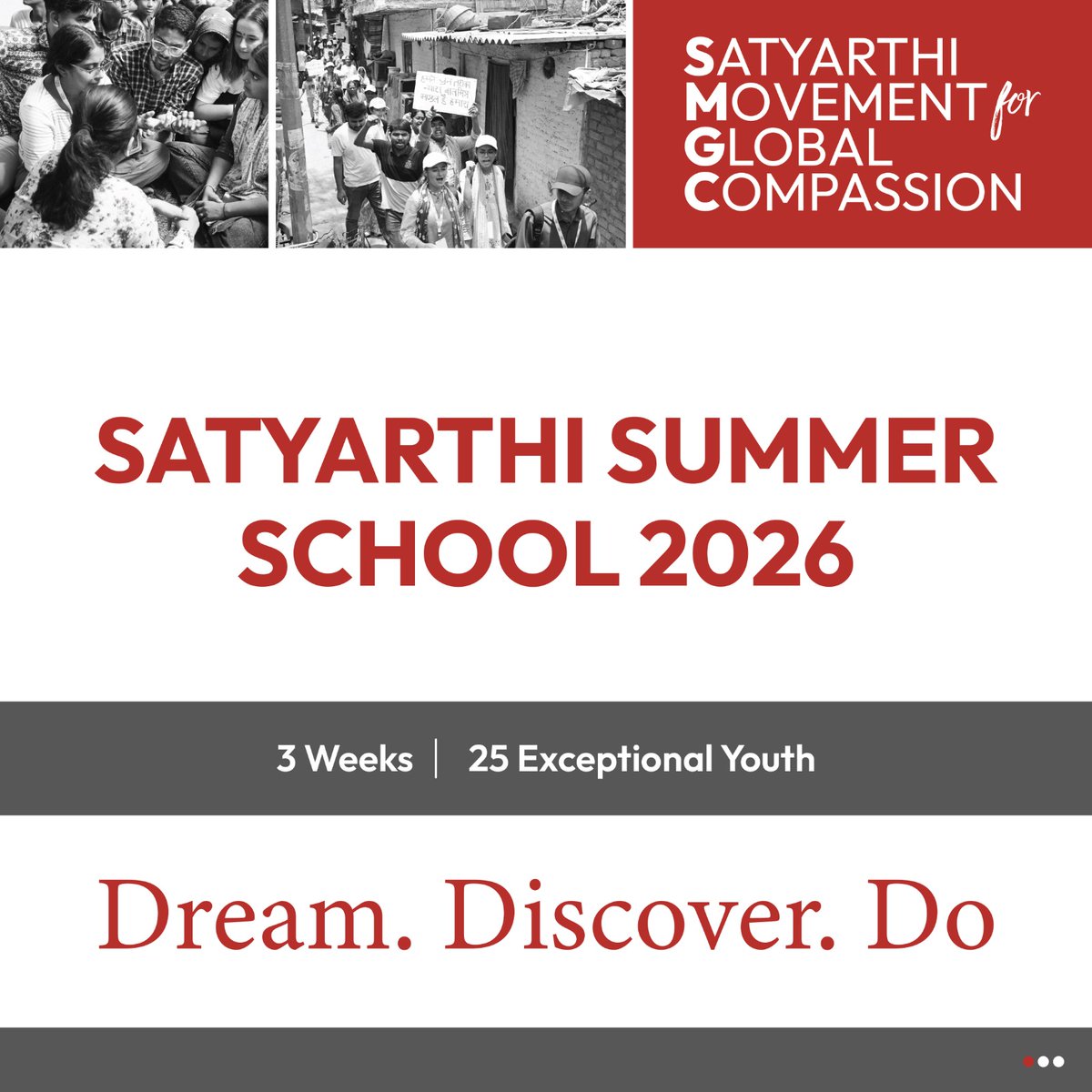
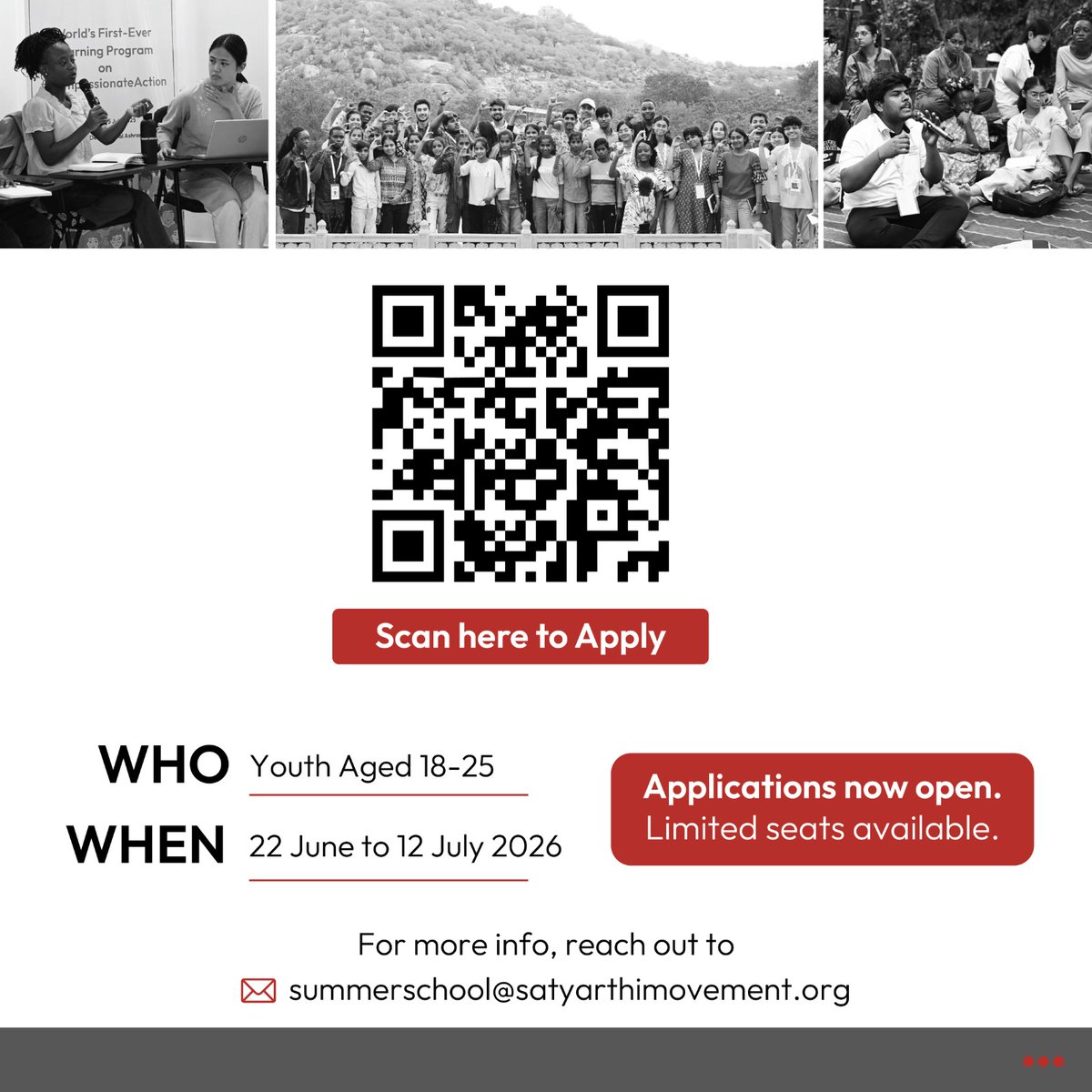
Excited for the 2026 Satyarthi Summer School! 3-week immersive program (June 22–July 12) for youth 18-25. Learn from Nobel Laureate @k_satyarthi, apply Compassion Quotient, and build the Youth Network.Passionate about compassion? Apply now!
@smgc_official @SATYouthNetwork
Apr 15

A Summer of Compassion. A Lifetime to Lead.
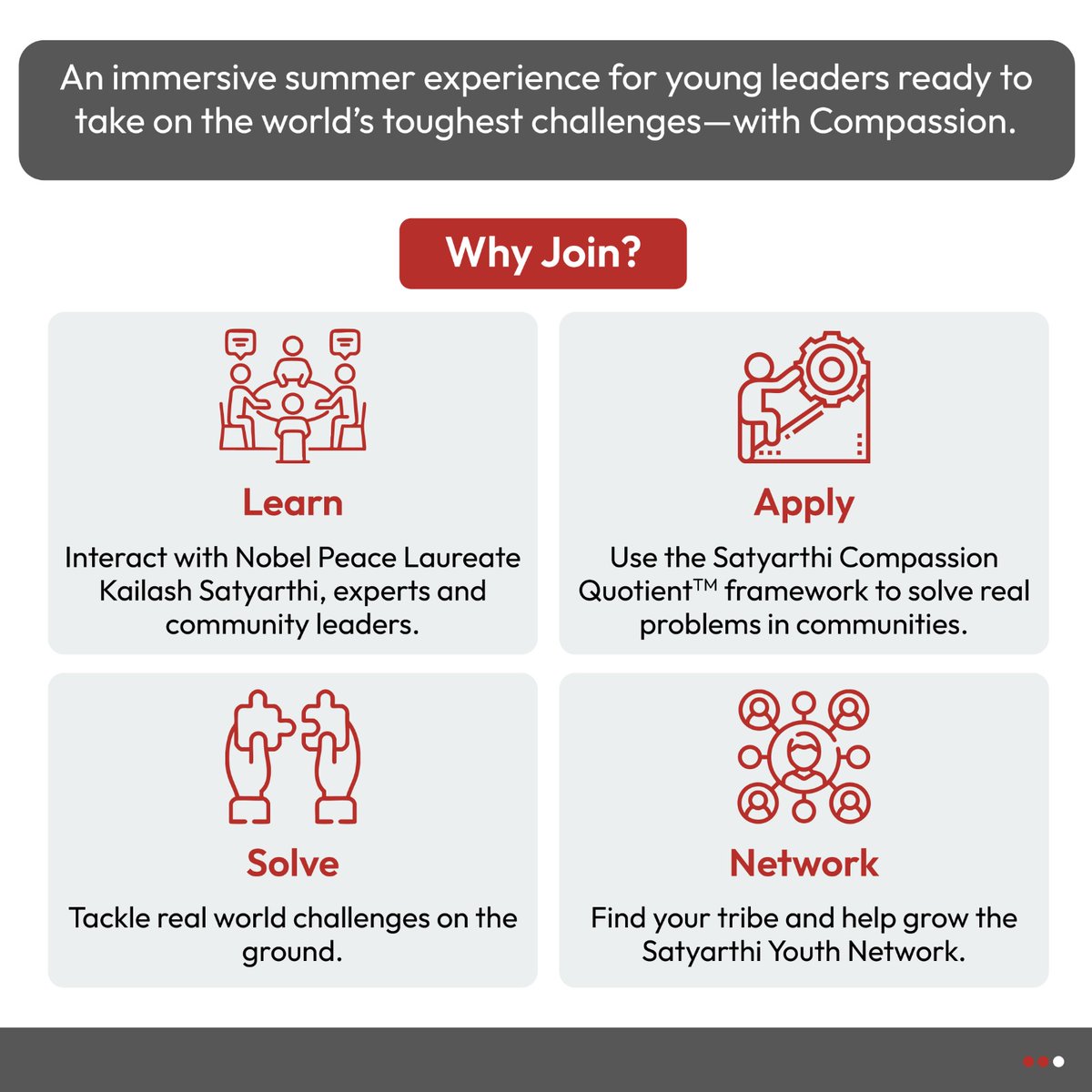
We are opening the doors to the second edition of Satyarthi Summer School (SSS), an immersive experience for 25 exceptional youth (18-25) to lead with compassion in a divided world.
The Summer School translates SMGC’s belief into action - that compassion is not a soft emotion, but a powerful force for finding solutions.
You will not be confined to classrooms, but will tackle the world’s most complex challenges by getting an opportunity to learn from Nobel Peace Laureate Kailash Satyarthi, community and survivor leaders first hand.
You will also help grow the Satyarthi Youth Network, the world’s first ever youth-led initiative on Compassionate Action.
Together, let us strive to build a world where compassion leads. As do you!
We can’t wait to meet you!
Learn more and apply at: lnkd.in/g7m2n7k3
@k_satyarthi @smgc_official
77
Mar 26
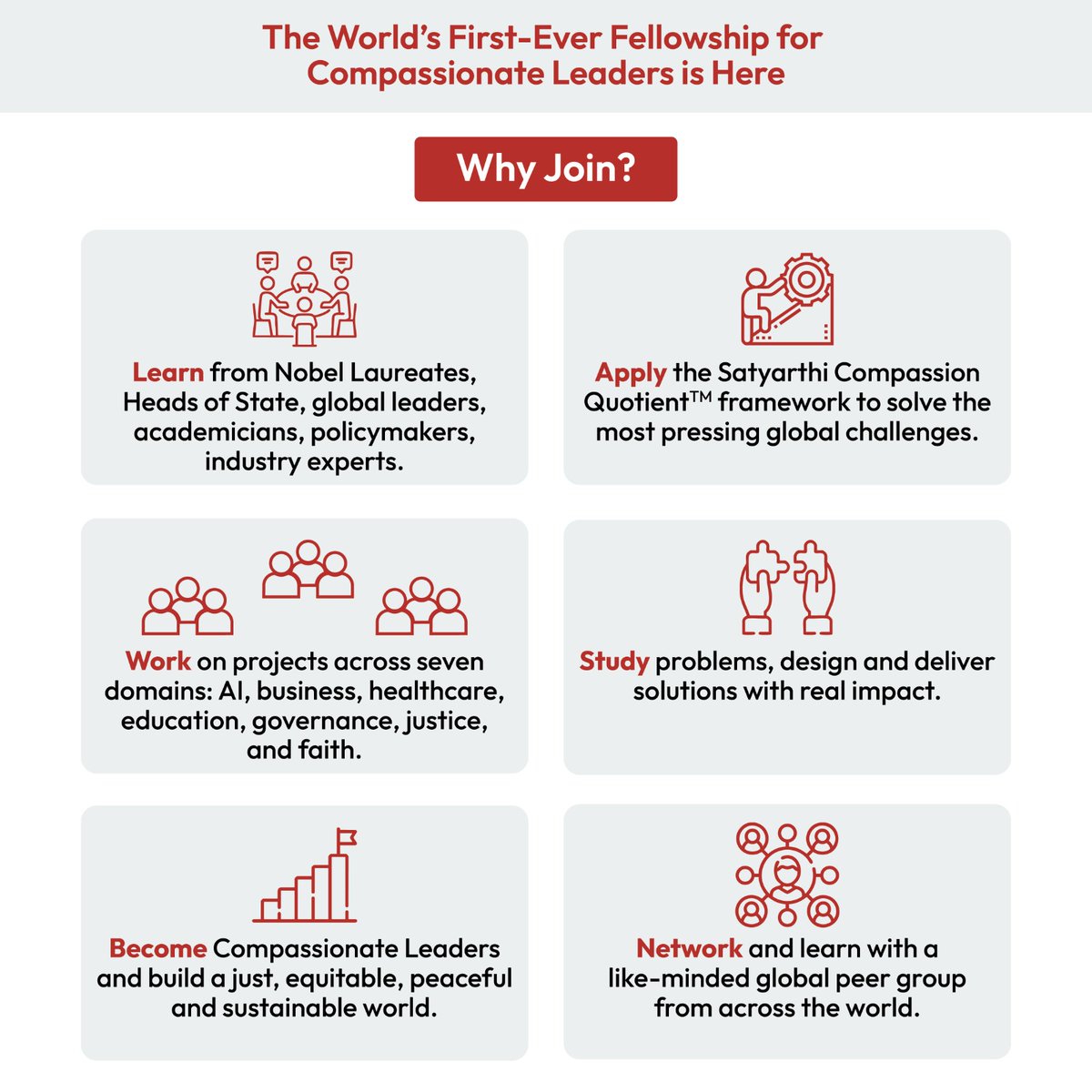
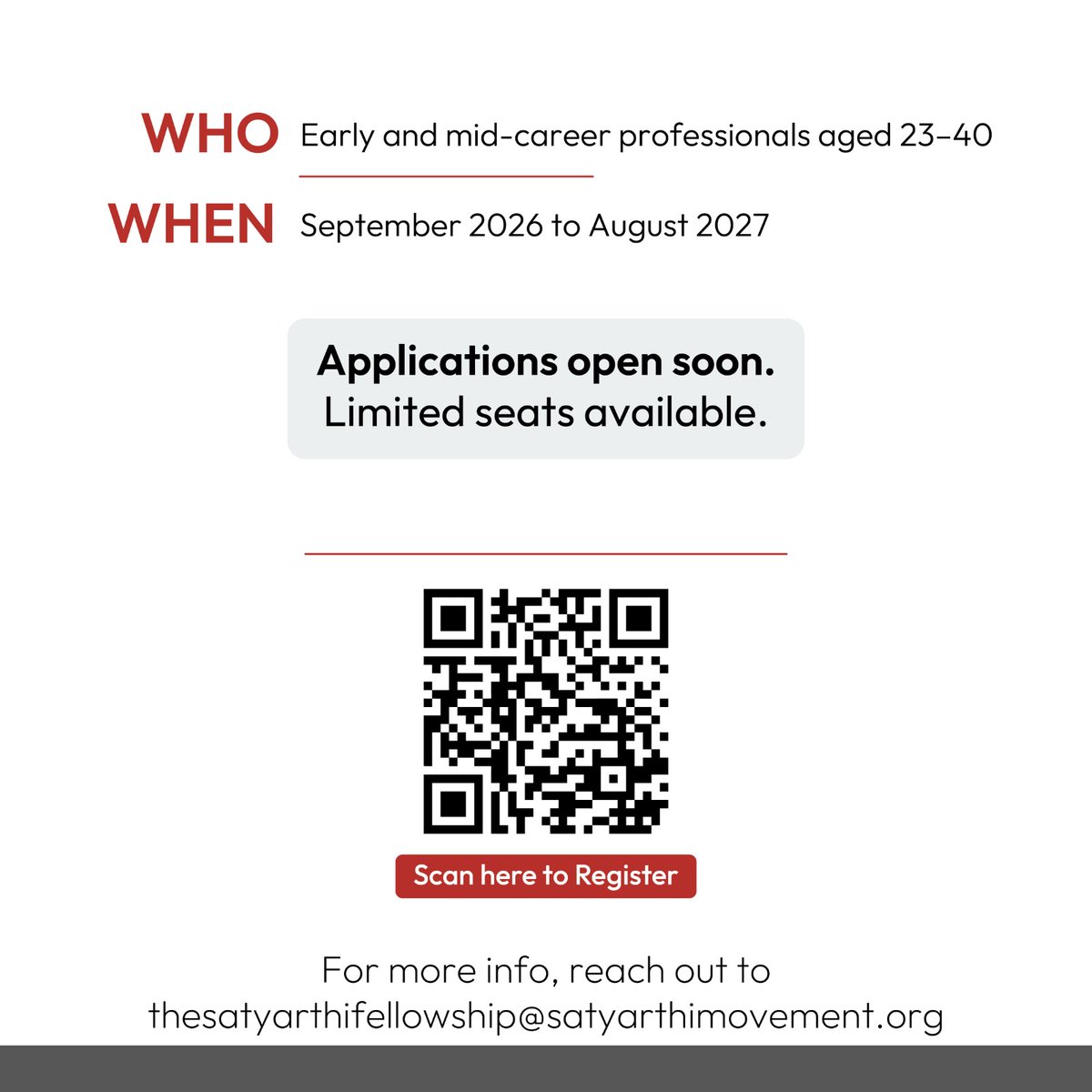
The Satyarthi Fellowship is here- a one-year program to train the next generation of compassionate leaders. If you're 23-40 and ready to solve real problems in business, tech, governance, education & beyond, this is for you. Learn from Nobel Laureate @k_satyarthi @as_satyarthi
Mar 26
If not you, then who?
The Satyarthi Fellowship is here.
We’re looking for 25 exceptional leaders to join us in this journey of transformation.
Work on real problems across business, law, technology, politics, healthcare, education, and faith.
Learn from Heads of State, Nobel laureates, and global leaders.
One year to take action. One year to build what truly matters.
We can’t wait to meet you!
Learn more and apply at: lnkd.in/gCXmhgiu
@k_satyarthi @smgc_official

1
39
Kinsu Kumar🇮🇳 retweeted

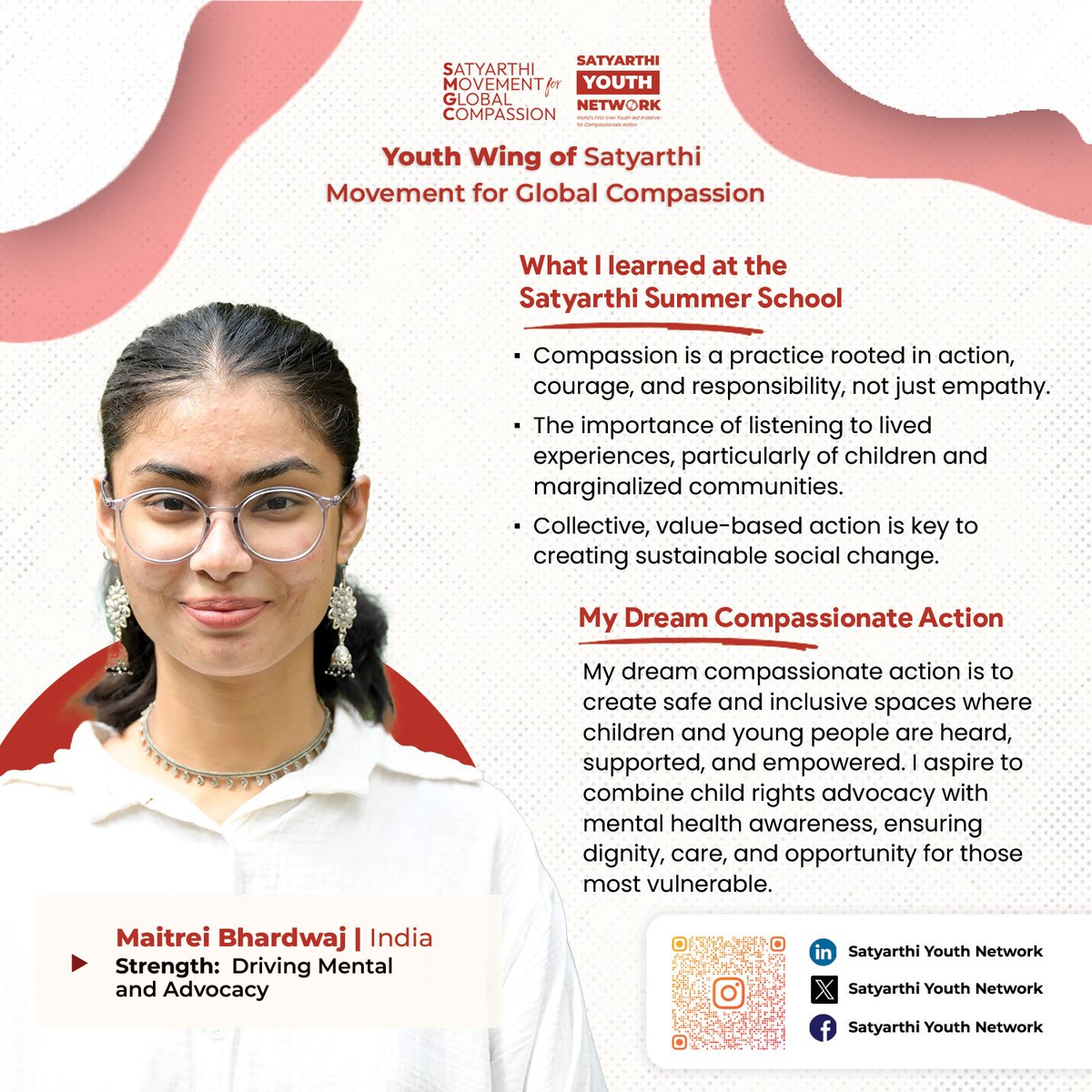
From India, SYN Member Maitrei Bhardwaj is advancing compassionate advocacy through mental health awareness and child rights. After the #SatyarthiSummerSchool, She deepened her commitment to creating safe and inclusive spaces where young people are heard, supported and empowered.
2
3
37
Kinsu Kumar🇮🇳 retweeted

Feb 28
Watch @RishiSunak & @Rudra_81 at AI for All: Reimagining Global Cooperation, discussing how #AI is moving from invention to real-world impact—bridging the gap between what's developed in the western world and what's deployed at scale across Africa, Asia, and Latin America
#AIImpactSummit @samirsaran
youtu.be/GXkiLY5_8DY

1
2
448
Kinsu Kumar🇮🇳 retweeted
Feb 28
.@orfonline, in partnership with @RIS_NewDelhi, is hosting the Inaugural Convening of the BRICS Academic Forum.
This convening will bring together senior policymakers, leading academics, and representatives from prominent research institutions across #BRICS countries to engage in dialogue on the evolving role of #BRICS in shaping a multipolar international order, strengthening economic cooperation, and advancing collective responses to shared global challenges.
🗓️8 March📍New Delhi
Register here; only selected participants will be notified via email 👉 or-f.org/37663
✳️ Please note: this event is open to individuals who are currently in Delhi.

1
2
339
Feb 28
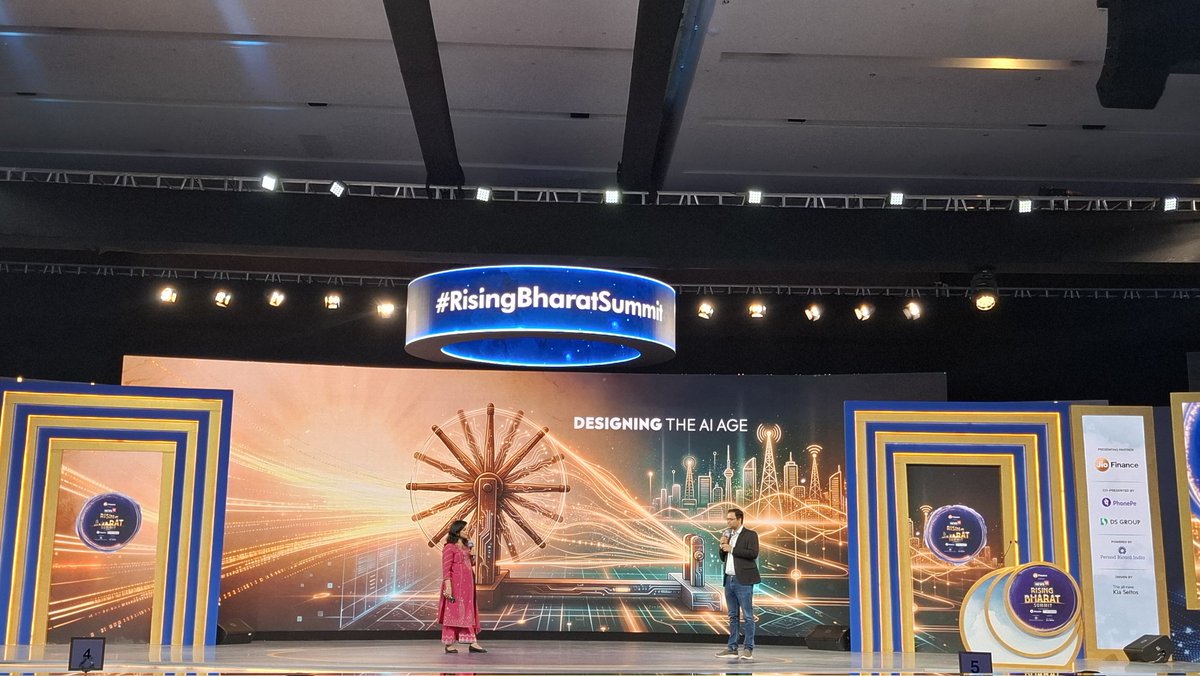
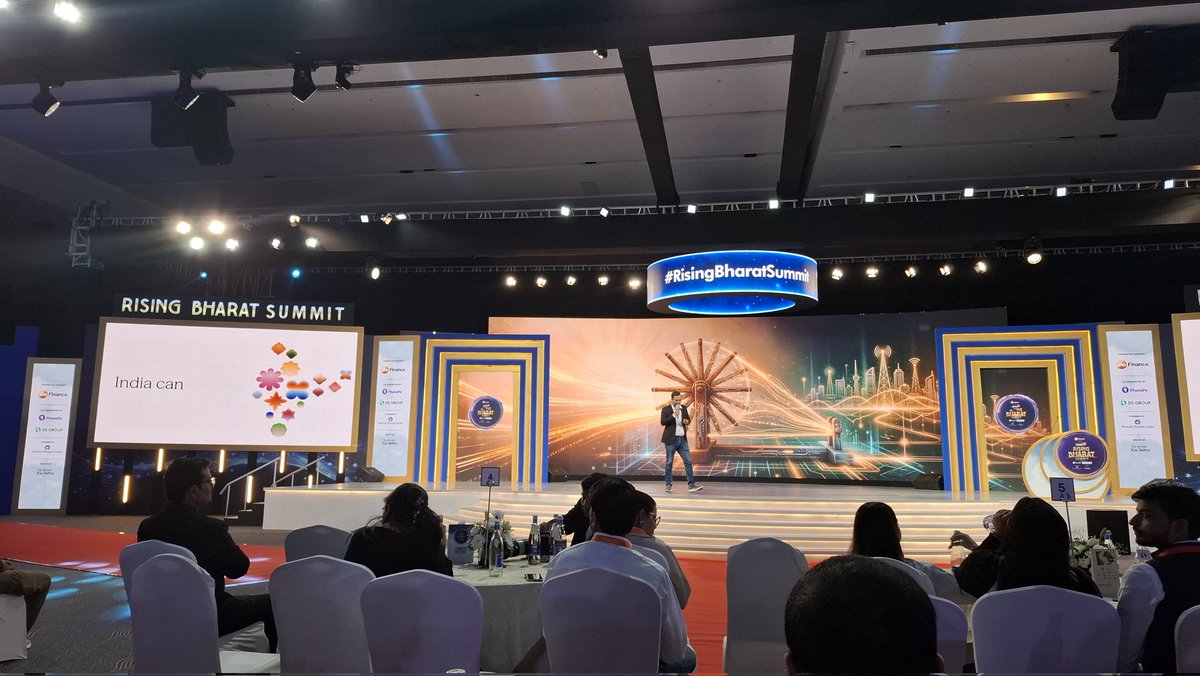
Wonderfull listening @pratykumar at #RisingBharatSummit2026 presenting india own #AI @SarvamAI
@CNNnews18 @CNBCTV18Live
51
Feb 28
Wonderfull listening @pratykumar at #RisingBharatSummit presenting india own #AI @SarvamAI
@CNNnews18
25
Feb 22
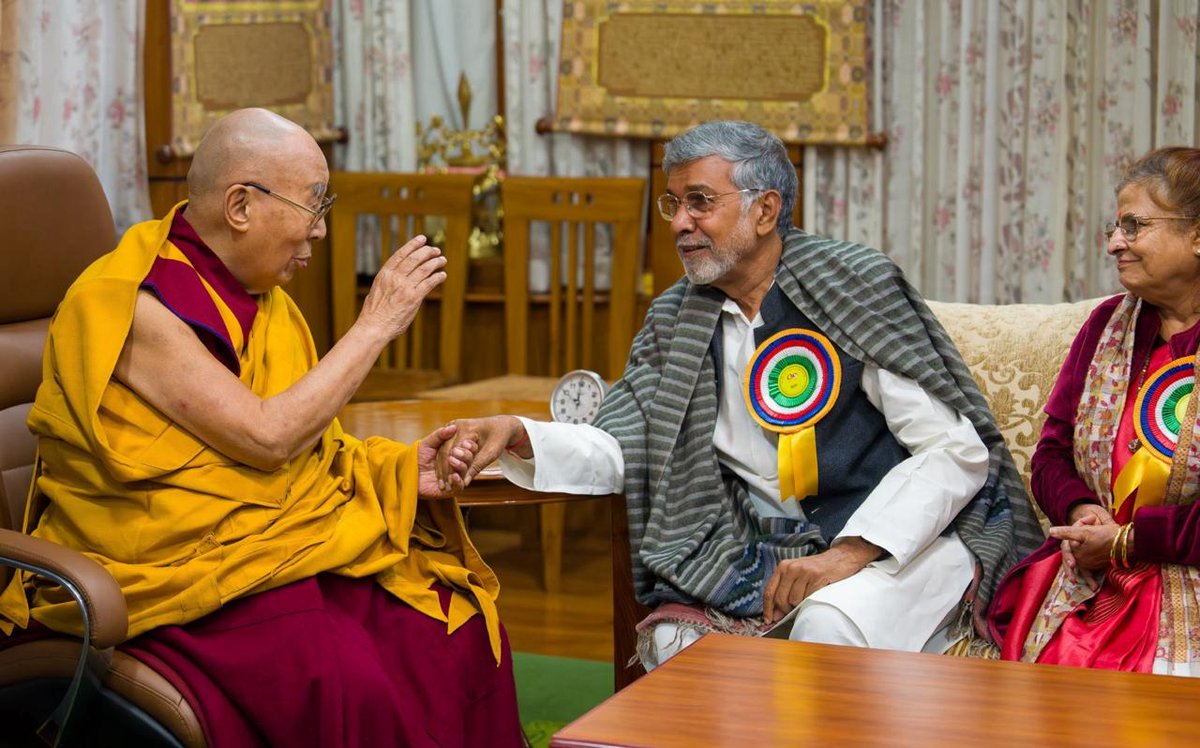
Two people who’ve spent their lives fighting for compassionand justice, coming together to talk about compassion… feels rare and important in today’s world.
@k_satyarthi @DalaiLama
Feb 22
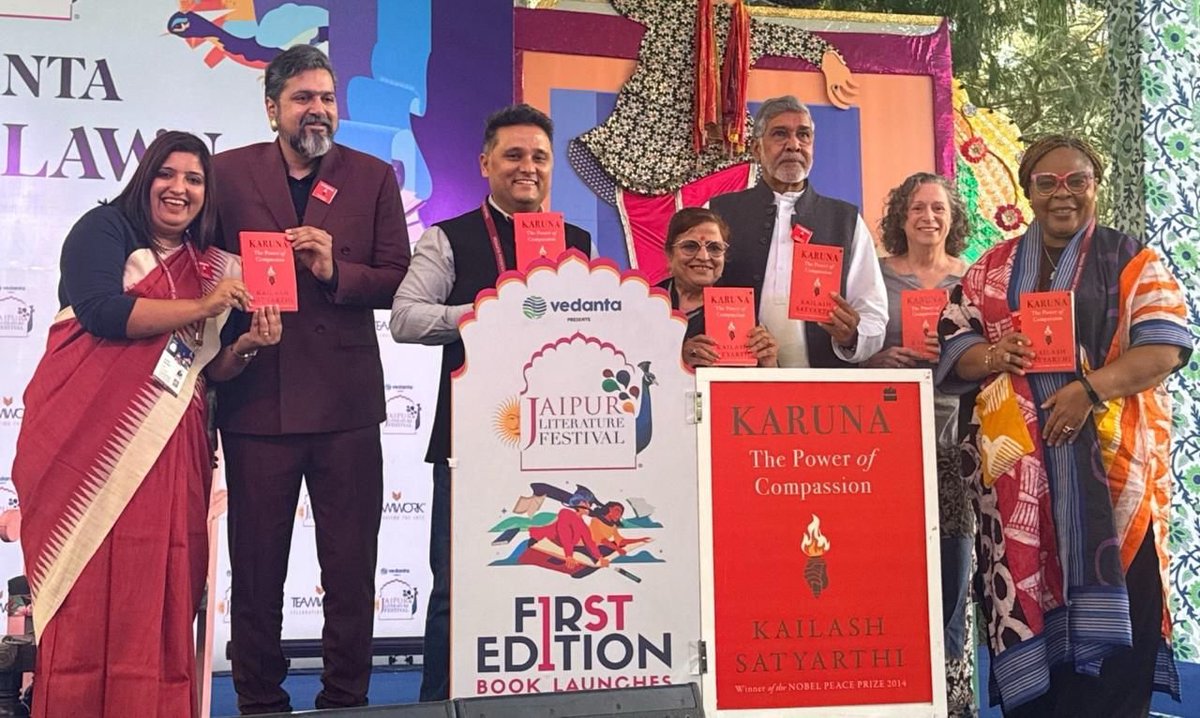
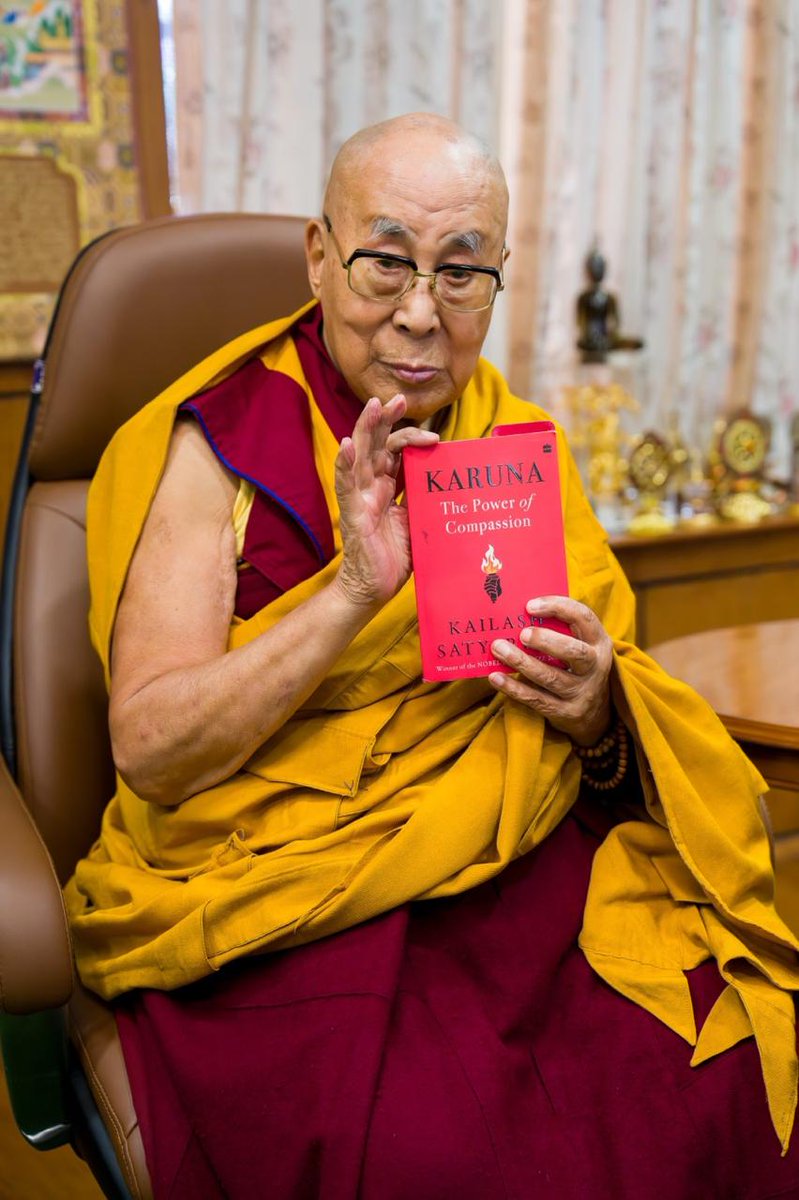
Delighted to attend the 86th Enthronement Day Celebrations of His Holiness the @DalaiLama. I had the privilege of presenting my book, "Karuna - The Power of Compassion," and briefing him on the @smgc_official, which he has supported and blessed since its inception. A truly enlightening conversation on our shared mission for global compassion.
1
32
Feb 12
Nobel Laureate @k_satyarthi powerfully reminds us at the #6thGlobalConference on Child Labor: 138 million children still suffer — our children. We cannot accept failure. Time to act decisively for education, protection & justice
#EndChildLabour
@ilo @Alliance8_7 @smgc_official
Feb 12
My address at the Opening Plenary of the '6th Global Conference on Child Labour' taking place in Marrakech. It is co-convened by the ILO and the Government of Morocco. @ilo
@smgc_official
1
41
Feb 4
Powerful words from Nobel Laureate @k_satyarthi ji: We've globalized markets, data & fear — now it's time to globalize compassion. Let's ignite that spark today.
#HumanFraternity #Compassion
@ZayedAward @smgc_official
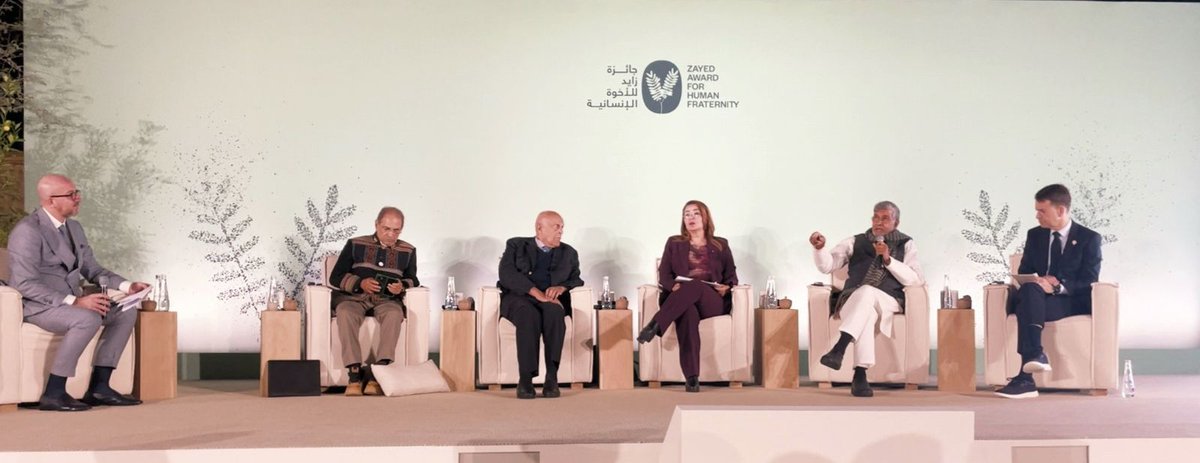
At the International Zayed Award for Human Fraternity Majlis panel, ‘Humanitarian Response in Action: Leading with Courage, Compassion, and Integrity’, I emphasized the urgent need to globalize compassion.
For too long we have allowed power to define truth, profit to define values, and fear to define belonging. We have globalized markets, data, and the economy. But this is the time to break the inertia and inaction.
My message was simple and clear: Let us globalize compassion. I am not a teacher or preacher of compassion; I have made it my way of life.
Each of us is being summoned. It is our moral responsibility to respond to this call. The time to ignite your spark of compassion is now. Your time to act is now.
1
2
26
Jan 27
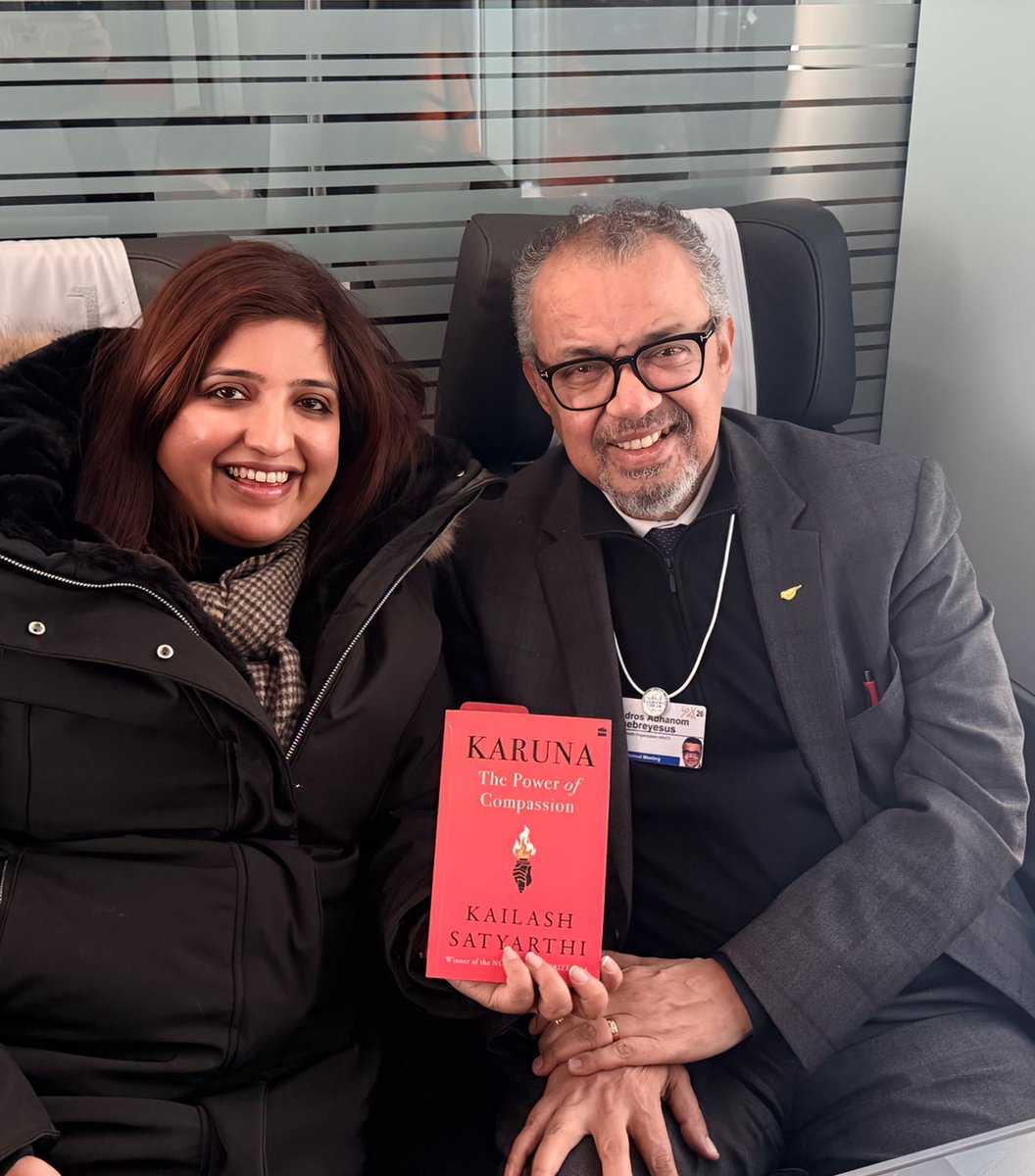
From a visionary call at the 2021 World Health Assembly to WHO's landmark 2025 report on compassion in primary healthcare — and now this full-circle gift of Karuna: The Power of Compassion to @DrTedros at #WEF2026. True leadership redefines compassion as action. @smgc_official
At the 74th World Health Assembly in 2021, our Founder, Nobel Peace Laureate Shri @k_satyarthi gave a clarion call to globalise compassion in healthcare.
This led to the World Health Organization (WHO) releasing a report in 2025 recognising compassion as a transformative force in primary healthcare. @DrTedros, Director-General of WHO, called for a deeper exploration of the role of compassion in global health, particularly its impact on the quality of health-care services.
And what a full circle moment it has been for us! #SMGC CEO @as_satyarthi gifted a copy of Shri Satyarthi’s latest book, 'Karuna: The Power of Compassion', to Dr. Tedros, who is himself a true champion of #compassionateaction.
'Karuna' carries this global call forward. It reframes compassion not as sentiment, but as a powerful, actionable force—one that can reshape leadership, strengthen institutions, and drive systemic change across sectors. And with leaders like Dr. Tedros supporting our mission and vision, the day is not far when compassion will become the bedrock of how we think and act.
@WHO @Davos @sumedhakailash @KSCFIndia
#SMGCatDavos #WorldEconomicForum #WEF2026 #compassion #compassionateleadership #GlobalCompassion
1
1
27
Jan 23
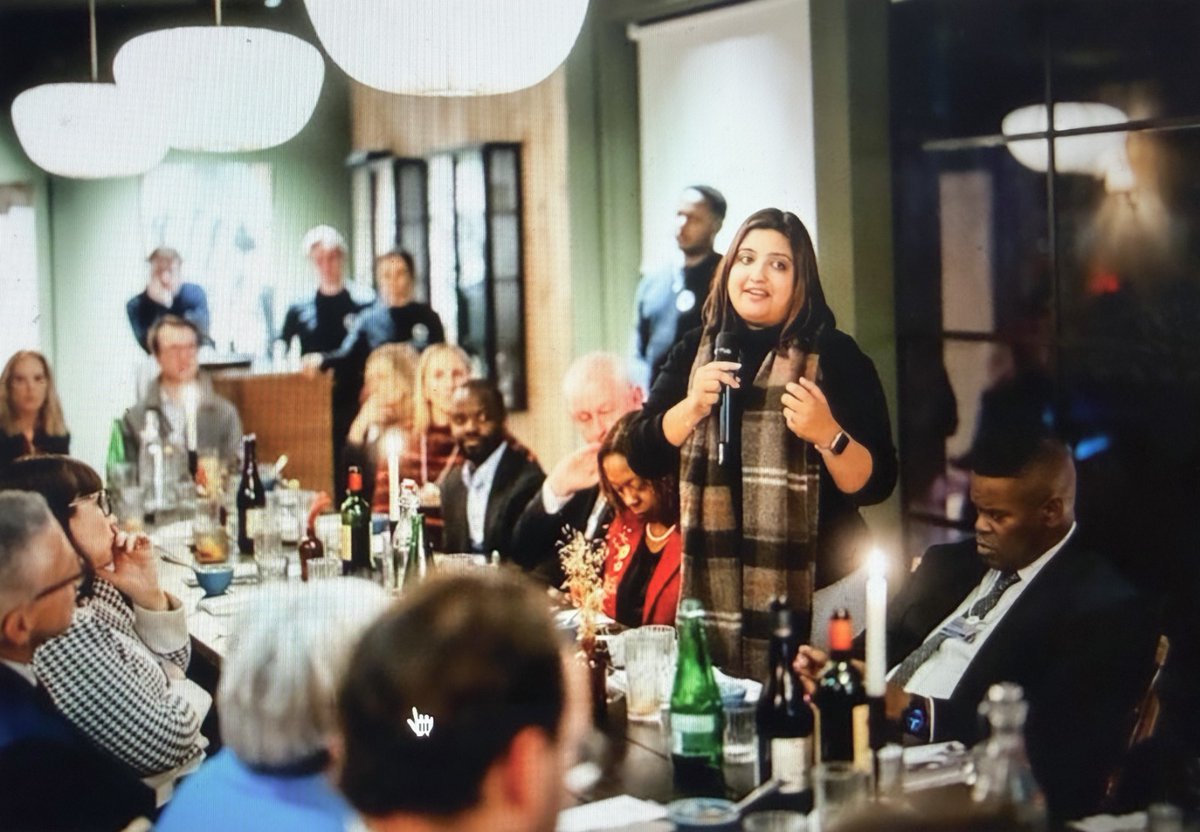
Inspiring moment at #Davos2026! Seeing @as_satyarthi alongside global leaders like @theresa_may @KerryKennedyRFK
discussing compassion-driven solutions to end modern slavery is powerful.Grateful for the work SMGC is doing globally. #CompassionateLeadership #EndModernSlavery
At the World Economic Forum in Davos, #SMGC CEO @as_satyarthi joined world leaders like @theresa_may, former Prime Minister of the United Kingdom, and @KerryKennedyRFK, President of Robert & Ethel Kennedy Human Rights, for a special dinner.
The leaders committed to confronting exploitation through responsibility and systemic reform and examined how compassion can drive change in the fight against modern slavery.
#CompassionateLeadership #ModernSlavery #SystemsChange #Davos2026 #WorldEconomicForum2026
@Davos @hewlettpackard @k_satyarthi @sumedhakailash @KSCFIndia @Kennedy_HRC @worldwomanfund
2
37
Kinsu Kumar🇮🇳 retweeted
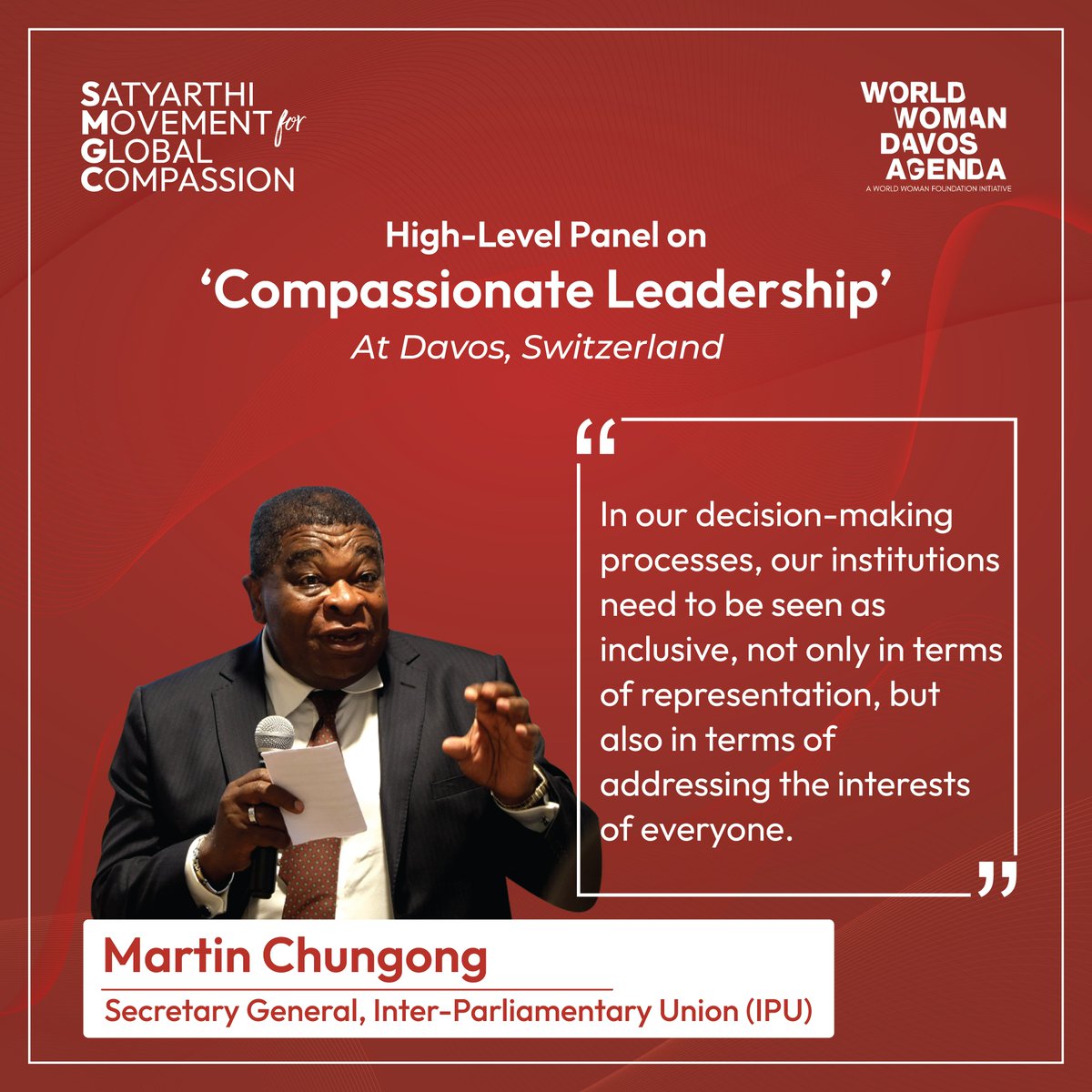
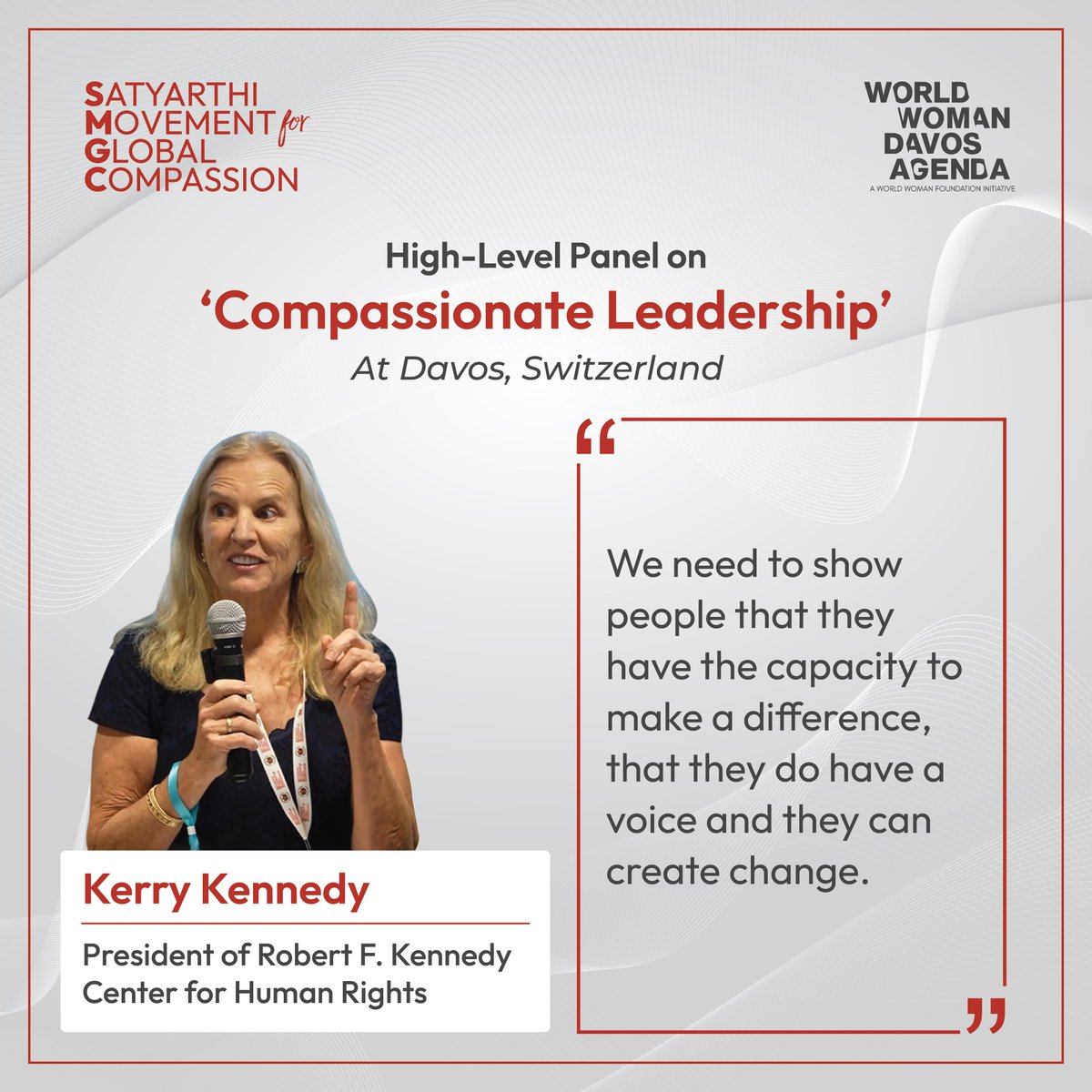
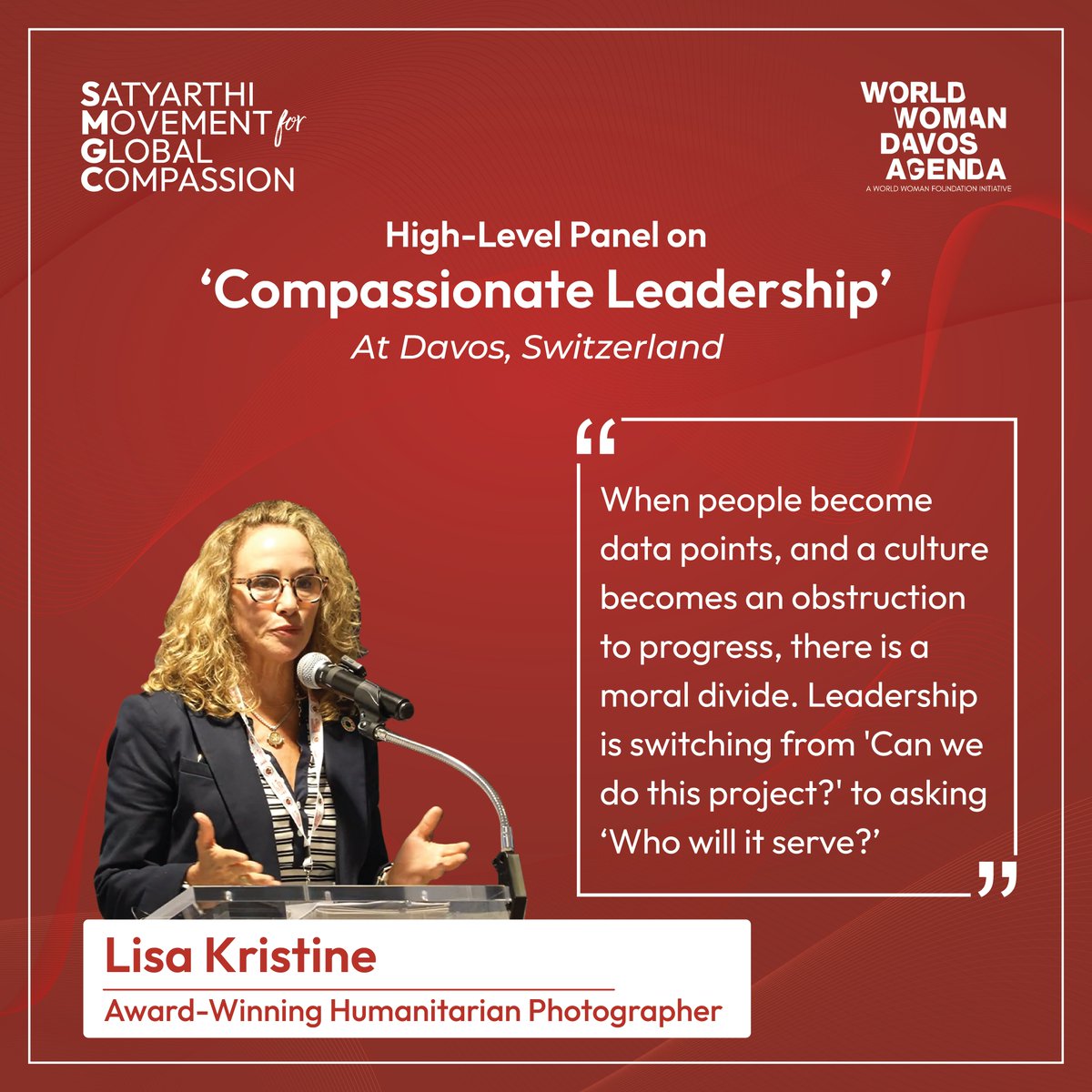
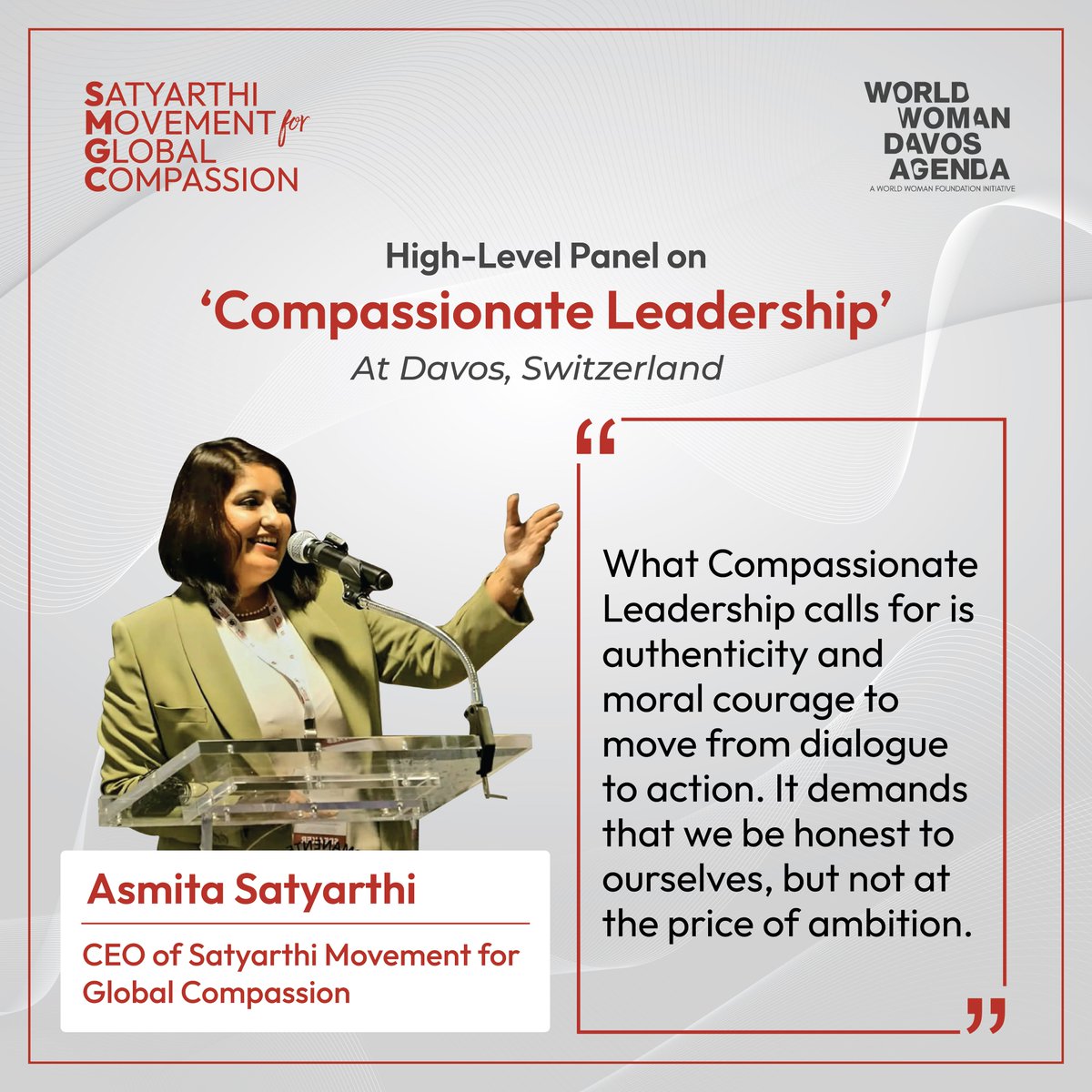
The High-Level Panel on 'Compassionate Leadership', co-hosted by #SMGC on the sidelines of World Economic Forum in Davos, saw a participation of powerful voices across the globe - @MartinChungong, @KerryKennedyRFK, @lisakristine and @as_satyarthi.
They explored ‘Compassionate Leadership’ as a strategic model that balances institutional ambition with collective responsibility.
Here's a glimpse of what they said.
#CompassionateLeadership #ModernSlavery #SystemsChange #Davos2026 #WorldEconomicForum2026
@Davos @k_satyarthi @sumedhakailash @KSCFIndia @HumanThreadFdn
4
7
2,186
Jan 22
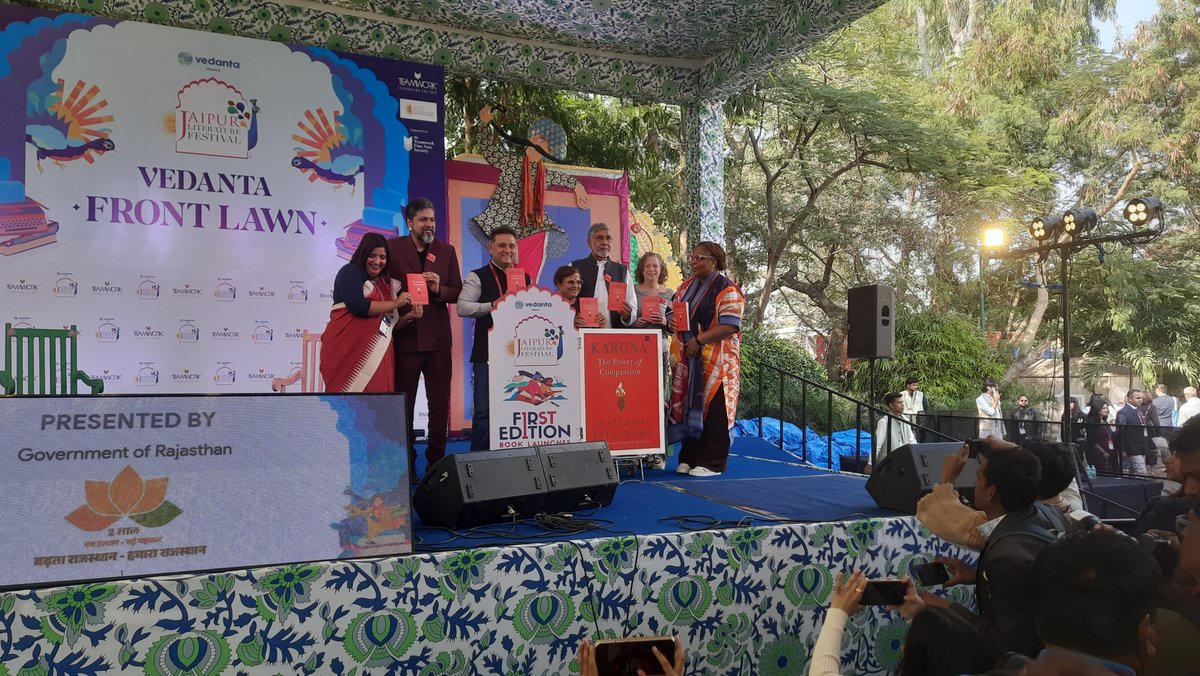
In a world drowning in conflict and indifference, @k_satyarthi 's Karuna reminds us: compassion isn't passive pity—it's a bold, transformative force join Hyderabad Lit Fest dialogue on Jan 24. awaken your Karuna.
Pre-order now!
#KailashSatyarthi @smgc_official
As we look toward 24 January at the Hyderabad Literature Festival, we invite our community to engage with the central inquiry of Karuna.
The book explores the relationship between human awareness and action in the face of suffering.
This work offers a framework for how compassion can inform the way we think about justice and human dignity. We share this in anticipation of the dialogue that will unfold.
Order your copy Today at thekarunabook.com
#KailashSatyarthi #TheKarunaBook #BookLaunch #HyderabadLitFest #Karuna
46
Jan 22
If 50 million enslaved people doesn't make your blood boil in 2026, nothing will.We're not 'unaware' anymore we're choosing comfort over abolition.
Join this important panel in #Davos2026 today
@smgc_official @wef @as_satyarthi @k_satyarthi @KSCFIndia
#world
Leadership is revealed through the choices it makes and the people those choices serve.
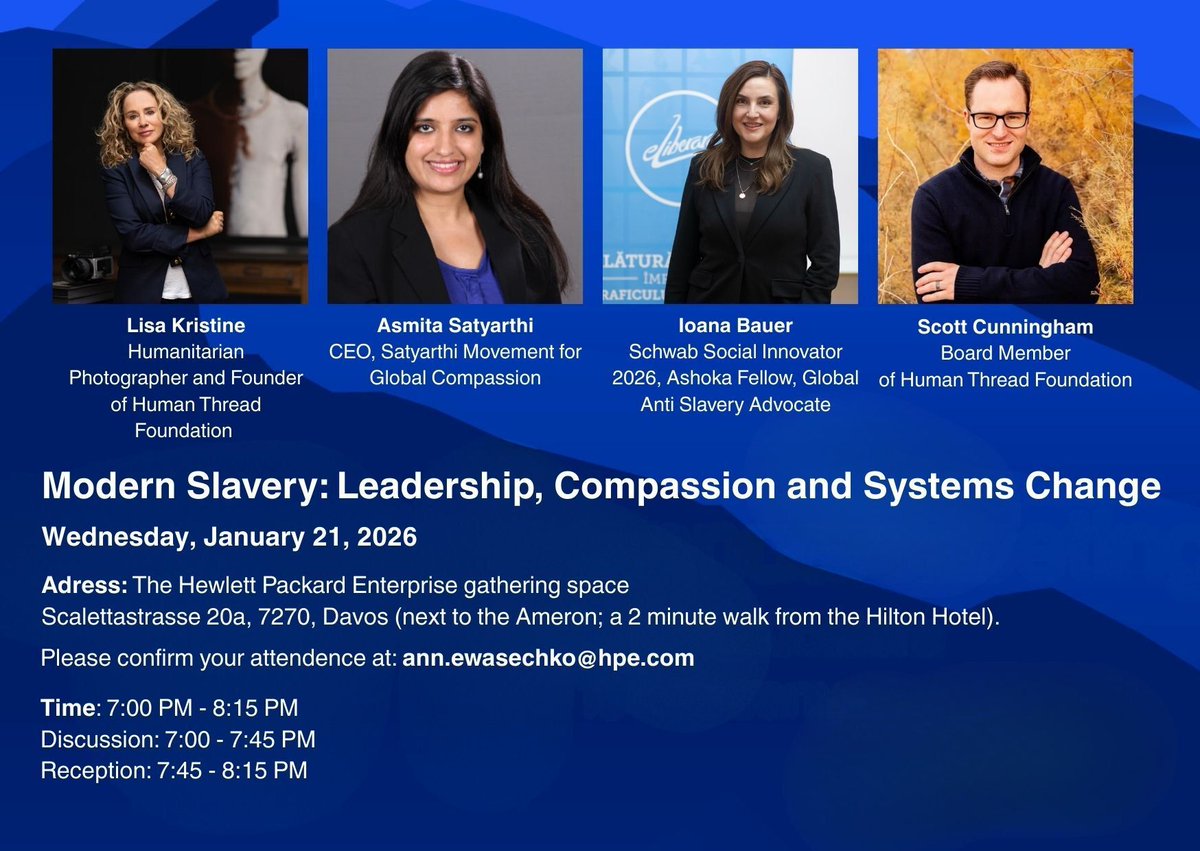
At the @Davos in Davos, a critical conversation on Modern Slavery, Leadership, Compassion and Systems Change will bring together leaders committed to confronting exploitation through responsibility and systemic reform.
#SMGC is honoured to be part of this dialogue, with our CEO, @as_satyarthi, speaking alongside @lisakristine, @IoanaBauer, and Scott Cunningham.
This exchange will examine how compassion, when centred in leadership, can drive accountability and systems change in the fight against modern slavery.
#CompassionateLeadership #ModernSlavery #SystemsChange #Davos2026 #WorldEconomicForum2026
@KSCFIndia @k_satyarthi @sumedhakailash
2
58
Jan 22
The wold leaders needs to show thier moral power at #Davos2026
@smgc_official @k_satyarthi @wef @as_satyarthi @Davos
#WorldEconomicForum2026 #Compassion
Jan 21
At the @Davos this week, across multiple conversations on ending modern slavery, with leaders and advocates from Hewlett Packard Enterprise, the Schwab Foundation for Social Entrepreneurship, the The Anti-Slavery Collective , and voices such as @KerryKennedyRFK, Baroness @theresa_may, @lisakristine and Princess Beatrice, @JohnSchultz_HPE, Dan Viederman , Trevear Thomas and many others - one question kept surfacing:
How do we work together to end modern slavery?
Let’s try to address this.
The world has never been richer or more technologically advanced. Yet nearly 50 million people still live in modern slavery, and 63% of forced labour occurs in the private economy.
Exploitation persists not because we lack awareness, but because it remains profitable, invisible, and structurally convenient.
Modern slavery is not an anomaly in the global economy. It is a symptom of how that economy is designed.
At @smgc_official founded by @k_satyarthi, we define compassion not as a soft sentiment, but as mindful and pragmatic problem-solving. Compassion is the ability to feel another’s suffering as your own - and to take responsible action to address its root causes.
The uncomfortable truth is that many systems we celebrate as “efficient” are efficient precisely because they externalise human suffering. Cheap products, fast fashion, next-day delivery, and extreme profit margins depend on invisible labour at the far end of long supply chains.
If these incentives remain unchanged, exploitation will simply reappear in new forms. We can rescue a child today, but tomorrow the same market pressures pull another child into work. We can shut down one abusive factory, and production shifts elsewhere.
This is why compassion must move from a value to a strategy.
Strategic compassion asks leaders difficult questions:
Who is paying the hidden cost of my business model?
Who is invisible in my supply chain?
What am I choosing to optimise for- cost alone, or human dignity?
Compassionate leadership measures success not only by profit, but by justice, equality, peace, and sustainability (JEPS). It builds ethical supply chains, treats human rights as non-negotiable, invests in worker wellbeing, and is willing to accept short-term discomfort for long-term justice.
Markets are already moving toward greater transparency, regulation, and accountability. The organisations that will thrive tomorrow are those that have the courage to redesign their systems today.
Before leaving Davos, my ask to every leader, policymaker, and investor is simple:
Measure what you currently don’t measure.
Map one product or service end-to-end and ask: Can I confidently say no child, no woman, no worker was harmed in creating this?
No single organisation can solve modern slavery alone.
But every organisation can ensure it is not part of the reason it continues.
#WorldEconomicForum2026 #Davos2026
35
Jan 22
Compassion isn’t just feeling — it’s mindful, pragmatic action to solve the world’s toughest problems. Let’s harness compassionate leadership at Davos and beyond to build justice, equality, peace, and sustainability.
#GlobaliseCompassion #Davos2026
@as_satyarthi @smgc
Jan 20
Let’s harness the power of compassionate leadership to address the complex problems the world faces today! At the @wef with Satyarthi Movement for Global Compassion!
#compassionateleaders #globalisecompassion
@smgc_official @Davos
25