A dynamic and responsive agency for progressive law reform
Joined July 2012
- Tweets 1,627
- Following 355
- Followers 2,789
- Likes 561
444 Photos and videos




Pinned Tweet

WELCOME ADDRESS BY THE ACTING CHIEF EXECUTIVE OFFICER TO THE COMMISSIONERS OF THE KENYA LAW REFORM COMMISSION DURING THEIR INDUCTION AT SAWELA LODGE NAIVASHA ON 9TH JUNE 2026
Chairperson and Honourable Commissioners,
On behalf of the Secretariat of the Kenya Law Reform Commission, I extend a warm and sincere welcome to you on your appointment as Commissioners of the Kenya Law Reform Commission.
Your appointment comes at an important moment as Kenya continues to navigate complex social, economic, technological, and governance challenges, that demand for responsive, evidence-based, and forward-looking law reform solutions.
The Commission therefore has a unique opportunity not only to fulfil its statutory mandate but also to redefine its role as a strategic institution at the centre of national development and social justice.
In discharging your mandate, you will be supported by a dedicated secretariat comprising professionals drawn from diverse disciplines, including legislative drafting, legal research and development, policy and legislative analysis, public administration, finance, human resource management, information technology, communications, and corporate services.
While our expertise is multidisciplinary, we are united by a common belief in the transformative power of law as an instrument of social progress, good governance, economic development, and the protection of rights and freedoms.
The Secretariat stands ready to support the Commission in the effective discharge of its responsibilities. In the Secretariat you will find a competent, diligent, innovative, and resourceful team committed to excellence in service delivery and to advancing the Commission's mandate.
Our performance evaluation outcomes over recent years demonstrate a culture of accountability, institutional discipline, and continuous improvement. These achievements provide a strong foundation upon which we can build an even stronger and more influential law reform institution.
Honourable Chairperson, Commissioners,
As we look to the future, I invite us to consider a broader and more ambitious vision for the Commission.
Across the world, Governments and Parliaments place trust in law reform bodies to continuously monitor law to establish its efficacy and desirability on account of their technical expertise, authoritativeness and impartiality. Successful law reform agencies are increasingly measured not merely by the number of legislation they have reviewed, but by the quality, relevance, and impact of their recommendations. For law reform to be effective, it must be impactful and informed by intensive consultation, rigorous research, responsiveness to stakeholders, and a commitment to evidence-based decision-making.
It is for this reason that I believe the Kenya Law Reform Commission should position itself as a model law reform agency and, ultimately, as one of the leading law reform institutions in Africa.
The first pillar of this transformation is the development of a National Law Reform Programme. Honorable Chairperson, Commissioners,
The establishment of the Kenya Law Reform Commission as an independent agency to spearhead the law reform agenda has been a significant step to the establishment of an institutional framework for the continuous review of the law in Kenya to ensure that the law is harmonious, technically sound, cost-effective in application and responsive to the needs of the society.
Despite contributing significantly to the development of a legal system that is society oriented and one that creates an enabling environment for development in Kenya, the Commission has noted a gap in the establishment of a strategic approach to the policy and legal reform interventions required to effectively address the needs of the Kenyan people. Law reform in Kenya is often undertaken in a fragmented and reactive manner, resulting in duplication of effort and missed opportunities for strategic reform.
The National Law Reform Programme seeks to establish a coordinated, evidence-based, and forward-looking framework for identifying, prioritising, implementing, and monitoring law reform interventions. Through a rolling five-year reform agenda informed by government priorities, judicial decisions, stakeholder recommendations, and public participation, the Commission will identify areas of law that require review, modernisation, or improvement in response to social, economic, political, and technological change, prioritise the issues for reform based on an established criterion, examine the identified laws or issues and make recommendations for improvement of the law.
One of the key legal issues that should be considered under the National Law Reform Programme is the establishment of a penalty and fee units system in Kenya. Currently, many Kenyan statutes prescribe fixed monetary penalties and fees that lose their effectiveness over time due to inflation and changing economic conditions, by introducing a standardised system of penalty and fee units, Kenya can create a more coherent, flexible, and efficient framework for updating statutory penalties and charges while promoting consistency across legislation. This is an example of practical law reform that can improve both the effectiveness and efficiency of our legal system
The National Law Reform Programme (NLRP) is a strategic intervention because it provides an organised, forward-looking framework that guides how the Commission identifies, prioritises, and undertakes law reform in Kenya. Instead of responding to legal problems in an ad hoc or reactive way, the programme enables the Commission to work in a structured, coordinated, and goal-oriented manner. The attendant law reform reports prepared after every law reform project will additionally provide a critical resource on the legal analysis, constitutional considerations, comparative research, stakeholder consultation findings, implementation planning, and draft legislation recommended to resolve the issue.
Secondly, I propose that the Commission position itself as Kenya's National Centre of Excellence for Regulatory Impact Analysis. The future of law reform is not only about drafting better laws; it is about ensuring that laws deliver measurable social, economic, and governance outcomes. Regulatory Impact Analysis provides a structured methodology for assessing the likely costs, benefits, risks, and consequences of proposed laws before they are enacted.
The Commission is uniquely placed to lead this agenda because it already possesses the essential foundations: a statutory mandate for law reform, expertise in legislative drafting and legal analysis, extensive experience in stakeholder engagement, and established relationships with Parliament, ministries, regulators, county governments, and development partners.
By establishing a dedicated Regulatory Impact Analysis function, the Commission can help improve the quality of legislation, reduce unintended consequences, lower compliance costs, strengthen public participation, enhance investor confidence, and improve implementation outcomes. Over time, this capability could position the Commission as the national custodian of regulatory quality and evidence-based legislative development.
Lastly, at the secretariat level, we are proposing the establishment of a Strategic Law Reform Committee to provide leadership in identifying future reform priorities, monitoring implementation of recommendations, and ensuring alignment between law reform initiatives and national development objectives will be crucial. Such a mechanism would strengthen institutional coordination and provide a structured platform for long-term thinking on legal and regulatory reform. The recommendations of the SLRT will then feeds into the Commission’s Law Reform Programme’s Committee.
Honourable Chairperson, Commissioners,
Achieving this vision will require investment in multidisciplinary capabilities, including legal research and analysis, economics, public policy analysis within the Secretariat. It will also require investment in research infrastructure, stakeholder engagement mechanisms, digital consultation platforms, and knowledge management systems. This need not occur through a large and immediate expansion of resources. A phased approach based on staff development, strategic partnerships, pilot projects, and gradual institutional strengthening will allow the Commission to build these capabilities sustainably.
I believe we have the opportunity to position the Kenya Law Reform Commission as a model law reform agency—one that anticipates future challenges, responds to emerging opportunities, strengthens democratic governance, and contributes meaningfully to national development. By strengthening our methodology, deepening stakeholder engagement, institutionalising regulatory impact analysis, and producing world-class law reform reports, we can significantly enhance the quality, influence, and implementation of our work.
In conclusion Honourable Chairperson, Commissioner, allow me to take this opportunity to express my gratitude for the opportunity to step in to perform the functions of the office of the Secretary/ Chief Executive Officer. I also wish to acknowledge and thank those who previously performed these responsibilities, some of whom continue to serve the Government in different capacities, for the valuable contributions they have made to the Commission’s growth and success.
I fully appreciate that the responsibilities are significant and demanding, carrying with them profound obligations and expectations. I wish to assure that I am prepared and committed to meeting these responsibilities, with diligence, integrity and dedication.
As we are in a football season, allow me to borrow the words of the Arsenal Football Club’s Head Coach, Mikel Arteta, who once urged the supporters to “trust the process”. In the same spirit, honorable Chairperson, Commissioners, I respectfully urge you, to trust the process and together we are going to strengthen the Kenya Law Reform Commission and make it a model law reform institution, in East and Central of Africa, across the African Continent, and throughout the Commonwealth.
I look forward to working closely with all of you in advancing the Commission’s mandate and achieving our shared vision.
Thank you.


5
662
KLRC's contribution to transport sector reforms was highlighted during Citizen TV's Traffic Insider Report hosted by Trevor Ombija and featuring NTSA Director General Eng. Nashon Kondiwa. The Commission continues to support the development of responsive legal and regulatory frameworks that promote road safety, efficient transport systems, and good governance.
#KLRC #TransportReforms #RoadSafety #LawReformKE
76
On Tuesday, 16 June 2026, the Kenya Law Reform Commission (KLRC) held a consultative engagement with the Chandler Institute of Justice (CIJ) to explore strategic areas of partnership aimed at strengthening evidence-based law reform, legislative excellence, and good governance. The discussions focused on potential collaboration in legal research, capacity building, legislative drafting, development of model laws, regulatory impact assessment, and knowledge management systems to support effective and citizen-centred law reform in Kenya and the region.
#progressivelawreform
#collaboration


1
1
144
In Muthumba v Land Surveyors Board & 3 others [2026] KEHC 2645 (KLR) the High Court considered whether requiring land surveyors to become full members of the Institution of Surveyors of Kenya (ISK) before obtaining a practising licence violated the constitutional right to freedom of association under Article 36.
The petitioner, a qualified surveyor, challenged section 12 (1) of the Survey Act and Regulation 15 of Survey Regulations that required proof of full ISK membership as part of the licensing process. He argued that ISK is a voluntary professional association registered under the Societies Act and not a statutory regulator, and that compelling membership infringed this right not to be compelled to join an association.
The Court agreed. It found that while ISK performs valuable professional and ethical functions, it is not the statutory body responsible for licensing or regulating surveyors. Those powers belong to the Land Surveyors’ Board under the Survey Act. The Court emphasized that mandatory membership in a private association as a condition for accessing a profession amounts to compelled association, which violates Article 36(2) of the Constitution.
Applying the limitation test under Article 24 of the Constitution, the Court held that the requirement was not reasonable or justifiable. The Court held that professional standards and public protection could be achieved through the Land Surveyors’ Board without forcing surveyors to join ISK.
The Court distinguished the ISK from the Law Society of Kenya, noting that the LSK was statutory regulator, while the ISK is neither a creature of statute nor does it have any regulatory functions.
Consequently, the Court declared the impugned provisions unconstitutional, struck out the requirement for mandatory ISK membership, and affirmed that membership in professional associations must remain voluntary. It further clarified that the Land Surveyors’ Board is the only statutory body with authority to license and regulate land surveyors.
#LawReform
#KatibaWednesday
101
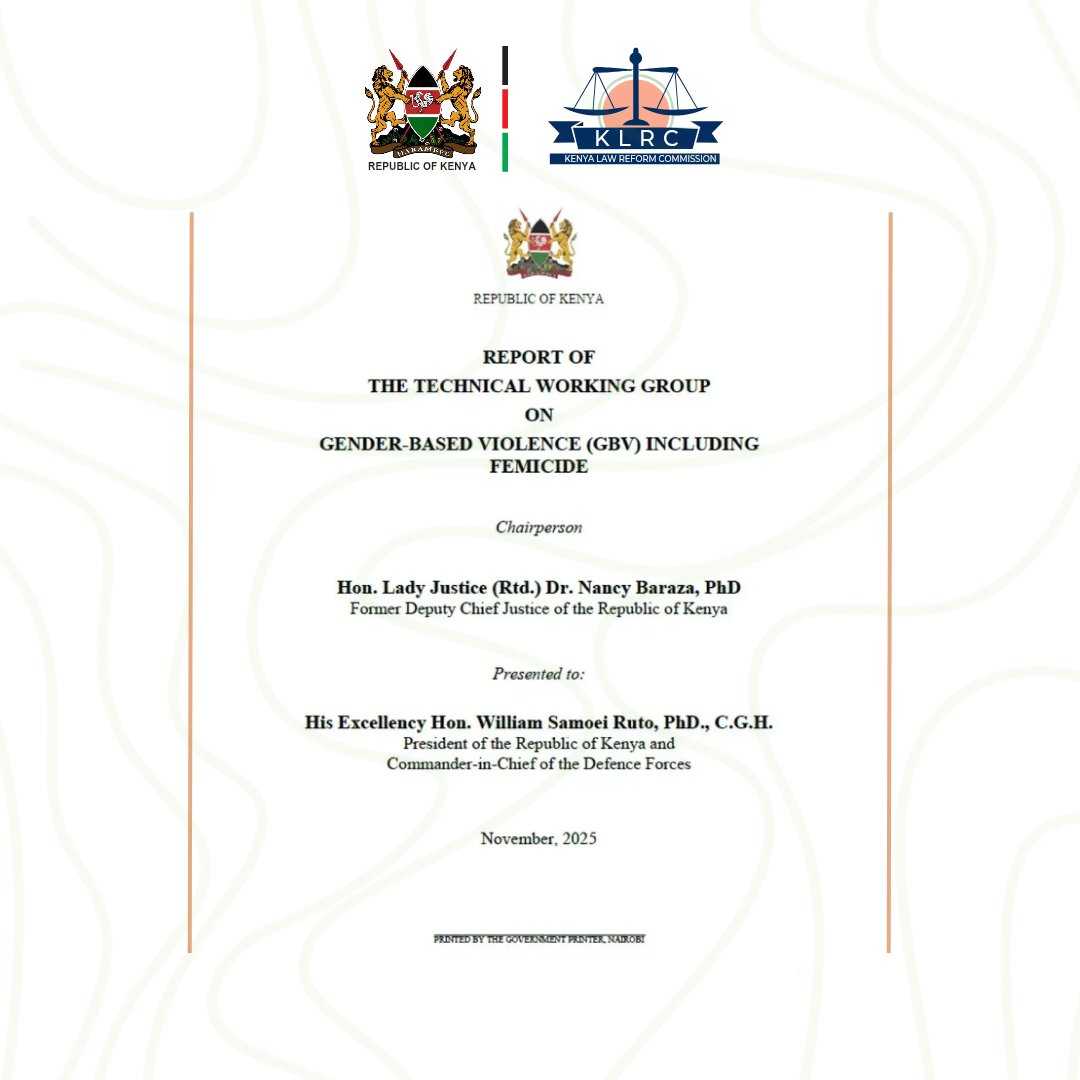
Earlier this year, the Technical Working Group on Gender-Based Violence (GBV), including Femicide, chaired by former Deputy Chief Justice Nancy Baraza, submitted its report. The Taskforce was established in response to growing public concern over rising cases of femicide and GBV. KLRC was represented in the multi-sectoral team in line with its mandate to review laws and support reforms that respond to emerging societal issues.
The focus has now shifted from recommendations to implementation.
Among the proposals are:
•Defining femicide as a distinct offence in law.
•Declaring GBV and femicide a national crisis.
•Requiring reporting of GBV incidents.
•Installing CCTV in lodgings and short-stay rentals.
•Abolishing informal dispute resolution in GBV cases.
•Establishing a centralised national database on GBV and femicide.
•Strengthening funding, coordination and response mechanisms.
Implementation of these recommendations will require a combination of legislative, policy and institutional reforms.
As discussions continue, which recommendation do you think would have the greatest impact and why?
#LawReform #GBV #Femicide #TopicalTuesday
62
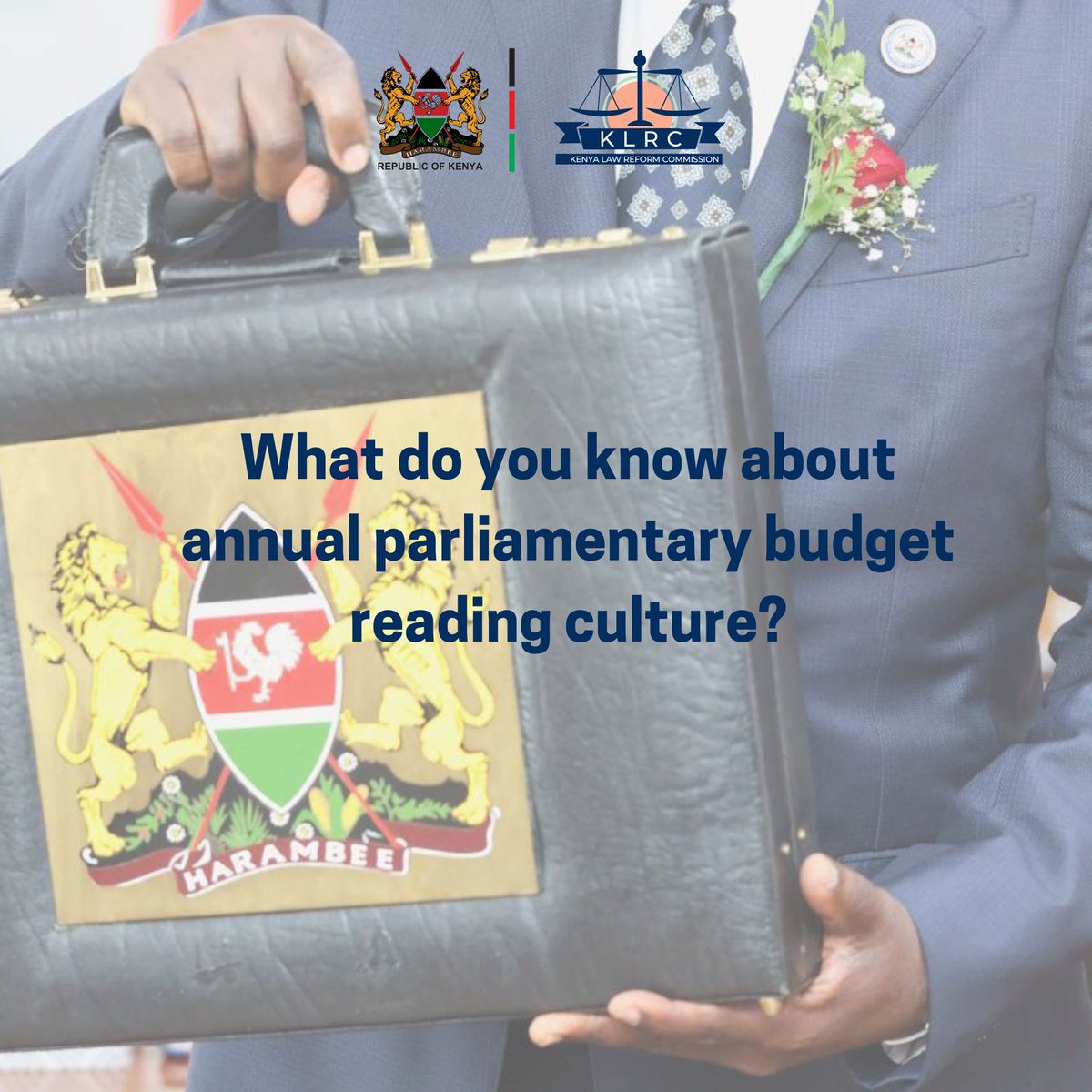
What do you know about annual parliamentary budget reading culture?
Kenya's budget-reading culture was passed down from the British government. The Cabinet Secretary, for Treasury carries an iconic green, silver, or black leather briefcase into Parliament.
This briefcase, historically imported from the UK, contains the physical budget speech and the finalized estimates of revenue and expenditure.
While digital copies of the speech are now widely available, the tradition of carrying the heavy, locked briefcase remains a nostalgic symbol representing the weight of the nation's finances.
#FunFactFriday
#Budget
1
56
The Constitution of Kenya sets clear principles that must guide appointments in both the national and county public service.
Under Articles 10, 232 and 73 of the Constitution, public appointments must be founded on:
✔ Merit and competence;
✔ Fair competition and equal opportunity;
✔ Transparency and accountability;
✔ Integrity and ethical leadership;
✔ Representation of Kenya's diversity; and
✔ Public confidence in public institutions.
These principles apply to all public agencies including commissions, independent offices and county governments.
Recent public discussions on recruitment and retention practices in public institutions serve as an important reminder that public employment is not a private privilege. The Constitution demands that recruitment processes in the public service must be transparent, competitive and capable of public scrutiny to ensure that qualified Kenyans have an equal opportunity to serve.
Where appointments are perceived to be opaque, irregular, or inconsistent with constitutional and statutory requirements, public confidence in institutions may be undermined and the legitimacy of those institutions called into question.
The Constitution demands not only that public appointments be lawful, but that they are seen to be fair, transparent, and accountable.
What measures do you think should be strengthened to promote transparency and integrity in public appointments?
#TalkToUsThursday #KLRC #Constitution #PublicService #GoodGovernance #Transparency #Accountability #LeadershipAndIntegrity
2
180
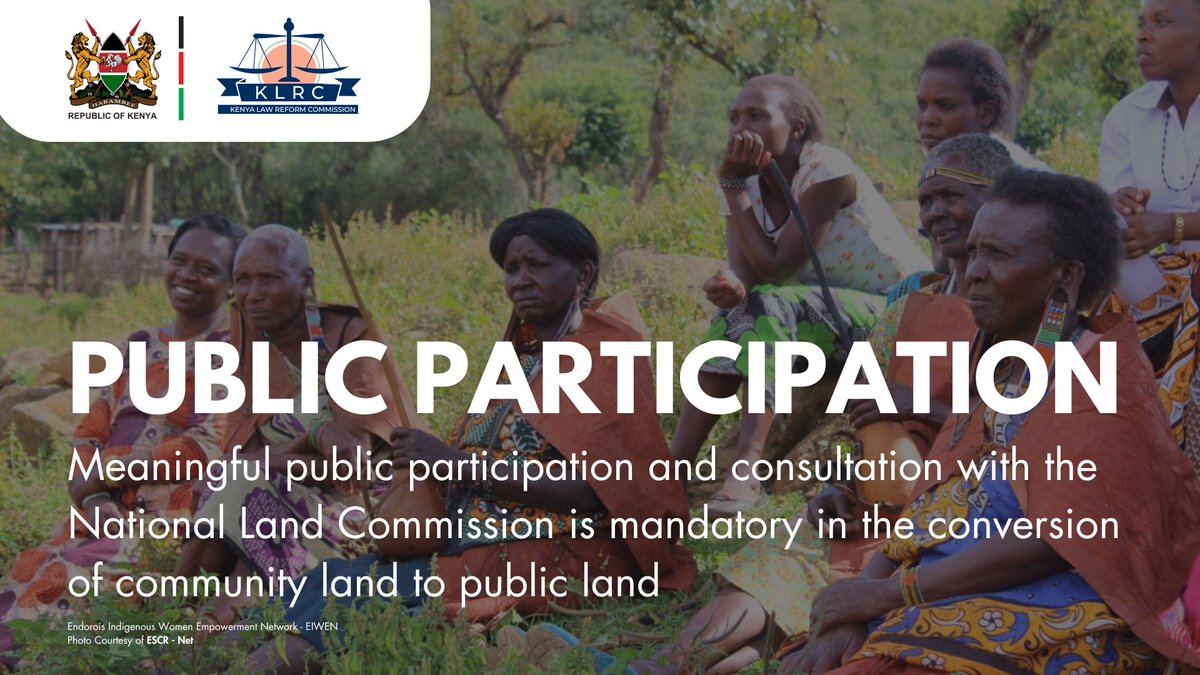
In Endorois Welfare Council v Cabinet Secretary Ministry of Environment, Climate Change and Forestry & 4 others [2026] KEELC 432 (KLR), the Environment and Land Court held that the gazettement of approximately 13,195.8 hectares of Arabal Location as a public forest was unconstitutional because the land was community land belonging to the Endorois community.
The Court held that statutory procedures for its conversion into public land were not followed.
The court found that under section 22 of the Community Land Act, community land can only be converted to public land through compulsory acquisition, transfer, or surrender. The Court held that since the Respondent alleged that the land had been surrendered by the community for public use, the process should have been community-driven as required by Regulation 19 of the Community Land Regulations, 2017.
The Court held that quite apart from the requirement of the Regulations, public participation is a constitutional requirement. The Court found that there was no evidence that meaningful public participation involving the Endorois community had taken place.
The Court also held held that under section 31(2) of the Forest Conservation and Management Act, consultation with the NLC was mandatory before declaring community land a public forest.
Evidence showed that the NLC had requested further consultations and clarification before any conversion could proceed, but there was no proof that those consultations took place.
Consequently, the court quashed the gazettement of the community land as a public forest.
#KatibaWednesday
#ProgressiveLawReform
1
50
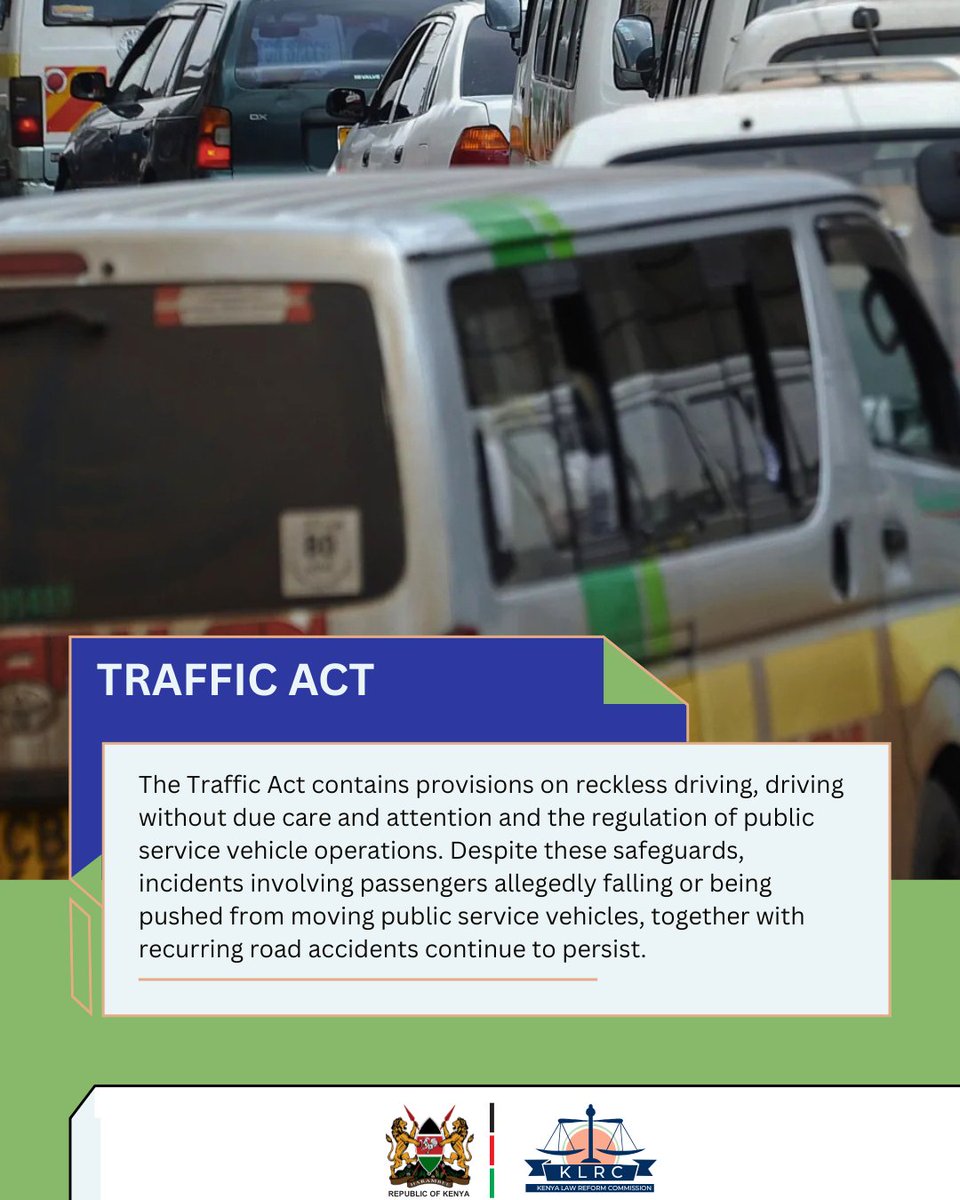
Recent incidents involving passengers allegedly falling or being pushed from moving public service vehicles, together with recurring road accidents attributed to dangerous driving, have renewed public concern about safety in the public transport sector.
Kenya's legal framework already addresses these issues. For example, the Traffic Act contains provisions on reckless driving, driving without due care and attention and the regulation of public service vehicle operations. The Act also provides penalties for traffic offences and mechanisms for regulating drivers and conductors of public service vehicles.
Despite these safeguards, the incidents raise broader questions about whether existing legal and regulatory measures are sufficient to deter dangerous conduct, protect passengers and promote accountability within the public transport sector.
Is the challenge one of inadequate laws, weak enforcement or both? What role can law and policy play in strengthening passenger safety and public confidence in public transport?
We welcome your views.
#LawReform #RoadSafety #PublicTransport #PassengerSafety #TopicalTuesday
1
2
142
Section 89 of the Employment Act requires most employment-related claims to be filed within three years from the date the cause of action arises. Where the claim relates to a continuing injury or damage, the claim must be filed within twelve months after the injury ceases.
While the provision promotes timely resolution of employment disputes and legal certainty, questions continue to arise:
🔹 What amounts to a "continuing injury" in employment law?
🔹 Should courts have discretion to extend time in exceptional circumstances?
🔹 Does the strict limitation period affect access to justice for vulnerable employees?
🔹 Should the law accommodate delays that may be experienced when claimants seek recourse in internal grievance mechanisms, mediation, or conciliation processes?
As Kenya continues to modernise its labour laws, these are some of the questions that inform ongoing discussions on balancing legal certainty with fair access to justice.
What are your views? Should Section 89 remain as it is, or is there need for reform?
#TalkToUsThursday #EmploymentLawKE #LabourRights #LawReformKE #KLRC

63
In Janmohammed (SC) (Suing as the Executrix of the Estate of the Late HE Daniel Toroitich arap Moi) & Another v Lagat & 4 Others [2024] KESC 39 (KLR), the Supreme Court considered whether a constitutional petition filed 31 years after the alleged deprivation of the right to property could proceed despite the provisions of section 7 of the Limitation of Actions Act.
The respondents, who were administrators of the Estate of Noah Chelugui, alleged that land belonging to the late Noah Chelugui had been unlawfully transferred and registered in the name of former President Daniel arap Moi in 1983. They filed a constitutional petition in 2014 alleging violation of the right to property contrary to Article 40 of the Constitution.
The Environment and Land Court agreed with them and awarded 1.06 billion shillings in their favour as damages. On appeal, the Court of Appeal agreed with the ELC and sustained the award.
On a second appeal, the Supreme Court held that as a general rule, the Limitation of Actions Act does not oust the jurisdiction of a court to hear a constitutional petition. However, the Supreme Court held that the rule is not absolute and the court must determine that issue on a case-to-case basis.
On the particulars of the case, the Supreme Court held that the court must consider whether the delay was inordinate and whether a satisfactory explanation had been provided.
The Court held that the 31-year delay in the case was inordinate and unexplained, and therefore the claim of compensation could not be sustained. The Supreme Court therefore overturned the decision of the Court of Appeal.
#KatibaWednesday

129
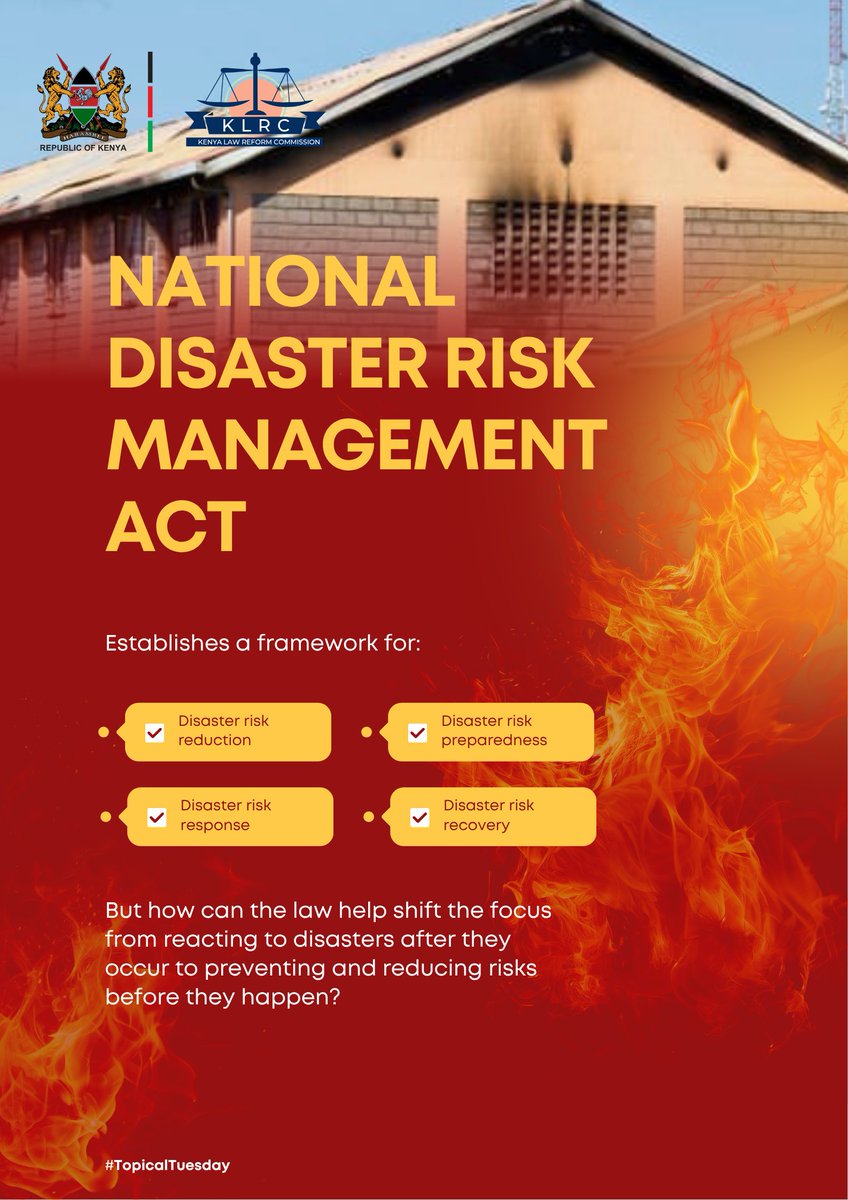
Recent events have renewed public discussion around disaster preparedness, emergency response and public safety in Kenya. Whether caused by fires, floods, disease outbreaks or other emergencies, such incidents often prompt questions about how prepared our institutions are to prevent, prepare for and respond to disasters.
Against this backdrop, the President recently assented to the National Disaster Risk Management Act, which establishes a framework for disaster risk reduction, preparedness, response and recovery. The Act also seeks to strengthen coordination between national and county governments and improve institutional capacity in disaster management.
The new law presents an opportunity to reflect on Kenya's approach to disaster management. Will the new institutional and coordination mechanisms strengthen preparedness and response in practice? How can the law help shift the focus from reacting to disasters after they occur to preventing and reducing risks before they happen? And what steps will be necessary to ensure that the law translates into safer communities and greater resilience across the country?
#LawReform #DisasterRiskManagement #PublicSafety #TopicalTuesday #DisasterPreparedness
2
1
92
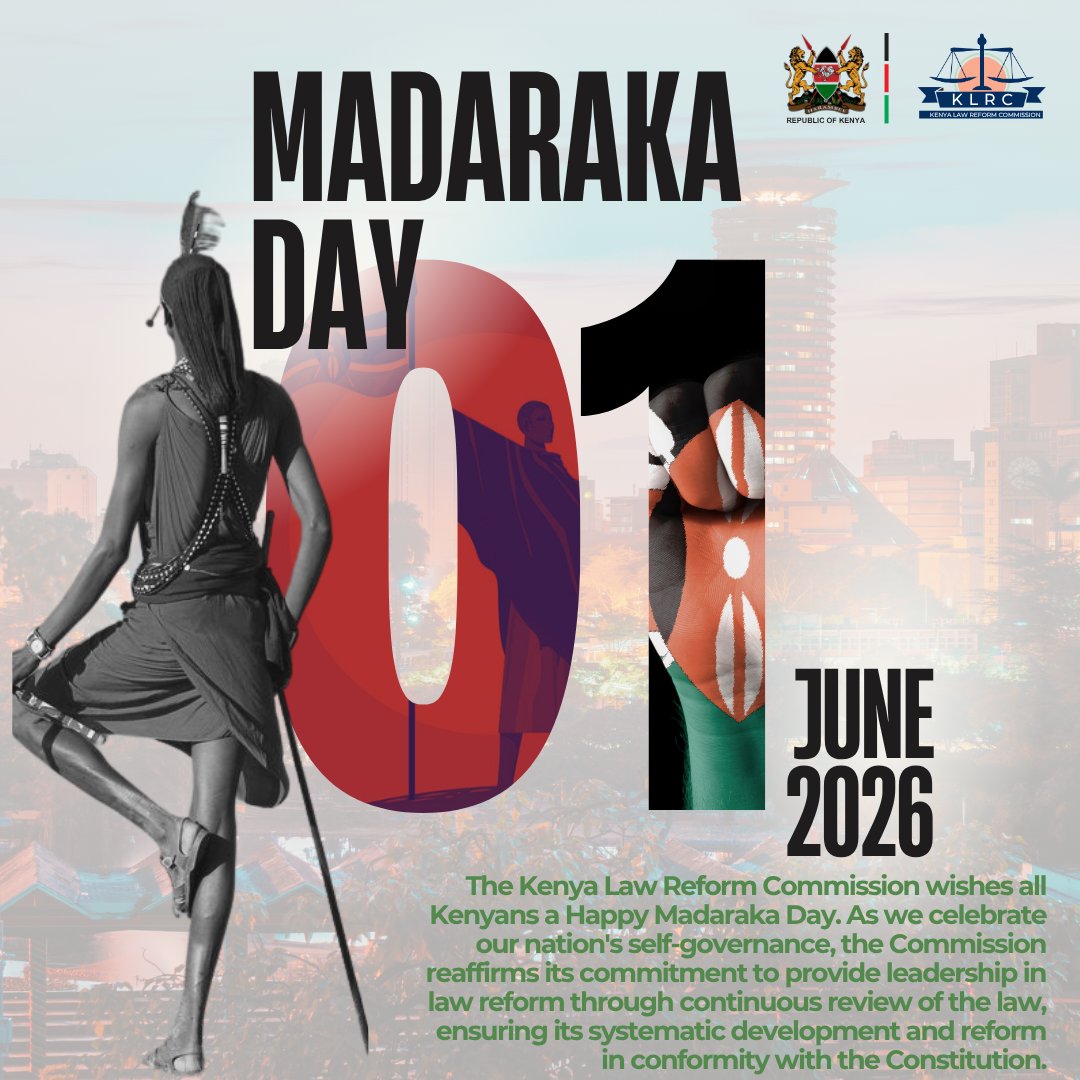
The Kenya Law Reform Commission wishes all Kenyans a Happy Madaraka Day. As we celebrate our nation's self-governance, the Commission reaffirms its commitment to provide leadership in law reform through continuous review of the law, ensuring its systematic development and reform in conformity with the Constitution.
#MadarakaDay2026
#MadarakaDayWajir
#ProgressiveLawReform
1
64
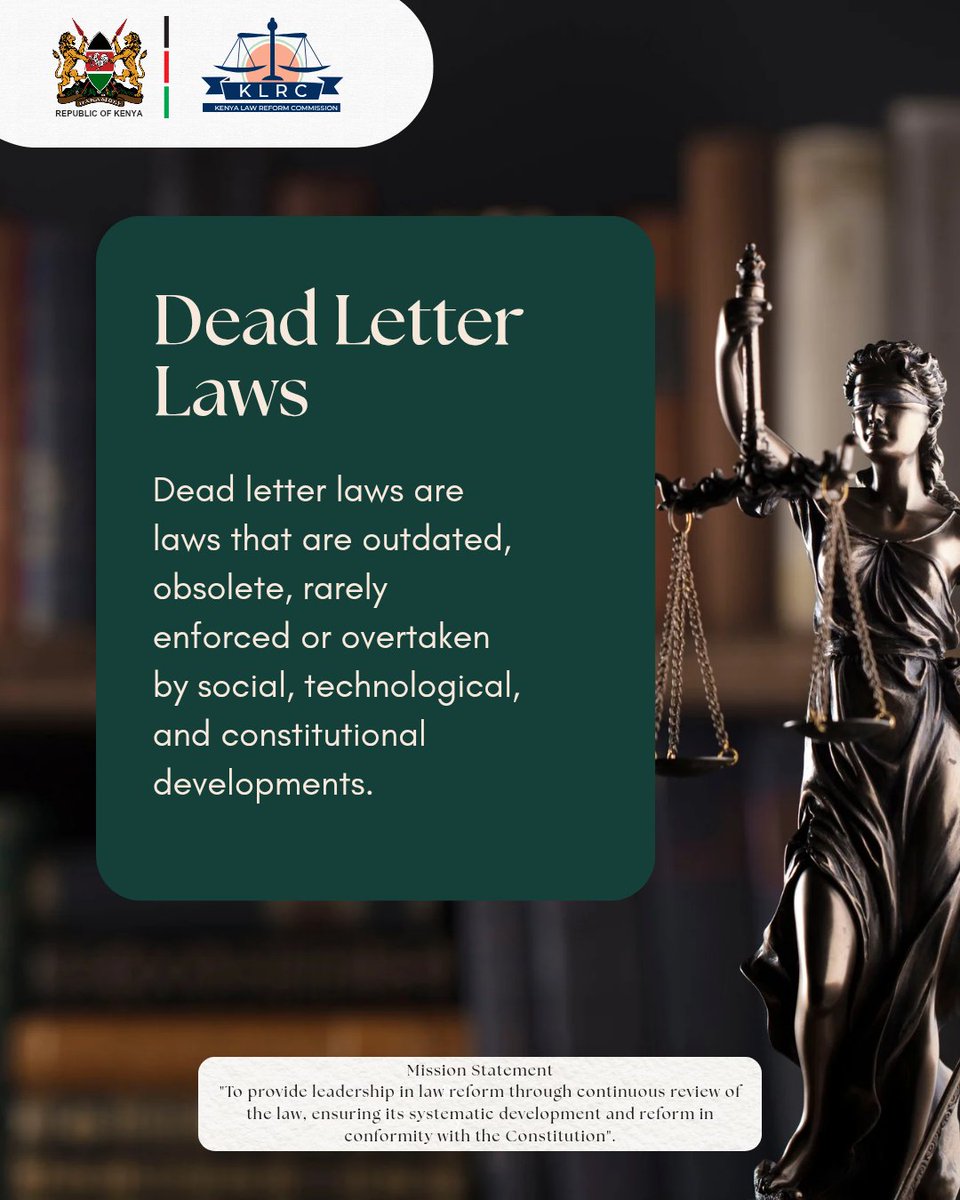
Did you know that some laws in Kenya still remain in the statute books despite no longer reflecting constitutional values, modern realities or the needs of the people? These are commonly referred to as “dead letter laws”, laws that are outdated, obsolete, rarely enforced or overtaken by social, technological, and constitutional developments.
To address this challenge, the Kenya Law Reform Commission is in the process of establishing an Inter-Ministerial Committee to review obsolete and outdated legal provisions across various statutes with the aim of recommending:
• repeal of outdated and impractical laws;
• deletion of obsolete provisions;
• harmonisation of laws with the Constitution; and
• enactment of modern, people-centred laws responsive to present-day societal, economic, and governance realities.
The initiative seeks to ultimately provide a legal framework that is:
constitutional;
responsive;
efficient; and
that reflect the aspirations and needs of the Kenyan people.
Let us engage in the comments section by identifying laws and provisions that are outdated, oppressive, impractical, or those that no longer respond to contemporary Kenyan realities for possible review and reform.
#TalkToUsThursday #LawReformKE #PeopleCentredLaws
1
1
60
Eid Mubarak from us at the Kenya Law Reform Commission.

1
61
Kenya Law Reform Commission retweeted

May 26
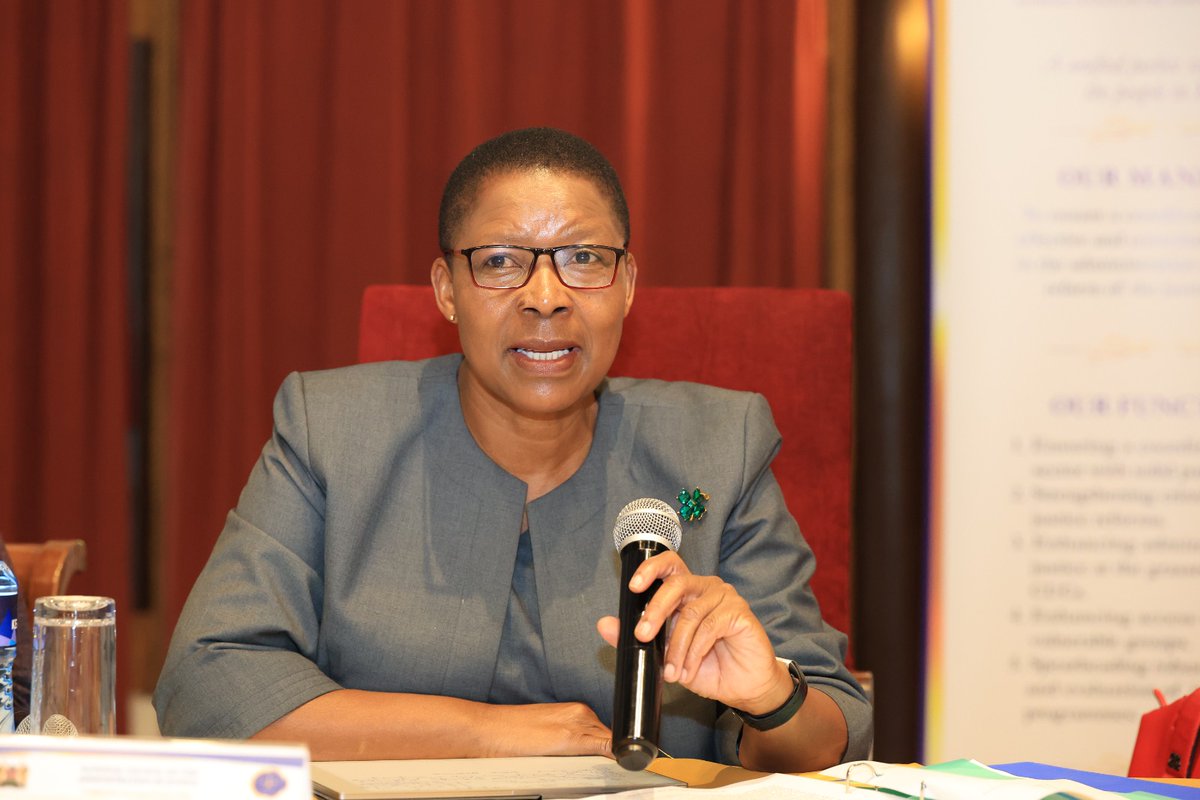
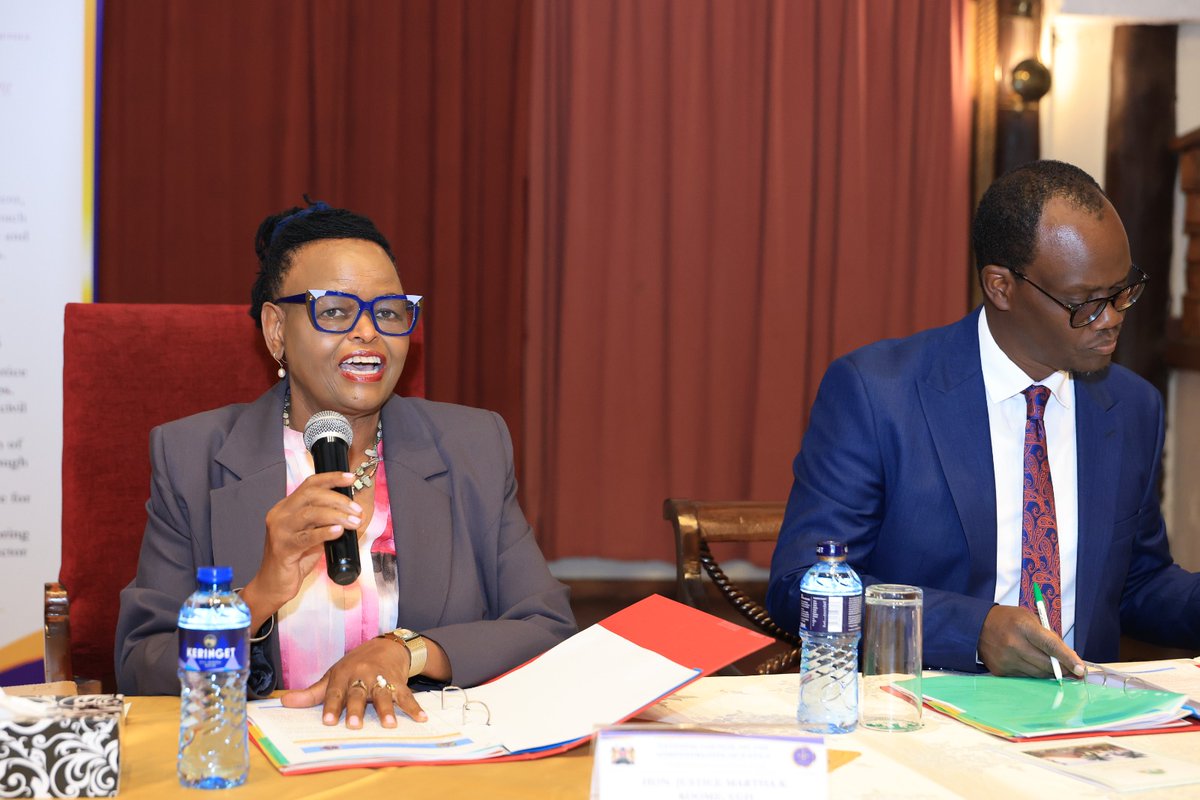
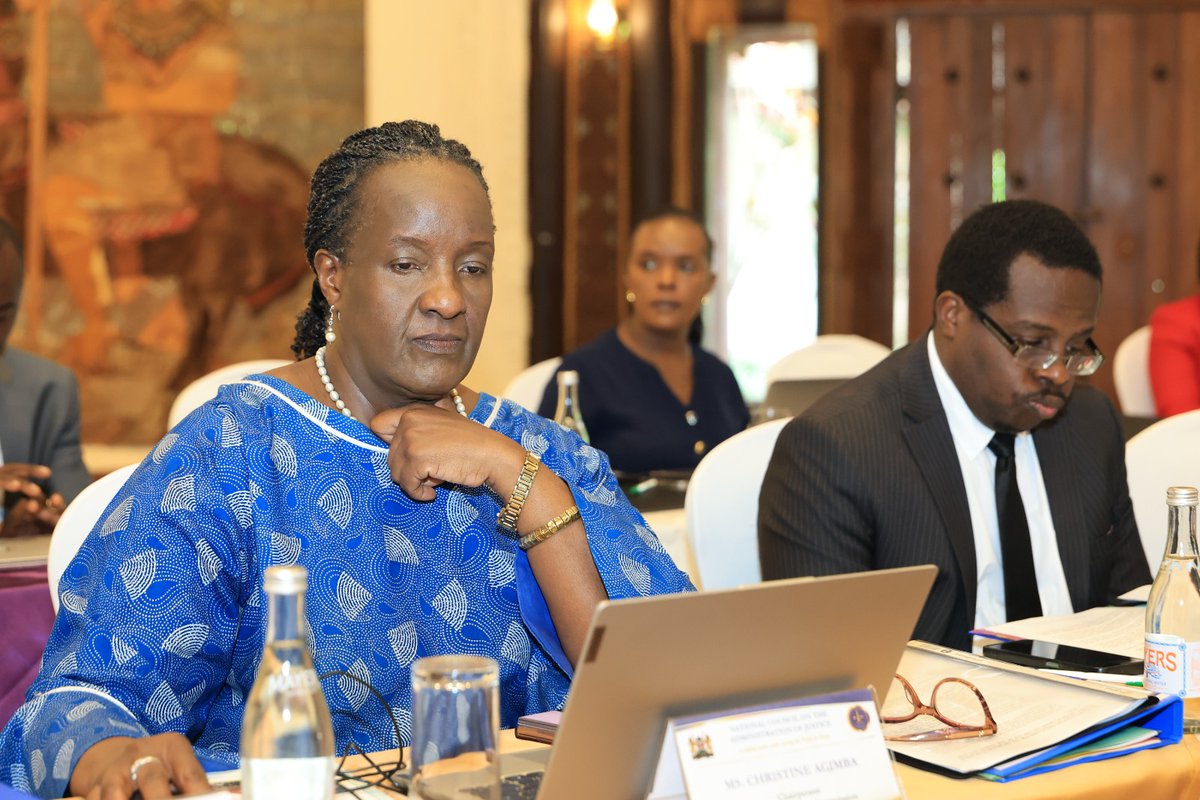
Today, the Attorney General Hon. Dorcas Oduor, EGH, attended a meeting of the National Council on the Administration of Justice (NCAJ) at Safari Park Hotel, presided over by Chief Justice Martha Koome.
The high-level engagement convened leaders and key stakeholders from across the justice sector to deliberate on priority issues affecting the administration of justice and the delivery of justice services in the country. Among those in attendance were , PS @CorrectionalKE Services Dr. Salome Biacco, Hon. @CarrenAgengo, the PS for Children Affairs, the @LawSocietyofKe President, Mr. @ckanjama alongside senior officials drawn from various justice sector institutions.
The meeting underscored the importance of sustained inter-agency collaboration, institutional coordination, and collective action in addressing emerging challenges within the justice sector. Discussions focused on strengthening partnerships among institutions, promoting access to justice, enhancing accountability, and advancing reforms aimed at improving efficiency and responsiveness in service delivery.
The NCAJ continues to serve as a critical platform for fostering cooperation among justice sector actors in the pursuit of a more effective, accessible, and people-centred justice system.

4
5
1,375
Recent conversations about gender-based violence and the deaths of women and children have raised difficult questions about safety, protection systems and access to justice in Kenya. Civil society groups including FIDA-Kenya, LSK, KEWOPA and KHRC have also raised alarm over rising cases of violence and the slow institutional response meant to prevent and address them.
The Constitution already guarantees several protections including the right to life under Article 26, equality and freedom from discrimination under Article 27, human dignity under Article 28, freedom and security of the person under Article 29 and children’s right to protection from abuse, neglect and violence under Article 53.
Kenya also has laws such as the Children Act, the Sexual Offences Act, the Protection Against Domestic Violence Act and provisions of the Penal Code aimed at addressing violence and abuse. However, reports involving violence against women and children continue to raise questions. Are existing laws sufficient? Are they properly enforced? How should the law evolve to address emerging forms of violence and strengthen protection systems for women and children? Share your thoughts!
#ChildProtection #GBV #AccessToJustice #TopicalTuesday

114
The KLRC Act, Section 6 (f) mandates the Commission to consult and collaborate with State and non-State organs, departments or agencies in the formulation of legislation to give effect to the social, economic and political policies for the time being in force.
The High Court delivered a landmark judgement in the Constitutional Petition No. E490 of 2025, Justice Bahati Mwamuye held that applying Sections 8, 9, 11, and 43 of the Sexual Offences Act to adolescents of close age proximity engaging in consensual, non-coercive, and non-exploitative sexual relations violates Articles 27,28,31,43 and 52 of the Constitution.
Currently, the Commission is offering technical assistance to the NCAJ SGBV Committee to amend the Sexual Offences Act, Cap. 63A, and this judgment by the high court will be taken into consideration in amending the Act to ensure that the adolescents are protected and not punished.
#MandateMonday
117