
Joined October 2007
- Tweets 55,220
- Following 7,912
- Followers 7,208
- Likes 2,902
Photos and videos

Feb 10
Been waiting for Wispr Flow on Android? Win stuff on this 🎰 waitlist: wisprflow.ai/waitlist?KERRY4
1
1
88
Kerry Morrison retweeted

Feb 3
Introducing Fin: The world’s first AI Chief Financial Officer.
Fin outperforms humans 100% of the time.
RT Comment “FIN” and I’ll send you an AI agent that saves 6-7 figures/year.
1,356
754
3,122
1,663,276
18 Nov 2025
Anyone else having issues signing into Antigravity, keeps hanging on Setting up your account.
cc @GeminiApp @Google
3
10
1,301
17 Nov 2025
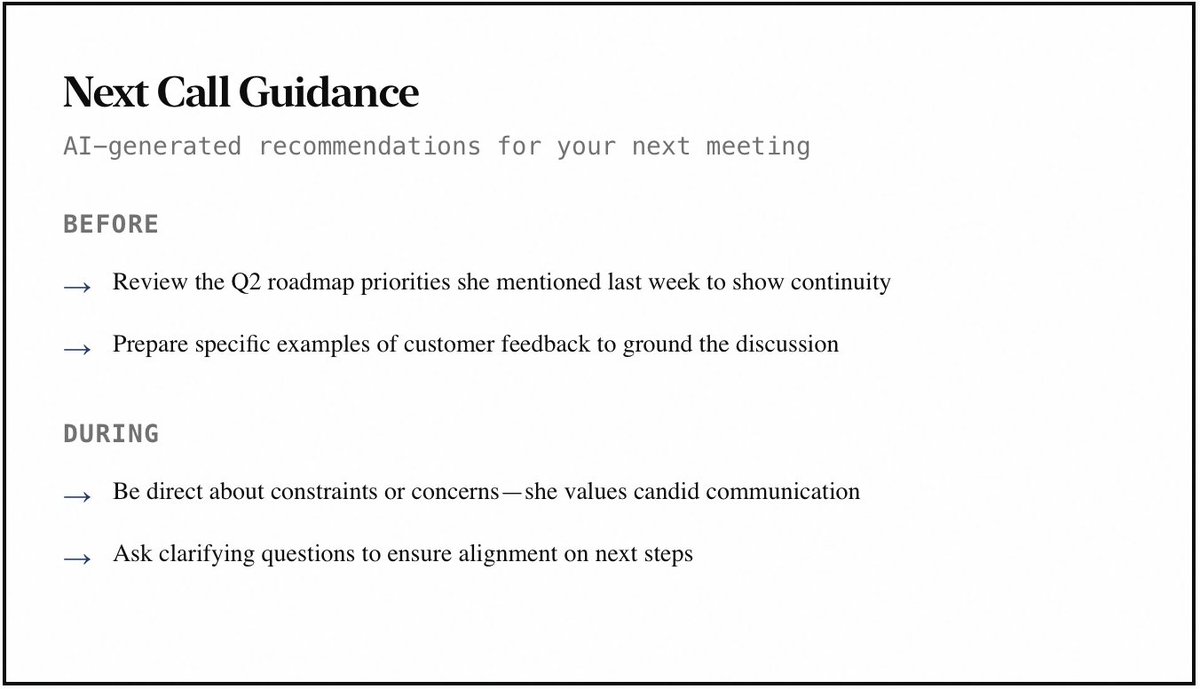
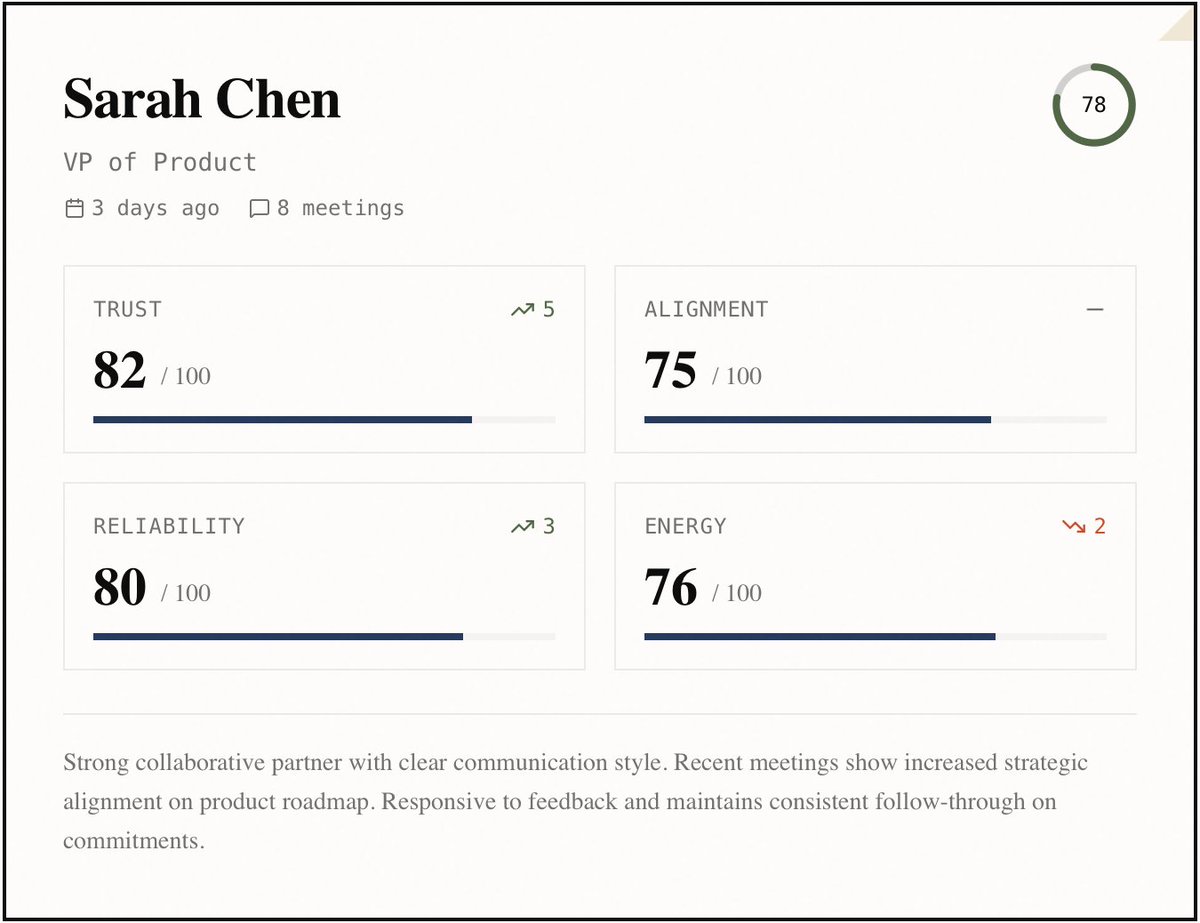
I built something small this week.
A personal tool that reads my meeting transcripts and gives me feedback.
How clearly I communicate.
What people respond to.
Where trust grows.
Where it drops.
What lands.
What gets ignored.
It took about a day and a half to build.
1
5
129
17 Nov 2025
Tools that help you see yourself more clearly.
Tools that give you feedback loops you never had.
And the best part is how personal these tools can be.
Small systems built by individuals.
Low cost.
High leverage.
1
39
17 Nov 2025
If this took a day and a half, I wonder what else can be turned into insight.
What small tool could you build for yourself?
If you want to take a look, I'll randomly let a handful of people in to try the app ( I'd let everyone in, but API costs are a real thing yo ).
convos-mvp.vercel.app
32
21 Oct 2025
1. A tool that solves one problem brilliantly for a narrow audience beats a polished GPT wrapper every time. The ones holding $50 price points? They own the time-value trade, not the "we used Claude" story.
1
47
21 Oct 2025
3. Taste is becoming an actual moat. Not UI polish, that's also table stakes now. I mean the thinking behind every decision. The UX flow that feels made for you. The copy. The defaults. That's hard to replicate with AI alone. People will pay for this.
1
45
21 Oct 2025
I'm still stress-testing this, but early bets are: vertical depth beats horizontal scale. Specificity beats slickness. Owned audience beats cold viral loops.
Still processing, but curious if anyone else is feeling it too?
33
21 Oct 2025
We're living in a weird time.
All the talk lately has been about how fast we can build. How AI unlocked vibe coding.
How anyone can put product into the market in record time.
I get it. That's super exciting. I'm loving it myself.
1
104
21 Oct 2025
I think the new "table stakes" mean operating differently.
We're not competing on "AI built it faster."
We have to focus on specificity. Vertical depth.
2
22
21 Oct 2025
It's not that the products are worse.
It's that buyers believe the effort behind them is less.
And if the effort was low, why should the price be high?
That shift could change everything about how we build, and sell software.
1
23
21 Oct 2025
When everyone assumes AI built something—or could have—their willingness to pay drops through the floor.
What used to be a $1,000 product now feels like a $100 one.
What was $59/month a year ago is now $19/month.
Or worse, a $59 one-time purchase.
1
11
21 Oct 2025
But there's a dark side, and I'm worried we're not ready for it.
No one is talking about what this is doing to product pricing.
To perceived value.
To the marketplace itself.
The economics, especially on the buyer side, have flipped completely.
1
10