
Freelance journalist specializing in medicine, public health, and health policy. English prof when the whim hits. Literature and medicine always.
Joined January 2010
- Tweets 41,386
- Following 5,947
- Followers 3,637
- Likes 129,540
92 Photos and videos


Renee Despres, PhD, MPH retweeted

It means you live in an aurhoritarian political climate with a mob boss style leader.
Jun 14

When people in Washington lower their voices and say, “Please don’t use my name. I’m afraid he’ll come after my family’s livelihood,” it means something has broken. People no longer trust the law to protect them.
68
2,100
5,425
108,096
Renee Despres, PhD, MPH retweeted

Jun 13
One document is all it took to put uranium drills on the Continental Divide Trail.
Not a vote. Not a public hearing. Not an environmental review. One filing.
Because under a law signed by Ulysses S. Grant in 1872 — written to strip-mine the West during the Gold Rush — any company can stake a claim on federal public land, and the burden falls on the government to prove harm. The company just shows up.
Gamma Resources Ltd. showed up in February. Out of Vancouver.
$29 million in debt.
Zero revenue from operations.
Their own auditors have flagged them as a "going concern" — which in financial terms means: we're not sure this company will survive.
They've changed their name twice in just over a year.
And now they have a legal pathway to drill 12 uranium boreholes — up to 500 feet deep — into New Mexico’s Carson National Forest. Directly on the Continental Divide Trail.
In the Chama Basin — the headwaters of the Rio Grande’s largest New Mexico tributary, a watershed that supplies drinking water to over half of New Mexico’s population. More than one million people.
Twenty-three tribes and pueblos. Acequia farmers who have drawn clean water from this basin for over 400 years. Families on shallow wells with no alternative water source.
They've already identified nearly 3 million pounds of "yellowcake" uranium in the ground. They want to start mining by April 2027. They put it in writing, in their own investor pitch: New Mexico’s land is “low-hanging fruit”.
This isn't a loophole. This is the door that was never closed.
The General Mining Act of 1872 still governs hardrock mineral rights — including uranium — on 350 million acres of American public land.
Under it, foreign companies can freely prospect on land held in trust for every American, extract minerals worth billions, pay zero royalties to the government, and aren't even required to disclose how much they take or what it's worth.
It has never been fundamentally reformed. Not once in 154 years.
The 1872 Mining Act itself requires no reclamation bond. Zero.
No legal requirement to guarantee cleanup. No financial assurance that the land will ever be restored. Nothing.
The current administration's "Energy Dominance" orders made it worse — declaring uranium a national priority and signaling to the industry that federal land was open for business. Gamma Resources did the math and liked what they saw.
New Mexico's entire congressional delegation has demanded a full environmental review and is drafting legislation to withdraw the Chama watershed from all mineral development.
The Continental Divide Trail Coalition has raised the alarm. The Forest Service still hasn't decided if this even requires a full review.
A 154-year-old law. A foreign company with no revenue. A watershed tended for centuries by people who were here long before any of this was possible.
How is a law written for the
Gold Rush
in 1872 —
still deciding the fate of our
Public Lands
in 2026?
#DemsUnited
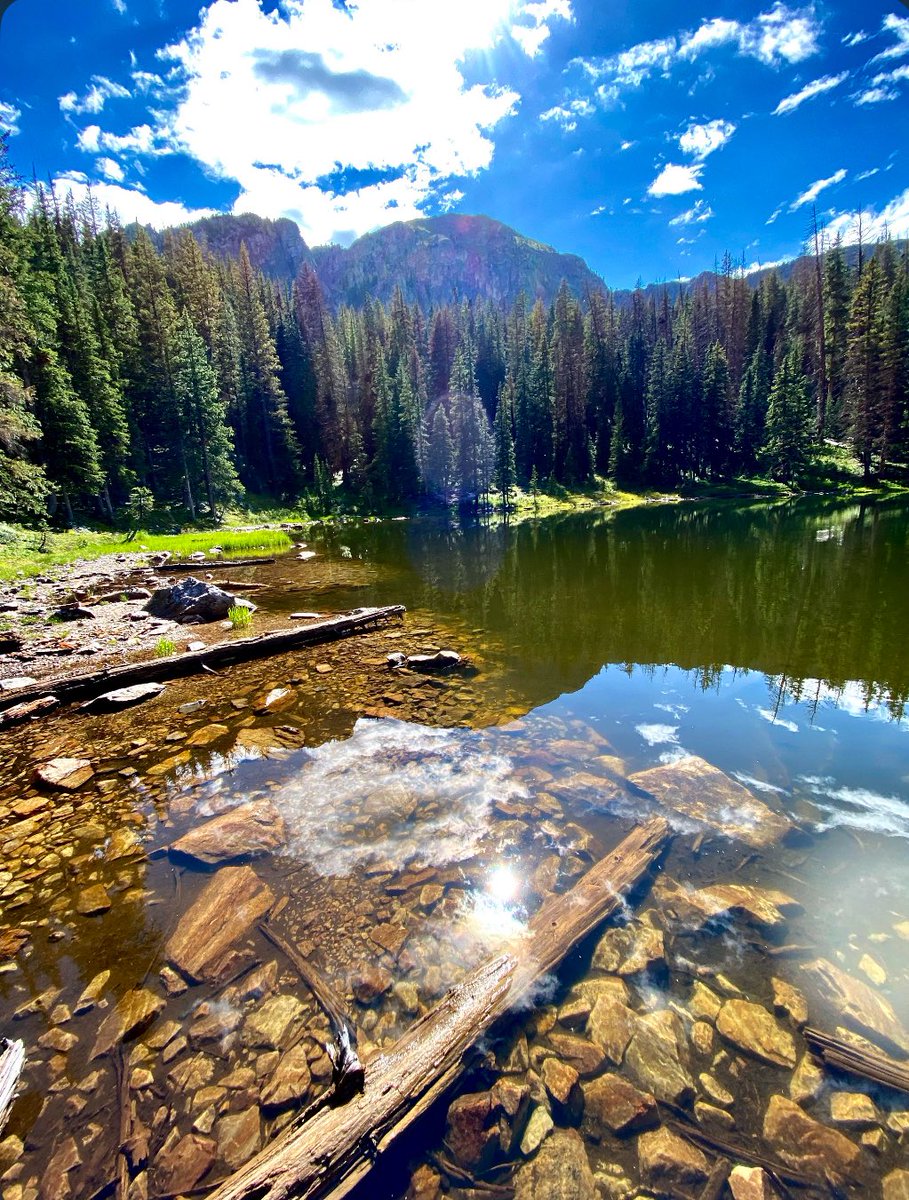
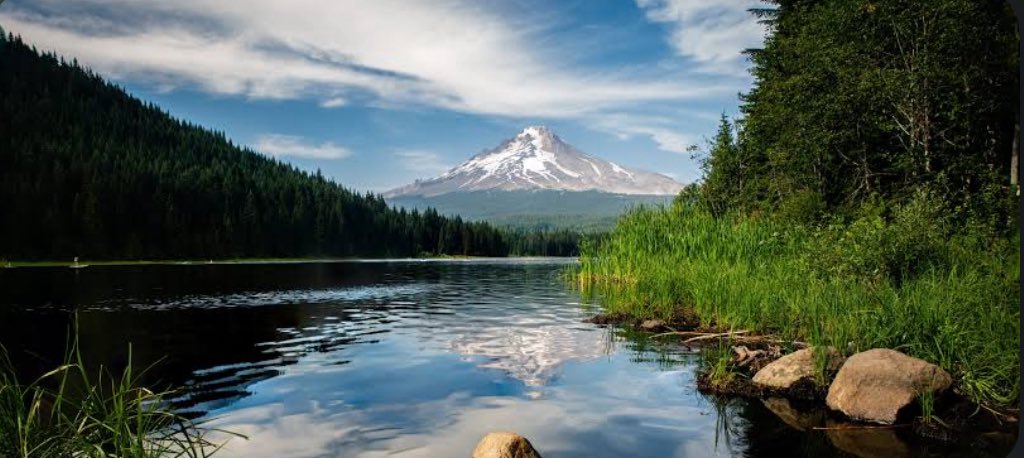
ALT Mountain lake in Carson National Forest surrounded by evergreen trees, with rocky shoreline in the foreground, clear water reflecting clouds and forest, and rugged peaks rising in the background beneath a bright blue sky.
43
635
766
10,575
Renee Despres, PhD, MPH retweeted

Jun 12
YETI has made billions encouraging people to enjoy Texas’s natural beauty. Now the co-founder is helping Trump destroy it with a border wall
Jun 12

A co-founder of the global lifestyle and outdoor brand YETI is one of the owners of a sprawling West Texas ranch that's been involved in construction activities related to the Big Bend area border wall.
Story from @MarfaRadio: marfapublicradio.org/news/20…
27
533
1,702
44,571
Renee Despres, PhD, MPH retweeted

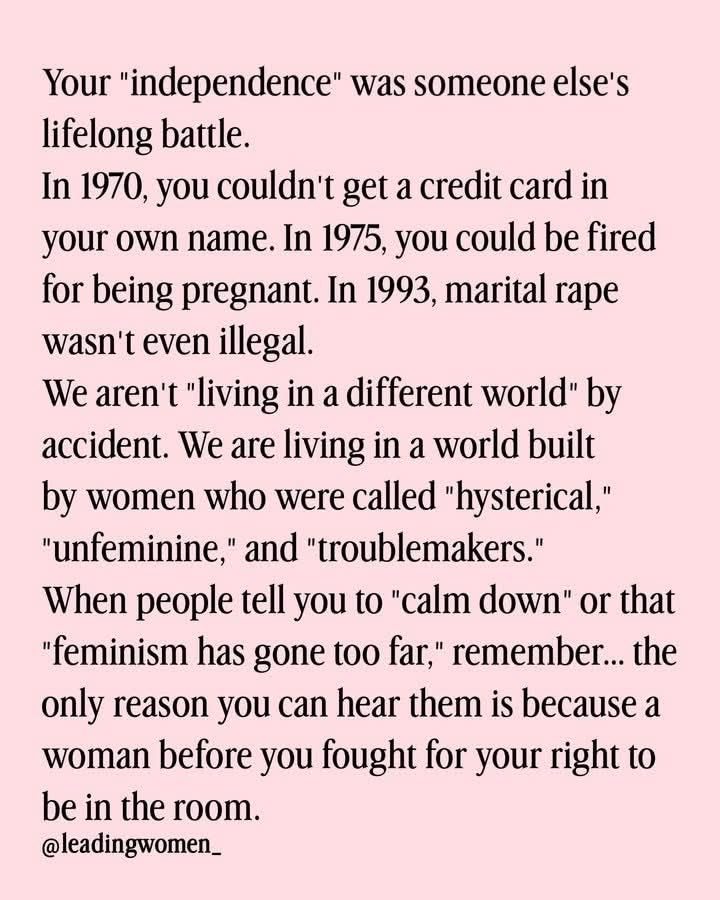
this should be reposted repeatedly!

21
1,208
4,107
61,735
Renee Despres, PhD, MPH retweeted

An unusual cold patch of water in the North Atlantic could signal changes in a key ocean current, which would have sweeping consequences for climate.
This blob is occurring in one of the few areas where the ocean hasn’t warmed in recent decades. wapo.st/4eFPcna
57
241
601
128,142
Renee Despres, PhD, MPH retweeted

Jun 12
Fiona Hill: Autocracies see the state as strong and society as irrelevant. Individuals have no real role.
The fundamental difference with democracies is that societies still matter and in Ukraine, society has shown extraordinary resilience. 1/
5
209
742
15,949
Renee Despres, PhD, MPH retweeted

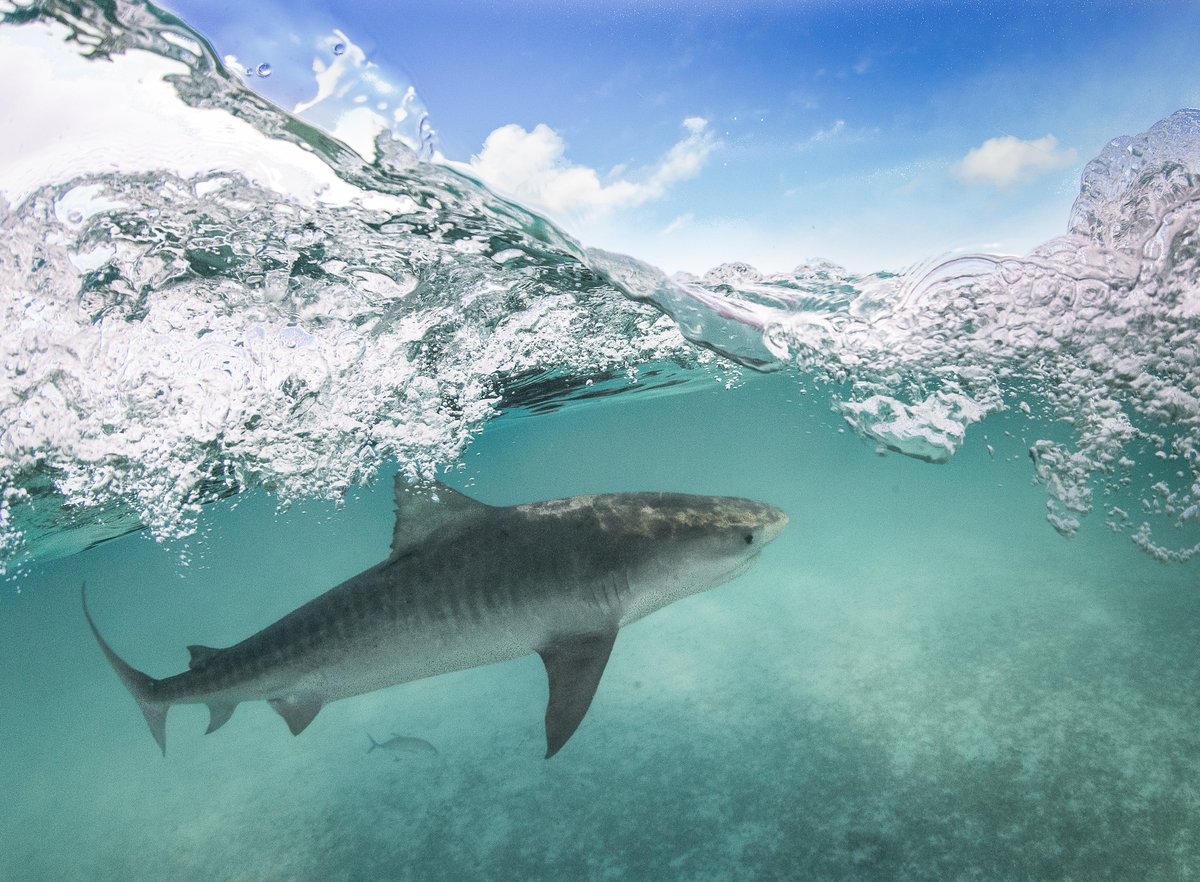
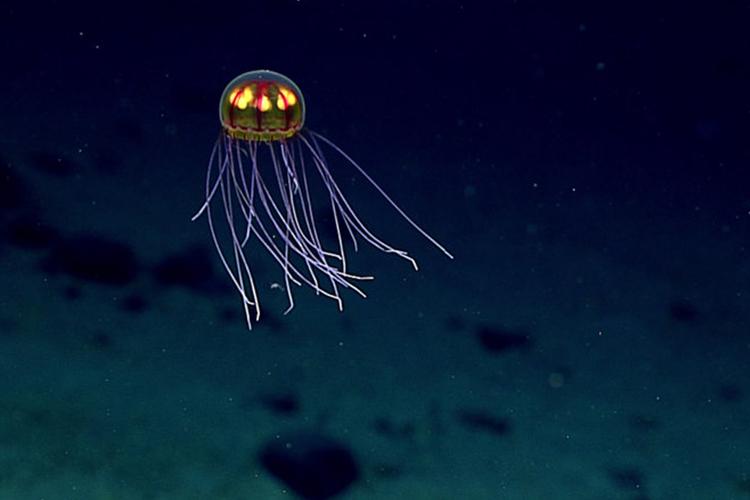
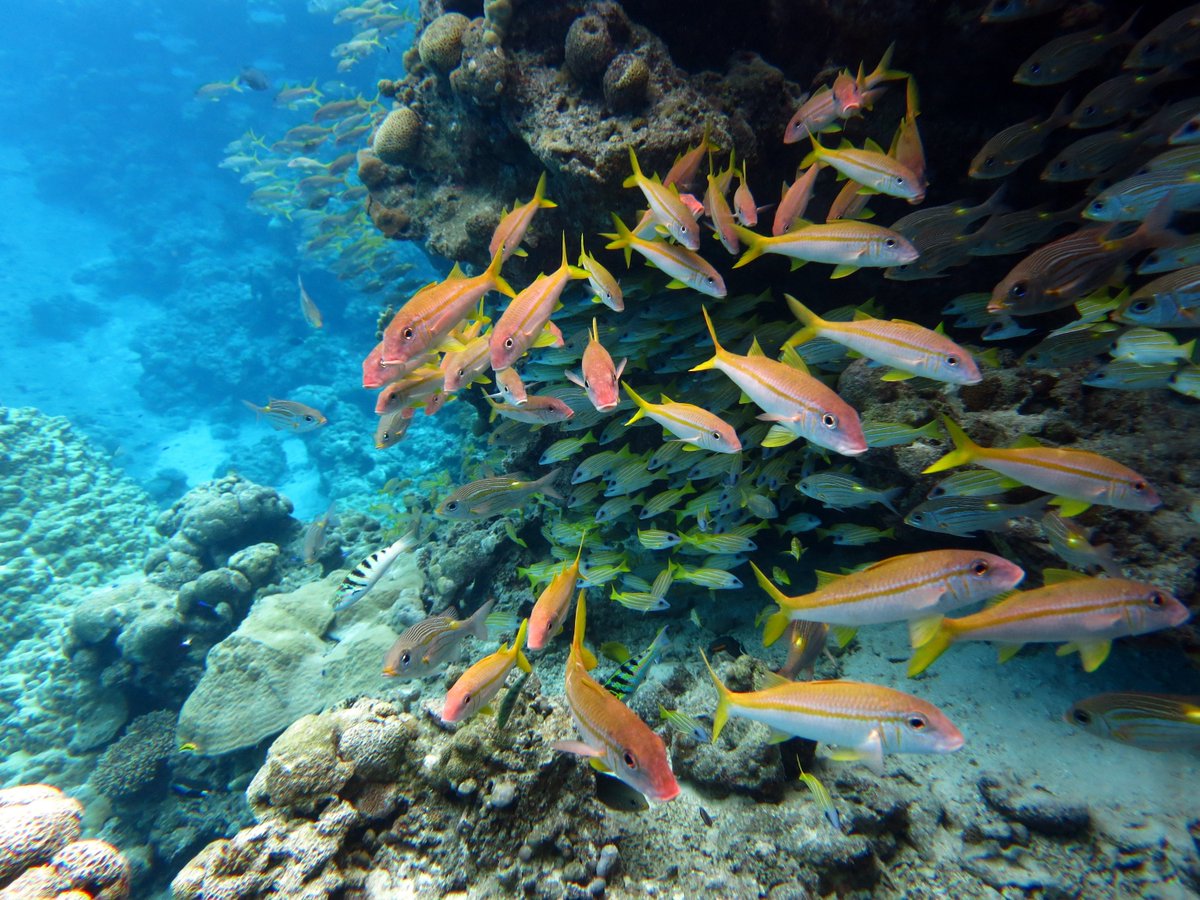
🚨BREAKING: @POTUS just opened three marine monuments to destructive industrial fishing. These areas are vital for protecting whales, sea turtles, sharks, and sensitive ocean ecosystems. This is an egregious attack on our public waters. #ProtectOurOcean #MonumentsForAll
🌊
100
1,639
2,153
25,654

Jun 13
Blackmail.
Jun 12

I told you they were coming for the Roadless Rule.
Yesterday, Republicans made their move — and they hid it inside a wildfire bill.
Here's what makes this so enraging:
59 million acres of America's wildest national forests are now on the table.
The 2001 Roadless Rule has protected nearly 60 million acres across 39 states for 25 years. No logging. No road construction. No drilling. No mining.
Built after 1.6 million Americans showed up — at 430 public hearings nationwide — to demand it.
What lives here: bald eagles, elk, black bears, Cerulean warblers, marbled murrelets. Species that need large, intact, unfragmented habitat to survive. For many of them, roadless forests aren't just home — they're the last places left.
What the amendment does: guts the rule. Opens the backcountry to logging and road construction under the cover of "fire prevention."
The administration is pursuing repeal through the executive branch at the same time. And unlike the original rule — they aren't holding a single public hearing.
1.6 million people showed up to protect these forests.
The administration isn't asking anyone this time.
What do you call a wildfire bill that opens forests instead of protecting them?
#DemsUnited
ALT Sunlight streams through a towering old-growth forest, illuminating a massive tree trunk surrounded by ferns and dense woodland. Tall trees stretch into the background as bright rays of light filter through the canopy, highlighting the scale and beauty of the forest.
1
1
69
Jun 13
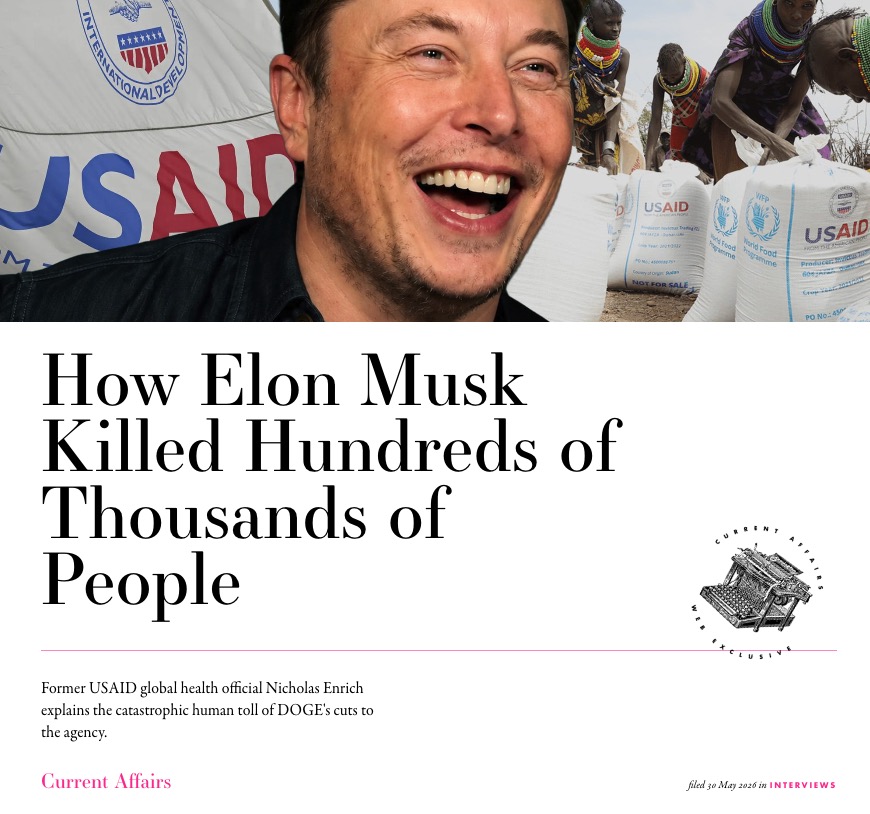
The correct lede...

Instead of discussing how Elon Musk is now the world's first trillionaire, we should talk about how he killed hundreds of thousands of people through his dismantling of food and medical aid to poor countries
currentaffairs.org/news/how-…
1
1
25
Renee Despres, PhD, MPH retweeted

Jun 12
#BREAKING: Carol Leonnig: “…what we were hearing last night…was that the Ohio Organizing Collaborative…one of its offices in Cleveland was targeted and raided by FBI agents yesterday. In addition to that, what we learned was that a series of FBI agents were fanning out across the state…to interview people and approach them at their homes, who had worked as volunteers registering voters, or as canvassers for the collaborative, and those interviews, if you can call them that, were conducted often WITHOUT warrants…So FBI agents were essentially just going into people’s homes and saying we’d like to ask you a few questions, which is NOT how the FBI normally investigates these kinds of matters…their great concern is that this is part of a larger Trump administration effort to basically target swing states and to target pro democracy organizations who might register Democratic voters, or help them register to vote, and question and sow distrust in those swing states in the integrity of the elections.” 😳
58
1,548
2,236
55,839
Renee Despres, PhD, MPH retweeted
Jun 12
Applebaum: What binds Russia, China, Iran and North Korea is not religion or ideology.
China is communist, Russia nationalist, Iran theocratic. What binds them is fear of liberal language: rights, rule of law, separation of powers and independent courts. 1/
833
4,813
15,899
1,127,879
Jun 12
This is an emergency for our national forests and for the rural communities that live near them. The environmental and economic damage of repealing the Roadless Rule is unfathomable.

🚨 Today, Sen. Mike Lee’s amendment to repeal the Roadless Rule passed the Senate Energy and Natural Resources Committee.
The fight to protect our national forests is not over. We can still take action by telling Congress: Keep the Roadless Rule in place. 🌲bit.ly/3OL55Pf
2
5
72
Renee Despres, PhD, MPH retweeted

18 Dec 2025
I am convinced in the future we will look back and realise the sheer unimaginable folly of letting a virus that can cause immune dysregulation and cognitive dysfunction in humans infect and re-infect the global population over and over again. Worse still, that we encouraged it.
236
1,431
4,653
109,635
Renee Despres, PhD, MPH retweeted

The Price of Denial: Early Warnings, Arrogant Dismissal, and the Lingering Cost of COVID's Immune Legacy
There have been a recent number of articles framing the immune harm from Covid as a new insight. While I am pleased this has entered the mainstream, I am afraid it is too gracious to the lagging scientific consensus of how covid has been wearing away at our immune responses. Especially given how when I raised this based on T cell phenotypes, I was dismissed and attacked with extreme prejudice.
Reframing Covid's immune harm as a new insight rather than a long-fought hypothesis contrary to 'immunity debt' achieves several aims:
1) It deemphasizes the role in propagating false narratives that several individuals had along with choice medical journals. For example, the BMJ extensively platformed Alasdair Munro's claims of the 'immunity debt' hypothesis. When an editor was approached with a proposal for how covid was harming immunity by individuals who had published in the BMJ before and myself, they refused to accept it.
2) It saves face for the individuals who staunchly attacked the hypothesis and dismissed it as a joke. Those people also strongly attacked me, and they would go on to claim that it is my fault such a false and ridiculous narrative of immune harm from covid even existed. These are lay people but also others.
3) it preserves a semblance of credibility for the established sources who previously denied the hypothesis and obfuscated it.
4) It shirks accountability for the duty of discernment, consideration, and equipoise that stewards of information and knowledge, like the BMJ, had to the public. They had access to the hypothesis and rationales previously and chose to trounce on it and dismiss it with extreme prejudice. To me, it highlights how many of the experts were ill-equipped to grasp early immunological changes and project them to their outcomes.
This was not just an oversight, it was an editorial choice. The author of the BMJ article, Nick Tsergas, confided that the editors wanted to avoid controversy and drama. They wanted to whitewash its history. What did I do to earn such controversy? Tell the truth before other scientists could see. By the time immune harm manifests there is much damage already done.
In the first half of 2020, I noted that SARS-CoV-2 had been shown in preprints to downregulate MHC Class I, overstimulate and kill CD8 T cells, and would likely accumulate harm with reinfections. I noted this even in mild cases and was dismissed by many figures, including Francois Balloux Marc Veldhoen, Zeynep Tufekci, and Antonio bertoletti. They did not dismiss kindly. Bertoletti, a senior professor at Duke NUS would reply under my posts calling me a clown and insulting me constantly. I was a medical student at the time and this behavior seemed inappropriate and offensive, especially considering how I was engaging him with genuine concern when I was discussing T cell death with him in the summer of 2020.
By late 2022, I was pointing out that many people, after even mild infections, appeared to have reductions in plasmacytoid dendritic cells and other immune changes without reporting symptoms that would fit the conventional definition of Long COVID. These were not dramatic claims; they were mechanistic observations grounded in emerging data. However, the implications were stark. I had numerous media appearances discussing that immune harm was occurring. This was discussed in The Tyee by Andrew Nikiforuk.
thetyee.ca/Analysis/2022/11/…
In April 2023, FactCheck.org published a piece that characterized concerns about lasting immune effects from mild infections as exaggerated. They quoted Professor Danny Altmann, who stated there was “no phenotype” resembling immunodeficiency, only “nuanced differences” that did not translate to real-world consequences. The article framed early warnings as misinformation, implying that those raising them were overstating risks. This was not neutral correction; it was authoritative closure of debate. The message was clear: mild infection left no meaningful immune scar outside severe disease or formally diagnosed Long COVID. Discussion effectively ended there for many. factcheck.org/2023/04/sciche…
Where did factcheck find the authority to promise that no such immune harm was occurring? Did they truly seek to understand what the consequences of broad t cell activation, differentiation, and death would manifest in? The dismissal was reckless and arrogant. And now proven wrong.
The personal cost for telling the truth when people were actually concerned about covid was immediate and lasting. I was tagged in threads alongside senior immunologists who dismissed the ideas outright, accused (implicitly or explicitly) of fearmongering or misinterpreting preliminary data. These characterizations spread quickly on social media, embedding themselves in timelines and memories. People lied about me. Zeynep and Jeremy Kamil said that I had paid for my own PhD, when it was actually paid directly by the National Cancer Institute for my discovery of a linked mechanism of T cell death and differentiation. Years later, a search of my name still surfaces echoes of those accusations, unaccompanied by context or correction. Professional relationships cooled; invitations to collaborate quietly dried up. I lost a fellowship offer at the National Cancer Institute as Tom Misteli, the head of NCI research, wrote how, "I needed to learn what I can and can not say." The energy spent defending basic mechanistic possibilities was energy not spent on research or clinical work. It was isolating, and it was unnecessary.
This manifested into something remarkably shocking and completely unprecedented in scientific literature. My two greatest and most eminent antithetical-fans teamed up and published an article mocking my twitter handle, saying that mild breakthrough infections correlated with 'fit and happy' t cells. onlinelibrary.wiley.com/doi/…
It was shared across social media with an interpretation to mock my claim that T cells were harmed. People that mocked me cheered, like the Harvard professor Mark Davis, along with zeynep saying that it was a good rebuttal to 'looney twitter-only claims.' On Indie Sage, Christina Pagel did not disagree with the scientific content but expressed disappointment at the devolution of my interlocutors, that she was not a fan of shaming and mocking no matter how outlandish my claims were. She was wrong on both counts. Their mockery is now a testament to their ignorance and the devolution. This is not something they can retract, only deny publicly.
When it occurred I reached out to the editor and he asked me if I would like to reply about the scientific content. I wanted to, but, on advice of a friend who was mortified at the conduct of the individuals and the journal itself, asked for an investigation of bullying from professors. The journal concluded the investigation saying that only my followers would know that I was the one being referenced, so were under no fault or obligation to amend the title. They retracted the offer for my response. (I included this saga and the emails to Nick and the BMJ. They chose not to include it.)
I continued to watch the literature. The signals did not vanish: persistent T-cell alterations, exhausted phenotypes, subtle shifts in innate compartments. These were not the province of fringe voices; they appeared in mainstream journals, yet the narrative remained that mild infection was immunologically inconsequential for most. The possibility that repeated or even single mild infections could erode immune resilience was treated as speculative at best, irresponsible at worst. I paid a price for insisting otherwise, not in fame or notoriety, but in the quieter currency of reputation and peace of mind.
Now, in early 2026, the conversation has shifted. A recent Daily Mail article discusses widespread reports of people “getting sicker more often,” with doctors noting struggling immune defences against routine bugs. The piece quotes Danny Altmann again, this time describing the hypothesis of lasting immune harm from mild COVID as “reasonable.”
The idea is presented as fresh and worthy of consideration. There is no mention of the earlier certainty that no such phenotype existed, no acknowledgement that some of us were attacked for articulating precisely this possibility years ago.
The system lacks both memory and foresight.
The absence of reckoning is striking. Those who confidently declared “no phenotype” now entertain the same hypothesis without reference to prior denial. No correction, no apology, no credit to those who endured the backlash. This is not personal grievance alone; it reflects a broader pattern in science where consensus resists challenge until the evidence becomes overwhelming, then absorbs the insight as if it were always obvious. History is replete with such examples (Semmelweis, Warren and Marshall), yet we seem incapable of learning the lesson.
The societal toll compounds the individual one. Delayed acceptance meant delayed mitigation: fewer precautions against reinfection, less urgency in studying immune reconstitution, slower recognition that population-level immune dysregulation might follow waves of mild cases. Excess respiratory illness, rising cancer concerns, unexplained reactivations. These are not abstract. They represent preventable burden born of a refusal to countenance uncomfortable possibilities when they were first raised.
Vindication, when it arrives quietly and without acknowledgement, is a hollow reward. The smears linger longer than the evidence ever did. Yet the deeper failure is not personal. It is the persistent hubris that treats early, mechanistic warnings as threats rather than contributions. Until we cultivate the humility to listen when the data are still emerging, rather than demanding certainty before engagement, we will pay this price again in the next crisis. I hope the record shows that some of us tried to warn you, not for credit, but because the immune system deserved better stewardship than it received.
I am glad I can look upon this period knowing that I did my very best, was ruthless, about conveying what seemed so clear to me, in very unambiguous terms. What is happening was more important than my professional standing as a fragile, early-career immunologist, because I was placed in a niche position as a specialist in T cell aging and death.
112
723
1,869
90,095
Renee Despres, PhD, MPH retweeted

AI is implicitly presented as a powerful, omnipresent, omniscient, intangible, nameless, mysterious savior that will free humanity from its deepest challenges and bring abundance.
It might be the biggest religious experiment in human history.
My full article:

39
56
161
17,543
Renee Despres, PhD, MPH retweeted

Jun 10
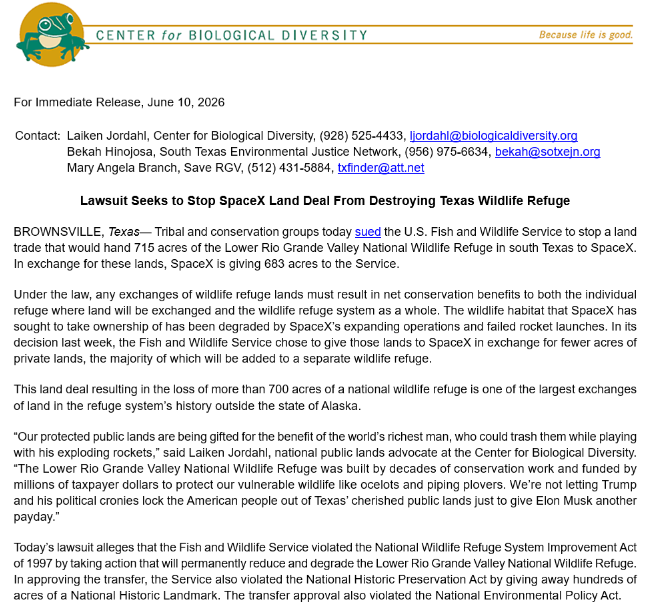
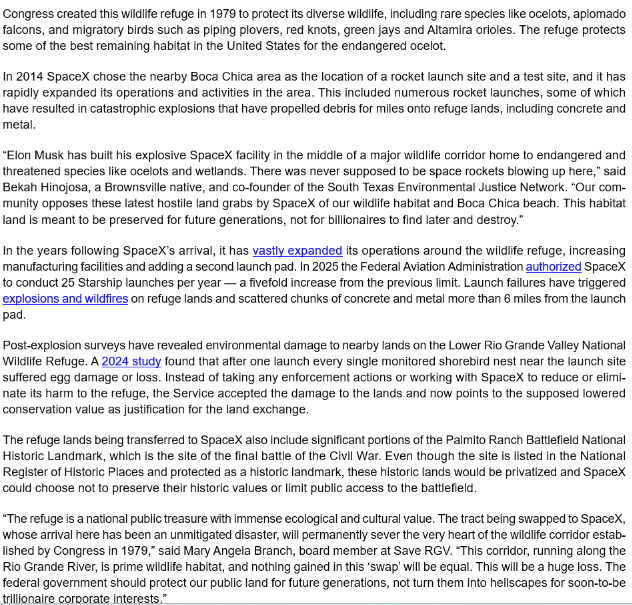
BREAKING: We're suing the U.S. Fish & Wildlife Service over their plan to give away 715 acres of a public wildlife refuge to billionaire corporation Space X.
Americans shouldn't be sacrificing their public lands to subsidize a company owned by the richest man in the world.
316
10,680
33,793
354,061
Renee Despres, PhD, MPH retweeted

Jun 10
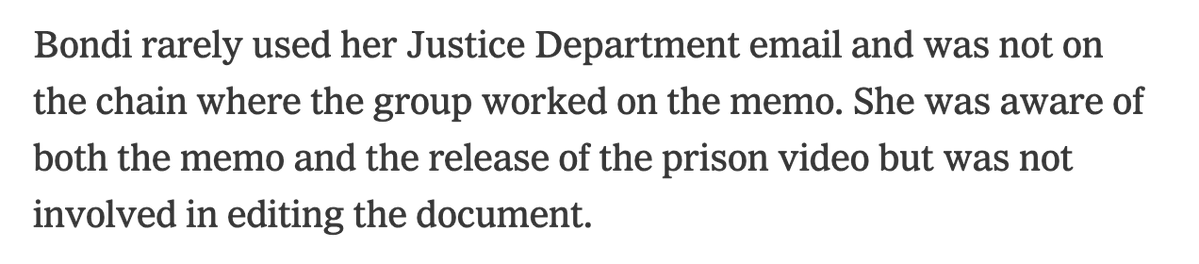
A nugget buried in the big NYT piece on how the Trump White House had an internal freak-out over the Epstein case....If Bondi didn't use DOJ email, what did she use? I recall a time when the right (and the NYT) went ballistic over a Cabinet official's use of non-gov't email.
62
2,588
7,917
376,290
Renee Despres, PhD, MPH retweeted

Jun 10
"We are in extreme danger," says climate scientist Peter Kalmus (@ClimateHuman), who warns that this summer "could be the hottest summer we've ever experienced in our lives, but it could also be the coolest summer for the rest of our lives."
Kalmus says he was forced to resign his job at NASA's Jet Propulsion Lab, where he worked for 15 years but faced growing pressure and censorship over his activism.
44
868
1,623
32,866
Renee Despres, PhD, MPH retweeted

Jun 10
The man running the agency responsible for 340 million Americans' health arrives at 10am, leaves by 4pm, skips his own division chief meetings, and when he does show up - scrolls his phone and gets described by colleagues as "checked out."
Ebola is spreading. Six Americans already exposed. He has not briefed himself with CDC scientists. His response to a reporter asking if he was worried: "Yeah, we're working on it."
The CDC is being run by a health economist with no public health experience who already has another full-time job running NIH. Half of the 27 NIH institutes have no permanent director. The top FDA drug regulator got fired in May - Kennedy found out after it happened.
When measles killed two children in Texas, the CDC official leading the response asked repeatedly to brief Kennedy. He was rebuffed every time.
The person actually running HHS operations is a longtime personal adviser whose policy spreadsheet - more than 50 items - is hidden from the department's own policy team. When Kennedy gets asked a question, his standing answer is "just run that by Stefanie."
This is not a management philosophy. This is a vacancy wearing a title.
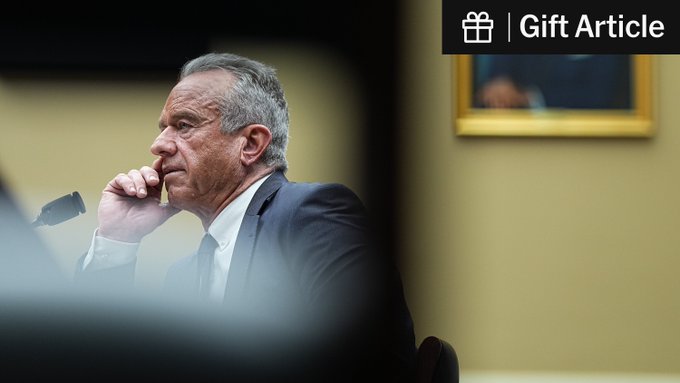

NEW: Major posts are vacant. Waves of scientists are gone. Ebola looms. How RFK Jr. manages HHS:
“If the C.E.O. lacked deep expertise in the company’s business and the leaders of its most important divisions were missing, investors would revolt."
nytimes.com/2026/06/07/us/po…
339
6,426
13,730
693,624