
55 Photos and videos




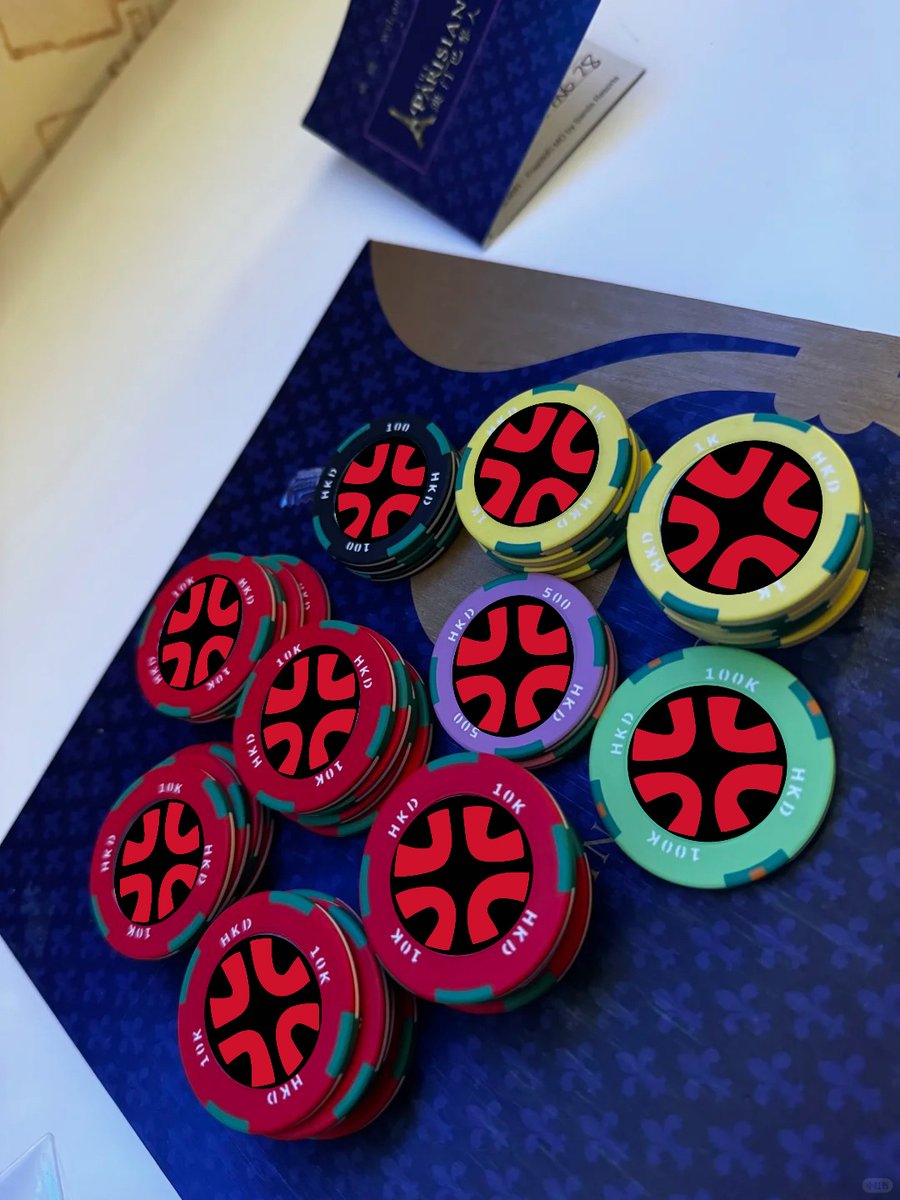






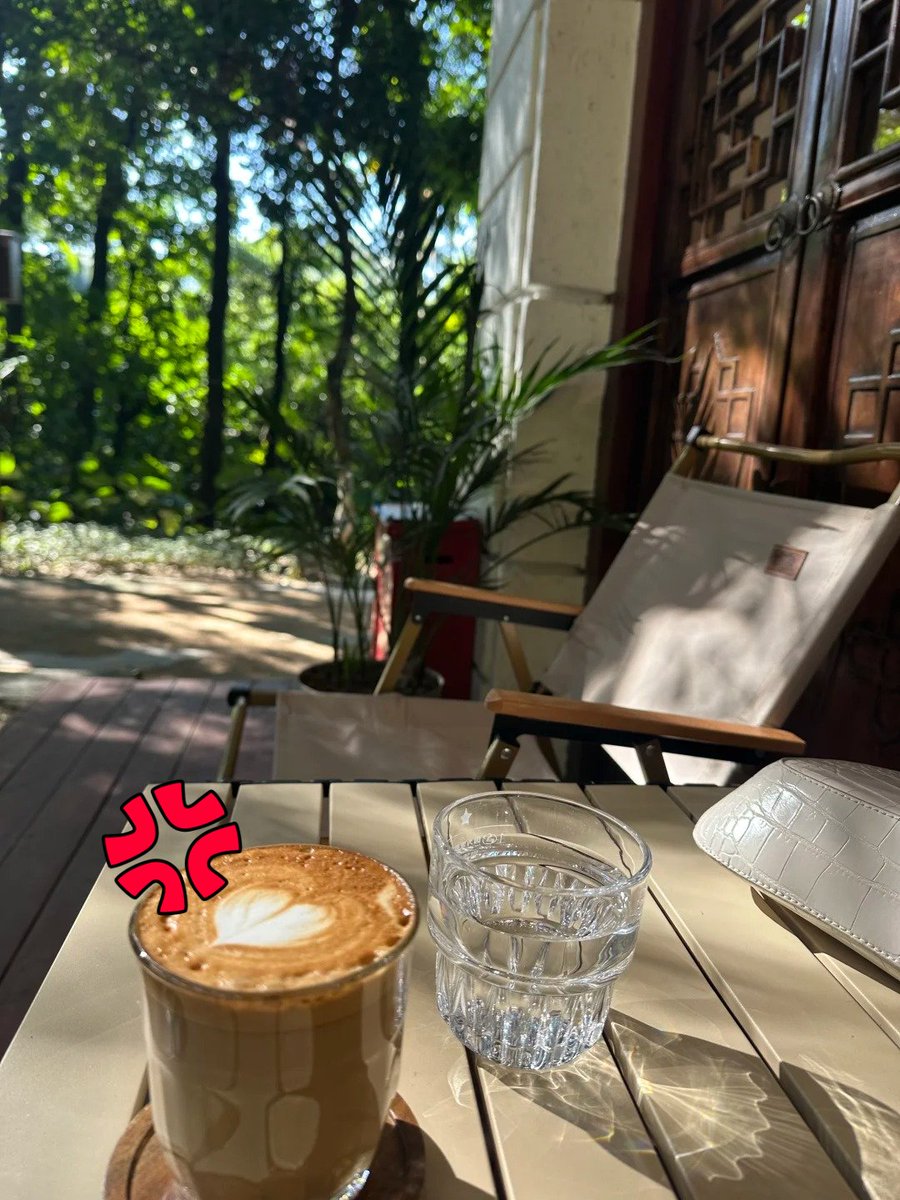


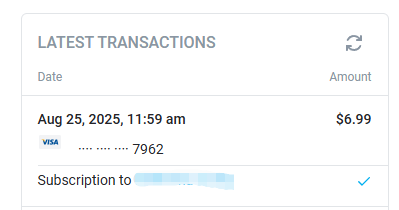


In the Philippines🇵🇭, @Tabichain's @tabipayHQ is gradually gaining traction.
Take my family's resort business, La Vie Adventure Trails, for example. Some areas in the Philippines are still relatively underdeveloped (though they often have excellent natural scenery), so payments were limited to very basic methods: cash or online bank transfers.
But now, with TabiPay, not only has the resort attracted more visitors, but payments have also become much more convenient.
Many young Filipinos today are embracing crypto (starting from Axie), and TabiPay is increasingly becoming their preferred payment method.
As an OG Tabi intern, I hope TabiPay can develop more features to seamlessly blend into people's daily lives.
Btw,Users who pay with TabiPay at La Vie Adventure Trails Resort enjoy a 20% discount✅
20
19
82
17,107







Alaric💢 retweeted

26 Sep 2025
🎙️ We just went live stream on a podcast diving deep into Tabi 💢
What we covered:
→ What is Tabi
→ Tabichain as Tabi Blockchain
→ TabiPay as Tabi Product
→ Tabi SBT Recognition Program 🎖️
Which part of Tabi are you most curious about ?
Drop your thoughts — let’s keep the convo going 💬
Catch the recorded version here 🎧⬇️
34
28
73
12,796

Alaric💢 retweeted

24 Sep 2025
👀 Let's see who has the highest value?
22
22
72
2,854
Alaric💢 retweeted

22 Sep 2025
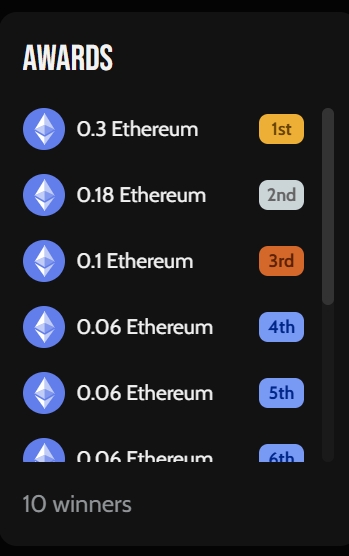
The total prize pool: 1 ETH
22 Sep 2025

Only 5 days left
Don't miss this event: nouns.gg/c/nouns/rounds/art-…
Big rewards awaits 💰

4
2
18
679
Anger can range from mild to intense. Are you seeing red right now?⌐💢-💢
#CookingAnger @Tabichain @nounsdao
3
3
24
504



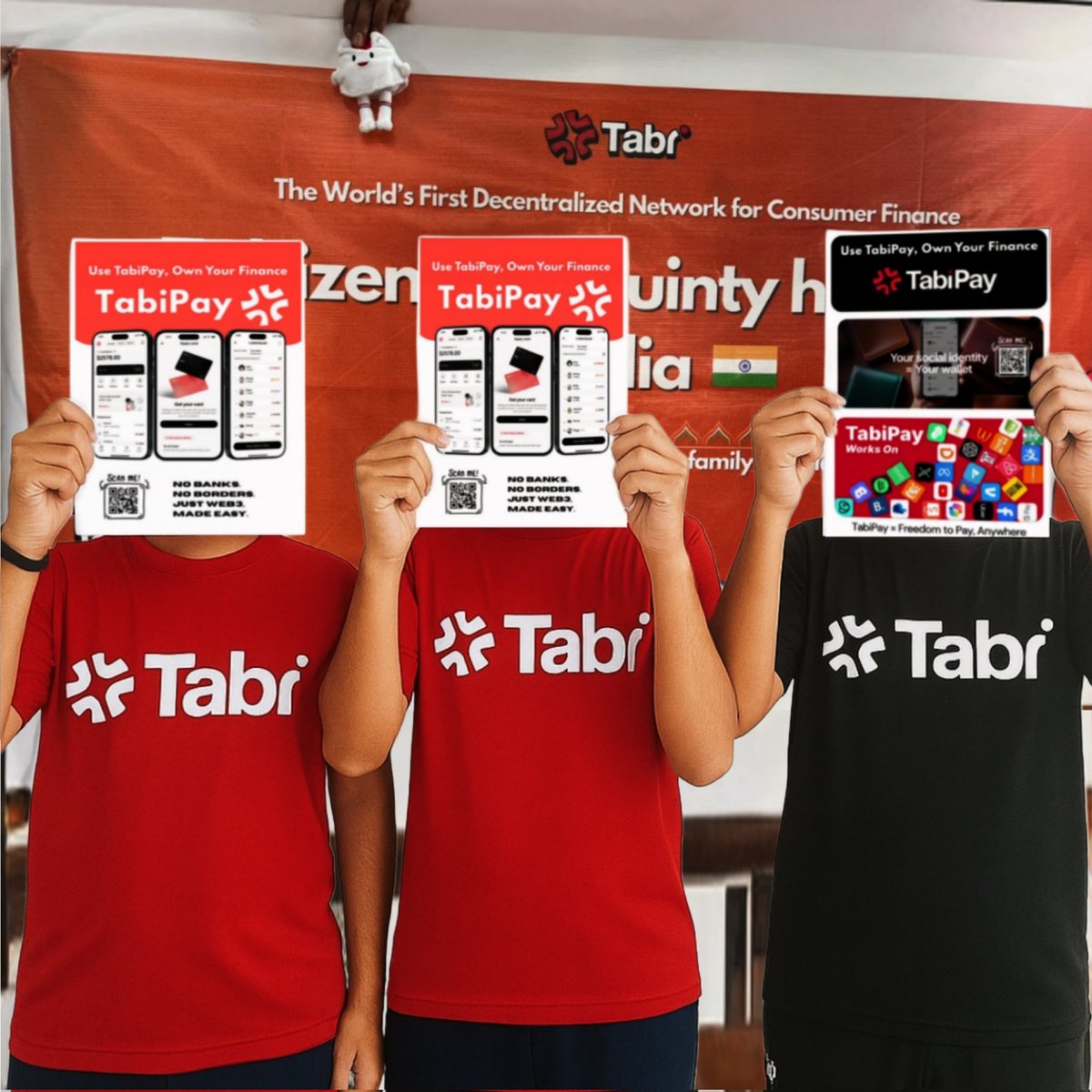
When love is real, you don’t need to show your face~ your vibe says it all 😁
After the offline meet-up, these champs showed their ❤️ for Tabi by rocking the jersey!
@hey_Kiyomi @kyubataun21~ hiding won’t work, your names still shine here 😜
And a big shoutout to our newest family member @Sarva1234 🎉
Because @TabiPayHQ isn't just finance, it’s connections, memories, and family.
22
8
42
918
Alaric💢 retweeted

17 Sep 2025
PARTNERED SHOW: Crypto Payments Trends You Can’t Miss w/@Tabichain x.com/i/broadcasts/1ZkJzZzry…
512
41
144
327,967

Alaric💢 retweeted

15 Sep 2025
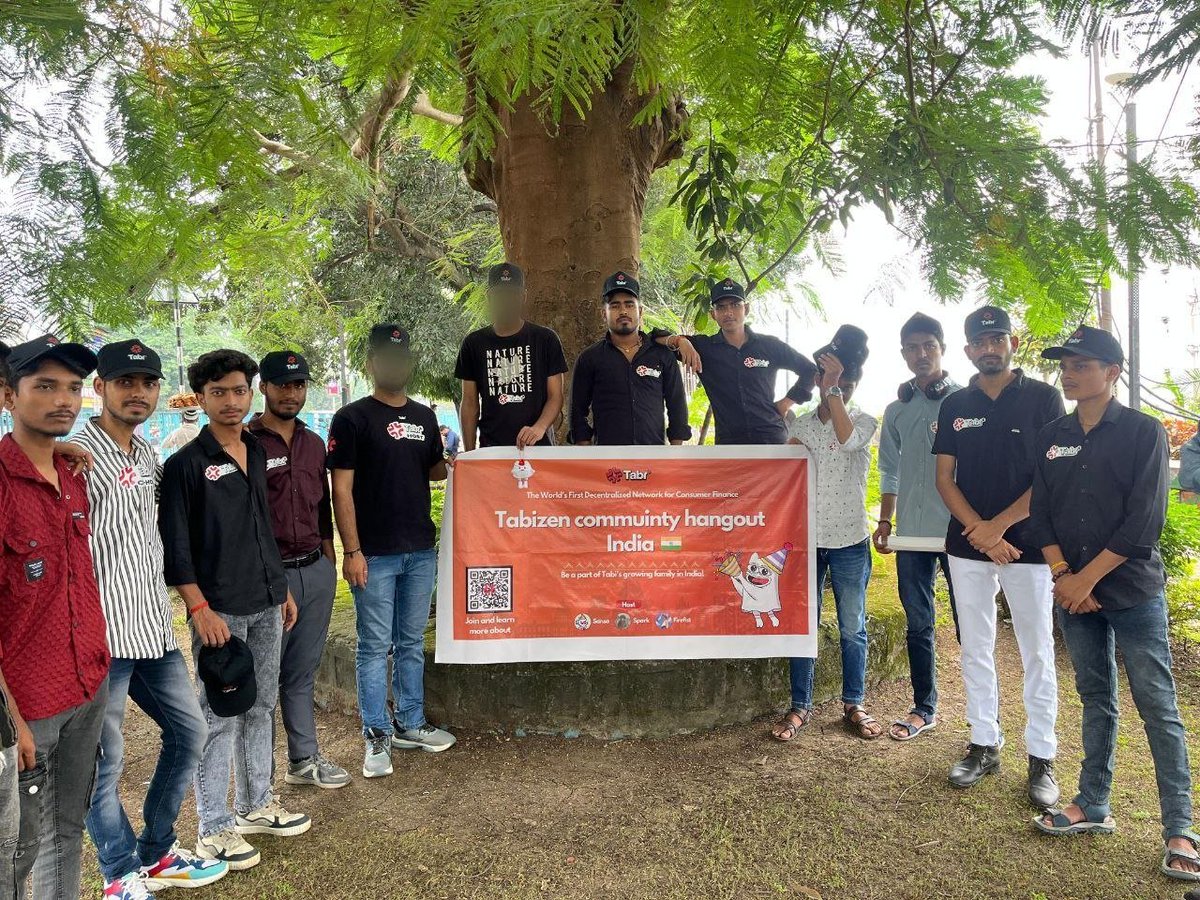
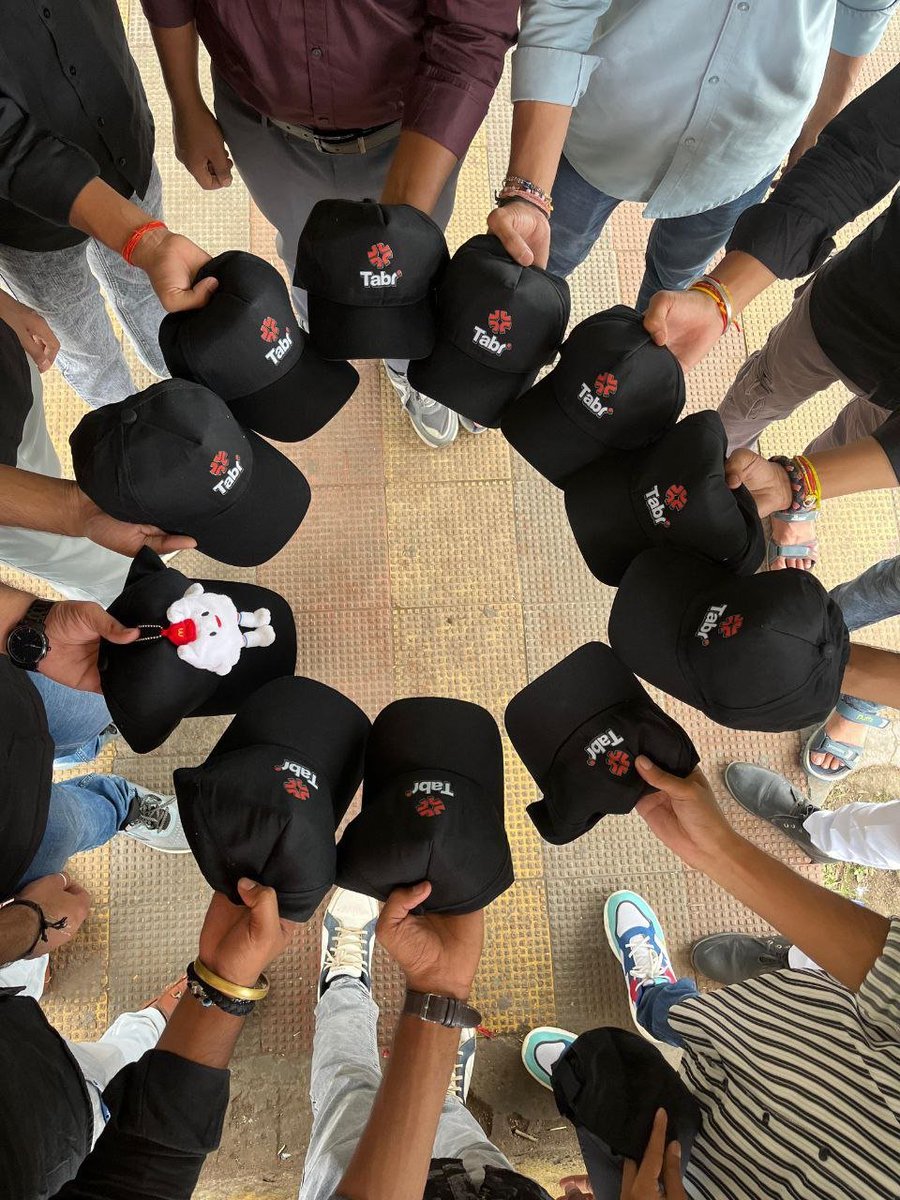
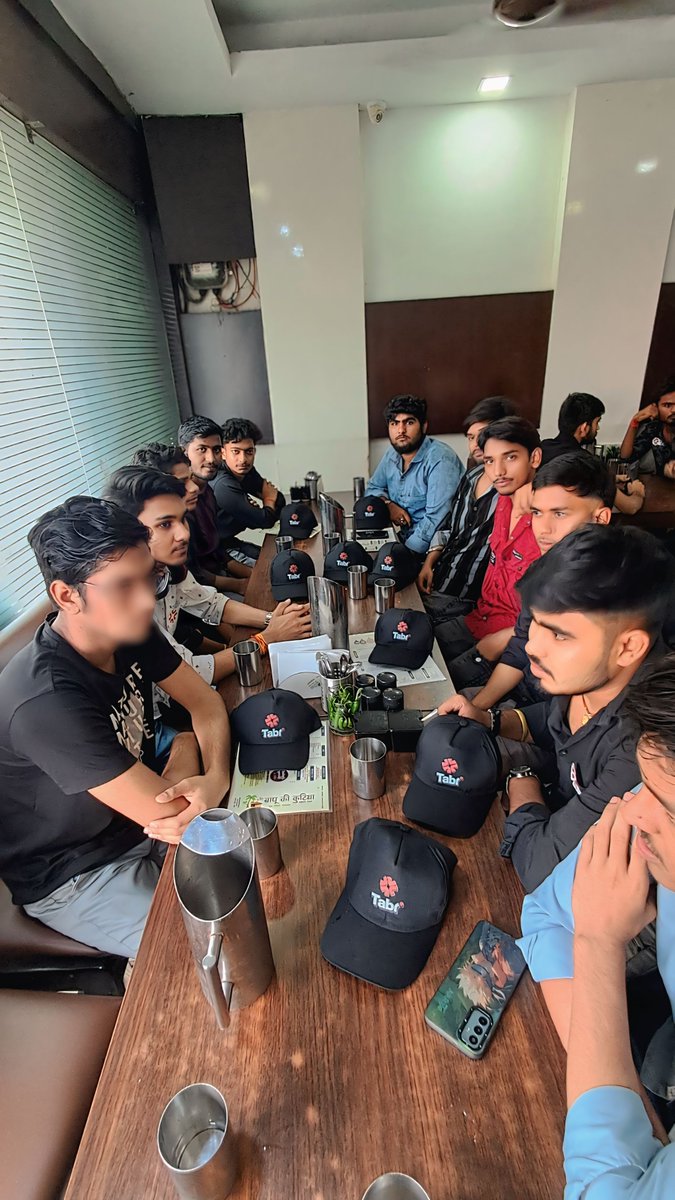
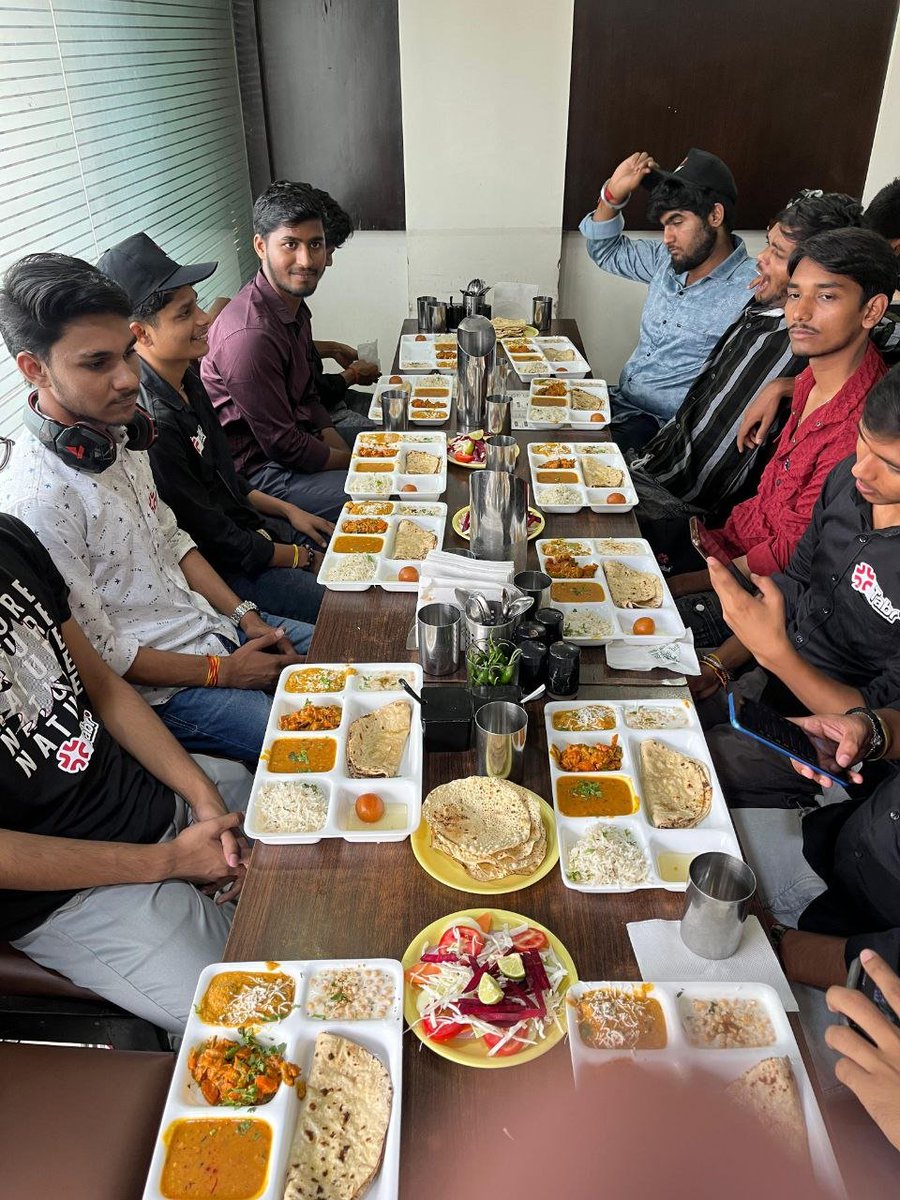
Tabizen India Offline Meet-up 🇮🇳✨
Yesterday we hosted our very first offline meet-up with the Tabizen Indian community and it was a blast 💢
Huge thanks to @0xSparkle and @0xSansa for organizing and to everyone who joined us on such short notice.
We connected, exchanged ideas, shared about Tabi and TabiPay and explored the future of crypto payments together.
This is just the beginning, more meet-ups ahead!
@Tabichain @TabiPayHQ @Tabizens @Lfuckjpg @Momoxu7
15 Sep 2025

Hosting the Tabi/TabiPay Bhopal event was unforgettable! The vibe was pure Tabizen energy chilled, inspiring & forward-looking.
We explored the future of crypto payments, TabiPay’s position in public spaces, and how we’ll make it even more visible for everyone.
A special thanks to our amazing hosts Lady @0xSansa & @0xNovadust I truly admire your contribution & support for me and the community. 💙 And to every Tabizen who joined us, you made it special! ✨
📍 Next time, drop your location we’re bringing more powerful, attractive events across the whole country. 🇮🇳🔥
@Tabichain @TabiPayHQ @Lfuckjpg @Momoxu7
21
9
51
1,236
Alaric💢 retweeted

6 Sep 2025
Recap of the AMA Discussions on TabiPay
Yesterday, @Tabizens hosted an AMA sessions brought together @Tabi representers from different regions - Venezuela, China, India, Bangladesh, USA and Korea - to share their experiences with daily payments, local financial systems, and expectations for TabiPay. The conversation highlighted how payment challenges vary by country, but also showed a common interest in crypto-based alternatives that are simpler, cheaper, and more flexible than traditional banking.
Venezuela
@TabiCyclo from Venezuela described how difficult it is to access international financial services. Opening a bank account often requires extensive paperwork, and local debit/credit cards usually only work inside the country. Services like Apple Pay or Google Pay are also hard to use because connecting Venezuelan cards is complicated.
For them, TabiPay offers a breakthrough: by converting local currency directly into USDT and then using TabiPay, they can skip multiple steps that previously required using Binance and other platforms. This makes everyday payments (from shopping to e-commerce) faster and cheaper. TabiPay’s simplicity - just registering with an email - is a huge advantage in regions where banking systems are restrictive.
China
In China, people are already used to a nearly cashless society, with Alipay and WeChat Pay dominating daily transactions. Everything from groceries and transport to hospital bills is paid by scanning QR codes. However, converting crypto (like USDT) into yuan is risky and sometimes results in frozen bank or Alipay accounts.
@liliya_crypto saw value in integrating TabiPay into these existing systems. If TabiPay could be linked directly with Alipay or WeChat Pay, users wouldn’t need to exchange crypto into local currency - they could pay directly. This would reduce legal risks and make crypto spending more practical in everyday life.
India
@0xSansa explained that India’s situation is shaped by two big challenges:
High taxation - a 30% tax on crypto gains makes it very expensive to cash out or spend crypto.
Low awareness - while many Web3 users hold funds, most people don’t know how to use them in real life.
Because of this, many Indian users leave large amounts of crypto “stuck” in wallets. P2P middlemen and brokers are often the only way to convert tokens into fiat, but this comes with high fees and risks.
TabiPay is seen as a solution to bypass these problems: users can spend stablecoins directly without heavy conversion costs. @MazumderNe14364 stressed the importance of QR payments, since India’s UPI system relies heavily on QR codes. If TabiPay adds QR integration, it could fit smoothly into Indian payment culture. Speakers noted that the Indian market is huge, and when TabiPay launches officially, adoption could be massive.
Bangladesh
In Bangladesh, crypto payments are currently restricted by law, which makes it very difficult to use Web3 assets directly. TabiPay, however, is viewed as a rare global solution that can help people bypass these barriers. @375Sohan expressed hope that TabiPay could integrate with local mobile money services, creating easier access for users in a market where financial inclusion is a challenge.
Korea
The Korean perspective was quite different. While Korea has strong buying power and is known for being active in both crypto and stocks, the main challenge is regulation. To advertise or offer crypto payment services in Korean language, companies need a local license. Without it, products like TabiPay can’t officially operate, which is why previous attempts by other firms failed.
@Joseph8996 explained that even though the demand is high, the regulatory environment is strict. The lesson from local fintech companies (like TOSS, which succeeded by giving free payment devices to shops) is that creative strategies and incentives will be crucial for entering the Korean market. For now, TabiPay’s expansion there may take longer, but the potential remains strong if regulatory hurdles can be overcome.
Overall Insights
Across all regions, the conversations highlighted:
Ease of use: Tabby Pay’s simple setup is a major advantage compared to traditional banks.
Cost savings: It helps avoid middlemen, high fees, and sometimes heavy taxes.
Integration potential: Whether QR codes in India, Alipay/WeChat in China, or NFC in Venezuela, local compatibility is key.
Regulatory barriers: Countries like Korea and Bangladesh show how legal frameworks can slow adoption.
TabiPay has the potential to make crypto payments more practical, safe and global. For many, it represents not just a new app, but a way to unlock access to everyday financial services that are limited or blocked by their local systems.
If you want to stay up to date with the latest news about @TabiPayHQ, follow them and join the @Tabizens community.
5 Sep 2025

🚀 Community News Digest!
🔥 @vooi_io launches the #VOOI UGC Viral Trader Challenge
Create → Post → Win!
💰 Prize pool: $2,000 exclusive badge
📅 Dates: September 4–17
Any format & language — memes, strategies, AI edits.
The best videos will be reposted on VOOI’s socials.
🎉 Tria Giveaway for the Japanese community
Total rewards: ¥100,000 premium metal card.
Prizes:
🎁 Amazon Gift Card ¥5,000 × 20 winners
🎁 Tria Premium Metal Card × 3 winners
How to join: follow @useTria & @bb_jpdao, register with code V8T3LU1832.
⏳ Deadline: September 17.
💡 Tria — the new web3 neobank
A self-custodial wallet with VM integration, up to 6% cashback, and a debit card for everyday payments.
📢 Get ready for the AMA with @Tabichain @Tabizens
x.com/Tabichain/status/19638…
🌊 @surfai is running smoothly!
Reminder: 50% discount on subscription still available, but time is running out.
22
9
50
3,731