
ケイユウと読みます。サークル「白い闇」。 好きなもの TRPG 漫画 アニメ ゲーム 18歳未満フォロー禁止。私の描いたイラスト、漫画のAI学習禁止。 skeb.jp/@kyou4268 DLsite bit.ly/3tl6GOC FANZA/ x.gd/susYS
Joined December 2010
- Tweets 18,406
- Following 3,714
- Followers 9,744
- Likes 66,521
778 Photos and videos
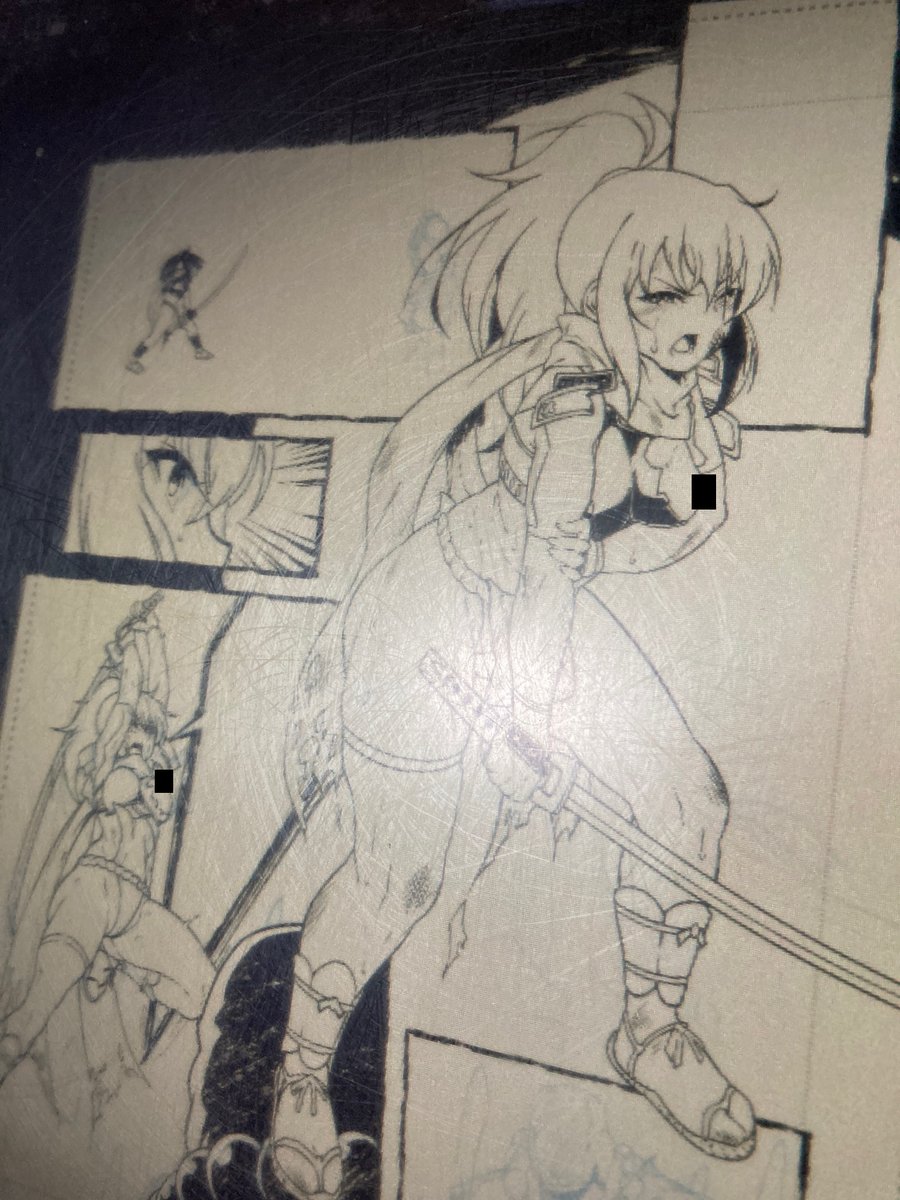
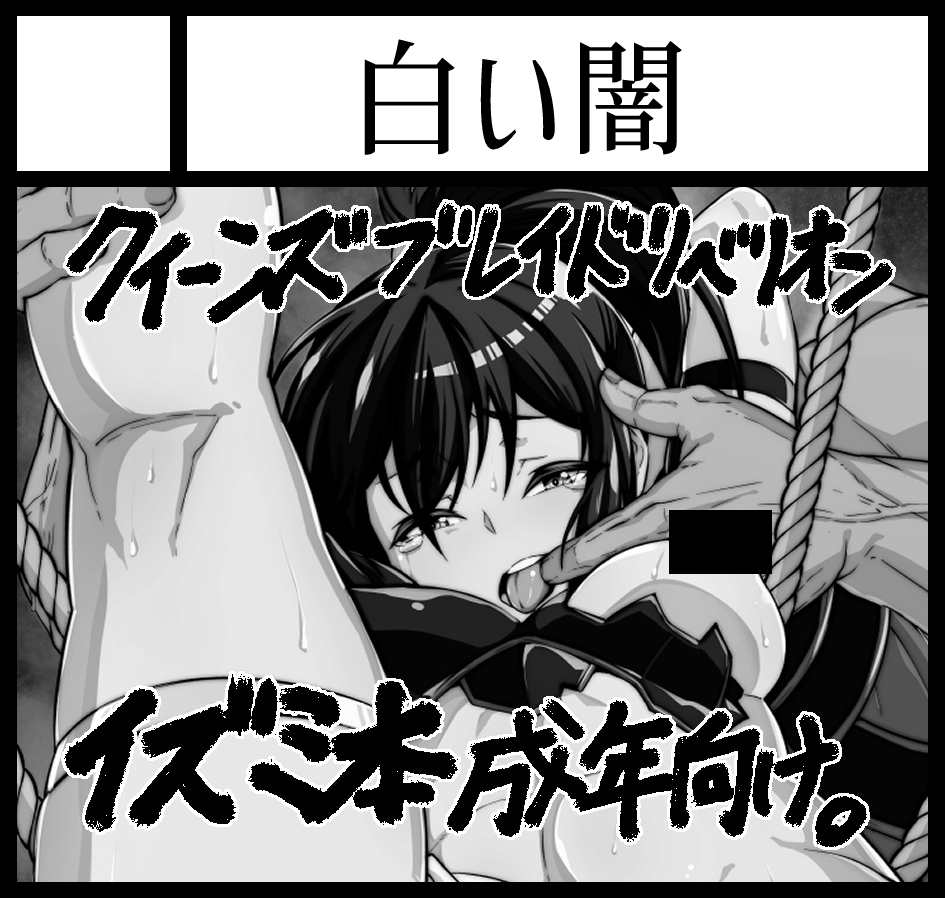

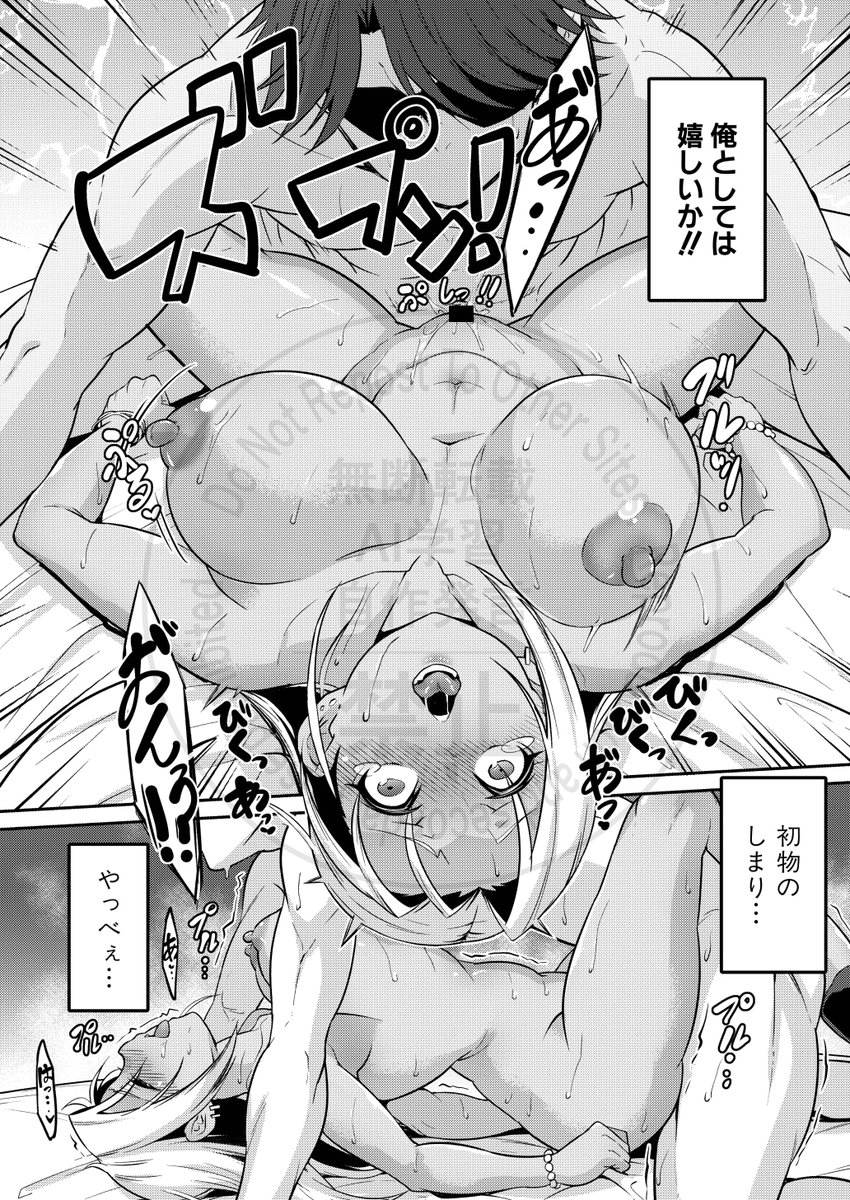
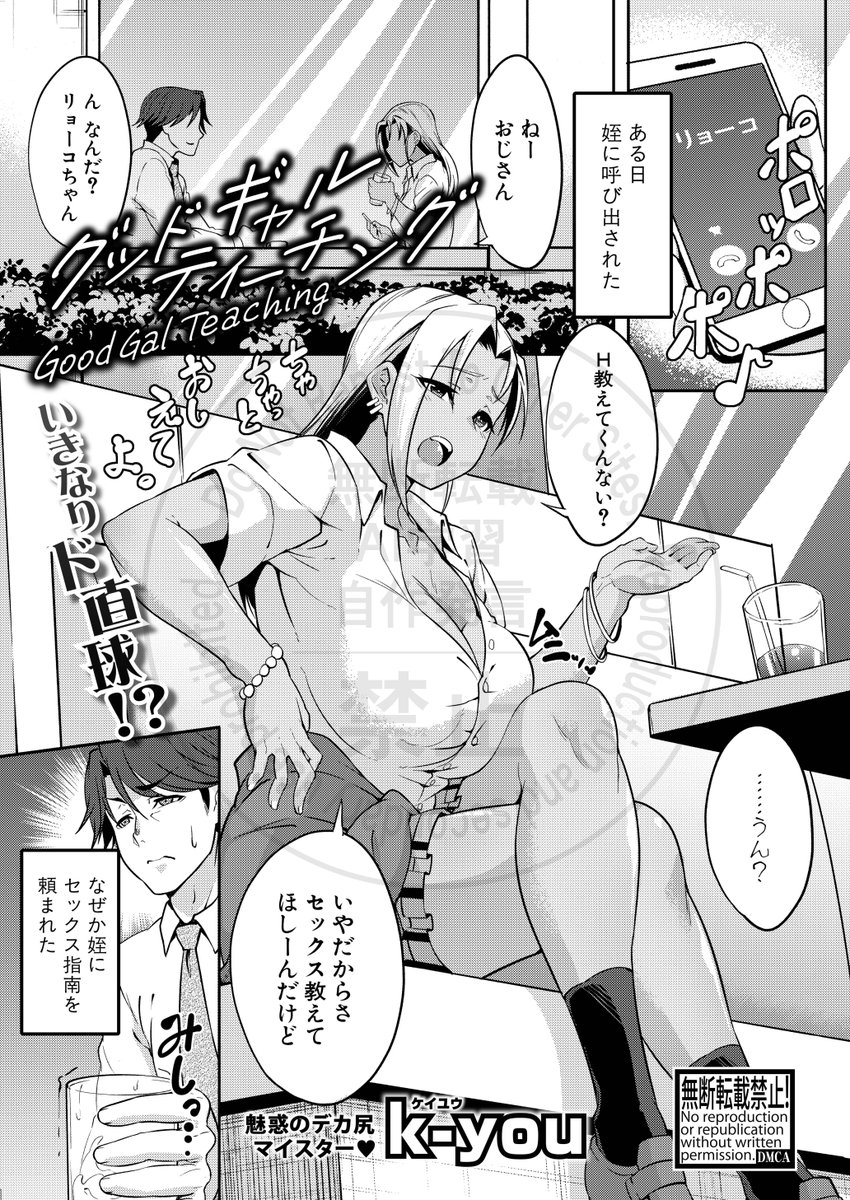

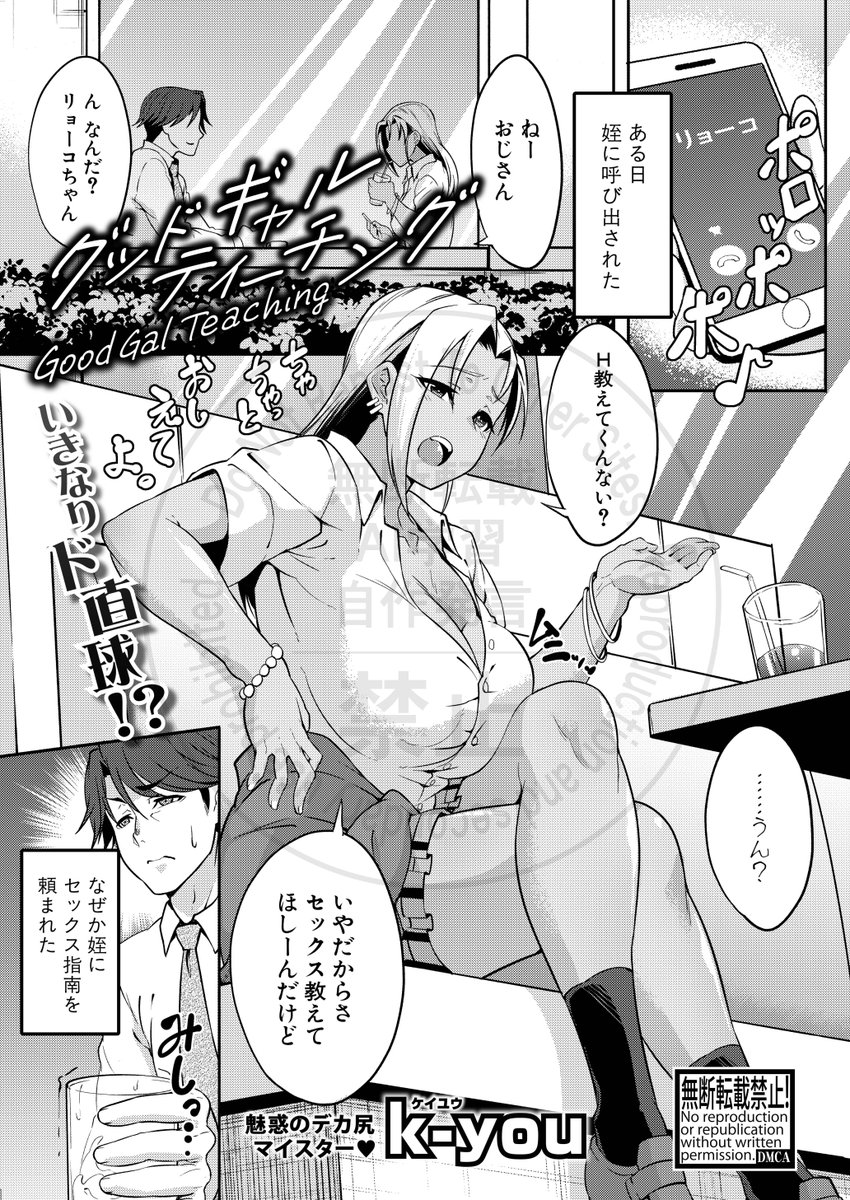
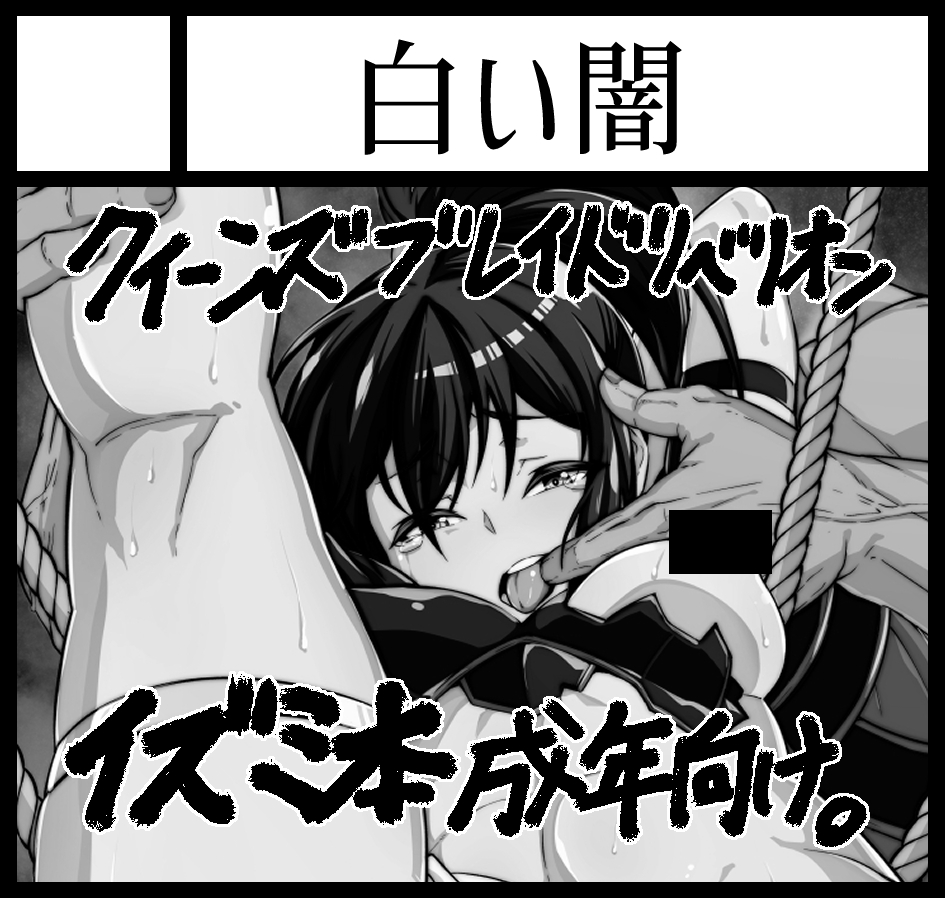

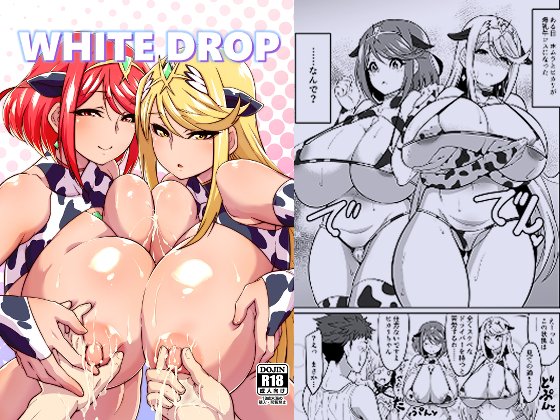
C106新刊「WHITE DROP」各書店様、及び電子版配信サイト様にて配信中です。ゼノブレイド2よりホムラヒカリと母乳プレイの内容です。
メロンブックス x.gd/oxWQn
とらのあな x.gd/Wp66z
DLsite x.gd/IPy3j
FANZA x.gd/VMPD9
32
123
14,570
k-you retweeted

元々「絵を描く事」なんて誰にでもできる事で、それそのものに意味は無いからこそ「描く絵に意味を持たせる事ができた人」が凄いんだと思う
3
4
35
4,471


k-you retweeted

「#ドカ食いダイスキ! #もちづきさん」
第22話🍜🐷
ヤングアニマルWebにて公開されました!
何杯でもどうぞ!👇
younganimal.com/episodes/64a…
━━━━━━━━━━━━━━━
#もちづきさん のハッシュタグで
ご感想もぜひ😋🍚✨
━━━━━━━━━━━━━━━
196
11,585
13,984
5,882,841
k-you retweeted

2ヶ月弱くらい前から、どこかで容易に解説アニメーション作れるAIでもできたのか、識者やメーカーならこんな迂闊な解説CG作らないはずだがってのが急に増えてきてる感じ。図解やアニメーションは間違いでも説得力あるので、機械や施設やその構造知りたい人は、鵜呑みにせず信用度を確認を
1,394
2,839
465,193
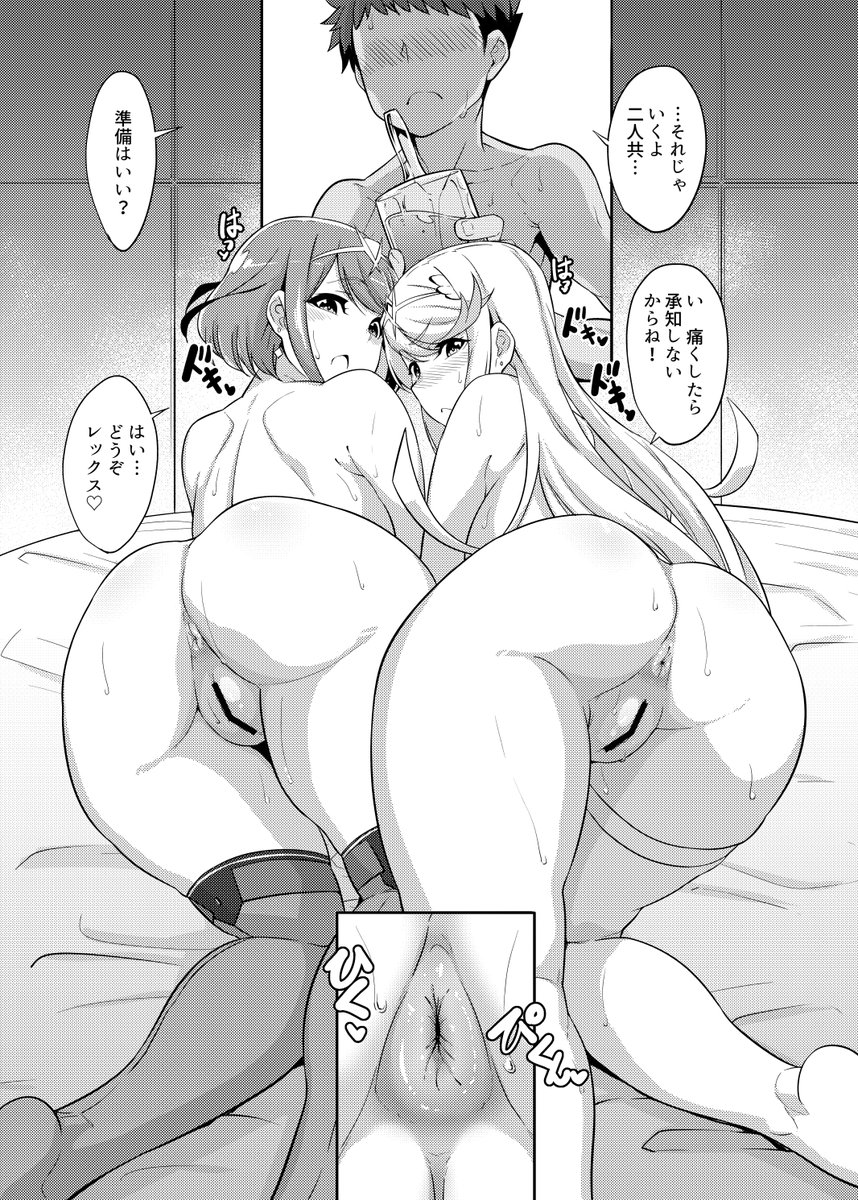
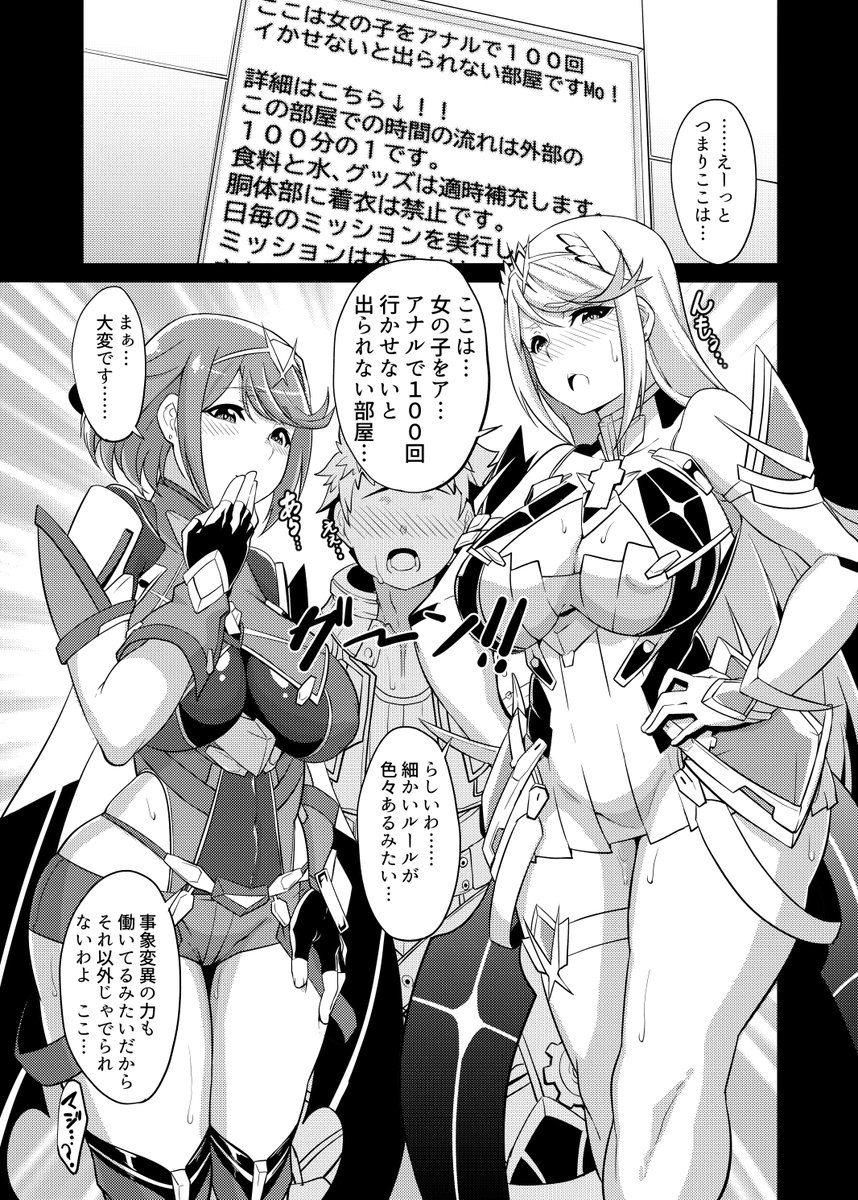
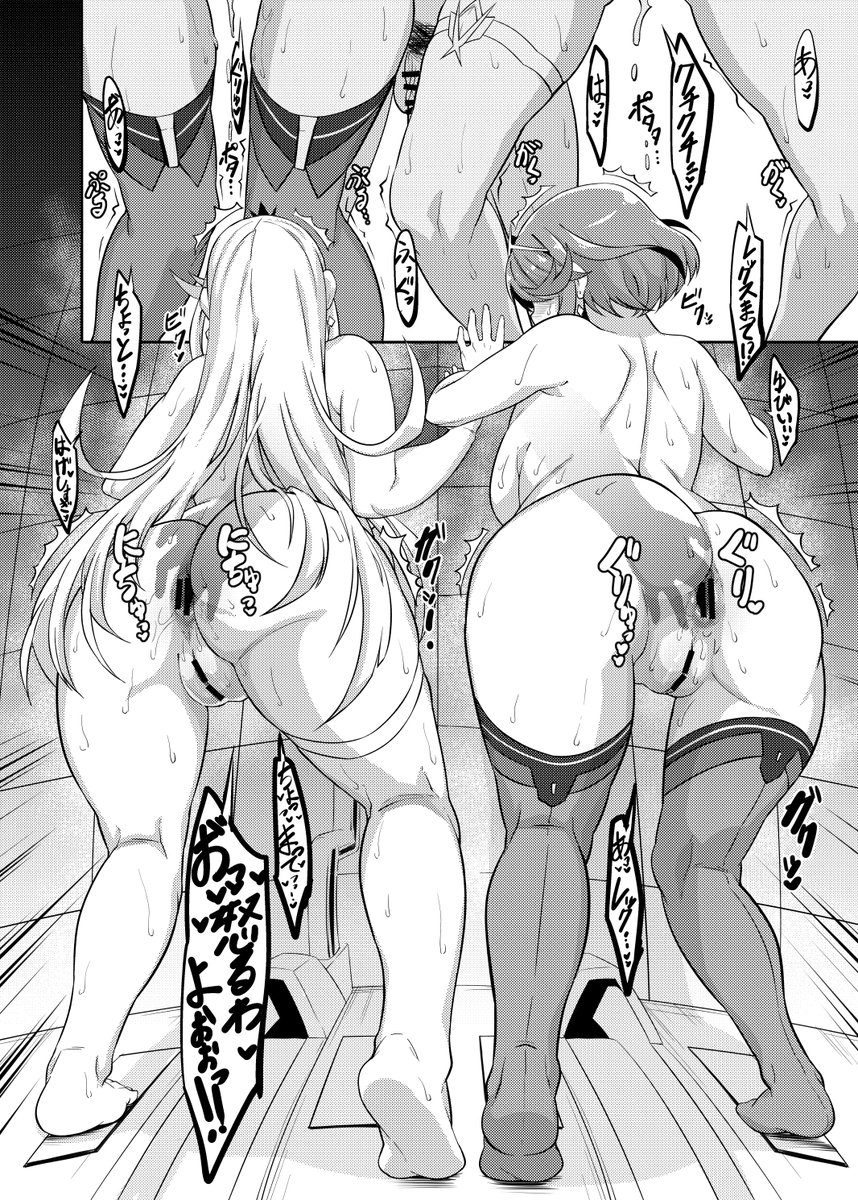
C104新刊「ソドミーズルーム」脱稿しました! 問題がなければ当日会場にあると思います! 書店様にも預けますので会場に来られない方はこちらでよろしくお願いします。🍈melonbooks.co.jp/detail/deta… 🐯ec.toranoana.jp/tora_r/ec/it…サンプル1

4
104
509
31,506



k-you retweeted

Jun 13
メタ、グーグル、マイクロソフトら、生成AIの訓練に著作権使用料の支払い義務生じれば「技術開発が不可能」と反発|BUSINESS INSIDER businessinsider.jp/article/2… @BIJapanより
72
496
970
284,785
k-you retweeted

Jun 12
【宣伝】
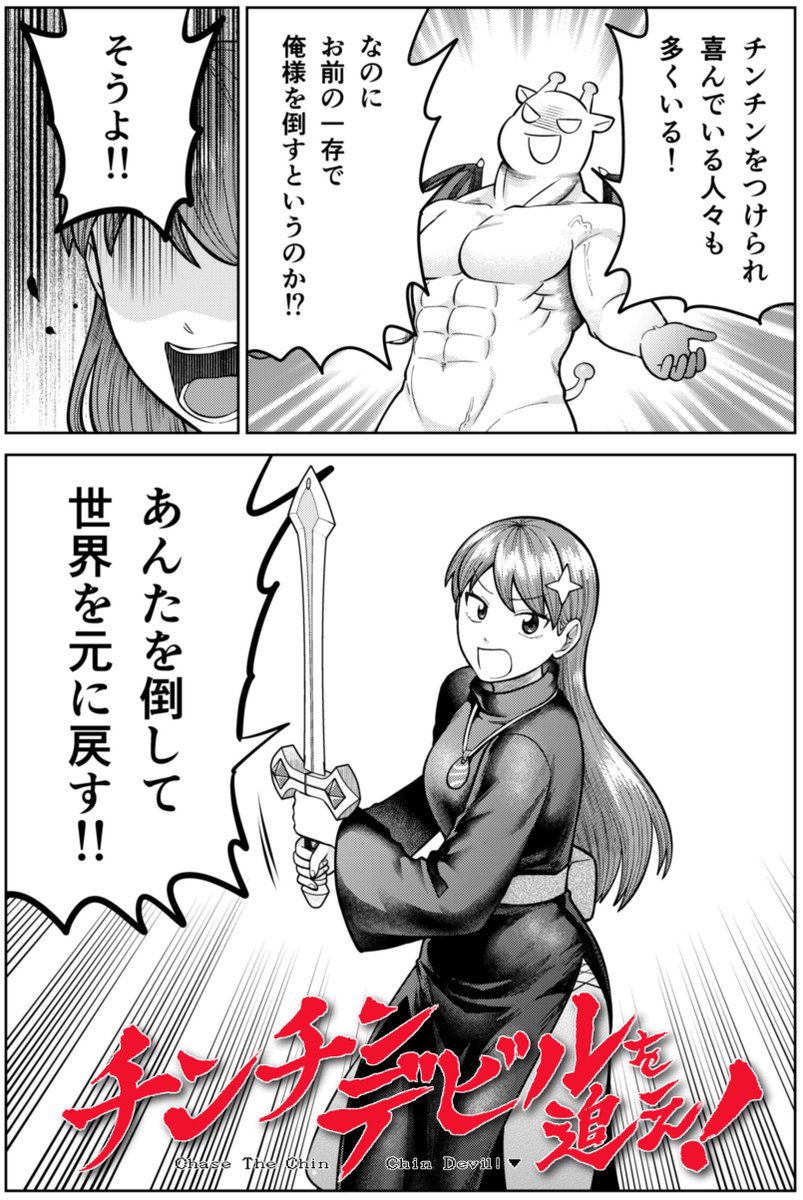
チンチンデビルを追え!の56話が無料公開されました!
comic-days.com/episode/25514…
チンデビとのバトルが始まっています!
果たして世界を元に戻すことはできるのか!?
#チンチンデビルを追え
3
203
378
27,459



【割引キャンペーン】50%OFF「WHITE DROP/白い闇」の割引が開始されました。6/18 14時まで dlsharing.com/maniax/work/=/… #DLsite割引 #DLsite
2
5
302




k-you retweeted

Jun 9
外注先が同じなら、似たような結果しか得られないのは、当然と言える。
すべての学生がGPT-4にエッセイを外注し、すべてのプログラマーがCopilotにコードを外注し、すべてのマーケターが同じAIにキャッチコピーを外注する。
個々を見れば、どれも減点のない、それっぽい成果物だ。しかし、全員が同じ統計モデルという外注先を共有しているため、市場や教室に出回るアウトプットは不気味なほど均質化する。
プロンプトによる差別化は表面的なカスタマイズになっても、本質的な意味領域の拡張にはならない。LLMという巨大な多次元の統計空間(過去のデータの圧縮物)の中から、指定された条件に合う確率のルートを、ただトリミングしているだけだからだ。
「もっと創造的にするよう促したり、連鎖的思考(CoT)プロンプトを使ったりしても、同質化の効果は残った」
サイコロの振り方をどれだけ工夫しても、サイコロの目の総数自体が増えるわけではないのだ。
さらに、自分だけの秘密のプロンプトを作って差別化しようとするレース自体が、新自由主義的なプラットフォームのアルゴリズムに一瞬で回収される。
「こうプロンプトを打てば、他と違う成果物が出る」
というハックの手法が見つかった瞬間、それはSNSでバズり、まとめられ、最終的にはAI自身が『最強のプロンプト』を生成し、誰もがボタン一つで使える機能としてシステムに取り込まれる。
他者と差別化するための独自のノイズ(創造性)を効率化の名のもとにドブに捨てた結果、残るのは誰もが同じように賢く、誰もが同じように凡庸な、価値ゼロのコモディティ空間だけだ。

Students without access to LLMs are 2 to 8 times more creative than students with access.
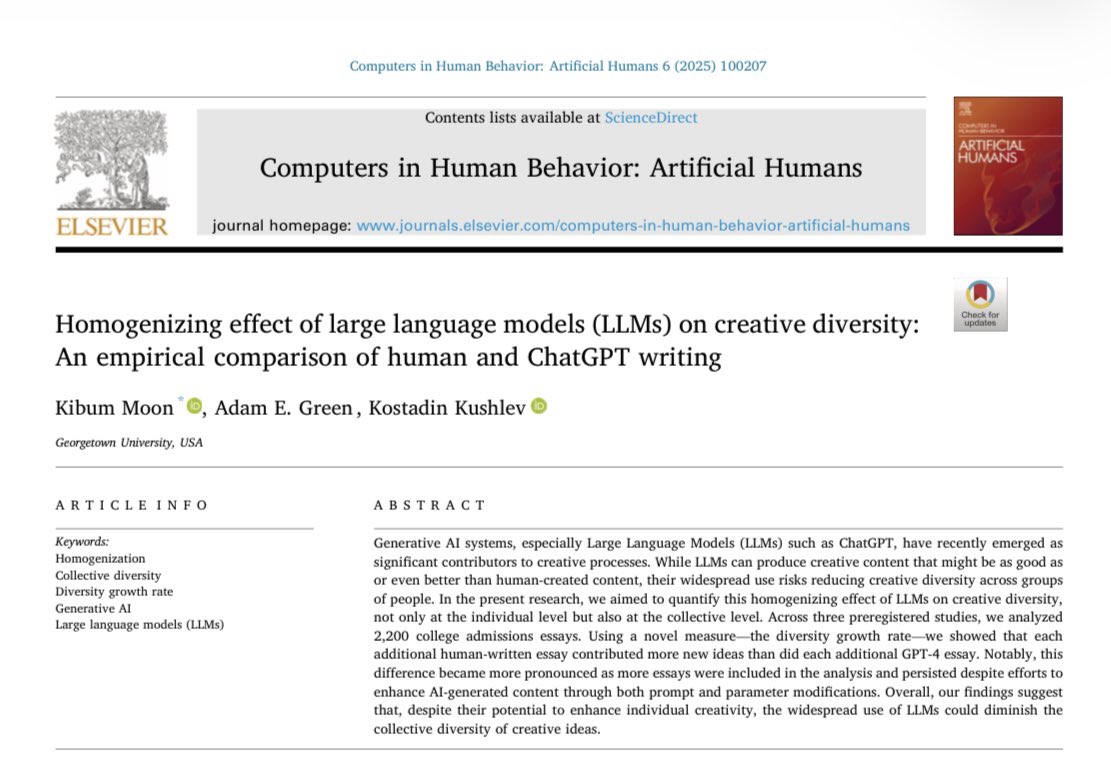
That is the finding of a new paper comparing 2,200 college admissions essays written by humans before ChatGPT with essays generated by GPT-4.
The key point is not individual creativity. GPT-4 can write well, sometimes better than individual students. The problem is collective creativity.
Each new human essay added new semantic territory. New ideas. New angles. New experiences. New combinations.
Each new GPT-4 essay added much less.
The authors call this the diversity growth rate: how much novelty each additional text contributes to the collective pool of ideas.
Humans kept expanding the pool. GPT-4 made the pool converge.
Even when the authors pushed GPT-4 to be more creative, changed parameters, or used chain-of-thought prompting, the homogenizing effect remained.
This is the real danger of AI in education.
Not that students will write worse.
That everyone will write the same.
*
Full paper in the first reply
32
59
6,456
k-you retweeted

Students without access to LLMs are 2 to 8 times more creative than students with access.
That is the finding of a new paper comparing 2,200 college admissions essays written by humans before ChatGPT with essays generated by GPT-4.
The key point is not individual creativity. GPT-4 can write well, sometimes better than individual students. The problem is collective creativity.
Each new human essay added new semantic territory. New ideas. New angles. New experiences. New combinations.
Each new GPT-4 essay added much less.
The authors call this the diversity growth rate: how much novelty each additional text contributes to the collective pool of ideas.
Humans kept expanding the pool. GPT-4 made the pool converge.
Even when the authors pushed GPT-4 to be more creative, changed parameters, or used chain-of-thought prompting, the homogenizing effect remained.
This is the real danger of AI in education.
Not that students will write worse.
That everyone will write the same.
*
Full paper in the first reply
86
668
1,956
218,546