
Jeff Gordon
Joined November 2009
- Tweets 131,920
- Following 1,111
- Followers 4,825
- Likes 51,410
4,848 Photos and videos



Balan Shiyaga retweeted

Jun 14
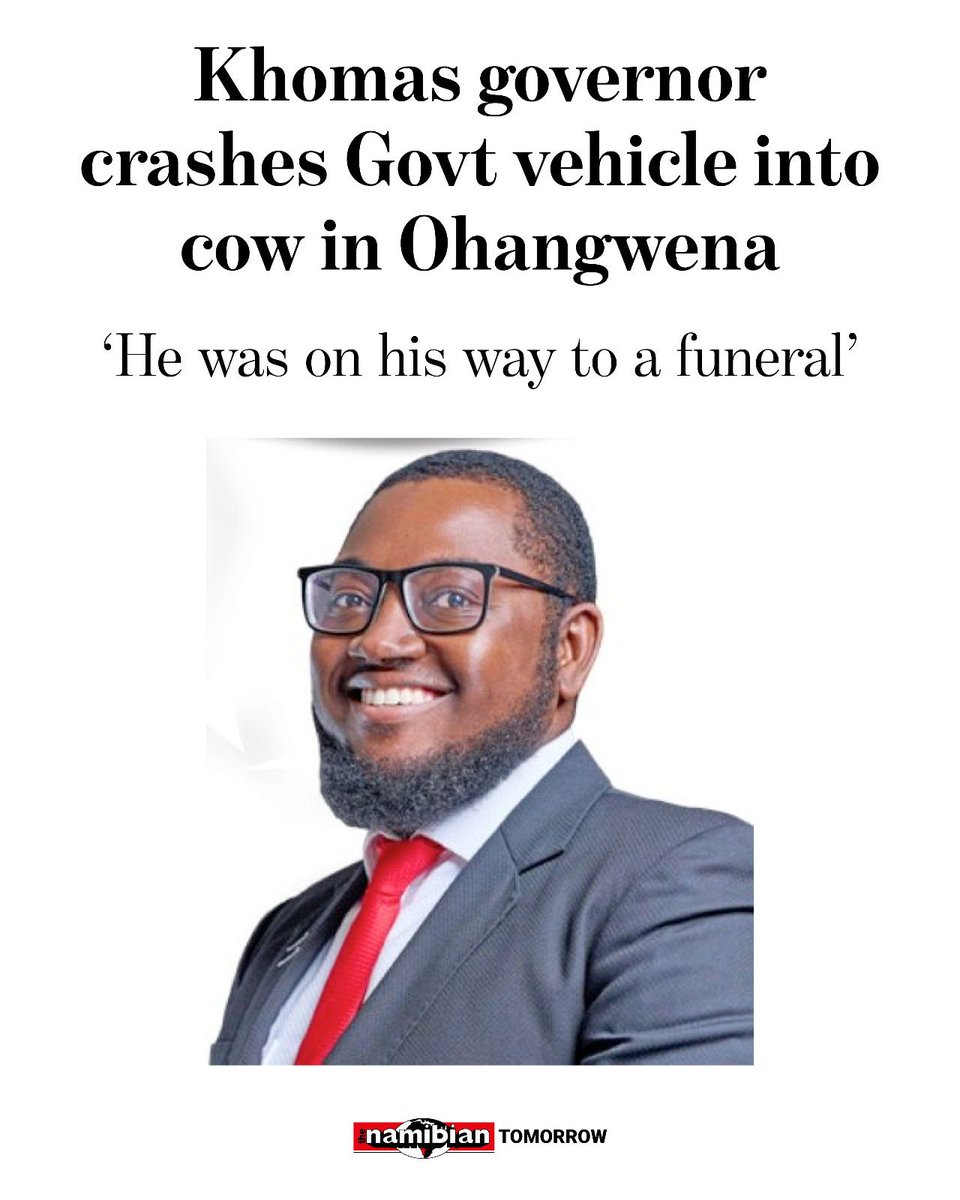
Was the cow not wearing a Reflector?🤔
Jun 14

4
5
14
2,341
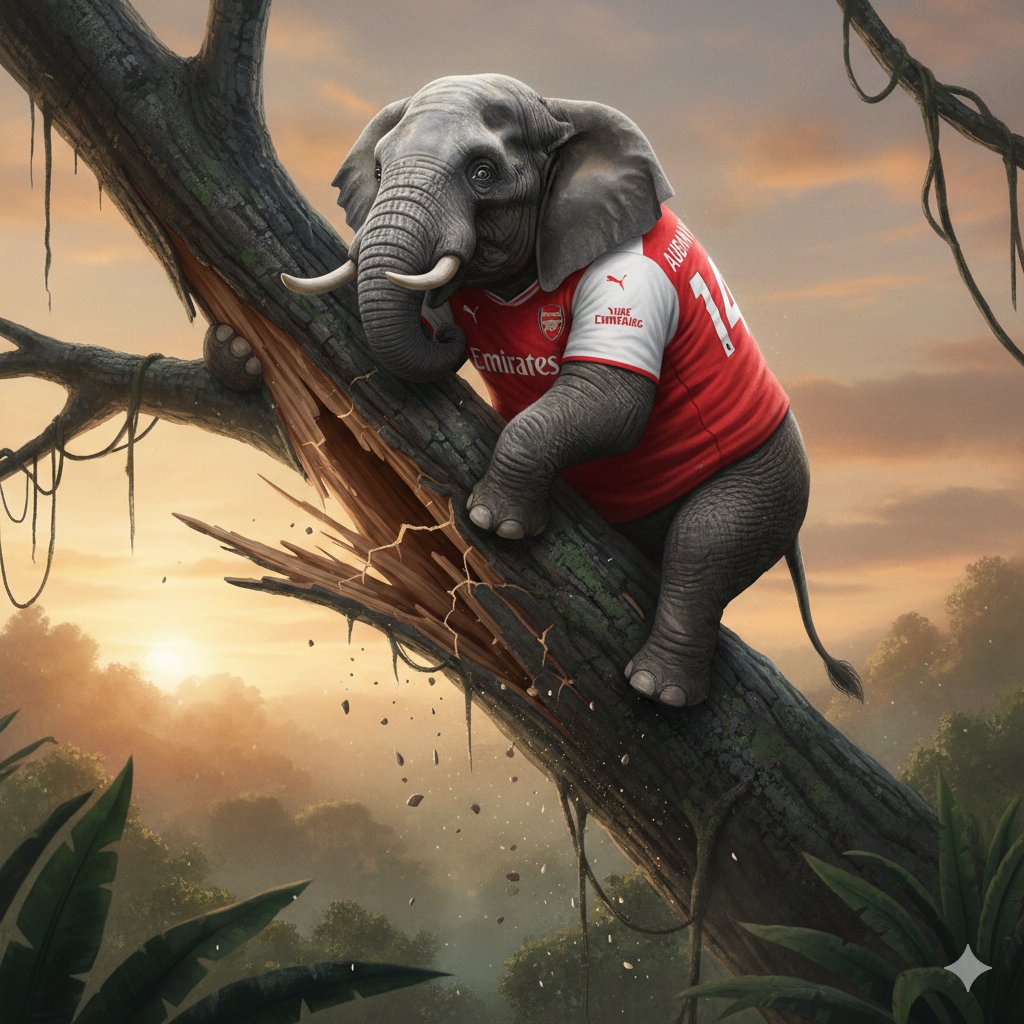
Will probably escape to escape the impending bench from AK45
Jun 14

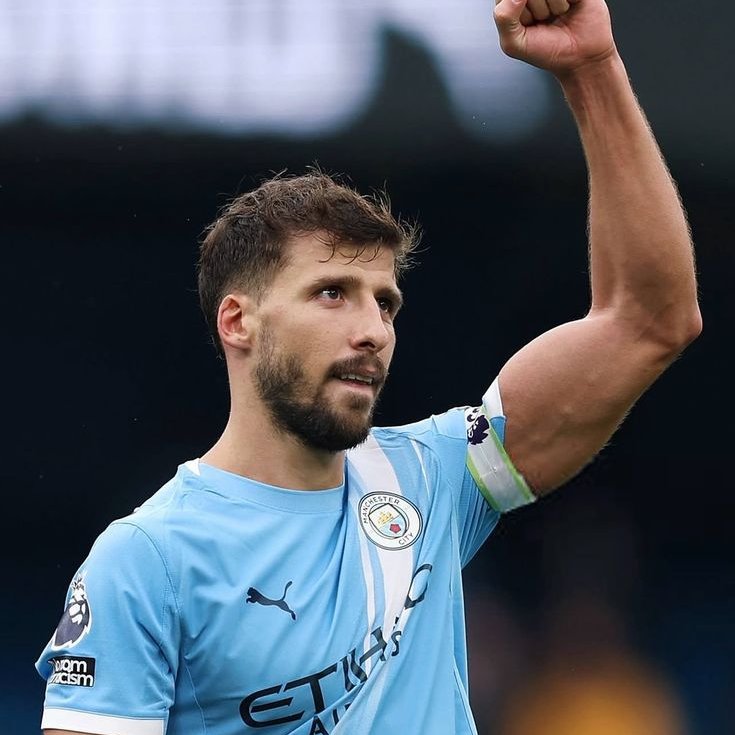
🚨 BREAKING: Real Madrid are interested in RUBEN DIAS!
José Mourinho likes him, and he has DIRECTLY SPOKEN to him! @benfeerr

1
1
91
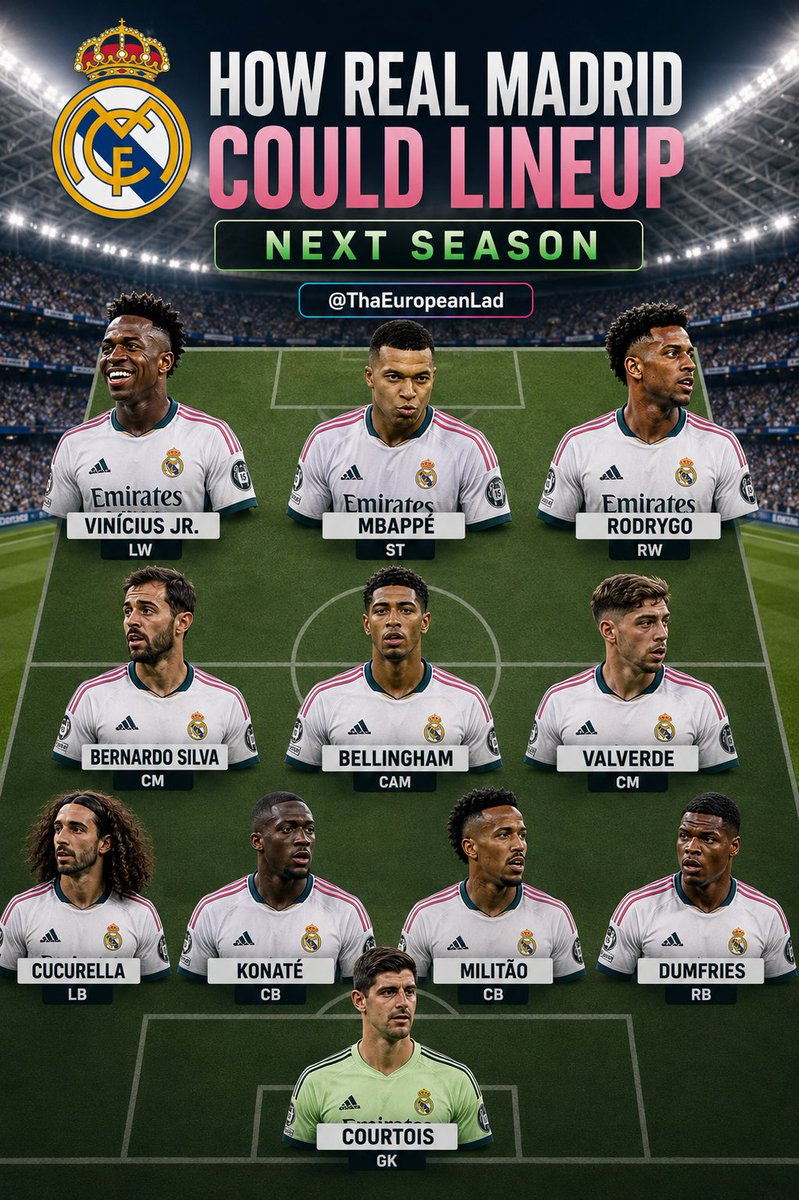
I can see the vision 😂

97

....but were this people not talking abou sourcing directly from India or something?
133
Gangster wearing a lapel?
Jun 14

Vusi Nova avoided a confrontation with a gangster. That was a wise decision, it could’ve been deadly Yoh
1
1
2
294
Balan Shiyaga retweeted

Jun 14
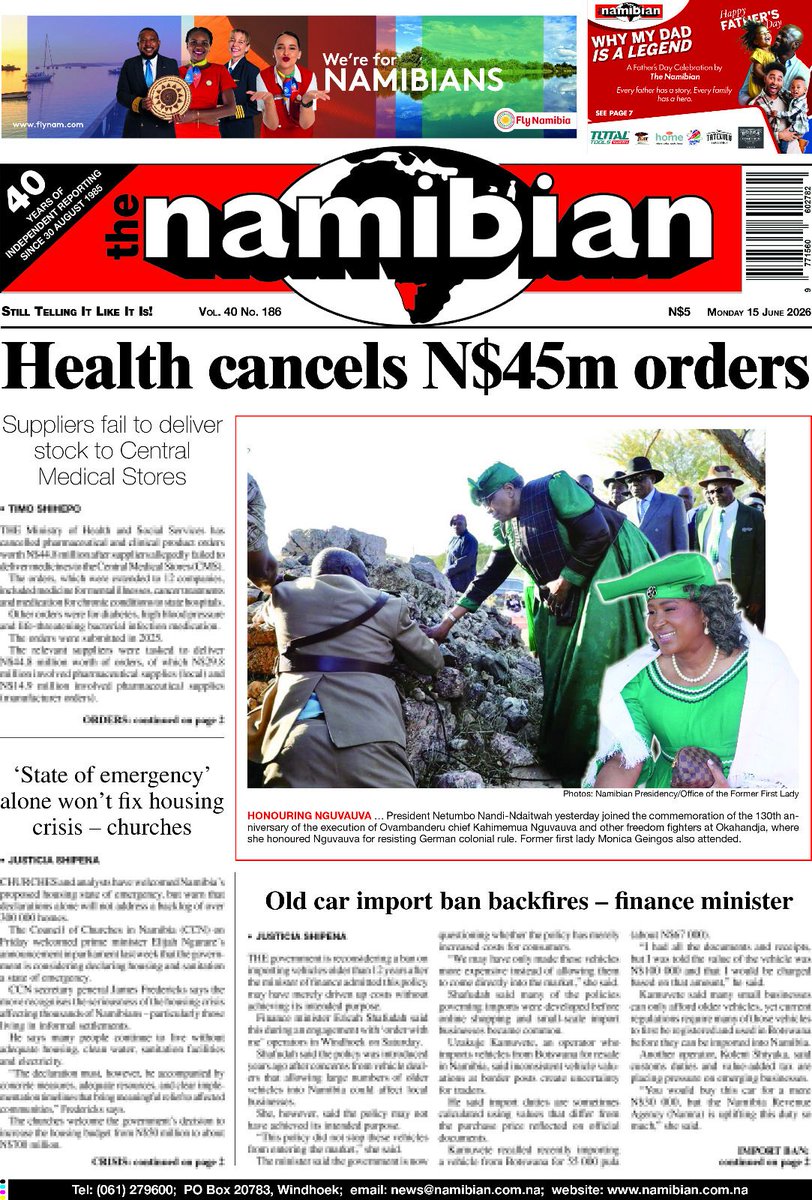
In 1927, French philosopher Julien Benda warned in his book ‘The Treason of the Intellectuals’ that a society rots when people who know better stay silent to stay close to power. namibian.com.na/editorial-be…
2
13
21
2,103

Jun 13
First time since 2023 making any type of sense
Jun 13

Oh Boy: President Donald Trump wants the NFL to change its name so that soccer is the only sport named football.
"This is football, there is no question about it. We have to come up with another name for the NFL stuff."
😬😬😬
88
Balan Shiyaga retweeted

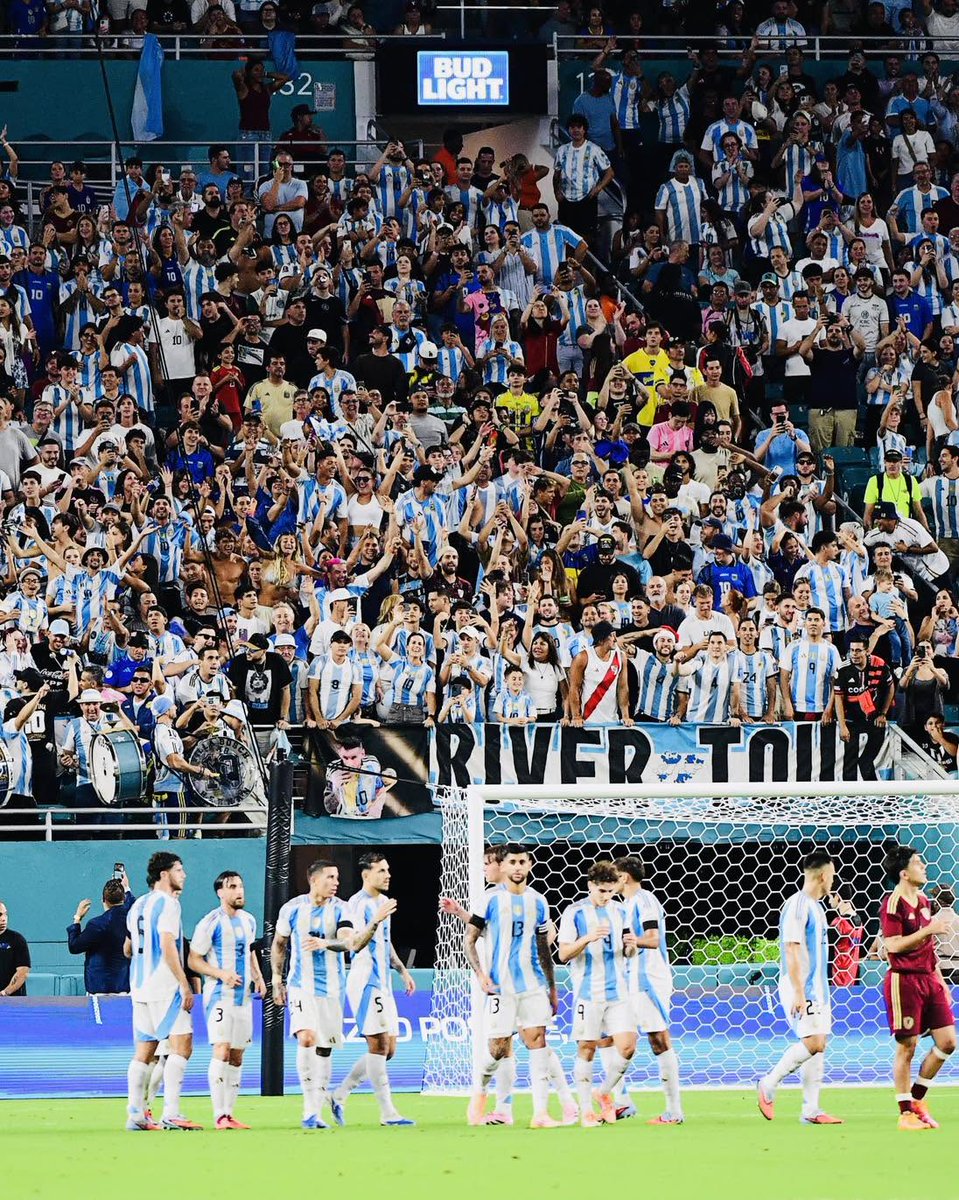
🚨 The Argentine government has provided US authorities with a list of 13,000 Argentine fathers who have failed to make child support payments owed to their children. 🇦🇷
The aim is to prevent those individuals from attending World Cup matches. ❌
🗣️ “Those who fail to meet a responsibility as fundamental as feeding their children must face the consequences. If they do not provide for their children, they will not be allowed into the stadium,” said the Mayor of Buenos Aires.
A decision that has been widely praised. 👏🇦🇷
(Source: El Nación)
314
1,650
17,290
1,170,710
Balan Shiyaga retweeted

Jun 11
Bless him searching for Gabriel’s penalty



82
4,020
43,407
709,887
Balan Shiyaga retweeted

Jun 12
I think the citizens of South Africa fight for their rights, keeping the government on its toes and they feel it’s unfair that the little government offers, they still have to share it with undocumented immigrants. Immigrants who should be fighting for their rights at home.
2
5
14
1,101
Balan Shiyaga retweeted

Jun 12
Okay, so everyone’s celebrating that Namibia found oil. Ten billion barrels, biggest discovery on Earth this decade, Total and Shell and Chevron all fighting to get in. And everyone’s asking the wrong question. The question is not did we find oil? The question is who owned the lottery ticket before the numbers were drawn?
Here is the trick, and once you see it you cannot unsee it.
Long before anyone knew there was oil back when these blocks were just empty squares of ocean on a map the government handed out licences. And inside almost every licence, a small slice, 5 or 10 percent, went to a local partner. A private company. Not the nation. Not NAMCOR. A company. And here’s the beautiful part: that slice was carried, which is a fancy word meaning the local partner never pays for anything. Not the ships, not the drilling, not one dollar of the billion dollar wells. They just hold the paper.
Think of it like the village discovering diamonds under the communal grazing land but six months before the discovery, somebody quietly gave his friend a paper saying whatever comes out of this ground, ten percent is yours, and you’ll never pay a cent for the digging. Did the friend dig? No. Did he bring machines? No. He brought a signature.
Now watch what happens next. In September 2021 three months before Total’s drill bit hit Venus, before anyone knew a private company owned by one Namibian businessman signed a deal to sell 49% of those carried slices  to a small company on the Canadian stock exchange. Price? About 5.7 million dollars, plus shares, completed March 2022 . And here’s the detail historians will write about the deal could only close once the Namibian government granted yet another new licence to the same group and the government granted it . A private sale in Toronto, waiting on a minister’s pen in Windhoek. The pen moved.
Then the majors drilled. Mopane alone is now booked at 1.38 billion barrels equivalent That free slice the paper the friend got for a signature is now worth a fortune. And because it was sold as shares in companies rather than the licence itself, the money moves in Canada, the approvals may never have crossed a Namibian desk, and the tax question is a giant shrug.
Russia in the 1990s state oil handed to insiders for kopeks before anyone priced it, and a decade later those men were billionaires and Russian pensioners were selling their medals. Nigeria: oil blocks awarded for nothing to connected men, flipped to foreign majors for over a billion dollars while the Niger Delta still has no lights. And we don’t even need to leave home Fishrot was exactly this mechanism. Paper rights to fish nobody had caught yet, given to connected men, monetised through Iceland, and the fishermen of Walvis Bay got retrenchment letters. Same script. They’ve just upgraded from fish to oil, and the ocean is the same one.
The main event is that a bill is moving through Parliament right now to put the power to grant these licences the power to mint the next round of golden tickets into one office, the Presidency, just as the biggest approvals of the decade come due. Whoever holds that pen in 2026 decides who gets rich in 2030.
So when first oil comes and they tell the pensioner in Khorixas to celebrate, she should ask one question the ten percent that was given away when this was just empty ocean who got it, what did they do for it, and where did the money go when they sold it?
Norway asked that question before the oil flowed and built the richest pension fund on Earth. Nigeria asked it twenty years too late. Namibia gets to choose its timeline but the choosing happens now, not in 2030.
3
29
66
2,504
Balan Shiyaga retweeted

Jun 11
South Africa with 9 men and being absolutely shocking still had more possession against Mexico than Arsenal did against PSG 😂 Embarrassing.
516
3,205
39,599
1,398,597
Jun 12
This is the real problem everywhere, everyone is inserting their profit margins of what already exists instead of just creating new value.
Jun 11

Honestly, i don't understand this economy when nursing homes are so expensive they bankrupt our grandparents but nursing home aides need to use food banks.
daycare is so expensive it eats up one parent's entire paycheck and yet daycare providers only make $10/hr and need second jobs.
college costs hundreds of thousands of dollars and puts students into debt for life and yet we have thousands of professors living in their cars.
everything we need is astronomically expensive and yet almost none of the money we pay is going towards the people actually doing the work and providing the services.
1
201
Jun 11
So big we are selling Uncs to Madrid
Jun 11

🚨💣 BREAKING: Bernardo Silva to Real Madrid, deal set to be sealed as revealed earlier… HERE WE GO, SOON. 🇵🇹
Agreement at final stages after official proposal valid until June 2028 plus potential option.
Bernardo Silva, ready to join Real Madrid.

1
1,002
Balan Shiyaga retweeted

Jun 11
We will support South Africa no matter what. We will not let them down.
133
658
4,660
199,719
Jun 11
The song mashup goes under the radar but it's crazy
Jun 11

A lady shared throwback photos showing just how much of a baddie her mom was in her younger days. 😁❤️
331
Balan Shiyaga retweeted

There's no Namibian hate watching Bafana Bafana.
Jun 9

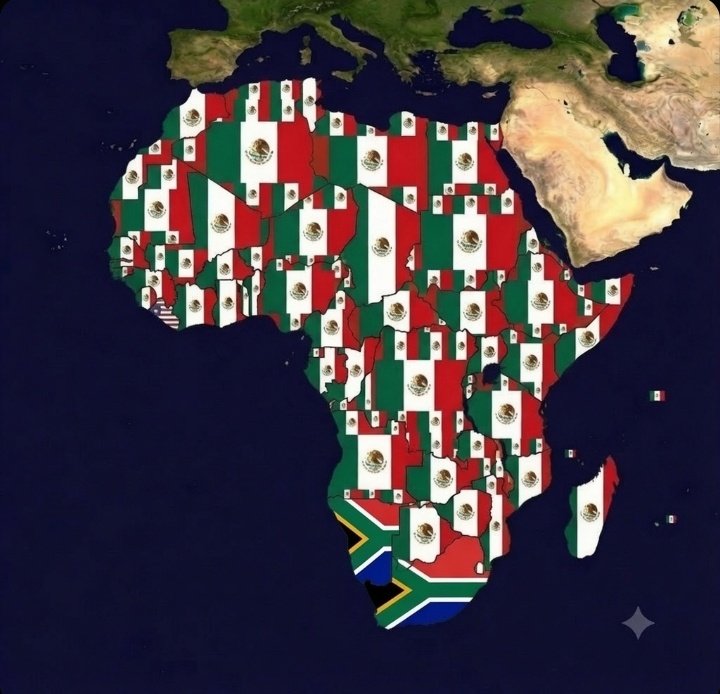
Dear Mexico….
As discussed.
Signed,
53 African counties
2
3
21
2,016

Jun 11
These economists only comment when something is mentioned to fix the imbalance which hey currently enjoy in this country. Rest of the times they are quiet
Jun 11

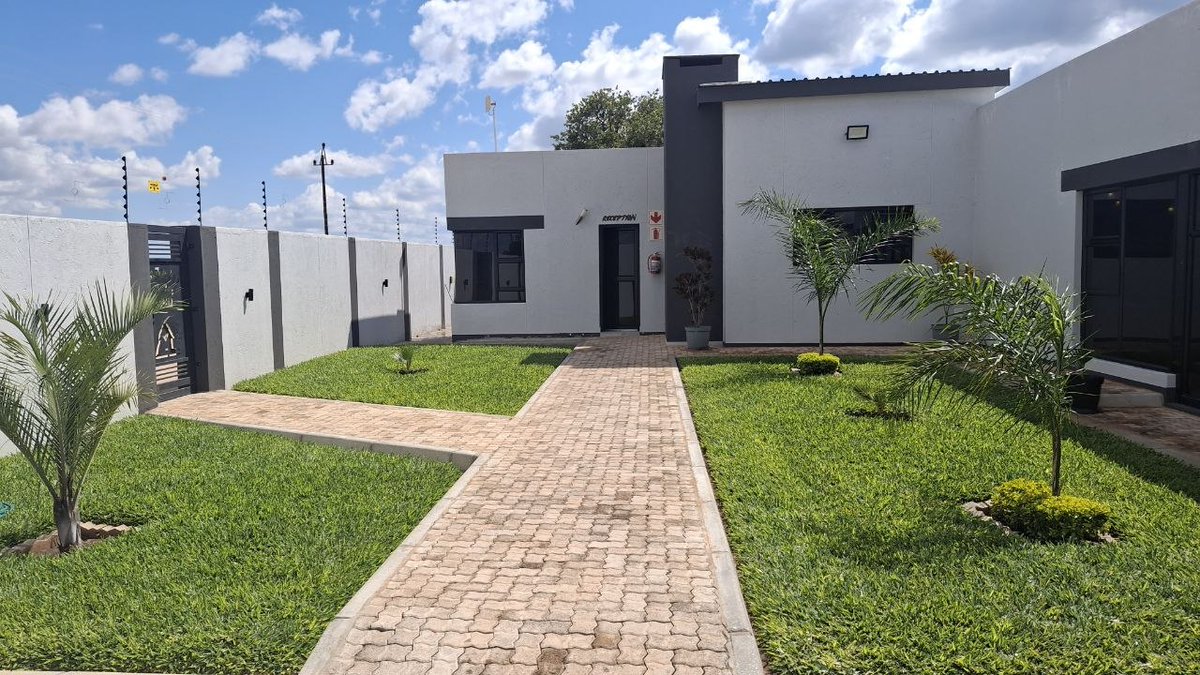
Prime Minister Elijah Ngurare's call for a review of Namibia's home loan financing model could have unintended consequences if repayment periods are shortened without addressing affordability challenges, Simonis Storm economist Almandro Jansen has warned. namibiansun.com/government/s…
1
2
2
525