
Ich interessiere mich für Astronomie, Handwerkliches, Malerei, Garten und Tiere.🐟🐱🐕🐦👩🍳💐🏡🚴♀️
Joined February 2018
- Tweets 58,997
- Following 743
- Followers 1,498
- Likes 95,609
9,373 Photos and videos
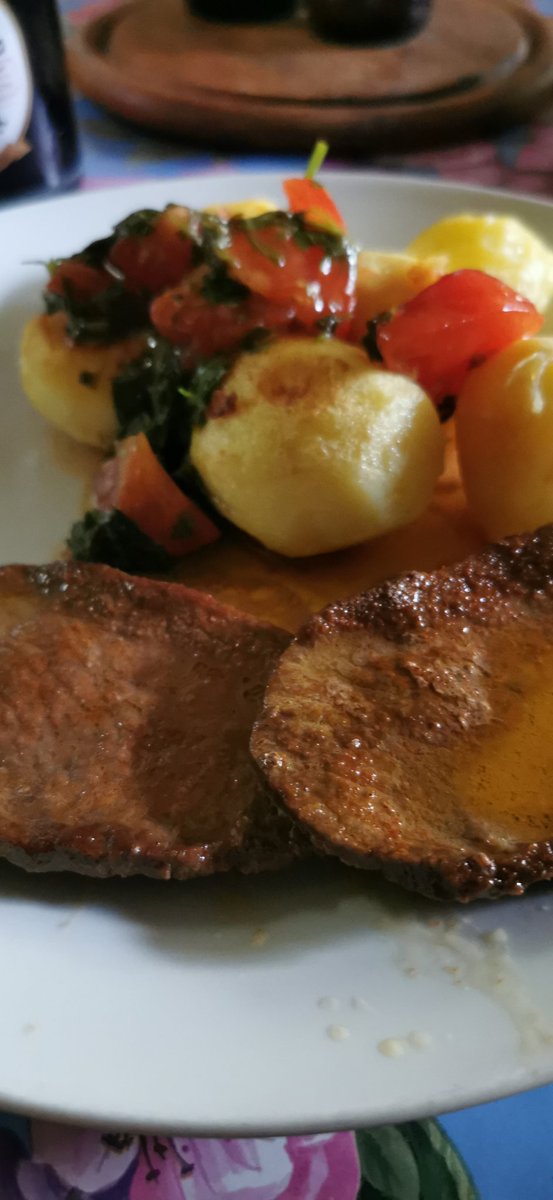
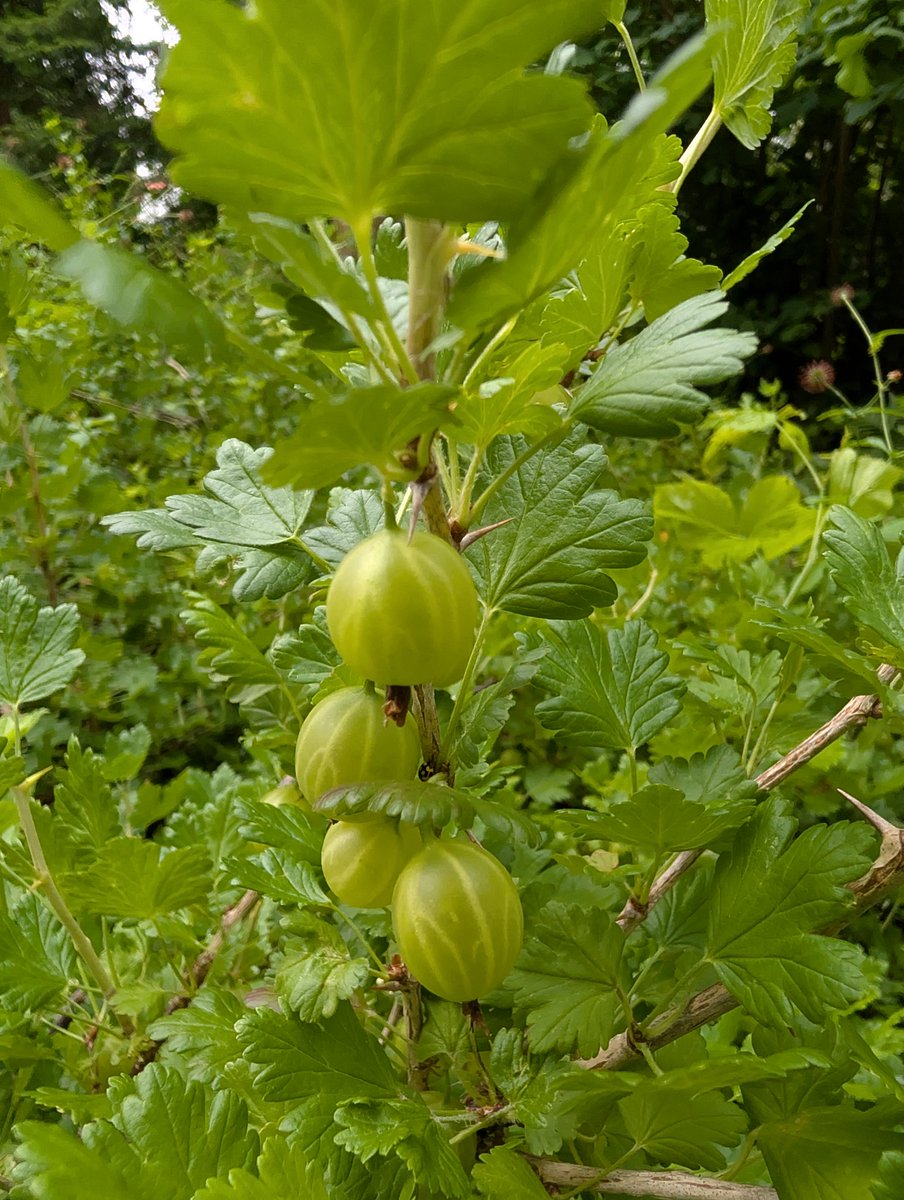
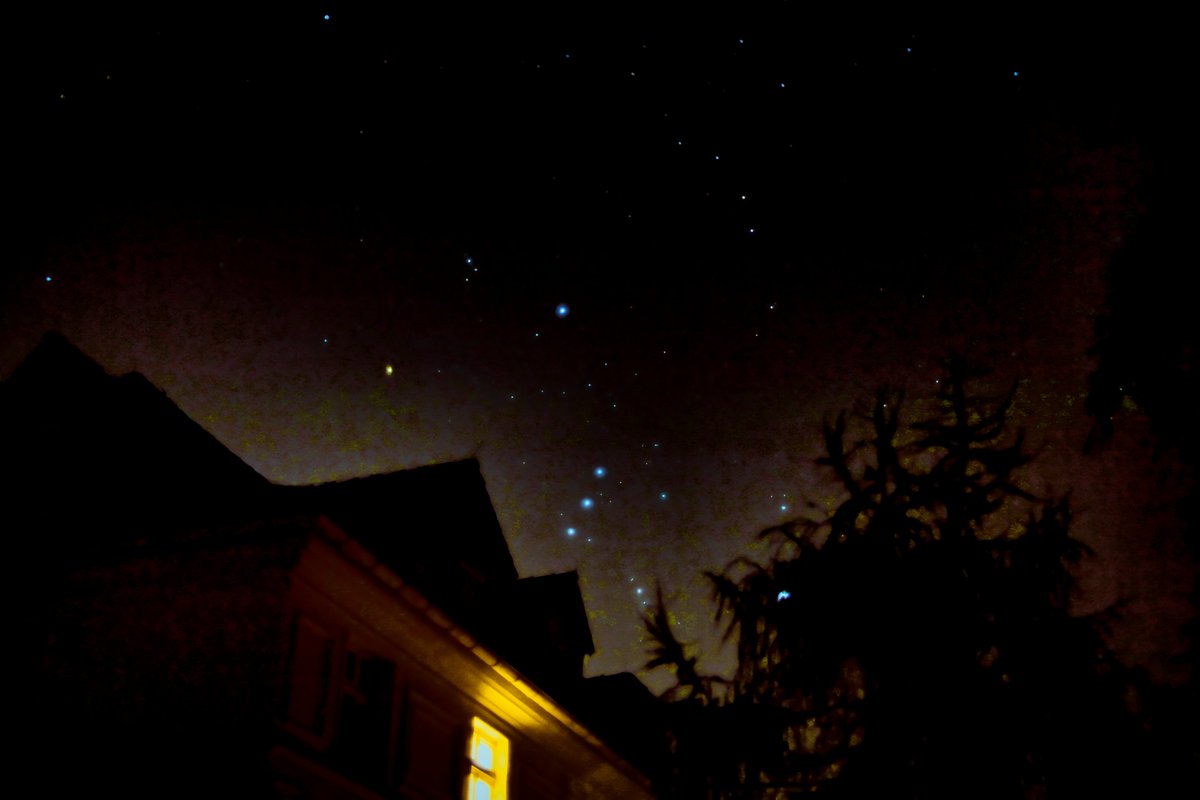

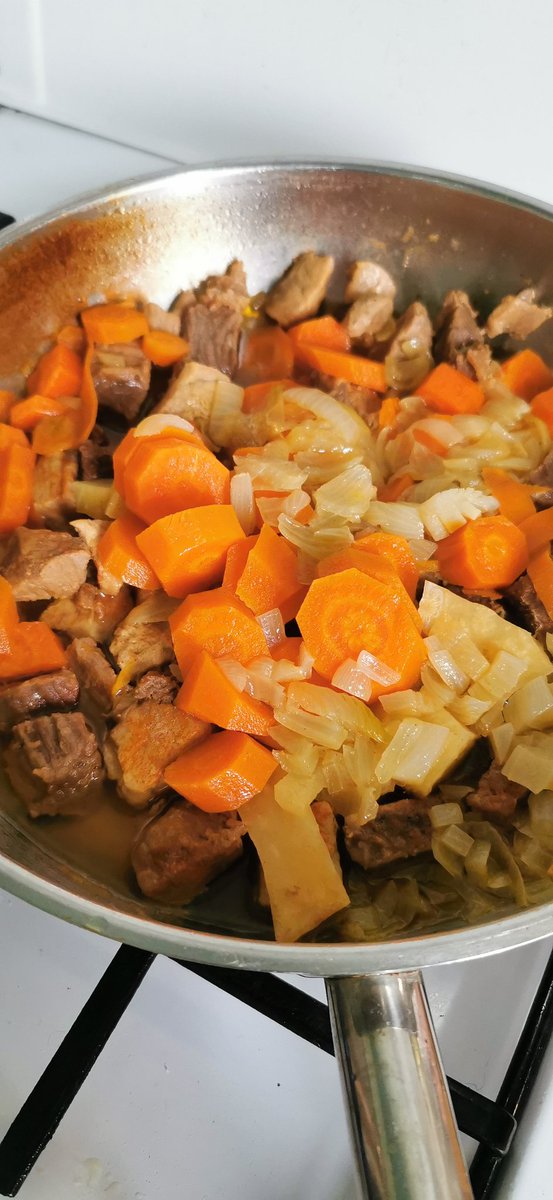
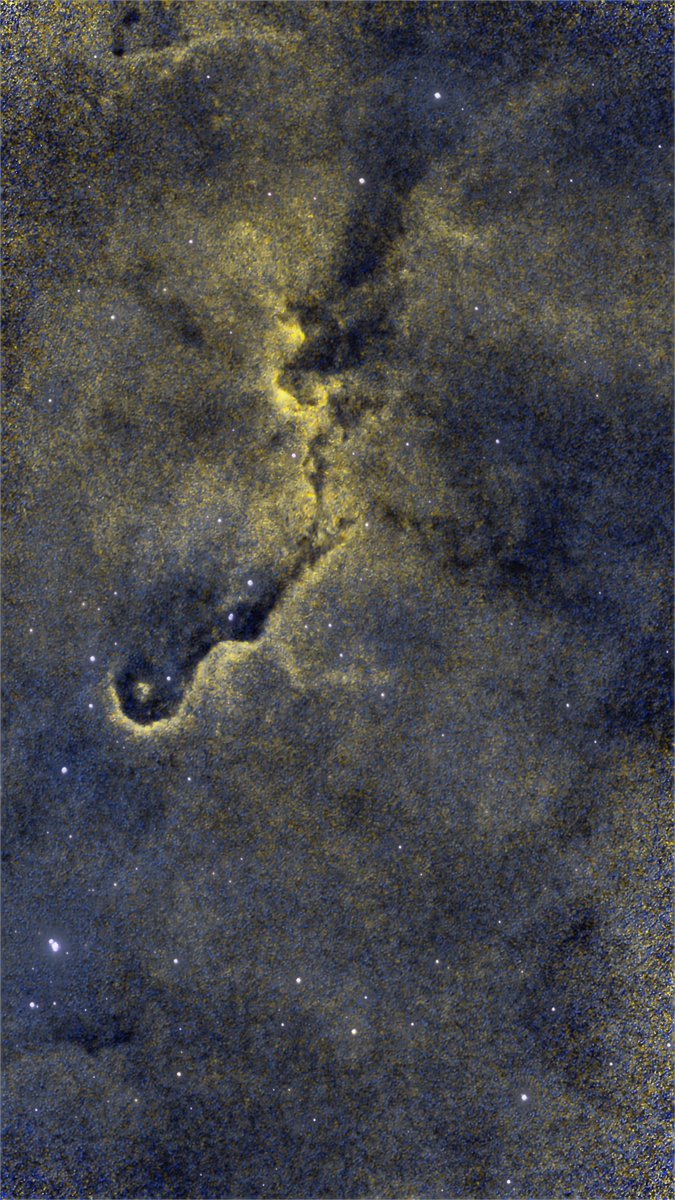
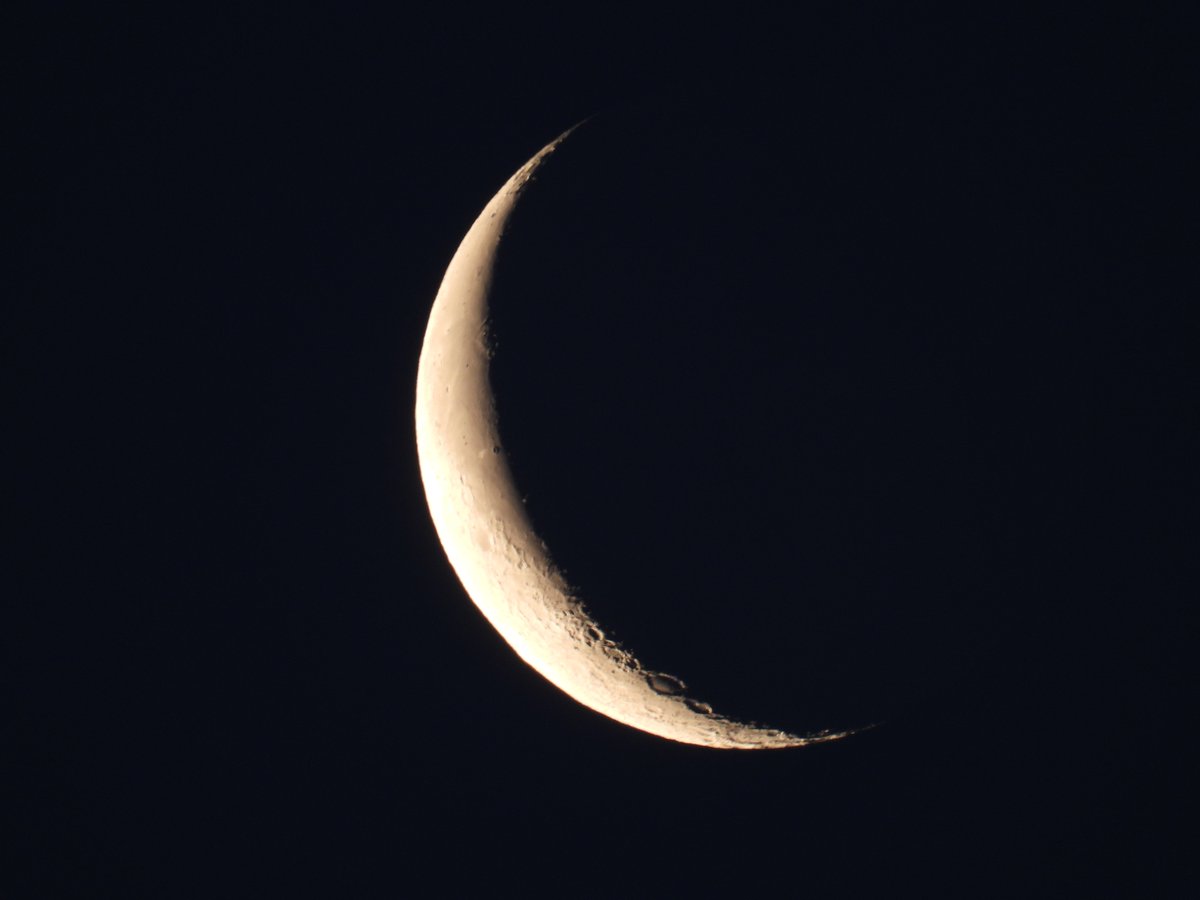
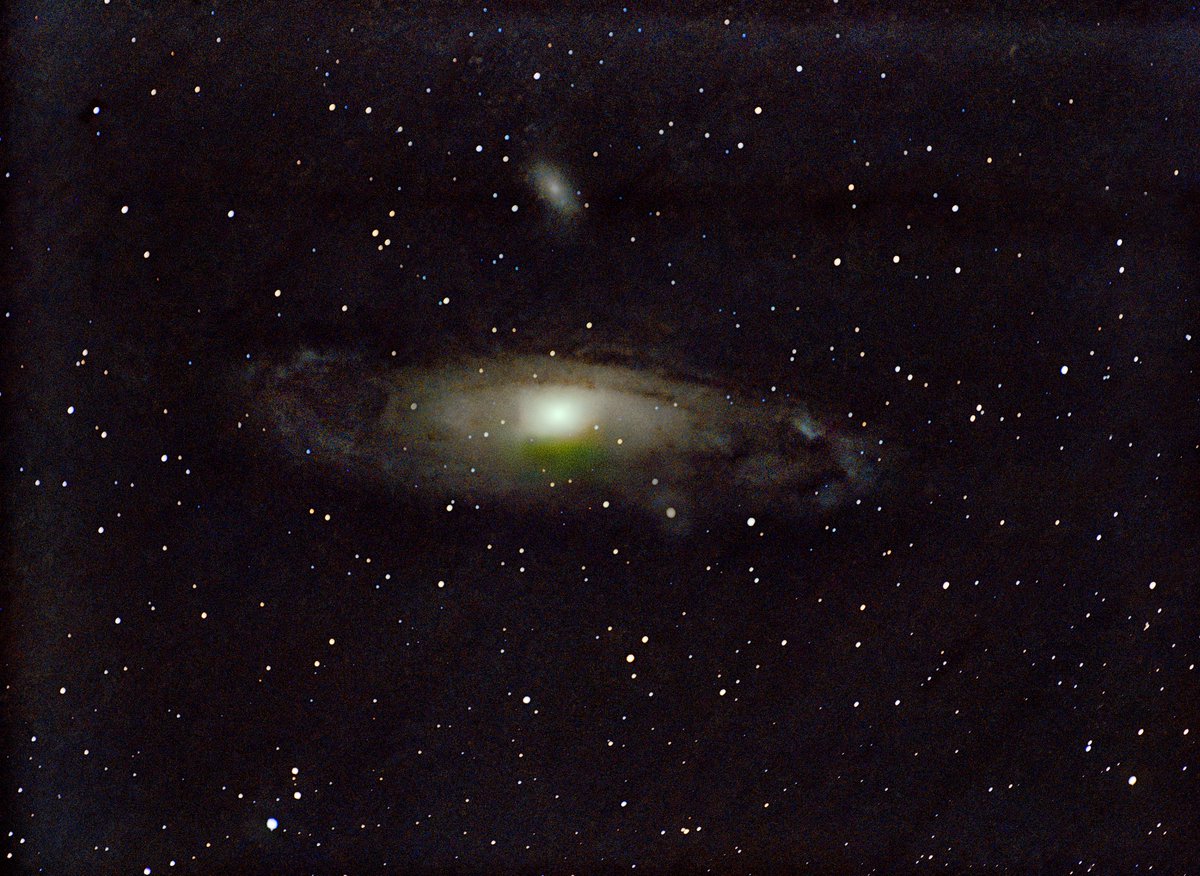
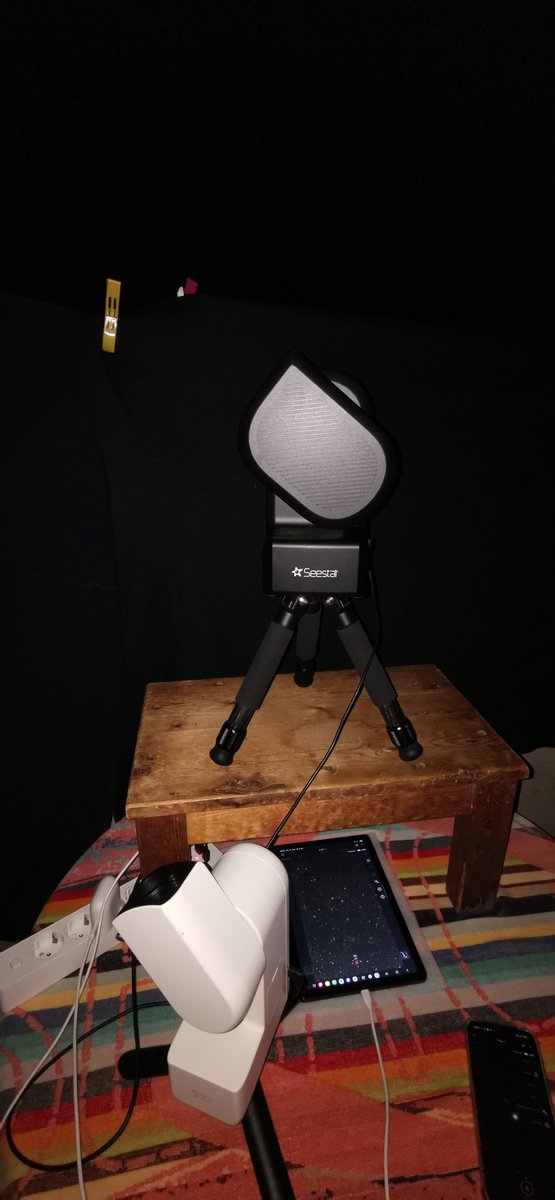

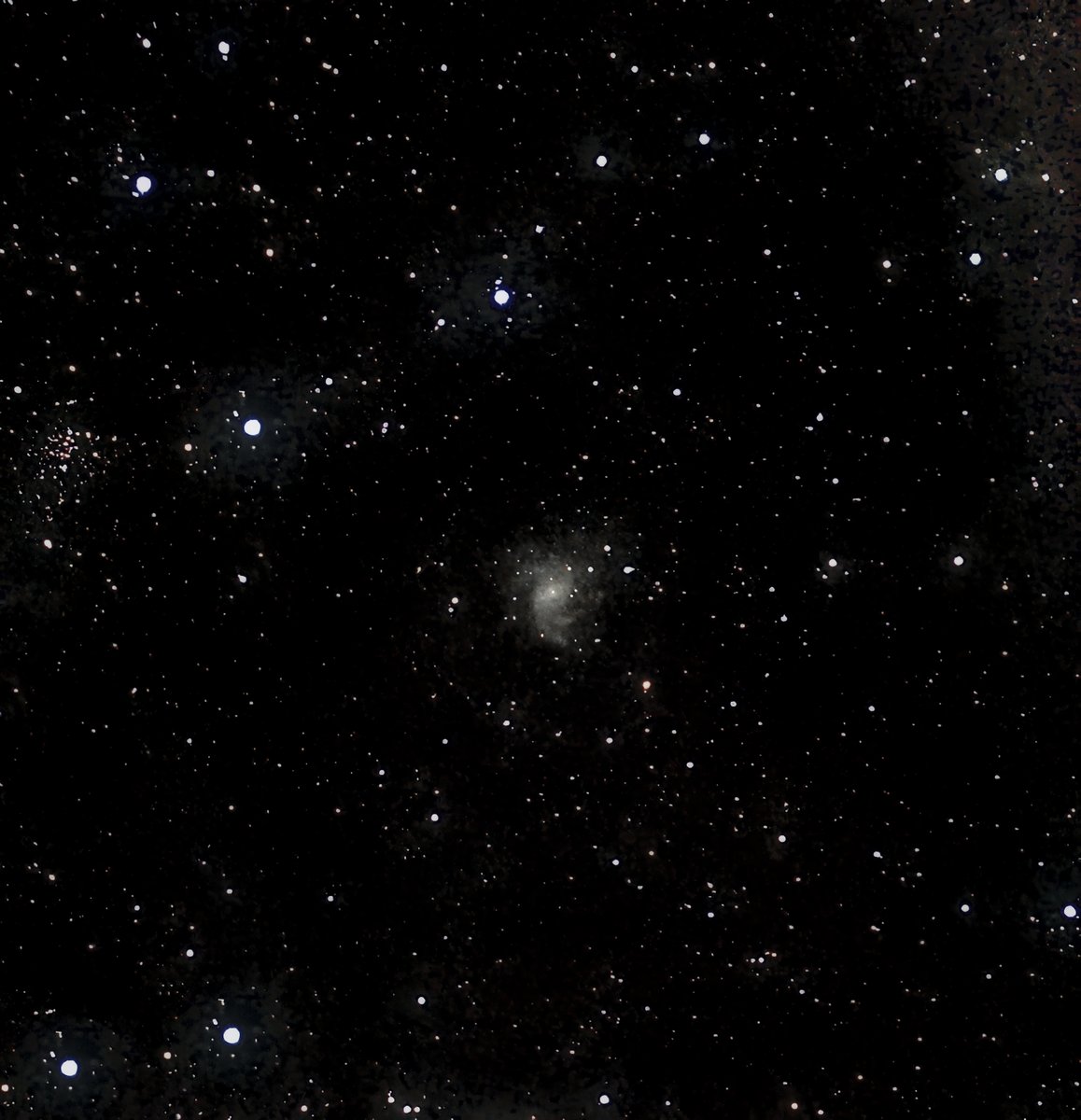
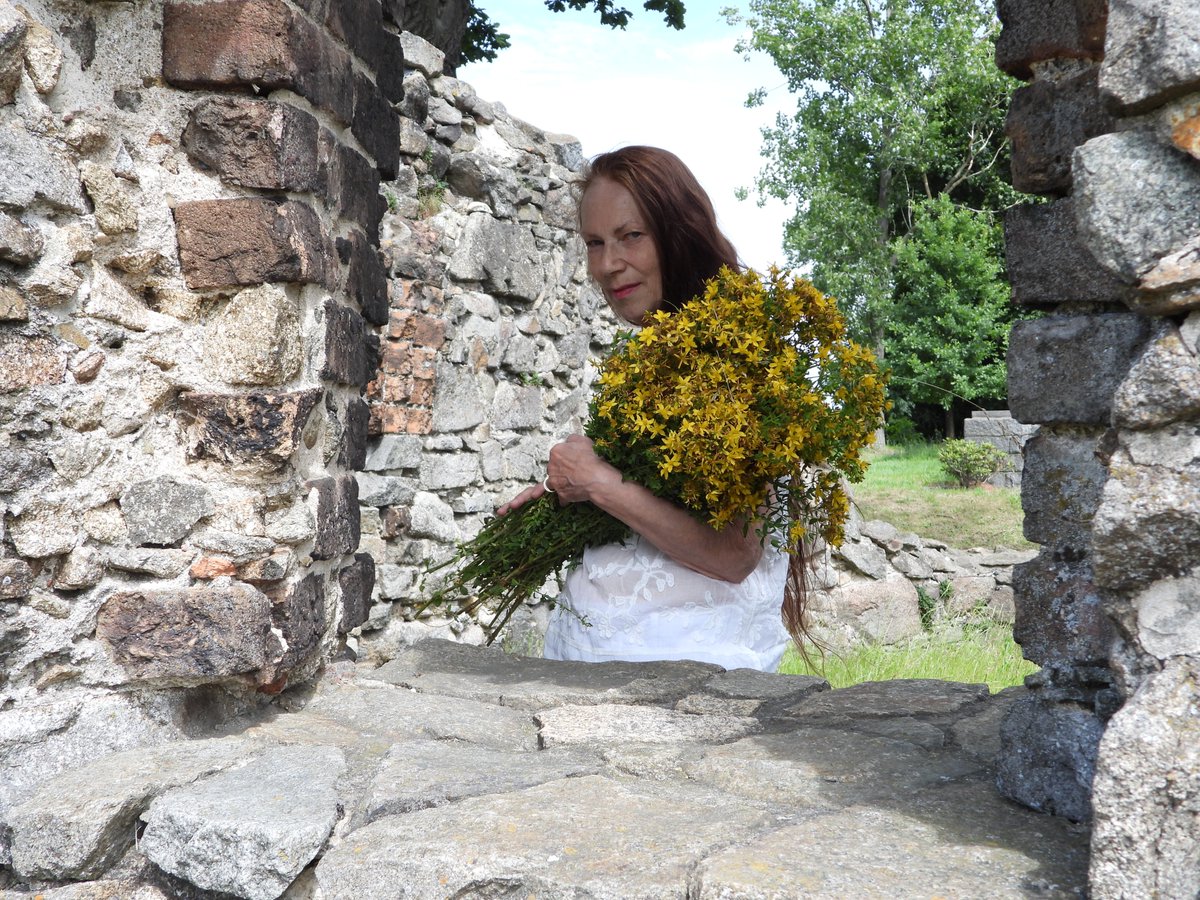

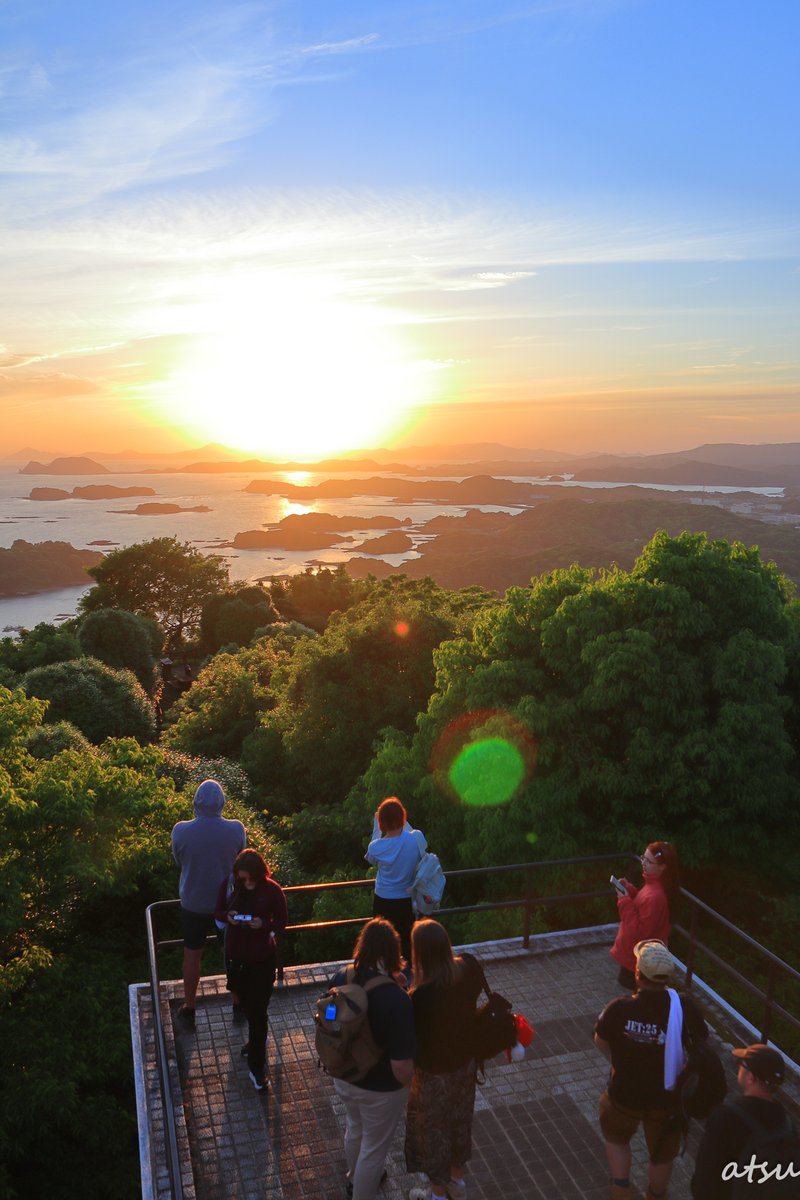
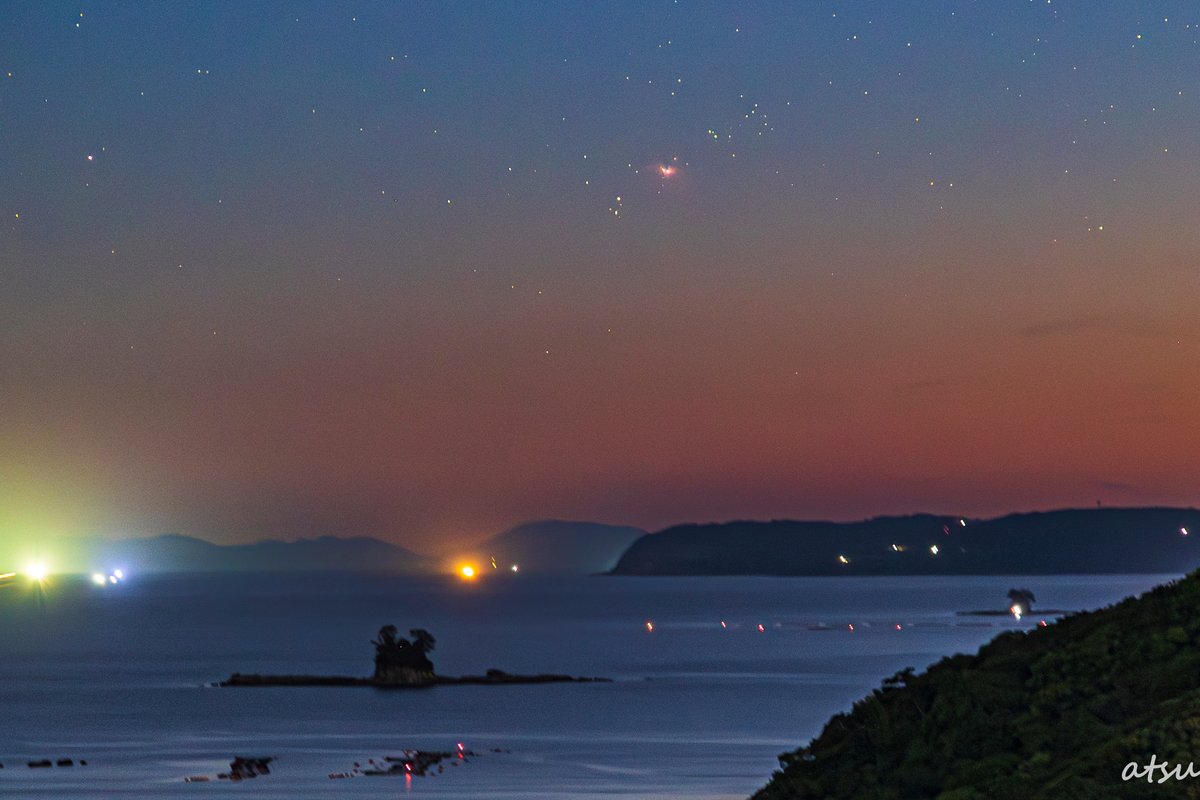
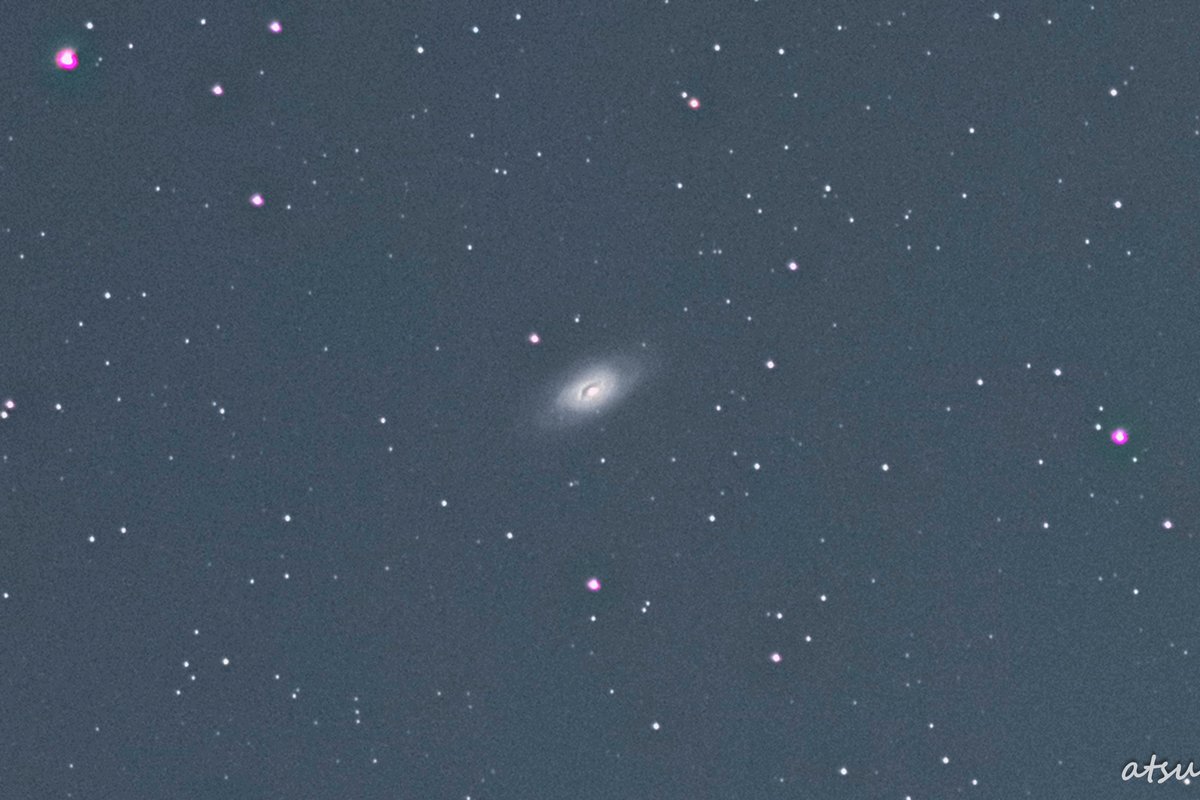
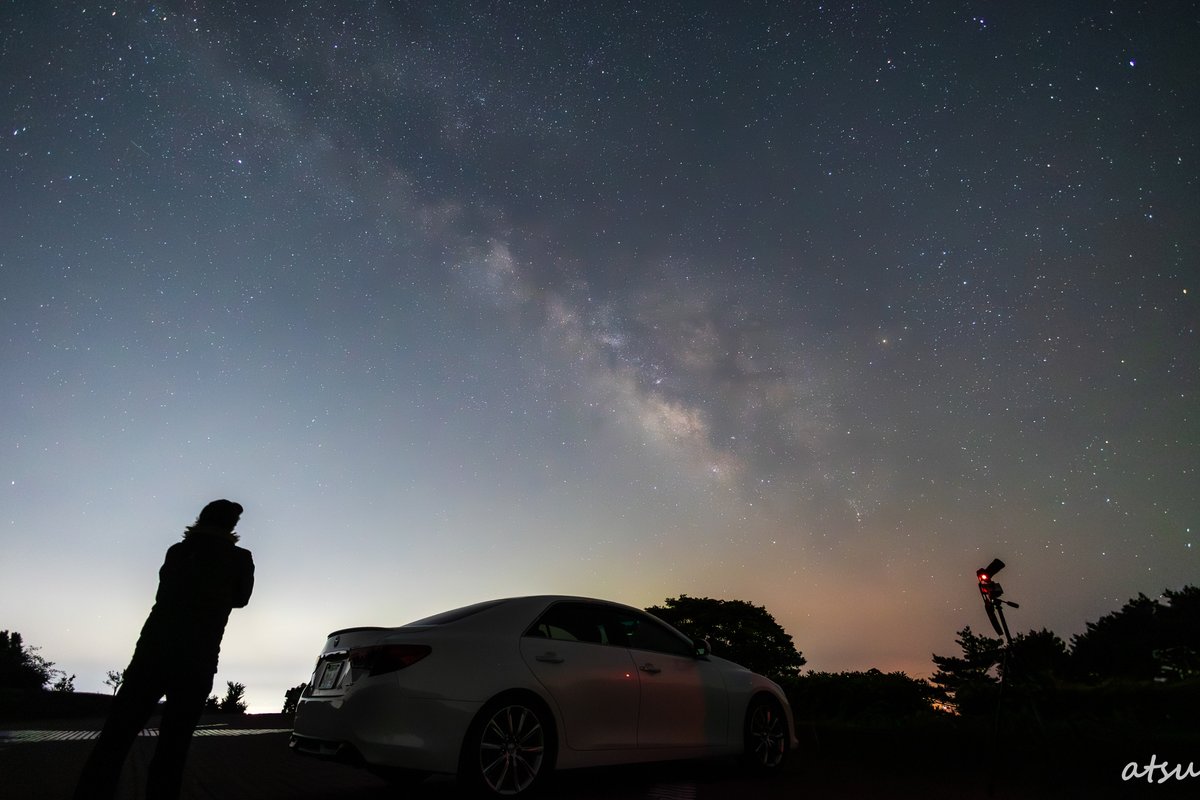
#5月を写真4枚で振り返る
①コペルニクスの国からの御一行様@石岳展望台
②M42オリオン大星雲とオジカ瀬
③M64黒眼銀河
④昇る夏の天の川
5月は撮影楽しめました☆
6月もよろしくお願いします。
4
100
741
Anjuschka Prenzel retweeted

Jun 14
I see you. The homepage is back — up, running, finally on one clean address: xipteras.com. The old com.xipte…com maze is history. Here, .com just stands for communication. Free and open, as always, dear friends.
CS/px
Jun 13

Pls, use xipteras.smugmug.com/ instead. Thanks 😊
2
9
219
Anjuschka Prenzel retweeted
Jun 14
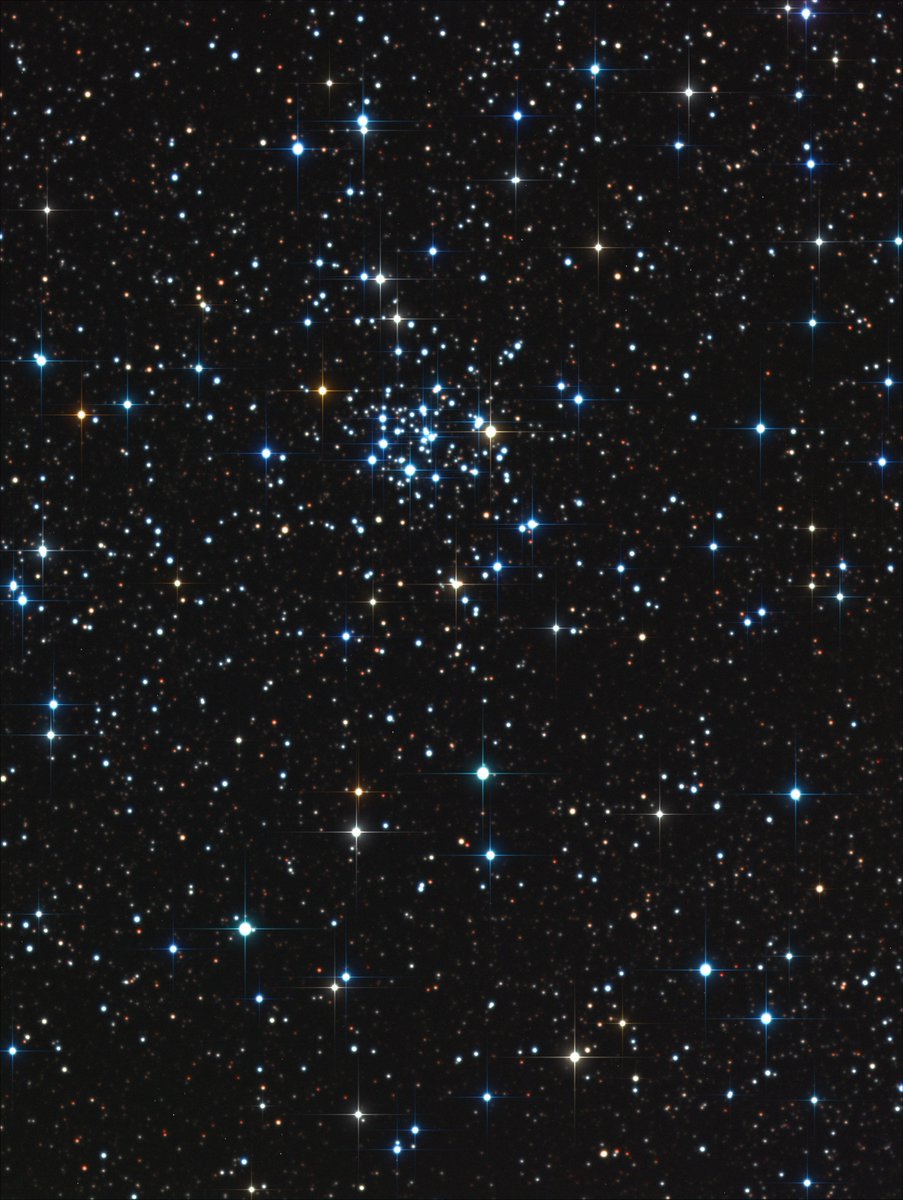
NGC 2323, also known as M50 or the "Heart-Shaped Cluster," is an open star cluster located in the constellation Monoceros.
Discovered by G.D. Cassini in 1711, this cluster is approximately 3,200 light-years away from Earth and spans about 10 light-years in diameter. It contains around 200 stars with a central concentration of brighter stars that gives it a distinctive heart-like appearance.
The cluster's age is estimated to be around 150 million years, making its stars relatively young and vibrant. M50 is a popular target for amateur astronomers due to its brightness and the aesthetic arrangement of its stars, visible even in small telescopes or binoculars under dark skies. #stars
CS/px
1
7
45
350

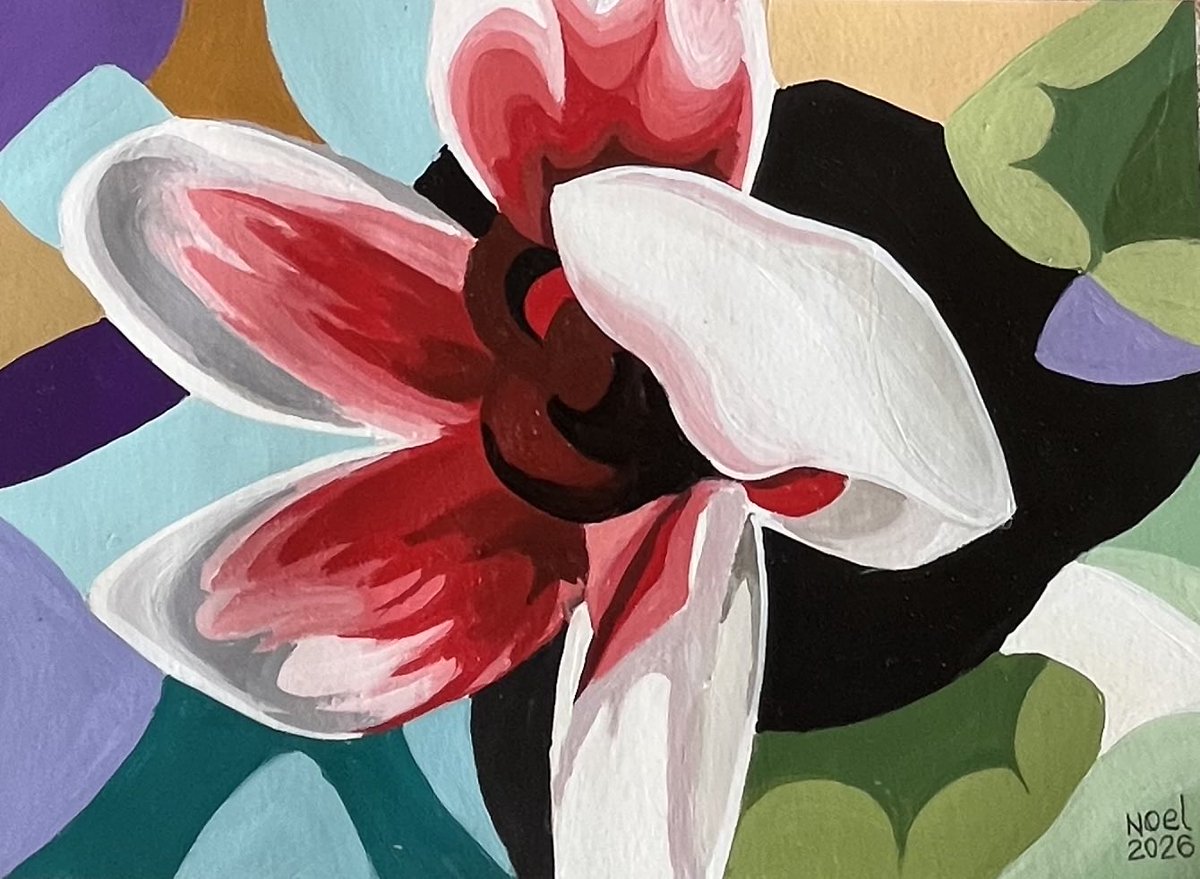
Anjuschka Prenzel retweeted

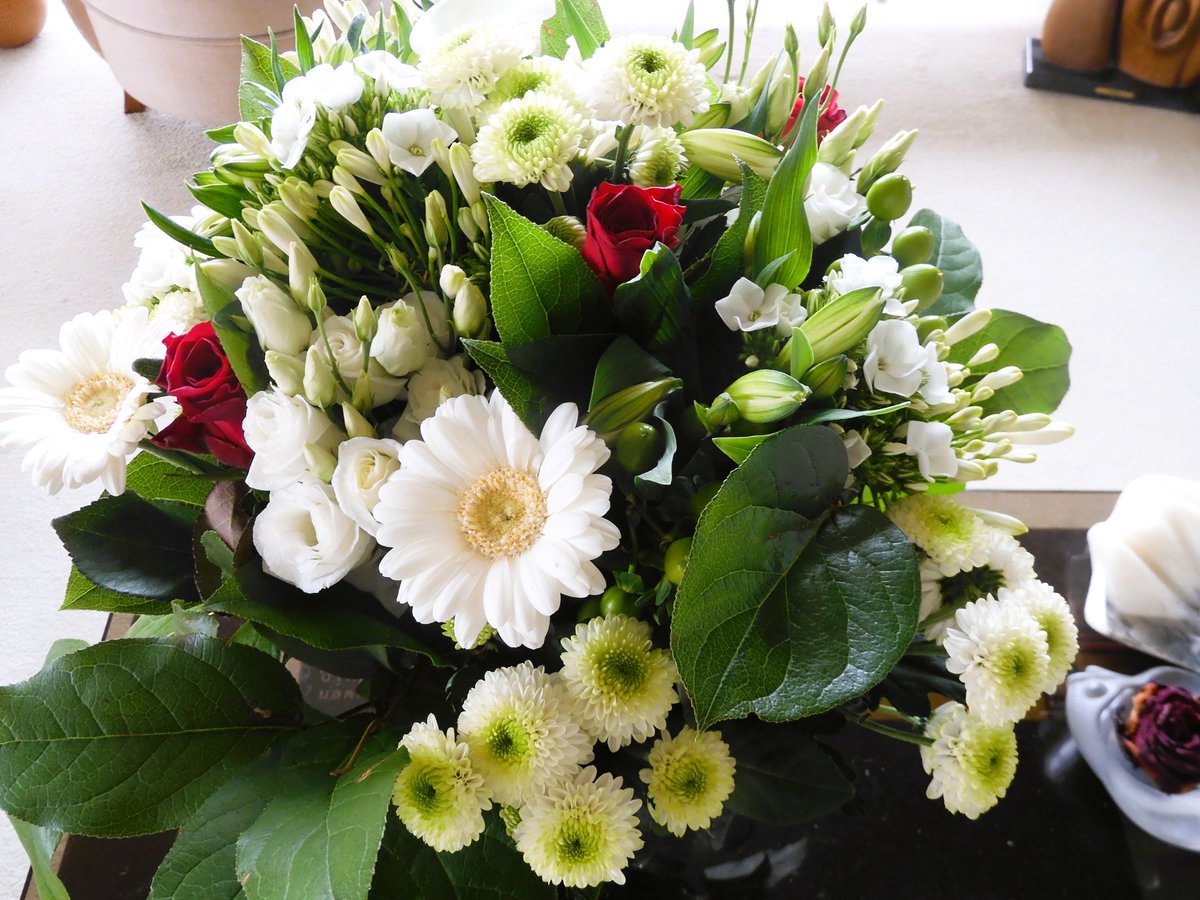
Flowers for Sunday... 🌤️ 💐
1
7
86
314
23
22
21

Jun 14
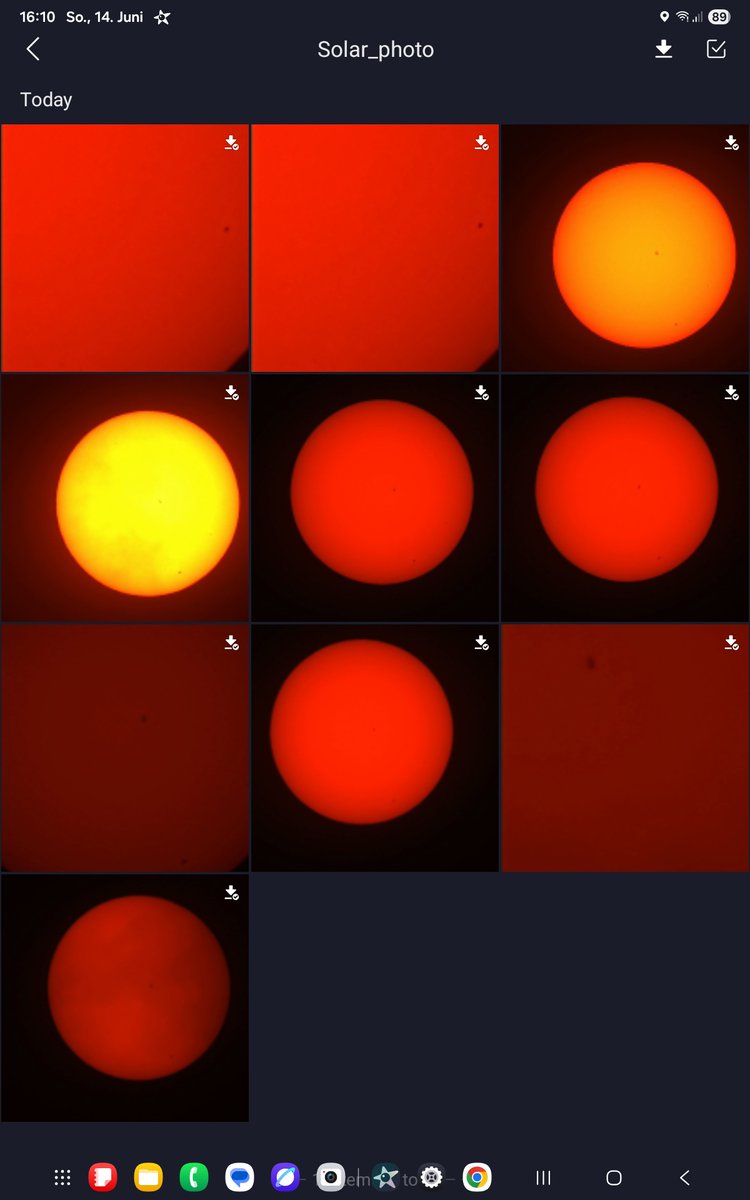
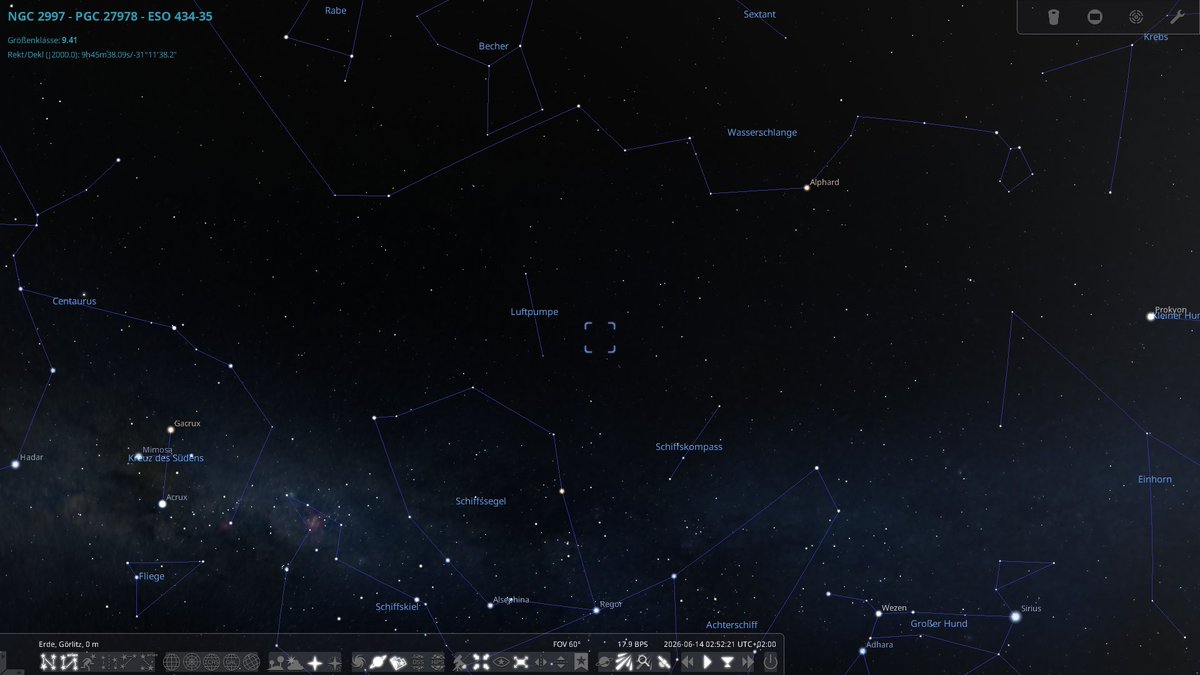
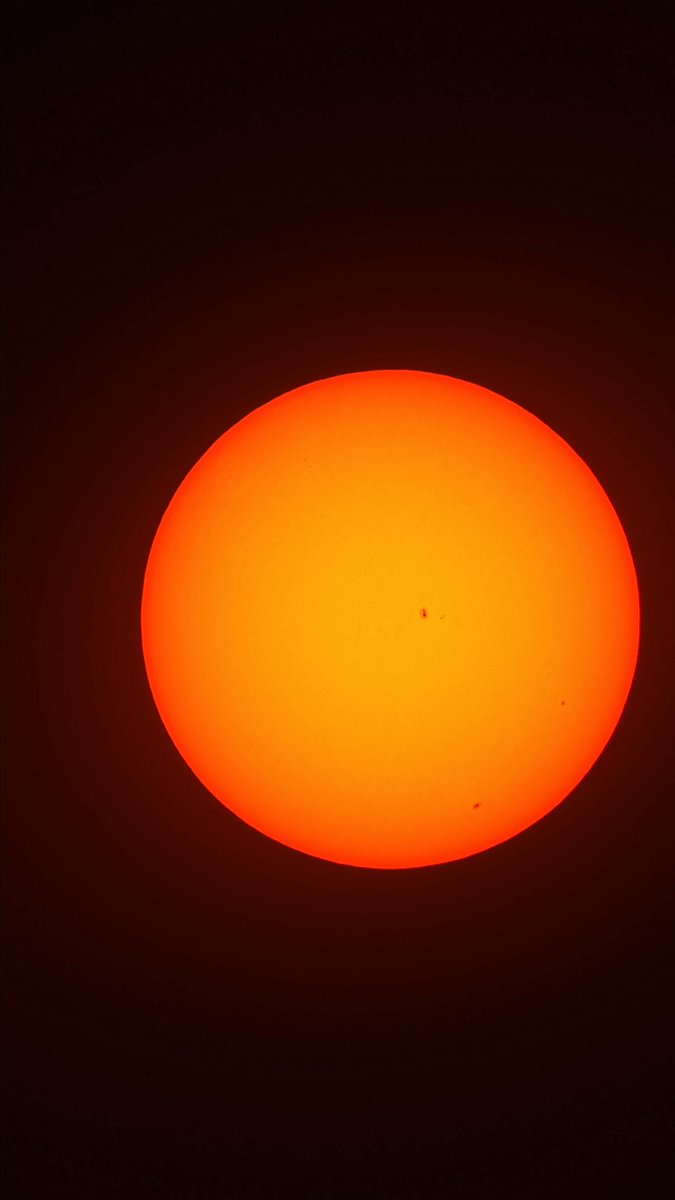
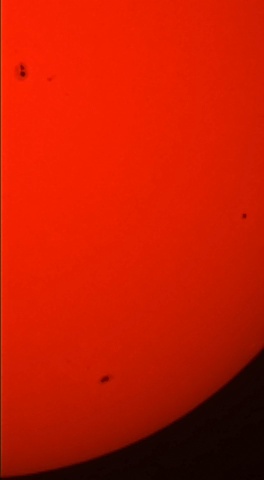
Gerade war mal die Sonne zu sehen, und wenigstens kann ich am Tage ein Gestirn sehen. Zur Zeit kein Astrowetter!☀️🌤️🌦️Mit Seestar S50😌
1
19
157
Jun 14
1
17
83

Anjuschka Prenzel retweeted

Jun 13
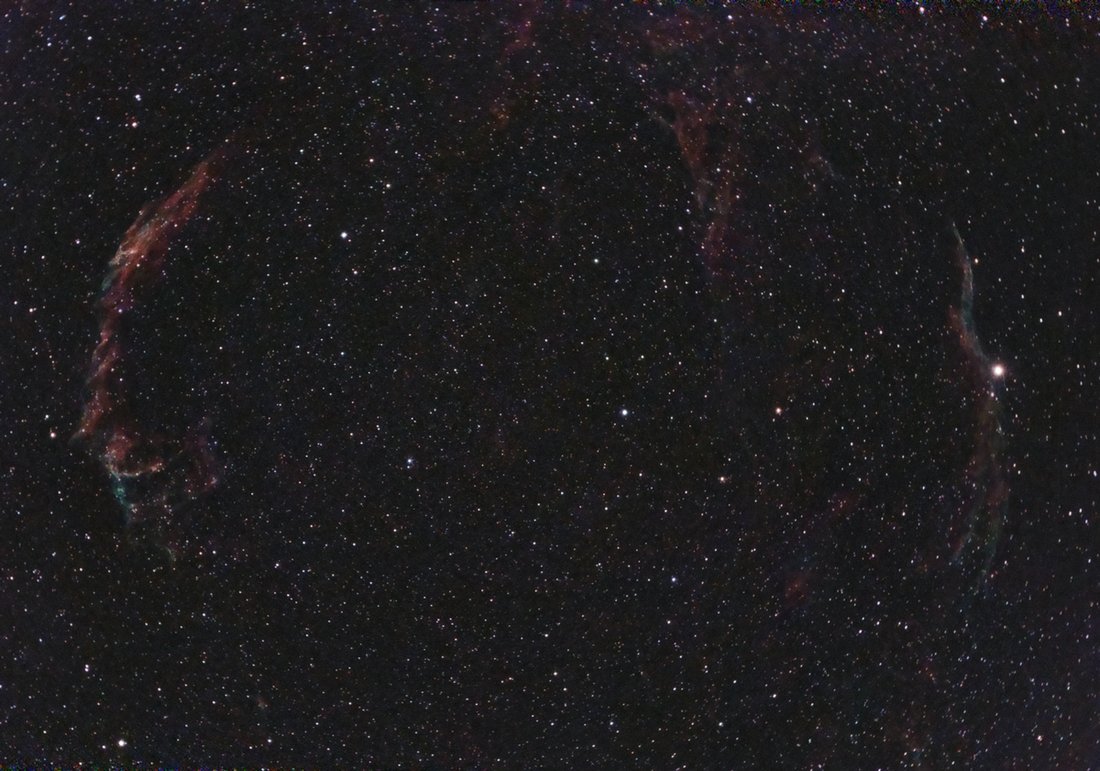
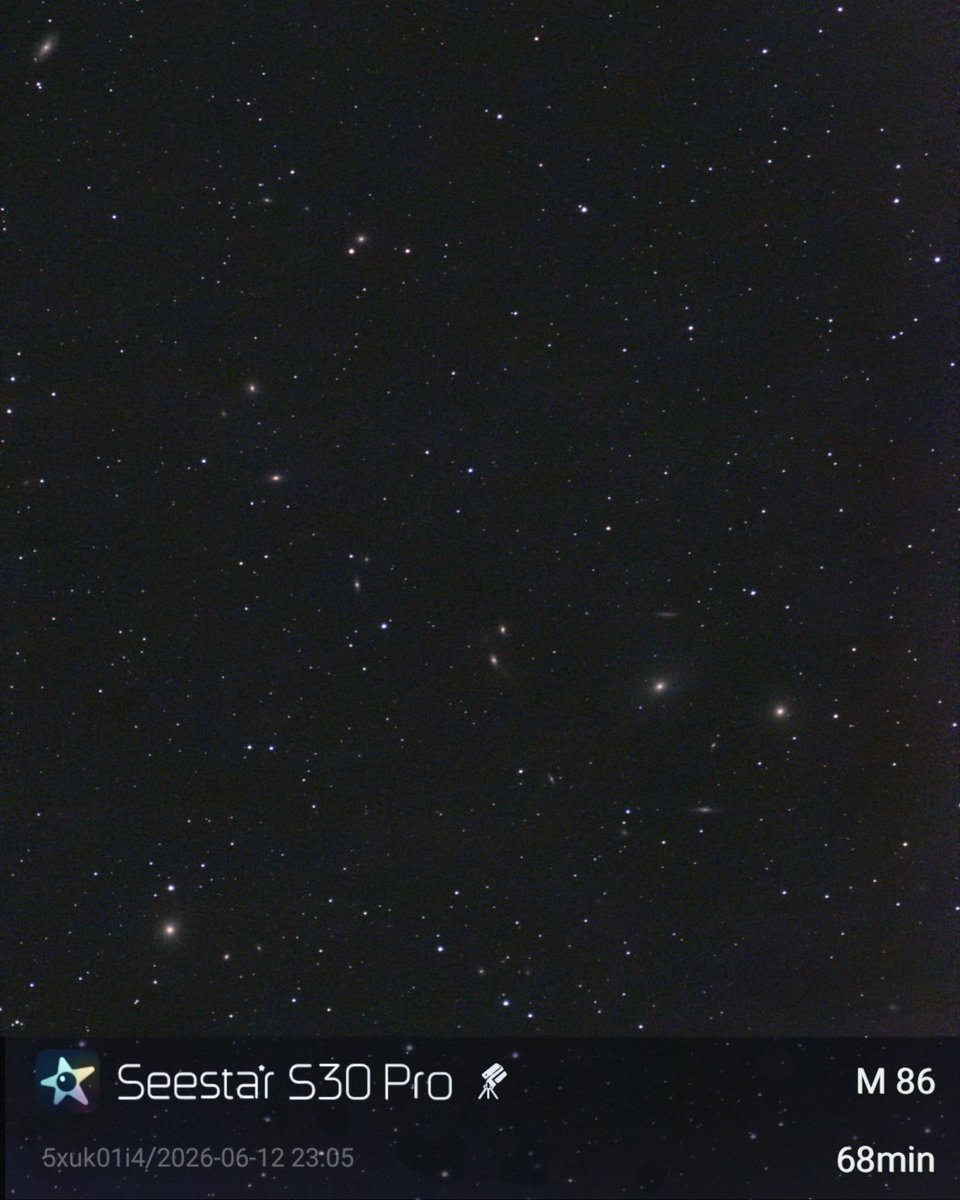
Works still in progress. The Veil Complex and Markarian's Chain, part of the Virgo Cluster of galaxies. They both need lots more exposure.
1
1
2
75

Anjuschka Prenzel retweeted

As summer nears, Grand Teton National Park bursts into color. It's a good reminder to pause, breathe deep, and take in the beauty all around us.
Photo by John Tobiason / NPS
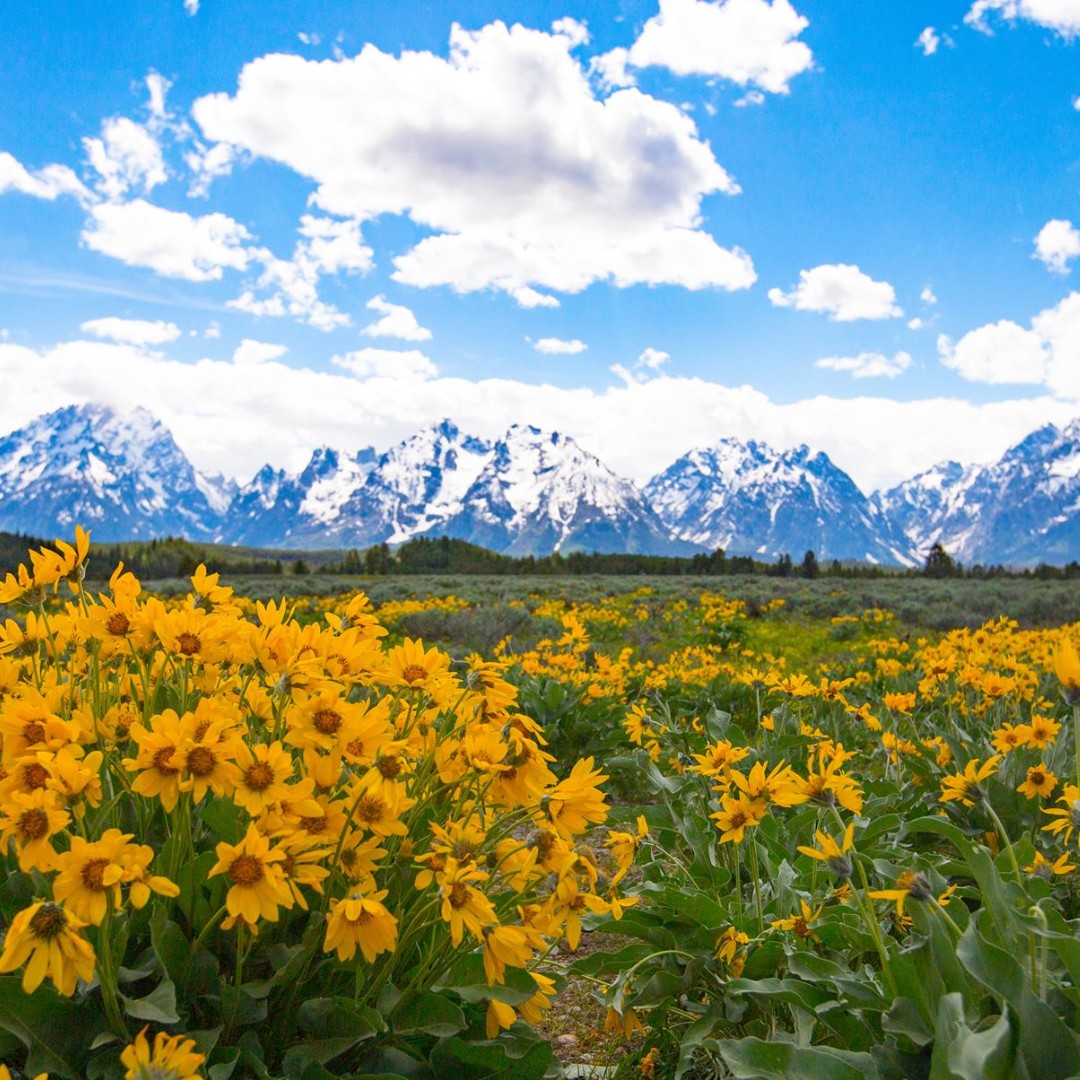
ALT A wide field of bright yellow wildflowers stretches across the foreground, with the snow-capped peaks of the Teton Range rising in the distance beneath a vivid blue sky dotted with large white clouds. The flowers fill the landscape, creating a colorful contrast against the rugged mountains and open sky.
51
577
3,413
36,649
Anjuschka Prenzel retweeted

Jun 13
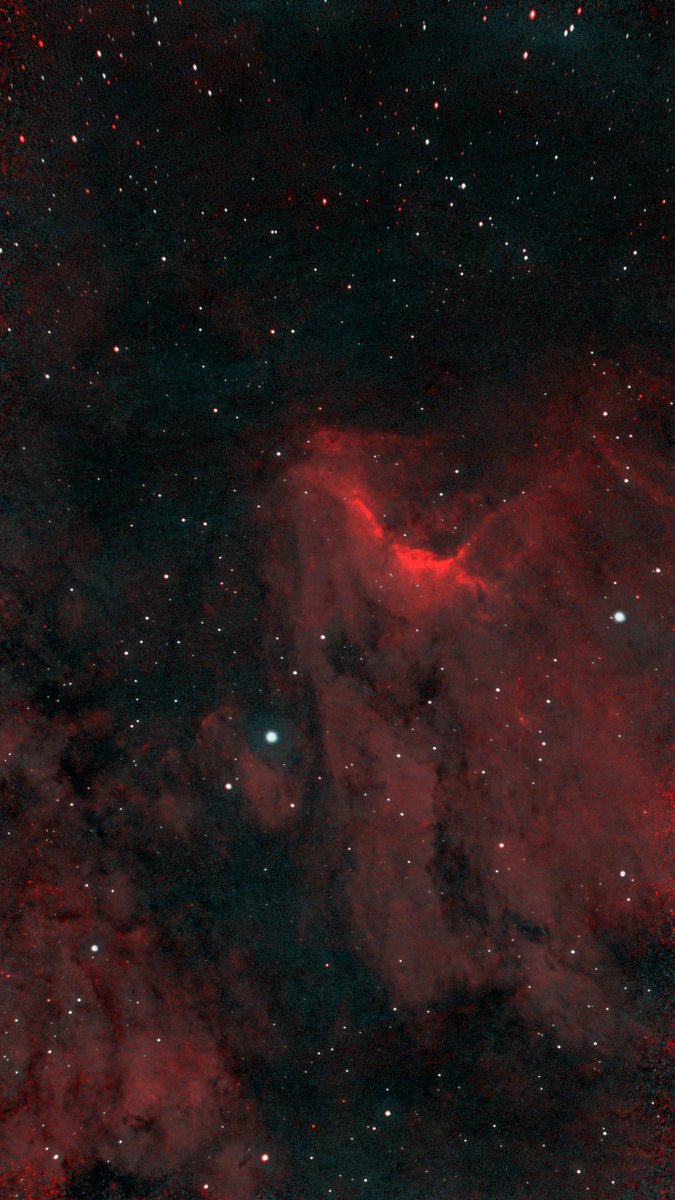
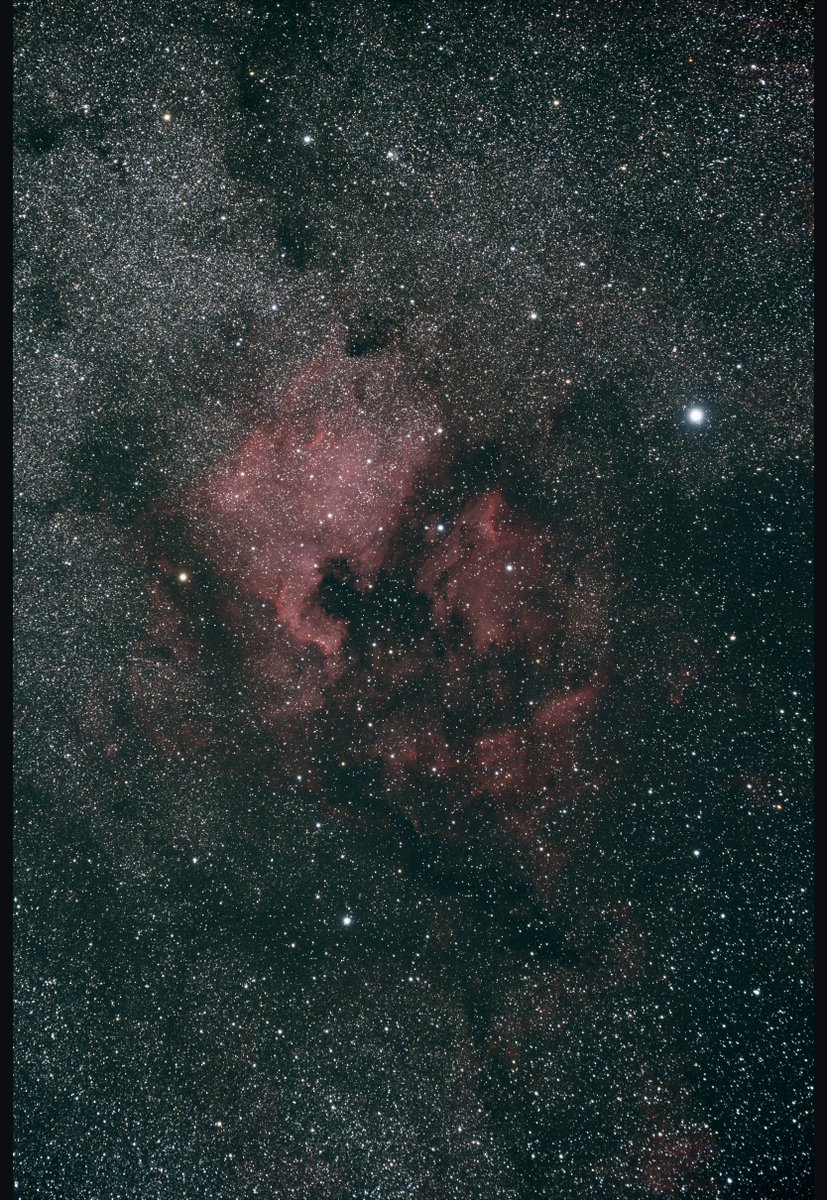
④ 北ペリ
FMA135+HEUIB II+ASI2600MCPro
-10℃ Cooled Gain=300 300sec. ×4
ASIAIR PlusにてLive Stack
5
36
283
Anjuschka Prenzel retweeted

An unexpected discovery on the moon in the final Apollo mission - open up for full story 👇🚀🌖 #Moon
Jun 8

Orange Soil on the Moon In December 1972, during the final Apollo mission, astronaut and geologist Harrison Schmitt made an electrifying discovery at Shorty Crater in the Taurus-Littrow valley. While exploring with Eugene Cernan, he spotted a vivid patch of bright orange soil standing out against the Moon’s gray landscape.At first glance, it looked like rust — but it was something far more ancient and exotic.This wasn’t oxidized iron. It was tiny beads of volcanic glass, forged in violent lunar fire fountains more than 3.6 billion years ago. Molten rock shot high into the vacuum from deep within the Moon, cooling into microscopic orange and black glass spheres as it fell back to the surfac
Schmitt’s excited call over the radio captured the moment perfectly — one of the most surprising geological finds of the entire Apollo program. What they brought back (sample 74220) revealed that the Moon had once been geologically alive, with explosive eruptions rivaling Hawaii’s fire fountains, but on a planetary scale.
A splash of color from the Moon’s fiery youth — proof that even today, its ancient secrets can still surprise us.
3
5
71
Anjuschka Prenzel retweeted
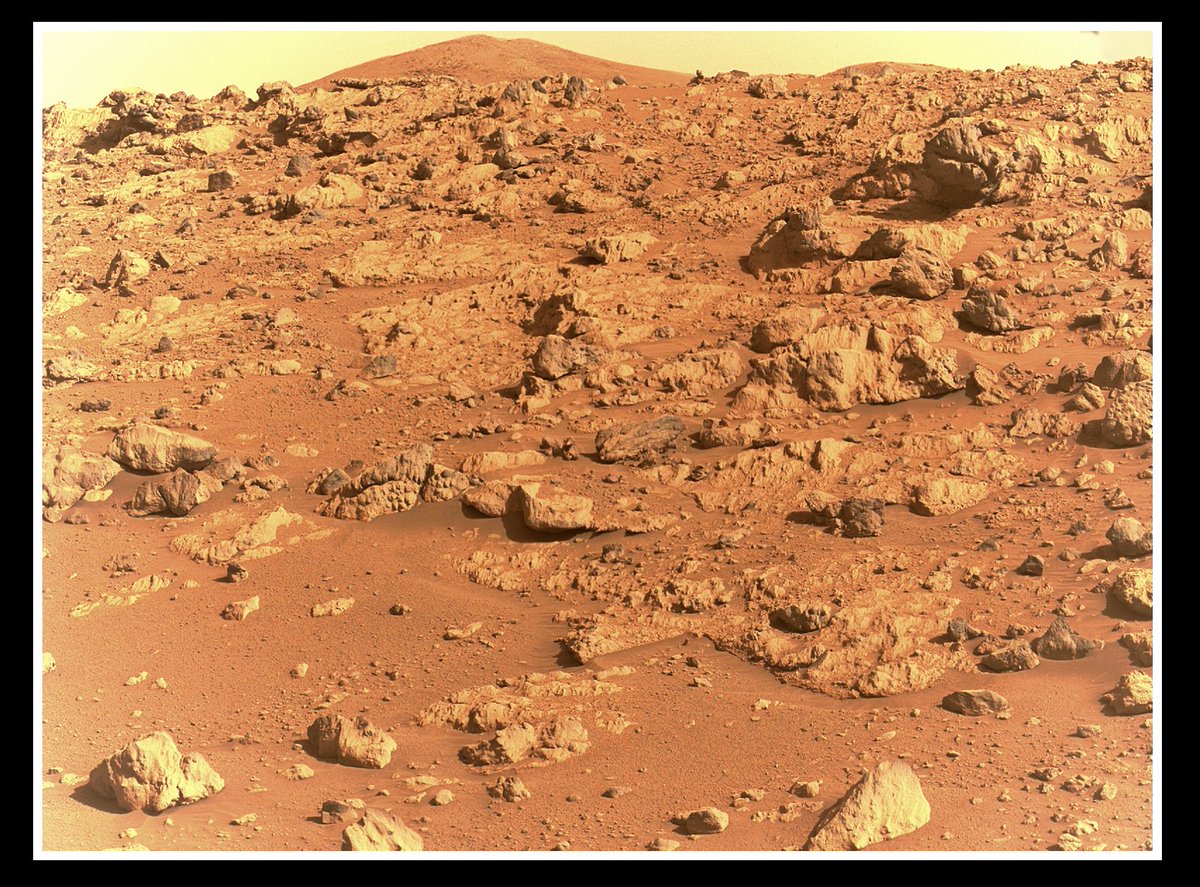
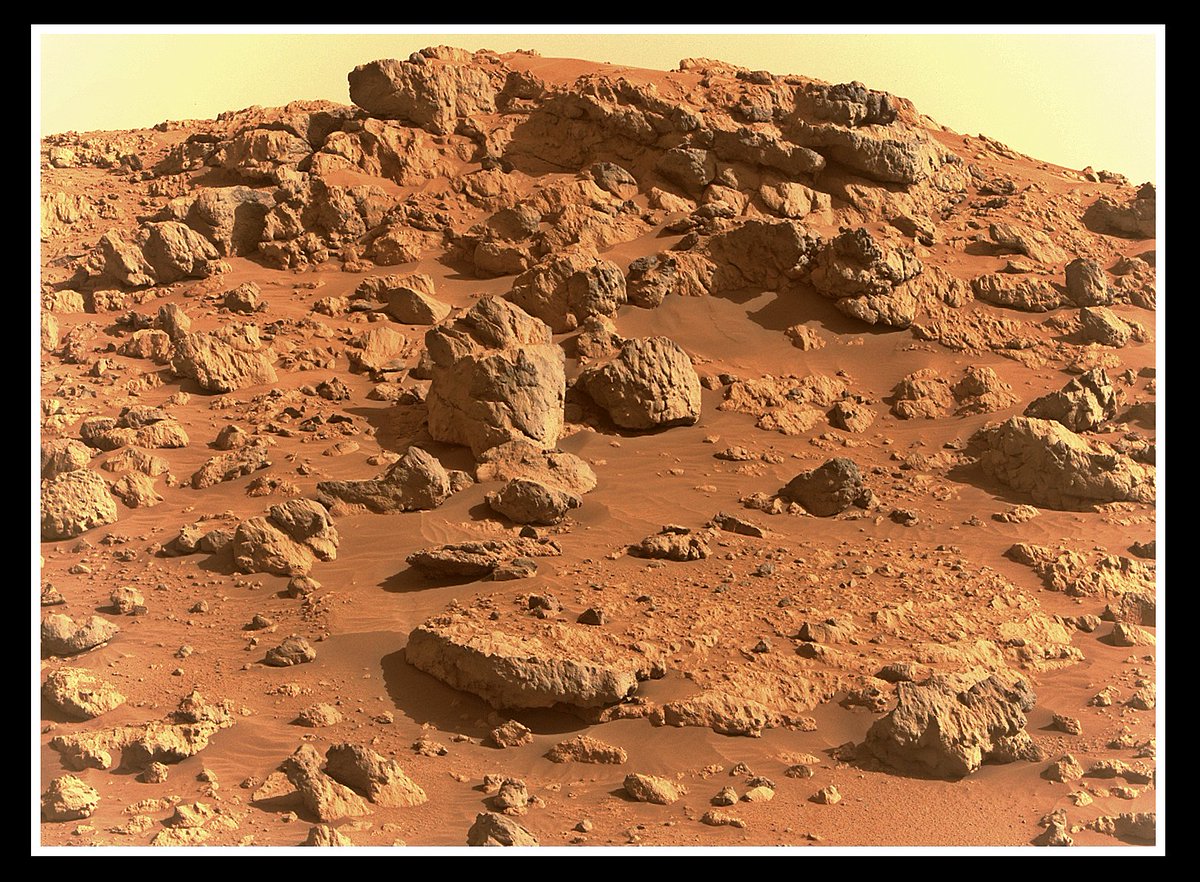
Barren, yes, but it’s amazing to see the clarity of these images, sent by man-made robots on Mars to humans on Earth for processing 👇
Jun 7

New views of Mars, processed from images sent back by Perseverance June 3rd. I love Mars, always have, and can find beauty in most of its landscapes, but even I have to admit this area is a barren, asteroid-blasted, rubble-wrecked quarry... Image: NASA/JPL-Caltech/ASU/S Atkinson
7
13
111
Anjuschka Prenzel retweeted
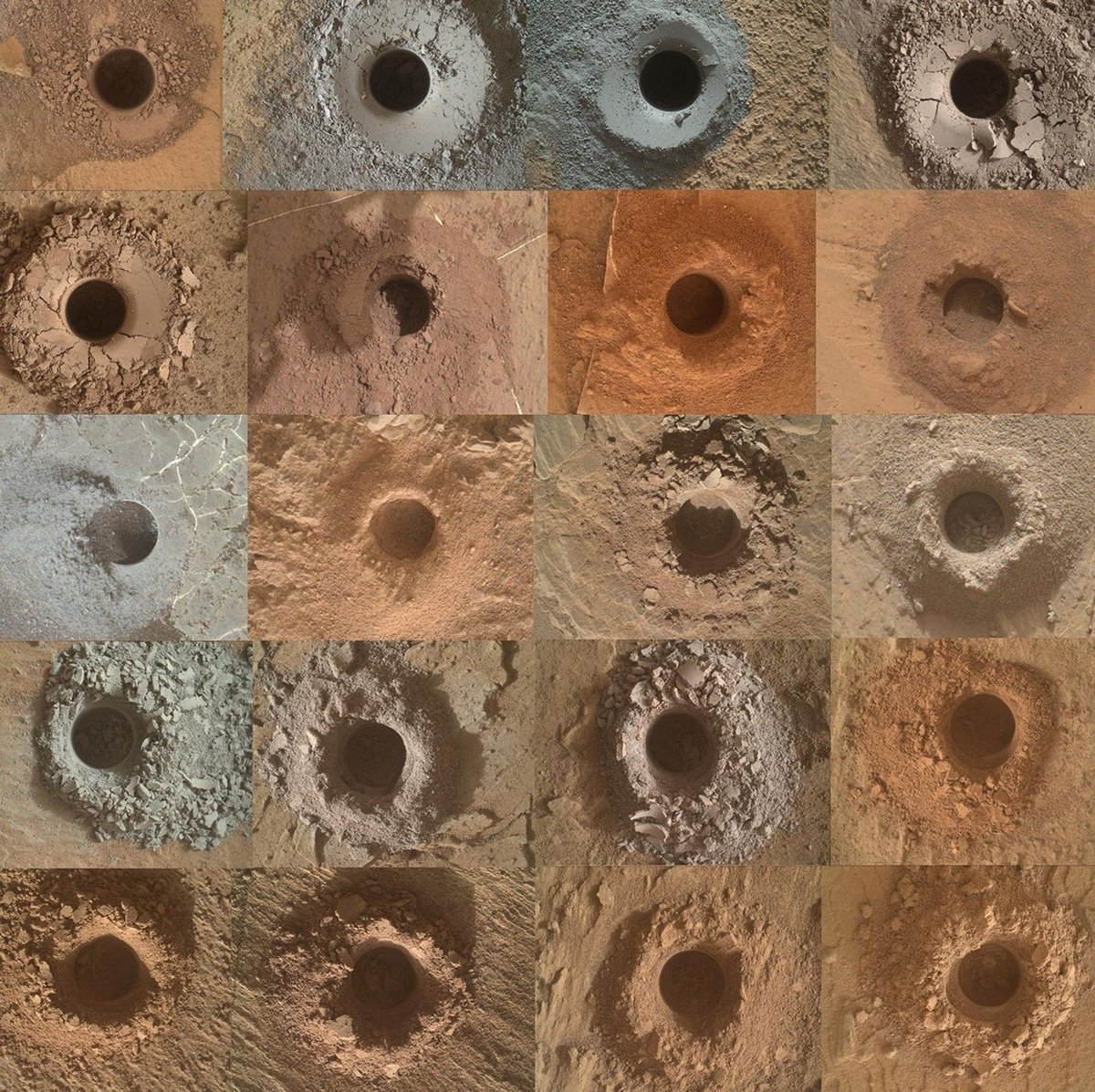
Mars Hid its Warm, Wet Crystals Underground - @UniverseToday buff.ly/RJgsEAy
Image shows 20 rock samples analyzed as part of the study of Curiosity rover's drilling in Gale Crater - explained here by Andy Tomaswick, plus 2 videos by Fraser Cain.
#Mars #Space
4
7
74