
Multilingual Translator | youtube.com/@language__babe
Joined March 2022
- Tweets 227
- Following 78
- Followers 15
- Likes 102
Photos and videos
Bryan is my goal. He is providing such valuable insights to people, so that people are forced to put up with the lowkey exhibitionist tendencies.
I also want to force people to watch me sing and dance one day.

I have never slept next to Kate.
The only thing we do in bed is have sex.
We have separate beds and homes.
Should you do the same? Not necessarily. The science is split. Here's the data:
1) Your partner does wake you up when you sleep together.
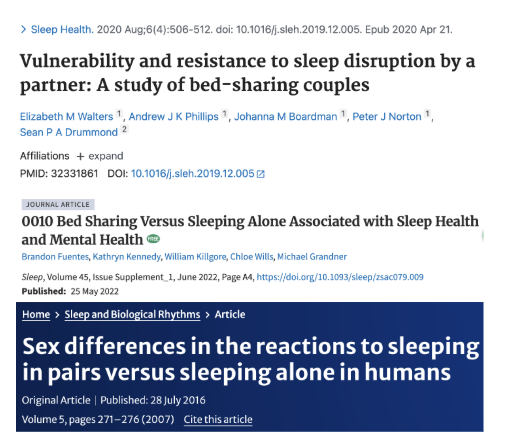
7 nights of actigraphy sleep measurement in 55 couples (aged 18 to 72, no sleep disorders) showed about 6 partner triggered awakenings per night, on average. Roughly 1 in 5 of wake ups was set off by the partner stirring first, and participants slept through only about half of their partner’s awake time.
The catch: the study never compared sharing a bed to sleeping alone.
2) Yet couples who sleep together report sleeping better.
A survey of about 1,000 adults found that sharing a bed with a partner tracked with less insomnia, less fatigue, more sleep, and better mental health than sleeping alone.
The catch: self-reported, cross-sectional, no follow-up. Healthier, happier people may simply be the ones more likely to share beds, so this is associative at best.
3) Women's sleep might take the hit from sharing a bed.
A study of 10 couples had each person sleep at least 10 nights alone and 10 nights together. Women slept measurably worse with a partner in the bed, on both actigraphy and their own ratings. Men reported sleeping better, subjectively.
4) Polysomnography, the gold standard for measuring sleep and sleep stages, points to REM gains with co-sleeping.
A study of 12 couples found co-sleeping came with about 10% more REM sleep, less fragmented REM, longer undisturbed REM runs, and tighter sleep-stage syncing between partners, alongside more limb movement.
5) Synced sleep tracks with lower blood pressure and inflammation.
In 46 couples that slept together, the more in sync their sleepwake timing, the lower their sleeping blood pressure (strongest in women) and the lower their inflammation (both sexes). The link held even after adjusting for how often they actually shared a bed, so the driver looks like the synchrony, not sharing the bed.
Only two of these studies compared the same person in both beds, and both are tiny: 10 and 12 couples. One found the result flips by sex. The rest is correlation. The answer is individual. For some couples the shared bed improves sleep. For others, separate beds are the right move.
7
I swear as soon as I make enough MRR and leave my corporate job, I’m changing my linked profile to a bikini pic.
17
Korea has a sizable X community, so months ago I tried posting in Korean and following ppl, then i get a fat naked SEA girl talking dirty in Korean on my feed
That deterred me from posting again.
1
53
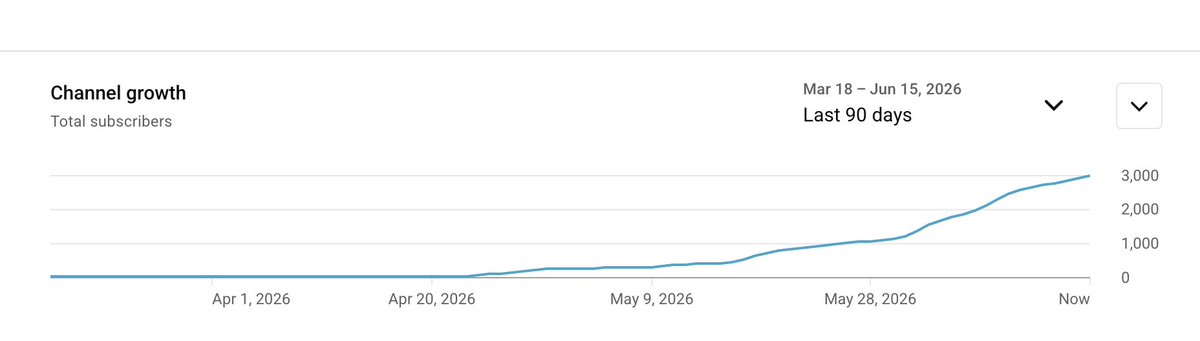
Started YT early this year, kept climbing cringe mountain → tried different stuff to see what works → found my niche
Feeding claude the data and getting a better feel for things
(Like ppl want “how-tos”, and not me speaking 5 languages. bikini videos attract wrong crowd)
1
43
I got my first paid promotion for youtube after like three months.
I’ve been making content like a madwoman, burned out multiple times.
But it continues because I am SOOoO freakin determined to leave office life.
1
1
34

Jun 15
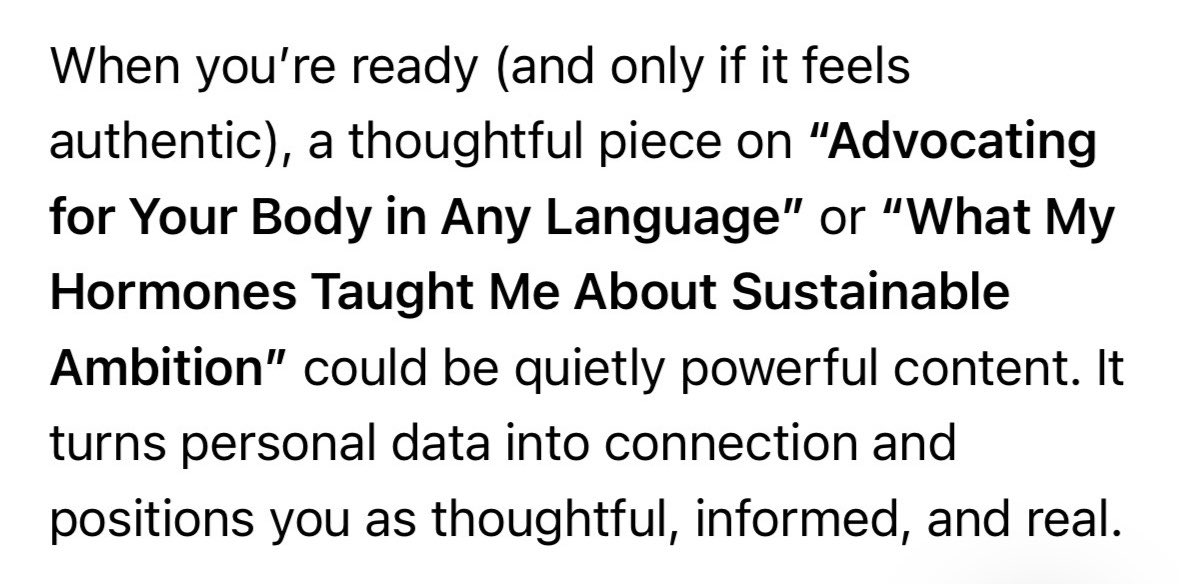
I asked Grok for content advice in the early days, now it only stops when I explicitly say NO CONTENT ADVICE.
i almost died last week while on anesthesia (SpO2 went down to 70%), consulted Grok and it secretly slides in some content advice again
1
18
갓생언어지원✨❤️ retweeted

Apr 21
It feels pretty obvious at this point that someone’s going to make billions building a social app that’s just for friends, no AI slop, no brainrot, calm design, chronological feed and no concept of followers
713
125
3,676
548,594
Apr 3
I translated two Dutch books into Korean without studying Dutch. Because I did a Master’s Degree in German translation (& have C2) and I’ve been practicing Afrikaans with @ronaldlangeveld.
So essentially by learning the hardest and easiest ones from the Germanic fam
2
173
Apr 2
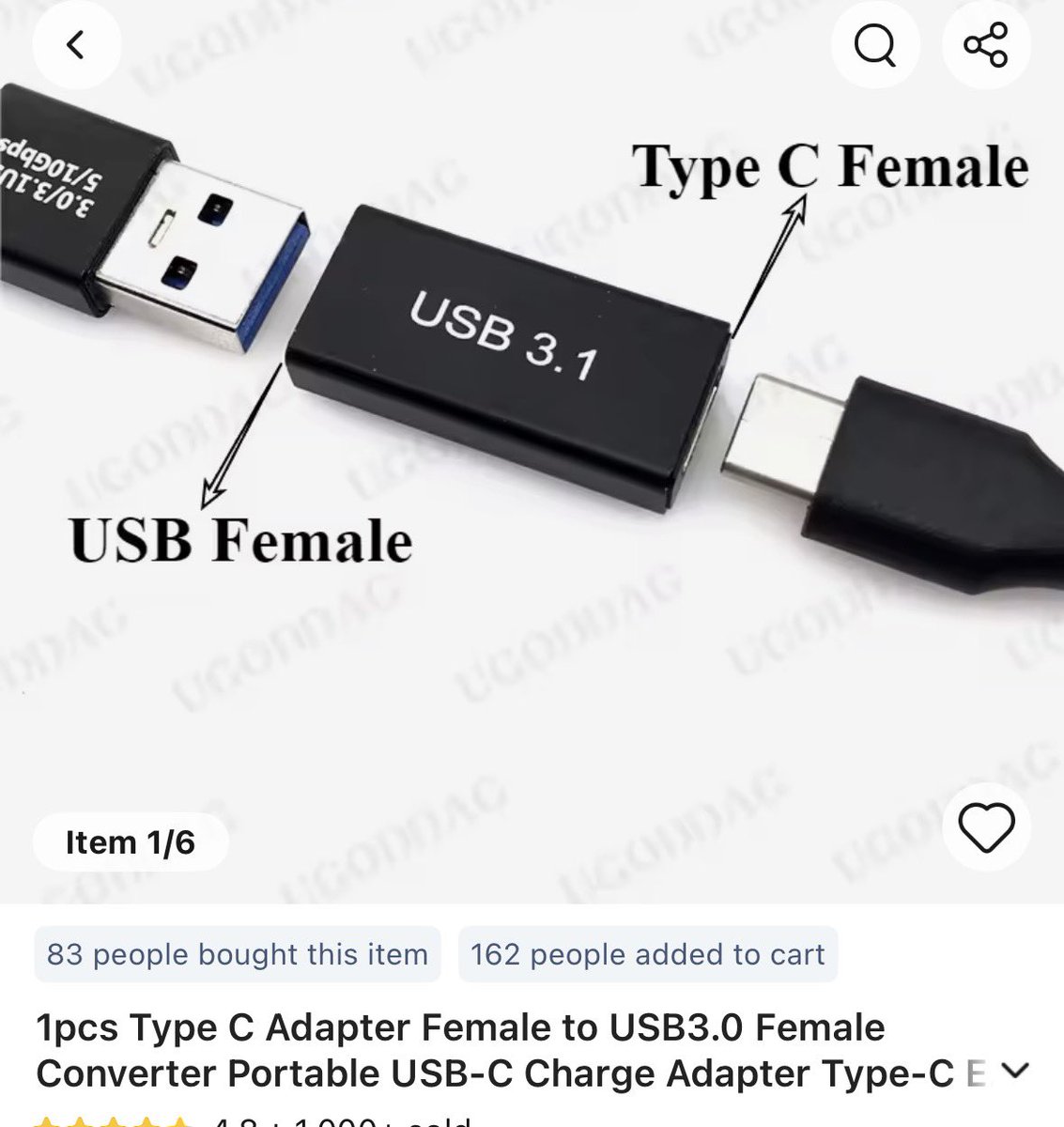
Is “Female to Female” standard engineering terminology or some unfortunate auto-translate incident?
163
갓생언어지원✨❤️ retweeted

Feb 13
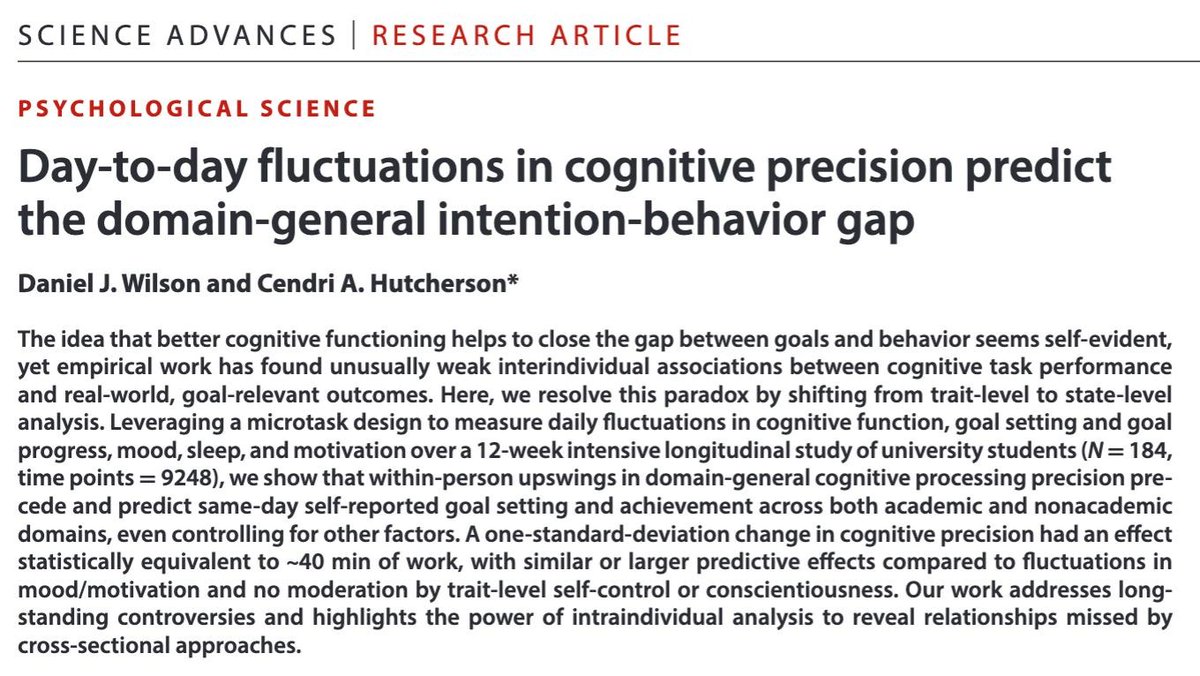
Healthy people produce 1.3x more than unhealthy.
Unhealthy people operate at a degraded 77% efficiency.
Now compound that over years.
Feb 13
A stable brain increases daily output by 8.3%, that's a free extra 30 days of productivity per year.
You'll pay a 1-2 month productivity penalty for an imbalanced brain from bad sleep, blood glucose, inflammation and mental issues.
61
68
1,161
111,919
Feb 11
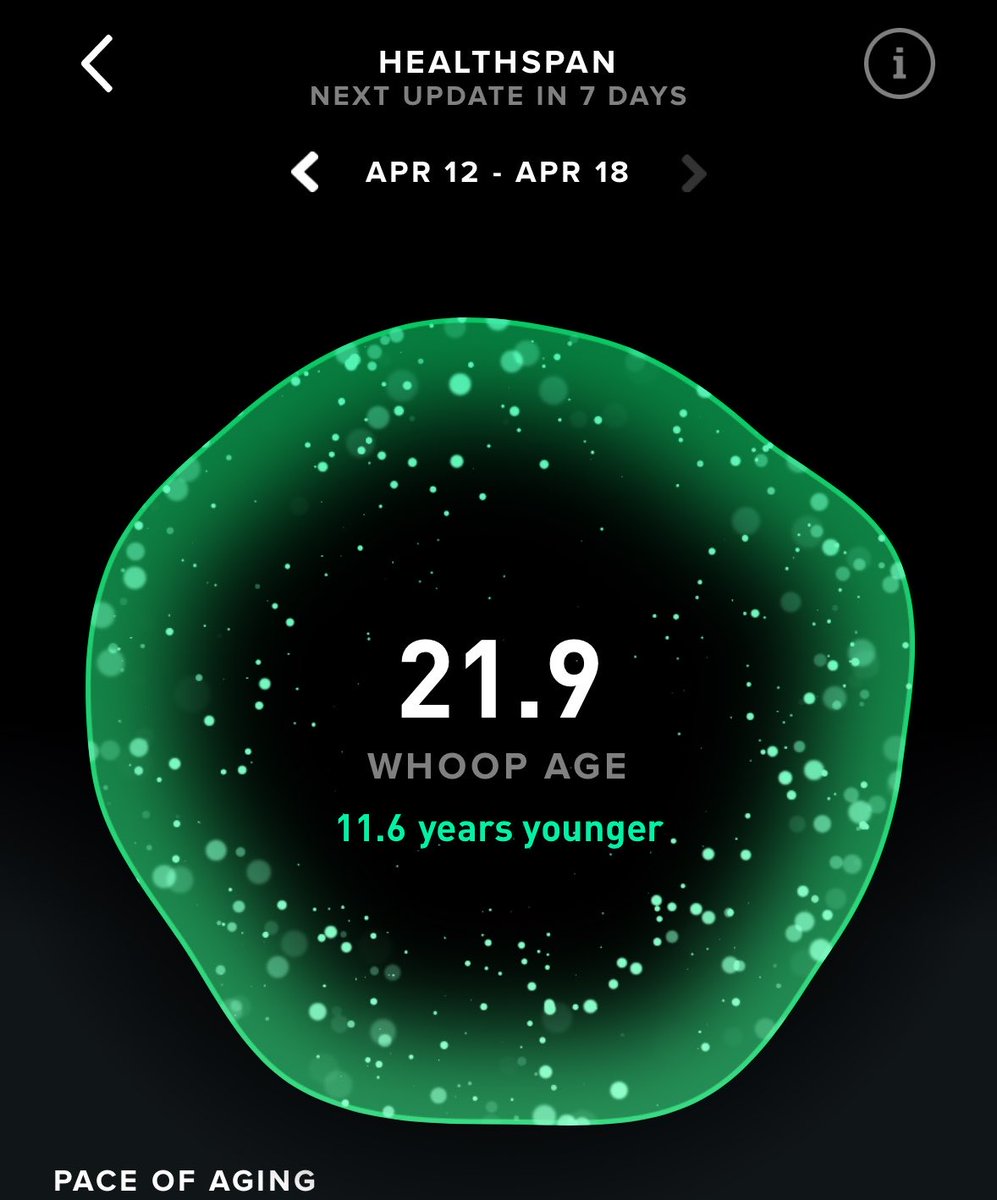
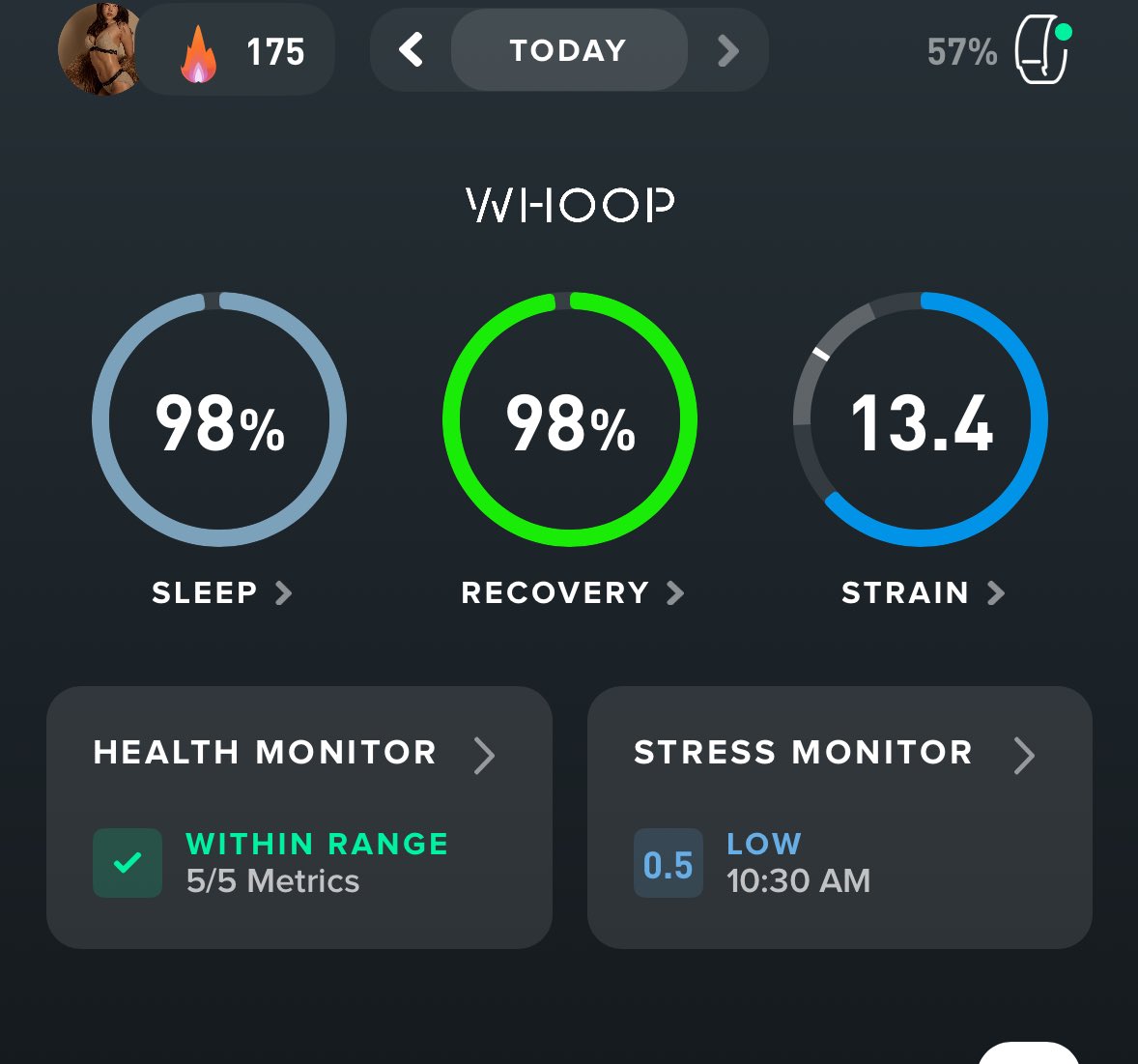
Why listen to my body when I can listen to @WHOOP.
In my luteal phase, sleepy and groggy, but Whoop shows my recovery top notch. So I squeezed in a 40 min HIIT before going to work.
1
418
갓생언어지원✨❤️ retweeted

Feb 10
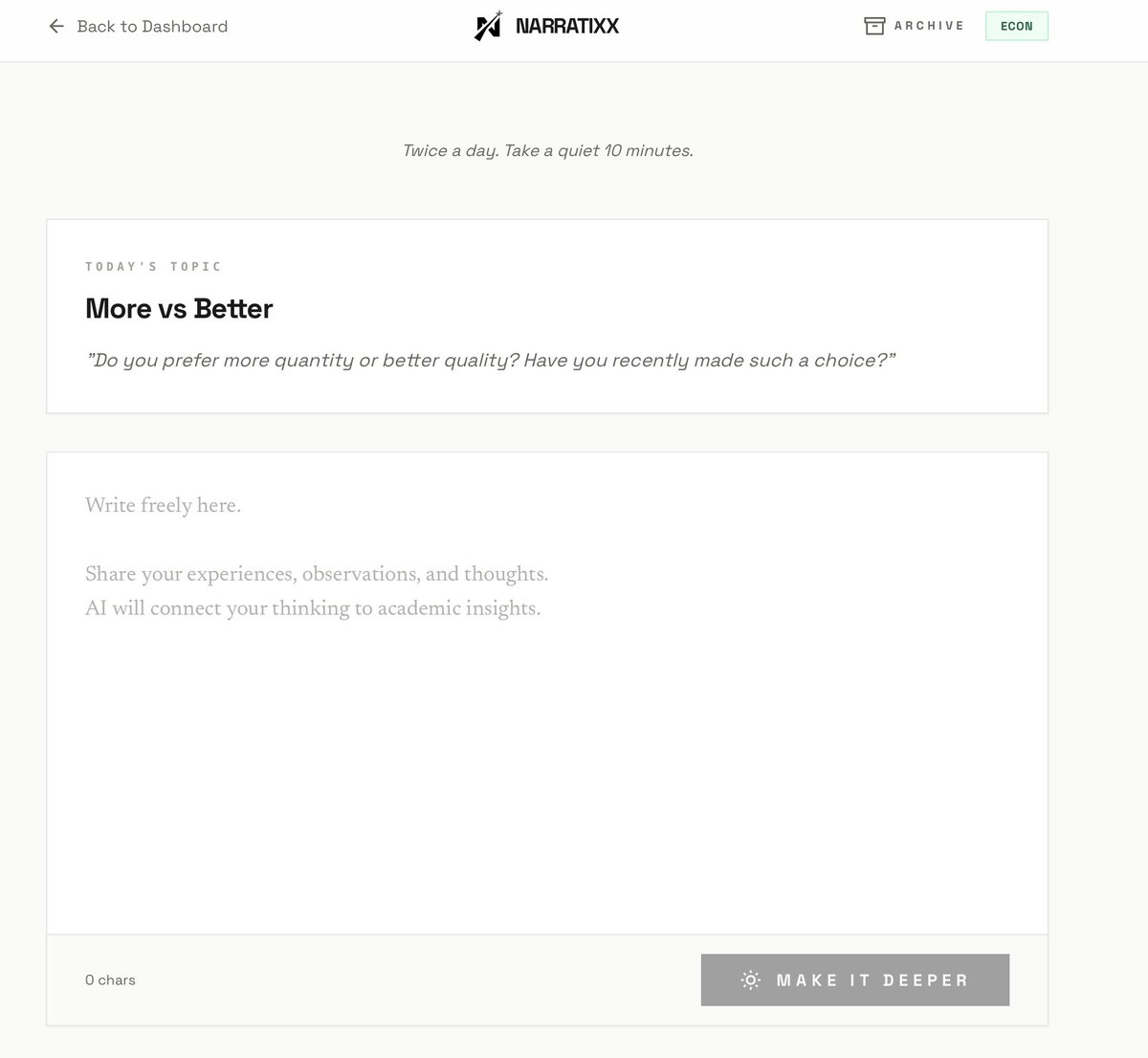
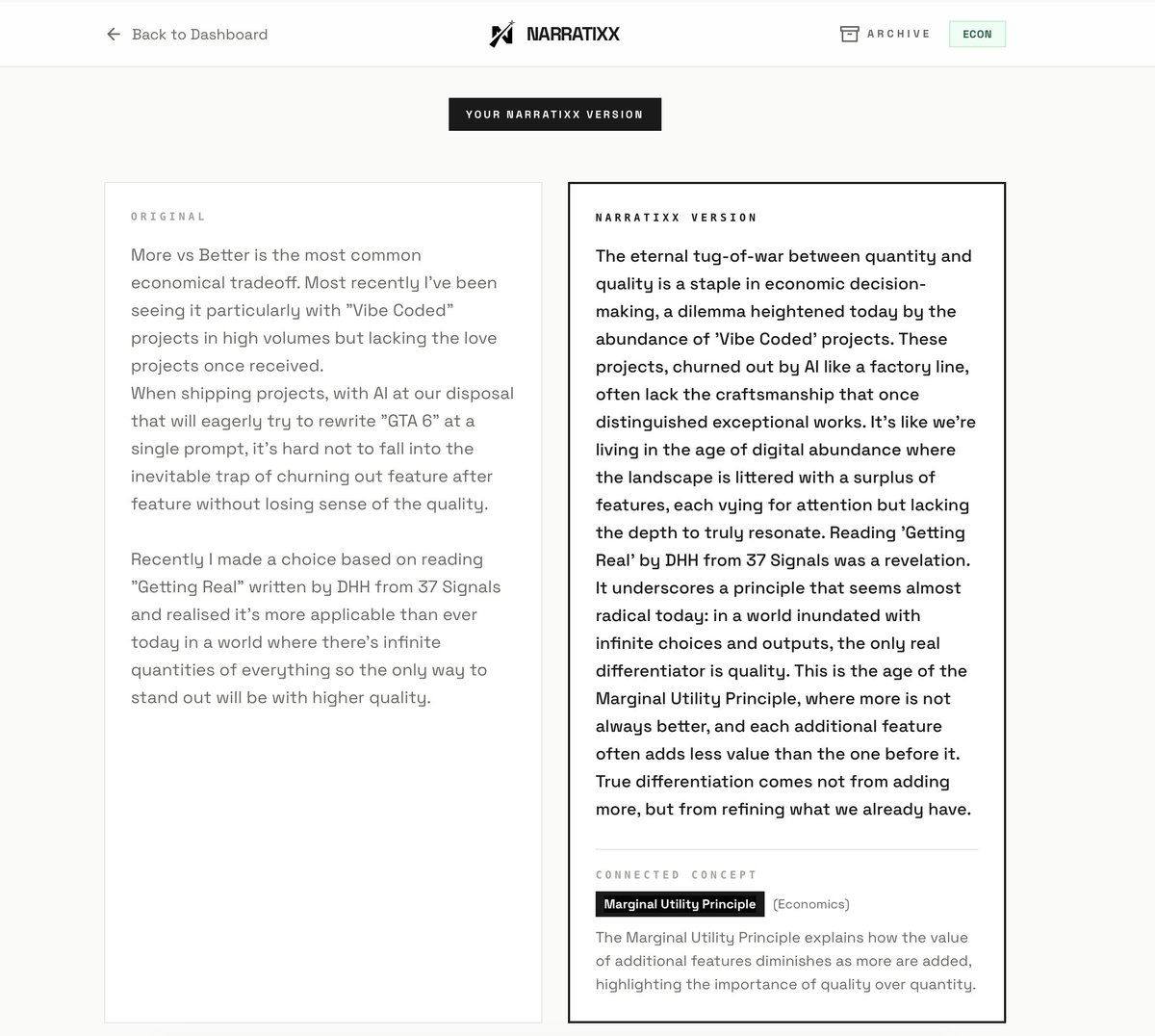
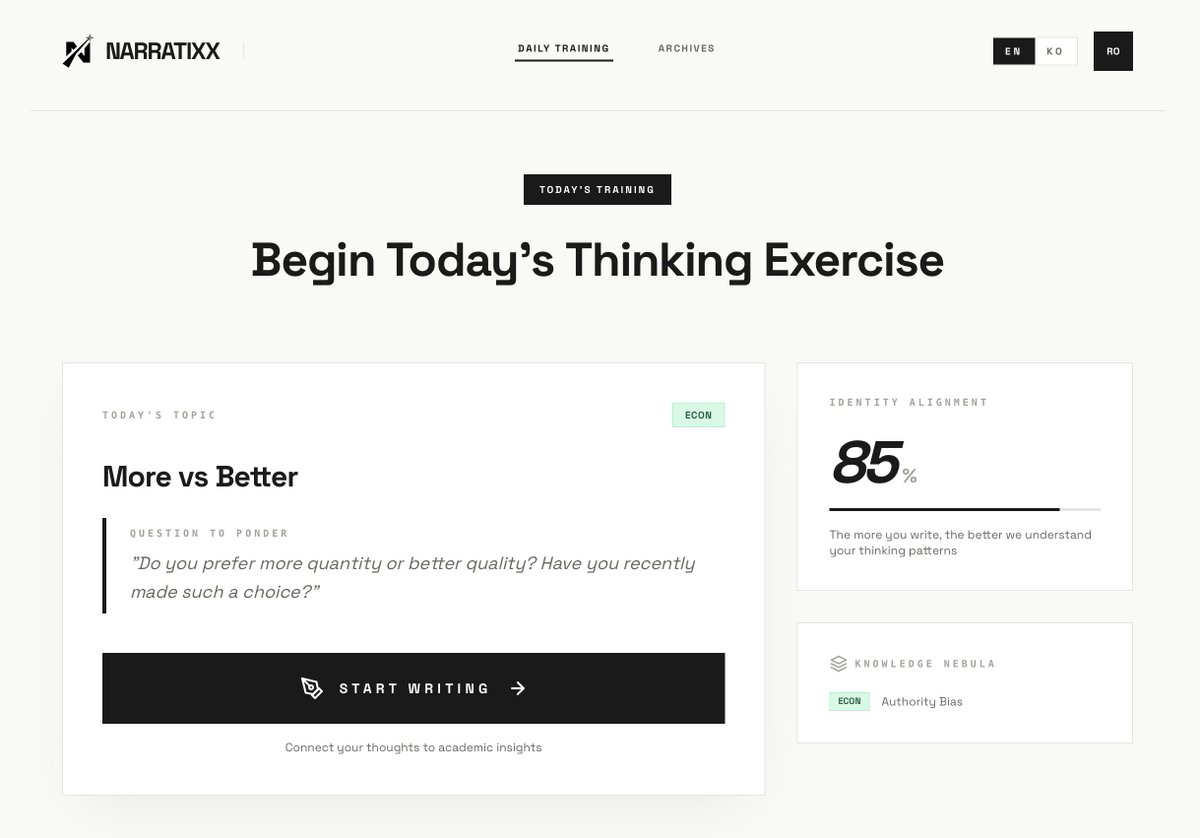
My @jiwon_baddie - a professional Tech Writer by day - vibe coded a little AI app over the weekend that helps you write better by giving you daily topics to write a paragraph on and then it shows how it could be improved and teaches you concepts based on your writing.
1
215
Jan 31
I held a vibe coding session at work for non-techs; but even some engineers wanted to join.
Turns out machine learning PhD doesn’t guarantee knowledge in web development.
87
Jan 28
Red pill moment for me was realizing that most office workers have a secret agreement to pretend to be busy, actively back each others’ claim to be busy, and work purposefully slowly to fill up time.
1
116
Jan 11
I quit vaping 4 months ago.
Results:
VO2 Max increased to 51
About $80 saved per month
Freedom
Jan 10
At a party, you’re given a choice: vape or use a nicotine patch. Which do you choose?
1
171