
Superintendent of Roselle School District 12
Joined August 2016
- Tweets 2,392
- Following 311
- Followers 936
- Likes 2,370
320 Photos and videos
Dr. Mary Henderson retweeted

Feb 13
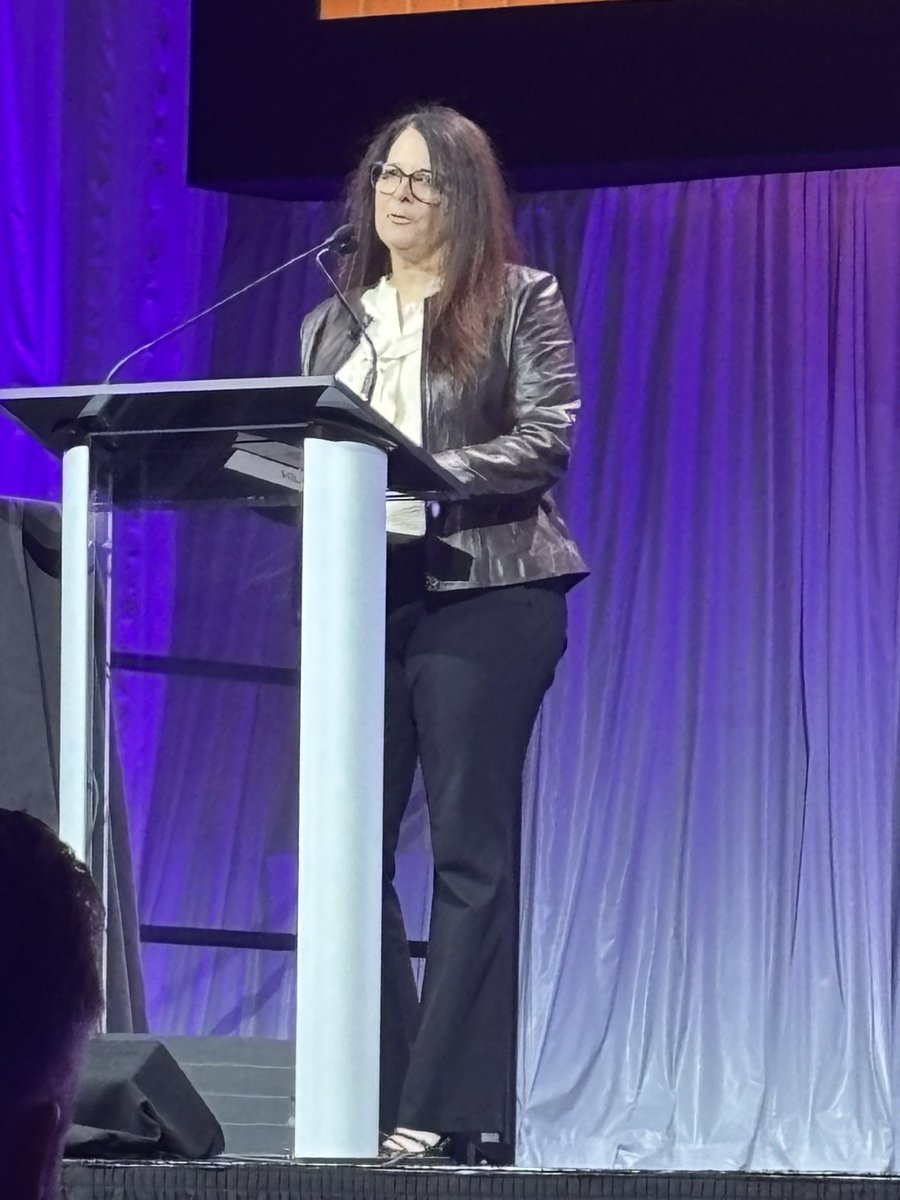
Congrats to Jennifer Kelsall, Illinois superintendent running for AASA president! Voting is now open! Show your support for our friend and colleague Jen who is doing this hard work every day for
Kids!!! #leadership
2
8
28
1,096
Let’s go Jen!
Feb 11

GO JEN GO!!! Please make sure you vote when it's released! You can learn from both candidates this week at the conference.
2
2
104
Dr. Mary Henderson retweeted

Feb 12
First competition of the season for our Roselle Middle School eSports team! Go Ravens! #YouBelongInD12

1
2
160

30 Oct 2025
Thank you to our Roselle learning community for everyone's hard work!

2
7
515
30 Oct 2025
We are so proud of our learning community and the hard work of our staff and learners!
1
5
440
22 Aug 2025
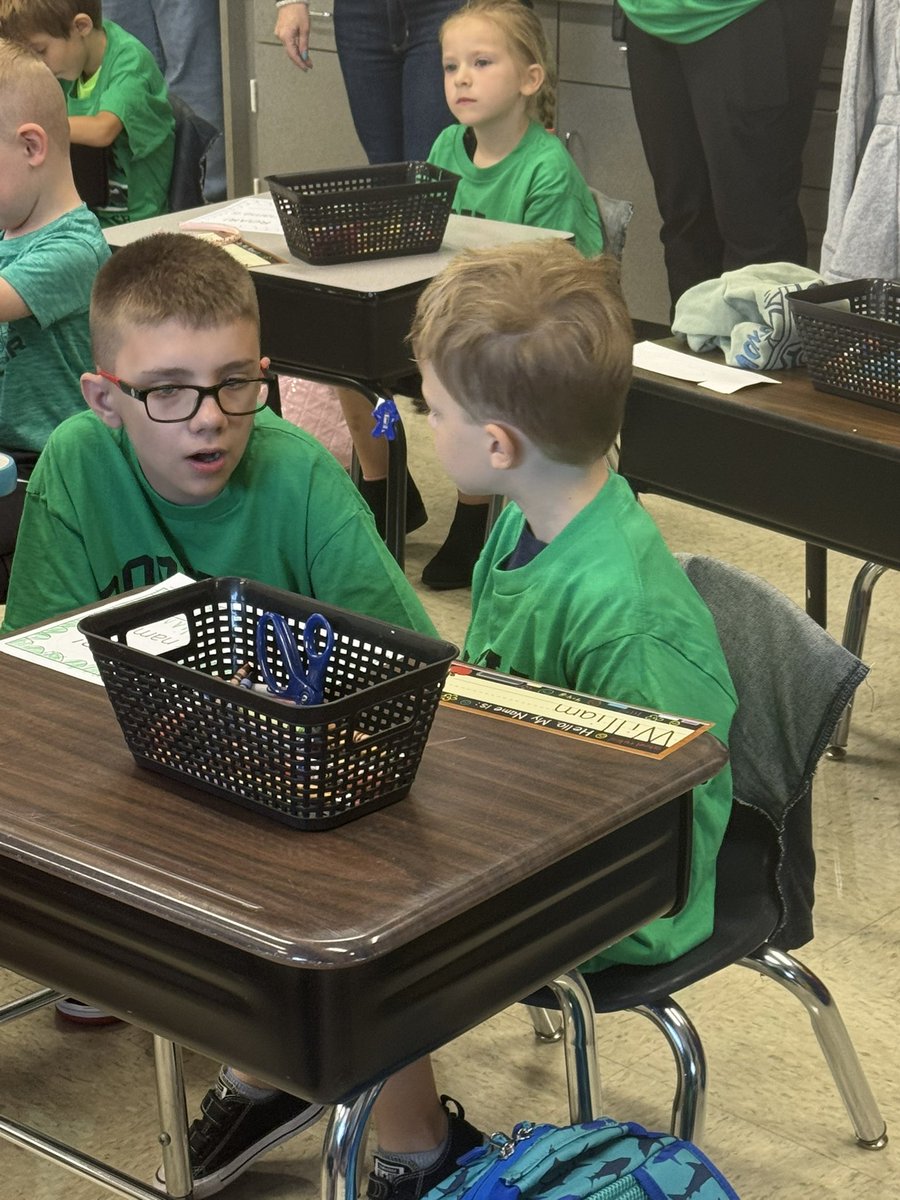
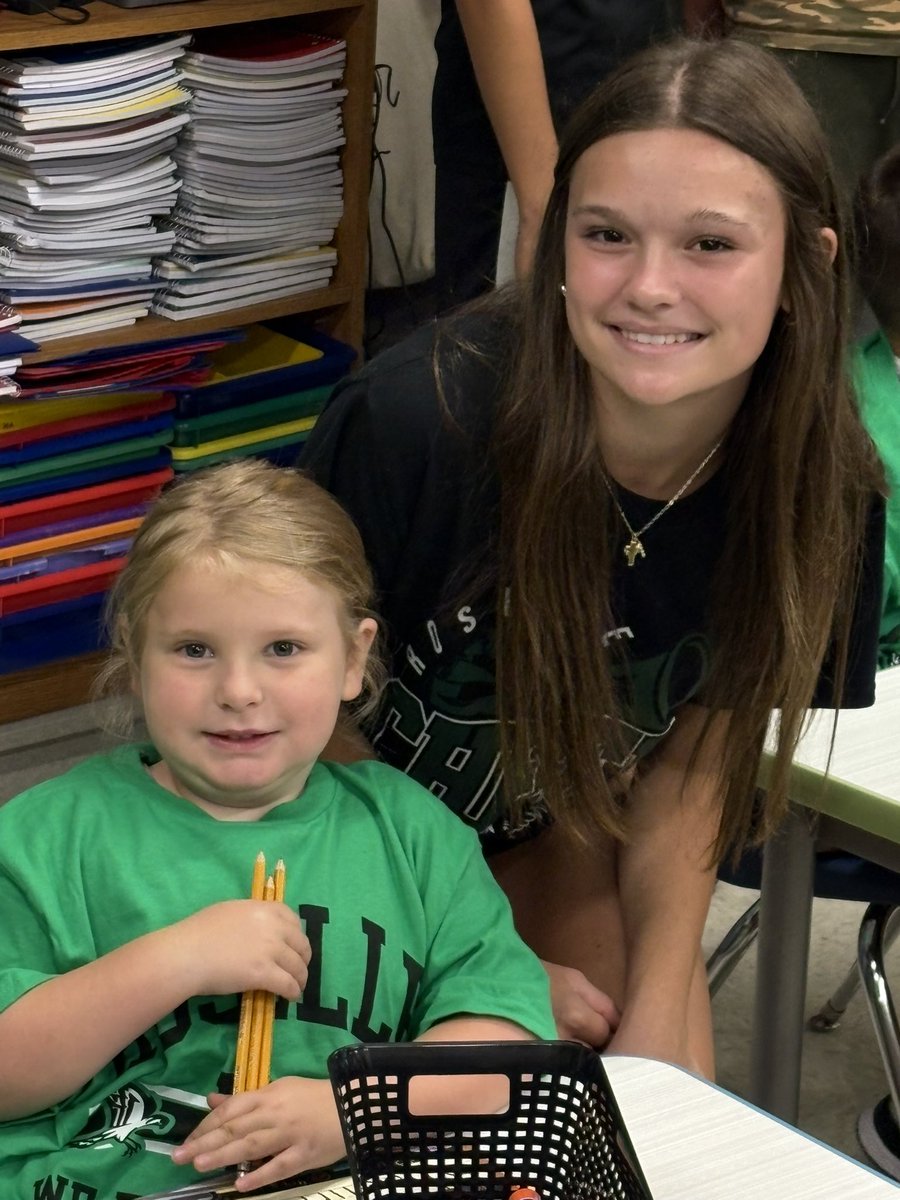
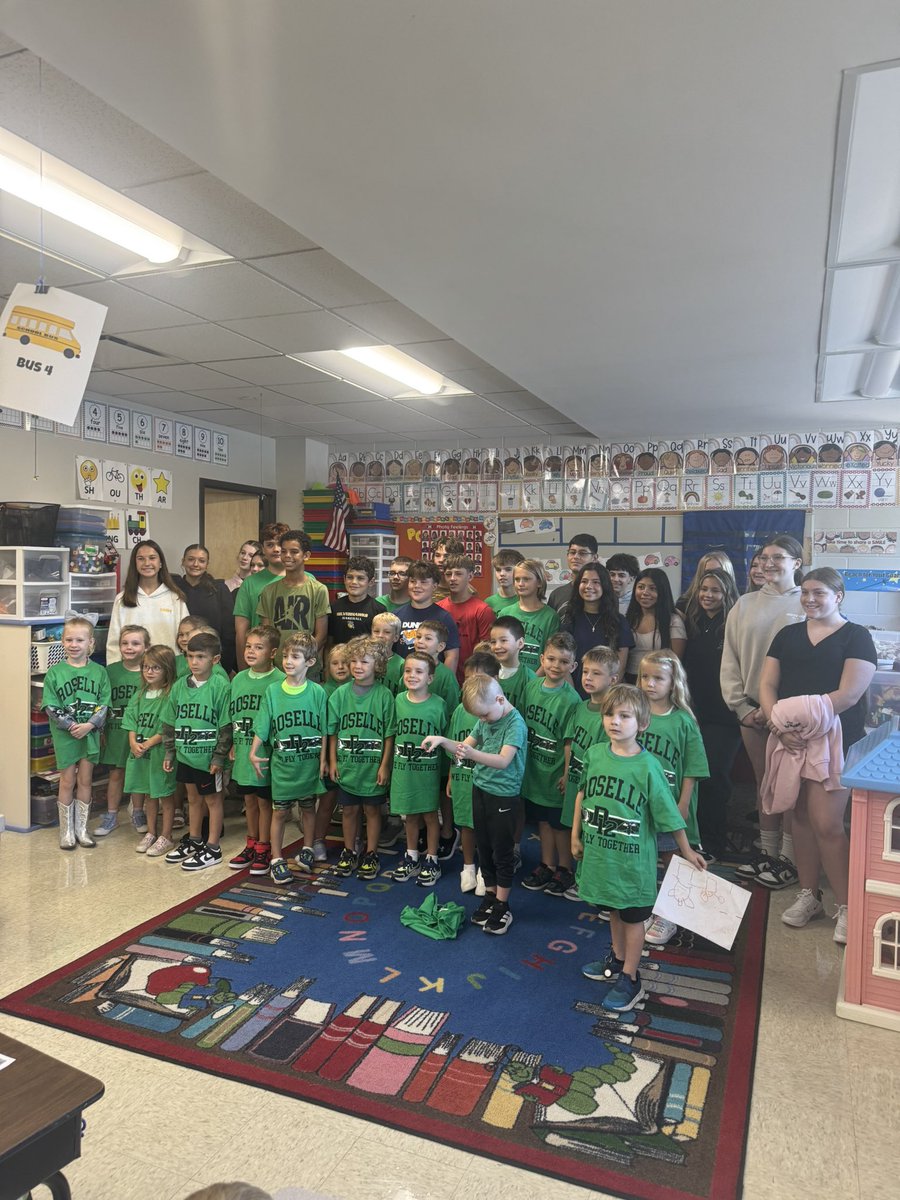
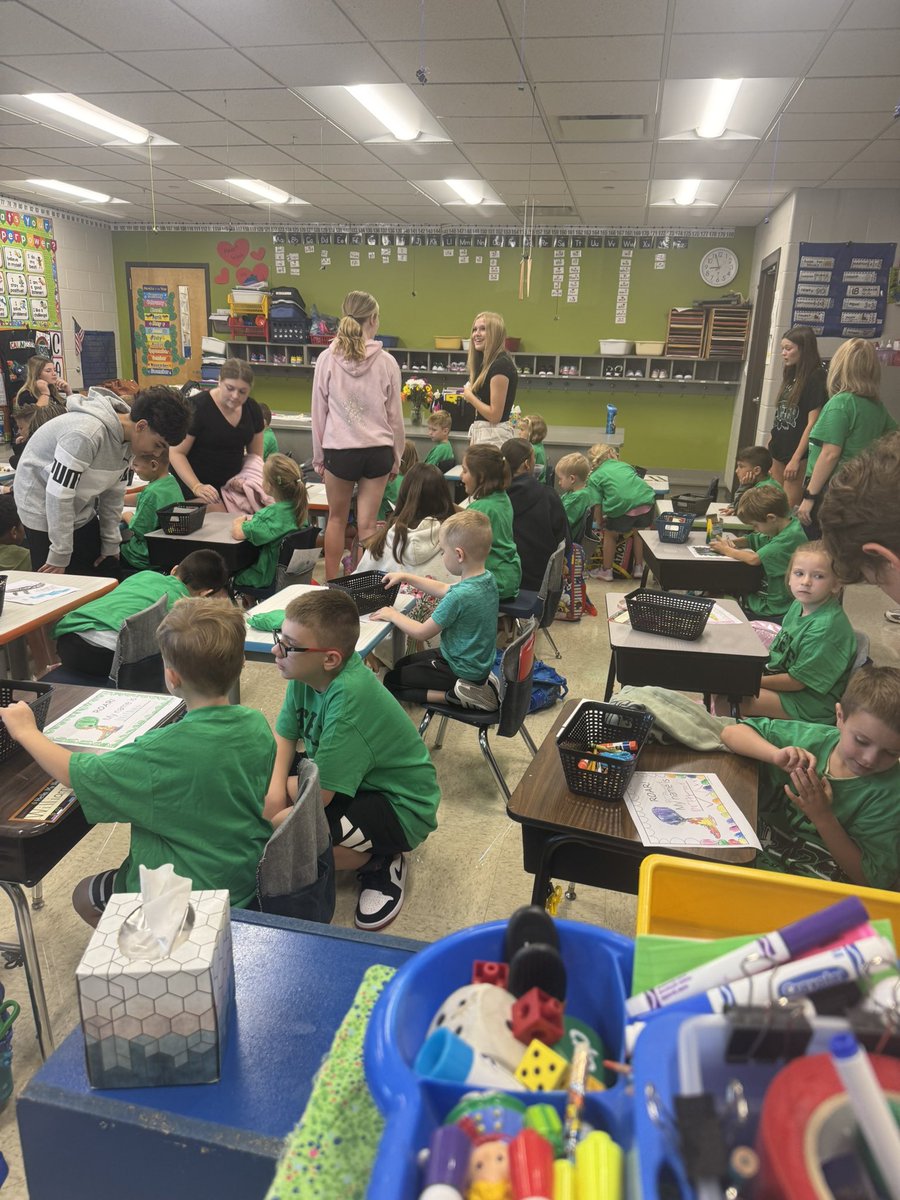
Ending Week 1 in the best possible way…8th graders walking over to welcome our kindergarten learners and gifting them their first spirit wear, hard to tell which group loved it more! #YouBelongInD12
4
285
Dr. Mary Henderson retweeted
22 Aug 2025
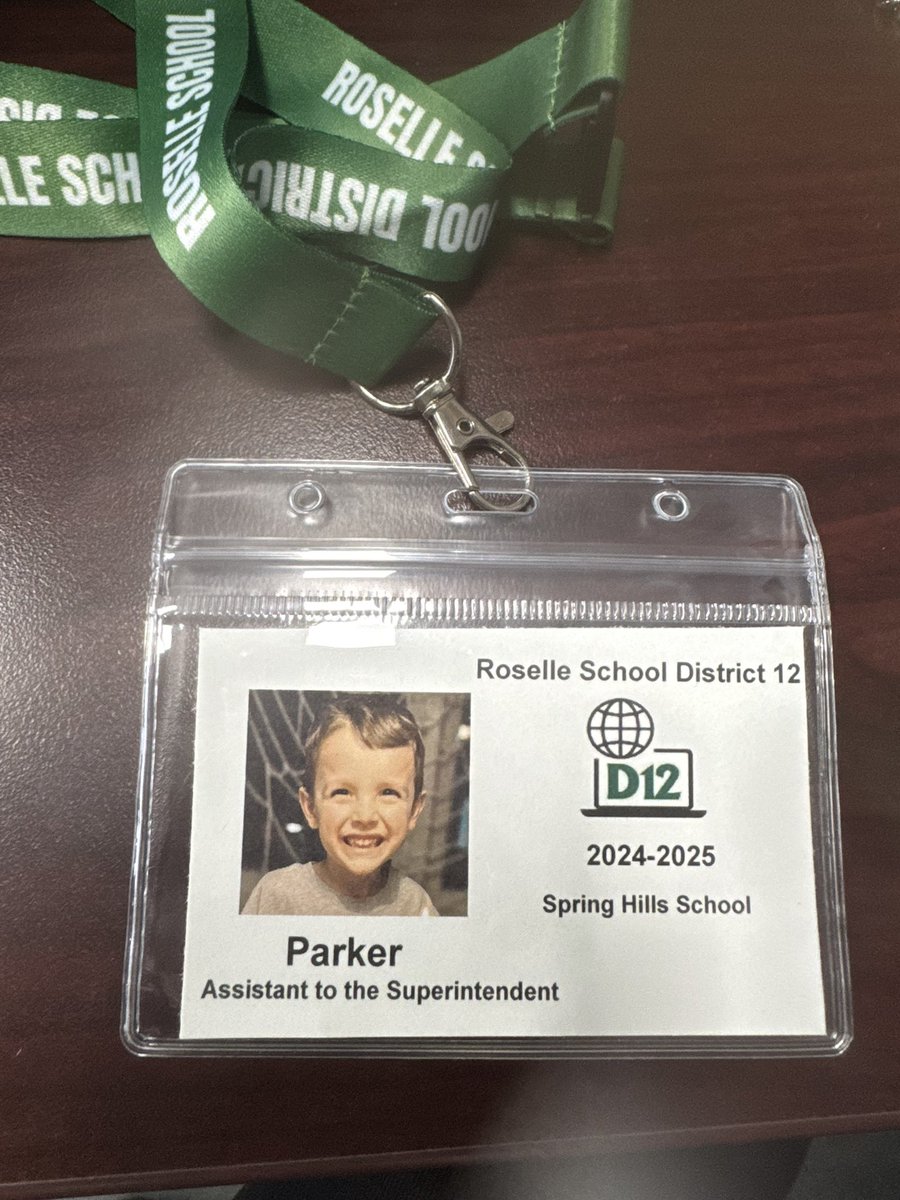
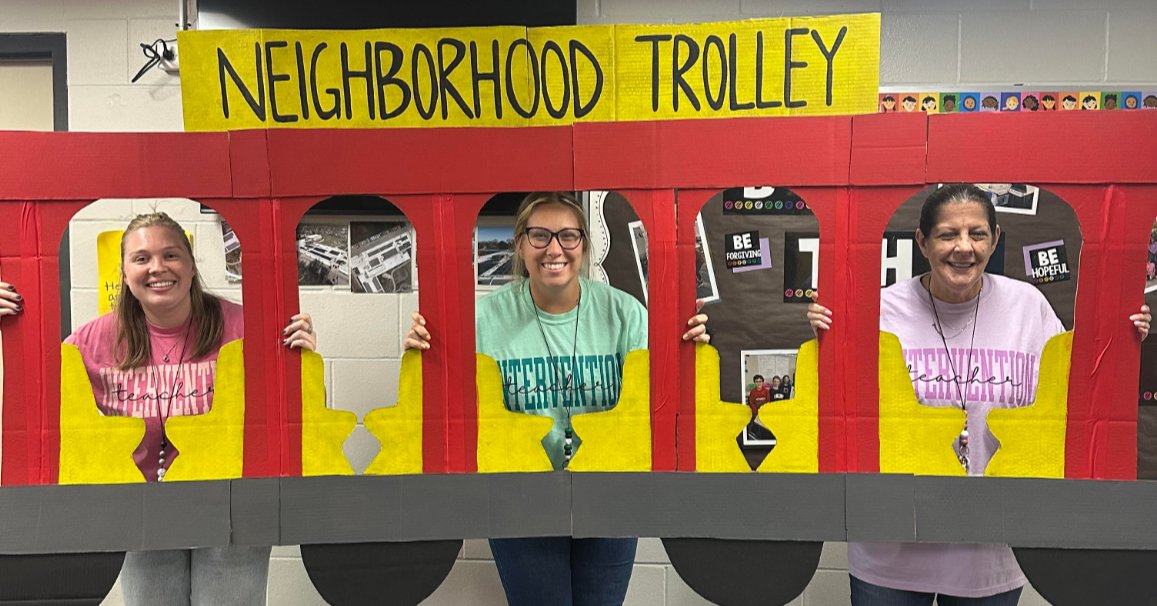
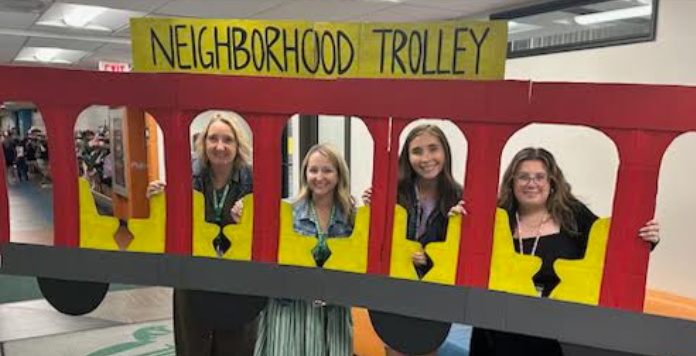
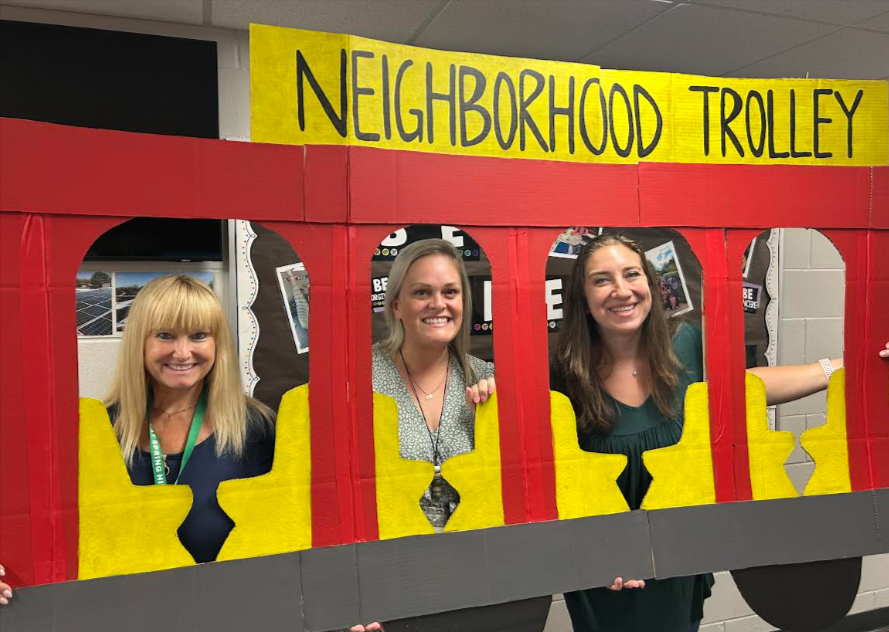
Mr. Rogers taught us that curiosity opens the door to understanding. Our support teams at Spring Hills are ready to guide students on that journey. #YouBelongInD12
1
1
274
19 Aug 2025
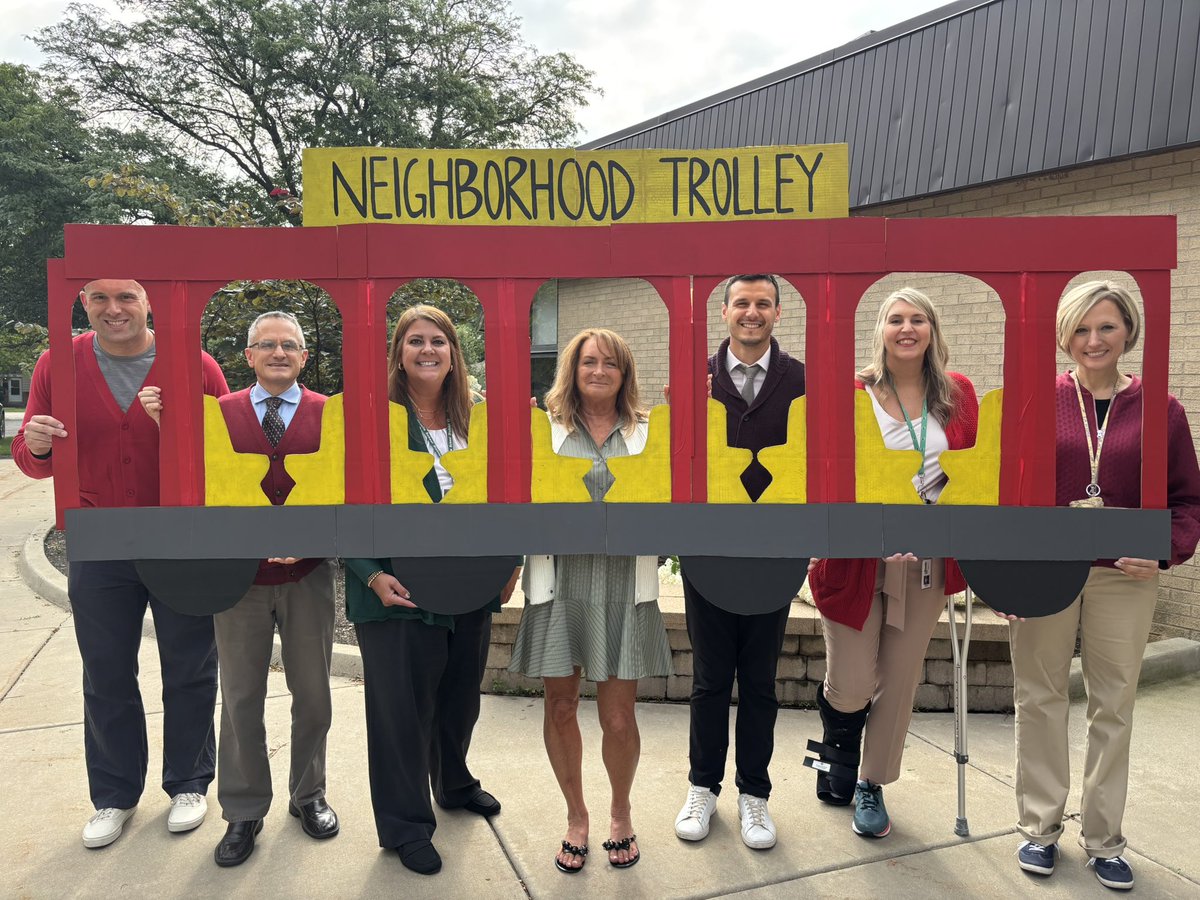
The admin team arrived in the neighborhood in time to welcome back our amazing staff. We are ready to “Engage, Explore, and Wonder Together!” YouBelongInD12
1
13
533
17 Aug 2025
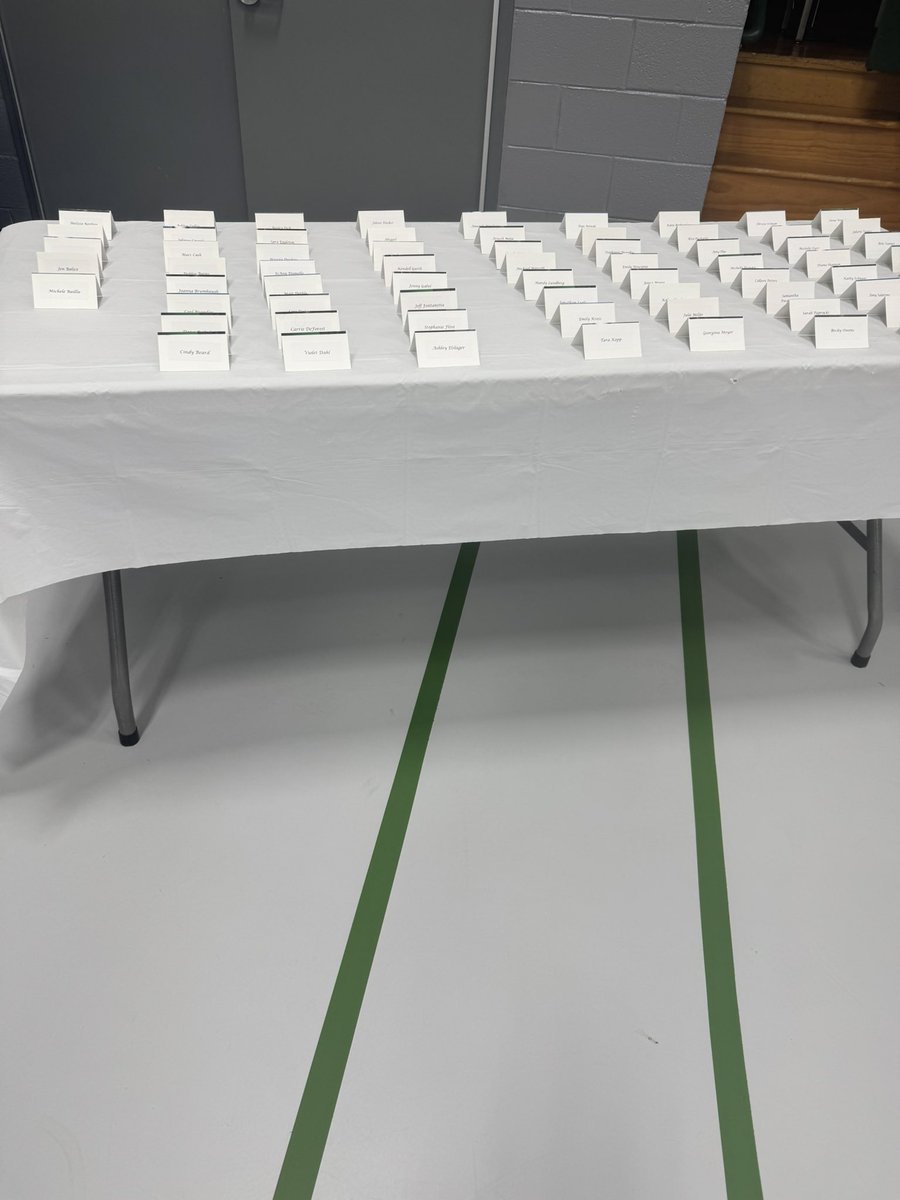
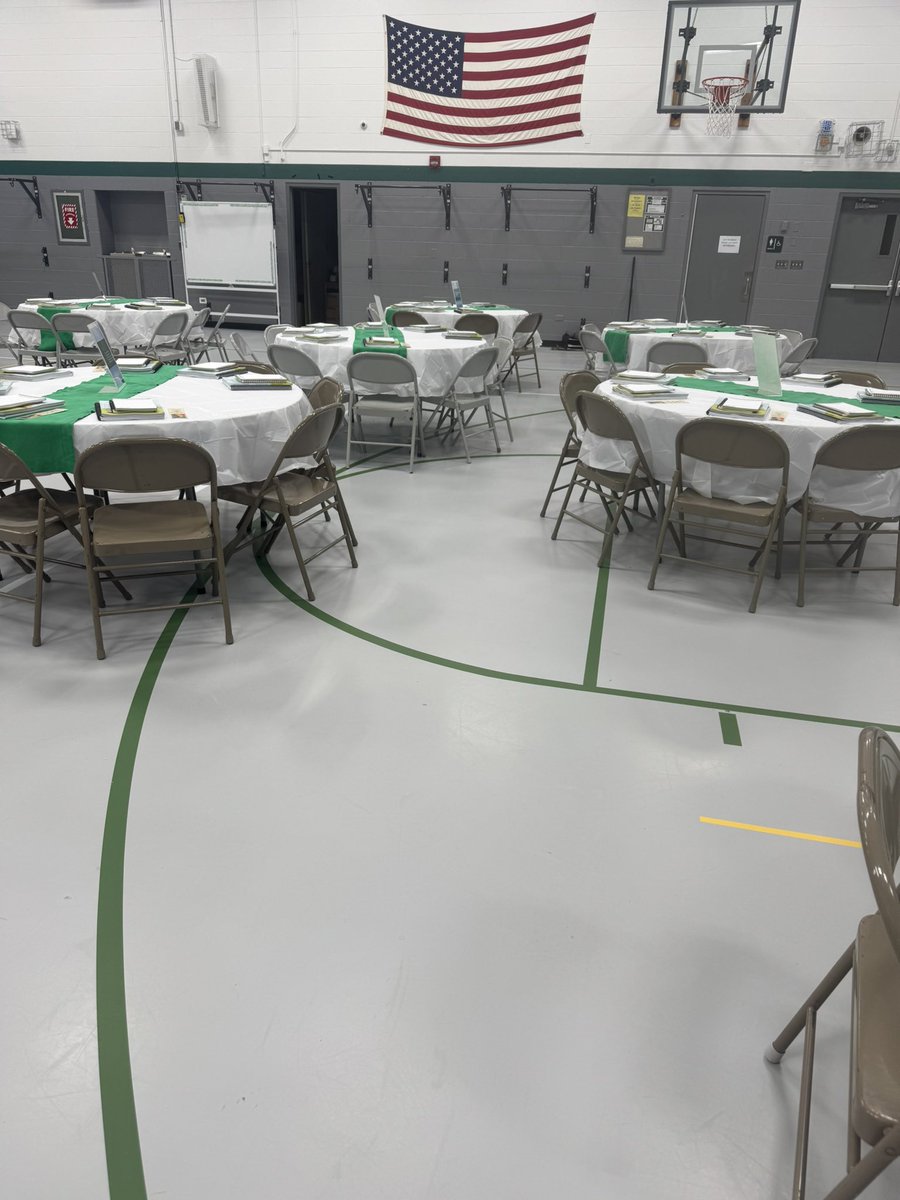
We can’t wait to welcome our staff tomorrow morning. New year, same vision and purpose fueled by incredible people! #YouBelongInD12
5
367
Dr. Mary Henderson retweeted
7 Aug 2025
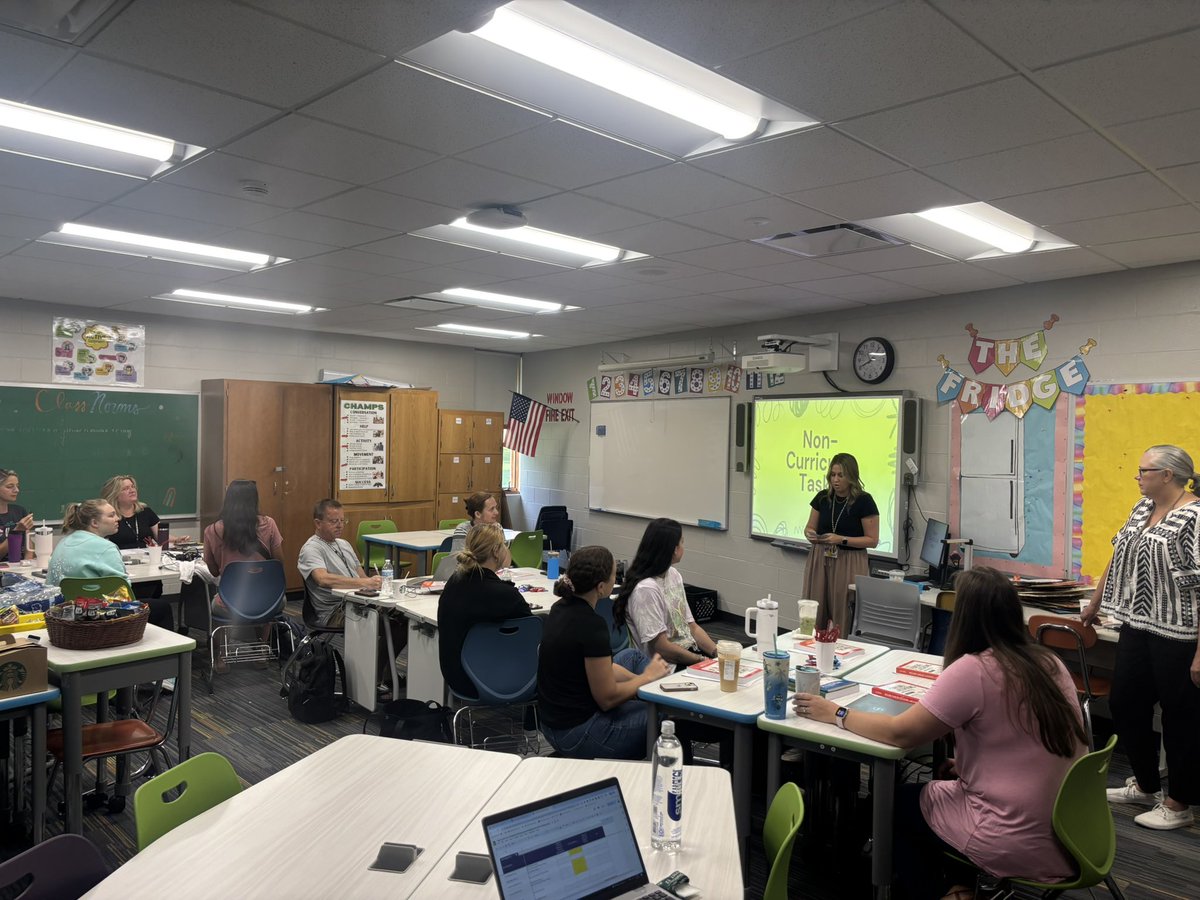
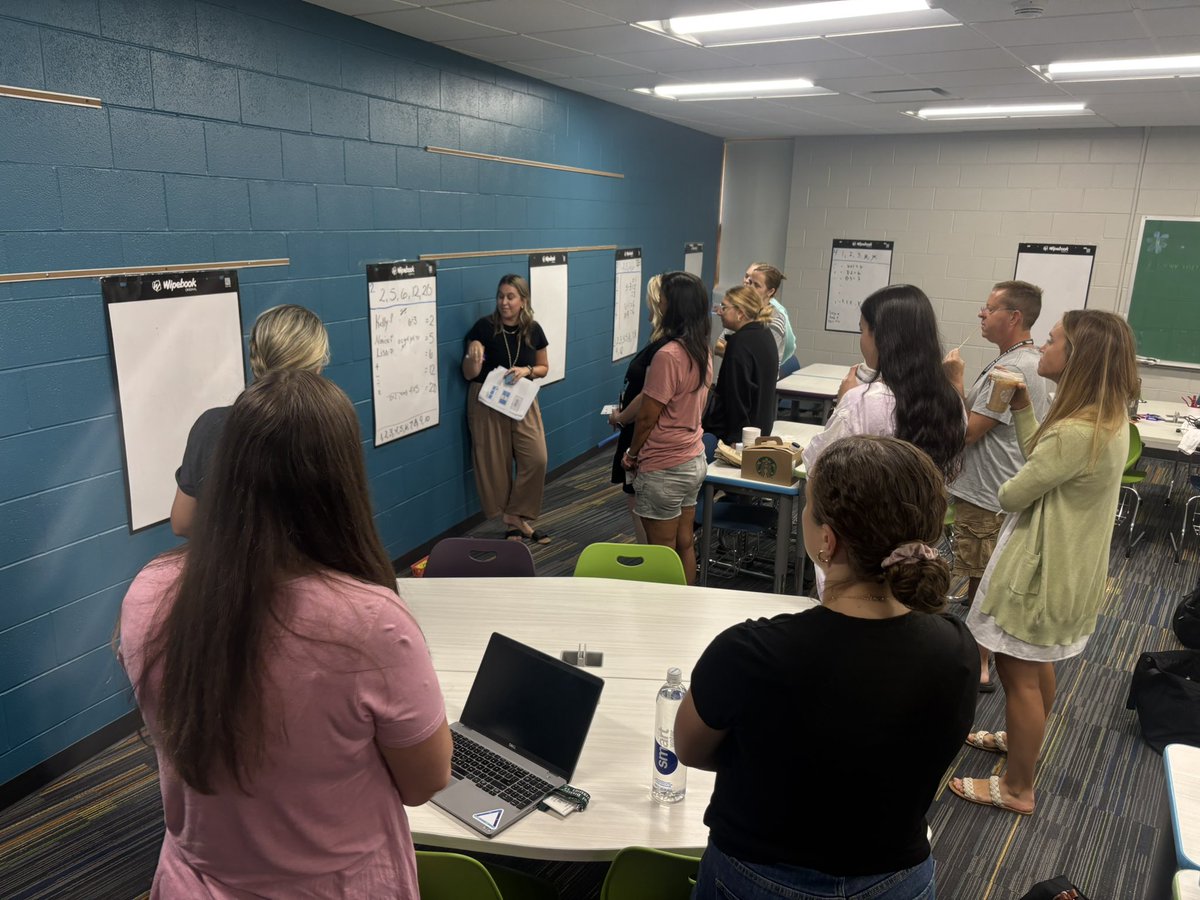
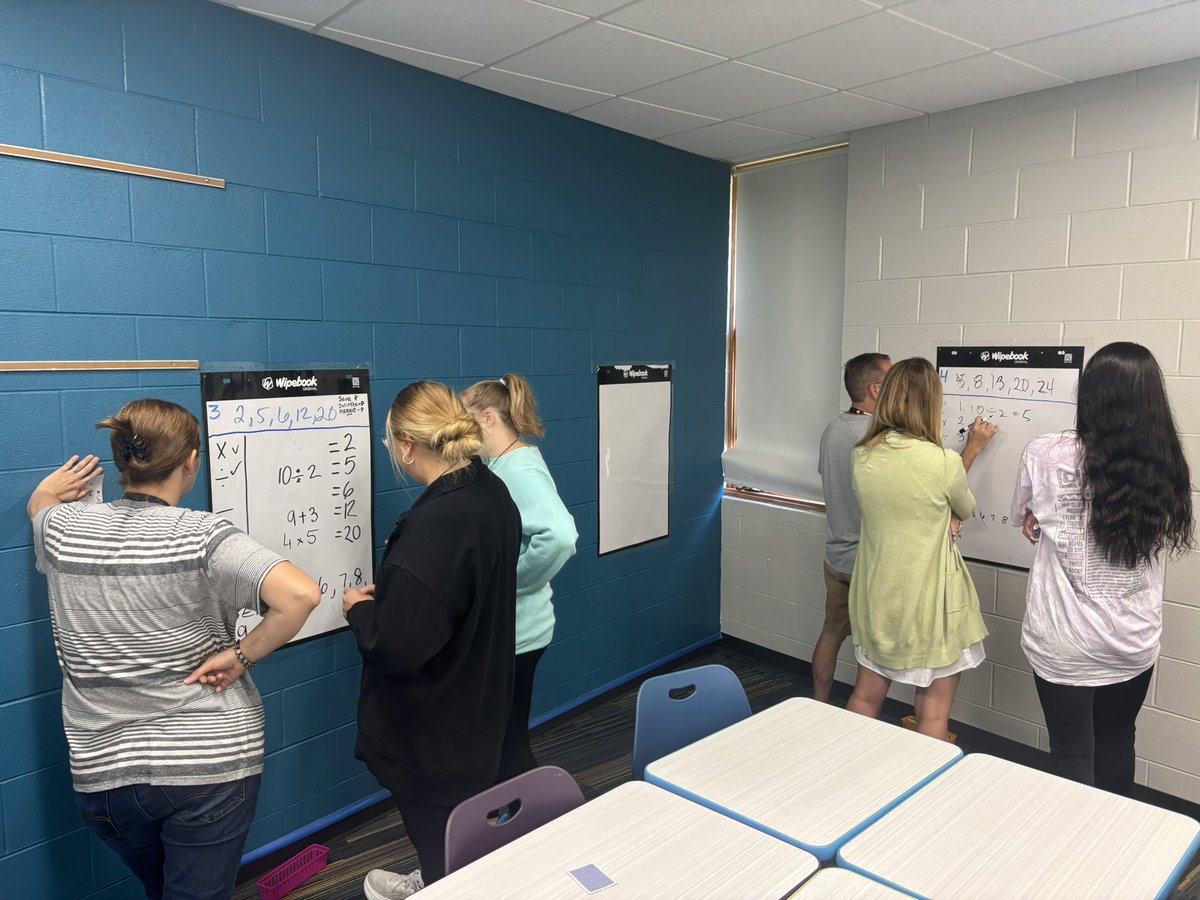
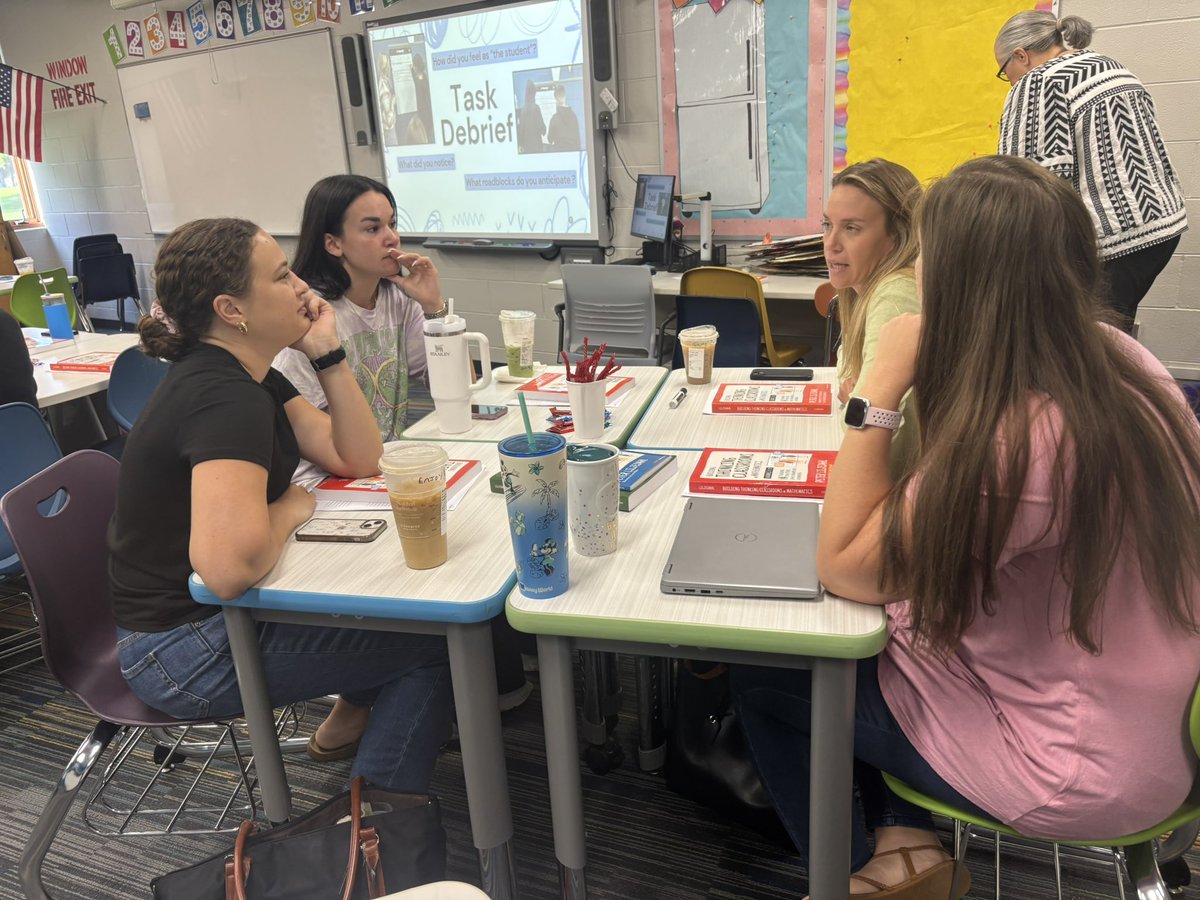
What a way to end our summer PD series with a Building Thinking Classrooms workshop presented by our own teacher trainers! #YouBelongInD12!
1
1
267
25 Jul 2025
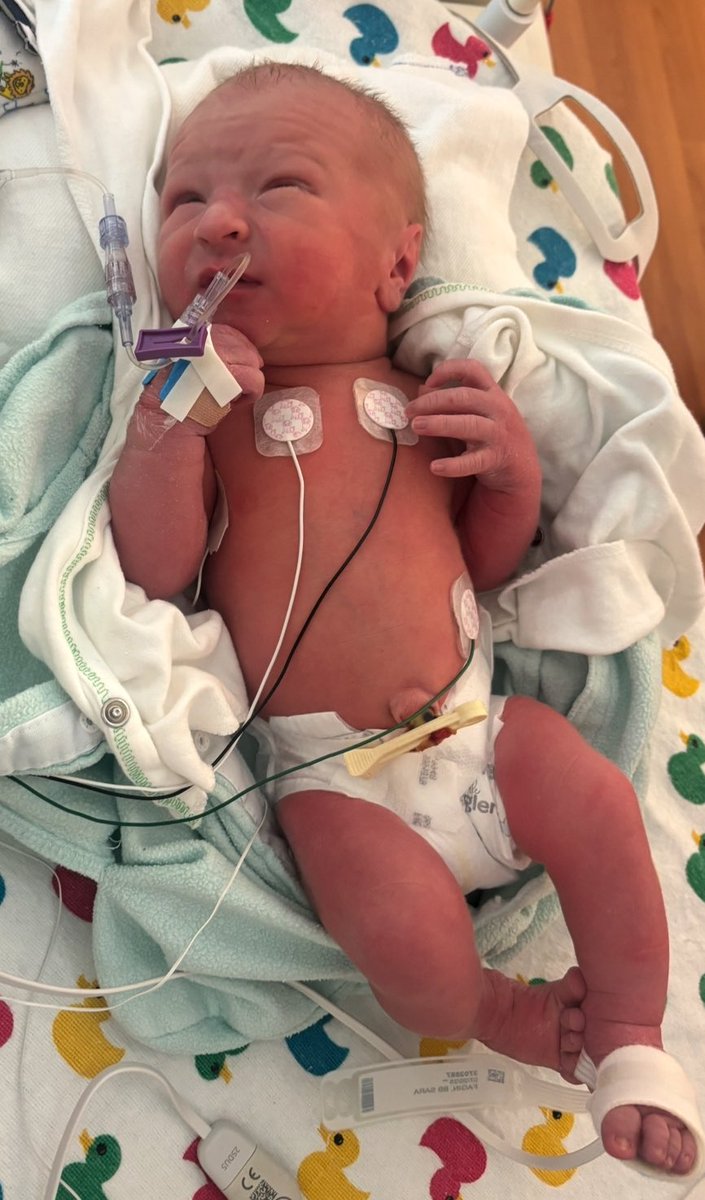
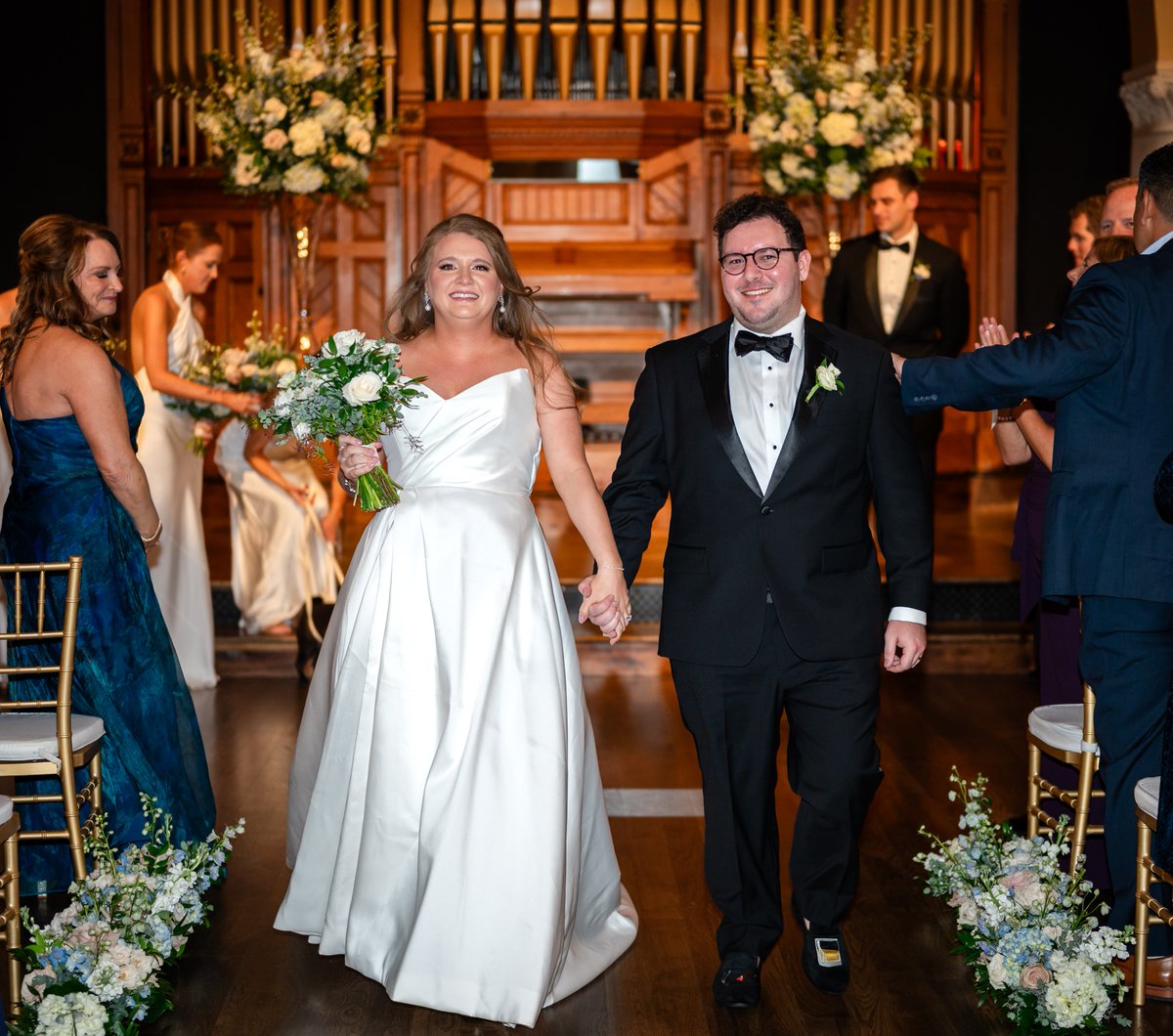
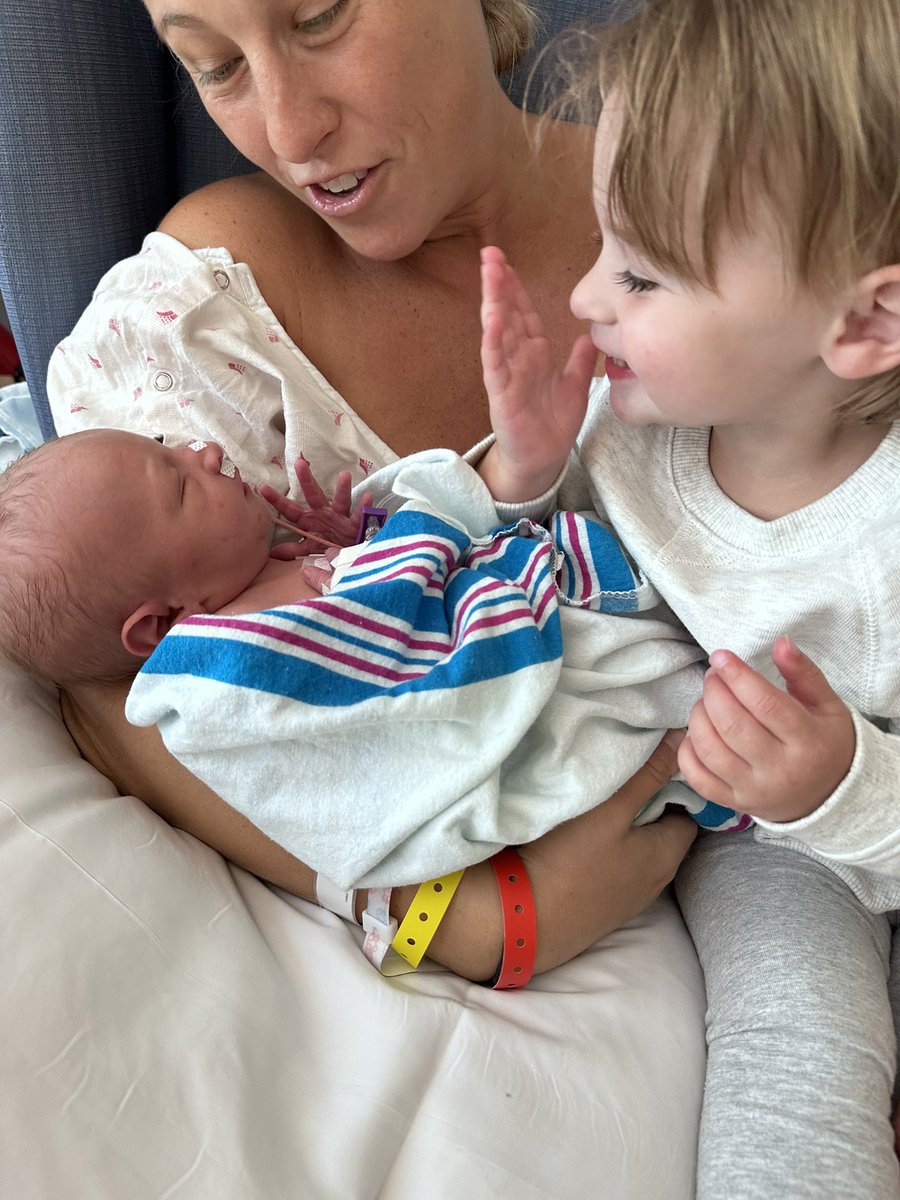
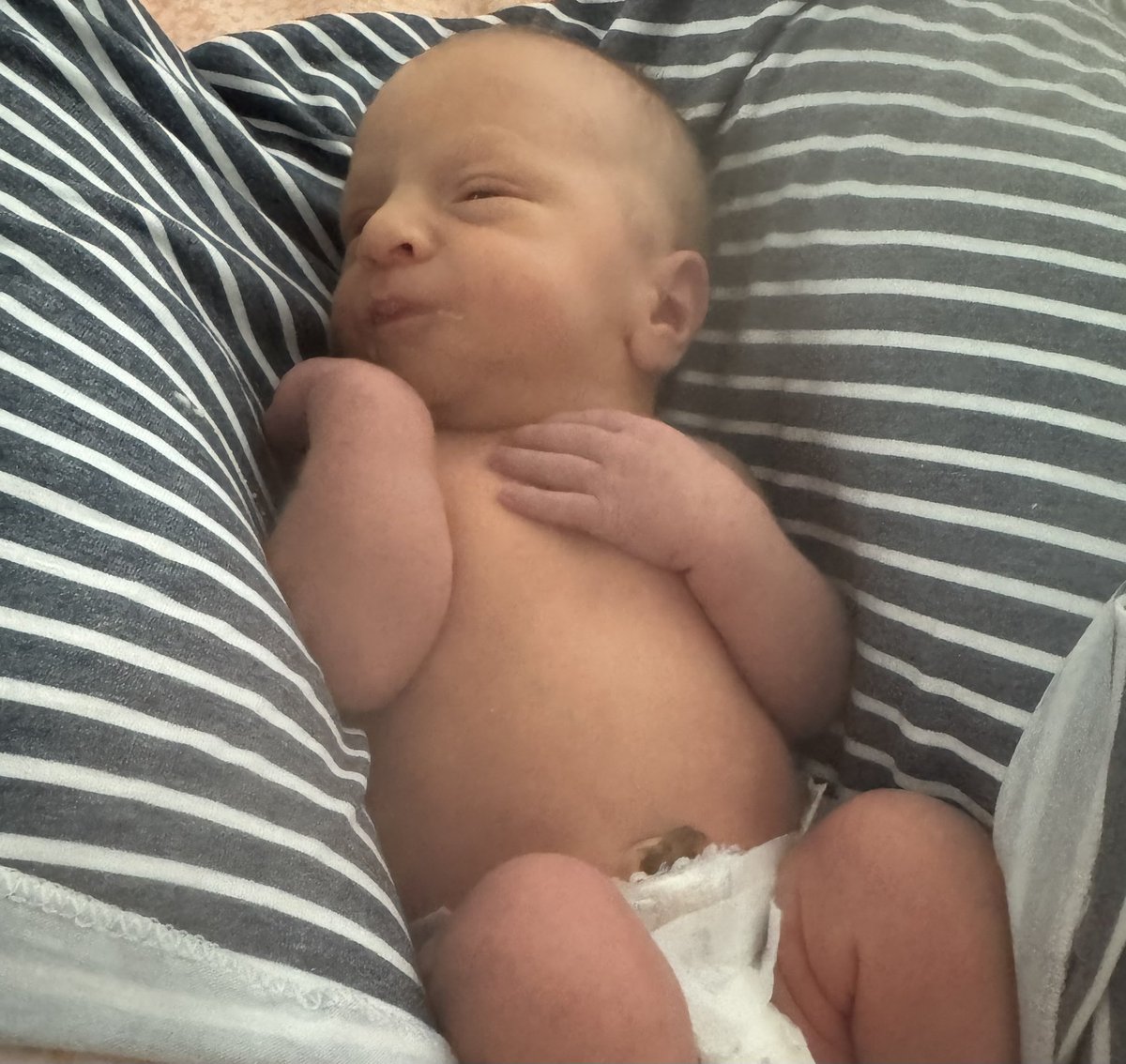
It’s been quite a week for our family. Harrison Francis Salsinger arrived three weeks early on July 20. From a few days in the NICU to now adjusting to life at home, he is already so loved. My family continues to grow in the sweetest of ways!
1
16
559
Dr. Mary Henderson retweeted

17 Jun 2025
What separates good teaching from great teaching?
Effective feedback.
Hattie’s research tells us that feedback has an effect size of 0.70—almost double the average. But not all feedback is equal. According to Hattie, “The most powerful single influence on achievement is feedback…but it must be timely, specific, and help the learner know where to go next.”
Dylan Wiliam expands on this with his five strategies for formative assessment. He reminds us that feedback should cause thinking, not compliance. If students are not using feedback to move their learning forward, it’s just noise.
Susan Brookhart emphasizes that feedback must be clear, purposeful, and aligned with the learning target. Vague praise or criticism does little. Students need to understand what they’re doing well, where they need to improve, and exactly how to do it.
Grant Wiggins said, “Feedback is not advice, evaluation, or judgment. It’s information about how we’re doing in our efforts to reach a goal.” In short—feedback should not end the learning—it should ignite it.
And let’s not forget Carol Dweck, who teaches us that how we frame feedback impacts whether students develop a fixed or growth mindset. If we want students to persist through challenges, our feedback must reinforce the process, not just the person.
So in your classroom:
•Make learning goals clear
•Give feedback during the learning, not after
•Use student work and peer feedback to promote ownership
•Keep the focus on progress and next steps
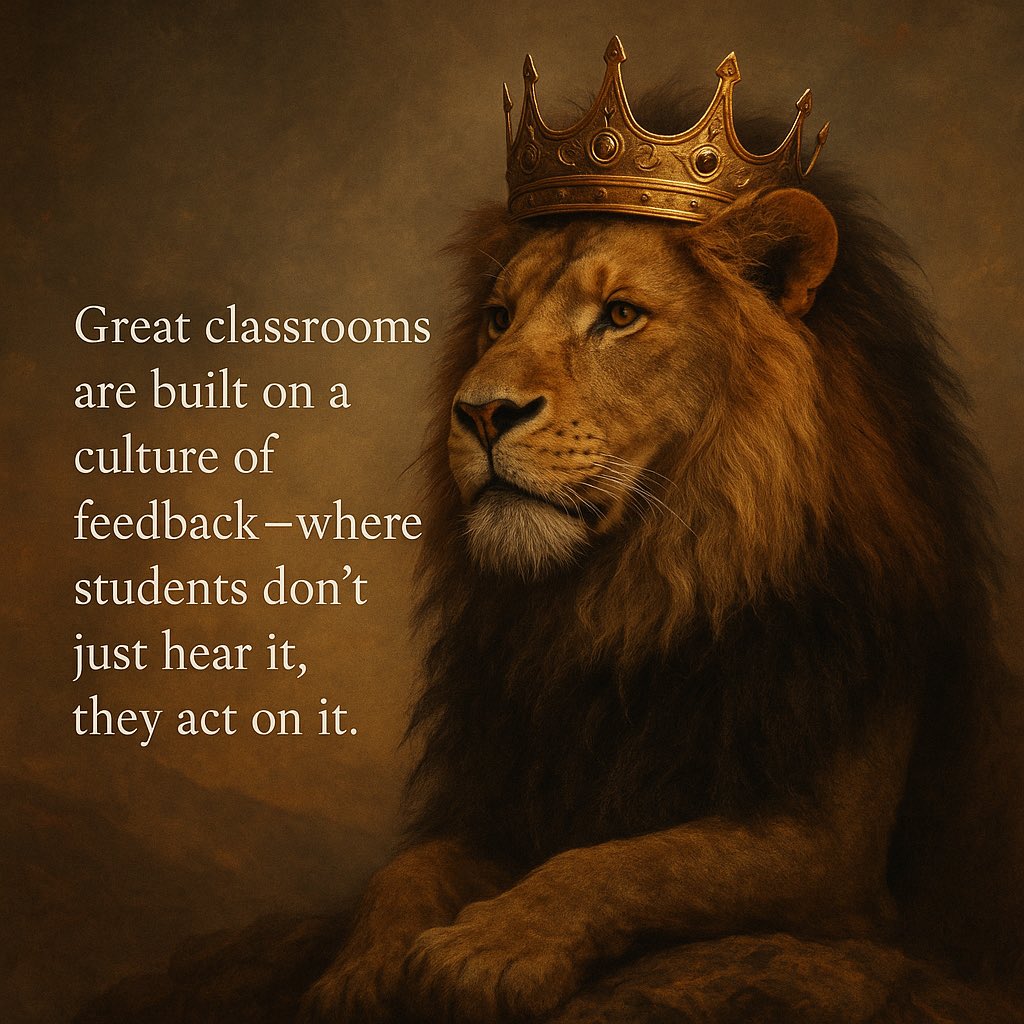
Great classrooms are built on a culture of feedback—where students don’t just hear it, they act on it. @VisibleLearning @dylanwiliam @SusanBrookhart @CarolDweckDSU
7
84
269
19,821
Dr. Mary Henderson retweeted
23 May 2025
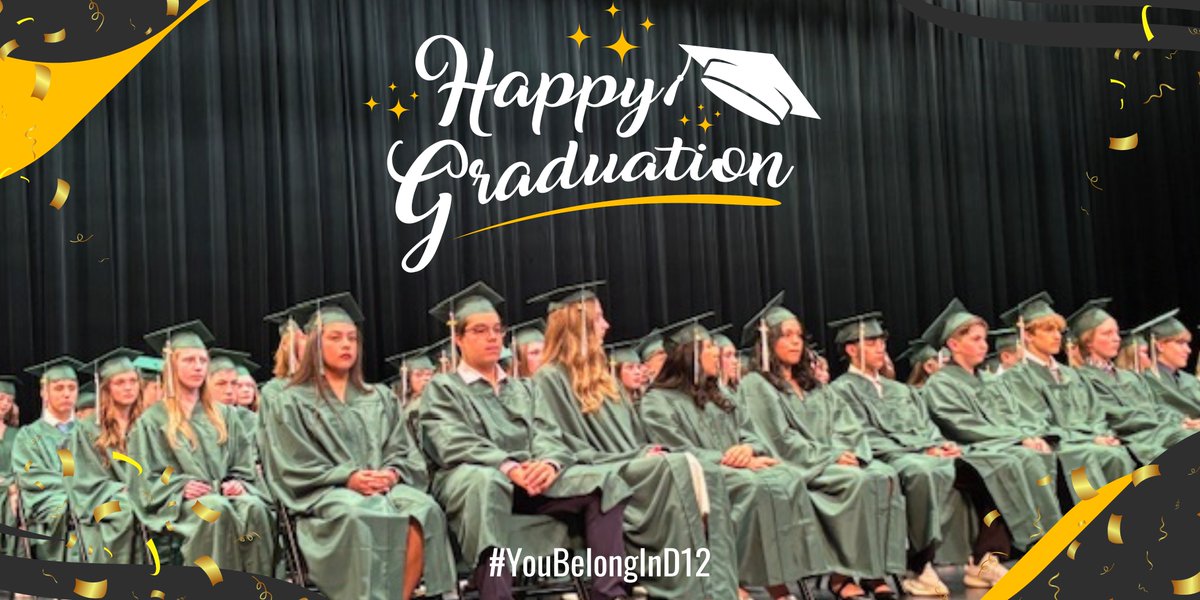
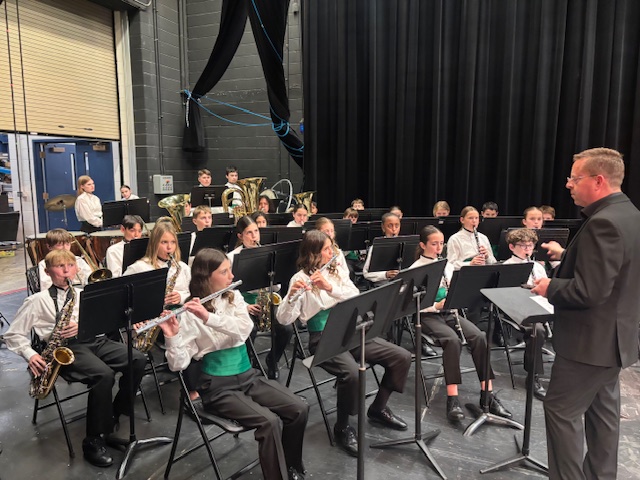
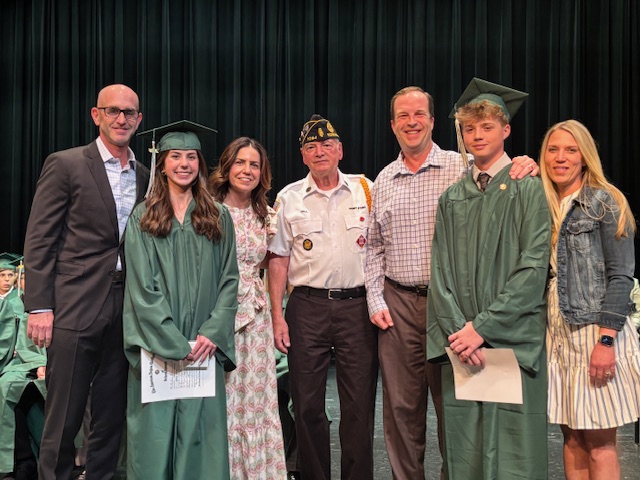
Congratulations to our 2025 8th-grade graduates! We are proud of you and know you will go on to great things! #YouBelongInD12
1
4
254
18 May 2025
Barb is an inspiring leader...proud to be her colleague!
16 May 2025

Congratulations to Barb Thompson on being named an IASA Superintendent of Distinction in the Illini Region. Barb has been superintendent of Fisher CUSD 1 for 20 years. #ILSuptsRock
tinyurl.com/4pahfchy

1
5
306
16 May 2025
Carrie is an amazing leader!
15 May 2025
Congratulations to Dr. Carrie Hruby on being named an IASA Superintendent of Distinction in the Southwestern Region. Dr. Hruby has been superintendent of O'Fallon CCSD 90 for 10 years. #ILSuptsRock
tinyurl.com/56de2uy8

3
151
15 May 2025
DuPage County superintendents are fortunate to have Dr. Schuler as a trusted and valued colleague!
15 May 2025
Congratulations to Dr. Jeff Schuler on being named an IASA Superintendent of Distinction in the DuPage Region. Dr. Schuler has been superintendent of CUSD 200 for 11 years. #ILSuptsRock
tinyurl.com/bdcex3wc

2
18
858
23 Apr 2025
Leadership demands strong decision-making. Executive coaching enhances critical thinking, helping leaders navigate complex challenges with clarity and confidence. The right choices start with the right mindset. #LeadWithGrowth
6
180
11 Apr 2025
In today’s unpredictable world, leaders need resilience more than ever. Executive coaching provides the skills to manage change, handle stress, and thrive in uncertainty. Are you prepared for the next challenge? #LeadWithGrowth
4
226
10 Apr 2025
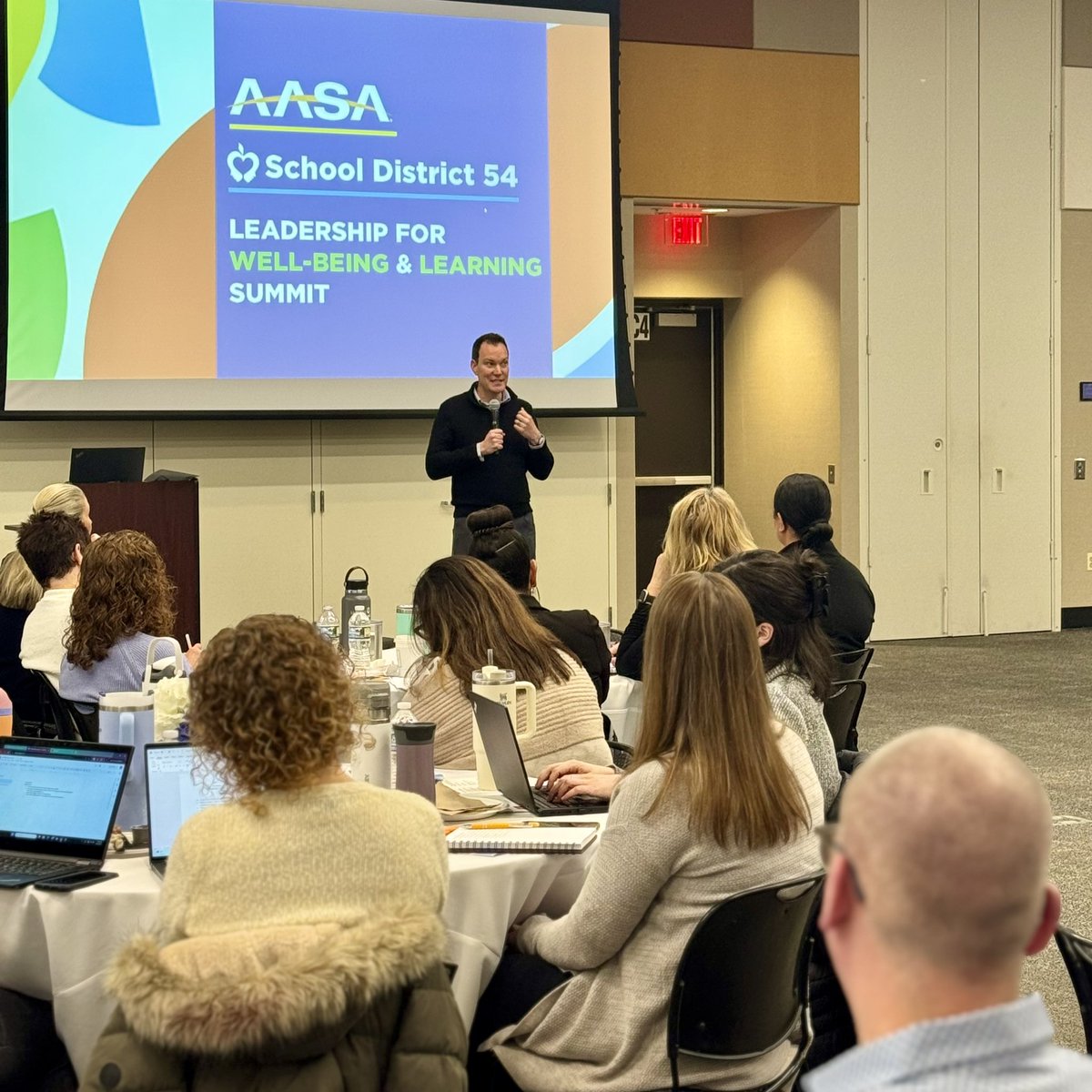
An incredible morning with a great group from D12, so many great take aways! #YouBelongInD12

"Happiness might not be the end of your work, but happiness might be the means. And ‘happiness’ here is not defined as pleasure, but it's the joy you feel moving towards your potential in the midst of a broken world." - Shawn Achor on the power of rational optimism and joy!
1
11
444
9 Apr 2025
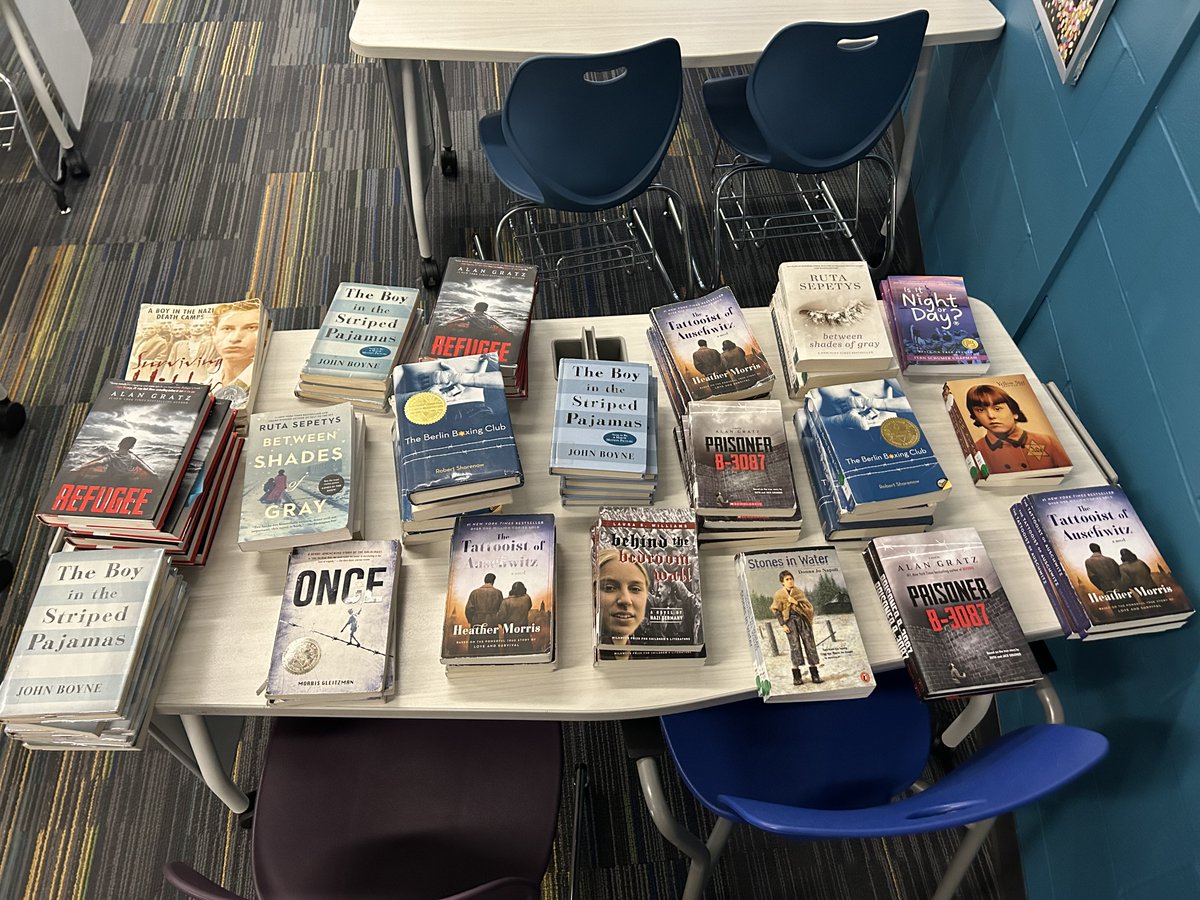
Thank you to our 8th grade team for leading our learners through this reflection and introspection with the atrocities of the Holocaust as a backdrop. This is how we learn from the past. #YouBelongInD12
9 Apr 2025
8th-grade students will start exploring the theme of identity in times of adversity by reading literature inspired by the Holocaust and World War II. Through these stories, they will be analyzing characters to answer the essential question: Who are you in crisis? #YouBelongInD12
1
168