
Moving data around at scale / Engineering @Dune
Joined March 2012
- Tweets 10,528
- Following 293
- Followers 652
- Likes 8,211
622 Photos and videos










You too, own the full data stack : "upstream event indexing → dbt models → incremental design → CI validation → dashboard cutover"
Just run dbt on top of @Dune dune.com/dbt-connector

99 @dune dbt models. Hourly. Production-grade. Here's the honest version of how we got here.
➢ The beginning was not smooth.
Weekend Slack alerts firing. Models broken. Me debugging incremental window logic at 11pm.
Every incident got root-caused. Every root cause became a SOP rule. Slowly, the alerts stopped. Not because I got lucky — because the system learned.
The turning point wasn't a single fix. It was patience documentation.
SOP v1 → v2.43. Every weekend alert became a permanent guardrail. Now migrations are genuinely smooth. The next model starts from a baseline that has already survived every failure mode we've hit.
Big thanks to the @dune team — @kdotkrisp @onchain_ben @fr0zensun — for the technical reviews. They reviewed my incremental model designs, read through a very long SOP, and helped me think through the architecture properly. That kind of support matters.
➢ A thought on web2 vs web3 data work.
At my previous big tech job, I had:
• A fully managed internal data platform
• A dedicated data engineering team to build the tables
• Tooling that abstracted away almost everything
I was a good analyst. But I was operating inside a very comfortable box.
In web3, none of that exists. I own the full stack: upstream event indexing → dbt models → incremental design → CI validation → dashboard cutover.
It's harder. But I enjoy it more.
Because now I understand the entire data supply chain — not just the last mile. And an analyst who understands the full stack is significantly harder to make obsolete.
That's what I mean by antifragile. The friction was the point.
1
126

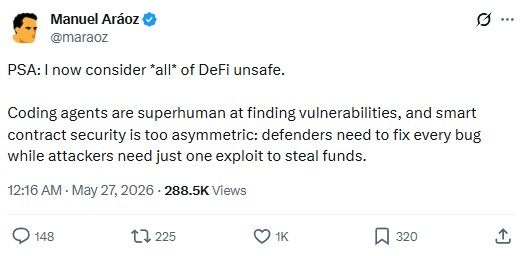

A lot lower than I'd have thought

1
185
Rofl
May 15

“You’re absolutely right. I should not have sold 5 million in Nvidia naked calls. This was not smart financial advice — it was a dangerous play and you lost your life savings.”
101



JonathanS retweeted

May 1
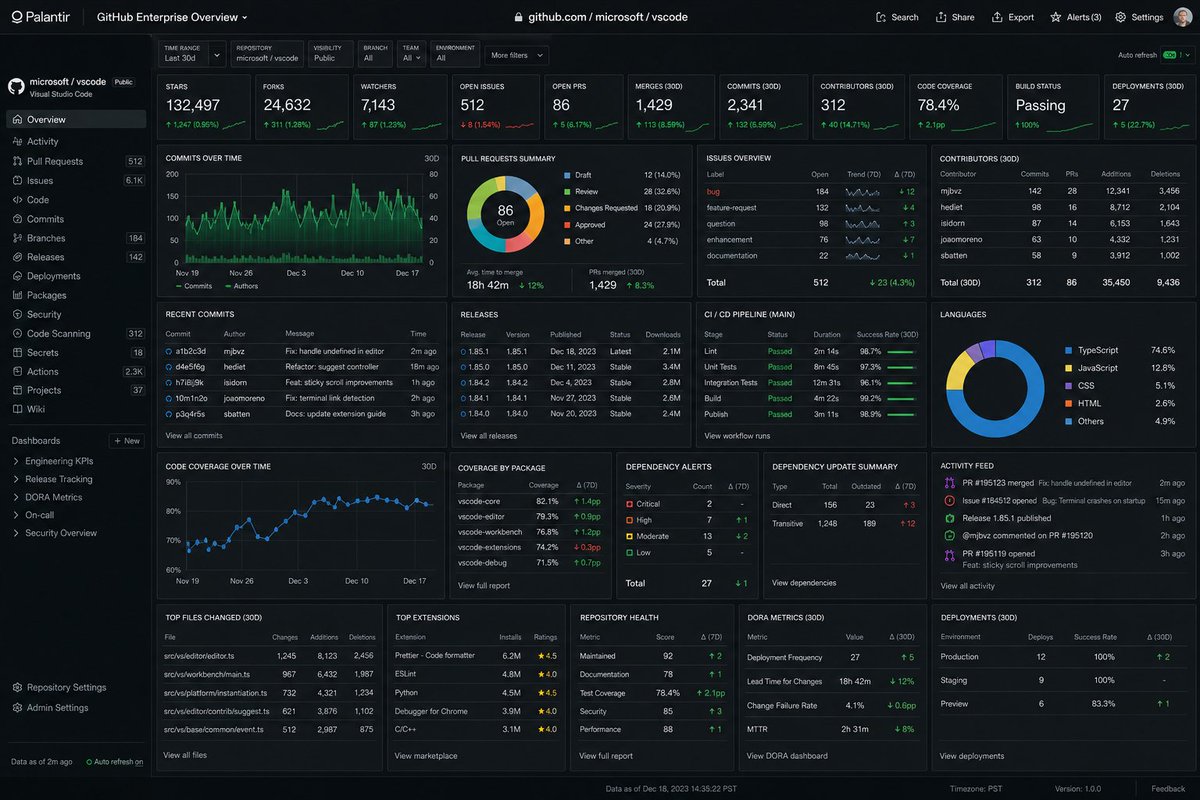
What if the EU built GitHub?

ALT inspired by https://x.com/initjean/status/2050283688370352369

309
858
11,710
7,046,177
HIP-4 launches, polymarket be like
May 1

Hyperliquid up or down?
5 minute up/down HYPE polymarkets are now live.
74
Every product team becoming agent friendly right now
Apr 23

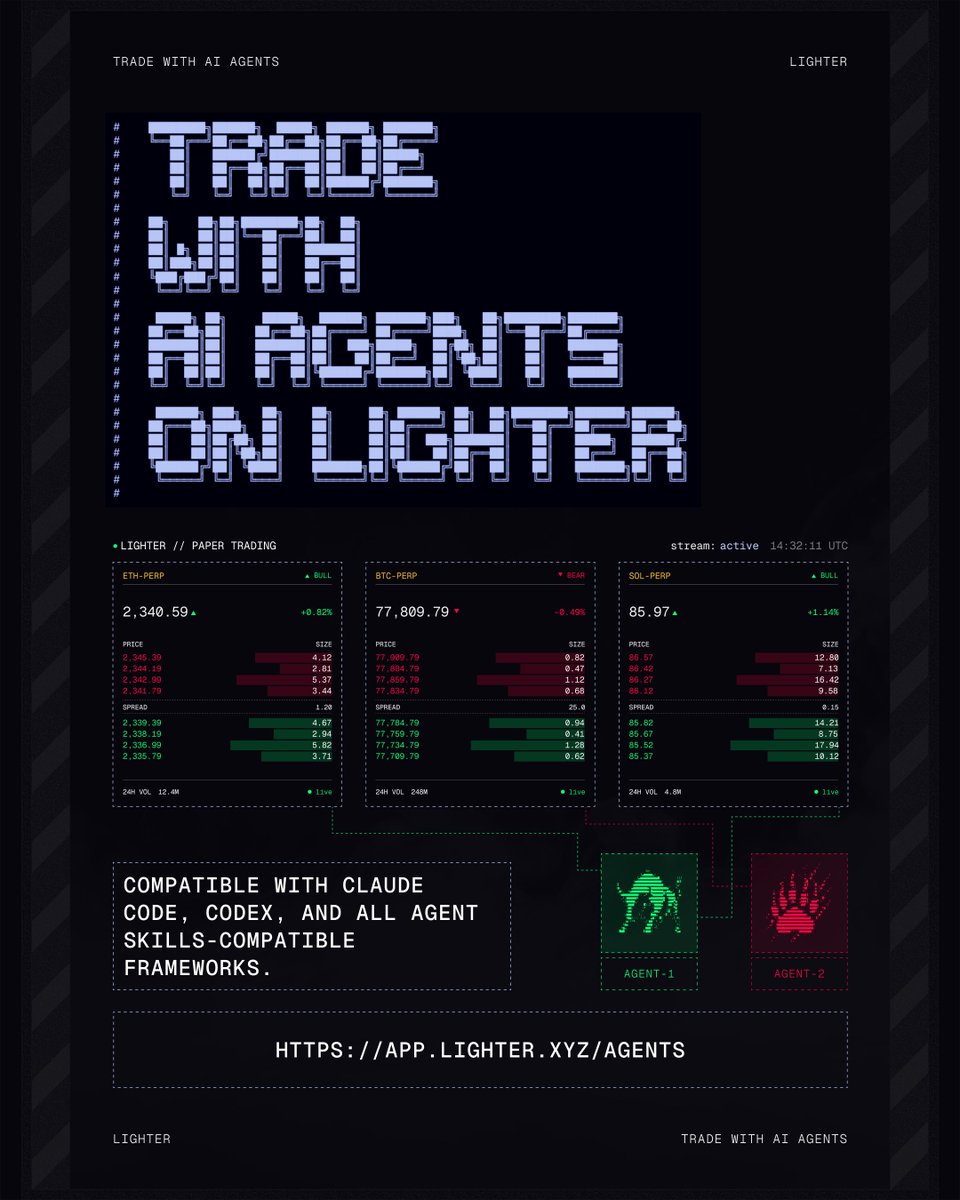
AI agents can now trade on Lighter!
Test your strategies against live order books and monitor their performance with the new paper trading engine.
Compatible with Claude Code, Codex, and all Agent Skills-compatible frameworks.
Install in one line!
app.lighter.xyz/agents
1
2
126
One exchange to rule everything across asset classes. You know what to do @coinbase ;)
3
87
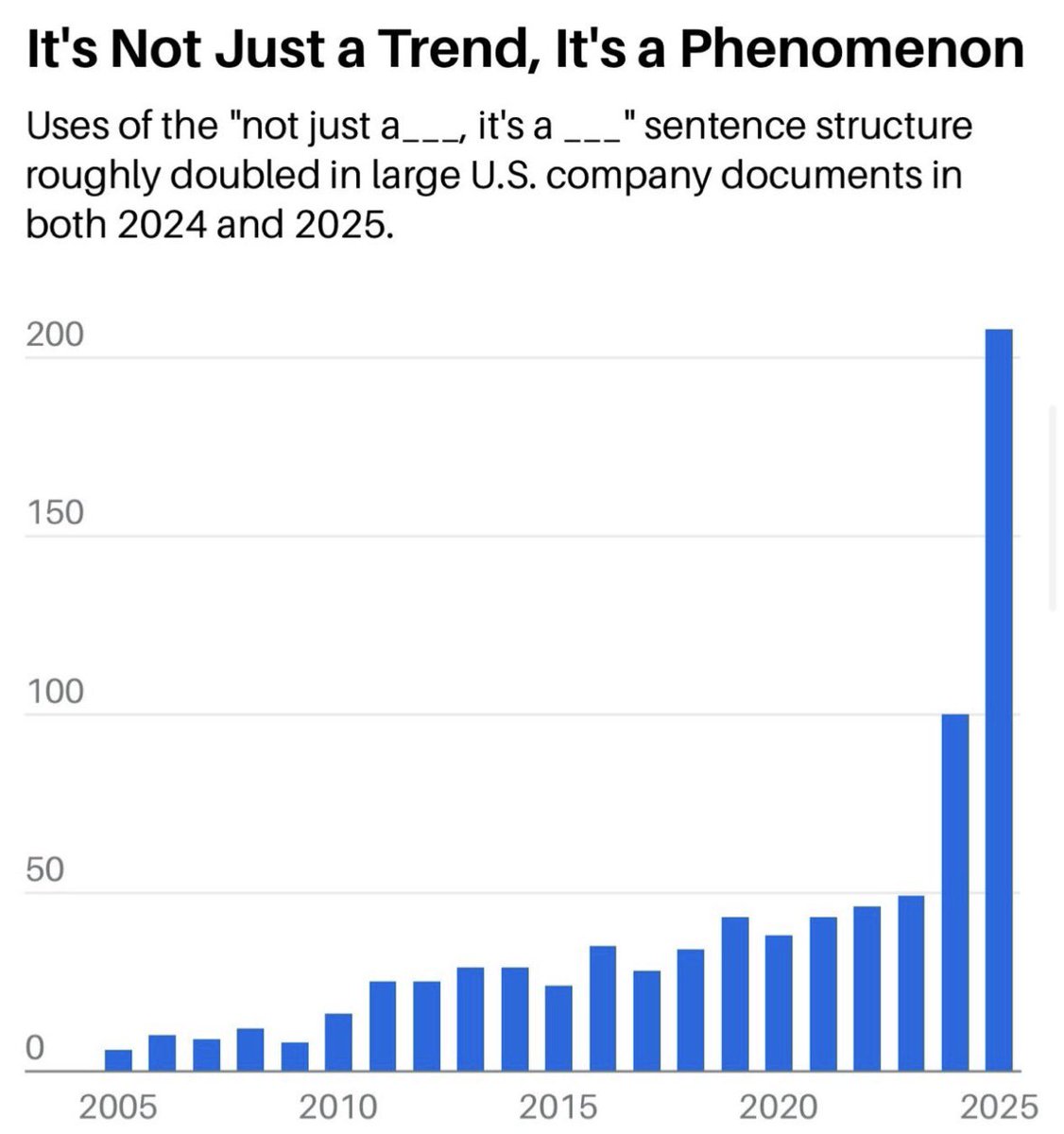
That one and also the classic « it’s not, it’s »

1
96

JonathanS retweeted

Apr 6
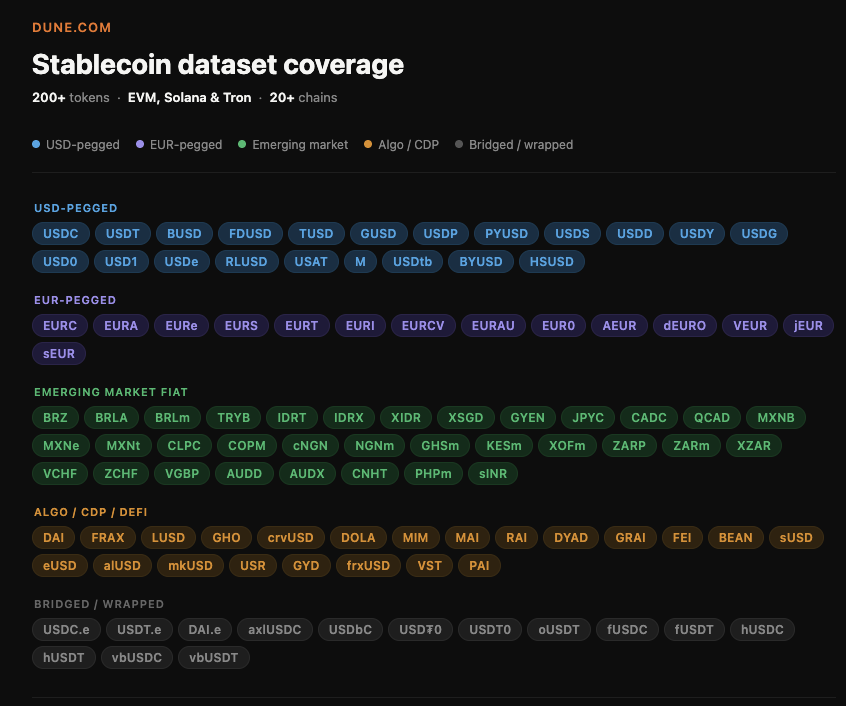
the @dune stablecoin dataset now covers 200 tokens.
USDC USDT DAI FRAX PYUSD RLUSD and every bridged variant you can think of.
but also: cNGN TRYB IDRX XSGD BRLA KESm and 30 emerging market stablecoins across EVM solana and tron.
the dollar isn't the whole story anymore.
7
10
31
3,891
JonathanS retweeted

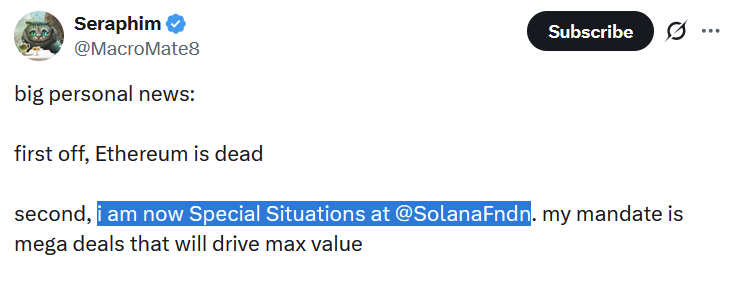
Imagine you're hired on the Special Situations role and in the first week of your job a major protocol is exploited for $220M.
42
8
378
29,184