
I favor the Austrian School, rejecting MMT advocates, socialist democracy, and left-wing economics as drivers of state overreach and failure.
Joined August 2011
- Tweets 4,149
- Following 645
- Followers 359
- Likes 2,161
1,153 Photos and videos














Audi Alteram Partem. retweeted

Jun 13
About 5 years ago, Elon was giving @Erdayastronaut a tour of the Starbase launchpad. A worker at the site walks up, hugs him, and says: “We’re going to make it.”
He’s probably a millionaire now.
390
2,252
27,895
1,337,598
Audi Alteram Partem. retweeted

Jun 12
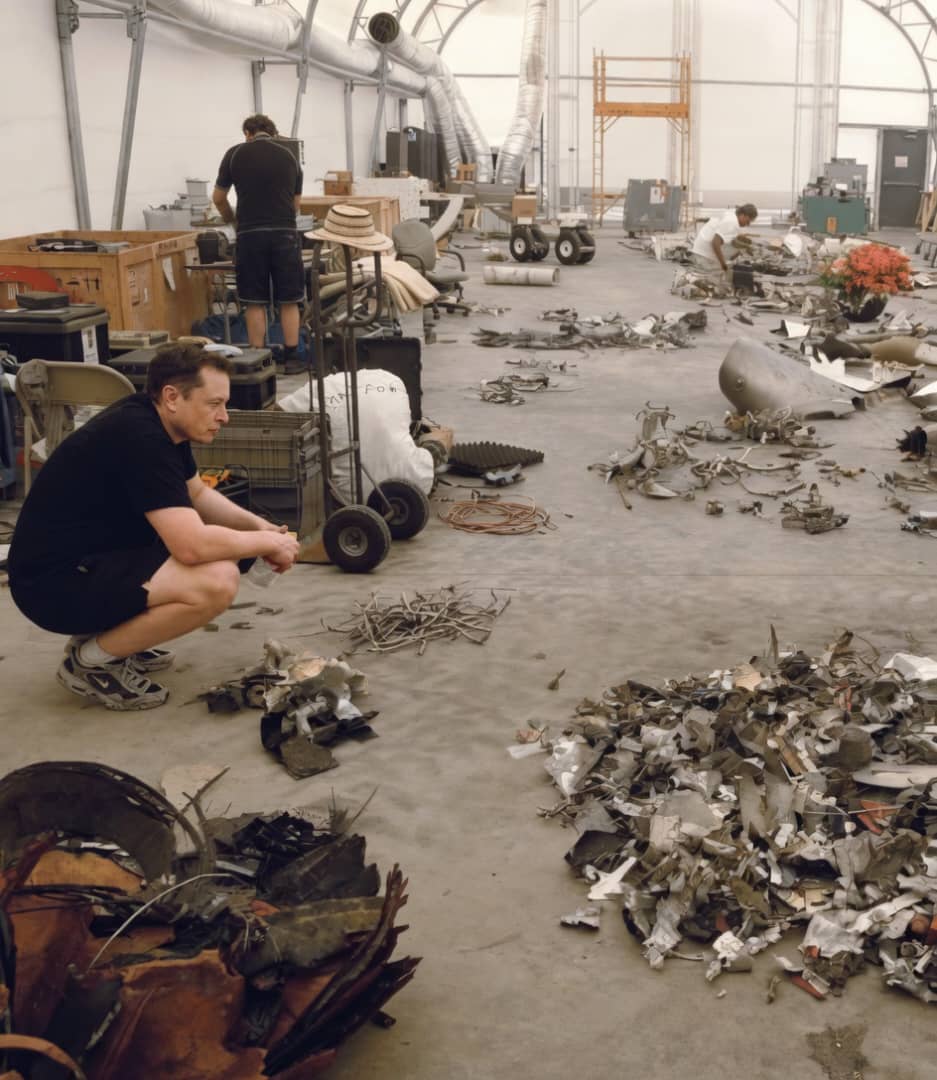
Next time you think of giving up, remember this photo of Elon in 2008.
1,982
15,730
120,411
7,821,045
Audi Alteram Partem. retweeted

Former Eskom CEO André de Ruyter’s warnings about Eskom's financial collapse and the threat of grid defection are slowly becoming a reality in South Africa.
businesstech.co.za/news/ener…
26
51
148
10,780

The state didn't invent money. Carl Menger destroyed that myth in 1871 with his regression theorem, and statists have been seething ever since.
Picture yourself in a primitive barter economy. You're a blacksmith who needs grain, but the farmer doesn't want your horseshoes. He wants pottery. The potter wants leather goods. The leather worker wants meat. You face what economists call the double coincidence of wants problem: finding someone who both has what you want and wants what you have. Barter works for simple trades, but complex economic coordination becomes impossible.
Smart traders notice that certain goods get accepted more readily than others. Cattle, salt, shells, precious metals. These commodities share specific properties: durability, divisibility, portability, recognizability. Over generations, market participants gravitate toward the most marketable goods as media of exchange. No central authority decrees this. No committee meets to decide monetary policy. Individual actors pursuing their own interests spontaneously converge on the same solution.
Money emerges from voluntary exchange, not government decree. Every unit of money traces its value back through an unbroken chain of exchanges to its original commodity value. Gold became money because people valued it first as jewelry, ornamentation, and industrial uses. Its monetary premium built on top of that foundation. When governments later monopolized monetary systems, they parasitically appropriated this organic market institution.
You can observe this process today in Venezuela, Zimbabwe, Lebanon. When state currencies collapse, people don't wait for permission to adopt alternatives. They trade cigarettes, rice, Bitcoin. Markets route around monetary failure because human cooperation demands a medium of exchange.

26
179
565
10,262
Audi Alteram Partem. retweeted

Jun 13
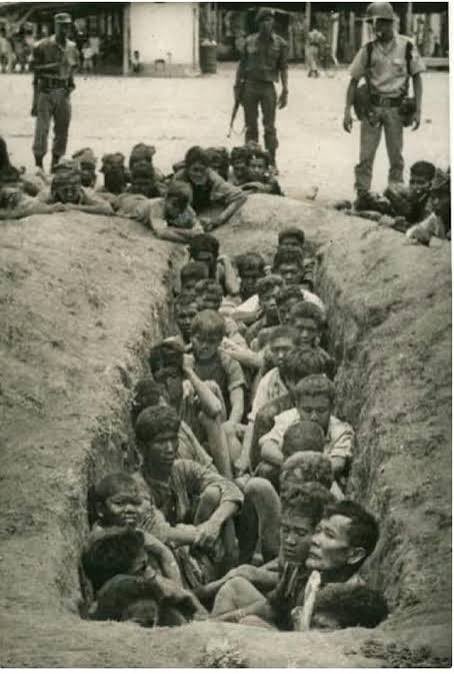
I don’t post against communism because it’s unpopular as an ideology.
I post against communism because history matters.
77
1,421
5,046
49,159
Audi Alteram Partem. retweeted

15h
"Money doesn't have power in & of itself. People get confused sometimes they think an economy is money. Money is a database for exchange of goods & services. The actual economy is goods & services"
一 Elon Musk
260
1,040
5,263
116,110
Audi Alteram Partem. retweeted

Jun 13
The Special Investigating Unit has probed cases where land reform funds were diverted to luxury cars or kickbacks.
This hypocrisy is glaring: the same leaders accusing whites of theft have sat on unused government land (millions of hectares) for 32 years without distributing it.

3
82
150
1,308
Audi Alteram Partem. retweeted

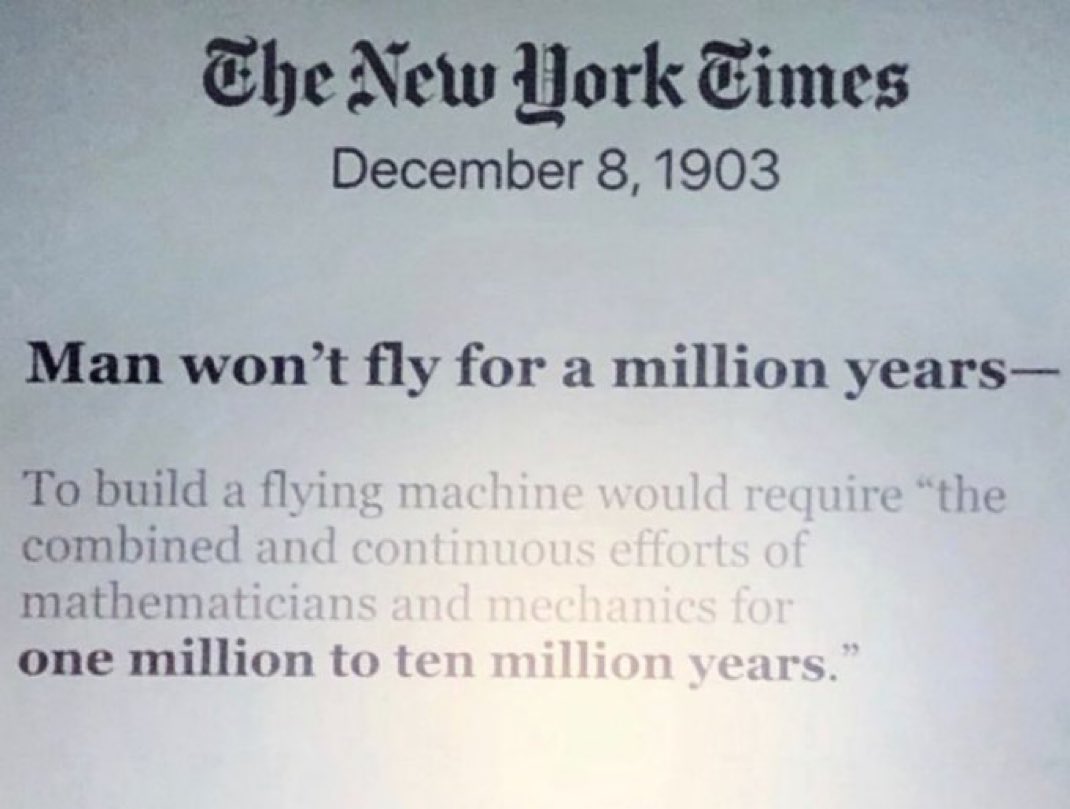
This was published 9 days before Wright brothers’ Kitty Hawk made its first successful flight.
42
156
821
38,043
Audi Alteram Partem. retweeted
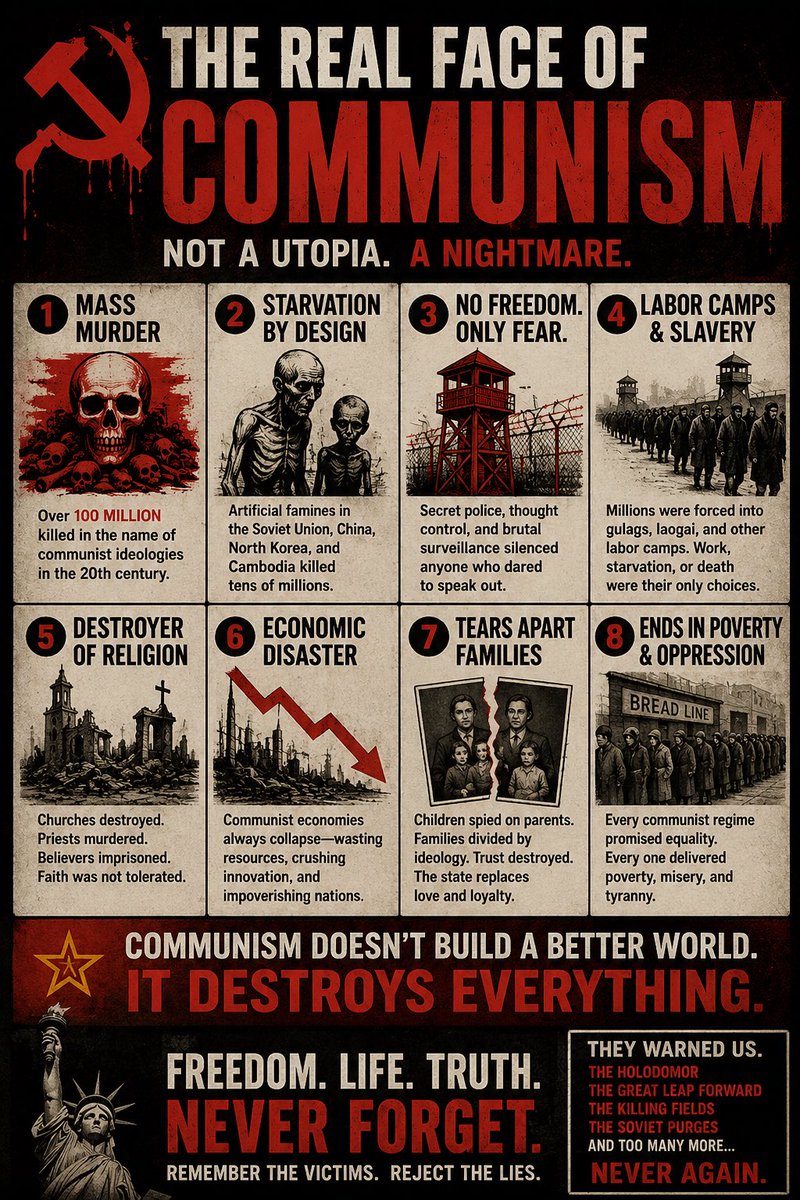
If an ideology repeatedly leads to repression, shortages, and authoritarian rule when implemented, at what point do we judge it by its results instead of its promises?
Communism is not about “equality” but is all about destruction.
14
89
182
2,946
Audi Alteram Partem. retweeted

Jun 13
The anti-AfriForum activists at @News24, who masquerade as journalists, and @Julius_S_Malema are now joining forces in an attempt to discredit @afriforum. Feel free to read my article in @Politicsweb, which explains how AfriForum uses its income, much to the dismay of leftists who are becoming increasingly alarmed by AfriForum’s successes. 😉
politicsweb.co.za/news/afrif…
7
97
312
4,326
Audi Alteram Partem. retweeted
If communism works so well, why do its defenders spend more time explaining why previous attempts failed than celebrating successful examples? 🤔

32
65
259
4,057
Audi Alteram Partem. retweeted

Jun 13
中国の反日テーマパークで、劇に感情移入し過ぎた客が、日本兵コスプレのキャストを攻撃
このつまらない劇をわざわざ観に行く気持ちは分からないが、結果的に面白い見世物になった
638
1,253
13,442
5,218,500
Audi Alteram Partem. retweeted

66-year-old Irene Vermaak, who had lived alone on her property between Devon and Endicott in Gauteng since her husband died nine years earlier, was brutally murdered in her own farm house. Her body was discovered in November 2015 lying in a massive pool of blood by a concerned neighbor.
The details are sickening. Irene's throat was slit in a vicious, up-close execution. She was left to bleed out like an animal in the very home she should have been safe in. The attack occurred between 17:00 and 19:00 that evening. No further specifics on stolen items were widely reported, but the sheer brutality speaks for itself; another defenseless elderly White woman slaughtered in the ongoing genocide.
These attacks on lone White widows and pensioners are no coincidence. They are enabled by the ANC's refusal to stop dehumanizing White South Africans, their ongoing incitement against us by continuously referring to "stolen" land, while enacting racist laws and allowing "Kill the Boer" incitement. The monsters know these elderly White victims are soft targets.
Irene Vermaak was a grieving widow who deserved peace in her later years, not this barbaric end.

19
177
346
3,044
East Germany turned human misery into foreign exchange at $96,000 per head. Socialism requires capitalism to survive.
Between 1963 and 1989, the German Democratic Republic sold 33,755 political prisoners to West Germany for hard currency. The going rate started at 40,000 Deutsche Marks per prisoner in the early years and climbed to 95,847 marks by the end. You can find the invoices in the Stasi archives today. Line items included "one dissident journalist" and "three church activists." The East German state needed every Deutschmark it could get because its command economy couldn't produce goods anyone wanted to buy.
A government so desperate for foreign currency created a production line of human trafficking with bureaucratic precision. The Stasi arrested dissidents, processed the paperwork, and shipped them west like any other export commodity. Church groups and West German officials negotiated bulk discounts. The whole operation generated $3.4 billion over three decades.
A socialist paradise that claimed to represent the workers had to sell its own citizens to the capitalist enemy to keep the lights on. East Germany couldn't manufacture anything that the world market valued except the bodies of people trying to escape socialism. Every transaction proved that their entire economic system was a fraud that survived only by parasitically extracting value from the very capitalism it claimed to oppose.
The Berlin Wall fell in 1989, but you still hear academics praise central planning and command economies today. They never mention that East Germany's most successful export program involved selling human beings by the pound to fund their workers' paradise.

29
218
600
12,964

Starship is a very big rocket
Jun 12

SpaceX is a company whose mission is *axiomatically* the love of humanity
To extend the light of consciousness
The power of this kind of love is hard to quantify but clearly makes the impossible far more probable.

7,785
19,095
177,967
20,948,704
Audi Alteram Partem. retweeted
Jun 13
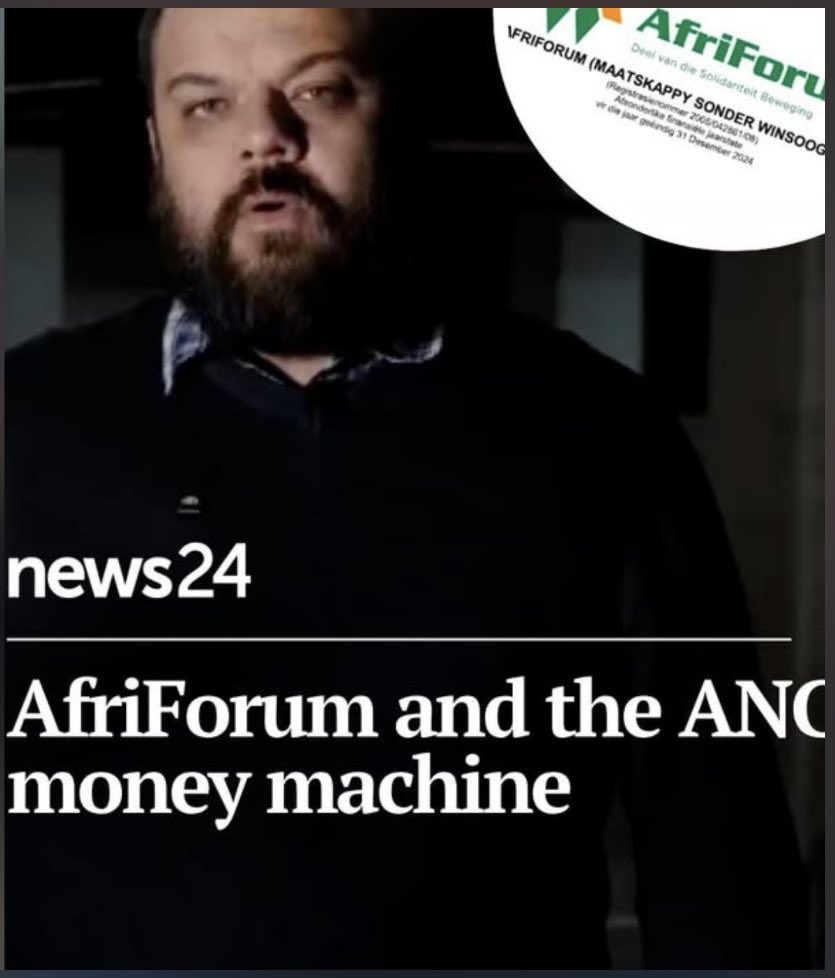
News24 Group donated R8 million to the ANC! News24 will not tell you this in the hit piece they are planning against @afriforum.
I place on record that @News24 refused to answer AfriForum’s questions regarding its parent company’s donations of R8 million to the ANC between 2021 and 2025. These questions were aimed at determining whether News24 considers it justifiable for its parent company to fund the ANC while numerous individuals in the ANC leadership have been implicated in corruption.
This question was relevant to AfriForum’s ability to respond effectively to News24’s enquiries, as reference is made to donations by one of the parent company’s fellow donors to the ANC, namely Thebe Stockbroking.
77
401
1,030
62,973
Audi Alteram Partem. retweeted

Jun 13
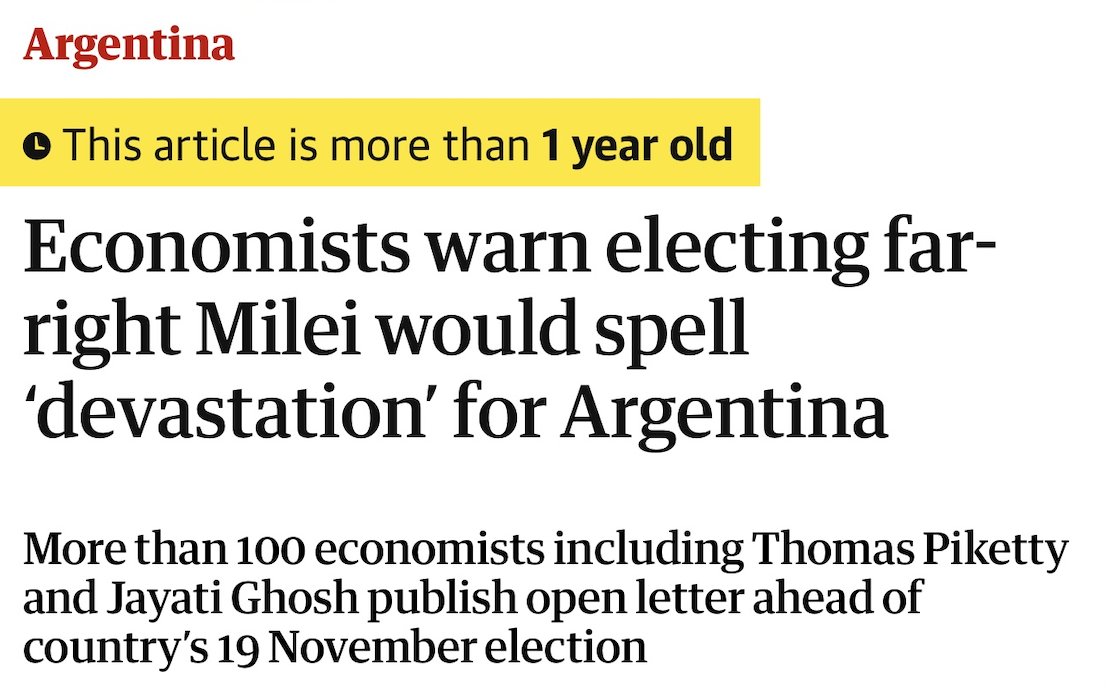
“Nothing is more securely lodged than the ignorance of the experts.”
— Friedrich Hayek
24
352
2,121
40,248

Audi Alteram Partem. retweeted

Jun 13
Oh FFS 🤦🏼
Jun 13

From this moment, South Africa were destined for failure at this World Cup
121
97
706
47,822
Audi Alteram Partem. retweeted

Jun 13
Thanks to socialism, the average Zimbabwean became a trillionaire before @elonmusk 💪

376
3,436
21,006
348,284