
Multilingual || 9-5job || Lekki colonial master
Joined December 2024
- Tweets 60
- Following 1,145
- Followers 1,200
- Likes 2,069
2 Photos and videos
Pinned Tweet

Jun 12
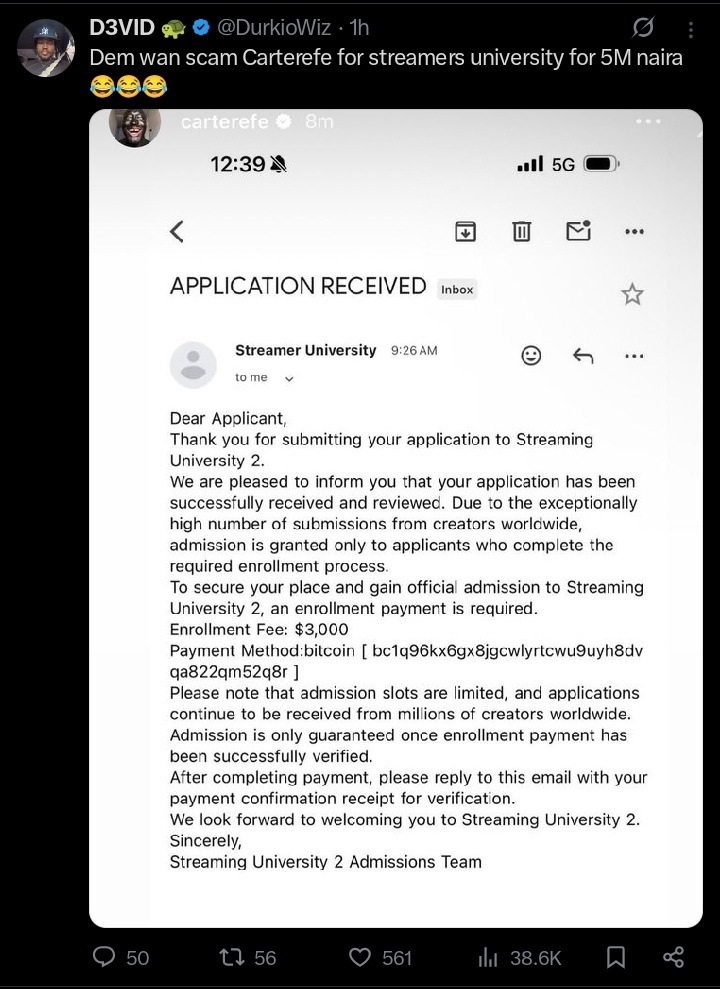
Don't tell me one fool bookmark this 😂. He dey expect this situation to happen to am?
14
58
23,868
The amount of time Nigerians try to pullout fraudulent activities is very questionable. Fraud is not a way out. Scamming people without a slight of conscience is alarming.
2
51
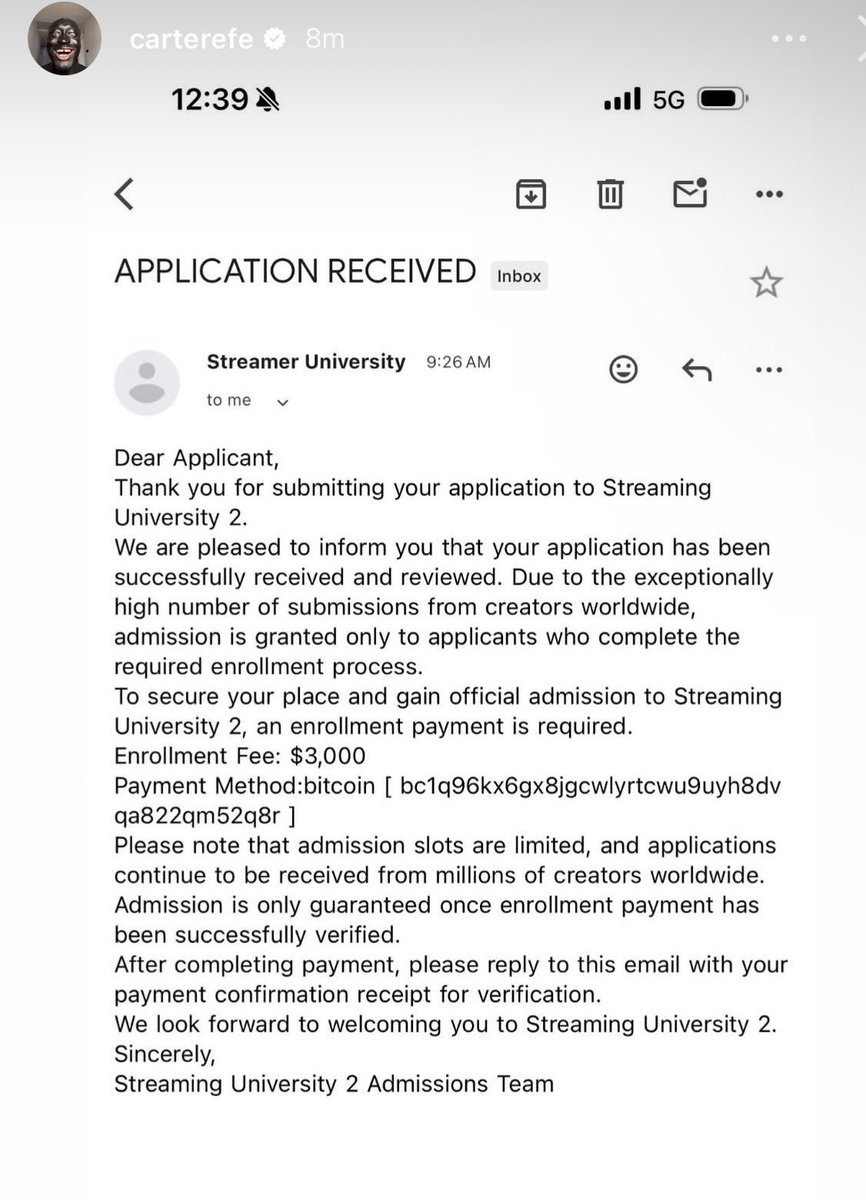
The time the person behind this use to create things like this and have time to check it against mistake. If this people really use the time for good things it would have been better than wasting time pulling of fraudulent activities. Never support fraud 🎭🔗. #Stayreal

2
122
21 Dec 2025
Windows forensics helps investigators quickly collect digital evidence from logs, registry, files, and memory. Using built-in tools and forensic software, analysts can efficiently extract specific information like user activity, file changes, and system events.@RedHatPentester
21 Dec 2025

Linux forensics is unforgiving because the operating system is designed for control and flexibility, not for helping investigators after an incident. Root access on a compromised Linux system does not guarantee full visibility, since kernel and user-space rootkits can manipulate what common commands display and mislead live response efforts. Memory is often more valuable than disk evidence in Linux investigations because many modern attacks are fileless, with credentials, encryption keys, and malicious processes existing only in RAM.
Linux timestamps frequently confuse investigators, as ctime does not represent file creation time and routine administrative actions can silently modify metadata, leading to incorrect timelines if assumptions are made. Attackers favor Linux environments partly because administrators often trust them too much, leaving weak configurations, exposed SSH access, and abused cron or systemd mechanisms unnoticed. Shell history cannot be relied upon as evidence because it is user-controlled, easily disabled, or deliberately erased by experienced attackers.
Persistence on Linux is highly decentralized, with attackers hiding mechanisms across cron jobs, systemd services, startup scripts, SSH keys, shared libraries, or kernel modules, making there no single location that reveals everything. Containerized and virtualized Linux environments further complicate forensic analysis, as containers may vanish along with their evidence while logs and timelines reside on the host system.
1
4
57
2,465
3 Oct 2025
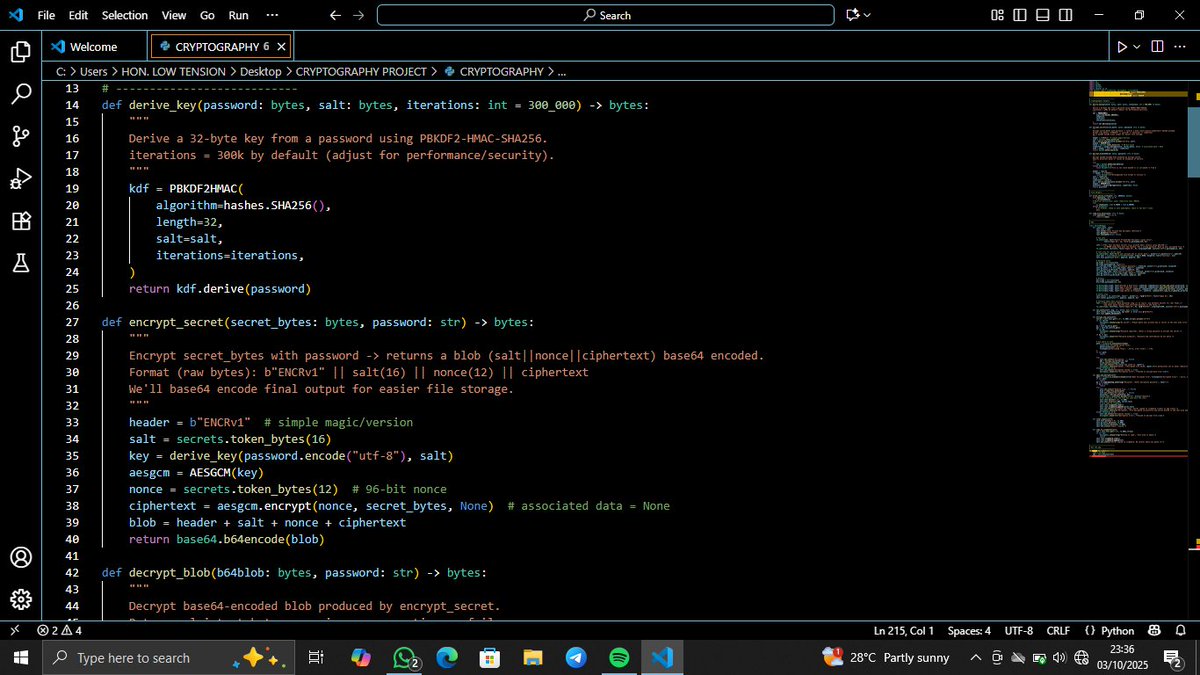
🦾 "Wallet Encryptorx6" The purpose of this project is to help to secure Crypto wallet in order to ensure privacy and to protect from hackers even though they have your seed phrase or private key. The code is basically for securing SOLANA and ETHERUM wallet. @TrustWallet

2
4
62
2,666