The Living Journal of Computational Molecular Science (LiveCoMS) provides a peer-reviewed home for living articles in this subject area.
Joined July 2018
- Tweets 197
- Following 7
- Followers 2,416
- Likes 222
26 Photos and videos
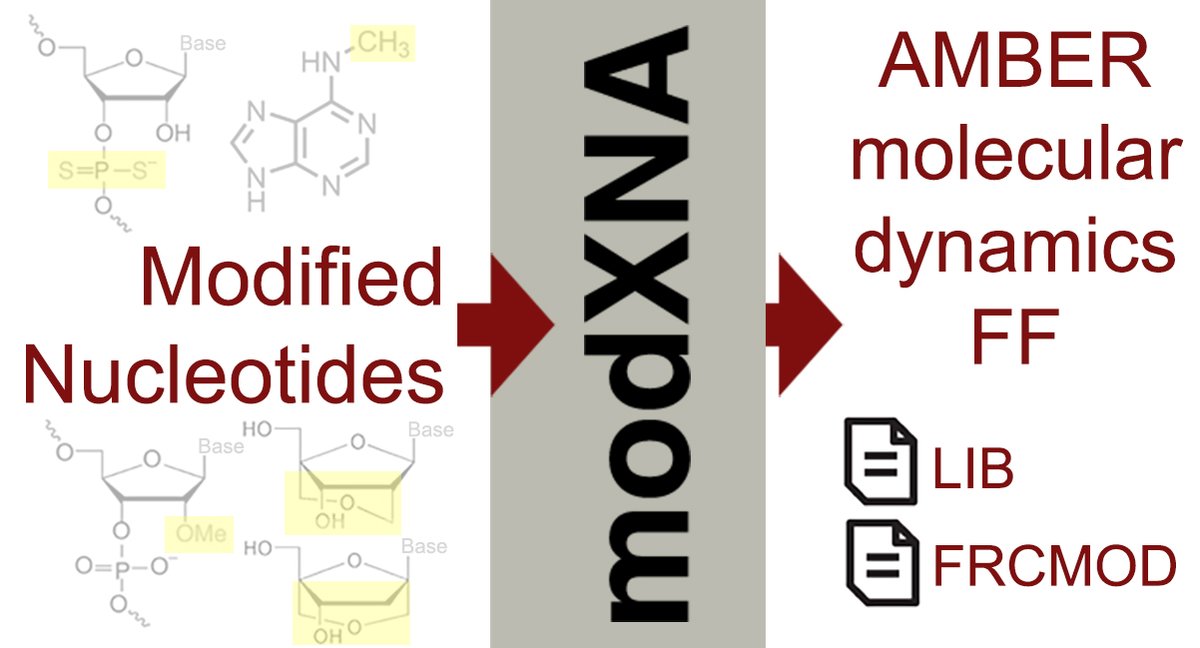
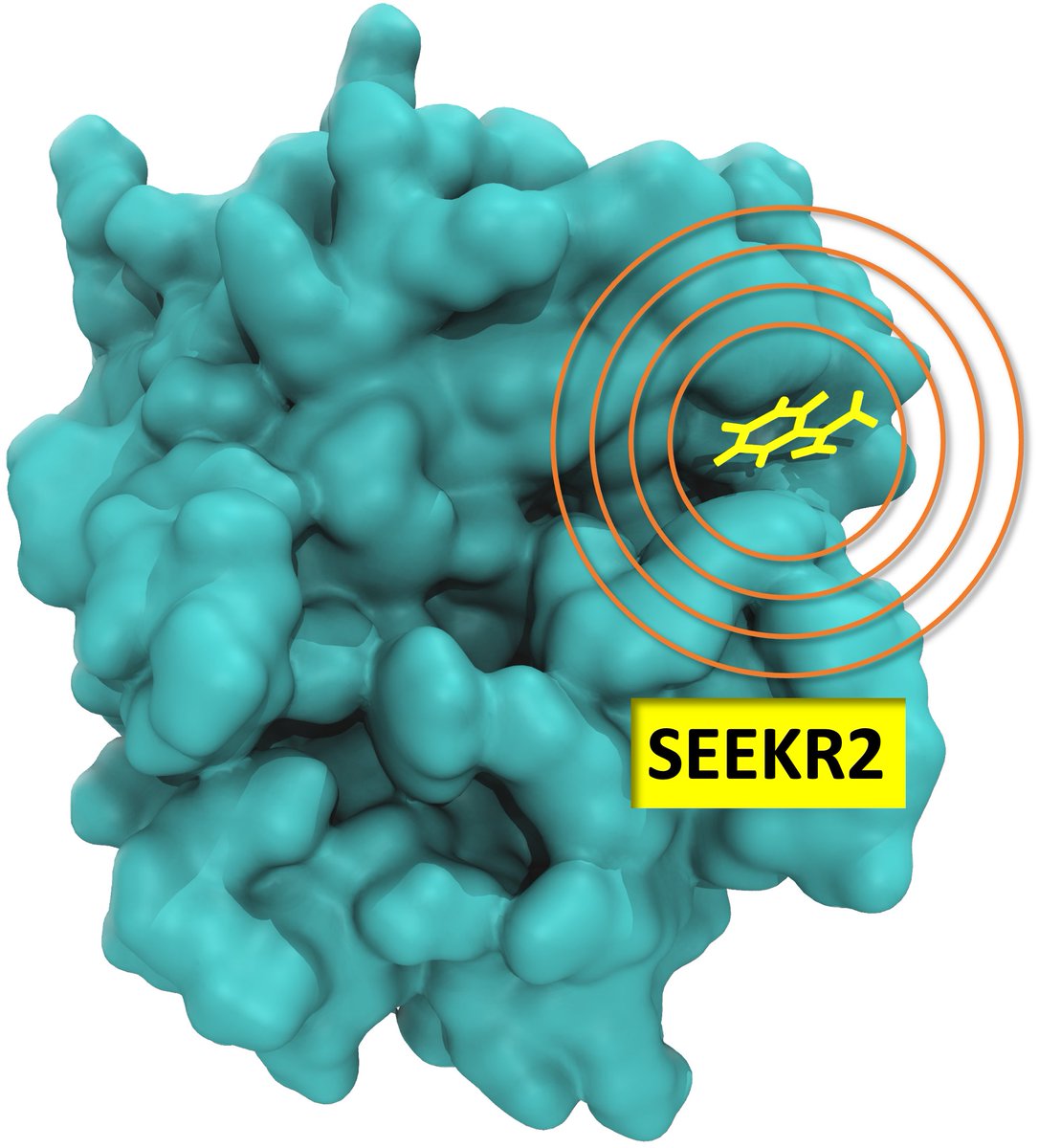
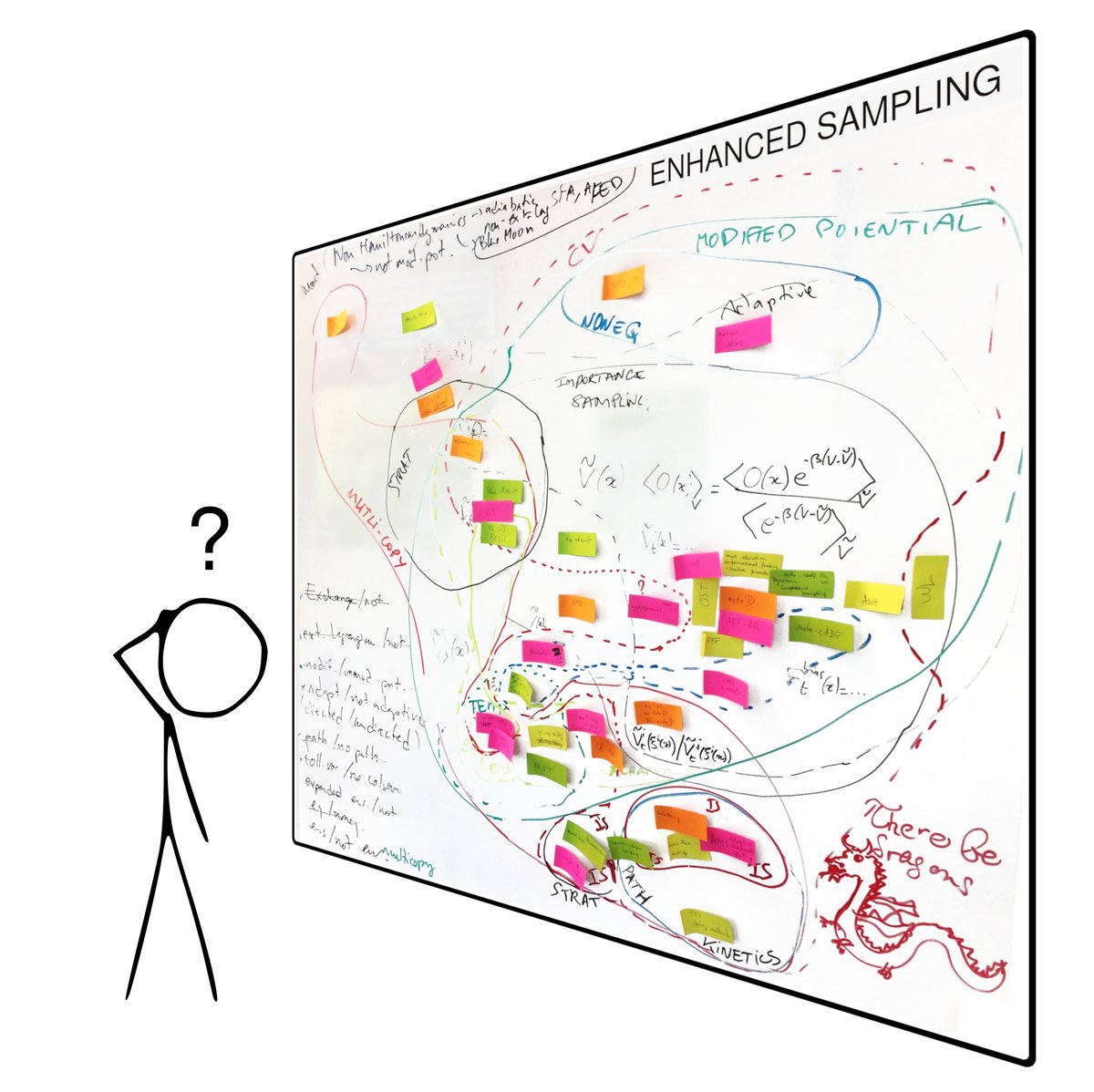
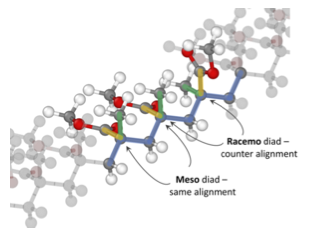
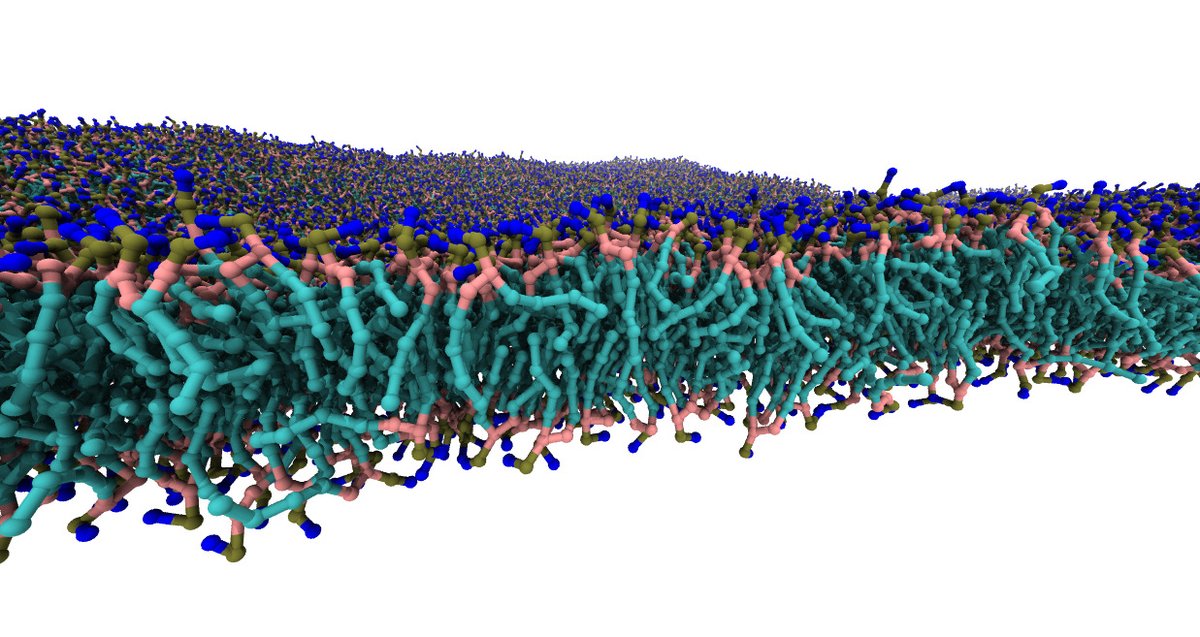
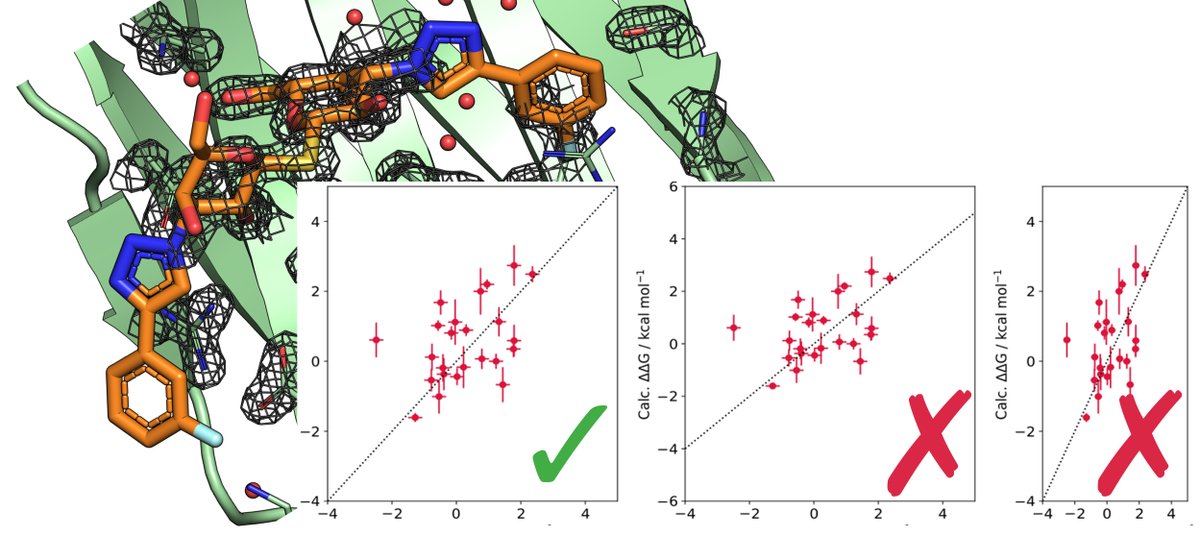

We have a new paper out, on parameterizing modified nucleic acids for simulation in AMBER! livecomsjournal.org/index.ph… #compchem
5
21
730
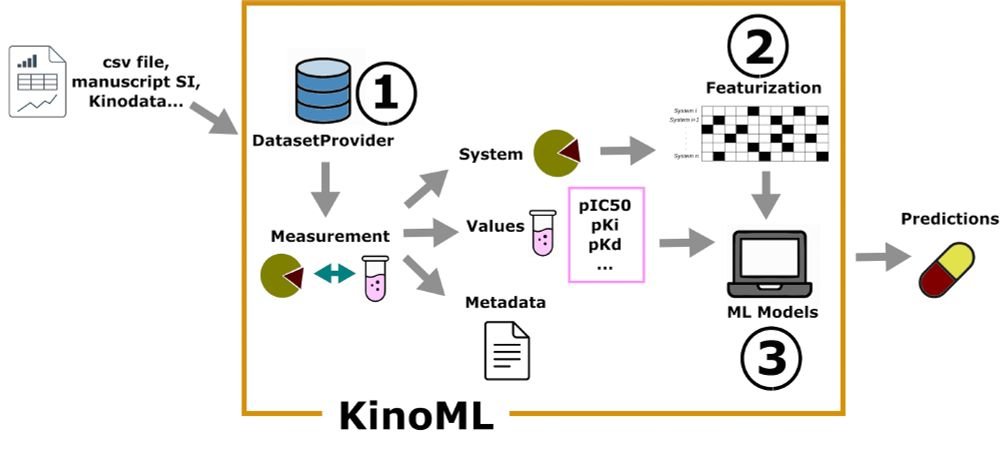
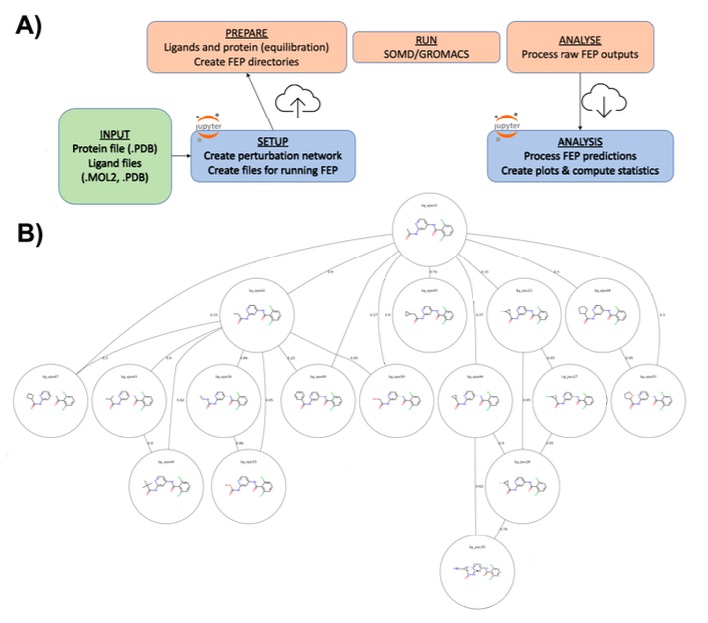
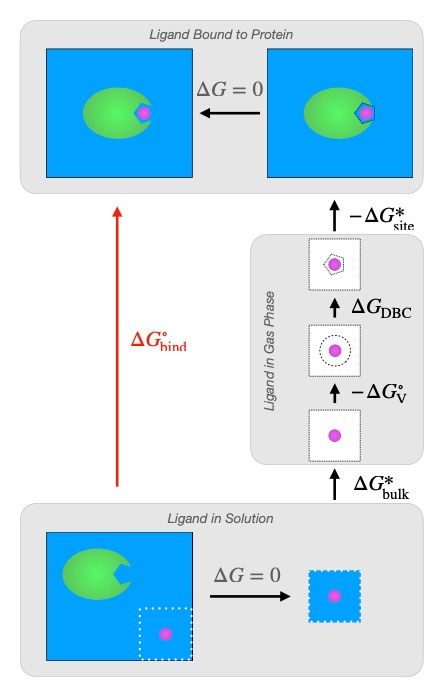
The latest article in our Lessons Learned category is out now! "The Journey of Data: Lessons Learned in Modeling Kinase Affinity, Selectivity, and Resistance" helps guide the development of platforms for structure-enabled ML for drug discovery: livecomsjournal.org/index.ph…
2
5
344
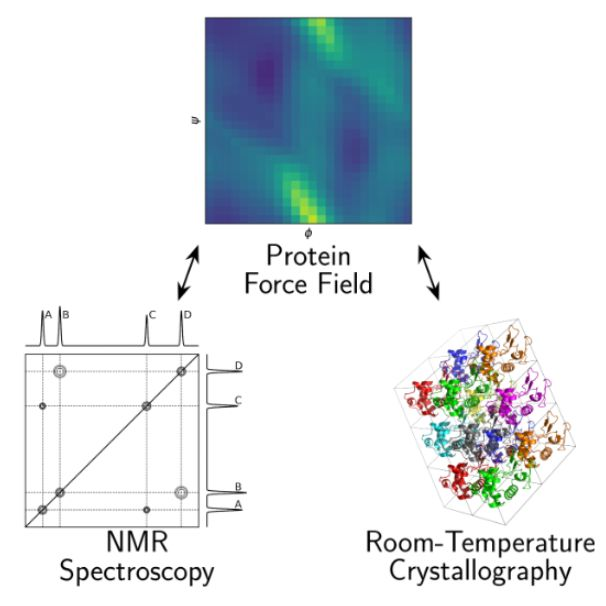
Check out our new protein review, "an overview of structurally oriented experimental datasets that can be used to benchmark protein force fields, focusing on data generated by NMR spectroscopy and room temperature protein crystallography." livecomsjournal.org/index.ph… #compchem
4
6
706
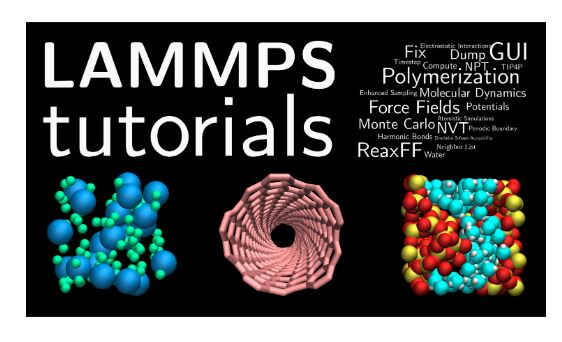
After publishing two papers -- one on Best Practices for Monte Carlo and one on Molecular Dynamics, natural next step.... tutorials for one of the most widely used MD software -- LAMMPS. Check out our latest paper: livecomsjournal.org/index.ph…
#compchem
5
17
651
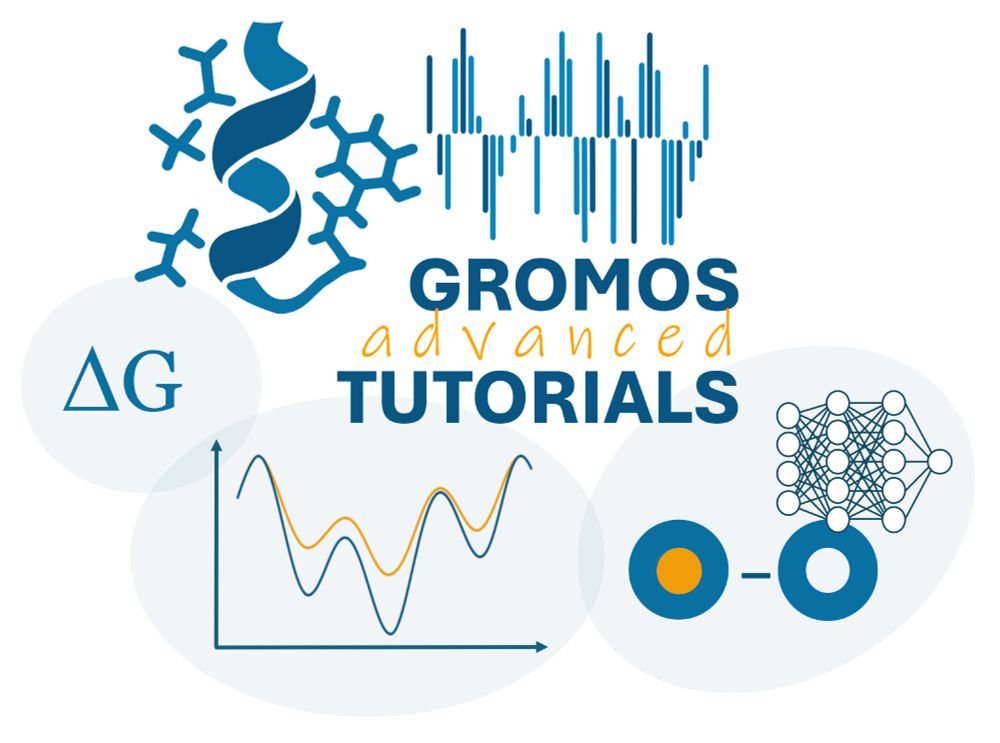
Interested in biomolecular simulation? The latest article by Lier et al describes advanced tutorials for the GROMOS software, including free energy calculations, enhanced sampling and neural network potentials with SchNetPack! #compchem
livecomsjournal.org/index.ph…
10
30
957
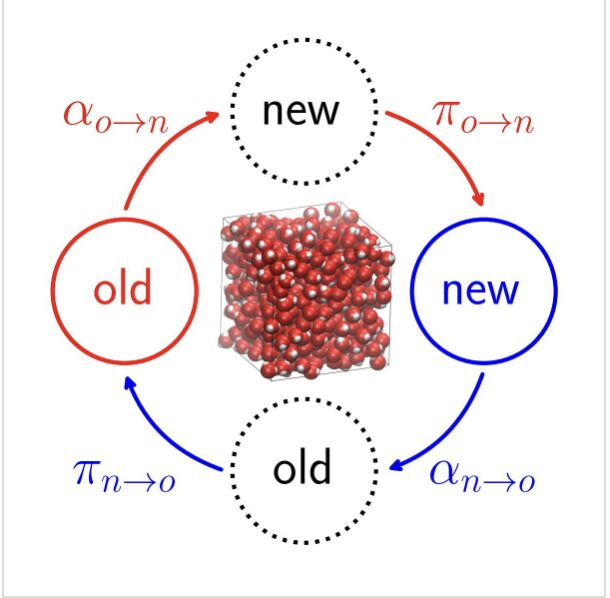
We're excited to announce a new LiveCoMS paper on Monte Carlo: "Best Practices for Developing Monte Carlo Methodologies in Molecular Simulations" by Harold "Wick" Hatch, David Corti, David Kofke, and Vincent Chen. livecomsjournal.org/index.ph… #compchem
2
2
305
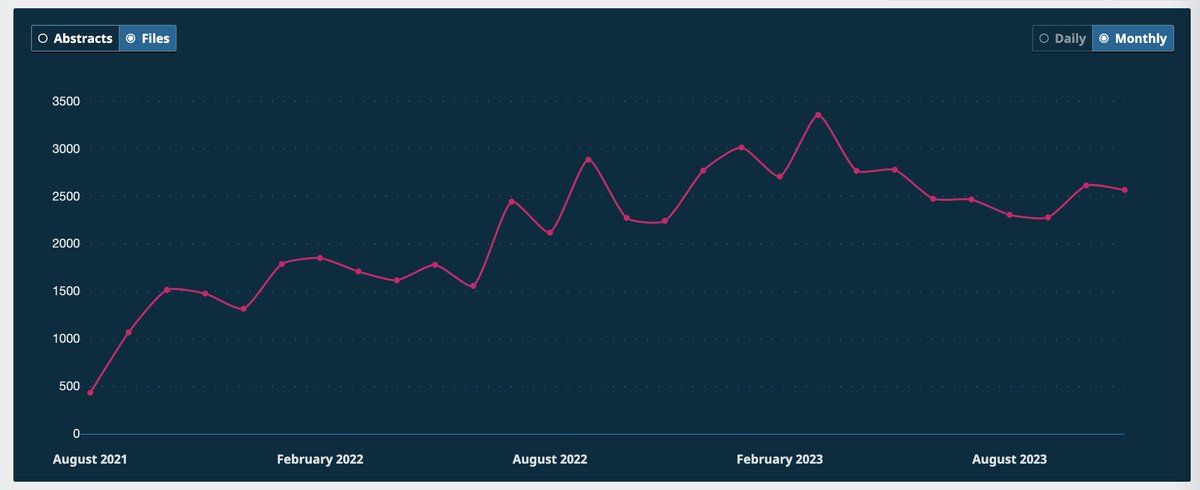
Do LiveCoMS articles make a mark? Check out our new blog post on our download & viewing statistics. We’re excited to see LiveCoMS is having an impact and large numbers of people find our work valuable! livecomsjournal.org/index.ph… #compchem
3
241
Recently, Nature had an article on the importance of publishing negative results and incentives for doing so. nature.com/articles/d41586-0… We wanted to point out that we have a "Lessons learned" category of articles for precisely this reason! livecomsjournal.org/index.ph… #compchem
1
2
11
694
Apologies, though, Nature's article is behind a paywall.
1
229
A recent news article in Nature described increasing numbers of editors mass resigning from for-profit journals, a symptom of misalignment of incentives between publishers’ demand for growth and profits, and the academics’ priority of quality, depth: nature.com/articles/d41586-0… 1/n
7
7
20
2,972
In that light, we thought we’d feature some testimonials from our own editorial board about why their incentives are well aligned for LiveCoMS, and why they like being editors! 2/n
2
1
4
662
Got testimonials about why YOU like LiveCoMS, why it matters to you, or how it's helped you? Please reach out, we'd love to feature your quotes or work!
1
266
Sapna Sarupria, University of Minnesota: I support LiveCoMS because it is a mission envisioned and driven by fellow scientists to truly make science accessible to all and to embody the true nature of science – constant learning through continuous engagement and discussion!!
1
2
512
Or choose a platinum open access option (LiveCoMS, SciPost Chem, or similar options) that incorporates both preprint aspects and formal publication. The best of both worlds.
7
699
Danny Cole, University of Newcastle: I support LiveCoMS because its unique best practices and perpetual reviews are ideally suited to newcomers to the field of molecular modelling, while remaining 100% free for both authors and readers! 8/n
1
5
487
Bjoern: ... with and continuous updates of papers, with true open access at no charge, and is driven by scientists for scientists at all career stages. 7/n
1
2
334
Bjoern Baumeier, Eindhoven University of Technology: LiveCoMS stands out to me because it offers a unique platform for perpetual engagement ... 5,6/n
1
2
378
Chris Ooostenbrink, BOKU, Vienna: I enjoy LiveCoMS because it collects the kind of documents that help early-stage researchers finding their way into our wonderful research. And under that cover, I finally learn how to do things myself. 5/n
1
3
354
Sapna: ...It allows the readers and learners to be engaged with the papers, and eventually help the paper get multiple rebirths! This is what the scientific inquiry process should entail!! 4/n
1
3
533
Sapna Sarupria, University of Minnnesota: I was drawn to contribute to LiveCoMS because it is truly open access to both authors and the readers... 3,4/n
1
2
418