- Tweets 69,825
- Following 202
- Followers 44,994
- Likes 1,186
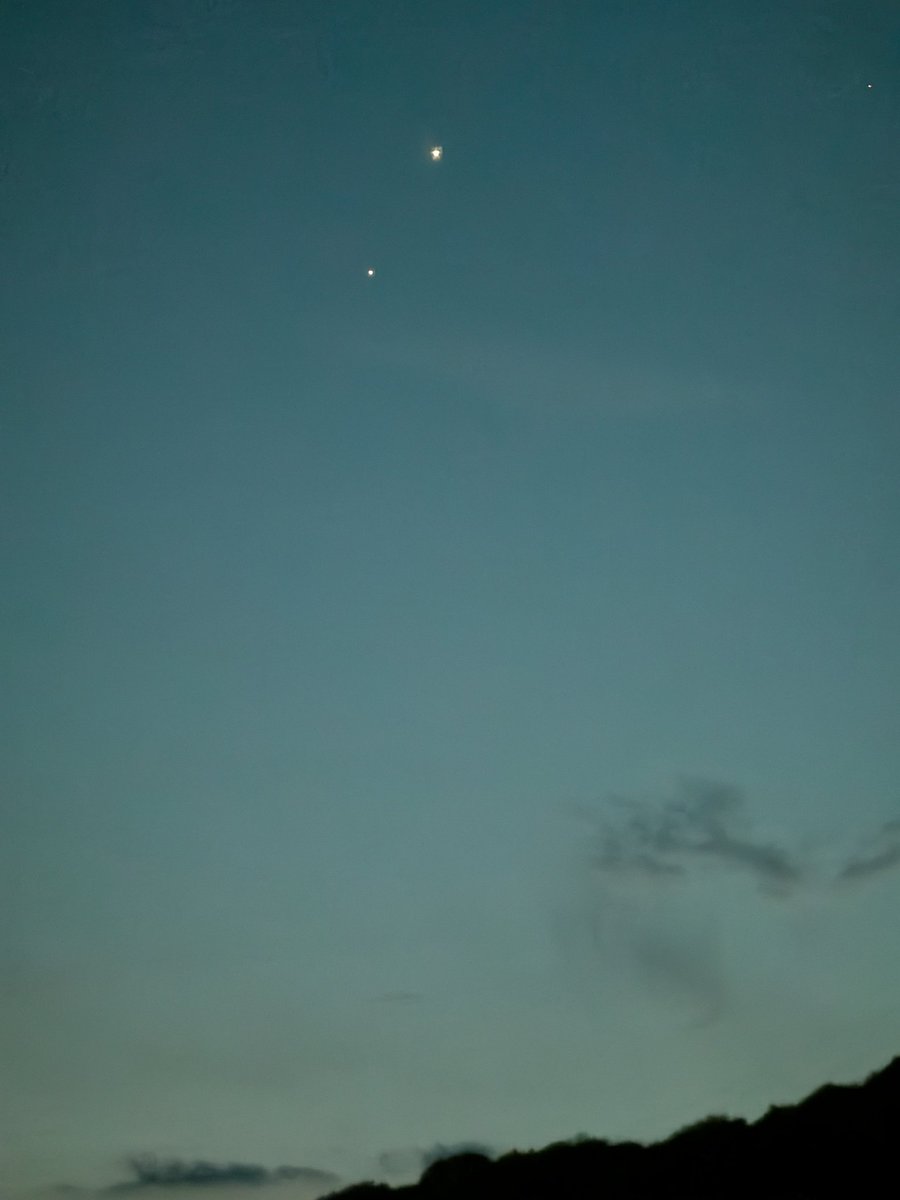
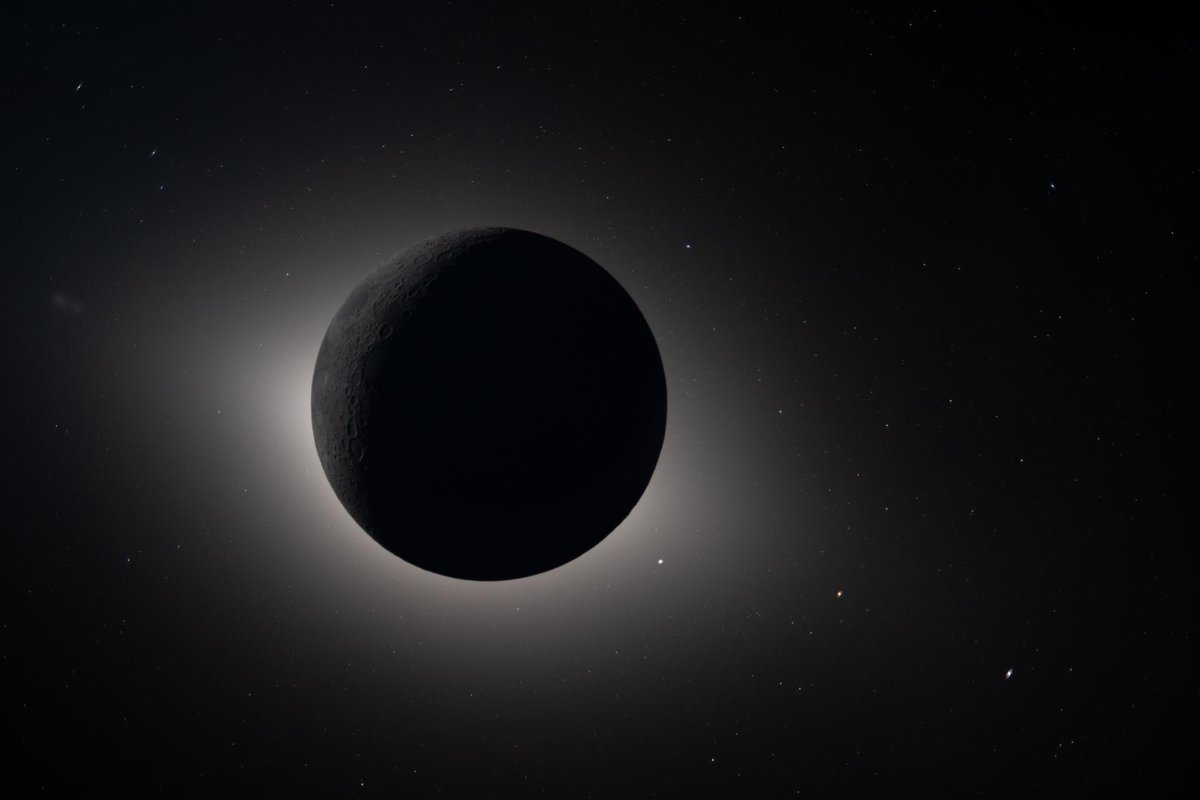
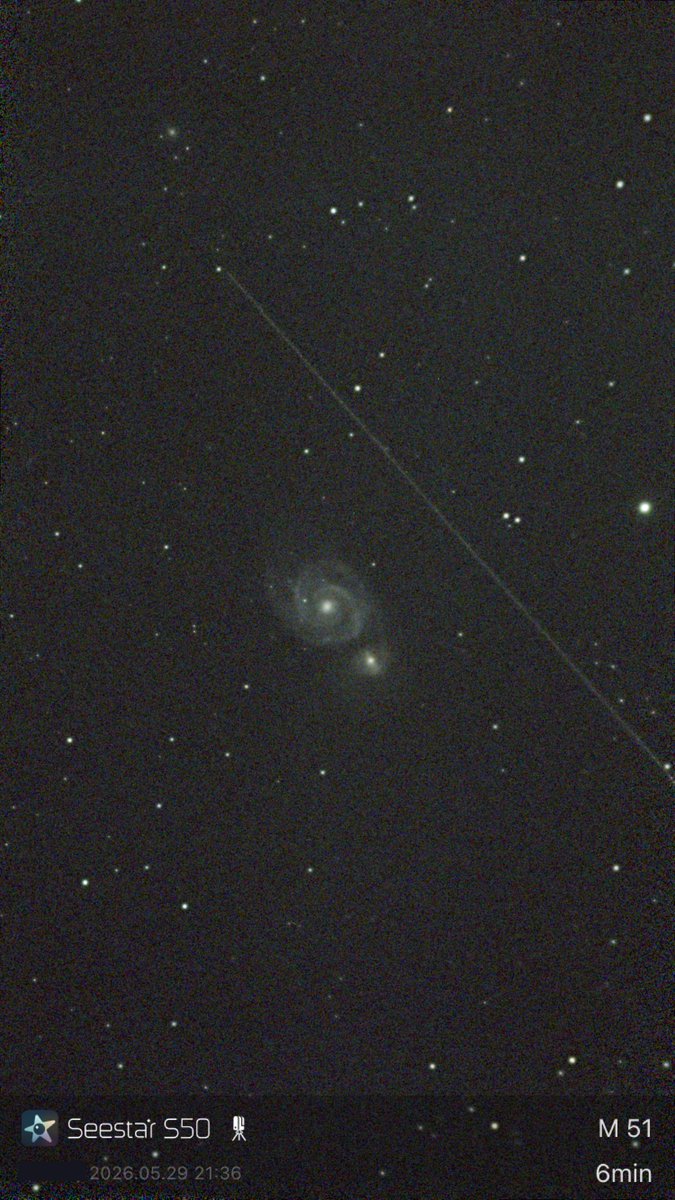
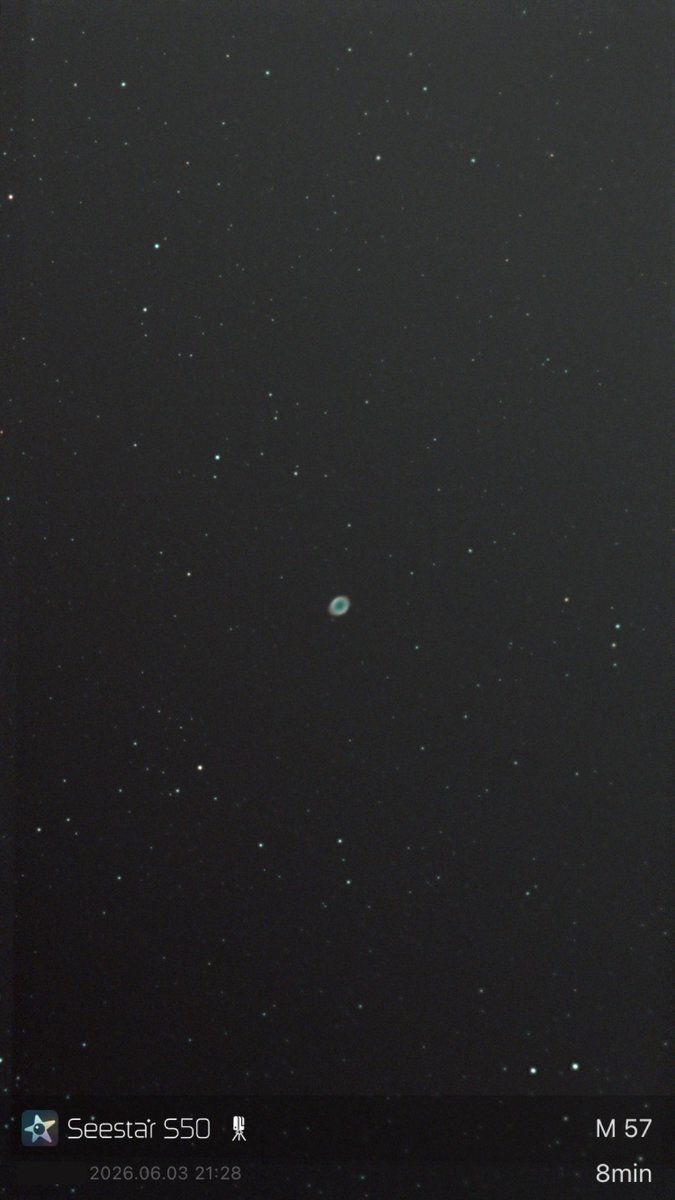





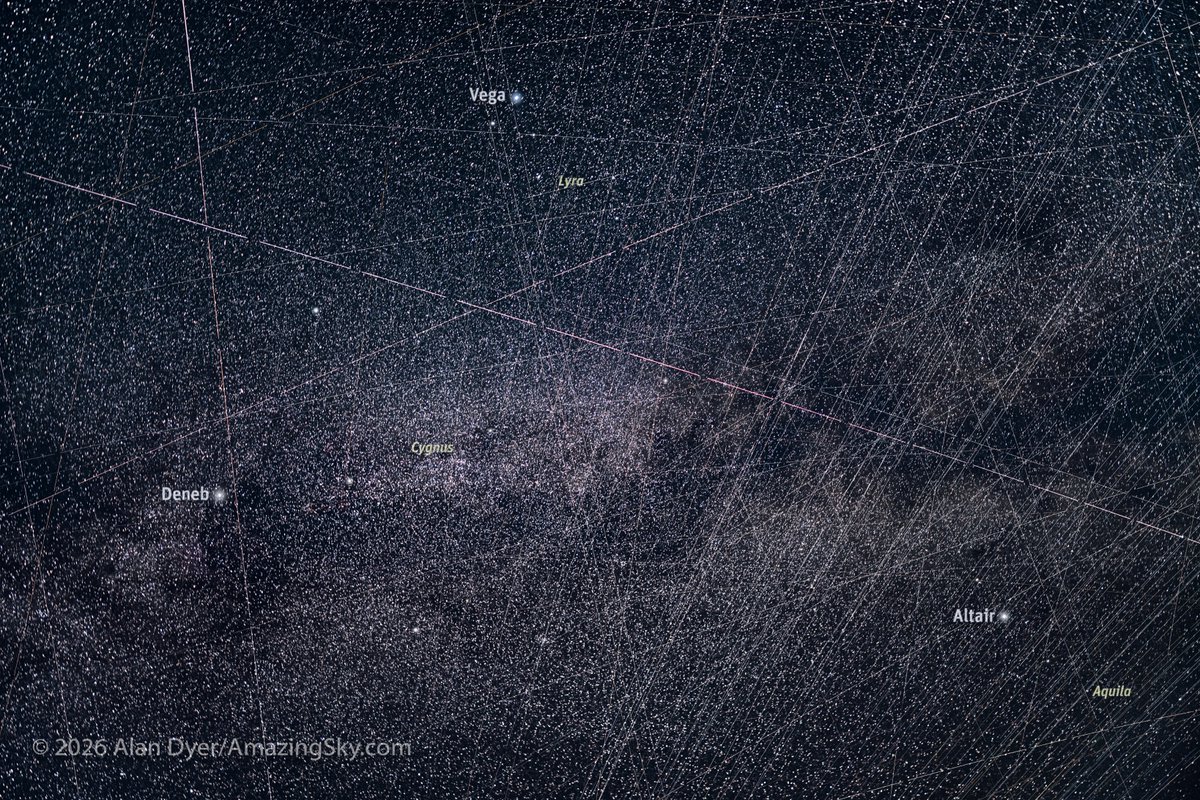
ALT And yes, most of the satellite trails are from SpaceX Starlink satellites as most of the satellites now in orbit are Starlinks. And most seen here are following similar parallel paths as Starlinks sets do. For this I stacked just 300 frames out of 1200 I shot this night over 2h30m. Stacking more frames only produced a dense, chaotic mess, with so many satellite trails the stars were hidden behind a wall of bright streaks. Technical: This is a stack of 300 frames, stacked using the program StarStax using the Lighten blend mode, to add the satellite trails rather than average them out. Each exposure was 6 seconds at f/1.2 with the Viltrox 35mm LAB lens on the Nikon Z8 at ISO 1600. There was an interval of 1 second between exposures, thus the gaps in all the trails. The camera was on a tracker following the turning sky, so the stars stay fixed on the frame with minimal trailing, and the satellites streak against the point-like stars.


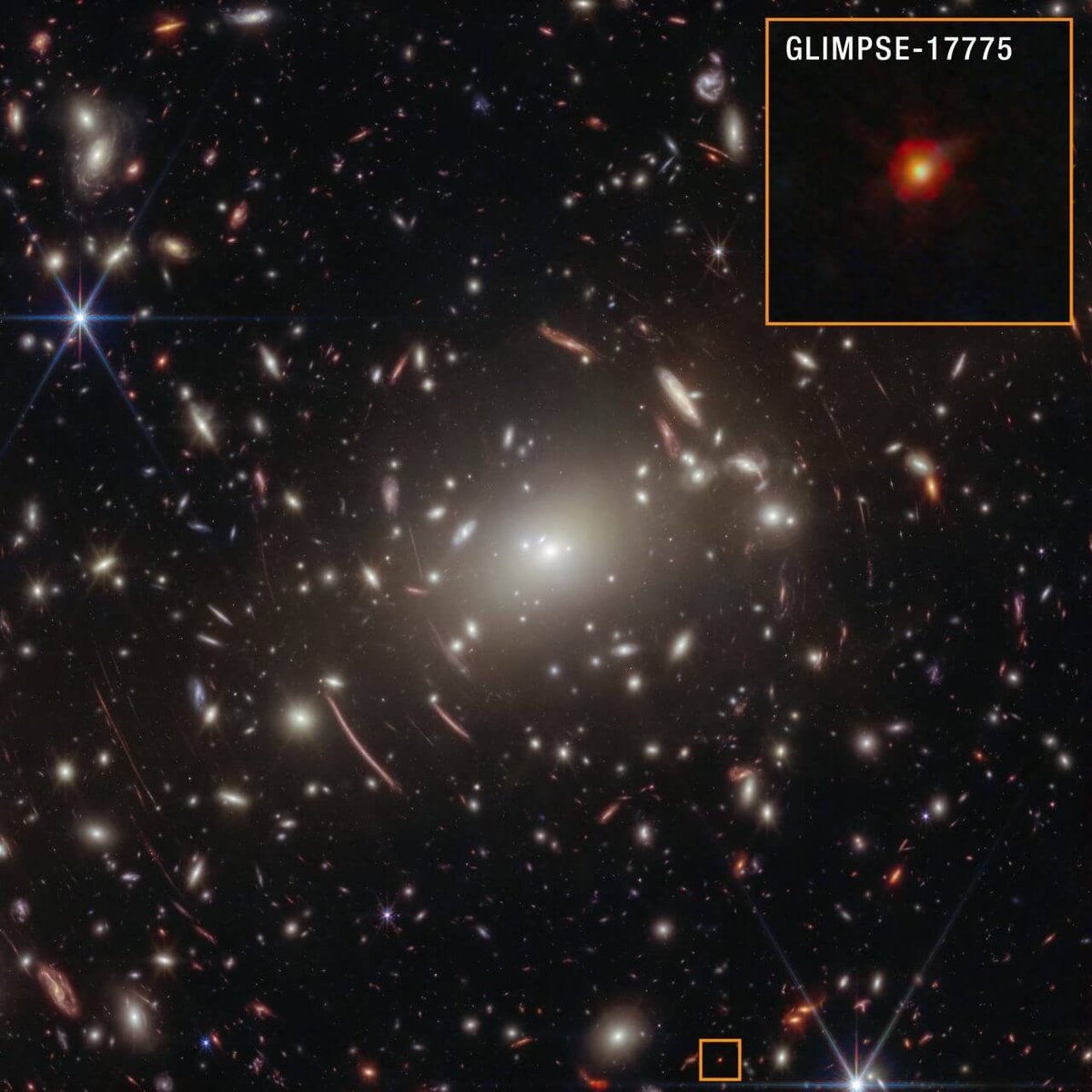
ALT ジェームズ・ウェッブ宇宙望遠鏡のNIRCam(近赤外線カメラ)で観測した銀河団「Abell S1063」(背景)と、片隅に写り込んだLRD「GLIMPSE-17775」およびその拡大像(右上)(Credit: NASA, ESA, CSA, V. Kokorev (University of Texas at Austin), A. Pagan (STScI))






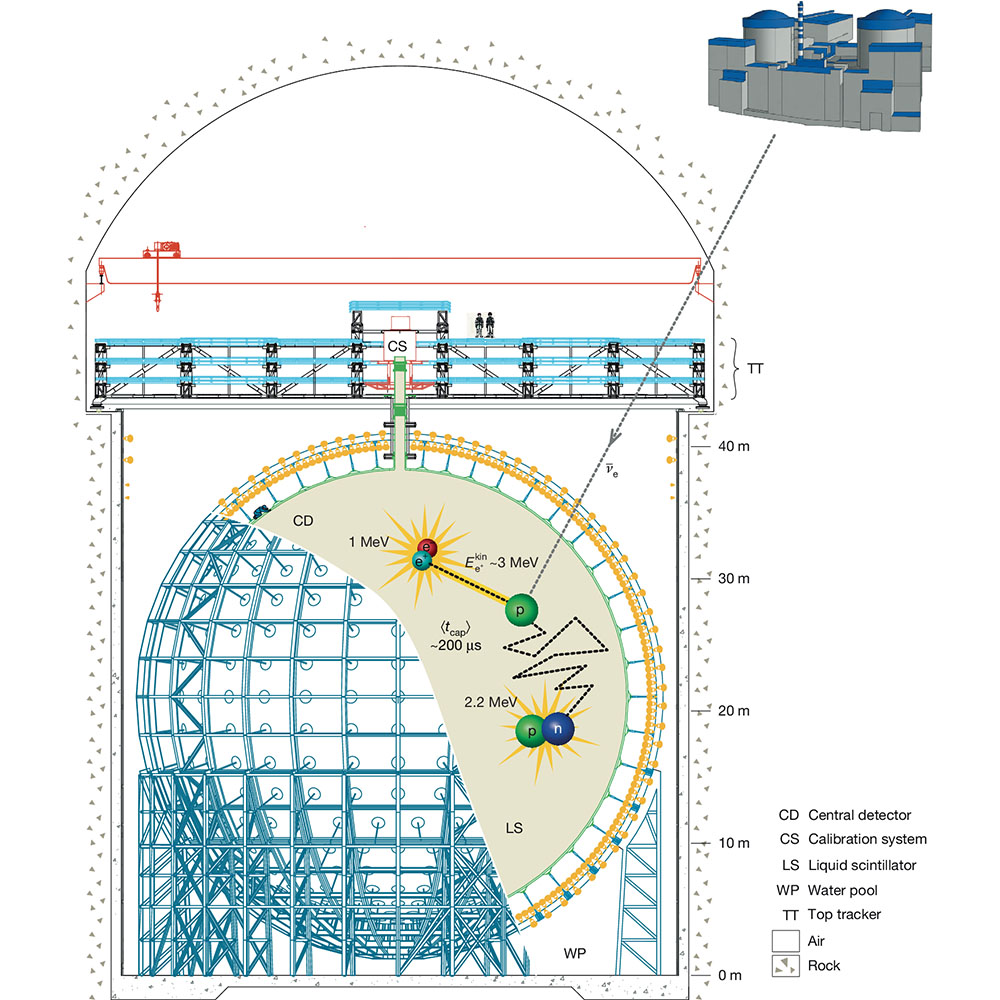
ALT This is figure 1, which shows the JUNO experimental layout.