
A creative father designing emotionally intelligent systems and equipping people with tools for sustainable connections. | Trust builder.
Joined May 2010
- Tweets 13,819
- Following 2,457
- Followers 3,077
- Likes 41,497
1,418 Photos and videos



Pinned Tweet

2
44
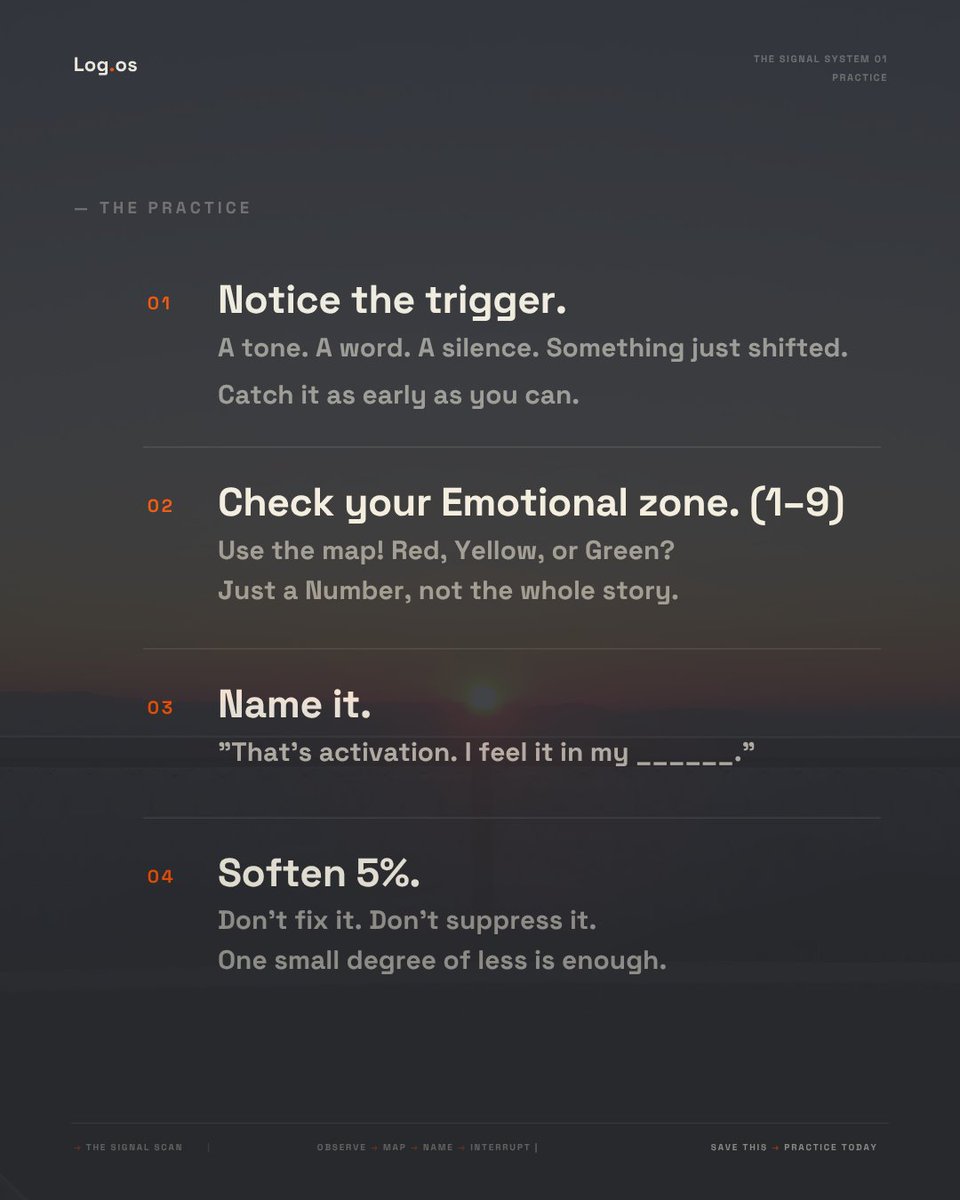
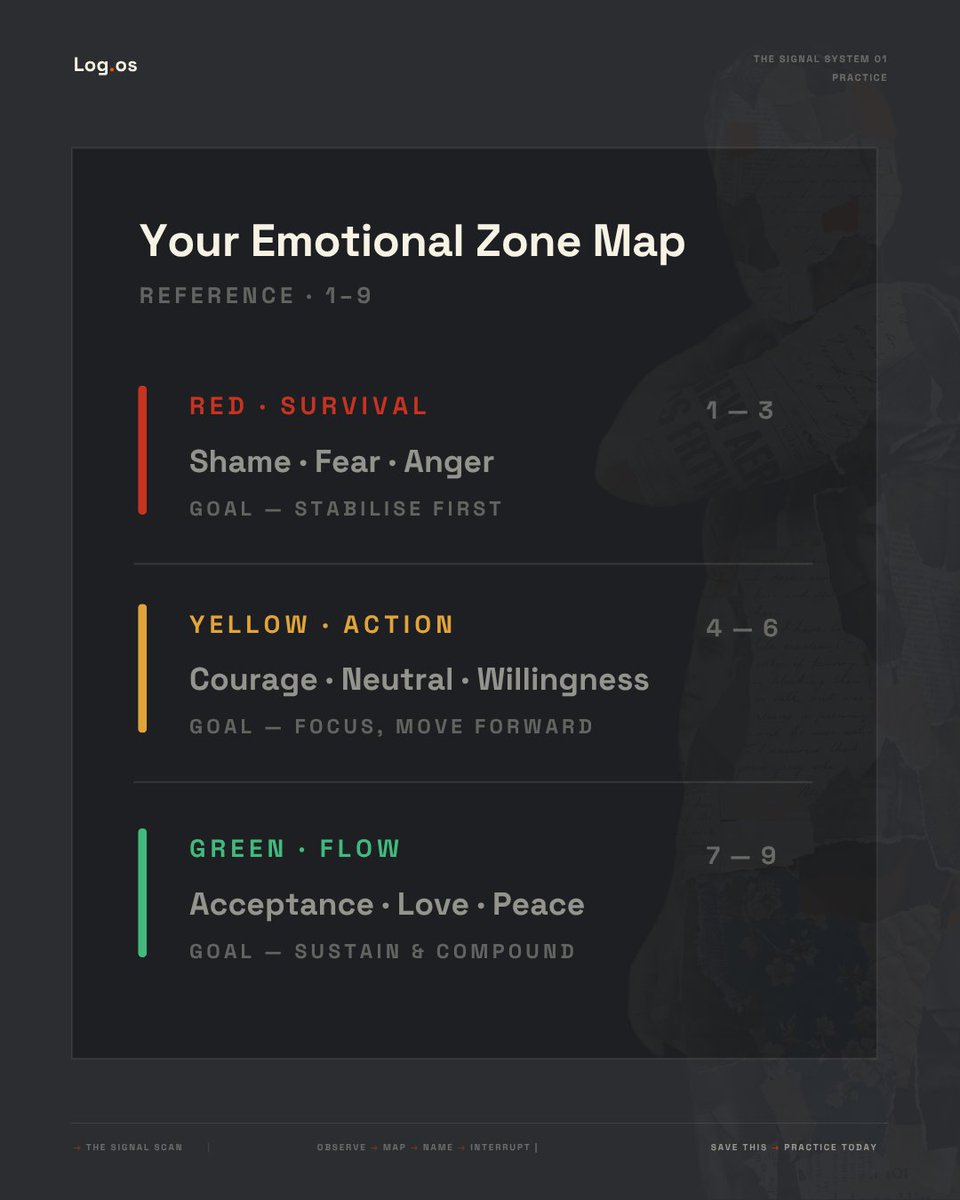
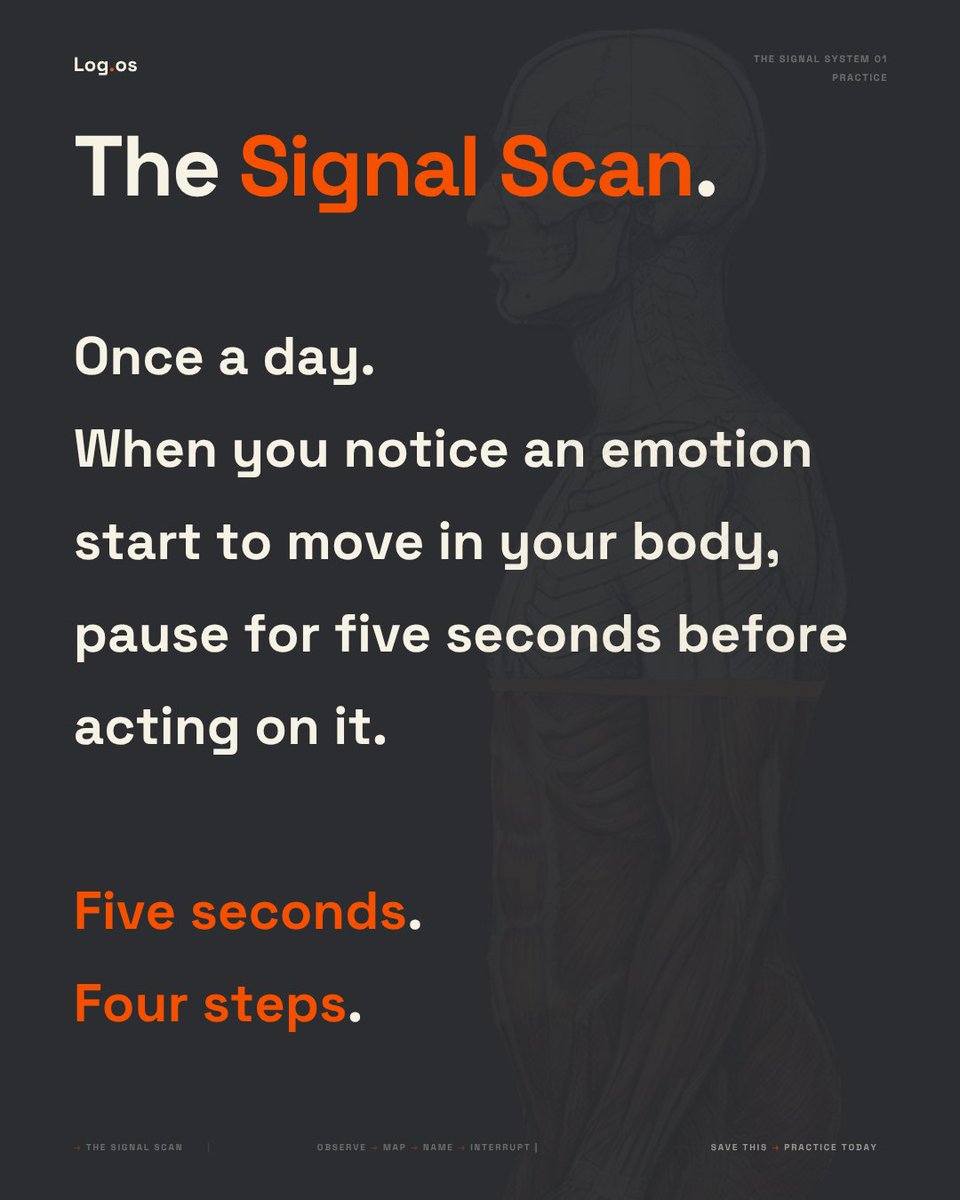
Most people try to fix the emotion. That's the wrong move. Five seconds. Four steps.
1
1
30
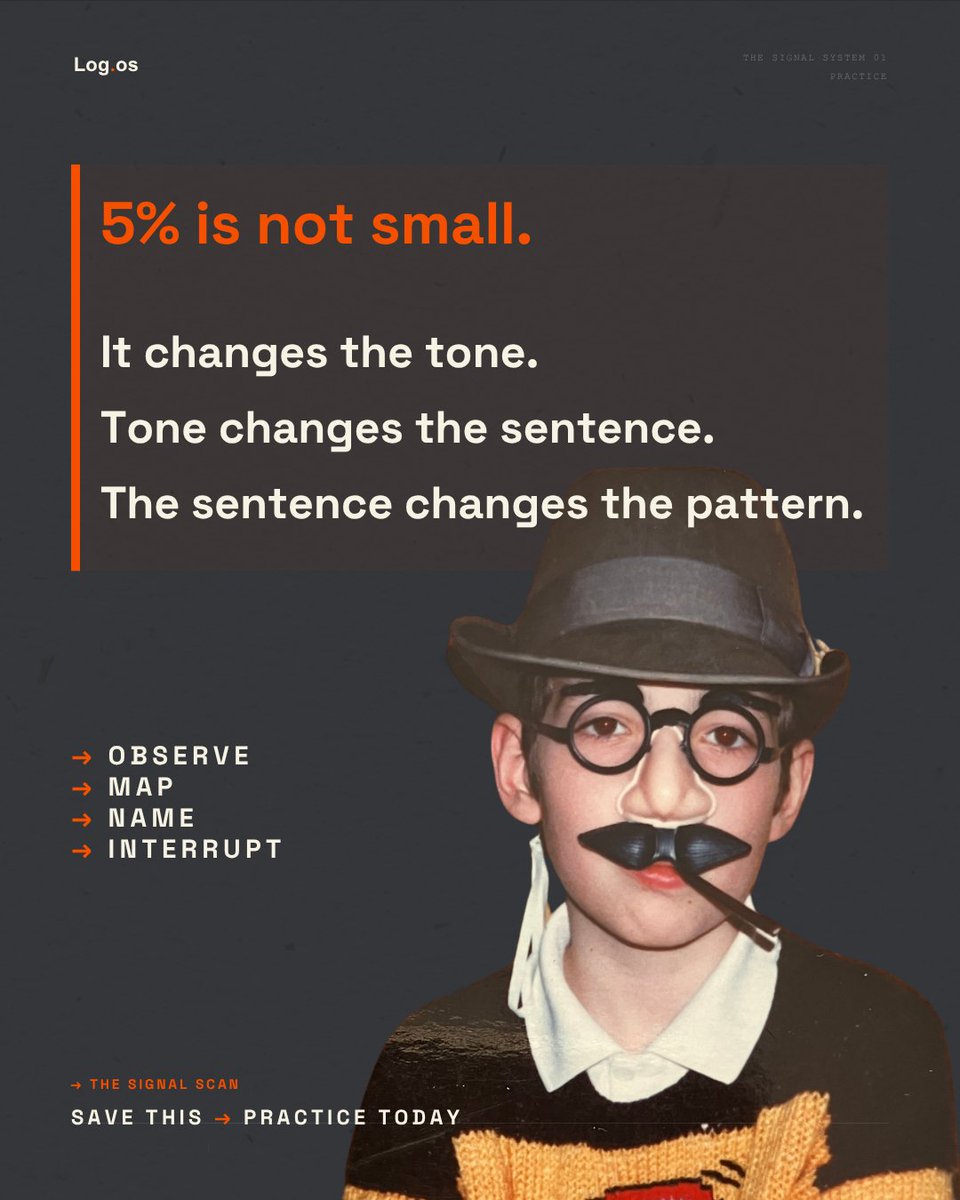
5% changes tone.
Tone changes the sentence.
The sentence changes the pattern.
That's how new wiring gets built.
One moment at a time.
1
14
If this is a muscle that would safe you time, energy, peace of mind, would you train it?
How do you handle your emotions?
Your triggers?
9
The moments you hate the most are the only moments where the truth is visible.
That moment isn't proof you failed. It's a coordinate.
Showing you exactly where something old is still running.
The trigger isn't the problem. The trigger is the information.
22
You've upgraded everything.
The strategy. The environment. The inputs.
The foundation is still running the original code.
19
The most expensive thing you carry isn't what looks broken.
It's what looks like a strength.
The composure that's actually shutdown. The decisiveness that's actually control. The efficiency that's actually avoidance.
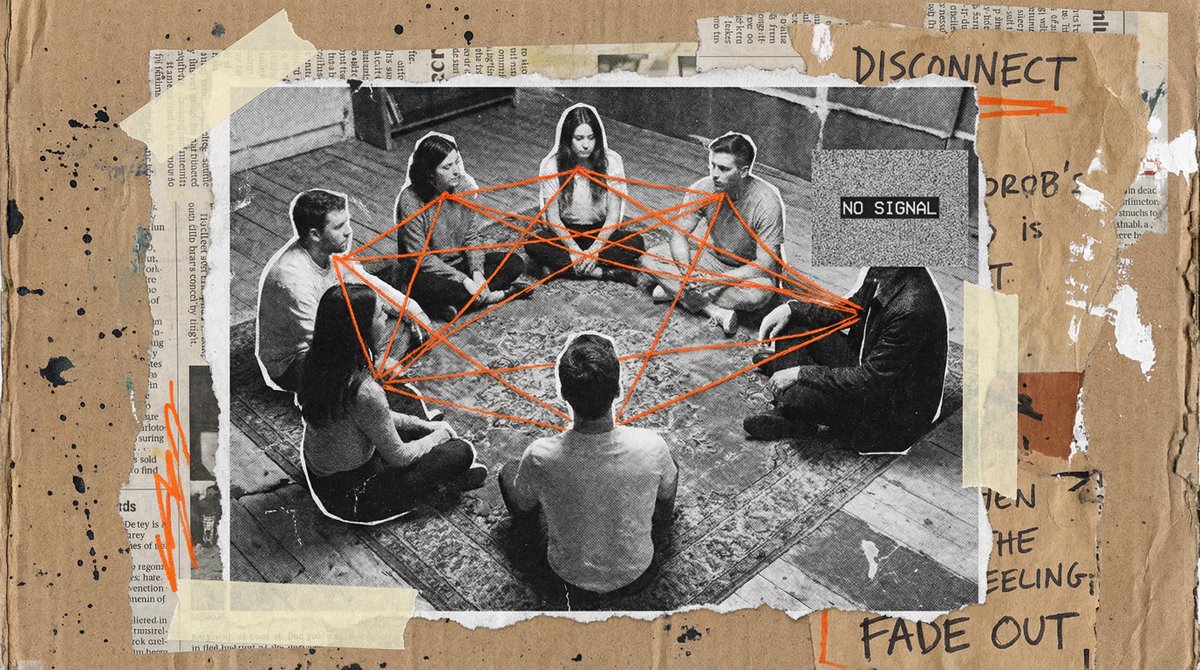
These don't show their cost in easy moments. Only under real pressure. With real people. In the rooms that actually matter to you.
15
Why self-awareness doesn't fix the system.
A thread. 🧵
1/ Most high performers assume the same logic that works in business works on inherited responses.
Identify the problem. Understand the root cause. Implement the solution. It doesn't work that way. And the gap between knowing and doing is where most people get stuck for years.
1
27
6/ This is where most performance systems fail. They optimize the strategy but leave the underlying architecture untouched. The foundation is still running old code. And old code doesn't care how good your strategy is.
1
13
7/ The blueprint is what was built into you before you had a choice. The defaults are what execute when pressure activates it. You can't change the defaults by understanding the blueprint. You change them by building new structure. One five percent shift at a time.
16
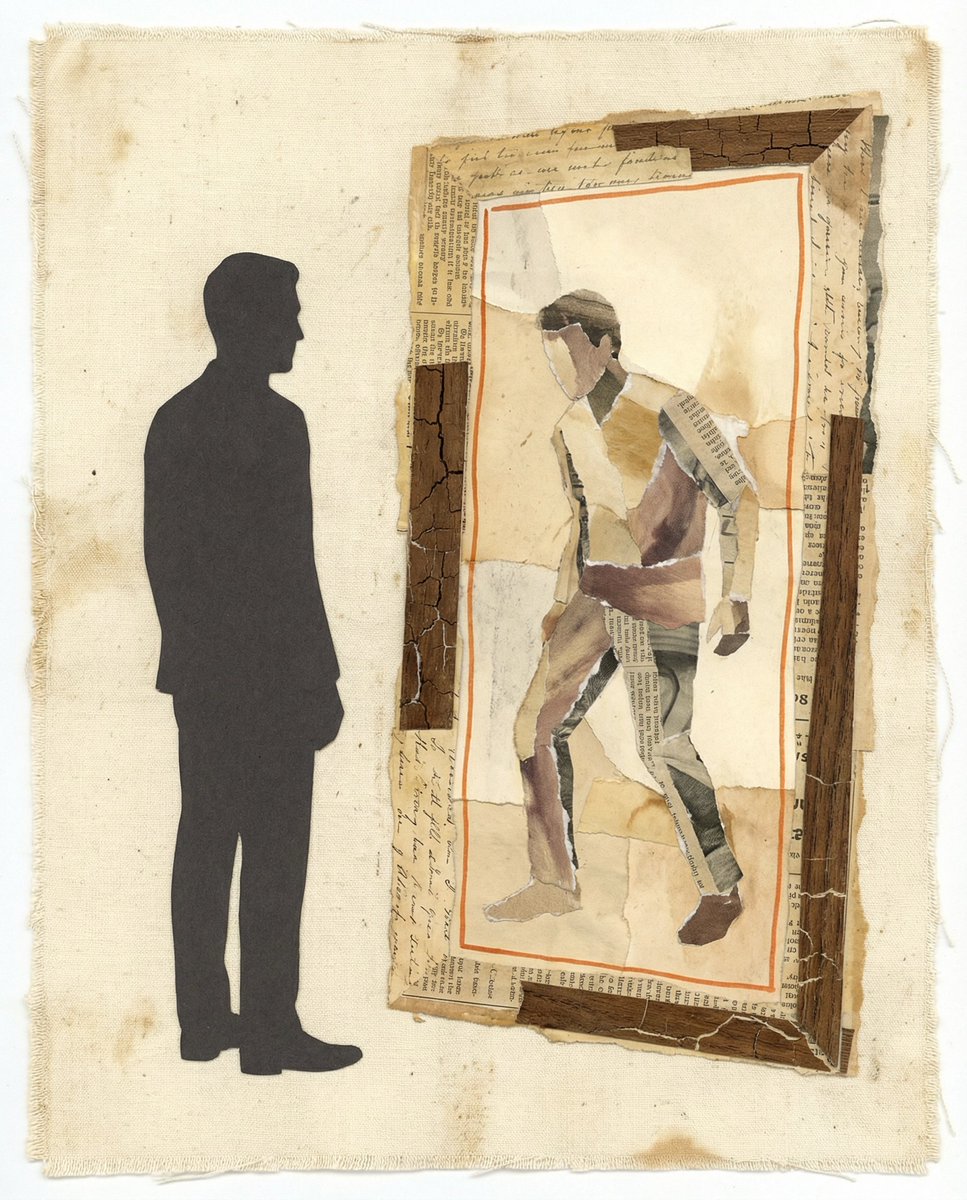
You can see it clearly. Trace it. Name it. Explain exactly where it came from.
And still, when the pressure spikes, you run the same reaction.
That gap isn't weakness.
It's the distance between your blueprint and your defaults.
10
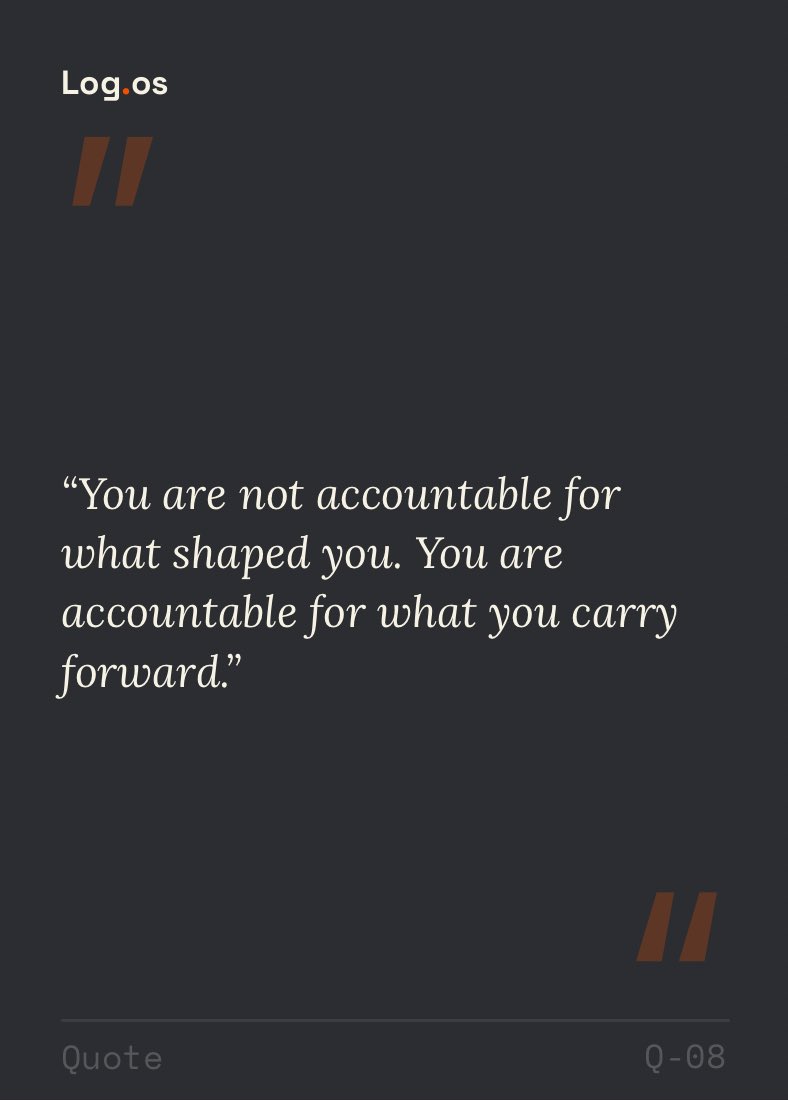
Nobody designed the first system they lived in.
But at some point, responsibility shifts.
Save this.
Or send it to someone who needs to hear it.
13
You know the version of yourself that shows up when it's hard?
When you're tired, cornered, or scared and you don't like what you see?
Log.os is the framework that closes that gap.
Not by understanding yourself better.
By practising differently! In real moments, under real pressure, until the version you want to be is the one that shows up.
When that shifts, everything around you shifts with it. Your relationships get lighter. The people you love feel safer. And the patterns you inherited stop moving forward.
That's the work.
33