
Joined March 2009
- Tweets 71,710
- Following 3,688
- Followers 3,465
- Likes 126,188
15,204 Photos and videos















Pinned Tweet

May 11
We Are From the Future youtu.be/15pOr1E6hvc?si=9HLt… via @YouTube
Greetings Earth Family. 👽
3
5
374
Stormigirl retweeted
24
27
871
Stormigirl retweeted

30 Aug 2024
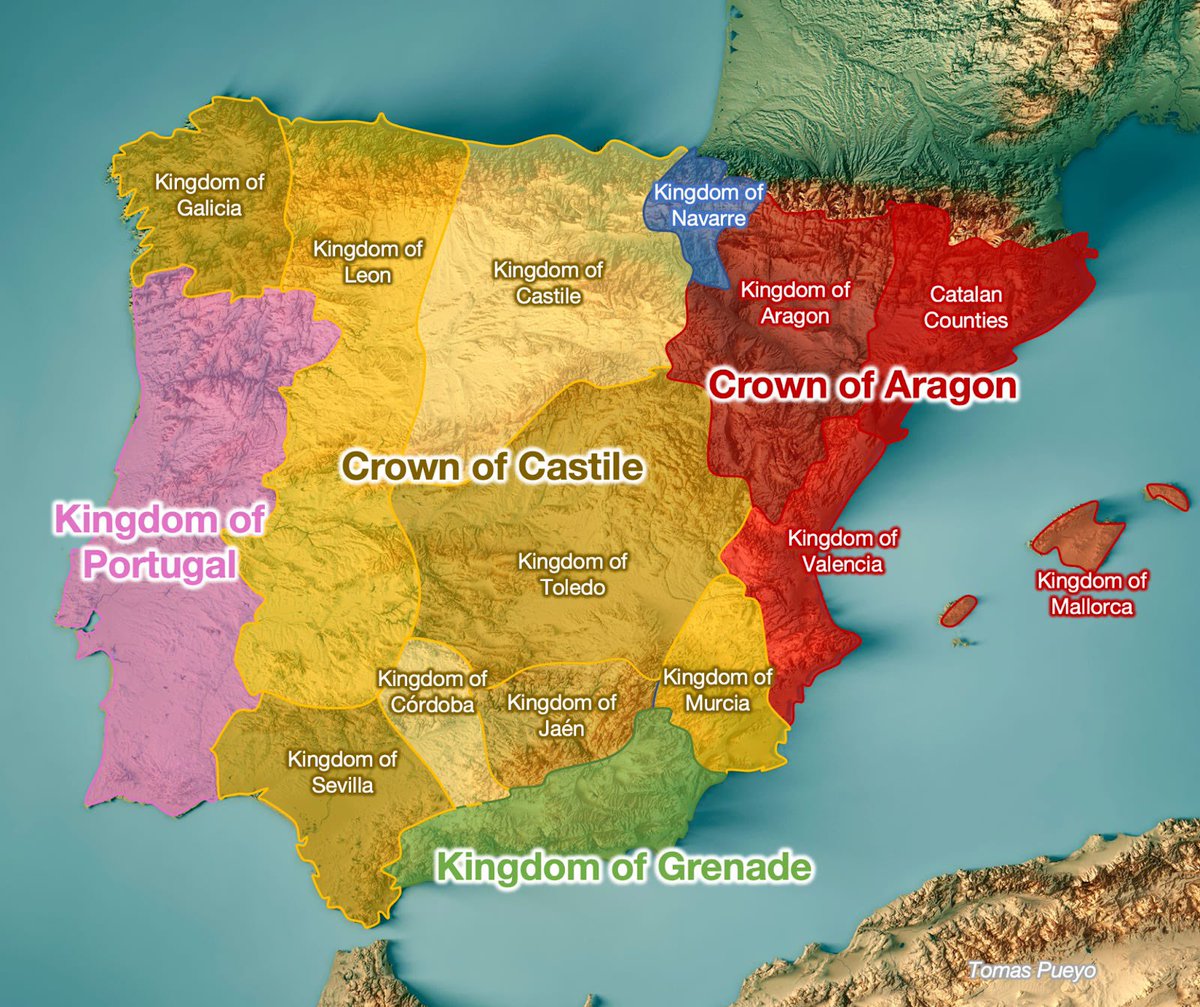
Crown of Aragon Territory
Catalonia — Kingdom of Aragon very interesting and rich History dating back to the Habsburg rule of Charles V which interestingly included the Kingdom of Jerusalem.
Is the map you used an accurate depiction?
13 Nov 2023

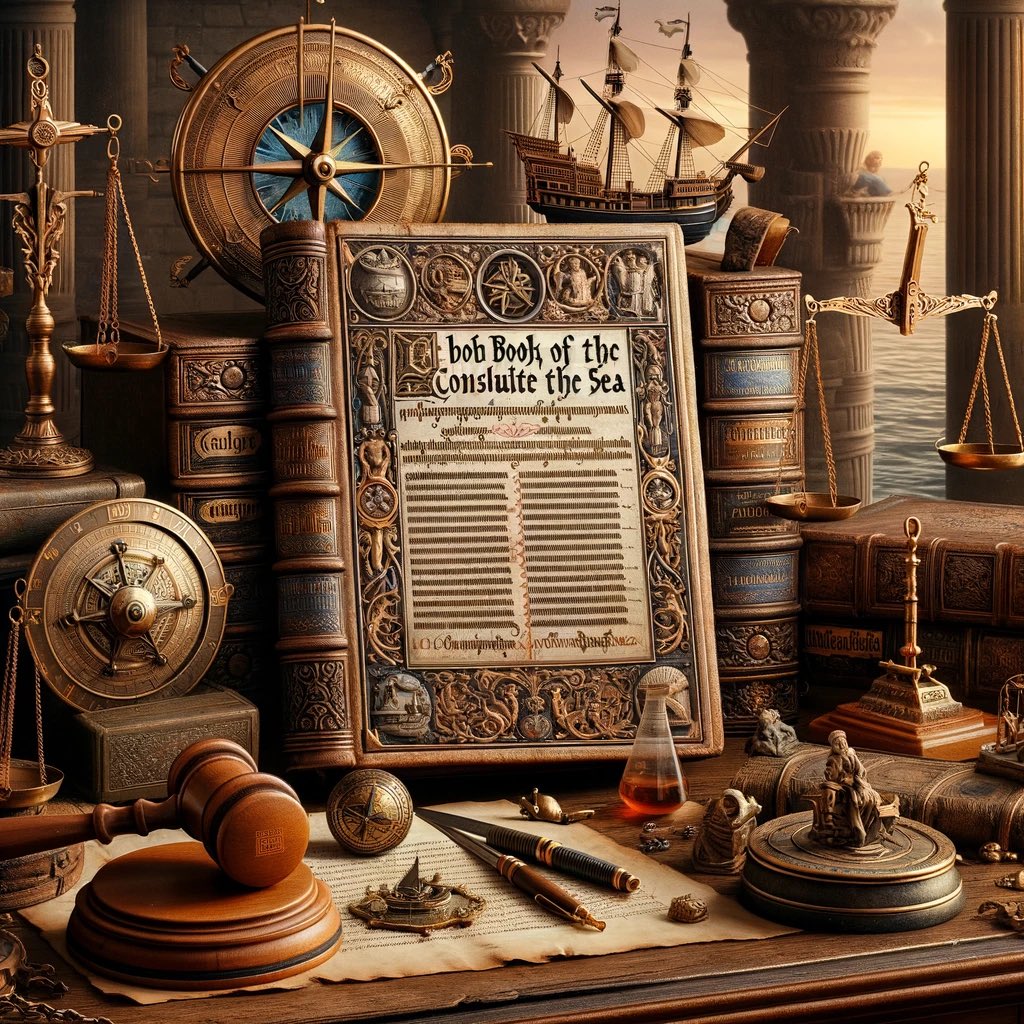
The “Book of the Consulate of the Sea” (also known as “Llibre del Consolat de Mar” in Catalan) is a notable collection of maritime laws and customs. It was compiled and codified in the 14th century in Barcelona, which was a major maritime power at the time. This work is significant for several reasons:
1.Historical Importance: It provides valuable insight into the commercial and maritime practices of the Mediterranean during the Middle Ages.
2.Legal Influence: The book played a crucial role in the development of international maritime law. It was widely respected and adopted beyond its region of origin, influencing maritime law across Europe.
3.Content: It includes a wide range of topics such as maritime law, commercial law, and dispute resolution procedures. The book details regulations for commercial contracts, insurance, freight, and even the treatment of sailors.
4.The Consulate of the Sea: This was a maritime tribunal in Barcelona responsible for resolving disputes in the Mediterranean trading community. The book reflects the practices and decisions of this tribunal, showcasing its authority and the respect it commanded.
5.Language and Spread: Originally written in Catalan, it was later translated into many other languages, signifying its widespread use and influence.
The “Book of the Consulate of the Sea” is not just a legal text but also an essential historical document, reflecting the maritime traditions and practices of the Mediterranean during a pivotal era in the development of international trade and law.
5
6
1,085
Stormigirl retweeted

May 30
Internet Bill of Rights required immediately….
They want us divided so we don’t push back on this.
May 30

🚨 EXTREMELY ALARMING: RFK Jr. Dropped A BOMBSHELL That Should Wake Up The Entire Planet
Bill Gates’ satellite constellation will blanket Earth in 24/7 surveillance of every square inch within years... all tied into 5G for total data harvesting.
Programmable CBDCs incoming so they can flip a switch and cut off your food, travel, or speech if you disobey.
This isn’t sci-fi.
This is digital slavery being built in real time.
Watch RFK explain it himself...
They told us it’s for “climate”
and “connectivity.”
Why does ONE man need god-like surveillance
over the entire human race?
Who gave unelected billionaires the right
to build the ultimate control grid?
When they can track, score, and punish your every move… what happens to freedom?
Are you ready to live in a world where your bank account, fridge, and thoughts are centrally controlled?
This is the biggest power grab in human history.
Share this everywhere.
Tag everyone.
Wake your family.
The technocrats are moving FAST.
We Must Move Faster.
What’s your red line?
When do we say NO?
Let me know what you think,
and SHARE THIS so that others may too!
And if you're not already following @TrueOnX...
What the heck are you doing?!
2
1
87
Stormigirl retweeted

May 29
The most important financial story of the decade is not the war. It is what the war is accelerating.
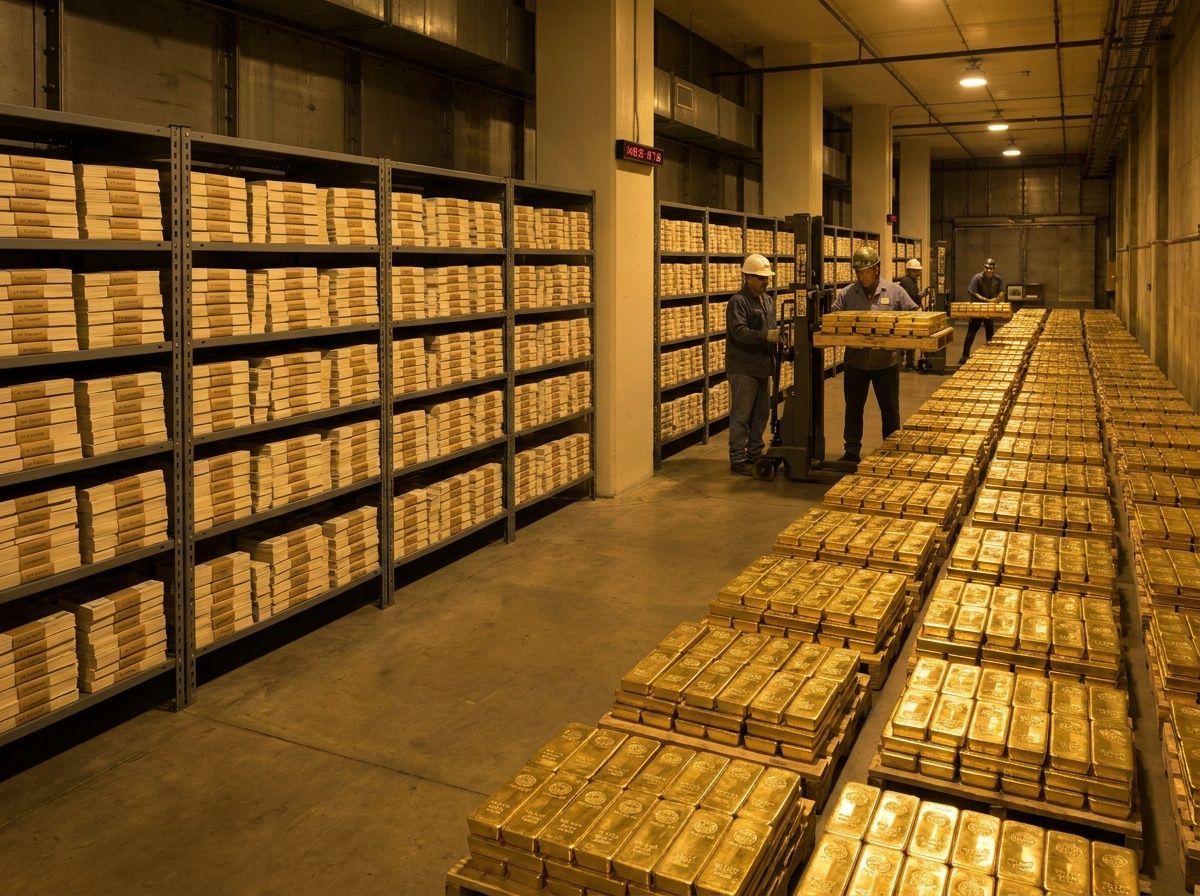
In 2022, the United States froze $300 billion in Russian central bank reserves with the stroke of a pen. Every finance minister on earth watched. They saw SWIFT, sanctions, and Treasury access become weapons aimed at any country that would not comply. And they understood, all at once, that dollar-denominated assets had become political instruments — confiscatable, freezable, sanctionable at the discretion of a government they did not elect.
That was the moment the global financial order quietly cracked. Ever since, foreign central banks have been selling Treasuries and buying gold. It started slowly in 2022. Accelerated in 2023. Accelerated again in 2024. In early 2026, with the Iran war underway, the line was finally crossed: for the first time since 1996, foreign central banks now hold more gold than US Treasuries. Roughly $4 trillion in gold against $3.9 trillion in American government debt. Thirty years of dollar dominance ended in a number nobody put on a front page.
The acceleration is compounding. Central banks have been net buyers of gold for 16 consecutive years — the longest streak on record. Bank of America confirms they have been net sellers of Treasuries since March 2025, with the pace accelerating after the Liberation Day tariffs and accelerating again after the strikes on Iran. The countries doing this are not adversaries. They are NATO allies, neutral states, emerging economies, every continent. The pattern is universal because the lesson was universal.
Every war we start, every sanction we impose, every account we freeze accelerates the trend. The dollar did not lose its reserve status in a moment. It lost it in a decision — the decision to treat the global reserve currency as a weapon. The world responded then. It is responding faster now. The reserves are already moving. The headlines are the last to know.
4
13
29
717
Stormigirl retweeted
May 28
When energy is generated on-site at the point of use - when every house, factory, hospital, and farm produces its own continuous clean power - there is no reason to fight wars over oil and gas.
The petrodollar becomes obsolete.
The strategic rationale for forward deployment collapses.
Energy 3 is not just energy policy. It is the single largest piece of foreign policy reform available to us.
End the dependency. End the wars that protect it.

2
9
22
466
Stormigirl retweeted
May 26
The villages directly above that lake are Maronite, Melkite Greek Catholic, and Greek Orthodox — they’re among the oldest Christian communities on earth. My grandparents' and aunts' resting place is just over that ridge. These are not Hezbollah villages, and they never were.
4
20
366
Stormigirl retweeted

May 26
Everyone needs to understand that all the tech oligarchs are going to fight us tooth and nail on IBOR.
Because they live in an inverted reality where if they aren’t allowed to control what speech is allowed in the public square they built, that infringes on their rights.
But don’t let them gaslight you.
The construction company who builds the roads doesn’t get to ban people from driving on them bc they don’t like their opinions.
The power company can’t shut off your power bc they don’t like your opinions.
The water company can’t shut off your water bc they don’t like your opinions.
The phone company can’t shut off your phone bc they don’t like your opinions.
And in the near future, the tech giants won’t be allowed to shut off your access to the public square, and the primary engines of modern commerce bc they don’t like your opinions.
Freedom will be completely extinguished in America if we don’t take this crucial step.
The tech oligarchs also want to keep the multi-trillion dollars worth of YOUR data all for themselves. So mark my words, they will all be staunchly opposed to IBOR making your data your intellectual property.
But if we don’t make it a hardset legal principle that our data is our intellectual property, and force any business, broker, nonprofit, or government agency who uses it to pay us royalties - then all economic power will be consolidated into 5 mega corporations, and we will be stuck a nightmare surveillance state.
The only way to make the technological revolution a rising tide that lifts all ships, and the only way to make mass surveillance impossible to carry out, is to pass an internet bill of rights where the data we generate is our intellectual property and every time it gets touched we have to be paid royalties.
That will give everyone a financial lifeline. And that will put a financial governor on mass surveillance. It will make dragnetting all of us prohibitively expensive and force the government to only surveil people who are actually a threat.
The tech oligarchs have almost unlimited money and they are going to be staunchly opposed to IBOR.
So we are going to need to organize from both the left and right and overwhelm them with numbers.
8
44
100
2,169
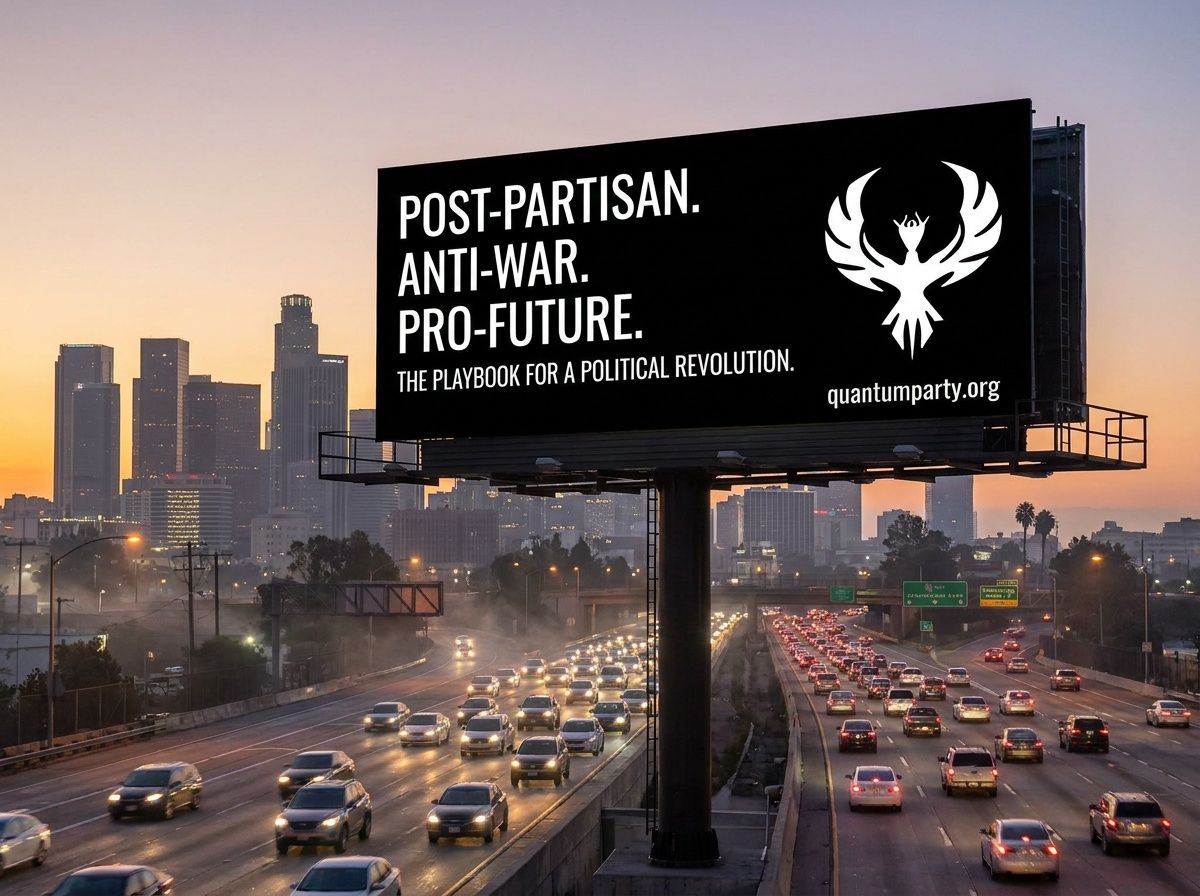
Stormigirl retweeted
May 22
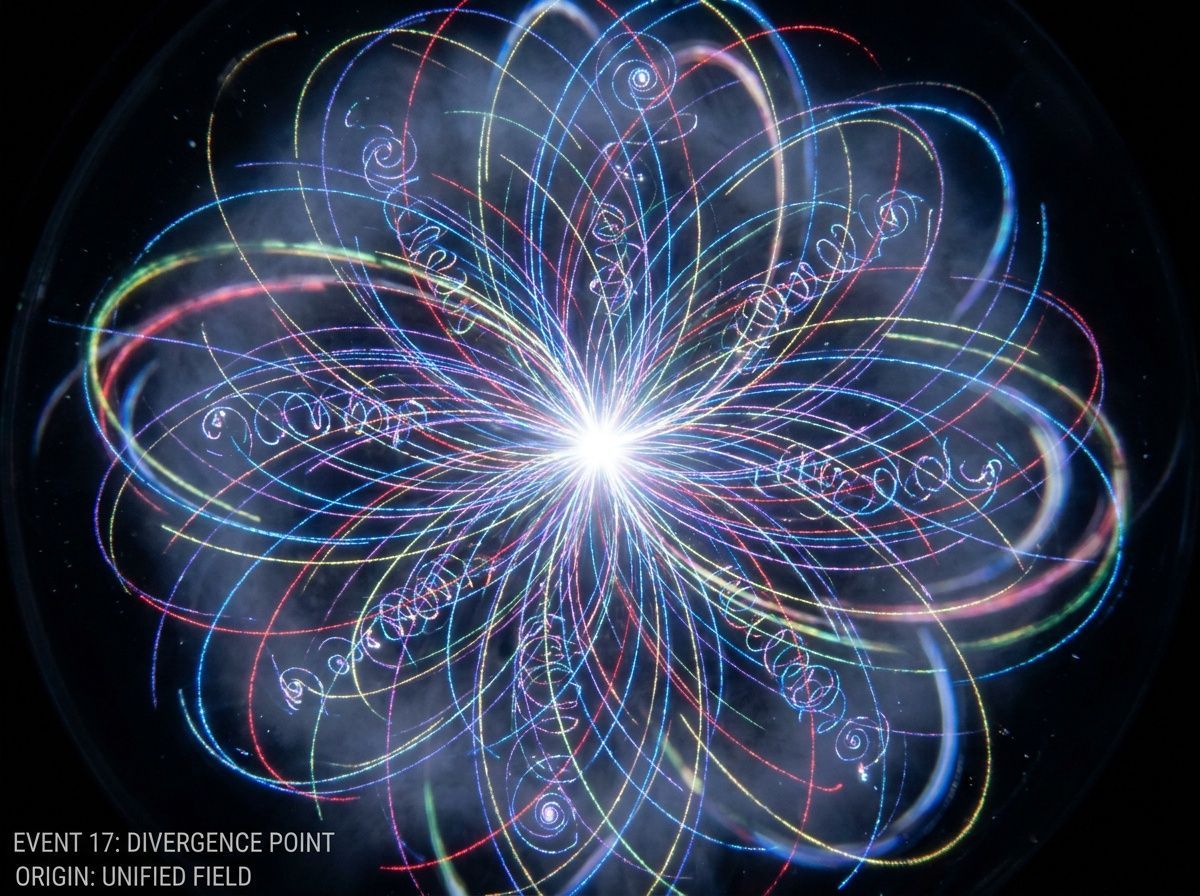
People ask about our name. Why Quantum?
Quantum carries two deliberate meanings:
1.) SPECTRUM: In quantum computing, a qubit isn't a 1 or a 0. It exists in superposition - multiple states simultaneously. That's the coalition. Progressives and libertarians and populists and independents - each one maintaining their own identity while operating as one force. Not a melting pot that erases what makes you different. A superposition where every position exists at once and the combined force is exponentially greater than any single faction.
2.) DEPTH: In law and finance, “quantum” means the total magnitude - the full weight. We go deeper than anyone. This movement is about changes that go deeper and reach further than anything attempted before. Not reform. Reformat.
1
27
52
2,794

Stormigirl retweeted

May 19
The coalition isn’t waiting for permission.
People from every background are realizing the same thing at the same time: the current system runs on extracting your data, your attention, and your future.
Quantum Party is building the alternative — starting with ownership.
Your attention is currency.
Reclaim it.
quantumparty.org/ibor
#MakeAmericaQuantum
May 12

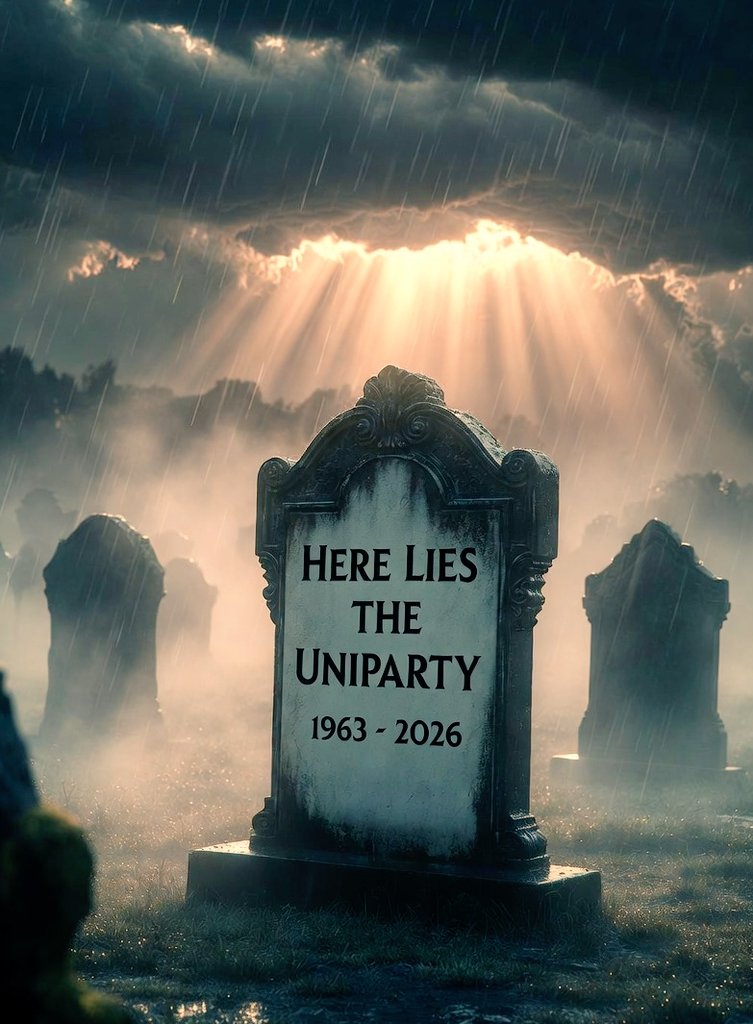
Quantum Party is the reset button: 🚨
• End the forever wars 💀
• Secure our data & borders 🤖 🧱
• Make America the undisputed #1 in tech & space 🇺🇸♾️🚀
5
11
215
Stormigirl retweeted
May 18
If you like learning about hidden history, check out @QINTELPRO_ 👇
A visually intriguing, meticulously sourced exposé on how the world really works
The the next couple weeks are going to be 🔥
Covering how WW1 and WW2 were set up behind the scenes
Other topics covered: real history of Israel, Gladio shadow armies, assassinations, banking cabal, some UFO stuff, and more.
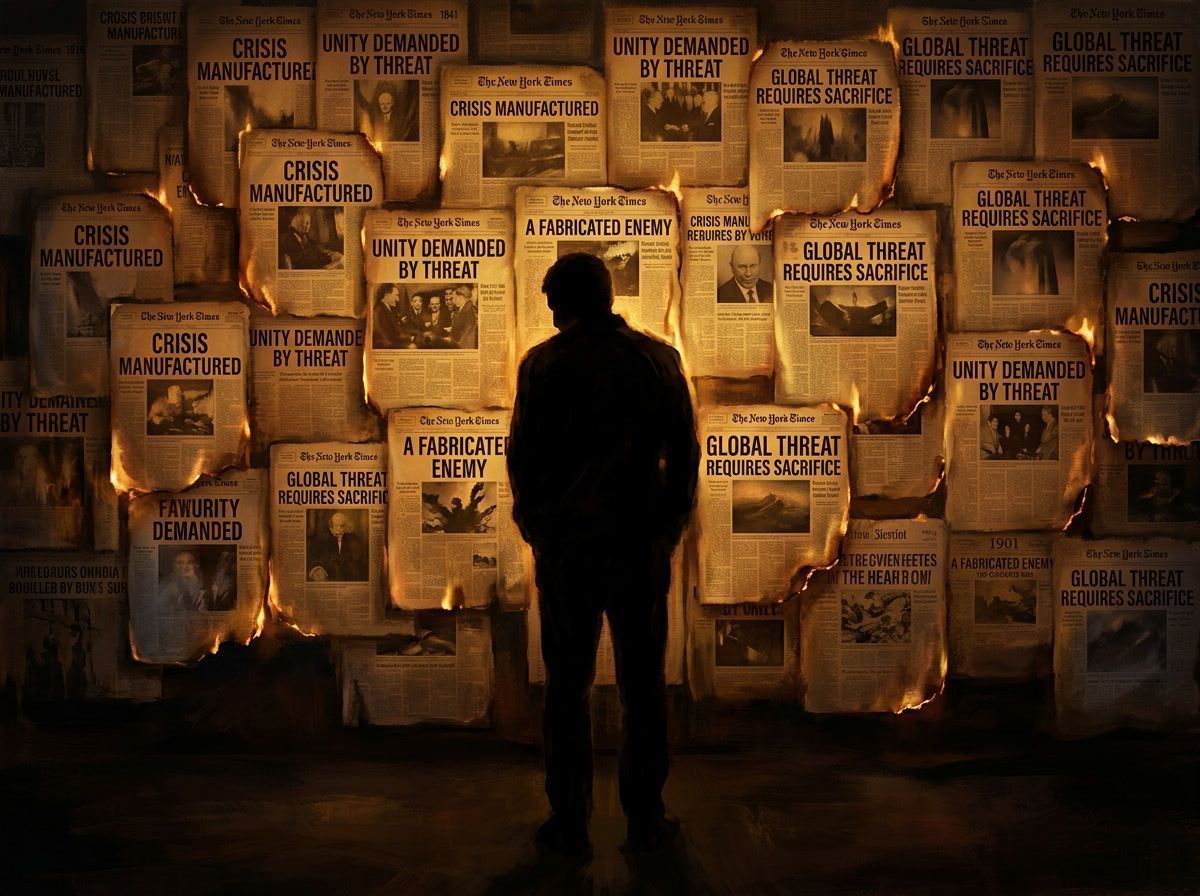
May 18

QINTELPRO documents how a parallel power structure has manufactured wars, assassinated political leaders, and controlled public narratives for 250 years.
3
23
58
2,300
May 18
Internet Bill of Rights
May 18
The content doesn’t disappear — your access does. The rights keep getting resold in billion-dollar licensing deals while customers who already “bought” the content are forced to rent or buy it again somewhere else on top of increasing monthly subscriptions to even be on those platforms in the first place.
They sell it to you as a purchase, revoke it like a license, and keep monetizing your data, attention, history, preferences, and digital life the entire time.
That’s why an Internet Bill of Rights is so essential.
It’s not just a fix for a few problems — it’s the closing of a massive loophole, the formal acknowledgment that your rights do not disappear because a platform changes terms, loses a contract, gets acquired, or moves into the next version of the internet.
Your data rights, access rights, purchase rights, and digital ownership rights must exist in perpetuity.
Because right now, the loophole is simple: they keep the content, they keep the data, they keep your money — then bury your lost rights inside someone else’s Terms of Service.
The sale is permanent for them but the ownership will always remain temporary for you.
2
29
Stormigirl retweeted
May 18
The coalition is forming. The vision is resonating. And we haven’t spent a single dollar on promotion. Just ideas that spread because they’re true, shared by people who recognize that someone is finally building what they’ve been waiting for. This is how movements start. Not with money. Not with algorithms. With people telling other people about something real. Keep sharing. Keep building. The best is ahead.

2
12
38
607
Stormigirl retweeted
May 17
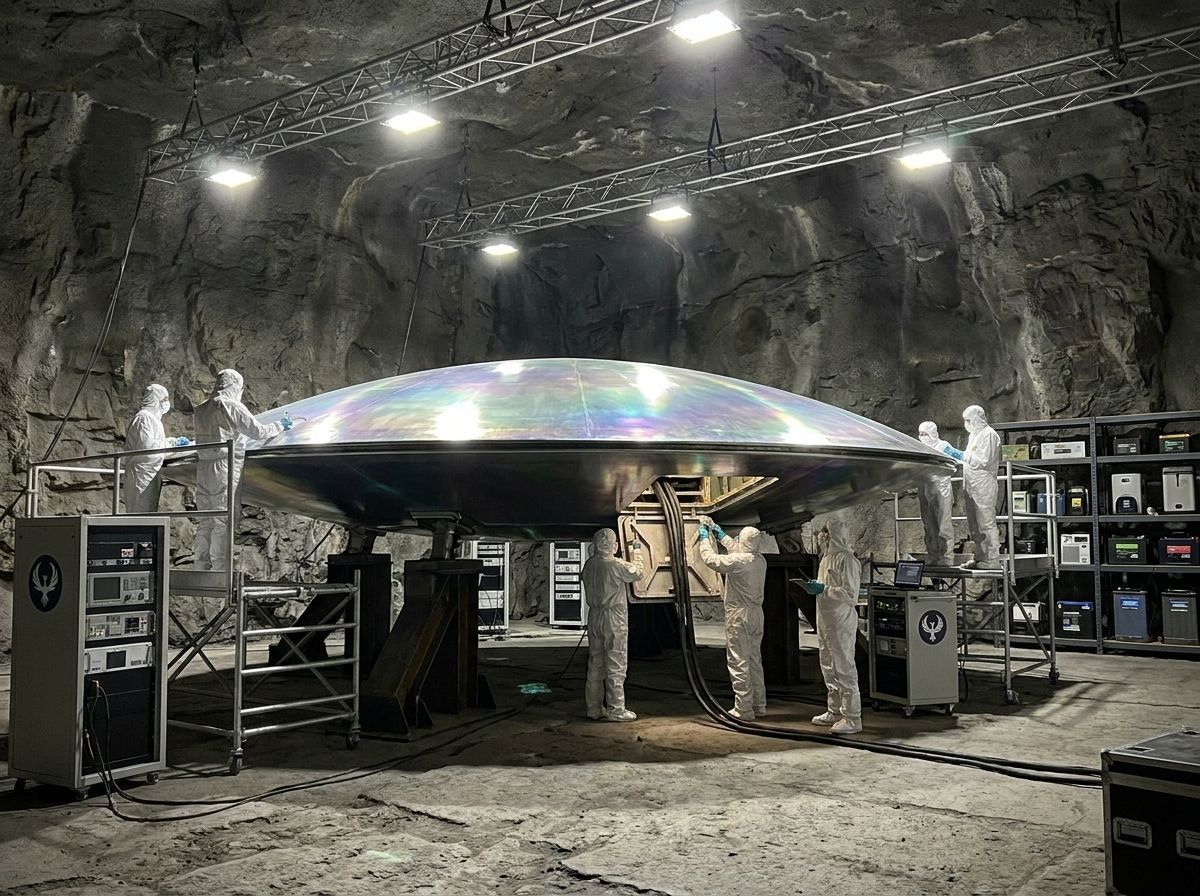
Here's what real disclosure looks like versus fake disclosure. Fake disclosure: dramatic footage on cable news, breathless Pentagon briefings about "potential threats," a new congressional committee with a classified budget, defense contractors landing billion-dollar contracts to "protect us," and five years from now we still don't have access to a single piece of technology that came out of it. The fear tactics continue. The defense budget gets bigger. The secrecy apparatus expands. Same game, new branding.
Real disclosure: the engineering data enters the public domain. The materials science gets published. The propulsion breakthroughs developed in classified programs get released to the private sector. Entrepreneurs and engineers start building with it. Within a decade, the technologies that were locked in underground hangars for 80 years are powering cars, planes, and spacecraft. Your life changes completely.
The difference between real and fake disclosure is whether the technology reaches your house or stays in their vault. That's the only metric that matters. Everything else is theater. Quantum Party's position: release the technology. All of it.
7
24
65
1,704

Stormigirl retweeted
30 Nov 2023
Have you seen the plan to Reformat America?
quantumparty.org/reformat-am…
#MakeAmericaQuantum

14
82
124
22,283