
Build weird. Stay curious l Precision Yapper @KaitoAI | ✨ Builder of @Brevis_zk & @BioProtocol
Joined June 2011
- Tweets 47,342
- Following 2,715
- Followers 2,032
- Likes 46,329
842 Photos and videos











Pinned Tweet

Jun 12
People hear “optimization” and it sounds boring.
Until you attach real numbers to it.
Imagine improving a supply chain by 0.5%.
Or increasing portfolio efficiency by 0.5%.
Or reducing manufacturing waste by 0.5%.
For a large company, that tiny improvement can be worth millions.
Sometimes tens of millions.
That’s what made me look deeper into @quipnetwork.
The network isn’t chasing a use case that needs to be invented.
Optimization already exists everywhere.
Finance.
Logistics.
Manufacturing.
The challenge isn’t finding demand.
The challenge is finding better answers.
And in many industries, slightly better answers can create outsized economic value.
180
2
169
5,851
The most interesting part of quantum computing isn’t the qubit count.
It’s customer value.
Markets don’t care how impressive a technology sounds.
They care whether it solves expensive problems.
When organizations can reduce costs, improve scheduling, optimize logistics, or increase efficiency through advanced optimization systems, that’s where economic value gets created.
The projected market opportunity is massive, but adoption is the metric worth watching.
That’s why I pay attention to the broader ecosystem around quantum development.
Projects like @quipnetwork are building for a world where quantum computing becomes increasingly relevant, while ensuring the infrastructure and security layers can keep pace.
Technology becomes real when people use it.
And that’s the signal I’m watching. 🦋

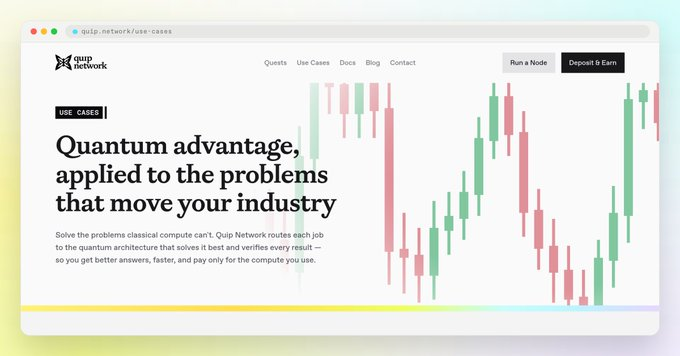
Math is hard. Quantum math is harder.
@quipnetwork figured out how to make it simple.
Remember when you had to install software from a CD? Now you just click download.
Same thing here. Quantum used to cost millions. Needed a whole team. Locked behind contracts.
Quip just made it like any other cloud service. Pay for what you use.
Read the full breakdown in the link above (tweet below)
👇 Join Quip Network
quest.quip.network/airdrop?r…
1
1
6
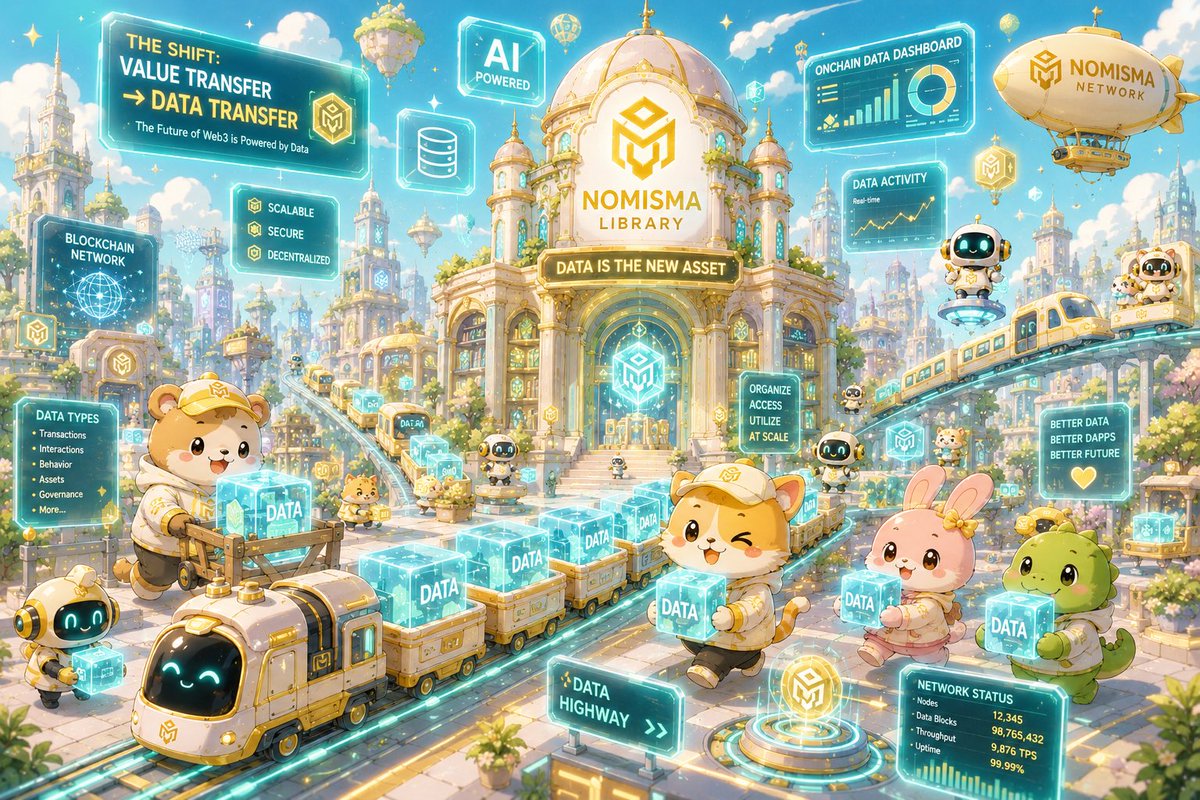
the longer i’m in crypto, the more i realize transparency alone isn’t enough
we already have public blockchains
we already have visible transactions
yet most real financial activity still happens elsewhere
the missing piece has never been visibility
it’s usable infrastructure
if real assets are going to move onchain at scale, the system needs to feel reliable long before it feels innovative
that’s what caught my attention about @NomismaNetwork
the focus seems less about creating another asset and more about building the rails that assets can actually move through
because in the end, infrastructure usually captures more value than narratives
84
1
71
287
Imagine hiring an employee who only works one job.
That’s how most capital is used in DeFi.
A token gets deposited somewhere, earns a yield, and waits.
Then people wonder why capital efficiency remains a bottleneck.
What caught my attention about @OndoFinance assets on @TermMaxFi is that they aren’t treated like static holdings.
The same asset can participate in multiple layers of activity from serving as collateral to supporting yield strategies without immediately leaving your broader portfolio structure.
That’s a subtle shift, but an important one.
The future of DeFi probably isn’t about finding the next asset.
It’s about getting more utility out of the assets you already own.
84
80
1,447
Jun 14
Gm Sunday
Slow morning, same grind.
Everything feels a bit quieter today but the leaderboard doesn’t really care what day it is.
@quipnetwork still feels like one of those long-term builds in the background: quantum compute, post-quantum security, and everything moving silently until it suddenly doesn’t.
I’m still here stacking points, still climbing the gap step by step.
Not there yet but Sunday is still part of the path.
Good energy to everyone today.
See you higher next week ✨
Jun 12

People hear “optimization” and it sounds boring.
Until you attach real numbers to it.
Imagine improving a supply chain by 0.5%.
Or increasing portfolio efficiency by 0.5%.
Or reducing manufacturing waste by 0.5%.
For a large company, that tiny improvement can be worth millions.
Sometimes tens of millions.
That’s what made me look deeper into @quipnetwork.
The network isn’t chasing a use case that needs to be invented.
Optimization already exists everywhere.
Finance.
Logistics.
Manufacturing.
The challenge isn’t finding demand.
The challenge is finding better answers.
And in many industries, slightly better answers can create outsized economic value.
144
3
131
2,889
Jun 13
the best systems aren’t the ones people join.
they’re the ones people don’t want to leave.
not because they’re locked in.
but because leaving feels like a downgrade in logic, not just emotion.
that’s a very different kind of design problem.
and very few crypto projects are actually built with that in mind.
most are still competing for entry.
the real game is what happens after entry.
Jun 13

I wasn’t supposed to share this.
But after months of discussions, the Agarthan delegation finally approved Bread.
Their feedback was surprisingly simple:
“Stop building economies where leaving is the optimal strategy.”
So we did.
See you next week.

35
38
328
Jun 13
six months of work and today it becomes real.
bread.hot feels like an experiment in collapsing two worlds that were always separate in crypto:
memecoin emotion prediction market logic.
if it works, it’s not just a launchpad anymore.
it’s a behavior layer.
Jun 11
Six months of work.
Today we ship.
The first launchpad where memecoins and prediction markets live in one terminal.
This is what I believe in.
bread.hot
43
40
633
Jun 13
most platforms separate creation from conviction.
you launch a token in one place.
you express an opinion somewhere else.
you speculate somewhere else again.
but the interesting part isn’t any of those actions individually.
it’s what happens when they start feeding into each other.
a narrative gets created.
people take positions on it.
those positions create more attention.
that attention attracts more participants.
it’s a feedback loop.
the strongest markets aren’t always the ones with the best technology.
they’re often the ones that can turn belief into activity and activity back into belief.
that’s why the intersection between memecoins and prediction markets feels more important than it might look at first glance.
Jun 12

Live.
bread.hot v.1 — the first launchpad combining memecoins and prediction markets in one platform.
Launch a token. Trade a market. Bet in predict markets.
14
13
874
Jun 13
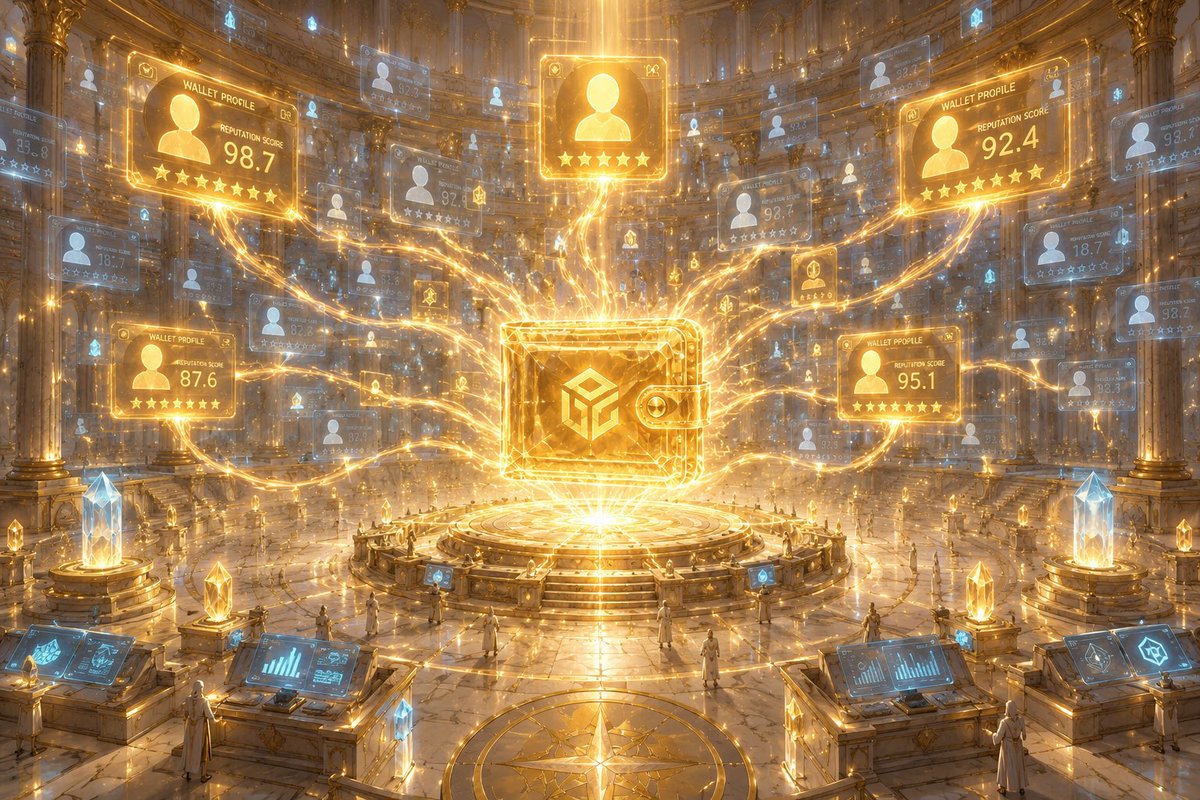
for years we’ve been told that every wallet is equal
in reality that’s never been completely true
some wallets have years of activity
others appear five minutes before incentives go live
what i find interesting is how season 3 starts treating wallet history as something meaningful
your activity across evm ecosystems now affects the assets you can claim
which means your onchain footprint becomes more than a collection of transactions
it becomes a reputation layer
honestly i prefer that over systems where fresh wallets and long term users are treated exactly the same
feels like a more sustainable direction for @NomismaNetwork
93
1
81
1,413
Jun 12
a few years ago my default strategy was simple
buy an asset i liked and wait
the problem is that waiting comes with an opportunity cost nobody talks about
your conviction might be right but your capital is doing almost nothing while you wait
that’s why the Ondo ecosystem integration on @TermMaxFi caught my attention
instead of letting tokenized assets sit idle in a wallet you can borrow against them through fixed-rate markets while keeping exposure intact
or deploy them into dual investment vaults and collect premiums from traders positioning around future price moves
what i like most is that the protocol isn’t forcing users into a single path
the same asset can support liquidity needs generate yield or become part of a structured strategy depending on market conditions
for me that’s where DeFi starts feeling less like speculation and more like actual capital management
the best assets aren’t necessarily the ones that go up the most
they’re the ones that keep working while you sleep
127
112
3,763
Jun 11
didn't expect to enjoy party kols this much tbh
thought i'd just be another silent member but i've ended up learning a lot just from reading what other people share every day. the energy is actually nice and it makes me wanna keep improving too.
would be fun to see more familiar faces around here 👀
apply here if you're interested in @partykols
forms.gle/7icjqKfoZBtKjYQG6
30
28
645
Jun 11
one thing i’ve learned in crypto is that being right about direction doesn’t always mean making money
sometimes the market eventually moves your way but leverage wipes you out before that happens
that’s what makes the setup on @TermMaxFi Alpha interesting to me
whether you’re bullish with calls or bearish with puts the maximum loss is known from the start because it’s limited to the premium paid
no liquidation alerts at 3am
no watching collateral ratios every few hours
just defined risk and a thesis you’re willing to back

Going up or down?
Either way, sleep better with leverage that can't get liquidated.
📈 Bullish? Long on TermMax Alpha
📉 Bearish? Short on TermMax Alpha
Max loss = the premium you pay. 🐬
👇
app.termmax.ts.finance/alpha…
80
72
1,421
Jun 10
the more people talk about ai agents
the more i think we’re focusing on the wrong problem
building smarter agents is important
but what happens when thousands of them need to coordinate decisions across different environments at the same time
that’s where things get complicated fast
isolated chains work fine when activity is relatively simple
an ai driven economy is a completely different scale of coordination
that’s one reason @NomismaNetwork keeps standing out to me
Jun 10

The endgame for blockchain isn't a single "world computer," but a highly coordinated web of specialized networks.
As we move into an AI-first economy, the demand for real-time coordination between independent agents will skyrocket.
Isolated execution silos simply cannot handle this level of complexity.
@NomismaNetwork represents the necessary evolution toward a unified coordination layer for distributed systems.
By allowing subchains to operate with shared, synchronized infrastructure, we enable a level of efficiency that was previously impossible.
The shift from fragmented chains to coordinated networks is the most important macro trend in Web3 right now.

48
41
1,406
Jun 10
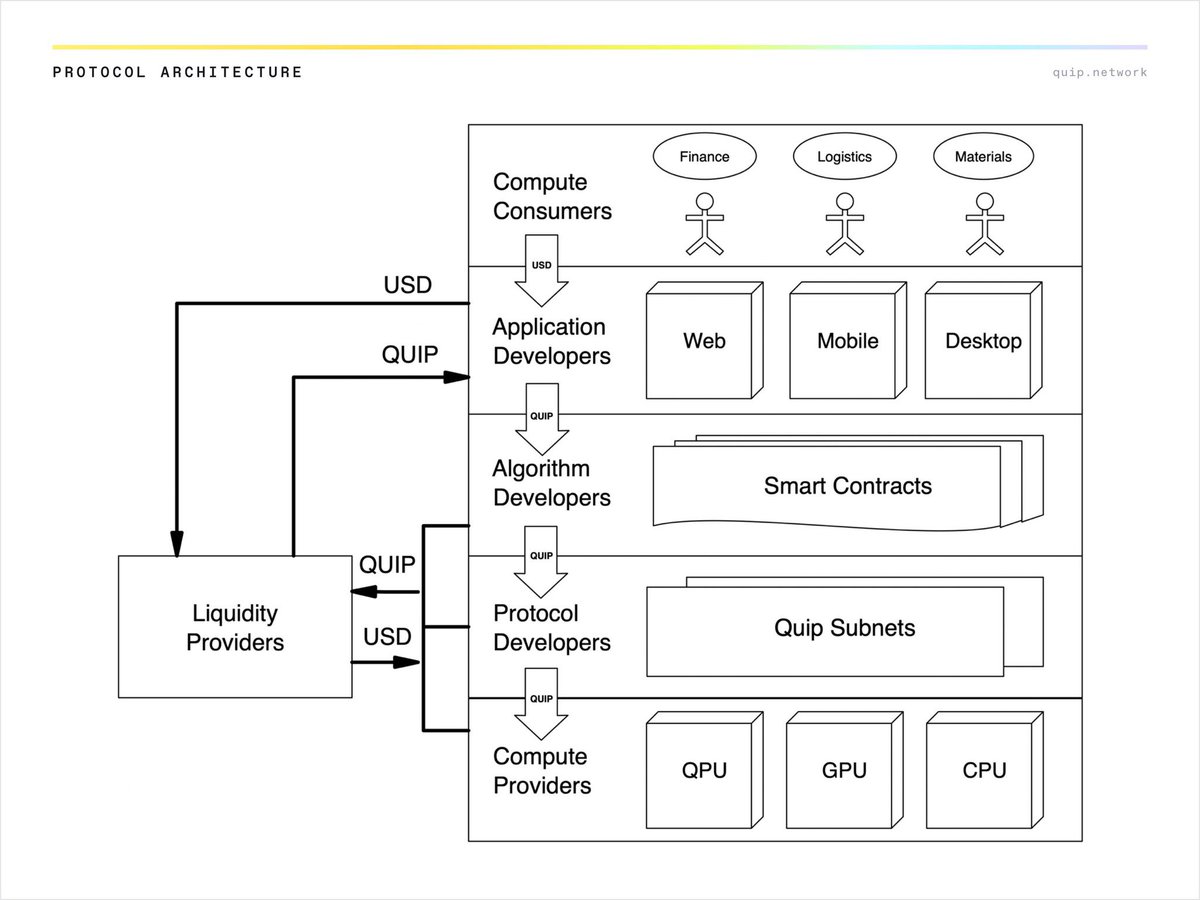
The more I read about @quipnetwork, the more it reminds me of how cloud computing felt in its early days.
Most companies didn’t want to buy and maintain their own servers.
They just wanted access to compute when they needed it.
Quantum computing seems headed down a similar path.
Very few teams want to spend millions on hardware, negotiate long-term contracts, or hire quantum specialists just to test an idea.
They just want answers.
That’s what I find interesting about Quip’s marketplace model.
Submit a job.
Let the network find the best hardware.
Pay only for the compute you actually use.
Simple in theory.
But if that model scales, it could lower the barrier between cutting-edge quantum hardware and the people who can actually benefit from it.
Sometimes adoption isn’t about better technology.
It’s about making powerful technology accessible.
110
96
1,308
Jun 10
randomly landed on @voicehavefun today and ended up spending more time there than i expected lol
it's basically built around crypto opinions, discussions, and community participation instead of mindless farming.
also noticed they launched 2 campaigns with a $1,000 reward pool yesterday:
x.com/voicehavefun/status/20…
not gonna lie, the user count still feels pretty early.
active campaigns are live rn and there doesn't seem to be a huge wave of participants yet.
might be one of those "wish i joined sooner" things.
join here:
voice.fun/socialcamp/louispi…

introducing Pinata Contest 🪅
$1,000 USDT OG/WL spots. 2 weeks
voice.fun/socialcamp
complete tasks → earn punches → SMASH → grab your prize
73
66
1,527
Jun 9
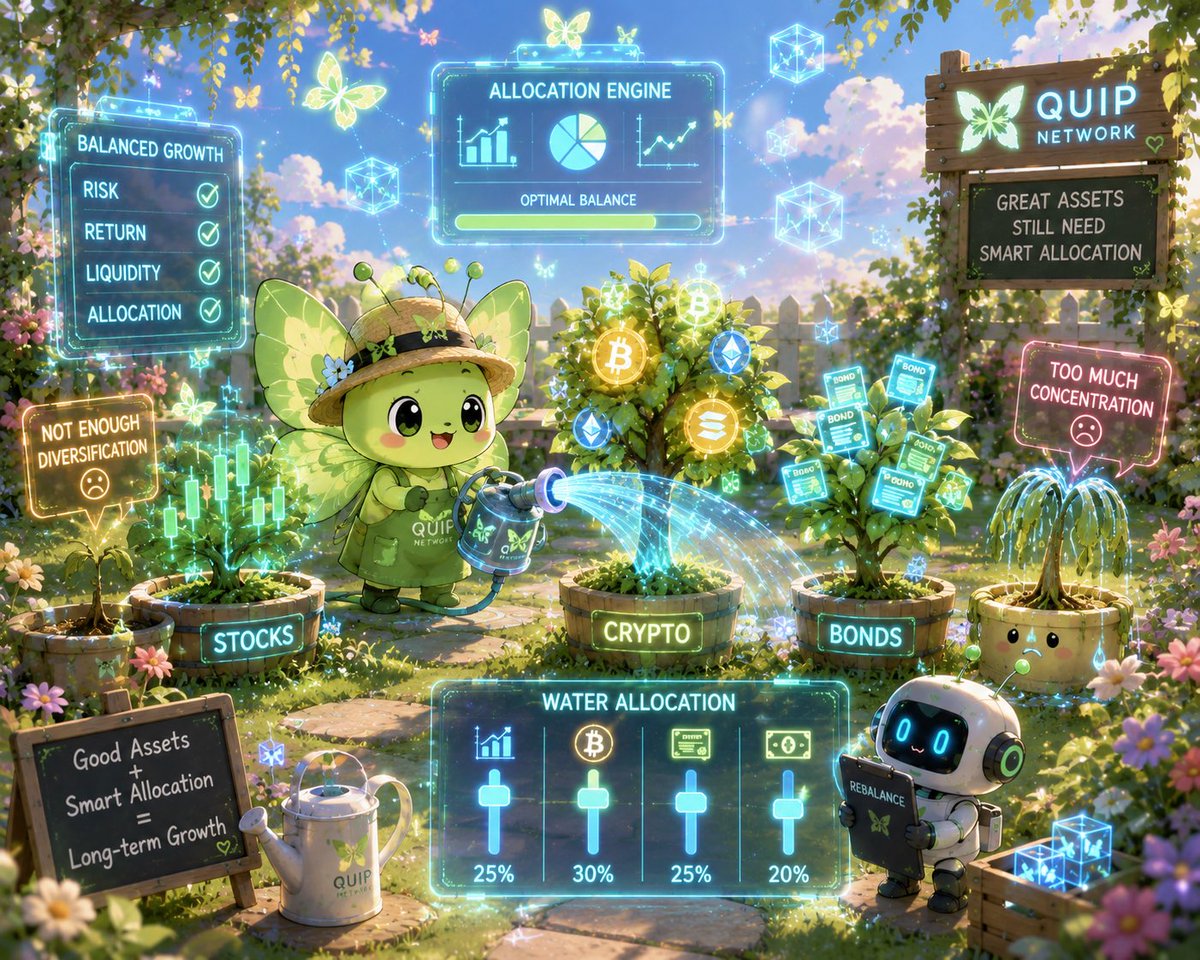
Most investors obsess over finding the next winner.
The funny part?
At a certain scale, picking assets becomes less important than allocating capital correctly.
You can own great assets and still underperform.
Too much concentration.
Poor risk distribution.
Bad liquidity management.
That’s why portfolio optimization has always fascinated me.
The real challenge isn’t finding opportunities.
It’s finding the best combination of opportunities.
That’s one reason @quipnetwork caught my attention.
Their focus on optimization targets a problem that every serious fund, institution, and treasury eventually faces.
Because in the long run, better allocation often beats better predictions.
And better decisions compound just as powerfully as capital itself.
107
89
1,559
Jun 8
one of the easiest ways to get wrecked in defi is entering a position without knowing what sits behind the quoted rate
the number looks great until your size actually hits the market
that’s why the new orderbook view on @TermMaxFi caught my attention because you can finally see real depth across both range orders and limit orders in one place
not just the best rate
but how much liquidity is actually available at every level
feels like a simple feature until you realize transparency is what separates a market from a guessing game

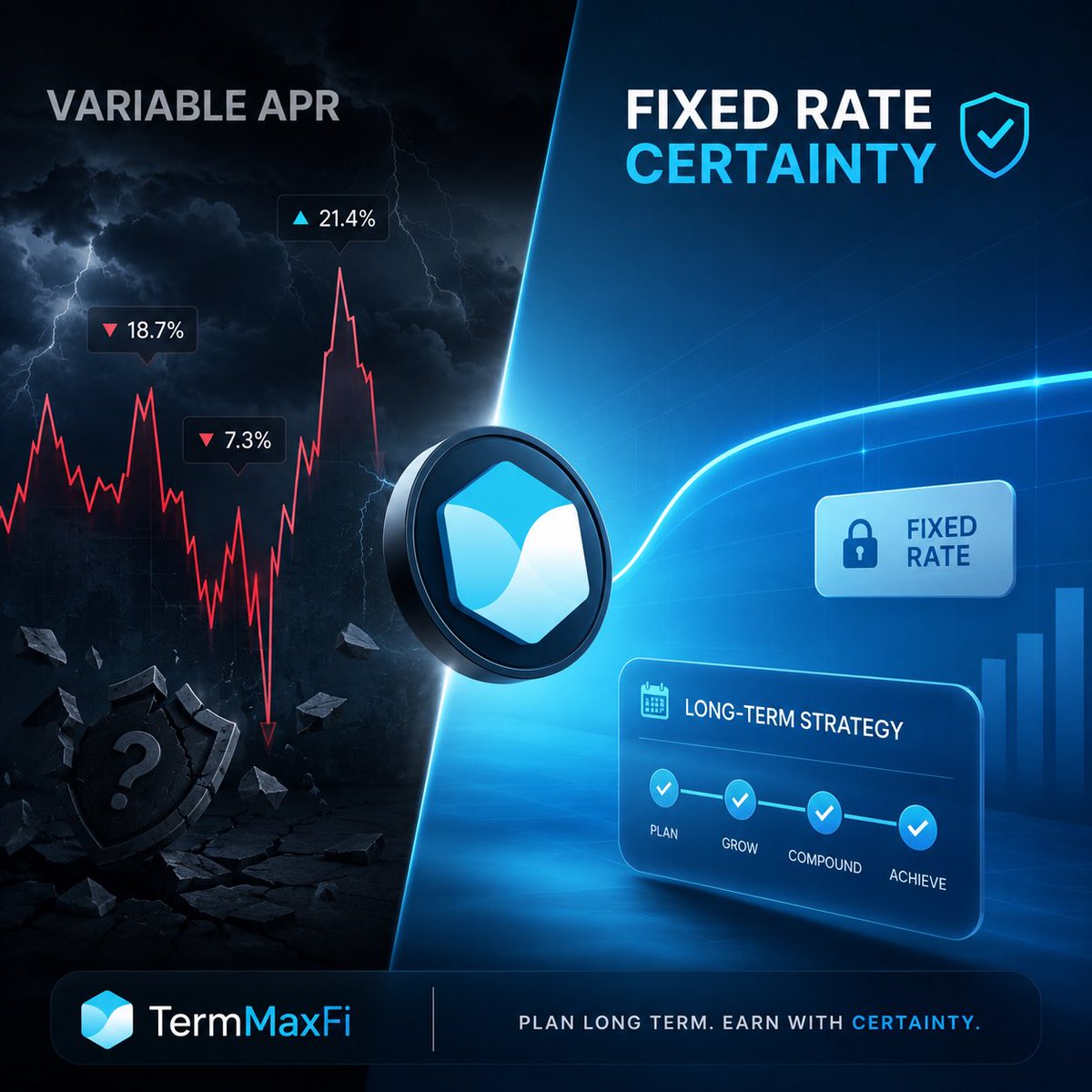
defi is fun until you try to plan beyond the next apr spike
spent some time looking at @TermMaxFi and the idea makes sense to me.
most yield markets feel like checking the weather every 10 minutes. rates move, strategies break, and long term planning turns into guesswork.
fixed rate onchain curves feel like a much cleaner layer for people who actually want structure instead of chasing whatever number is loudest today.
not the flashiest part of defi, but probably one of the most useful.
would you rather lock in a clear rate or keep hunting temporary high aprs?
37
39
259
Jun 8
The hardest infrastructure to build is usually the infrastructure nobody urgently needs today.
That’s what makes projects like @quipnetwork interesting.
They’re building for a future that most people still treat as theoretical.
A future where quantum systems become powerful enough to influence both computation and security.
Instead of choosing between those markets, Quip is connecting them.
Compute for solving difficult optimization problems.
Security for protecting assets in a post-quantum world.
Maybe that future arrives in five years.
Maybe ten.
But if quantum technology ends up becoming a meaningful part of global infrastructure, the networks preparing early will have a massive head start.
Sometimes the best way to predict the future is to start building for it before everyone else.
120
107
501
Jun 7
sometimes i wonder how many people quietly leave web3 before they ever get a chance to understand it
not because they dislike the idea
because the experience feels unnecessarily complicated
gas settings
wallet switching
random friction everywhere
for years we’ve accepted that as normal
which is why the approach from @NomismaNetwork stands out to me
if ai can help remove some of those barriers while keeping users connected to defi, that’s probably a bigger step forward than most people realize
adoption rarely comes from adding complexity
65
62
303
Jun 6
The funny thing about technology shifts is that they never feel urgent… until suddenly they are.
Most people ignored cybersecurity until hacks became normal.
Most people ignored AI until it started replacing workflows.
I think quantum could follow a similar path.
That’s partly why @quipnetwork ended up on my radar.
They’re not waiting for the industry to panic first.
They’re building post-quantum protection before migration becomes a rushed emergency.
The biggest winners in crypto are usually the ones preparing years before everyone else realizes preparation was necessary.
Maybe quantum arrives slower than expected.
Maybe it arrives faster.
Either way, infrastructure built early rarely goes to waste.
82
81
359