
MD and diagnostic specialist. Associate Professor at Lund University, Sweden, and consulting CSO of MEDICALgorithmics. Believes in quality diagnostics
Joined April 2017
- Tweets 327
- Following 449
- Followers 291
- Likes 229
11 Photos and videos




Pinned Tweet

10 Feb 2025
Everyone with an interest in AI, ECGs, or cardiology should read our paper out in Nature Medicine today! The DRAI MARTINI study tested the performance of DeepRhythmAI from #MEDICALgorithmics for direct-to-physician reporting of ambulatory ECGs. The results overwhelmingly favour the AI, with 14 times fewer missed diagnoses of critical arrhytmias.
Read it here: nature.com/articles/s41591-0…
Here's the study in brief:
🏥 >200,000 days of ECGs from >14,000 patients
🩺 >50 experts provided 3-cardiologist beat-to-beat consensus panel annotations of >5,000 ECG events
🖥️ Innovative study design provides absolute rates of missed diagnoses of AF or SVT ≥30s, 3rd degree block, 3.5s asystole or >10s VT
Results:
🫀Missed diagnoses in 3.2/1000 patients by DeepRhythm and 44.3/1000 patients by techs
🫀Superior sensitivity (98.6% vs 80.3%)
🫀NPV >99.9% for DeepRhythmAI.
This study is the result of an awesome collaboration with true leaders in the field who not only gave their scientific expertise but also committed many hours of their own time doing beat-to-beat annotations of >5,300 ECG events, with consensus annotation on every single beat. This resulted in an impressive author list including @EmmaSvennberg @SZDiederichsen @DrJasonAndrade @WFMMD @AlexanderPBenz @EPjeff17 @PlatonovPyotr @StavrosStavrak1 @Cardiaficionado @Dominik_Linz @JuanBenezet @PhilippKrisai @SanjeevBhavnani @AlirezaOraii @ManningerMartin and many more!
8
26
112
19,582
Apr 28
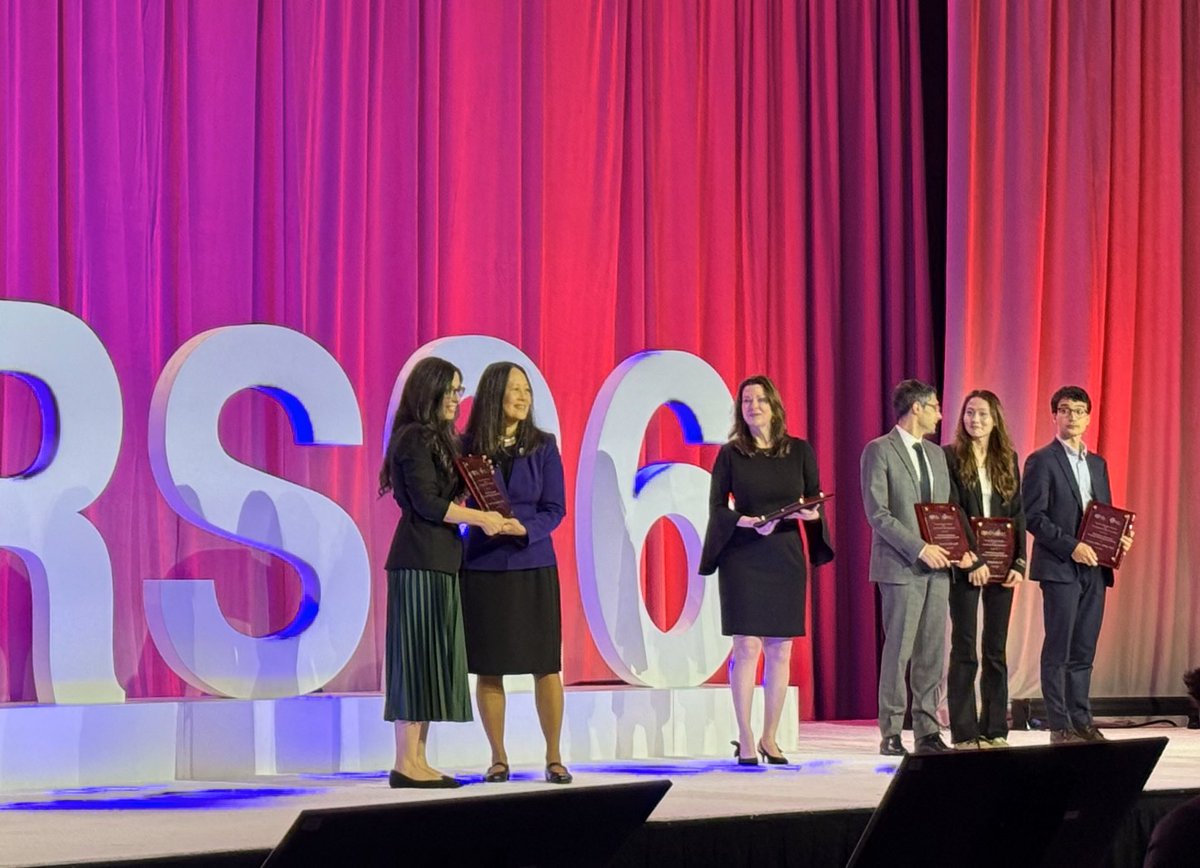
Congrats @MToumpourleka! Very well deserved.

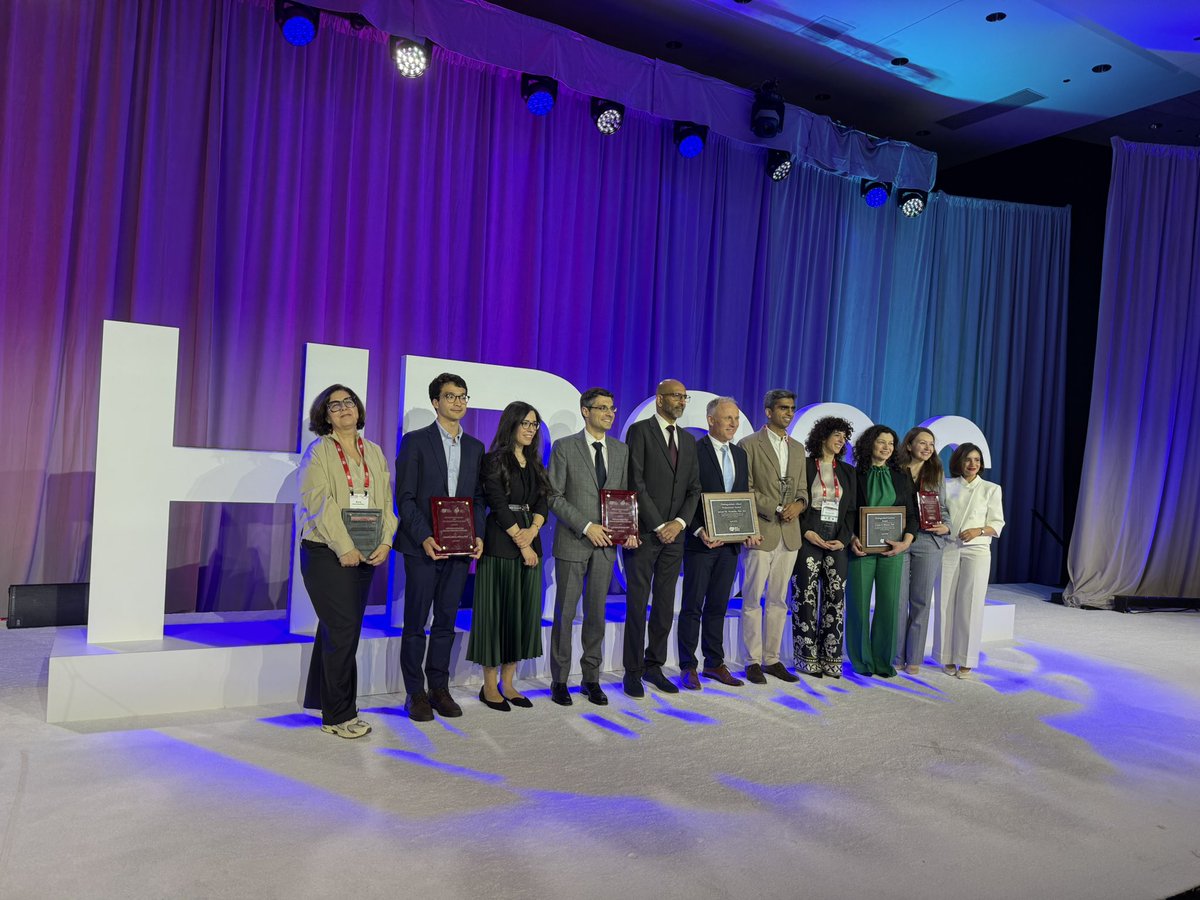
Proud of our outstanding post-doc fellow🌟 @MToumpourleka for receiving the @HRSonline research fellowship award!!!
Congratulations to all awardees!!!
#epeeps @lsjMD @JagSinghMD @OUdoim @ResearchOU @SanaAlkhatib9 @TinaBaykaner @Dominik_Linz @S_NarayanMD
1
3
176
Linda Johnson retweeted

Apr 16
I can’t believe the granddaddy of confounding gets 3.1 million views. Hey @adamcifu
14
3
58
20,000
Linda Johnson retweeted

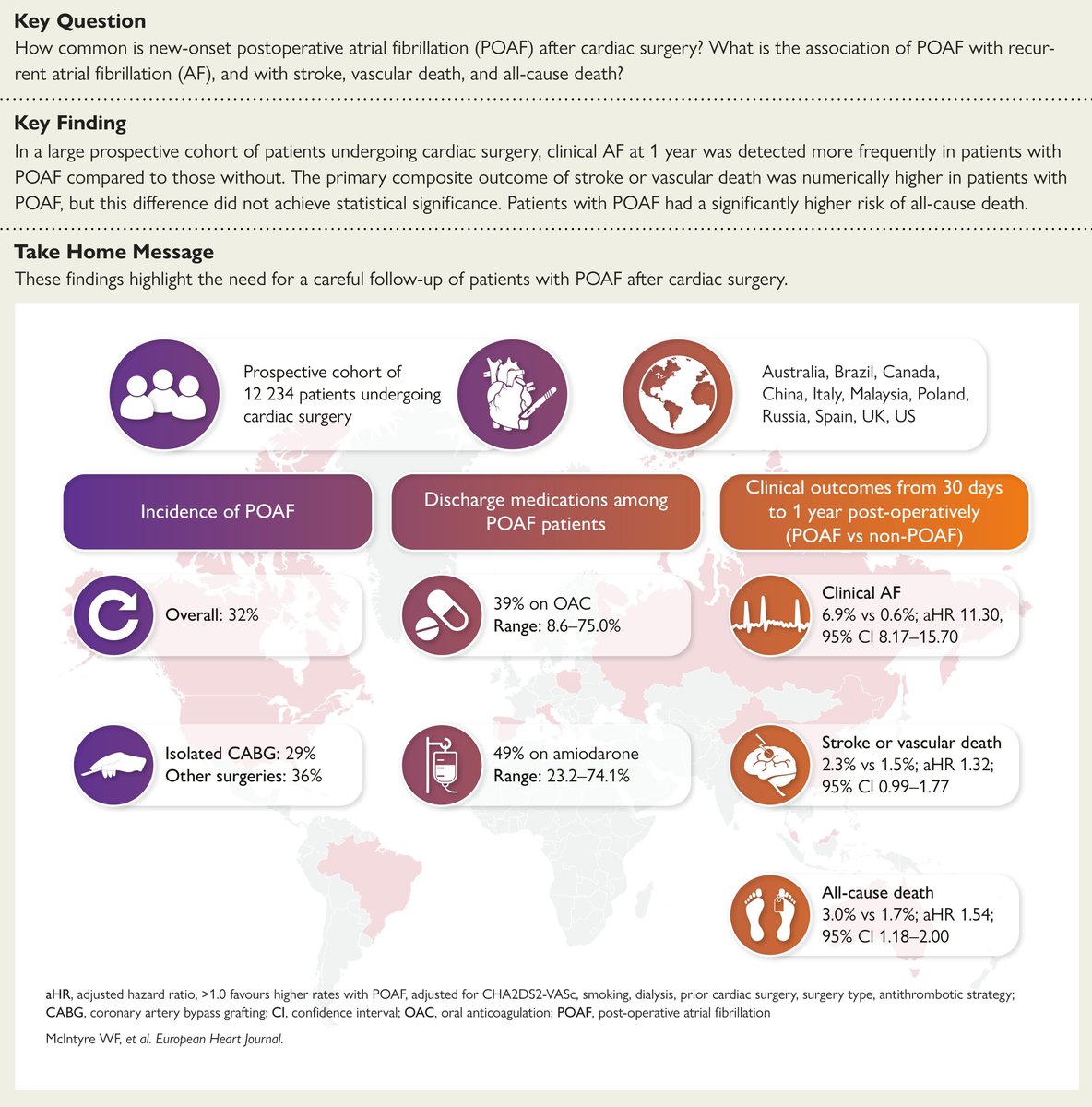
New-onset postoperative atrial fibrillation management and outcomes: Read the results of the VISION Cardiac Surgery cohort study published in #EHJ
👉 ow.ly/gOk250YJ960
@RoccoMontone @ehj_ed #atrialfibrillation
1
19
47
4,939
Linda Johnson retweeted

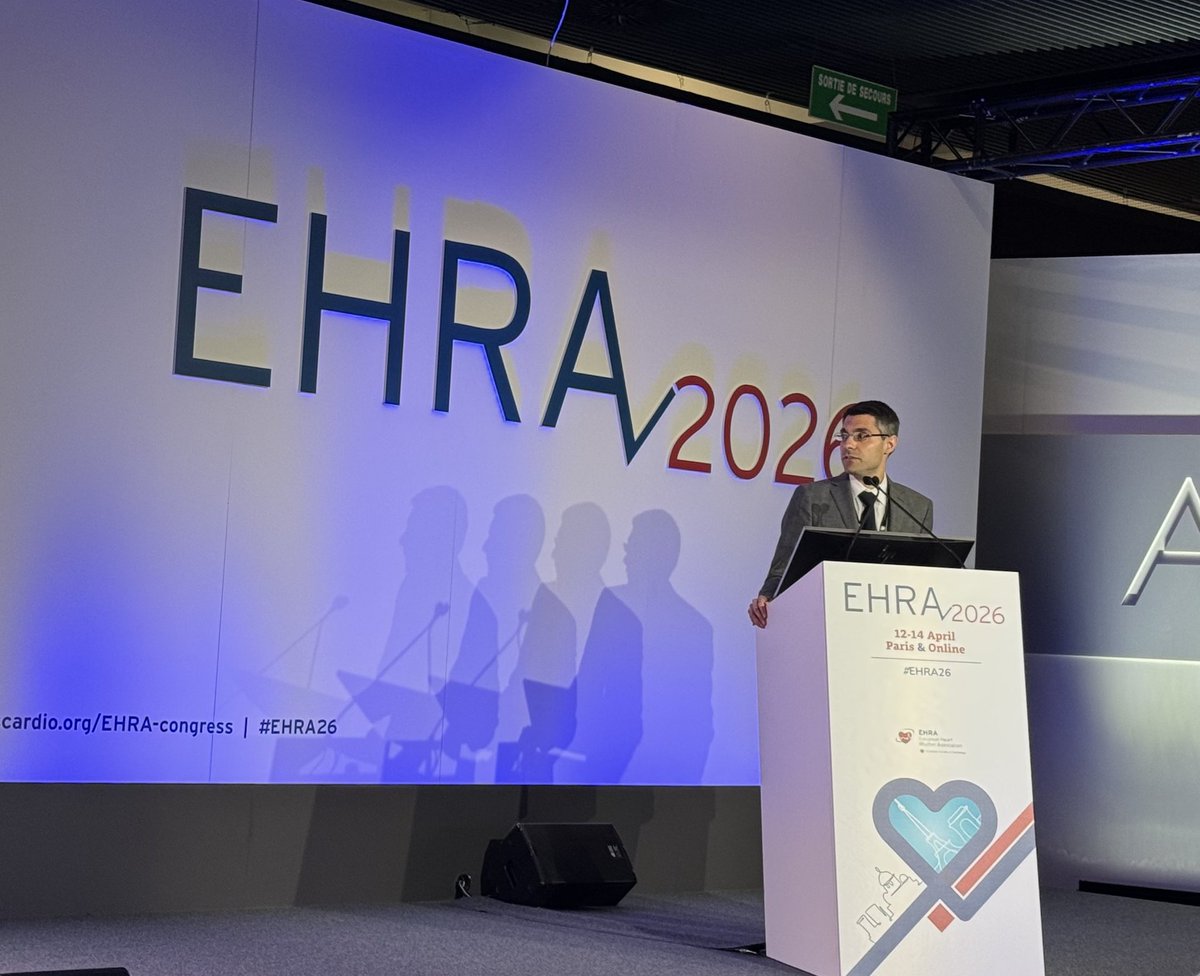
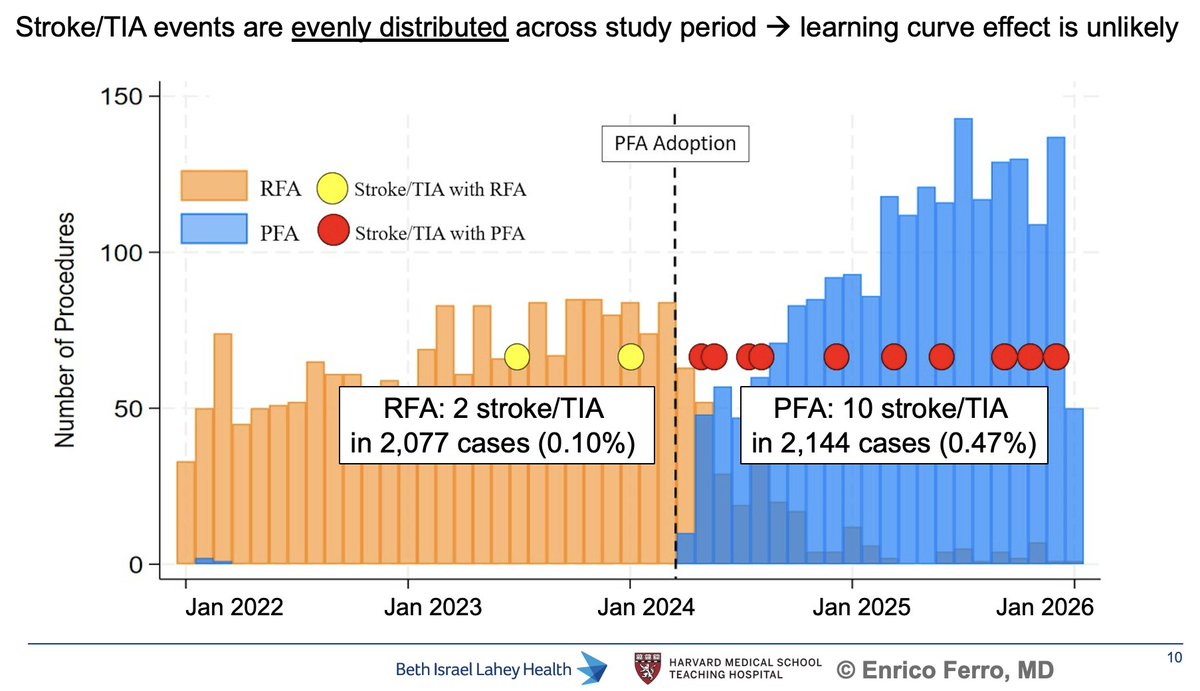
It was great to present our latest study #EHRA2026 in Paris for the Young Investigator Award. We ran one of the largest comparative safety analyses of #PFA vs radiofrequency #ablation for #AF, performed @BIDMChealth. We found a significantly higher stroke risk with PFA. Read on👇
4
9
31
3,188
Jan 21
Visionary Voices 2026 Goals | VISIONARY VOICES INCORPORATED donorbox.org/visionary-voice…
I have a general skepticism for a lot of charity. Does it really do good? But this project is run by @sanjeevpb and seems just fantastic. Check it out and consider making a small donation
2
3
151
28 Nov 2025
How would you choose to spend 31 million days of ECG?
Smartwatches can easily generate this amount of monitoring need - check out our perspective out today: rdcu.be/eSeYc
⚡️Smartwatch sensitivity for AF is unknown
⚡️Downstream effects on healthcare systems are unknown
@EmmaSvennberg @SZDiederichsen @WFMMD @EPjeff17 @SanjeevBhavnani @drjohnm
1
7
730
7 Nov 2025
The sun is rising in New Orleans, on the first day of AHA 2025!
Tomorrow we show data from the DRAI MARTINI study that answers whether the superior sensitivity of DeepRhythmAI for arrhythmia detection leads to relevant diagnoses or just a mess of incidental findings?
Very proud on behalf of the whole study team that this abstract also won the Paul Dudley White Award for Norway.
Clinical Science Zone 2, 9.55 in the session "Harnessing AI: Innovations in Arrhythmia Detection and Management". Hope to see you there!
@SZDiederichsen @WFMMD @EmmaSvennberg @AlexanderPBenz #Medicalgorithmics #AHA2025
2
3
199
31 Aug 2025
This is an important survey in a rapidly changing field! Please consider taking it!
31 Aug 2025

Clinicians and ECG experts - your insights matter!
Participate in the SAIMO Survey on AI in heart rhythm monitoring.
Takes just 5–10 minutes. Thank you for contributing your clinical expertise!
[Take the survey →] (saimo.org/survey)
#Cardiology #AIHealth #ECG #EPeeps

1
2
4
1,111
31 Aug 2025
Great analysis!
31 Aug 2025

Here's a link to the simultaneous publication
link.springer.com/article/10…
An understudied but important subject: how doesscreening and extra diagnoses impact quality of life measures
1
180
Linda Johnson retweeted

22 Aug 2025
Our paper with @StavrosStavrak1 @MToumpourleka and others is now officially published!
22 Aug 2025

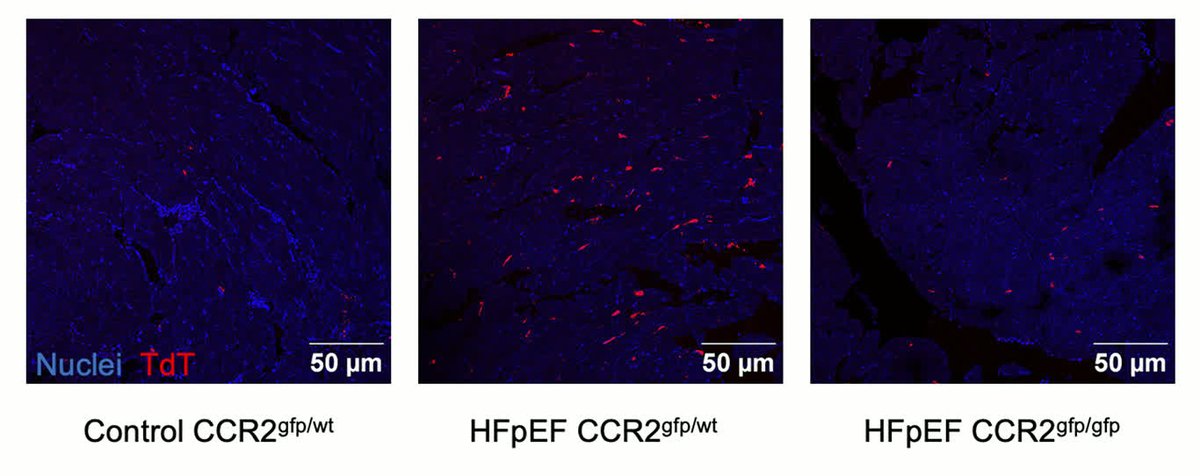
Venkatesan et al found neuromodulation with #tVNS mitigates #HFpEF in obese & #hypertensive mice, by reprogramming cardiac resident macrophages toward a pro-reparative state ahajrnls.org/4oTx9NC
@stavrosstavrak1 @kassemfarhatMD @zimmermk1986 @Maryam7835Bibi @MToumpourleka
3
10
662
Linda Johnson retweeted

30 Aug 2025
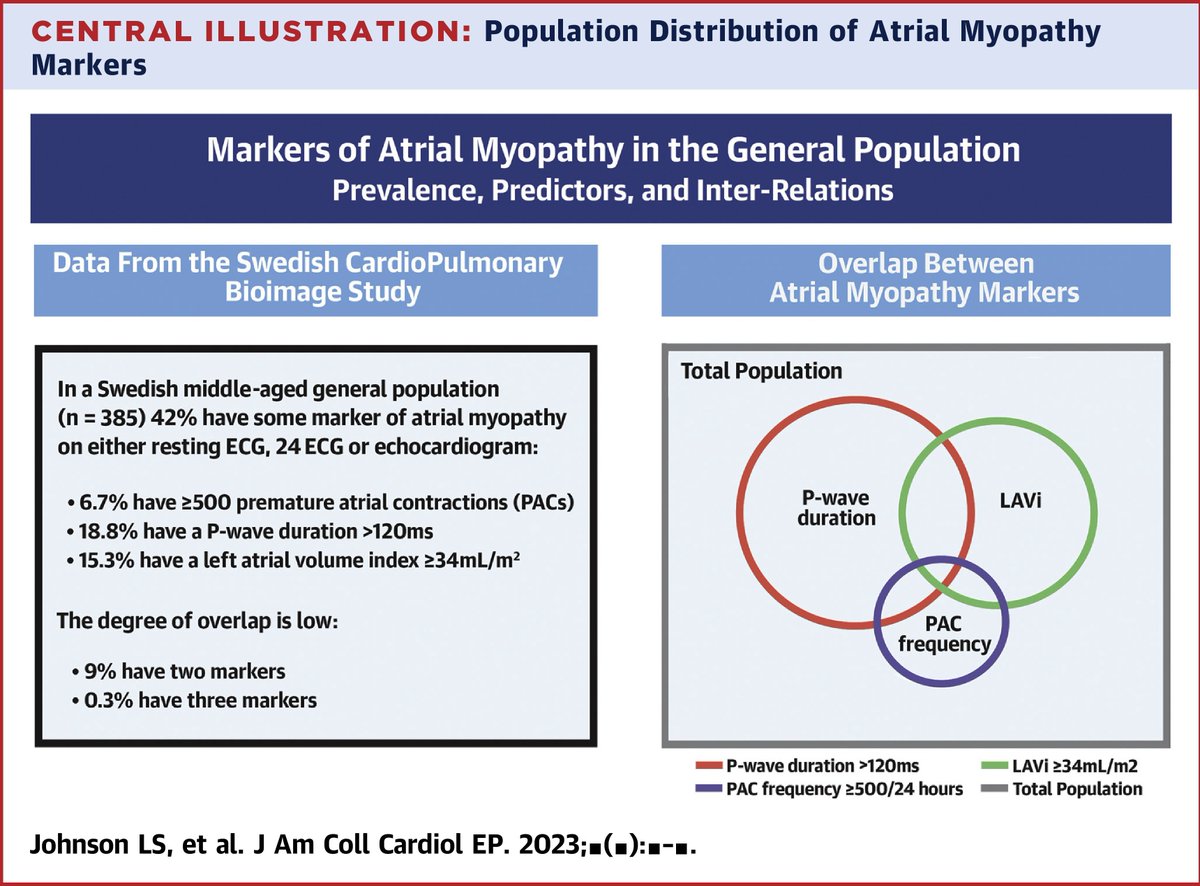
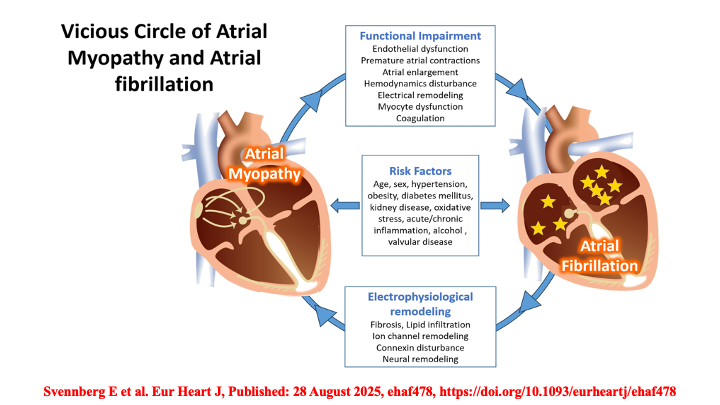
📌 Figure illustrating
👉 Vicious circle of atrial myopathy & atrial fibrillation
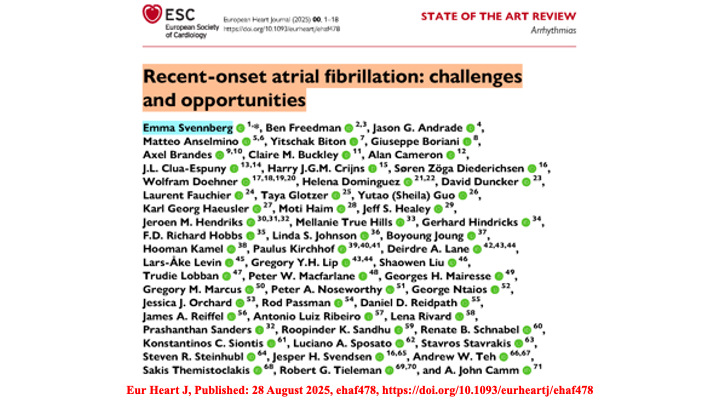
#EPeeps #WomeninEP #afib #CardioTwitter #MedTwitter @EmmaSvennberg @DrJasonAndrade @PrashSanders @J_Hendriks1 @SposatoL @DrMarthaGulati @Hragy @Dominik_Linz @adribaran @DhirajGuptaBHRS @tomdepotter
2
35
74
6,685
Linda Johnson retweeted

29 Aug 2025
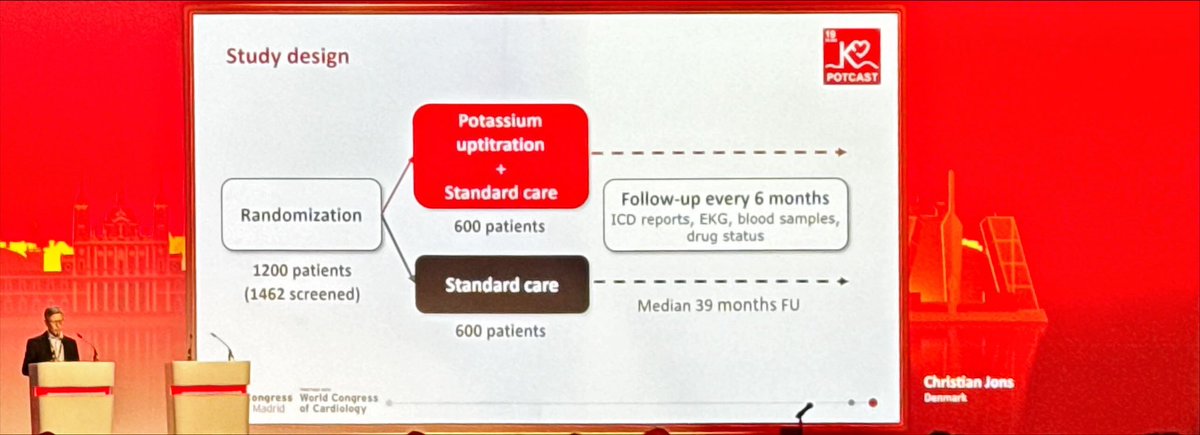
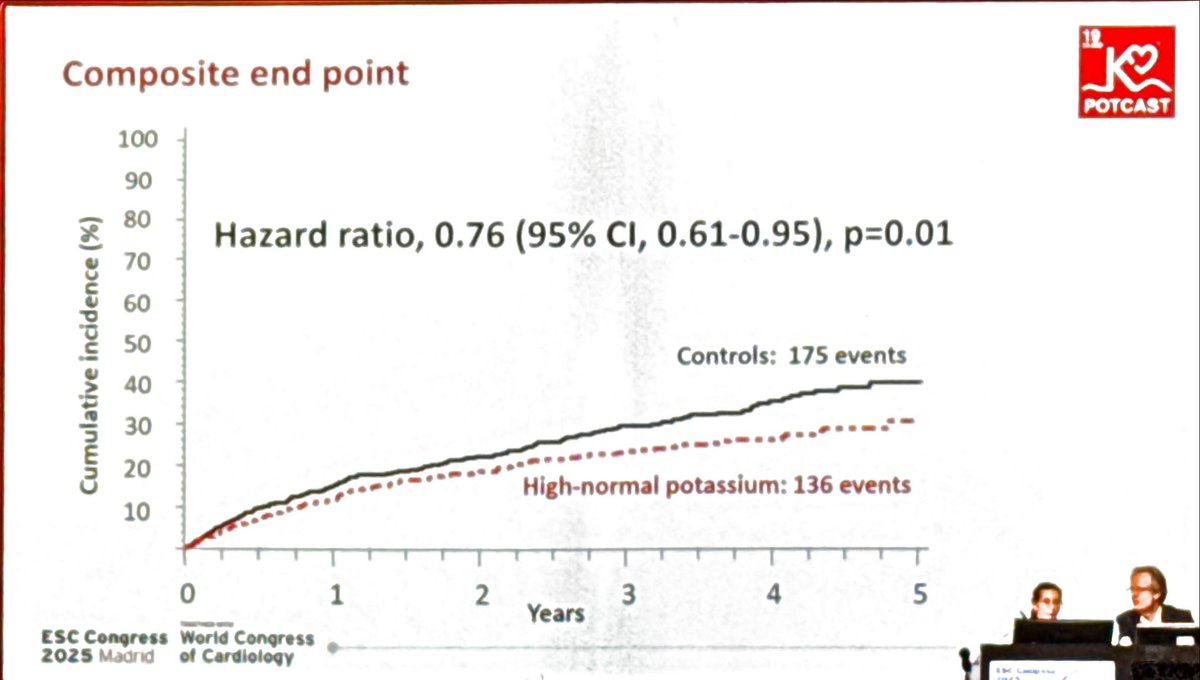
The PODCAST trial was presented today at #ESCCongress in Madrid:
🔹 Increasing plasma potassium levels = fewer events of the combined endpoint
🔹 Benefit mainly driven by reduction in ventricular arrhythmias
🔹 Less impact on HF hospitalization or death
#CardioTwitter #EPeeps
1
4
22
1,407
Linda Johnson retweeted

17 Jul 2025
Excited to share our recent paper showing rescue of HFpEF phenotype by tVNS through reduction of CCR2 CRM, and change of their profile toward a proreparative state @circres @Zimmermk1986 @MToumpourleka @SDPrabhuMD @ubcardio @PilarAlcaidePhD @josephahill
ahajournals.org/doi/abs/10.1…
9
16
70
4,696
Linda Johnson retweeted

12 Jul 2025
Suboptimal oral anticoagulation in patients with nonvalvular atrial fi... sciencedirect.com/science/ar…
Results:
- 12.4% of patients with a history of ischemic cerebrovascular disease did not receive any anticoagulant treatment.
- 17% only receive antiplatelets.
- Among those who did receive anticoagulation, vitamin K antagonists (VKAs) were more commonly prescribed than DOACs (37.4% vs. 25.5%).
- 7.4% received Anticoagulant antiplatelets
2
4
238
7 Jul 2025
Really enjoyed this perspective

1
2
3,118
Linda Johnson retweeted
7 Jul 2025
5
12
5,160
Linda Johnson retweeted

29 Jun 2025
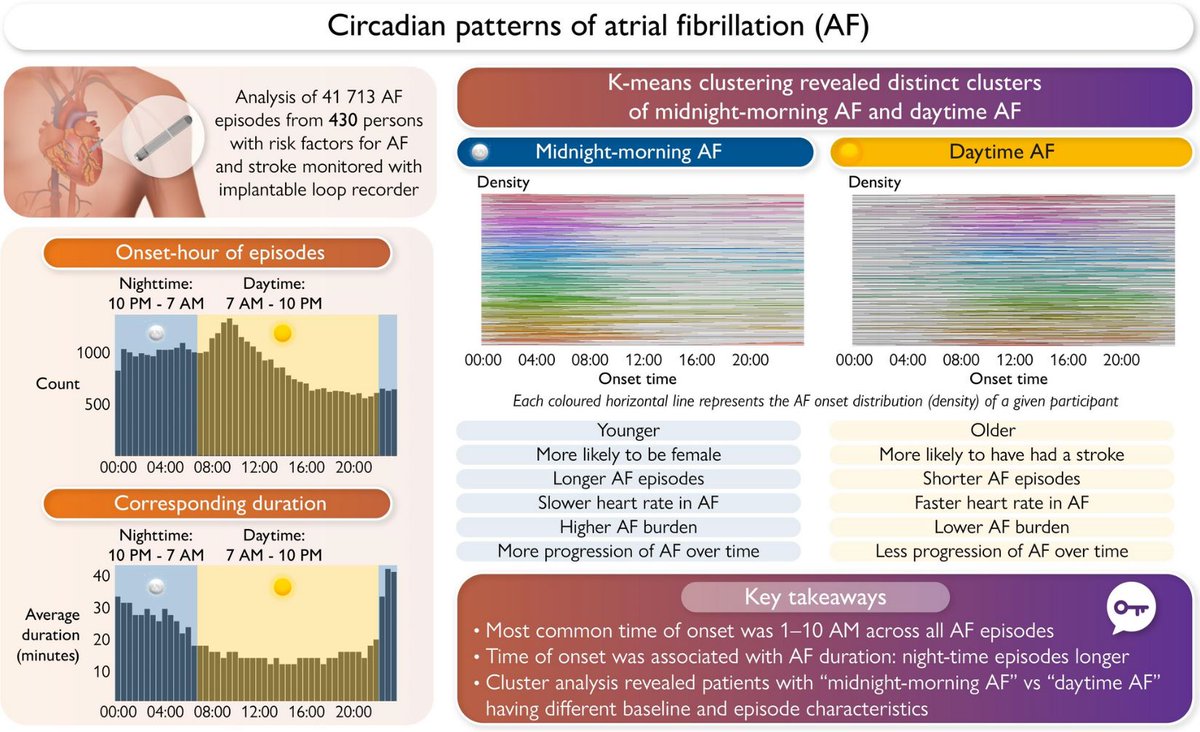
📜New publication in European Heart Journal, link 👇
2
4
21
4,360