
Assistant Professor for Political Behavior @UniKonstanz; previously @LMU_Muenchen and @ETH
Joined May 2021
- Tweets 127
- Following 191
- Followers 298
- Likes 78
36 Photos and videos



31 Mar 2025
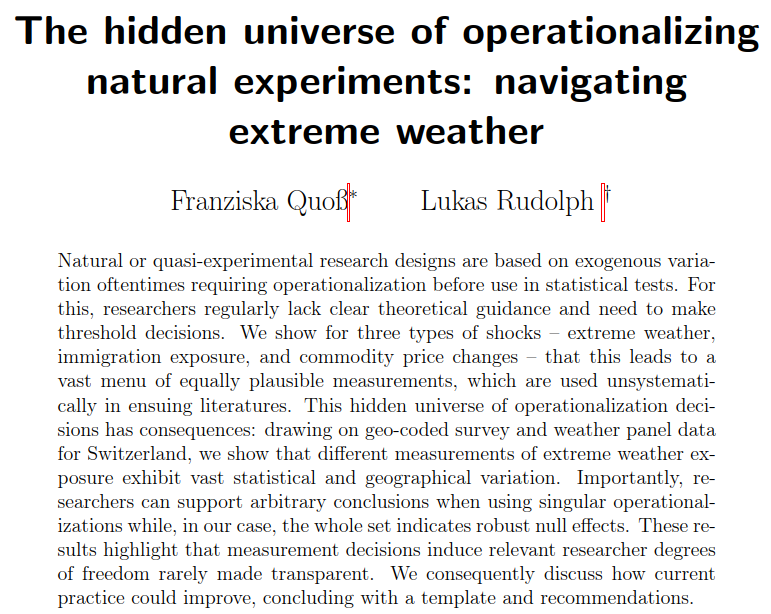
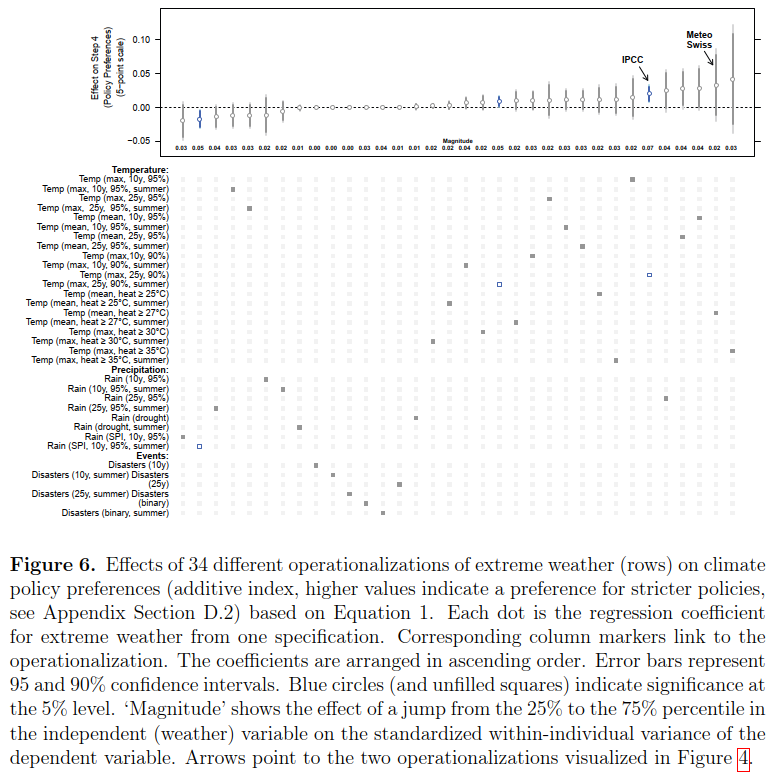
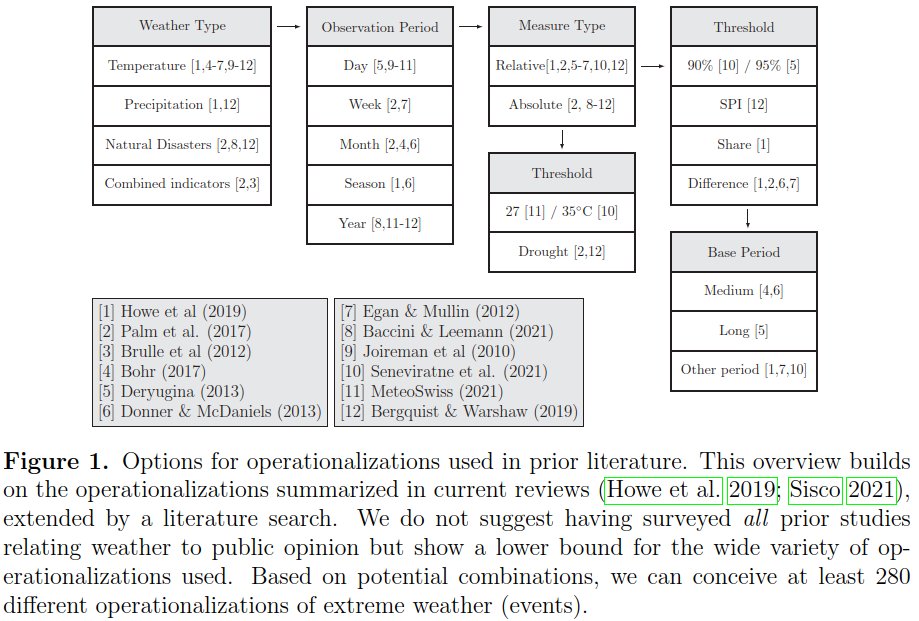
Thrilled our paper on operationalizing natural experiments, particularly extreme weather, is accepted @The_JOP (w/ F. Quoss, @gesis_org). Nat. exps. offer a unique way to analyze causal effects in real-world settings. But operationalization is often messy journals.uchicago.edu/doi/10….
2
12
61
5,452
31 Mar 2025
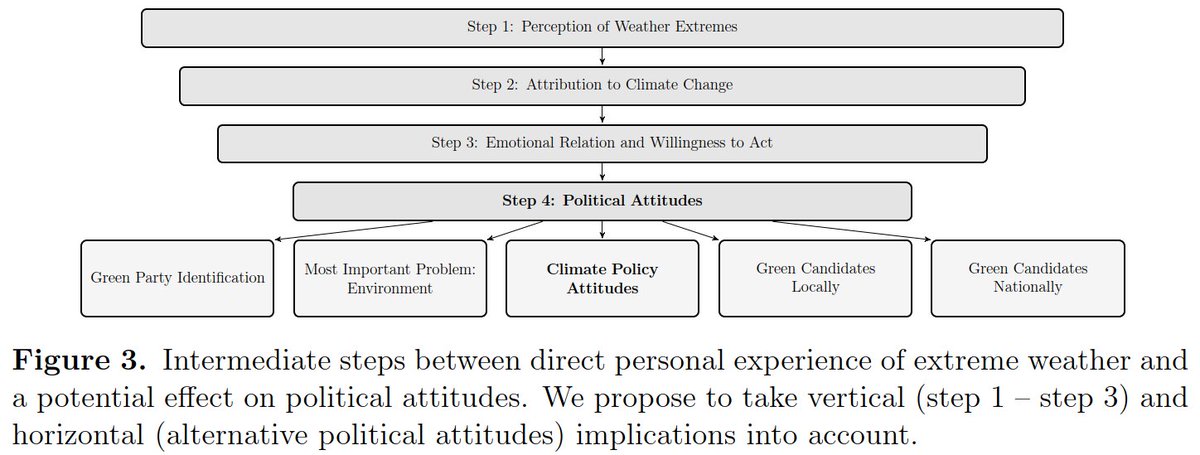
To improve the reliability of applied natural/quasi-experimental work, we provide a checklist. Key steps include pre-registering measurement choices, exploring a range of operationalizations, and testing for what we call vertical and horizontal observable implications.
1
3
135
31 Mar 2025
We hope this sparks further discussion on research practices in our field! See @The_JOP: journals.uchicago.edu/doi/10…. Thanks go to @VETroeger, 3 referees, @lfbeisermcgrath, X. Cao, @R_Goersch, @Robert_A_Huber, @a_leininger, @michaelhlerner, S. Pianta, O. Rittmann, G. Spilker (a.o.)
1
5
143
Lukas Rudolph retweeted

25 Nov 2024
📷📷📷 Launch of climate migration documentary "Eroding Horizons" 📷📷📷
The movie amplifies the voices of communities at the forefront of climate change - asking: How can we adapt to rapidly changing climatic conditions?
Watch the full movie here: youtube.com/watch?v=d44LCujw…
2
1
1
183
3 Nov 2024
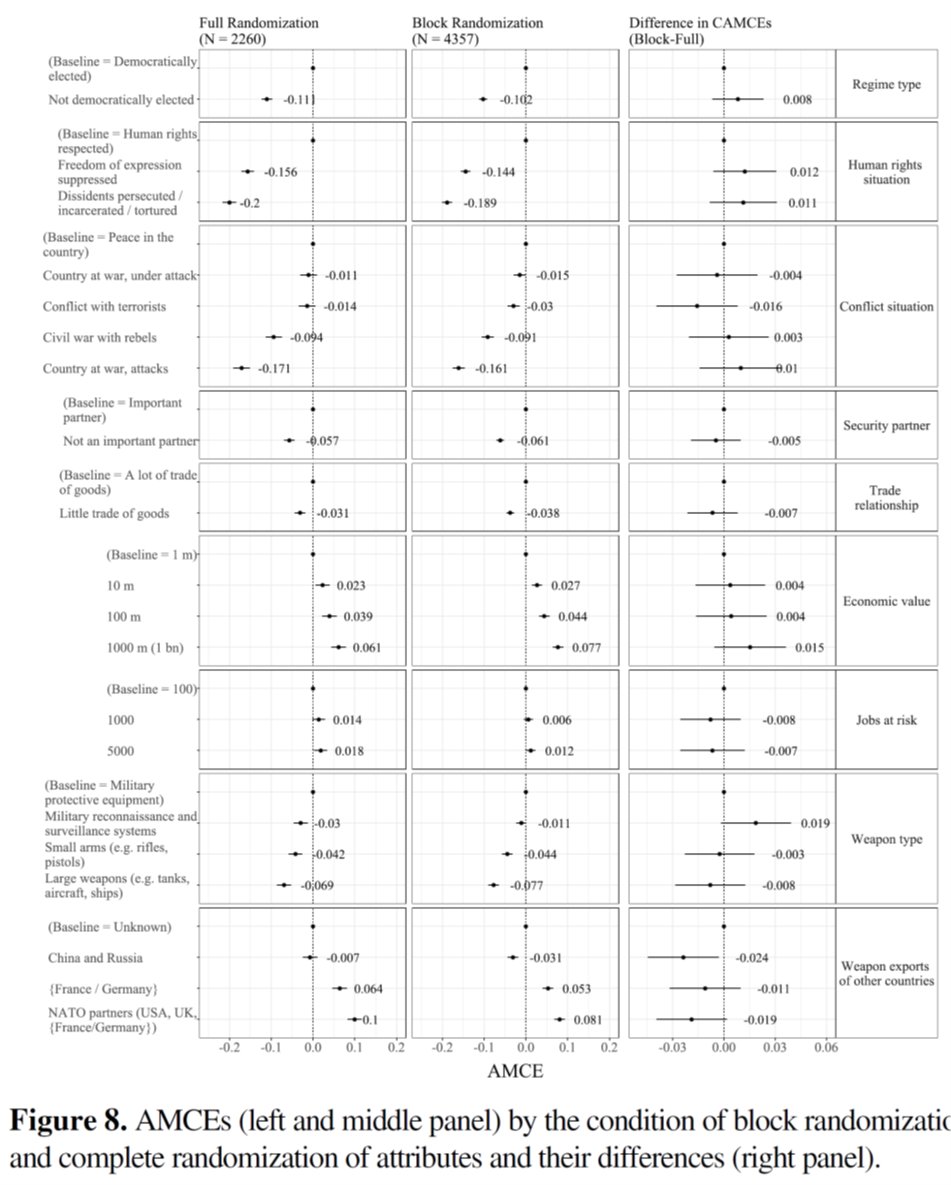
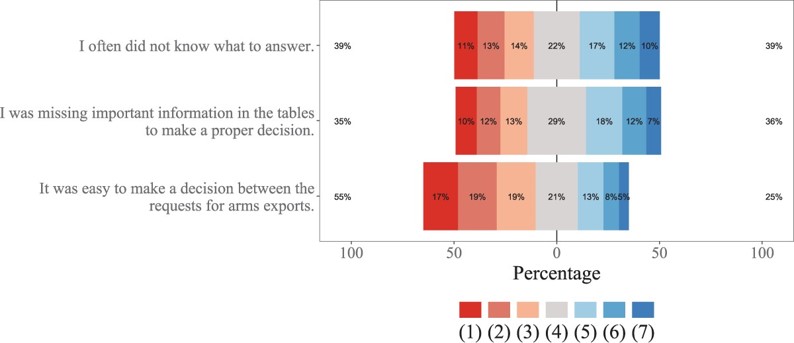
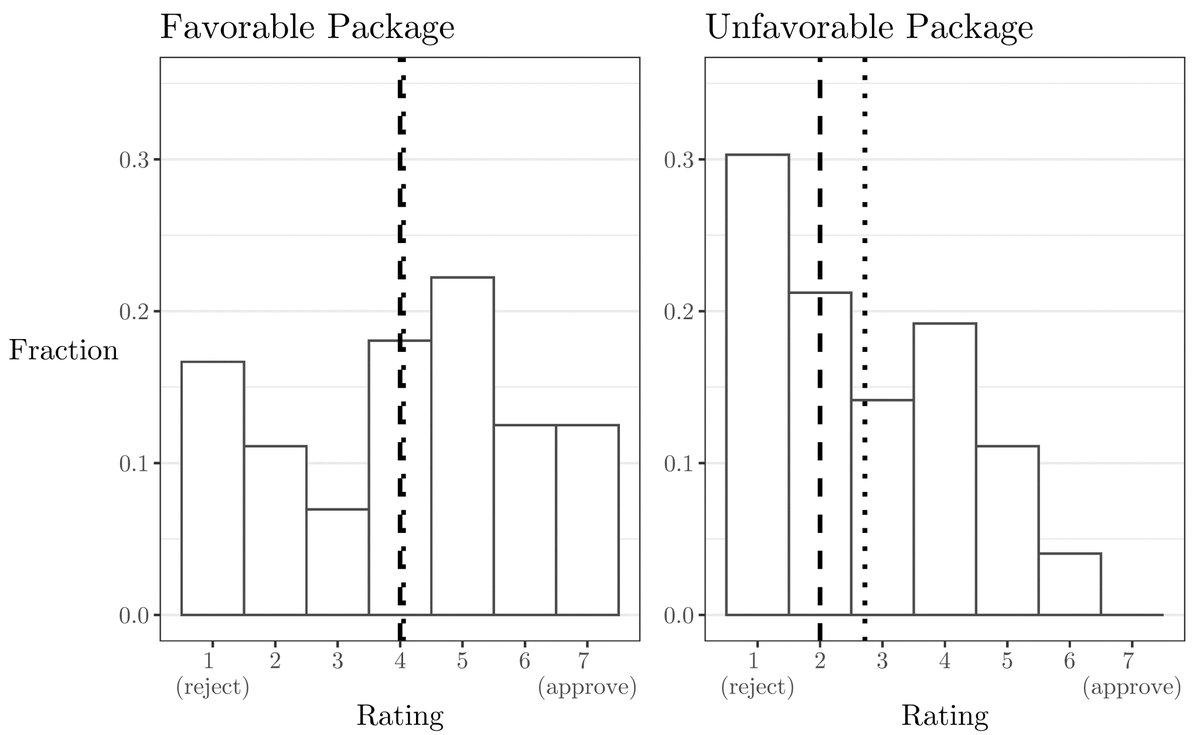
Conjoint experiments are hard to process for respondents. Can a block-randomized attribute structure improve survey experience & reduce error from cognitive burden? @MarkusGFreitag, P. Thurner & I tested this thoroughly. Now out in Public Opinion Quarterly
academic.oup.com/poq/advance…
1
1
4
188
3 Nov 2024
For some (inductive) subgroups block randomization eases cognitive burden. Overall, our study indicates that bias from attribute order is not a grave concern in conjoints. Theoretically, the advantages of block vs complete randomization still seems appealing for many choice tasks
1
1
45
3 Nov 2024
We thank colleagues @Konstanz_Pol_PA, @GSI_Muenchen, @IPEEP_eth, @dvpw Sektion Methoden and the journal editor & reviewers for feedback! The authors manuscript is freely available at doi.org/10.31235/osf.io/yq4g….
2
59
2 Nov 2024
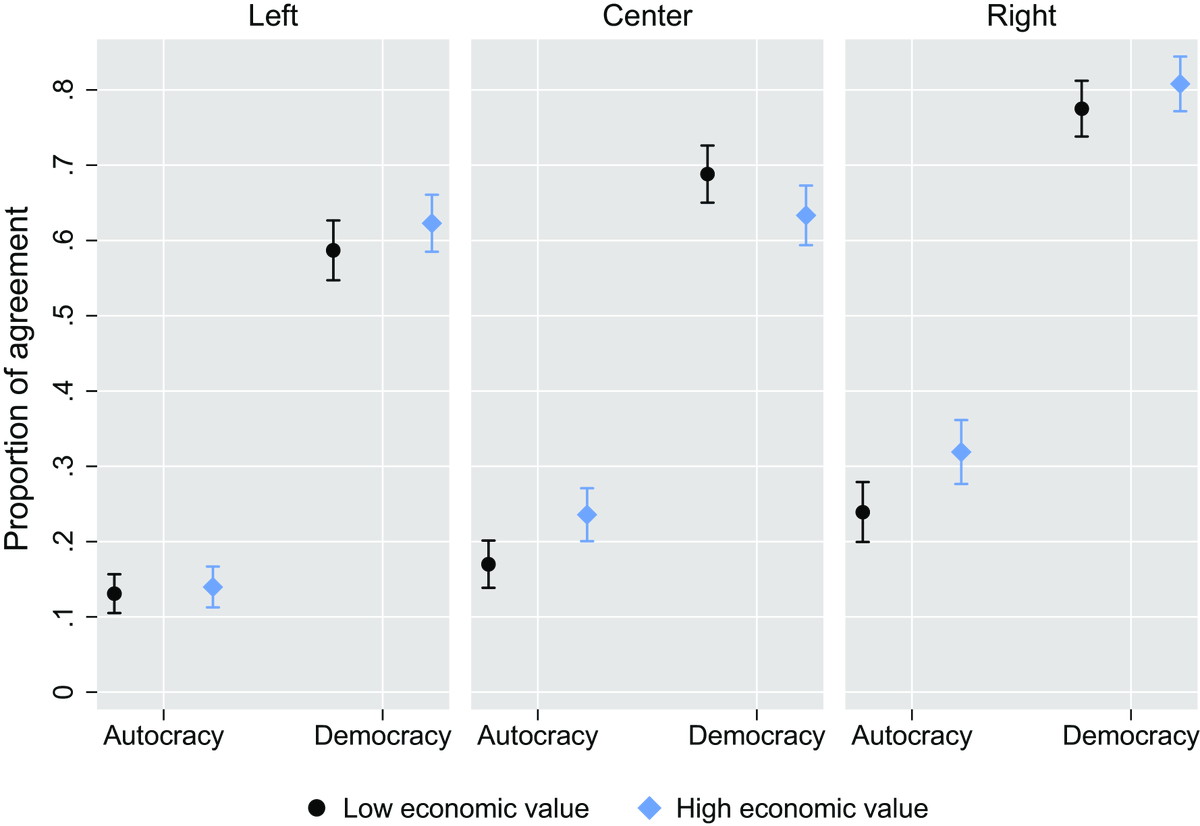
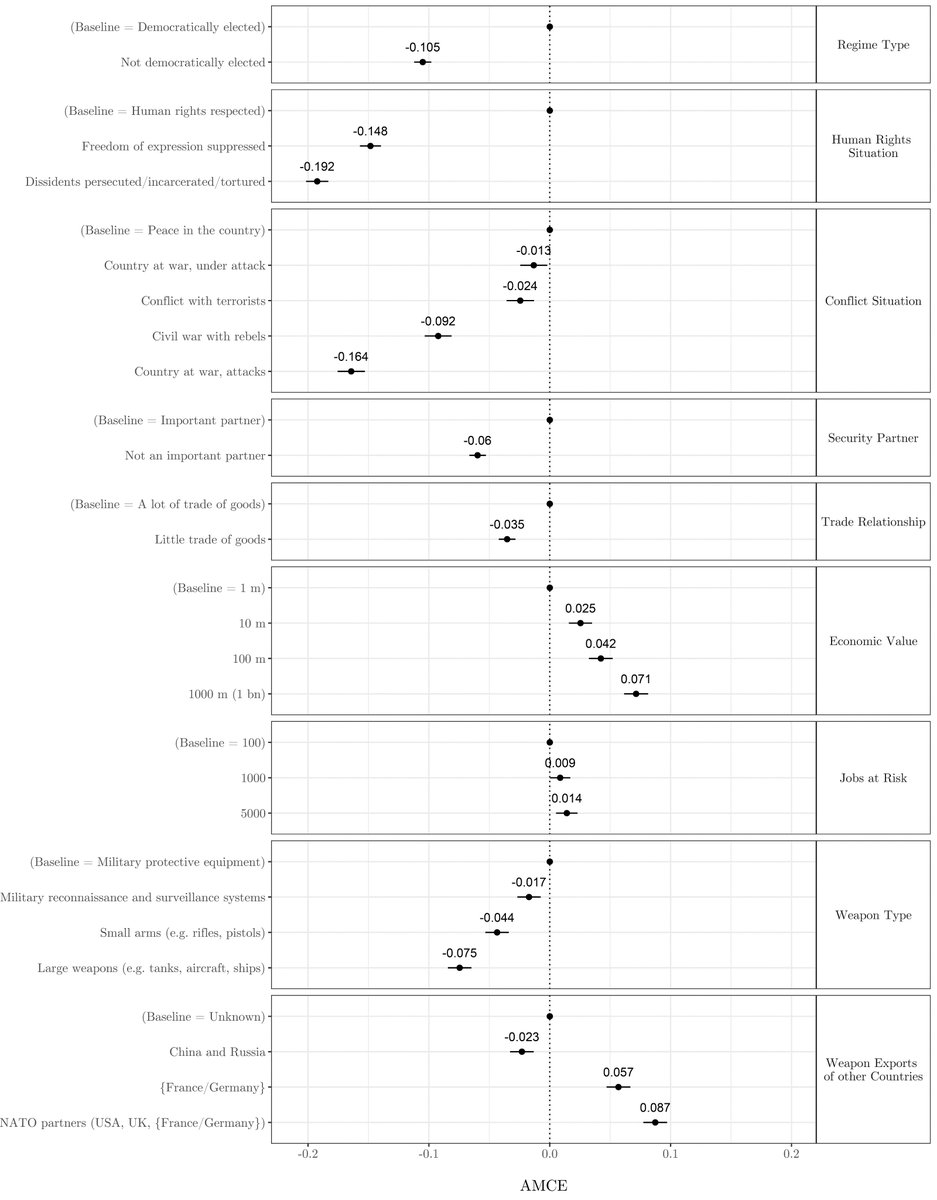
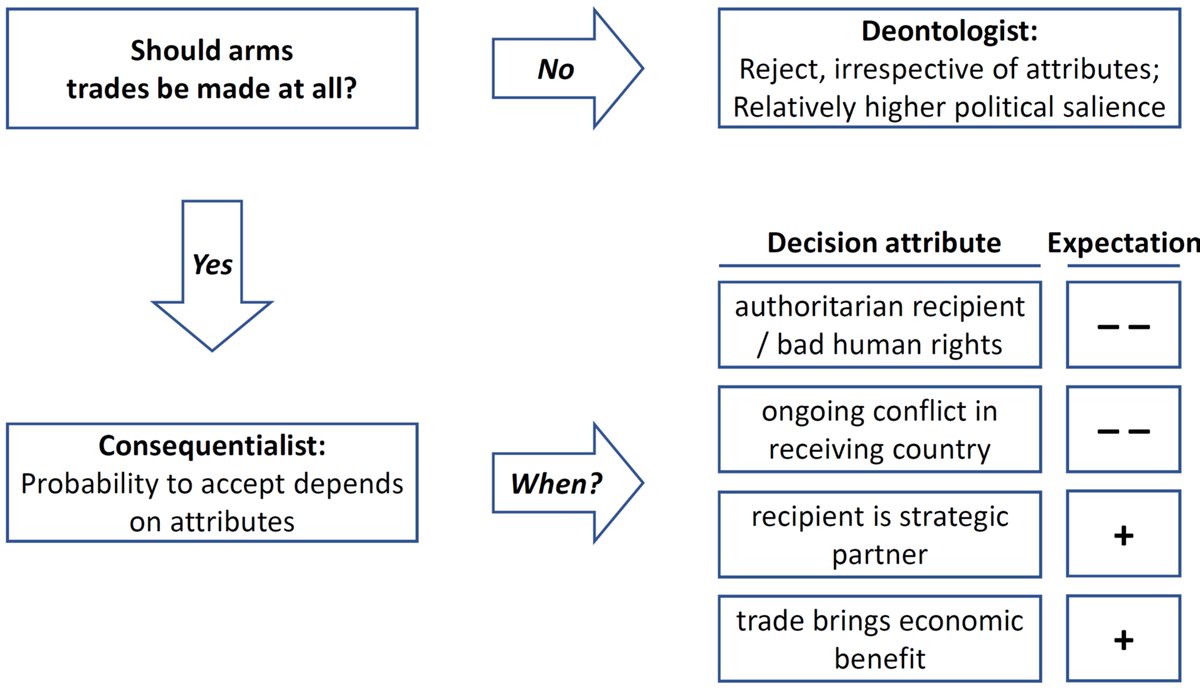
How do ideology and partisanship influence voters’ support of arms deliveries? P. Thurner & I provide survey-experimental evidence that 🇫🇷 & 🇩🇪 voters’ attitudes on arms transfers subsume remarkably well under the left-right scale. #openaccess @EPSRjournal doi.org/10.1017/S17557739240…
1
5
12
1,528
2 Nov 2024
Finally - in a pre Ukraine-war time - respondents voice a large stated importance of the issue for voting. Particularly German parties on the political left seem to be closely watched by their respective partisan base on arms trade policy.
1
77
2 Nov 2024
We thank colleagues @Konstanz_Pol_PA, @GSI_Muenchen and @IPEEP_eth, @bjoern_bremer, @MarkusGFreitag, and the journal editor and reviewers for feedback and comments!
2
85
Lukas Rudolph retweeted

#OpenAccess from @EPSRjournal -
Are ideological and partisan affinities determining voters’ support of arms deliveries? Insights from a large-scale survey experiment in France and Germany - cup.org/3BSgmXj
- @LukRudolph & Paul W. Thurner (@LMU_Muenchen)
#FirstView

2
4
637
12 Aug 2024
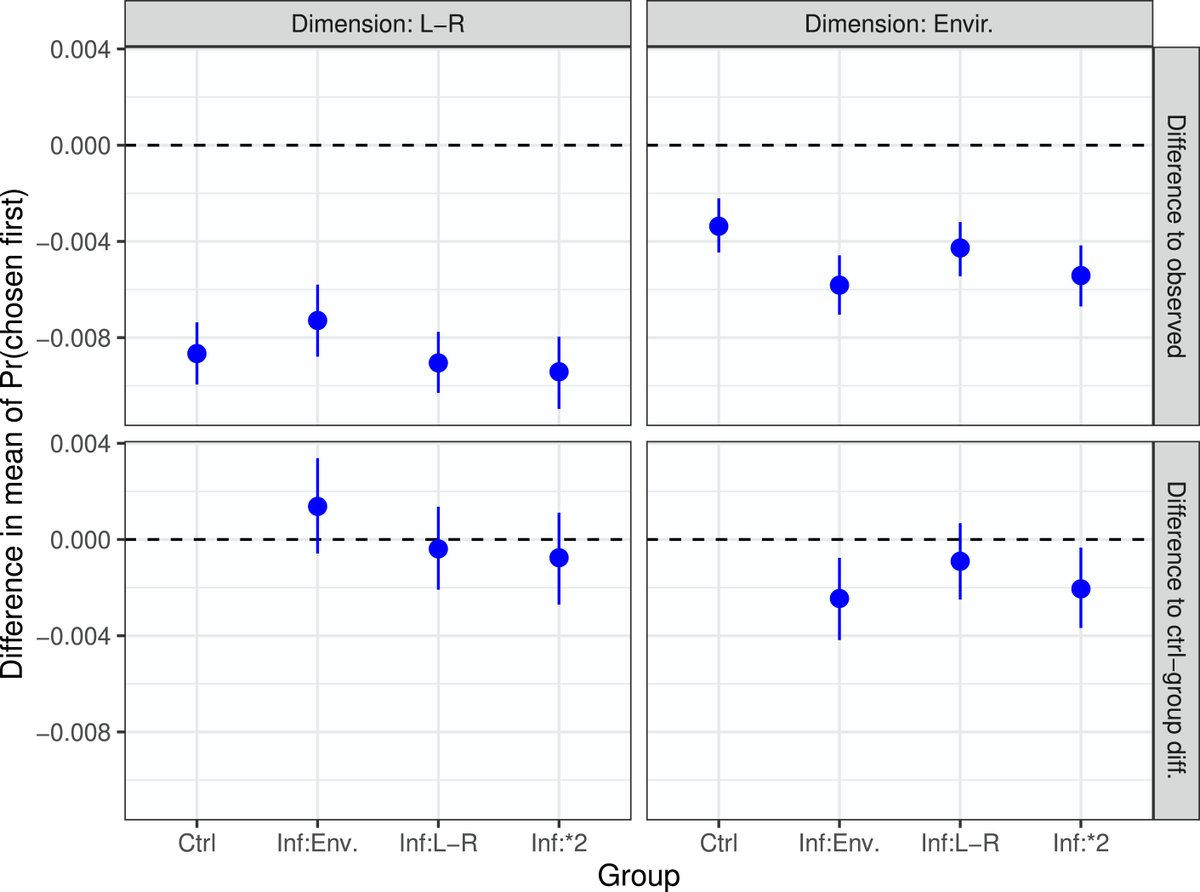
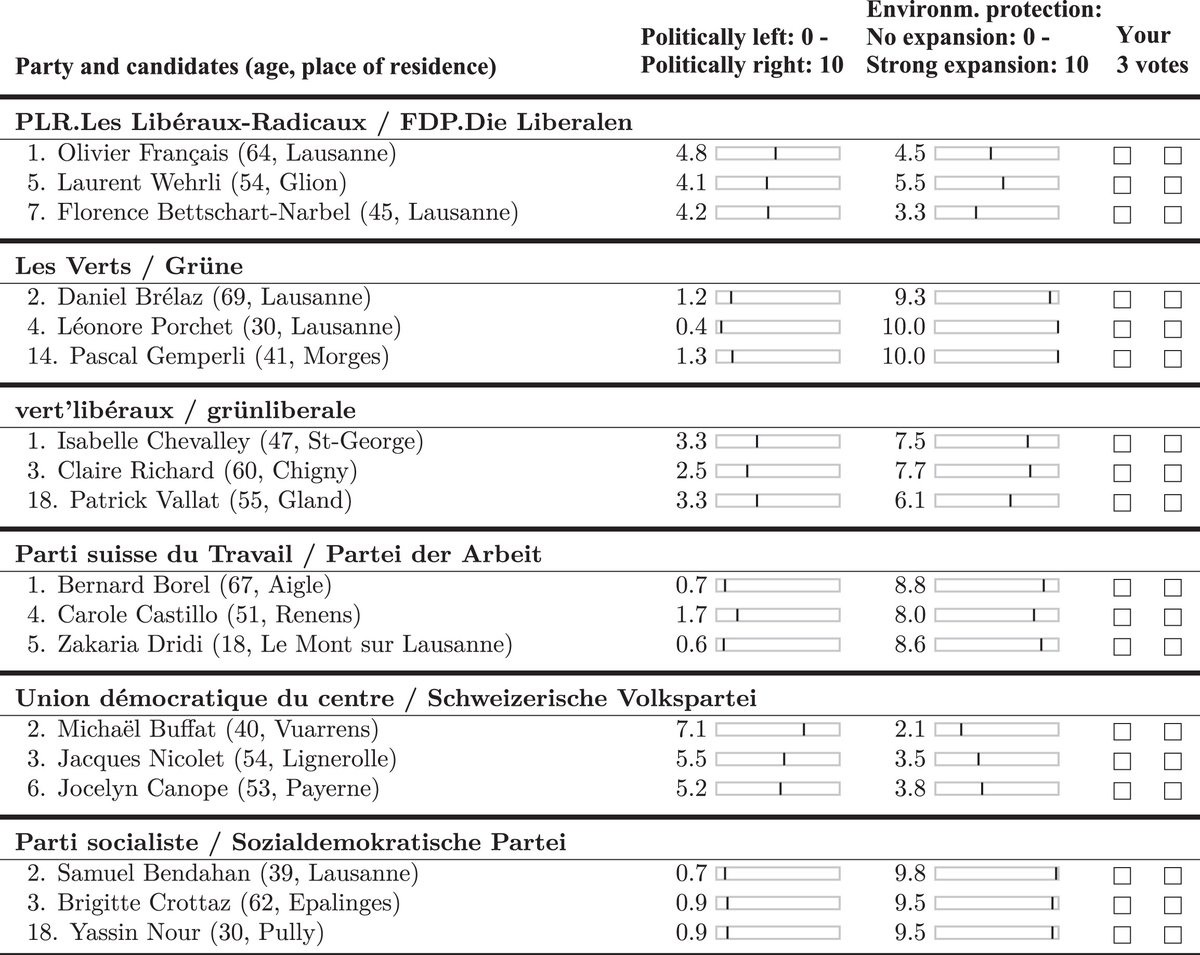
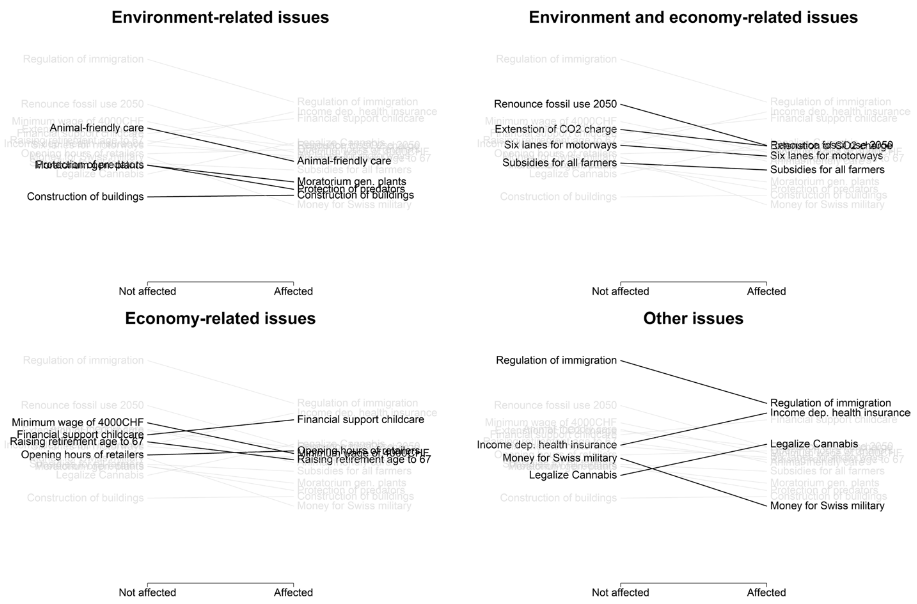
Does information affect vote choice in open-list PR systems? @phanxi_, @DaeublerT and I show survey-experimentally how voters use information on environmental policy positions of candidates to align voting with own standpoints. #openaccess @ElectoralStdies doi.org/10.1016/j.electstud.…
1
7
17
1,110
12 Aug 2024
Respondents already align candidate votes to policy proximity at baseline. However, when voters become aware of the exact environmental (but not left-right) policy position of candidates, this alignment improves relevantly. Voting along descriptive cues (gender, age) decreases.
1
55
12 Aug 2024
Hence, if voters were better informed about candidate/party positions on the environment, this would become more influential in their vote. We thank audiences @ucddublin @Konstanz_Pol_PA @GSI_Muenchen @CIS_ETH_UZH @europsa @dvpw, O. Pamp, T. Bräuninger & @smartvoteCH @bafuCH .
1
94