
Changing the way the world makes everything.
Joined March 2021
- Tweets 614
- Following 217
- Followers 6,921
- Likes 1,228
Photos and videos
Pinned Tweet

2 Nov 2023
You know what medical CT is, but what about industrial CT? 🤔Learn how industrial CT works, its history, and the ways it can make manufacturing better and more efficient for engineers. 📈
Discover industrial CT here 💡: lumafield.com/article/what-i…
3
10
106
43,894
Jun 10
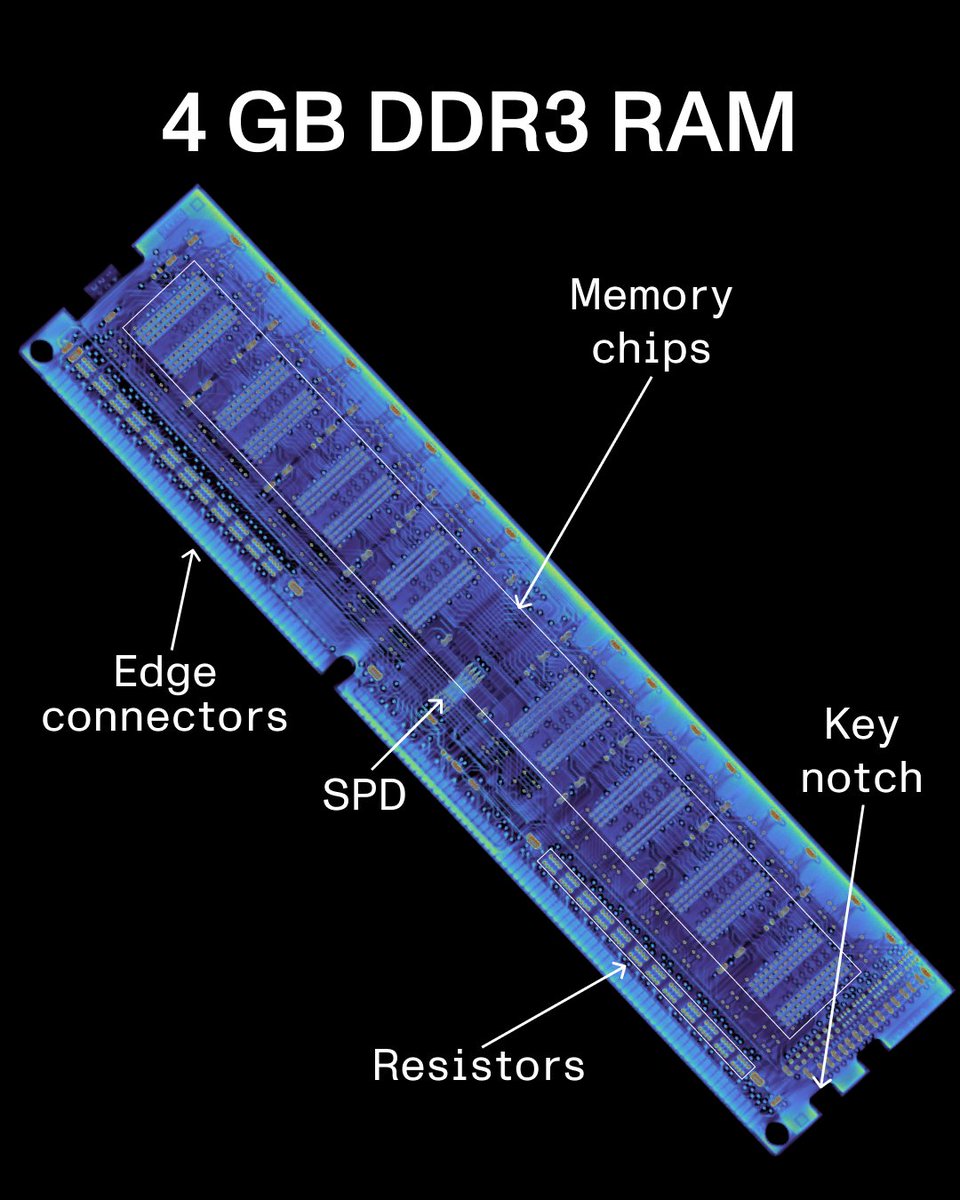
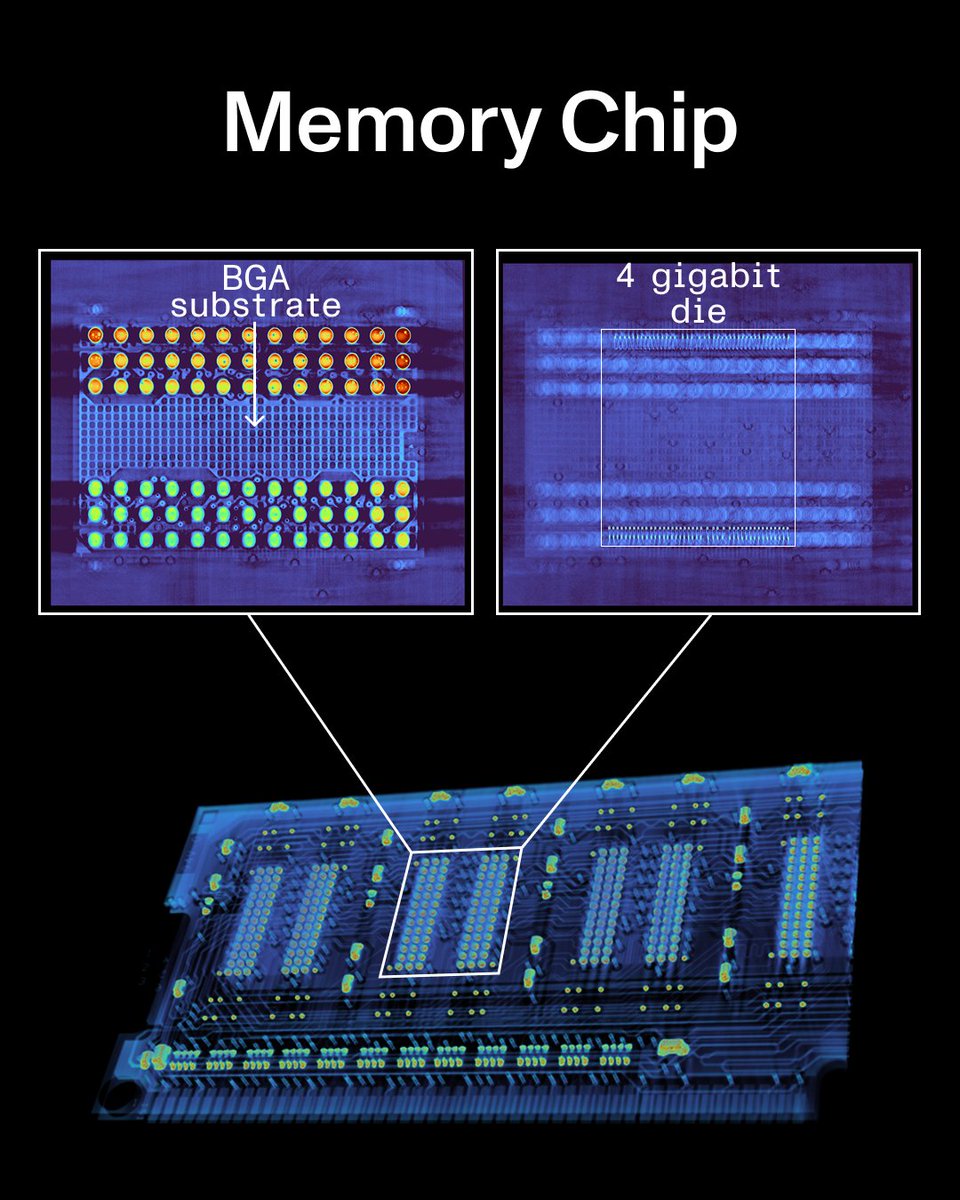
RAM prices have gone crazy with AI data centers disrupting the entire market. Some PC gamers are going back to DDR3 RAM and older components for their budget gaming builds. 😮💨
We CT scanned a 4GB stick from a 2014 gaming PC to see what's inside. Would you build a budget rig with older parts or just pay up for the latest DDR5?
9
645
Lumafield retweeted

Jun 5
There's a lot going on in the exciting world of asphalt! In addition to a global bitumen shortage brought on by the Iran war, there's a longer-term trend that's affecting road maintenance... 🧵
1
4
13
3,087
Jun 4
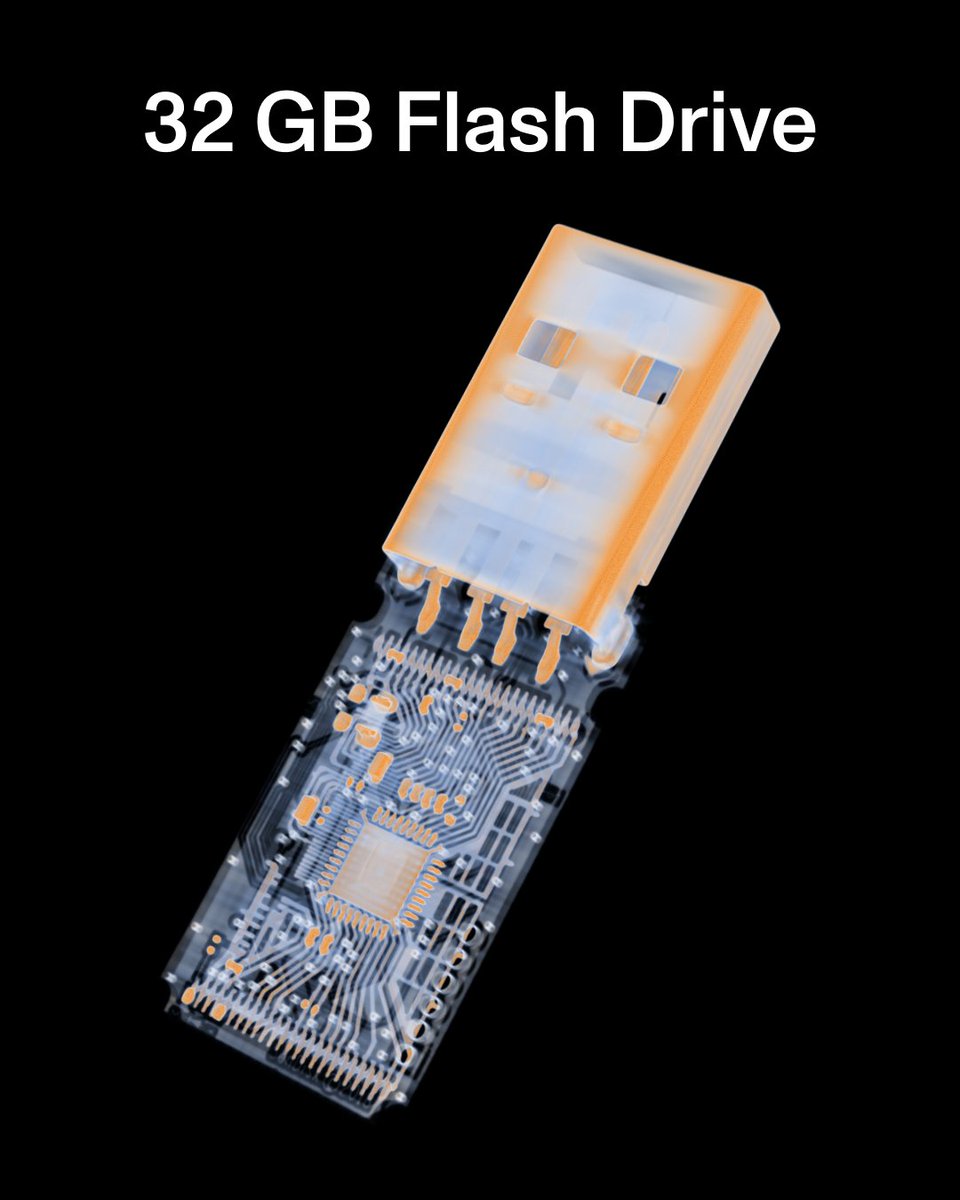
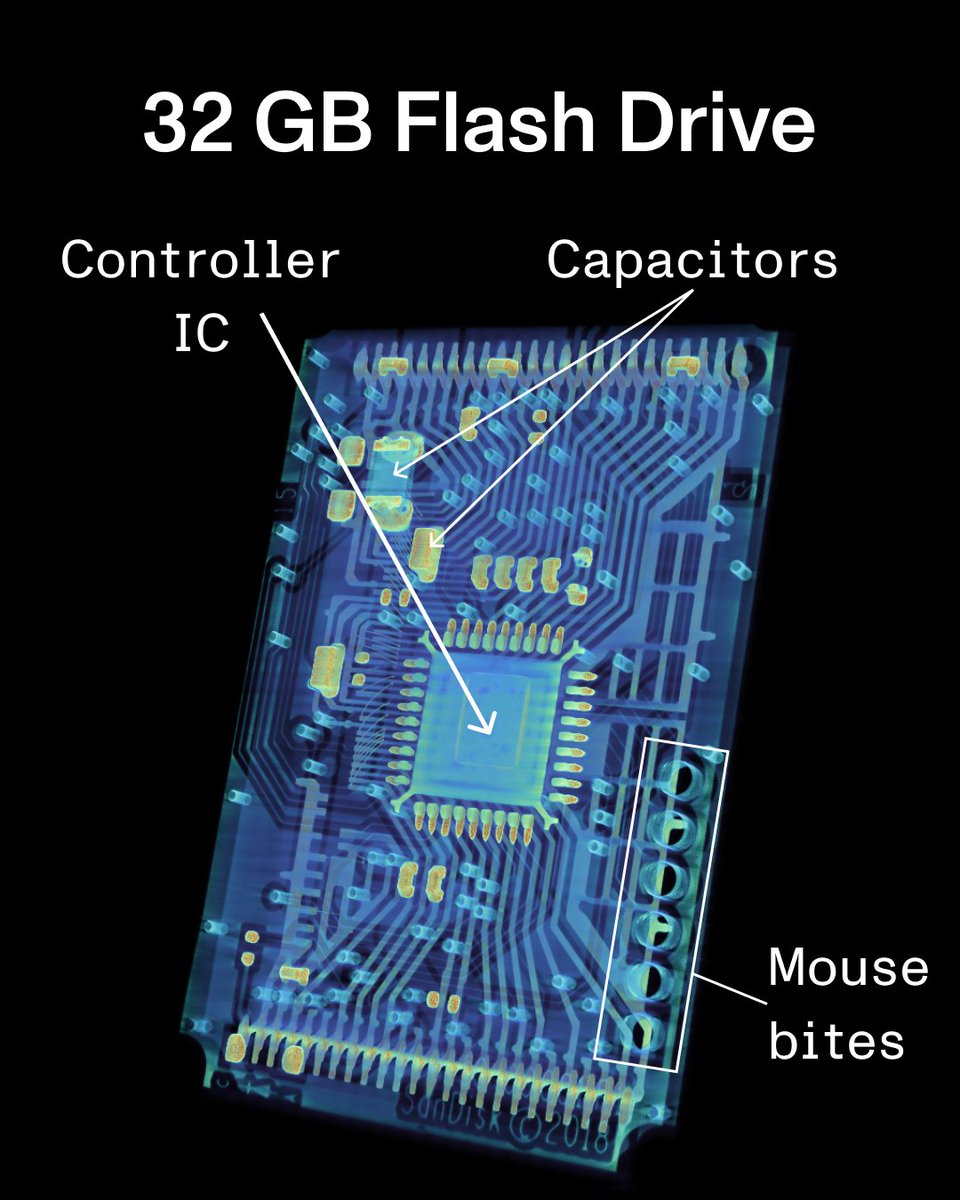
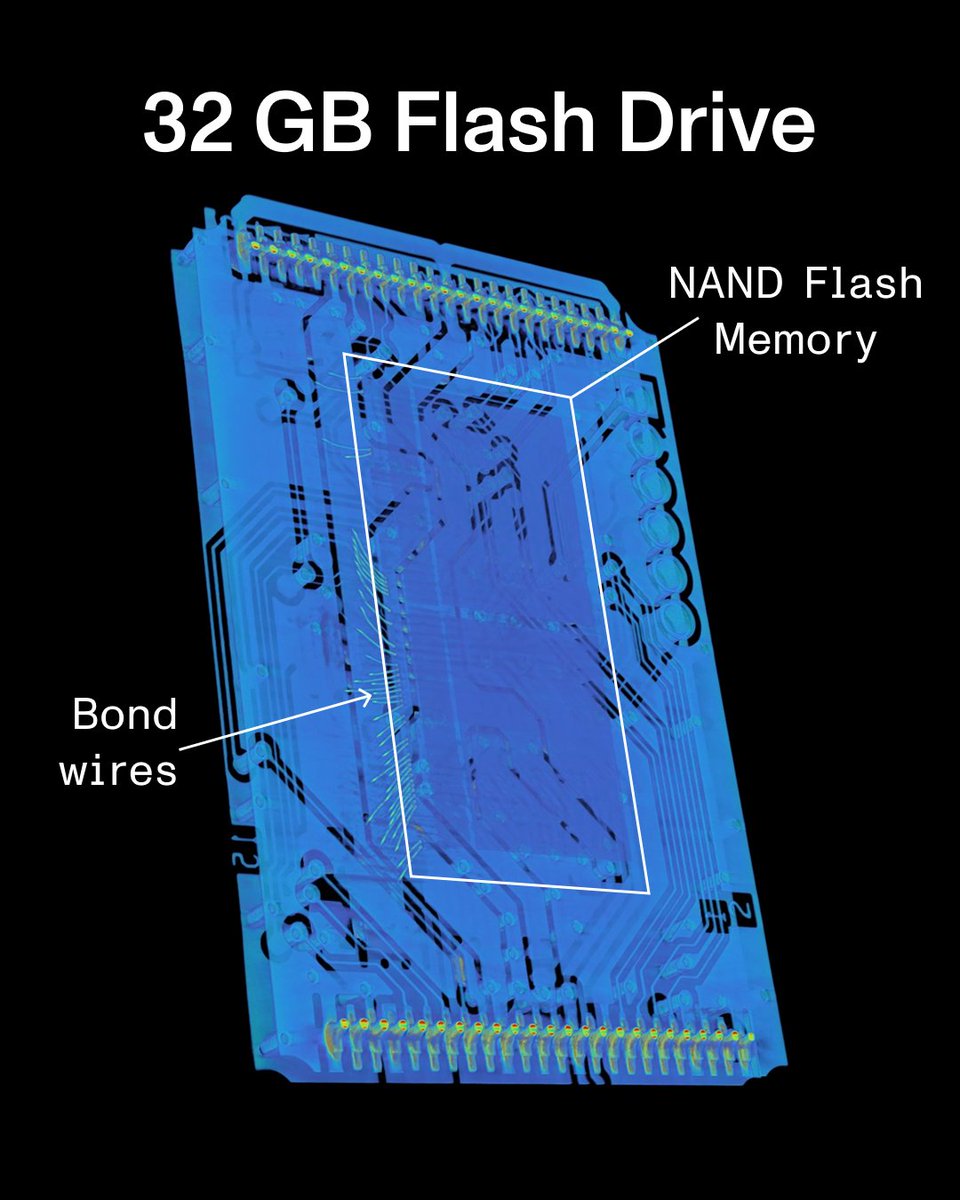
Cloud storage was supposed to make these obsolete. 👀
We CT scanned a 32GB SanDisk Cruzer to see what stored all our school projects and family photos before the cloud, all on a piece of silicon thinner than a human hair. Do you still have one in a drawer somewhere?

1
27
1,702
Jun 3
BYD, the Chinese EV manufacturer, delivered 4.6 million vehicles in 2025, making it the world's largest electric vehicle maker by volume.
Americans mostly know the name from trade headlines around tariffs and national security investigations. What gets less attention is that BYD manufactures roughly 75% of the components inside its own vehicles, a level of vertical integration not seen since the inception of Ford. It's a sharp contrast to American automotive manufacturers who rely on a network of suppliers.
Our latest Scan of the Month covers four @BYDCompany parts: a lithium iron phosphate battery cell, a window switch panel, a portable EV charger, and a key fob.
Follow the link to scroll through the scans to see what the world's largest EV manufacturer is building: lumafield.com/scan-of-the-mo…
1
11
36
2,999
May 28
It's been a while since any of us have used one of these. 👀
We CT scanned a 32GB USB stick to see what's storing all of our old homework. When was the last time you used a USB stick?
1
7
1,901
Lumafield retweeted
May 21
The Cost of Quality is one of the most important metrics for manufacturers—and one that many don’t measure at all. We surveyed 210 manufacturing leaders to find the true cost of quality and learn how it’s being affected by tariff chaos and new technology… 🧵
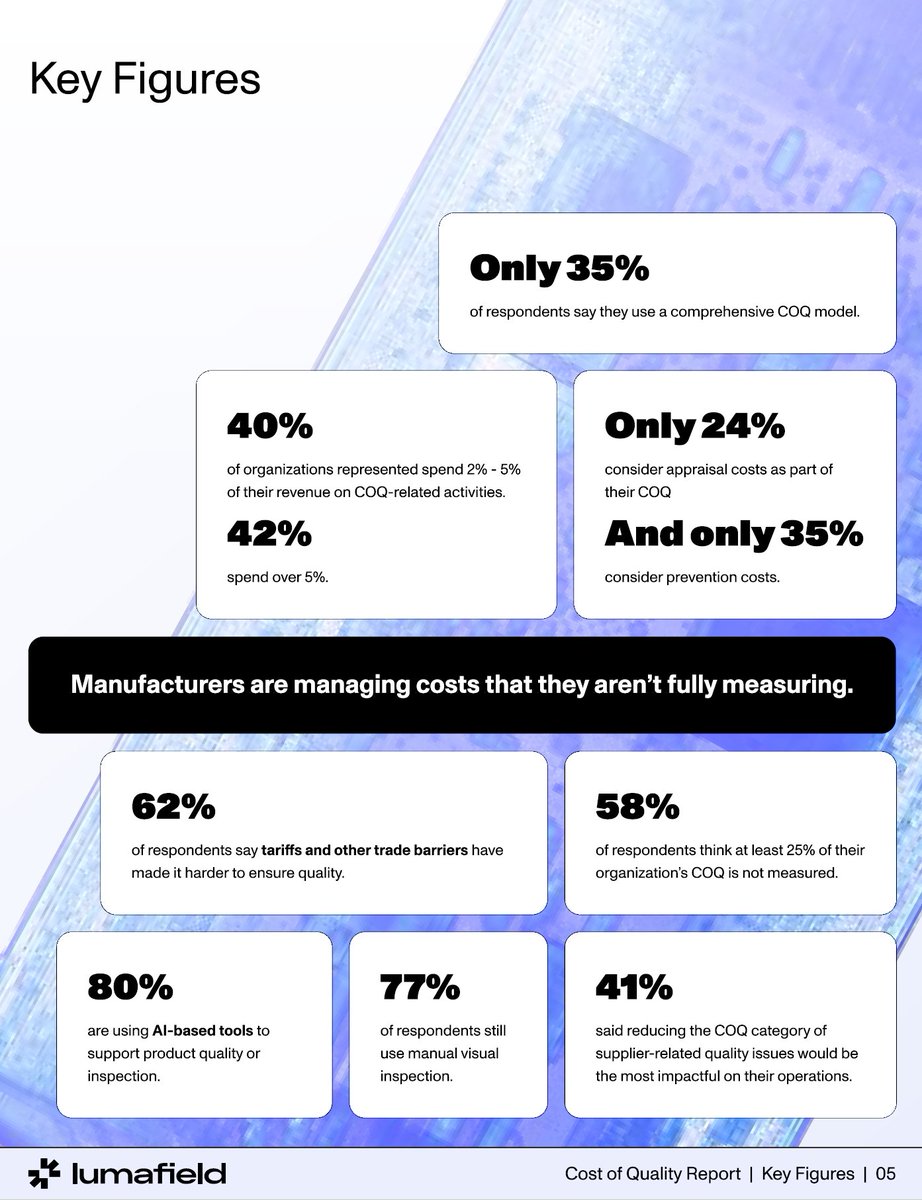
ALT Summary of the Lumafield Cost of Quality Report
1
1
2
2,271
May 12
This joystick took humans to the Moon. 🌕
This is the Rotational Hand Controller from the Apollo missions. It has a pitch axis that pivots at the center of your palm rather than down inside the stick. There are 14 switches per axis which feed precise data to the guidance computer for gentle maneuvers. And the trigger wasn't for anything aggressive: that's only push-to-talk for ground communications.
2
30
4,895
May 8
Headphones have been chasing invisibility since 1958, when John Koss built the first stereophone from cardboard and foam. Since then, drivers have shrunk, enclosures have lightened, wires have disappeared, and active electronics have taken over jobs that acoustics used to handle. The mechanical principle hasn't fundamentally changed in nearly 70 years, but what engineers do with the space inside has.
Our newest Scan of the Month covers four headphones from $80 to $550 to show what that trajectory has manifested into. Check out our latest Scan of the Month to scroll through the design decisions for these headphones. 🔽
lumafield.com/scan-of-the-mo…
1
3
490
May 4
Scanning Blue Calcite had us thinking back to the impassioned kalkite monologue from Director Krennic in Andor. Who else in the Star Wars universe do you think is obsessed with rocks?
Happy May the 4th!
1
306
Lumafield retweeted
May 1
The Takata airbag recall was the largest and most expensive in automotive history, affecting 100 million airbags, 34 brands across 19 automakers, and costing upwards of $20 billion. lumafield.com/podcast/episod…
The full story is the subject of Go/No-Go episode 12.
5
5
90
8,258
Lumafield retweeted
May 1
In the early 2000s Takata started using phase-stabilized ammonium nitrate (PSAN) as an airbag propellant. It’s cheap and plentiful, but when it’s exposed to moisture the “phase stabilized” part breaks down and it develops a crystal phase transition at 90F/32C. That’s a temperature that parked cars reach frequently, and the propellant wafers expand and crack.
The cracks in the propellant increase its surface area and make it burn faster and more violently, rupturing the steel canister inside the airbag assembly and sending shrapnel toward the driver when the airbag detonates.
After reports of ruptures mounted in the mid-2000s, Takata started to add a desiccant inside the inflator to keep the propellant dry and slow the cracking process.
However, not all of Takata’s output included that desiccant, and this is a remarkably late example of a non-desiccated airbag—a design that Takata knew was unsafe for a decade before this was manufactured in 2014.
5
3
112
12,277
Lumafield retweeted
May 1
This is a CT scan of a recalled Takata airbag assembly. Sectioning in, we see the folded airbag itself, then the propellant chamber with two explosives (“energetic materials”). Something’s missing that makes this unit especially unsafe…
16
36
617
147,191
Apr 29
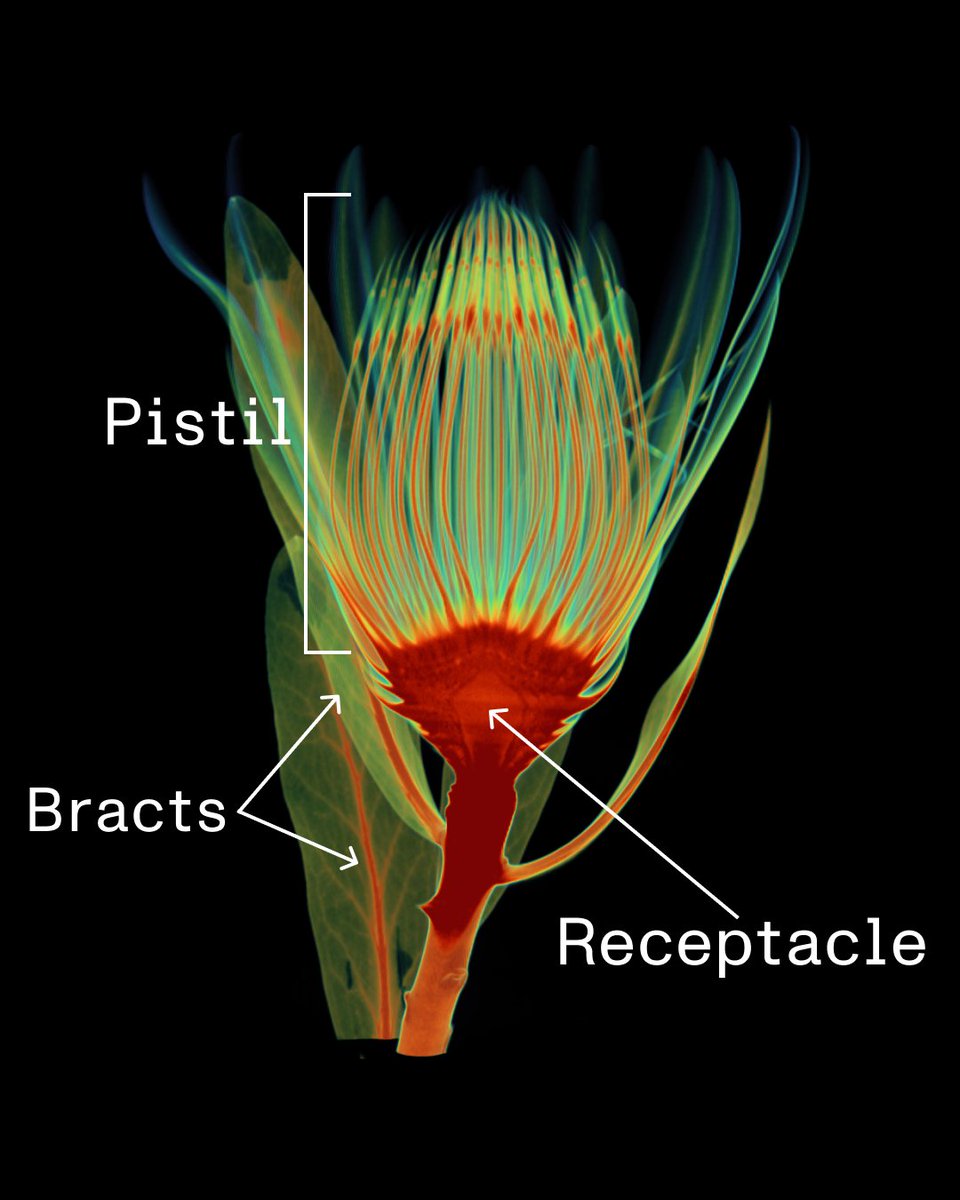
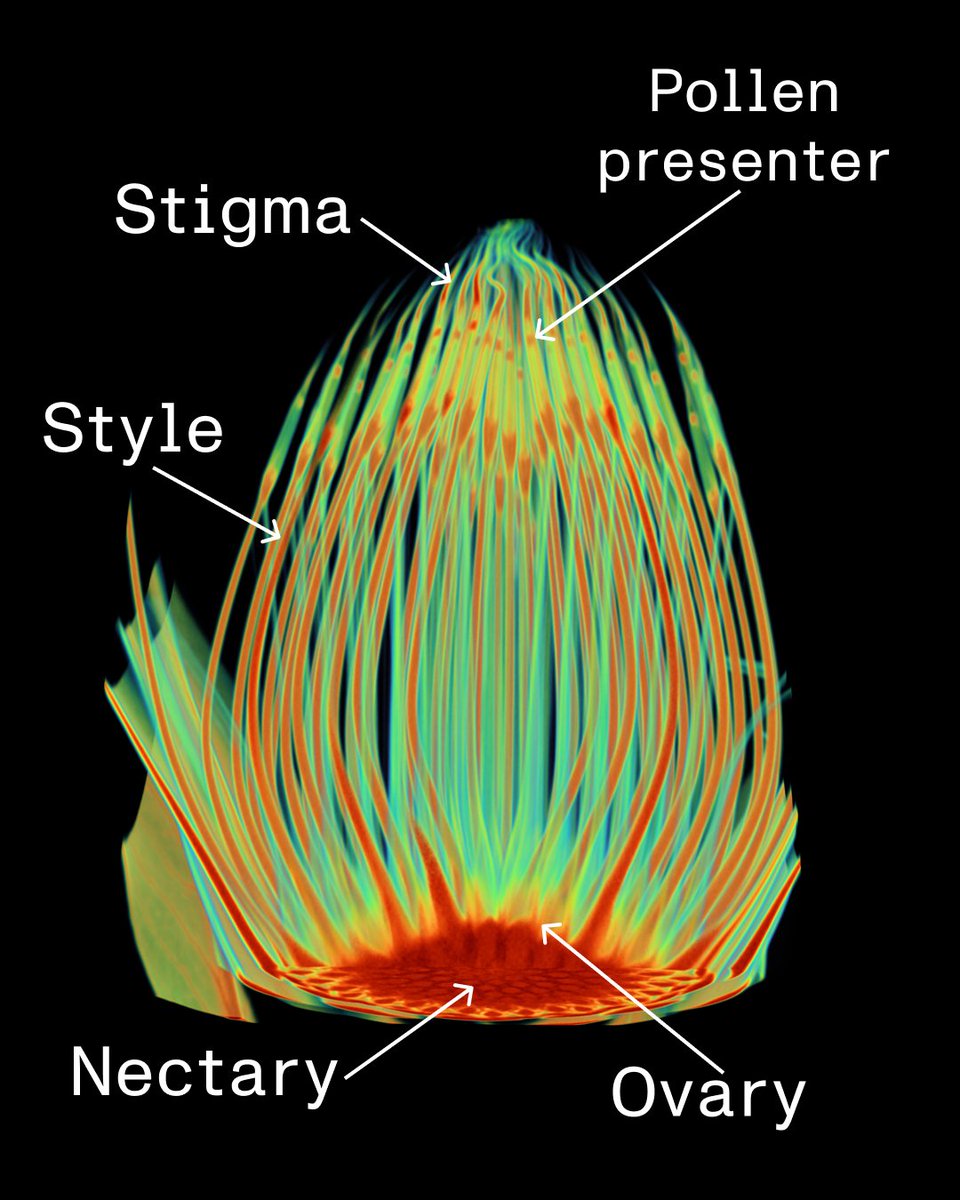
We can't stop coming back to this CT scan. ❤️
The Queen Protea belongs to one of the oldest flowering plant families on earth, with roots going back tens of millions of years. It may look like one flower, but each of those thin strands is a complete flower of its own with hundreds on a single Protea. Each one has its own ovary, style, nectary, and pollen presenter for attracting birds and insects. Have you seen one of these before?
3
235
Apr 21
This is one of our all-time favorite CT scans. 🤩
The Queen Protea is one of the oldest flowers in the world, part of a plant family with roots going back over 300 million years. It may look like one flower, but all of those thin strands are their own flower, with hundreds of them on a single protea flower head. Have you ever seen one of these?
1
6
468
Lumafield retweeted
Apr 20
We CT scanned a real Apple Watch and two dupes from Temu that cost less than $10. You get what you pay for! Details in the thread…
(Images from a @lumafield Neptune scanner)
2
6
28
4,037
Apr 16
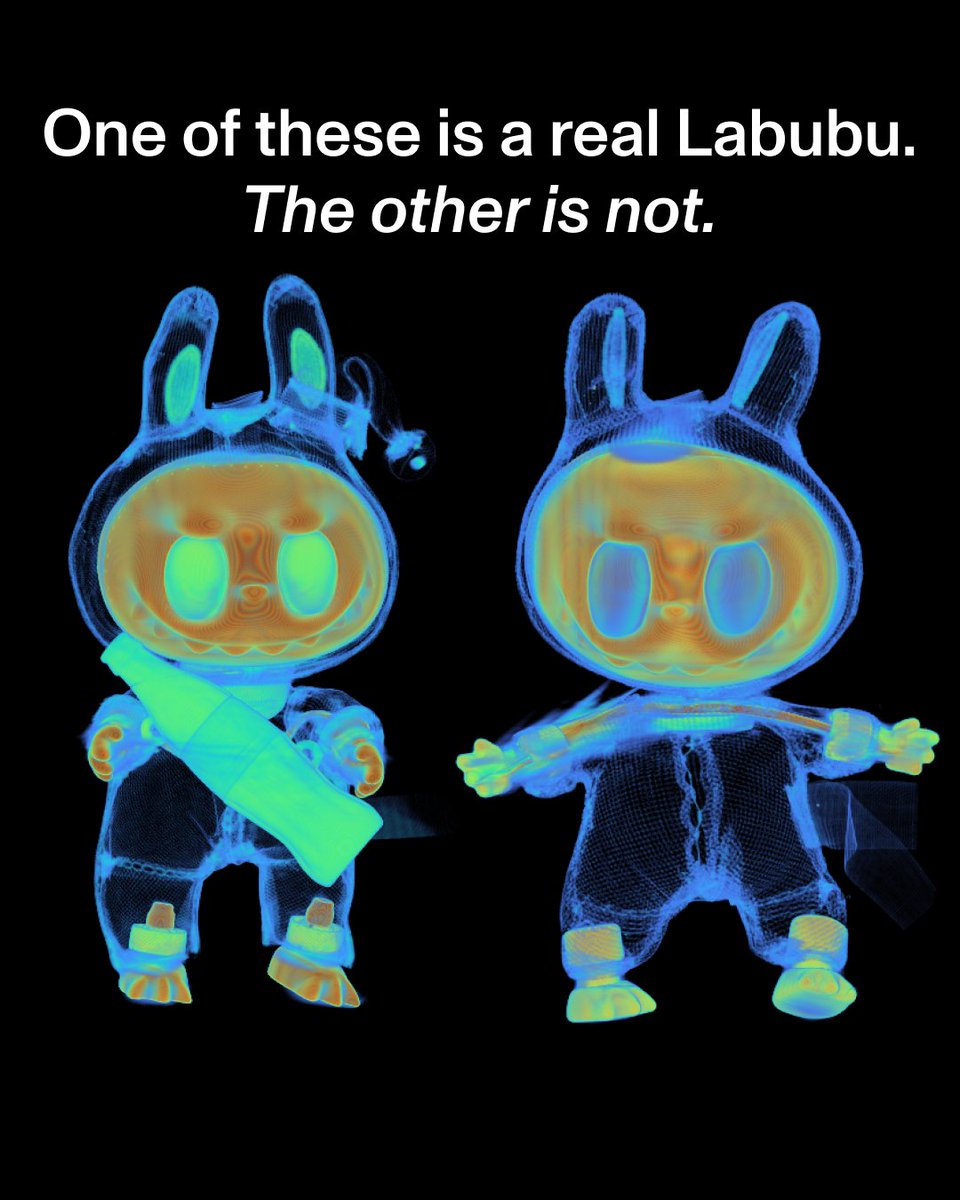
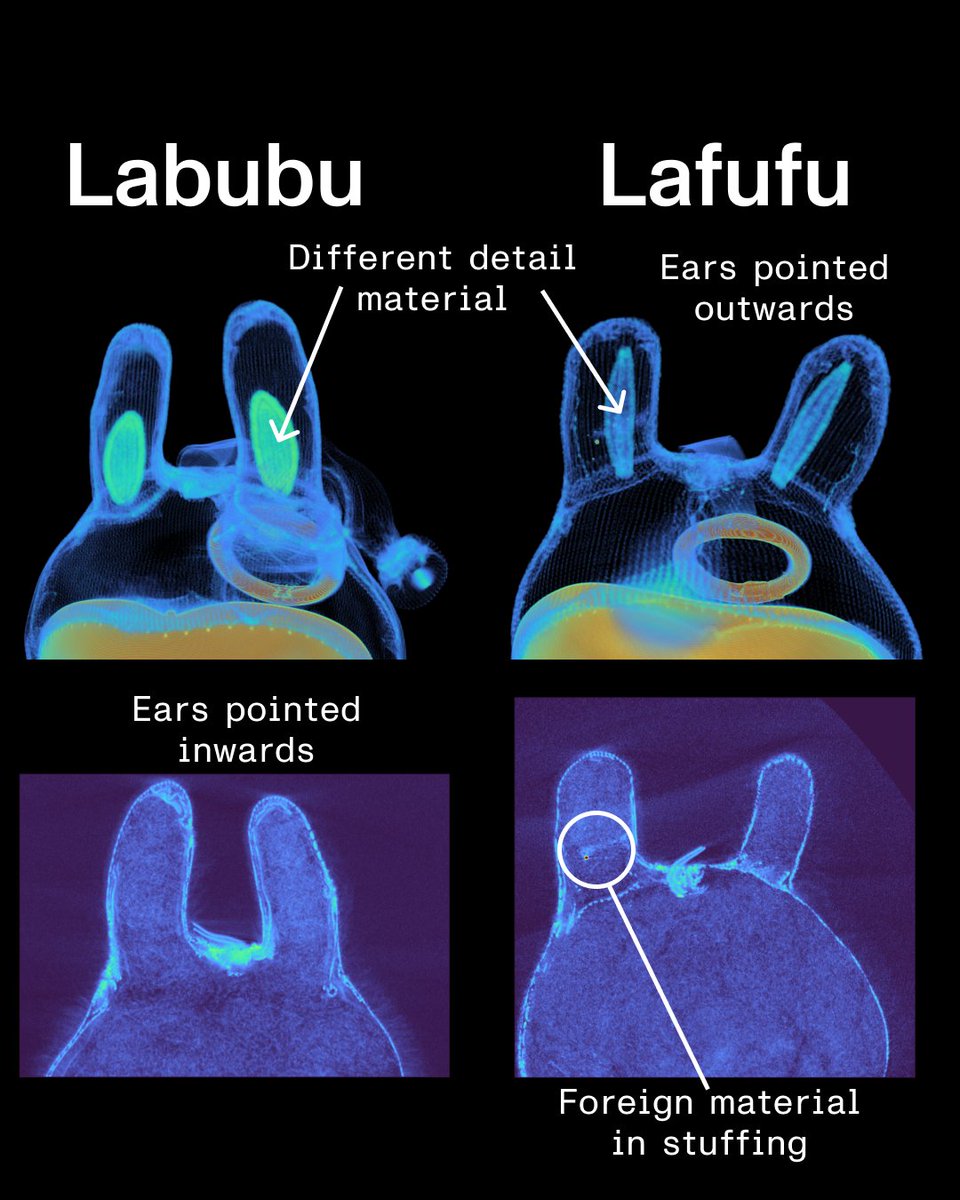
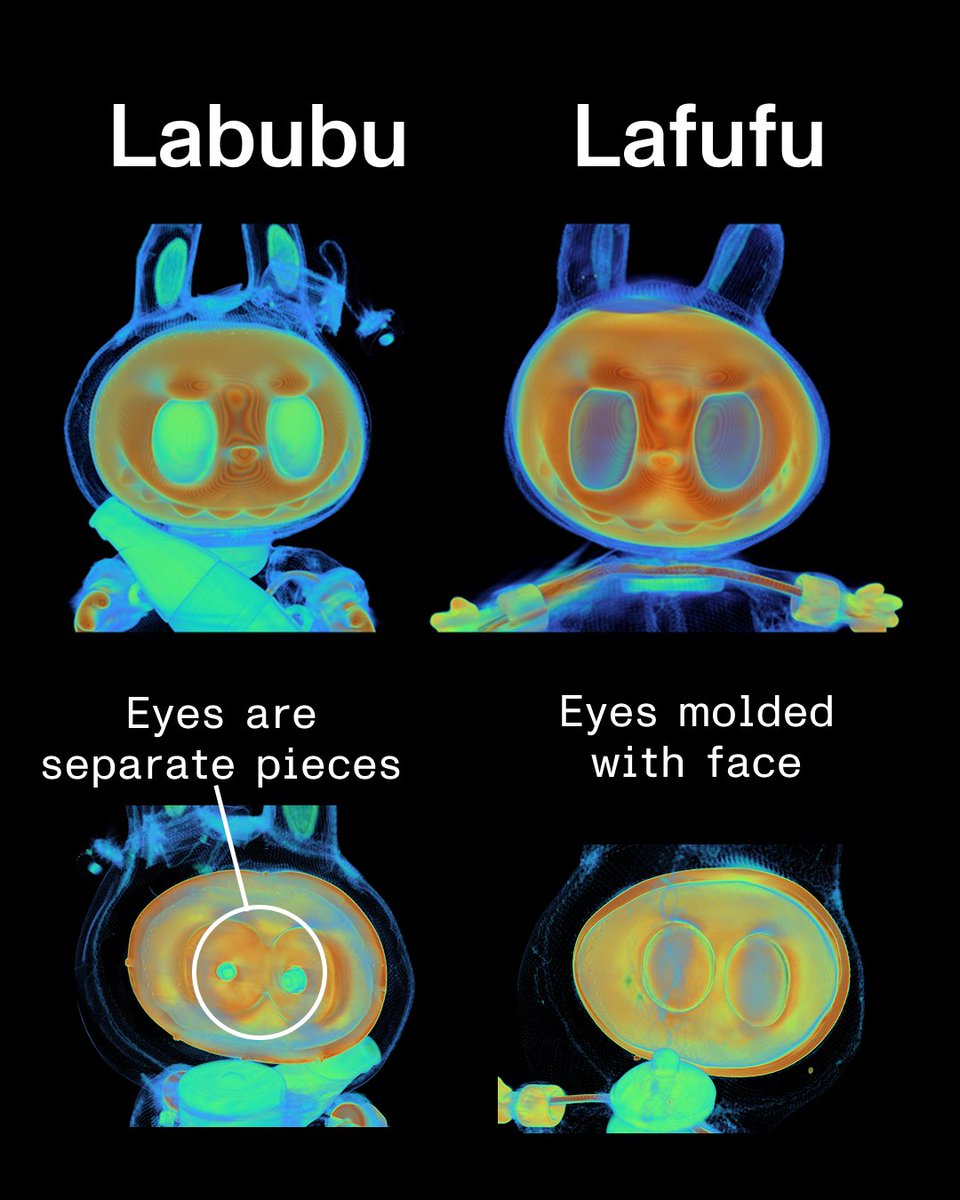
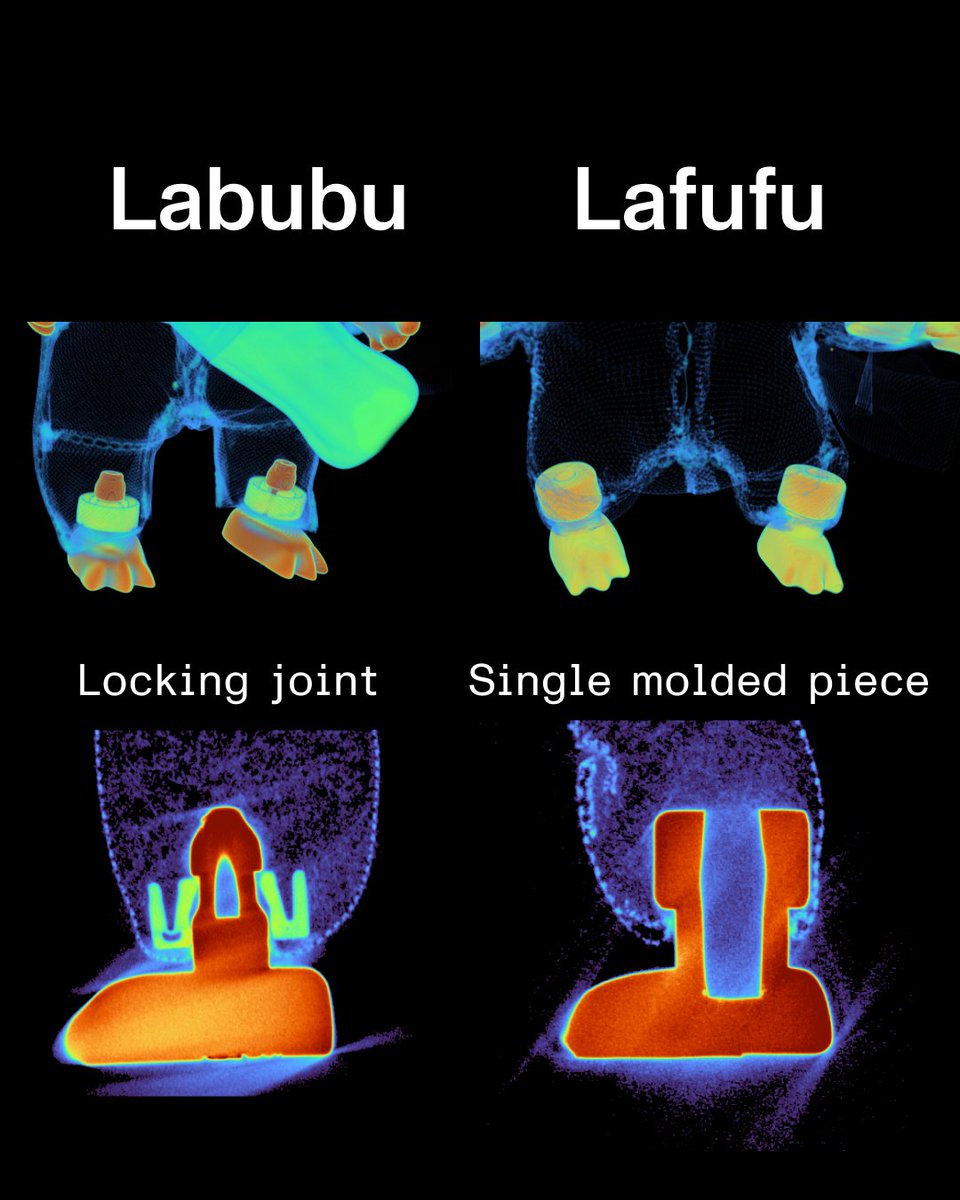
Could you spot a fake Labubu? We CT scanned a real one next to its knockoff, the Lafufu, to find what's hiding inside. From foreign material in the stuffing to a neck joint that spins all the way around, the shortcuts are hard to miss.
2
43
3,636
Apr 15
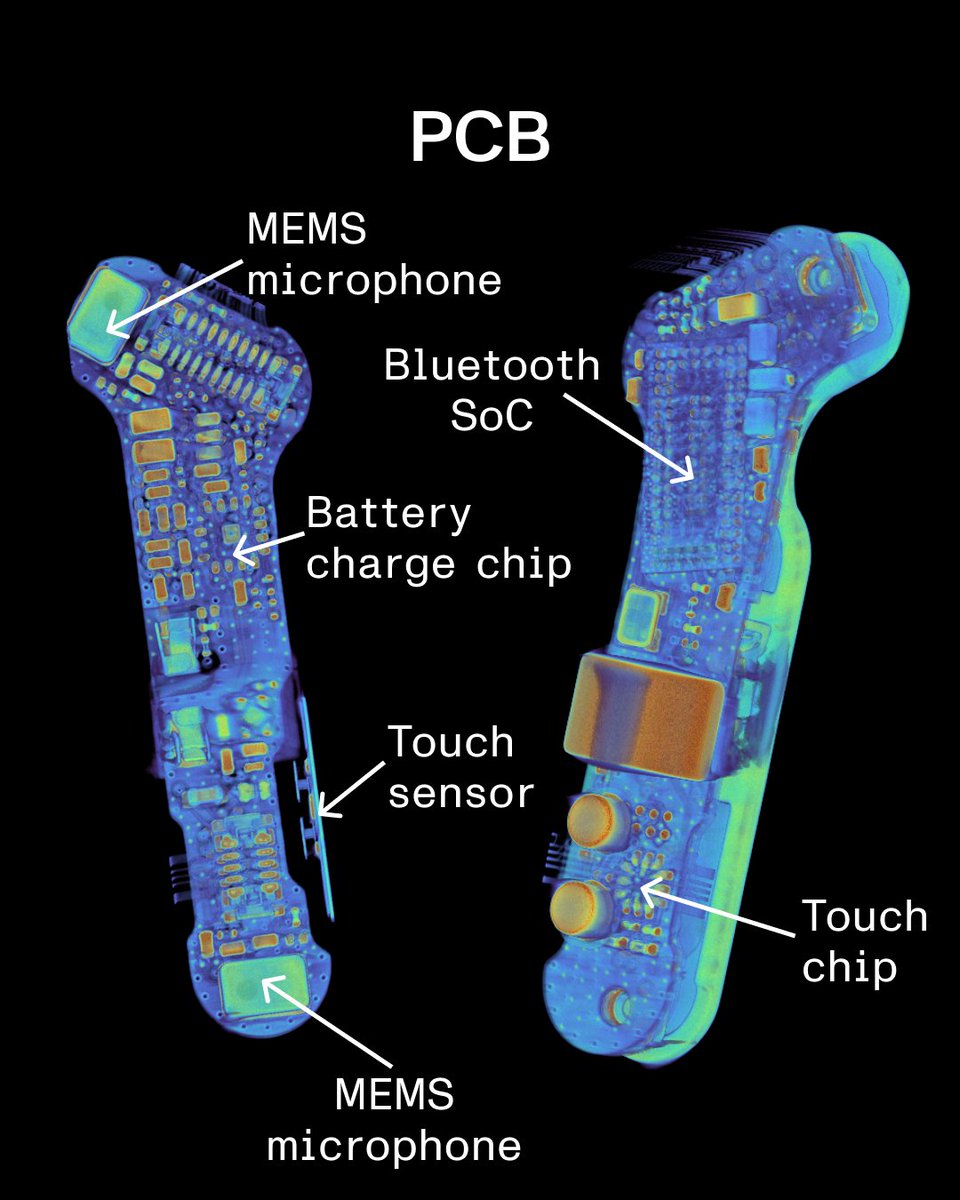
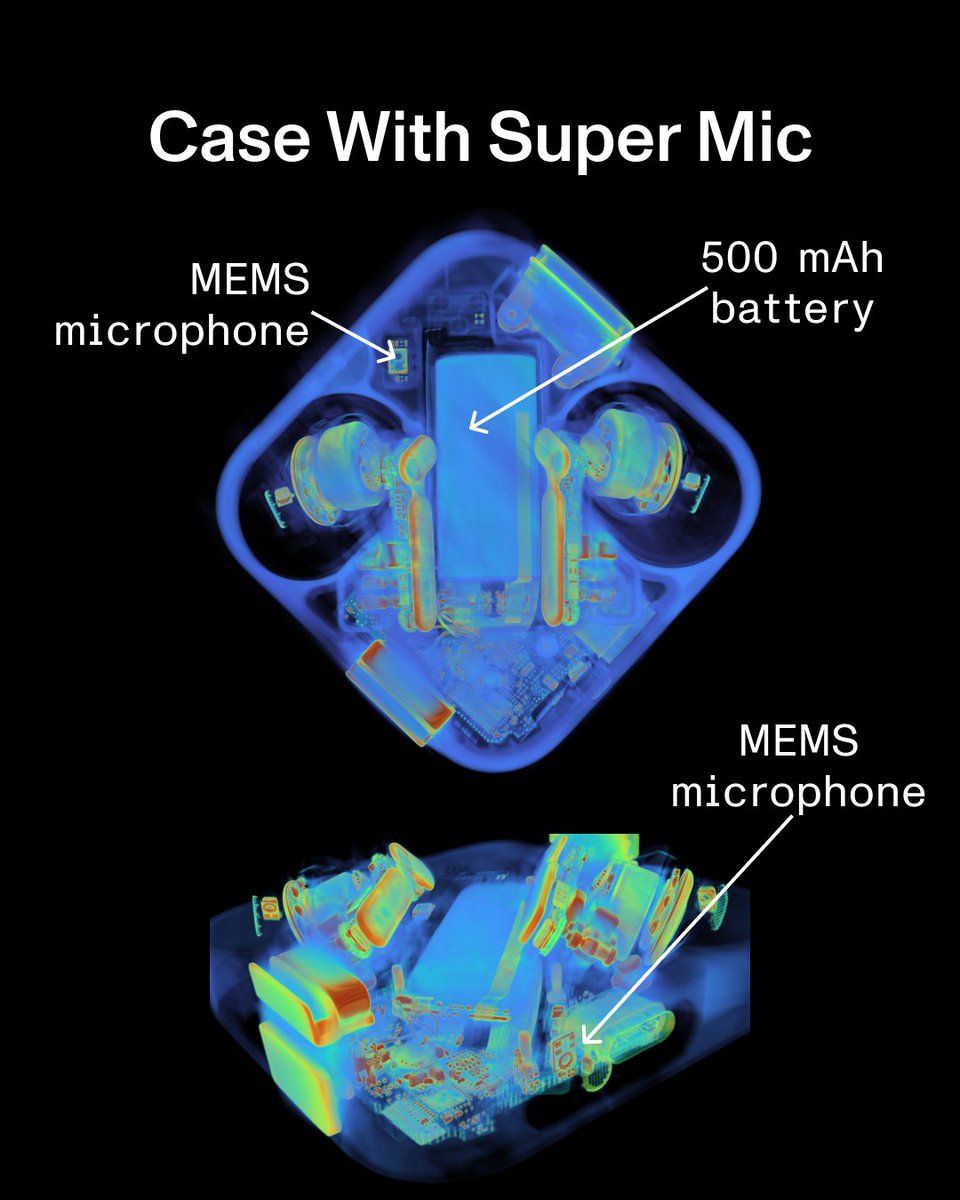
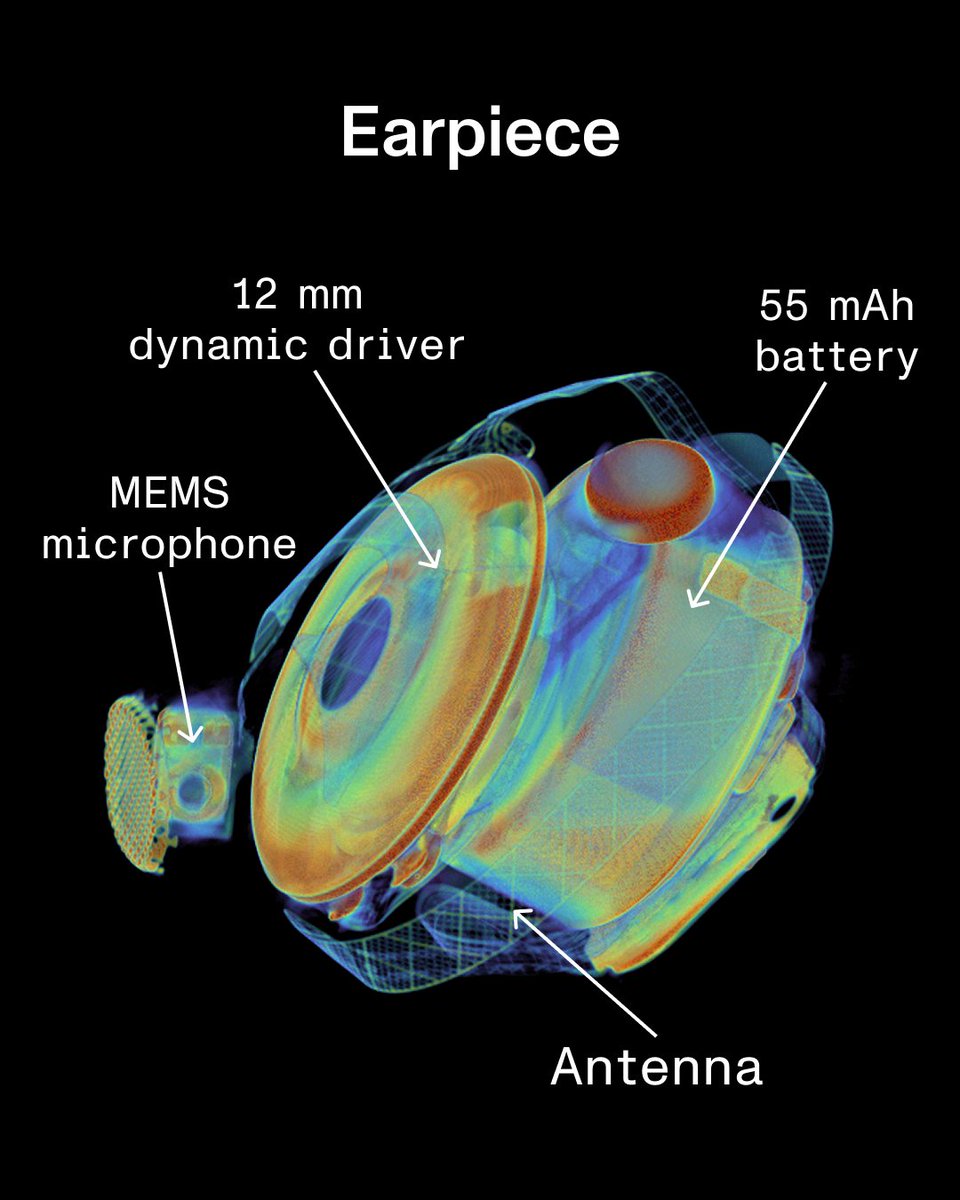
We CT scanned the @nothing Ear (3) to see what makes it a genuine competitor to the AirPods Pro 3. The 12mm dynamic driver, bone conduction VPU, three MEMS microphones per earbud, and the dual-mic Super Mic array built into the case give it a feature set that punches well above its price. All of that for $179.
1
12
1,397
Apr 13
Can you spot the differences between a Labubu and its (even more evil) twin Lafufu? Look inside to sharpen your counterfeit-detection skills using our CT scans. 🕵️♂️
1
7
673
Apr 10
The @nothing Ear 3 is shaping up to be a strong competitor to Apple AirPods. It costs $179, has LDAC hi-res audio, and doesn't care what phone you have. For another $70 the AirPods Pro 3 gives you better ANC and a heart rate sensor, but tops out at AAC with no hi-res codec and locks you into the Apple ecosystem. We CT scanned both to show you what's inside that makes the difference. Which one would you go with?
7
5
137
30,617
Apr 7
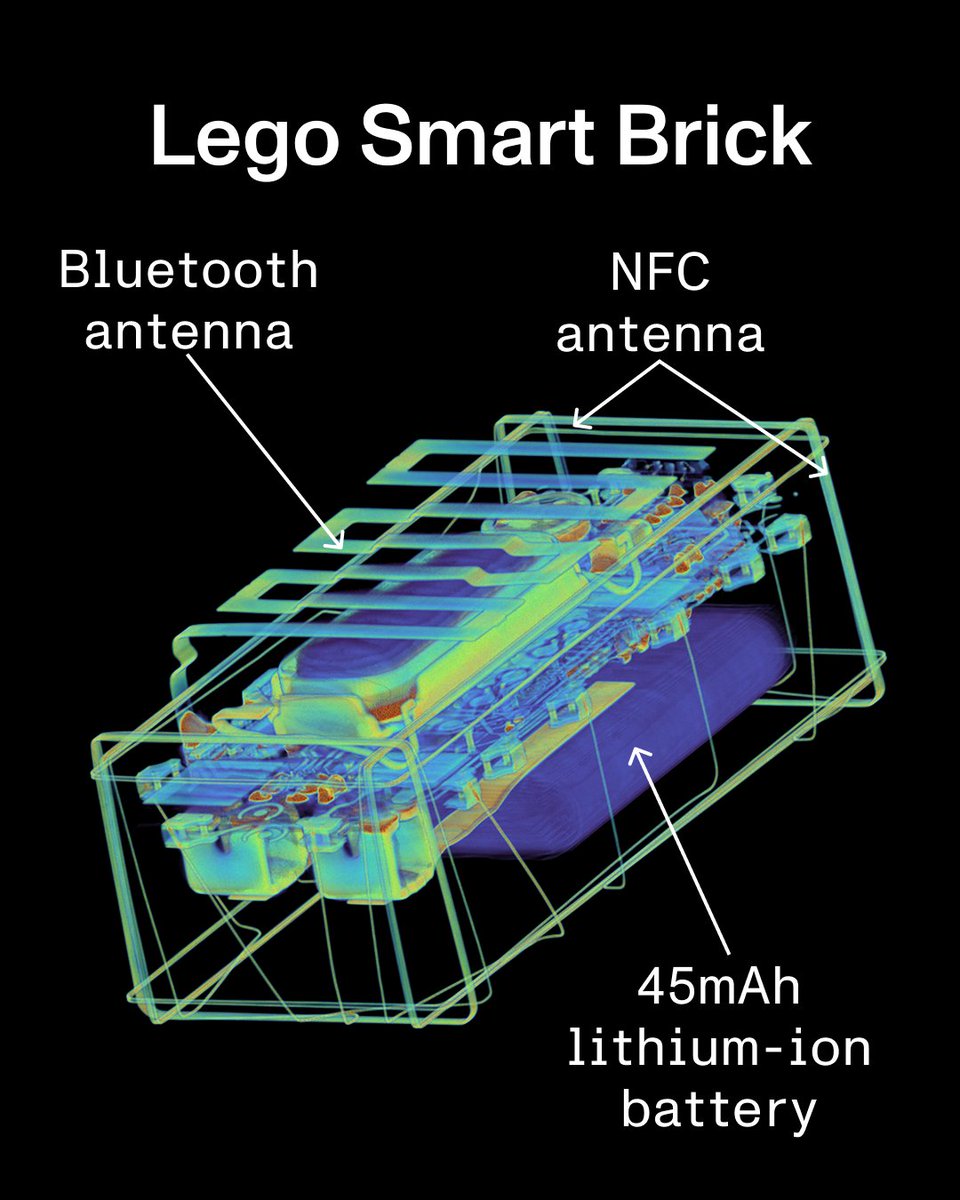
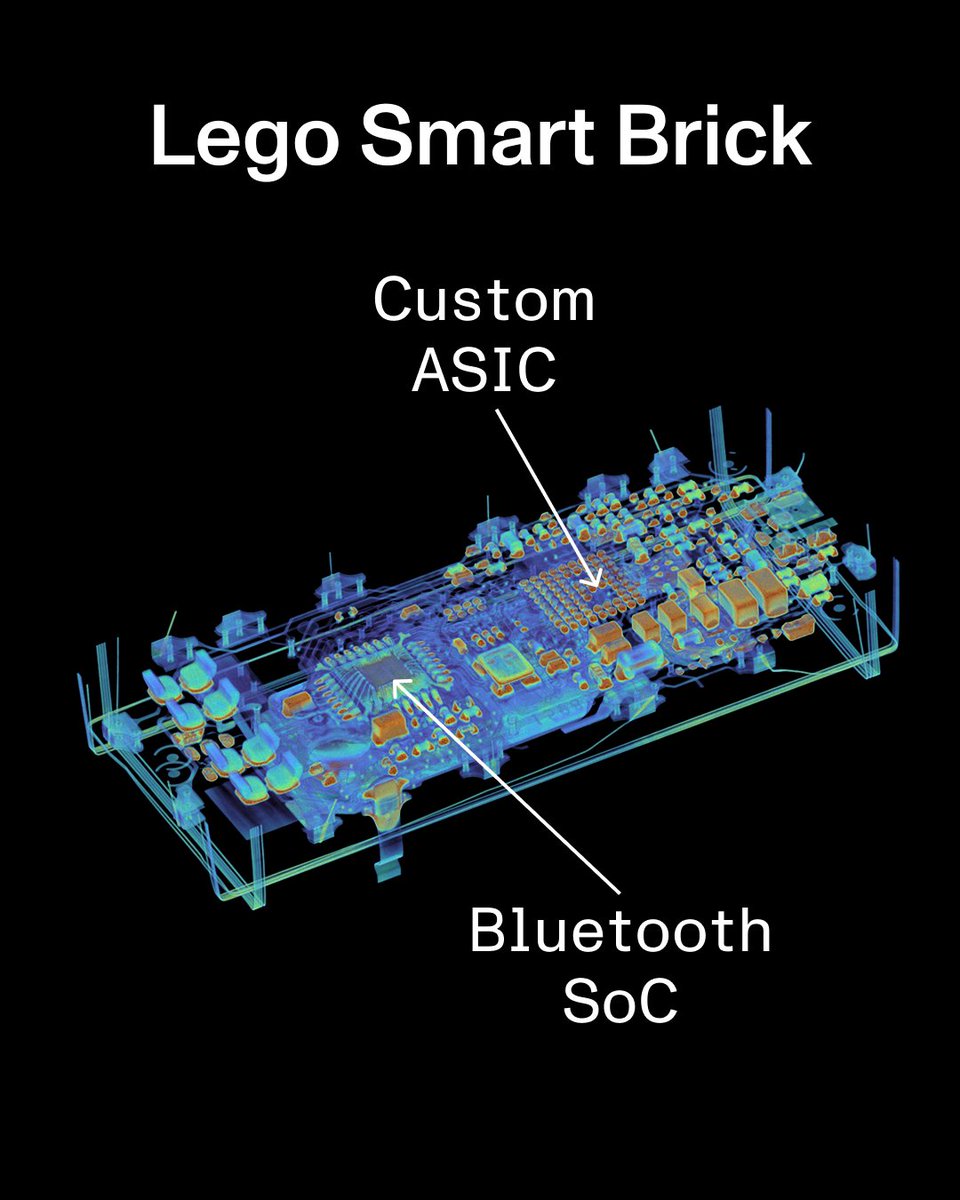
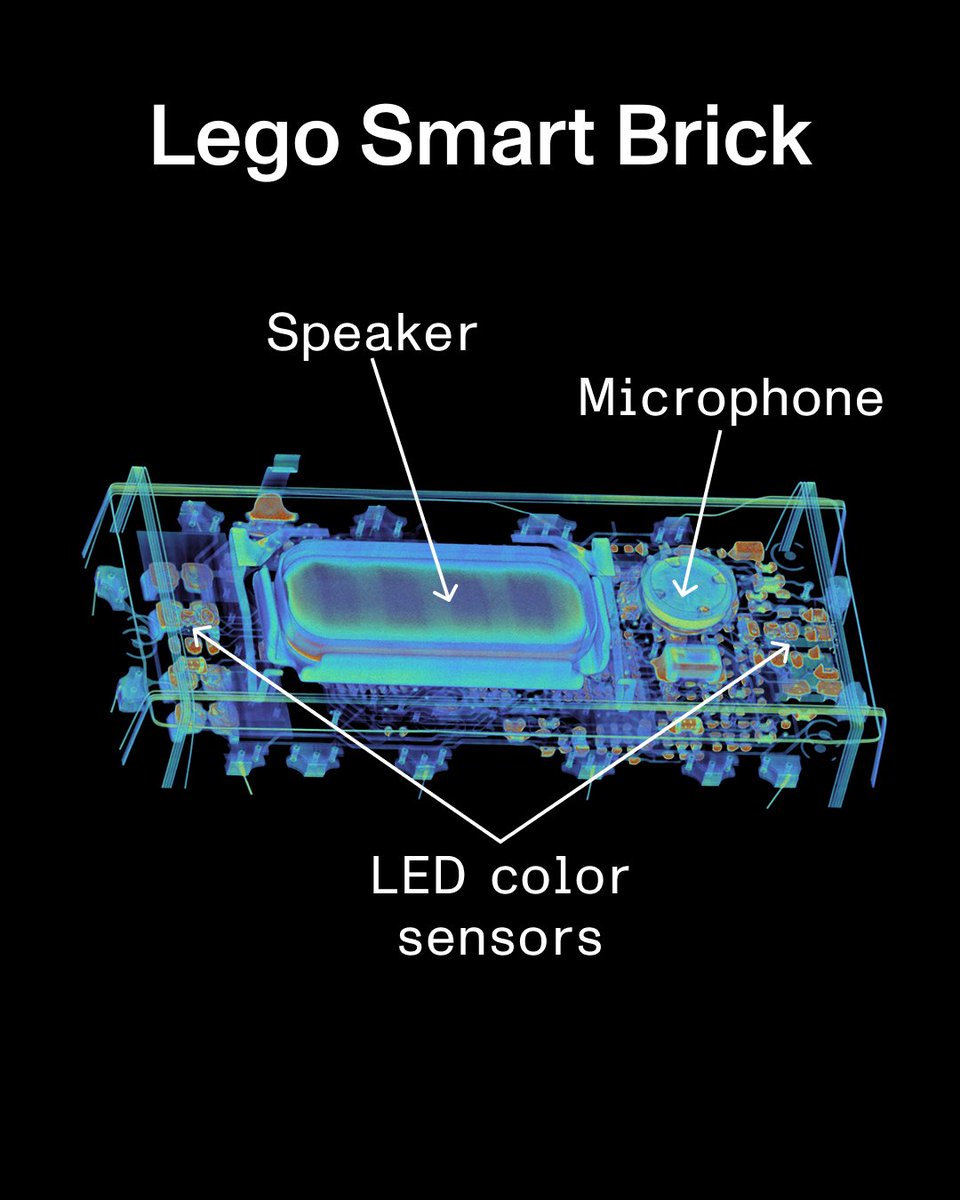
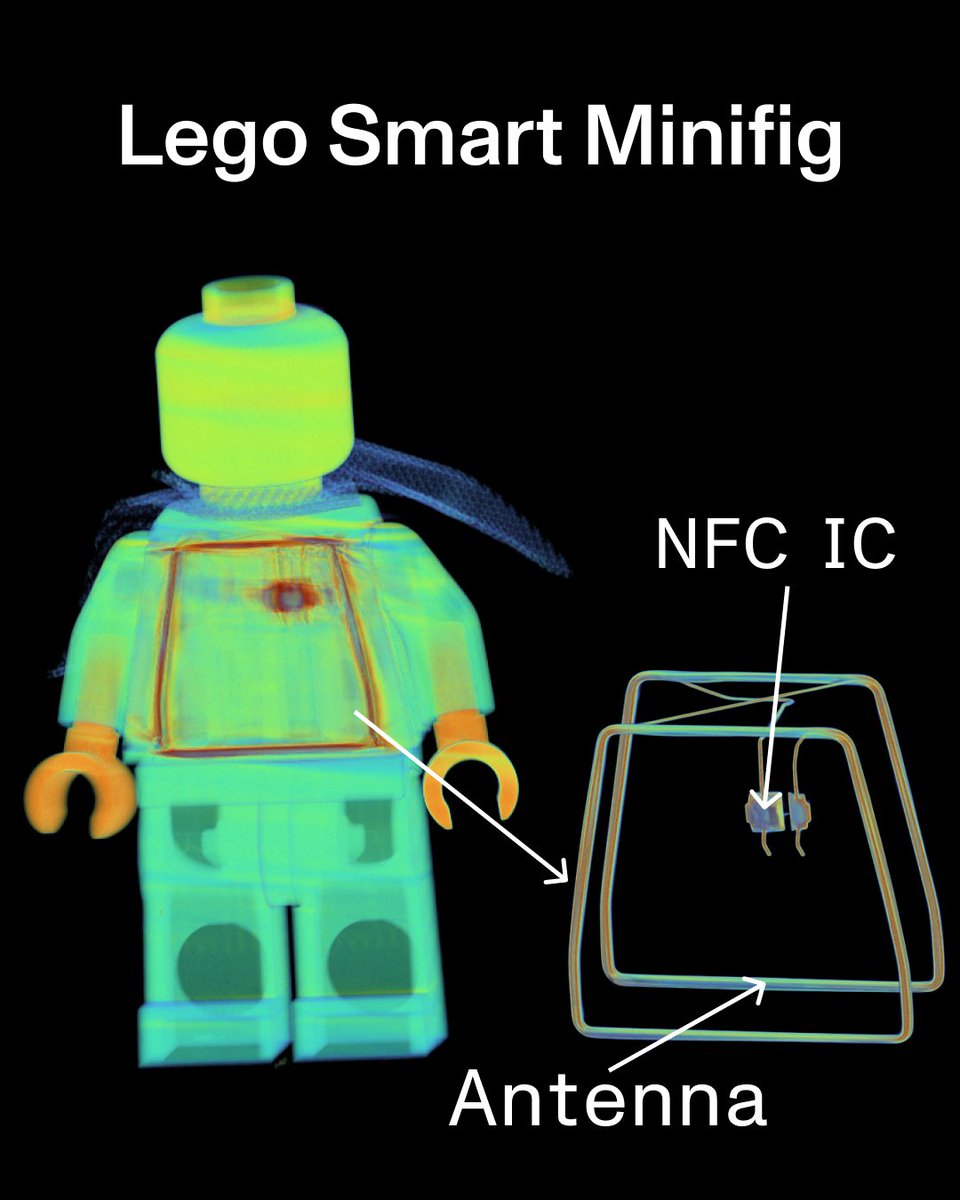
Lego fans have some thoughts about the new Smart Brick. The discourse has a lot going on, but so does the brick, with all the networking and advanced components packed inside. See how it all fits together, plus a minifig surprise at the end. 🧱
1
2
16
1,741