
Joined May 2019
- Tweets 2,082
- Following 696
- Followers 578
- Likes 3,604
1,236 Photos and videos

Pinned Tweet

9 Jul 2024
Taking a moment to re-introduce myself! I'm Abby, co-host of the Lunatics Radio Hour podcast, horror writer/director and dark history nerd. Here for the writing community, the horror community, tarot, graveyards and cats. 🖤 ✨ Great to meet you.

2
20
536
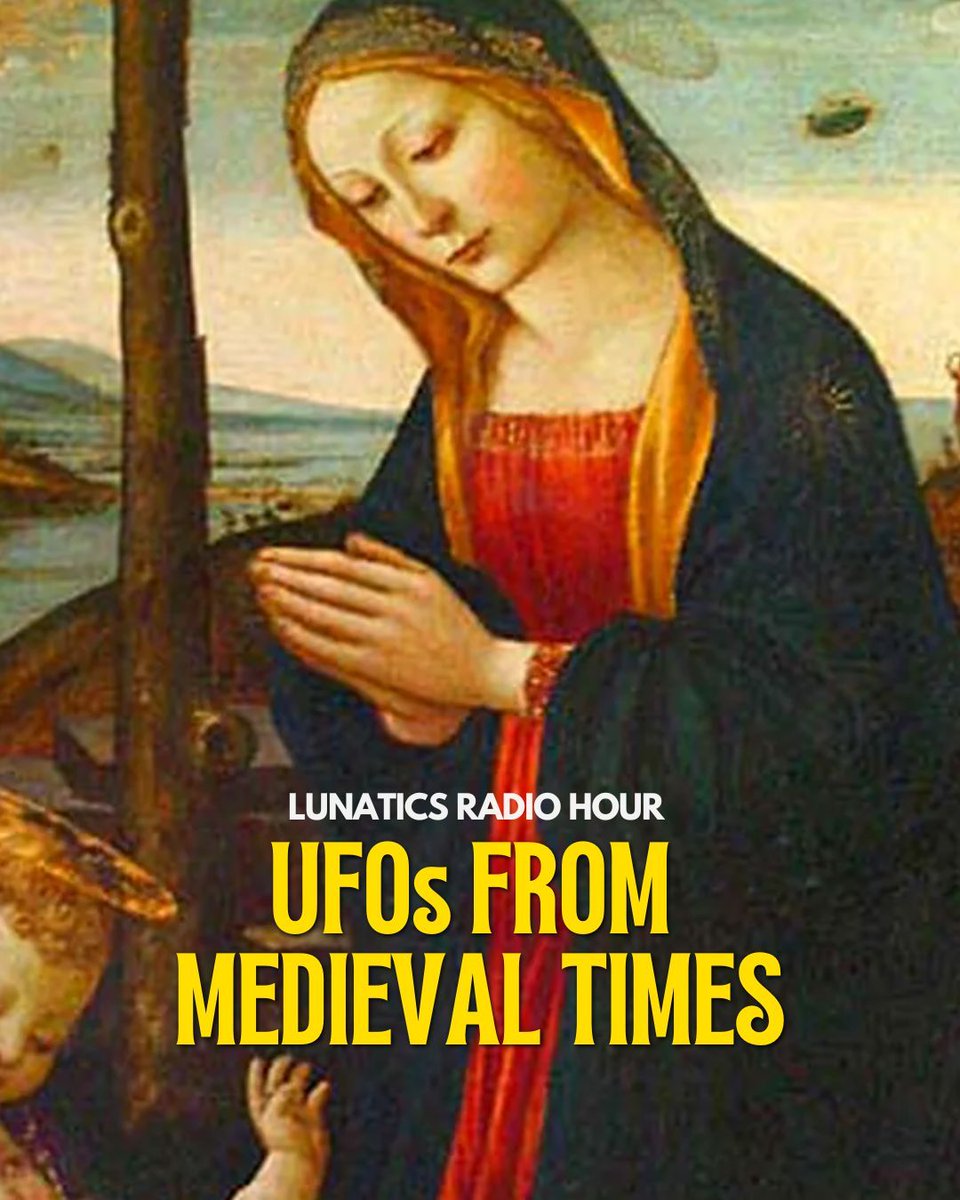
Episode 195 of Lunatics Radio Hour is out now. This week we’re talking about UFOs, strange celestial events, and possible alien encounters recorded during medieval times.
Long before modern UFO sightings, people across Europe documented unexplained objects in the sky, glowing spheres, strange aerial battles, and mysterious figures descending from the heavens. We cover reports like the 1561 celestial phenomenon over Nuremberg, unusual imagery in medieval artwork, and stories that modern researchers believe could be early UFO encounters.
Were these religious visions, misunderstood natural events, mass hysteria, or something people still can’t explain today? We break down the original accounts, the historical context, and why medieval UFO stories continue to fuel debate centuries later. 👽
Listen now wherever you get your podcasts.
#podcast #ufo #aliens #historypodcast #mystery
27
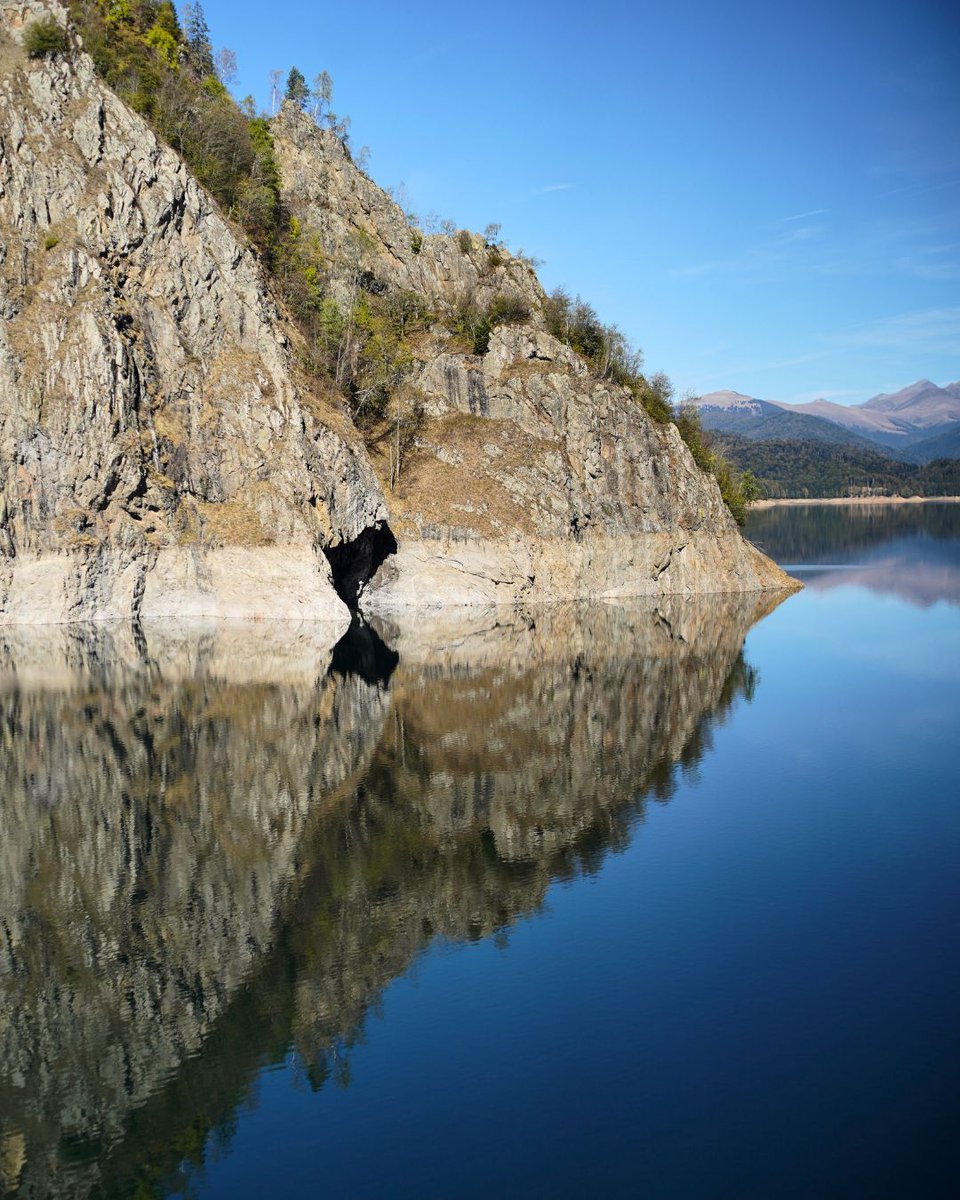
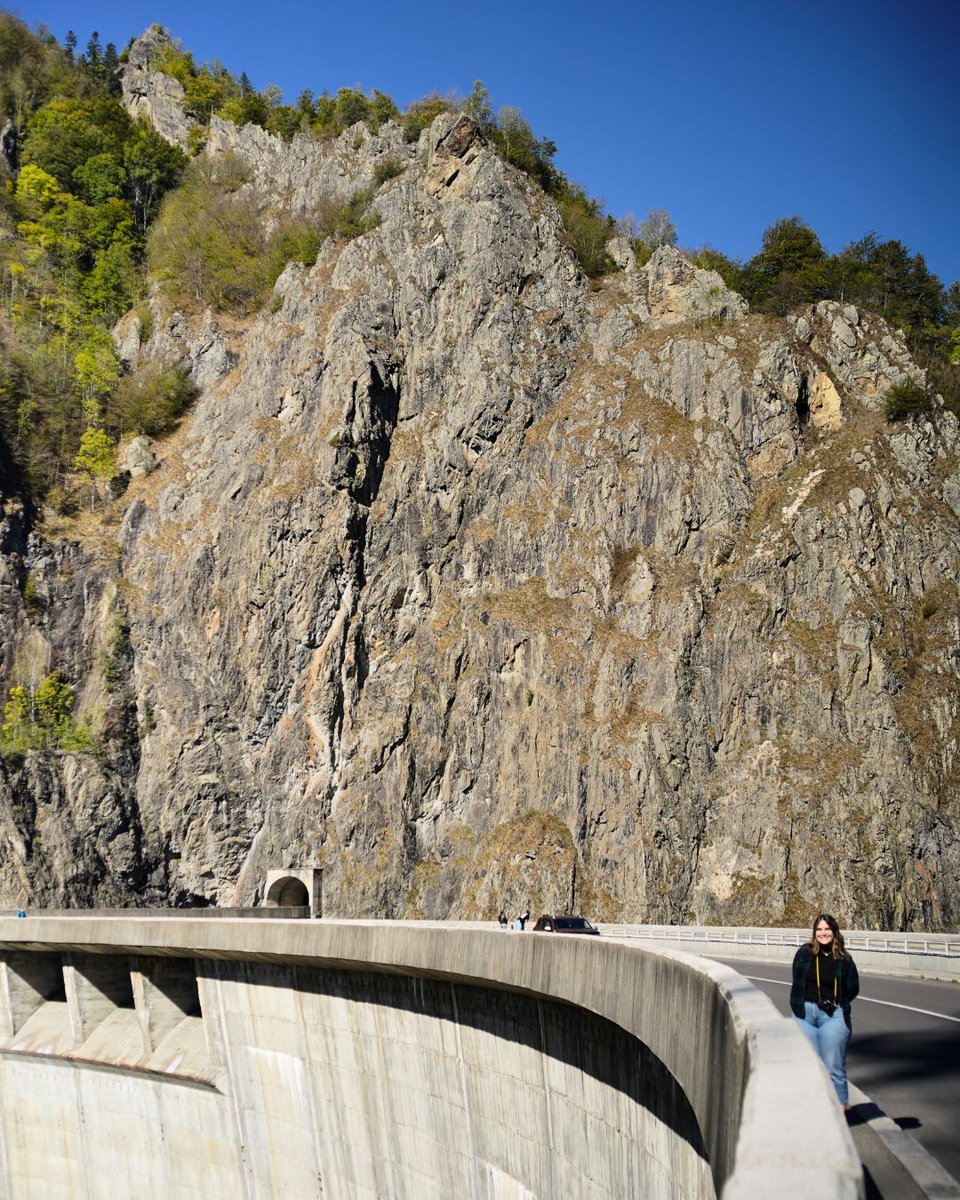
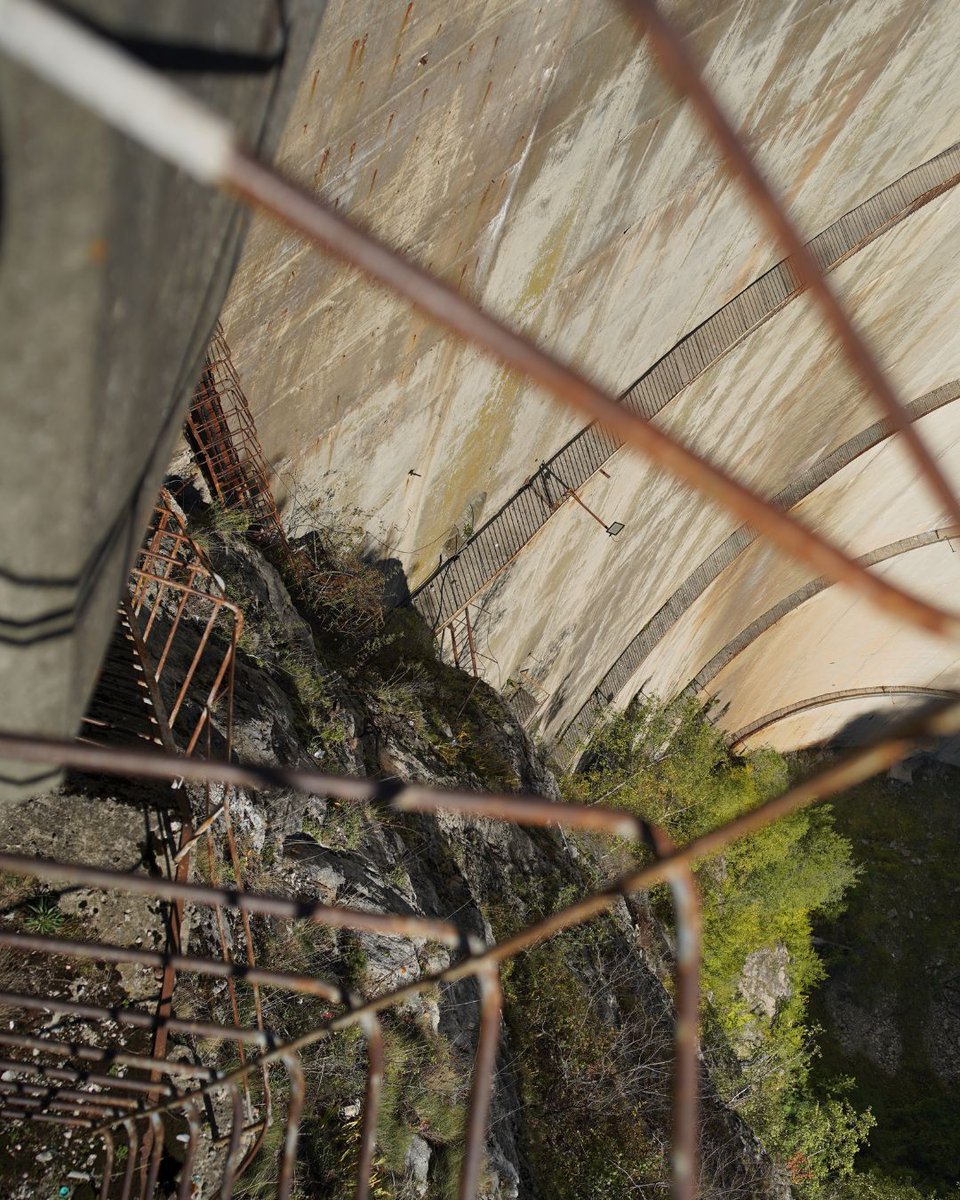
Come with us as we drive through the Carpathian Mountains in Romania.
1
18
Jun 15
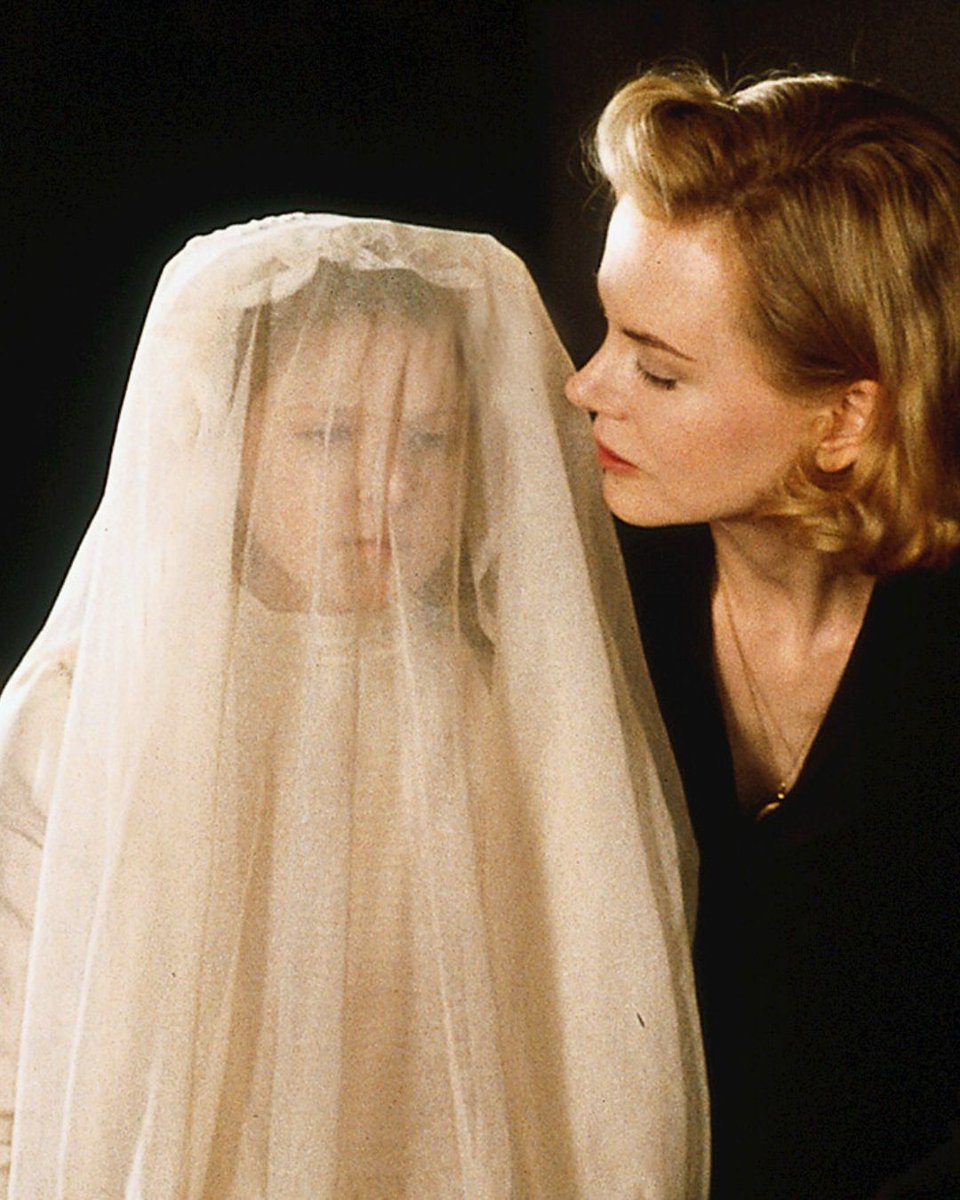
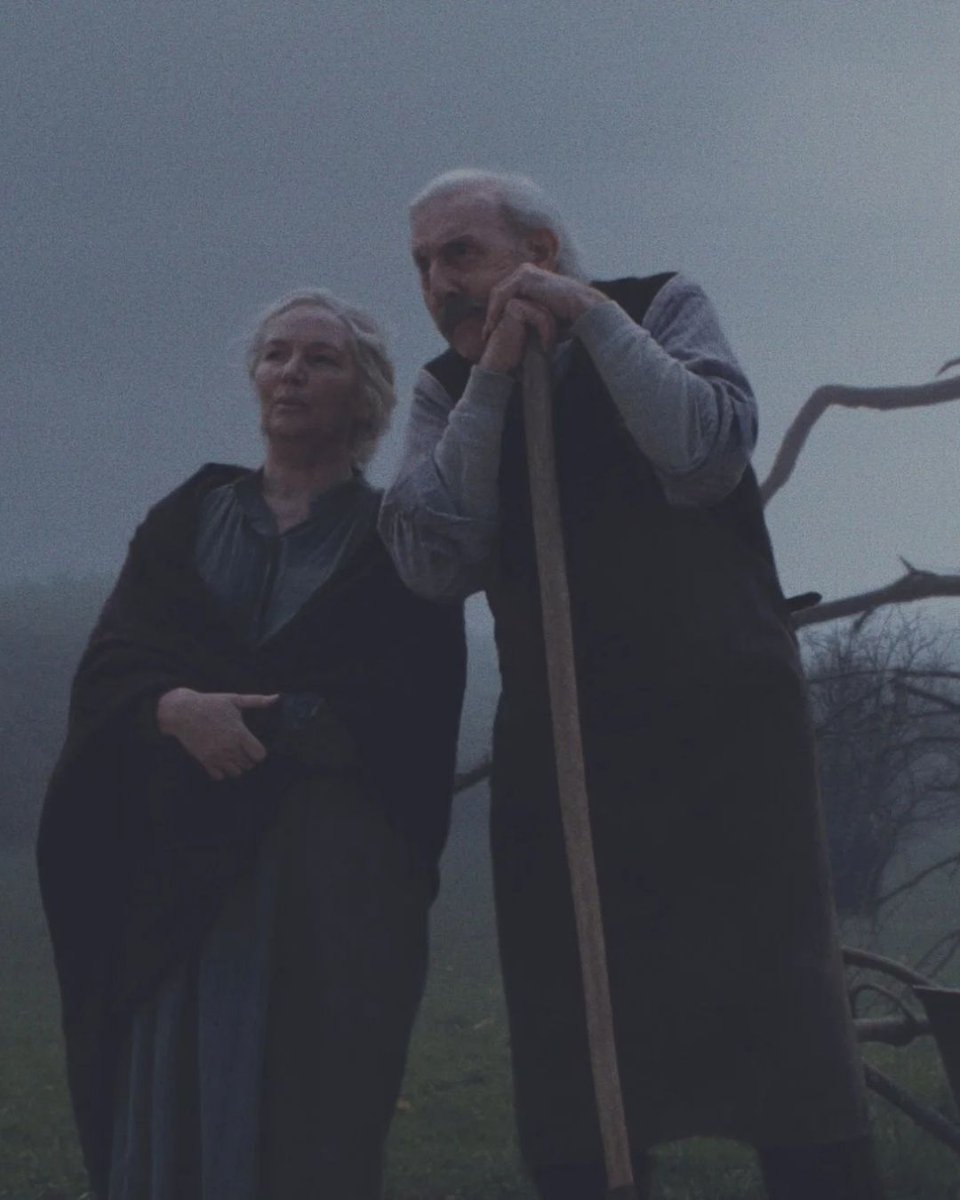
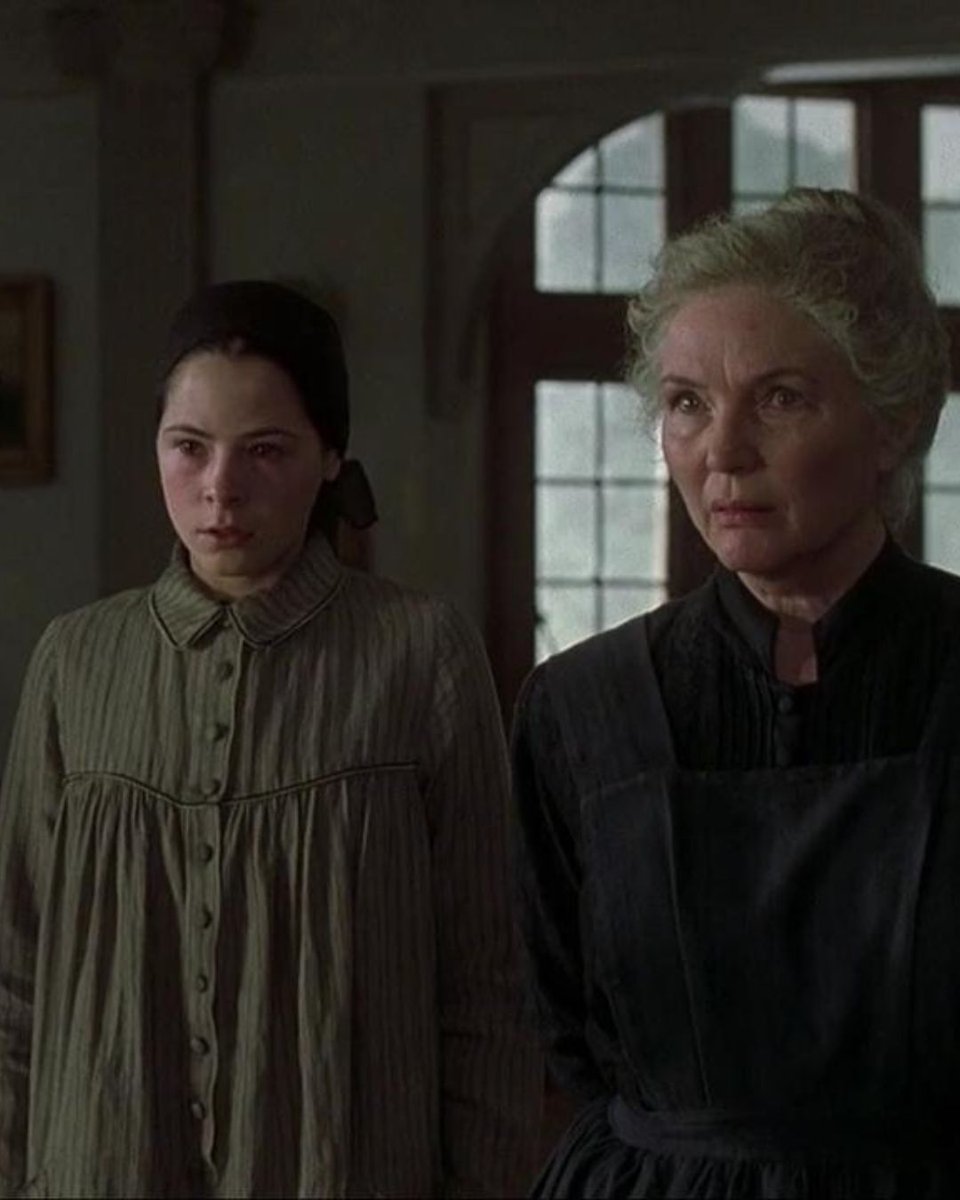
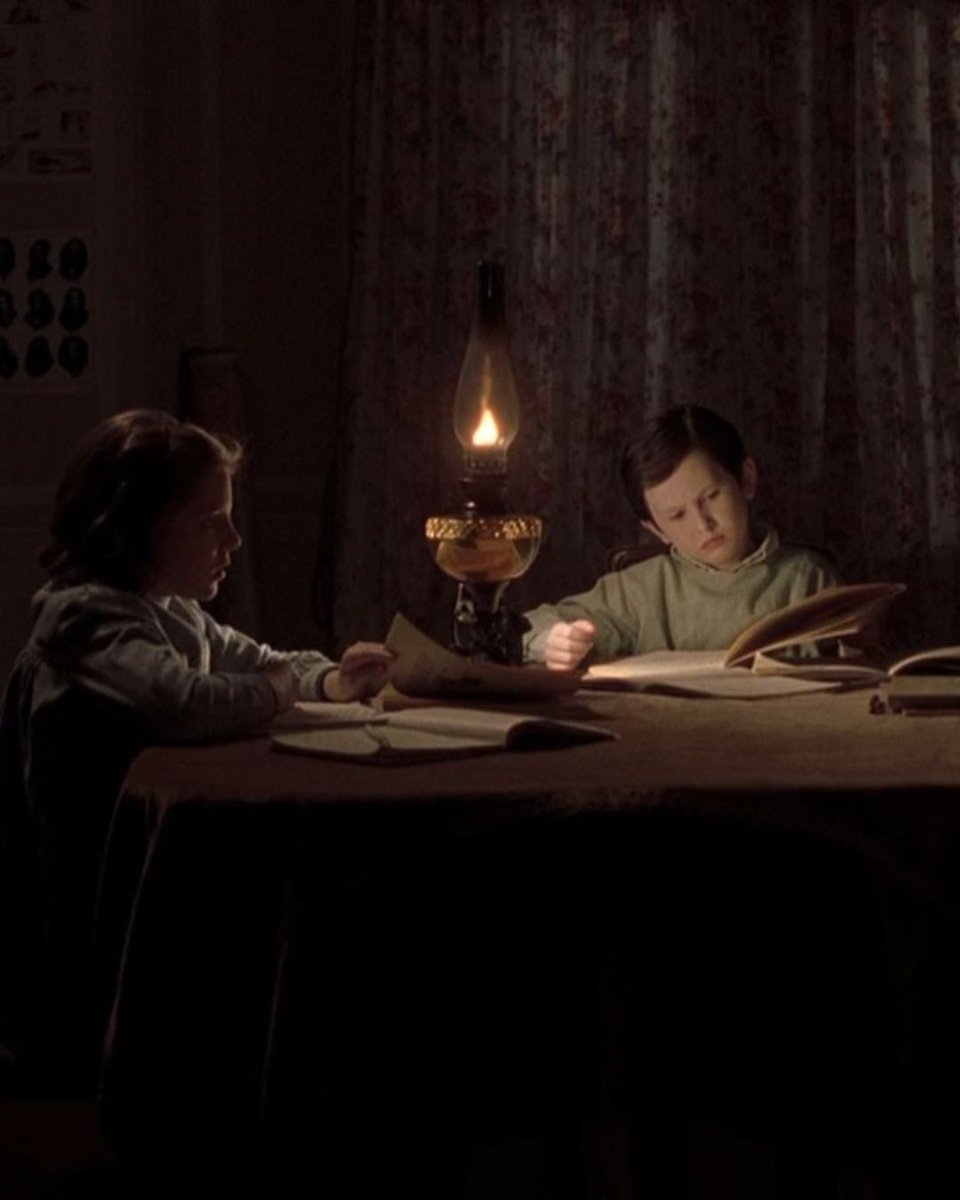
Did The Others scare anyone else as badly as it scared me in 2001? On this day 25 years ago, The Others was released in theaters. I think this movie is so good because it is a perfect combination of gothic atmosphere with psychological horror. It takes the Victorian Gothic genre (ie The Turn of The Screw) and executes so well. It's so contained.
The Others became one of the highest-grossing horror films of 2001. Its success showed that audiences still embraced slow-building suspense alongside more graphic horror trends.
For more history of horror, listen to the Lunatics Radio Hour podcast.
#TheOthers #HorrorHistory #SummerBlockbuster
18
Jun 13
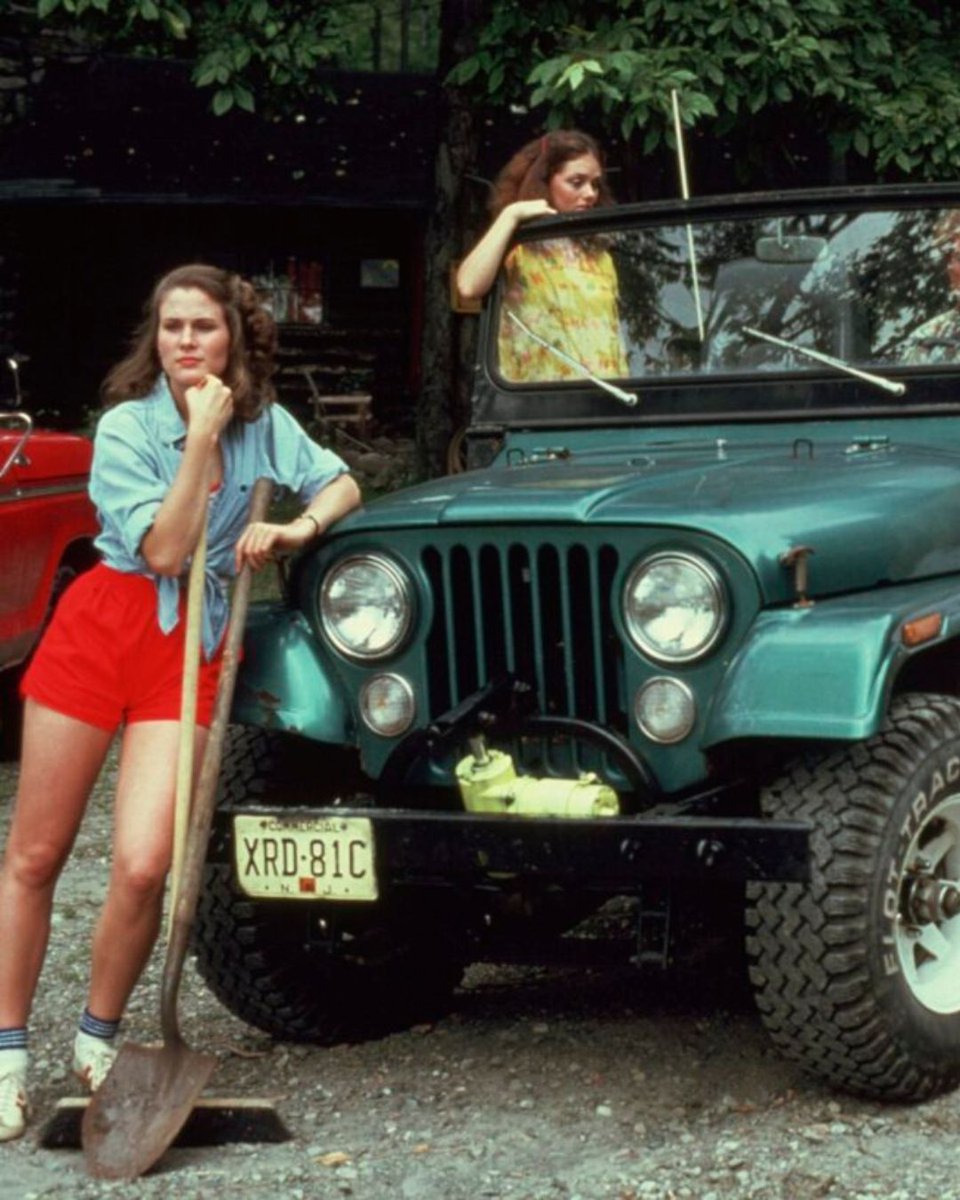
On this day 46 years ago, Friday the 13th was released in theaters. Made on a modest budget, the film became a surprise hit and helped launch the slasher boom of the 1980s. Camp Crystal Lake quickly became one of horror's most recognizable locations.
For more history of horror, listen to episode 163 the Lunatics Radio Hour podcast. lunaticsproject.com/episodes…
#FridayThe13th #HorrorHistory #SummerBlockbuster
1
2
2
88
Jun 13
Highgate Cemetery is one of London’s most atmospheric historic sites, where Victorian ambition meets slow, beautiful decay. Established in 1839, it became a prestigious resting place filled with elaborate tombs, winding paths, and towering monuments. By the mid-20th century, neglect transformed parts of the cemetery into an overgrown, almost mythic landscape, fueling stories like the infamous Highgate Vampire. Today, it stands as both a cultural landmark and a carefully preserved glimpse into London’s past. youtube.com/watch?v=wtsn6AGJ…
#HighgateCemetery #LondonHistory #VictorianLondon
37
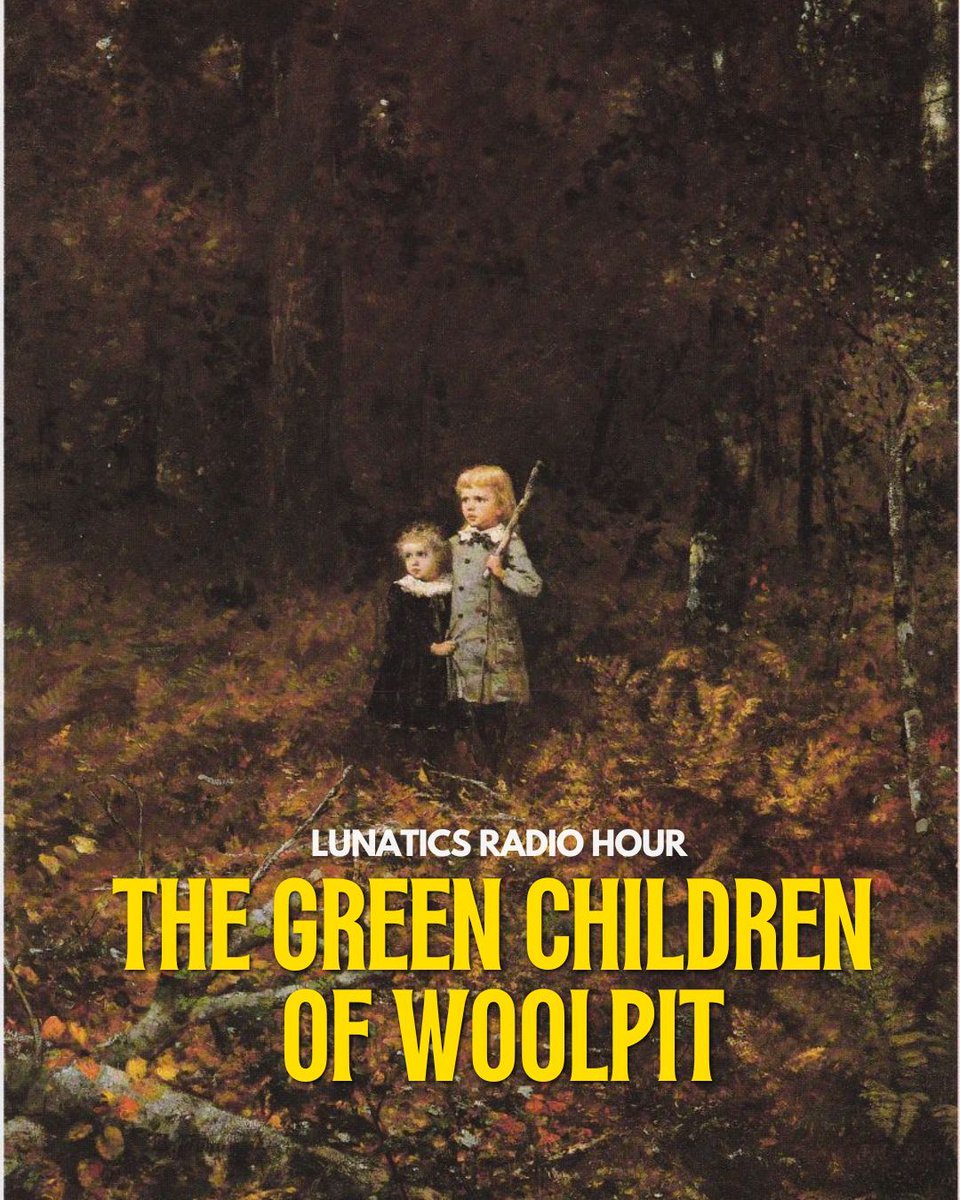
Episode 194 of Lunatics Radio Hour is out now. This week we’re talking about the Green Children of Woolpit, one of the strangest medieval legends ever recorded.
In 12th century England, villagers claimed two children with green skin appeared near the town of Woolpit speaking an unknown language and refusing to eat anything except raw beans. The boy died soon after, but the girl eventually learned English and claimed they came from a place called St. Martin’s Land, a world with no direct sunlight.
Were they abandoned children suffering from illness and malnutrition? Refugees speaking a foreign language? Or something much stranger? We break down the original medieval accounts, the theories, and why this story still fascinates people centuries later. 🌿
Listen now wherever you get your podcasts.
#podcast #horrorpodcast #mystery #folklore #historypodcast
1
20
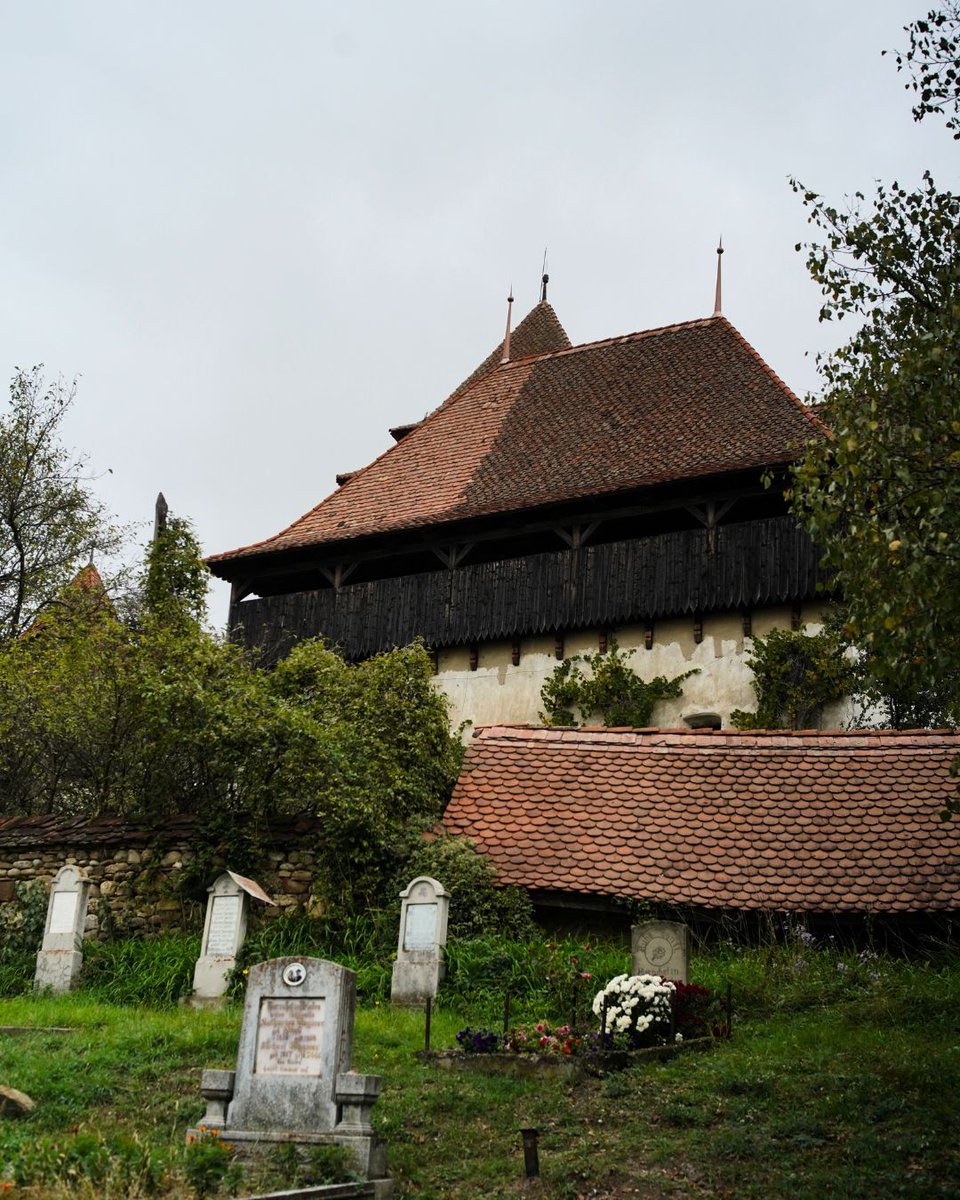
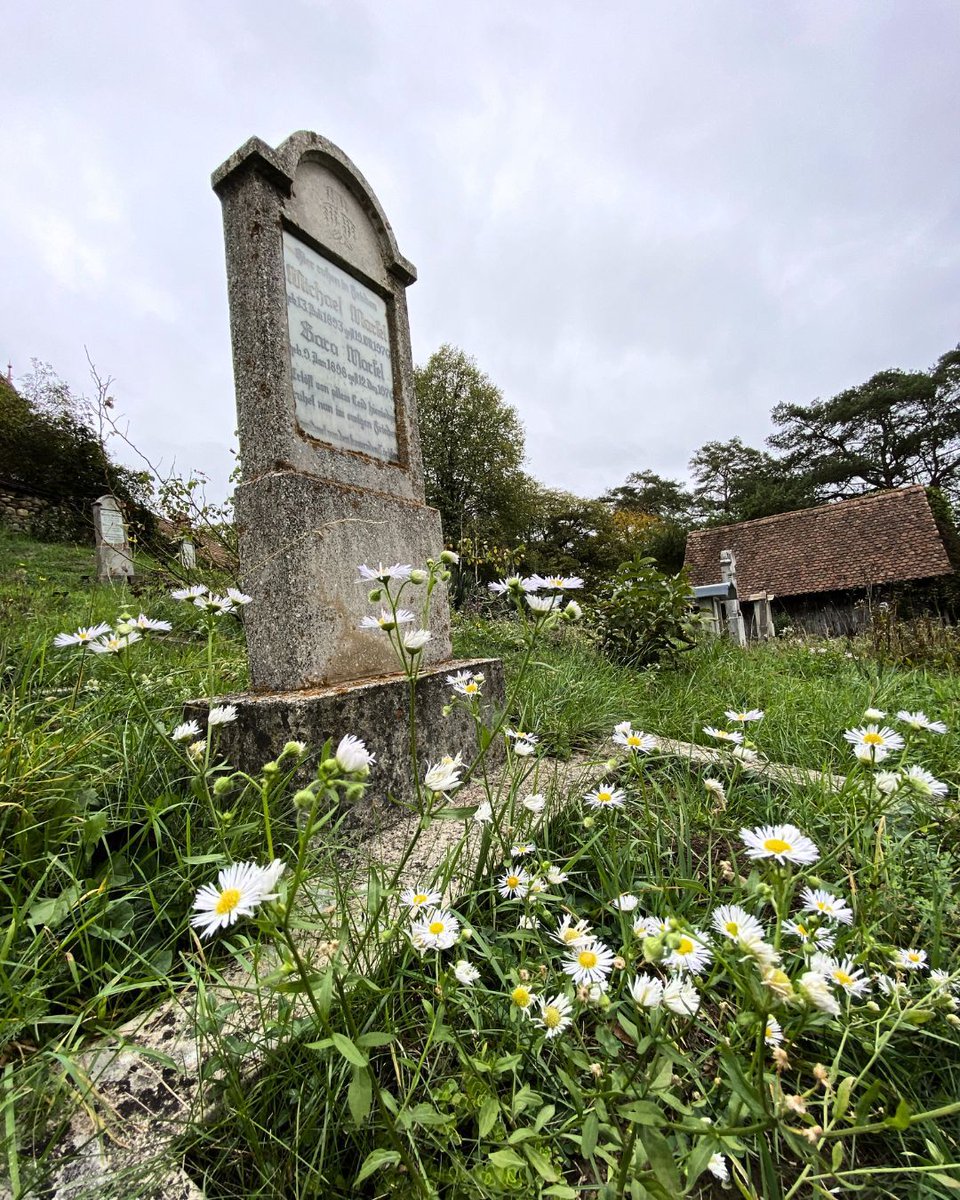
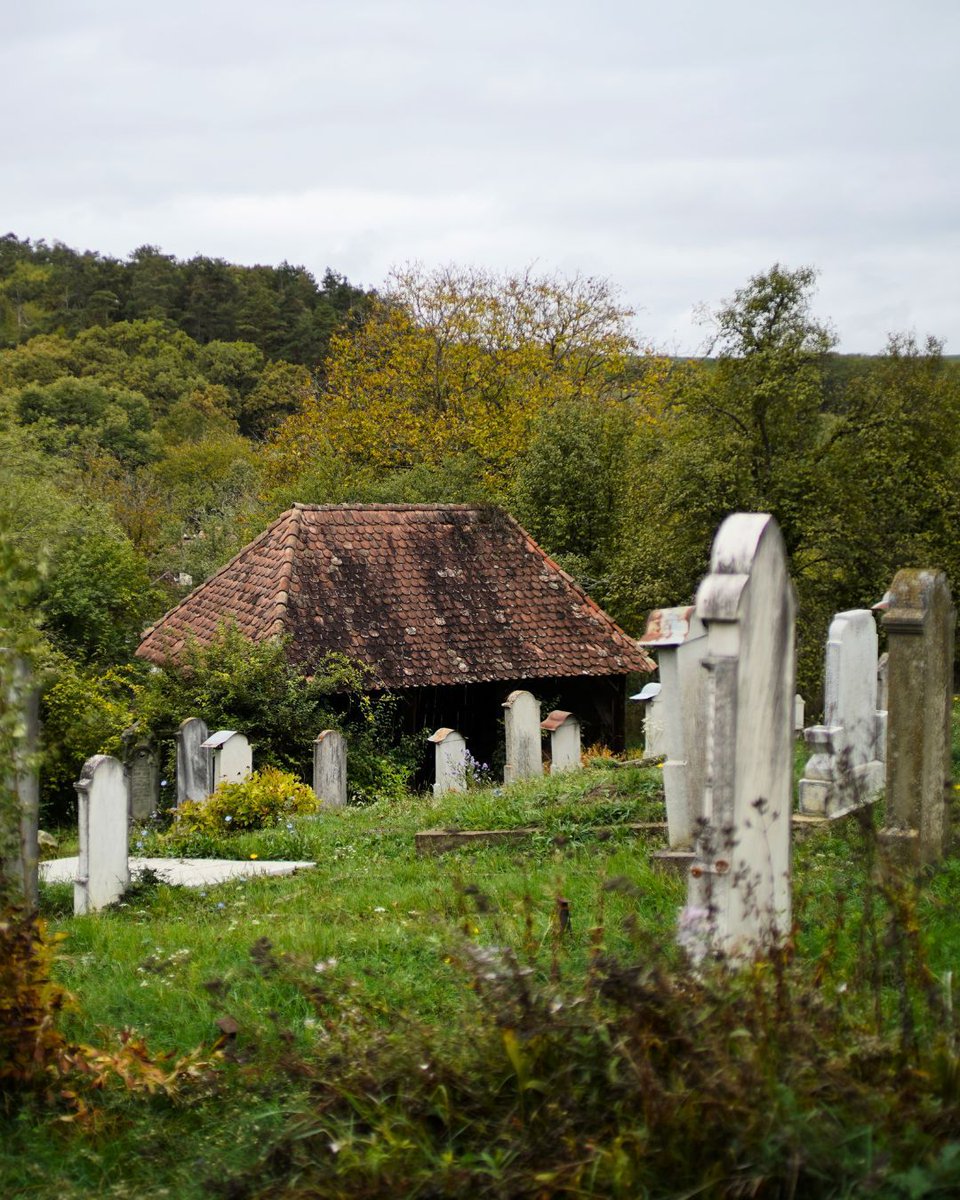
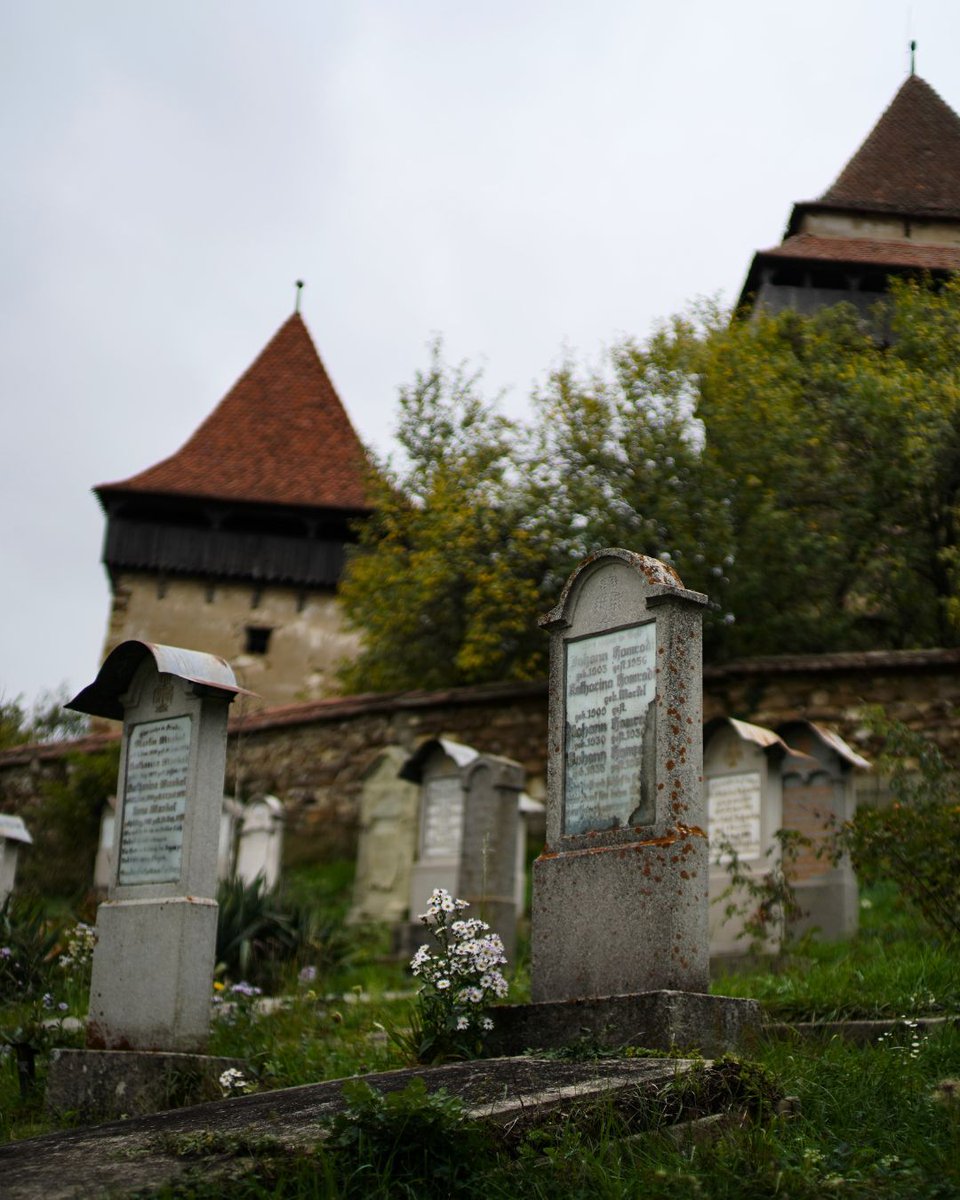
Viscri Fortified Churchyard is located within the outer grounds of the fortified church complex. It has been used for centuries as the burial site for the local Saxon community.
The graves are arranged in a simple, rural layout, with many marked by stone headstones that reflect local traditions and craftsmanship. Some older graves show weathering due to age and exposure, while newer ones continue the same general style.
The cemetery remains active and is still used by the village community. It is maintained alongside the fortified church, which is part of a UNESCO World Heritage Site.
#Viscri #RomaniaHistory #FortifiedChurch
10
I have an affinity for the use of popular music in film. (The Donnie Darko soundtrack, Dirty Dancing.) But the opening sequence of Weapons is masterful. The filmmakers pair George Harrison’s song Beware of Darkness from 1970, with footage of children running away from their homes in the middle of the night with their arms outstretched. One of the ways that weapons excelled offscreen was its marketing campaign (Similar to Longlegs.) The trailer for Weapons is scary. I remember watching it at the theater between my fingers. The trailer makes you fear the children going into the movie. And even if you didn’t see it, generally horror movies with kids use them in unnerving ways. lunaticsproject.com/post/an-…
31
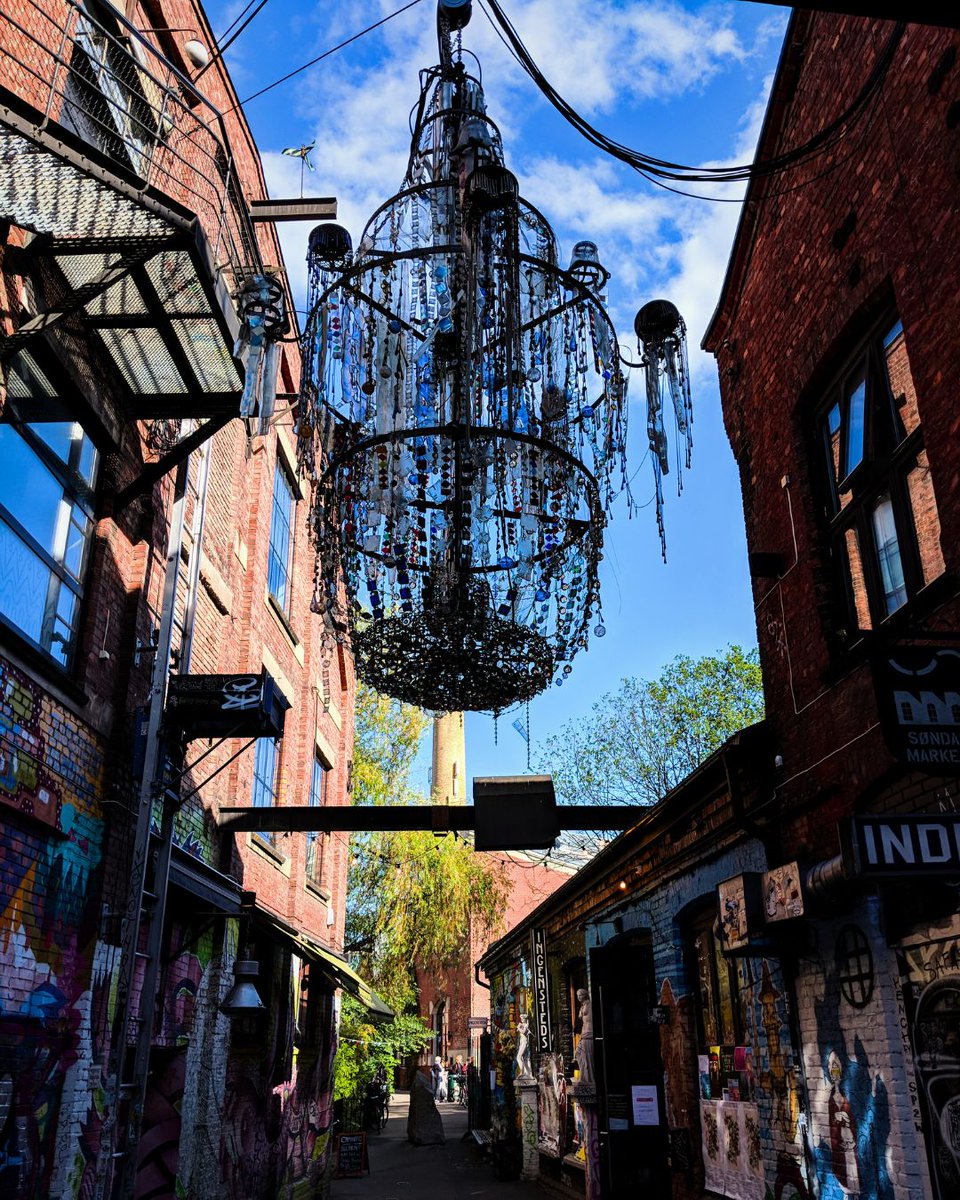
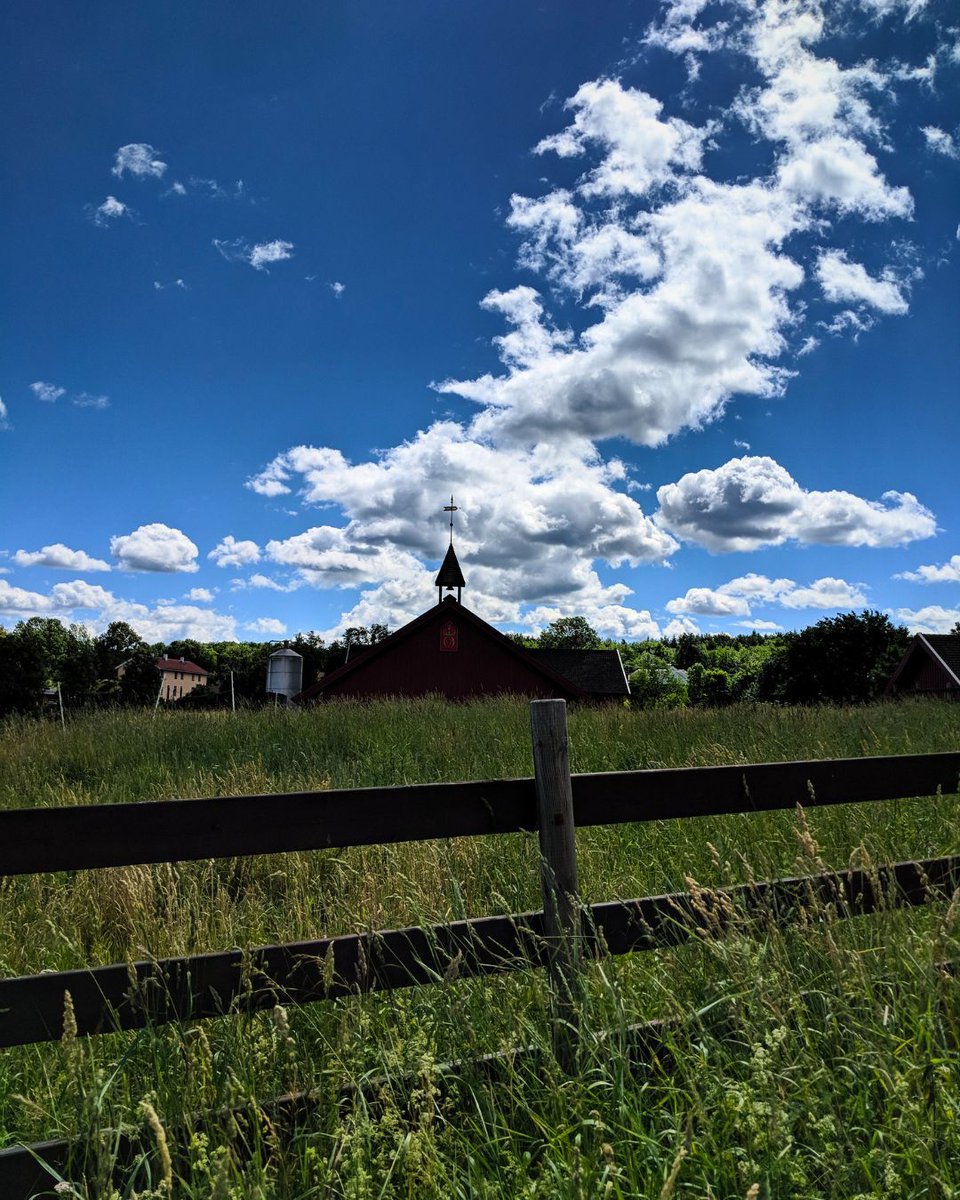
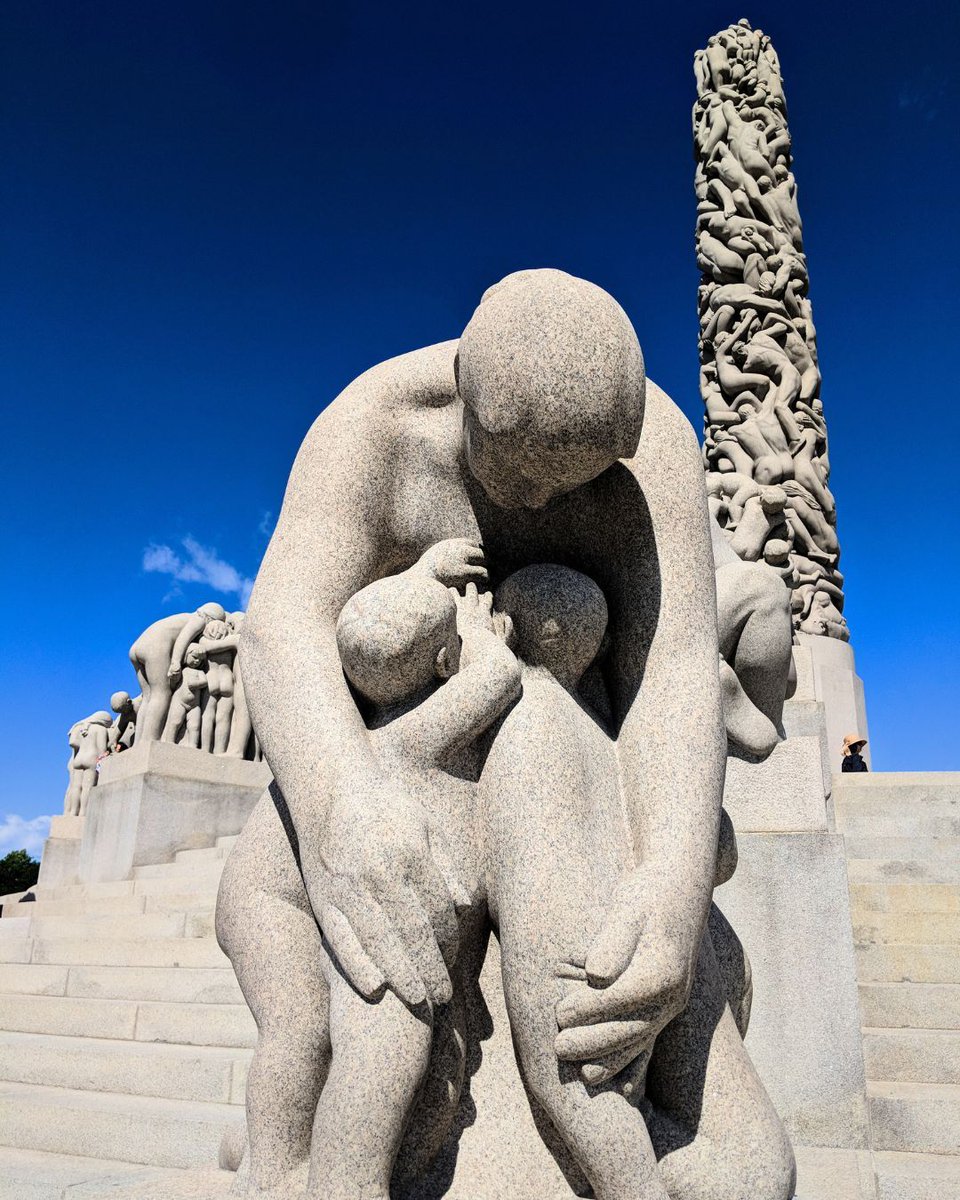
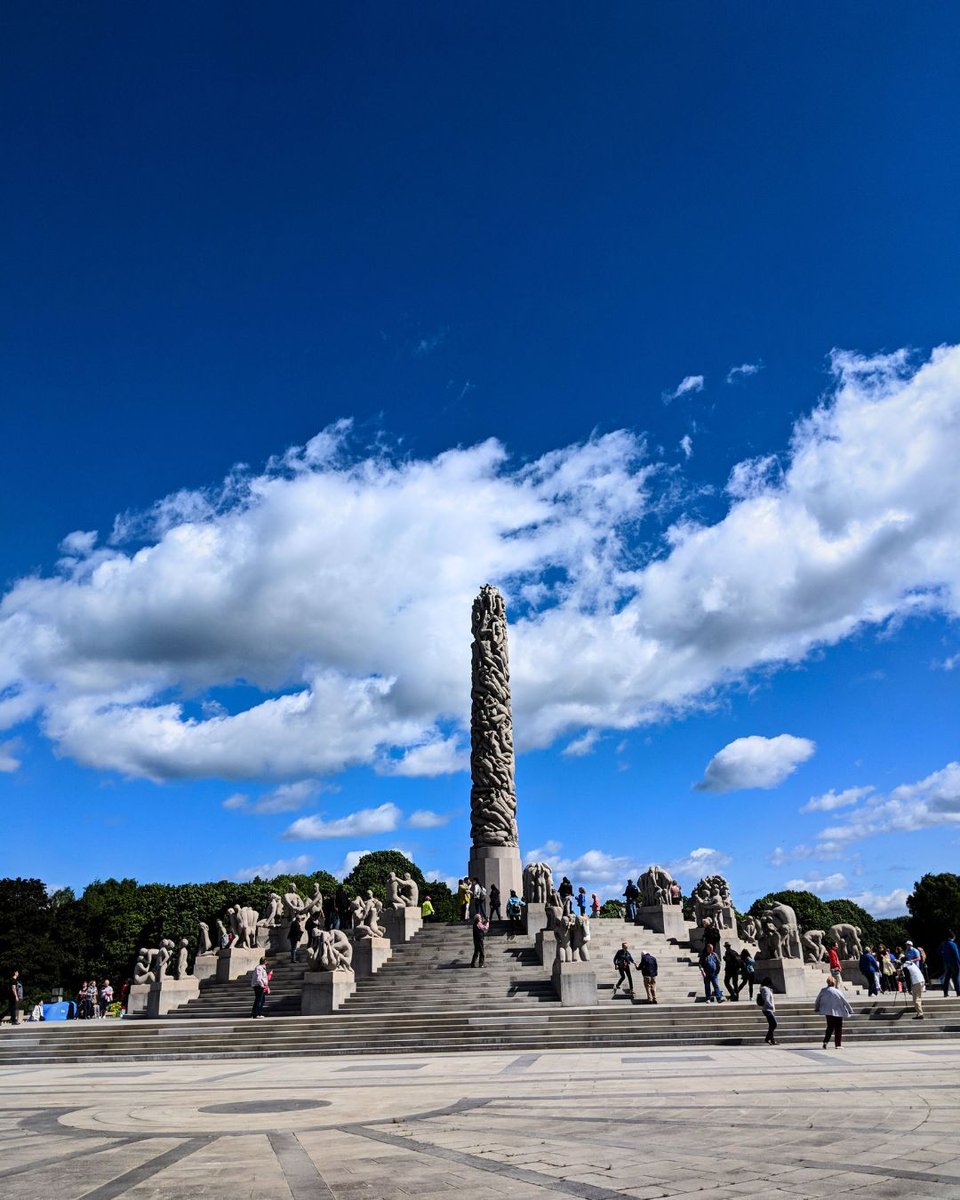
Oslo is the capital of Norway and has a history that stretches back nearly a thousand years, shaped by fire, relocation, and repeated rebuilding.
Oslo was founded around 1049 by King Harald Hardrada. It grew as a trading and administrative center during the medieval period, especially because of its location at the head of the Oslofjord, which made it useful for shipping and defense.
In 1624, the city was destroyed by a major fire. King Christian IV of Denmark-Norway ordered it rebuilt closer to Akershus Fortress and renamed it Christiania. This marked a major shift in the city’s layout, with a more planned grid structure influenced by Renaissance urban design.
For centuries after, Christiania developed as Norway’s political and economic center. During the 1800s, as Norway moved toward independence from Denmark and later Sweden, the city became a key site of national identity and growth. Universities, government buildings, and cultural institutions expanded rapidly during this period.
In 1925, after Norway gained full independence in 1905, the city officially changed its name back to Oslo, restoring its medieval identity.
During World War II, Oslo was occupied by Nazi Germany from 1940 to 1945, and the city played a central role in resistance activities. After the war, Oslo expanded quickly, modernizing into a major Scandinavian capital.
Today, Oslo is known for its mix of medieval roots, 17th-century planning, and modern architecture. It is home to government institutions, museums, and coastal neighborhoods that reflect both its Viking-era origins and its present-day role as a global city.
31
The Paris Catacombs stretch for miles beneath the city, holding the remains of more than six million people. Originally created from abandoned quarries, the tunnels became an underground burial site in the late 1700s after Paris cemeteries became dangerously overcrowded.
We explored the Catacombs ourselves and created a video covering the history, the tunnels, and the stories connected to them.
Watch the full video now on our YouTube channel. youtu.be/YKbsIrAD6hc
#ParisCatacombs #DarkHistory #HistoryYouTube
7
Montmartre Cemetery was opened in 1825 and built inside an abandoned quarry beneath the streets of Paris. Located near the famous Montmartre district, the cemetery became the final resting place for many of France’s artists, writers, actors, and musicians during the 19th and 20th centuries.
Among the people buried there are Edgar Degas, Alexandre Dumas, François Truffaut, and singer Dalida, whose grave remains one of the cemetery’s most visited sites. The cemetery is also known for its elaborate statues, quiet pathways, and the bridges that pass overhead, giving it a distinct atmosphere compared to other Paris cemeteries.
Today, Montmartre Cemetery remains one of the most historic and visually unique burial grounds in Paris. youtube.com/watch?v=Fd-z9Lxu…
37
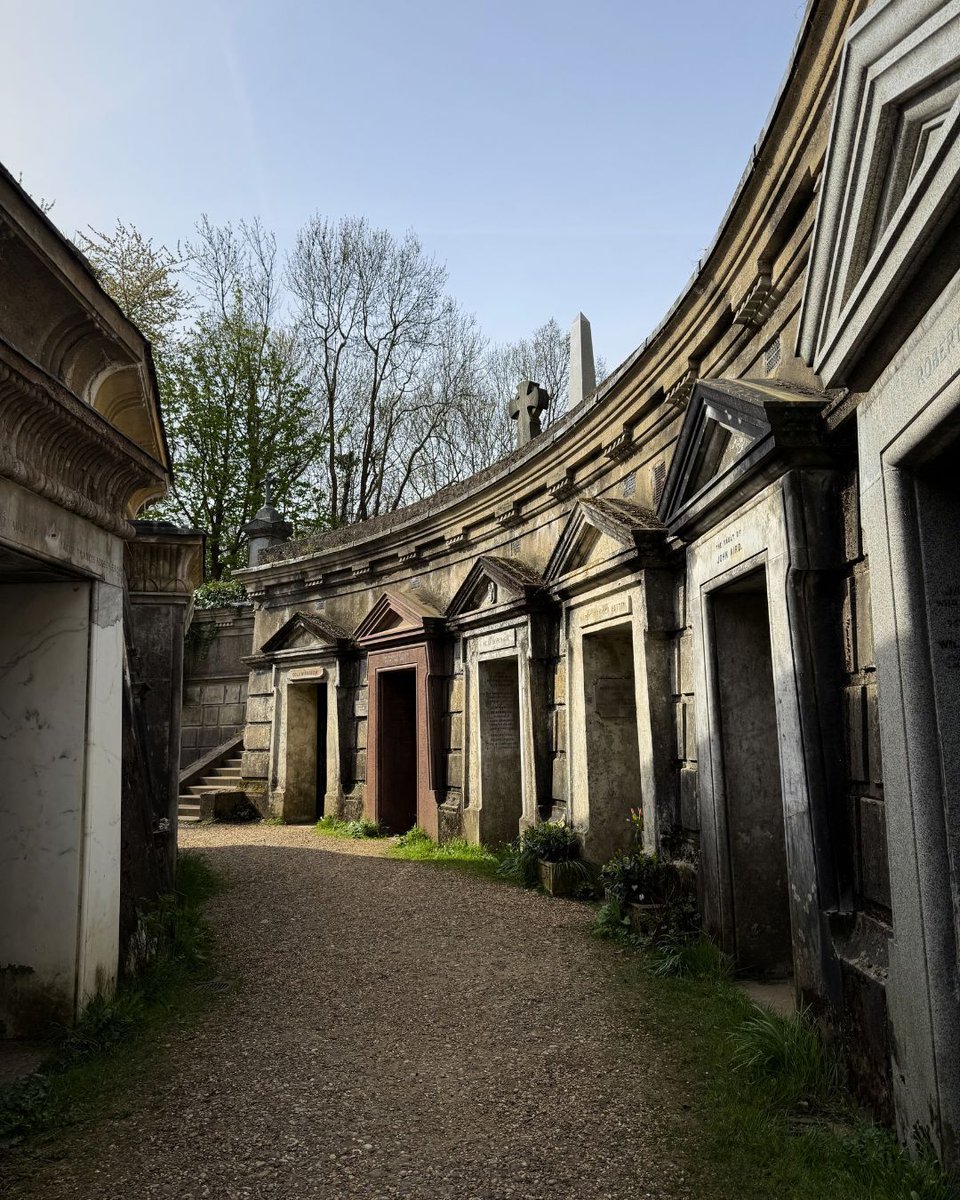
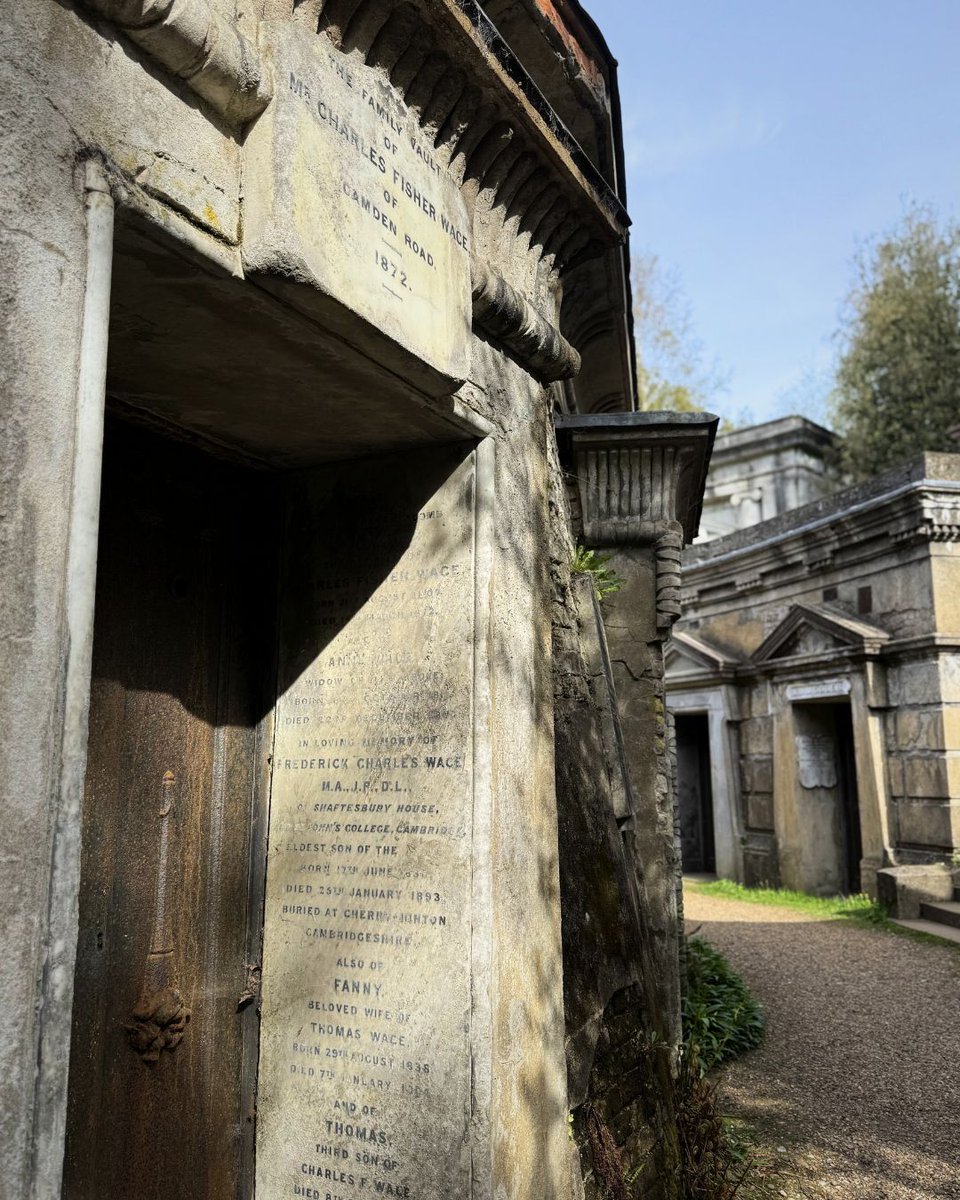
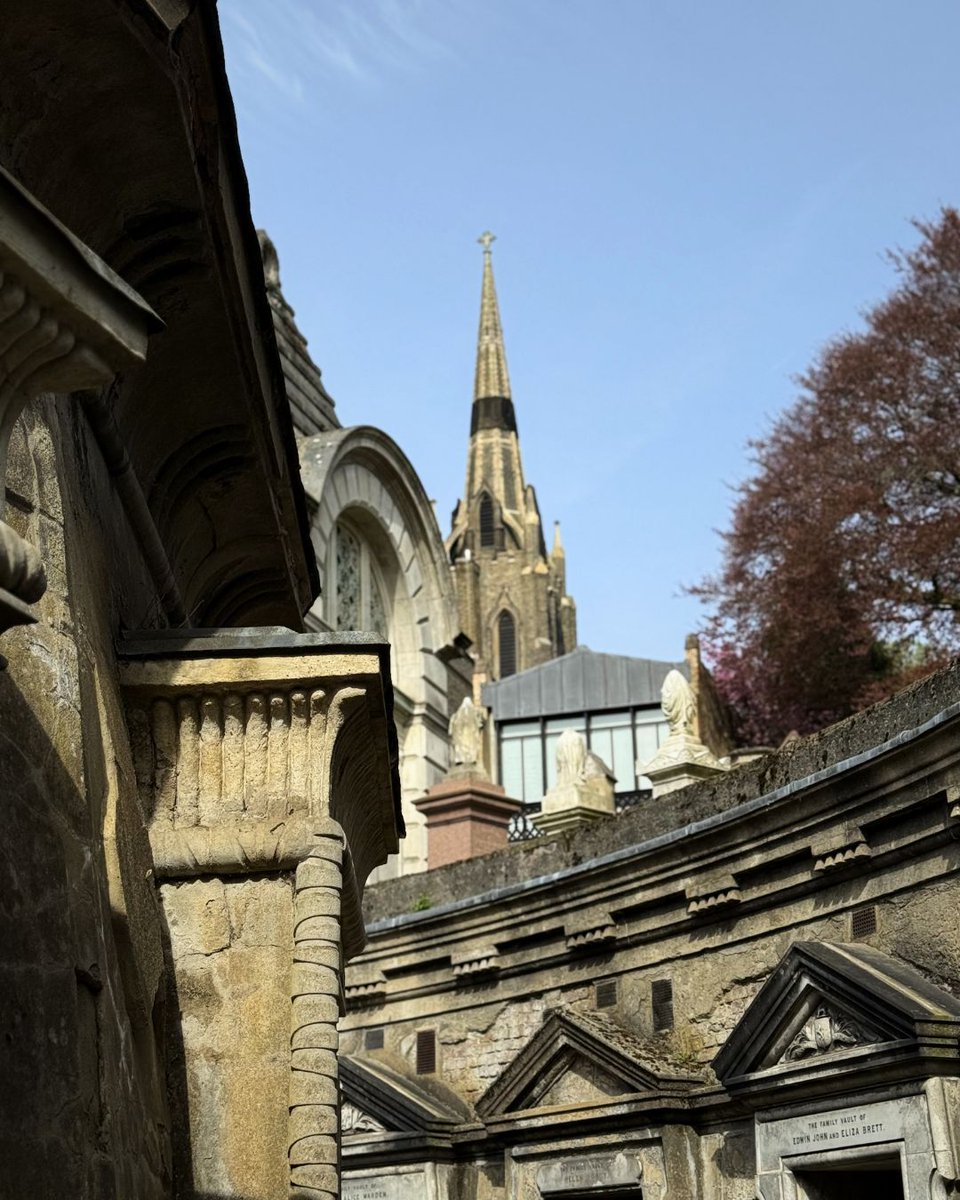
The Circle of Lebanon at Highgate Cemetery was constructed in 1839 as part of the original West Cemetery design. It is centered around a large cedar of Lebanon tree, which predates the cemetery itself and was incorporated into the layout.
The circle is surrounded by a ring of subterranean vaults built into an earth mound. These catacombs were designed for above-ground burials and could accommodate multiple coffins within family vaults.
The design reflects Victorian burial practices, combining landscaping with architecture to create enclosed, private burial spaces. The site also reflects the 19th-century interest in symbolic and biblical associations, as cedar trees were often linked to immortality and strength.
Today, the Circle of Lebanon is one of the most distinctive features of Highgate’s West Cemetery and is accessible only by guided tour.
#HighgateCemetery #CircleOfLebanon #LondonHistory
27
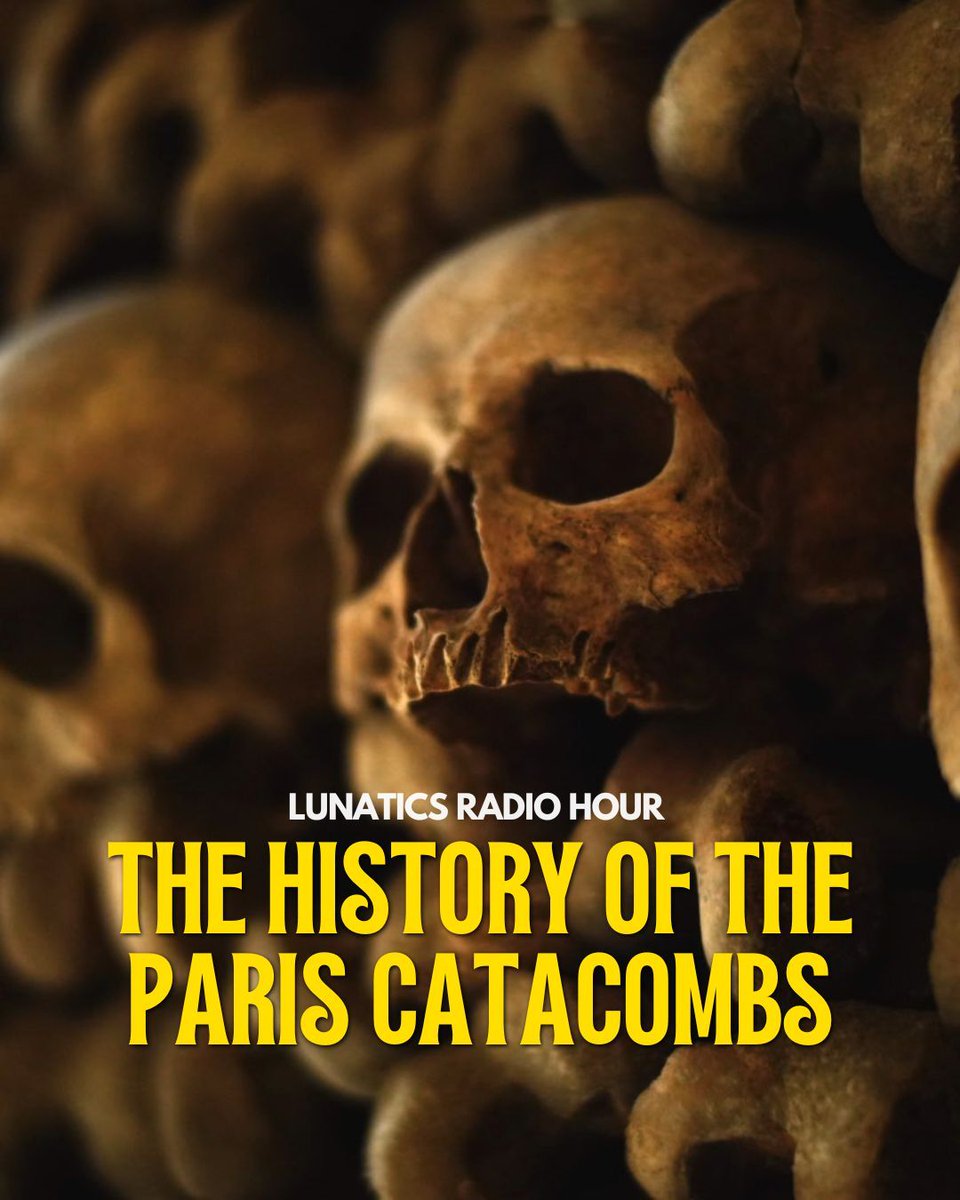
Episode 193 of Lunatics Radio Hour is out now. This week we’re diving into the history of the Paris Catacombs.
Beneath the streets of Paris sits a massive underground network holding the remains of more than six million people. Originally created from old limestone quarries, the tunnels were turned into ossuaries in the late 1700s after overcrowded cemeteries in Paris became a public health problem.
We cover how the catacombs were created, the transfer of human remains through the city at night, the hidden sections closed to the public, and the legends that have turned the tunnels into one of the most infamous underground locations in the world. We also talk about modern explorers, illegal entrances, and why the catacombs still attract curiosity centuries later. 💀
Listen now wherever you get your podcasts.
#podcast #pariscatacombs #historypodcast #horrorpodcast #paris
1
1
36
May 31
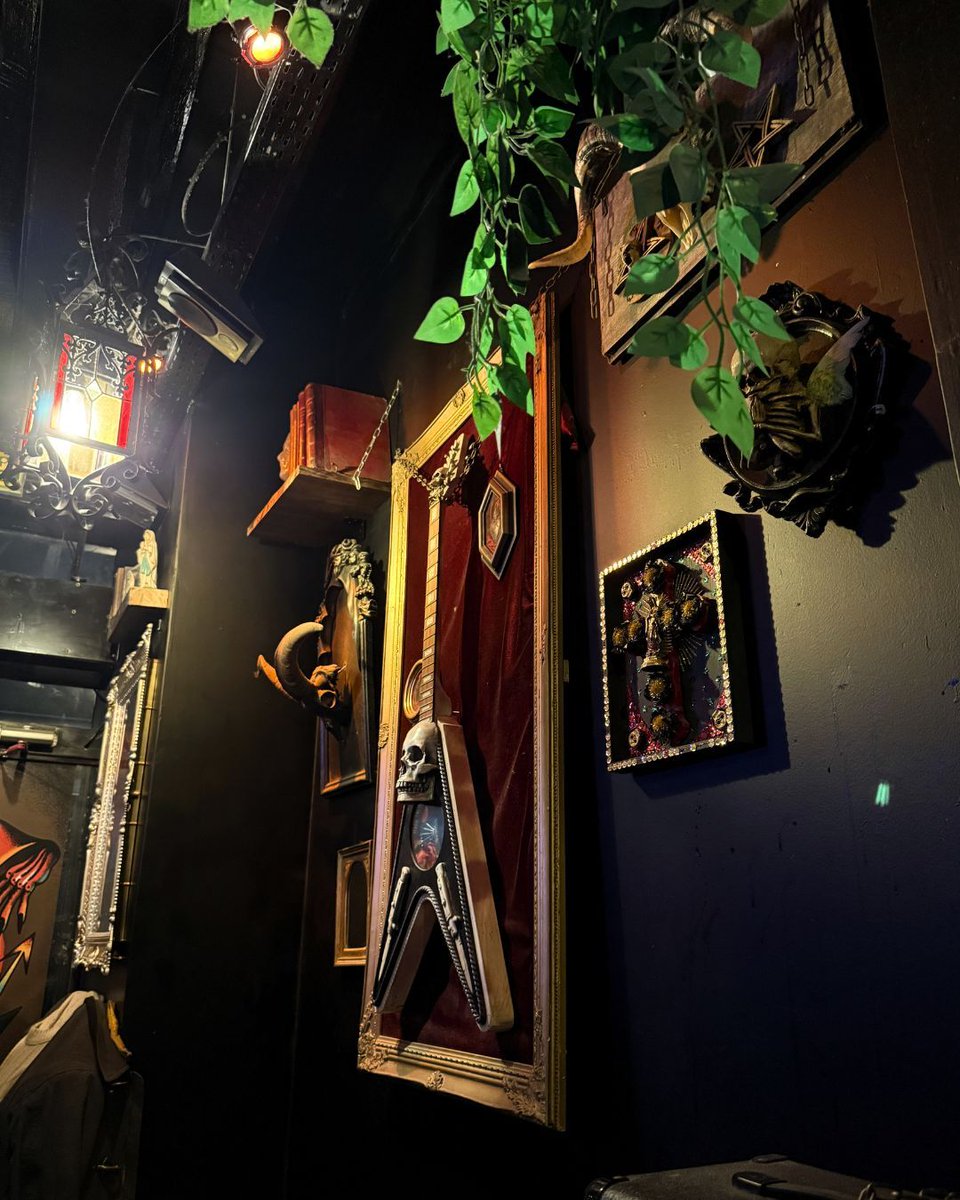
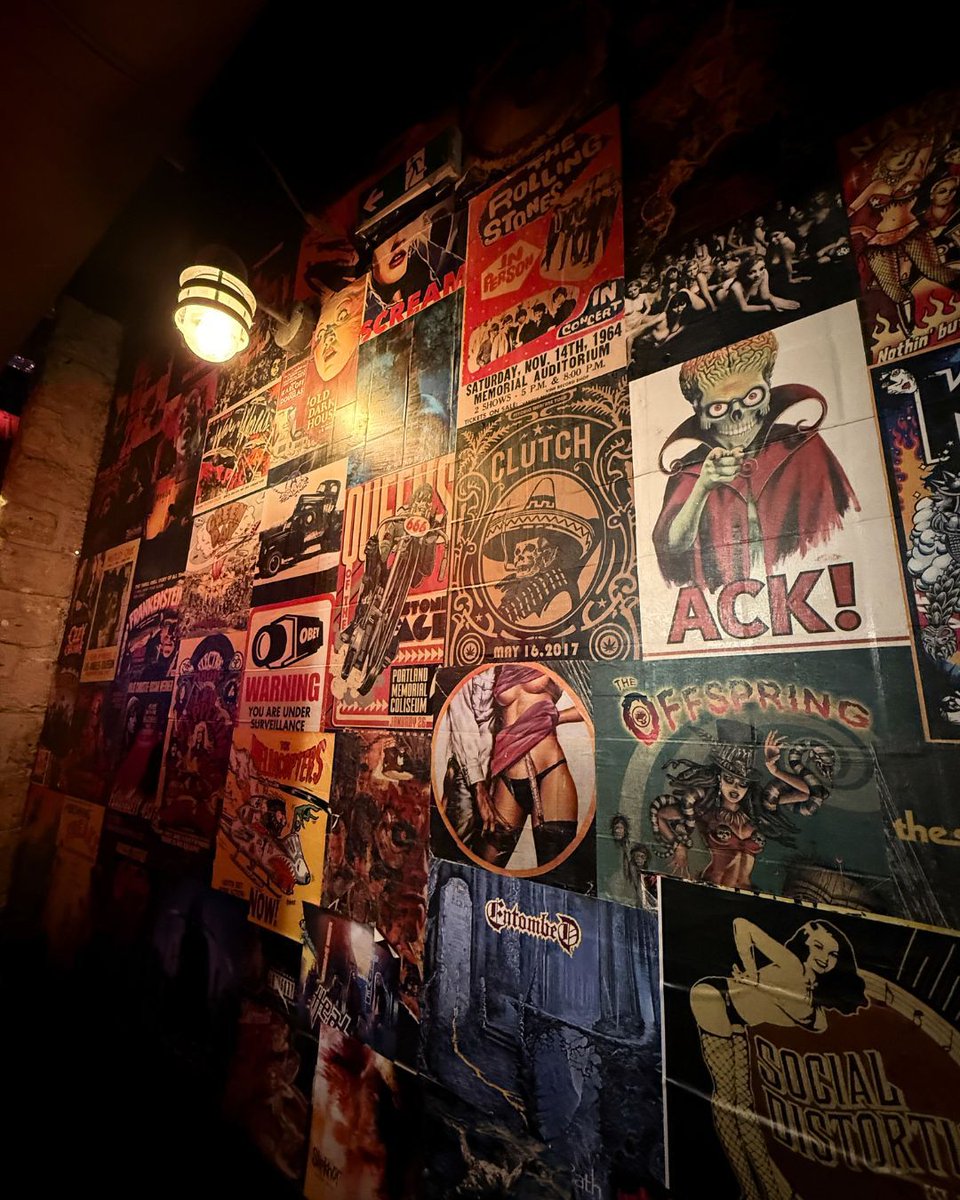
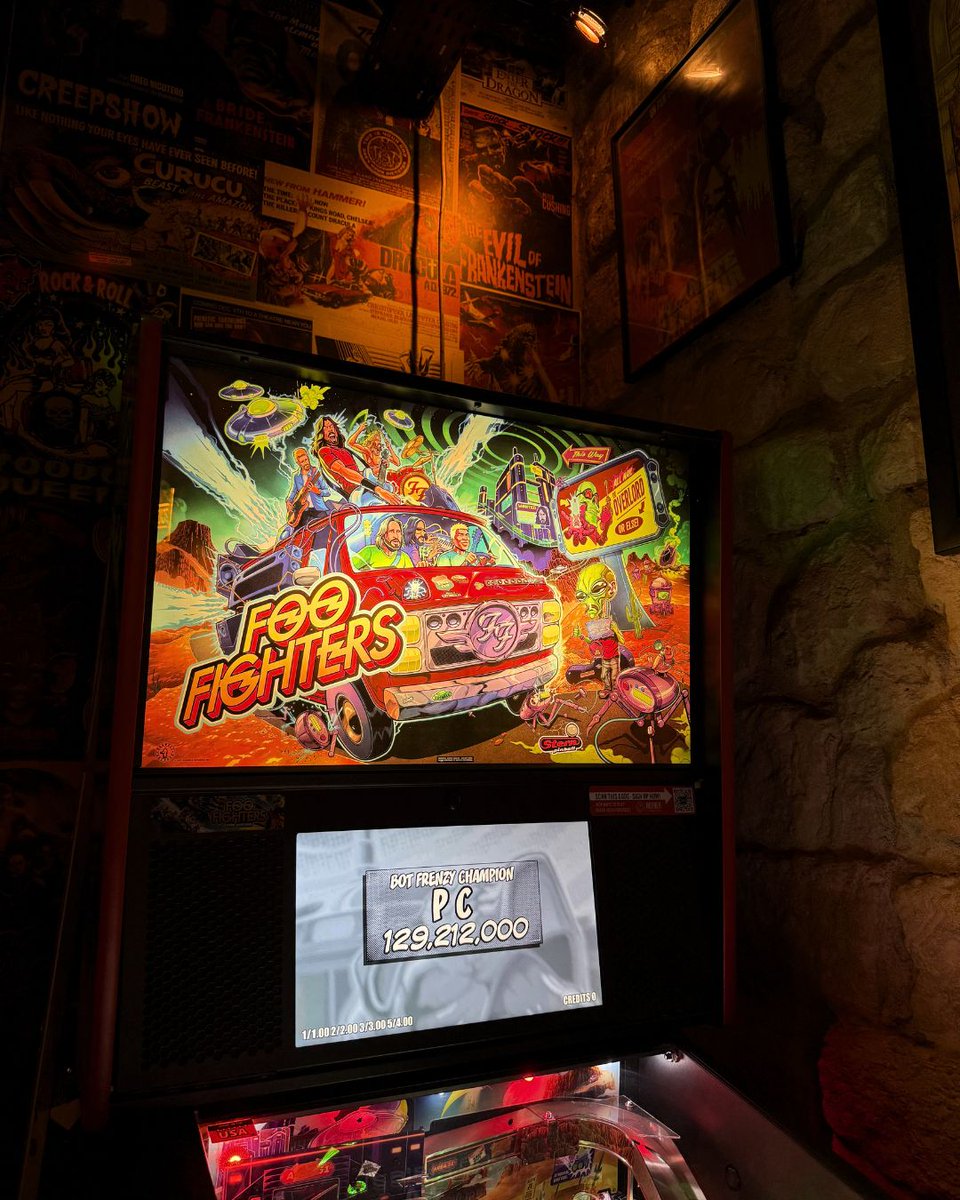
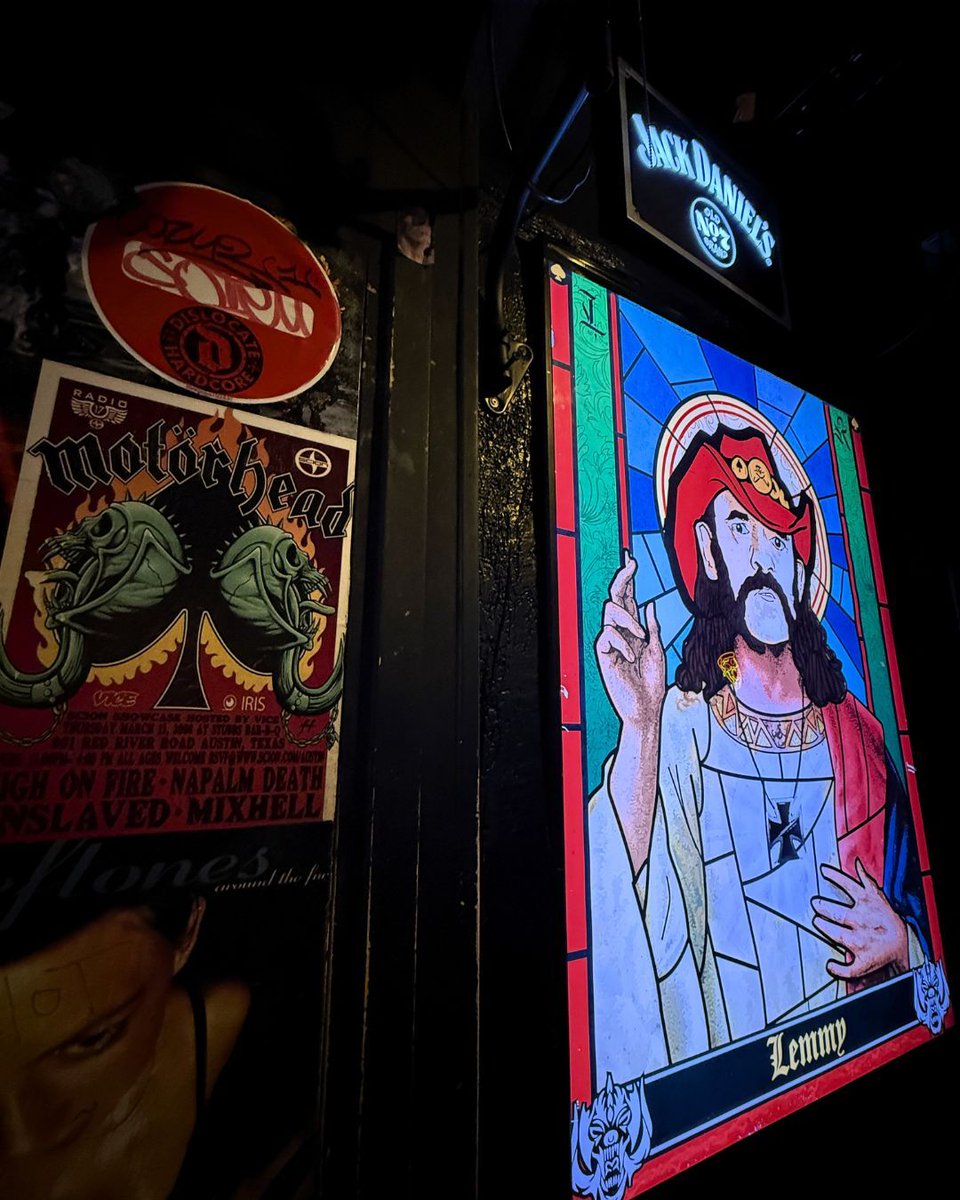
Located in Paris’s Bastille district, Dr. Feelgood became one of the city’s best-known rock and metal bars after opening in the early 2010s. Named after the legendary British pub-rock band and the famous Mötley Crüe album, the bar built its reputation on loud music, cheap drinks, and a heavy soundtrack ranging from classic rock to thrash metal. 🎸
Over the years, it became a gathering place for Paris’s alternative music scene, packed with concert posters, dark lighting, and crowds spilling onto Rue Keller late into the night. A second location later opened near Les Halles.
#ParisNightlife #RockHistory #MetalBar
1
53
May 30
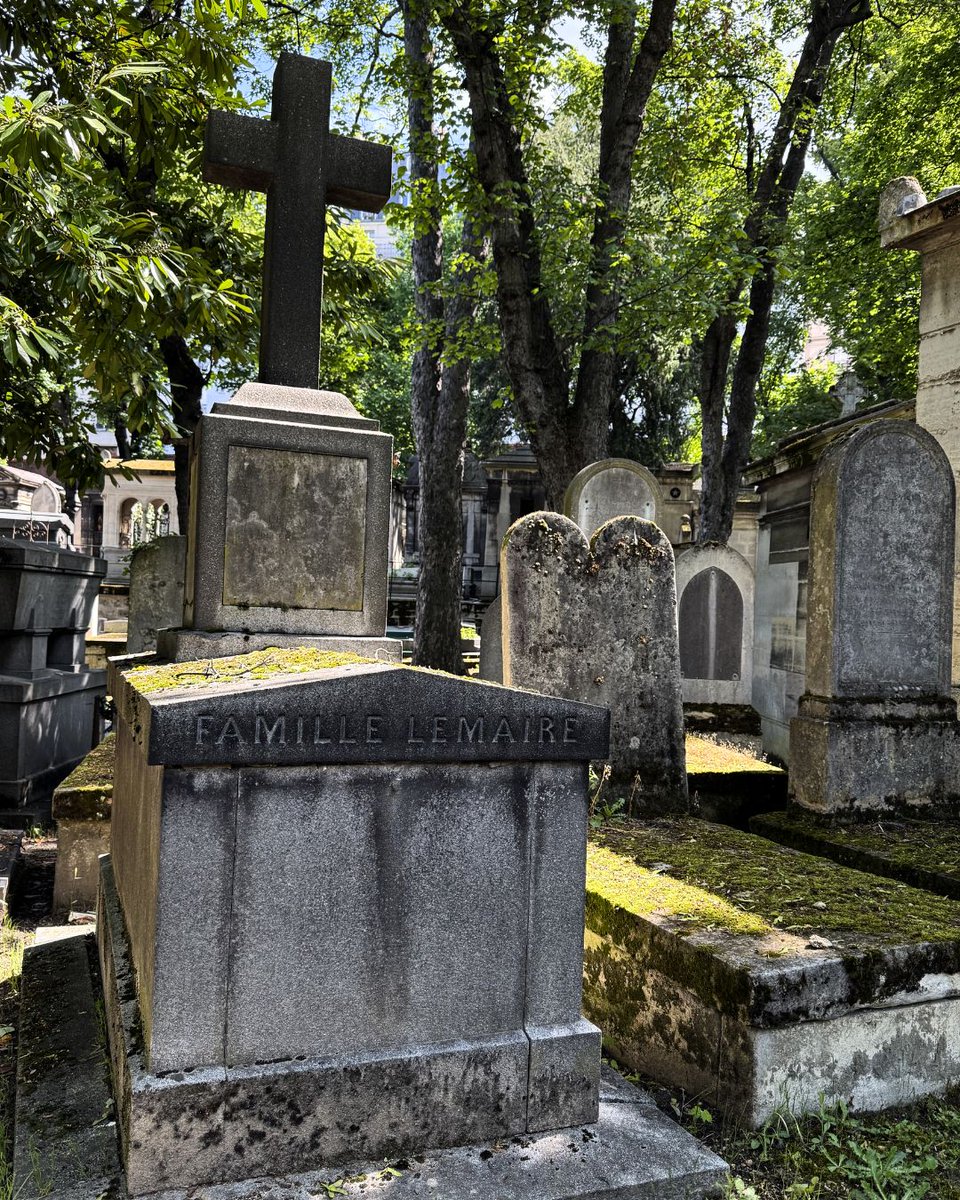
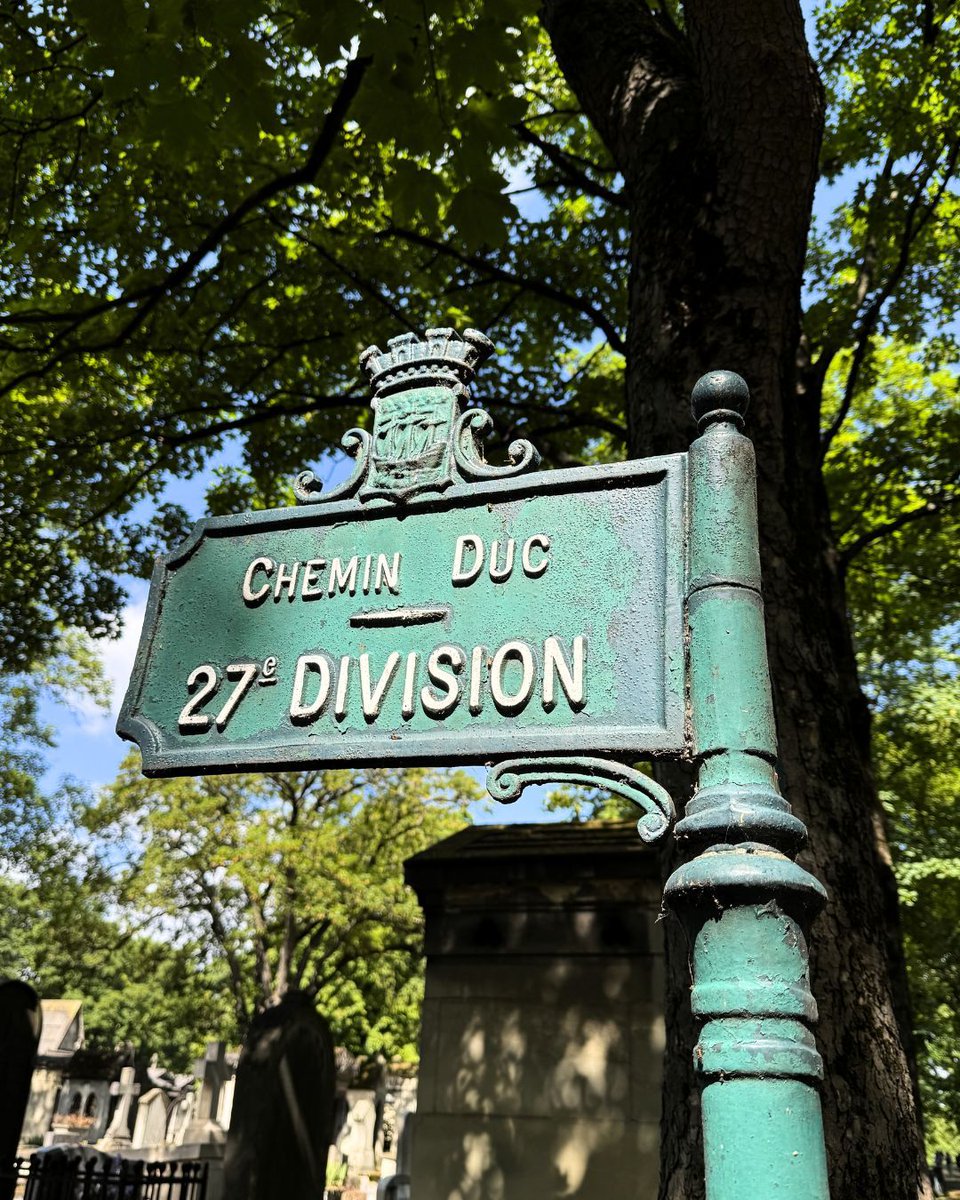
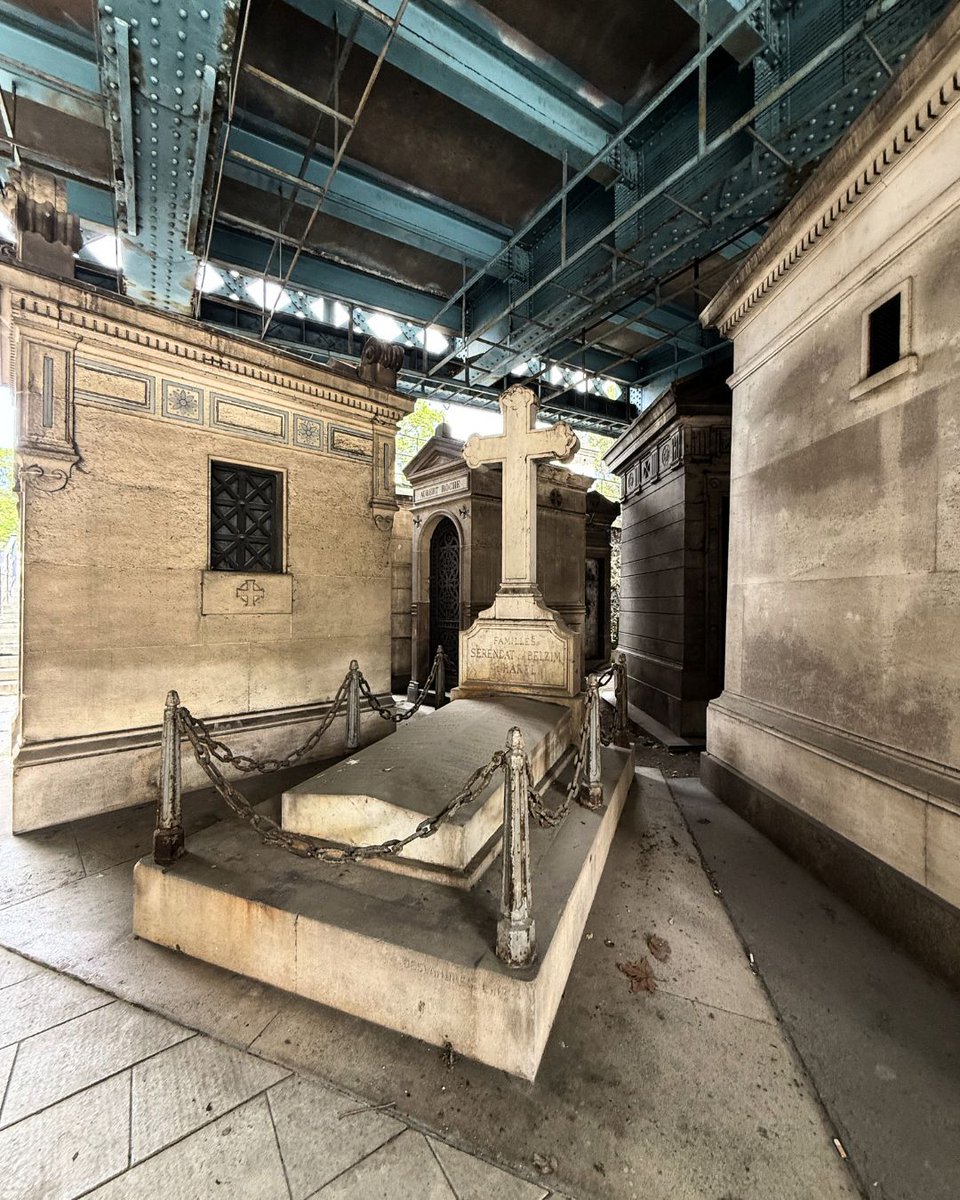
Hidden beneath the shadow of Sacré-Cœur, Montmartre Cemetery is one of the most atmospheric places in Paris. Opened in 1825 on the site of an abandoned quarry, the cemetery is filled with towering tombs, winding paths, and the graves of artists, writers, and musicians who helped shape French culture.
Famous names buried there include Edgar Degas, Alexandre Dumas fils, and legendary singer Dalida. Even more unusual, part of the cemetery sits beneath a massive bridge, giving the entire place an eerie, almost cinematic feeling.
#ParisHistory #Montmartre #CemeteryPhotography
1
42
May 29
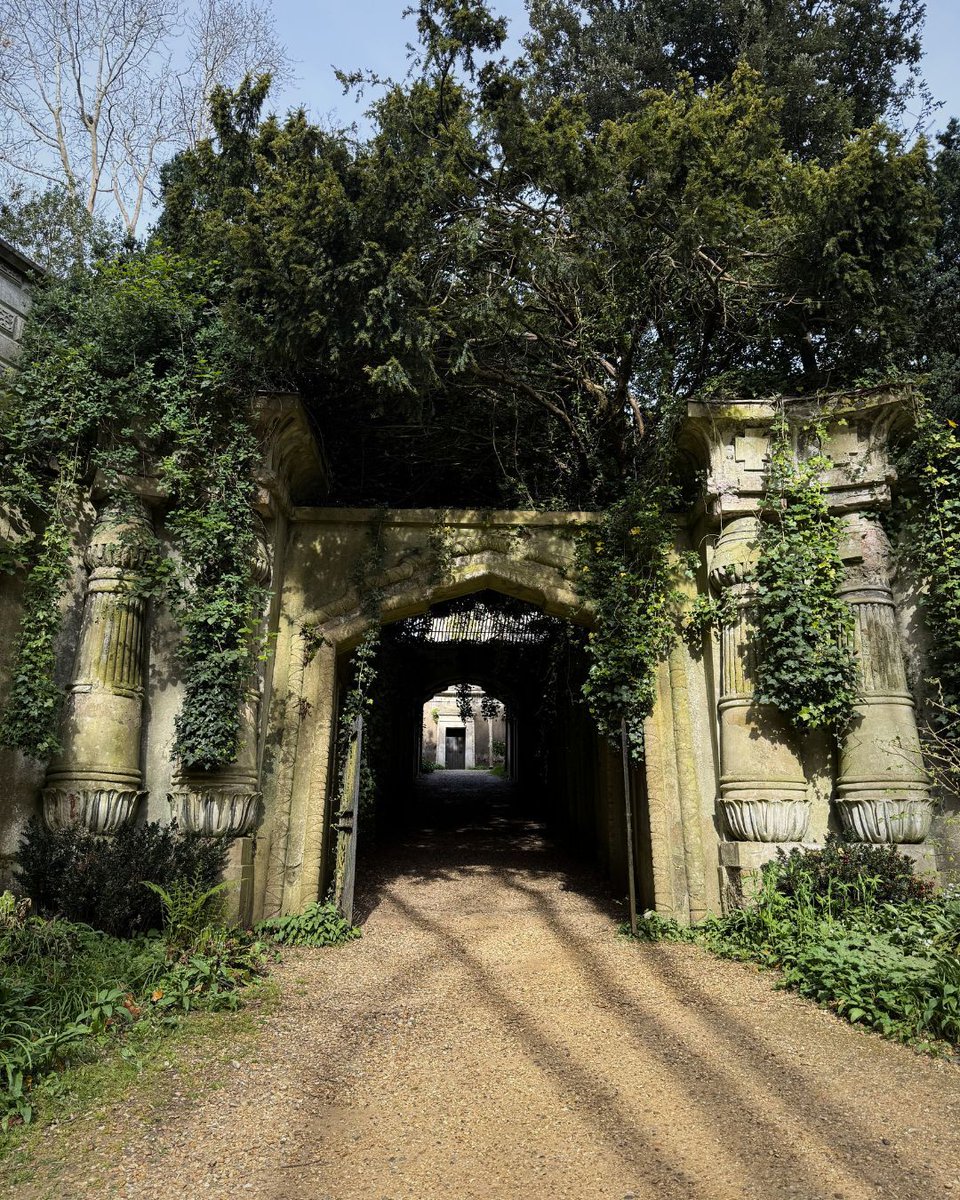
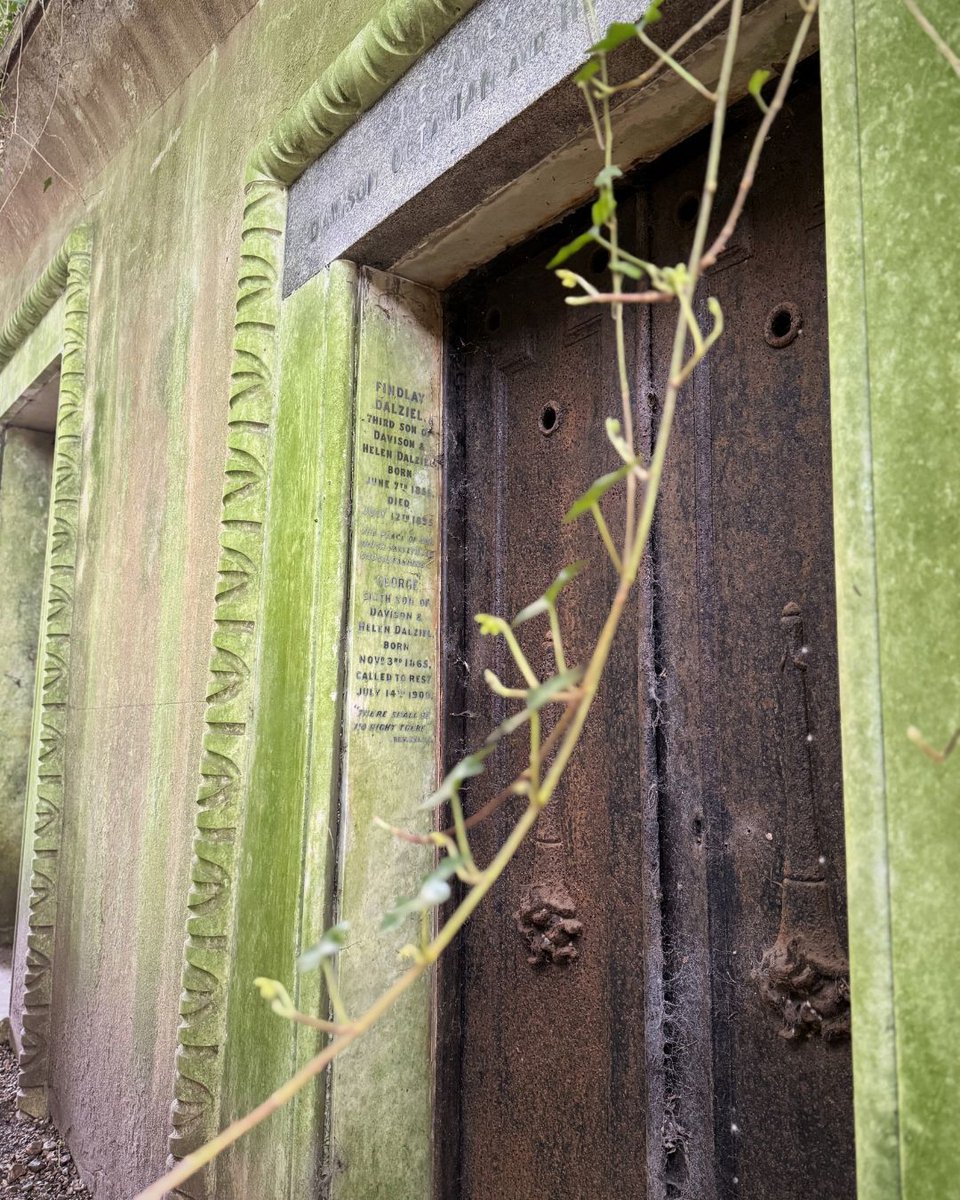
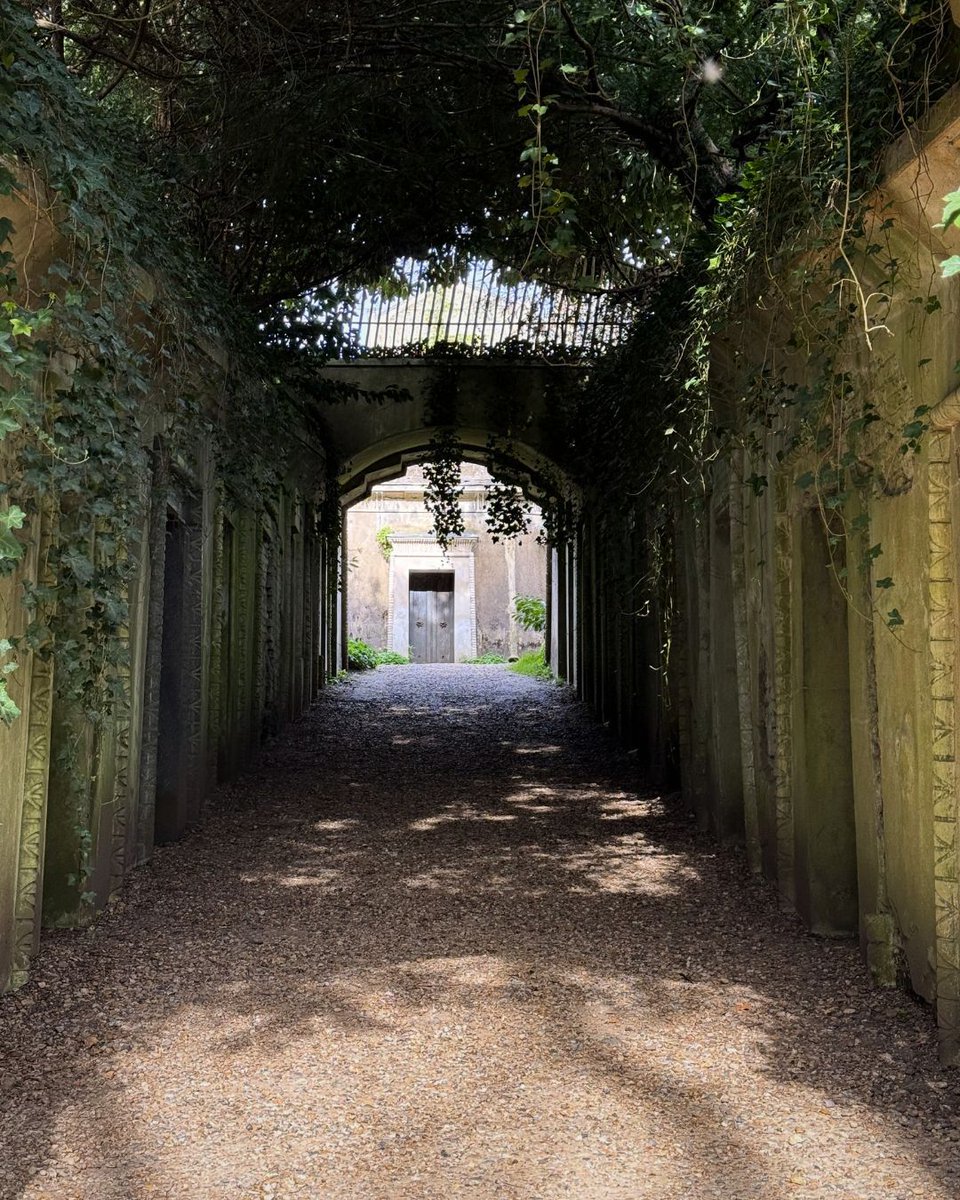
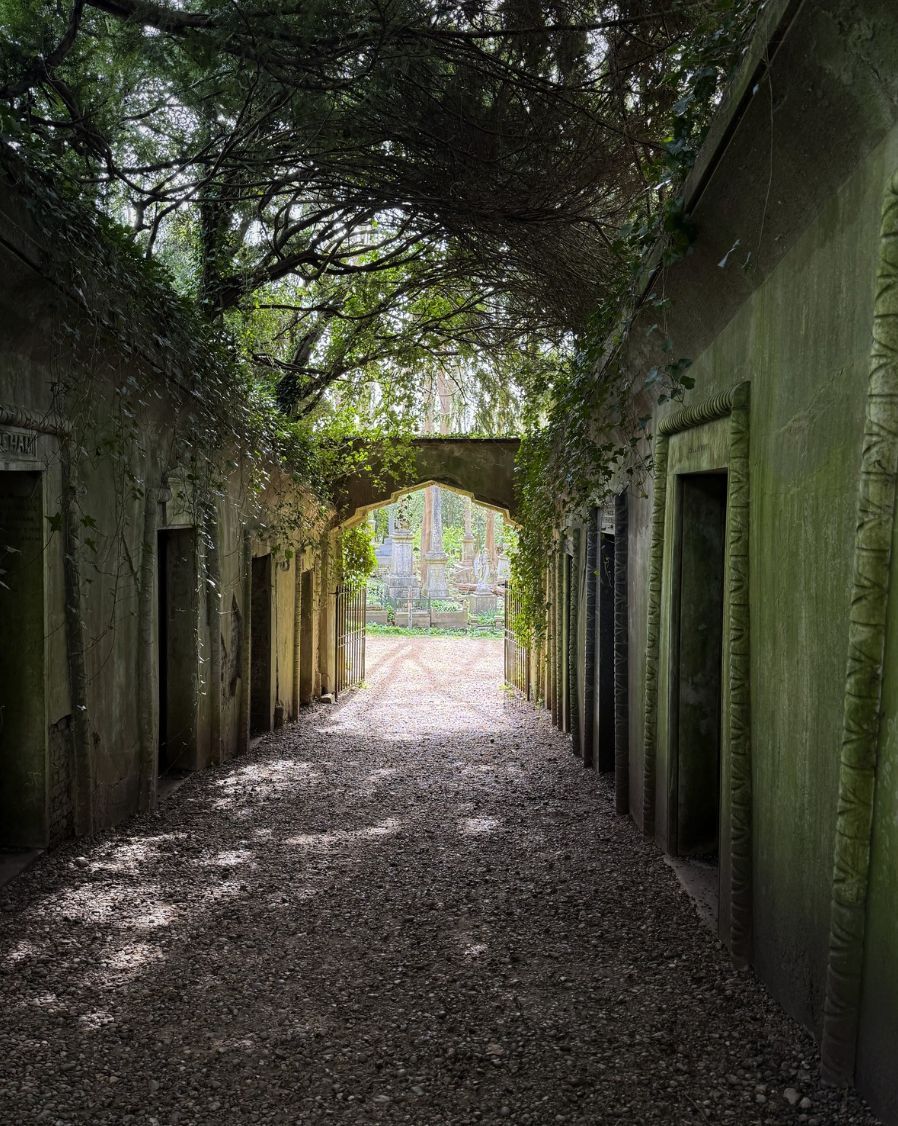
Egyptian Avenue at Highgate Cemetery was built in 1839 as part of the cemetery’s original design. It reflects the Victorian-era fascination with ancient Egypt, which grew after Napoleon’s campaigns and continued archaeological discoveries.
The avenue is a narrow, tree-lined path leading into a series of catacombs, marked by an entrance of massive stone pylons. These structures were designed to resemble ancient Egyptian architecture, including elements inspired by temples and tombs.
The catacombs along Egyptian Avenue were used for above-ground interments, a practical solution to overcrowding in London at the time. Vaults were sold to families and could hold multiple coffins.
Today, Egyptian Avenue remains one of Highgate Cemetery’s most recognizable features and is located in the West Cemetery, which is only accessible by guided tour.
#HighgateCemetery #EgyptianAvenue #LondonHistory
13
May 27
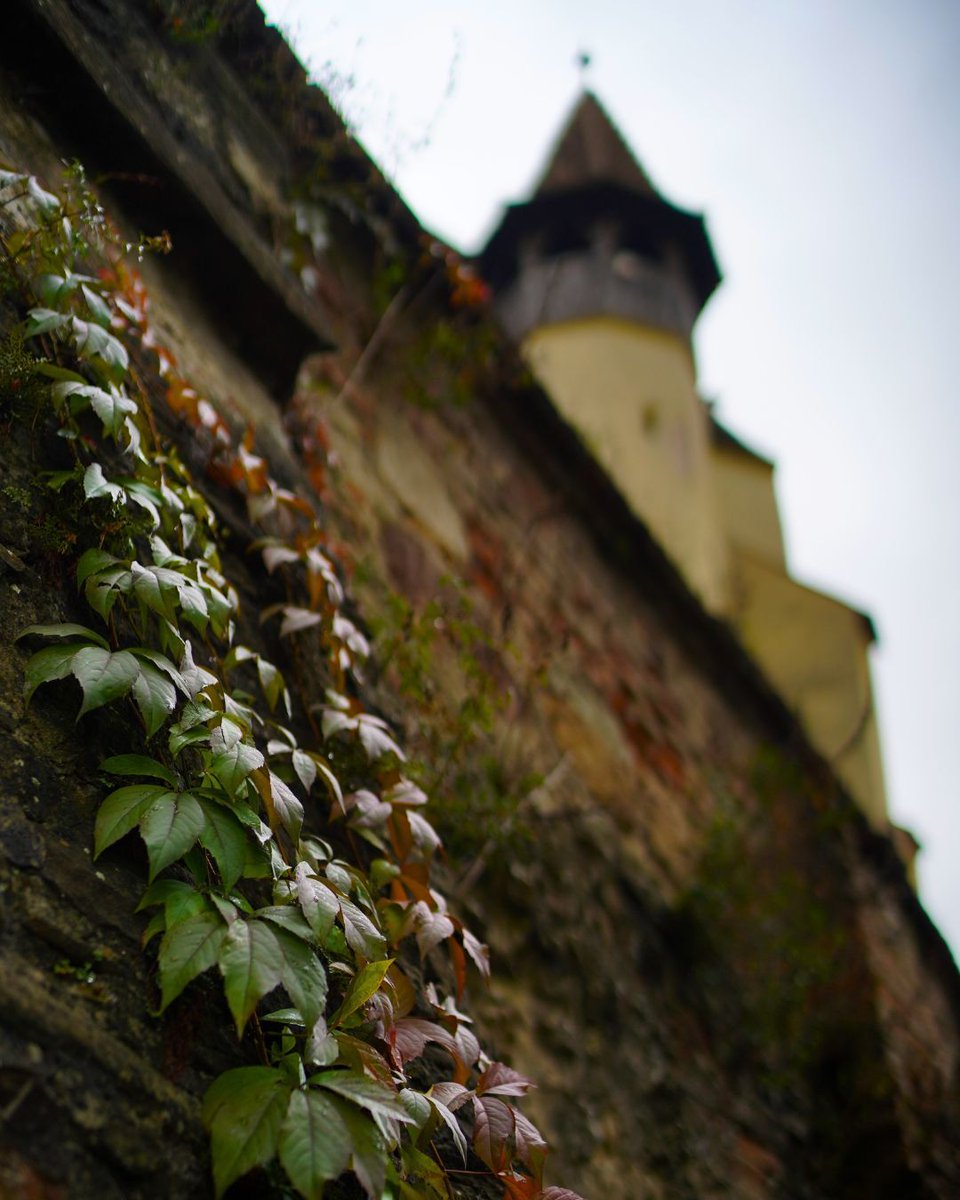
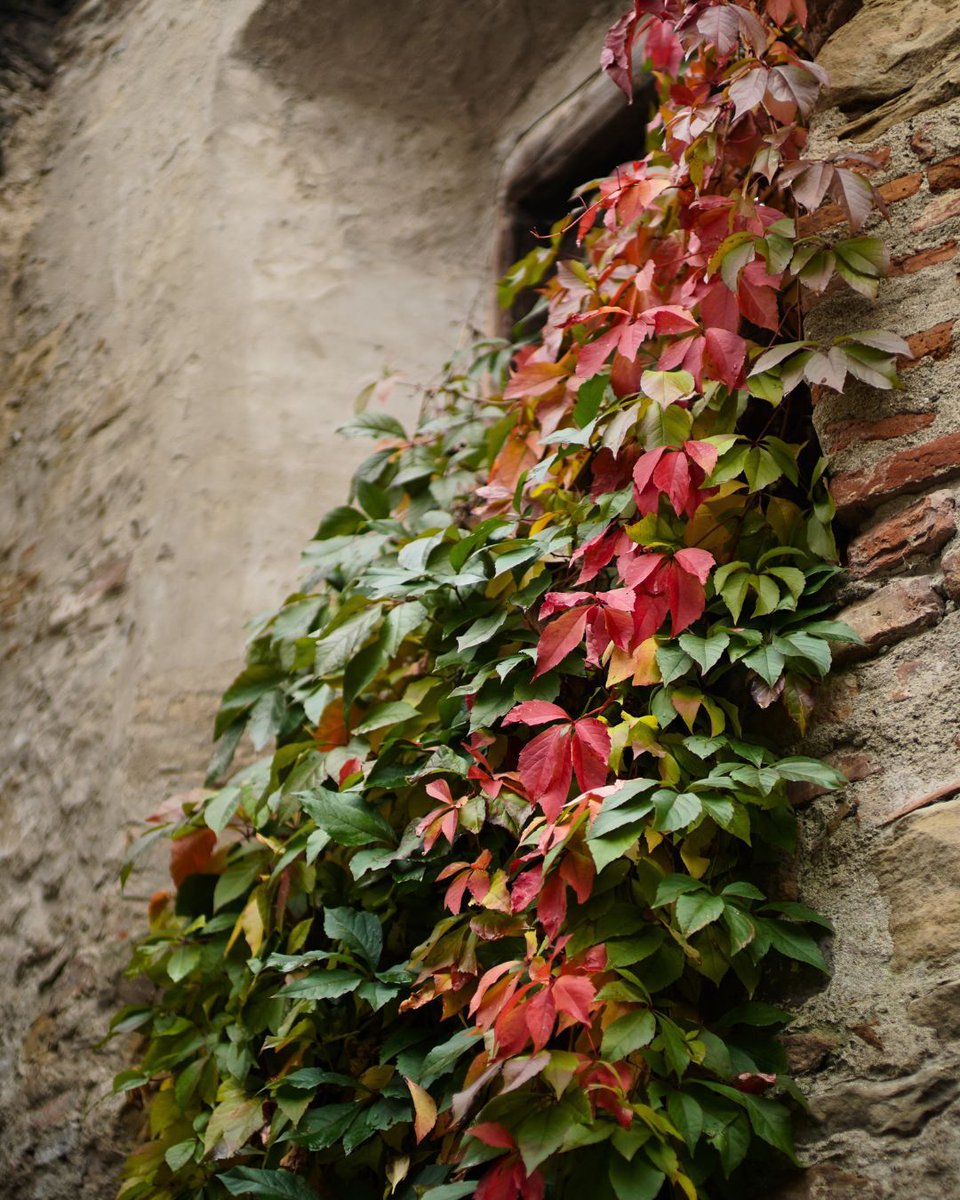
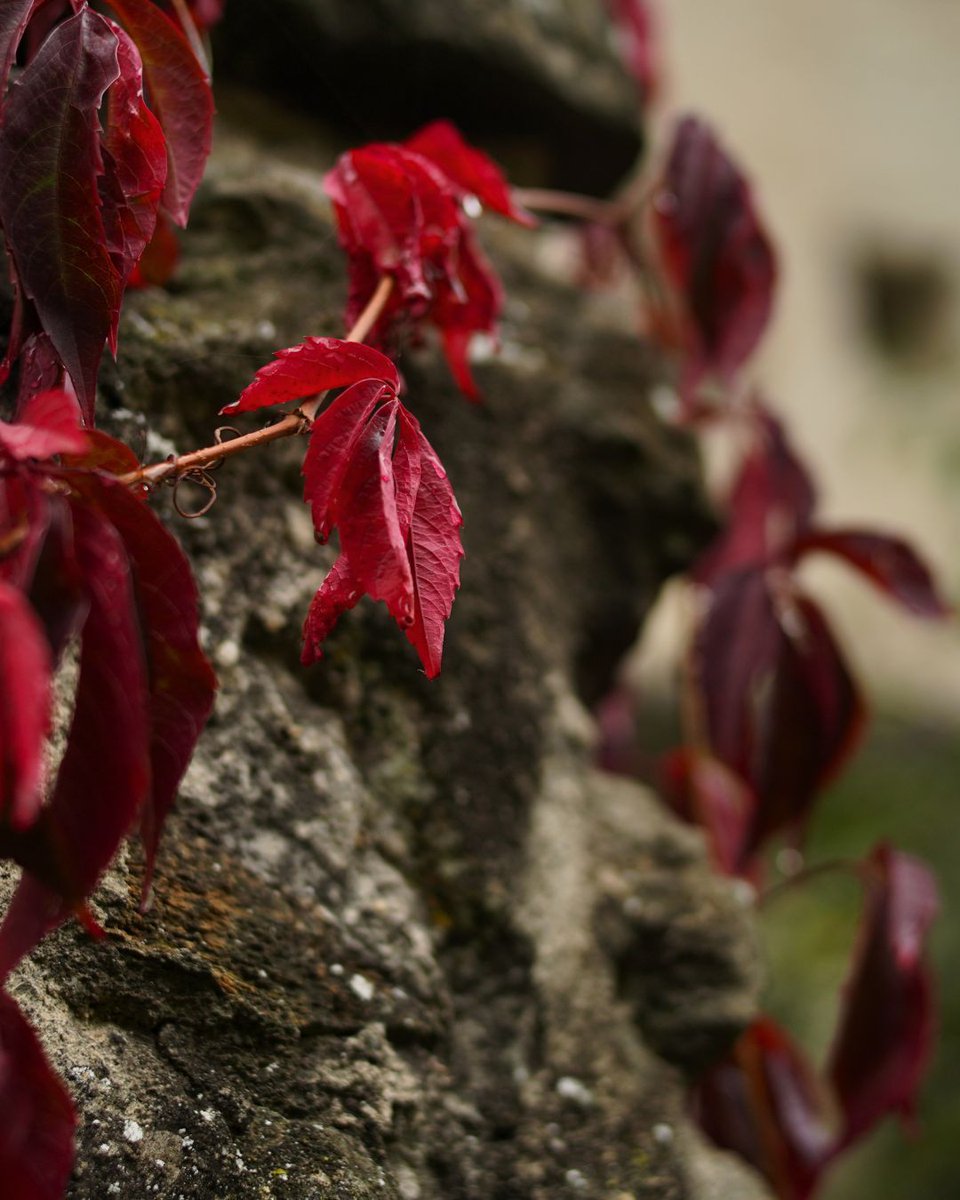
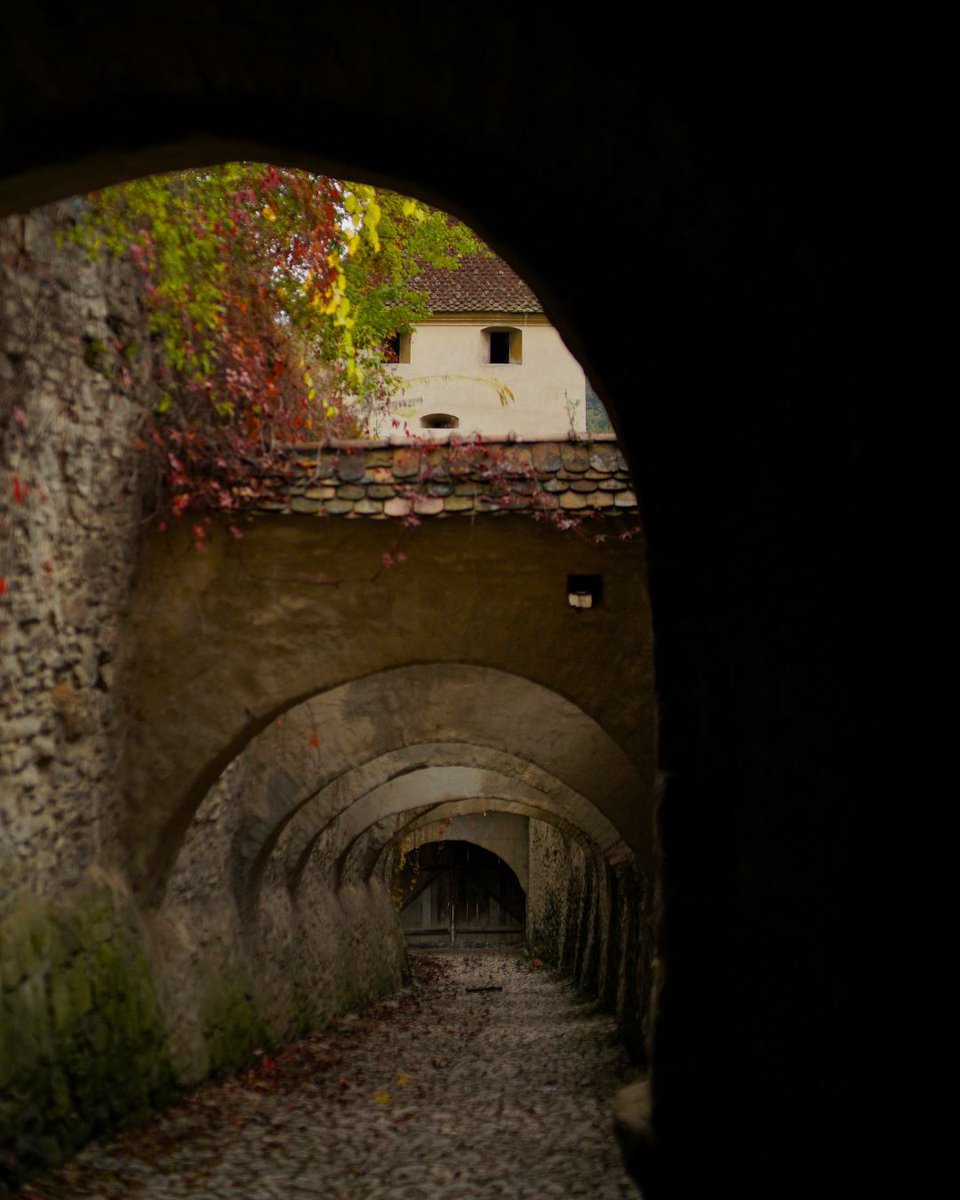
Biertan is a fortified Saxon village first established in the 13th century, located in Roamania. It became an important religious center and was home to a Lutheran bishopric for nearly 300 years.
The village is best known for its fortified church, a UNESCO World Heritage Site, surrounded by defensive walls built to protect against invasions. Inside, features like its complex door lock system and preserved medieval structures reflect its historical role as both a place of worship and refuge.
#Biertan #RomaniaHistory #UNESCO
22
May 26
This week Abby is joined by Alex Goleman to read two haunting stories about grief and death.
🩶 Forgiving Amy was written by Mike Macera.
🩶 In Life and Death was written by Sam Logan.
Lunatics Radio Hour, episode 192 - anywhere you listen to podcasts. lunaticsproject.com/episodes
14