
Joined August 2020
- Tweets 803
- Following 1,763
- Followers 316
- Likes 214,326
87 Photos and videos





9h
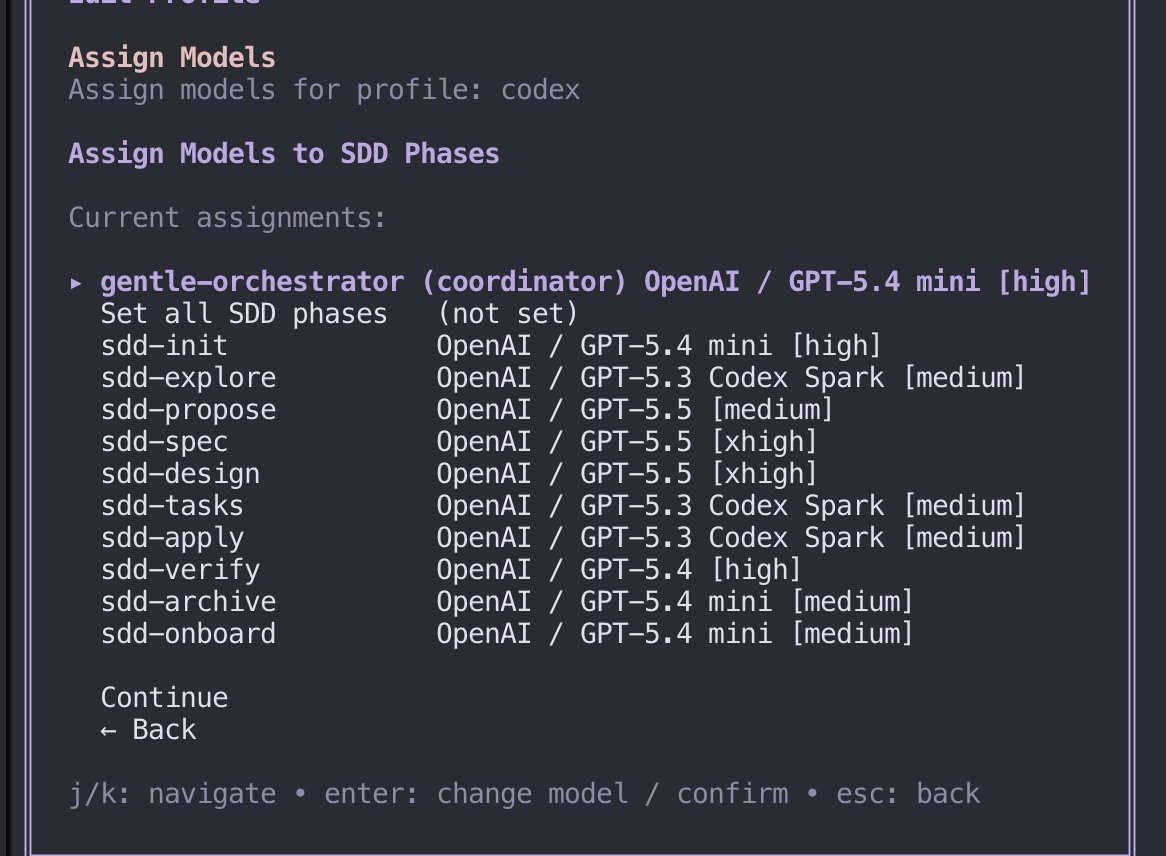
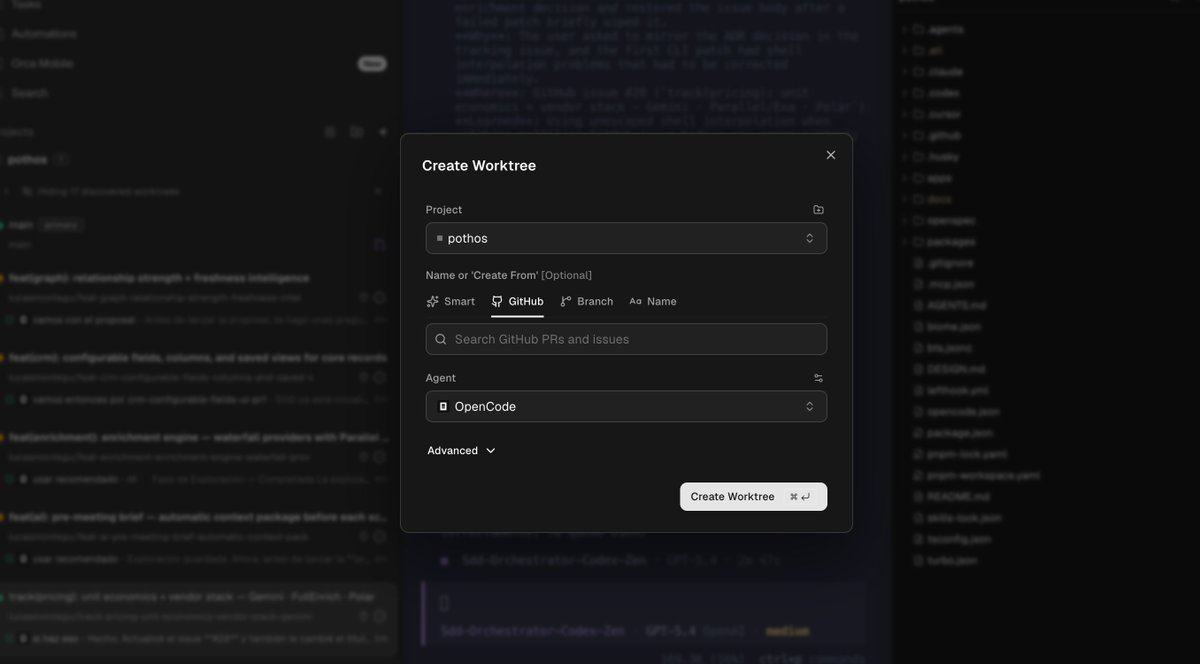
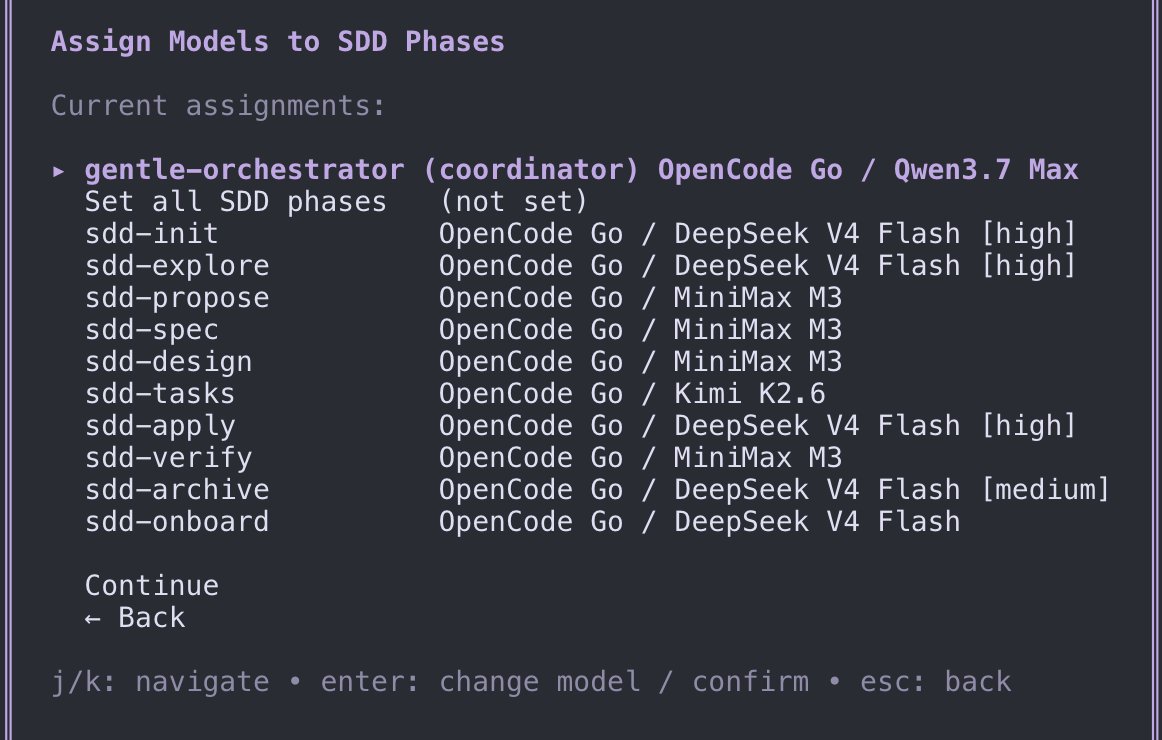
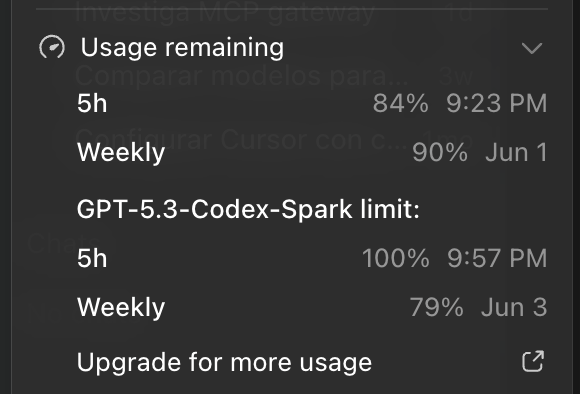
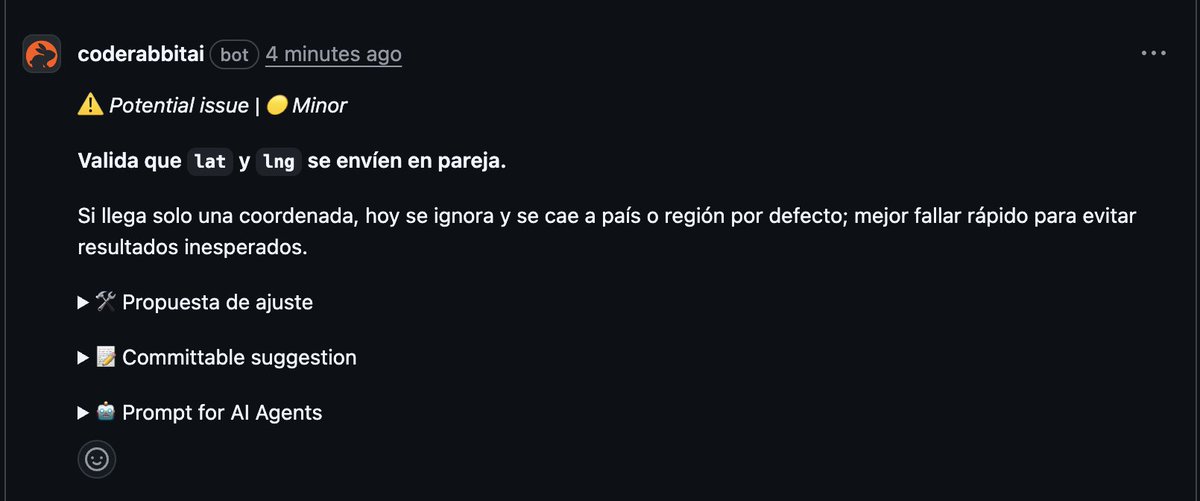
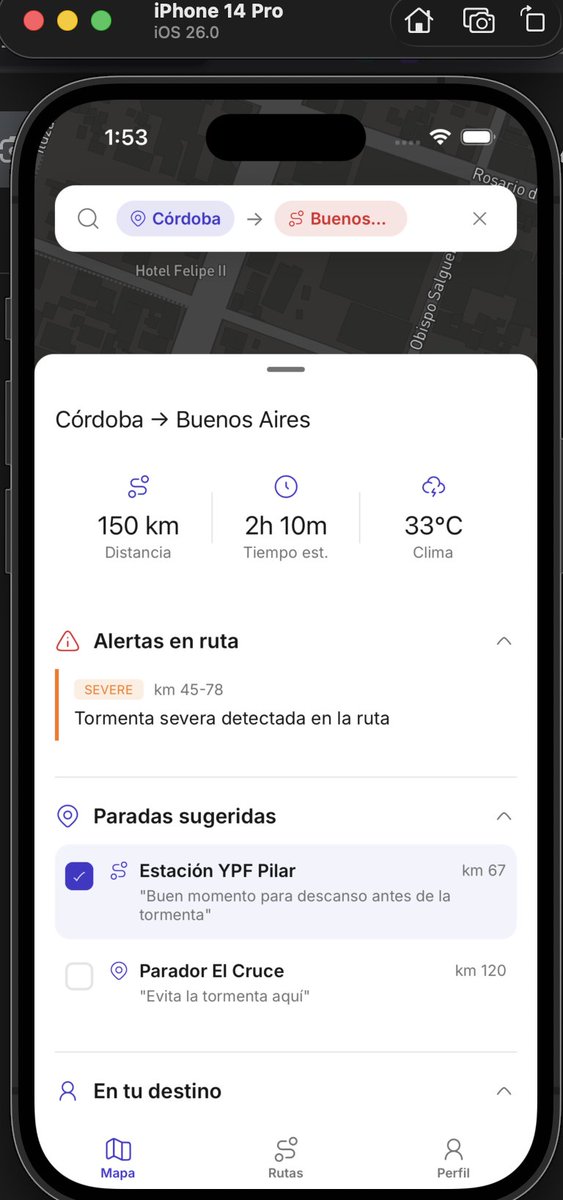
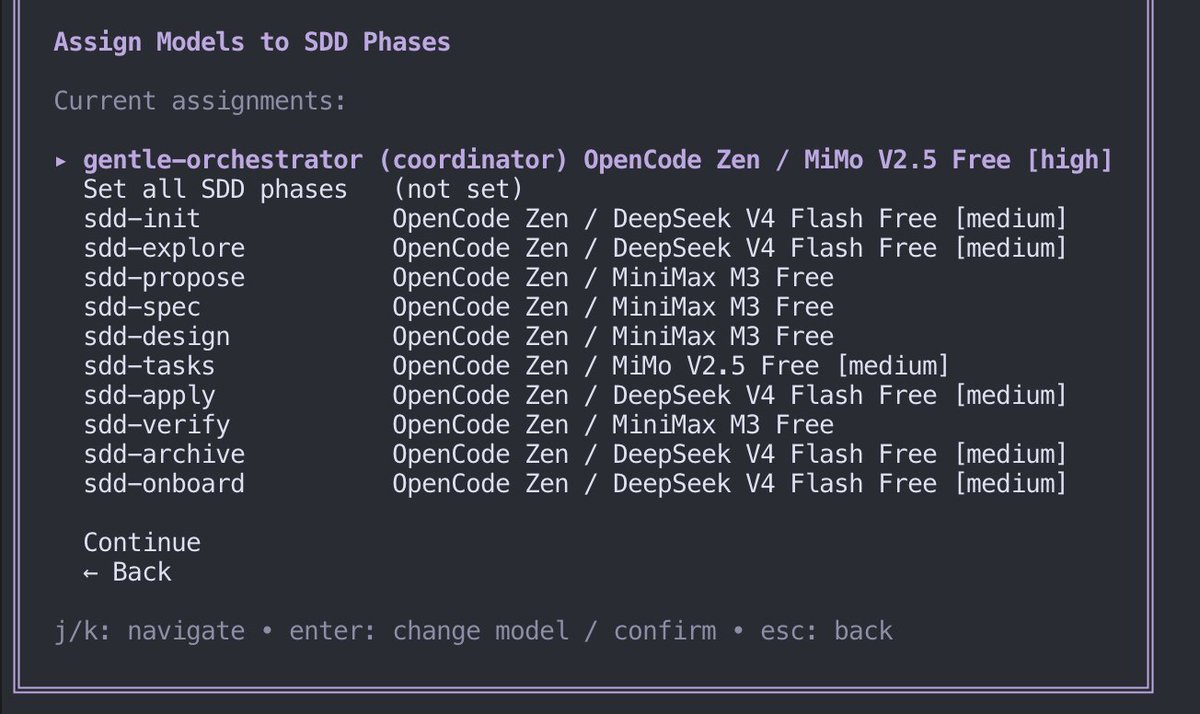
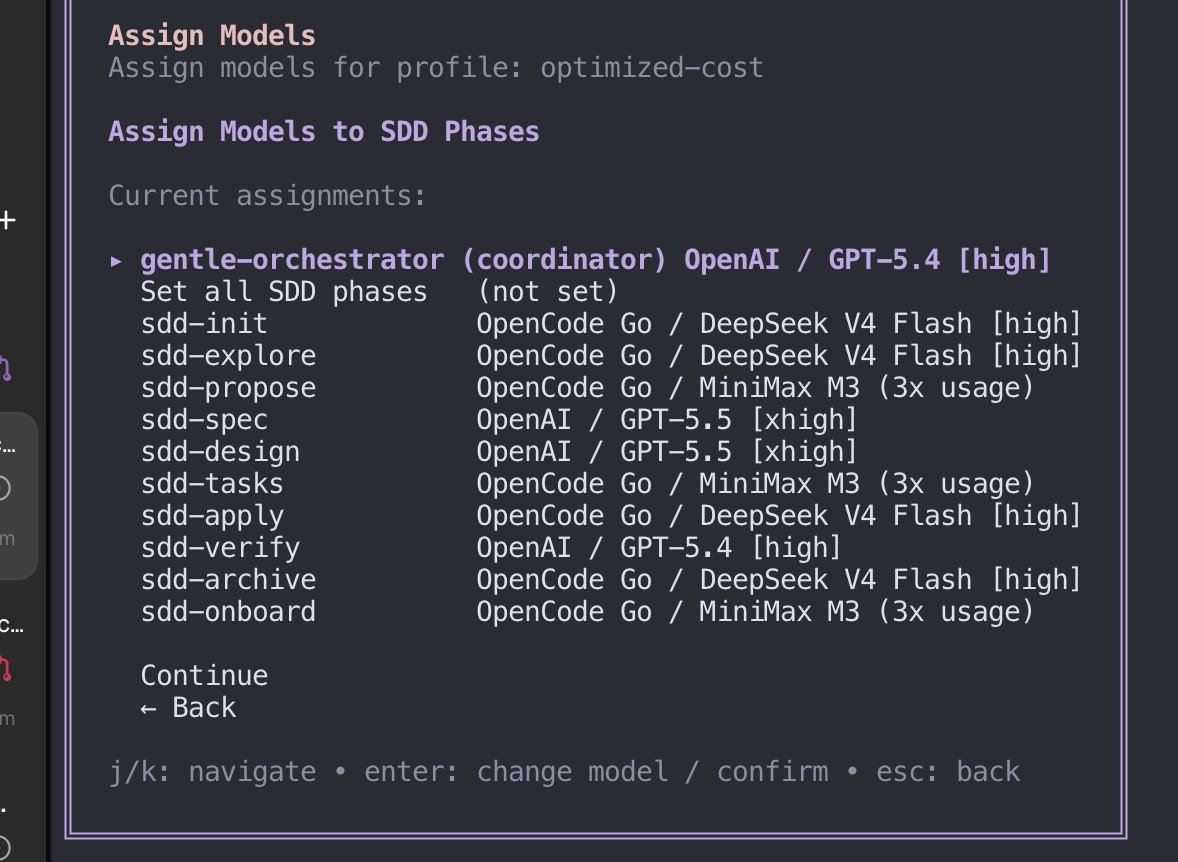
Los pocos dias de Fable 5 hice una PRD gigante, le dije armame el backlog de GH issues y ahora solo es usar opencode go para aplicar y codex para algunas fases de pensamiento. Uso diferentes perfiles de gentle-ai. Tengo uno full codex, otro mix opencode zen codex y otro full opencode free no pago nada y funciona muy bien! Asi estiro al maximo mi sub de codex
81
luqui retweeted

Jun 13
Orca = orchestration for agents
You can spin up nested worktrees nested agents directly inside Orca
Perfect weekend activity: let the agents manage other agents while you pretend to relax 😌
Enable it under Settings → Orchestration
6
4
59
2,564
Jun 5
I want to build a desktop app as a side project. Whats is the best framework @electronjs or @TauriApps?
2
46
luqui retweeted

Jun 4
i don't pick tools for my agent sessions anymore.
today we launched Omni MCP: one MCP server with 500 tools behind it that exposes exactly three.
research preview from Arcade Labs, available to anyone today.

1
1
6
160
luqui retweeted

Wave grande en el ecosistema. Tres releases de gentle-ai y una de Engram, y si las miro juntas hay dos cosas que me importan más que cualquier feature suelta.
La primera: el ecosistema dejó de ser mío. Entre gentle-ai y Engram, este ciclo trajo PRs de Daniel, Nathanael, Tony, Luciano, LCubero, Carlos, jlsevillano, y un montón de gente que reportó bugs accionables. Cuando alguien de afuera entiende tu arquitectura lo suficiente como para meter mano en la cadena de Judgment-Day o cerrar un path traversal, ahí sabés que algo estás haciendo bien. ¿Me explico?
La segunda: este fue un ciclo de seguridad de punta a punta. Los dos productos endurecieron al mismo tiempo. Y eso no es casualidad.
gentle-ai (v1.31 → v1.33)
→ El headline: multi-model SDD. Asignás modelos por fase. Judgment-Day (el dual review) corre en modelos baratos y rápidos, Opus queda para las fases que de verdad lo necesitan. Optimizás costo sin tocar calidad donde importa.
→ Default deny de paths sensibles de fábrica (.ssh, .pem, .key, .env, AWS creds), fail-closed
→ CI pineado a SHAs inmutables, chau floating tags
→ gentle-ai doctor: diagnóstico read-only de todo el ecosistema
→ state.json como única fuente de verdad en la TUI (maté un backup que se inflaba a 25 GiB de paso)
→ Trae IDE como agente de primera clase
Engram (v1.16)
→ Auth opt-in para los endpoints destructivos de HTTP (ENGRAM_HTTP_TOKEN), zero-config preservado si no lo setéas
→ Comparación de tokens en tiempo constante, se elimina el timing oracle
→ Path traversal cerrado en el exporter de Obsidian
→ delete sub-commands en el CLI (observation, session, prompt, project)
→ Copiar al clipboard desde la TUI via OSC 52, anda hasta por SSH sin deps
→ Búsqueda personal cross-project y all_projects
Seguridad, comunidad, y una feature grande arriba. Bases primero. Es así.
github.com/Gentleman-Program…
github.com/Gentleman-Program…
#OpenSource #DeveloperTools #AI
8
17
171
4,450
luqui retweeted

May 22
I am absolutely more productive using agents. I don't know the factor but it's large. However much of that productivity is spent tuning the agents and hardening the product. I'm guessing 30%-40%.
Some might consider that a waste; but I don't. The software I'm creating nowadays is vastly more robust than I'd ever been able to create manually.
I don't mean that the code is better. I mean the surrounding tests are vastly better. I have a higher degree of confidence than I ever had manually -- even when I used very disciplined TDD and Acceptance testing.
And then there's the ability to quickly reorganize the modules and the architecture while keeping those robust tests running. That is a tremendous boon.
119
188
2,224
302,528
luqui retweeted
May 19
I get how uncomfortable it feels to disengage from the syntax, from the sequence, selection, and iteration of code, from the dopamine hit of getting a complicated function to execute properly. I get it. I've been coding for longer than most of you have been alive -- I get it.
But the bar has been raised. And if I, someone who has been coding for more than six decades, can clear that bar, you should be able to clear it too.
And fear not, I've found plenty of joy on the topside of that bar. It just take a leap...
75
84
1,066
55,855

luqui retweeted

May 15
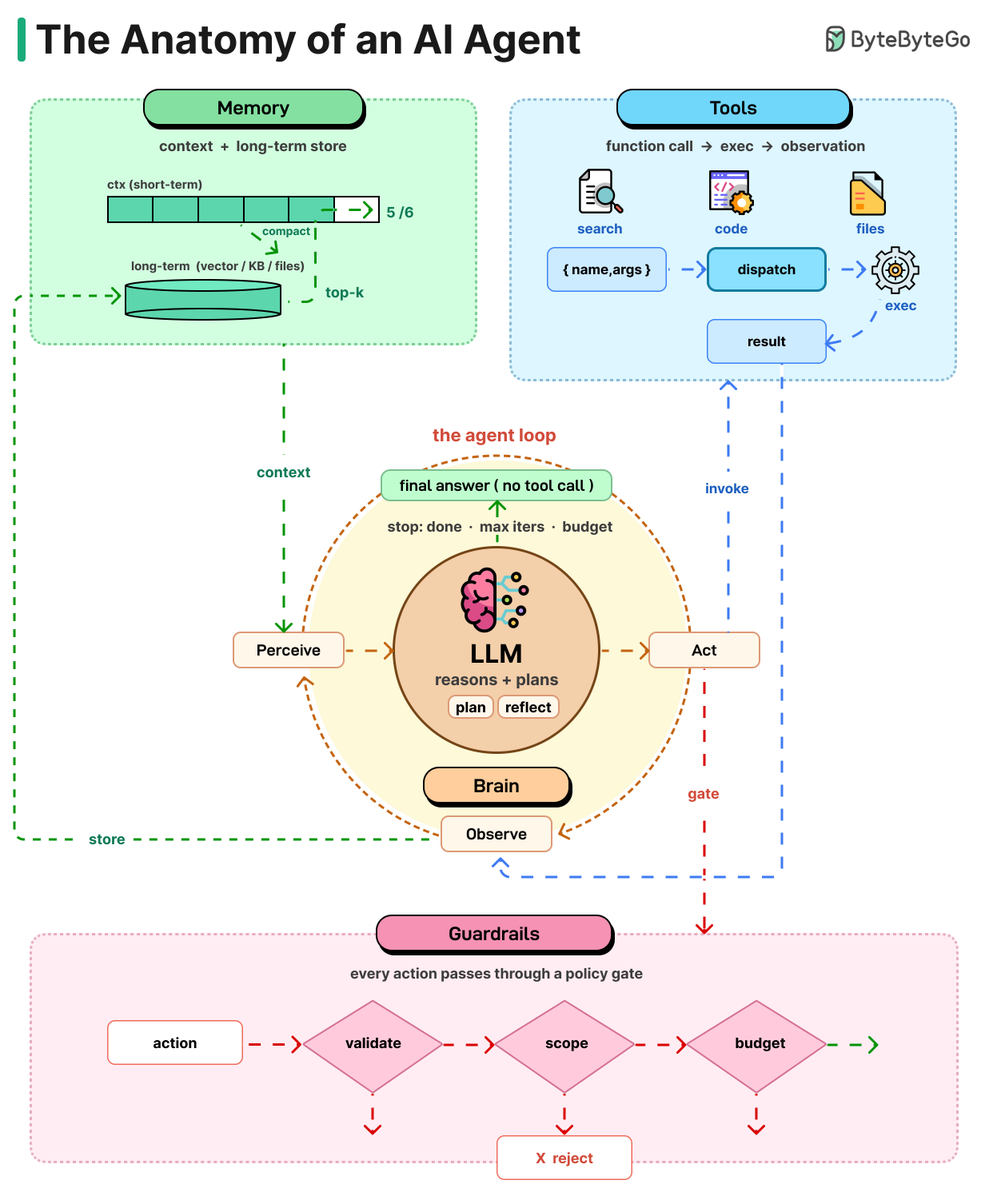
La mejor forma de entender un Agente de IA es pensar en un loop.
1) El agente percibe el contexto (conversación, memoria, archivos, estado actual)
2) El modelo decide qué hacer (razona y elige el próximo paso)
3) Usa una tool (leer archivos, buscar en web, correr comandos, llamar APIs)
4) Observa el resultado (analiza qué pasó después de ejecutar la acción)
5) Y vuelve a empezar el proceso hasta llegar al objetivo.
Para que eso funcione, aparecen varias piezas importantes:
• Brain: el LLM que piensa y toma decisiones
• Tools: las capacidades para interactuar con sistemas externos
• Memory: el contexto que guarda entre pasos o sesiones
• Planning: la división de tareas complejas en pasos más chicos
• Guardrails: límites y validaciones para mantener control
Cuando entendés este loop, entendés por qué los agentes pueden programar, investigar, automatizar tareas o resolver problemas complejos.
Son sistemas que usan un LLM como cerebro y van iterando sobre un problema hasta cumplir un objetivo.
May 14

An AI agent can be thought of as a simple While-loop.
It uses an LLM to select an action, executes that action, evaluates the result, and repeats the process until the task is complete. Let’s take a closer look at each of these components:
Brain: The LLM is the core. It reads the situation, thinks, and decides what to do next. The big shift from chatbot to agent: the model isn't writing text anymore, it's making choices.
Planning: Hard tasks need more than one step. Agents break them down using methods like Chain of Thought (think step by step), Tree of Thoughts (try options, pick the best), or
Reflexion (learn from mistakes and retry). Planning turns a fuzzy goal into clear actions.
Tools: An LLM without tools is a brain in a jar. Tools are functions the model can call, like web search, code execution, APIs, files, or browsers (often using the MCP standard). The model requests a tool, the system runs it, and the result comes back.
Memory: Without memory, every turn starts from zero. Short-term memory is the context window. Long-term memory lives in vector stores, files, and knowledge bases. When the window fills up, agents summarize old turns and carry the summary forward.
Loop: All four pieces work together in a cycle. The agent looks at the current state, decides what to do, uses a tool, sees the result, and repeats. It keeps going until it gives a final answer.
Guardrails: Not strictly anatomy, but important. Sandboxing, human checks, token limits, output validation, and scope limits keep autonomy from turning into expensive chaos. The more autonomy you give, the more these matter.
Over to you: when you build an agent, which of these five takes the most work to get right?
11
98
767
72,471
May 14
Me arrepiento de no pagar codex 100usd antes. El /goal es lo mejor que existe
1
1
30
May 13
Hey @OpenAI, I am tired of the errors with the payment gateway. Please open the codex and fix it!
35
luqui retweeted
Acabo de publicar v1.27.0 de AI Gentle Stack 🚀
El highlight: Pi ahora es first-class agent target. Y no es soporte por encima, es integración real: gentle-pi y gentle-engram están publicados como packages oficiales en pi.dev.
Qué entra concretamente:
🧠 gentle-engram trae memoria persistente para sesiones de Pi vía Engram, con safe degradation si el binario local no está disponible
⚙️ gentle-pi mete el harness Gentleman Pi adentro: SDD/OpenSpec workflow, TDD estricto, safety defaults, skills, prompts, SDD agents y chains
🎭 Comandos /gentleman:persona y /gentleman:models con compatibilidad /gentle-ai:*
🎯 UX afinada: si seleccionás solo Pi, el installer te saltea los prompts que ya maneja el Pi stack
Más fixes que pesan: self-update arreglado, OpenCode model picker con custom providers, checksums fail-closed y el SDD orchestrator gate con delegate_only.
Gracias enormes a la comunidad que hizo posible esta release 🙏
→ ram4-dev por empujar el first-class Pi support
→ felipe3dfx por la propuesta complementaria de Pi
→ kiosvantra por reportar el issue de checksum fail-closed
→ 0xMar por arreglar el flow de update/upgrade
→ borja-glez por el soporte de custom providers en OpenCode
→ mitre88 por endurecer la validación de checksums
→ GerardoFC8 por los SDD orchestrator gates y delegate_only metadata
Video dedicado va a venir, por ahora release notes y links a los packages en comentarios.
#AIGentleStack #DeveloperTools #AI #OpenSource

8
13
148
6,116
luqui retweeted

May 5
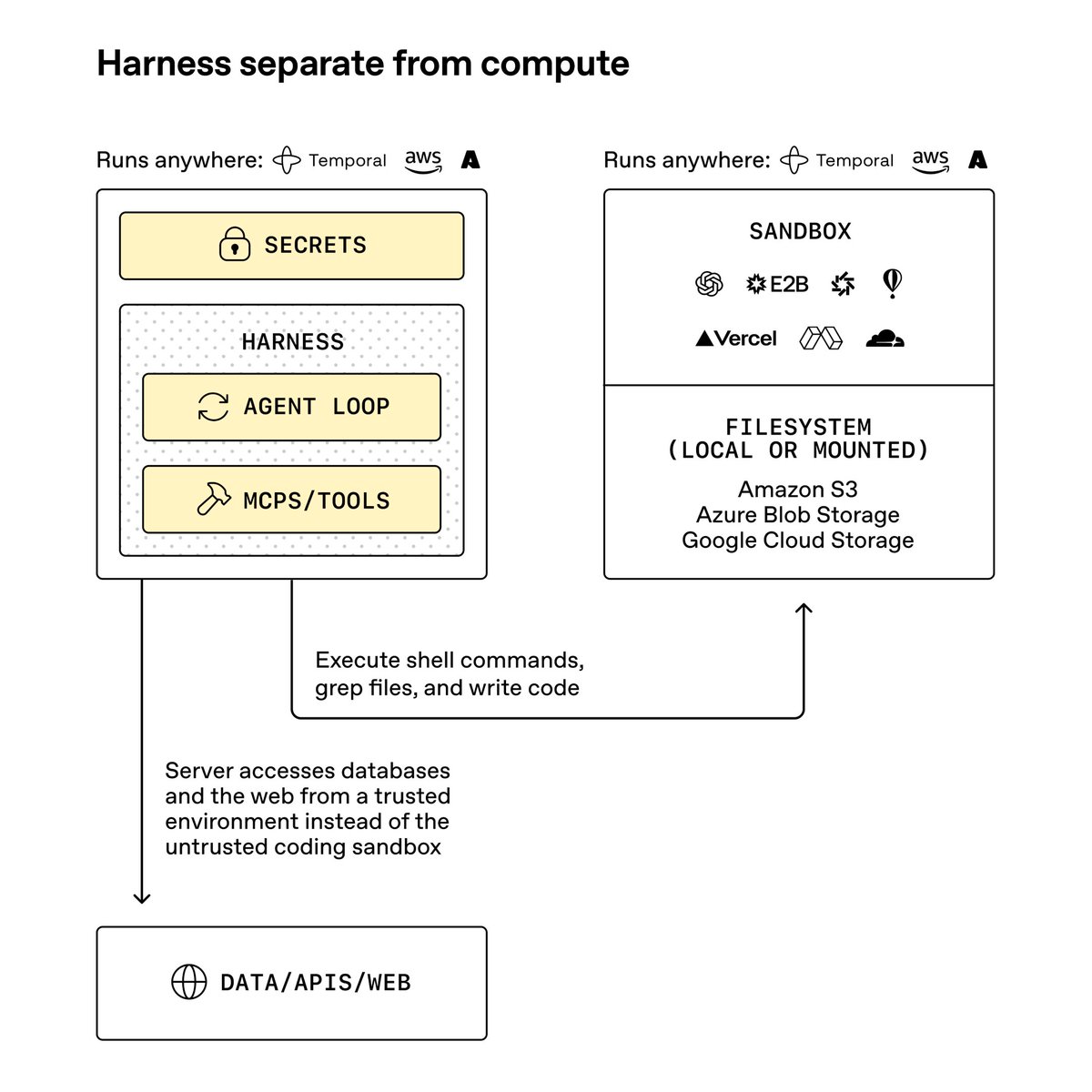
The updated Agents SDK is now available in TypeScript, with support for sandbox agents and an open-source harness built in.
Apr 15

Build long-running agents with more control over agent execution.
New capabilities in the Agents SDK:
• Run agents in controlled sandboxes
• Inspect and customize the open-source harness
• Control when memories are created and where they’re stored
39
97
978
158,625


May 4
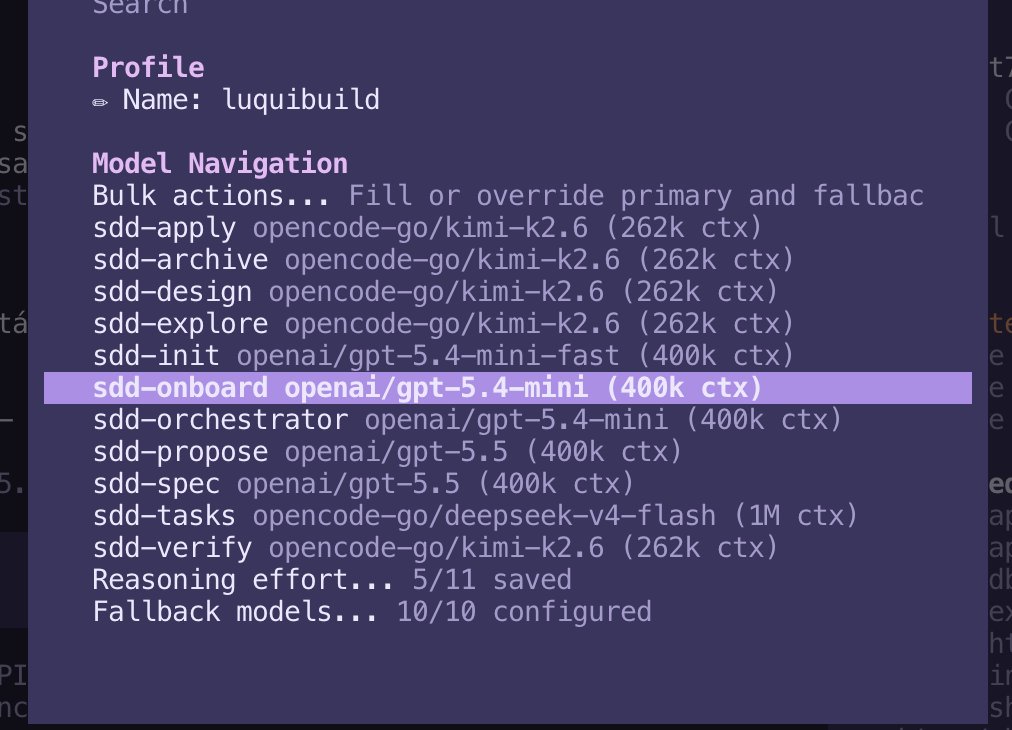
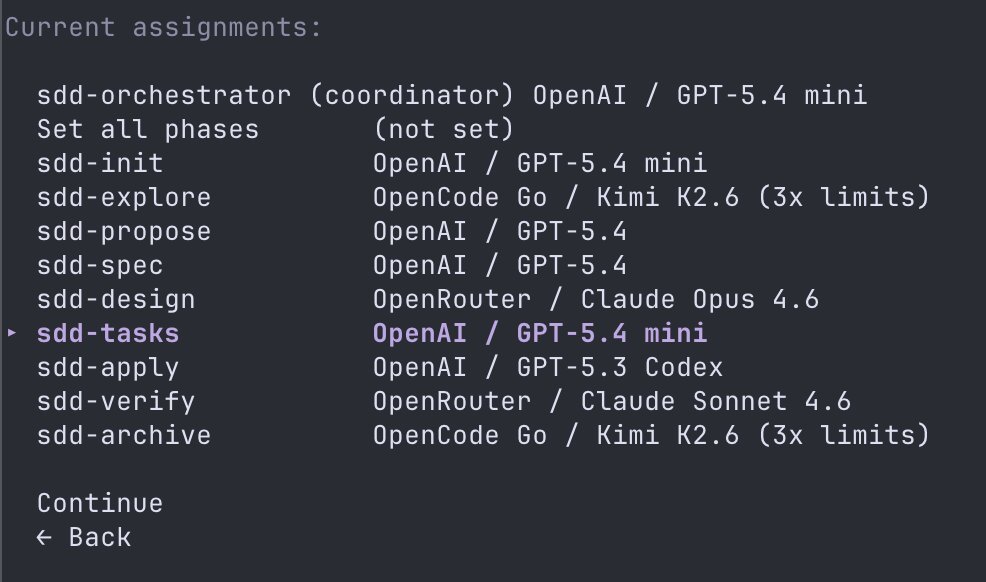
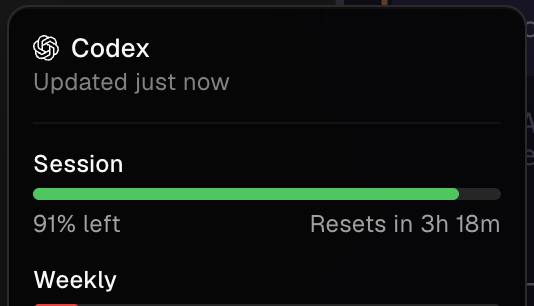
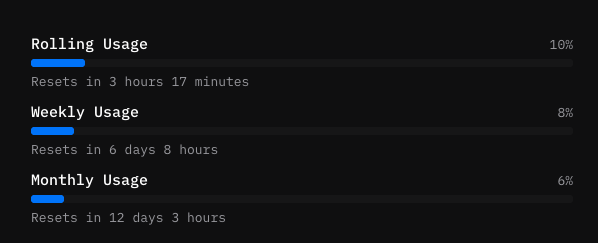
Hoy fue la prueba piloto de este profile para mixear mas los modelos de @opencode go y @OpenAI . Hice un refactor del backend migrando a una arquitectura de lite DDD y consumió menos tokens. 1ro gracias @G_Programming por la excelente herramienta.
1
3
82
May 4
Tambien usando deepseek pro note que demoraba muchísimo para flujos como apply donde terminé usando por kimi k2.6 y en otros flujos deepseek v4 flash brilla en velocidad y eficiencia. Deje los modelos más caros para las fases de análisis y epec y propose
1
80
May 4
De momento siento que este flujo puede ir muy bien y no requerir Opus 4.7 salvo un caso muy puntual o gpt-5.5
1
44
May 2
🔥🔥🔥
May 1

Introducing Flue — The First Agent Harness Framework
Flue is a TypeScript framework for building the next generation of agents, designed around a built-in agent harness.
Flue is like Claude Code, but 100% headless and programmable. There's no baked in assumption like requiring a human operator to function. No TUI. No GUI. Just TypeScript.
But using Flue feels like using Claude Code. The agents you build act autonomously to solve problems and complete tasks. They require very little code to run. Most of the "logic" lives in Markdown: skills and context and AGENTS.md.
Flue is like Astro or Next.js for agents (not surprising, given my background 🙃). It's not another AI SDK. It's a proper runtime-agnostic framework. Write once, build, and deploy your agents anywhere (Node.js, Cloudflare, GitHub Actions, GitLab CI/CD, etc).
We originally built Flue to power AI workflows inside of the Astro GitHub repo. But then @_bgiori got his hands on it, and we realized that every agent needs a framework like Flue, not just us.
Check it out! It's early, but I'm curious to hear what people think. Are agents ready for their library -> framework moment?
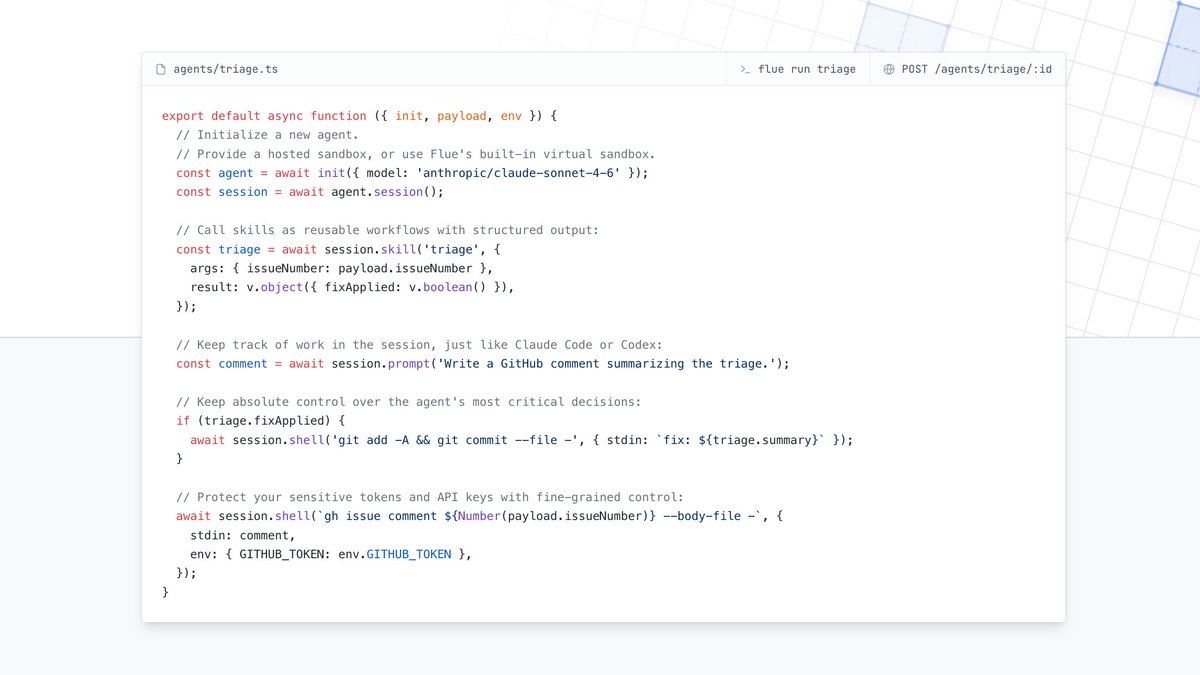
ALT A code snippet of Flue. Check out https://flueframework.com/ to see it there.
1
163