
632 Photos and videos



Pinned Tweet

17 Apr 2024
✨ Founder's Guide to B2B Product Marketing is here!
20 years of experience distilled into 1 guide
Use it to accelerate market learning, build winning GTM strategies, & grow faster
Get practical guidance, pro tips, templates, & more
Built with love 🚀
stage2.capital/founders-guid…
1
3
145
28 May 2024
Will reliability of information in SaaS products become the new subscription tiers:
Standard AI model [Good]
Enhanced AI model [Better]
Human-verified [Best]
❓
28 May 2024

If I asked you, “When someone turns in a work assignment, how accurate is it? 80%, 90%, 95% or perhaps 100%?”
We don’t think this way about coworkers’ spreadsheets. But we will probably think this way about AI & this will very likely change the way product managers on-board users.
When was the last time you signed up for a SaaS & wondered : Would the data be accurate? Would the database corrupt my data? Would the report be correct?
But today, with every AI software now tucking a disclaimer at the bottom of the page, we will be wondering. “Gemini may display inaccurate info, including about people, so double-check its responses” & “ChatGPT/Claude can make mistakes. Check important info” are two examples.
In the early days of this epoch, mistakes will be common. Over time, less so, as accuracies improve.
The more important the work, the greater peoples’ need to be confident the AI is correct. We will demand much better than human error rates. Self-driving cars provide an extreme example of this trust fall. Waymo & Cruise have published data arguing self-driving cars are 65-94% safer.
Yet, 2/3 of Americans surveyed by the AAA fear them.
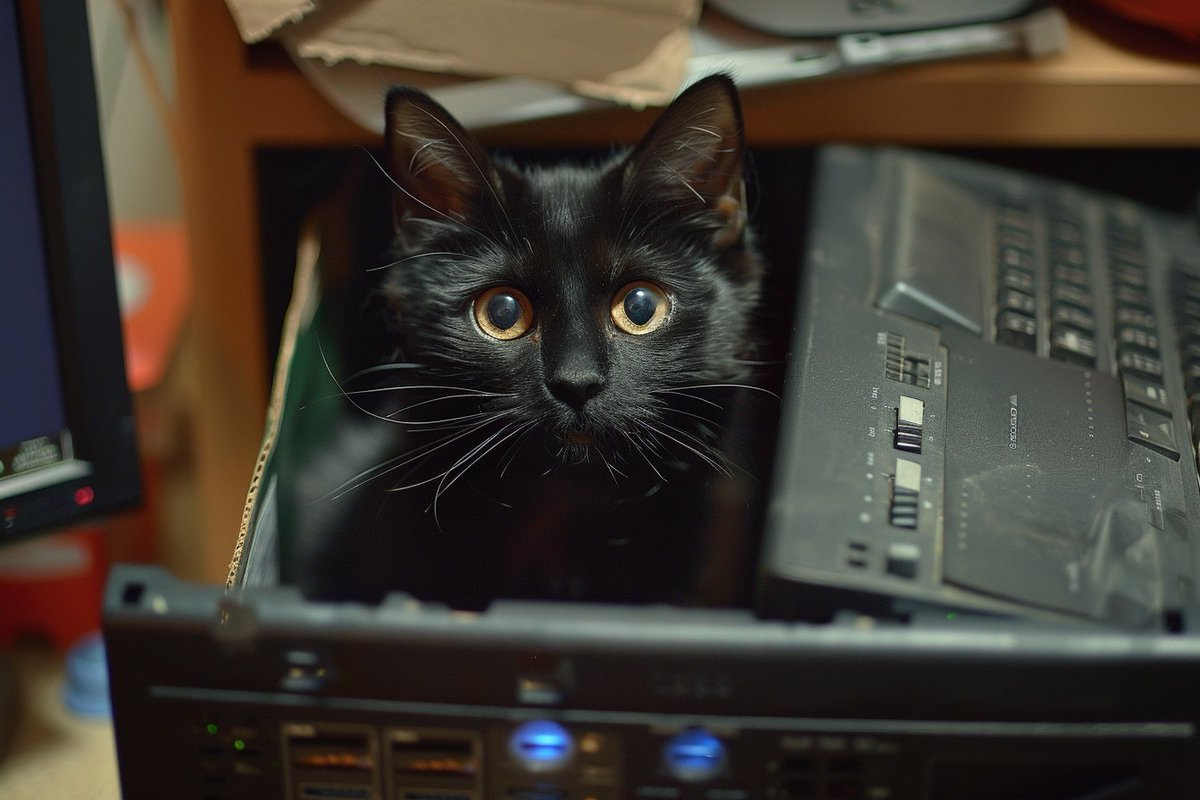
We suffer from a cognitive bias : work performed by a human is likely more trustworthy because we understand the biases & the limitations. AIs are a Schrodinger’s cat stuffed in a black box. We don’t comprehend how the box works (yet), nor can we believe our eyes if the feline is dead or alive when we see it.
New product on-boarding will need to mitigate this bias.
One path may be starting with low-value tasks where the software-maker has tested exhaustively the potential inputs & outputs. Another tactic may be to provide a human-in-the-loop to check the AI’s work. Citations, references, & other forms of fact-checking will be a core part of the product experience. Independent testing might be another path.
As with any new colleague, the first impressions & a series of small wins will determine the person’s trust. Severe errors in the future will erode confidence, that must be rebuilt - likely with the help of human support teams who will explain, develop tests for the future, & assure users.
I recently asked a financial LLM to analyze NVIDIA’s annual report. A question about the company’s increase in dividend amount vaporized its credibility, raising the question : is it less work to do the analysis myself than to check the AI’s work?
That will be the trust fall for AI. Will the software catch us if we trust it?
97
Michael Applebaum retweeted

27 May 2024
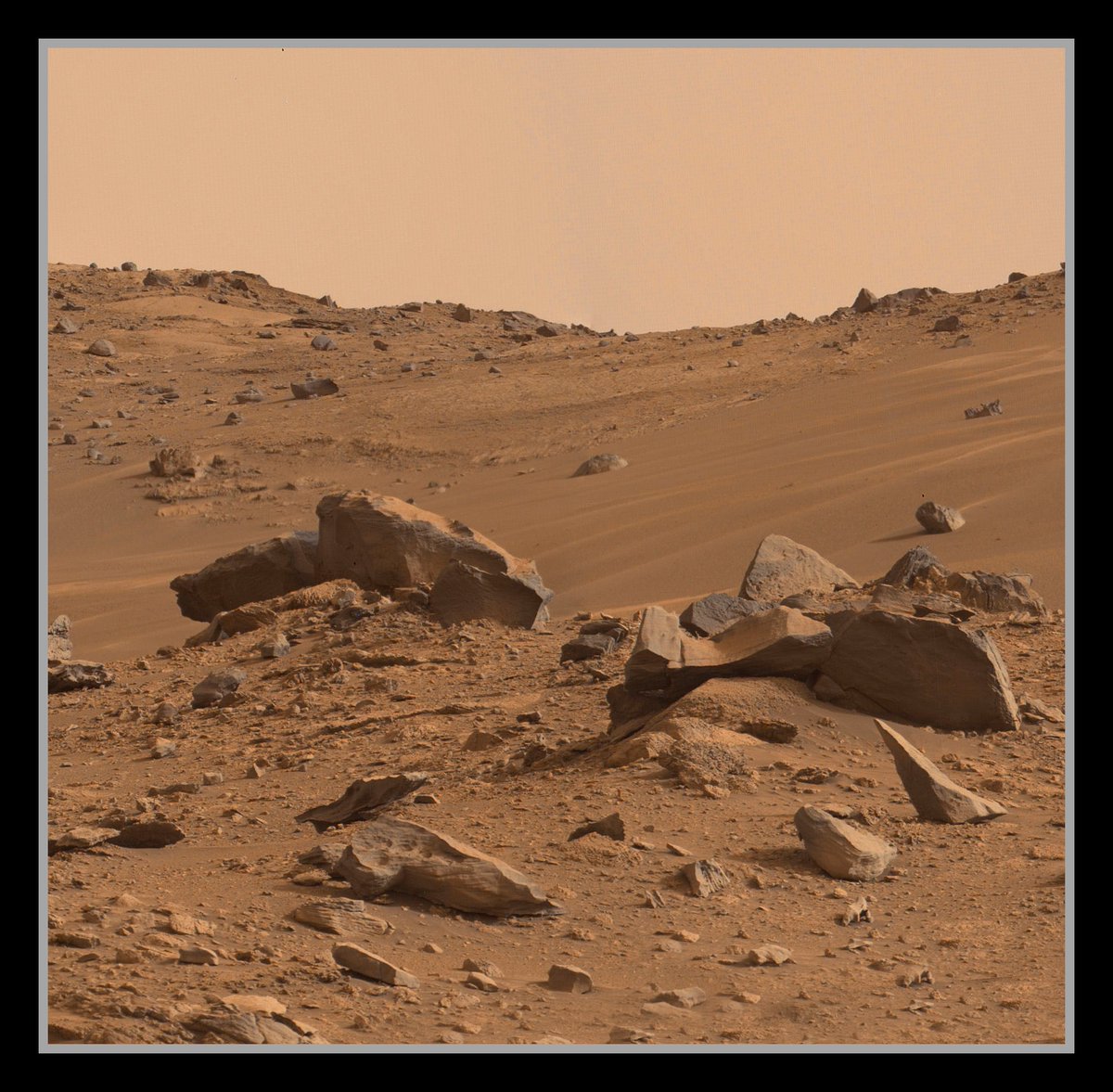
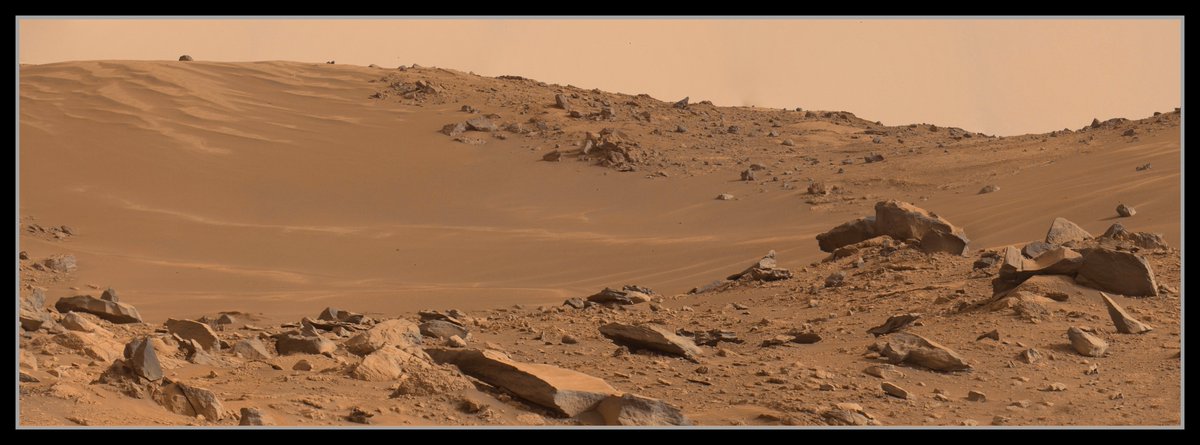
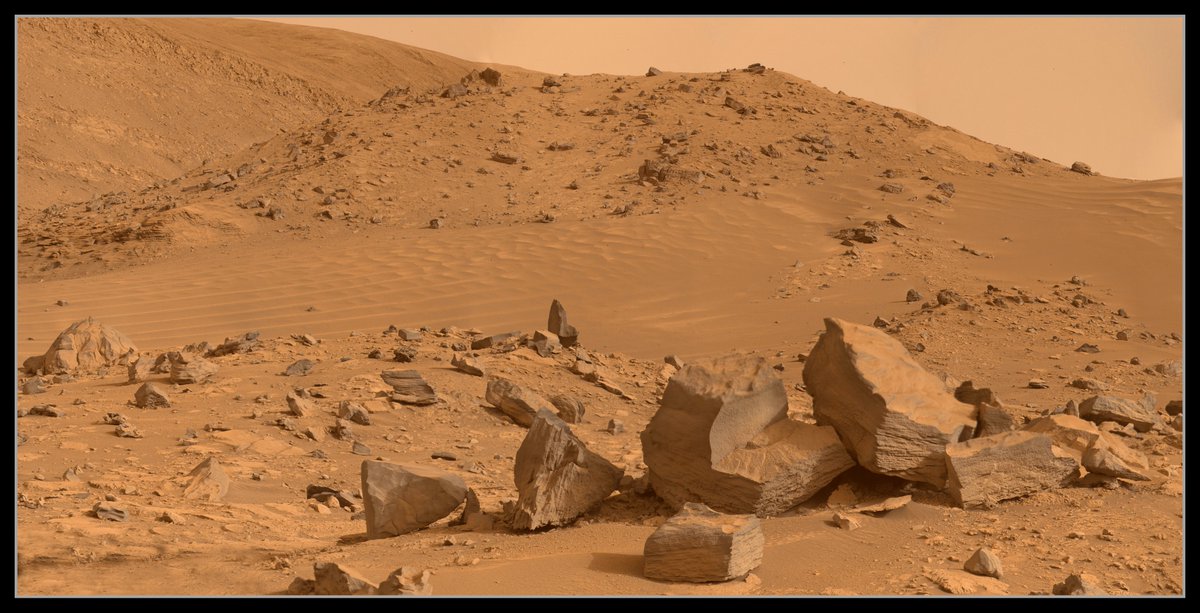
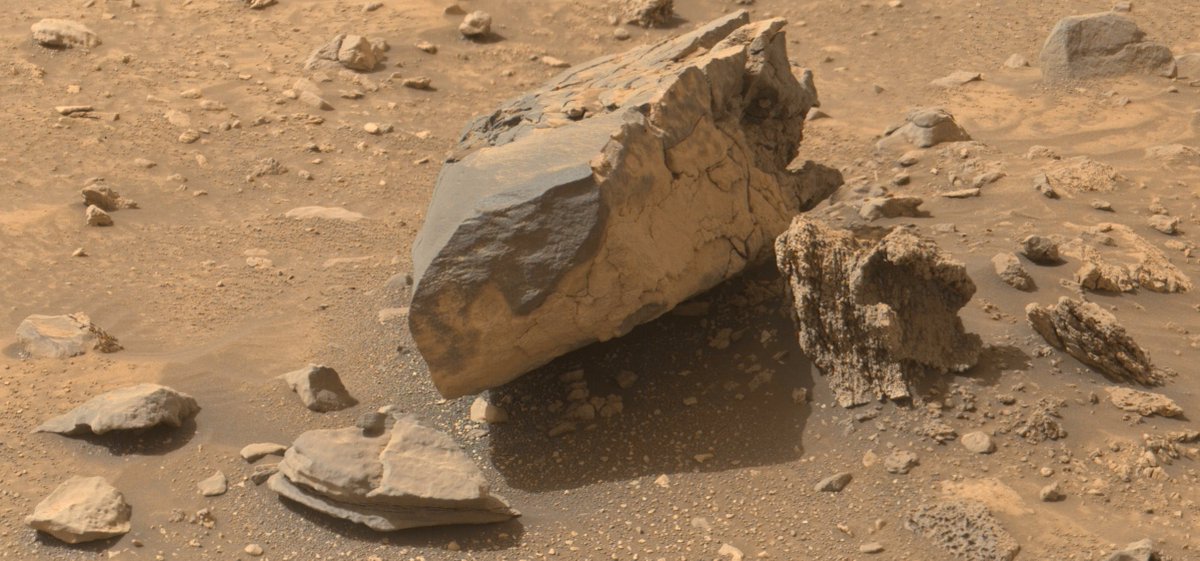
Stunning new views of Mars being sent back by @MarsCuriosity from the slopes of Mt Sharp in Gale Crater... just look at the different shapes, colours and textures of those rocks... Images credit: NASA/JPL-Caltech/MSSS/fredk/S Atkinson
6
45
152
56,420
21 May 2024
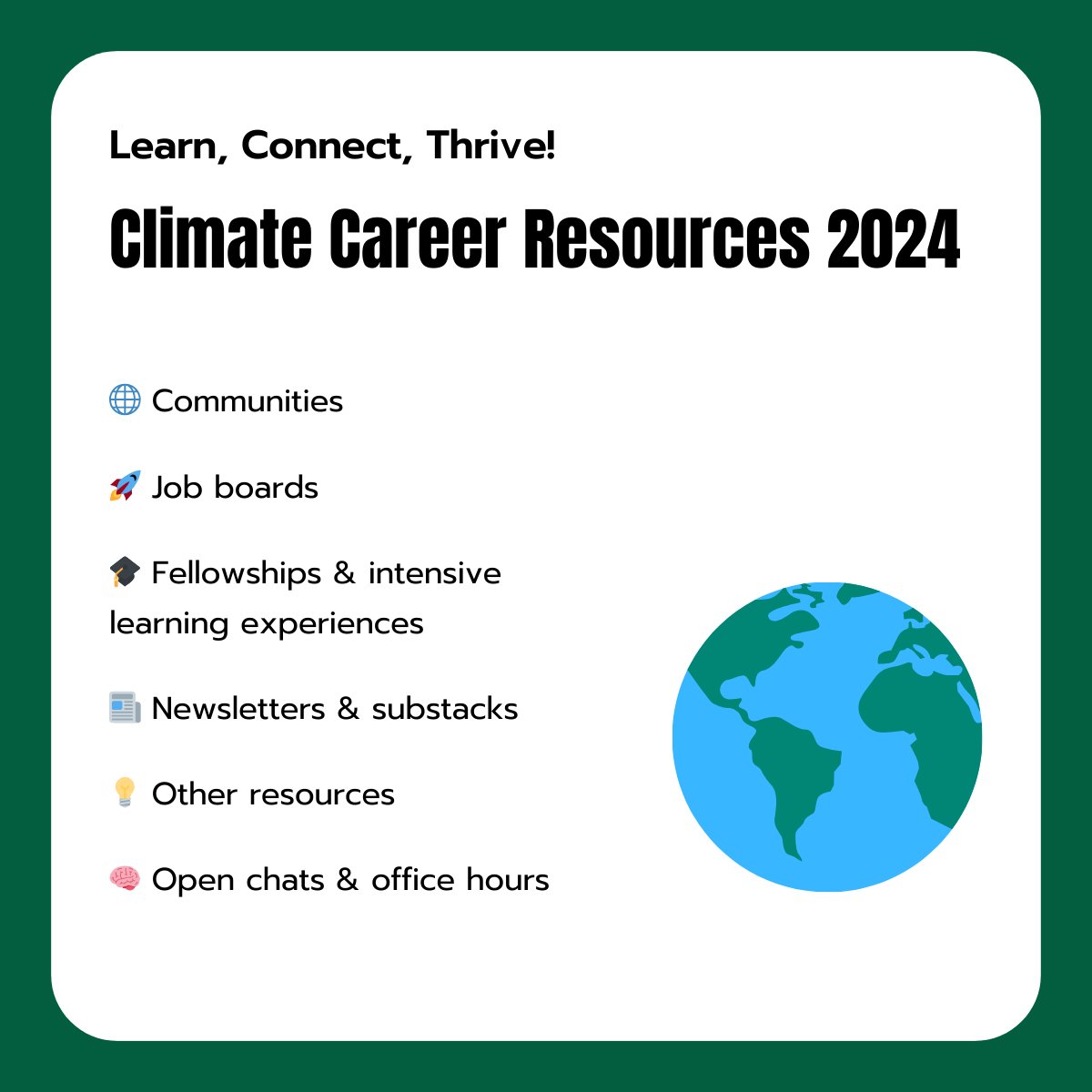
This is the resource guide I wish I'd had when I started exploring #climate solutions.
If you’re looking for #climatetech newsletters, job boards, communities, explainers, solution libraries, & more, you'll find them here.
Let’s go! 💪
docs.google.com/document/d/1…
1
2
34
14 Apr 2024
Caitlin Clark absolutely roasted Michael Che. Best thing I’ve seen on SNL in awhile.
youtu.be/Cuf29fvlfb0?si=gFkx…
144
4 Mar 2024
Timeless and magical

105
27 Feb 2024
Loved talking all things product marketing, climate tech, and leadership with @DEVorourke on the Embracing Erosion podcast.
🌎💡👊
fluviomarketing.com/blog-sum…
1
2
98
31 Jan 2024
Great recommendation by one AI expert of another. You should follow them both.
31 Jan 2024

Professor @emollick has some of the most practical content on the applications—and implications—of AI in business. For anyone who isn’t clear yet how disruptive this technology is going to be in the very near term, check out Mollick’s latest post.
“To see why these tools can be so disruptive, I want to revisit my old experiment of giving myself 30 minutes to launch a product. I last did this 10 months ago — forever in AI time — so it seemed unfair to give myself a half hour again. Let’s try doing the work in under a minute.”
“Five reasonably high-quality drafts were done in under a minute. I had renderings of a few trendy kitchens, a three-page syllabus (that wasn’t half bad), a thirteen-page slide deck with speaker notes, an almost 1,000-word market research summary, and a product launch strategy (with draft emails) for one of Wharton Interactive’s teaching games that was really solid. A few more interactions with the AI, and a bit more time, and they might have been excellent.”
“To paraphrase Kratzenberg’s First Law: “AI at work is neither good nor bad; nor is it neutral.” AI does not automatically improve the experience of work, nor does it automatically rob us of meaning or replace workers. How leaders and employees use the technology will determine whether it is good or bad. But AI also isn’t neutral. The use of AI will inevitably lead to deep and profound changes.”
If you haven’t already subscribed to his One Useful Thing Substack, do it today.
oneusefulthing.org/p/what-ca…
1
96
Michael Applebaum retweeted

8 Dec 2023
NEW paper:
Deep emissions cuts the priority.
Carbon removal is a longer term solution.
But we need to get moving on CDR now 🧵
The next 10 years is the crucial “Formative Phase”
for novel carbon dioxide removal (nCDR).
authors.elsevier.com/a/1i5aa…
1
27
81
20,965
8 Dec 2023
Excited to share that @IndigoAg just expanded our Scope 3 product suite, making it easier for companies with agriculture in their supply chain to measure & reduce Scope 3 emissions.
Get started today & scale as you’re ready.
indigoag.com/pages/news/indi…
1
46
3 Dec 2023
YES
New Buffalo Tom album on the way
1 Dec 2023

We've got a new song coming out in January. Sign up for our email list for a first listen of Helmet, the new single from our 10th album, Jump Rope (coming in 2024).
▶️ buffalotom.com/mailing-list
79
3 Dec 2023
There’s nothing like a @buffalotomband show.
But the next best thing is a personal shoutout from Chris Colbourn. 🙏
Thanks Chris!! Can’t wait to see you guys again live!
70
18 Nov 2023
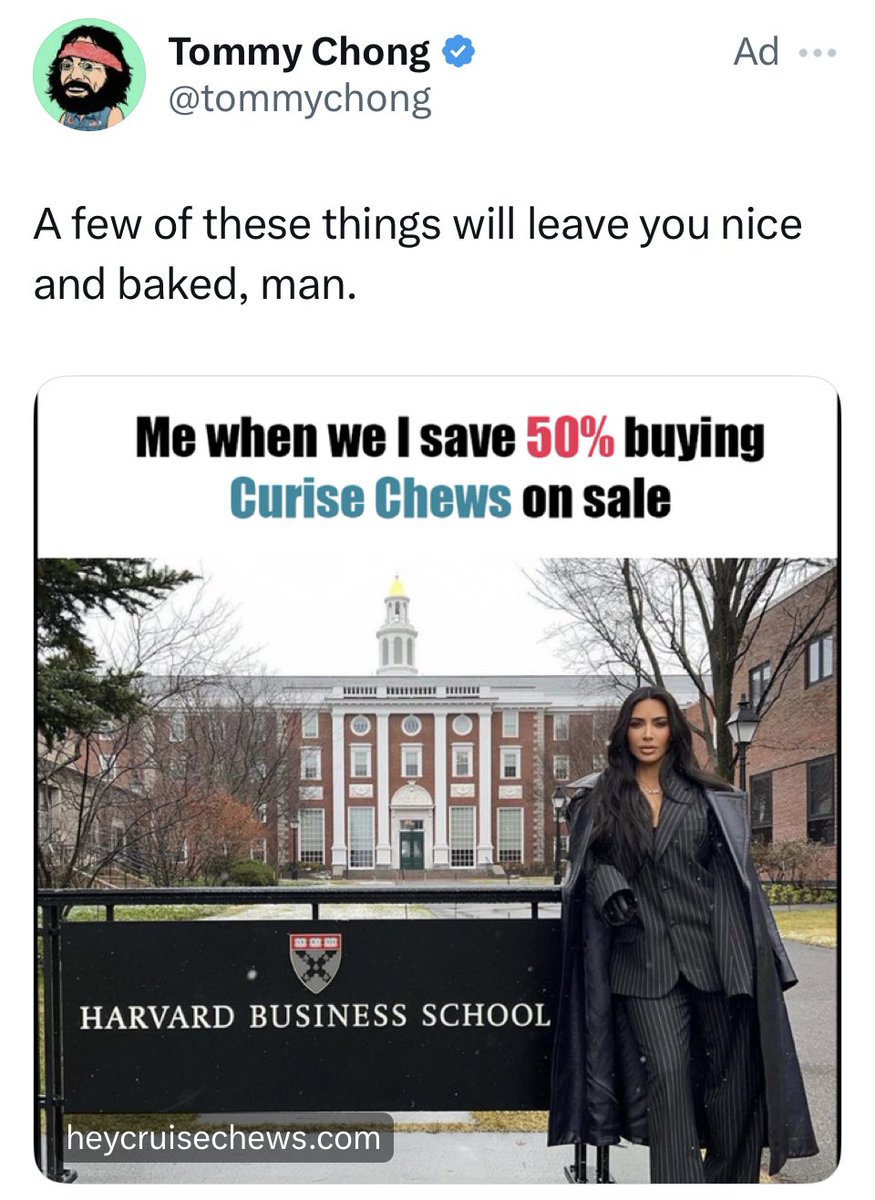
A gummies ad leveraging my alma mater promoted by Tommy Chong wasn’t on my bingo card for 2023
73
8 Nov 2023
This is eye opening
8 Nov 2023

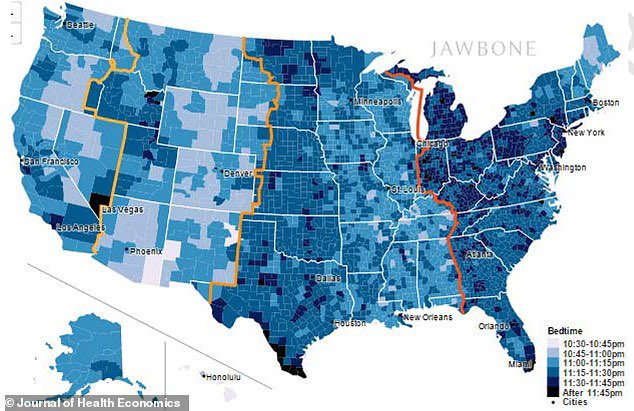
People who live on the West side of each time zone go to bed later (dark blue), get less sleep, make less money, and suffer more diseases on average, as a map from this study shows!
dailymail.co.uk/health/artic…
1
113
31 Oct 2023
Essential information on Halloween
31 Oct 2023

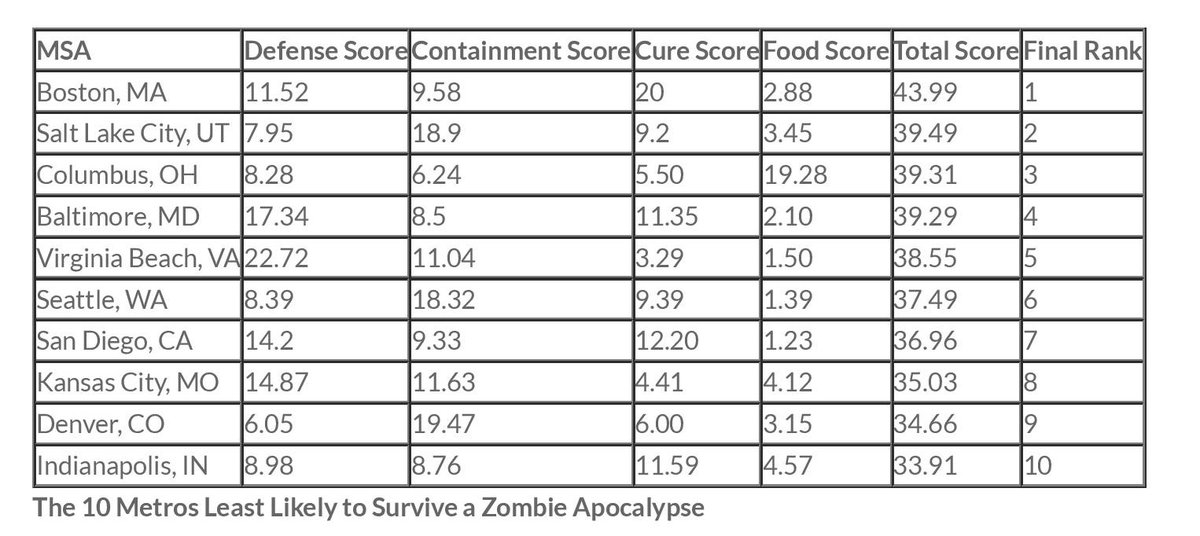
This is a reminder that Boston is best equipped to survive a zombie apocalypse.
Considering the healthcare system, cobblestones, unreliable public transportation, and confusing roads, it makes sense.
93
30 Oct 2023
The Elements of a Good Apology
👉 As relevant in our personal lives as our work lives
@Kellblog
kellblog.com/2023/10/30/how-…
1
1
173
Michael Applebaum retweeted

25 Oct 2023
Princeton against Princeton in the World Series!!!! ⚾️⚾️⚾️
Mike Hazen and Chris Young have both built teams that will compete for the title! I am so
proud of both my former players!!!!
@Princeton
17
23
295
31,926
22 Oct 2023
45