Joined December 2010
- Tweets 1,965
- Following 782
- Followers 3,751
- Likes 1,951
264 Photos and videos


CMEC retweeted

May 28
How animals sense Earth’s magnetic field is one of biology’s enduring mysteries.
Researchers in Science have now identified superparamagnetic macrophages in the livers of rock pigeons to be crucial for magnetic sensing. The finding uncovers an unexpected role for immune cells in sensory perception and may fundamentally change our understanding of animal navigation.
Learn more in this week's issue: scim.ag/4uAKQDl
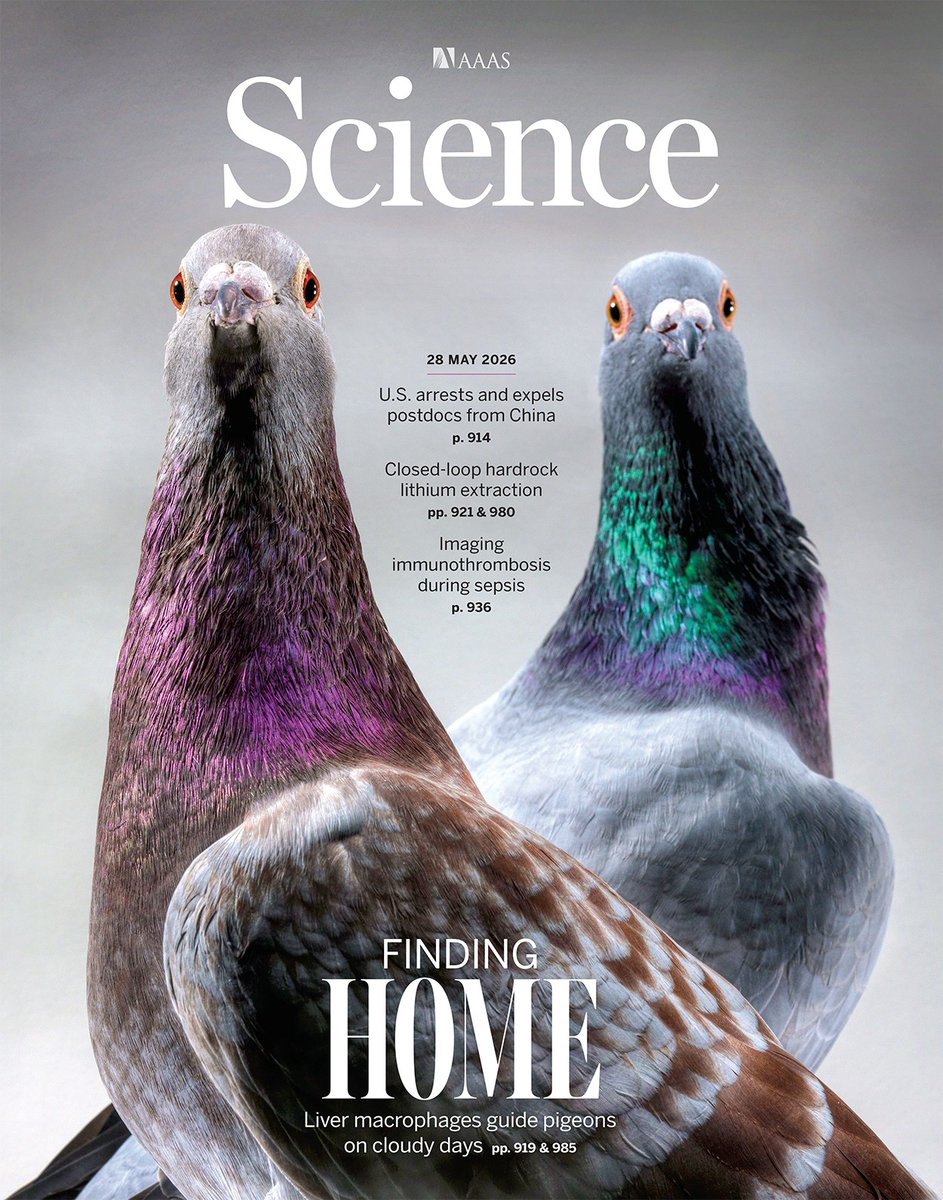
ALT How animals sense Earth’s magnetic field is one of biology’s enduring mysteries. Researchers have now identified superparamagnetic macrophages in the livers of rock pigeons (Columba livia) to be crucial for magnetic sensing. The finding uncovers an unexpected role for immune cells in sensory perception and may fundamentally change our understanding of animal navigation. Photo: Andreas Teichmann/laif/Redux
45
613
1,992
117,003

May 21
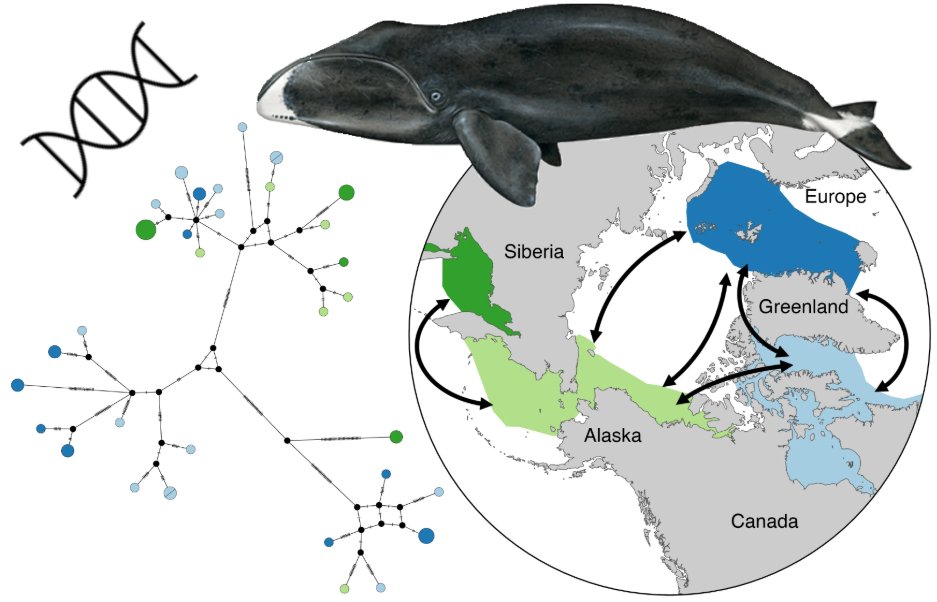
New paper: Tracing the Drivers of Range-Wide Bowhead Whale Genomic Structure and Diversity 🐋 In Molecular Ecology by M. Wesbury, @Smilodontology, et al. onlinelibrary.wiley.com/doi/…
2
4
153
CMEC retweeted

Ancient and modern dingo DNA reveals eight genetically distinct groups of dingoes – and the limited influence of domestic dog genes. theconversation.com/new-dna-…
2
2
321
May 19
New study of 300 dingoes using aDNA shows they retain ~90% dingo ancestry. Dog genes are limited, linked to human areas and control. Insights could help improve conservation strategies 🐕🧬@ConLetters conbio.onlinelibrary.wiley.c…
2
73
CMEC retweeted

May 8
Happy 100th birthday, Sir David Attenborough 🎉❤️
The broadcaster who changed how we see the natural world.
#DavidAttenborough

548
6,543
29,806
1,349,534
CMEC retweeted

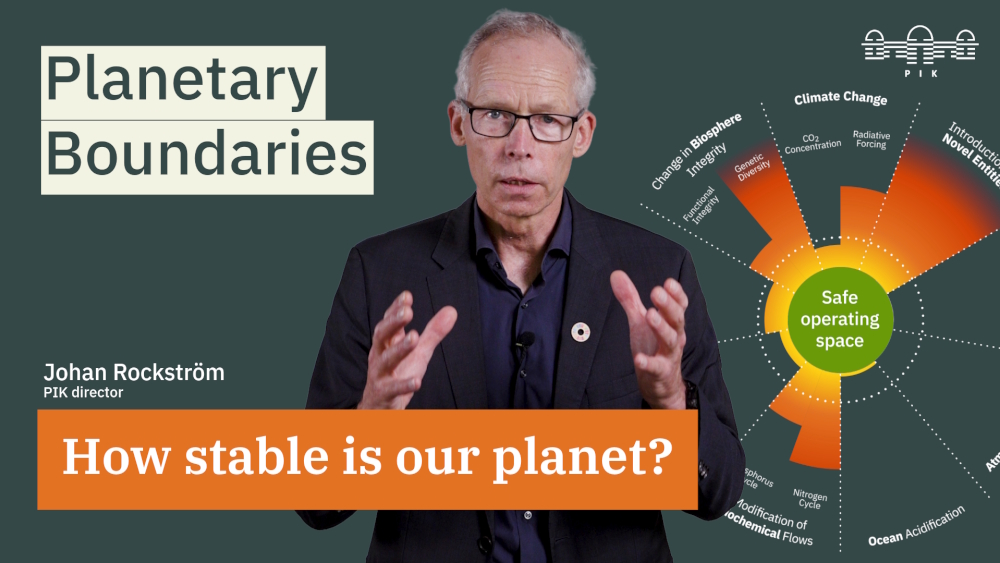
Sehr empfehlenswertes PIK-Video: Rockström zu #PlanetaryBoundaries Science
In Folge 1 der Video-Serie “Zentrale Forschungsthemen des PIK" erklärt Direktor @jrockstrom das Rahmenwerk zur Stabilität der Erde und zum sicheren Handlungsraum der Menschheit.
👇
youtu.be/Rphpxvl_9T8
3
22
40
987
May 1
Past whaling nearly wiped out bowhead whales. By mapping logs, researchers find that sea ice slowed whalers & created natural refuge. This helps explain why some populations rebound faster today🐋🐋 @PNASNews @Smilodontology @DamienFordham @Carsten_Rahbek pnas.org/doi/10.1073/pnas.25…
1
124
CMEC retweeted

22 May 2025
🐋 Big bowhead whale paper!
Details on the other app!
bsky.app/profile/smilodontol…
1
1
101
CMEC retweeted

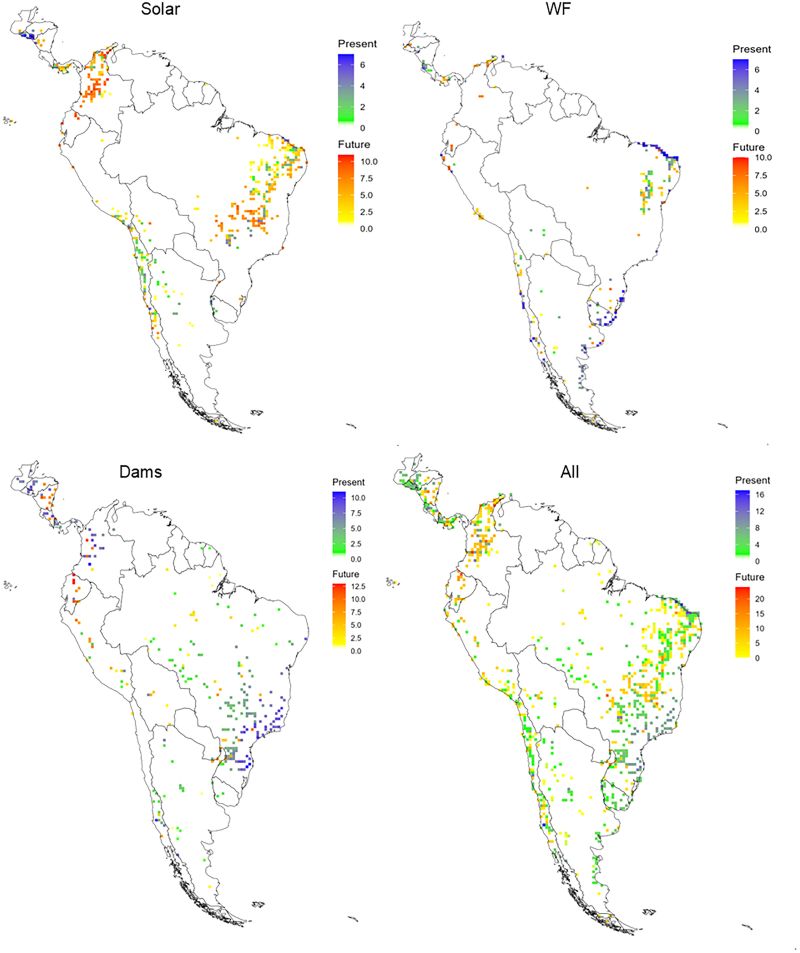
To fight climate change we need renewable energy, which is much better for the #environment.
But wind turbines, solar panels, and dams for water power can harm animals, causing #biodiversity loss.
How we can keep wildlife safe as #renewableenergy grows?
fro.ntiers.in/GreenAndSafe

3
4
211
Apr 17
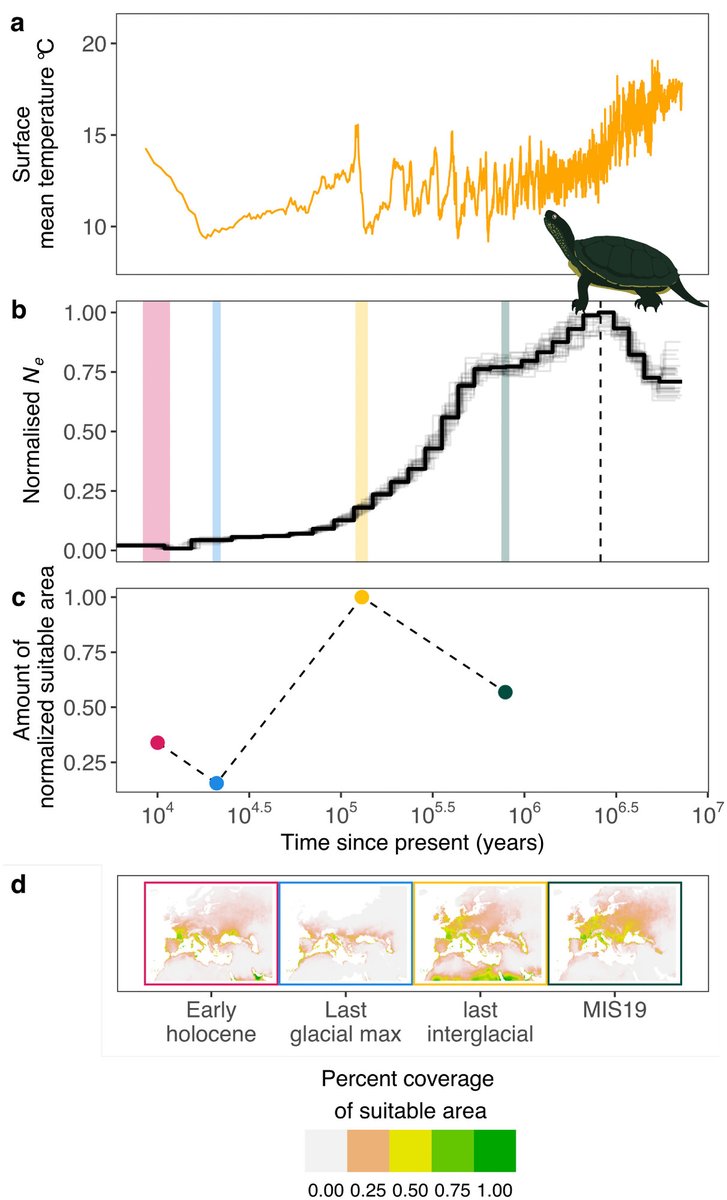
The genomic impact of population connectivity and decline in Africa’s elephants 🐘🐘 New paper out @NatureComms by Pečnerová et al. w. CMEC co-author @AnnaBruniche #conservation #popgen
nature.com/articles/s41467-0…
6
19
808
CMEC retweeted

We publish two papers on the inadequacy to introduce the European Bison in the Iberian Peninsula. Lack of evidence of previous presence, wrong habitat/climate conditions, legal aspects...and much more
conbio.onlinelibrary.wiley.c…
conbio.onlinelibrary.wiley.c…
4
9
449
Apr 7
The placement of renewable energy infrastructure matters for #biodiversity outcomes 💡
New paper out @CellPressSust by @antogorosabel, @FarooqHarith, Iversen & @jgeldmann. sciencedirect.com/science/ar…
134
Mar 23
New paper 📢 Conservation evidence is biased but can support decision-making for prevalent and severe threats in tetrapods. By González-Suárez et al. incl. @jgeldmann in @JAppliedEcology. besjournals.onlinelibrary.wi…
4
11
790
CMEC retweeted
Can rewilding save the planet? I gave my answer on BBC Radio's The Inquiry — and so did some of my colleagues. Tune in and see if you agree.
bbc.co.uk/sounds/play/w3ct72…
1
1
122
CMEC retweeted

Mar 17
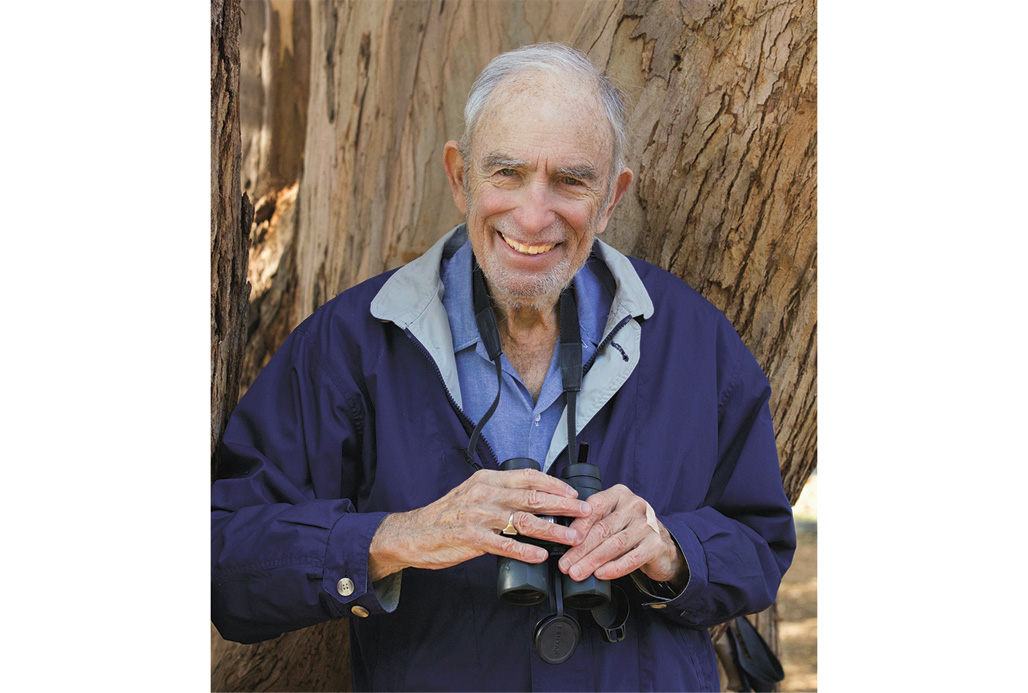
Paul R. Ehrlich, author of The Population Bomb, has died, a great scientist, biologist, and naturalist who helped shape the world’s thinking
Many will remember him first for The Population Bomb, hugely influential, fiercely debated, and impossible to ignore.
But that was only one part of a much larger scientific life. Paul was a leading figure in population biology and conservation, and he helped shape the field of coevolution.
Yet Paul was also, in the deepest sense, a naturalist. Originally trained as an entomologist, he began as a butterfly researcher, and that grounding in close observation of living systems remained with him throughout his career. Even when he addressed the largest planetary questions, his thinking was rooted in biology and in the natural world itself.
What I will remember most is not only the scale of his influence, but also his intellectual courage. He was willing to say what he believed the science demanded, even when it was uncomfortable, controversial, or unwelcome.
Many debated his conclusions, and that too is part of his legacy. But no one can deny the force of his contribution. He helped ensure that biodiversity loss, ecological limits, and humanity’s pressure on the living world could not simply be pushed aside.
Scientists of Paul’s kind are rare. He did not merely add to knowledge; he altered the terms of debate.
The news of his passing was not unexpected. At 93, Paul had lived a rich and full life. Still, I write this with sadness. I had the privilege of knowing him as a fellow scientist working in much the same intellectual terrain, and I experienced his work not as a distant reputation, but as part of the living fabric of our field.
Hearing of his death brought back fond memories of a birding trip together in the Oaxaca region of southern Mexico many years ago, and our shared joy when we saw the endemic and beautiful Red Warbler, an iconic and much sought-after species of those mountains.
The legacy of Paul Ehrlich endures not only in science, but in the way the world thinks and talks about human population growth, biodiversity, and humanity’s place within nature.
1
18
63
2,335
Mar 17
New paper on Central African frog #biogeography shows that Pleistocene forest refugia best explain where frog diversity is highest 🐸 Expanding conservation to these refuges could improve amphibian protection. By Jongsma et al. incl. @HannahOish
onlinelibrary.wiley.com/doi/…
3
116
Mar 16
Tipping points of no return ⚖️ On this episode of Green Planet Monitor, Professor Katherine Richardson explains the risk of a #hothouse Earth following a recent publication in @OneEarth_CP. Read or listen here 👇 greenplanetmonitor.net/podca…
83
Mar 10
📢 Viewpoint out in #ConservationLetters by @jgeldmann: Stop talking about "30x30" and ask the question that matters for #biodiversity: Are protected areas located where they matter most with real outcomes for nature & people? conbio.onlinelibrary.wiley.c…
97
Feb 12
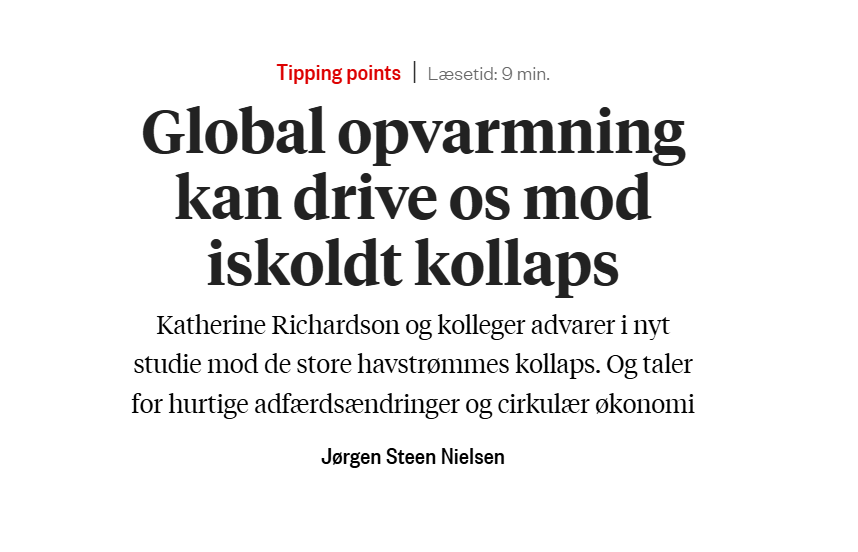
Det er fuldstændig naivt at tro, at vi kan klare os med teknologi. At forlade sig på teknologier, der ikke eksisterer, er galimatias", siger @KRichardsonC ifm. nyt studie om global opvarming og tipping points 🌎 #dkvid #dkgreen @informeren information.dk/udland/2026/0…
119
