Joined February 2011
- Tweets 2,579
- Following 3,961
- Followers 4,094
- Likes 957
126 Photos and videos






May 26
This is so mess up. This is becoming a real problem.

🚨OUTRAGE: Kerry Sheron, the proud Army Veteran and owner of the iconic Trump House in San Diego has passed away at 69 after a brutal unprovoked attack by a Trump-hater.
Kerry was a patriot who stood up for President Trump.
HT @JusticeWar98619
2
10
43
1,924
Mar 12
I am ok with buying them a good meal. We should buy them all a beer too.
Mar 12

🚨 WOW. Paul Begala is getting EATEN ALIVE for lying about SecWar Hegseth
BEGALA: Hegseth bought MILLIONS of dollars in lobster all for HIMSELF, it’s not for the troops! x.com/ThomasMHern/status/203…
SCOTT JENNINGS: You REALLY think he’s eating all the lobster by himself? You’re gonna get killed over this. Internet, do something!
🤡🤡😭
2
2
34
1,695
Mar 7
Anybody else ever had Grok change the way they were talking mid conversation? I swear I had it mimic my voice and cadence, the other day.
1
32
501
MakesUQuit retweeted

Feb 26
Washington State resident speaks out against Democrats pushing through their income tax
He says Democrats are only holding a public hearing as “theater”
“Here for 5 generations. My family has been paying taxes here in Washington State, and I think we need to be honest about what this hearing this morning truly is. It has been proven multiple times that this is the most unpopular bill in Washington state here history.
Regardless of how testimonies are stacked and alleged, duplicate registers are tallied. If this bill passes the committee, it will be exposed what we already know and that this hearing was just theater.
We are not here today to beg you or convince you not to pass this bill. We are here to test you to see if you truly believe that your power supersedes the will of the people. If we are proven correct, which I hope we are not, then our democracy and our republic are gone, and what we have truly entered is an authoritarian state and to the authoritarians, the people are just peasants who fund the rule and reign of the elites.“
If Democrats pass this income tax on millionaires, it will be applied to everyone within a couple short years
170
1,256
4,228
131,083
Feb 26
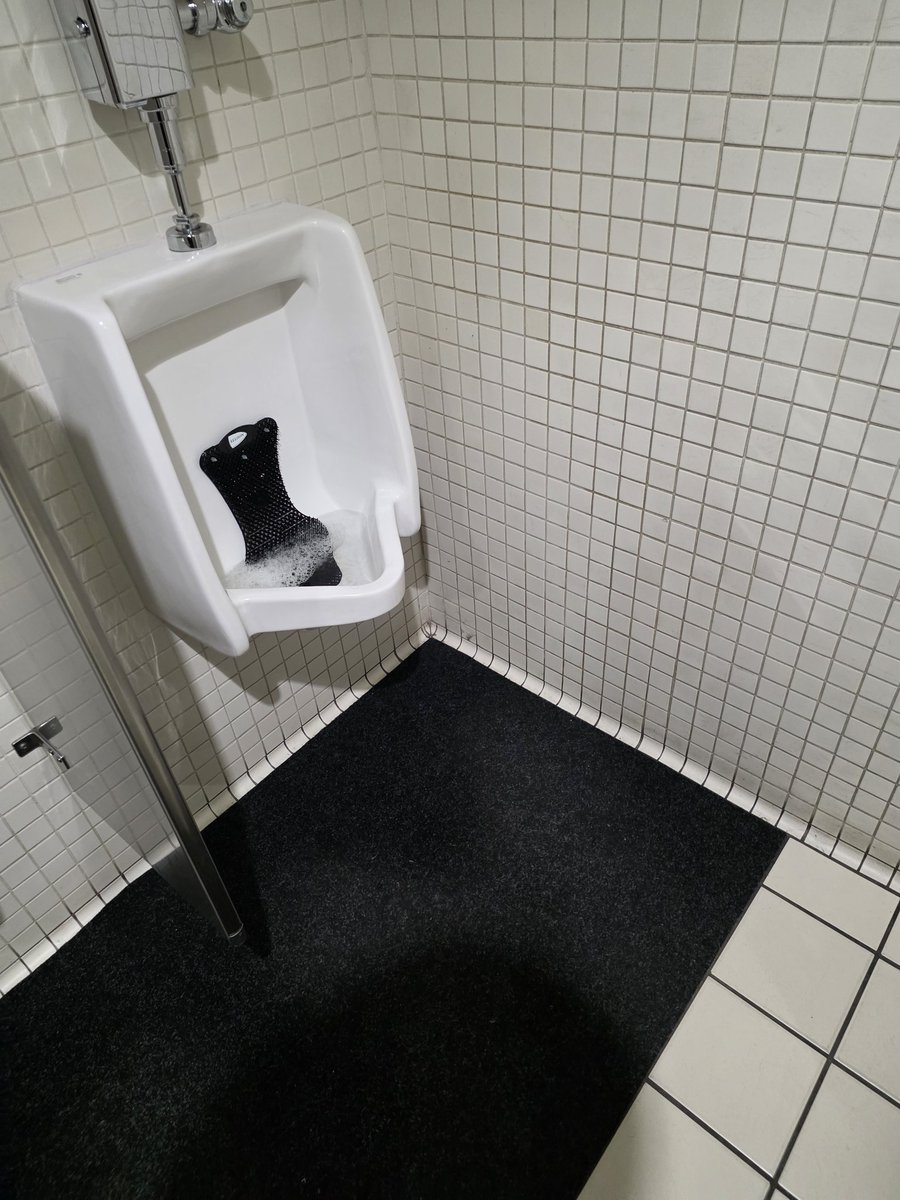
Hello all, can anybody explain to me why they would put carpet under a man's urinal? They know we can't aim.
3
1
17
270
Feb 26
You won't hear about this on mainstream media.
Feb 26

🚨AMAZING STORY🚨
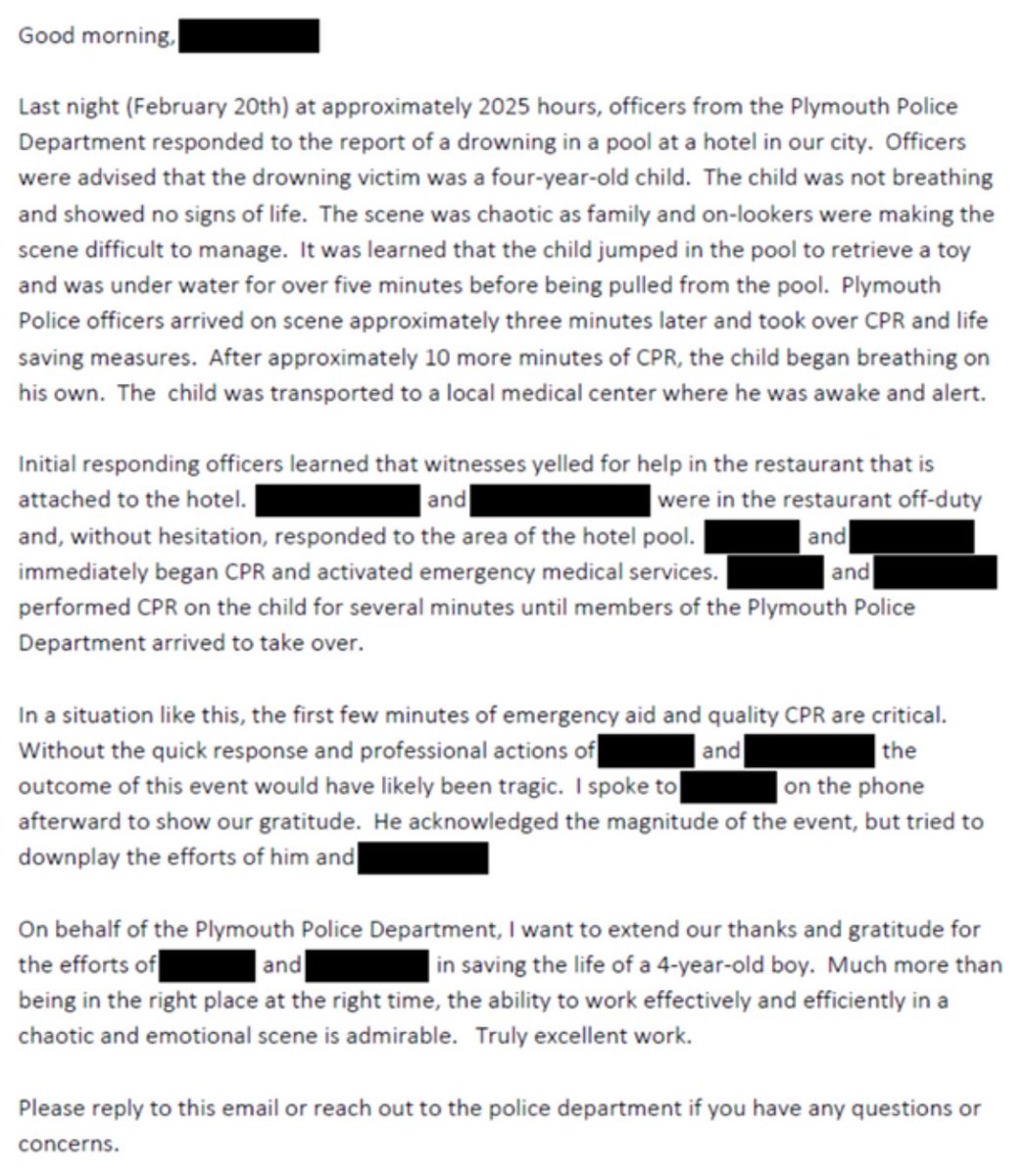
DHS is honoring off-duty ICE agents for their heroic efforts in saving the life of a 4-year-old boy who drowned in a hotel pool.
On February 20, the agents were eating at a restaurant in Plymouth, Minnesota, when a distressed woman rushed over, pleading for help with her unresponsive 4-year-old child who had nearly drowned in the hotel swimming pool.
The agents sprang into action without hesitation, immediately administering CPR and continuing for several minutes until local police and emergency medical services arrived.
The child was then rushed to a nearby medical facility for additional treatment.
Thanks to the agents' swift response and lifesaving intervention, the boy regained consciousness and is now alert and recovering.
In recognition of their bravery and professionalism, ICE received a formal letter of commendation from the Plymouth Police Department, praising the agents for their critical role in what could have been a tragic outcome.
3
10
153
Feb 25
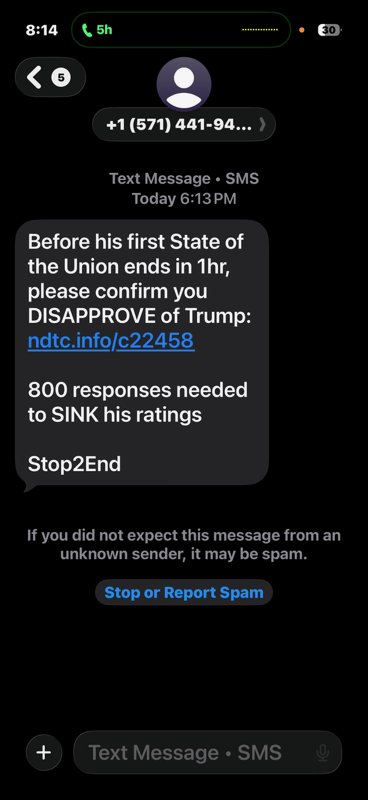
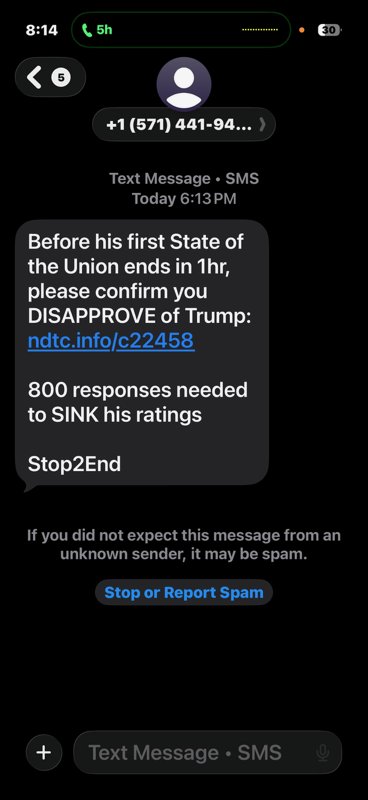
Why did my mom get this random text? "Try to sink his ratings." What are they trying to do?
1
4
91
Feb 20
Not a peep in the mainstream media.
Feb 20

Good morning X!
Yesterday in Idaho a crazy Anti-ICE agitator STOLE AN AMBULANCE, loaded it with gas cans, and drove it into a DHS building in hopes that it would function as a car bomb...
Luckily he failed to ignite it.
Another story that's being BURIED by the mainstream media.
2
12
616
Feb 17
I have a feeling that in like 20 years, It will come out that all these drugs that people are put on just to deal with life. Are having an extremely harmful effect on the brain's development. And it's stopping people from rational thinking.
15
376
Feb 15
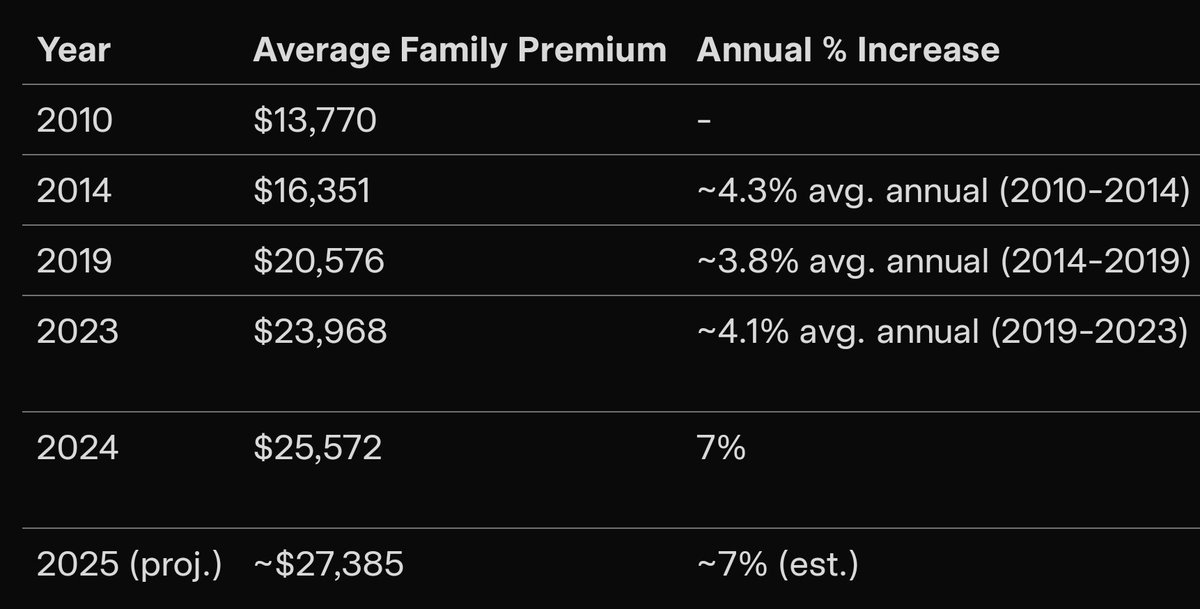
They say it will help, so this will play on your heartstrings, and then the outcome is people's costs go up more. Then people stop using these things since they are more expensive. People need to learn from this.
Feb 14

Let's take a look at how Seattle's DoorDash law actually turned out.
In 2024, Seattle implemented "PayUp" — a minimum wage law for food delivery drivers, setting the rate at $26.40/hour. The intent was to protect workers. Here's what actually happened:
DoorDash added a $5 fee to every order. Customers stopped ordering. Within two weeks, 30,000 fewer orders. UberEats volume dropped 30%. Drivers — the people the law was supposed to help — saw their available deliveries cut in half and earnings per hour fall 25%.
A new National Bureau of Economic Research study confirmed what the numbers already showed: higher per-delivery pay was completely offset by fewer deliveries and lower tips. Active drivers saw zero net gain in monthly earnings.
KUOW reported this week that two years in, the results are undeniable — Seattle is now the most expensive delivery market in the country. Denver, Portland, and San Francisco, cities without these laws, saw delivery revenue grow 20-40%. Seattle stagnated.
The parallel to what's happening with WA tax proposals is obvious. SB 6346 would impose a 9.9% income tax on high earners. The QSBS add-back bills would strip federal tax exclusions from founders. The argument is always "just a small tax on those who can afford it." But capital moves. Founders move. Companies incorporate elsewhere.
The DoorDash data gives us a controlled experiment: same company, same product, same time period, different policy environments. The city with the heaviest regulation saw the worst outcomes — including for the workers it tried to protect.
Incentives matter. Every time.
kuow.org/stories/seattle-s-g…
#StartupLaw #WashingtonState #PolicyMatters #QSBS #Founders #waleg
1
5
332
Feb 15
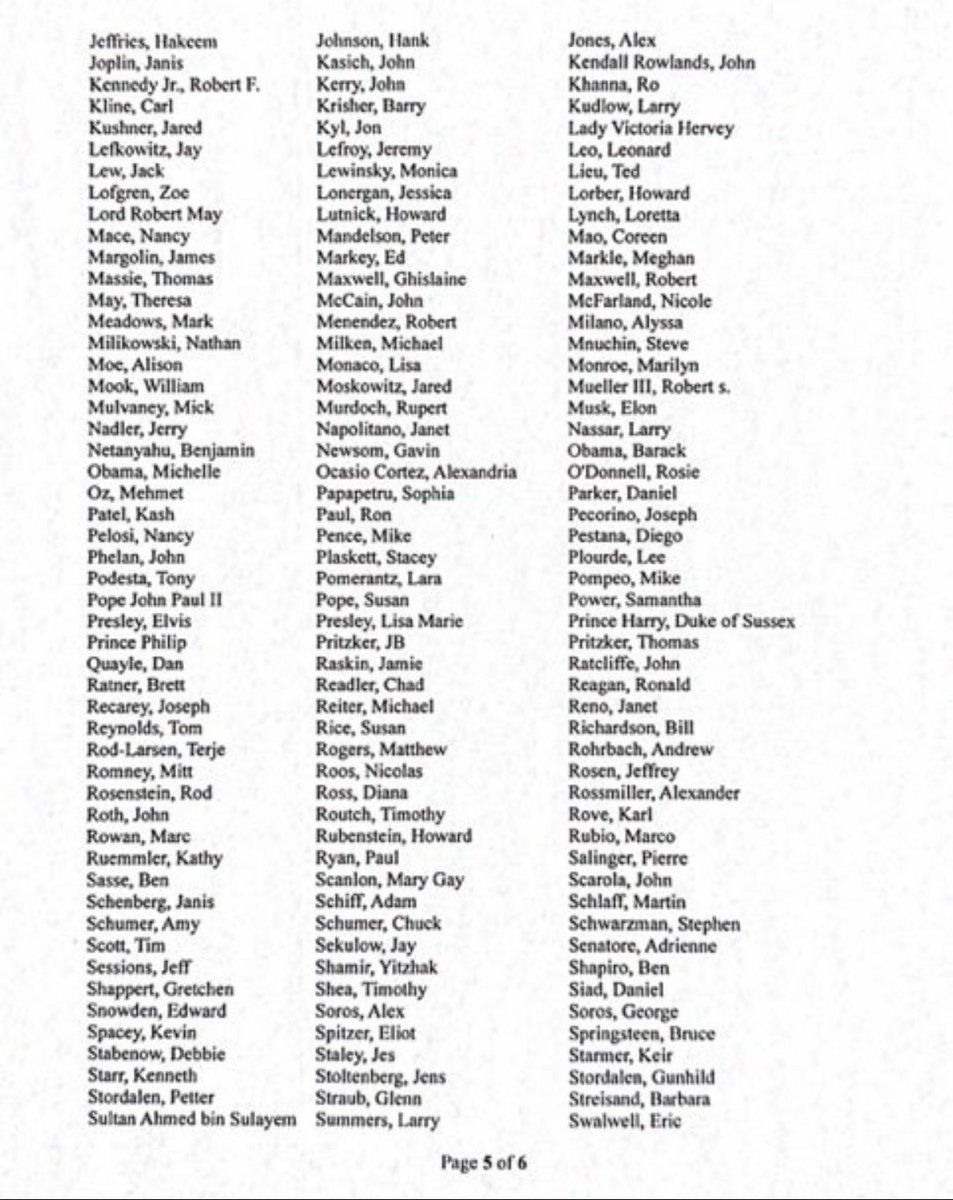
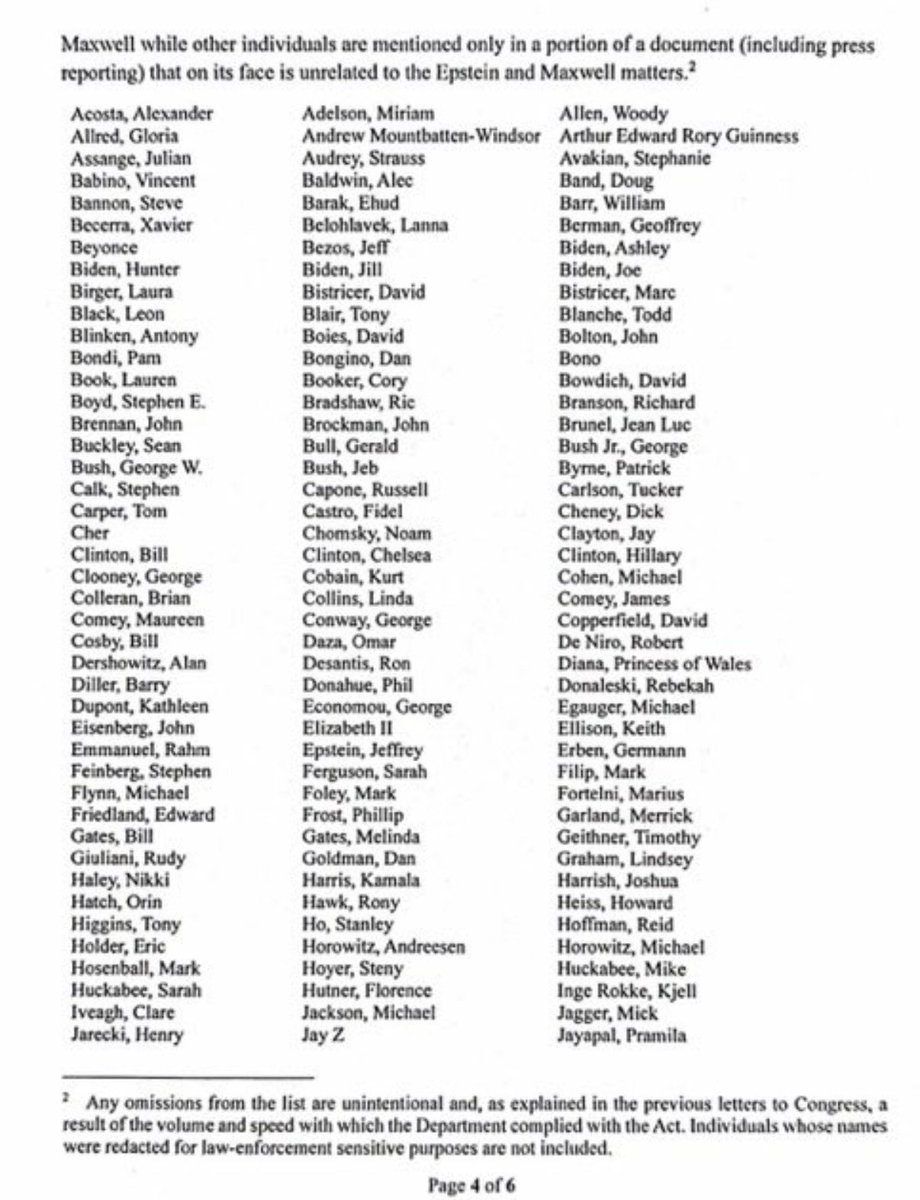
This list doesn't mean anything. Not one person on this list will go to jail because there are no smoking guns. If there were, they'd already be on trial. This is a waste of time. It's just a distraction to stop us from talking about everything else. All people who hurt children should be in jail.
5
100
Feb 15
Free press should mean no news story is behind a paywall. They just make the most outlandish claims. Then you click on them, and then they're like, "Give me a dollar." So now I just don't know this thing that probably everybody should know just because I won't give you a dollar. It's so stupid
1
2
66
Feb 13
I'm so confused. Wouldn't the marriage license fix this?
Feb 13

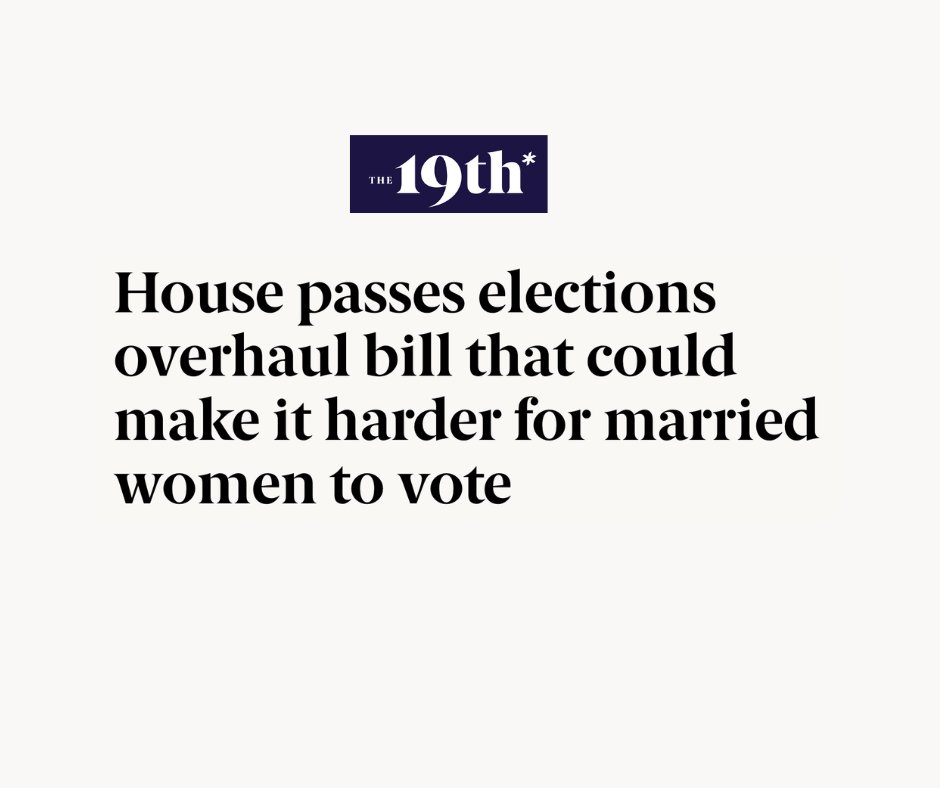
Are you one of nearly 70 million American women who changed their names when they got married? 🙋♀️
Republicans in Congress want to make it harder for you to vote.
Tell your senator to oppose the SAVE Act. indivisible.org/actions/stop…
1
7
193
Feb 13
Okay, Bad Bunny can go on stage and say his dick is fire, and everyone is okay with that.
1
8
144
Feb 13
I just want to see the proof if it's out there. Say the names, tell the stories with as much detail as possible. Make us believe. All I hear is that people did bad stuff. What was it, and who was it? It's not that hard. We, the people, will stand for you; just show us proof.
5
64
Feb 2
They are putting it out there that they are going to go after all people who oppose them.

BREAKING - Democrat candidates are now openly promising to punish Republicans for voting for Trump if they win again, with Georgia candidate Suzanna Karatassos stating in a now-deleted video that once Trump is gone, they should “lose their Internet access for four years.”
6
186
Feb 2
This is what all those actors stood for last night and stood up and said that this was okay. We are lost if we don't stop this.
Feb 2

Do you ever recall a time where the people on the right side of history were attacking reporters and press???
A female reporter was attacked in LA. Why does your “truth” require everyone else’s silence to thrive?
x.com/ViralVideos/status/201…
2
65