
CTO @gateway_eth | before: @ErigonEth @ethstatus @opera
Joined December 2007
- Tweets 13,508
- Following 228
- Followers 2,264
- Likes 4,378
433 Photos and videos



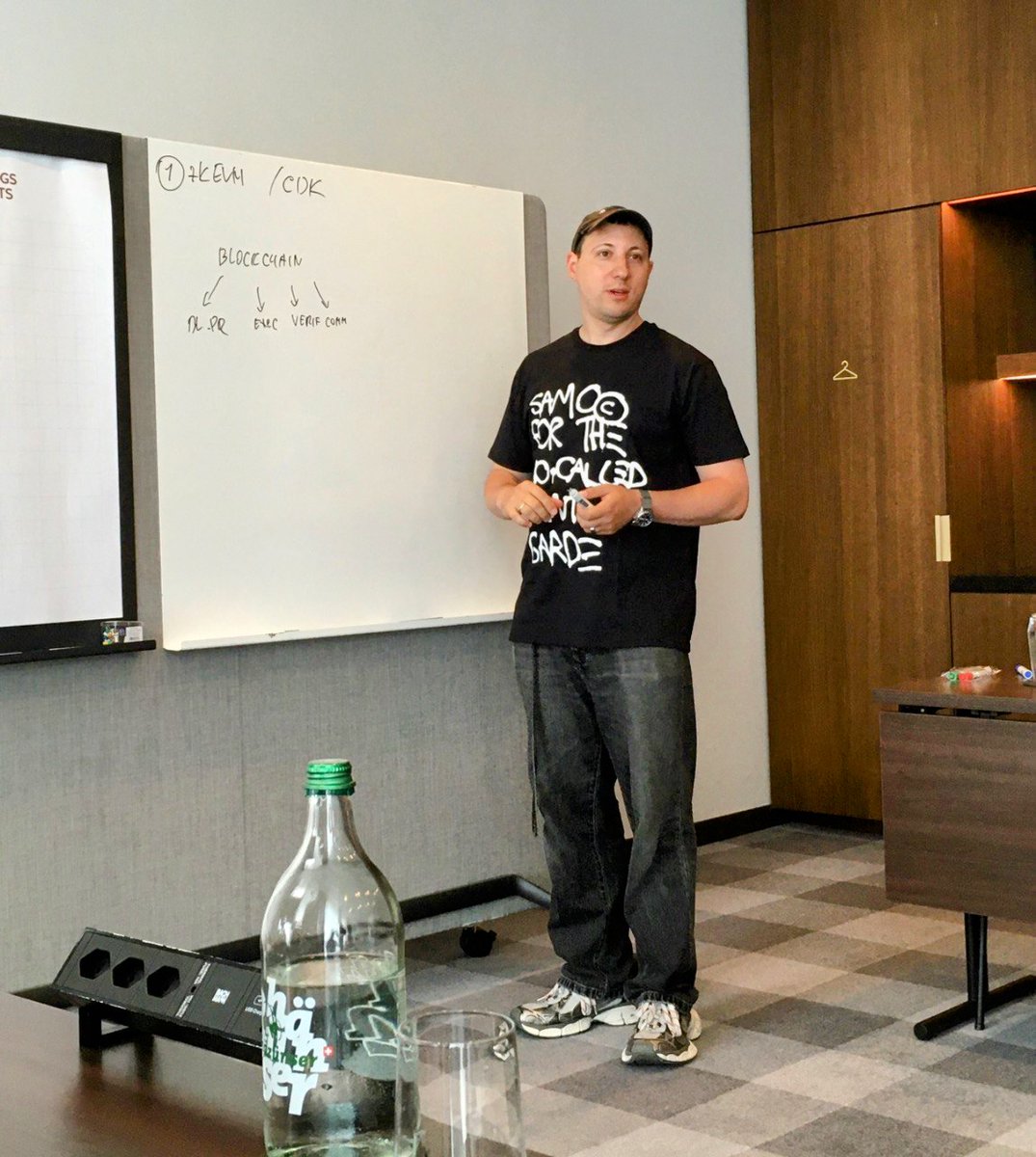

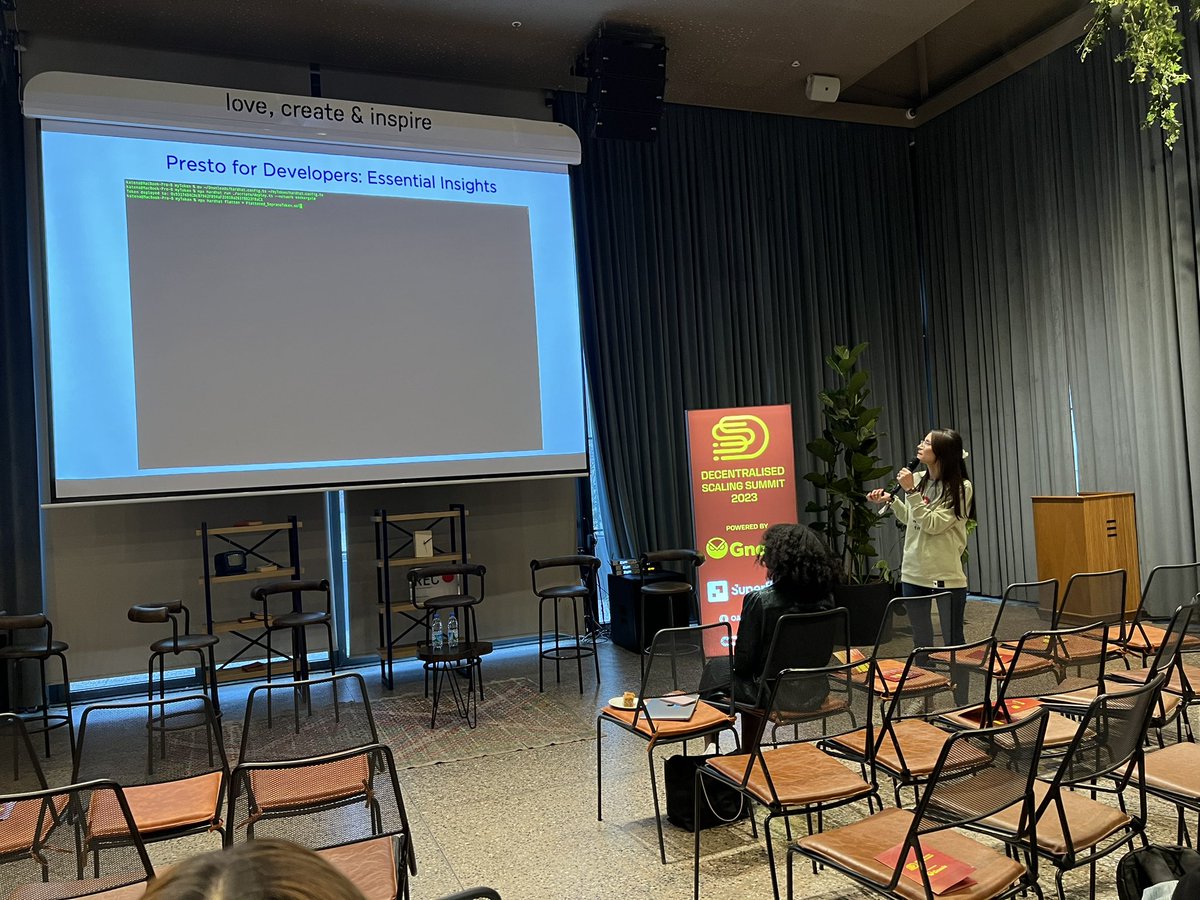
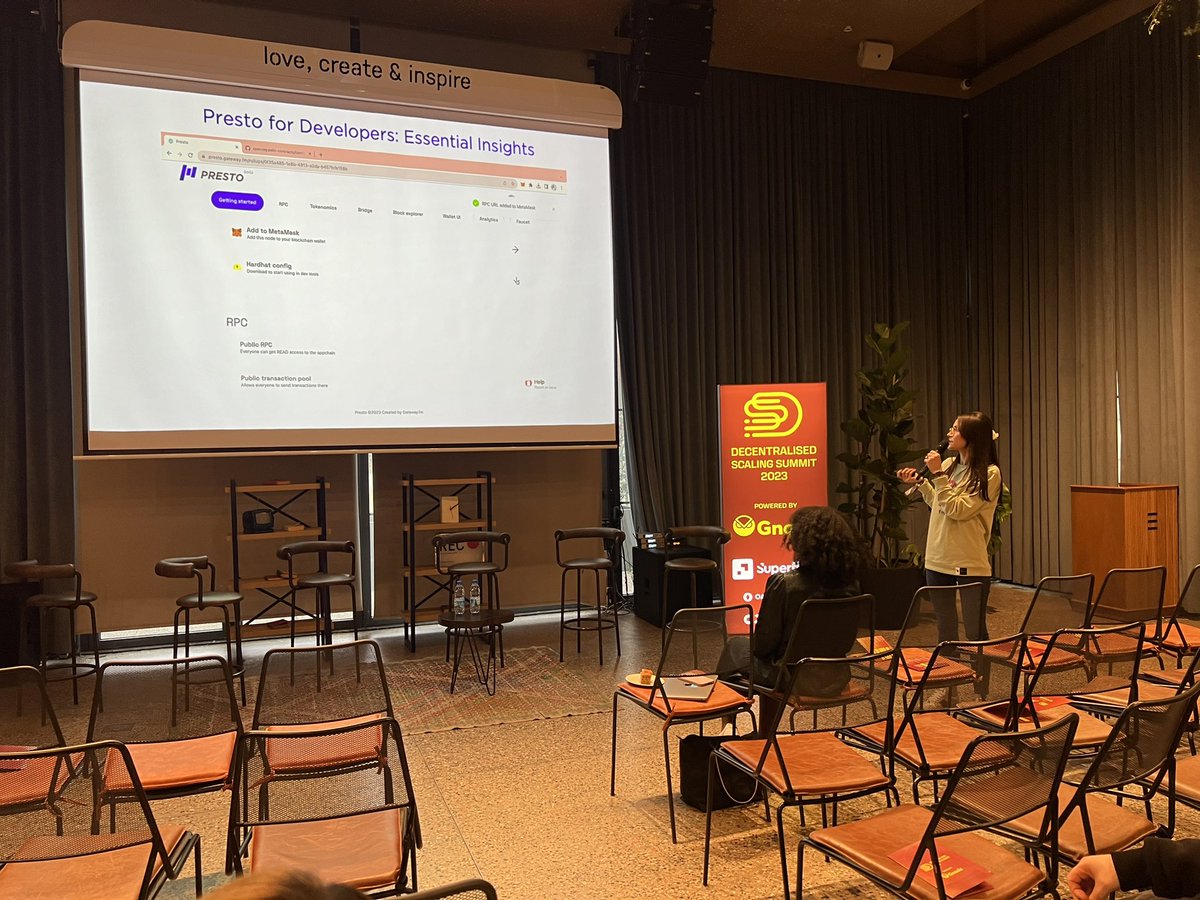
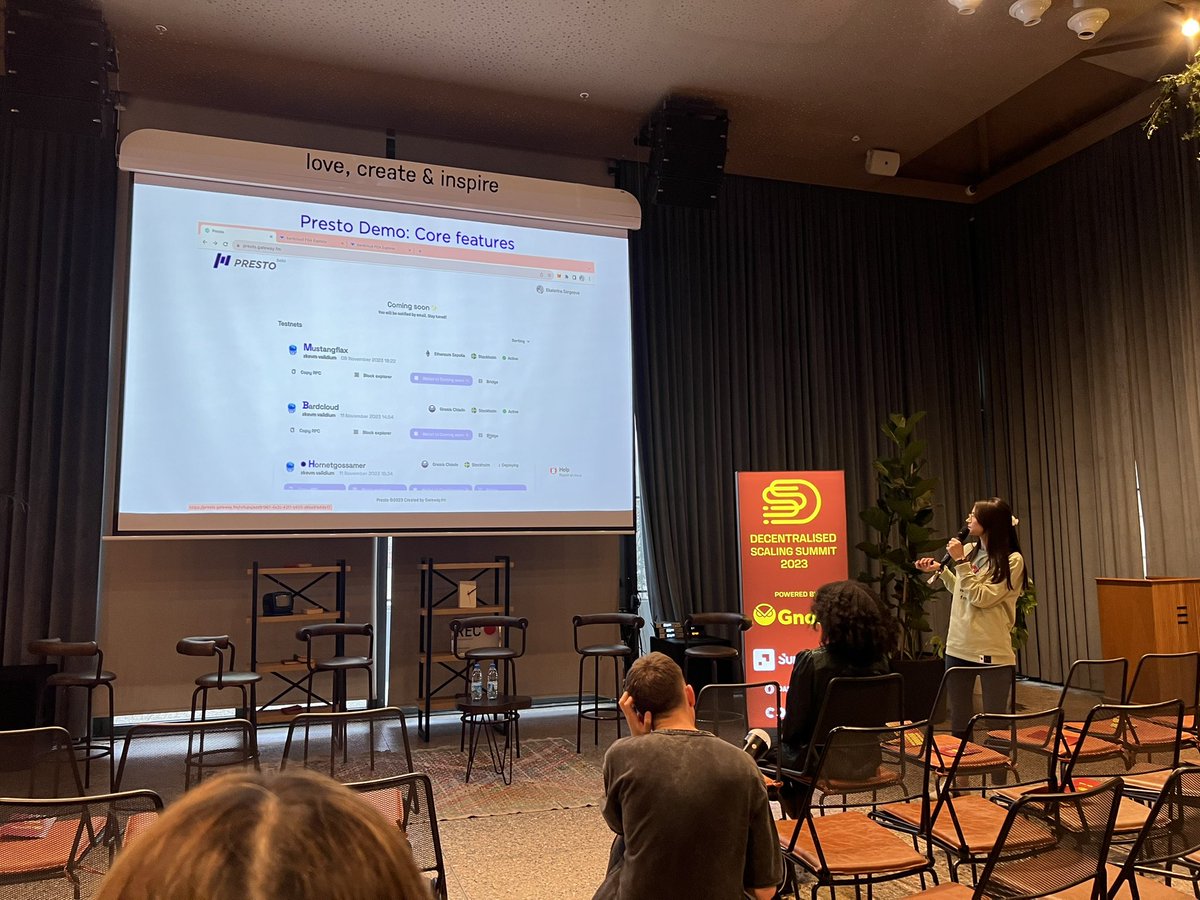
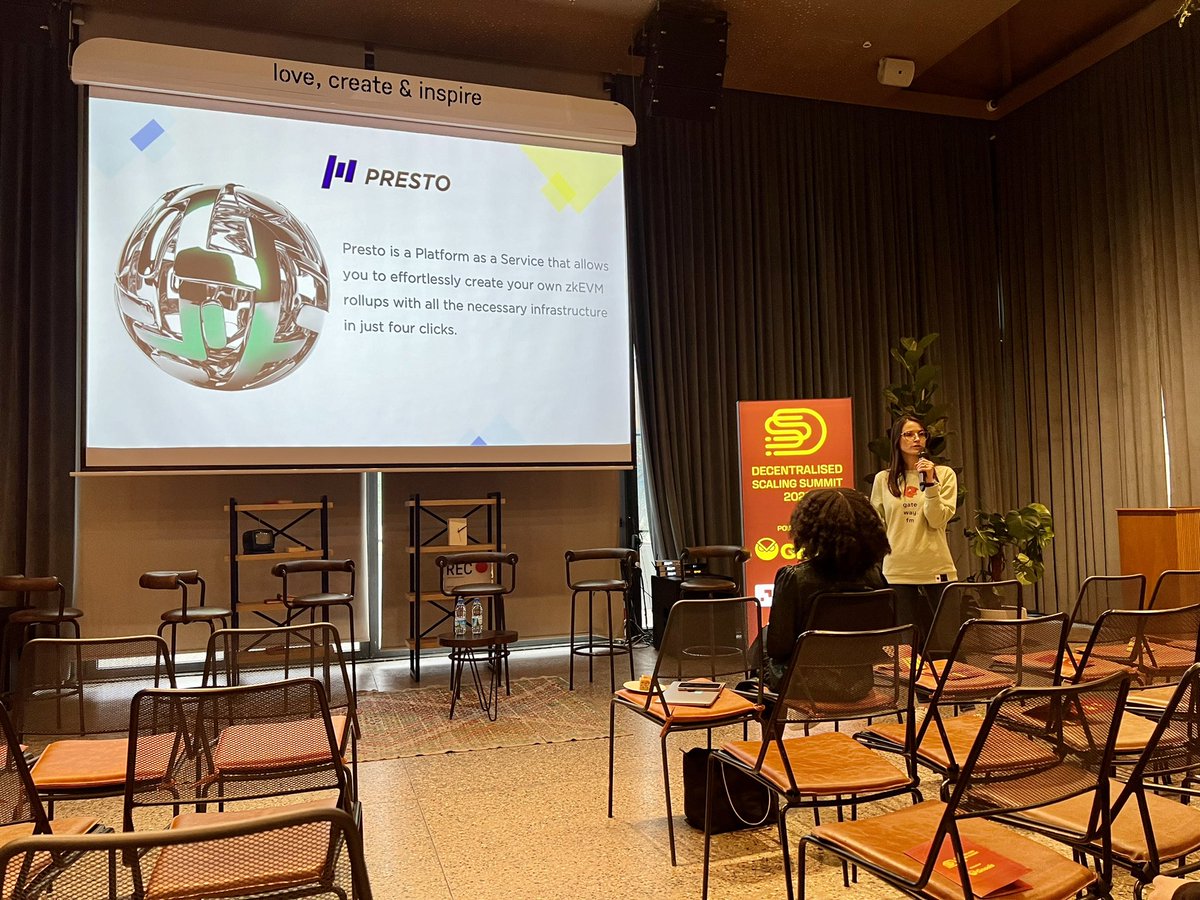

── Dappcon 2026 Speaker ──
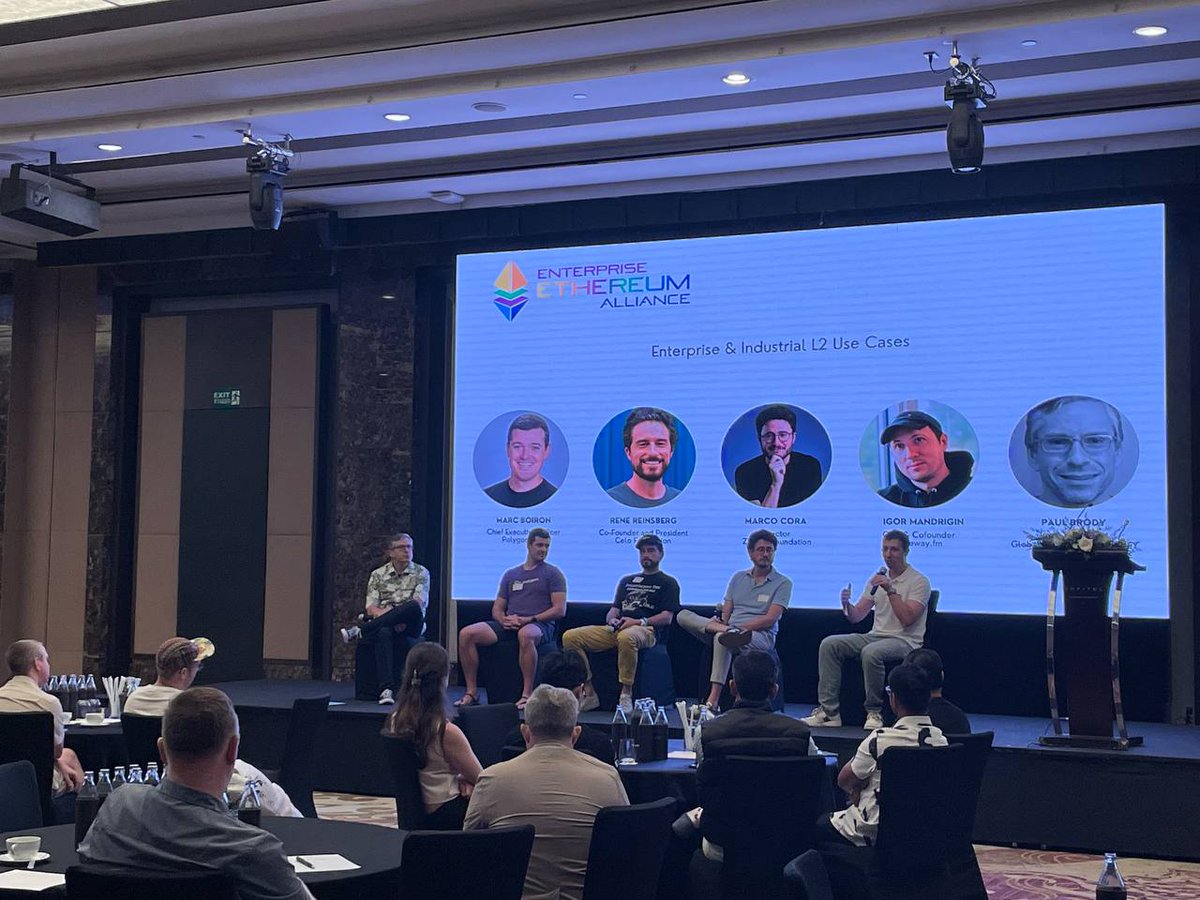
Production-ready blockchain privacy sounds simple. Building it is not.
🎙 @mandrigin · @gateway_eth
↳ "Practical Approaches to Interoperable Blockchain Privacy"
Igor will give a talk on the real engineering challenges of making confidentiality and auditability coexist — drawing on Gateway's experience building Ethereum-compatible privacy infrastructure for enterprise workflows and regulated environments, without sacrificing transparency or ecosystem compatibility.

3
7
299
mandrigin.eth retweeted

Jun 11
The framing of privacy almost always starts as a cost item - something that has to be paid for to keep regulators on side. By the time the conversation gets to revenue, privacy has already been pushed off the agenda.
What this framing misses is that privacy is what makes the highest-margin segments addressable onchain in the first place. Private banking, corporate treasury, cross-jurisdictional settlement, institutional RWA tokenization. In each of these, transparency is contractually incompatible with the service. The absence of confidentiality is the reason the flow stays off-chain entirely.
We published a longer piece on this framing. If you are evaluating onchain infrastructure on your 2026 roadmap, it might be worth a read.
x.com/gateway_eth/status/206…

2
3
188
mandrigin.eth retweeted

Jun 11
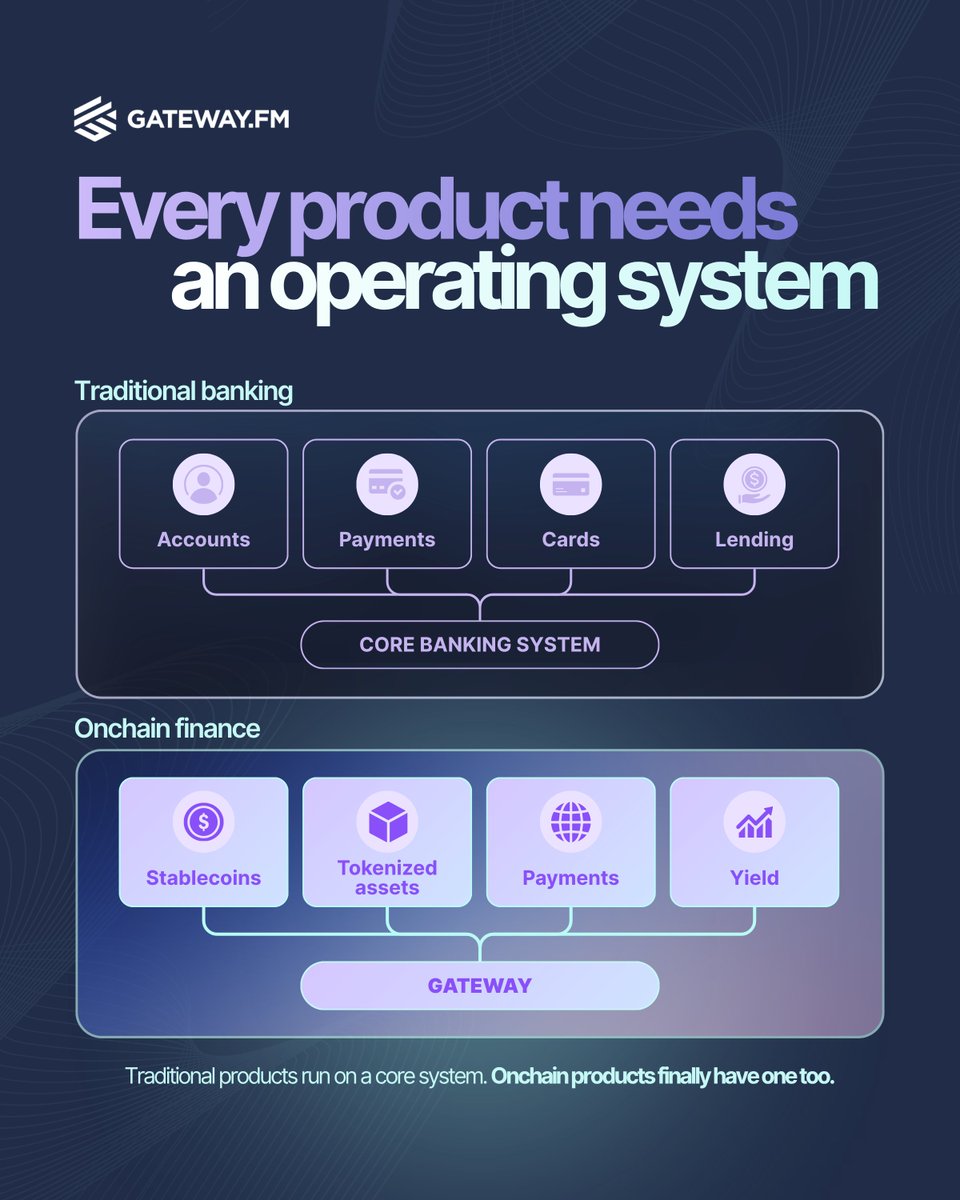
Banks struggle to launch onchain products because there is no operating system for it.
Every traditional banking product runs on a core system that ties accounts, ledgers, compliance and settlement together. For stablecoins, tokenized assets and yield products, no equivalent exists. So each new product becomes a custom integration project across custody, compliance, settlement and partners.
Gateway is the financial operating system for the onchain economy.
On top of it, an institution can bring assets onchain, move capital across borders and generate yield while keeping the full economics. The integration work is already done.
The result is what core systems did for traditional banking: launch multiple products in weeks instead of months, on infrastructure you own, keeping the value you create.
3
6
308

Jun 11
I’ve seen a pattern that keeps showing up when I review institutional onchain architectures.
The instinct, especially for teams coming from a traditional SaaS background, is to layer privacy and compliance as separate services on top of an otherwise transparent stack. Access control in one service, audit logging in another, sanctions screening through a third-party API, travel rule data handled at the application layer.
The failure mode is predictable. When a regulator asks to reconstruct what happened in a specific transaction, the answer requires correlating logs across multiple systems with different data models and different timestamp resolutions. The compliance evidence exists, but assembling it under audit pressure is a manual exercise.
The architectural alternative worth thinking about is collapsing access control, disclosure, sanctions screening, travel rule, and audit logging into the same proxy layer that mediates every RPC call. Each request gets processed through all five in sequence. The audit trail is structurally coherent because all five share the same request context.
For engineering leads designing this layer in 2026, it's worth deciding early whether the architecture stays unified or fragments.
1
2
65
Jun 10
Onchain systems do not fail only at the code layer.
They fail at the control layer.
@Humanityprot's native H token reportedly fell as much as 90% after a security breach that resulted in more than $36M in losses, per the team's own incident update.
But the important detail is not just the size of the loss.
It is how the control layer appears to have failed: per the team's disclosure, a single compromised employee laptop yielded enough Gnosis Safe owner keys — 3 of 6 on Ethereum, 3 of 5 on BSC — to seize ProxyAdmin control, upgrade the bridge to a malicious implementation, and mint unlimited tokens.
That is not a classic smart contract exploit that we read about every other day.
That is an operational control failure involving privileged access, admin authority, and weak signer separation.
And that distinction matters.
Because these are the kinds of risks that do not always look dangerous in a paper.
A 3-of-6 multisig can look fine on paper.
An admin role can look necessary.
A deployment path can look standard.
A trusted person can look like a control.
Until one compromised workflow turns into system-level access.
This is why SOC 2 and ISO matter for operating discipline.
They force teams to define and prove how access is granted, who can approve changes, how privileged actions are reviewed, what separation of duties exists, how incidents are handled, and whether the controls around production systems actually work.
This is also why serious security infrastructure has a cost.
You can move fast without it for a while. You can ship without it. You can even look secure without it.
But eventually, production systems are judged by the controls that survive compromise, pressure, and human error.
The early internet went through the same transition.
At first, ‘working software’ was enough. Then payments, commerce, enterprise data, and critical infrastructure moved online - and standards like SOC 2 and ISO became the guardrails that separated experimental systems from systems companies could actually trust.
Onchain finance is going through that same maturity curve now.
Without those guardrails, security becomes too dependent on assumptions.
Assumptions that signers are independent. Assumptions that admin paths are safe. Assumptions that humans will not be socially engineered. Assumptions that audited contracts are enough.
At Gateway, we went through SOC 2 and ISO 27001 for exactly this reason.
Because regulated onchain finance is following the same path the internet did: moving from experimentation to trusted infrastructure. That requires more than clean code, it requires security infrastructure, operational controls, and verifiable processes around the systems people depend on.
Audited operations are what make systems resilient, trustworthy, and ready for real-world scale.
4
11
248


mandrigin.eth retweeted
Jun 4
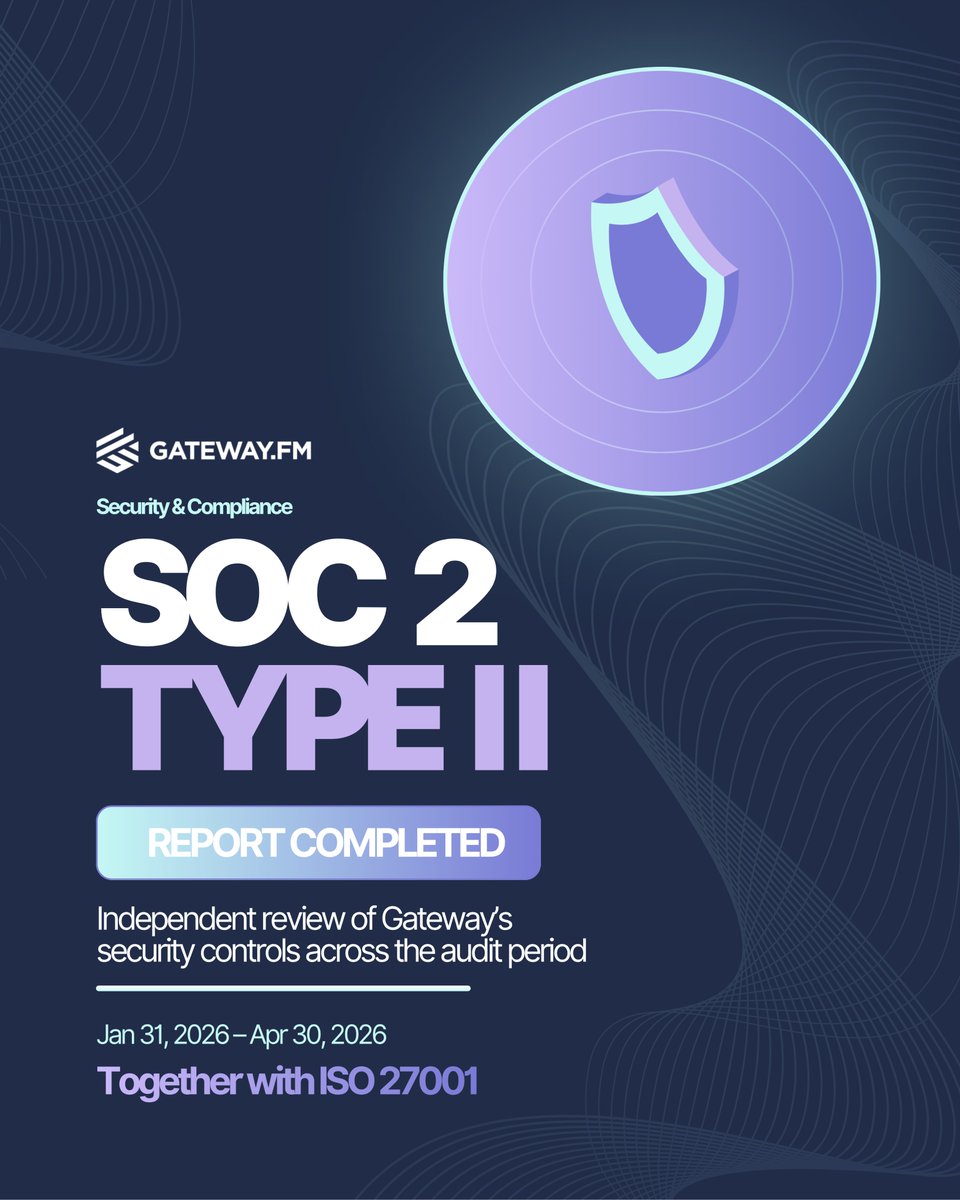
Gateway has completed its SOC 2 Type 2 report for Security, covering the design and operating effectiveness of its security controls from January 31, 2026 to April 30, 2026.
This report is another step Gateway has taken to support secure, reliable infrastructure for institutions building onchain financial products. Together with ISO 27001, SOC 2 Type 2 adds another layer of assurance to Gateway’s security and compliance foundation.
We expect regulated onchain finance to become an increasingly important part of the global financial infrastructure, making security, operational resilience, and compliance readiness critical to scaling it responsibly.
1
5
13
836
@Gateway_eth brings production experience across RPC, validators, node services, rollups, appchains, and developer tooling.
As a Guardian operator, Gateway is helping make private blockchain infrastructure production-ready for builders on Miden.
Read their Operator Story:
miden.xyz/blog/operator-stor…
2
3
22
1,418
The first batch of Guardian operators on Miden is here:
OpenZeppelin
LambdaClass
Gateway
Private accounts are powerful. But if they’re going to be usable in real apps, they need recovery, synchronization, coordination, and serious operators behind the infrastructure.
44
29
179
21,391
mandrigin.eth retweeted

Jun 2
Guardians are cool because they make onchain privacy practical.
But also because you’re not trapped with one forever. You can switch.
That’s why having many Guardian operators on @0xMiden matters!
(also @OpenZeppelin @gateway_eth & @class_lambda are uber-cracked teams 🤗)

The first batch of Guardian operators on Miden is here:
OpenZeppelin
LambdaClass
Gateway
Private accounts are powerful. But if they’re going to be usable in real apps, they need recovery, synchronization, coordination, and serious operators behind the infrastructure.
14
8
49
1,575
mandrigin.eth retweeted

Eventually blockchains will be the basis for any asset transfer the same way how email will replace the traditional post system entirely. Neobanks will be an important stepping stone. So far they were nice frontends on old money rails … this will change

3
5
17
948
mandrigin.eth retweeted
We have our first Guardians on testnet. With our next release wallets can connect to it … and never lose their state
The first batch of Guardian operators on Miden is here:
OpenZeppelin
LambdaClass
Gateway
Private accounts are powerful. But if they’re going to be usable in real apps, they need recovery, synchronization, coordination, and serious operators behind the infrastructure.
4
5
20
984
mandrigin.eth retweeted

Jun 2
While Gnosis Pay will be back soon for all users, if you are in some sort of emergency situation where you need the cash on your card immediately, please reach out to @gnosispay support, and we will try to find individual solutions as quick as possible.
Jun 2

Gnosis Pay will be back soon!
12
16
168
12,635
mandrigin.eth retweeted
Just landed in Amsterdam for Money20/20 this week. If you’re here and working on stablecoin settlement, tokenized assets, payments, or the next layer of regulated onchain finance, I’d be glad to connect. I’ll be in town until Friday - ping me and let’s grab a coffee.
@gateway_eth

2
4
8
547
mandrigin.eth retweeted
Jun 1
Deleted an earlier tweet that asked users to withdraw funds. Most users will not be able to do so, but we are actively working to contain the damage. We believe we can contain the majority of it, and in any case, we will ensure that all users are made whole.
12
24
233
41,932
mandrigin.eth retweeted
Jun 1
Unfortunately, there is a hack related to @gnosispay and the "delay module".
Please be patient while we try to contain the damage. Rest assured, Gnosis will cover all user losses.
63
140
767
174,522
May 29
I was doing a simple DSP for a hobby project.
I asked an agent to optimize as much as possible the existing implementation in a loop.
To another agent I said exactly what I want to do (C , NDK for Android, static memory). The 2nd one did like 3 orders of magnitude faster implementation and negligible RAM usage.
Agent's don't solve the Dunning-Kruger effect.
May 28

I've got an agent in a loop optimizing a renderer with the goal to minimize frame times (and tests to measure). It got times down from 88ms to 2ms and allocations down from ~150K to 500. Sounds good, right? Wrong. This is exactly why agent psychosis is a big fucking problem.
As an experiment, I rewrote the Ghostty core render state in Go, with access to identically laid out data structures as Ghostty and the exact same validation tests. I made a purposely naive renderer (simple, correct, but slow). 88ms per frame with 150,000 allocations (horrendous, lol)!
I then kickstarted a Ralph loop to bring the frame times down. I told it it can't modify input data structures or the public API or tests (they're correct), but it can do anything else it wants. It got to work.
It has worked for about 4 hours. I've spent around $350 on this experiment so far. The results?
88ms => 1.5ms
150K allocs => ~500 allocs
Incredible right? Nope.
My hand-written renderer I ported has frame times (same benchmark) of ~20us (0.020ms) and 0 allocations in the update path.
This is the problem with psychosis and lacking systems understanding. If you don't understand the system, you're going to accept that this is an incredible result. If you understand the system, you'll see better solutions immediately and can do roughly 75x better on throughput.
The people who blindly trust agent output are in the former camp. They're sheeple, overdrinking from a fountain of mediocrity.
Standard disclaimer: I use AI all the time. I like AI. The point I'm making is to not blindly accept results. Think. Analyze. Learn.
1
90
mandrigin.eth retweeted

May 28
I've got an agent in a loop optimizing a renderer with the goal to minimize frame times (and tests to measure). It got times down from 88ms to 2ms and allocations down from ~150K to 500. Sounds good, right? Wrong. This is exactly why agent psychosis is a big fucking problem.
As an experiment, I rewrote the Ghostty core render state in Go, with access to identically laid out data structures as Ghostty and the exact same validation tests. I made a purposely naive renderer (simple, correct, but slow). 88ms per frame with 150,000 allocations (horrendous, lol)!
I then kickstarted a Ralph loop to bring the frame times down. I told it it can't modify input data structures or the public API or tests (they're correct), but it can do anything else it wants. It got to work.
It has worked for about 4 hours. I've spent around $350 on this experiment so far. The results?
88ms => 1.5ms
150K allocs => ~500 allocs
Incredible right? Nope.
My hand-written renderer I ported has frame times (same benchmark) of ~20us (0.020ms) and 0 allocations in the update path.
This is the problem with psychosis and lacking systems understanding. If you don't understand the system, you're going to accept that this is an incredible result. If you understand the system, you'll see better solutions immediately and can do roughly 75x better on throughput.
The people who blindly trust agent output are in the former camp. They're sheeple, overdrinking from a fountain of mediocrity.
Standard disclaimer: I use AI all the time. I like AI. The point I'm making is to not blindly accept results. Think. Analyze. Learn.
308
979
8,938
791,162