
Prodigiously Spicy-Actress of Scorn. Voice Actor. Gearbox Writer. Borderlands 4 is out now! Opinions are mine.
Joined August 2009
- Tweets 30,492
- Following 709
- Followers 32,019
- Likes 95,294
5,206 Photos and videos












Pinned Tweet

Jun 4
***2026 Convention Appearance Update***
Rhode Island Anime Con: June 7-8
Animate! Columbus: June 12-14
GalaxyCon New Orleans: July 10-12
TBA: Aug 1-2
Planet Anime, Kansas City: Aug 21-23
GalaxyCon Des Moines: Sept 11-13
6
2
39
1,735
Jun 11
I’ll be at Animate! Columbus this weekend, June 12-14!
5
16
163
2,955
Jamie Marchi retweeted

Jun 3
Not right now babe I'm busy reading every single tweet Hunter Biden presses send on
89
2,741
34,825
393,297
May 10
Why would you do this to me?
May 9

'High School DxD' English VA for Rias Gremory, Jamie Marchi, drops an update for DxD Anime fans
"...no. I still haven't heard anything about a fifth season."

66
178
8,135
348,562
May 4
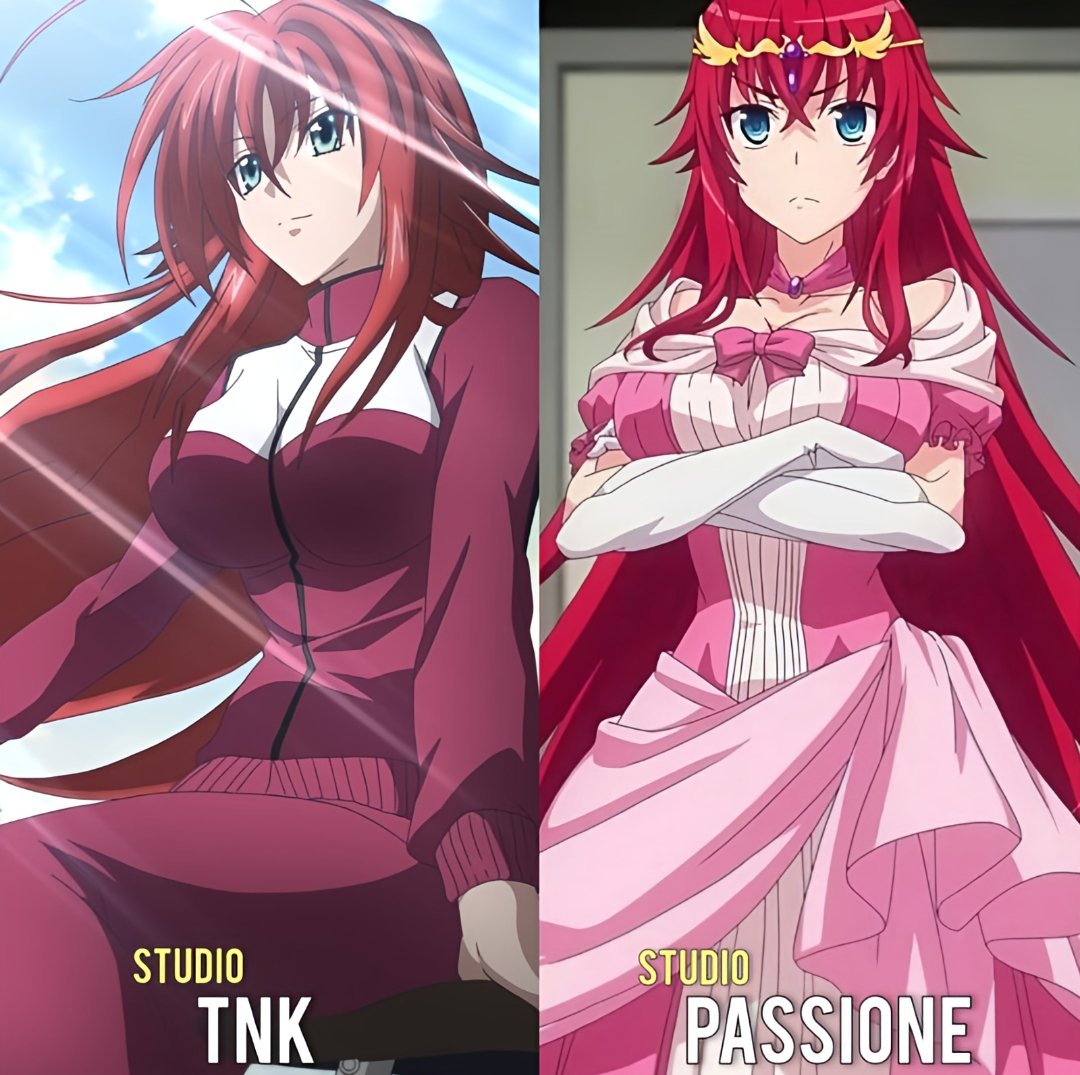
I love her either way! And no. I still haven't heard anything about a fifth season.

TNK gave that iconic detailed look, Passione brought it closer to the novel style, can't hate either.
64
132
2,106
68,229
Apr 27
I was wondering what was going on with that guy who didn't take cover during the WHCD until I found out he was eating burrata. Totally makes sense, now.
2
1
39
4,855
Jamie Marchi retweeted

Apr 21
The play-by-play that you didn't know you needed. This man is a pro! Who will survive?
37
117
384
14,775
Jamie Marchi retweeted

Apr 21
She’s voiced some of anime’s most unforgettable characters. Now @marchimark is coming to #RIAC2026 at the @RIConvention!
Best known for My Hero Academia, Fairy Tail, and Soul Eater, Jamie has also made her mark in Panty & Stocking with Garterbelt, High School DxD, and more.
Get your tickets now at rianimecon.com!
#MyHeroAcademia #FairyTail #SoulEater #anime

5
13
68
4,313
Apr 7
Impossible. 7 years, max. MAX.



38
84
1,007
27,149
Jamie Marchi retweeted

Mar 27
Watch your pockets, bruv! 🥒
I’m the voice of Davis Pickle in the Borderlands 4 Story Pack 1 DLC! 💚
Appreciate the folks @GearboxOfficial as always for having me! I had a bloody amazing time. ✨ “Mad Ellie and the Vault of the Damned” is available now!

26
37
658
54,458
Mar 27
Mad Ellie?! Hey, that’s me!!!
Mar 26

Story Pack 1: Mad Ellie and the Vault of the Damned is now available!
Jump into this new cosmic-horror adventure as C4SH the Rogue and team up with Ellie to explore Whispering Glacier, an entirely new map zone packed with brand-new content.
13
20
275
38,751
Jamie Marchi retweeted

Mar 26
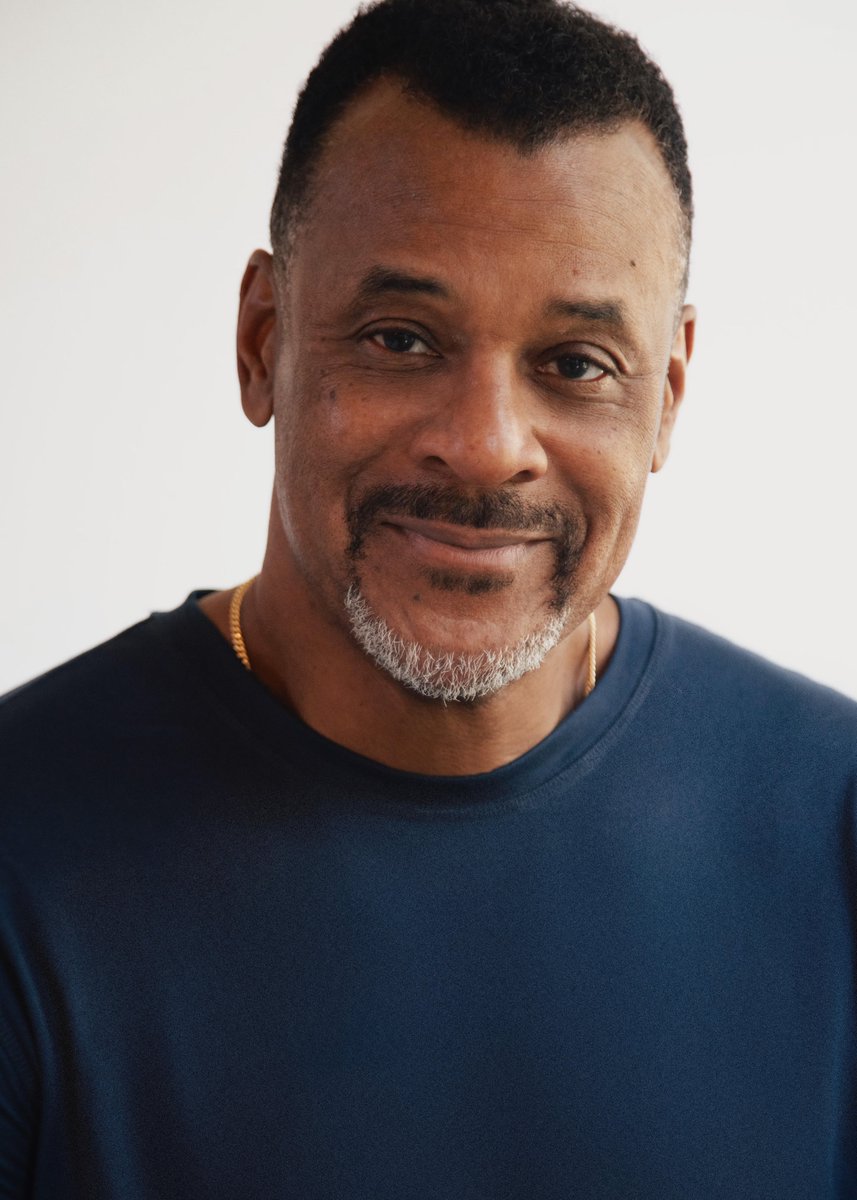
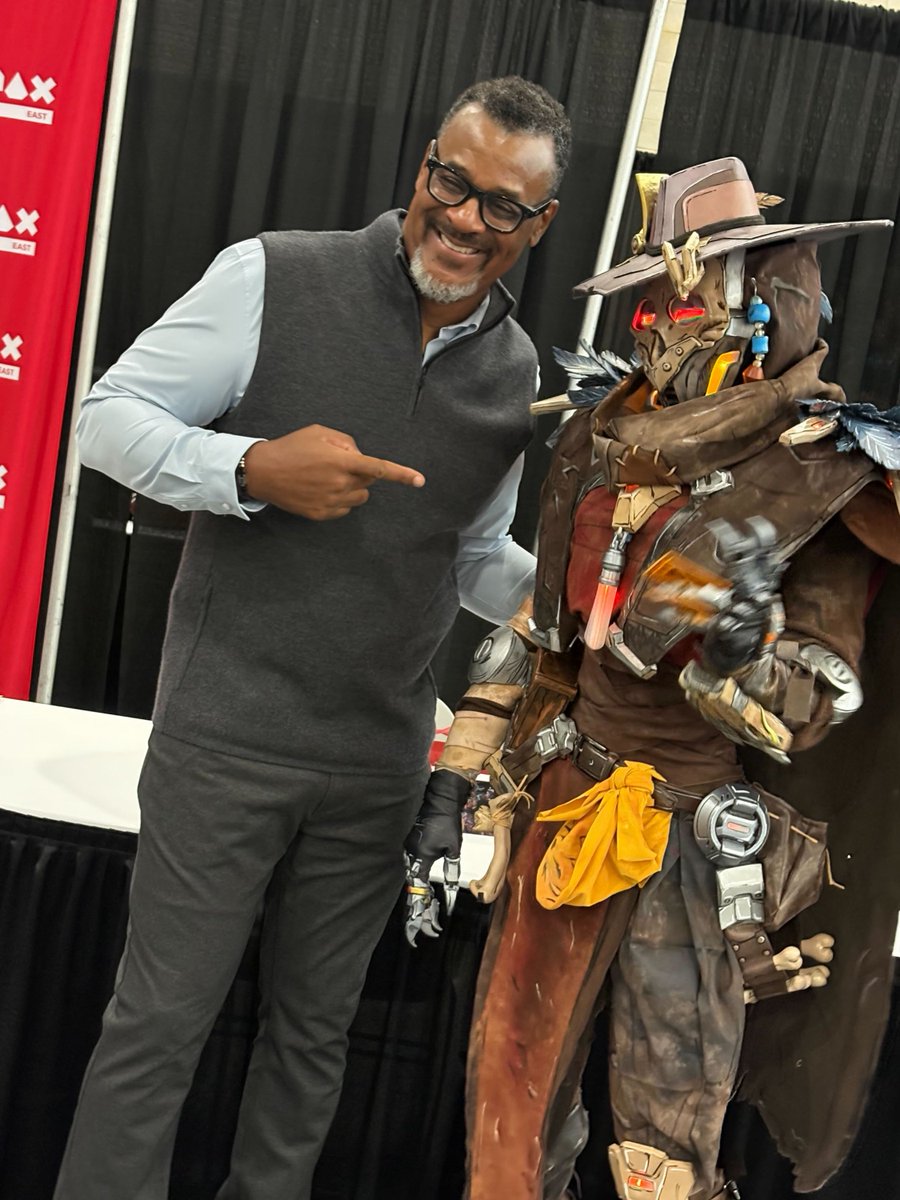
Hey meat sacks, give a warm Borderlandsy welcome to @JohnEricBentley - the voice of C4SH in Borderlands 4! 🎲
30
141
1,866
84,056
Jamie Marchi retweeted
Mar 26
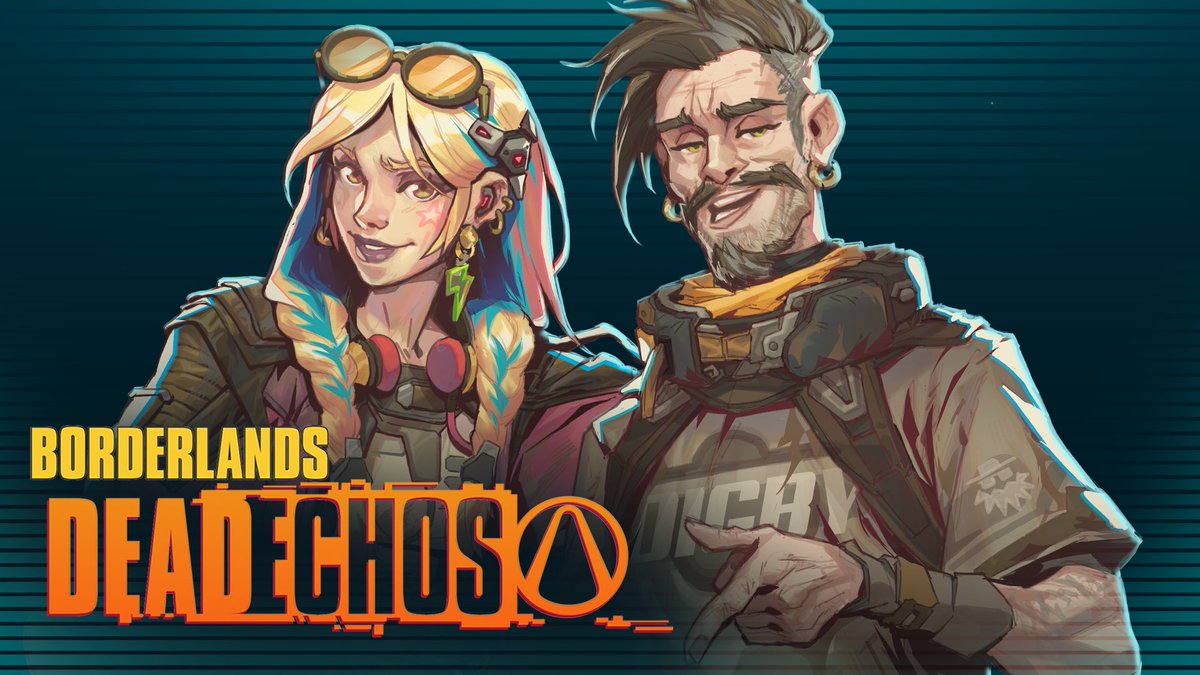
It's Borderlands, but for your EAR HOLES!!!
We're excited to announce Dead ECHOs - a darkly comedic audio drama set in the Borderlands universe starring Watts, a disenchanted ECHO Operator, and Junie, a curious stranger with a secretive past.
Season 1 is coming in Spring 2026!
38
108
1,276
80,316
Mar 23
***2026 Convention Appearance Update***
March 27-29: Fanboy Anime - Knoxville
April 10-12: Nostalgia Con - Houston
May 1-3 : El Paso Comic Con
May 16-17: Spa Con - Hot Springs
9
5
42
13,035
Mar 16
***2026 Convention Appearance Update***
March 27-29: Fanboy Anime - Knoxville
April 10-12: Nostalgia Con - Houston
May 1-3 : TBA
May 16-17: Spa Con - Hot Springs
4
4
44
3,633
Jamie Marchi retweeted

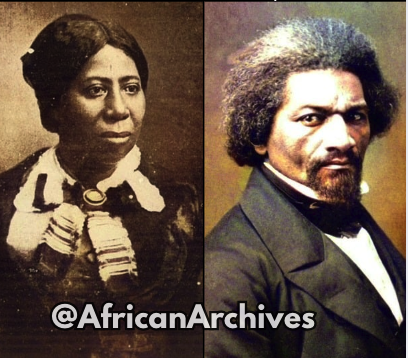
Anna Murray Douglass is often overshadowed by her husband, Frederick Douglass — yet she made his freedom and his life’s work possible.
Born free in Maryland around 1813, Anna Murray grew up witnessing the harsh realities of slavery in a border state. As a young woman working in Baltimore, she met Frederick Douglass while he was still enslaved. When he made plans to escape in 1838, it was Anna who played a crucial role in making that freedom possible. She provided financial support, helped organize the logistics of his departure, and gave him a sailor’s uniform that helped him travel north undetected.
Shortly after his successful escape, Anna joined him in New York, and the two were married. Together they built a life dedicated to the fight against slavery and injustice.
While Frederick Douglass became one of the most influential abolitionists, writers, and orators of the 19th century, Anna’s work was often carried out behind the scenes. She managed their household, raised their five children, and maintained a stable home environment that allowed Frederick to travel extensively, lecture, write, and organize. Their home in Rochester, New York, became a station on the Underground Railroad, sheltering freedom seekers on their journey north.
In addition to supporting abolitionist efforts, Anna was active in women’s and community organizations, contributing to sewing circles and aid societies that supported both formerly enslaved people and soldiers during the Civil War.
Though history has frequently centered Frederick Douglass’s public achievements, it is important to acknowledge that movements are rarely built by one person alone. Anna Murray Douglass’s labor, sacrifice, and steady commitment formed a foundation that made much of that public work possible.
Her story reminds us that leadership takes many forms. Some voices fill lecture halls. Others sustain homes, protect communities, and quietly shape history from behind the scenes.
11
430
1,141
20,256
Jamie Marchi retweeted

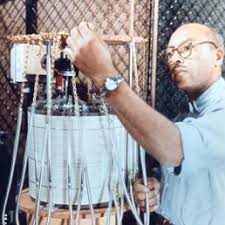
Today's Black American (Freedmen) inventor is Walter Lincoln Hawkins. Walter Lincoln Hawkins invented a plastic coating for telephone cables that is STILL used TODAY for telephone and fiber optic cables! He and his partner Victor Lanza's invention led to the expansion of telephone service throughout the world! #BlackHistoryMonth
12
367
850
14,142