
President, Contra Costa Taxpayers Association. Visiting Fellow, California Policy Center. Formerly: Cato, Reason Foundation, Moody's. Posts are my own opinions.
Joined January 2009
- Tweets 11,852
- Following 1,551
- Followers 4,924
- Likes 25,616
1,750 Photos and videos


Pinned Tweet

Jan 27
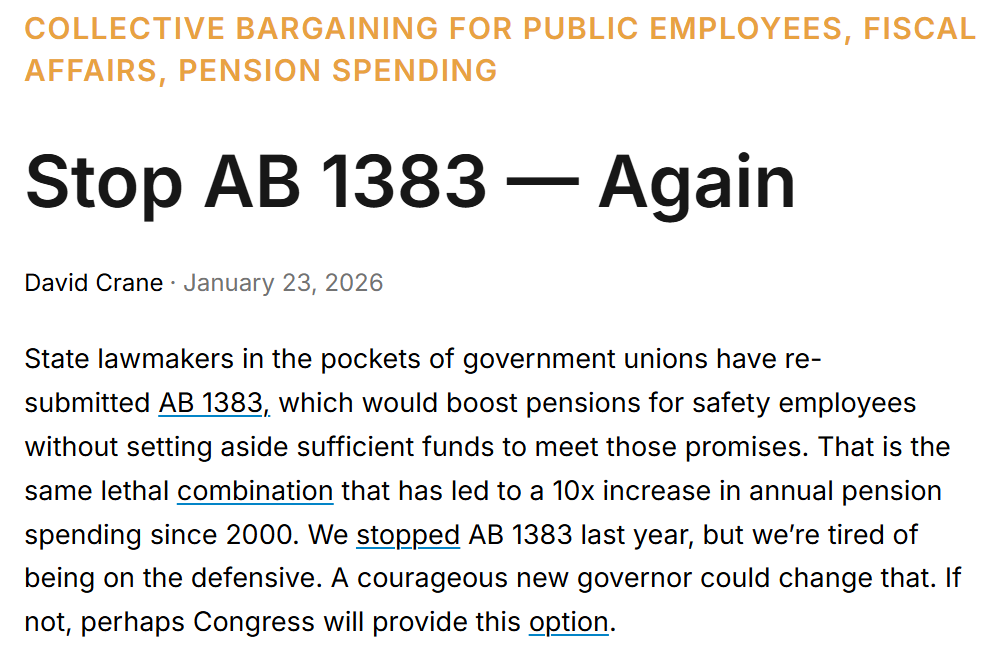
Unions have ordered their employees in the California State Legislature to undermine modest Brown-era limits on pension payouts.
If passed, this bill will drive some California local governments toward bankruptcy.
22
37
193
15,946
16h
I recently heard Gavin Newsom make some bold claims about California's relative economic performance. I asked Claude Fable 5.0 about them, and despite being created in the Golden State, the LLM was skeptical.
Yes, there's a factual kernel, but the headline claims depend heavily on choice of measure and time window. Having heard him recently, you likely got some mix of the following, all traceable to his office's 2026 messaging and a Bloomberg opinion column by Matthew Winkler that the governor's office has been promoting heavily.
The strongest claim is the most recent one: the spring 2026 UCLA Anderson Forecast found that California has grown faster than the nation for four consecutive quarters, with resilience concentrated in AI, aerospace, technology, and innovation sectors. That's a real, inflation-adjusted result, and it checks out against the quarterly BEA data: California modestly outpaced national growth through 2025, largely on the AI investment boom. So if Newsom said "California is growing faster than the nation right now," that's defensible.
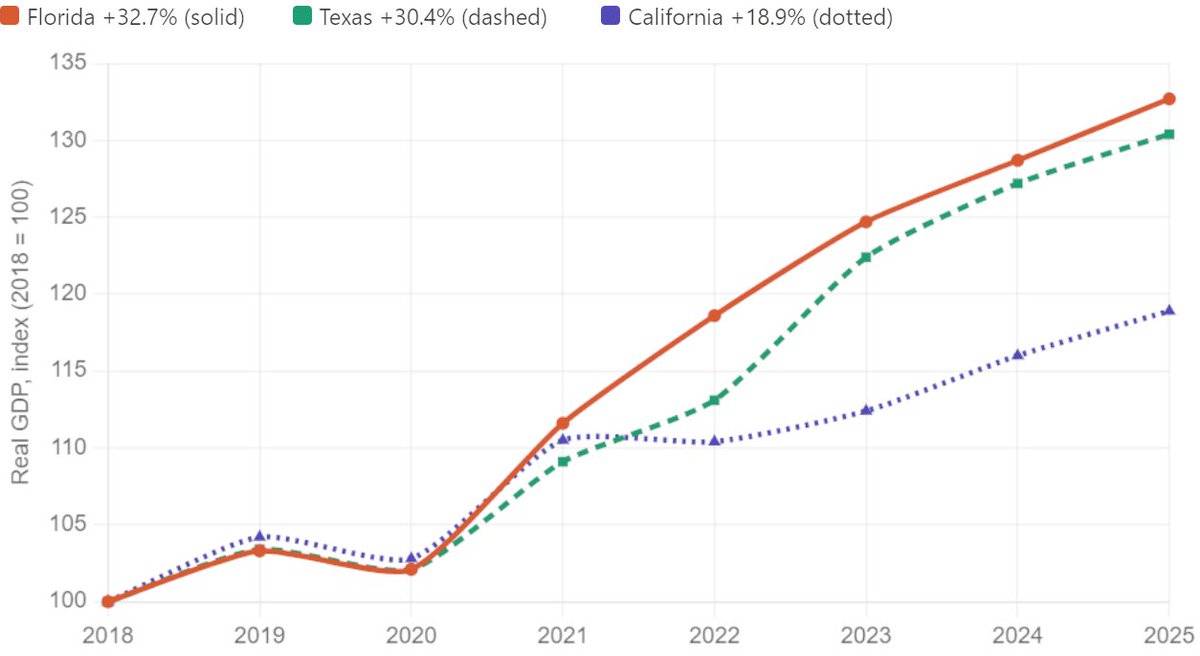
Most of the rest is framing. His office touts that GDP surged 40% since he took office in January 2019 to more than $4 trillion, a gain of $1.182 trillion, outpacing China (32%) and Germany (16%). Those are nominal, unadjusted dollars. US nominal GDP grew roughly 42-43% over the same 2019-2025 period, so a 40% nominal gain means California approximately matched, and arguably slightly trailed, the country it sits inside. In real terms the comparison is worse for his thesis: from the FRED series we pulled earlier, California's real GDP grew about 14% from 2019 to 2025, versus roughly 15% nationally, 26% for Texas, and 28% for Florida. The China and Germany comparisons mix exchange rates and inflation regimes and don't survive scrutiny.
The Texas claim is the slipperiest. The governor's office asserts that in 2025 California continued a 16-year growth streak, growing faster than Texas, and separately that California posted the largest dollar GDP increase in the fourth quarter at $44.5 billion, more than Texas, New York, and Florida. The dollar-increase framing is nearly meaningless: the largest economy will almost always post the largest dollar gain. And on 2025 annual real growth specifically, the FRED data shows it was effectively a tie, with California at 2.48% (3,306.9B to 3,388.9B) and Texas at 2.49% (2,221.9B to 2,277.2B), while Florida led the nation at 3.1%. The "faster than Texas" line only works in nominal dollars, where California's tech-driven price and income gains inflate the figure.
So the honest synthesis is that Newsom is describing the last twelve to eighteen months, where the AI capital expenditure boom has genuinely lifted California to or slightly above the national pace, and he's describing levels, where California remains the largest state economy and recently passed Japan in nominal terms. Neither rebuts the seven-year record in your chart. Notably, even sympathetic in-state observers make this point: Dan Walters at CalMatters wrote last month that Newsom's soaring-economy message omits tech layoffs, shrinking employment, and widening income gaps, and notes the state's cost-adjusted poverty rate of 17.7% is tied for the nation's highest. California's payroll employment actually declined in 2025 even as measured GDP rose, which tells you the recent growth is narrow, capital-intensive, and concentrated in a handful of firms rather than broad-based.
5
1
20
641
11h
BTW, I entered this prompt into Claude yersterday. Later that evening, Anthropic withdrew Fable 5.0, so I just got in under the wire.
5
170
Marc Joffe retweeted

Jun 13
If the socialists had their way, Elon would have had his paypal profits taken and redistributed for the greater good.
The world would never have seen Tesla, nor SpaceX.
And the world wouldn't know it, because they were uncreated, and thus unseen.
Imagine the companies that don't exist, because Washington destroyed them before they were born.
420
2,524
15,183
312,253
16h
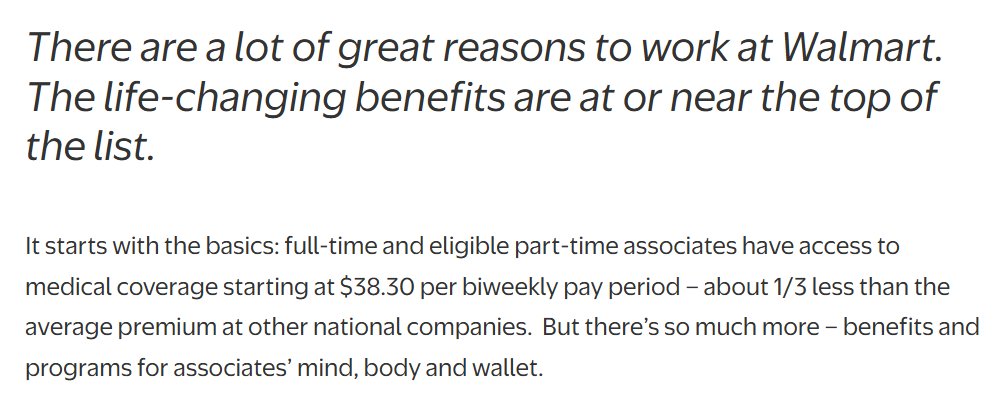
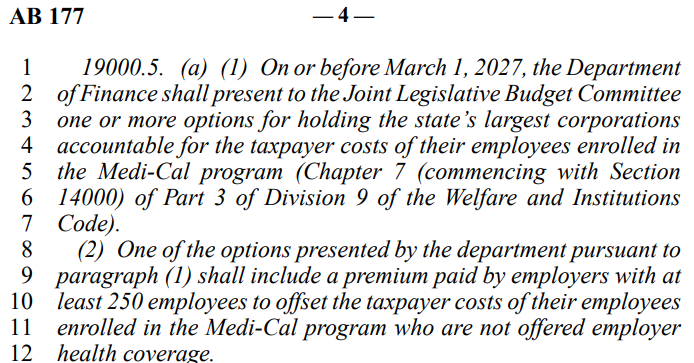
This provision of the California 2026-2027 budget just seems dumb: employers with over 50 employees are required to offer health coverage, so how would any be subject to #2? (takecommandhealth.com/blog/b…)
I look forward to be corrected if I'm missing something.
3
2
16
491
16h
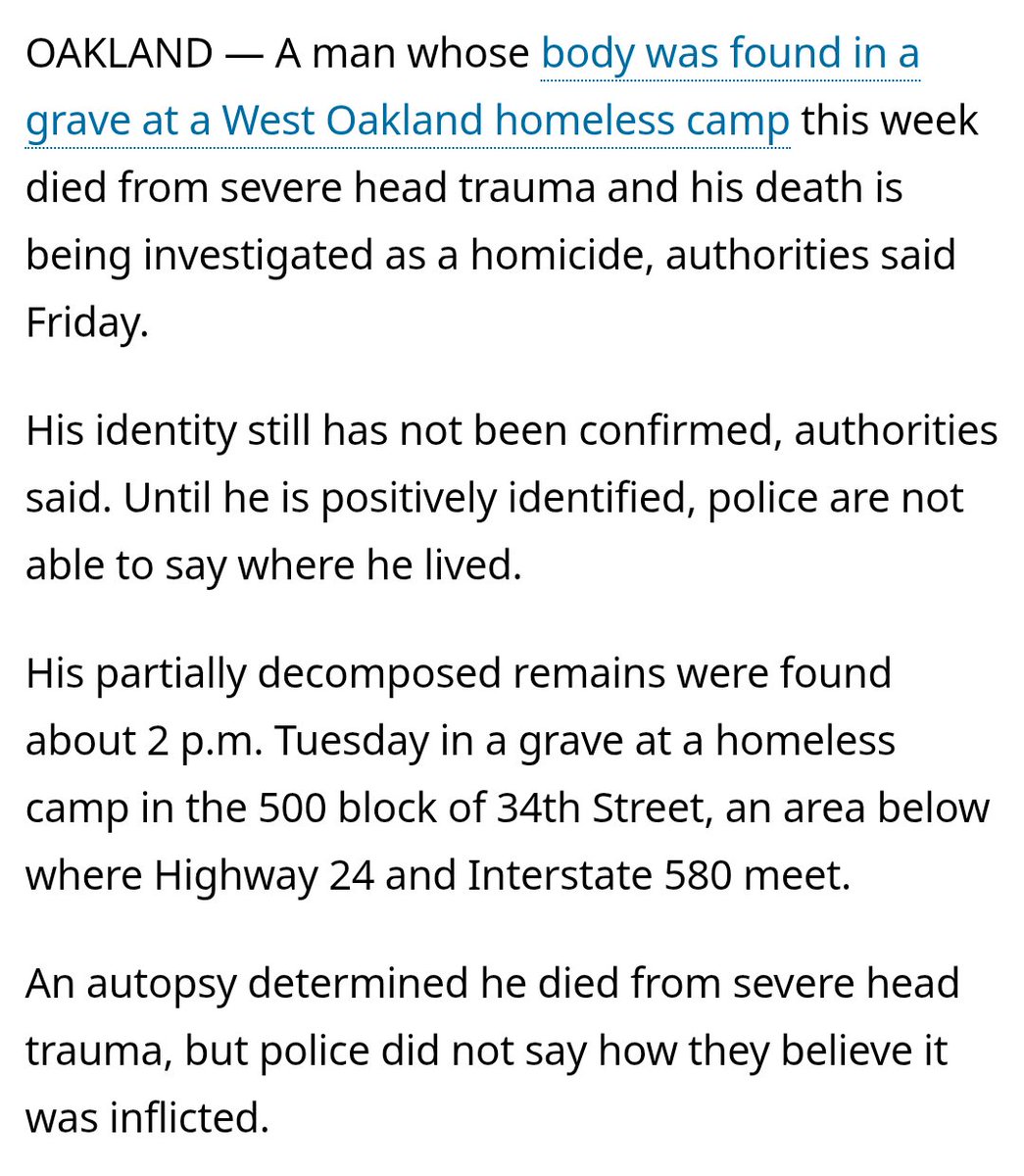
2 months ago someone was killed and buried at an Oakland homeless encampments. The body was found last week Why, in 2026, do we still have homeless encampments?
8
8
72
826
Jun 13
I thought the Trump Administration was supposed to be the light touch AI regulation alternative.
Now thanks to their heavy handedness, I and millions of others can no longer work with the best AI tool out there.
Jun 13

The US government, citing national security authorities, has issued an export control directive to suspend all access to Fable 5 and Mythos 5 by any foreign national, whether inside or outside the United States, including foreign national Anthropic employees.
The net effect of this order is that we must abruptly disable Fable 5 and Mythos 5 for all our customers to ensure compliance.
Access to all other Claude models is not affected.
We apologize for this disruption to our customers. We believe this is a misunderstanding and are working to restore access as soon as possible.
Read our full statement: anthropic.com/news/fable-myt…
1
1
2
374
Marc Joffe retweeted

Jun 12
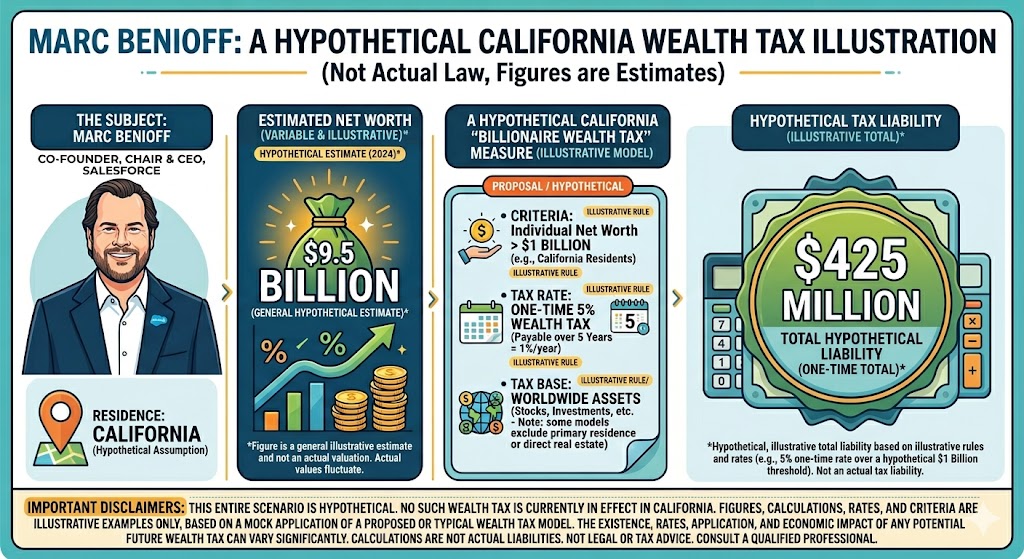
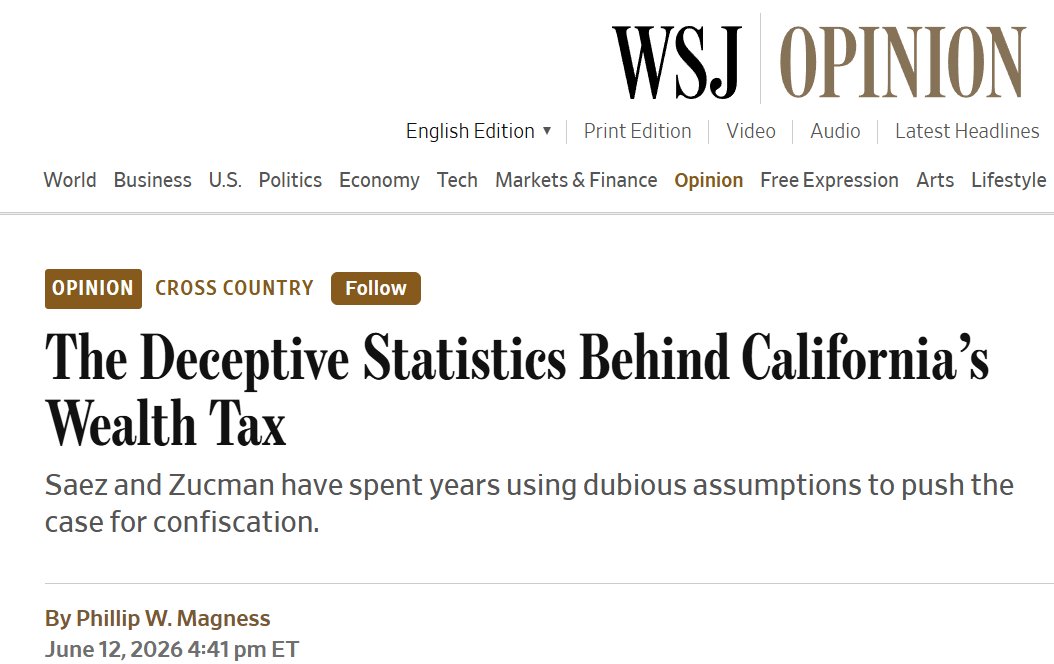
In my latest for the WSJ, I document how the California Billionaire Tax proposition is built on a bed of statistical lies and data manipulation by Gabriel Zucman and Emmanuel Saez, the two economists who helped design the proposal.
4
55
294
11,629
Marc Joffe retweeted

Jun 12
Let's review just a couple of Newsom's hammers to CA's fiscal health:
1. During COVID pandemic, Newsom ordered widespread business closures, causing millions of Californians to lose their jobs simultaneously. The state’s Unemployment Insurance Trust Fund was wiped out within weeks. To keep cutting unemployment checks, CA borrowed heavily from the federal Gvt, and as of 2026, achieved a milestone: It is the only state that has failed to pay back its $20 billion pandemic-era federal unemployment debt.
2. CA pays companies like Kaiser to administer its Medicaid programs, over $100 billion per year. CA taxes Kaiser on those payments on a per-person-insured basis. Yes! CA charges the Kaisers of the world a tax on payments CA is making to them. Billions in taxes. It then gives those taxes right back to the providers and characterizes the payback as additional Medicaid spending when reporting to the Federal Gvt. What is going on here? Why the shellgame?
CA gets federal funding for its Medicaid spending, so the more CA spends on Medicaid, the more it gets from Washington. This provider-tax-and-refund sleight of hand to rip-off the Federal Gvt is practiced by most states, but CA takes it to the extreme in violating one of the individual vs. commercial plan rules more intensively than elsewhere. And we've been getting away with this because CA got a waiver for those violated federal rules during Covid.
Biden continued the waiver at Newsom's request, well after Covid was over, but now, the GOP is killing the shell-game as of the end of 2026. This means that massive overcharging of the Feds by CA will end and CA will have to pay for more of its Medicaid spending without the excess grift off the Feds, including its support of healthcare for illegal aliens. The dollars are huge.
Meanwhile, the State of CA has over $250 billion in unfunded pension liabilities. And hundreds of millions in cases of waste, fraud and abuse keep appearing in the headlines. This is a fiscal nightmare. And Newsom has presided over all of it, completely incapable of competent management of existing programs, or being able to contain spending in ANY material way. This is a disaster.
Is it any wonder that politicians and government are held in such low regard? It isn't just the stories of waste, fraud and abuse. It isn't just nonsense programs funded to the hilt, having no metrics for success or consequences of failure. It is also the mind-bending size and complexity of government finance that enables massive grift and deception that we don't even know about, all in service of spending MORE AND MORE AND MORE. No wonder most people just look away, hoping it all magically goes away, or gets paid for by rich people. It is overwhelming, and far, far too large a problem to merely stick the rich. That can't even be a down payment, especially when most taxes are paid by higher income citizens already.
Don't look away. This is coming to your wallet with every single new proposal from local, state and federal government. Without massive cuts in spending, your income and your assets are all targets, regardless of your wealth.
@marcjoffe
2
6
169
Jun 12
Unions representing election workers contribute to races decided by the votes they count. It's a conflict of interest worsened by the fact that California has centralized vote counting activities at county facilities. New from me in the @ocregister. ocregister.com/2026/06/12/th…
5
27
77
2,149
Jun 12
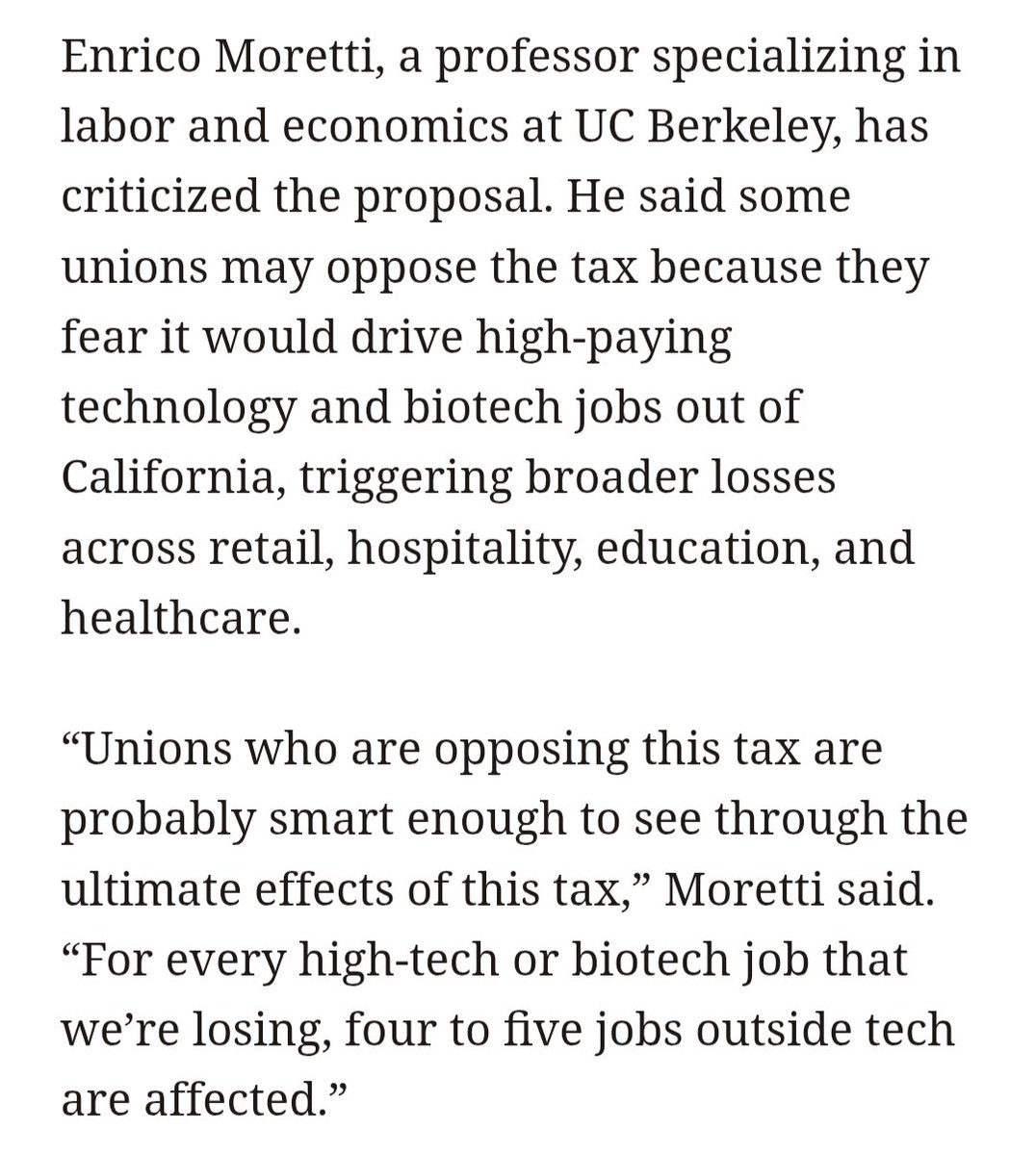
Good to see at least one UC Berkeley economist sensible enough to oppose the Billionaire Wealth Tax. I was afraid that the whole faculty had become Communists.
1
4
22
376
Marc Joffe retweeted

Jun 11
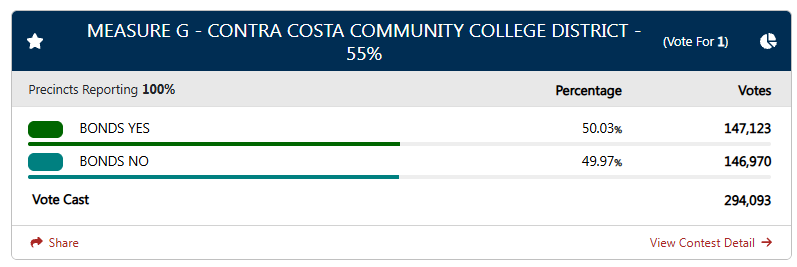
🗳️ Bay Area voters are beginning to say no to tax increases. Including Democrats.
June 2nd Primary election results for all Bay Area county tax measures.
FAILED ❌
- Contra Costa County Measure B ($750M sales tax increase)
- Oakland Measure E
- Contra Costa CCD Measure G
- Castro Valley USD Measure B
- Hayward USD Measure G
- Walnut Creek SD Measure L
- Oakley USD Measures J & K
- Palo Alto USD Measure B
- Bellevue USD Measure C
- San Francisco Prop D
- El Cerrito Measure C
PASSED ✅
- Peralta CCD Measure A
- Piedmont USD Measure H
- Lafayette SD Measure H
- Moraga SD Measure I
- Kentfield SD Measure C
- Larkspur-Corte Madera SD Measure D
- Mill Valley SD Measure E
- Novato USD Measure G
- Ross Valley SD Measure H
- Sausalito Marin City SD Measure I
- Fairfax Measure J
- San Rafael Measure K
- Firehouse Community Park Measure L
- Muir Beach CSD Measure M
- San Francisco Prop A
- Ravenswood SD Measure A
- Brisbane SD Measure B
- Redwood City ESD Measure C
- San Jose Measure A
- Franklin-McKinley SD Measure C
- Santa Clara Valley OSA Measure D
- Twin Hills USD Measure A
- SMART Measure B
The tax revolt wasn't universal, but voters rejected several of the largest tax and bond proposals on the ballot—including Contra Costa's countywide sales tax increase.
14
19
37
1,408
Jun 11
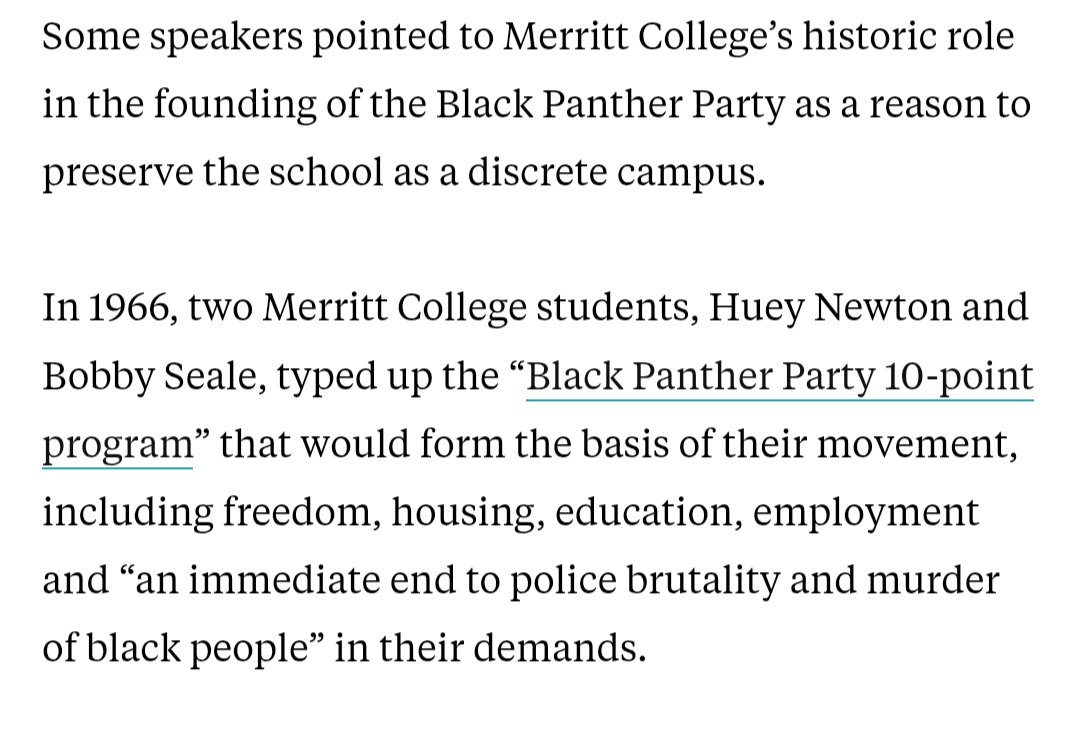
Merging 2 low-enrollment community colleges in Oakland is a good, cost saving move.
But some oppose it because 2 convicts formed the violent Black Panther Party at one of them.
It's not like the campus is even going away: it'll just have a different name.
1
2
29
853
Jun 11
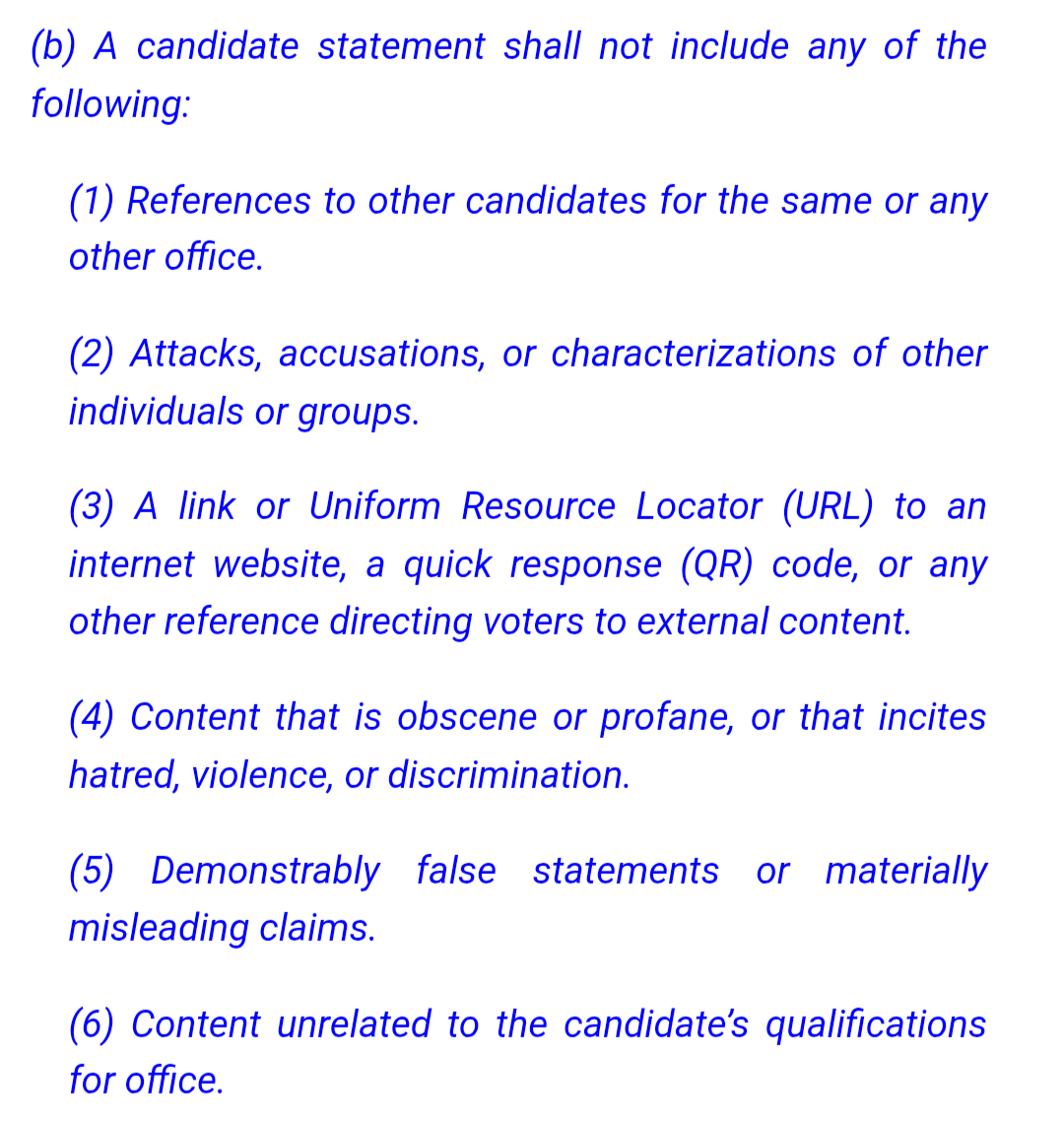
AB 1853 creates a censorship regime for candidate statements in California ballot guides.
Does anyone believe that state and local officials will wield these new censorship powers fairly?
9
7
26
780
Jun 11
1 dead and 1 sickened from a bacterial outbreak in Berkeley. "Both individuals lived together in a recreational vehicle in which they had been trapping, feeding and breeding wild rats. In addition, the vehicle was severely infested with wild rats that were not in cages."
berkeleyca.gov/sites/default…
69
73
425
63,424
Marc Joffe retweeted

Jun 9
🤣 Bay Area transit execs @MTCBATA are melting down over Clipper 2.0 being a “hot mess”… while they’re the exact same execs that sit on the Clipper Executive Board that’s been managing the disaster for years.
BART GM Powers: “Cubic has zero credibility!” Bob… that’s YOU admitting YOU have zero credibility😂
Taxpayers really supposed to give them more money in November? sfchronicle.com/sf/article/c…
1
4
19
875
Jun 11
And we're expected to pay another $1 billion per year in sales taxes to maintain this level of "service"?
Jun 11

ATTENTION: Customers are currently unable to add value through the Clipper website and mobile app, as well as ticket machines and retailers. We apologize for the inconvenience.
5
6
35
2,487
Jun 11
I have a modest proposal for you guys to trash.
Let's get rid of Clipper cards entirely. Everyone pays full fare with a credit card, debit card, or phone.
Those that need a break: send a request to the MTC for a check to offset fare costs. Use AI to determine eligibility.
6
11
483
Jun 11
Also, reduced fares should only be based on income. Affluent seniors can and should pay full fare which is still a small fraction of the cost for providing service.
2
5
381
Jun 11
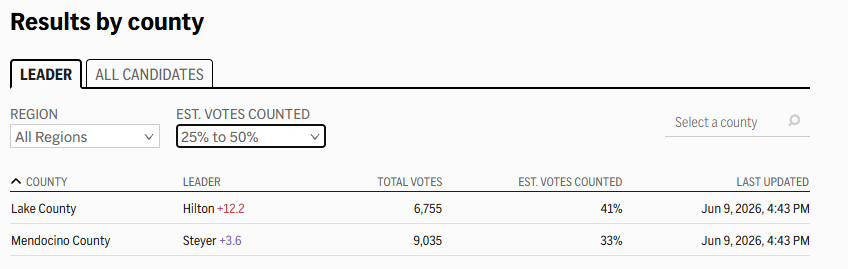
WTF is going on in Lake and Mendocino Counties? Is this drug related?
8
4
17
2,043