
Software designer | UI/UX • Framer developer • Web3
Joined November 2023
- Tweets 18,159
- Following 1,616
- Followers 1,979
- Likes 11,375
275 Photos and videos

Pinned Tweet

25 Apr 2025
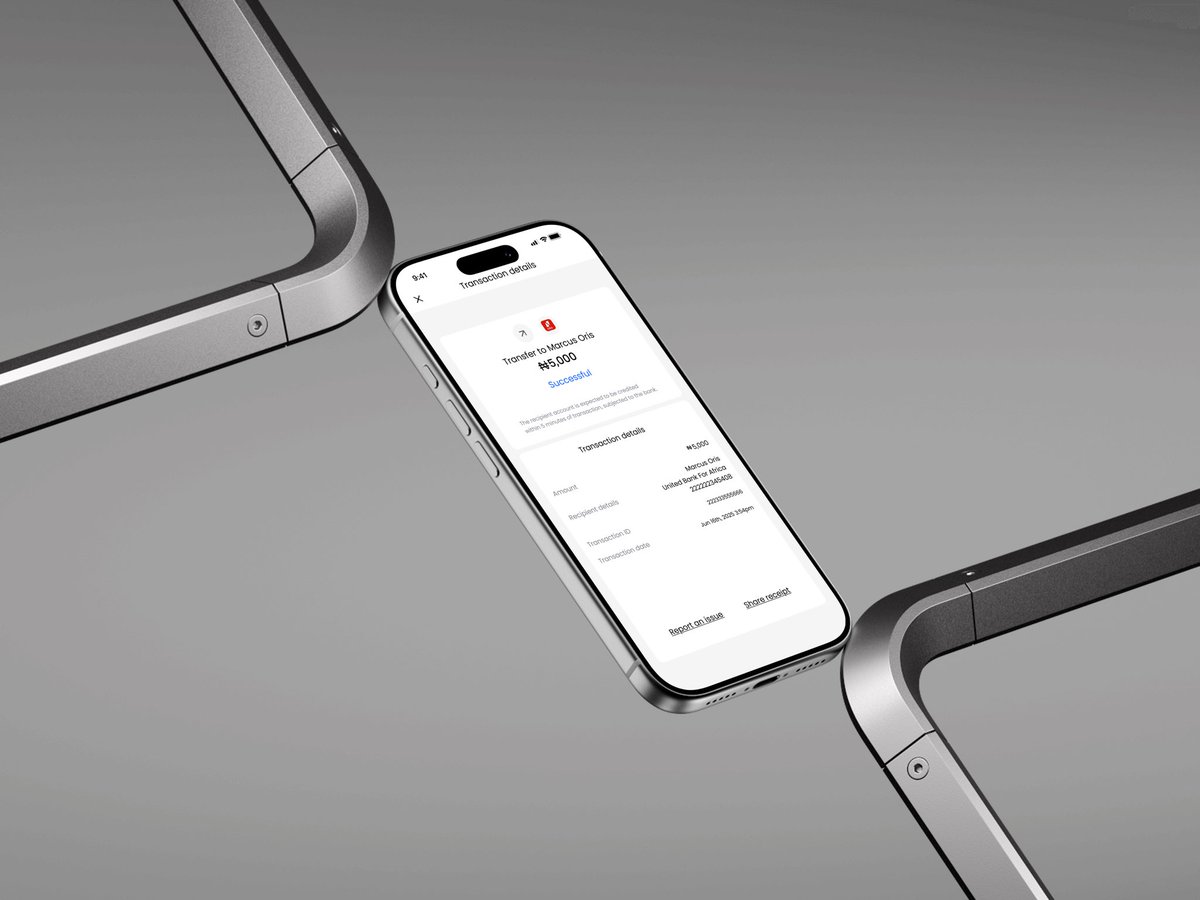
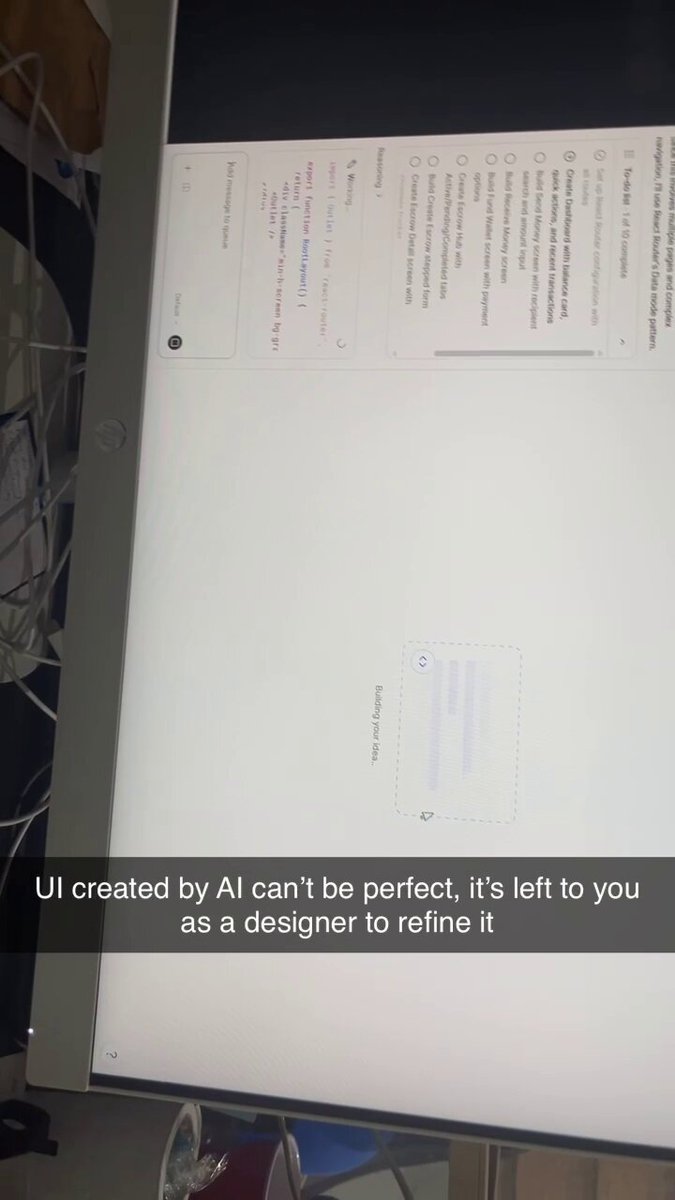
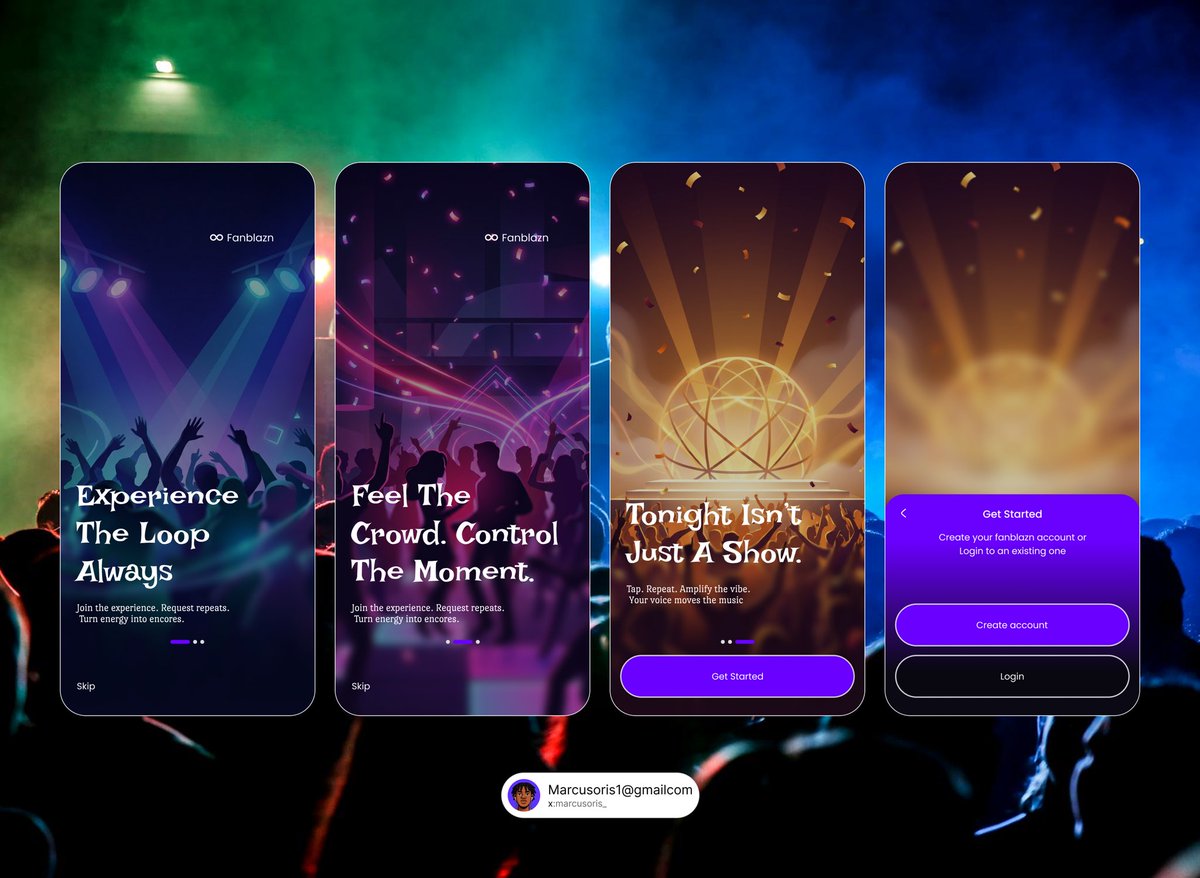
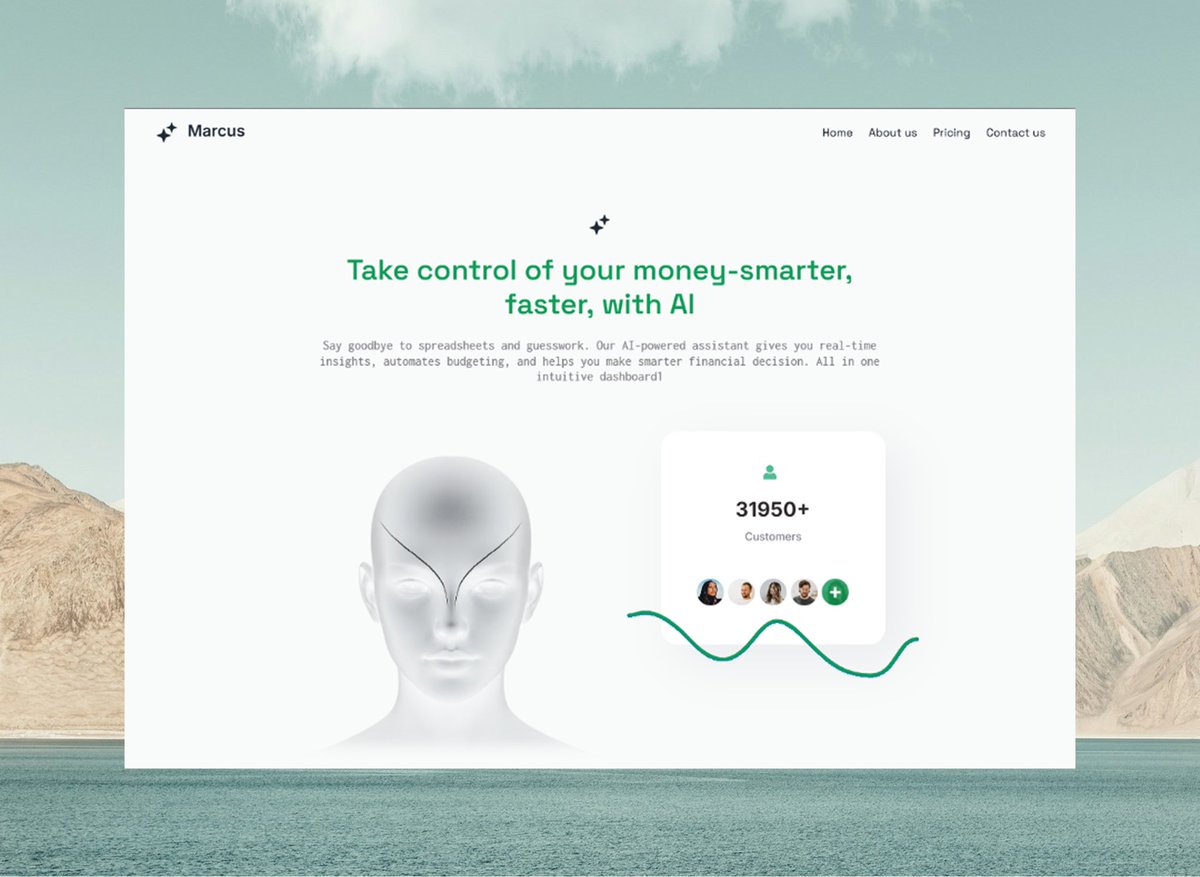
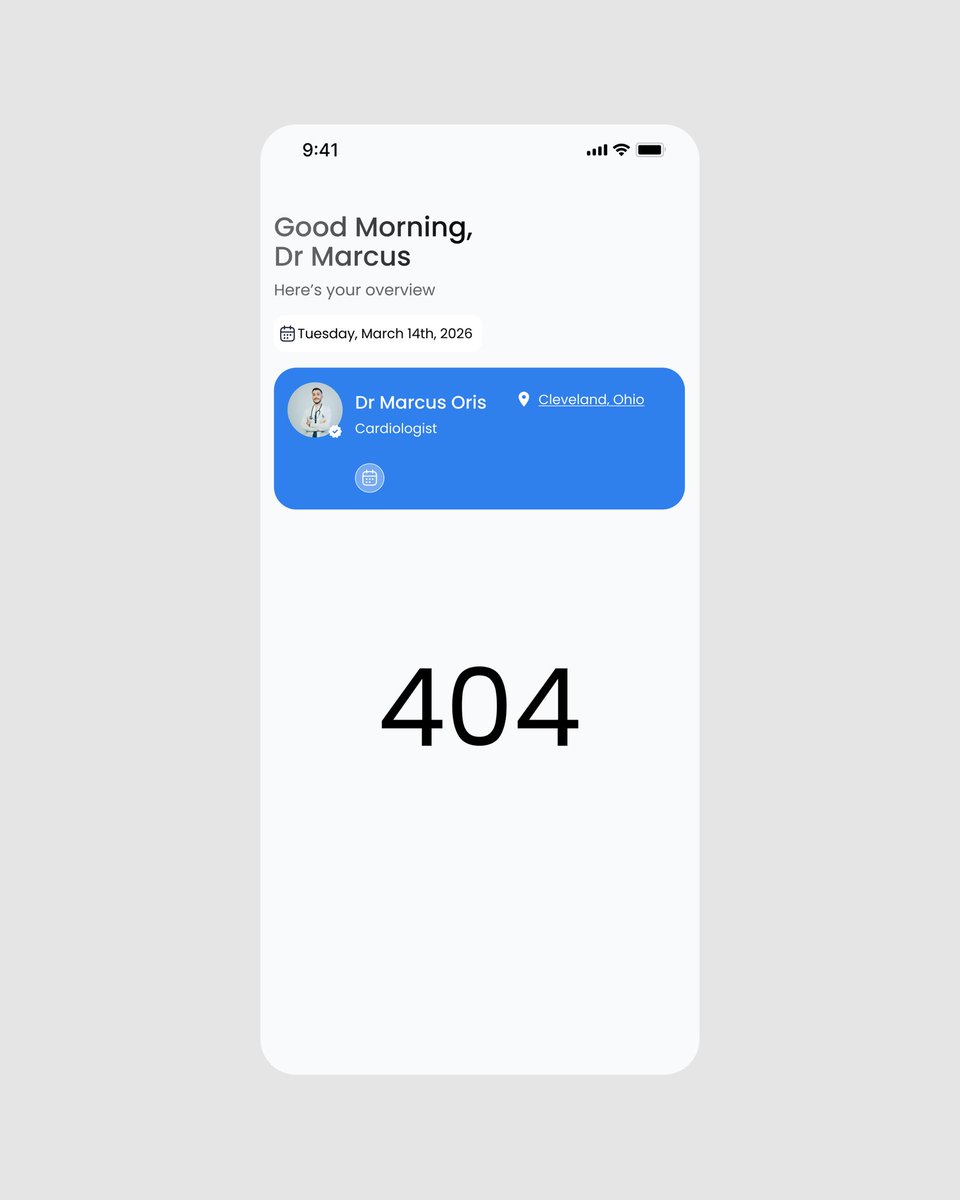
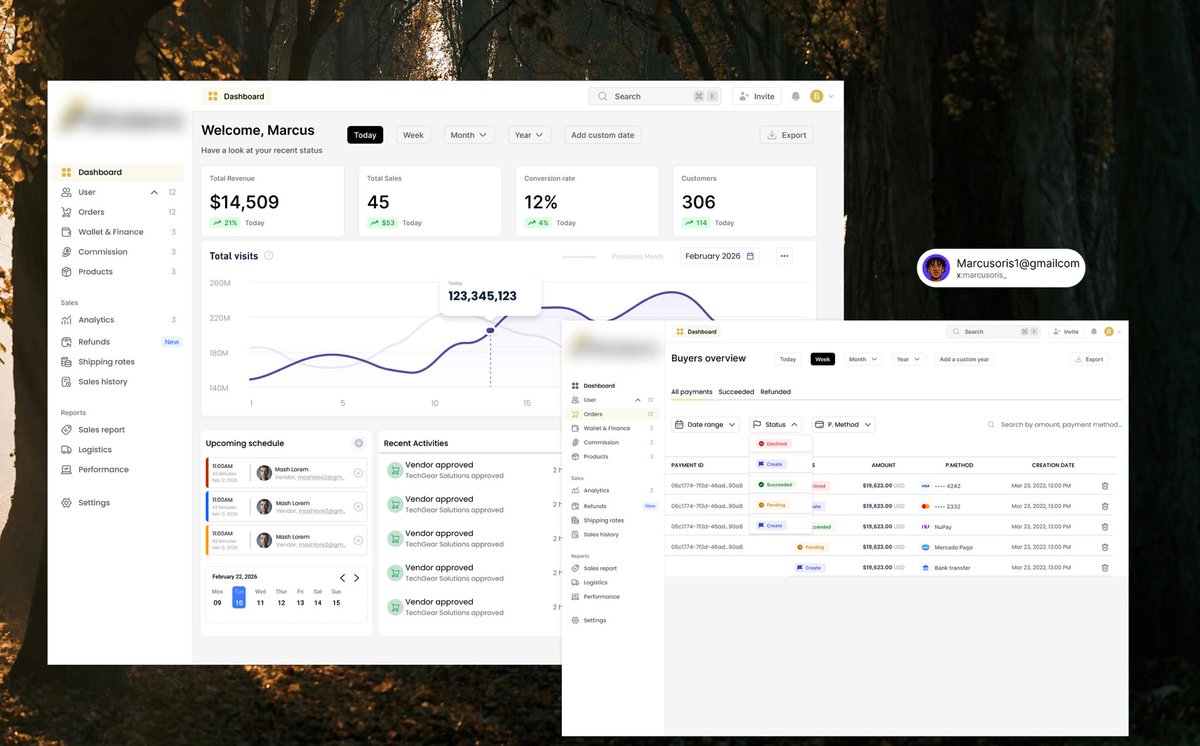
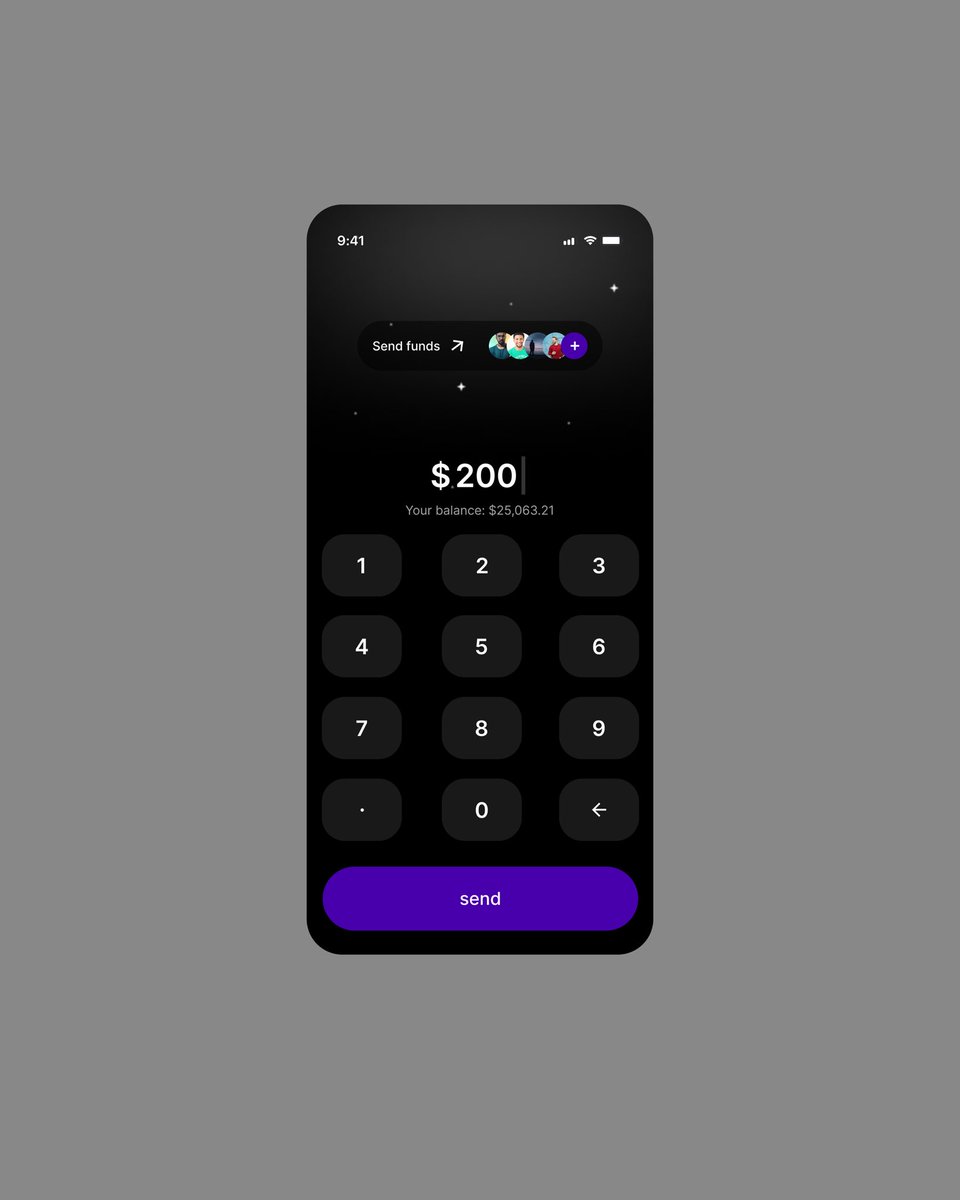
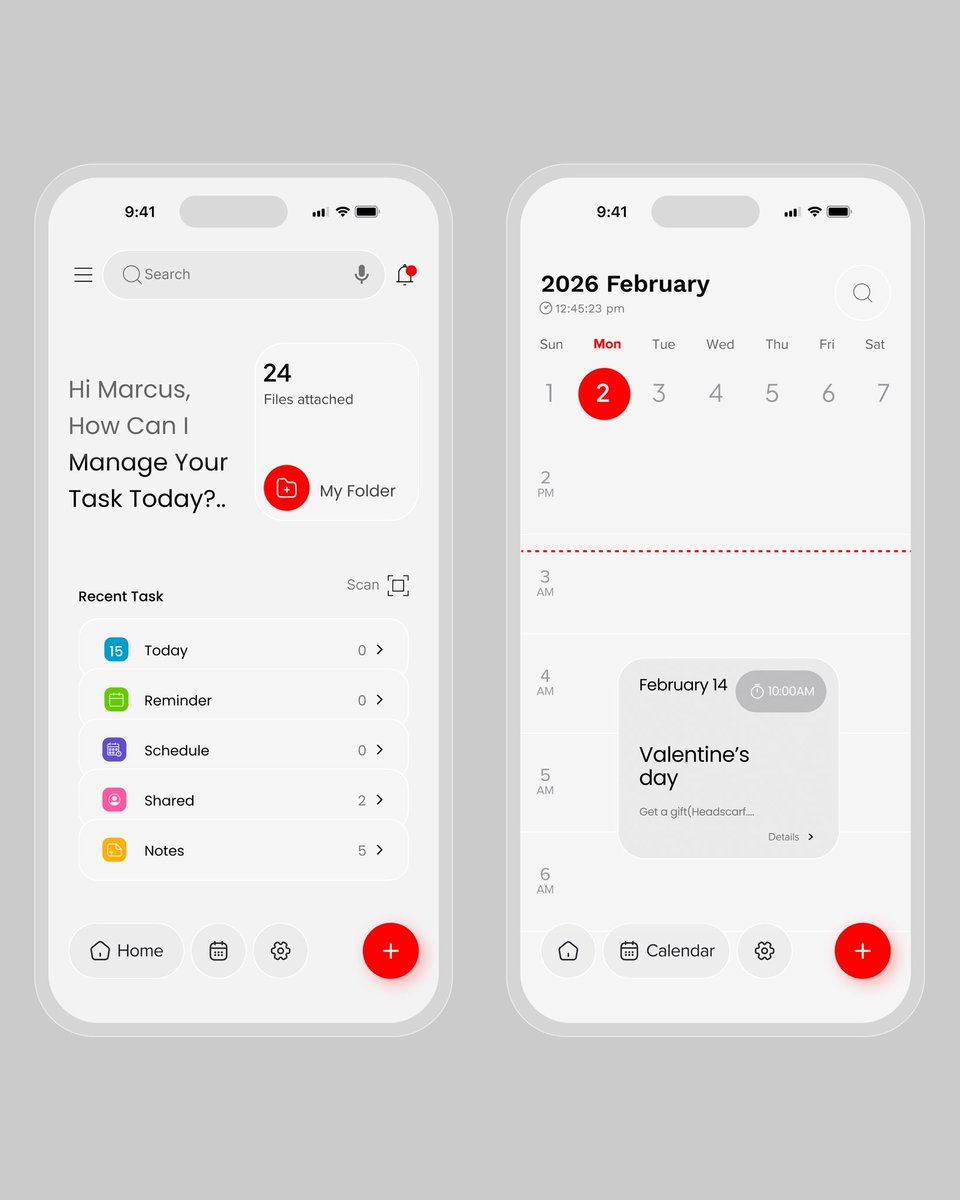
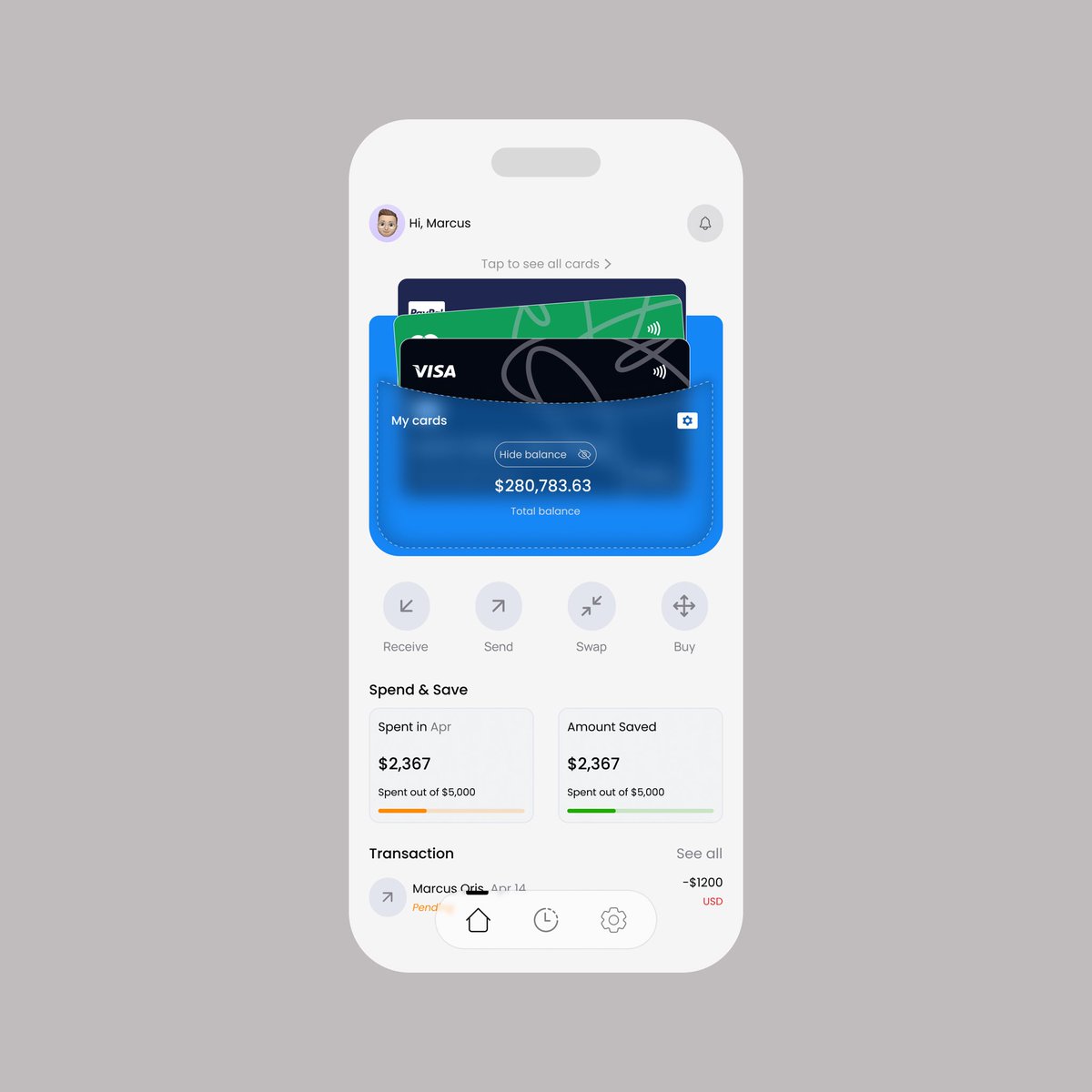
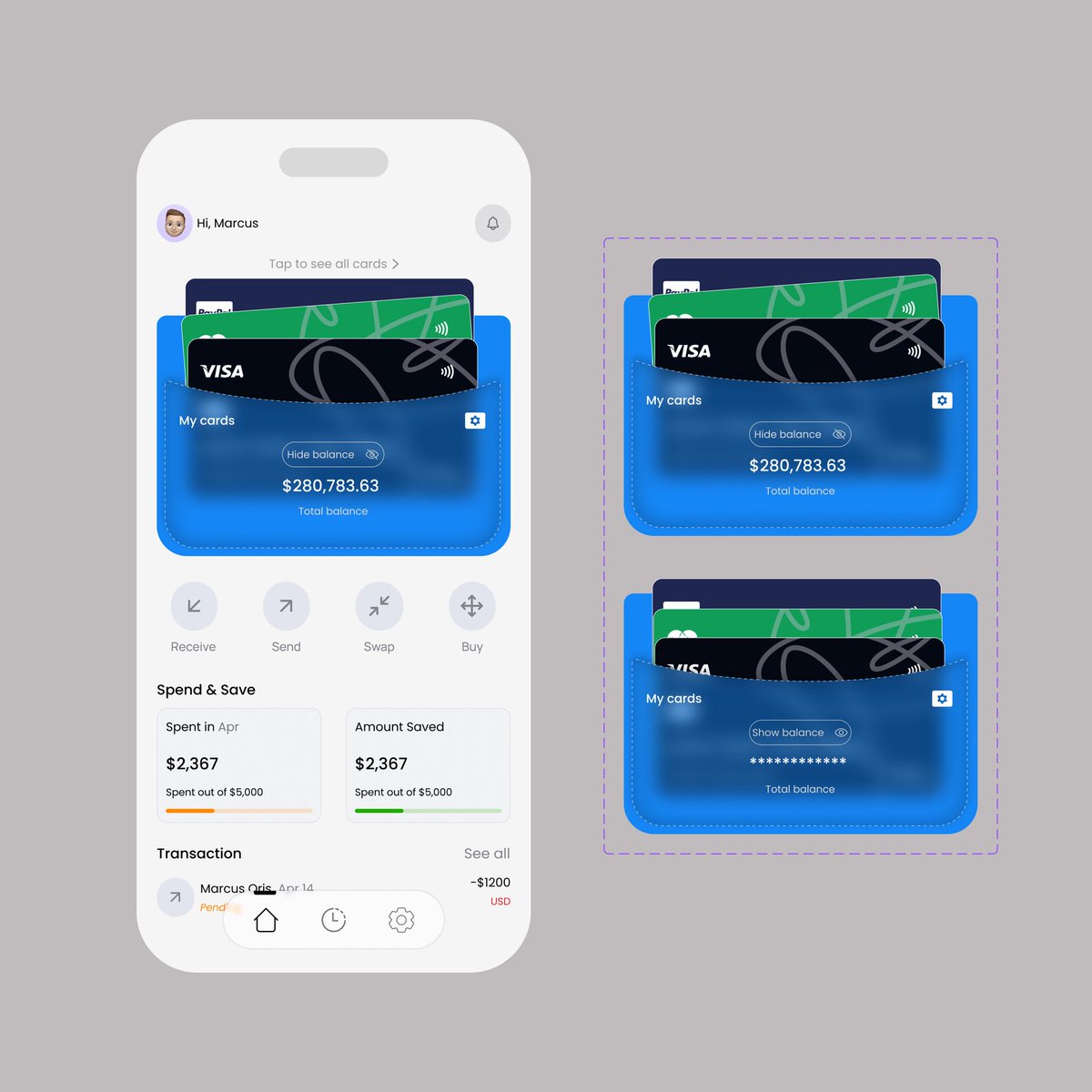
Was super late to this but its not too late to post what i designed as well.
32
28
347
16,024
Marcus | Ui/Ux🇫🇷 retweeted

Jun 9
If I told you “I love you” last week, please ask me for an update.
1
3
53
Marcus | Ui/Ux🇫🇷 retweeted

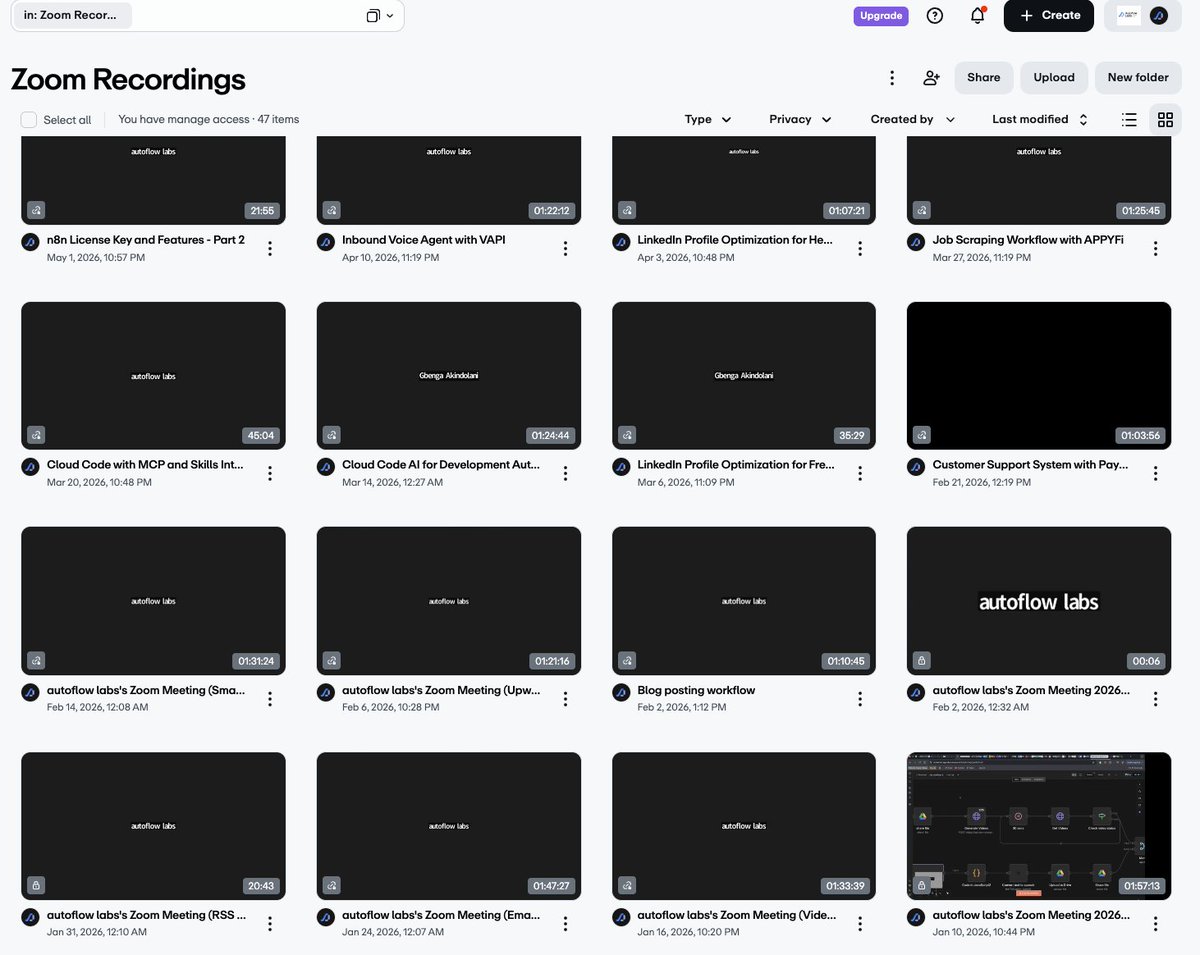
I keep getting DMs asking if I still teach automation. Short answer: not live, I don't have the time anymore except maybe to guide.
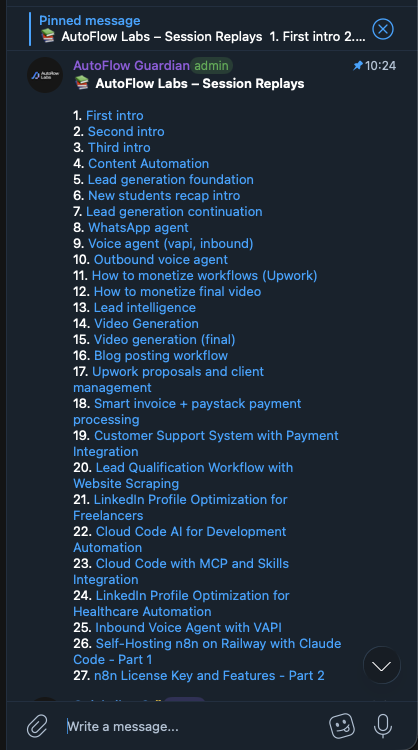
But @realodutola and I have 27 recorded sessions under @autoflow_labs covering 99% of automation niches. Chatbots, inbound/outbound voice agents, RAG/OCR, Claude Code & MCP, WhatsApp agents, Paystack invoicing, in-depth Upwork monetization and more
The same material we used to train 200 students. Thinking of packaging it as a self-paced course or not.🤔
16
6
83
3,825
May 24
I actually sabi this work o😂, I fell off I need to lock in again!
Jan 30

The reason its called a Hero section is because, it save and protect users by providing solutions to their problems 🙂↔️
1
38
May 18
“It all gets better with time”, that’s what they all say, but what if you don’t have time..¿
1
2
16
Apr 29
Una Dey owe rent??

Claude now connects to the tools creative professionals already use.
With the new Blender connector, you can debug a scene, build new tools, or batch-apply changes across every object, directly from Claude.
2
109
Marcus | Ui/Ux🇫🇷 retweeted

Apr 25
Learn coding before learning vibe coding
Learn coding before learning vibe coding
Learn coding before learning vibe coding
Learn coding before learning vibe coding
Learn coding before learning vibe coding
Learn coding before learning vibe coding
Learn coding before learning vibe coding
2
6
170
Apr 25
Is there any app I can use to unfollow multiple people on IG?
1
79
Marcus | Ui/Ux🇫🇷 retweeted

Apr 18
This is probably the most confusing time for anybody trying to get into UI/UX design.
Everywhere you look, something new is happening. New AI tools, new updates, new claims about how designers are being replaced. It feels like the entire space is moving at a speed that doesn’t give you time to even settle in. One minute you’re learning the basics, the next minute you’re wondering if the basics even matter anymore.
And the truth is, nobody can give you a definite answer.
Nobody can say for sure if this is just another wave of hype, something like the Dot-com bubble, or if this is the beginning of something permanent. But what is clear is this: design itself hasn’t lost its value. The tools you’re learning haven’t suddenly become useless. The ground is shaking, yes, but it hasn’t disappeared.
The real danger right now isn’t AI. It’s the noise around it. The pressure to jump on everything at once. The feeling that if you’re not chasing every new tool, you’re already behind.
So instead of trying to figure out everything, you narrow your focus.
1. Get good at the basics
This is your foundation. Typography, hierarchy, spacing, contrast, layout. These are the things that actually make a design work. AI can generate something that looks okay, but it doesn’t truly understand why something works or feels off. That understanding is what separates you.
2. Stick with your tool and learn it properly
Whether it’s Figma, Adobe, or anything else, the tool is just a medium. Jumping from one tool to another too early only slows you down. Depth matters more than variety at this stage.
3. Use AI to support your workflow
Let it help you move faster. Let it help you explore ideas. But keep your thinking active. The moment you stop thinking and start depending completely on it, your growth slows down without you even noticing.
4. Stay balanced about the future
Maybe AI slows down. Maybe it keeps growing. Either way, the safest position is to be grounded in your skill while staying aware of how AI fits into your process. That balance keeps you from falling too far in either direction.
At the center of all of this is something simple that’s easy to overlook:
The tool has never been the thing that makes a designer good.
It’s your eye. Your judgment. Your understanding of how things should look and feel. That’s what carries over, no matter what tool you open, no matter how much technology changes.
So while everything around you feels loud and uncertain, your path doesn’t need to be.
Focus on the basics.
Practice deliberately.
Use AI, but don’t lean on it.
Because when all the noise settles, the people who stand out won’t be the ones who chased everything.
They’ll be the ones who actually understand what they’re doing.
22
60
230
6,867
Marcus | Ui/Ux🇫🇷 retweeted

Apr 19
4
4
5
194
Marcus | Ui/Ux🇫🇷 retweeted
Apr 19
1
3
3
74
Marcus | Ui/Ux🇫🇷 retweeted
Apr 17
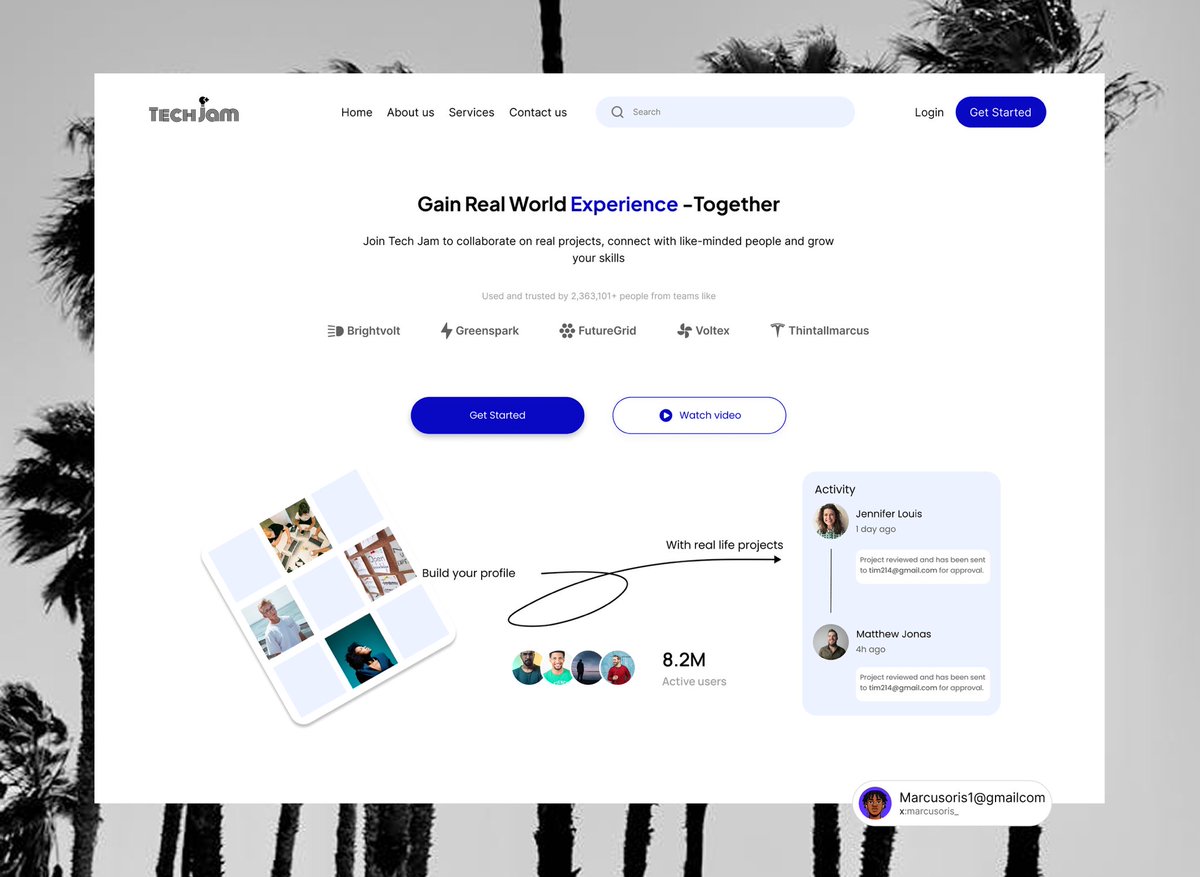
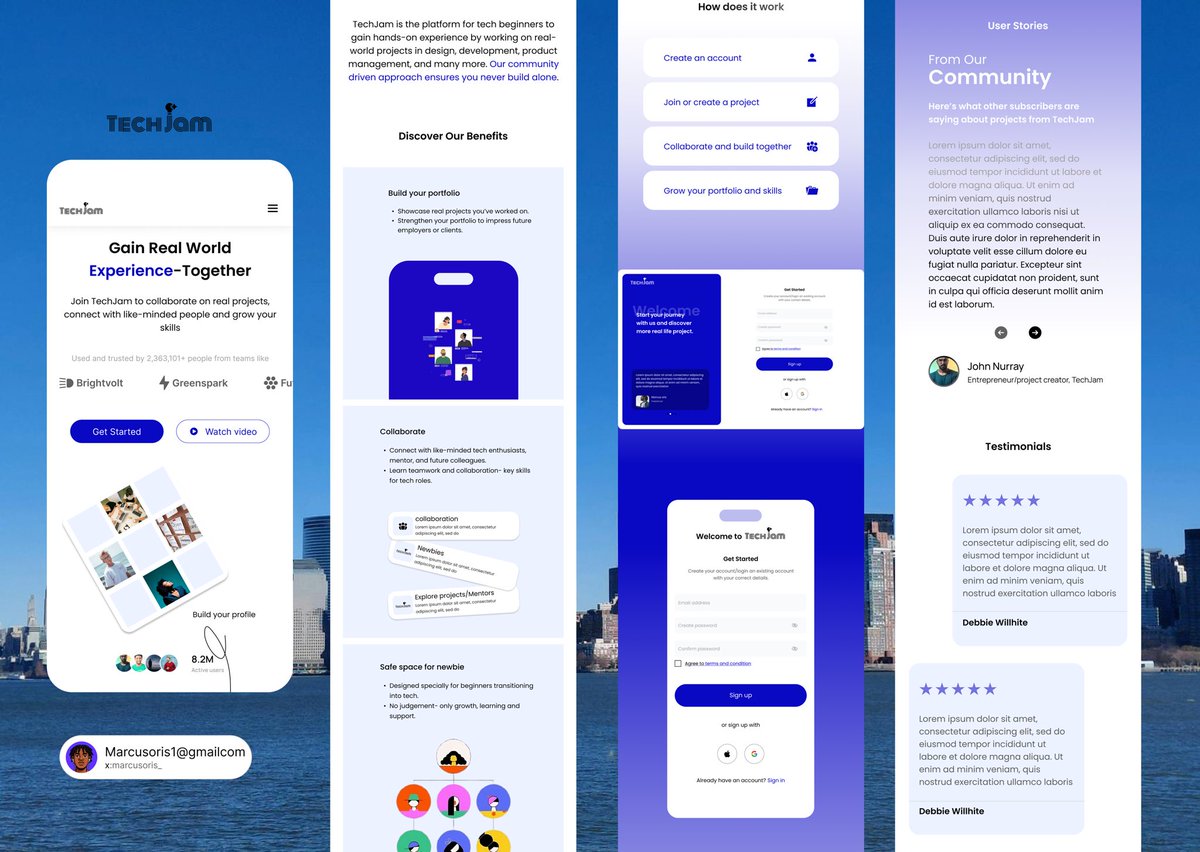
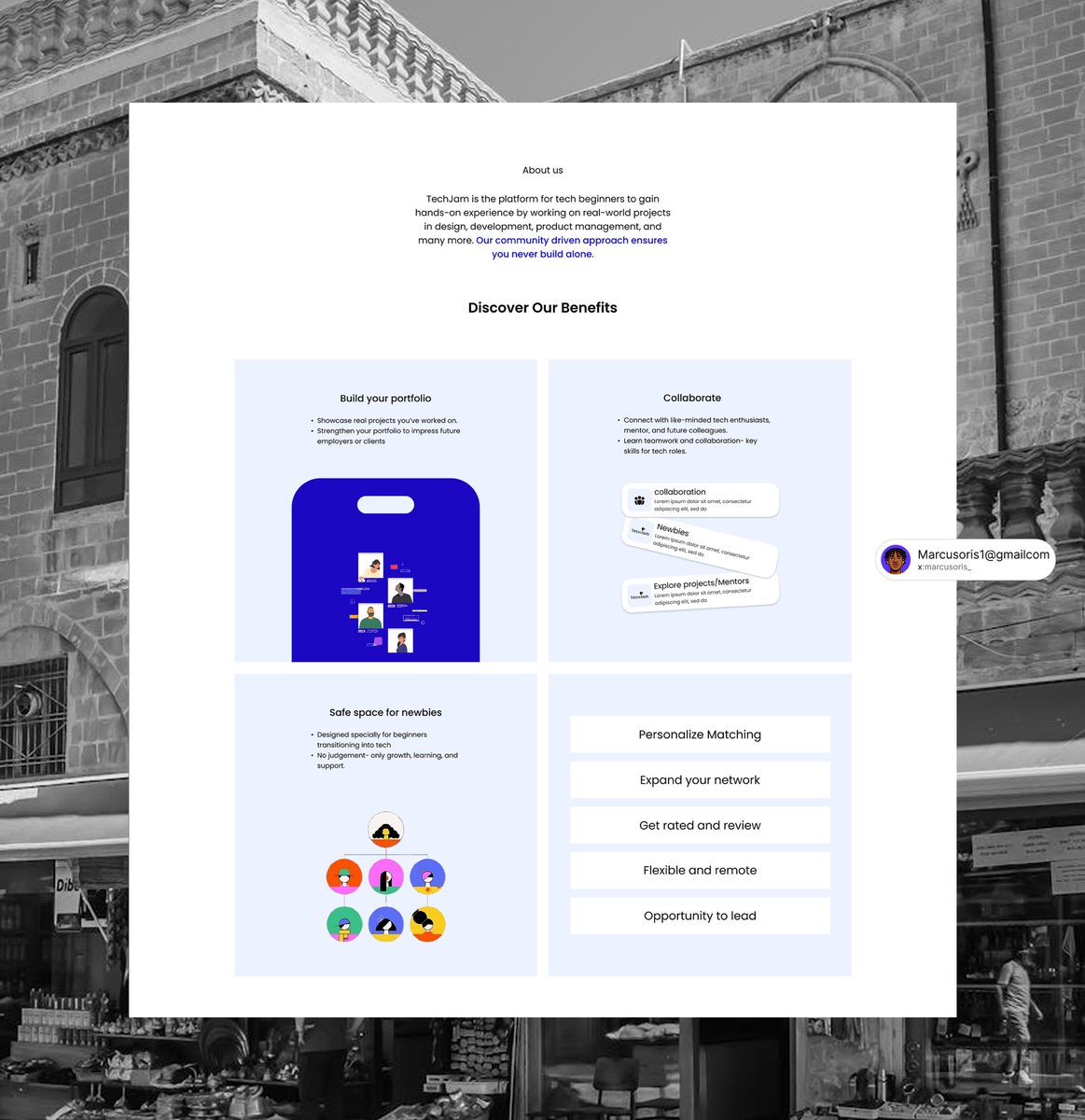
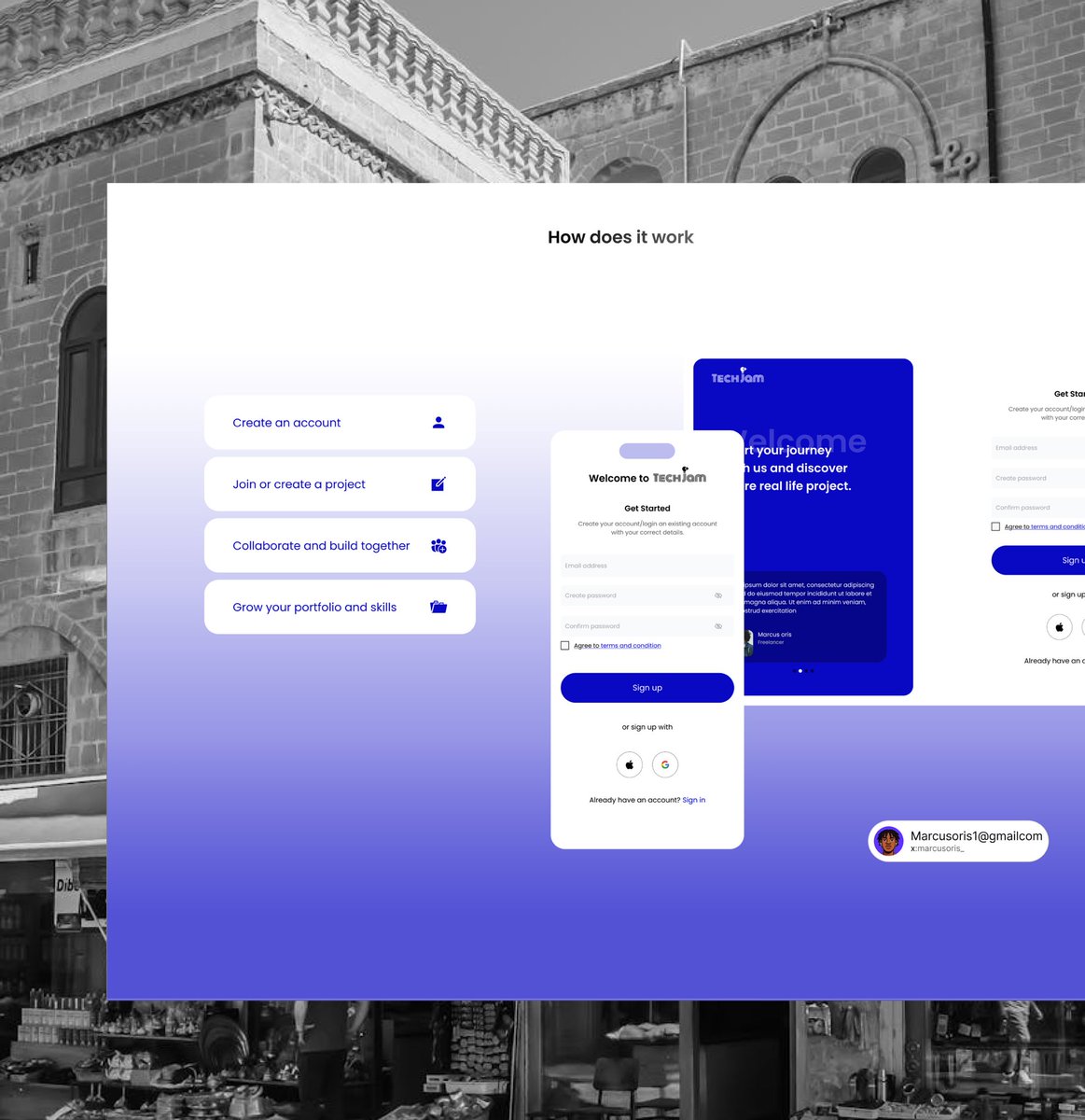
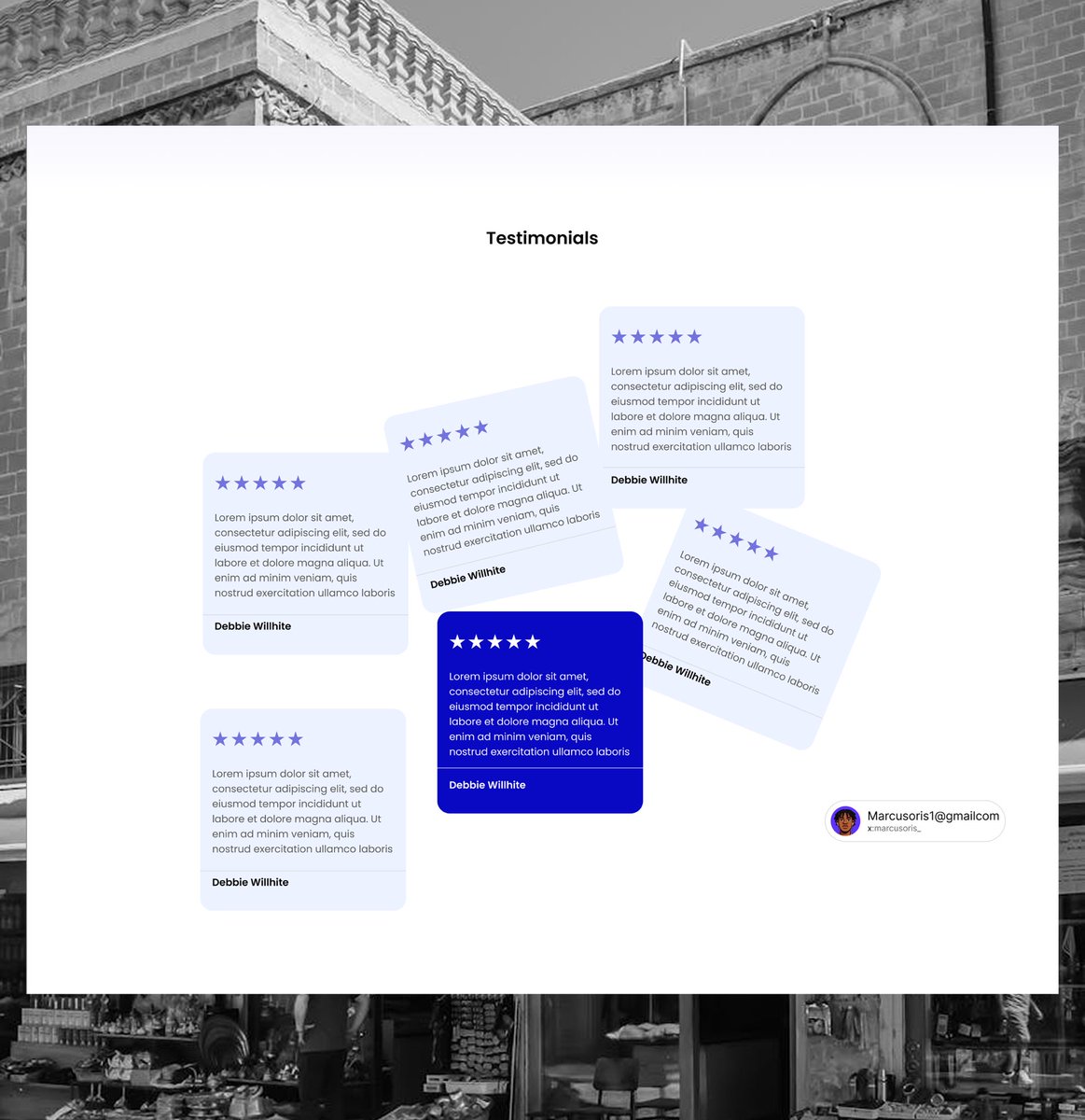
So I have been working on this project for a while, it’s a platform where newbies in tech get to connect, work and collaborate on real life projects.
Check out the website link below, 🚧
tech-jam-dun.vercel.app/
1
1
169
Apr 16
Drop a cartoon or animation that beats Avatar, both in visuals or storyline. None!!!
1
58